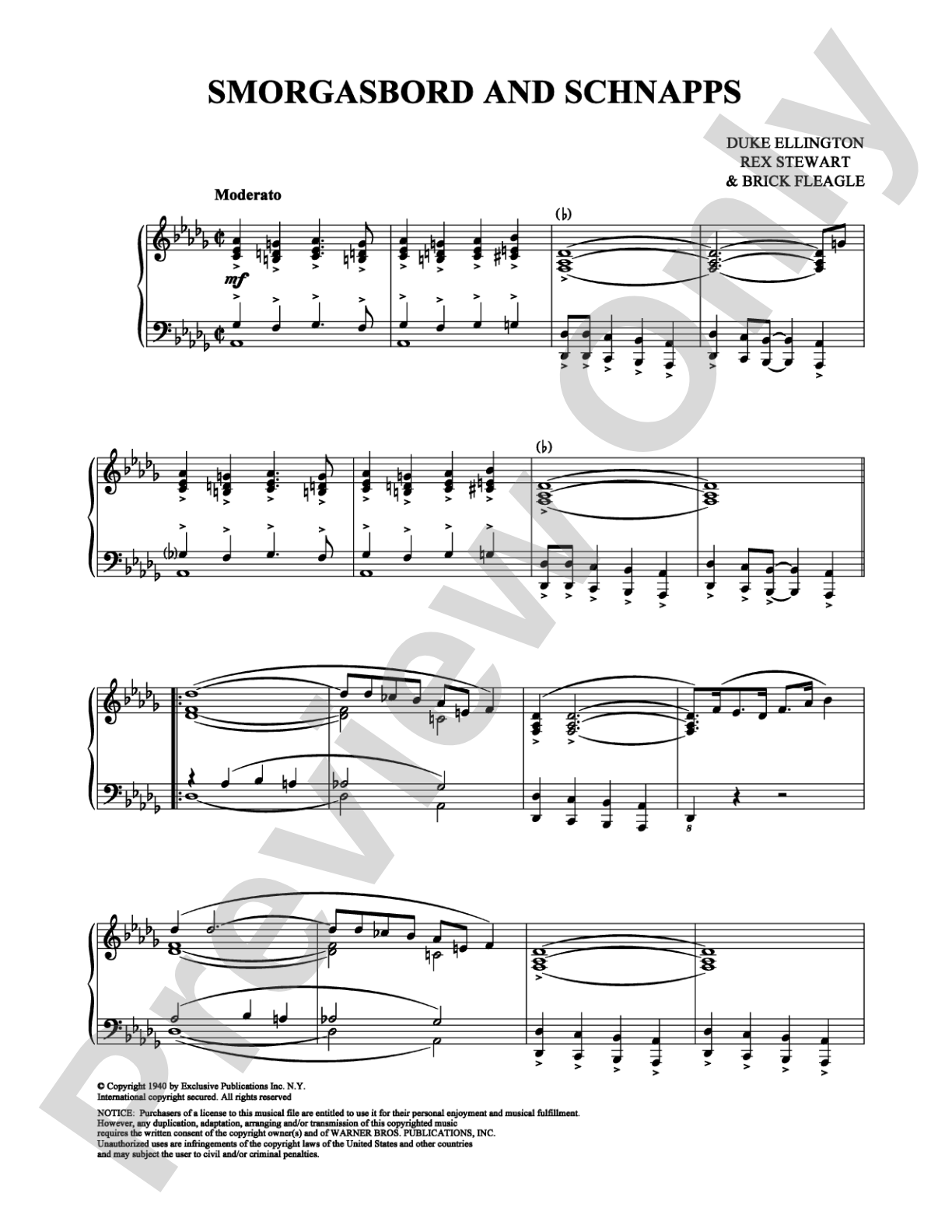
Duke Ellington (1899-1974) reshaped American music by elevating jazz from dance halls to concert halls. A composer, bandleader, and pianist of uncompromising sophistication, he created thousands of works that blended blues, stride piano, orchestral color, and harmonic innovation into a body of music that transcends genre boundaries. His influence on jazz standards, American classical music, and music education remains immeasurable.
Ellington's approach to composition treated each ensemble member as a voice in an extended conversation. He understood the piano as both a compositional laboratory and a performance instrument, and his solo works reveal the same harmonic adventurousness and rhythmic subtlety that defined his orchestral writing. For educators, Ellington's music offers students a pathway into understanding how jazz thinking deepens musicianship.