

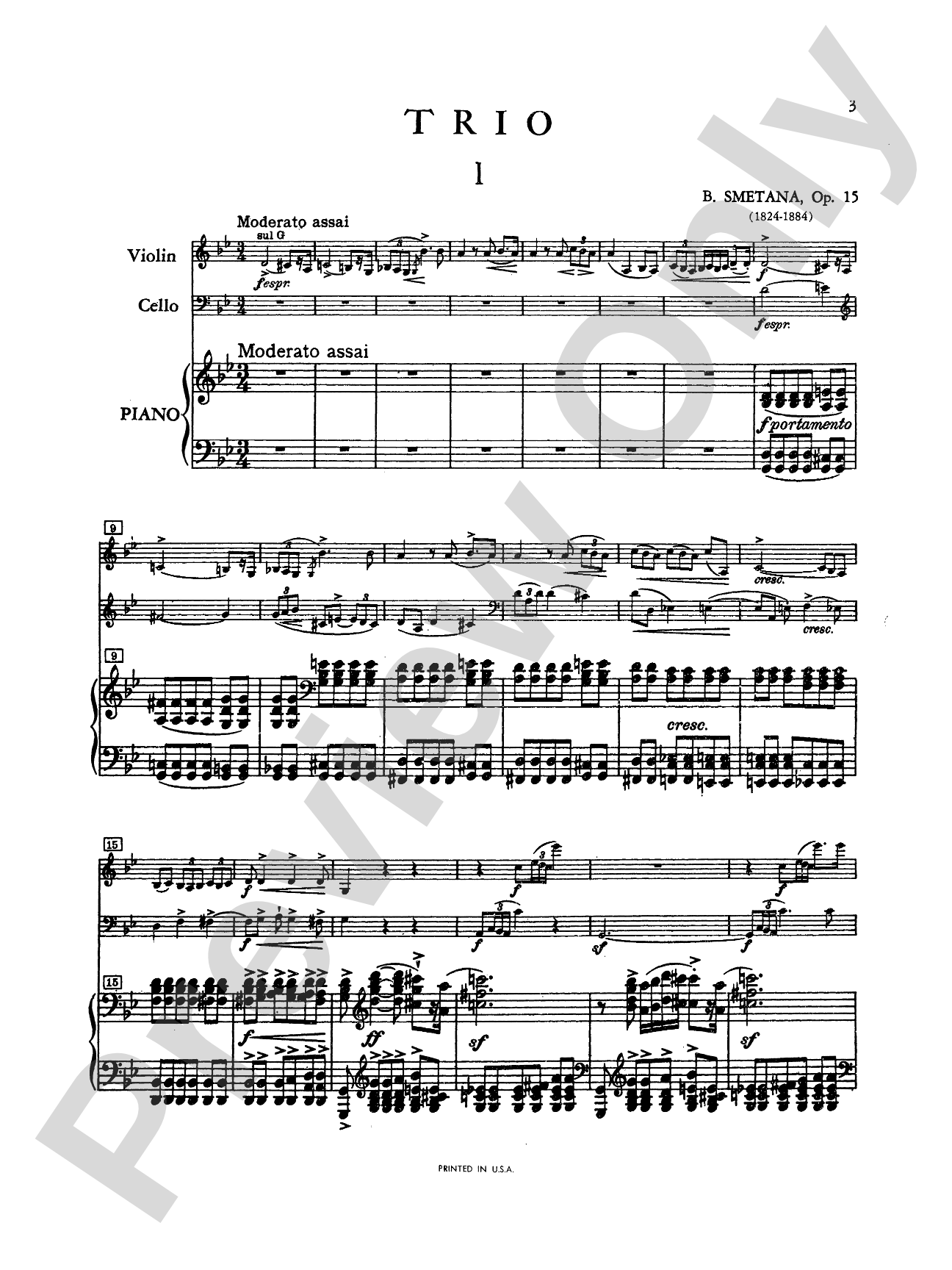
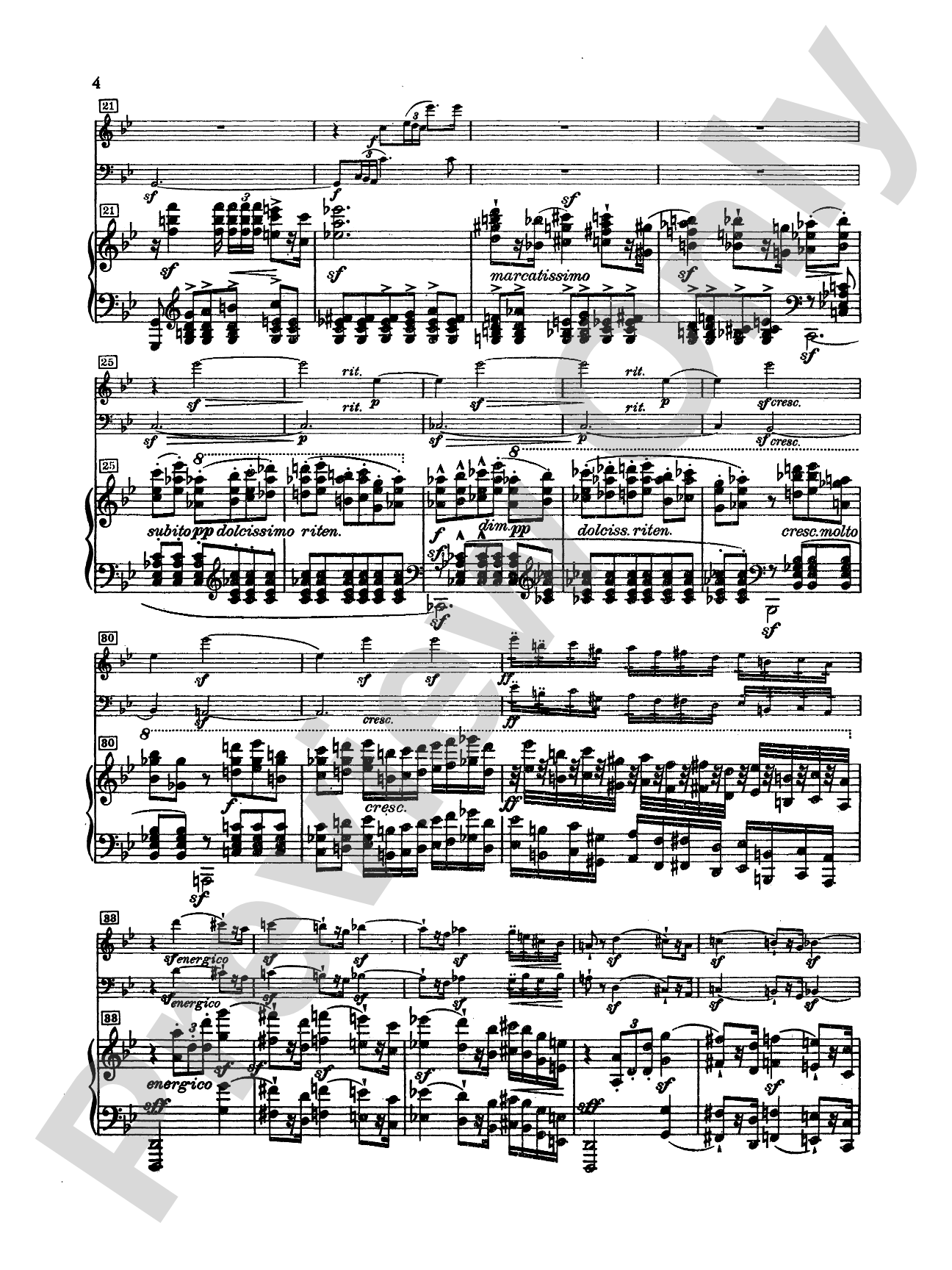
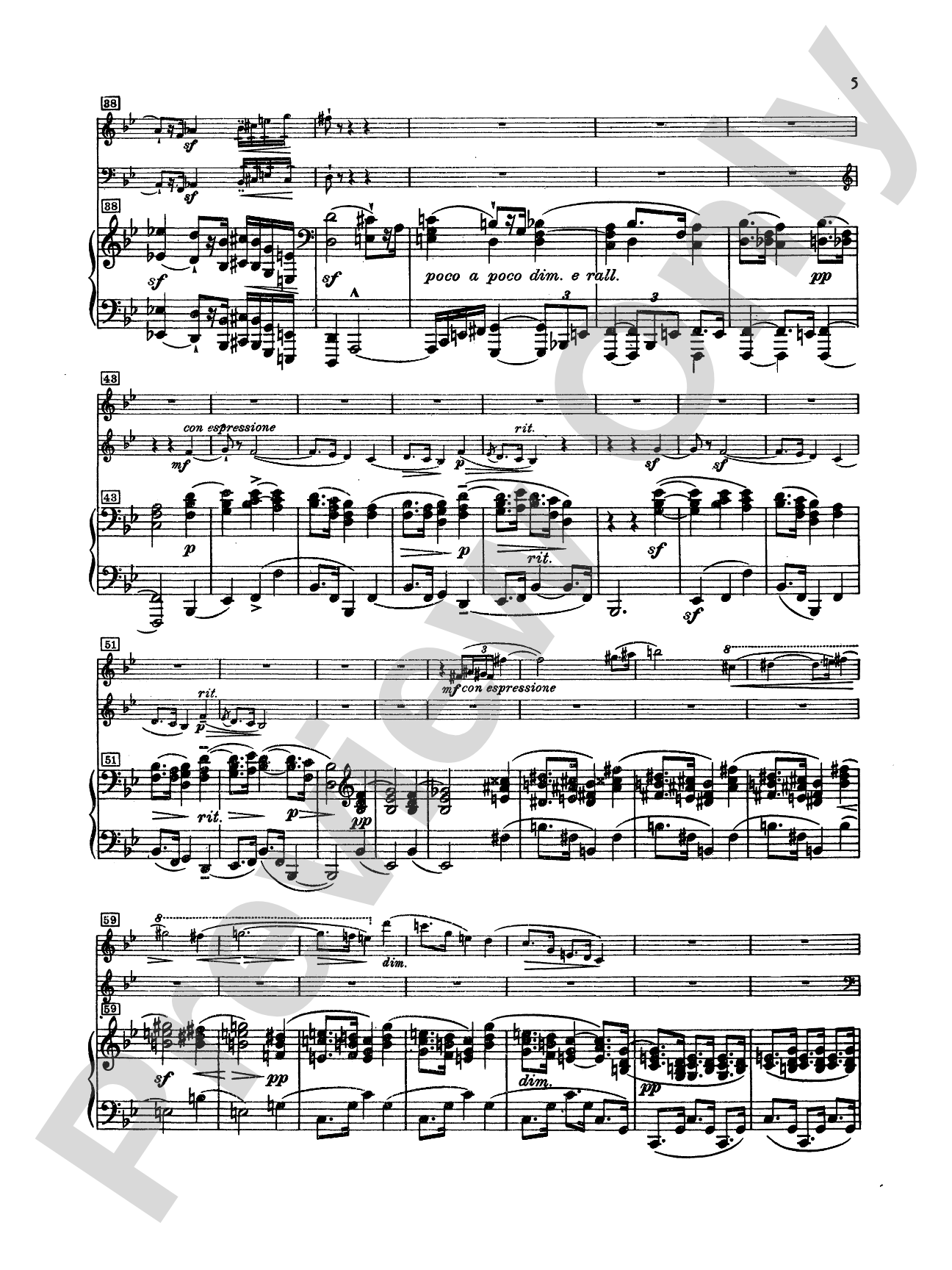
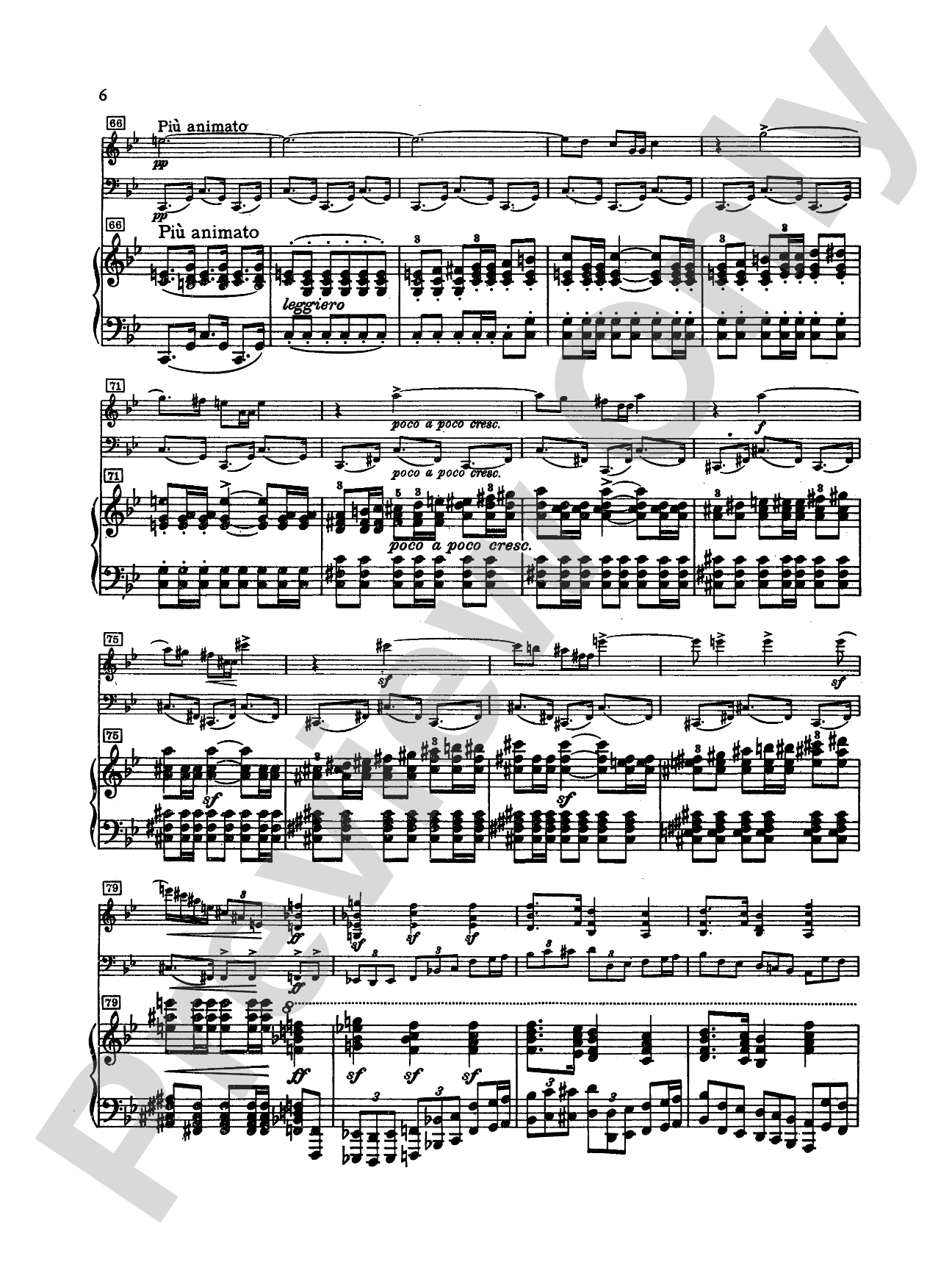
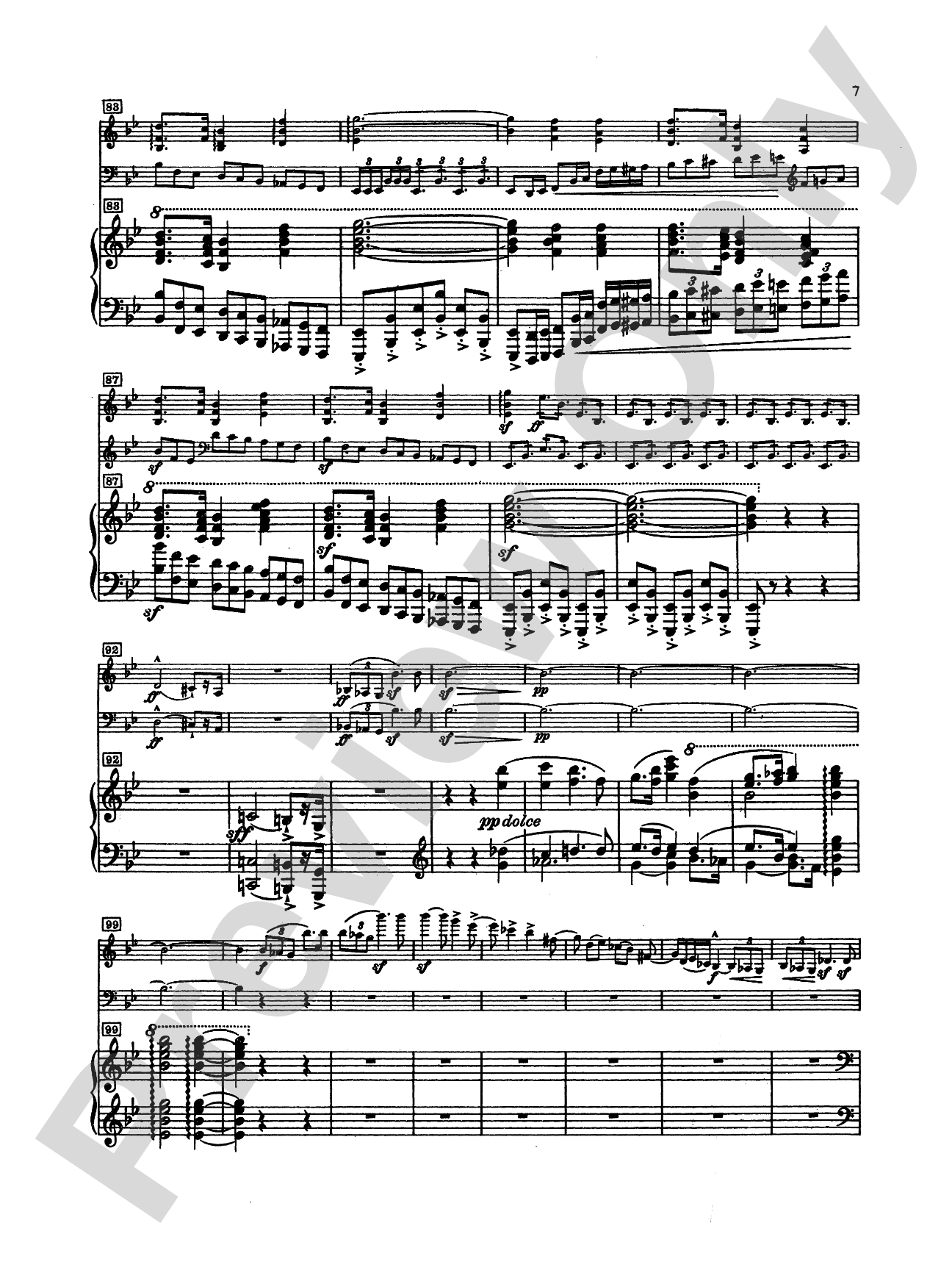
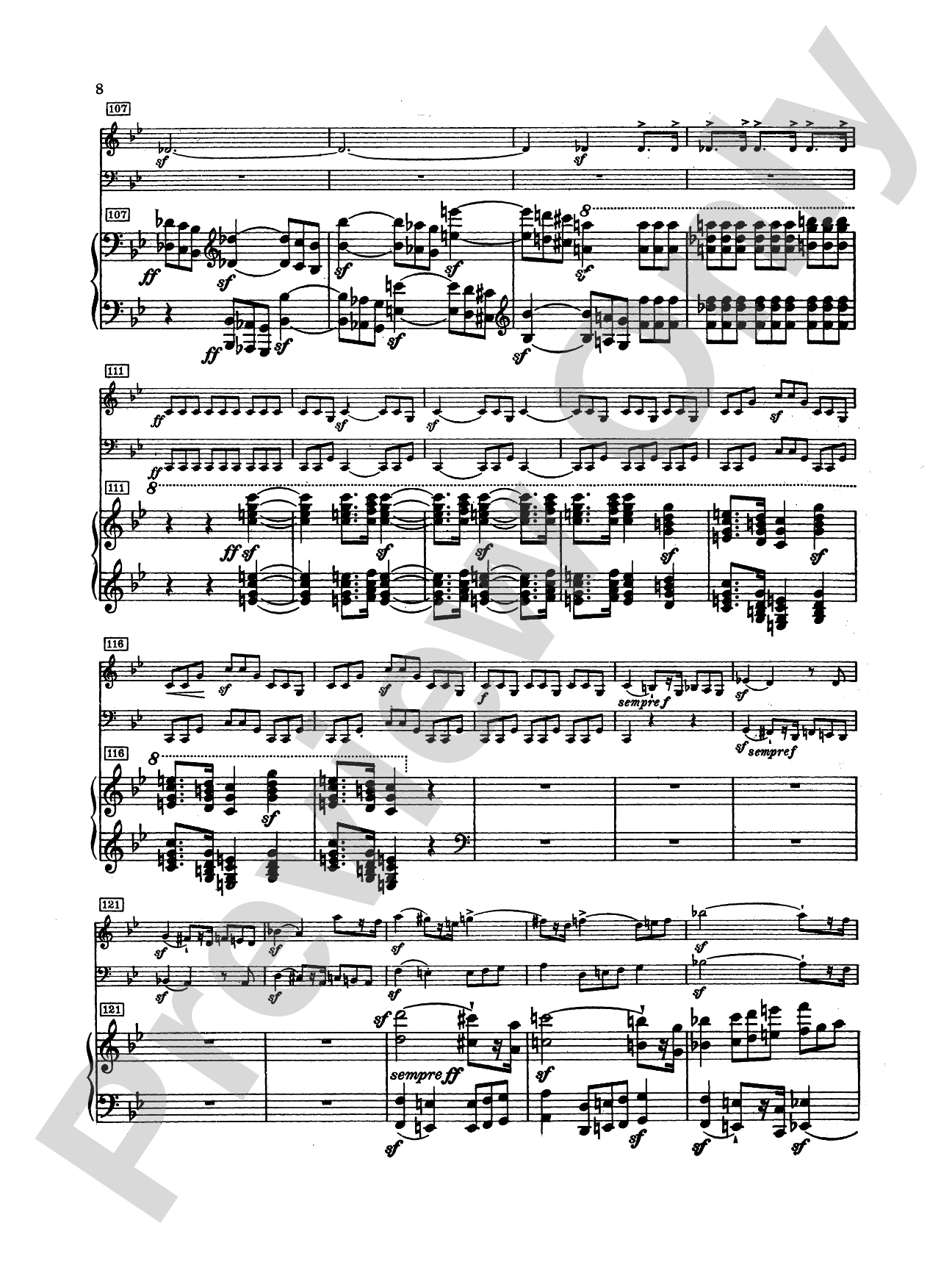
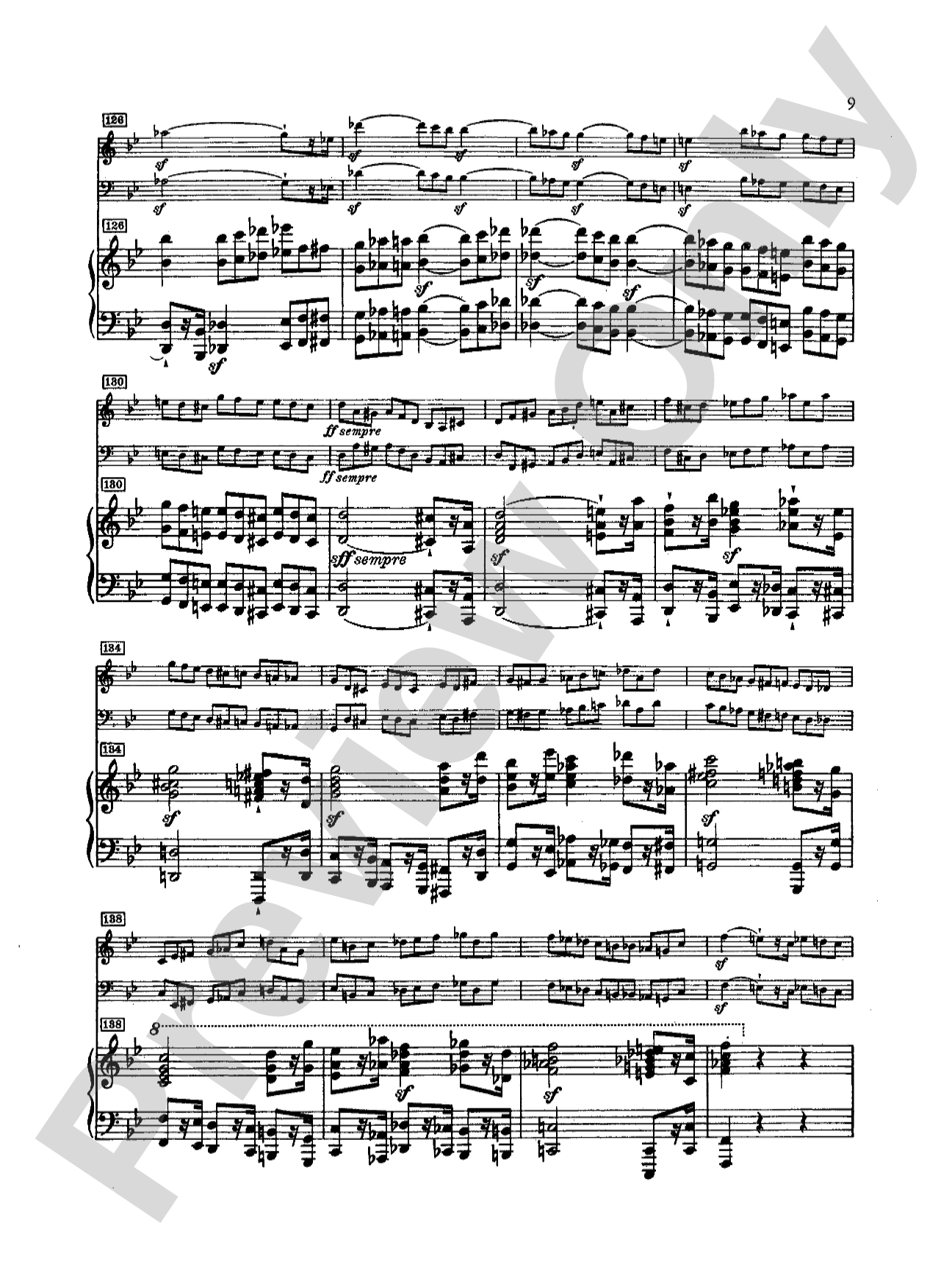
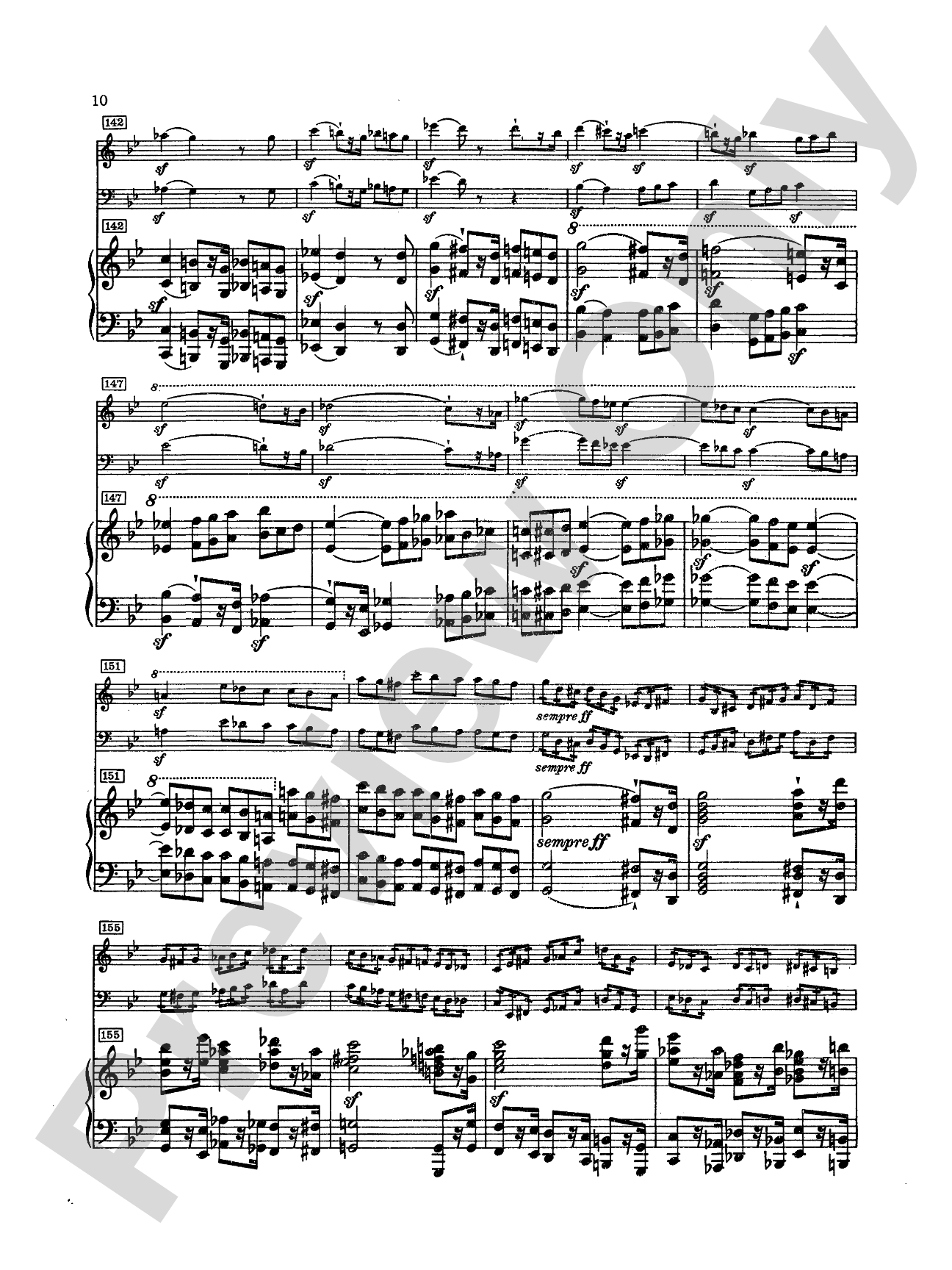

Smetana: Trio in G Minor, Op. 15
By Bedrich Smetana
Item: 00-PC-0013017
$6.95
Pickup currently not available
Description
Composed by Bedrich Smetana, this trio is written for Violin, Cello, and Piano.


Smetana: Trio in G Minor, Op. 15 isn't in MakeMusic Cloud just yet...but it could be. Let us know you'd like to see it, and you'll help shape what comes next. In the meantime, start a free trial and dive into thousands of interactive titles your students can play along with today.
Request This Title
Tell us you want it.
Start Your Free Trial
Explore everything that's ready to play right now.
Sample Audio
No sample audio found.
Sample Video
No sample videos found.
Additional Details
Series:
Kalmus Edition
Publisher:
Alfred Music
Page Count:
72
SKU:
00-PC-0013017
Instrumentation:
Violin, Cello & Piano
More about this title
About the Composer: Bedrich Smetana
Bedrich Smetana (1824-1884) stands as the founding voice of Czech nationalist music. A pianist, conductor, and composer, he drew deeply from Czech folk traditions and landscapes to create works that asserted musical independence from Germanic and Italian dominance. His chamber music reveals a compositional sophistication that rivals his more famous symphonic poems, blending Romantic lyricism with structural rigor.
Smetana's legacy in music education extends beyond his nationalist vision. His chamber works, particularly the piano trios and string quartets, serve as essential repertoire for understanding how Romantic composers balanced personal expression with formal clarity. For students and teachers, his music demonstrates how folk idioms and art music can coexist in a single, coherent artistic voice.
Why we love this
This trio opens a direct path into mature Romantic chamber writing without the extreme technical demands of later works. The dialogue between strings and piano feels conversational rather than virtuosic, allowing chamber ensembles to focus on musical communication and ensemble balance rather than spectacular pyrotechnics. It's a piece that rewards careful listening and responds immediately to thoughtful interpretation.
What to expect
The music unfolds with the intimacy of late-night conversation, honest and unhurried. There are moments of genuine passion and surging lyricism balanced by passages of quiet reflection; Smetana never trades substance for sentiment. The overall arc feels both inevitable and surprising, as if the trio is discovering its own emotional landscape in real time.
Who it's for
Advancing chamber musicians ready to engage with Romantic-era sophistication and students preparing repertoire for competitions or festivals. This trio works equally well for high school chamber ensembles with strong fundamentals and community or pre-professional groups seeking to deepen their interpretive range.
How to get the most out of it
- Balance the string lines as a unified voice against the piano; resist letting either instrument dominate. The trio's narrative emerges from conversation, not competition.
- Attend to the rhythmic independence between parts. Smetana frequently displaces accents and phrase boundaries across the ensemble, creating forward momentum that literal execution can flatten.
- Shape longer melodic lines through strategic vibrato and dynamic shaping on the strings rather than relying on the piano to carry harmonic color. The violin and cello are capable of tremendous tonal variety within this piece.
- Reference recordings of the work while learning, but use them as touchstones for pacing and structural clarity, not as templates. Your ensemble's particular tonal qualities will reveal different layers of the music.
How to use it
Program this alongside other Romantic chamber works (Brahms, Dvořák) to create a chamber concert evening that traces nationalist and cosmopolitan impulses within the era. It also serves as valuable preparation for students auditioning into college music programs or competing in chamber music festivals, where exposure to this level of writing builds credibility and interpretive maturity.
Skills your students will build
- Reading multi-staff chamber scores with independent violin, cello, and piano parts
- Balancing ensemble sonority across different instrumental families
- Shaping long Romantic phrases with consistent tone and direction
- Understanding harmonic rhythm and structural phrasing in sonata-form movements
- Responding to rhythmic displacement and syncopation across parts