
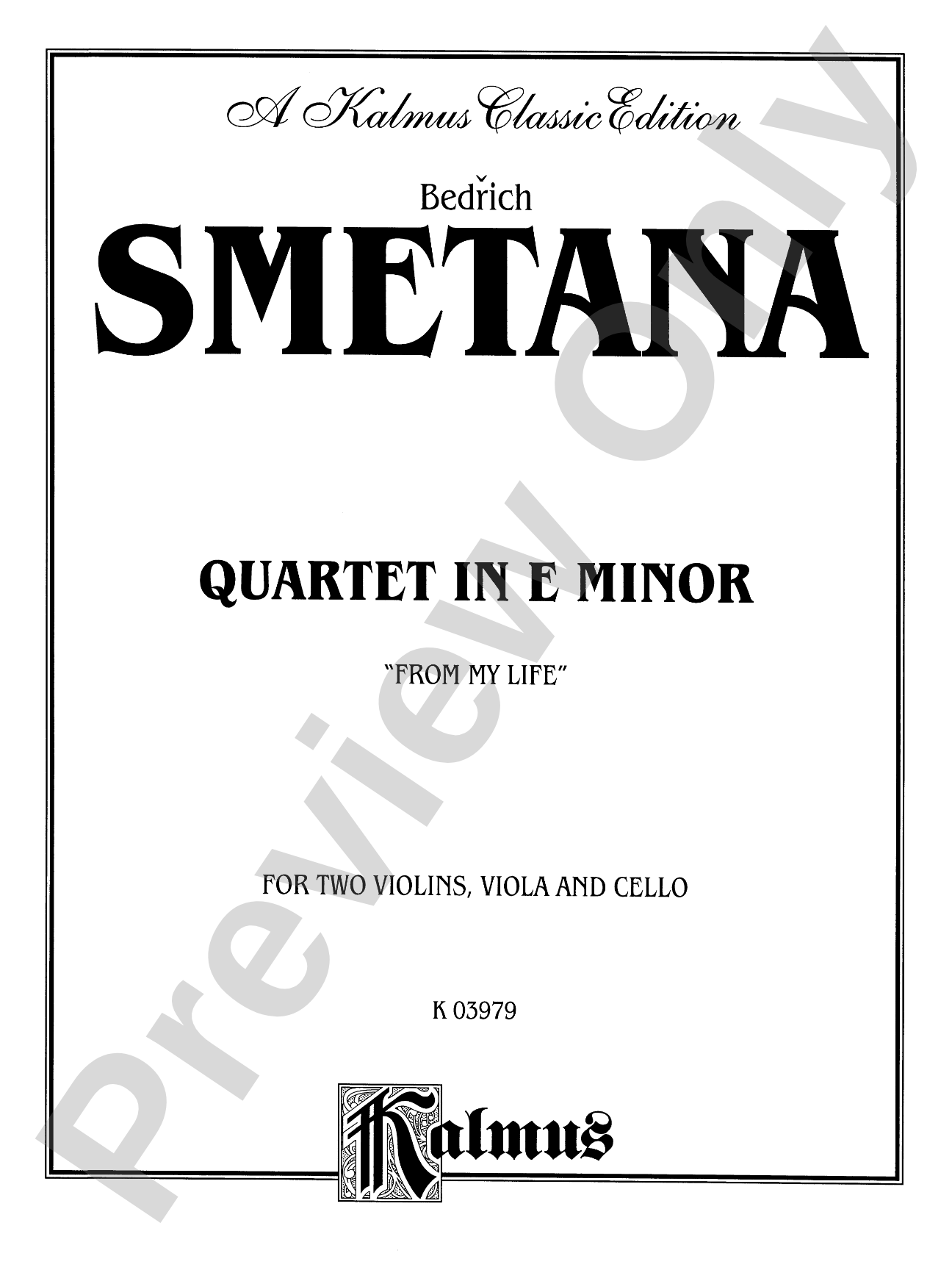
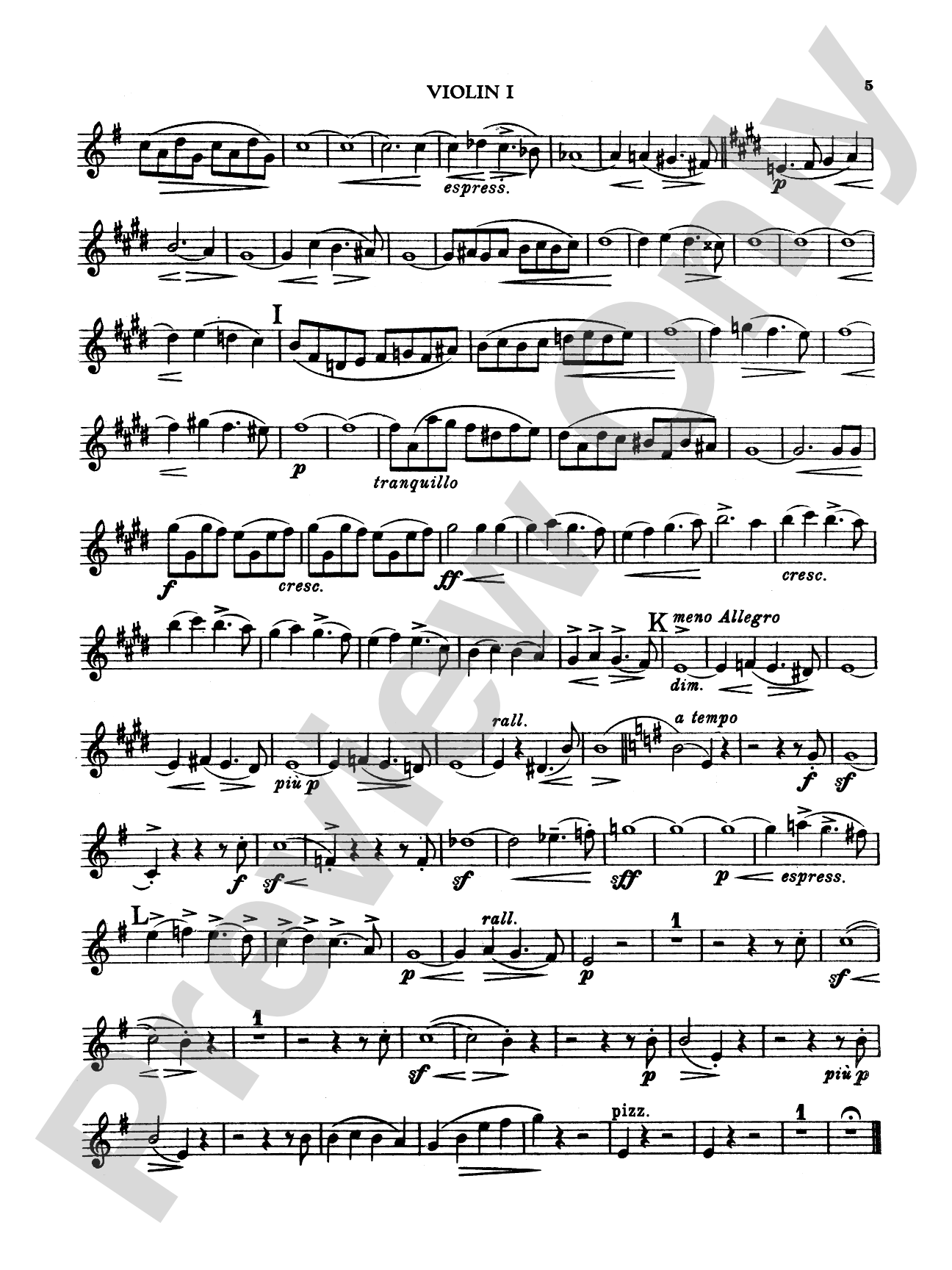
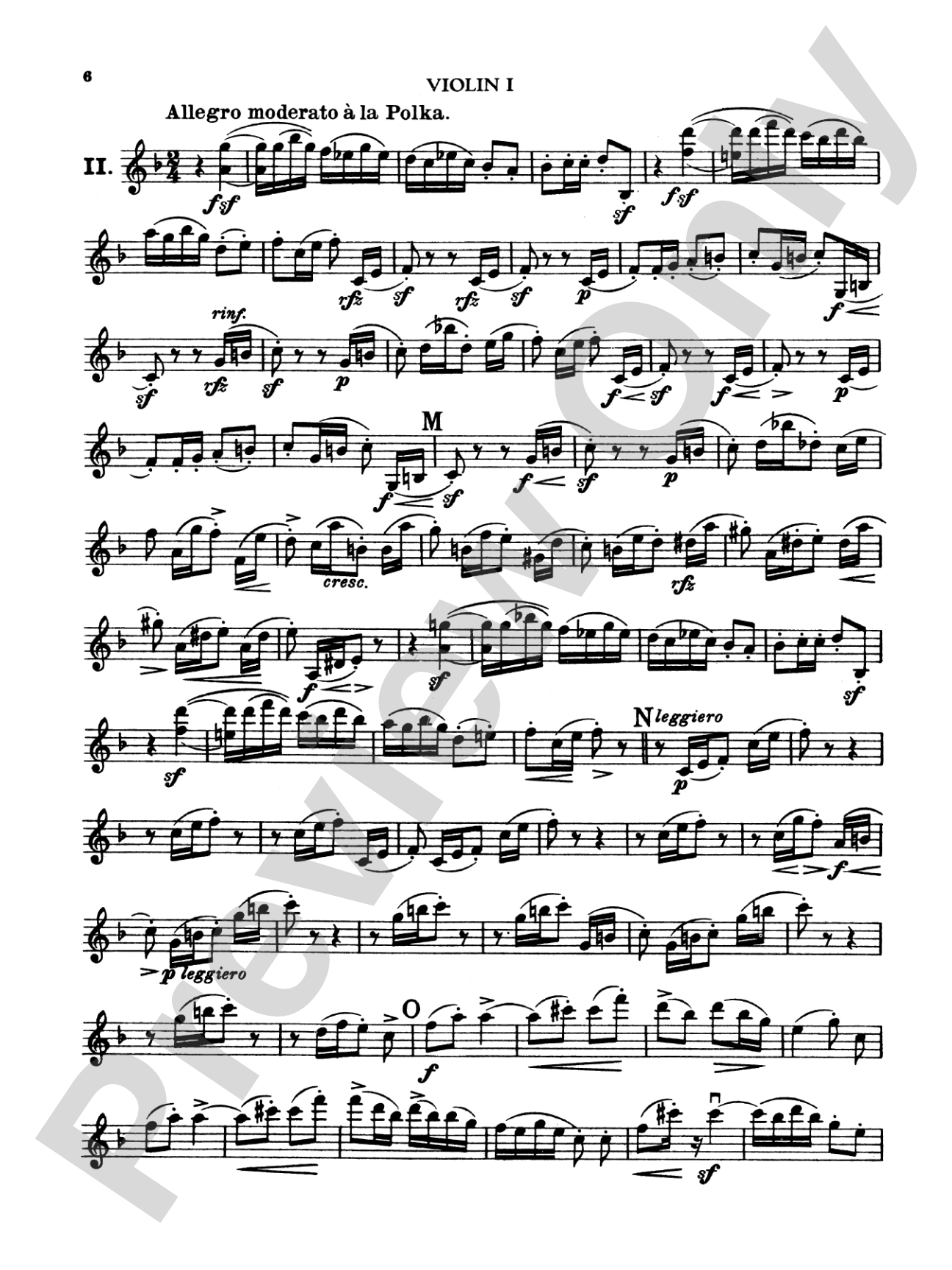
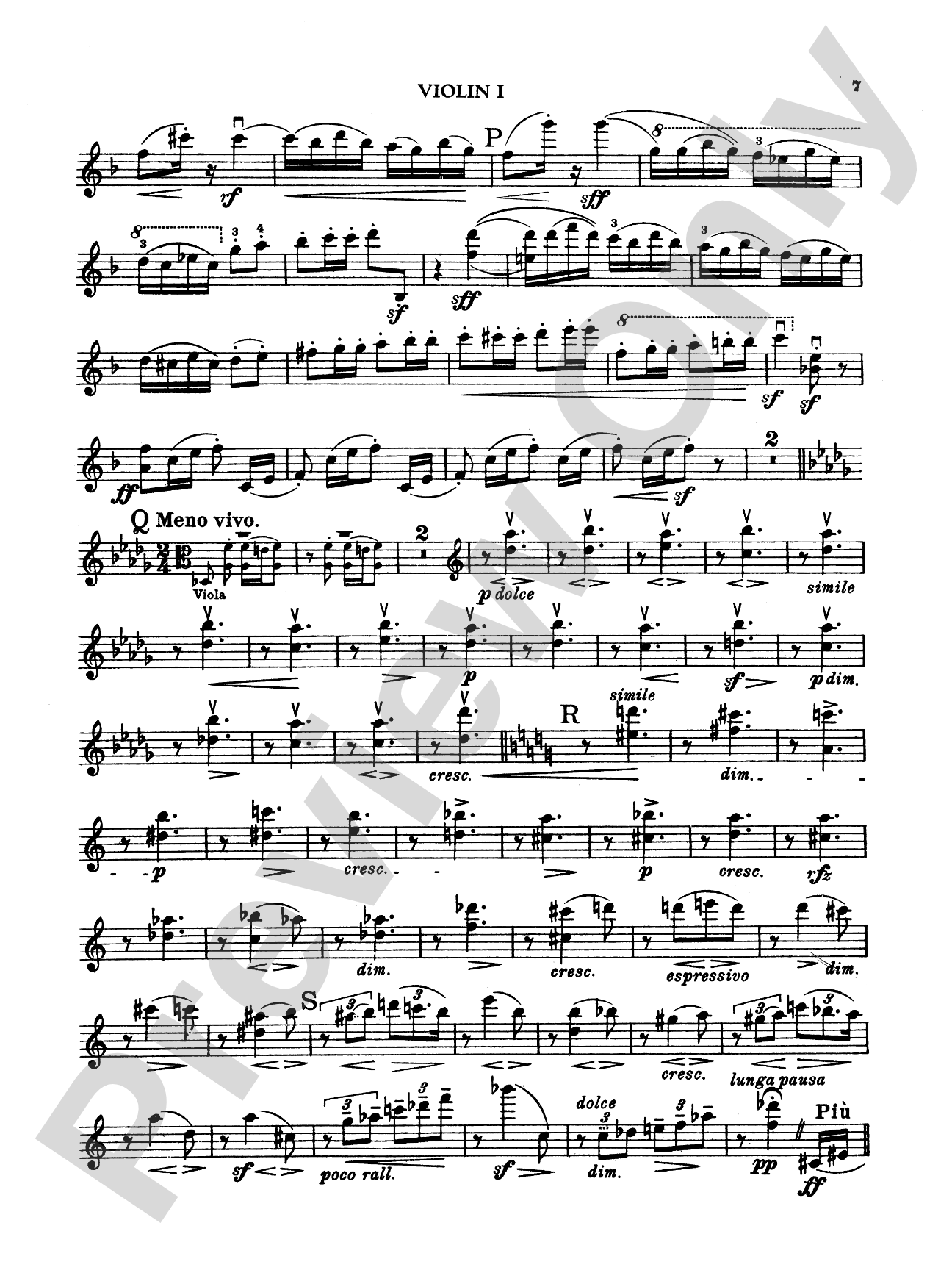
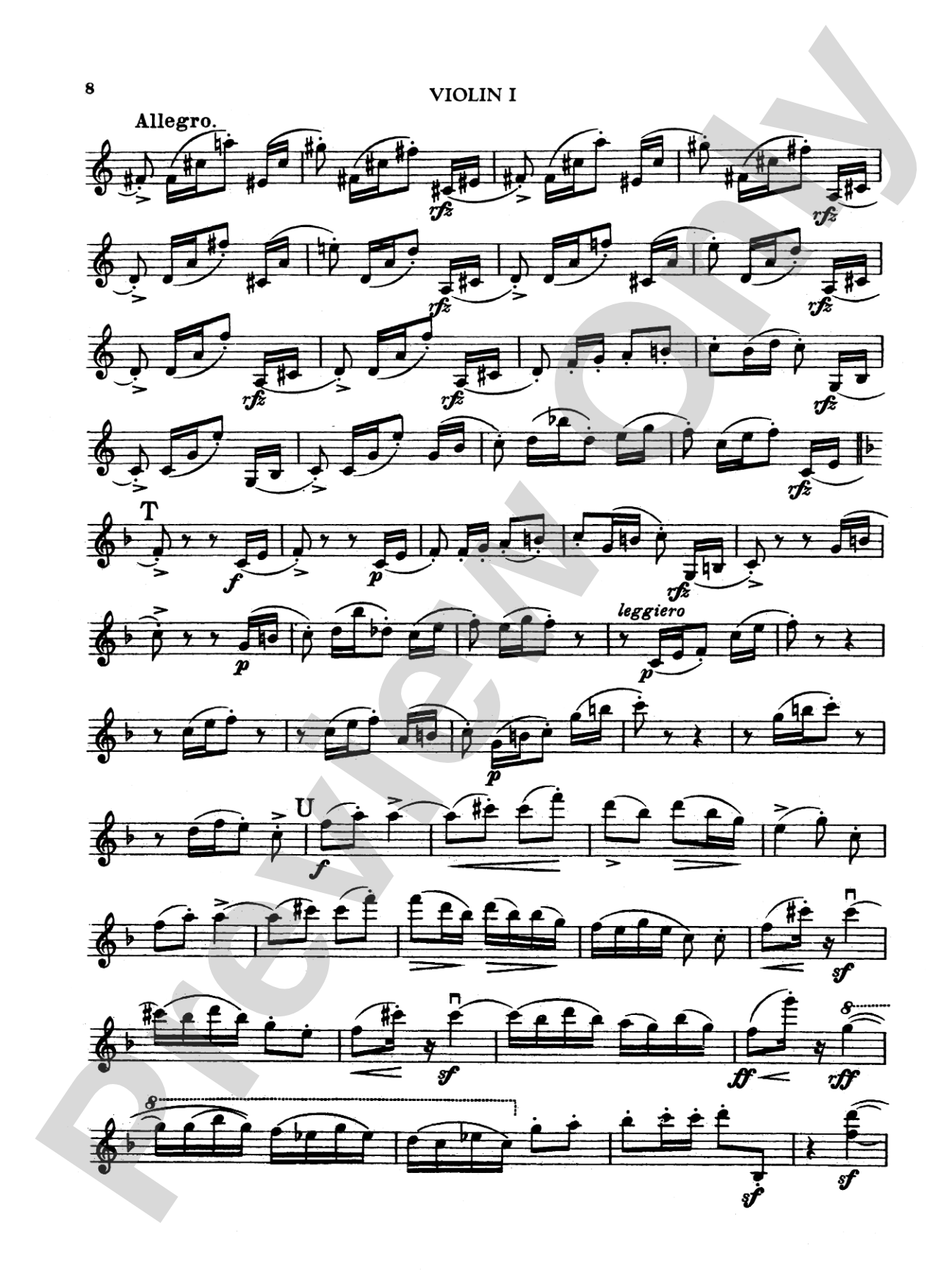
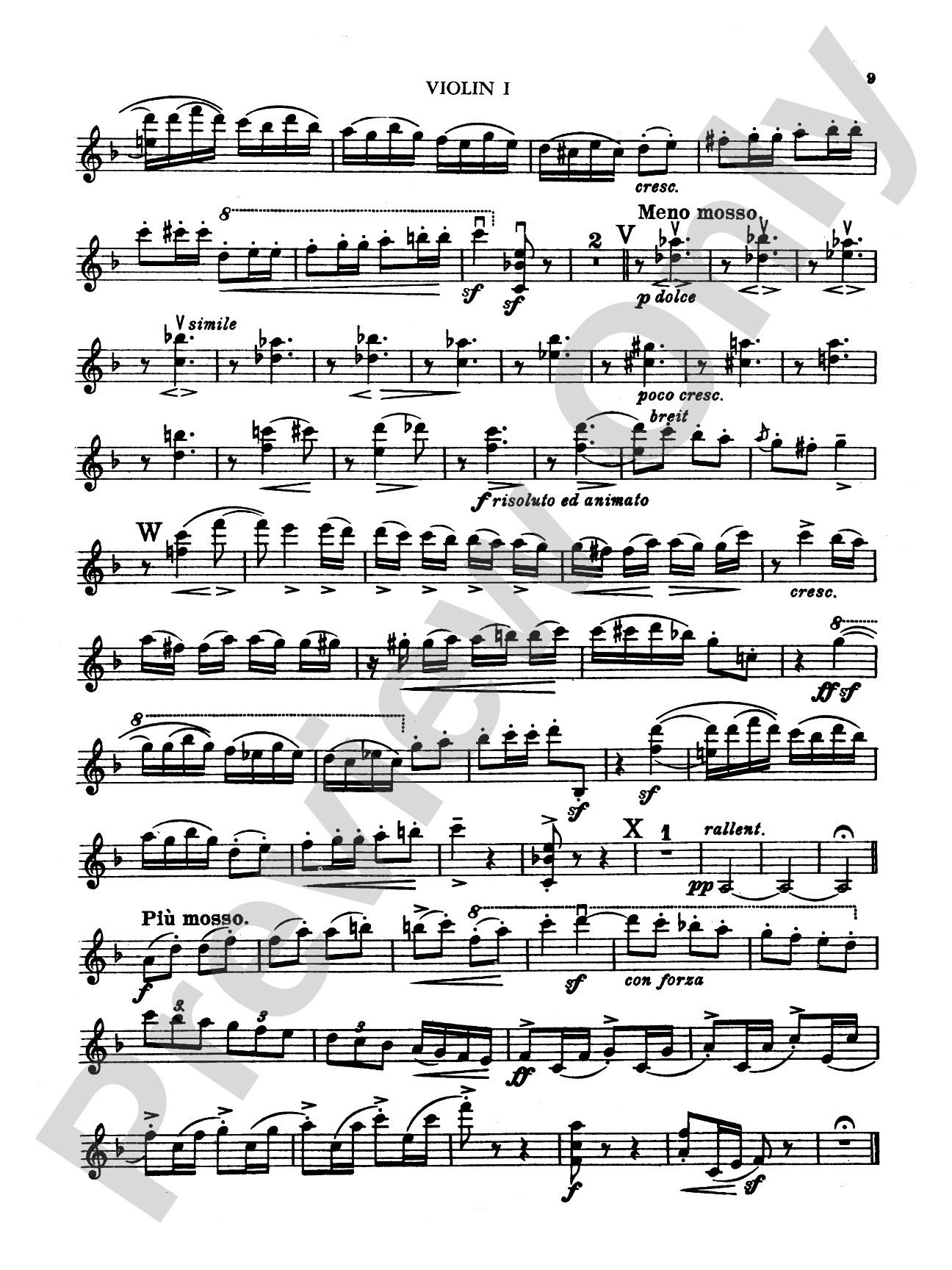
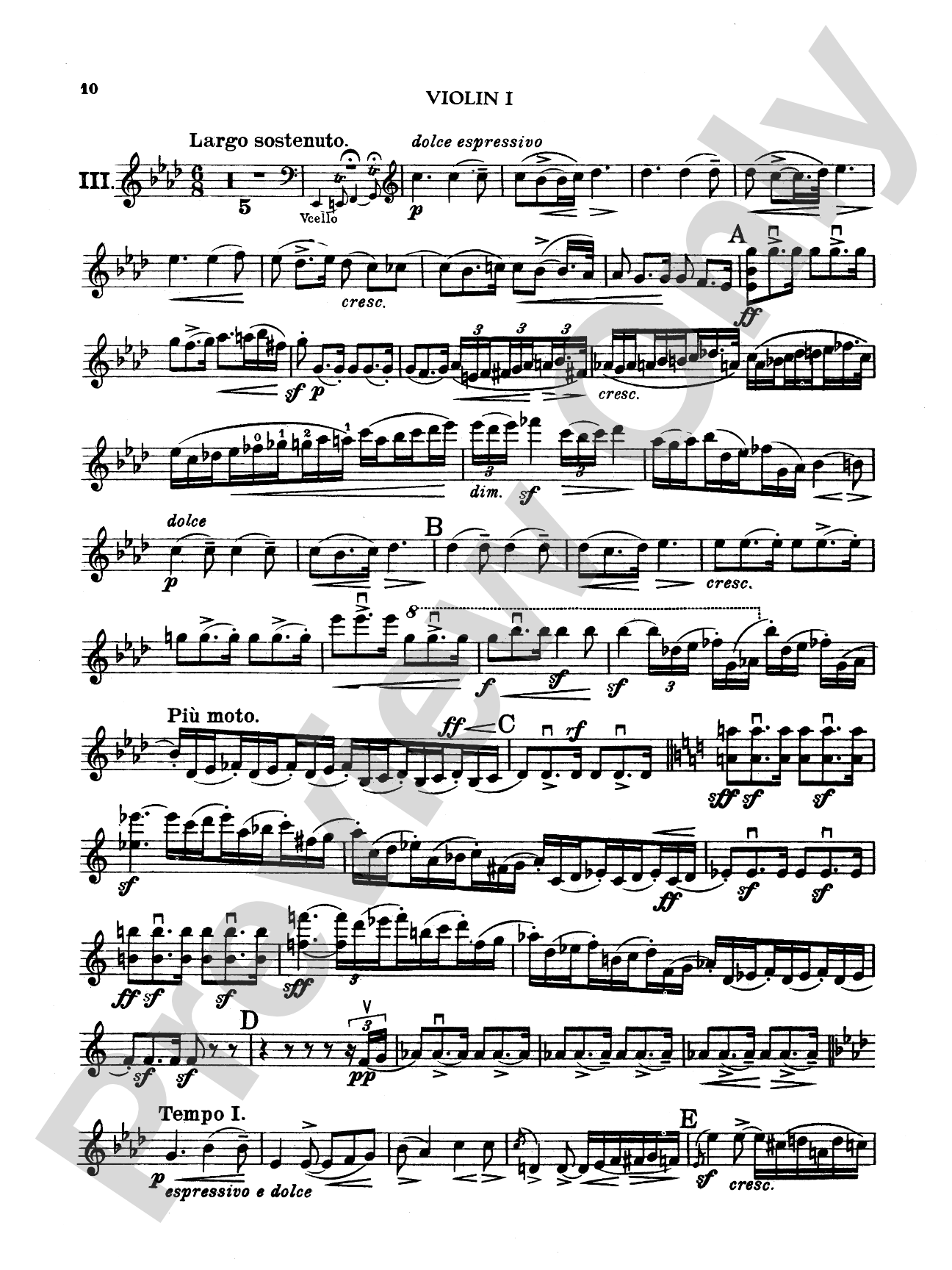
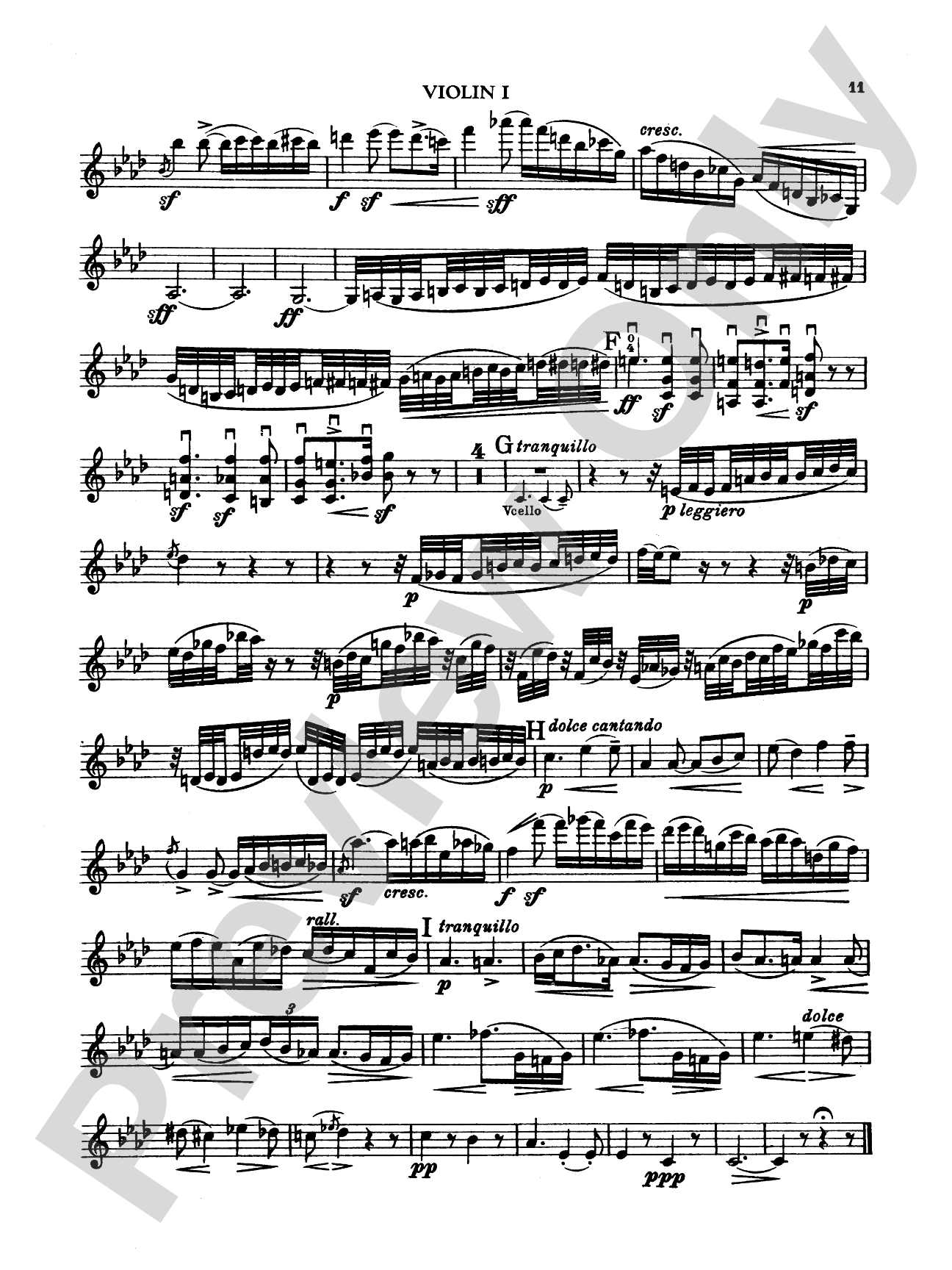
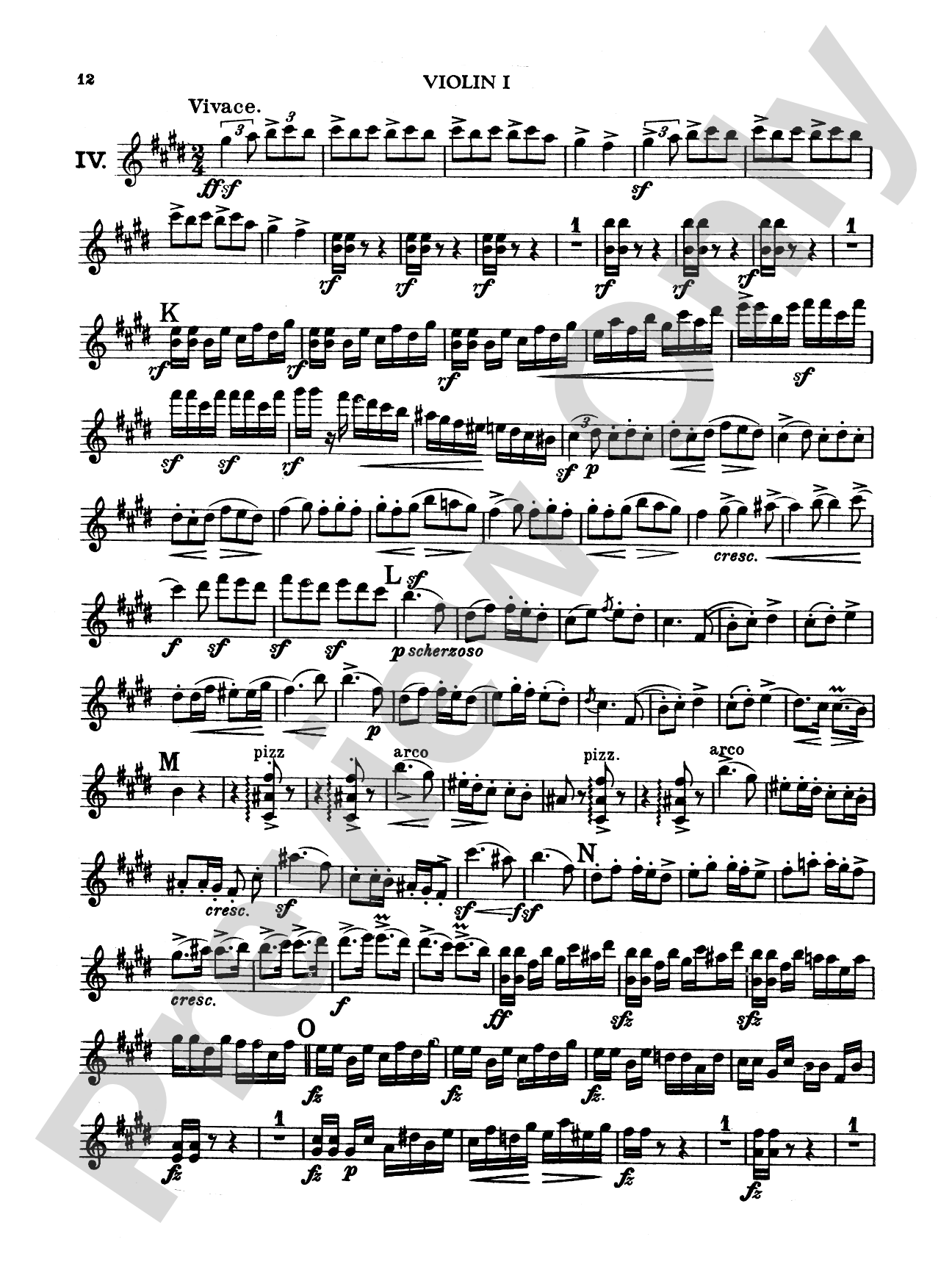



Smetana: Quartet "From My Life": String Quartet Book
For Two Violins, Viola and Cello
By Bedrich Smetana
Item: 00-PK-0003354

$12.99
Pickup currently not available
Buy Extra Parts (Digital PDF Download)
| Product | Price | Quantity |
|---|---|---|
| Smetana: Quartet "From My Life" | $11.99 |
Parts Added to Cart!
Related Items
Quartet "From My Life": String Quartet Book |
$12.95
|
View |
Description
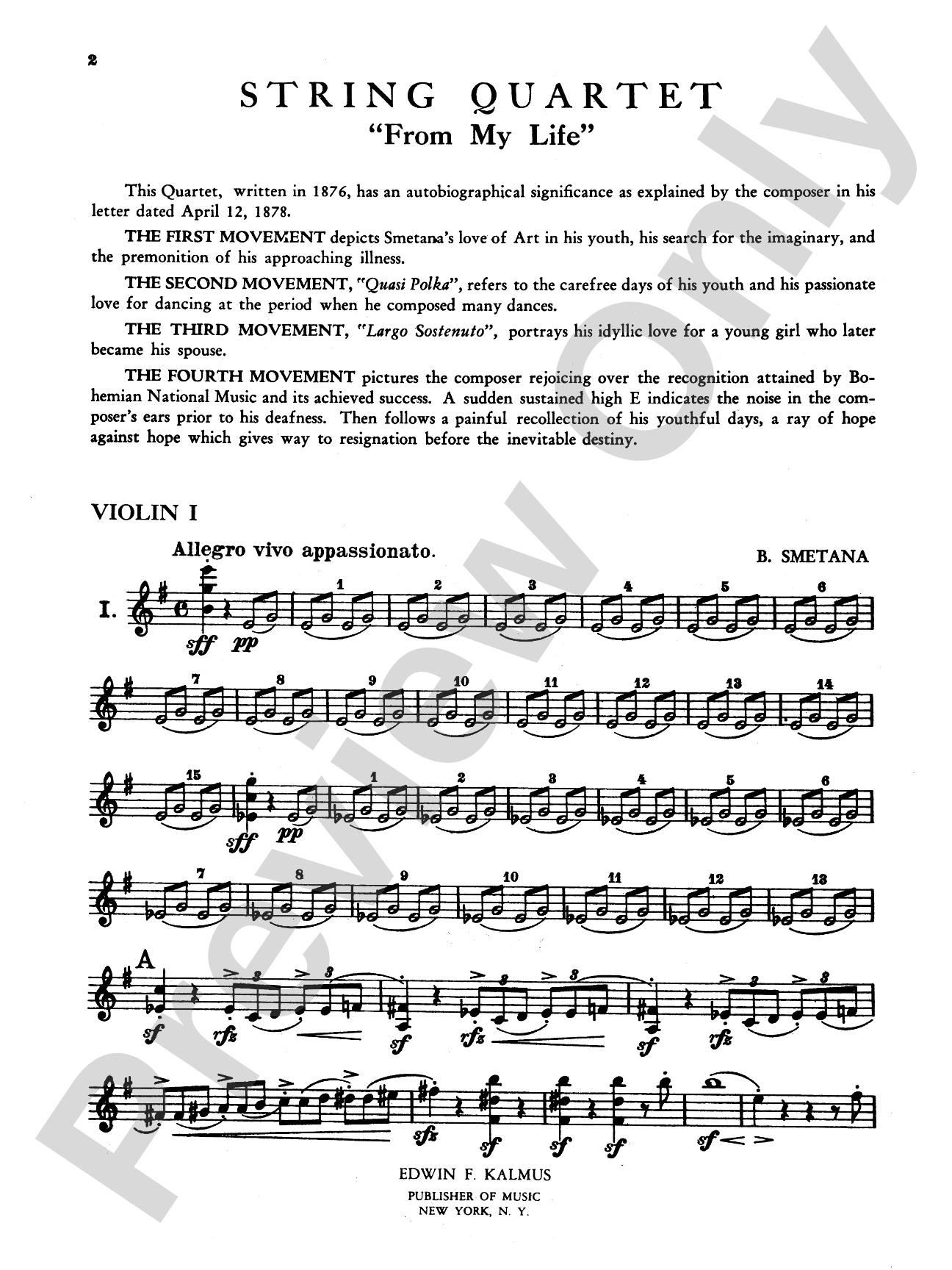
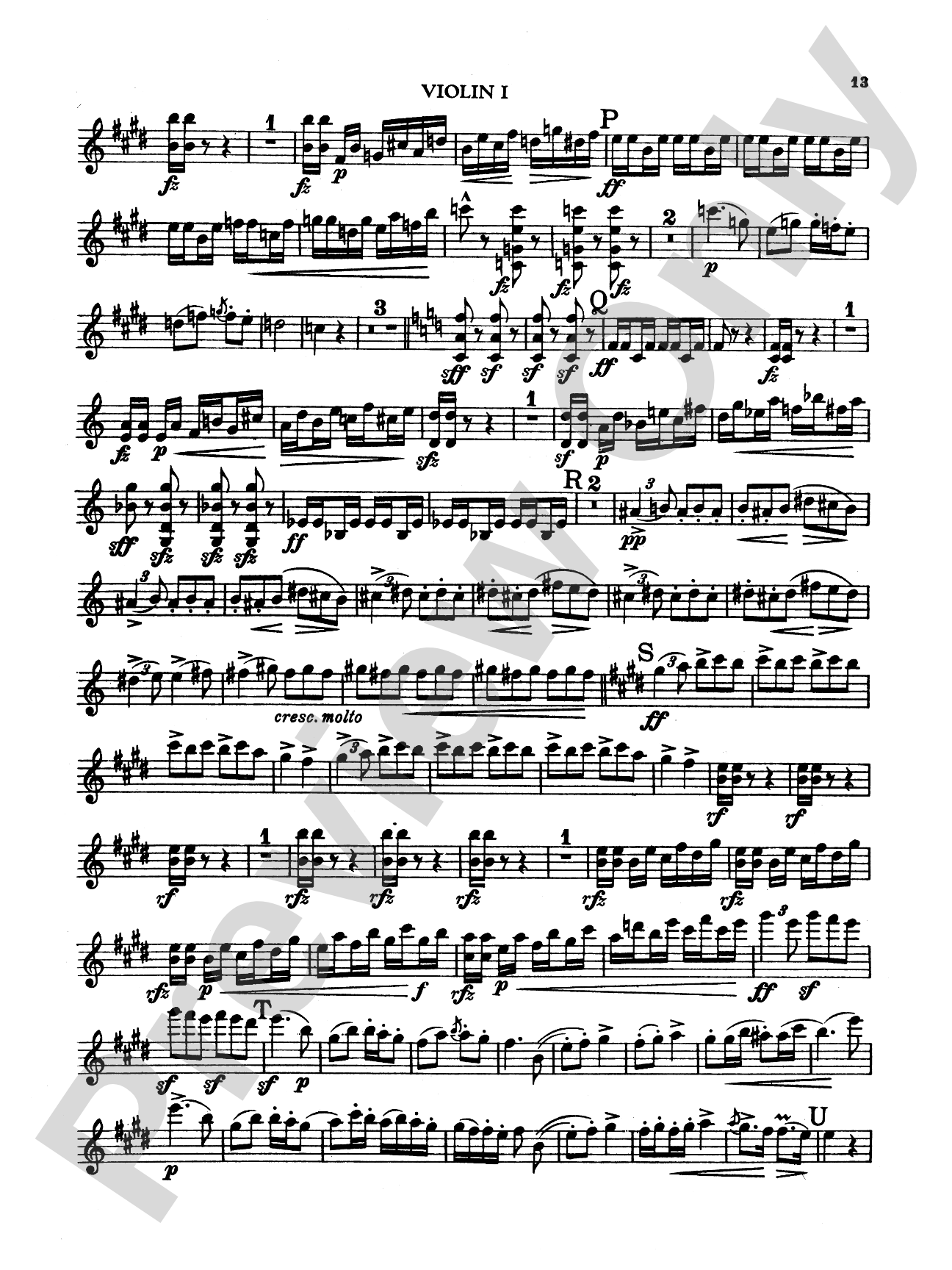
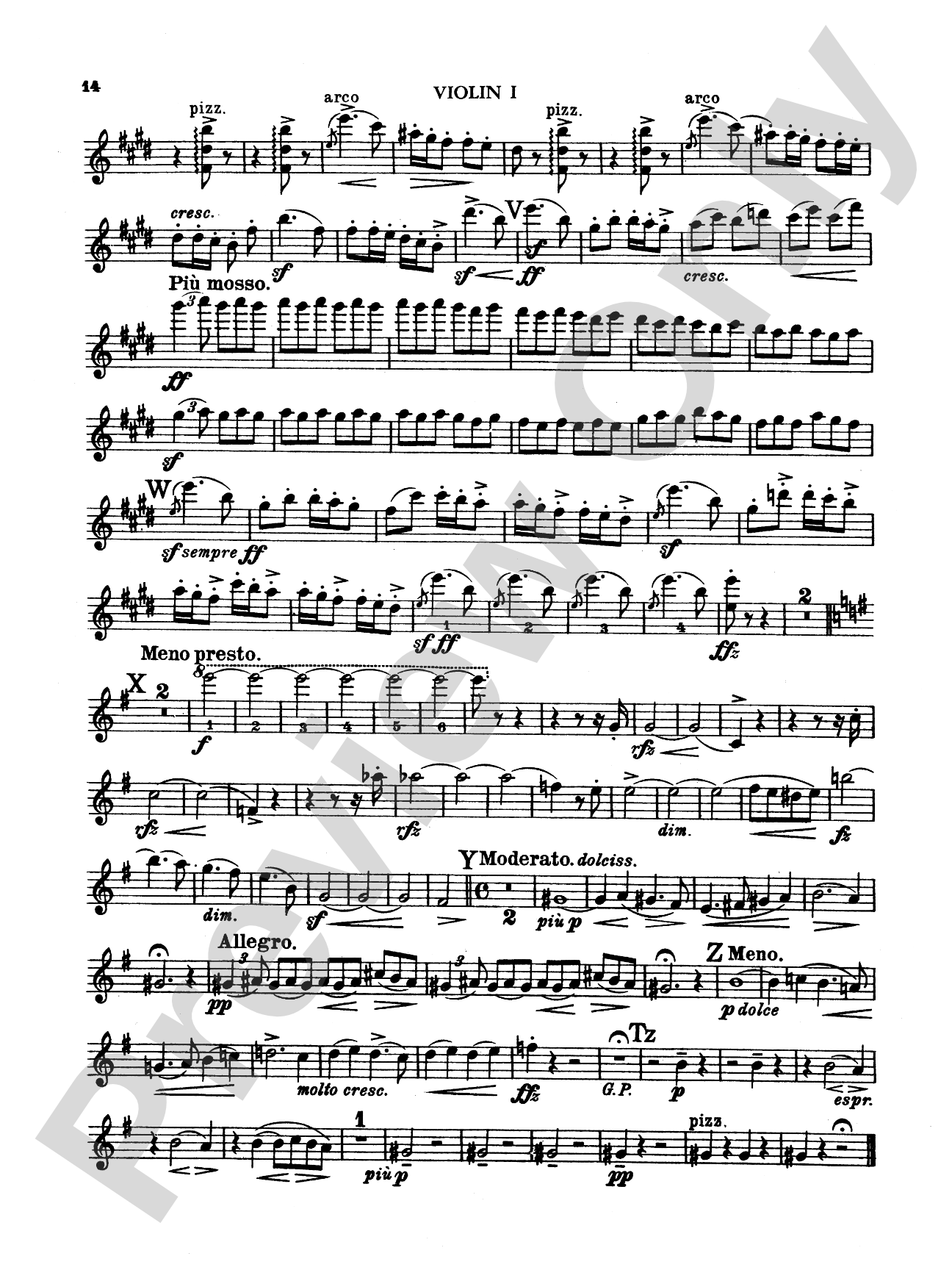
A string quartet, composed by Bedrich Smetana.


Don't just read it, hear it, play along with it, and watch your students grow with it. In MakeMusic Cloud, Smetana: Quartet "From My Life": String Quartet Book comes alive with professional accompaniment, adjustable tempo, and built-in practice tools that turn solo practice into real progress.
Open in the Player
Jump straight in and assign it today.
Start Your Free Trial
Open this title and explore the full library in minutes.
Sample Audio
No sample audio found.
Sample Video
No sample videos found.
Additional Details
Series:
Kalmus Edition
Publisher:
Alfred Music
Page Count:
60
SKU:
00-PK-0003354
More about this title
About the Composer: Bedrich Smetana
Bedrich Smetana (1824–1884) stands as the founder of Czech national music, a composer who transformed folk idioms and nationalist sentiment into works of international stature. His life unfolded against the backdrop of Austrian Habsburg rule, and his music became a vehicle for Czech cultural identity during a time of political suppression. Despite going deaf in his final years, Smetana continued composing and left behind a legacy that shaped Romantic music across Europe.
Smetana's chamber works, particularly his string quartets, reveal a composer wrestling with personal tragedy and artistic vision in intimate settings. The quartets showcase his gift for lyrical melody, harmonic innovation, and structural clarity; they remain essential repertoire for serious string quartet ensembles and students seeking to understand how nationalist themes and Romantic expression coexist within classical forms.
Why we love this
This quartet demands interpretive maturity and rewards it generously. The famous high E that haunts the finale alone makes this a transformative work for any quartet willing to sit with its emotional weight and technical demands.
What to expect
This quartet unfolds as intimate autobiography set to music. It moves from lyrical introspection to driving intensity, sometimes within a single movement, evoking both the composer's love of his homeland and his personal struggles with illness and isolation. The sound is deeply human, never striving for mere display but always reaching toward something profound and urgent.
Who it's for
Advanced string quartet ensembles preparing for chamber music competitions, festivals, or concert series will find this score essential. College and university string quartets, as well as serious amateur quartets with solid technical foundation and interpretive ambition, can tackle this repertoire meaningfully.
How to get the most out of it
- Balance the opening theme so the cello line sings clearly; the viola often doubles it, so coordinate the two voices to avoid muddiness.
- In passages marked with rapid figuration, maintain rhythmic precision without sacrificing the lyrical quality that defines Smetana's voice.
- Approach the harmonic shifts with awareness of their dramatic function; Smetana moves between keys with purpose, not accident, and each modulation should feel intentional.
- Reserve dynamic intensity for moments where the texture thins; overplaying the dense passages will bury the structural clarity that makes this work cohere.
How to use it
Feature this as the centerpiece of a Romantic chamber music recital, pairing it with other Czech works or late Romantic quartets to contextualize Smetana's innovations. It also works powerfully as a standalone concert offering, particularly when you want to program something that will hold an audience's complete attention for the full duration.
Skills your students will build
- Balancing multiple lyrical lines in a four-voice texture
- Navigating rapid passagework while maintaining musical shape
- Understanding harmonic language and tonal ambiguity in the Romantic era
- Interpreting national character and personal expression within classical form
- Ensemble coordination across shifting dynamic and textural landscapes
- Building sustained interpretive vision across multiple movements