
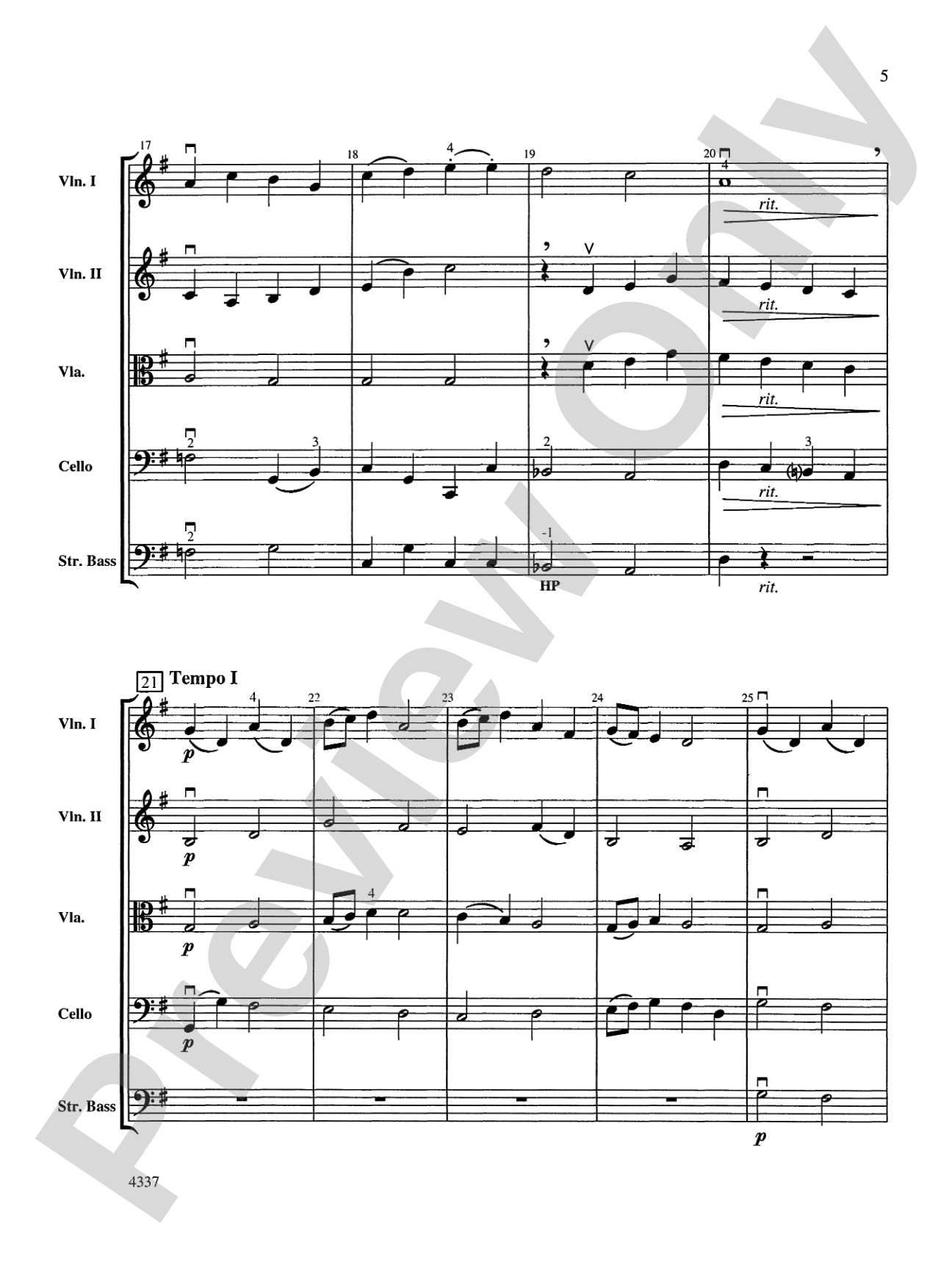
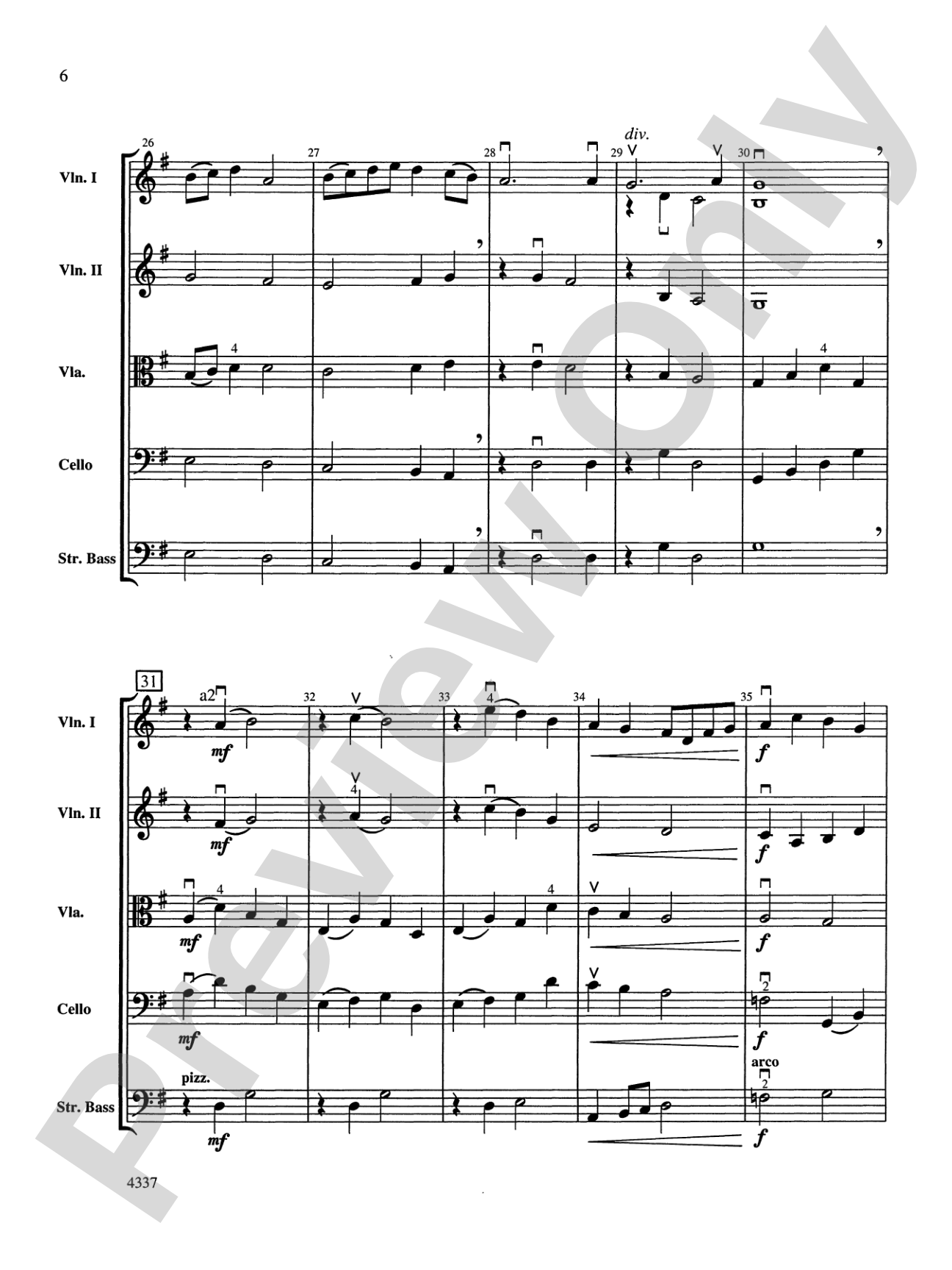
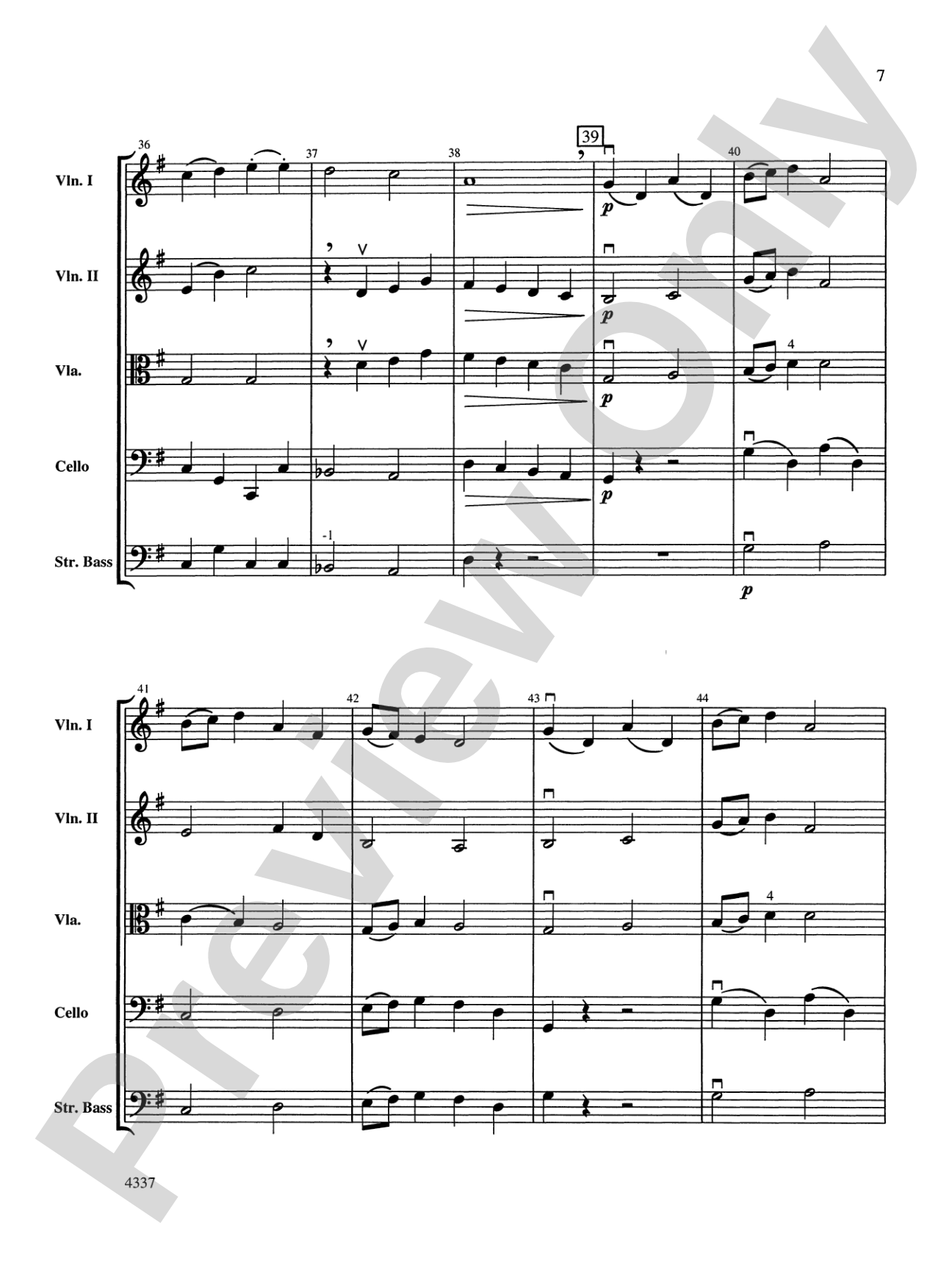
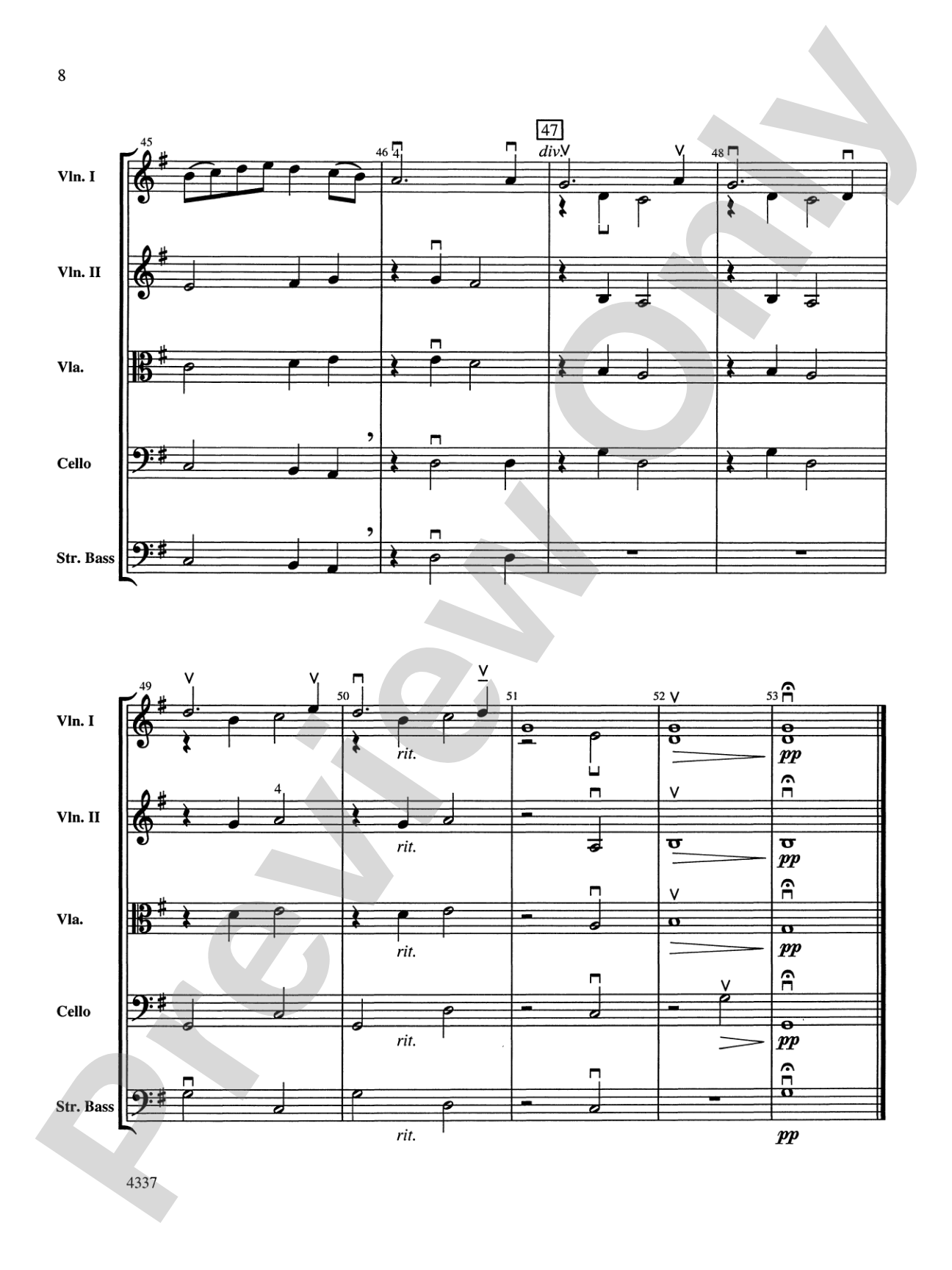

Slumber Music: Score
By Richard Meyer
Grade: 2
Item: 00-PR-0003487
$9.00
Pickup currently not available
Description
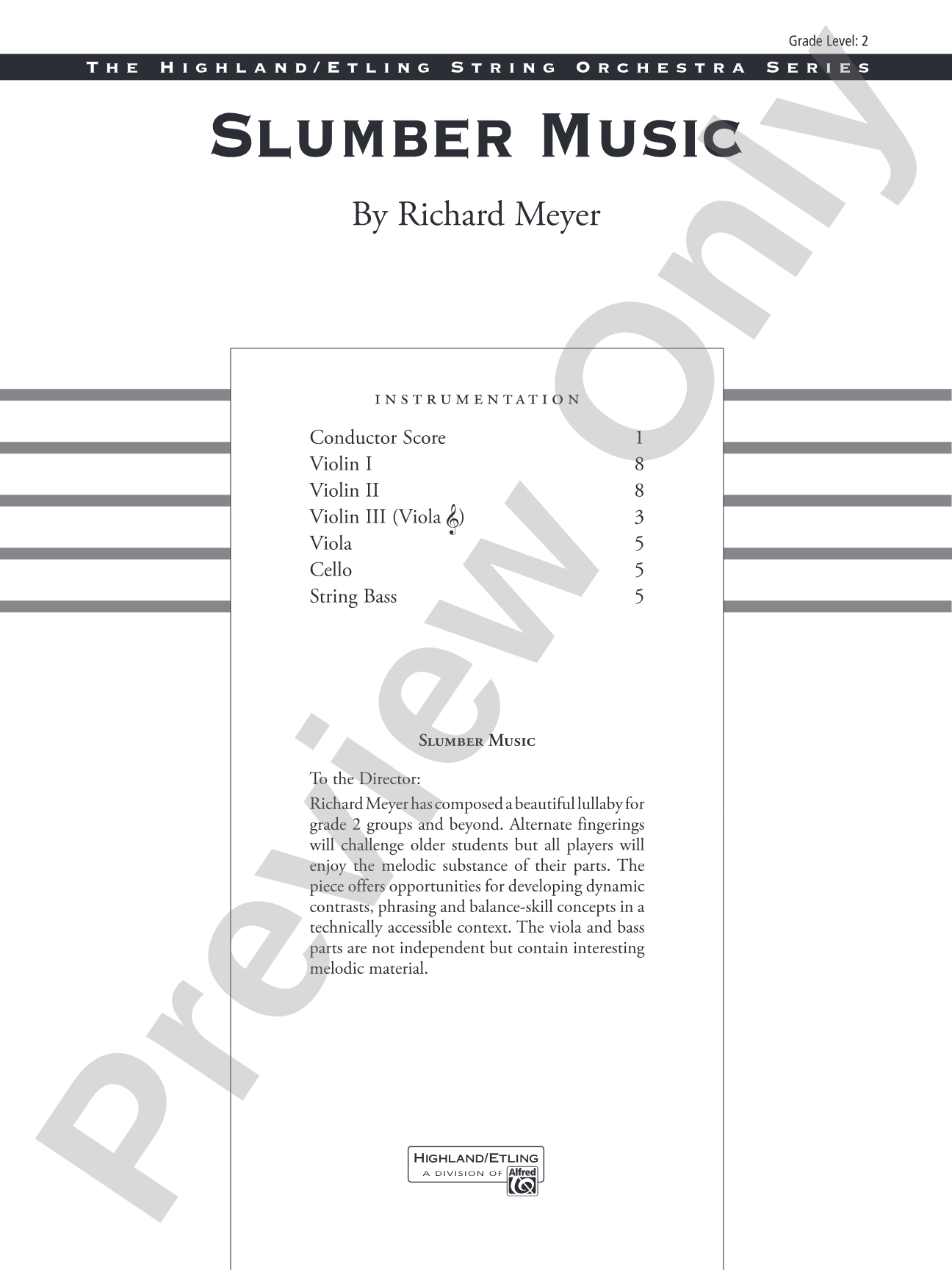
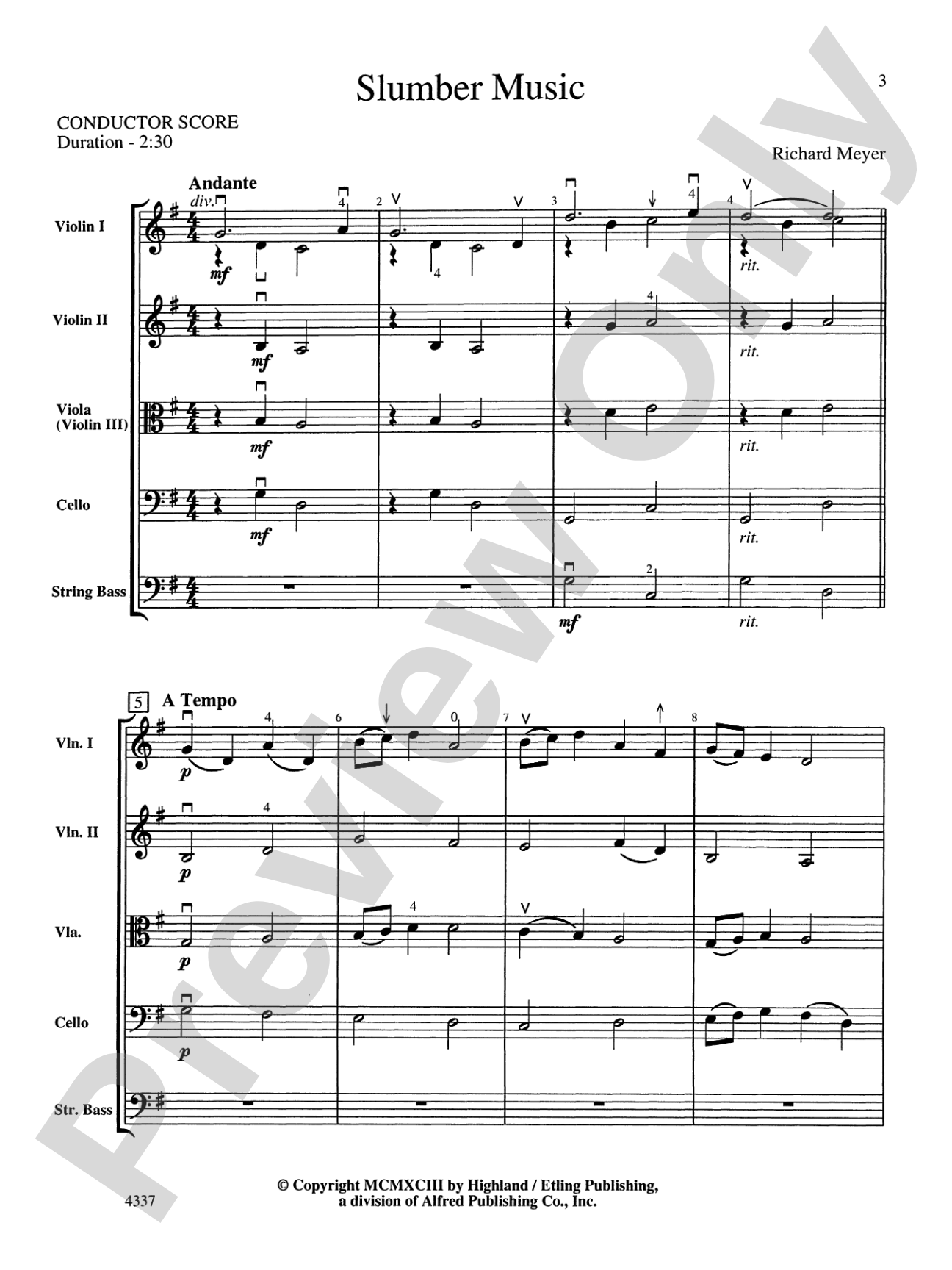
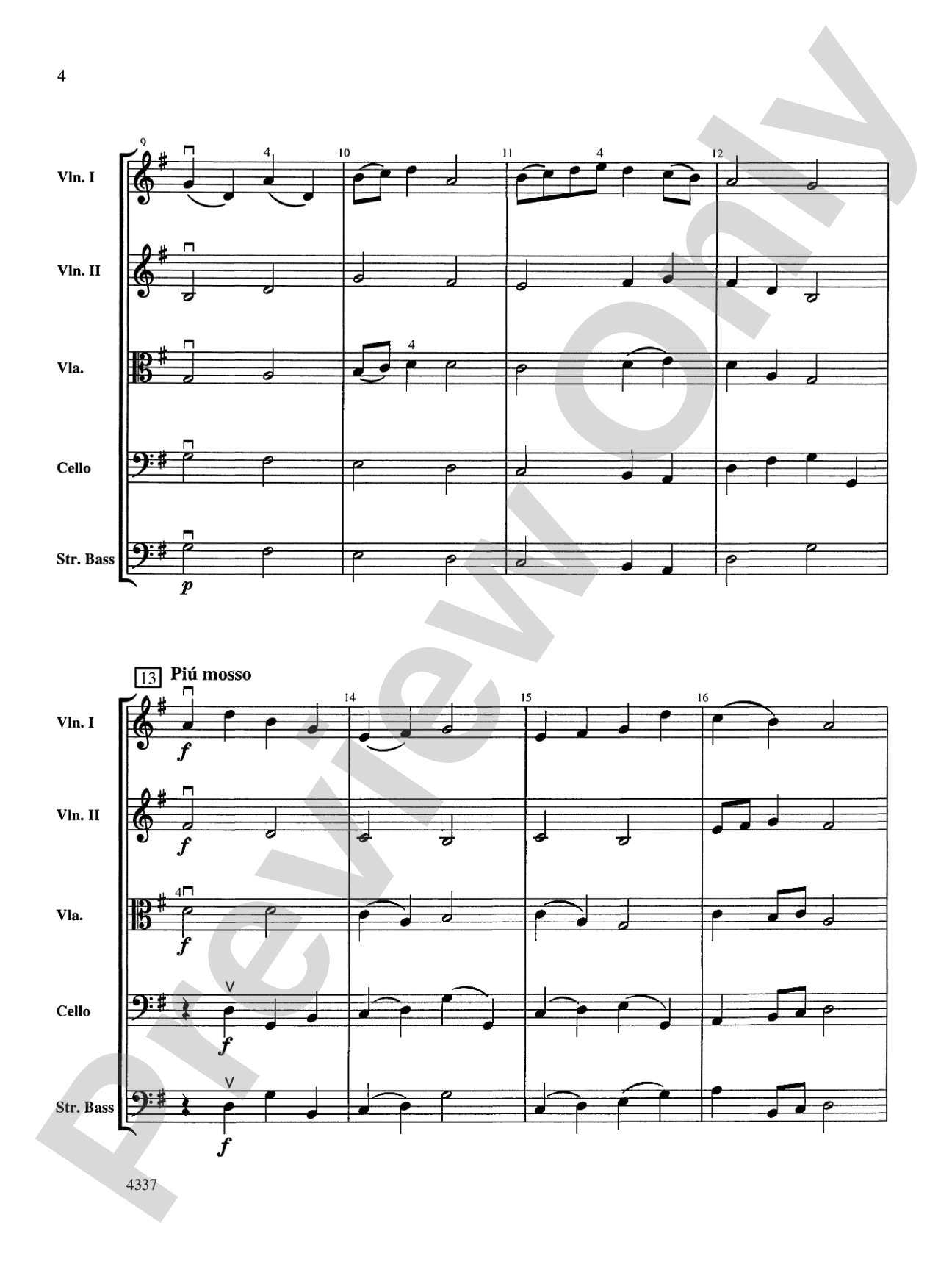
Richard Meyer has composed a beautiful lullaby for grade 2 groups and beyond. Alternate fingerings will challenge older students but all players will enjoy the melodic substance of their parts. The piece offers opportunities for developing dynamic contrasts, phrasing and balance-skill concepts in a technically accessible context. The viola and bass parts are not independent but contain interesting melodic material. This title is available in MakeMusic Cloud.


Don't just read it, hear it, play along with it, and watch your students grow with it. In MakeMusic Cloud, Slumber Music: Score comes alive with professional accompaniment, adjustable tempo, and built-in practice tools that turn solo practice into real progress.
Open in the Player
Jump straight in and assign it today.
Start Your Free Trial
Open this title and explore the full library in minutes.
Sample Audio
1
Audio File
--:--
0:00
0:00
Sample Video
No sample videos found.
Additional Details
Series:
Highland/Etling String Orchestra
Publisher:
Alfred Music
Page Count:
68
SKU:
00-PR-0003487
More about this title
About the Composer: Richard Meyer

Richard Meyer brings three decades of string teaching experience to his work as a composer and clinician. He spent 22 years building the orchestra program at Oak Avenue Intermediate School in Temple City, California, expanding it from 29 to 200 students, and directed the Pasadena Youth Symphony Orchestra for 16 years, leading ensembles on international tours. His "Giving Bach" program, launched in 2009, pioneered interactive concerts for students with special needs and underserved communities across Southern California and earned national recognition for its impact.
As a prolific composer, Meyer has published over 190 works and served as string editor for Alfred Publishing Company. He co-authored several foundational string curricula, including the String Explorer Series and Sight-read It for Strings. His compositions and arrangements are grounded in classroom reality; he understands what students can play, what teachers need to teach, and what ensembles find rewarding to perform.
Why we love this
Meyer writes with genuine understanding of what grade 2 orchestras can achieve musically. The piece balances technical accessibility with real melodic content in every part, meaning students aren't simply padding texture; viola and bass players get material worth playing. The built-in opportunities for dynamic shaping and phrase work let you develop musicianship fundamentals without getting bogged down in technique.
What to expect
A gentle, contemplative lullaby that unfolds naturally without sudden demands or dramatic gestures. The melodic writing soothes and engages; this is the kind of piece that keeps younger players motivated because they recognize they're making something genuinely beautiful.
Who it's for
Grade 2 string orchestras seeking repertoire that builds musicality in a technically manageable setting. The piece works equally well for younger ensembles focused on fundamental skills and older groups looking for refined, musically engaging material that doesn't demand advanced technique.
How to get the most out of it
- Shape the phrasing in sections rather than measure by measure. Let the melody breathe in natural four or eight bar arcs so younger players develop line sense instead of playing note-to-note.
- Balance the lower strings carefully. With independent viola and bass parts that carry melodic interest, clarity matters; adjust bowing and vibrato so these parts shine without overwhelming the violins.
- Explore the dynamic markings as a rehearsal tool. Ask students to identify where the composer wanted contrast, then experiment with how much dynamic range actually serves the lullaby character rather than disrupting its calm.
How to use it
Program this early in the concert season when you're building rehearsal culture and establishing what good listening and phrasing sound like. It works beautifully as an opener or closing encore, or pair it with more energetic festival repertoire to show the full range of your ensemble's musicianship.
Skills your students will build
- Dynamic contrast and shaping within a single musical line
- Ensemble balance when multiple parts carry melodic material
- Phrase phrasing and breathing in longer melodic spans
- Reading alternate fingerings (upper-level players)
- Sustaining tone quality at soft dynamic levels