Slick and Sly Cover Image

Slick and Sly: Jazz Ensemble Conductor Score & Parts

$55.00 USD
Sale price  $55.00 USD Regular price 
Skip to product information
Slick and Sly Cover Image

Slick and Sly: Jazz Ensemble Conductor Score & Parts

By Drew Zaremba

Grade: 3.5

Item: 00-51899

Need it now?

Buy Digital Version
$55.00
Shipped

One moment…

Description
A uniquely cool chart with a tango-ish groove played around 112 BPM. Alto 1 takes the soulful melody line and solo space, along with trumpet 2, trombone 1, and drumset. Brass use their plunger mutes, and lead trumpet range is to written G-sharp. Optional parts include flute and vibes. Beautiful colors and textures galore in this excellent chart! (4:40)

Slick and Sly: Jazz Ensemble Conductor Score & Parts isn't in MakeMusic Cloud just yet...but it could be. Let us know you'd like to see it, and you'll help shape what comes next. In the meantime, start a free trial and dive into thousands of interactive titles your students can play along with today.

Sample Pages

Sample Audio
0:00
0:00
Sample Video
Additional Details
Series: Jazz Band Series
Publisher: Alfred Music
ISBN10: 1-4706-7737-7
ISBN13: 978-1-4706-7737-4
UPC: 038081599540
SKU: 00-51899

More about this title

About the Composer: Drew Zaremba
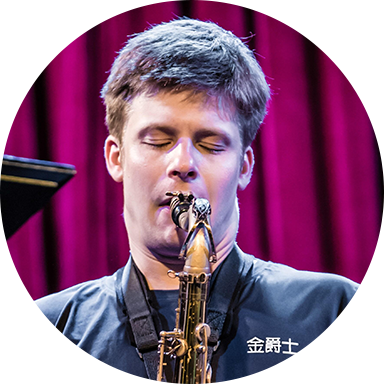
Drew Zaremba

Drew Zaremba has established himself internationally as a conductor, composer, and arranger whose work spans classical orchestras, world-renowned jazz ensembles, and cross-cultural musical projects. His commissions and arrangements have been performed by the BBC Orchestra, Metropole Orkest, Dallas Symphony Orchestra, and artists including Randy Brecker, Lee Loughane, and Eddie Gomez. In 2018, he joined the University of Northern Colorado faculty to teach jazz composition and arranging, where he continues to develop the next generation of writers.

Zaremba's creative range extends beyond traditional jazz and orchestral work. He has recorded twenty original compositions with the University of North Texas Lab Bands, won first prize in the 2015 Sherman/Barsanti Inspiration Award, and received the Sammy Nestico Award for composition in 2018. His ambitious "Crossing Chinese Opera with Jazz" residency in Zhuhai, China, exemplifies his commitment to blending musical traditions. A Sammy Nestico Award commission from the Airmen of Note followed, reinforcing his standing among today's most sought-after jazz writers.

Why we love this

Zaremba brings genuine sophistication to the Grade 3.5 level without overcomplicating the ensemble's work. The tango-inflected groove at 112 BPM sits solidly in the pocket, and the solo rotation through alto 1, trumpet 2, trombone 1, and drums keeps the feature moving naturally rather than feeling like separate showcase moments. The orchestration sparkles with plunger colors and optional vibes and flute parts that reward ensemble maturity while staying accessible.

What to expect

Slick and Sly lives up to its name. The tango groove creates an urbane, slightly mysterious energy that feels more mature than typical Grade 3.5 charts, while the solo voices add genuine warmth and personality. The plunger mutes cast sophisticated shadows over the harmony, and the optional colors suggest a much larger ensemble's palette compressed into an intelligent arrangement.

Who it's for

Jazz ensembles at the intermediate level with competent section leaders ready to handle solo opportunities and plunger mute technique. The piece works well for groups that have solid fundamentals but may be newer to Latin/tango feels and extended jazz voicings. Directors looking for a program piece that develops both rhythmic sophistication and arranging awareness will find real value here.

How to get the most out of it

  • Lock the tango pulse with your rhythm section first. The groove should feel propulsive but relaxed, not rushed or dragging. Once the piano and bass sit comfortably in the pocket, the soloists will have solid ground.
  • Balance the plunger mutes carefully in the brass section. They should darken and color the harmony without muddying the blend. Listen for clarity in voicing before pushing volume.
  • Give each soloist space to breathe and find their own phrasing. Alto 1 and trumpet 2 need room to interpret their melody lines idiomatically, especially if this is your ensemble's first exposure to true jazz soloing.
  • If you include the optional vibes and flute parts, use them to expand texture during solos and the second half of the chart rather than doubling from the opening. This creates a sense of color development and keeps listeners engaged through all 4 minutes 40 seconds.

How to use it

Program this alongside other Latin-influenced or blues-based pieces to build a coherent set exploring groove and feel. It works particularly well as a mid-program piece that shifts energy after a more formal classical arrangement, or as a closer that leaves audiences with a modern, confident impression. The length and difficulty make it ideal for a full rehearsal season project, where you can spend time developing solo confidence and rhythmic precision without overwhelming younger jazz players.

Skills your students will build

  • Playing tango rhythm and feel at tempo
  • Improvising over changes in a jazz context
  • Executing plunger mute articulation and color control
  • Balancing solo voice with ensemble support
  • Reading lead sheets and understanding jazz harmony voicings
  • Developing ensemble groove and pocket sensitivity

You May Also Like