
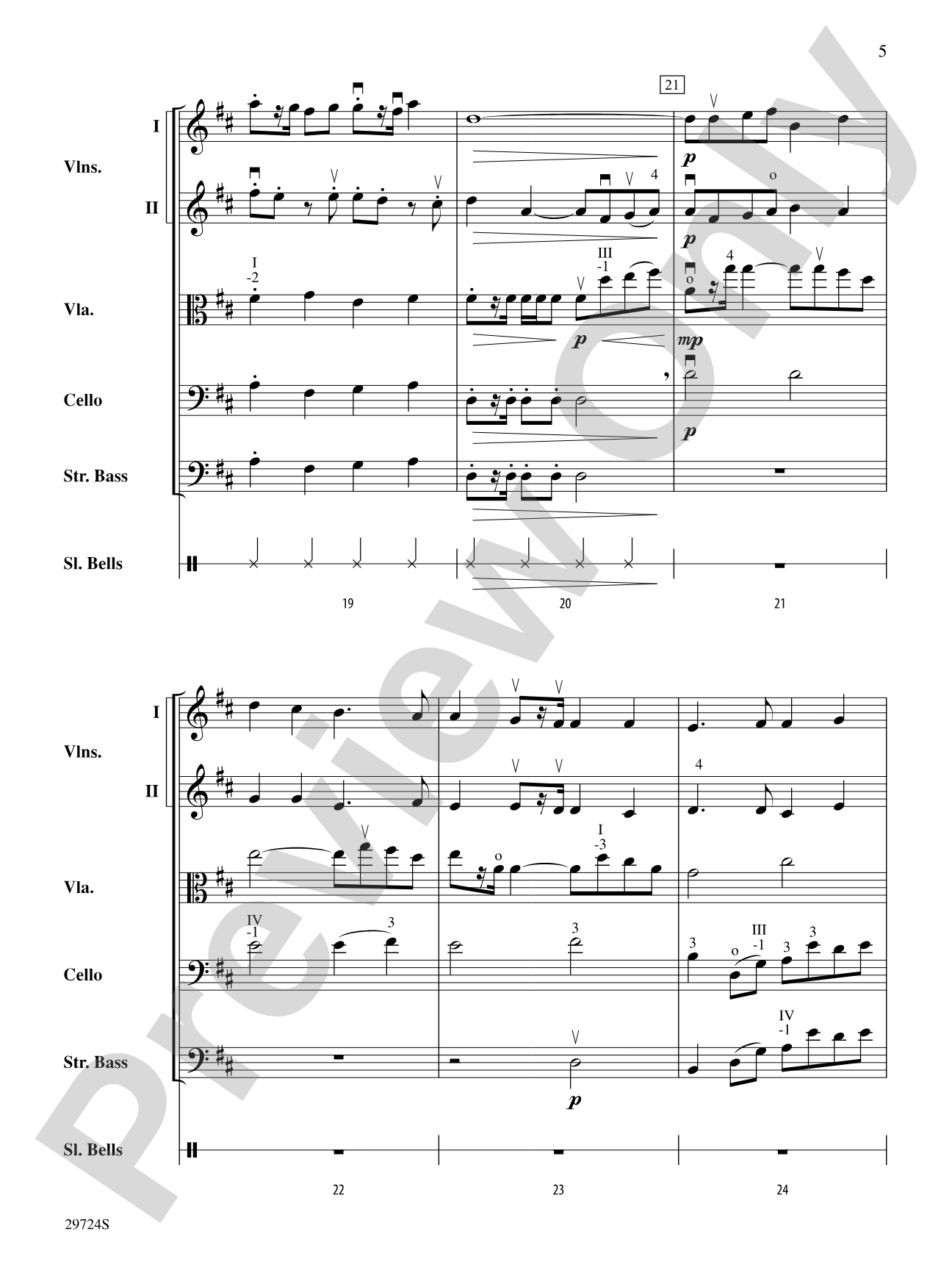
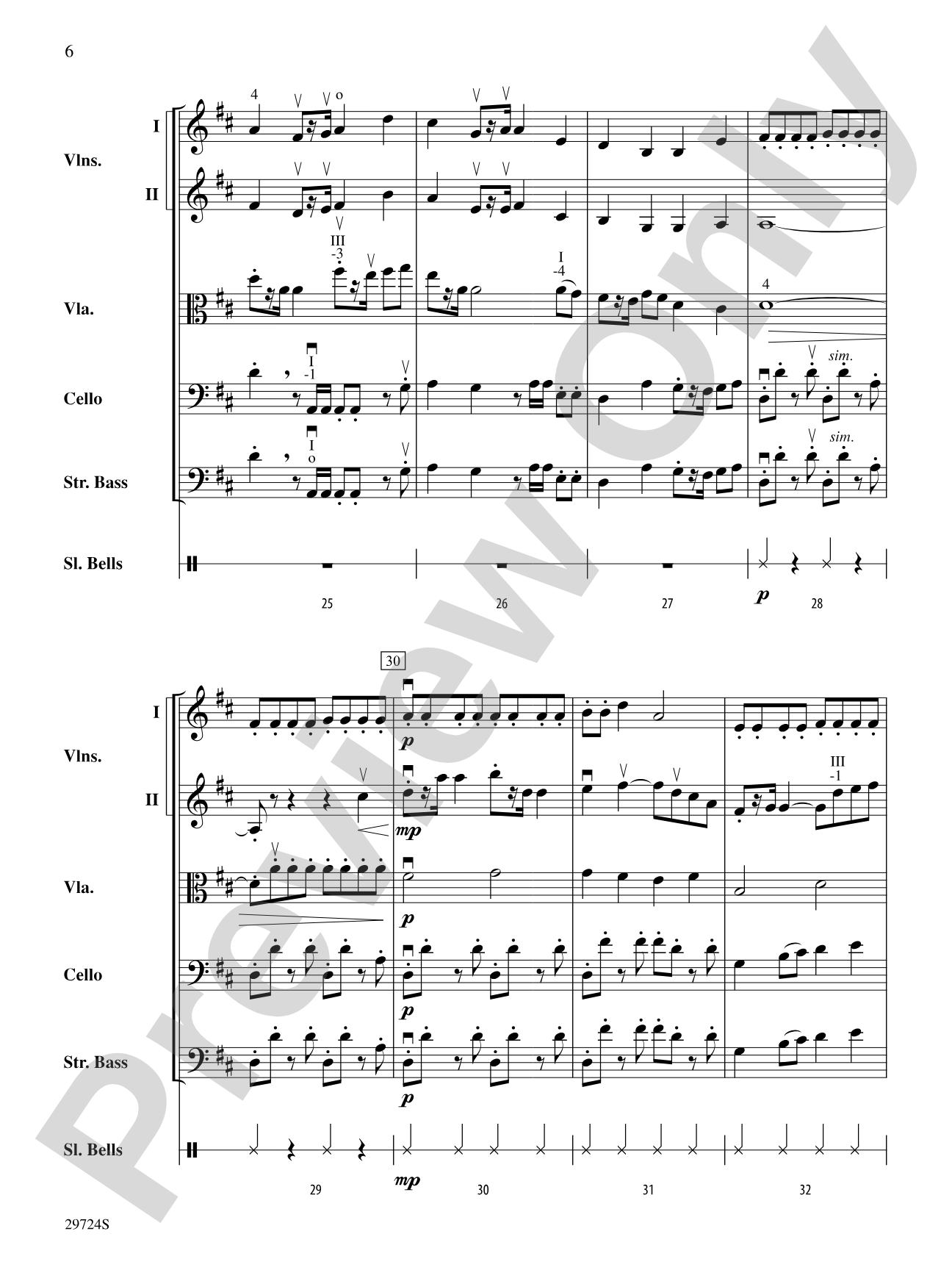
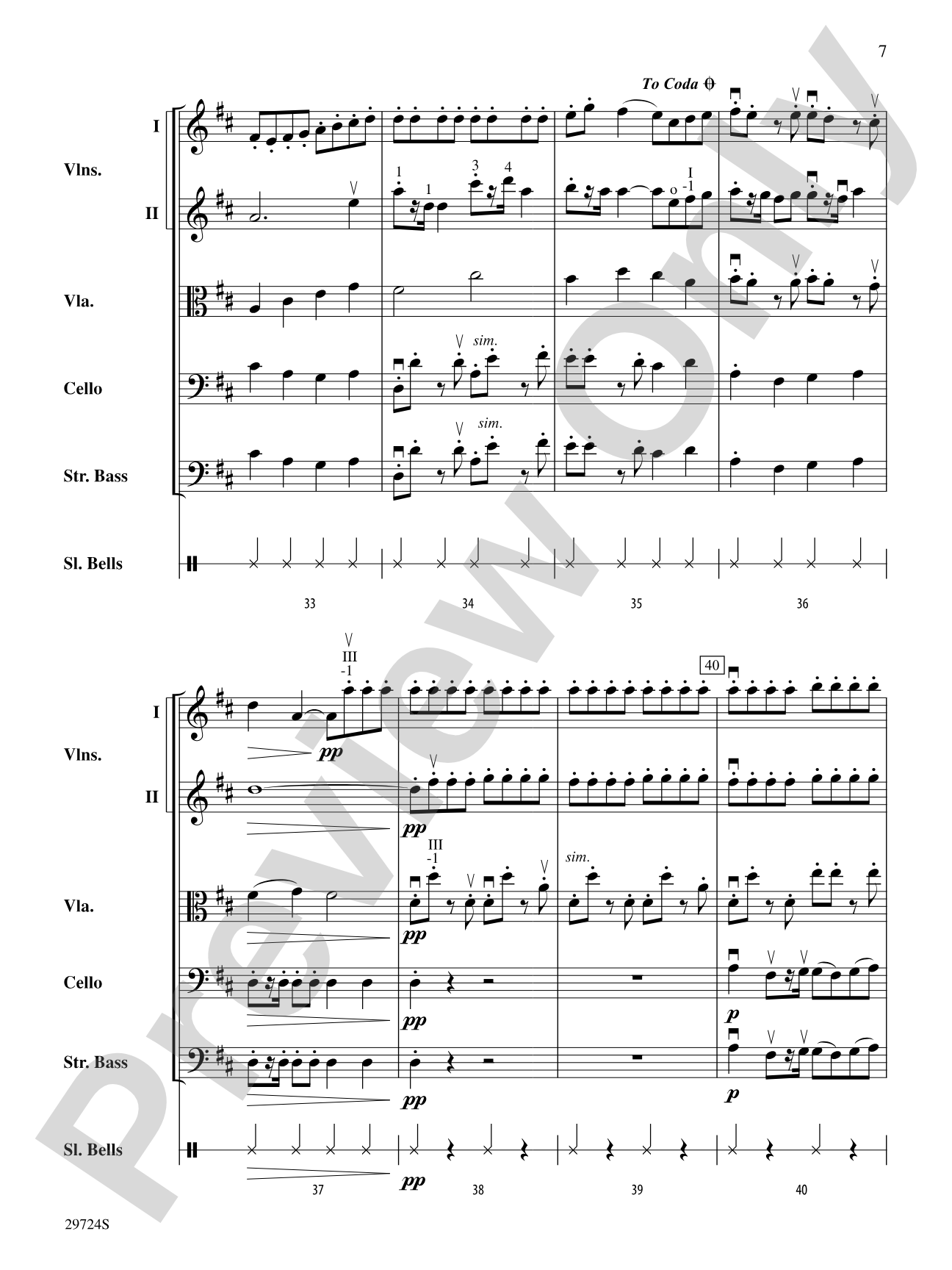
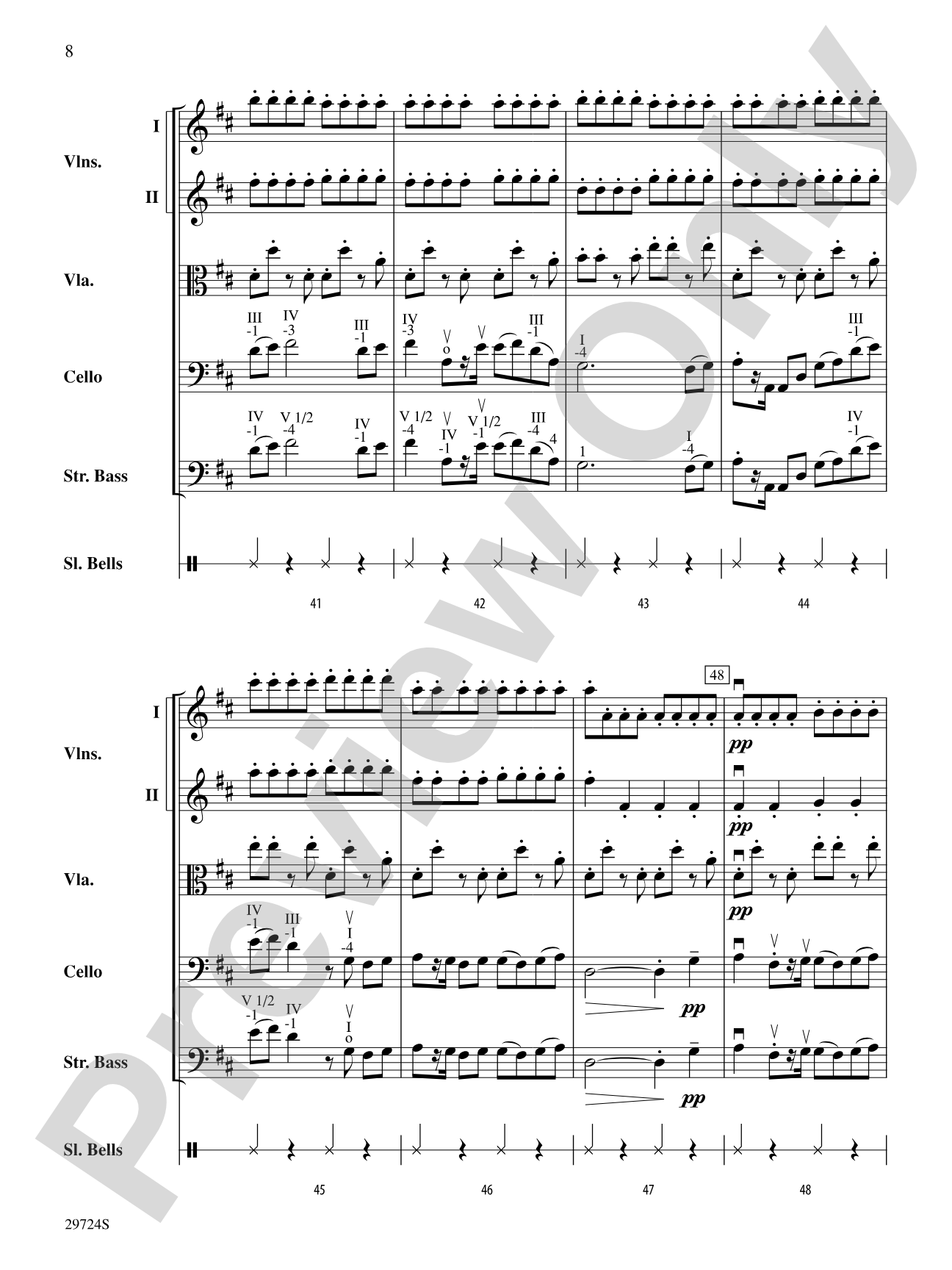
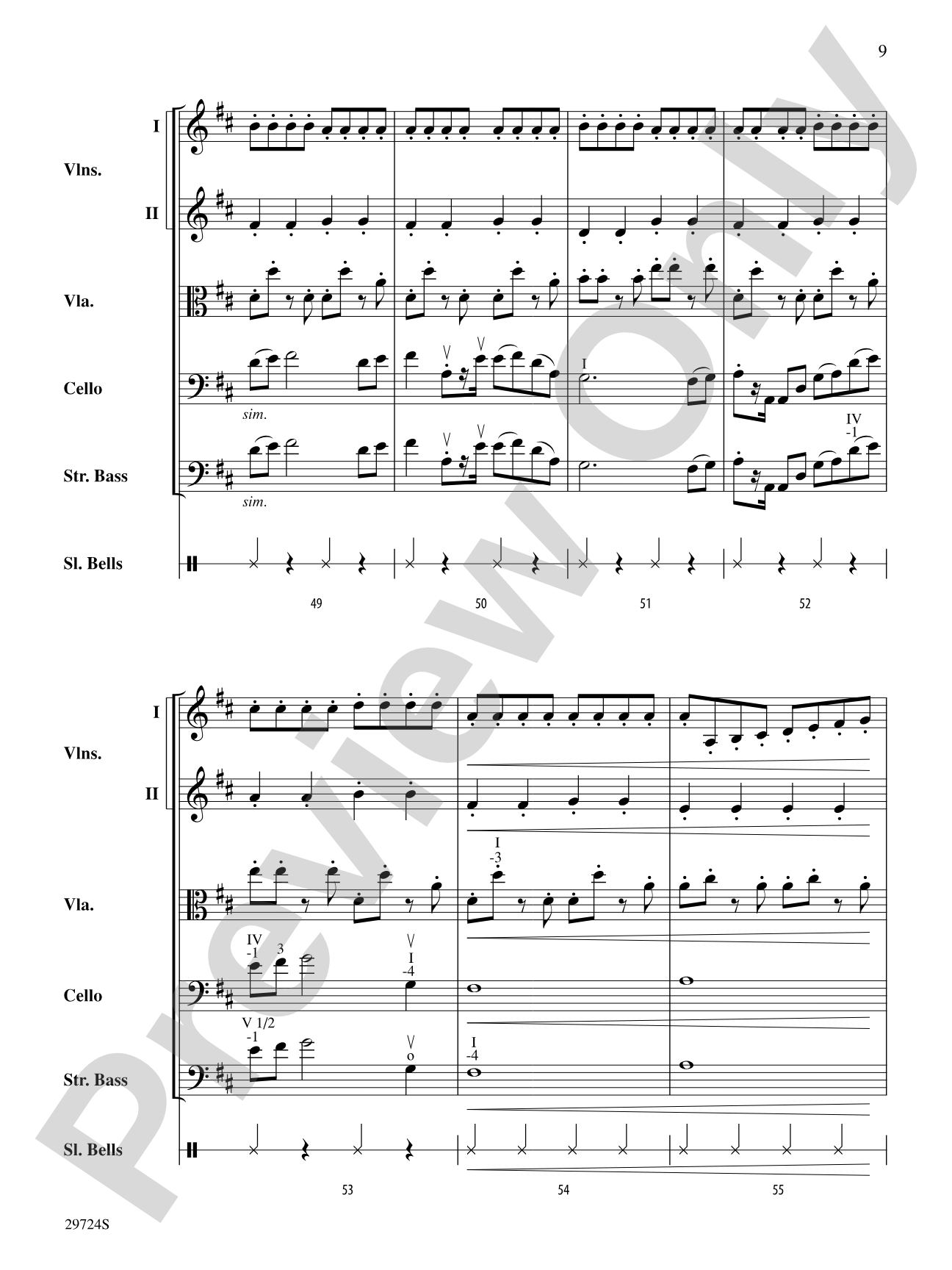
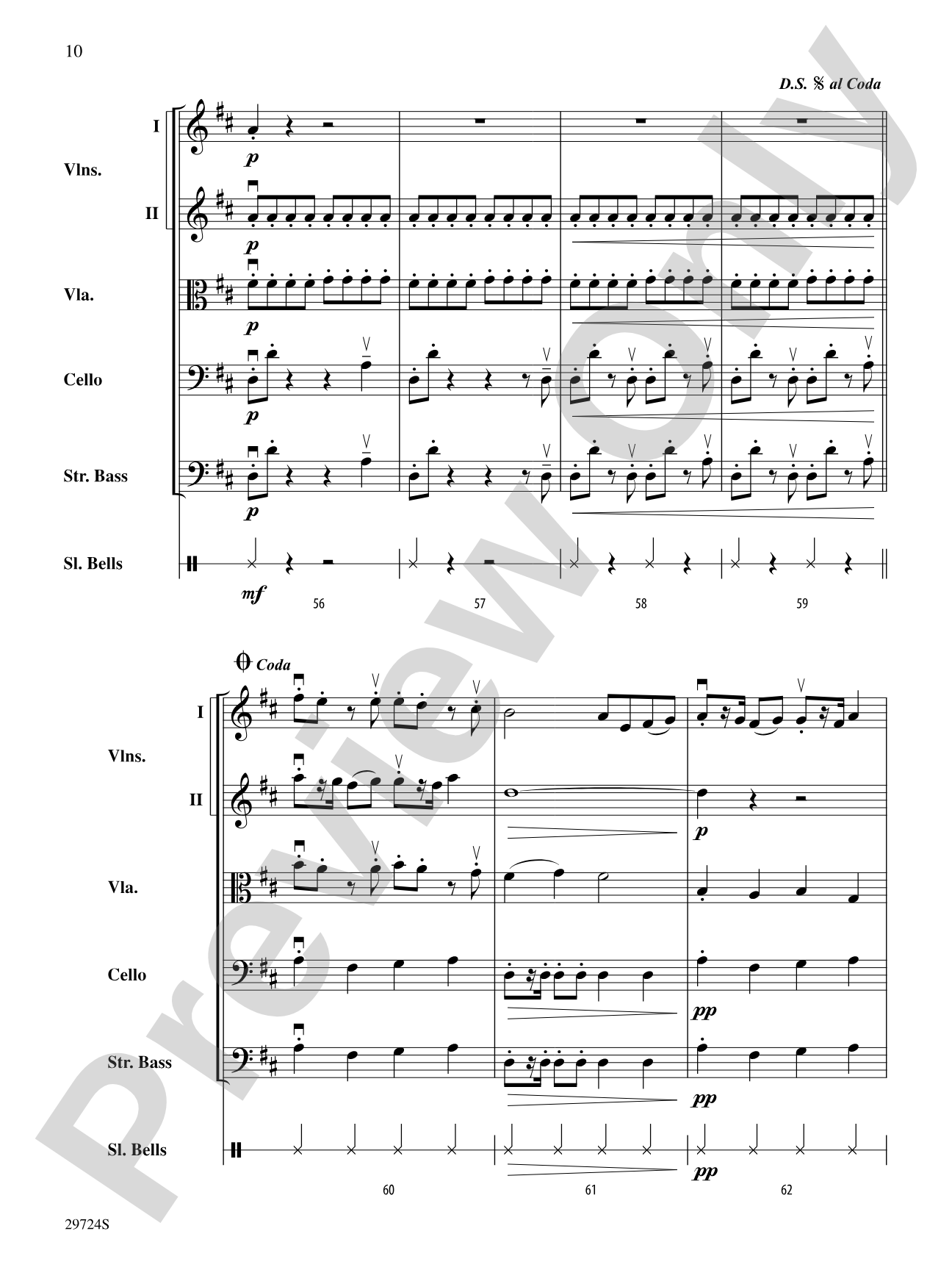
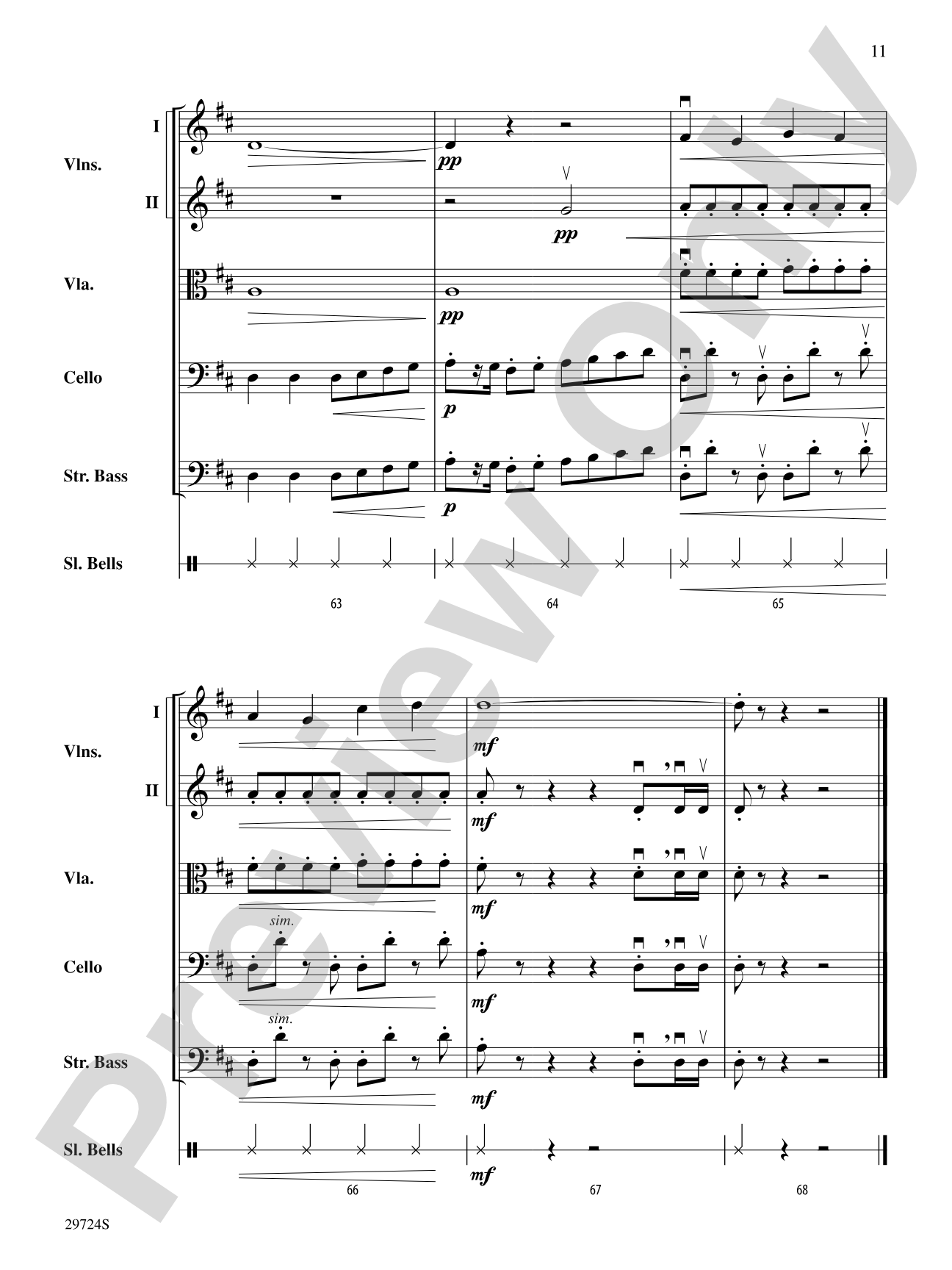


Sleigh Ride to New Haven: String Orchestra Conductor Score & Parts
By Doug Spata
Grade: 3
Item: 00-PK-0001585

$47.00
Pickup currently not available
Buy Extra Parts (Digital PDF Download)
| Product | Price | Quantity |
|---|---|---|
| Sleigh Ride to New Haven: Score | $7.00 | |
| Sleigh Ride to New Haven: 1st Violin | $7.99 | |
| Sleigh Ride to New Haven: 2nd Violin | $7.99 | |
| Sleigh Ride to New Haven: Viola | $7.99 | |
| Sleigh Ride to New Haven: Cello | $7.99 | |
| Sleigh Ride to New Haven: String Bass | $7.99 | |
| Sleigh Ride to New Haven: 1st Percussion | $7.99 |
Parts Added to Cart!
Description
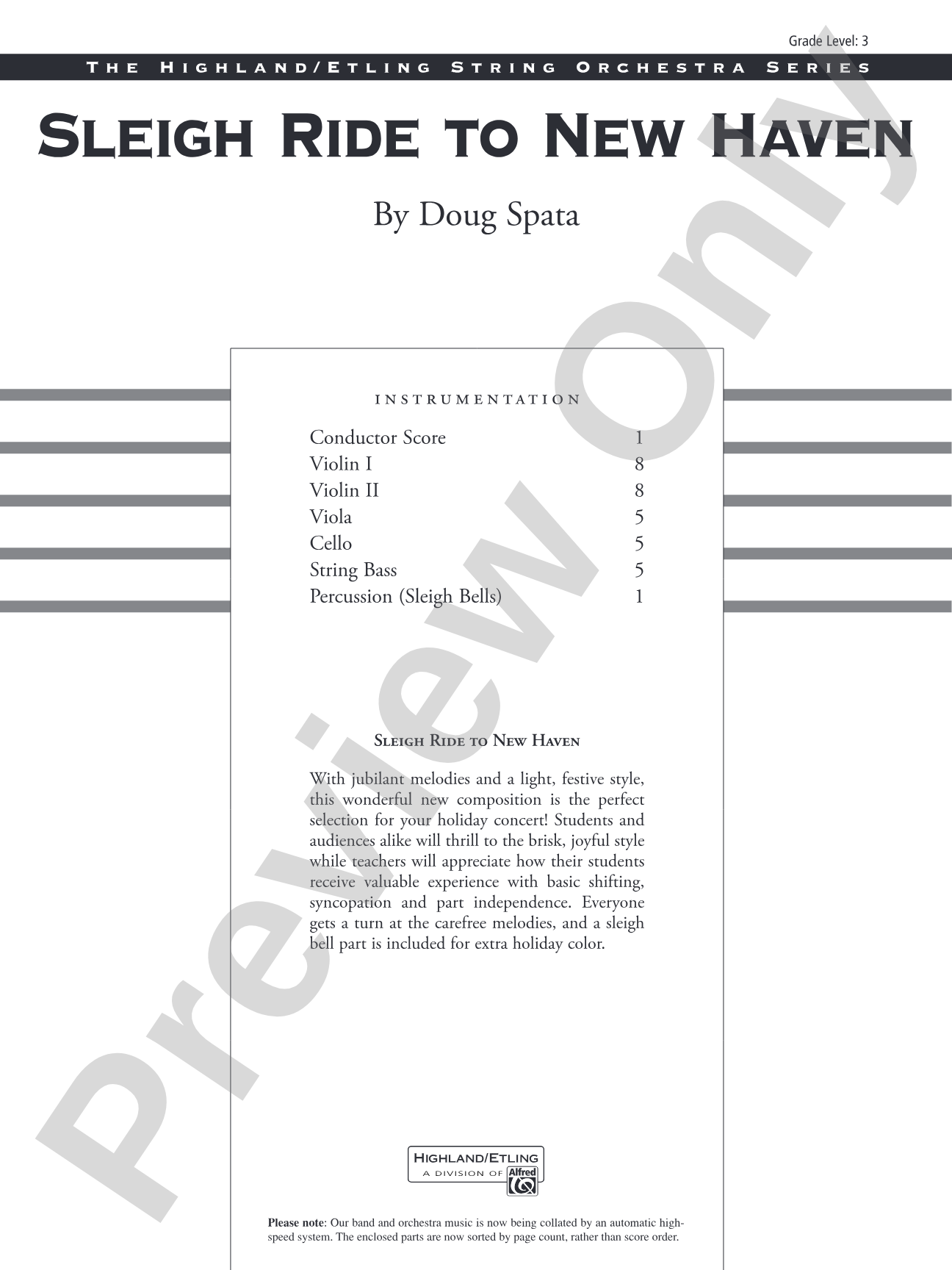
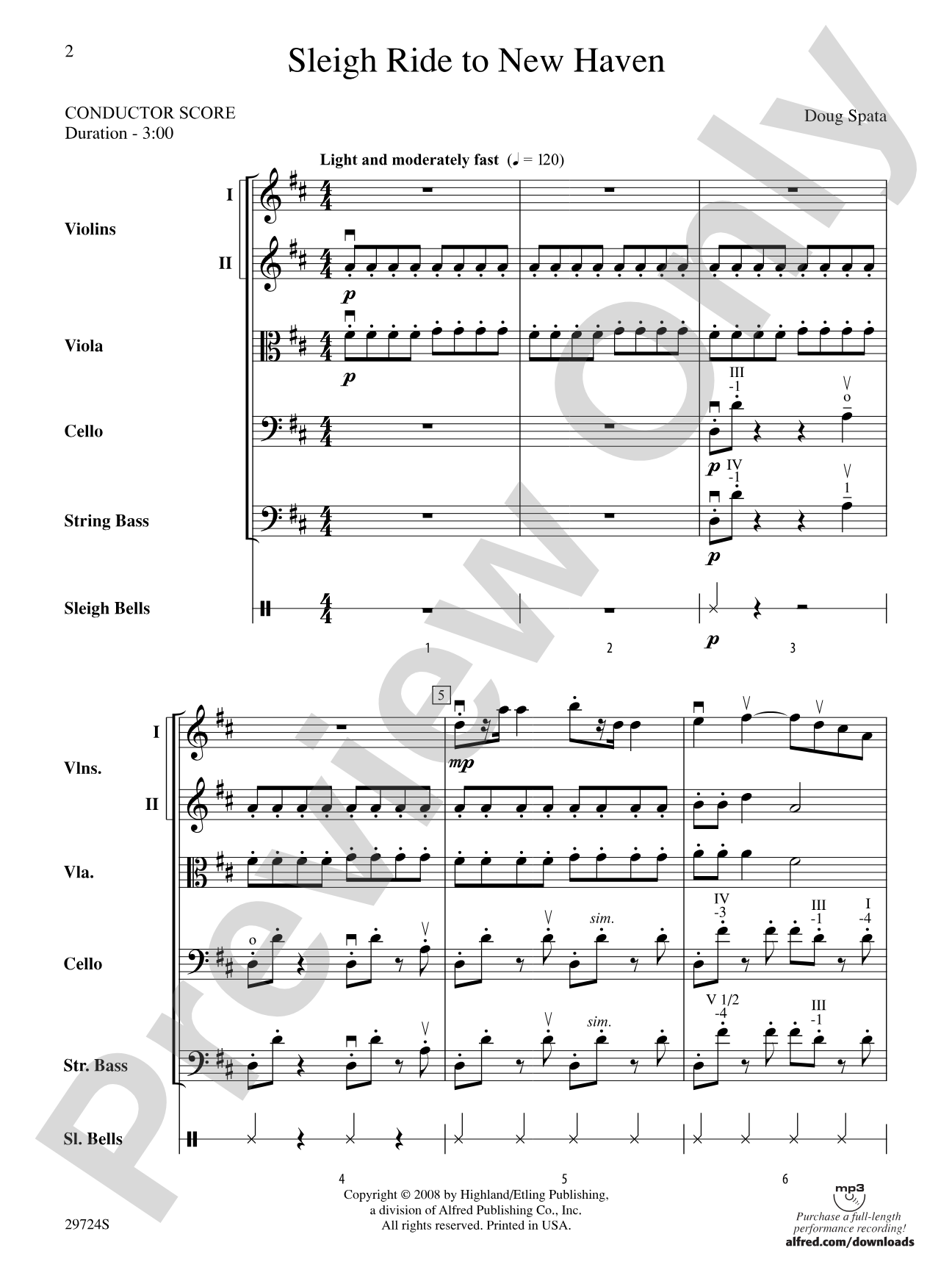
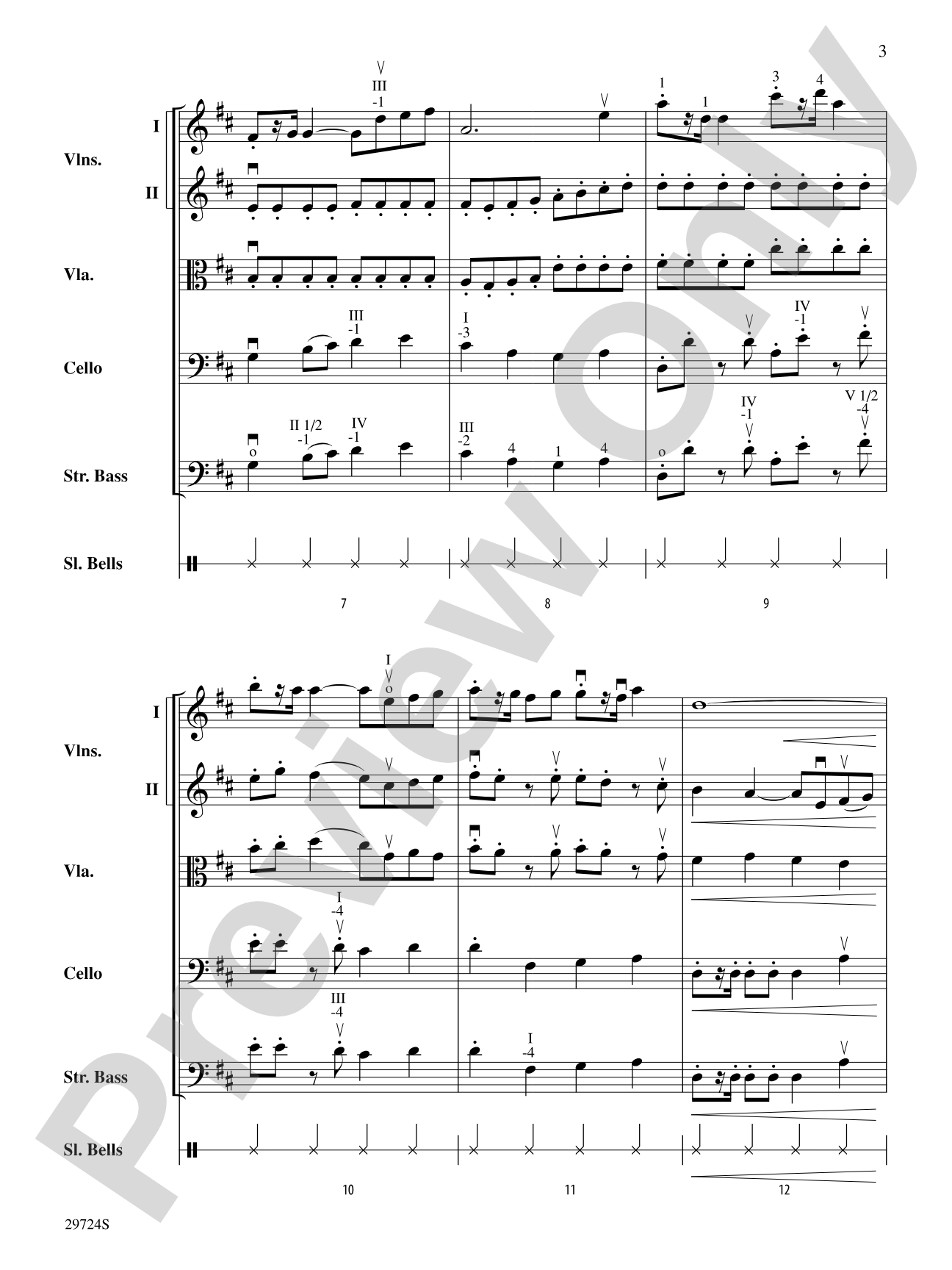
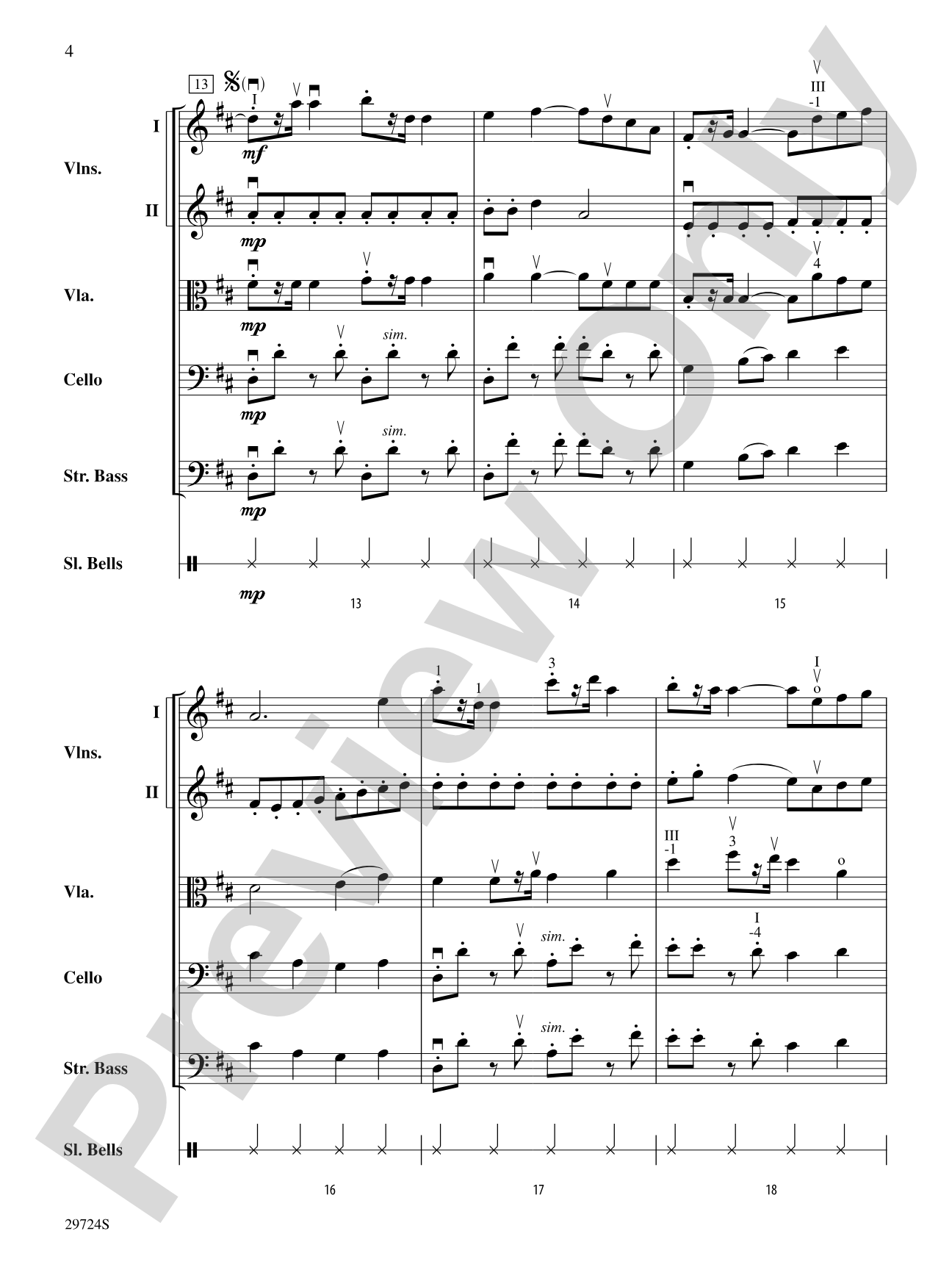
With jubilant melodies and a light, festive style, this wonderful new composition is the perfect selection for your holiday concert! Students and audiences alike will thrill to the brisk, joyful style while teachers will appreciate how their students receive valuable experience with basic shifting, syncopation and part independence. Everyone gets a turn at the carefree melodies and a sleigh bell part is included for extra holiday color. (3:00)


Don't just read it, hear it, play along with it, and watch your students grow with it. In MakeMusic Cloud, Sleigh Ride to New Haven: String Orchestra Conductor Score & Parts comes alive with professional accompaniment, adjustable tempo, and built-in practice tools that turn solo practice into real progress.
Open in the Player
Jump straight in and assign it today.
Start Your Free Trial
Open this title and explore the full library in minutes.
Sample Audio
1
Audio File
--:--
0:00
0:00
Sample Video
No sample videos found.
Additional Details
Series:
Highland/Etling String Orchestra
Publisher:
Alfred Music
Page Count:
126
SKU:
00-PK-0001585
More about this title
About the Composer: Doug Spata

Doug Spata brings the perspective of both performer and educator to his compositional work. A clarinetist by training, he shifted his primary focus to writing for string ensembles after years directing orchestra programs, a move that shaped his distinctive voice in student music composition.
His works have earned recognition across the United States and internationally, performed by student and professional ensembles alike. Beyond student repertoire, Spata has composed operas, ballets, symphonies, and chamber works spanning multiple genres and ensemble configurations. His music resonates with teachers and students because it balances musical substance with pedagogical clarity.
Why we love this
Spata understands the middle school string orchestra from the inside out, and it shows in every measure of this piece. The jubilant, straightforward character makes it immediately engaging for both players and audiences, while the built-in pedagogical layers (shifting, syncopation, part independence) develop musicianship without feeling like a lesson. Add the sleigh bell color and you have a holiday performance that feels fresh rather than routine.
What to expect
Carefree and joyful from the first measure, with the kind of open-air sparkle that makes you picture snow and movement. The melodies have a sing-along quality that invites audiences in, while the syncopated rhythms and rhythmic independence keep the energy playful rather than settling into predictability.
Who it's for
String orchestra directors seeking grade 3 holiday repertoire that delivers both musical enjoyment and measurable skill development. This works well for programs where students have some experience with shifting and are ready for pieces that layer rhythmic and textural complexity without requiring advanced technique.
How to get the most out of it
- Keep the tempo brisk and consistent; the festive character depends on forward motion and energy, so resist the temptation to slow down during technical passages.
- Balance the sleigh bell part carefully so it punctuates without overwhelming the string lines, especially when multiple melodic voices are active.
- Give attention to part independence in rehearsal by sectioning and isolating each voice until students own their material, then gradually bring sections together.
- Work the shifting passages in isolation before running full sections; a few minutes of focused bow work on the specific shifts will pay dividends in performance.
How to use it
This sits comfortably in the middle or closing section of a winter concert, offering the kind of crowd-pleasing energy that works well between more serious or complex pieces. The three-minute duration makes it ideal for a concert that balances multiple works, and the holiday flavor makes it a natural anchor for any December or early January concert.
Skills your students will build
- Basic shifting in upper positions
- Syncopated rhythms and rhythmic independence across string parts
- Balance and blend when multiple melodic lines share the ensemble
- Sustained attention to part integrity under dynamic shifts