
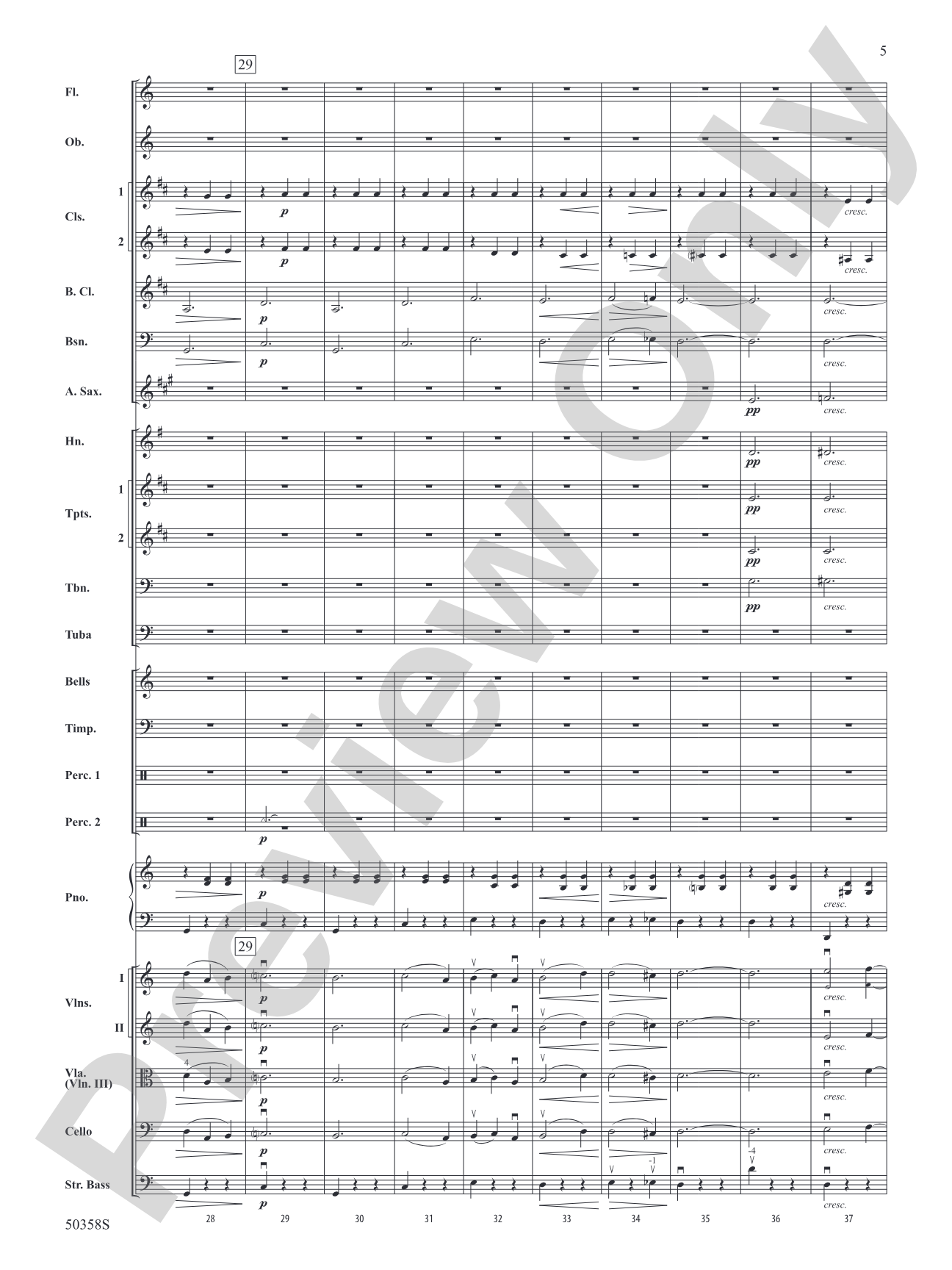
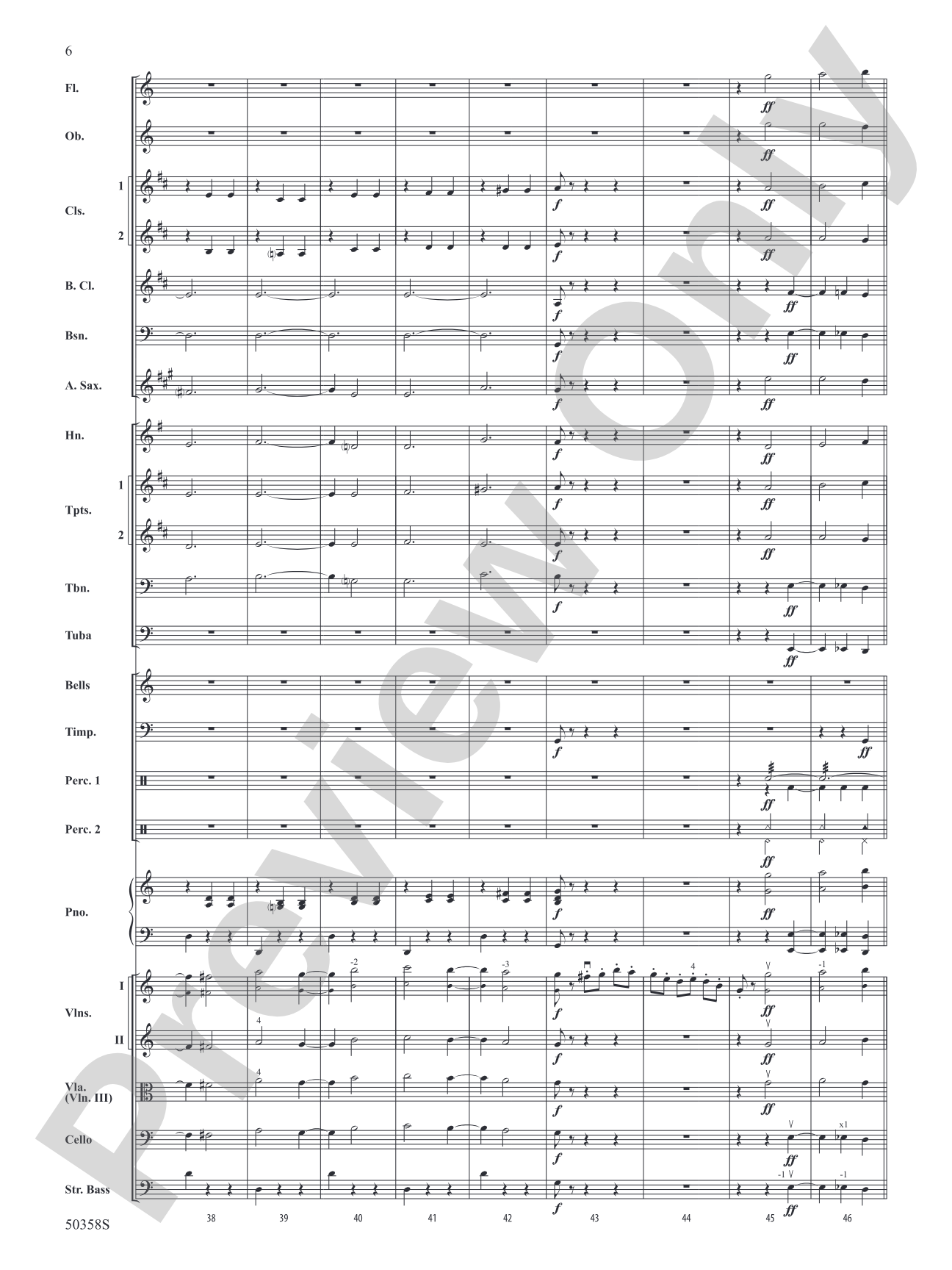
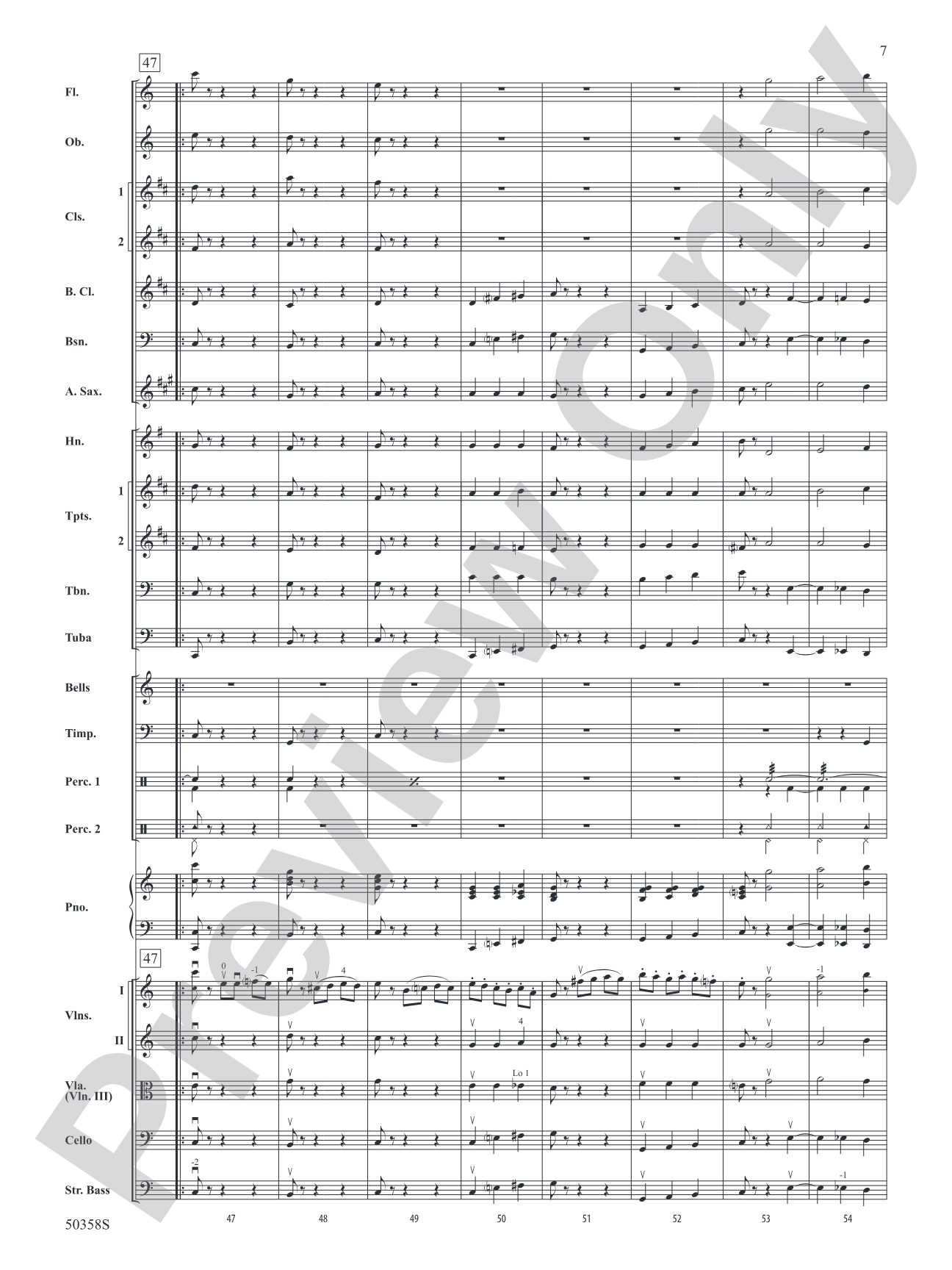
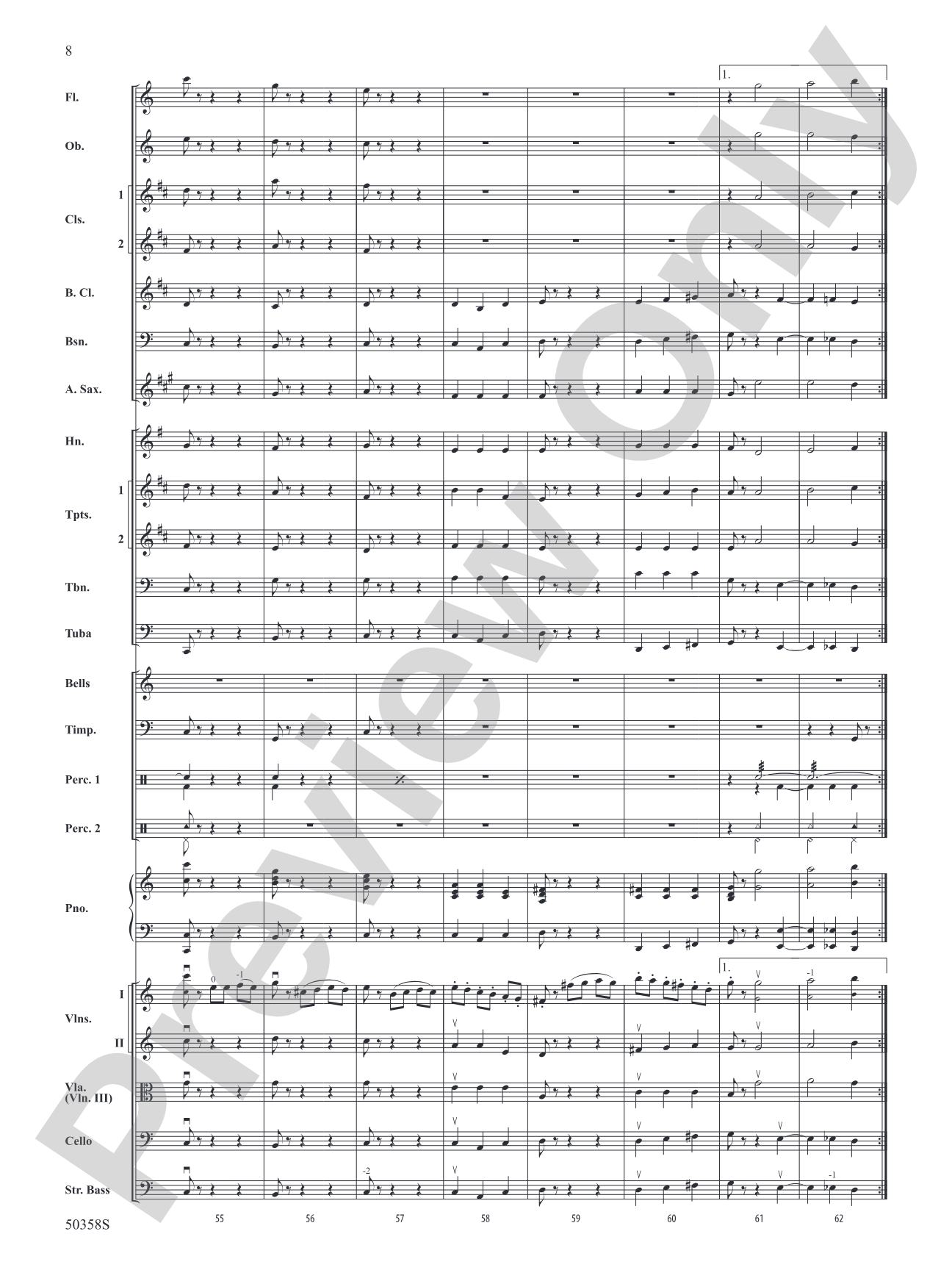
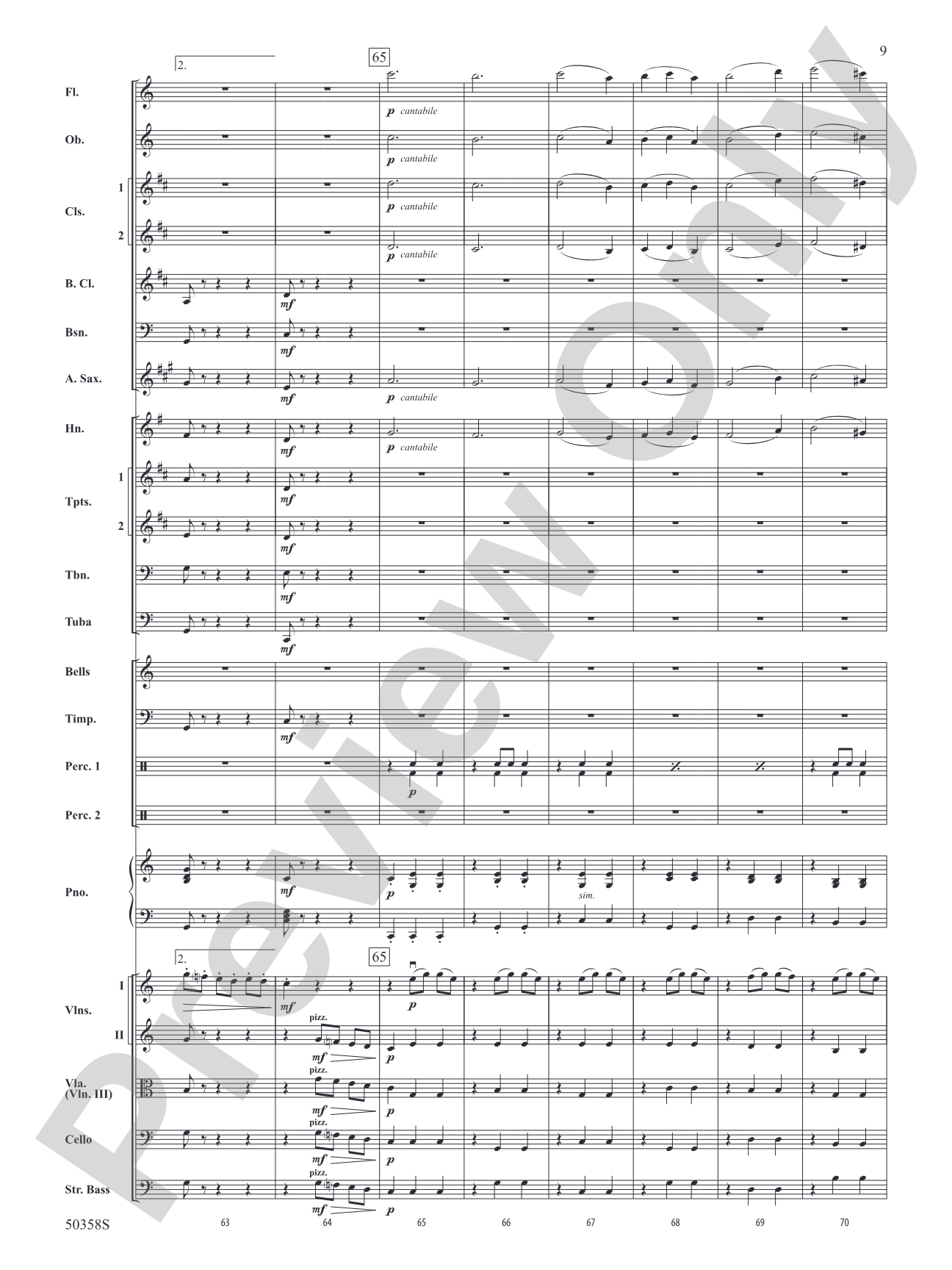
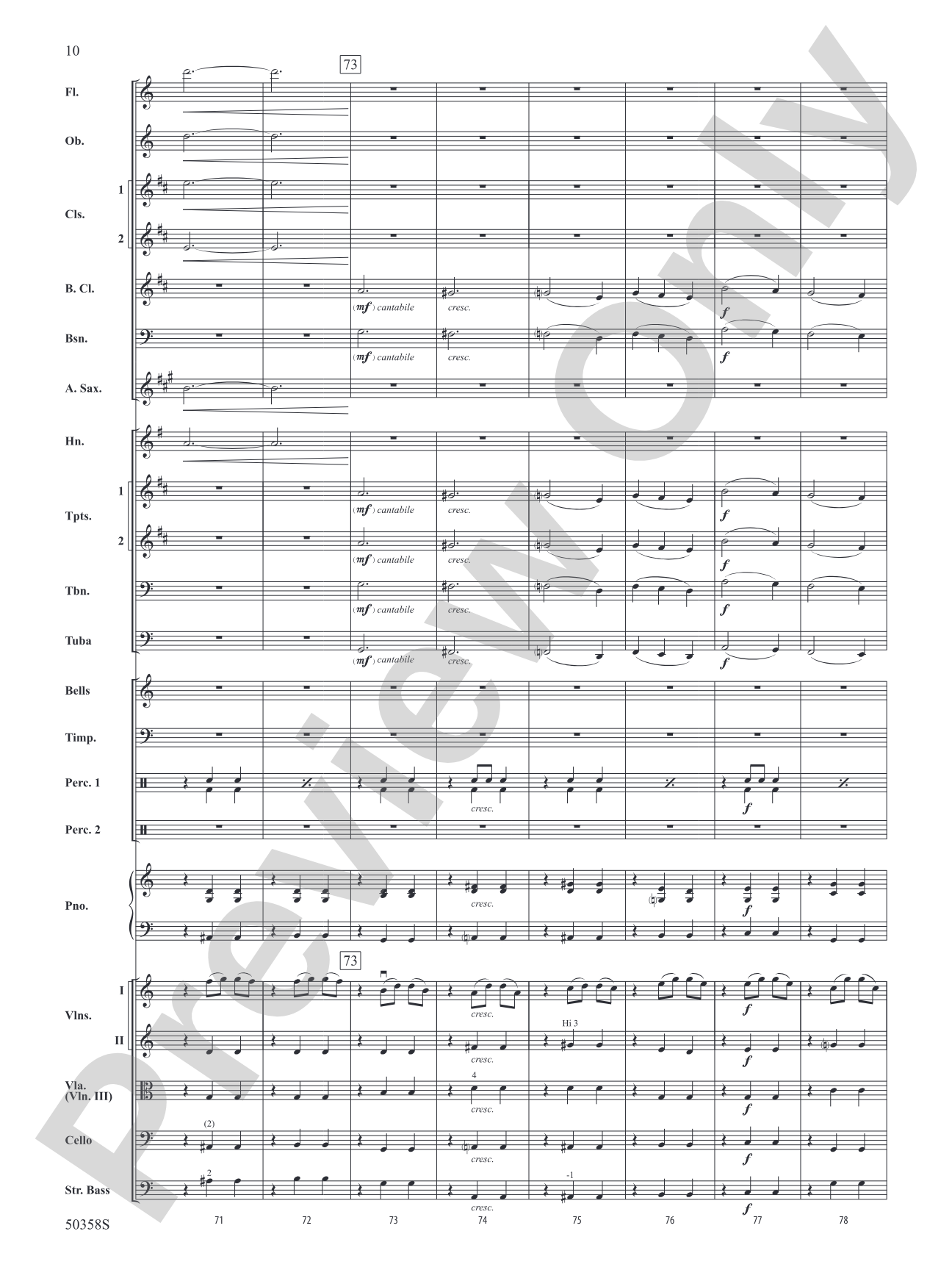
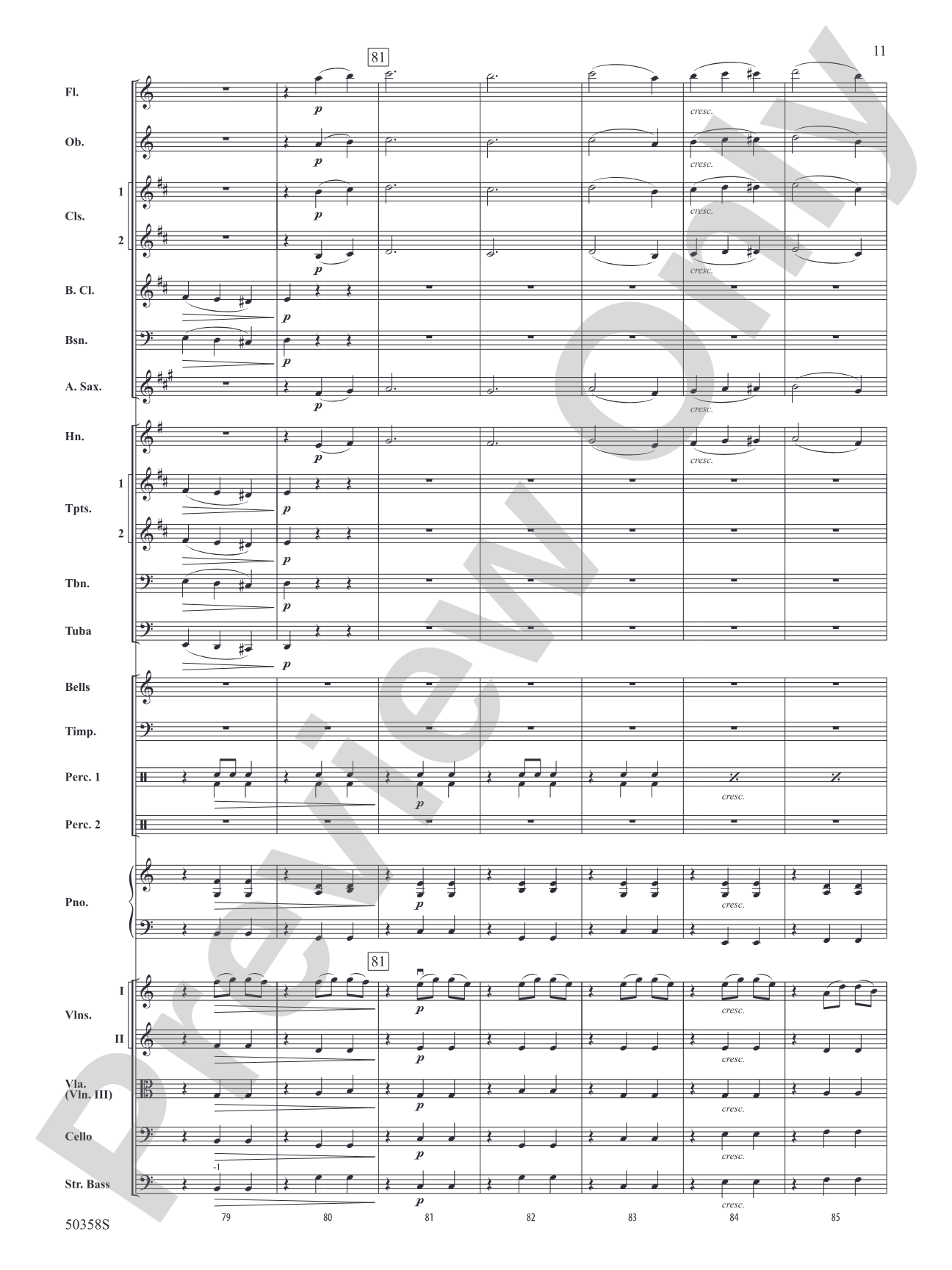
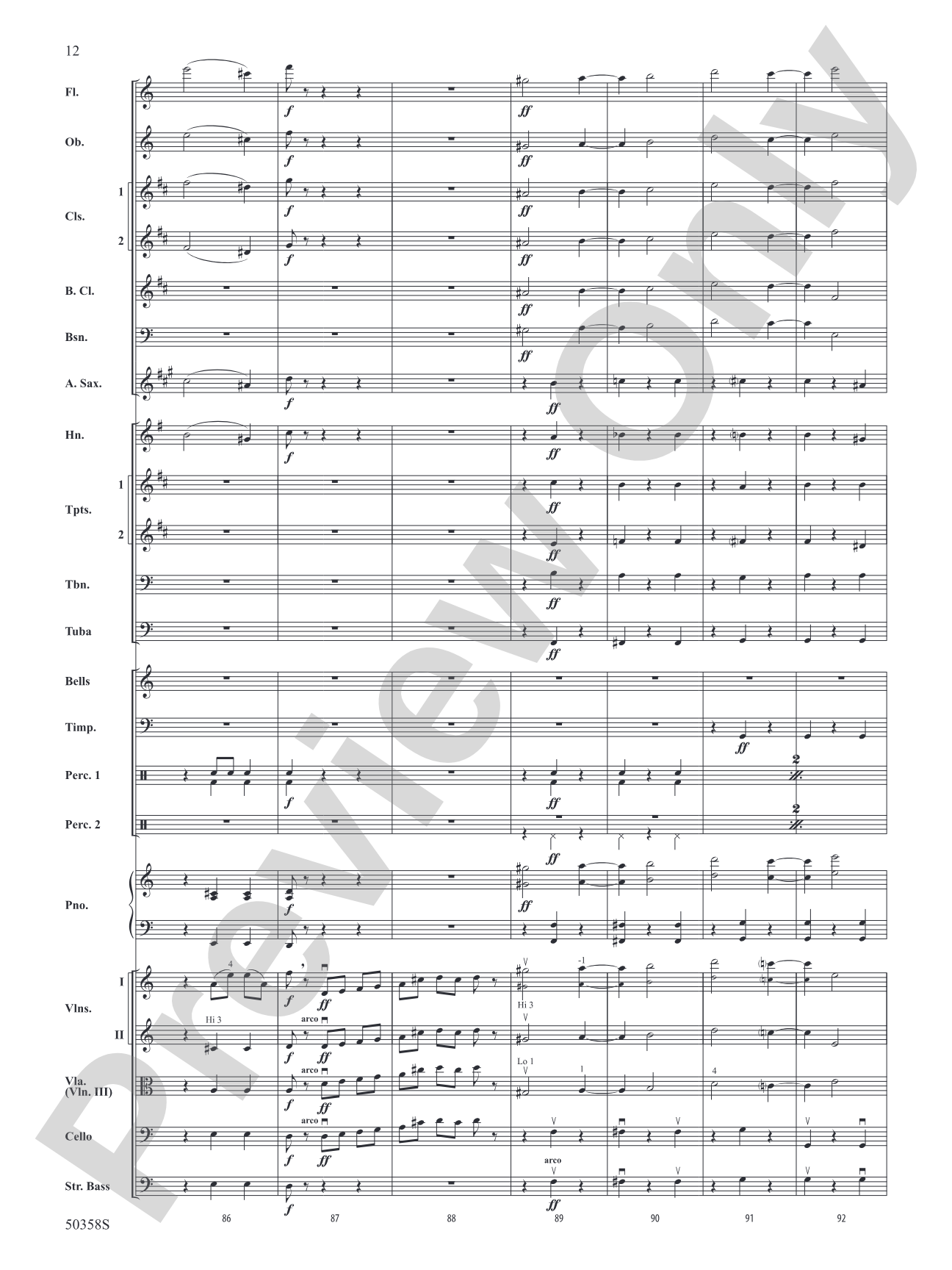
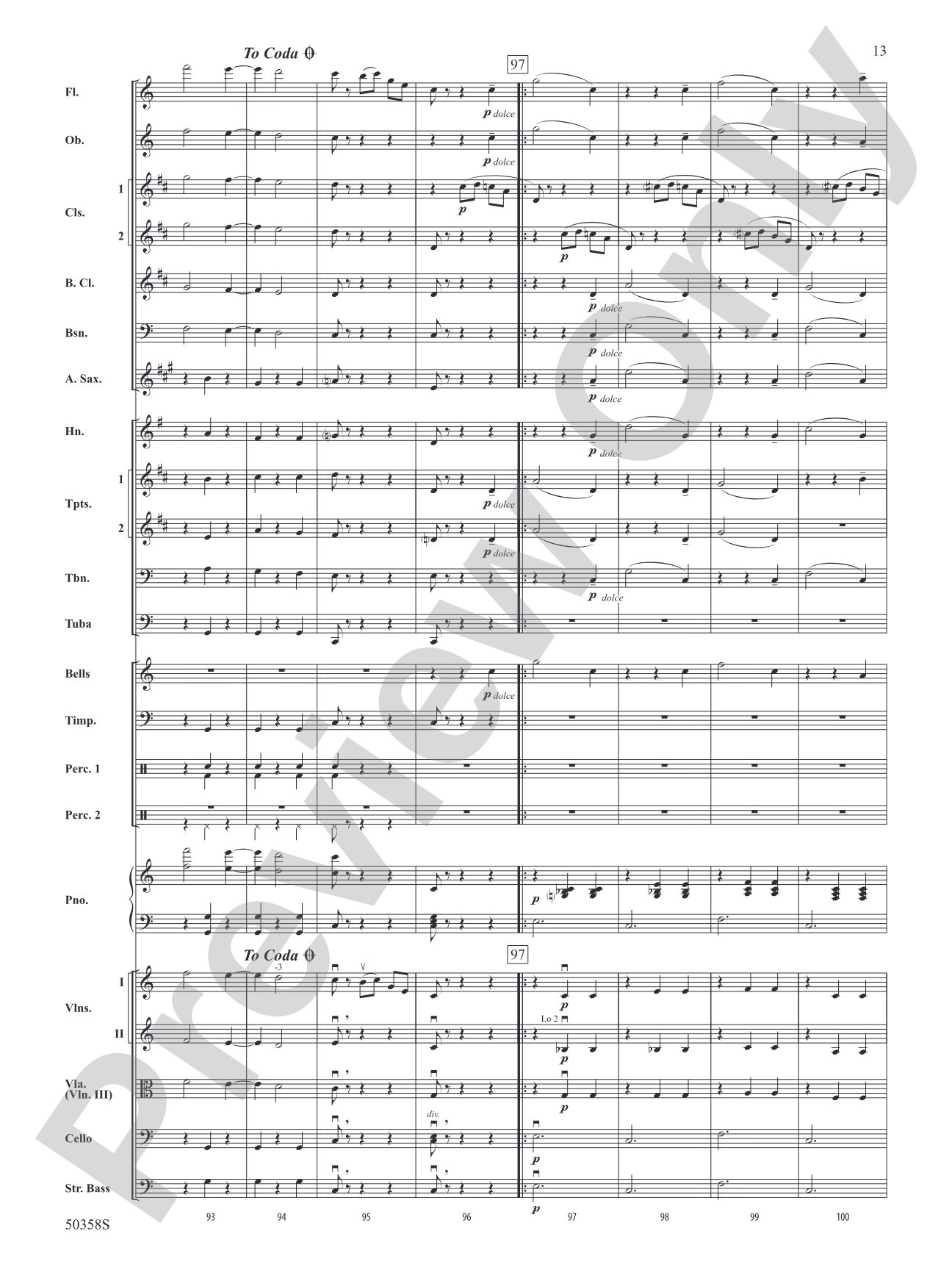
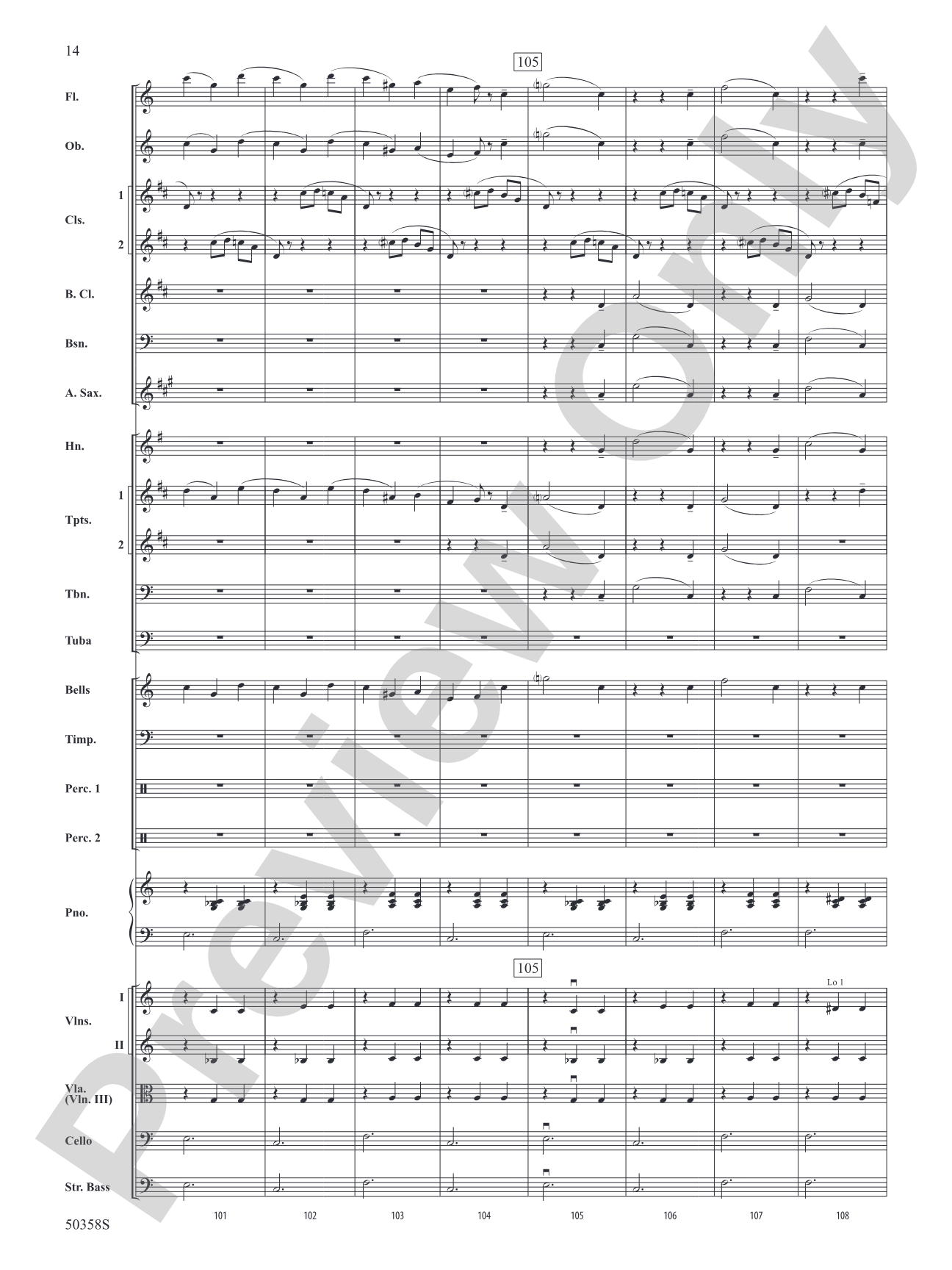
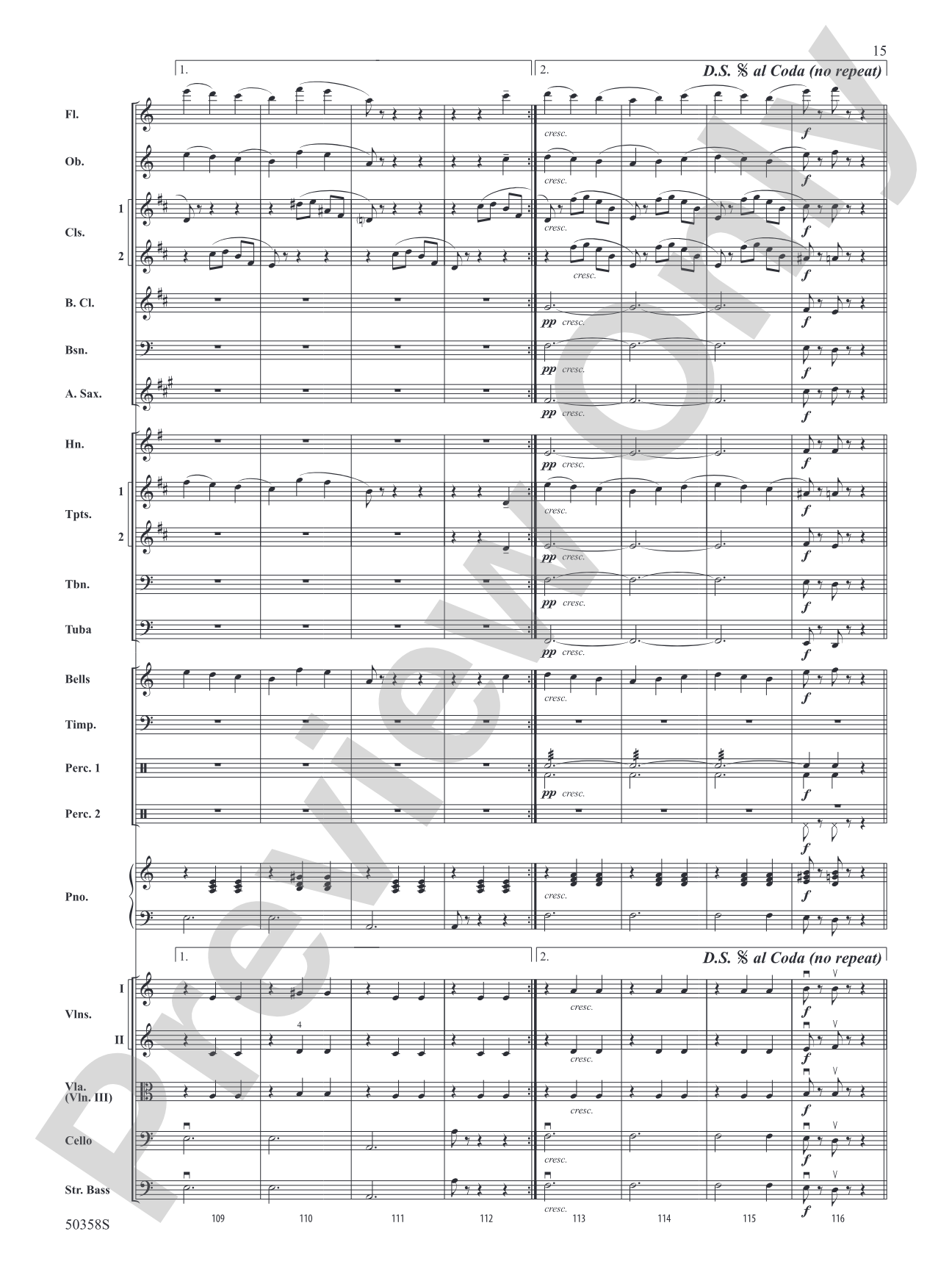
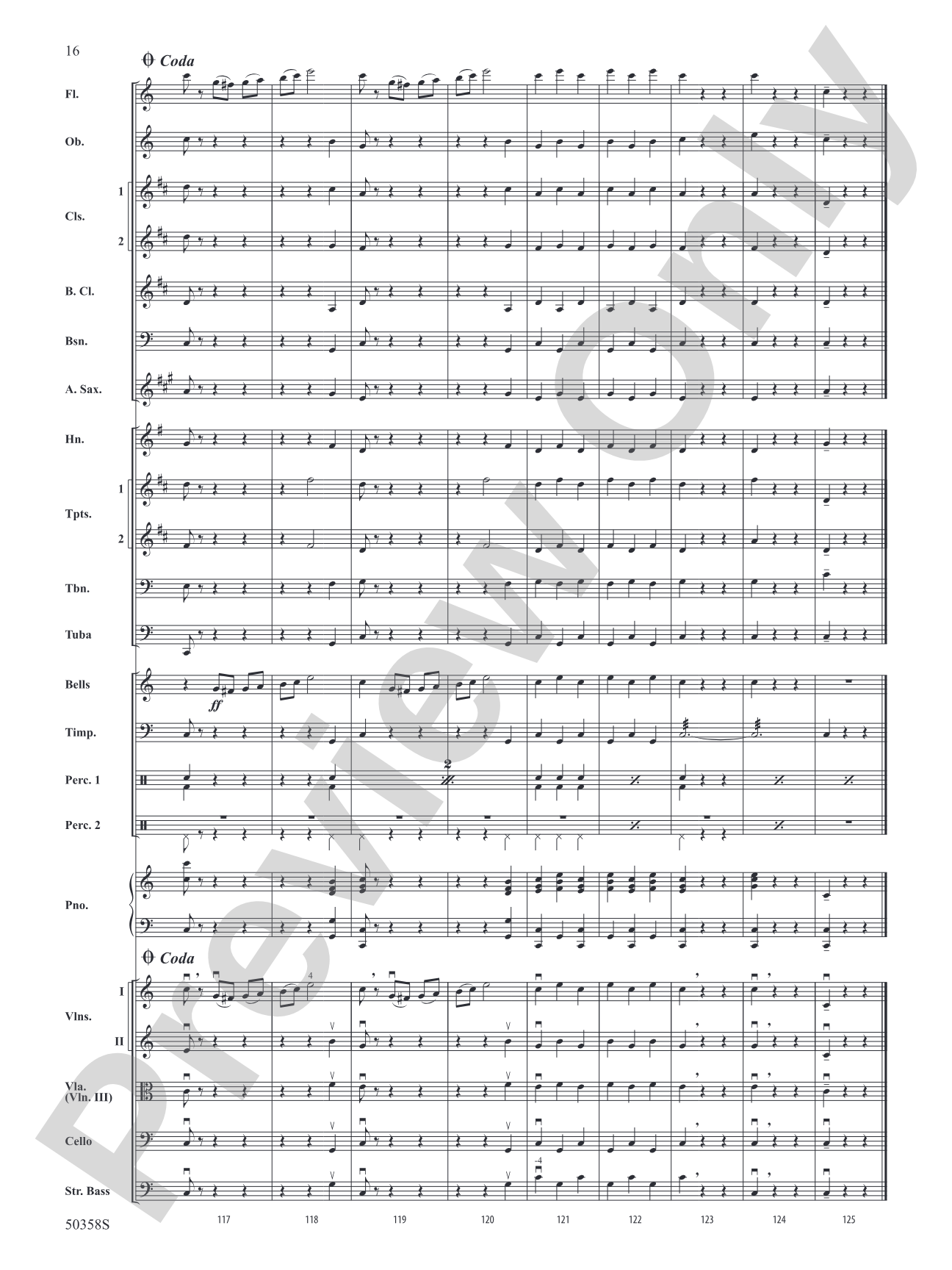

Sleeping Beauty Waltz: Full Orchestra Conductor Score & Parts
By Piotr Ilyich Tchaikovsky / arr. Richard Meyer
Grade: 3
Item: 00-PK-0009536

$90.00
Pickup currently not available
Buy Extra Parts (Digital PDF Download)
Parts Added to Cart!
Description
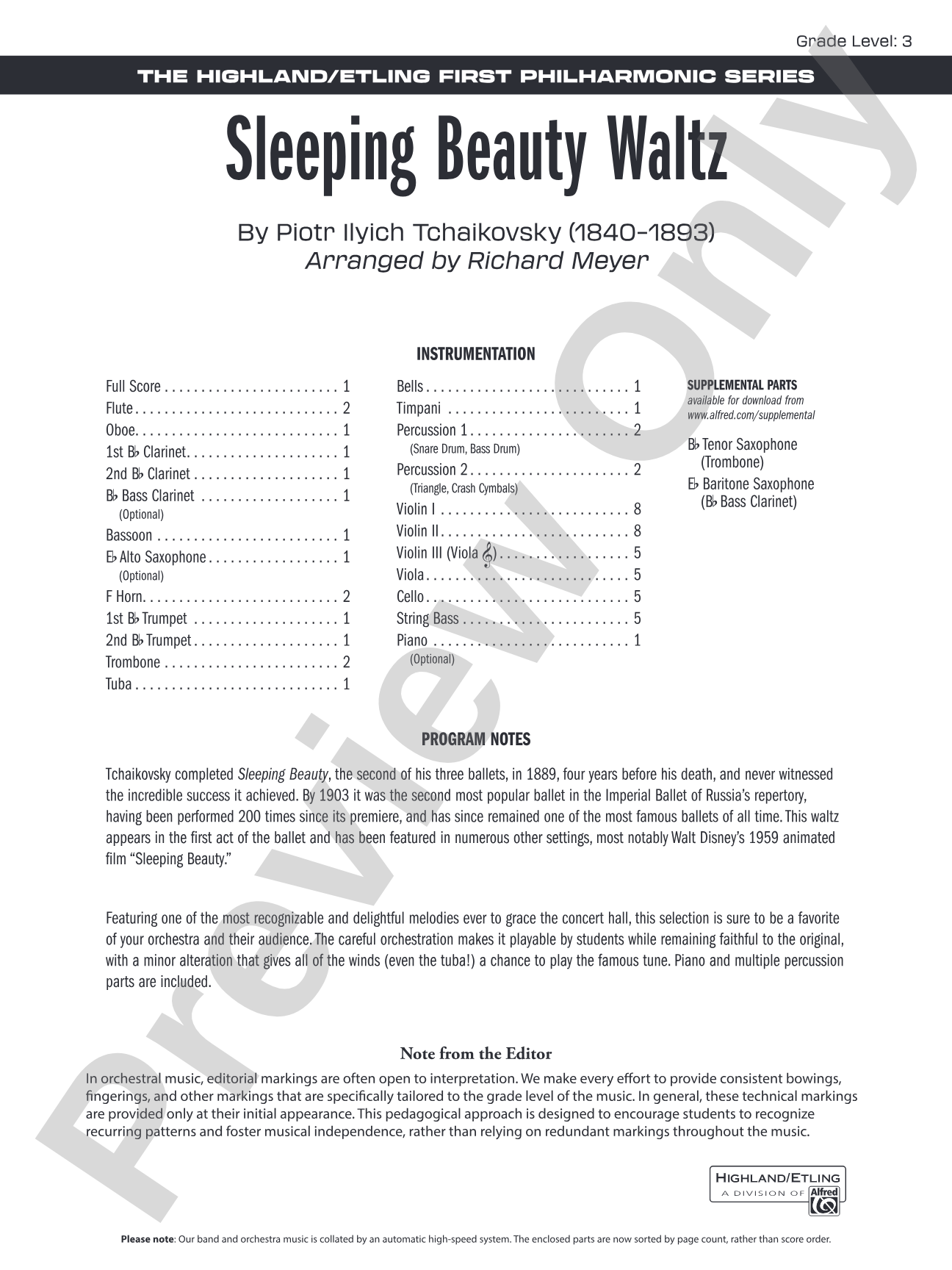
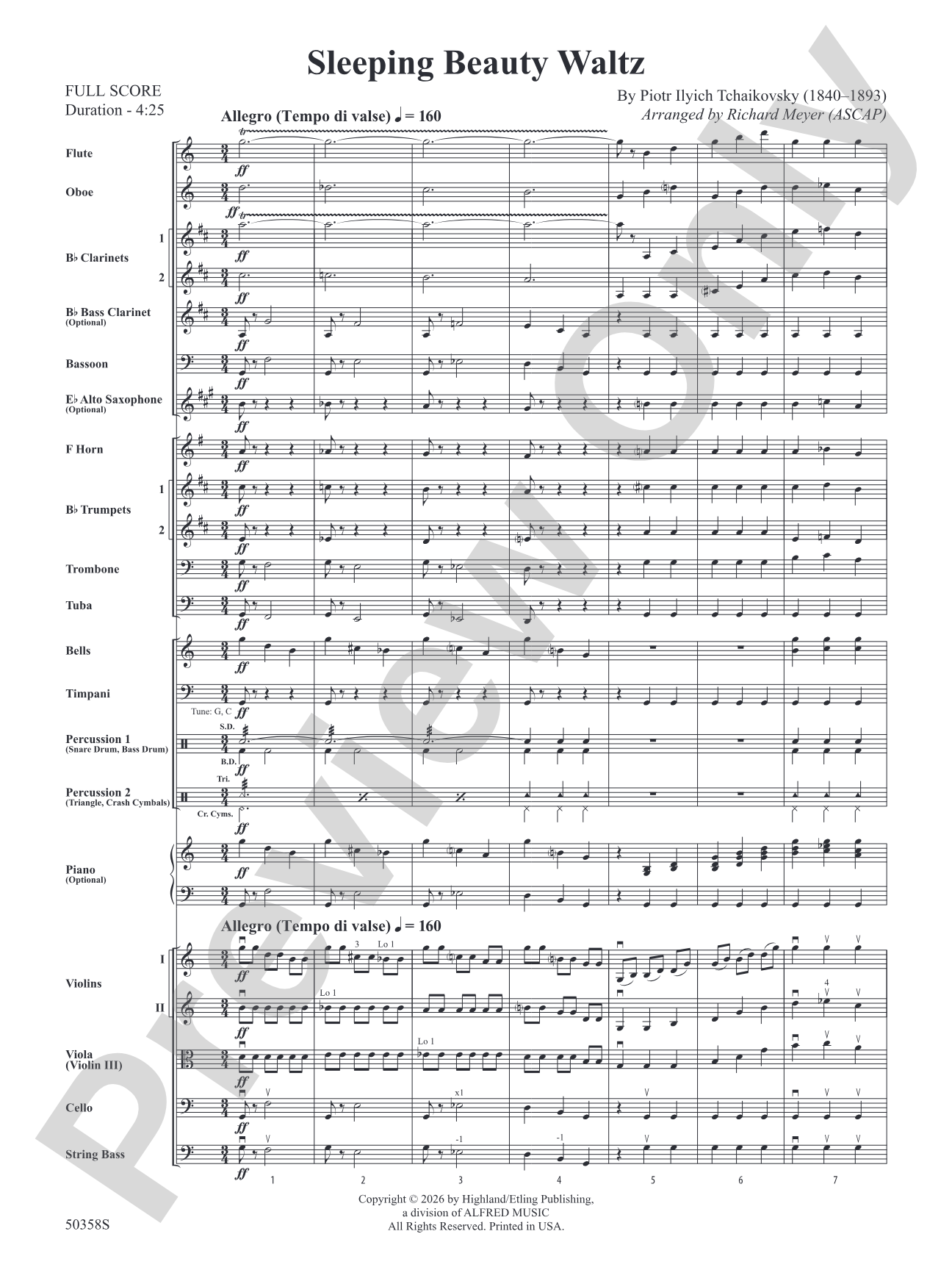
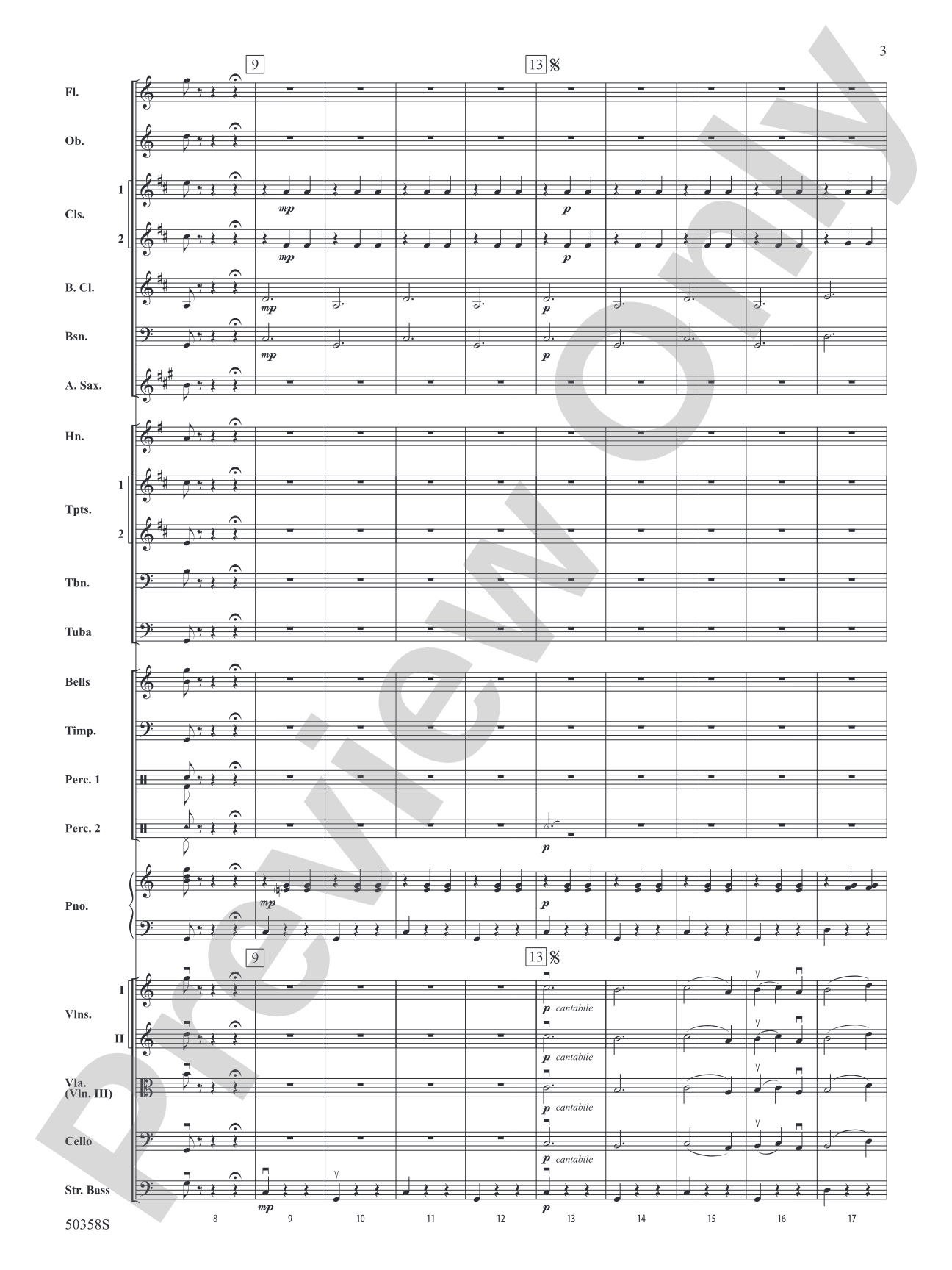
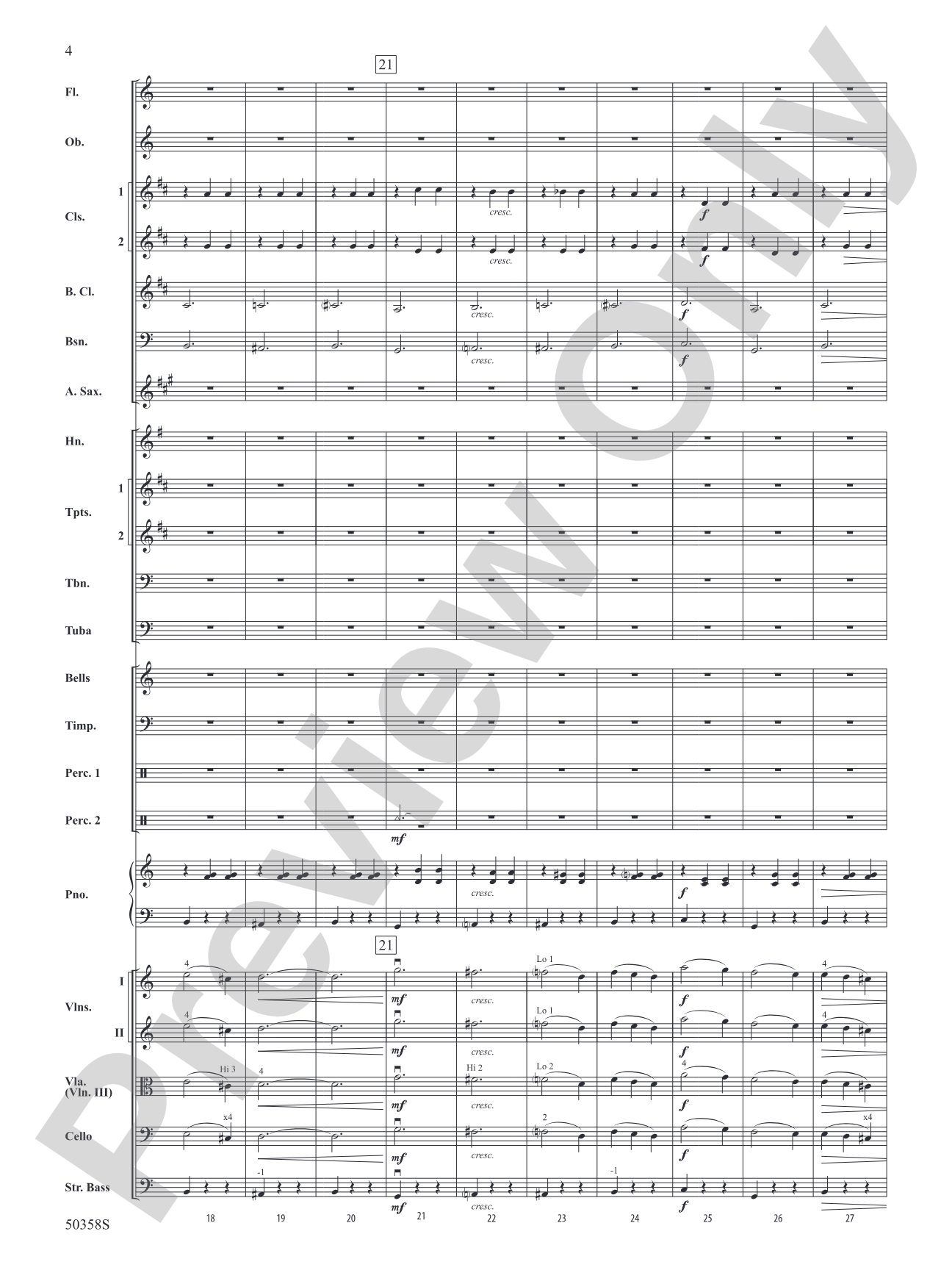
This is one of the most recognizable and delightful melodies ever to grace the concert hall! Richard Meyer's careful orchestration makes it playable by students while remaining faithful to the original, with a minor alteration that gives all of the winds (even the tuba!) a chance to play the famous tune. Piano and multiple percussion parts are included.


Don't just read it, hear it, play along with it, and watch your students grow with it. In MakeMusic Cloud, Sleeping Beauty Waltz: Full Orchestra Conductor Score & Parts comes alive with professional accompaniment, adjustable tempo, and built-in practice tools that turn solo practice into real progress.
Open in the Player
Jump straight in and assign it today.
Start Your Free Trial
Open this title and explore the full library in minutes.
Sample Audio
1
Audio File
--:--
0:00
0:00
Sample Video
Additional Details
Series:
Highland/Etling First Philharmonic
Publisher:
Alfred Music
SKU:
00-PK-0009536
More about this title
About the Composer: Piotr Ilyich Tchaikovsky
Tchaikovsky stands as one of the most performed composers in the orchestral canon, and for good reason: his gift for melody is nearly unmatched. Writing during the late 19th century, he created music that feels both deeply personal and instantly accessible, bridging the gap between concert hall sophistication and genuine emotional directness.
His ballets, Swan Lake, The Nutcracker, and Sleeping Beauty among them, remain cornerstones of both dance and concert programming. For music educators, Tchaikovsky's work offers a masterclass in orchestration and phrasing. His themes sing naturally across instruments, and his harmonic language, while rich, never obscures the clarity of line that young musicians need to hear and understand.
Why we love this
Richard Meyer's arrangement respects every voice in the orchestra. By giving the melody to winds across the ensemble, including a tuba part that students rarely get to play, he transforms a solo showcase into a genuine collaborative moment. This is the kind of orchestration that builds community in a section and reminds students why they showed up.
What to expect
The Sleeping Beauty Waltz glides with elegance and grace, balancing the formal character of a royal court dance with genuine warmth. There's a lightness to the orchestration that invites the ensemble into a moment of beauty without demanding dramatic intensity, making it as enjoyable to rehearse as it is to perform.
Who it's for
This work suits orchestras at the Grade 3 level who want to perform a beloved, recognizable melody without stretching into advanced repertoire. It works equally well for students encountering Tchaikovsky for the first time and for ensembles preparing contest or festival programs where immediate audience connection matters.
How to get the most out of it
- Balance the familiar melody carefully when it passes between sections; each choir should feel equally supported by the accompaniment so the tune remains audible regardless of who plays it.
- Shape the waltz rhythm with a gentle lift on beat two rather than a heavy accent, which maintains the dance character and prevents a mechanical quality.
- Mark dynamics during rehearsal with particular attention to tutti passages so that younger orchestras don't overpower the texture and lose harmonic detail.
How to use it
Open a concert with this piece to establish an audience immediately, or use it as a palate-cleansing contrast between heavier works on the same program. Its recognizability and relatively brief duration make it ideal for festivals, competitions, or community performances where you want to showcase your orchestra's artistry alongside repertoire from other musical periods.
Skills your students will build
- Passing thematic material between instrumental choirs while maintaining musical continuity
- Playing in 3/4 meter with character and grace rather than mechanical precision
- Balancing melody and accompaniment across the full orchestra
- Shaping dynamic contours to support a singable, memorable line