
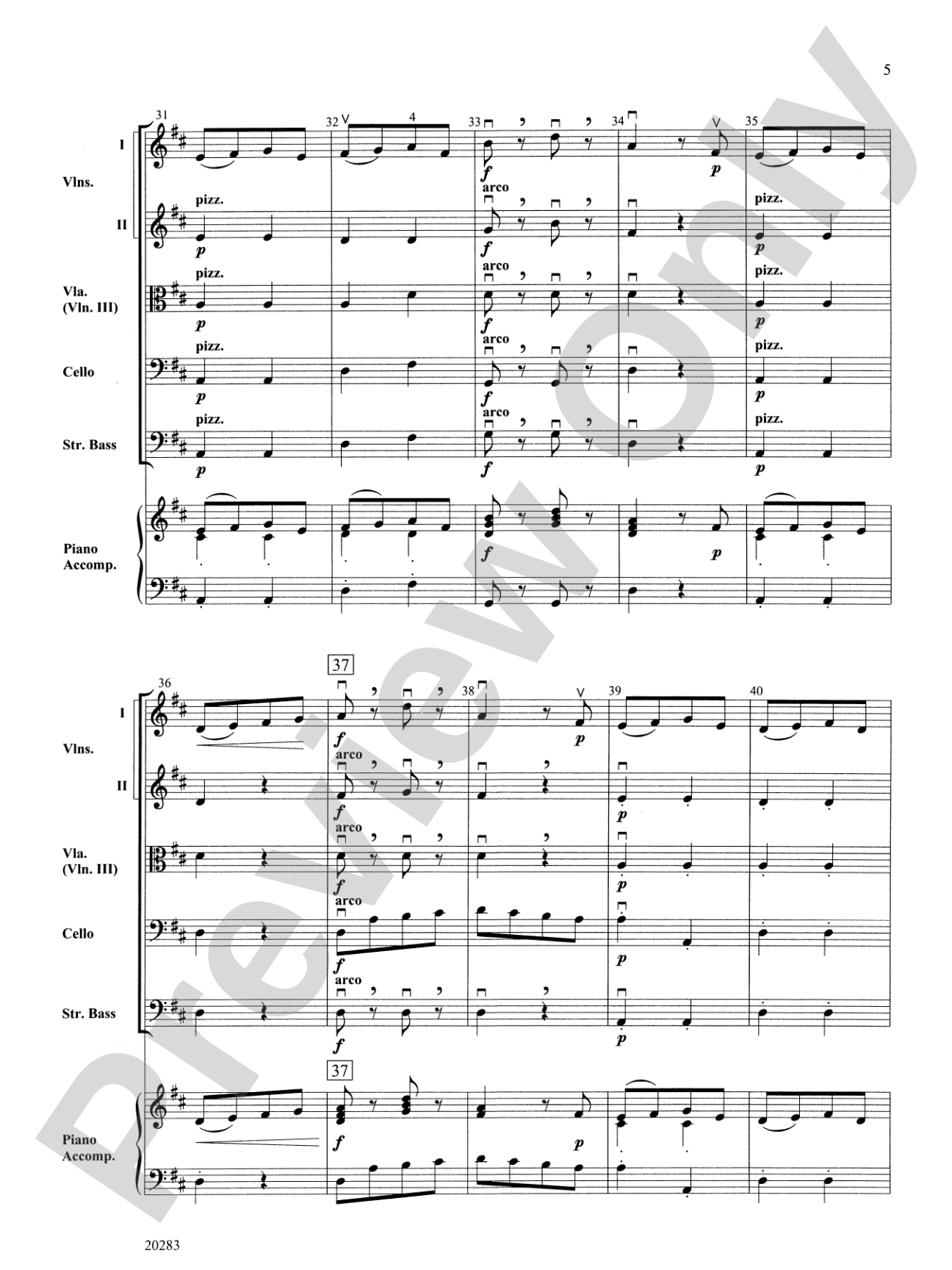
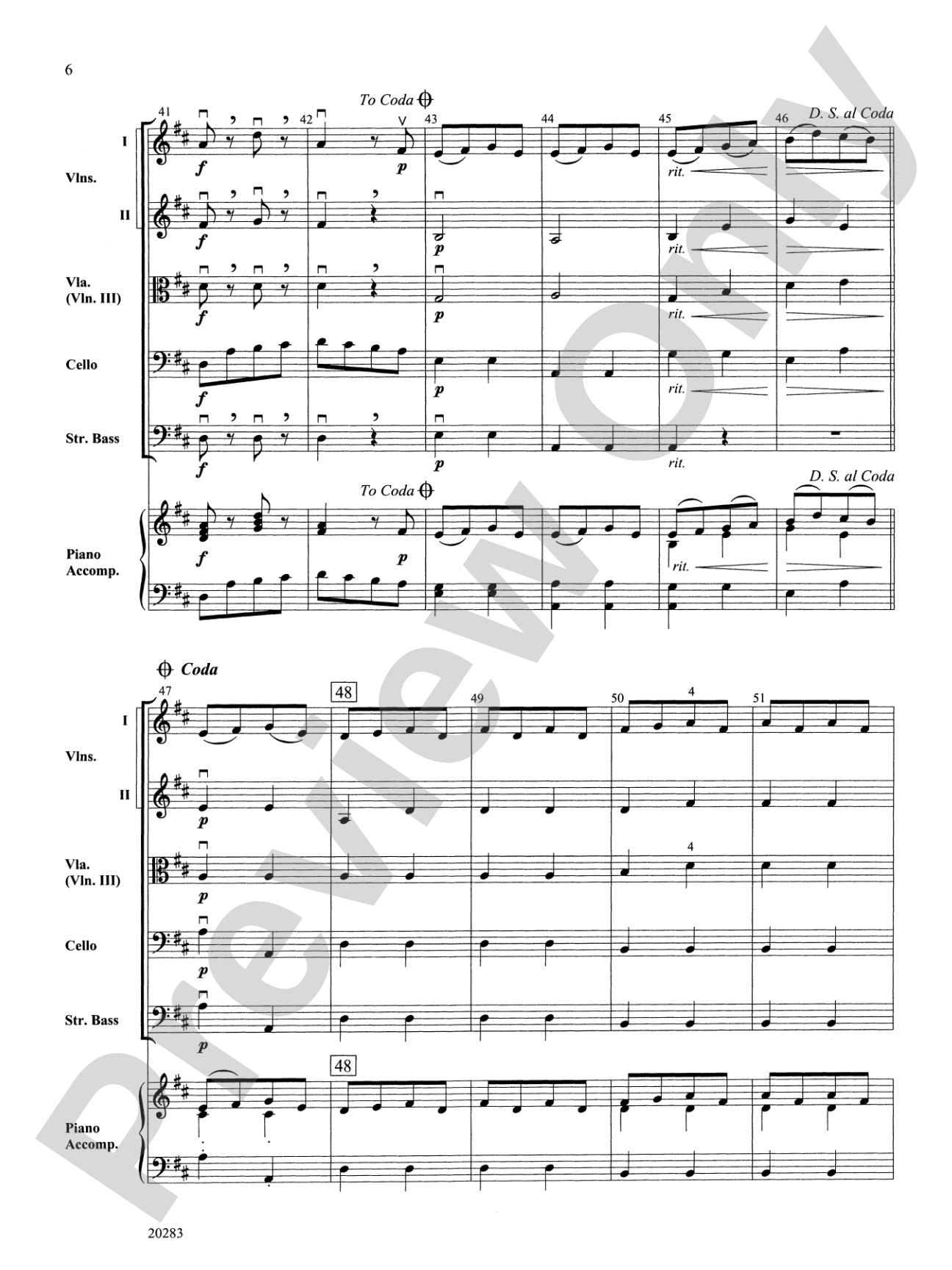
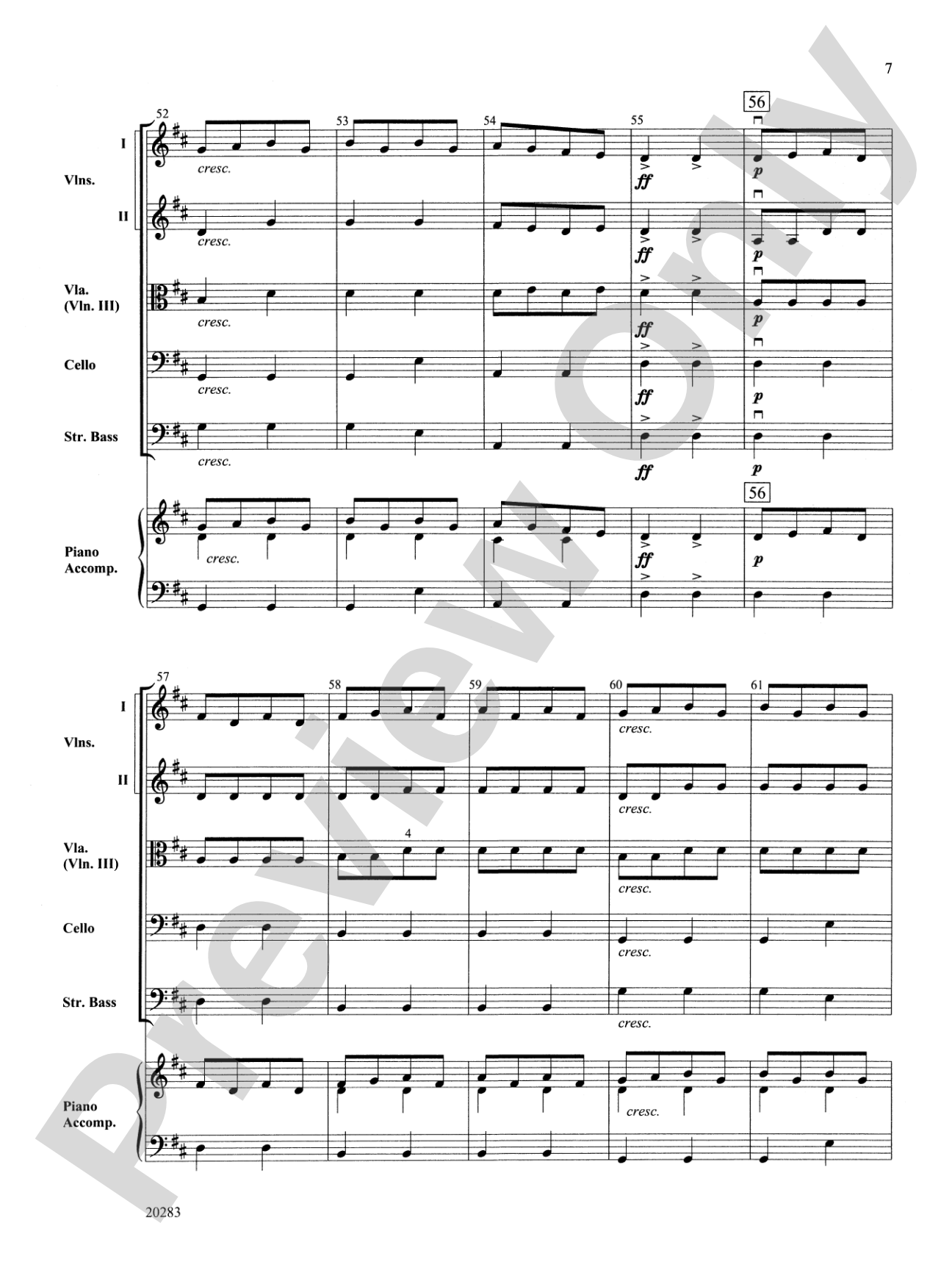
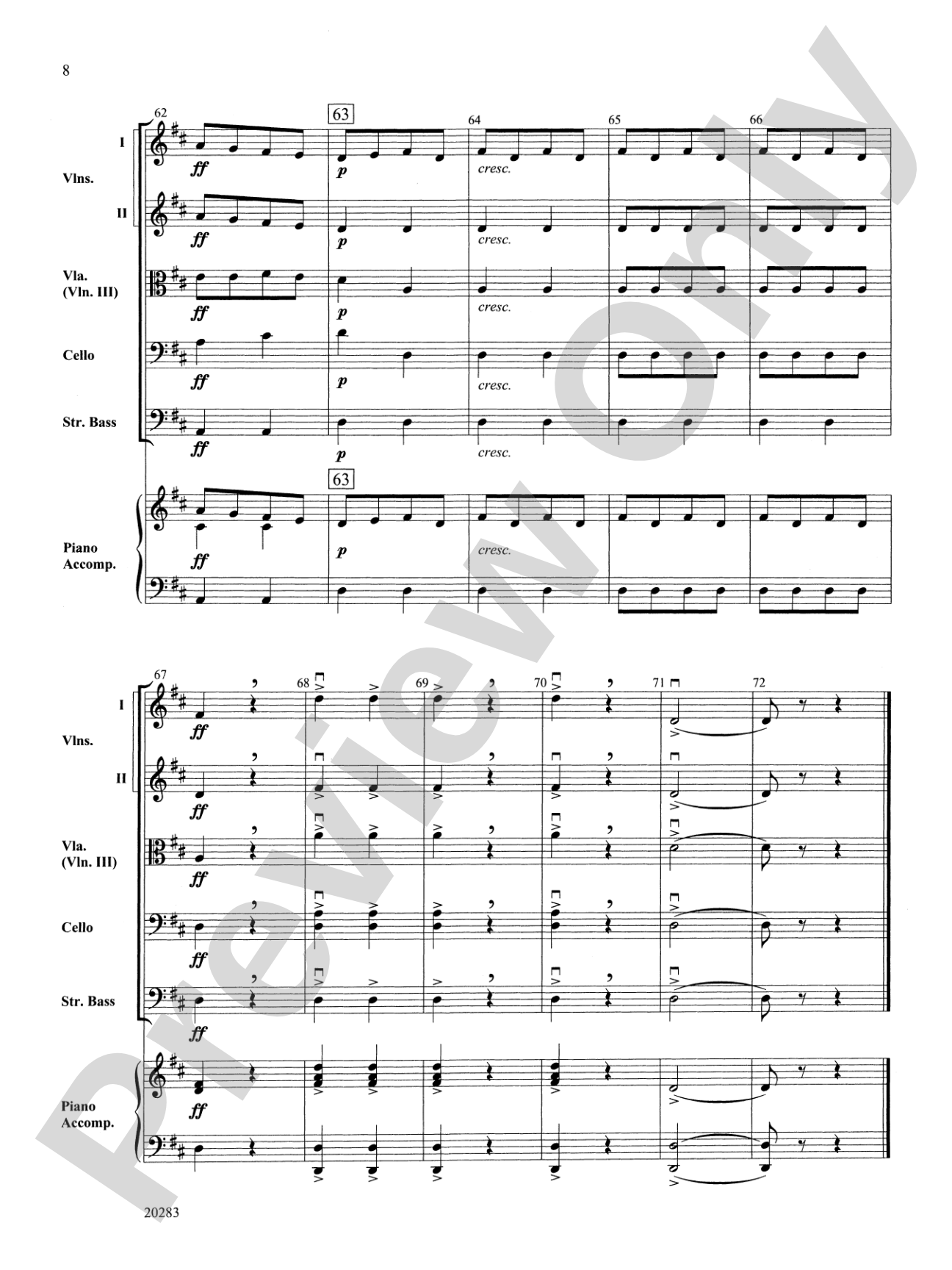

Slavonic Dance: Score
By Antonín Dvorák / arr. Richard Meyer
Grade: 1
Item: 00-PR-0000373
$8.00
Pickup currently not available
Description
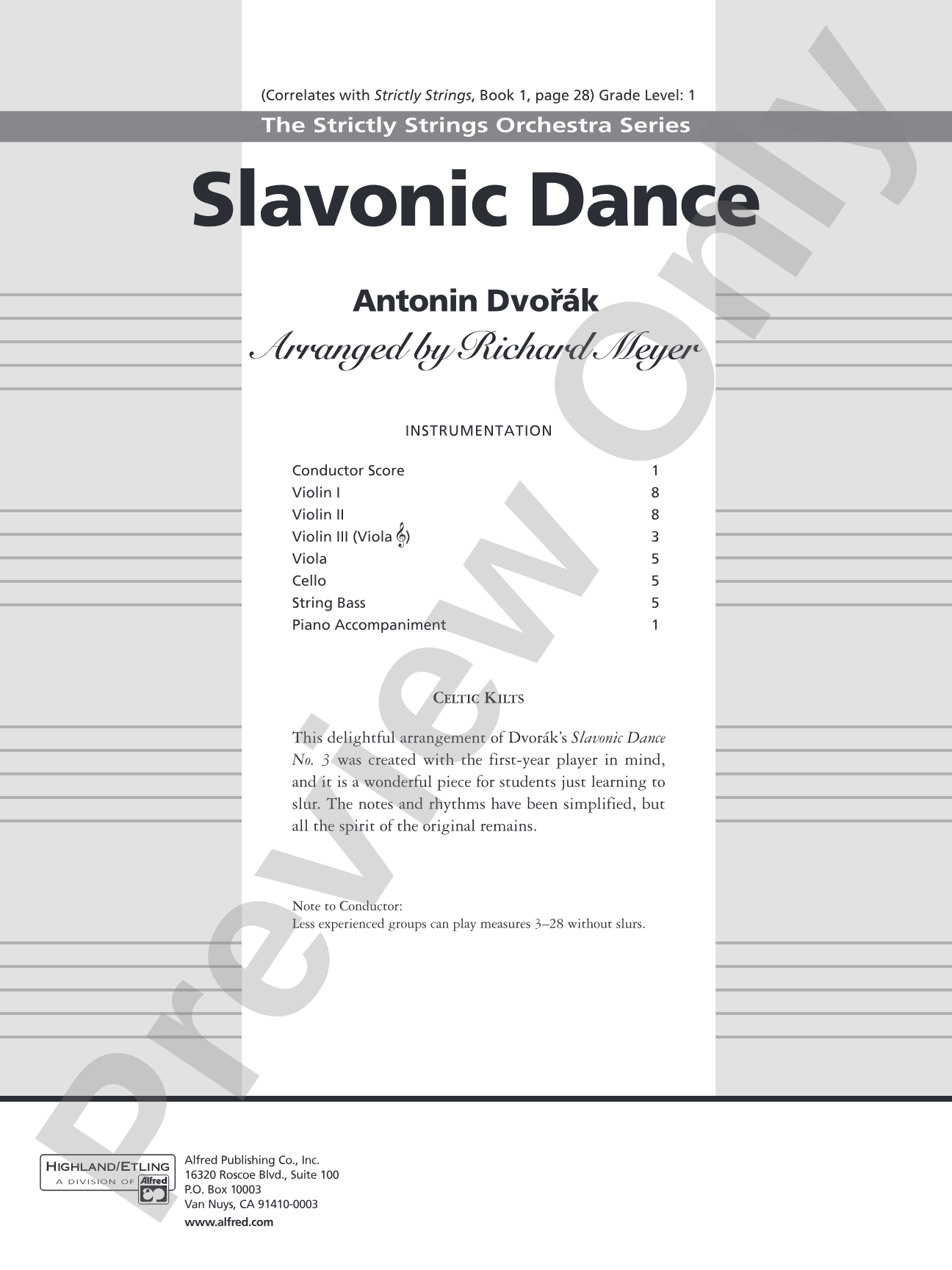
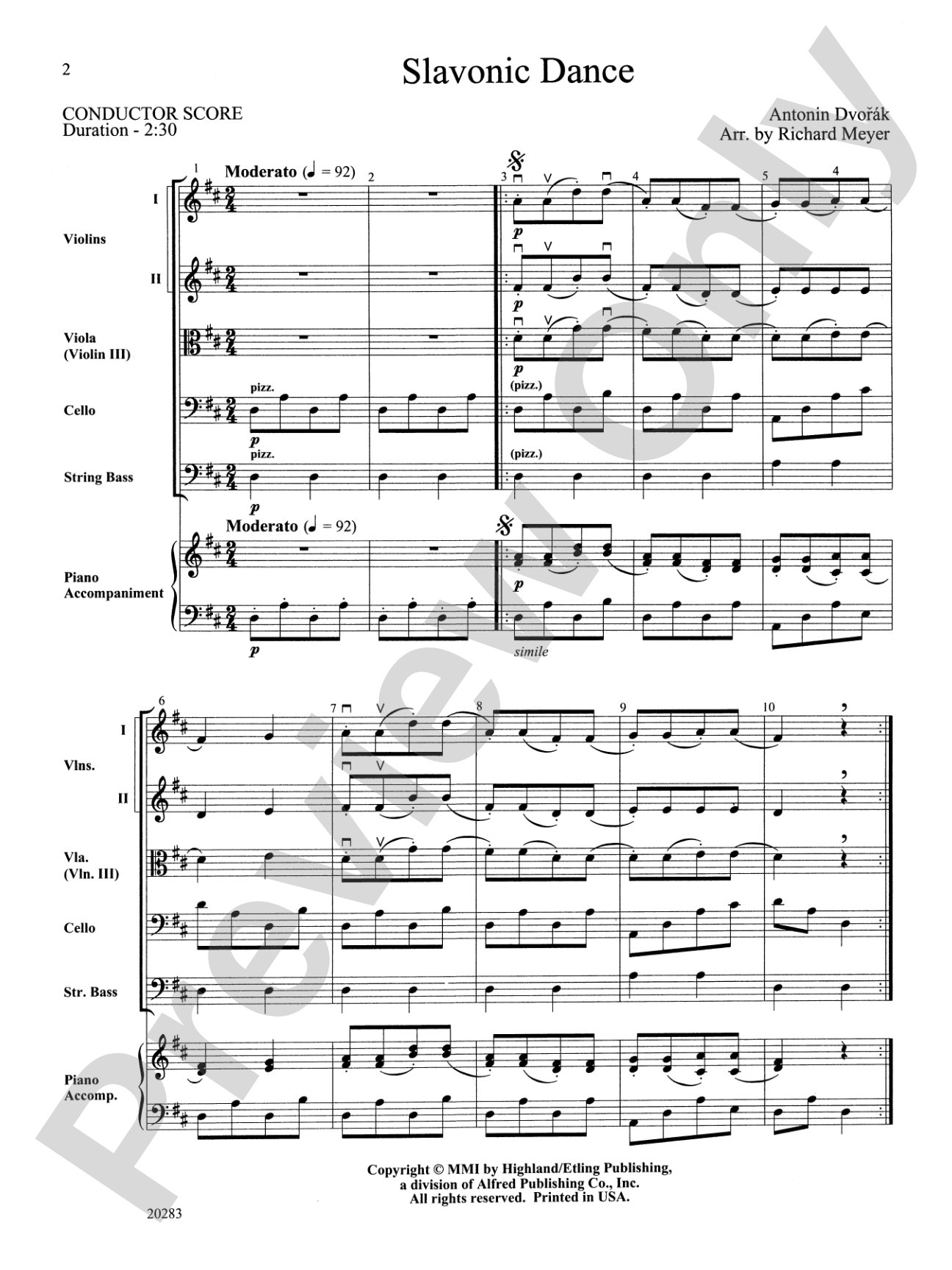
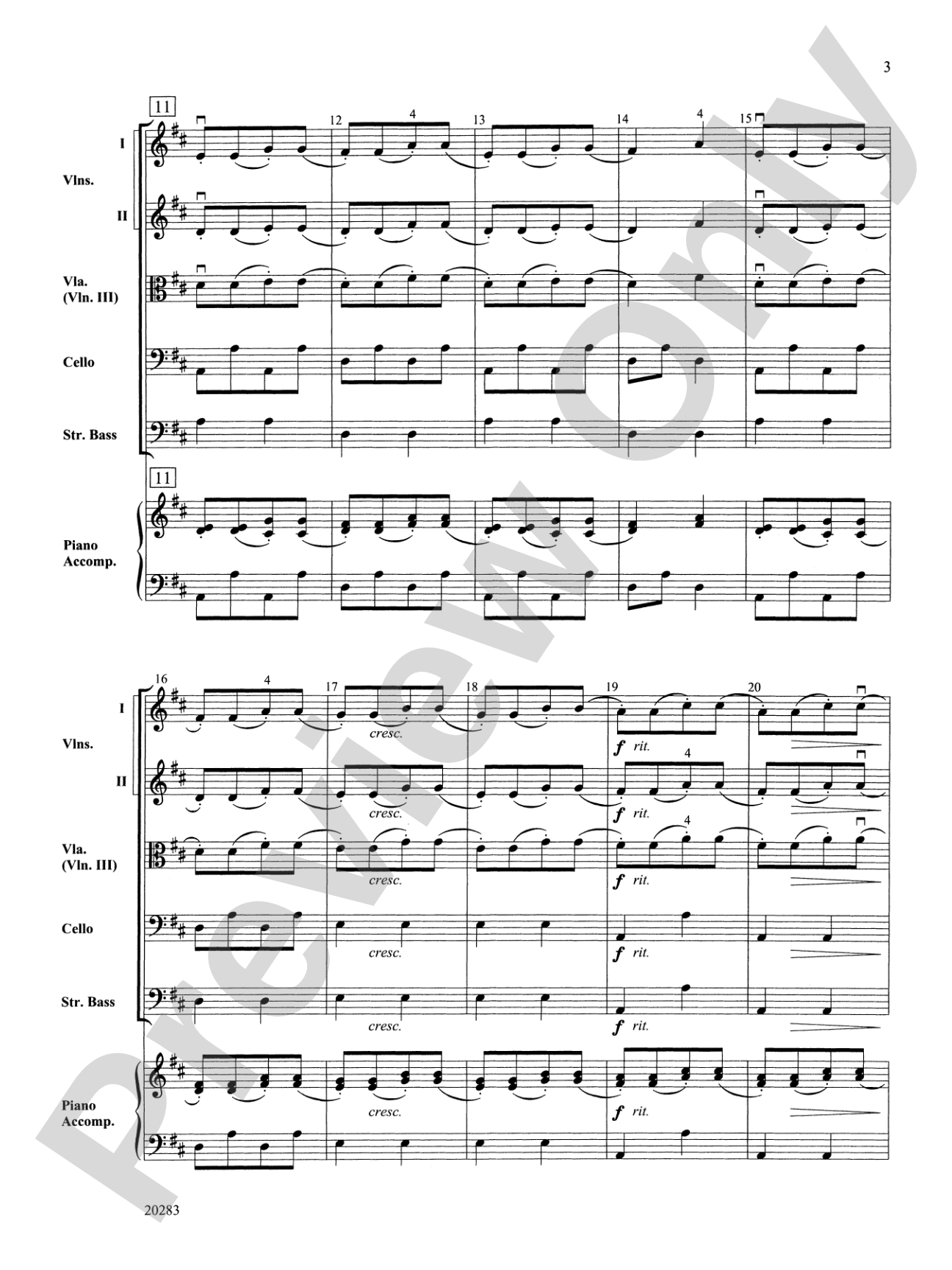
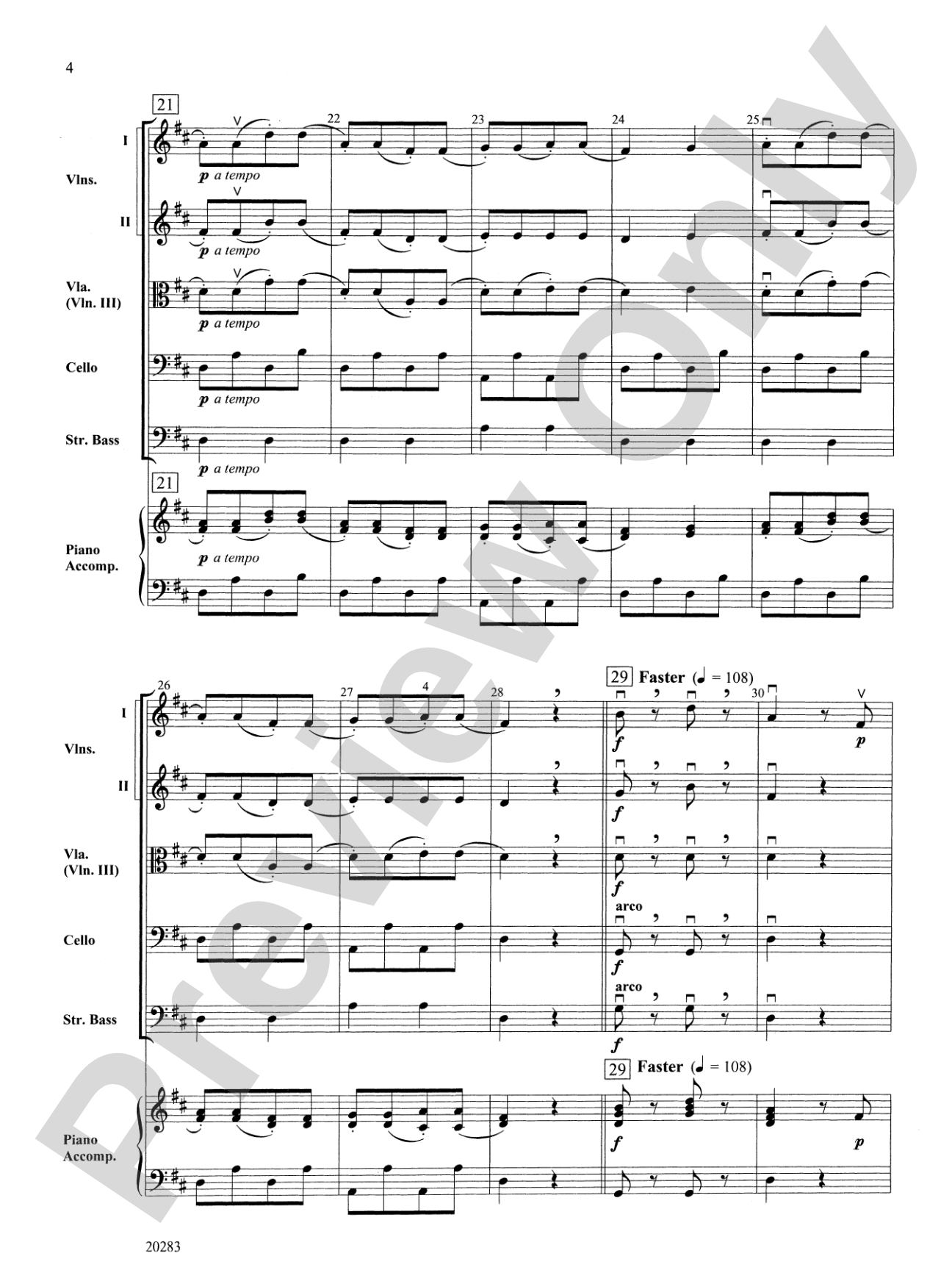
This delightful arrangement of Antonín Dvorák's Slavonic Dance No. 3 was created with the first-year player in mind, and is a wonderful piece for students just learning to slur. The notes and rhythms have been simplified, but all the spirit of the original remains. Correlated with Strictly Strings, Book 1, page 28.


Don't just read it, hear it, play along with it, and watch your students grow with it. In MakeMusic Cloud, Slavonic Dance: Score comes alive with professional accompaniment, adjustable tempo, and built-in practice tools that turn solo practice into real progress.
Open in the Player
Jump straight in and assign it today.
Start Your Free Trial
Open this title and explore the full library in minutes.
Sample Audio
1
Audio File
--:--
0:00
0:00
Sample Video
No sample videos found.
Additional Details
Series:
Highland/Etling Strictly Strings
Publisher:
Alfred Music
Page Count:
72
SKU:
00-PR-0000373
More about this title
About the Composer: Antonin Dvorák
Antonín Dvořák (1841-1904) was a Czech composer who mastered nearly every musical form and left an indelible mark on the Romantic era. His gift for melody and orchestration earned him international renown, and his works remain central to the concert repertoire across all ensembles.
Dvořák's Slavonic Dances, originally composed for piano four-hands, showcase his deep connection to Czech folk music and dance rhythms. These pieces have become essential teaching repertoire because they balance authentic musical character with accessible technical demands, making them ideal vehicles for introducing students to art music of substance.
Why we love this
This arrangement preserves the infectious energy and memorable melody of Dvořák's original while meeting first-year players exactly where they are technically. Richard Meyer's adaptation respects the source material completely, which means your students experience genuine Romantic-era composition rather than a watered-down approximation. The strategic simplification of notes and rhythms gives players room to focus on slurring technique without sacrificing the piece's elegance.
What to expect
There's a buoyant, folk-dance quality to this piece that lifts ensemble morale immediately. The melody invites singing, the rhythms have natural swagger, and despite its simplicity, the arrangement conveys the authentic character of Romantic-era Bohemian dance music.
Who it's for
This edition serves beginning string orchestras and mixed string groups where players are solidifying fundamental techniques. It works equally well in school orchestra settings, community youth ensembles, and beginning-level private studio group classes where slurring has recently entered the curriculum.
How to get the most out of it
- Shape the principal melody phrases by directing subtle dynamic shaping across the slurs rather than treating each slur as an isolated technical exercise.
- Balance the opening so the primary melody stands clearly; this guides the ensemble and helps first-year players lock into the form.
- Maintain steady, lilting tempo that honors the dance character; Dvořák's Slavonic Dances are rooted in actual Czech folk dances and should breathe with that rhythmic vitality.
- Mark entrances carefully in rehearsal, since younger ensembles can lose their place in sections where they rest or play accompaniment figures.
How to use it
Open a spring or winter concert with this to establish warmth and energy early, or pair it with other Slavonic Dances (arranged at appropriate levels) for a thematic program exploring Czech musical culture. Its accessibility and concert appeal make it an ideal selection for family concerts, festival performances, or school assembly programs where you want to showcase student progress without intimidating newer players.
Skills your students will build
- Slurring across multiple notes with consistent bow pressure and tone
- Maintaining rhythmic precision in ensemble while executing a technical skill
- Phrase shaping and musical interpretation within simplified notation
- Reading articulated string parts with independent rhythmic lines