
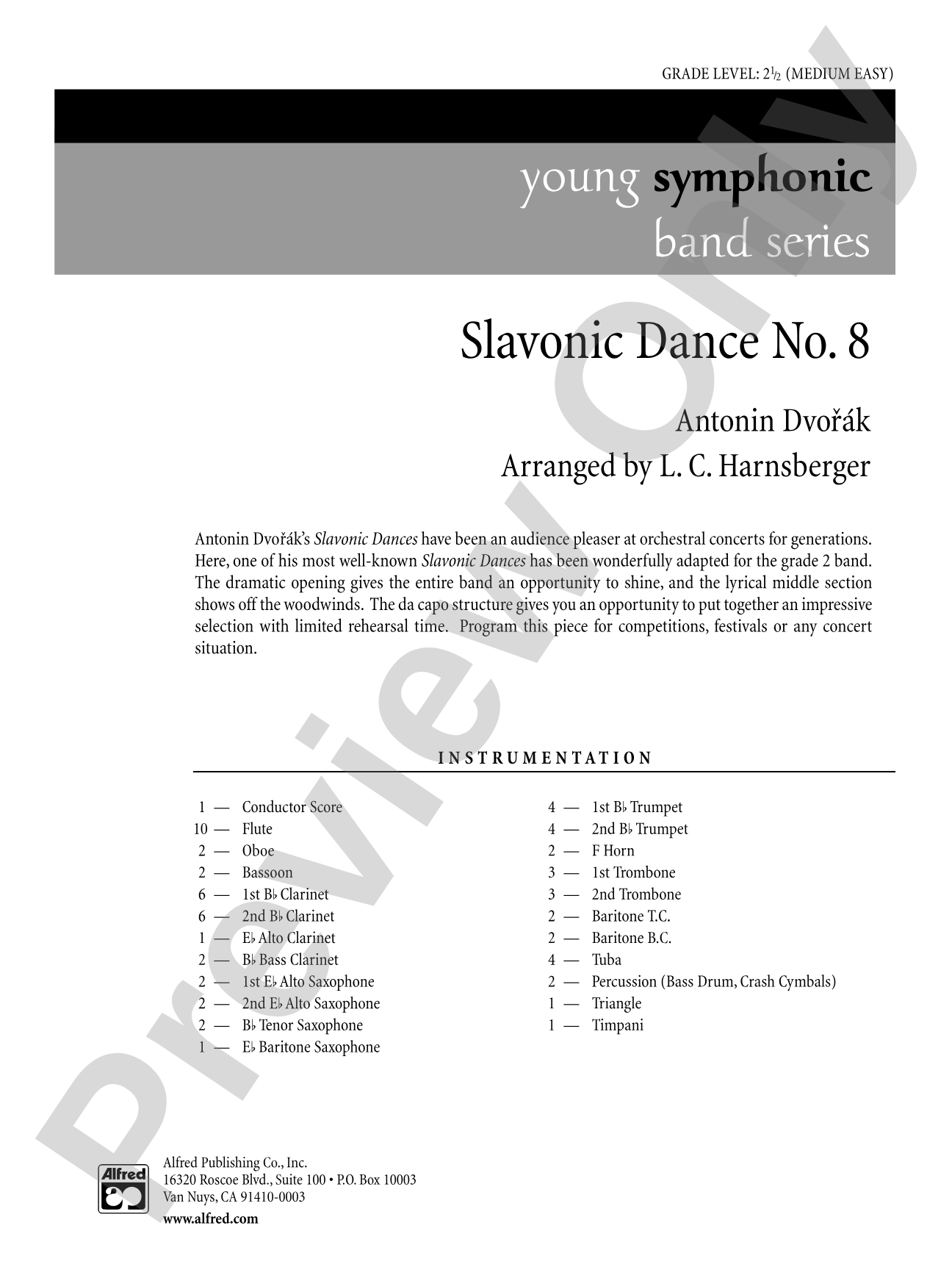
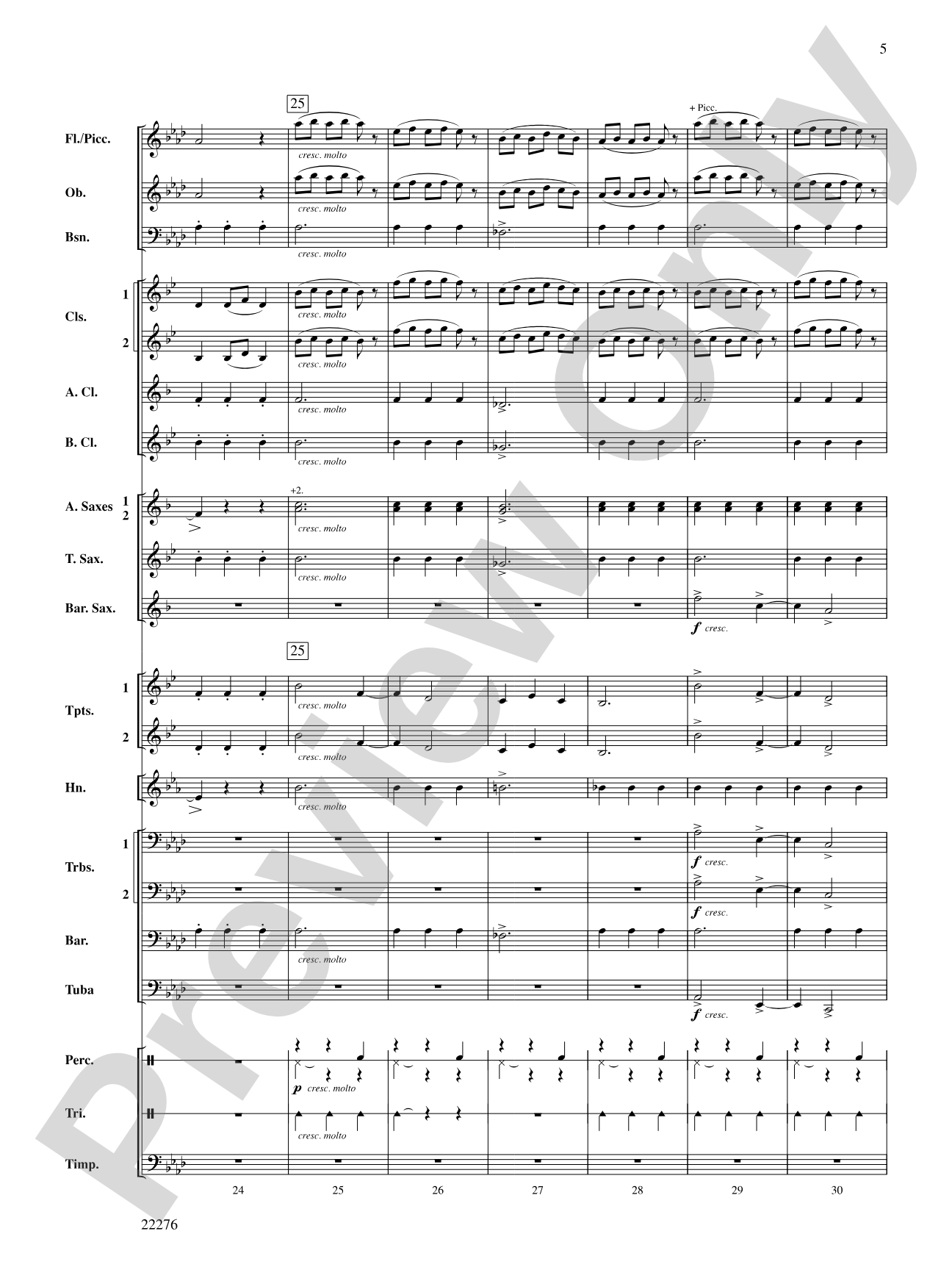
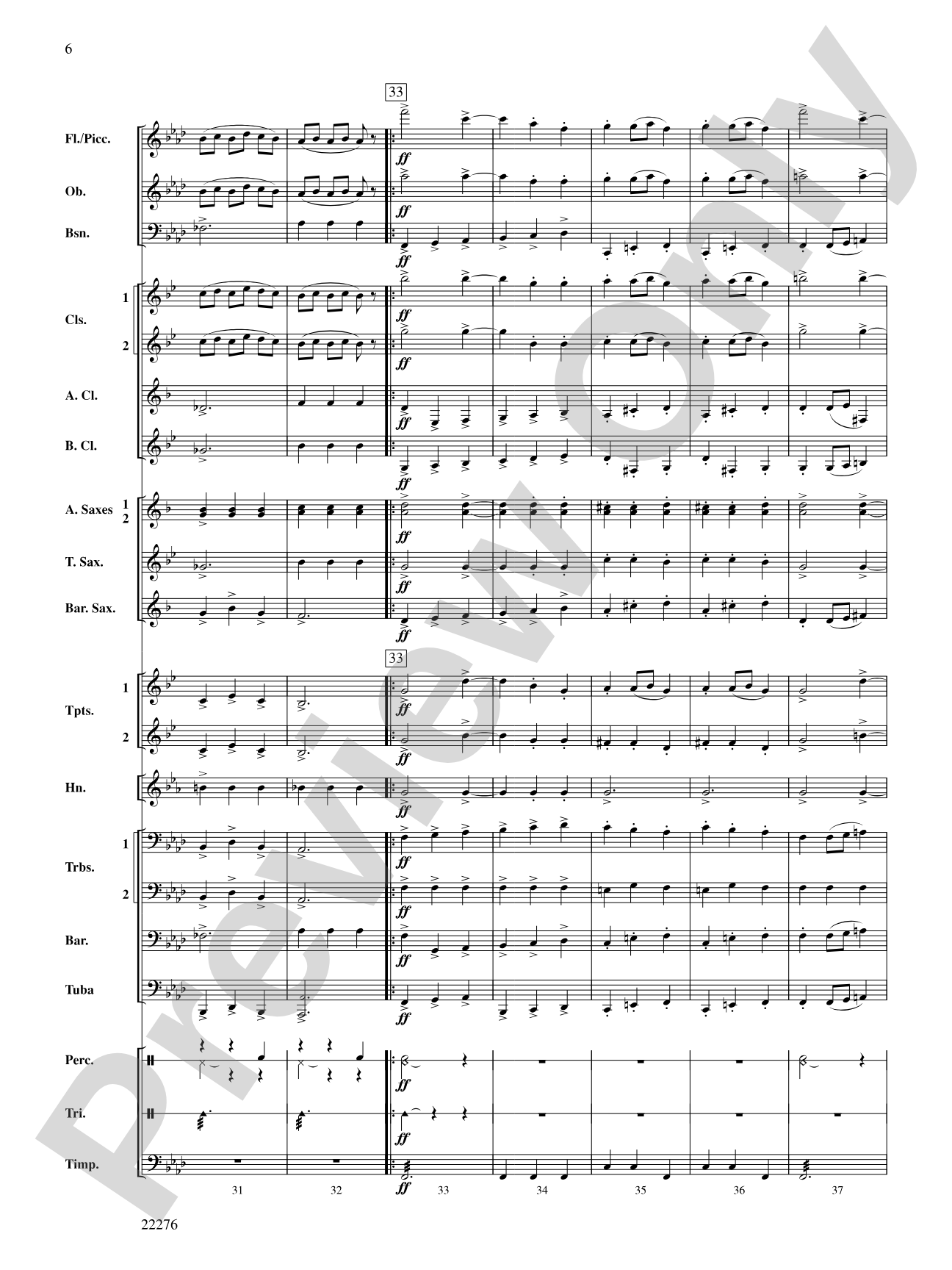
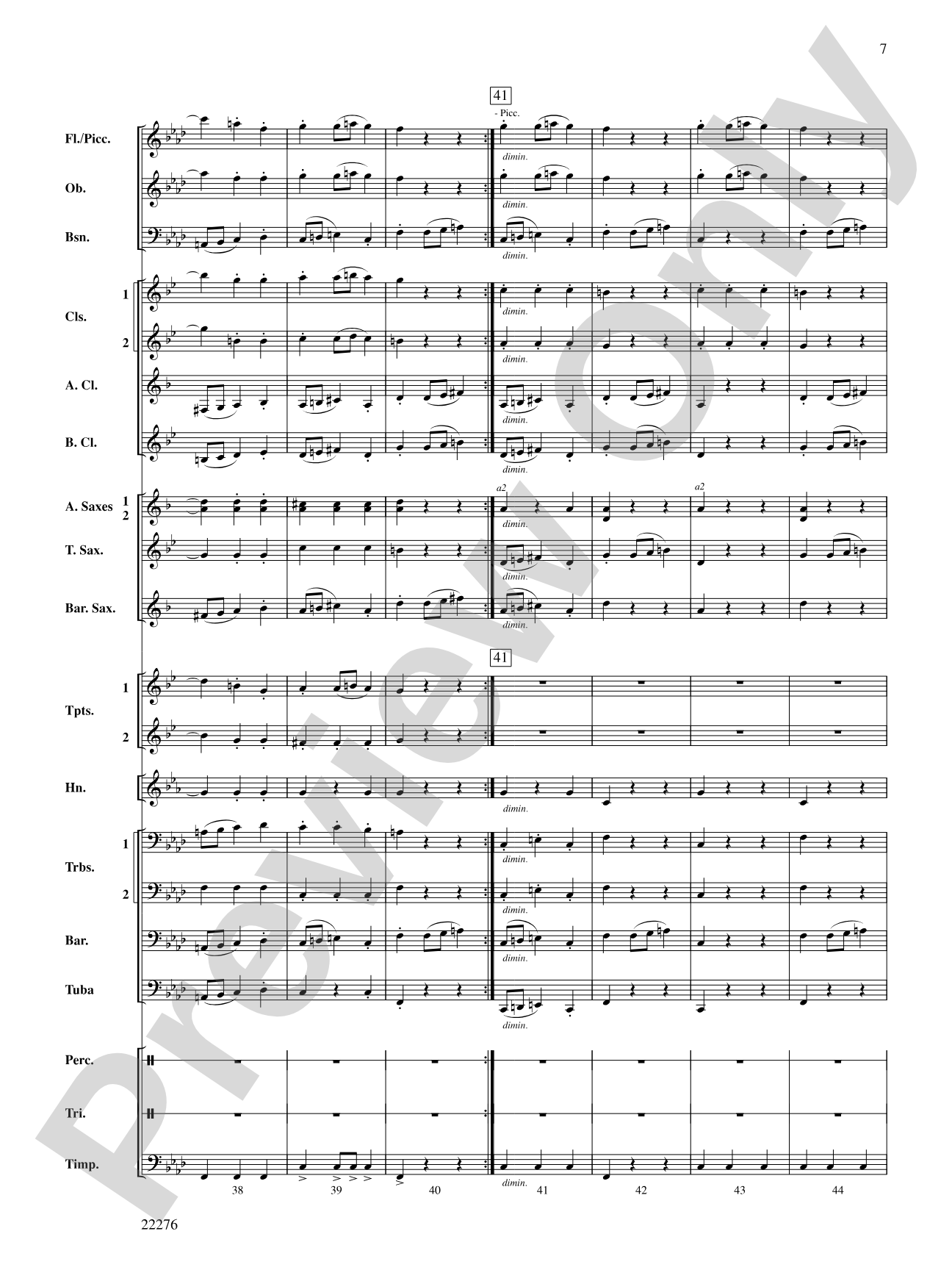
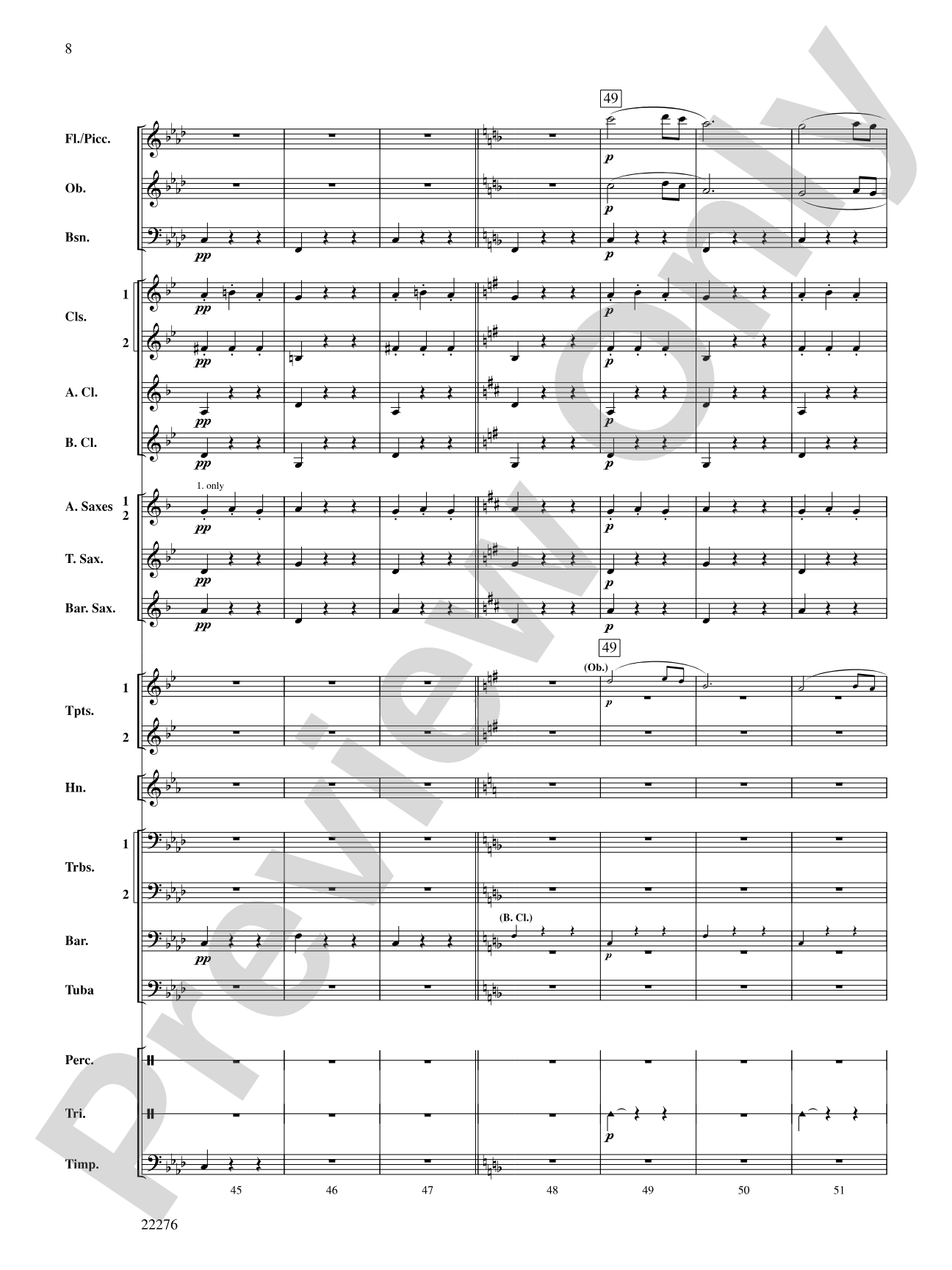
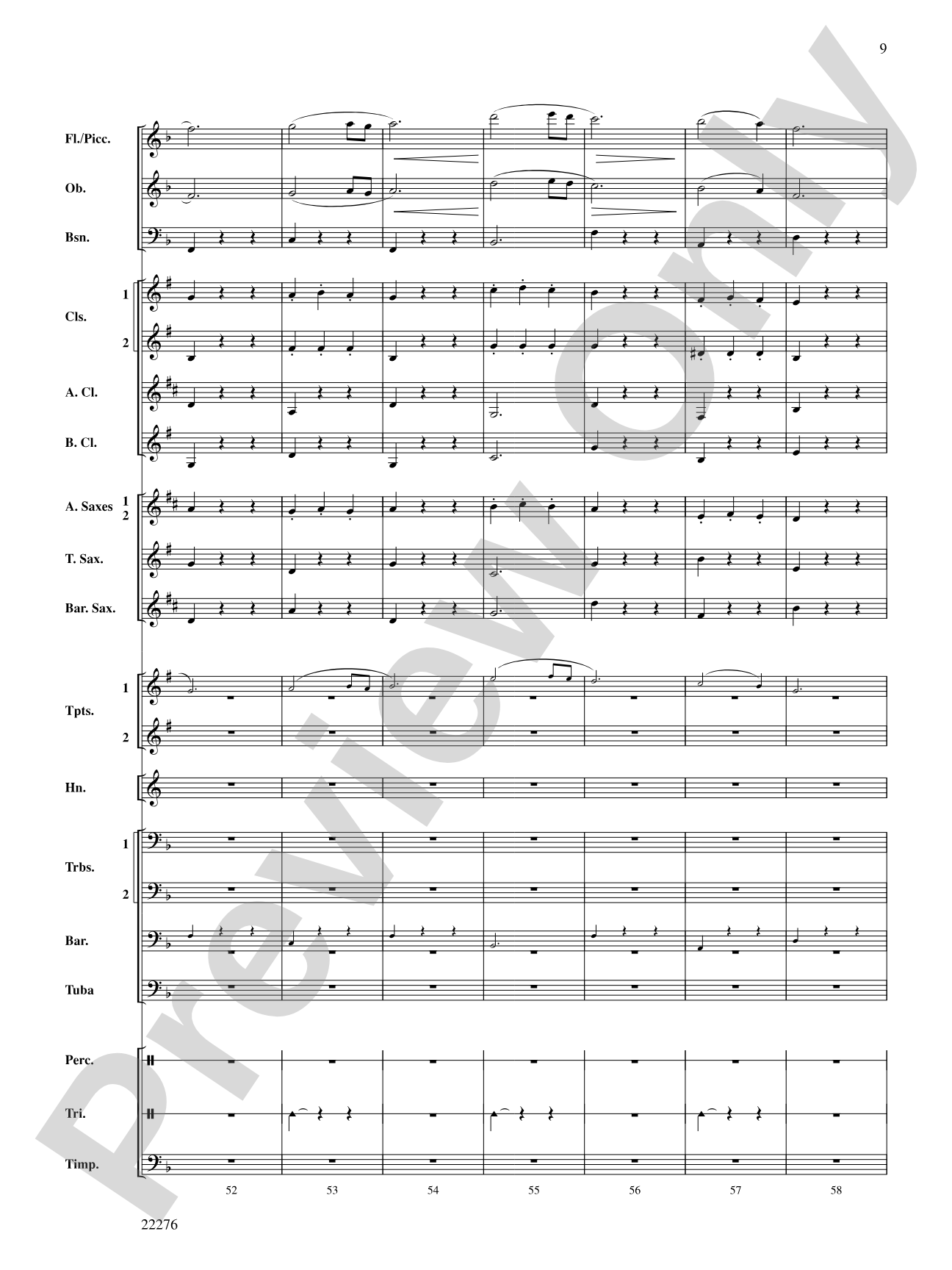
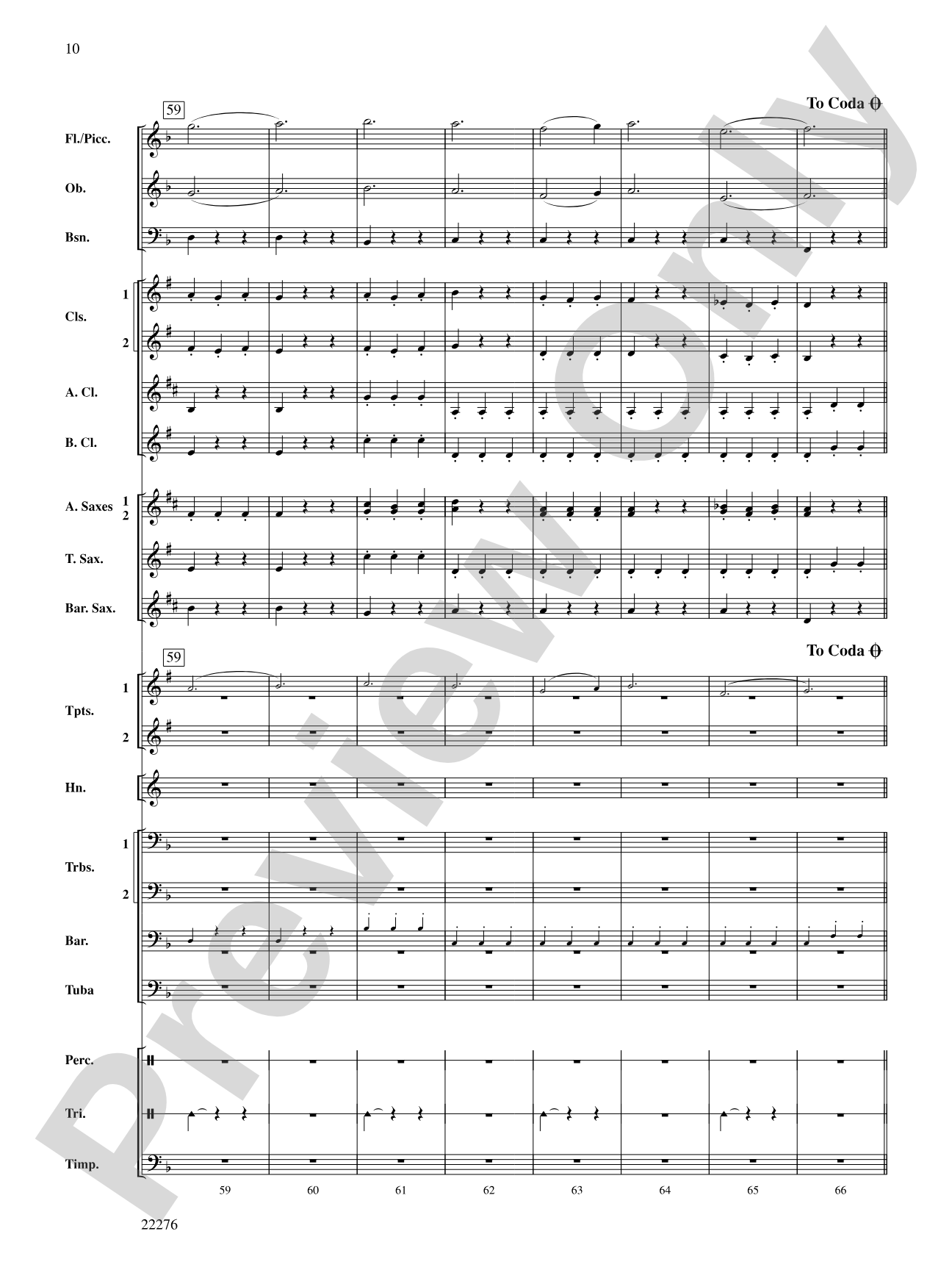
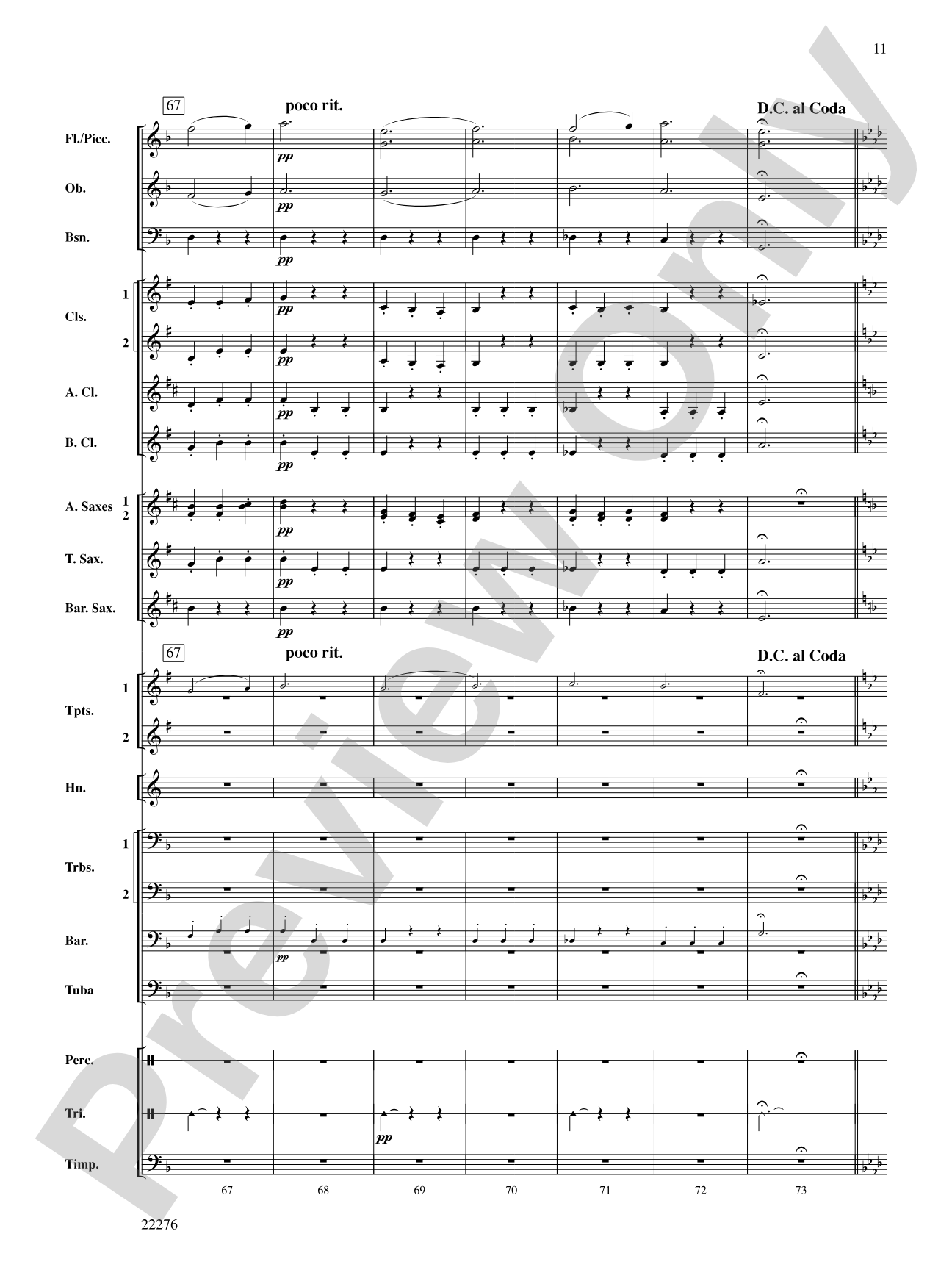
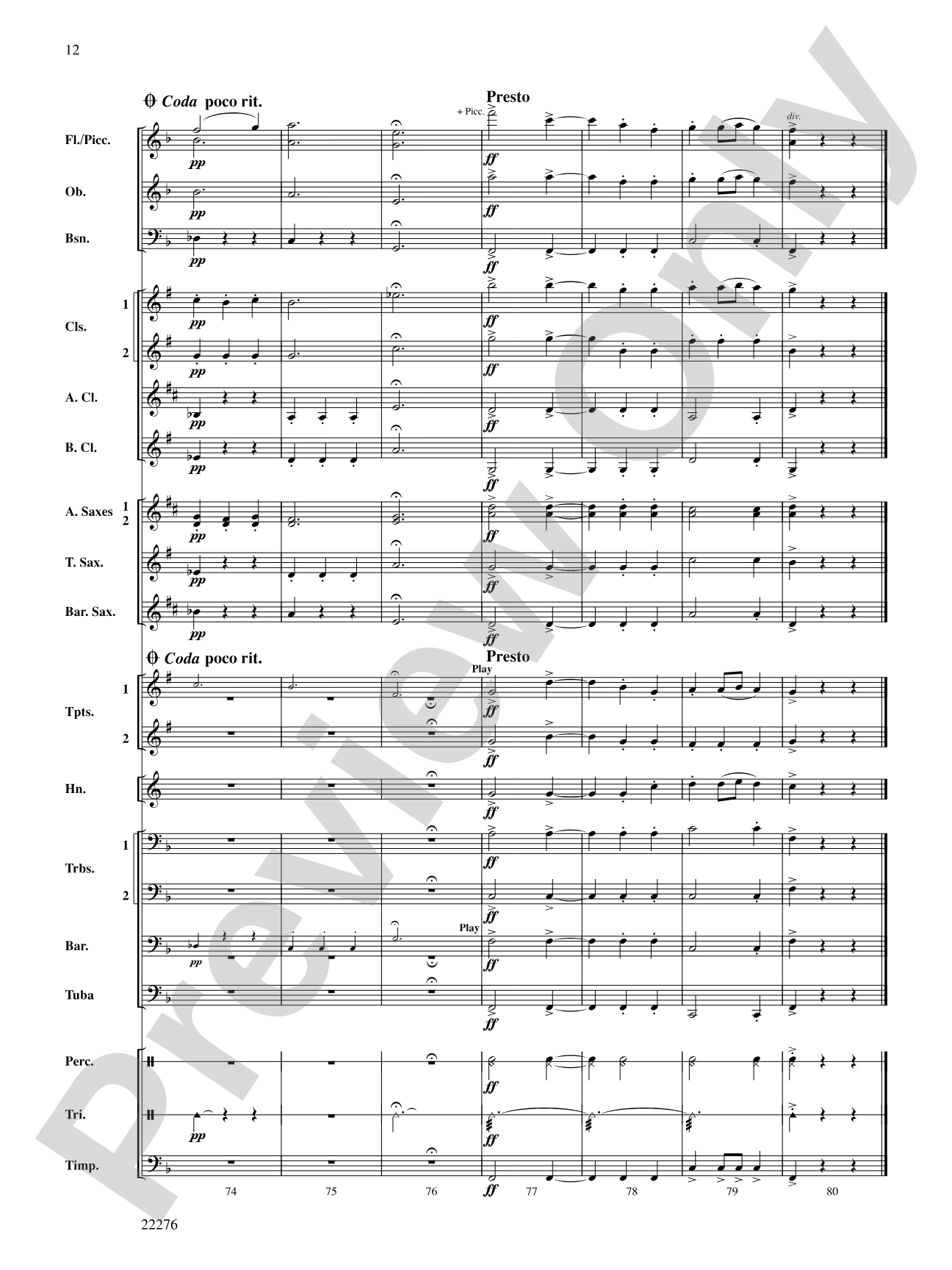

Slavonic Dance No. 8: Concert Band Conductor Score & Parts
By Antonín Dvorák / arr. L. C. Harnsberger
Grade: 2.5 (Medium Easy)
Item: 00-PK-0000538

$52.00
Pickup currently not available
Buy Extra Parts (Digital PDF Download)
Parts Added to Cart!
Description
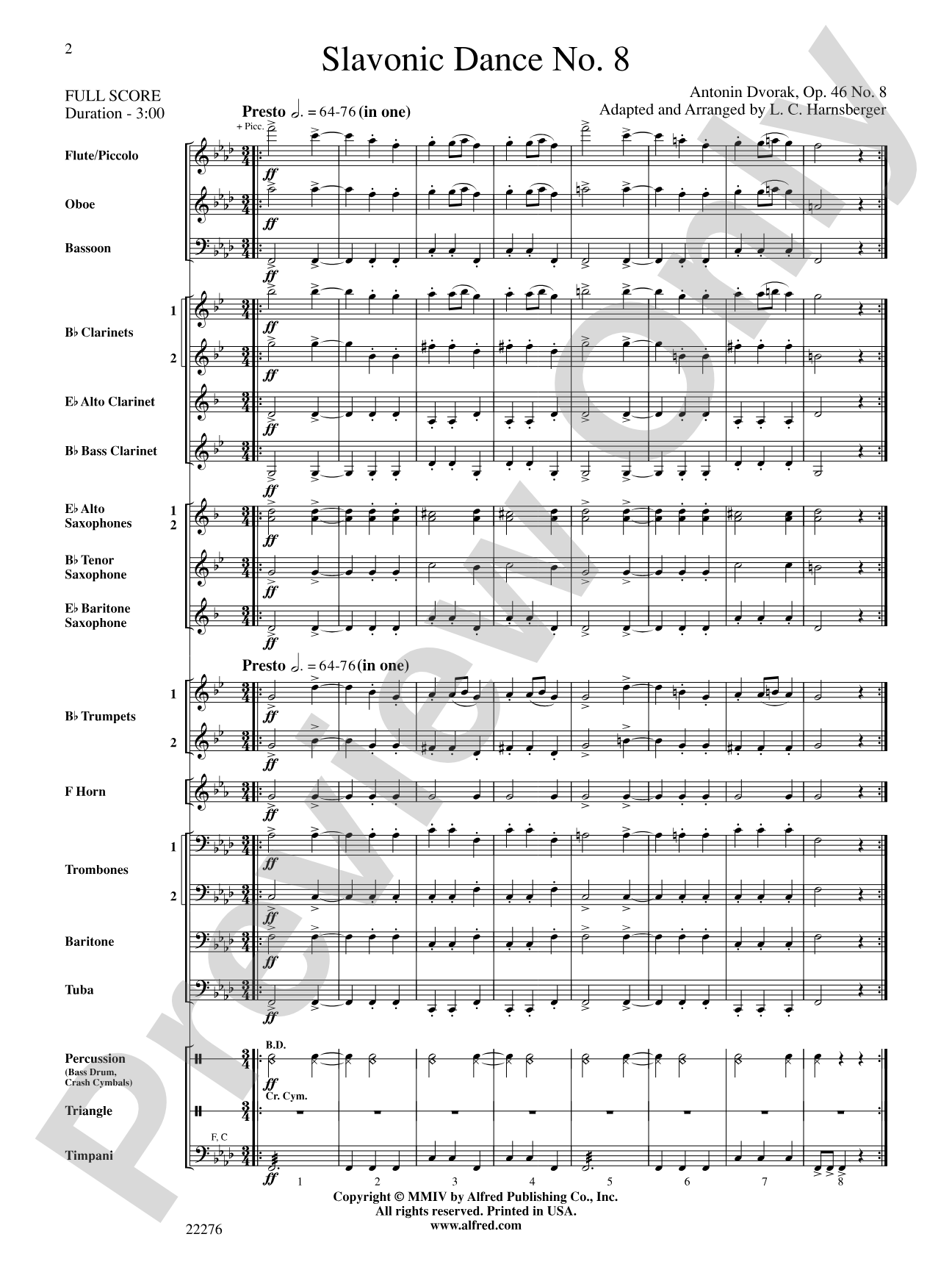
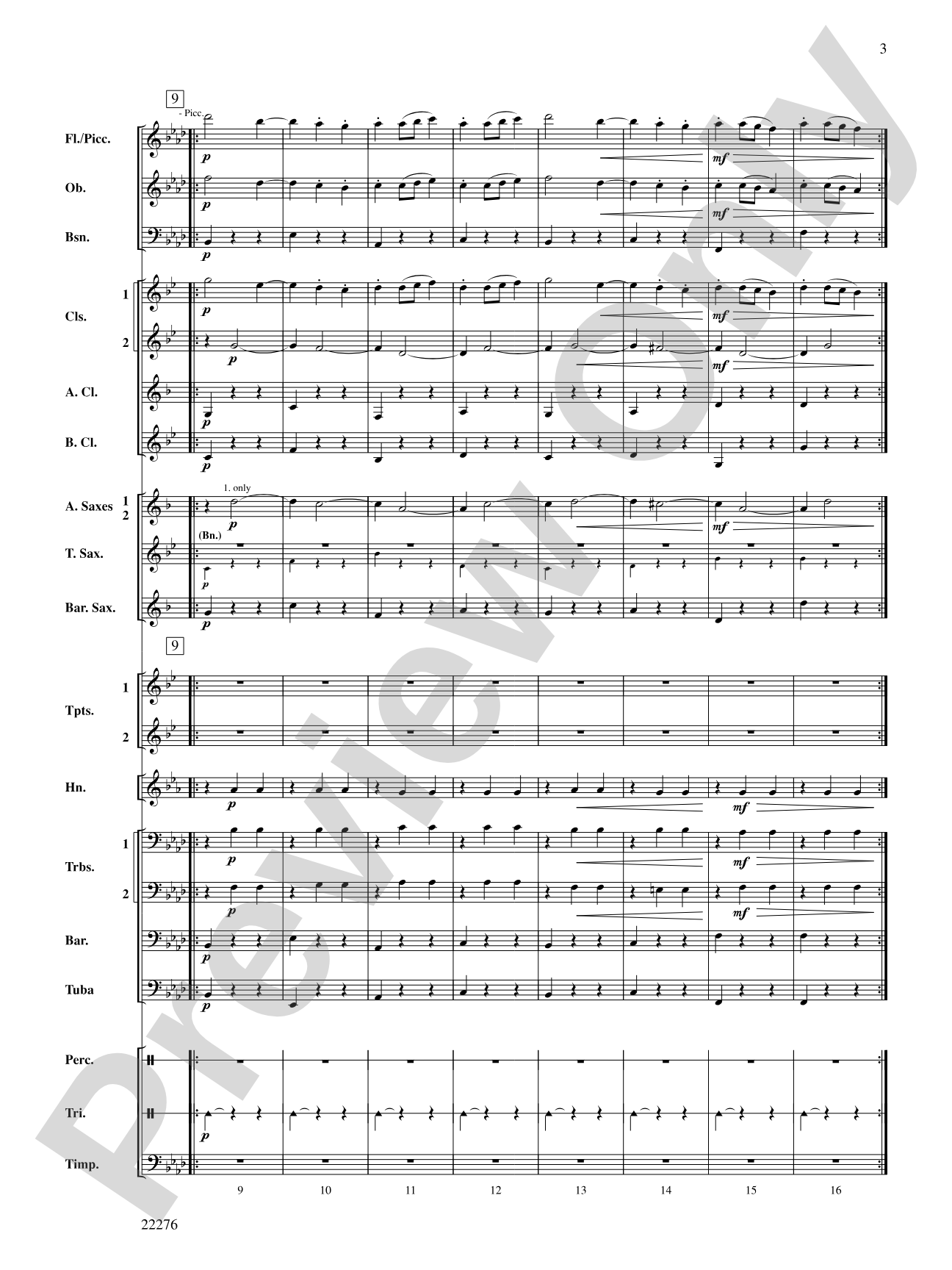
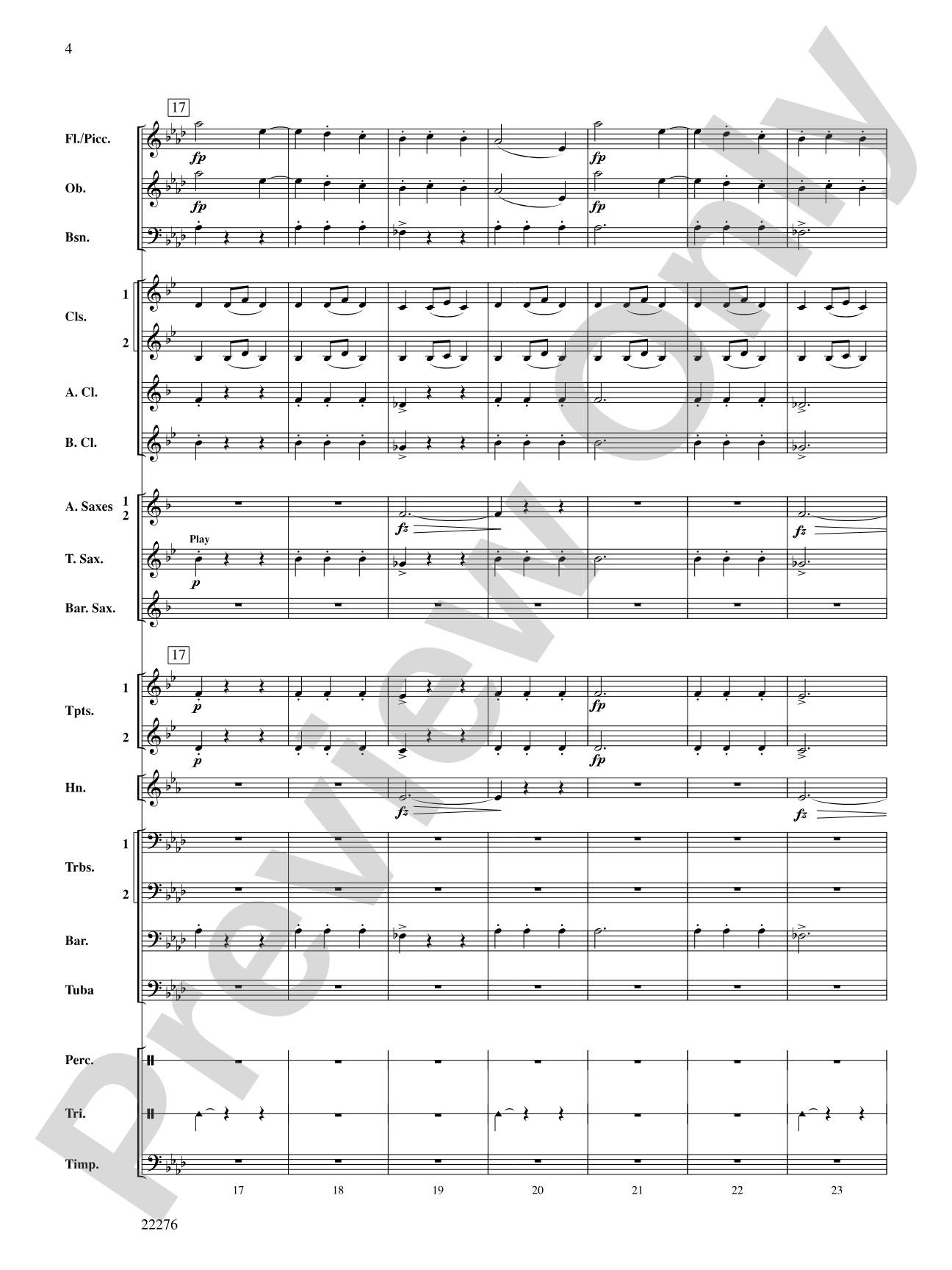
Antonin Dvorák's Slavonic Dances have been an audience pleaser at orchestral concerts for generations. Here, one of his most well-known Slavonic Dances has been wonderfully adapted for young bands. The dramatic opening gives the entire band an opportunity to shine, and the lyrical middle section shows off the woodwinds. The da capo structure gives you an opportunity to put together an impressive selection with limited rehearsal time. Program this piece for competitions, festivals or any concert situation. This title is available in MakeMusic Cloud.


Don't just read it, hear it, play along with it, and watch your students grow with it. In MakeMusic Cloud, Slavonic Dance No. 8: Concert Band Conductor Score & Parts comes alive with professional accompaniment, adjustable tempo, and built-in practice tools that turn solo practice into real progress.
Open in the Player
Jump straight in and assign it today.
Start Your Free Trial
Open this title and explore the full library in minutes.
Sample Audio
1
Audio File
--:--
0:00
0:00
Sample Video
No sample videos found.
Additional Details
Series:
Young Symphonic
Publisher:
Alfred Music
Page Count:
208
SKU:
00-PK-0000538
More about this title
About the Composer: Antonin Dvorák
Antonín Dvořák (1841-1904) stands as one of the most significant composers of the late Romantic era, bringing the musical language of his native Bohemia to concert halls across Europe and America. His Slavonic Dances, composed in two sets during the 1870s and 1880s, became instant classics, celebrated for their infectious rhythms, memorable melodies, and deep connection to Czech folk traditions. These works secured his international reputation and remain staples of orchestral programming today.
For music educators, Dvořák's genius lies in his ability to craft pieces that are simultaneously sophisticated and accessible. His melodies sing naturally on any instrument, his harmonic language is clear without being simplistic, and his structural sense means that even young musicians can follow the arc of a complete musical thought. The Slavonic Dances demonstrate that great music need not be complicated to be memorable.
Why we love this
This arrangement captures everything that makes the original Slavonic Dance endure: the bold, attention-grabbing opening that gets your entire band engaged from measure one, followed by a genuinely lyrical middle section that rewards careful phrase shaping in your woodwind section. The da capo structure means students experience success and musical coherence within a manageable rehearsal timeline, making it ideal for bands still building ensemble confidence and sight-reading stamina.
What to expect
The opening feels almost ceremonial, with sharp, unified attacks and bold harmonic gestures that announce the band's presence. As the music shifts to the middle section, the mood becomes intimate and lyrical, with warm, singing lines that invite the listener closer. The return of the opening brings satisfaction and completion, a sense that the band has traveled somewhere meaningful and come home.
Who it's for
Concert bands at the Grade 2.5 level, particularly groups preparing for contests, festivals, or pops concerts where accessible, crowd-pleasing repertoire serves a real programming need. Conductors leading developing ensembles will find this arrangement strikes an excellent balance between musical depth and technical accessibility, allowing students to experience a genuine masterwork without overwhelming them.
How to get the most out of it
- Shape the dramatic opening with unified articulation across the full band; even at Grade 2.5, crisp attacks and a strong rhythmic foundation make the difference between good and memorable.
- Let the woodwind chorale breathe in the middle section. Balance the melody (likely in clarinet or flute) so it sits slightly forward, and encourage vibrato from players who have developed it.
- Mark the return to the opening section in your score so the band recognizes the familiar material; the da capo structure is pedagogically powerful when students understand they're revisiting home territory.
- Control the final cadence with a slight ritard in the last measures. This is your moment to let the drama settle and give the audience time to absorb what they've heard.
How to use it
Open a concert or festival performance with this piece to establish energy and confidence from the first moments. It pairs well with longer, more complex works later in a program because audiences recognize the Dvořák name and the piece itself delivers immediate musical satisfaction. The manageable length and familiar structure also make it an excellent choice for a pops concert or a program featuring "Masterworks in Miniature."
Skills your students will build
- Reading a full orchestral score layout with multiple instrument families
- Balancing melody and accompaniment across the band
- Maintaining rhythmic precision in folk dance figures and syncopated passages
- Shaping long melodic lines with careful dynamic control
- Recognizing and executing da capo form with musical clarity