Antonín Dvorák (1841–1904) stands as one of the most significant voices in Romantic music, a composer who drew deeply from Czech folk traditions while commanding the largest forms of the classical era. His nine symphonies, chamber works, and orchestral dances earned him international recognition and multiple appointments across Europe and America, yet he never abandoned his roots or his commitment to elevating nationalist musical idioms.
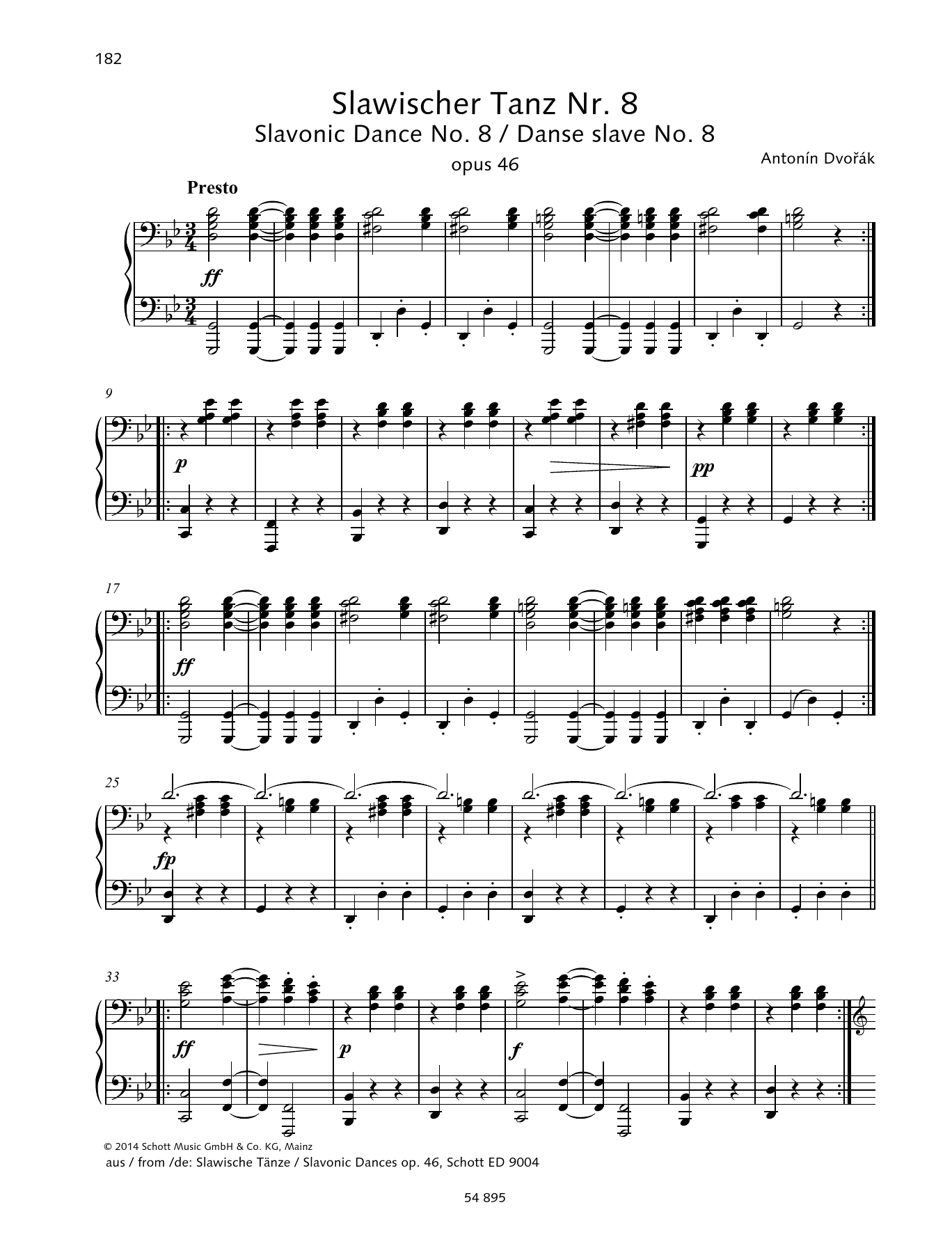
Dvorak's Slavonic Dances remain central to the repertoire because they capture something essential about his compositional genius: the ability to make folk material sing at concert scale. Written in two sets (Op. 46 and Op. 72), these pieces balance earthy rhythmic vitality with sophisticated harmonic language, making them equally valuable as teaching tools and concert fare.