
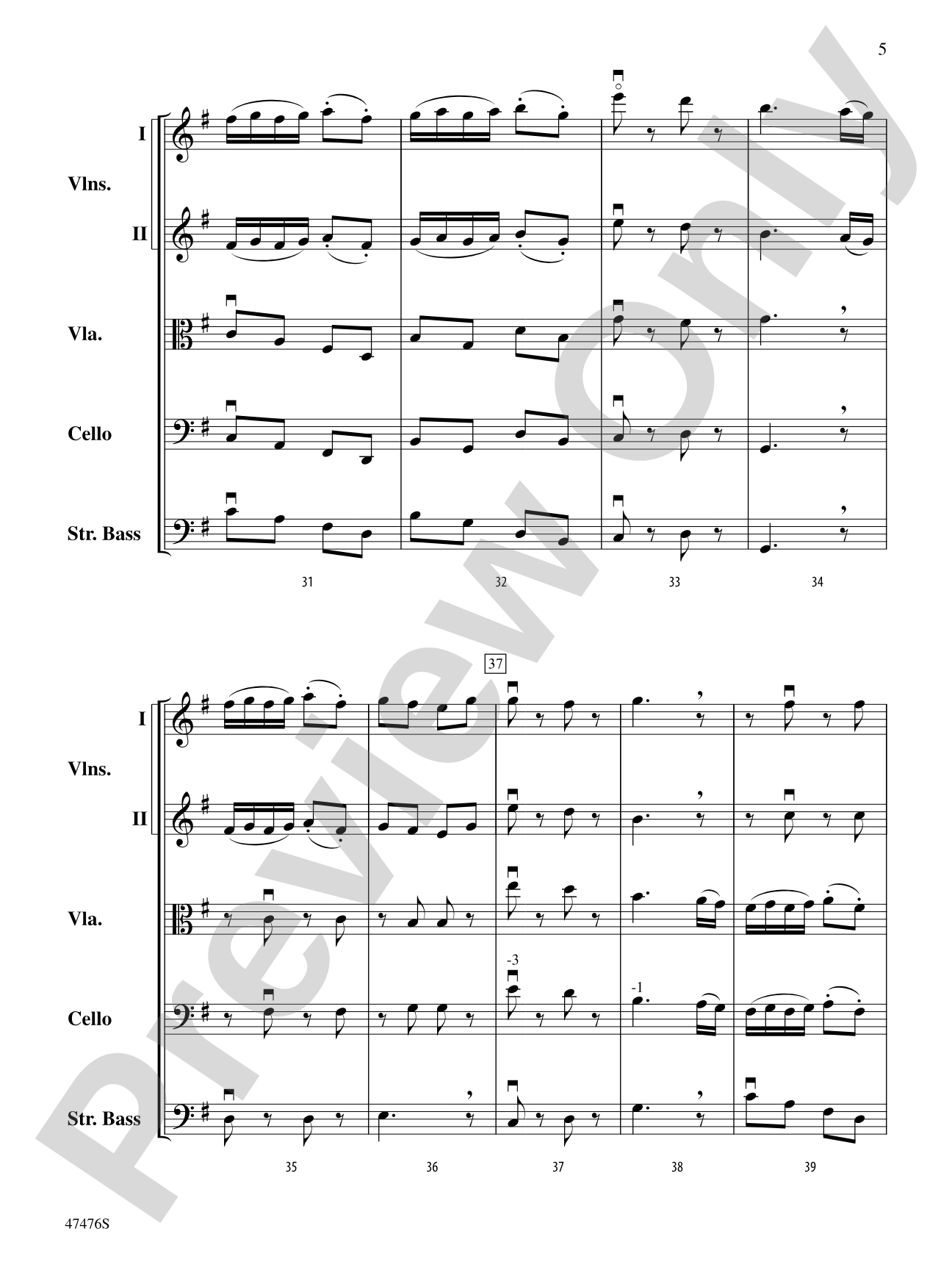
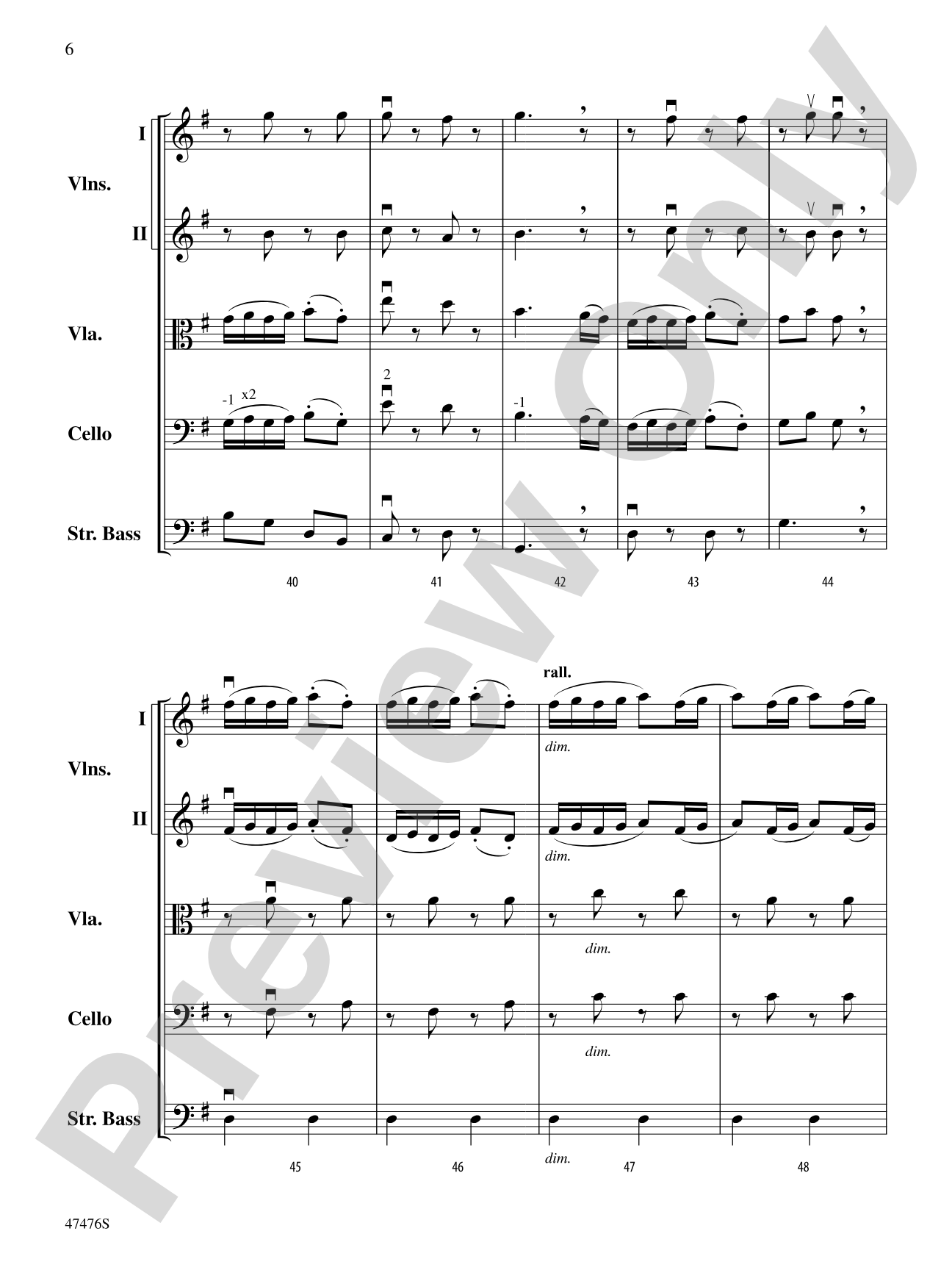
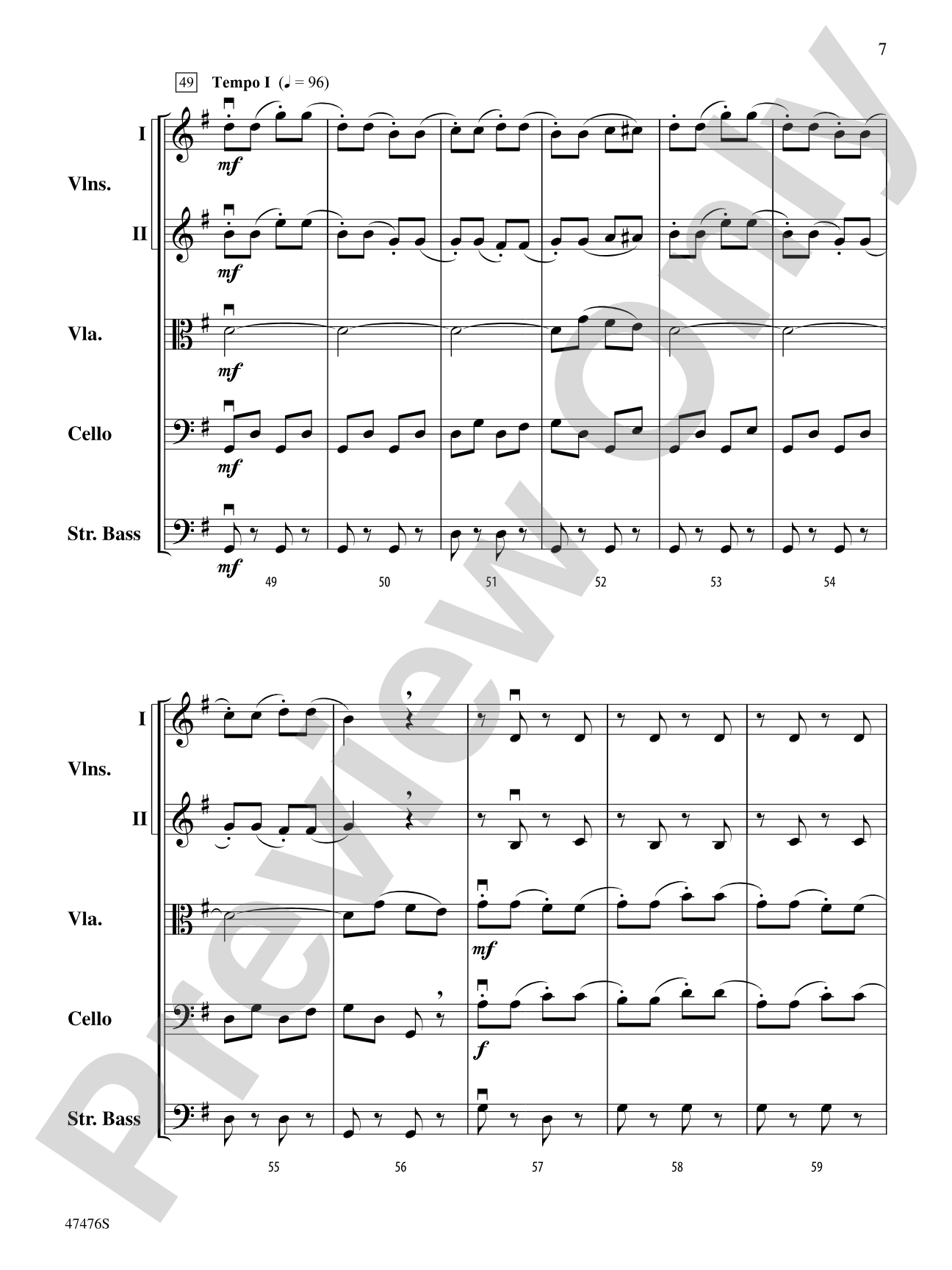
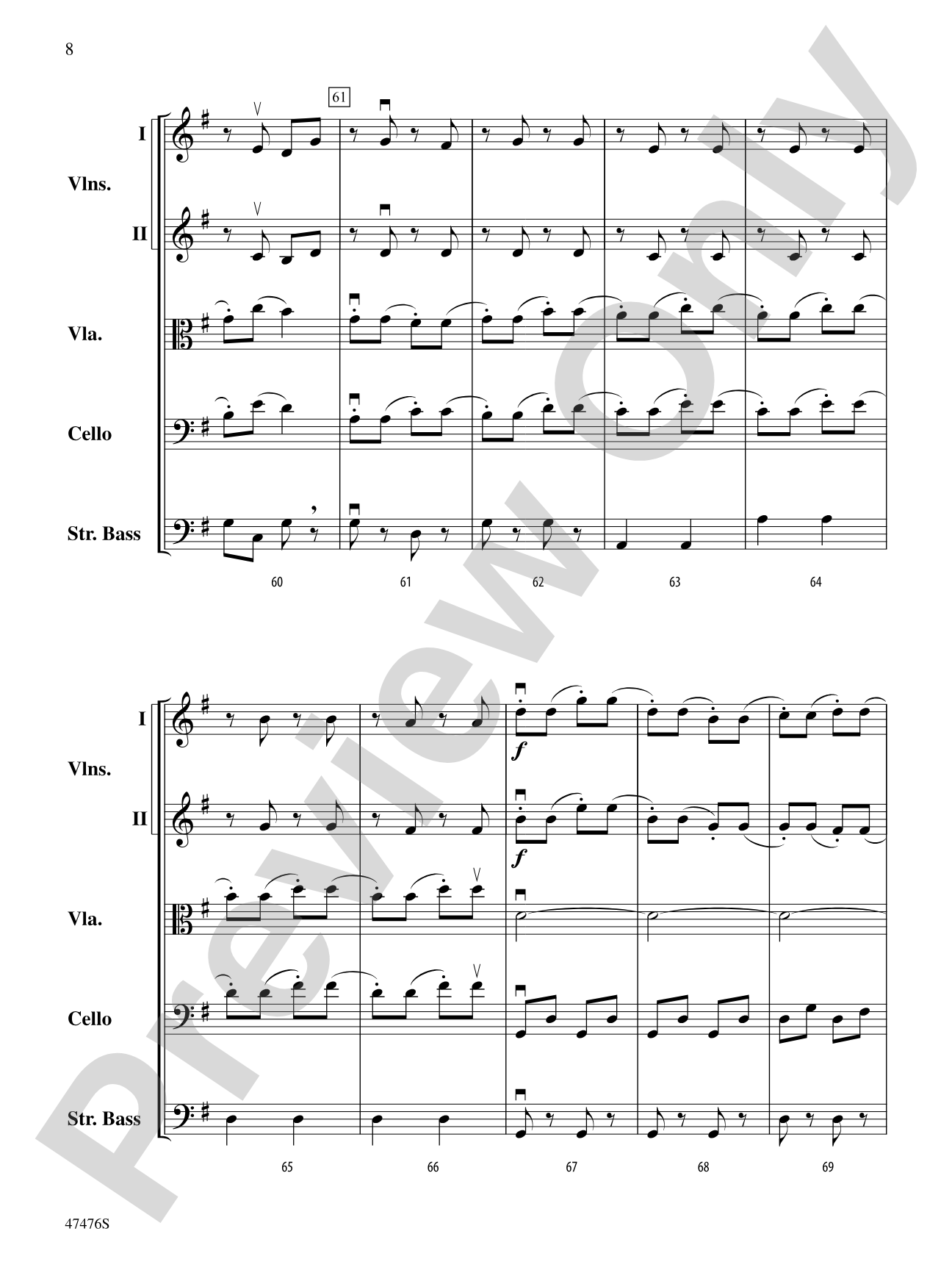
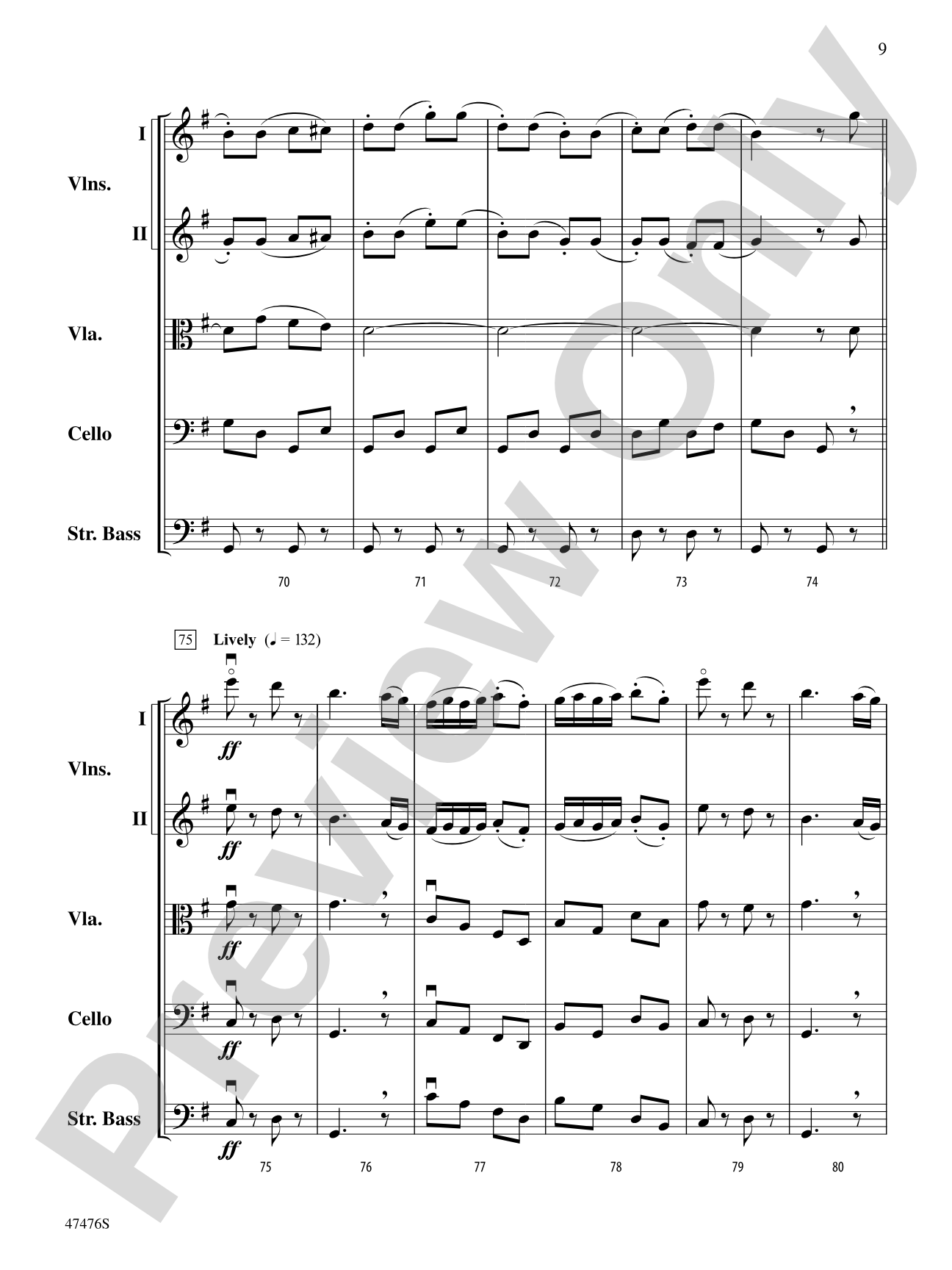
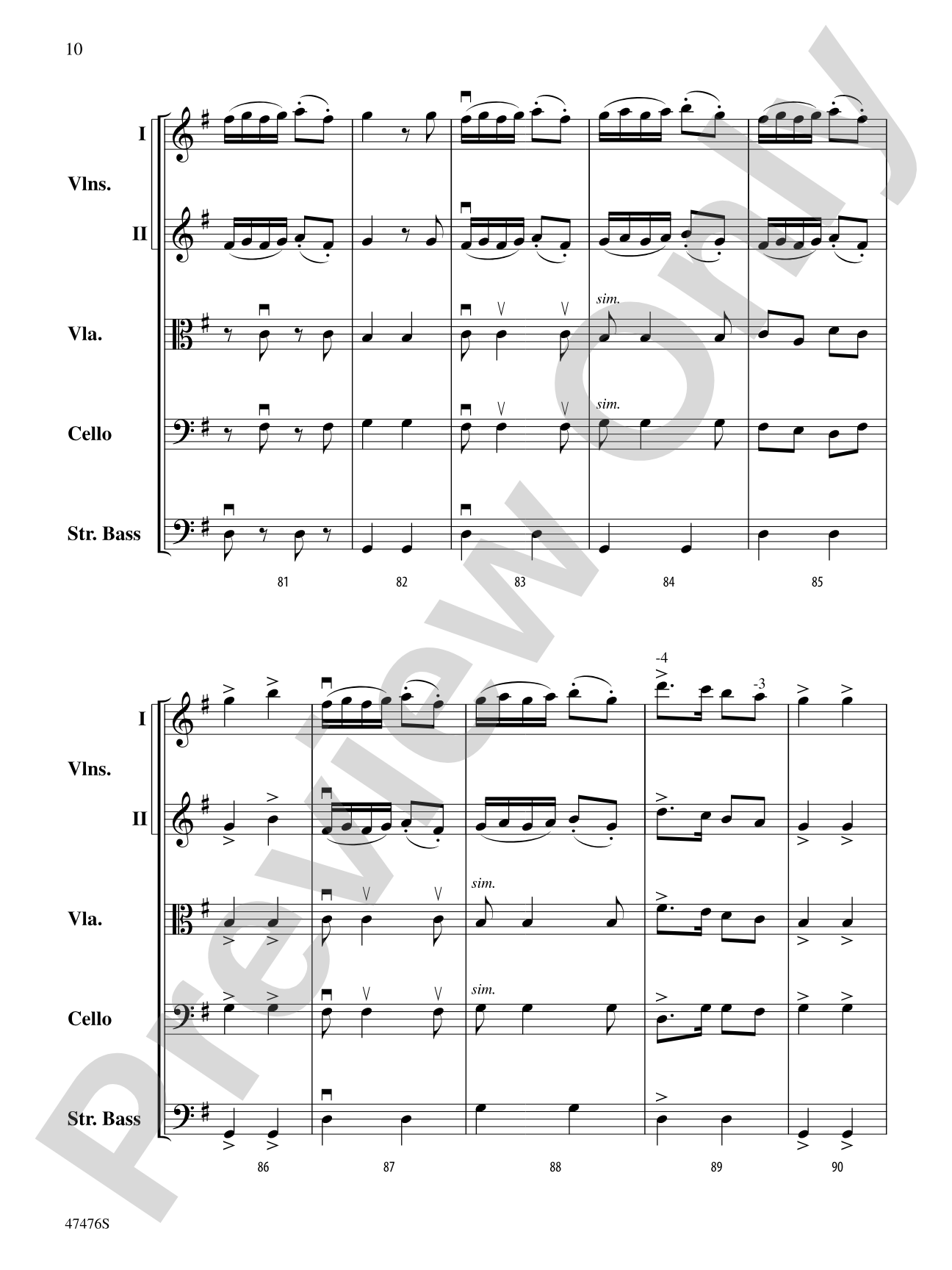
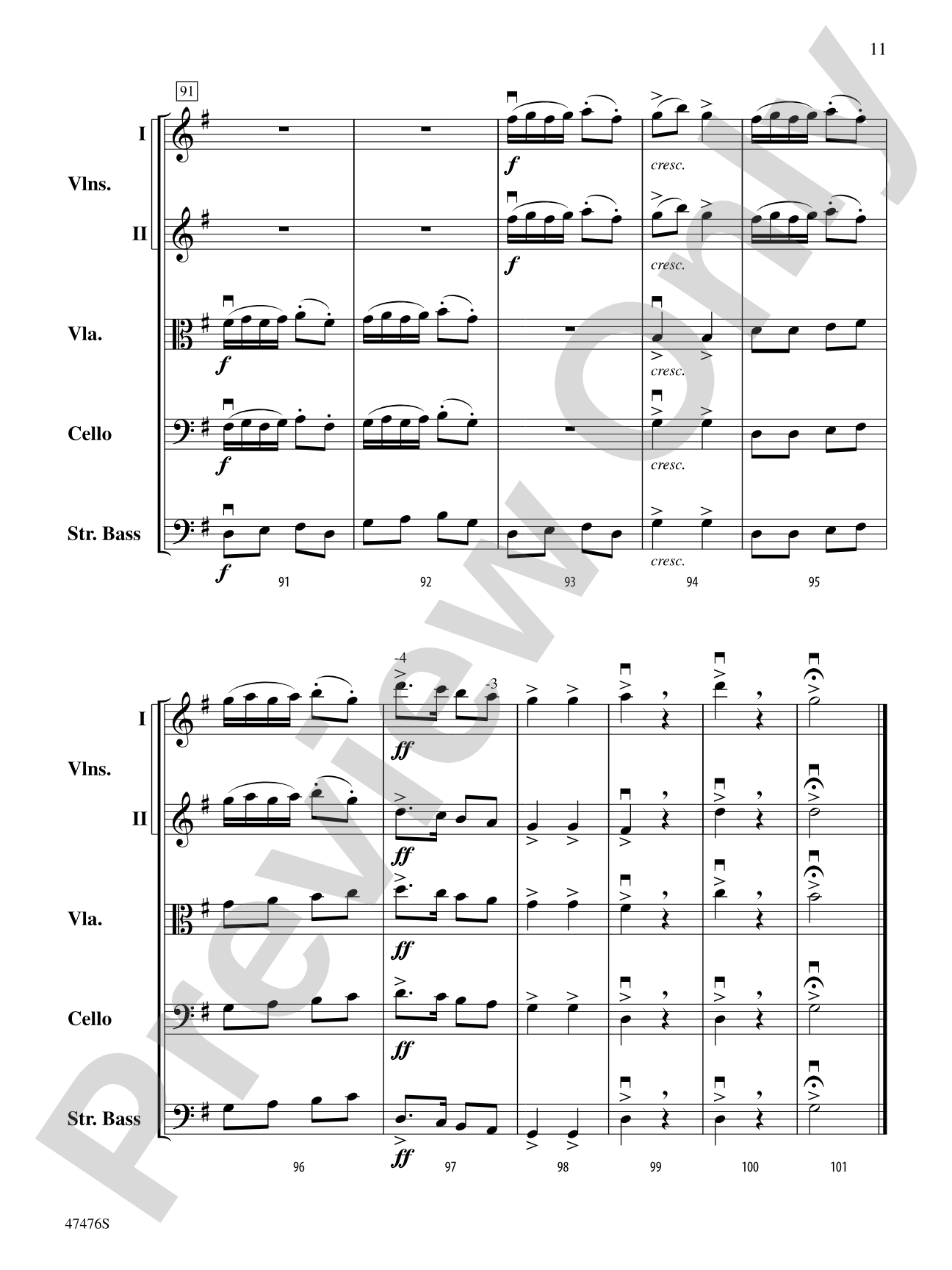

Slavonic Dance: String Orchestra Conductor Score & Parts
Op. 46, No. 3
By Antonín Dvorák / arr. Jim Palmer
Grade: 3
Item: 00-PK-0007711

$49.00
Pickup currently not available
Buy Extra Parts (Digital PDF Download)
| Product | Price | Quantity |
|---|---|---|
| Slavonic Dance: Score | $9.00 | |
| Slavonic Dance: 1st Violin | $5.99 | |
| Slavonic Dance: 2nd Violin | $5.99 | |
| Slavonic Dance: Viola | $5.99 | |
| Slavonic Dance: Cello | $5.99 | |
| Slavonic Dance: String Bass | $5.99 |
Parts Added to Cart!
Description
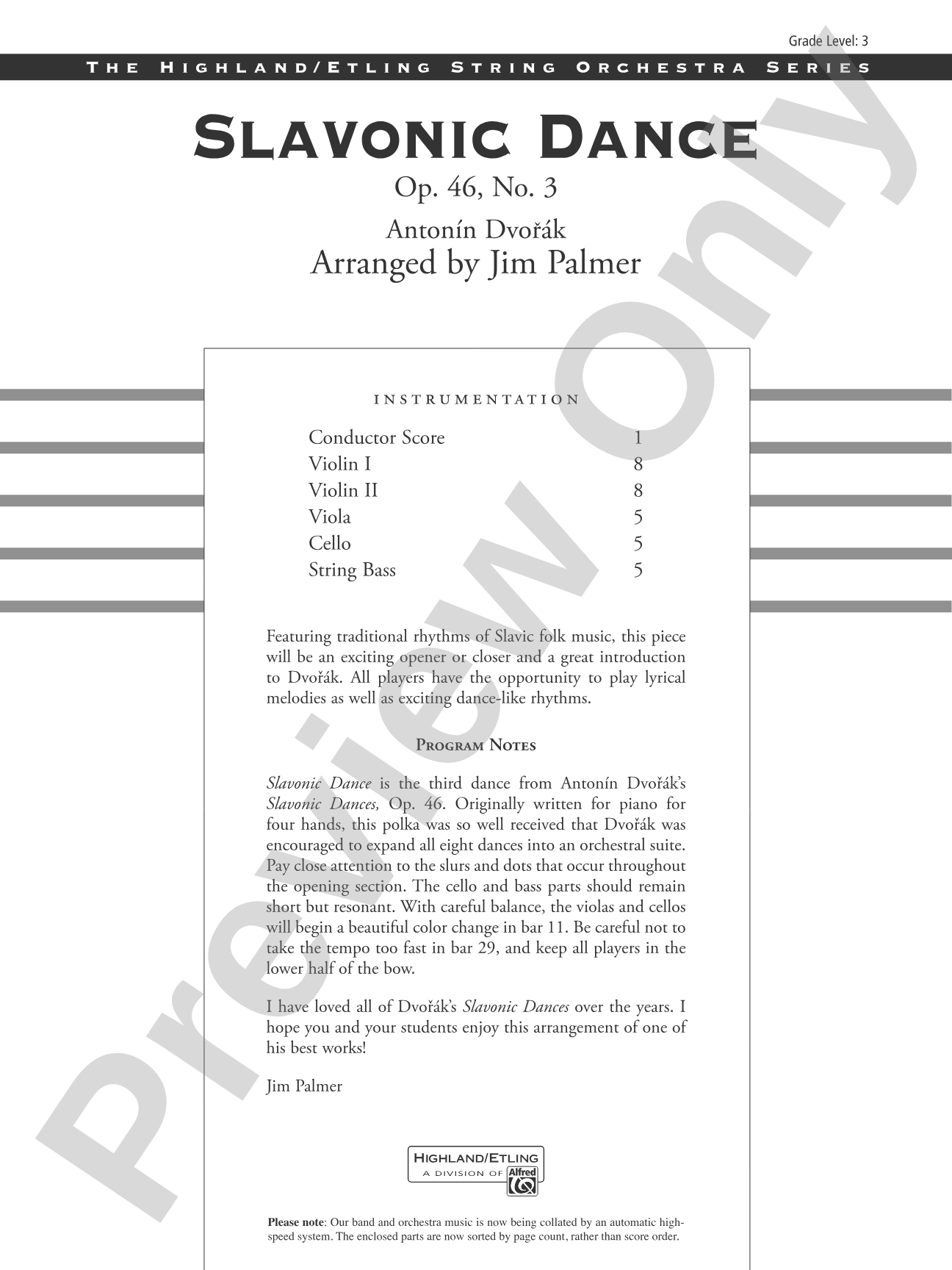
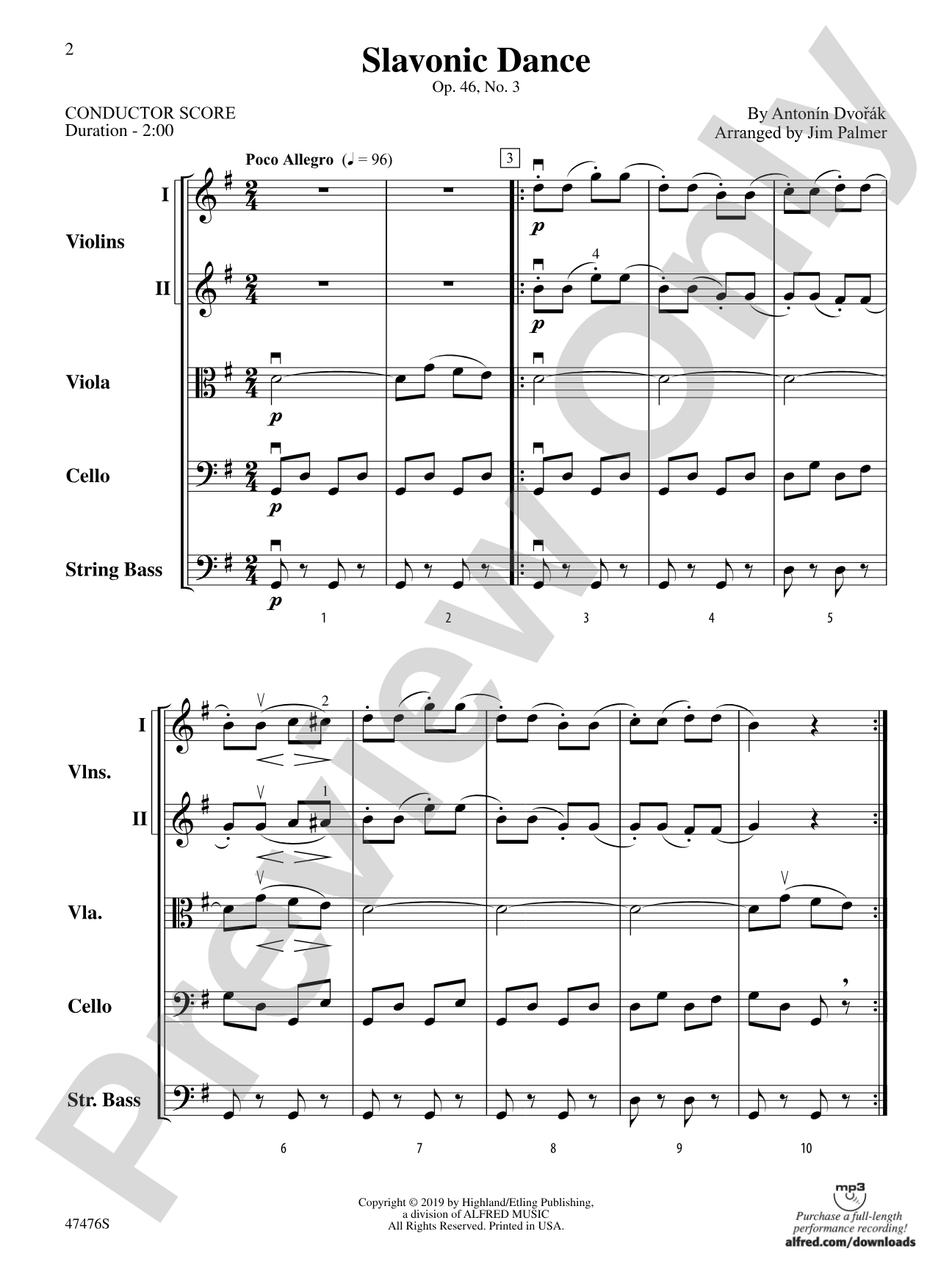
Lively and full of character, this arrangement will be an exciting opener or closer to any concert. Featuring traditional rhythms of Slavic folk music, the piece will give all players a chance to play lyrical melodies as well as exciting dance-like rhythms.


Don't just read it, hear it, play along with it, and watch your students grow with it. In MakeMusic Cloud, Slavonic Dance: String Orchestra Conductor Score & Parts comes alive with professional accompaniment, adjustable tempo, and built-in practice tools that turn solo practice into real progress.
Open in the Player
Jump straight in and assign it today.
Start Your Free Trial
Open this title and explore the full library in minutes.
Sample Audio
1
Audio File
--:--
0:00
0:00
Sample Video
Additional Details
Series:
Highland/Etling String Orchestra
Publisher:
Alfred Music
Page Count:
124
SKU:
00-PK-0007711
More about this title
About the Composer: Antonín Dvorák
Antonín Dvorák (1841-1904) was a Czech composer who drew deeply from his country's folk traditions to create works of enduring symphonic and chamber music significance. His Slavonic Dances, originally written for piano four-hands and later orchestrated, remain among his most performed and beloved compositions; they capture the rhythmic vitality and melodic warmth of Czech and other Eastern European folk music while demonstrating sophisticated harmonic language and structural craft.
Dvorak's influence on string writing was substantial. His mastery of orchestral color, particularly in the strings, made him a natural model for arrangers seeking to create accessible yet musically substantial works for student ensembles. His legacy extends far beyond his native Czech Republic; his music has been integral to the concert repertoire and music education for over a century.
Why we love this
This arrangement captures the infectious energy and folk-rooted character of Dvorák's original while landing solidly within the technical and musical reach of developing string orchestras. Jim Palmer's scoring distributes both the lyrical and rhythmic material across all sections, ensuring that Grade 3 players get substantive musical experiences rather than filler parts. The piece functions equally well as a concert opener to grab immediate attention or a closer to send the audience home energized.
What to expect
From the first notes, you are transported to a village square where traditional music unfolds with warmth and infectious rhythm. Lyrical passages sing with an almost vocal quality, inviting listeners into an intimate musical conversation, while dance-like sections crackle with the percussive vitality of folk celebration. The piece balances elegance and exuberance in equal measure, creating a memorable musical experience that feels both familiar and fresh.
Who it's for
String orchestras at the Grade 3 level looking for a showpiece with genuine musical substance and period-informed style. Directors programming concerts that benefit from an uplifting, energetic selection that still allows students to engage with serious compositional craft.
How to get the most out of it
- Shape the opening statement with a clear melodic arc; even though the tempo feels "lively," resist rushing into the dance rhythms. Let the initial phrases establish the folk character before the percussion and rhythmic energy take over.
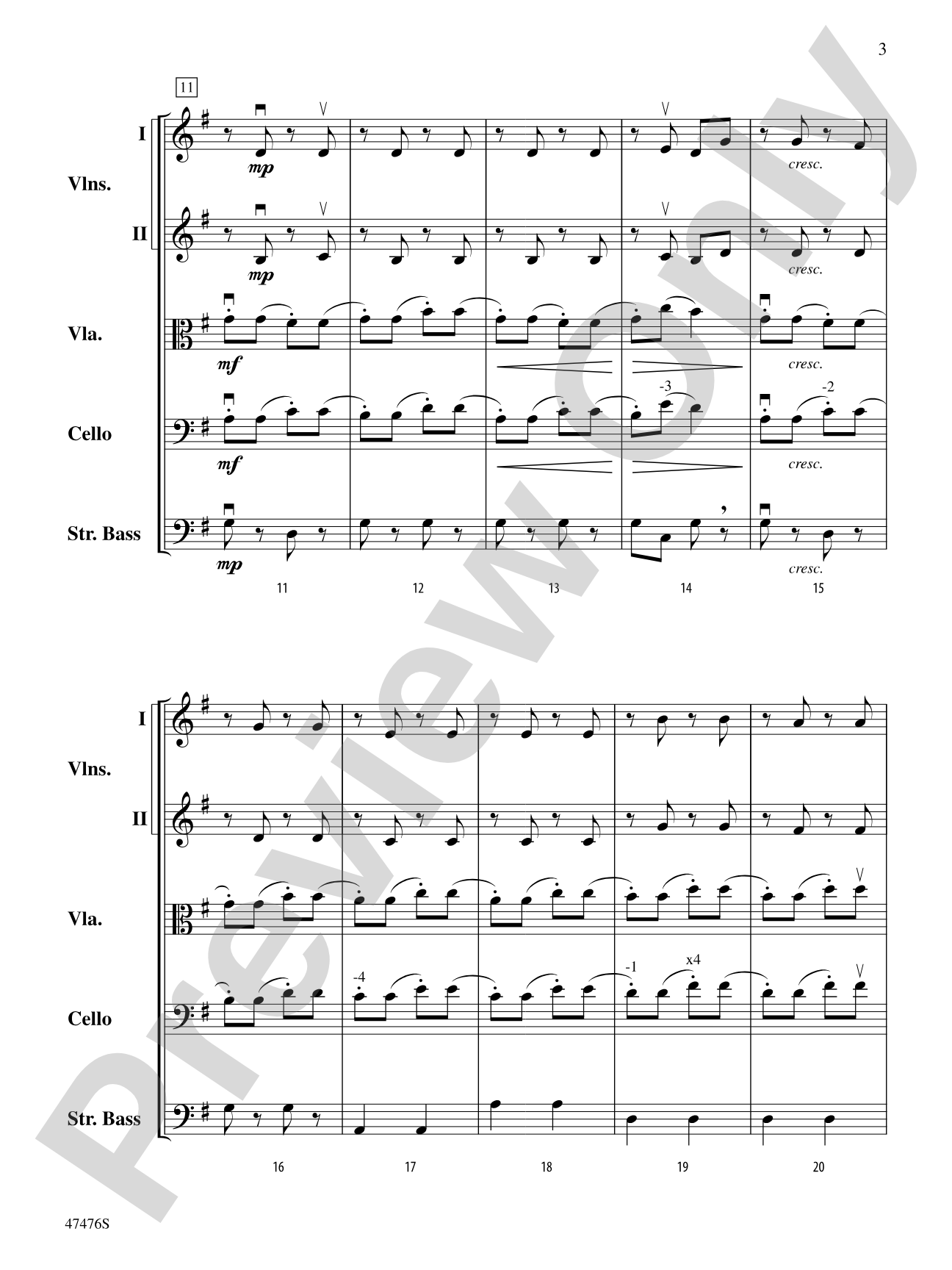
- Balance the melody and accompaniment by ear during rehearsal rather than relying on written dynamics alone. The folk idiom thrives on a conversational quality between parts, particularly when different sections trade material.
- Anchor the rhythmic sections (violas and cellos especially) with confidence and precision. Slavic dance rhythms benefit from a grounded, slightly deliberate pulse rather than a rushed one; this clarity will liberate the upper strings to soar above.
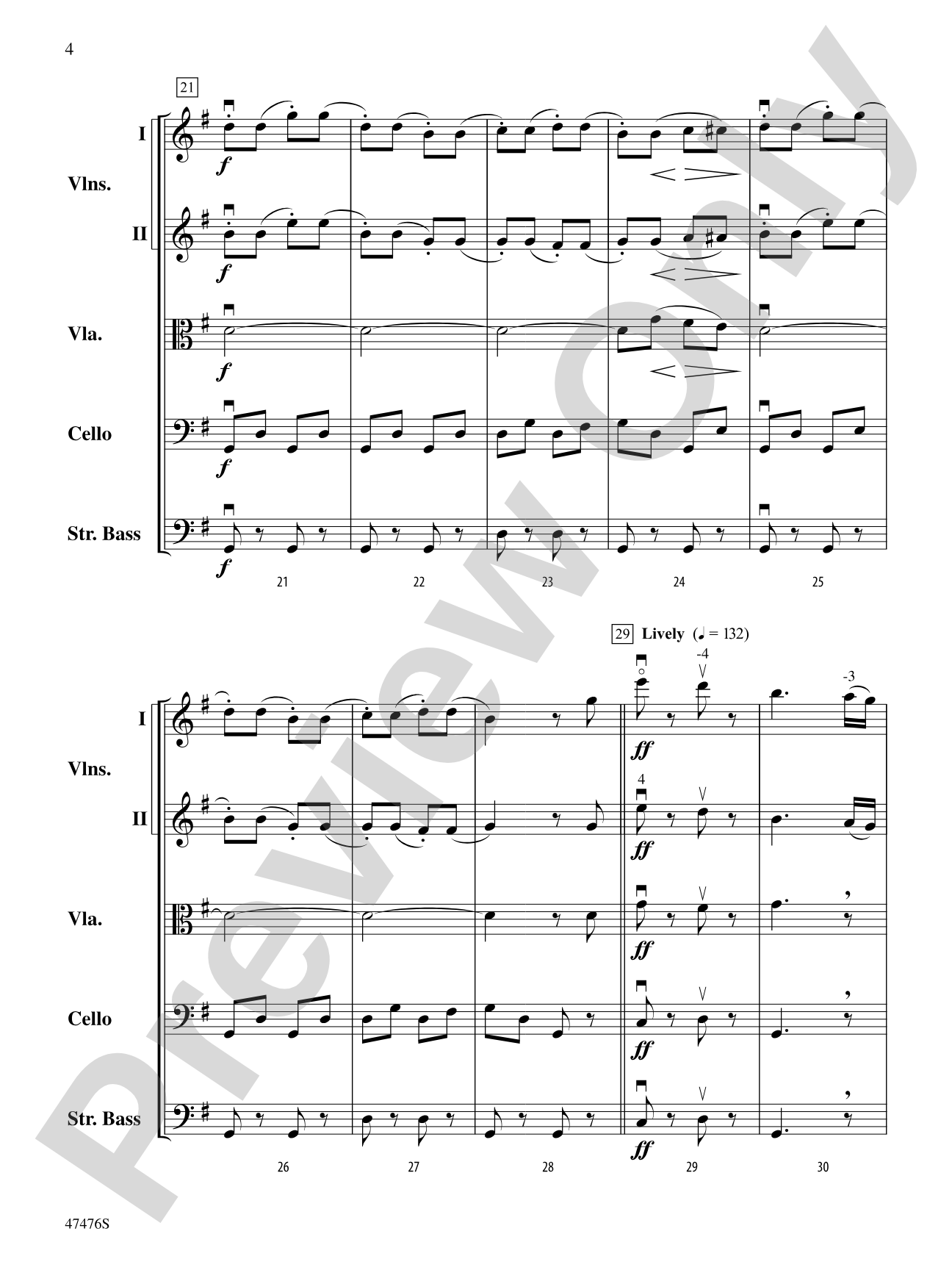
- Mark all stylistic shifts clearly in your parts. The transition between lyrical sections and rhythmic dance passages needs rehearsal focus so players understand they are navigating two distinct musical characters within the same piece.
How to use it
This works beautifully as a concert opener when you want to establish energy and goodwill immediately, or as a finale that leaves the audience with a sense of joy and vitality. It pairs particularly well with slower or more introspective works, providing necessary contrast and demonstrating the stylistic range of your ensemble.
Skills your students will build
- Articulating rhythmic figures distinctly while maintaining legato lyricism within the same movement
- Responding to quick stylistic shifts between folk-derived melodic passages and rhythmic accompaniment patterns
- Supporting a melody with idiomatic rhythmic accompaniment patterns drawn from traditional Eastern European music
- Balancing vibrato and tone quality across string sections to create cohesion in both fast and slow musical contexts
- Reading and executing period-appropriate phrasing in music influenced by folk sources rather than purely Romantic idioms