


Skylight: String Orchestra Conductor Score & Parts
By Bruce W. Tippette
Grade: 2
Item: 00-PK-0008841

$60.00
Pickup currently not available
Buy Extra Parts (Digital PDF Download)
| Product | Price | Quantity |
|---|---|---|
| Skylight: Score | $10.00 | |
| Skylight: 1st Violin | $3.00 | |
| Skylight: 2nd Violin | $3.00 | |
| Skylight: Viola | $3.00 | |
| Skylight: Cello | $3.00 | |
| Skylight: String Bass | $3.00 |
Parts Added to Cart!
Description
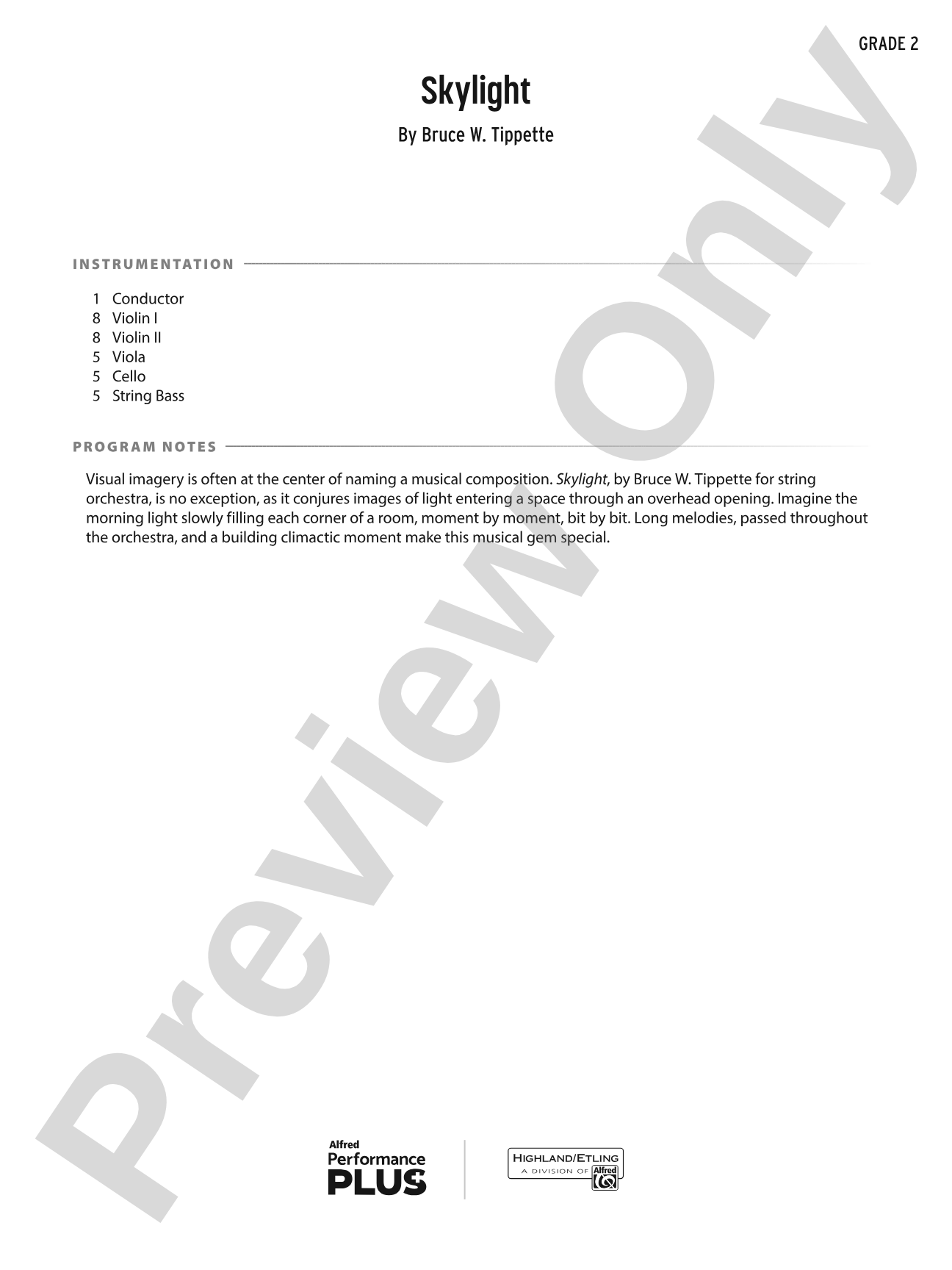
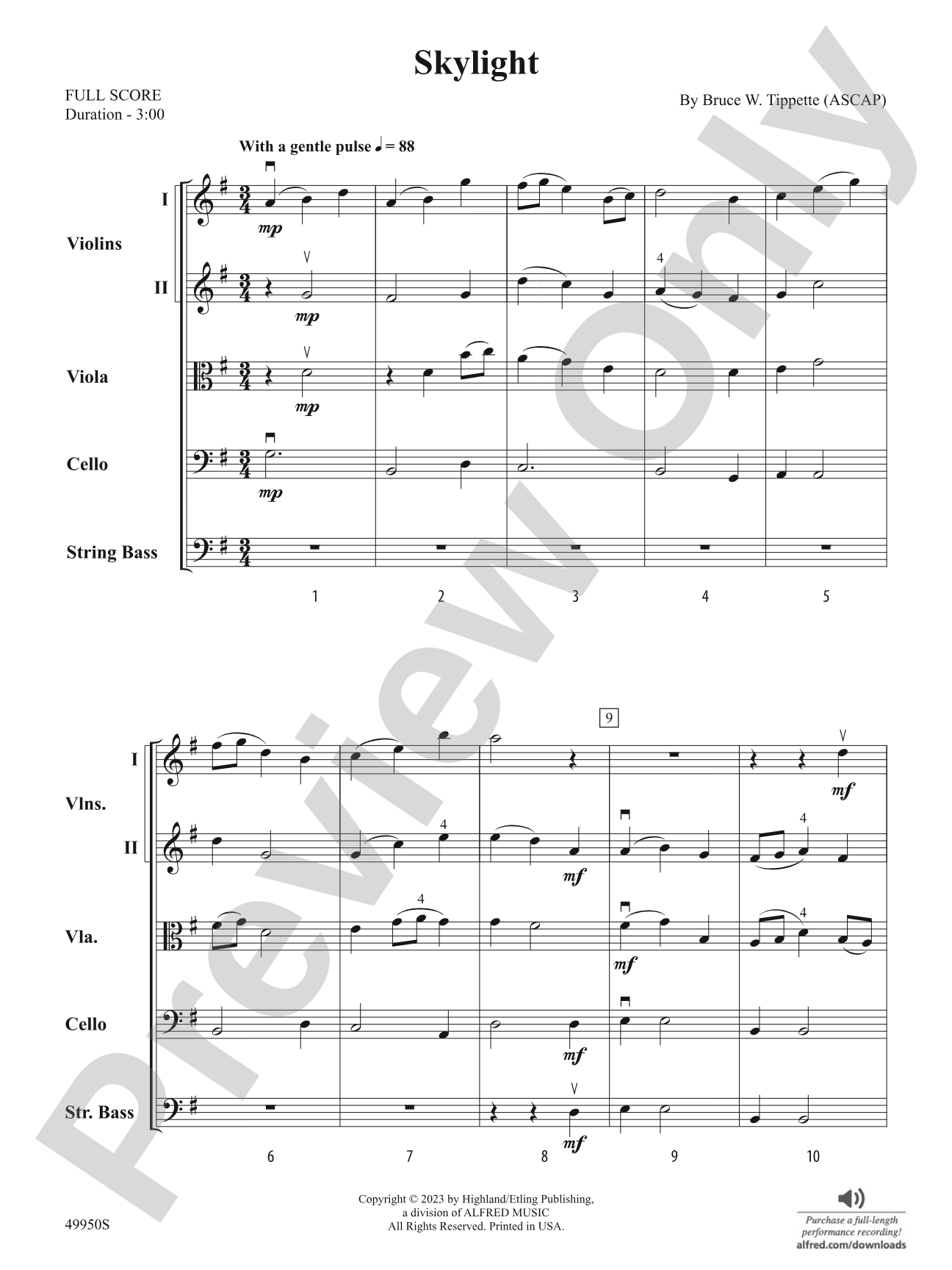
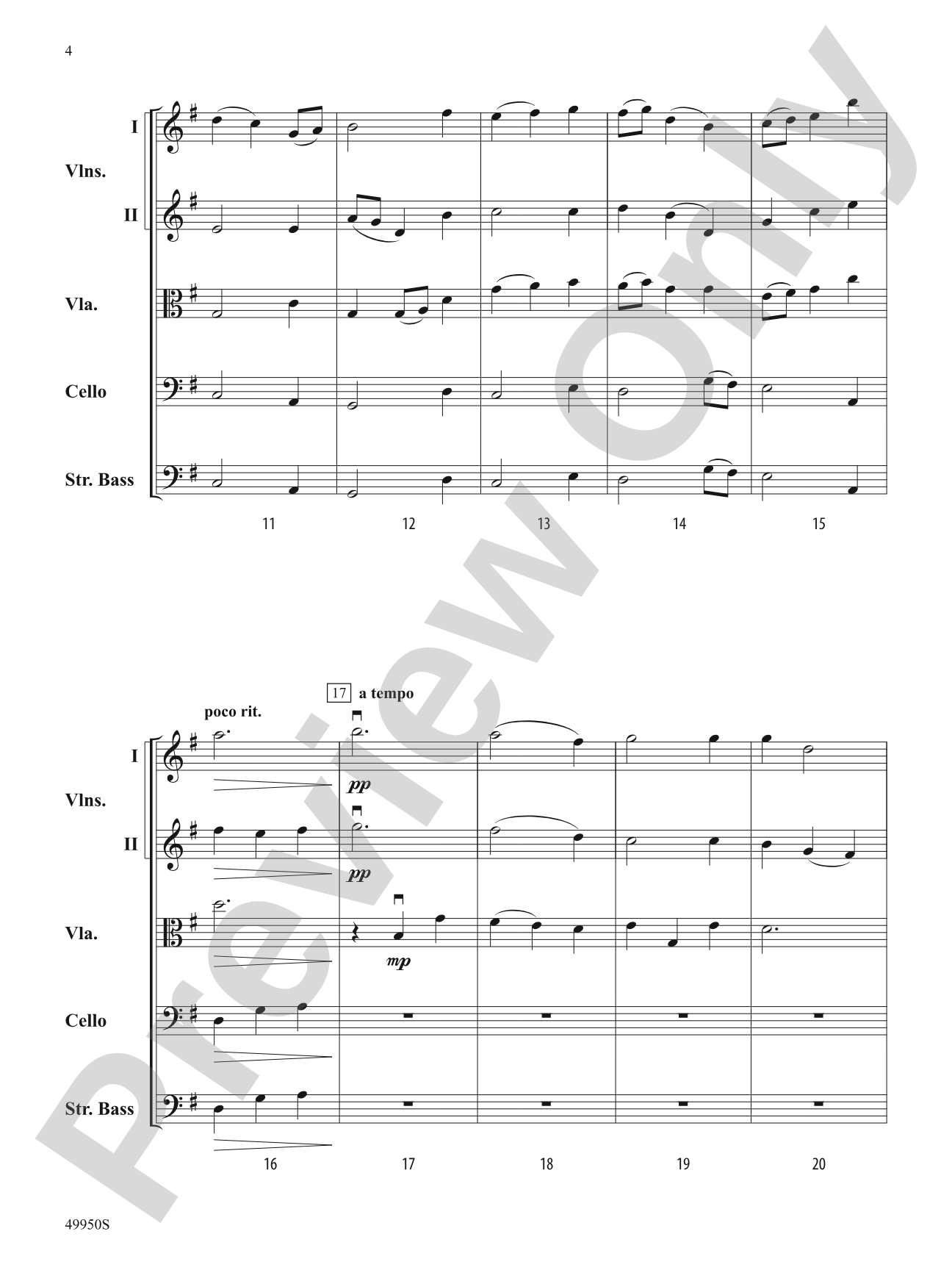
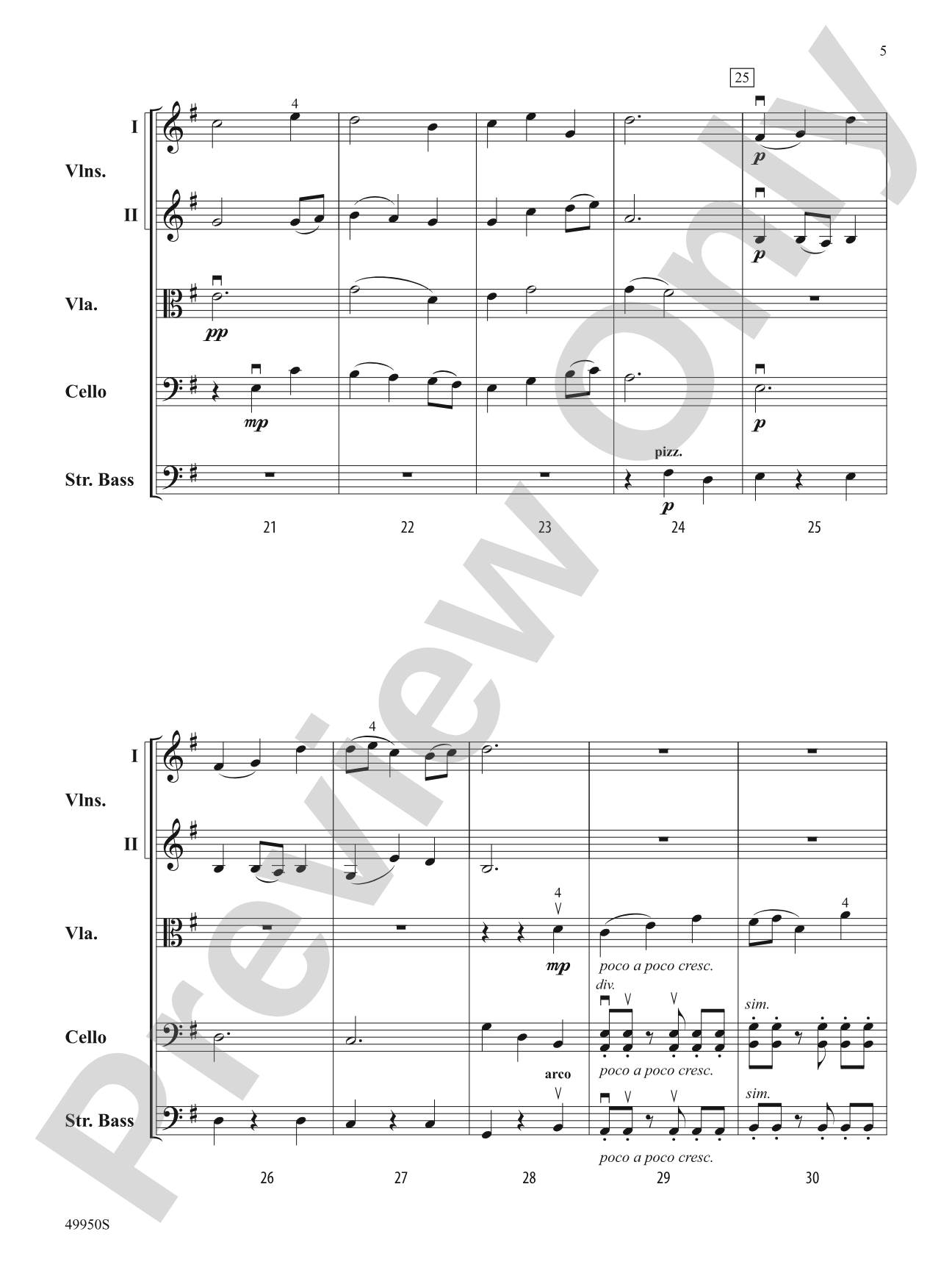
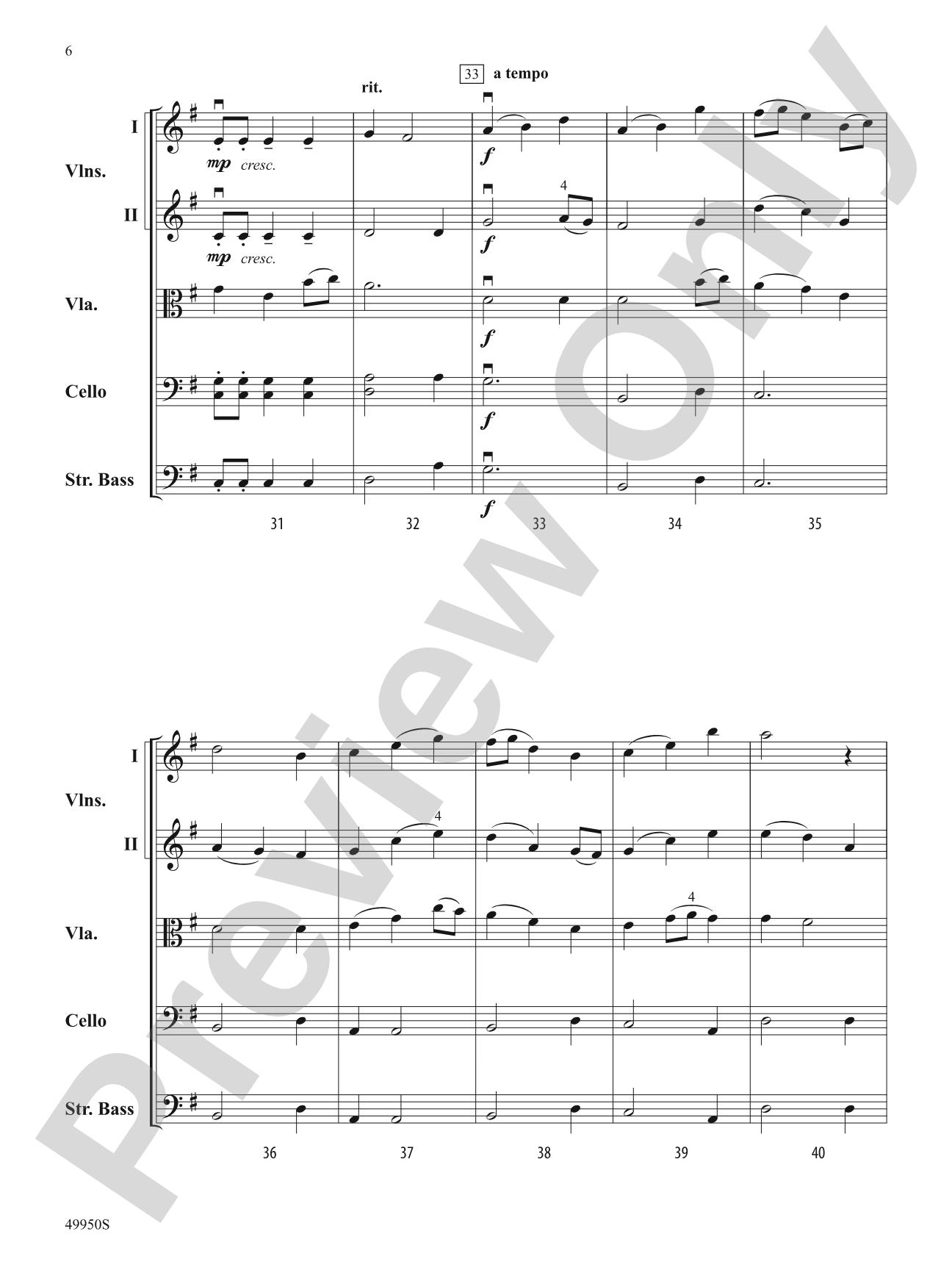
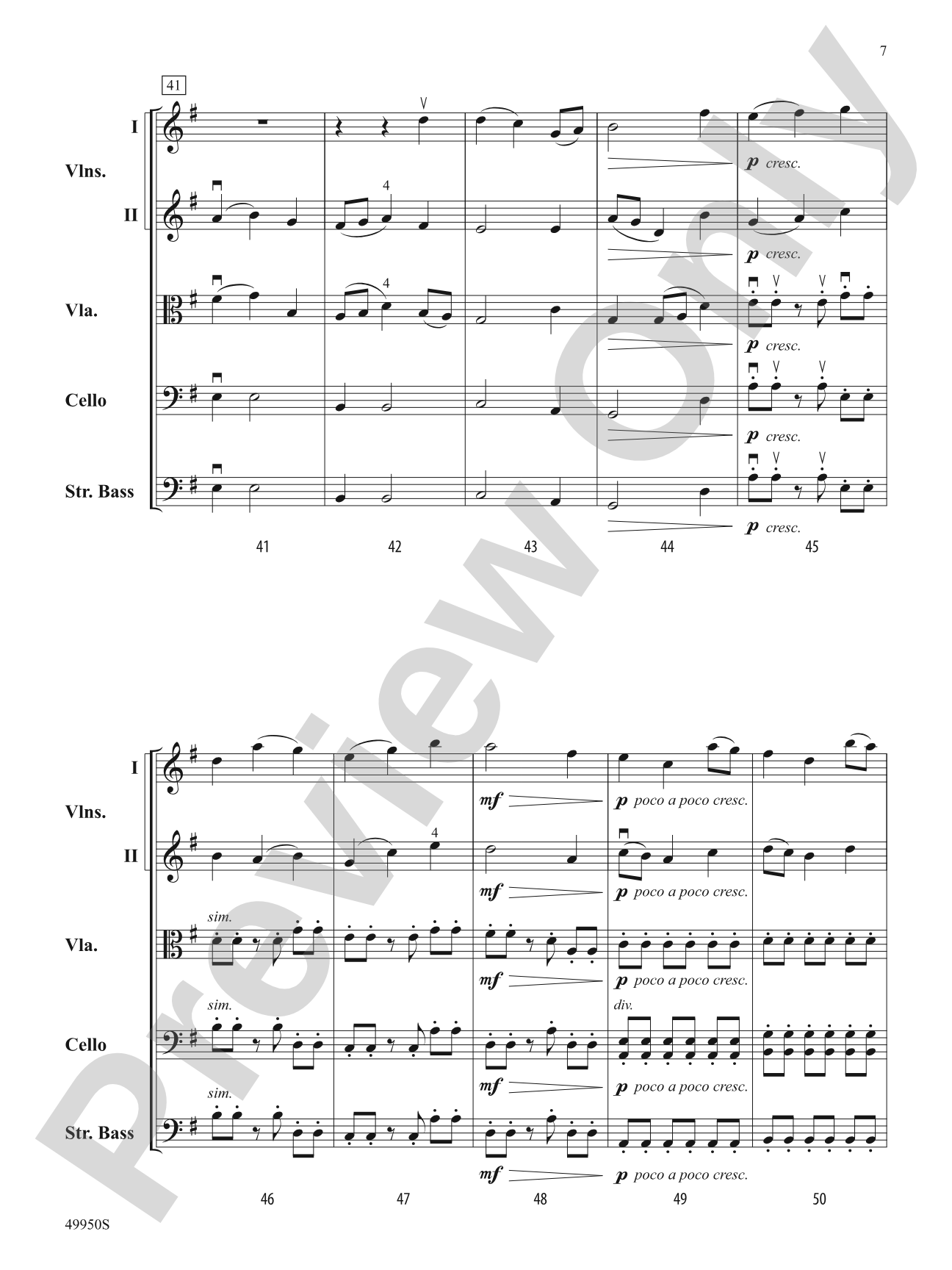
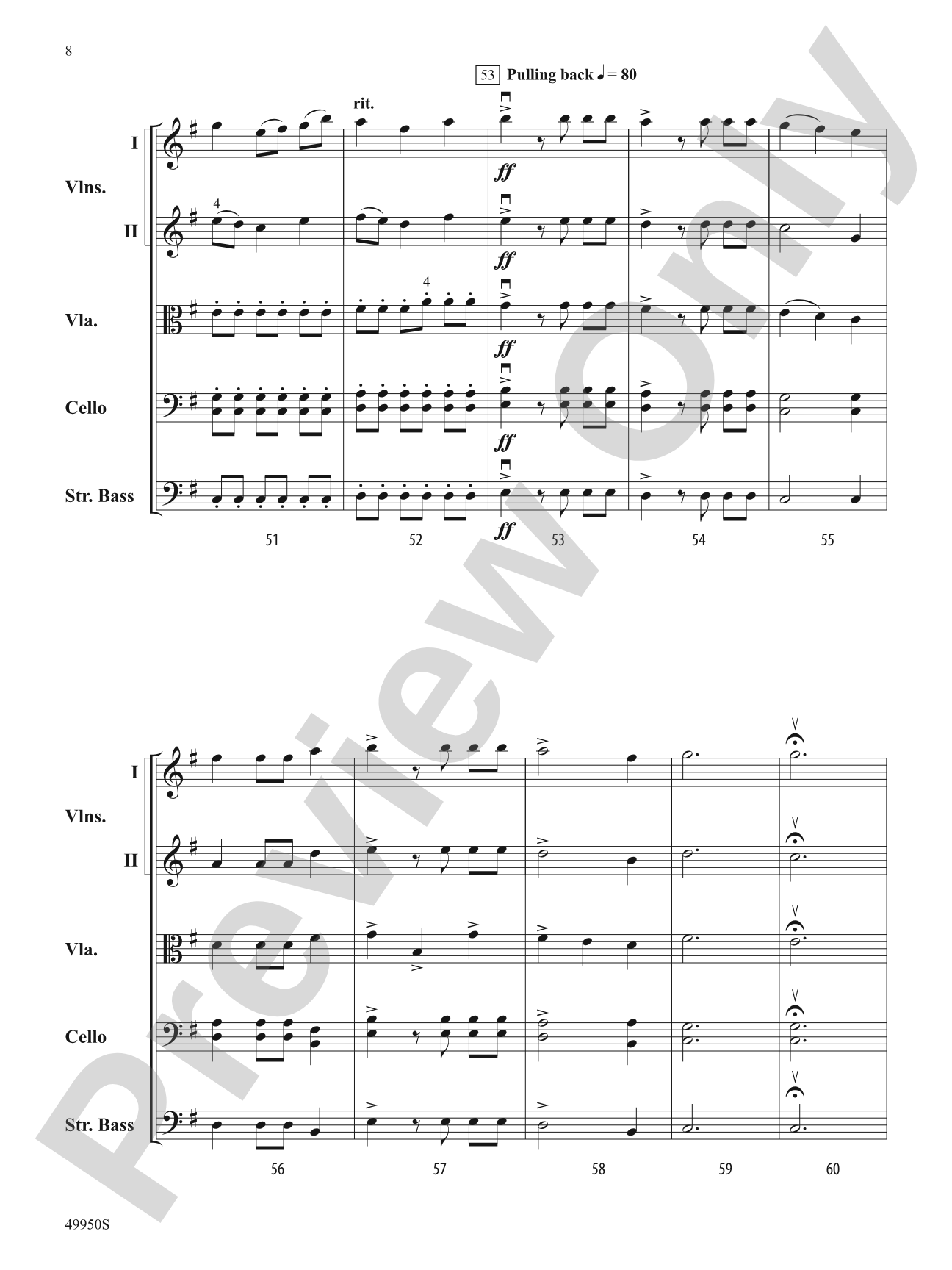
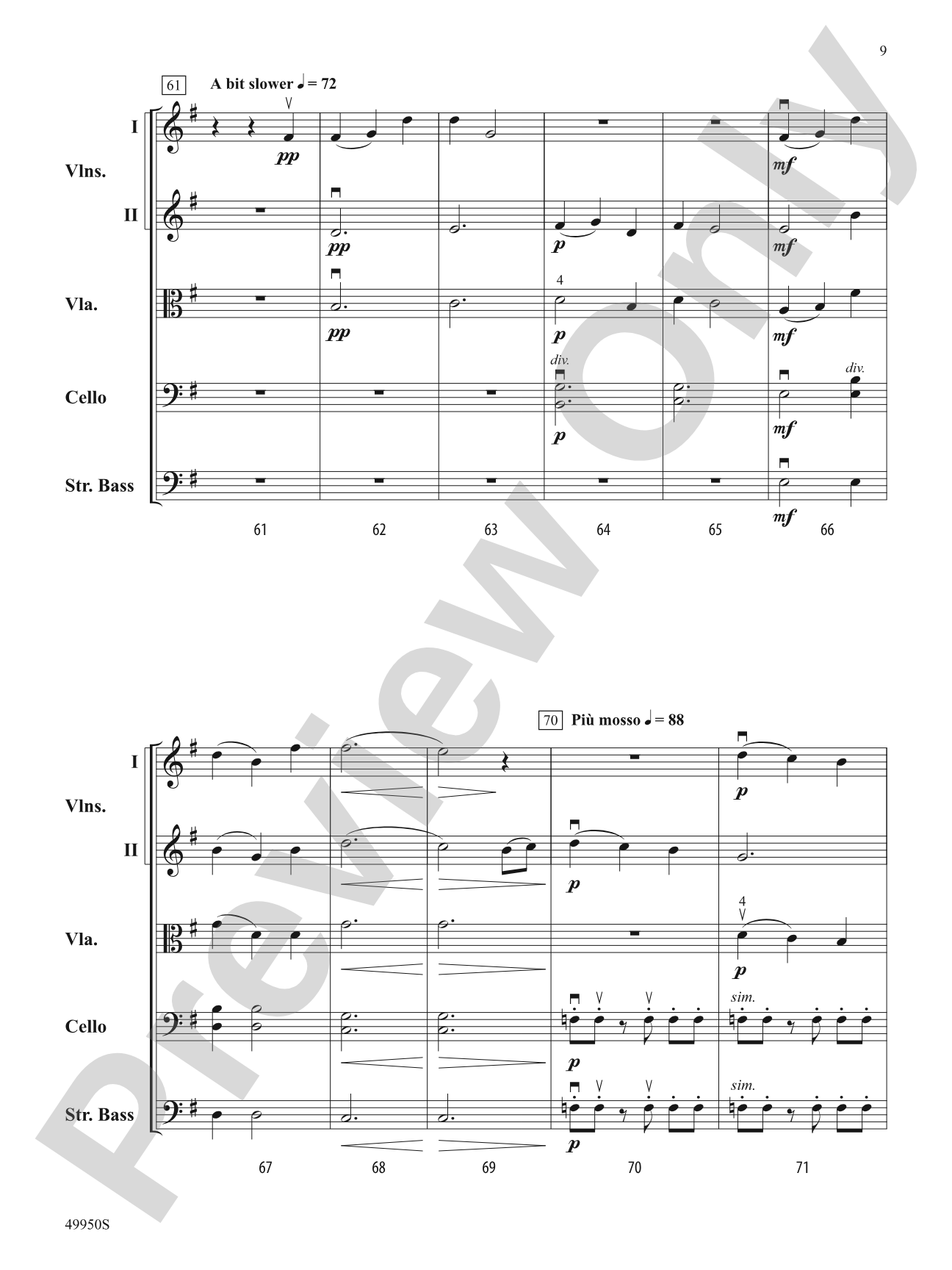
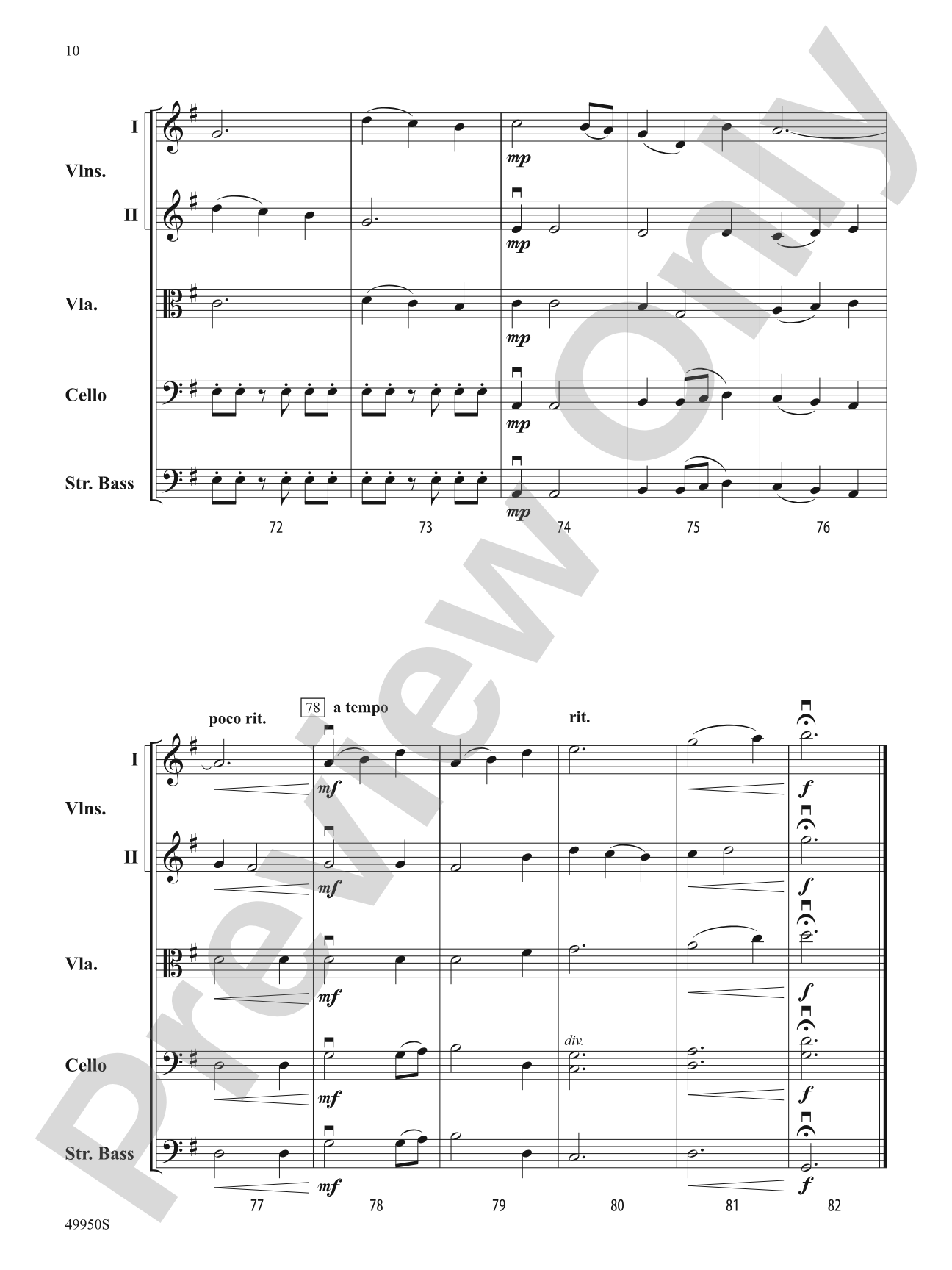
Visual imagery is often at the center of naming a musical composition. Skylight, by Bruce W. Tippette, for string orchestra, is no exception. It beautifully conjures images of light entering a space through an overhead opening. Imagine the morning light slowly filling each corner of a room, moment by moment, bit by bit. Long melodies passed throughout the orchestra, building to a pivotal moment, make this musical gem special. (3:00)
The PerformancePlus+ series is an innovative addition to the ever-expanding MakeMusic Cloud interactive library. These engaging selections are presented with educational resources designed to enrich the rehearsal process and create outstanding performances. Including:


The PerformancePlus+ series is an innovative addition to the ever-expanding MakeMusic Cloud interactive library. These engaging selections are presented with educational resources designed to enrich the rehearsal process and create outstanding performances. Including:
- Assignment, recording, and assessment tools within MakeMusic Cloud
- Piece-specific exercises focused on skills and techniques
- Educational tips and suggestions to support learning
Available in print and digital formats.
Don't just read it, hear it, play along with it, and watch your students grow with it. In MakeMusic Cloud, Skylight: String Orchestra Conductor Score & Parts comes alive with professional accompaniment, adjustable tempo, and built-in practice tools that turn solo practice into real progress.
Open in the Player
Jump straight in and assign it today.
Start Your Free Trial
Open this title and explore the full library in minutes.
Sample Audio
1
Audio File
--:--
0:00
0:00
Sample Video
Additional Details
Series:
Highland String Orchestra - PerformancePlus+
Publisher:
Alfred Music
SKU:
00-PK-0008841
More about this title
About the Composer: Bruce W. Tippette

Bruce W. Tippette holds degrees in composition and music education from Appalachian State University and earned his Master of Music in composition from the University of North Carolina School of the Arts. His orchestral work Unconquered won the 2012 Mary Starling Composition Competition and has been performed multiple times by the Winston-Salem Symphony, while his piano solo Dance of Fire received the Lynn Freeman Olson Composition Award.
Tippette's commissions span concert works, choreography, film, and theatre. He has been selected three times to compose new works through an experimental collaboration between Cirque du Soleil and UNCSA. As an educator, he teaches composition, theory, piano, and voice at the Community Music School of UNCSA, directs youth music and handbells at Augsburg Lutheran Church, and serves as a collaborative pianist and rehearsal accompanist.
Why we love this
Skylight captures something rare at the Grade 2 level: genuine musical storytelling without oversimplification. The piece uses long, passing melodic lines and deliberate dynamic architecture to create a narrative arc that feels earned rather than manufactured. Young string players respond to this kind of purposeful structure, and conductors appreciate repertoire that teaches ensemble listening and balance while delivering a complete artistic statement.
What to expect
Morning light gradually brightening a quiet room, moment by moment. Warm, contemplative textures build with patient inevitability toward a pivotal swell before settling again. The musical language is accessible but never condescending, creating space for genuine artistic expression.
Who it's for
String orchestras working at Grade 2 level who are ready for music with artistic depth and programmatic intent. This piece serves ensembles preparing for festival competition or concert programming that values musical substance.
How to get the most out of it
- Shape each melodic phrase with attention to the light imagery; avoid sudden dynamic shifts that would break the gradual accumulation Tippette intends. Think of dynamics as incremental rather than dramatic.
- Balance the long melodies across your section leaders to ensure they sing through transitions without dropping in support. This piece depends on seamless handoffs between stands.
- Use the PerformancePlus+ recording as a reference for tempo and character, then develop your own interpretation. The piece's effectiveness rests on conductor choices about pacing through the climactic moment.
How to use it
Skylight works beautifully as a centerpiece for a concert exploring light, space, or nature imagery. At around three minutes, it pairs well alongside shorter character pieces or contrasting energetic works. The programmatic clarity also makes it an excellent festival selection where program notes can deepen audience engagement.
Skills your students will build
- Sustaining long melodic lines across multiple measures without loss of tone quality
- Passing primary material between sections while maintaining musical continuity
- Building dynamic tension through gradual crescendos and managing the climactic moment
- Listening for balance in an ensemble featuring passing inner lines
- Responding to programmatic imagery as a tool for interpretive decision-making