Skills in Scales, Book 1 Sheet Music Preview

Skills in Scales, Book 1: Piano

By Eric Steiner

Item: 00-PB-0001901

Digital Download
$7.99
Description
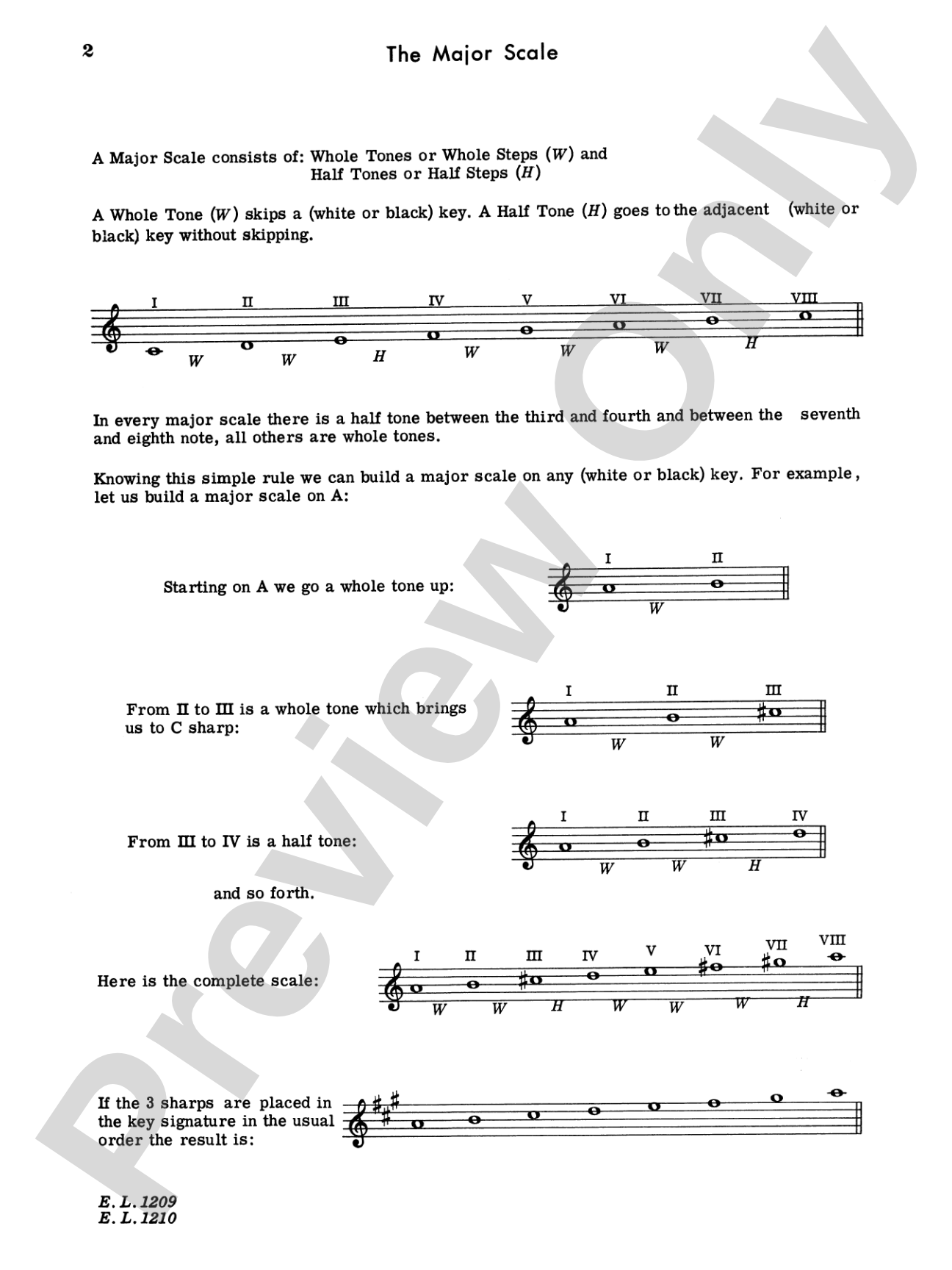
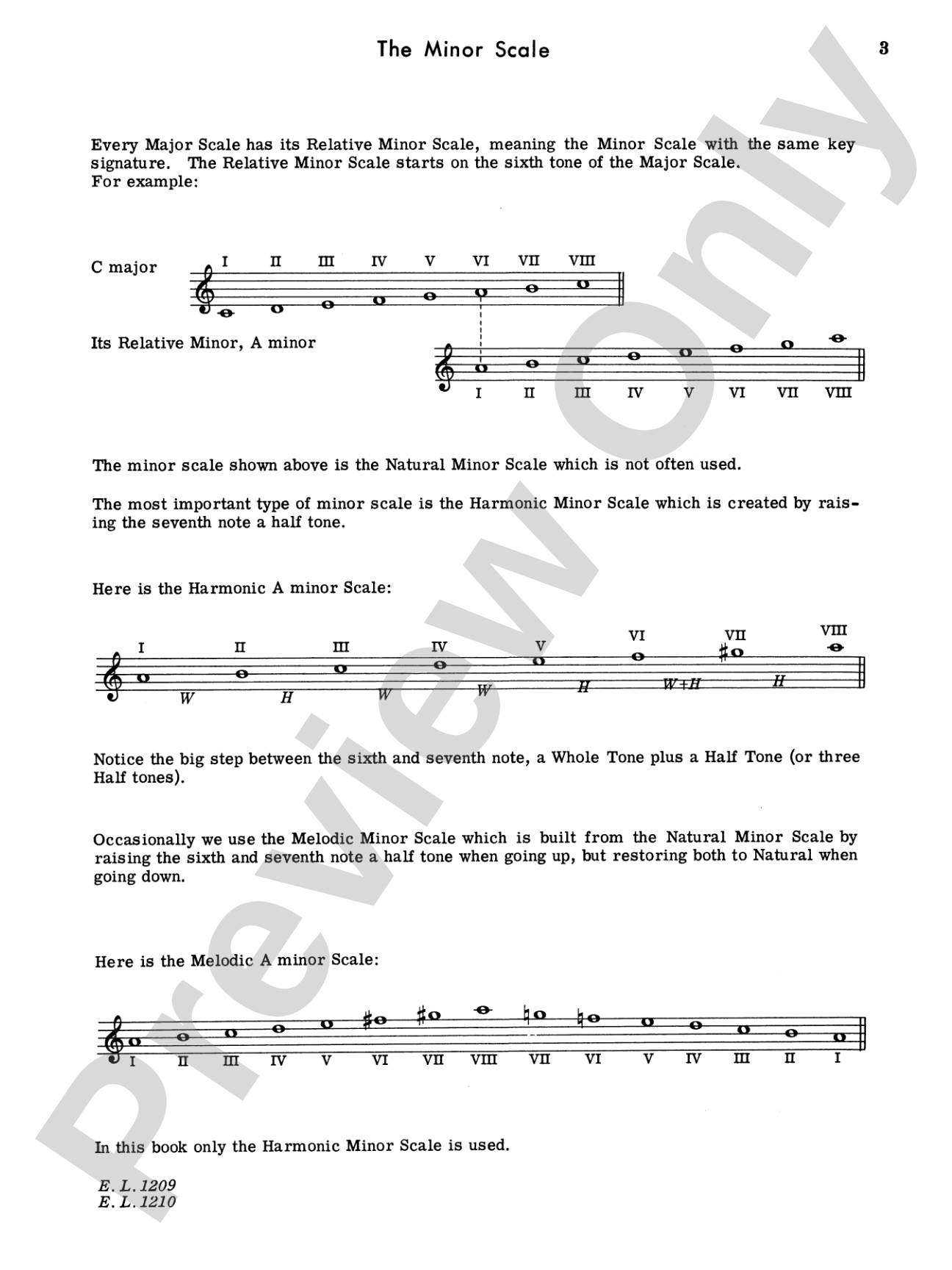
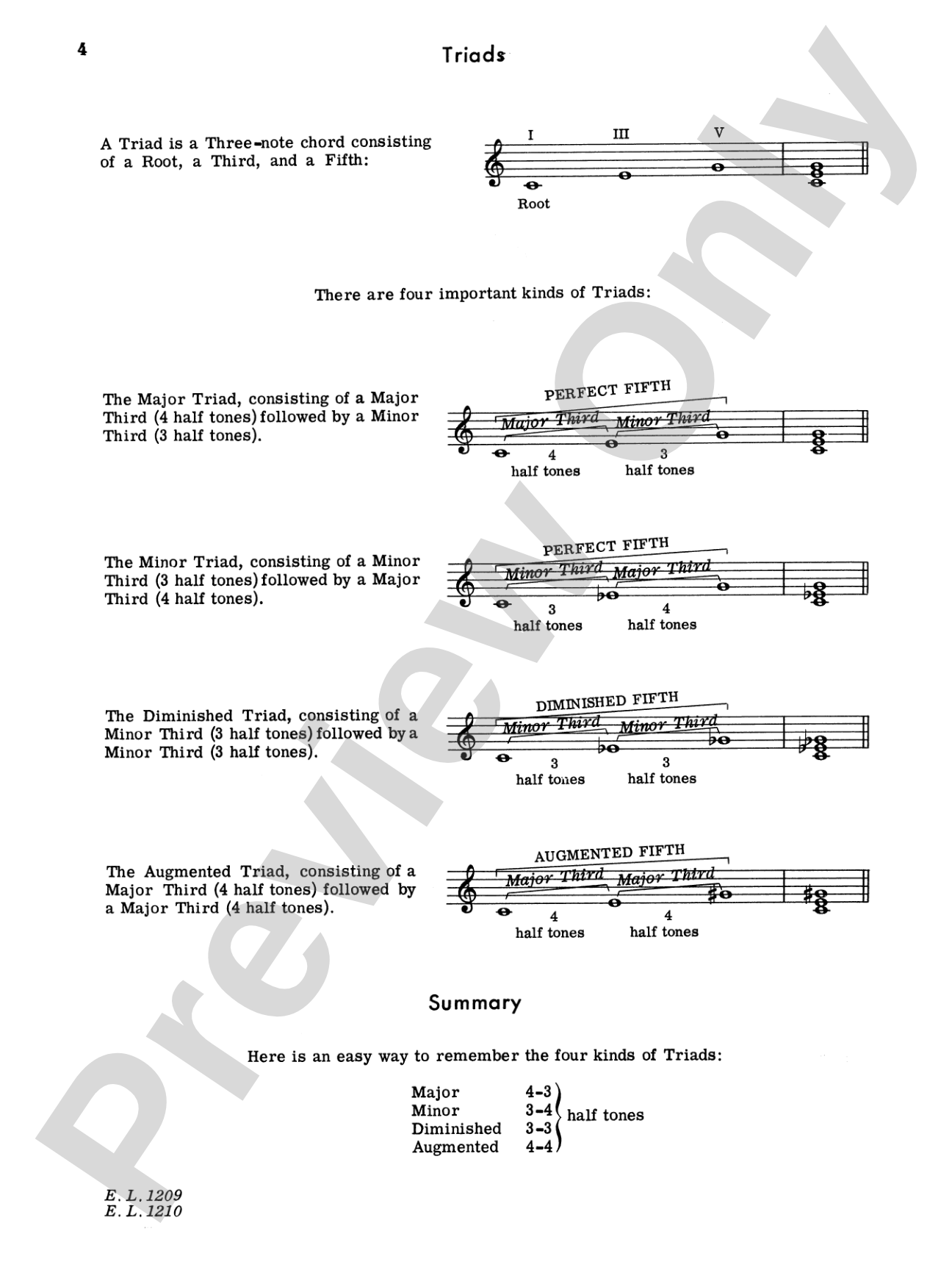
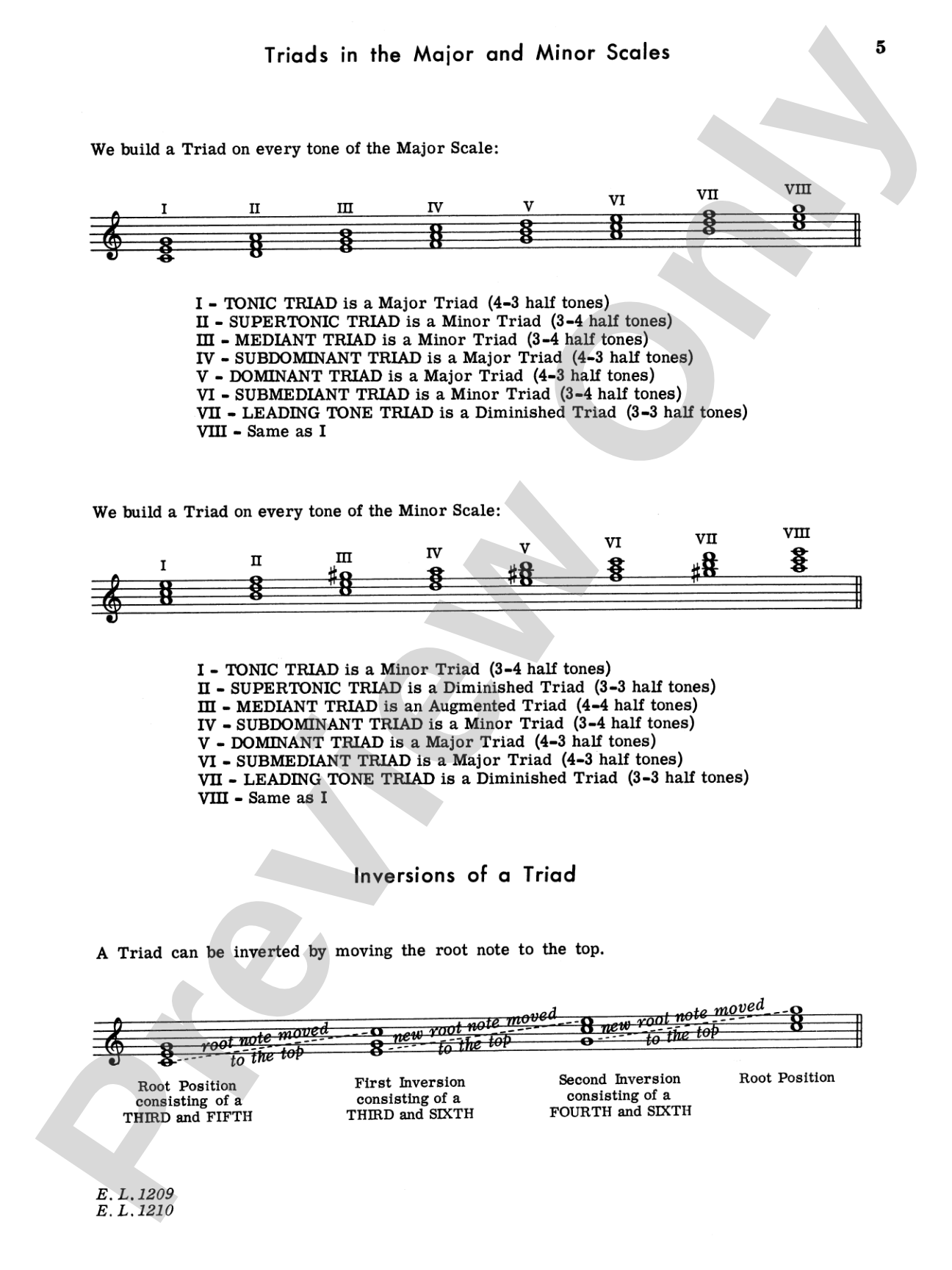
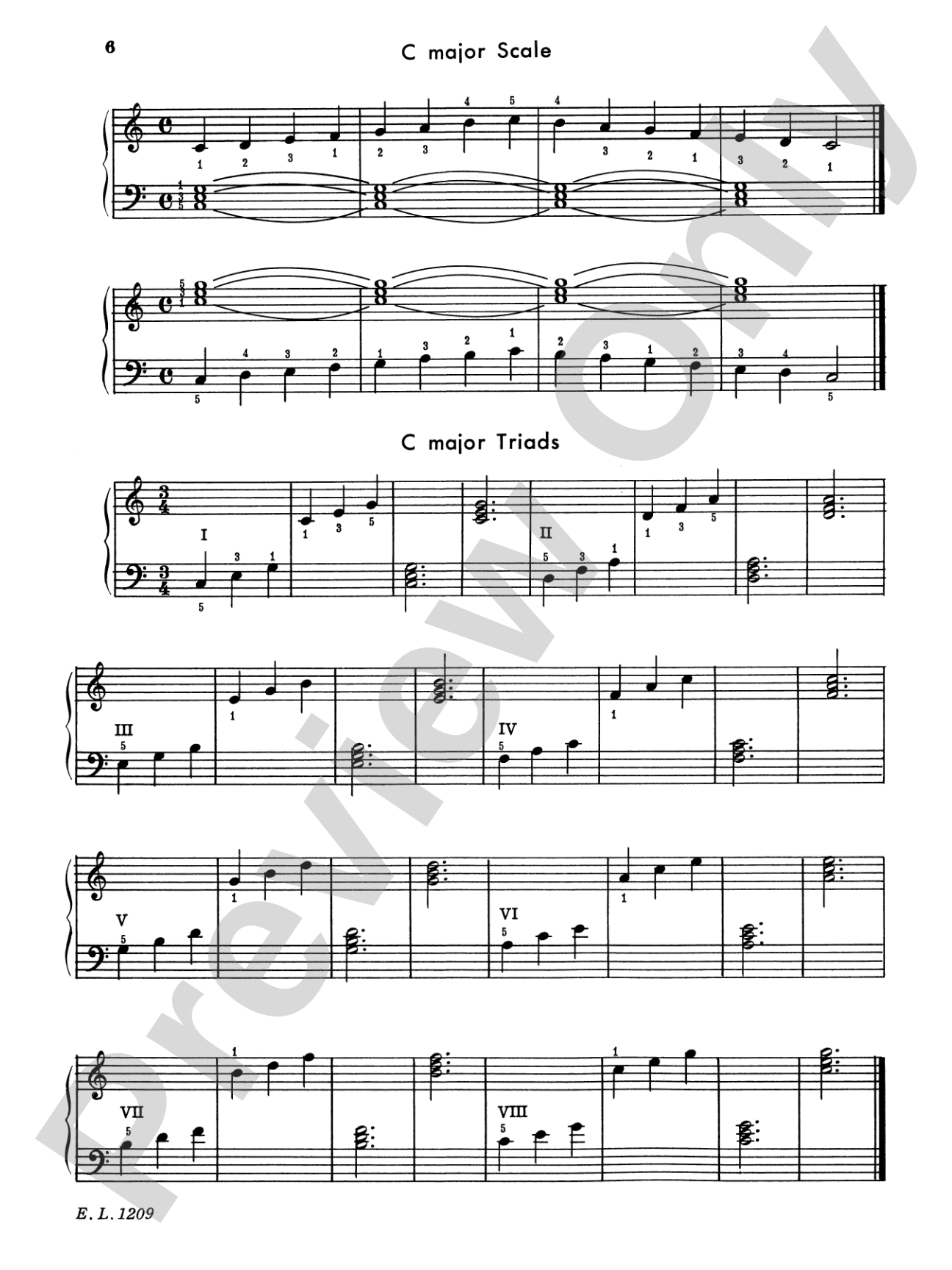
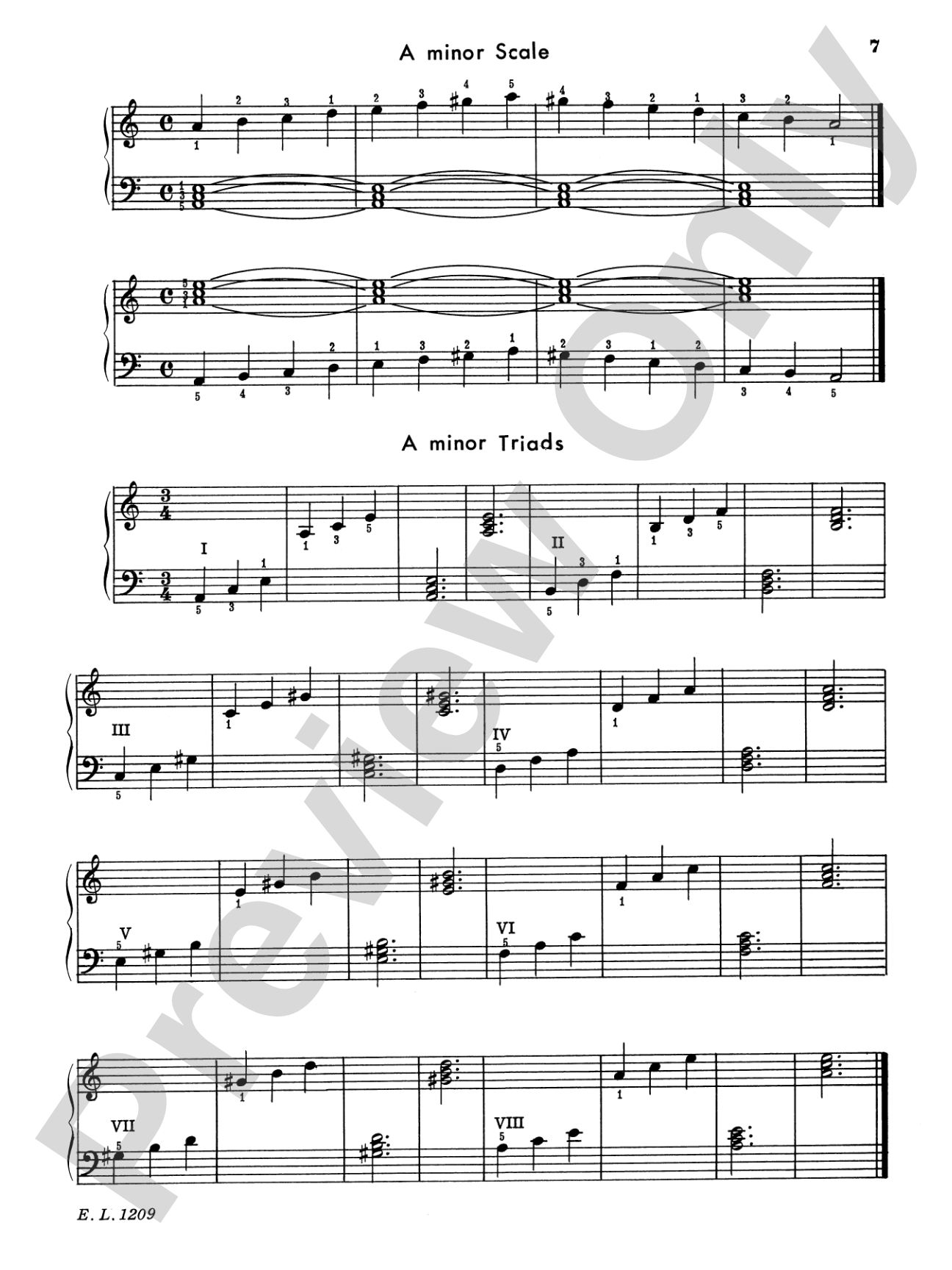
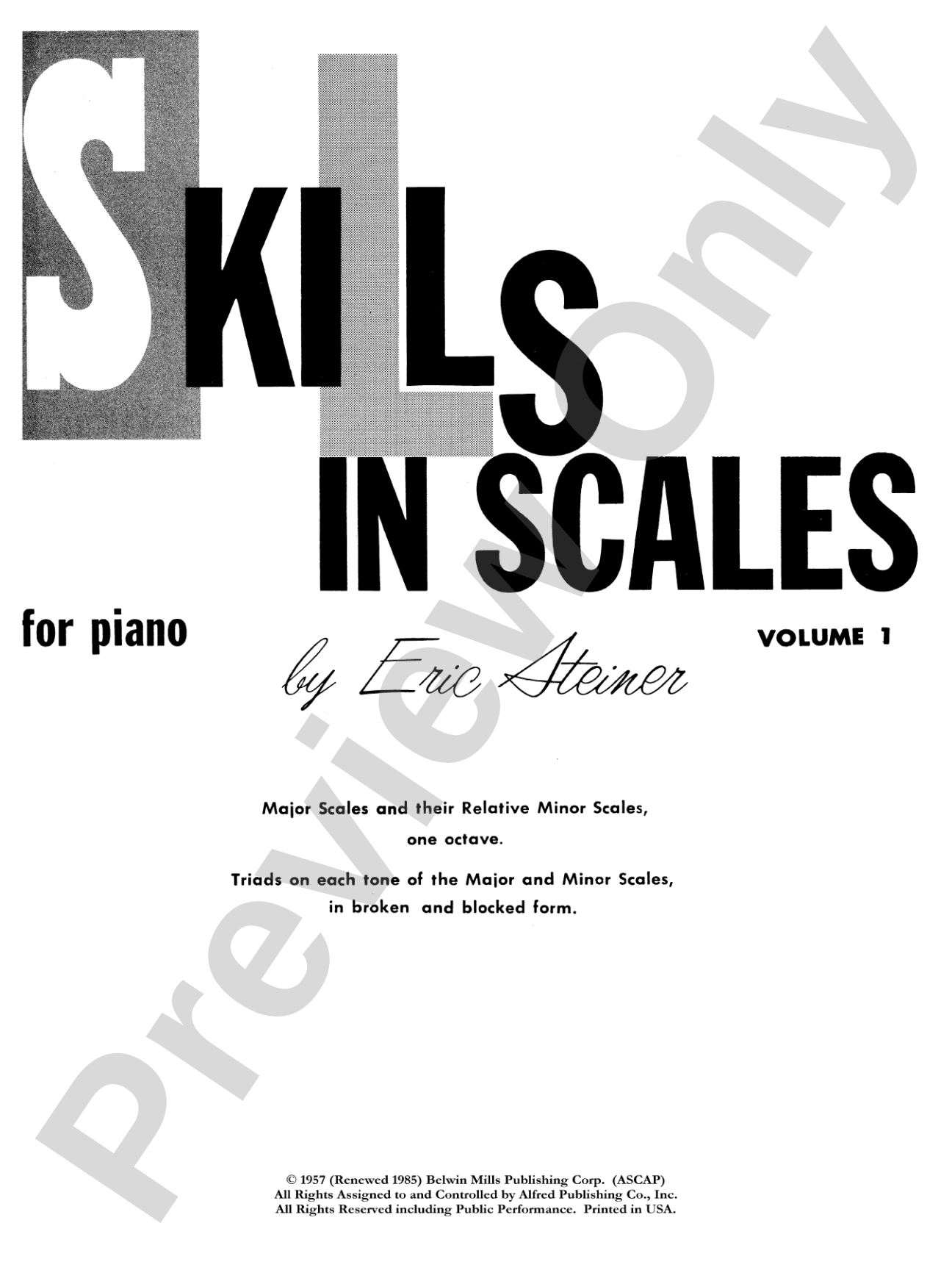
Major scales and their relative minor scales, one octave. Triads on each tone of the major and minor scales, in broken and blocked form.

Skills in Scales, Book 1: Piano isn't in MakeMusic Cloud just yet...but it could be. Let us know you'd like to see it, and you'll help shape what comes next. In the meantime, start a free trial and dive into thousands of interactive titles your students can play along with today.

Sample Audio
No sample audio found.
Sample Video
Additional Details
Publisher: Alfred Music
Page Count: 32
SKU: 00-PB-0001901

More about this title

About the Composer: Eric Steiner

Eric Steiner

Eric Steiner arrived in the United States in 1938 after leaving Austria during the Nazi era. He settled in New Jersey and transformed his legal training into a career devoted entirely to music education, directing the Lauter Piano School in Newark and building a thriving private teaching studio that became influential throughout the region.

Steiner earned respect as both a pedagogue and advocate for piano teachers, traveling extensively to lecture at teacher conferences and serving as vice president of the New York Piano Teachers' Congress from 1951 to 1957. His contributions to music education were so significant that the Music Educators Association of New Jersey established the Eric Steiner Memorial Awards for Composition Competition in his honor, ensuring his legacy as a champion of thoughtful, methodical piano instruction continues to shape how teachers approach their craft.

Why we love this

Steiner's methodical approach to scale study removes the tedium that often derails young pianists. By pairing major scales with their relative minors and systematically building triads in both broken and blocked positions, he creates a framework that students understand rather than merely survive. The progression feels logical and achievable, which means students actually practice it willingly.

What to expect

Orderly and purposeful. Each page builds methodically on the previous one, creating a sense of progress and control. The parallel study of major and minor scales alongside their harmonic content reflects the logic of tonal music itself, making patterns visible and memorable rather than abstract.

Who it's for

Early intermediate pianists ready to move beyond single-note scales and understand harmonic relationships. Teachers using the Steiner method will recognize this as foundational material; those new to Steiner's approach will find it a logical, structured entry point into scale mastery.

How to get the most out of it

  • Start each major scale slowly enough that your student can feel the interval relationships without rushing. Speed comes naturally once the hand position stabilizes.
  • Play through the relative minor scale immediately after its major counterpart so students hear and internalize the tonal connection rather than treating it as separate material.
  • Break the triad work into separate weeks if needed. One week focus on blocked triads, the next week on broken patterns. This prevents overwhelm and reinforces muscle memory.
  • Have students voice their findings aloud as they play: 'This scale has two sharps, so F and C are raised.' Verbalizing the pattern deepens retention.

How to use it

This is essential foundational material for students preparing auditions, competitive festivals, or more advanced repertoire. Assign it as core daily practice material for 3 to 6 months, rotating through keys to keep the work fresh. A student who has internalized Steiner's scale method will approach Bach, Beethoven, and beyond with genuine technical confidence.

Skills your students will build

  • Major scale construction and fingering patterns
  • Relative minor scale recognition and performance
  • Triad construction (root position, broken and blocked forms) on each scale degree
  • Hand position stability across a full octave
  • Tonal awareness of major and minor tonalities
  • Systematic approach to technical foundation building

You May Also Like