

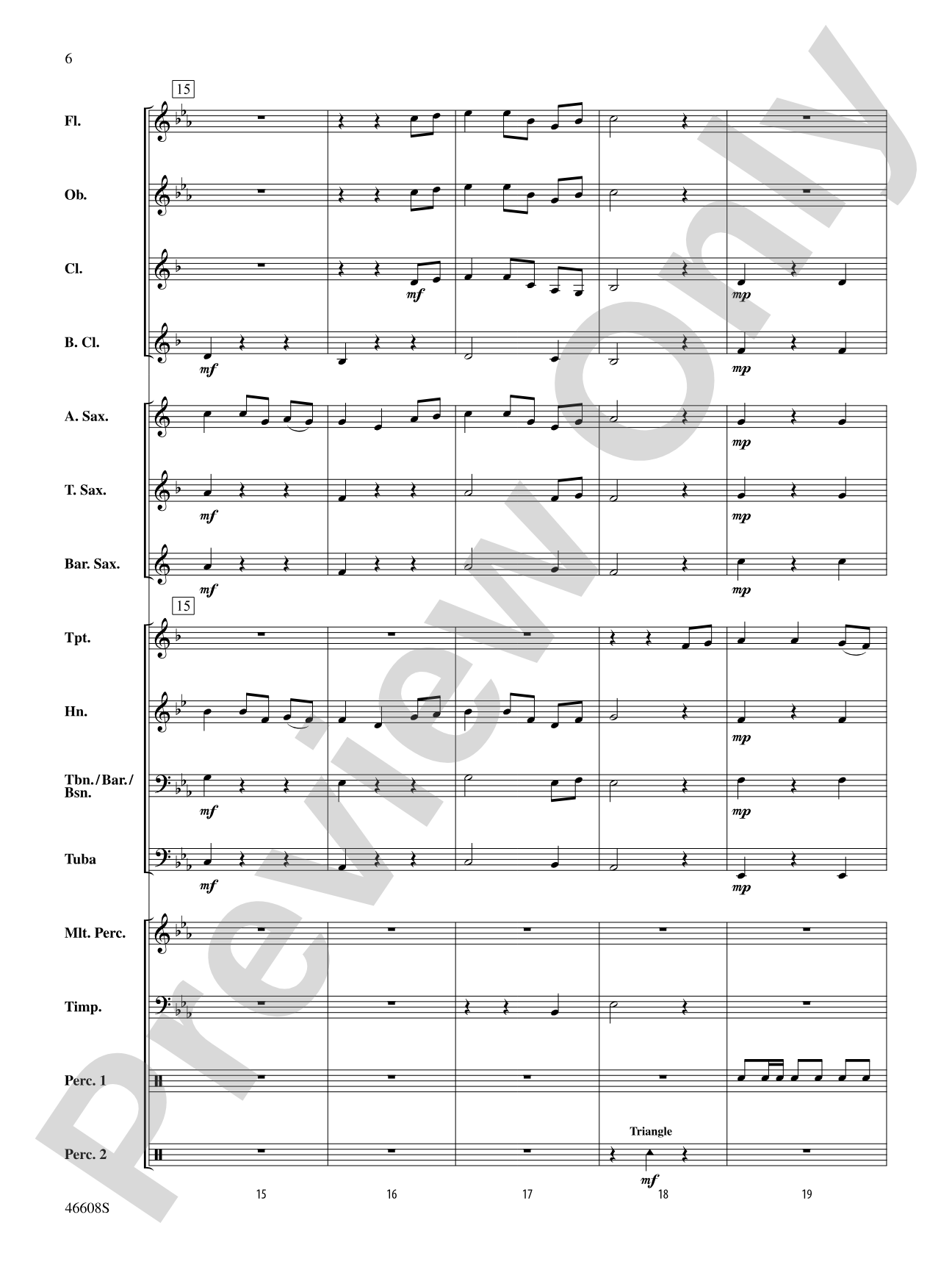
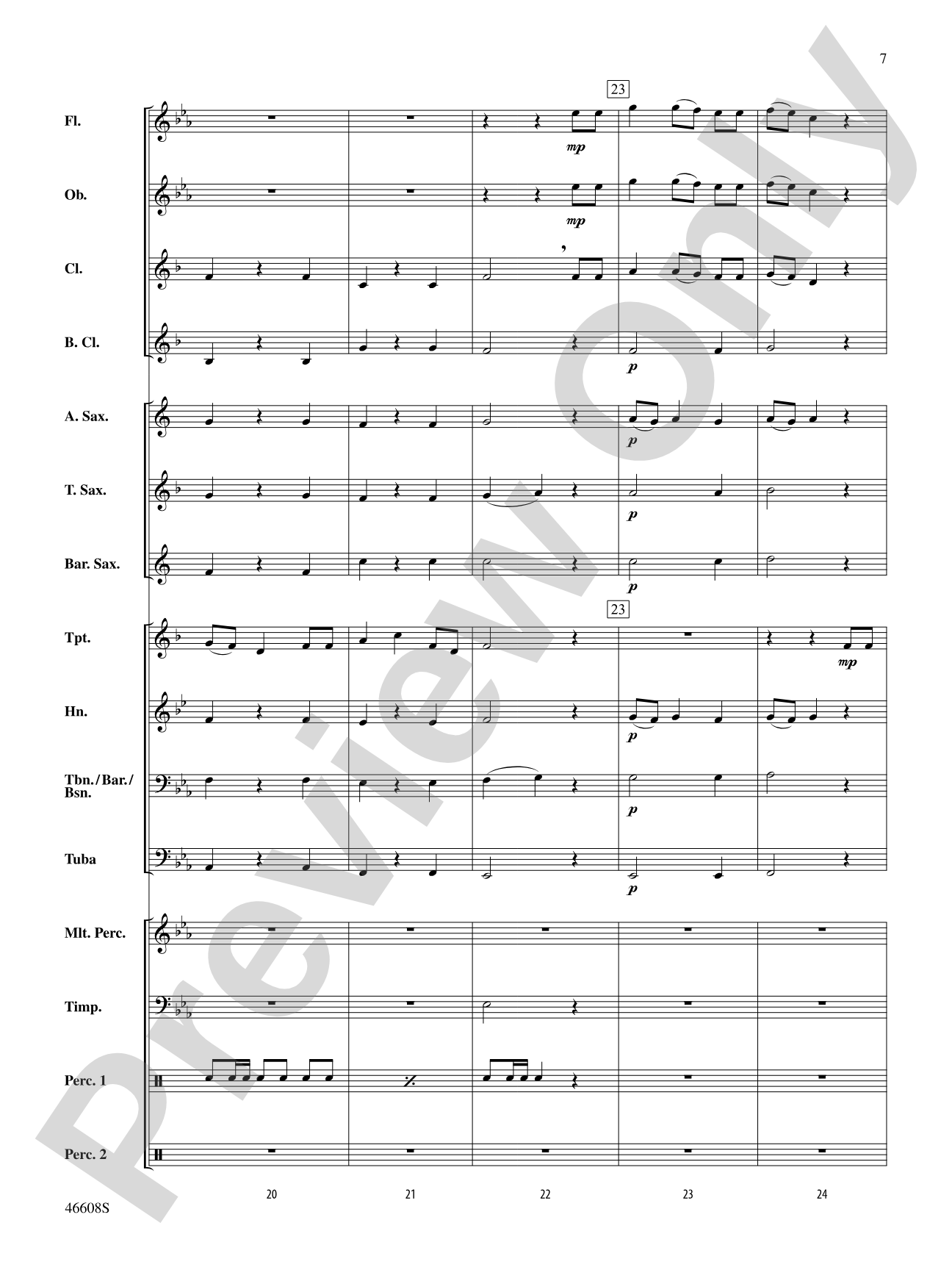
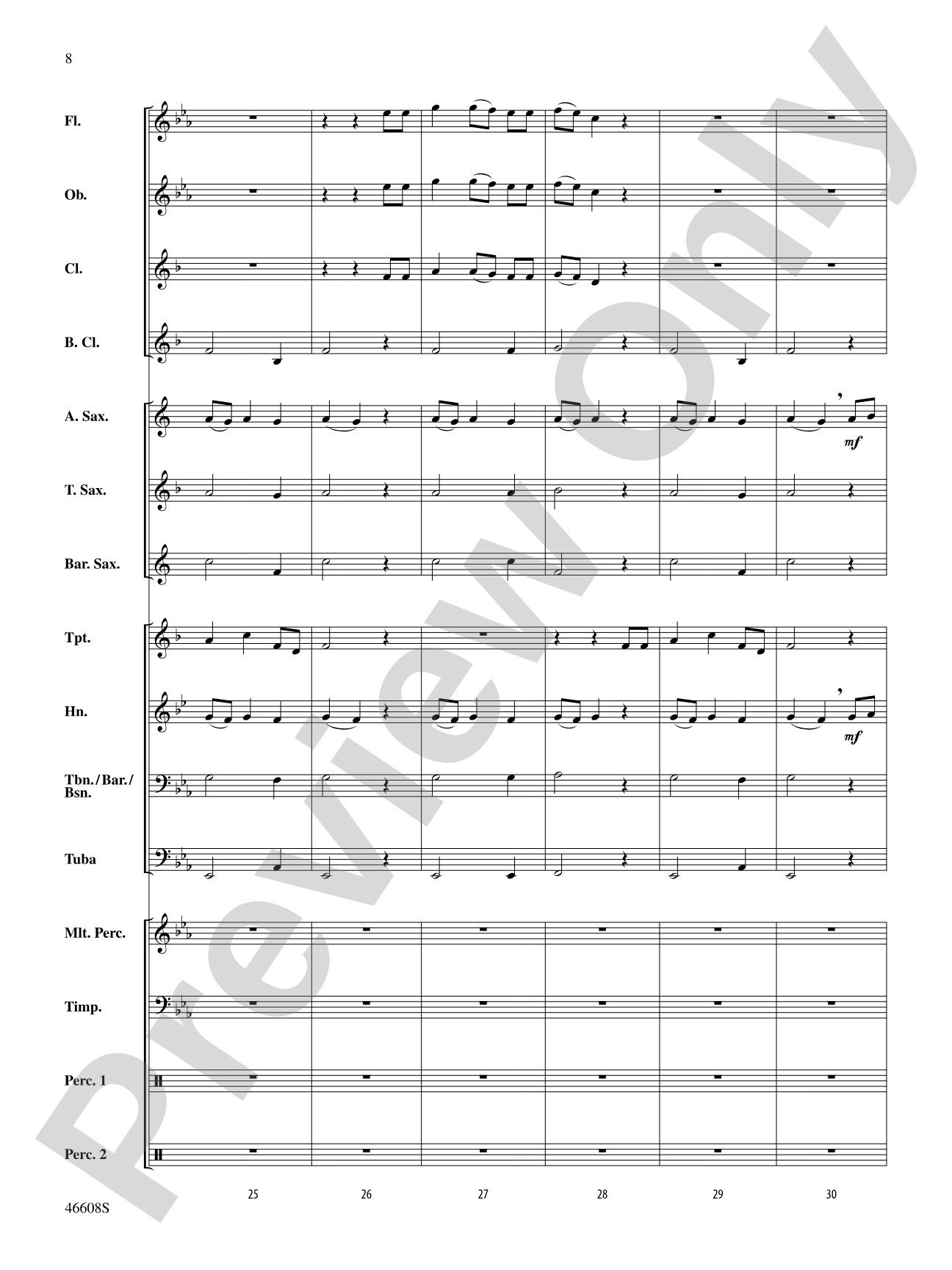
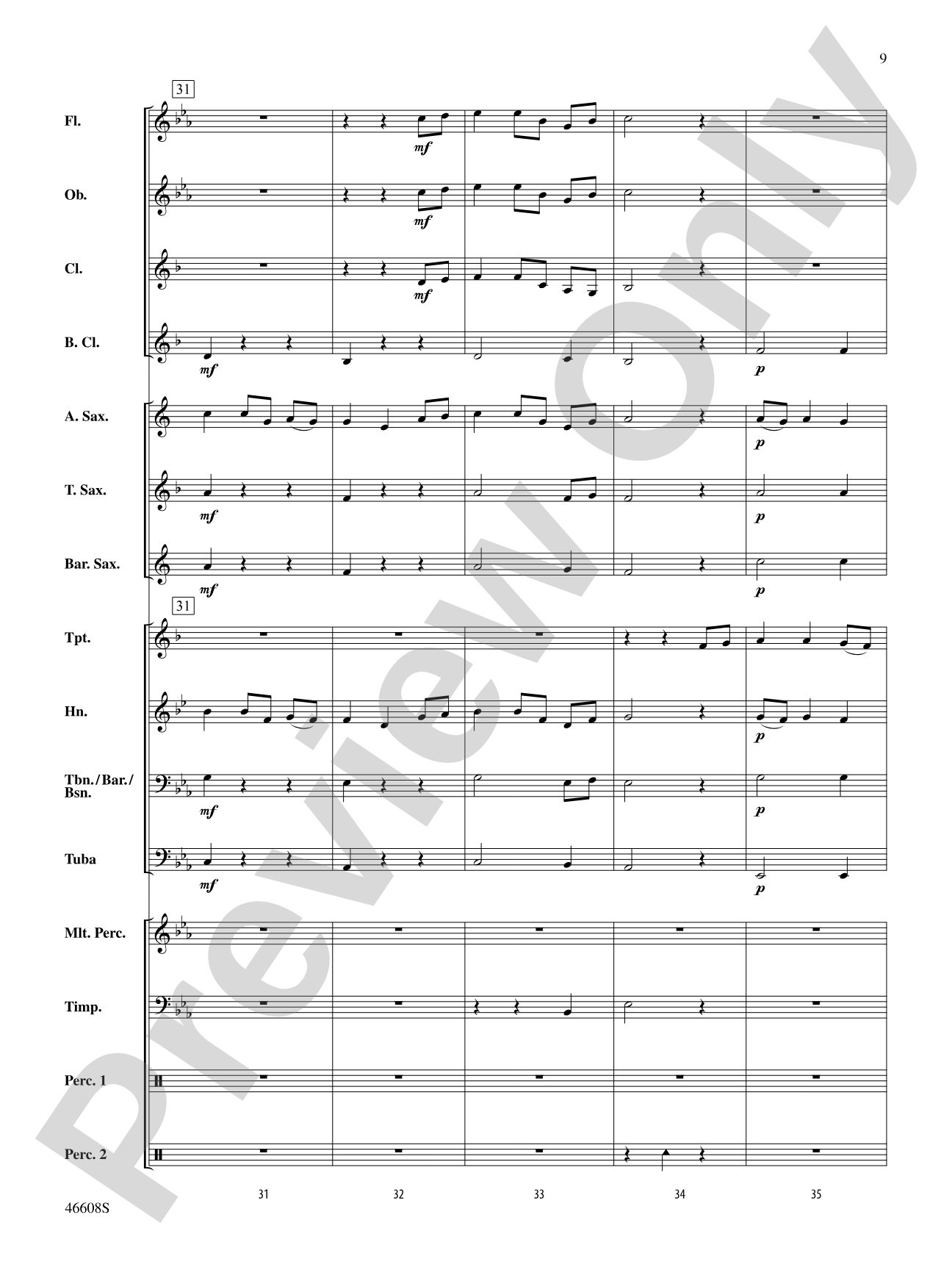
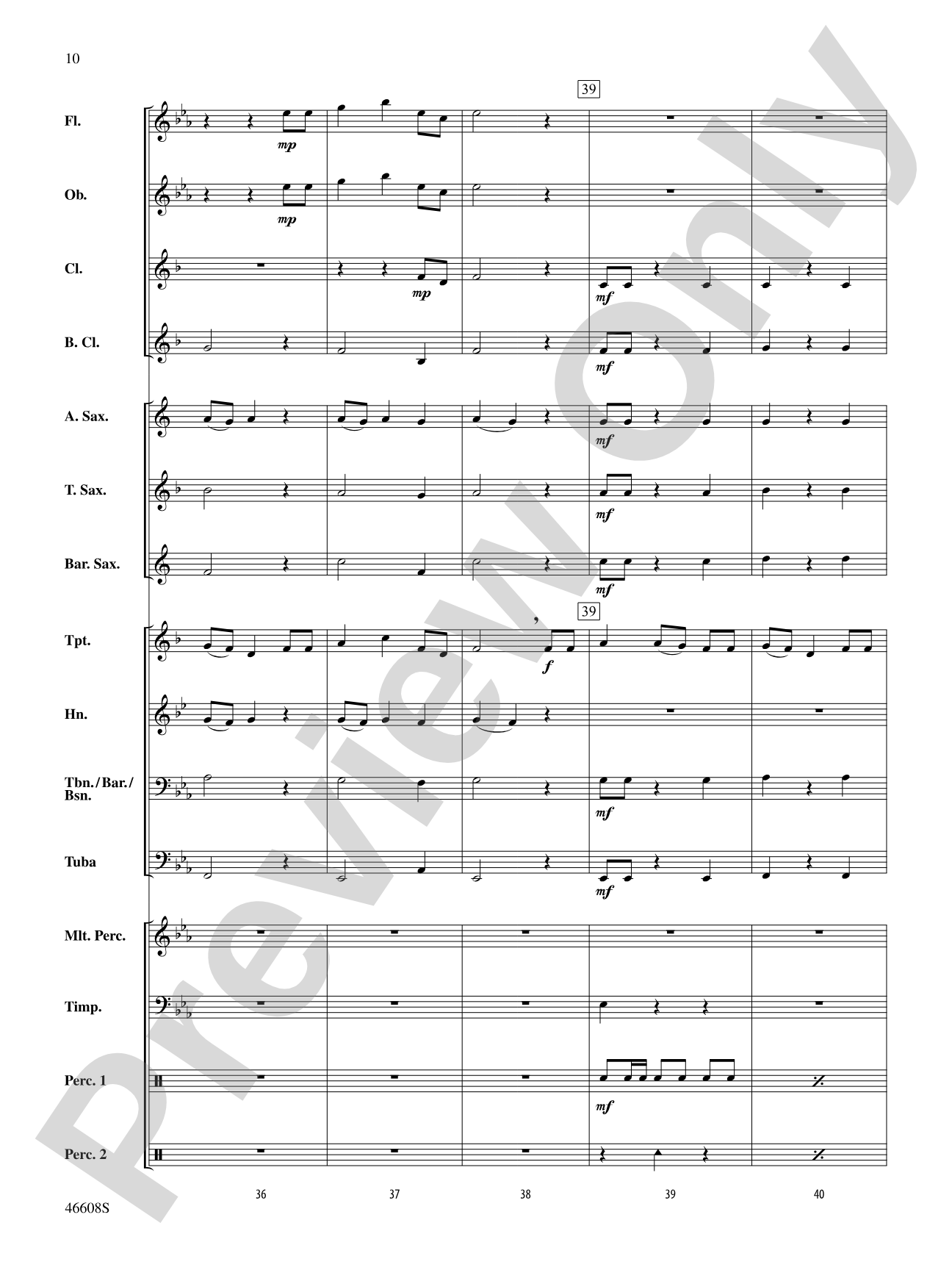
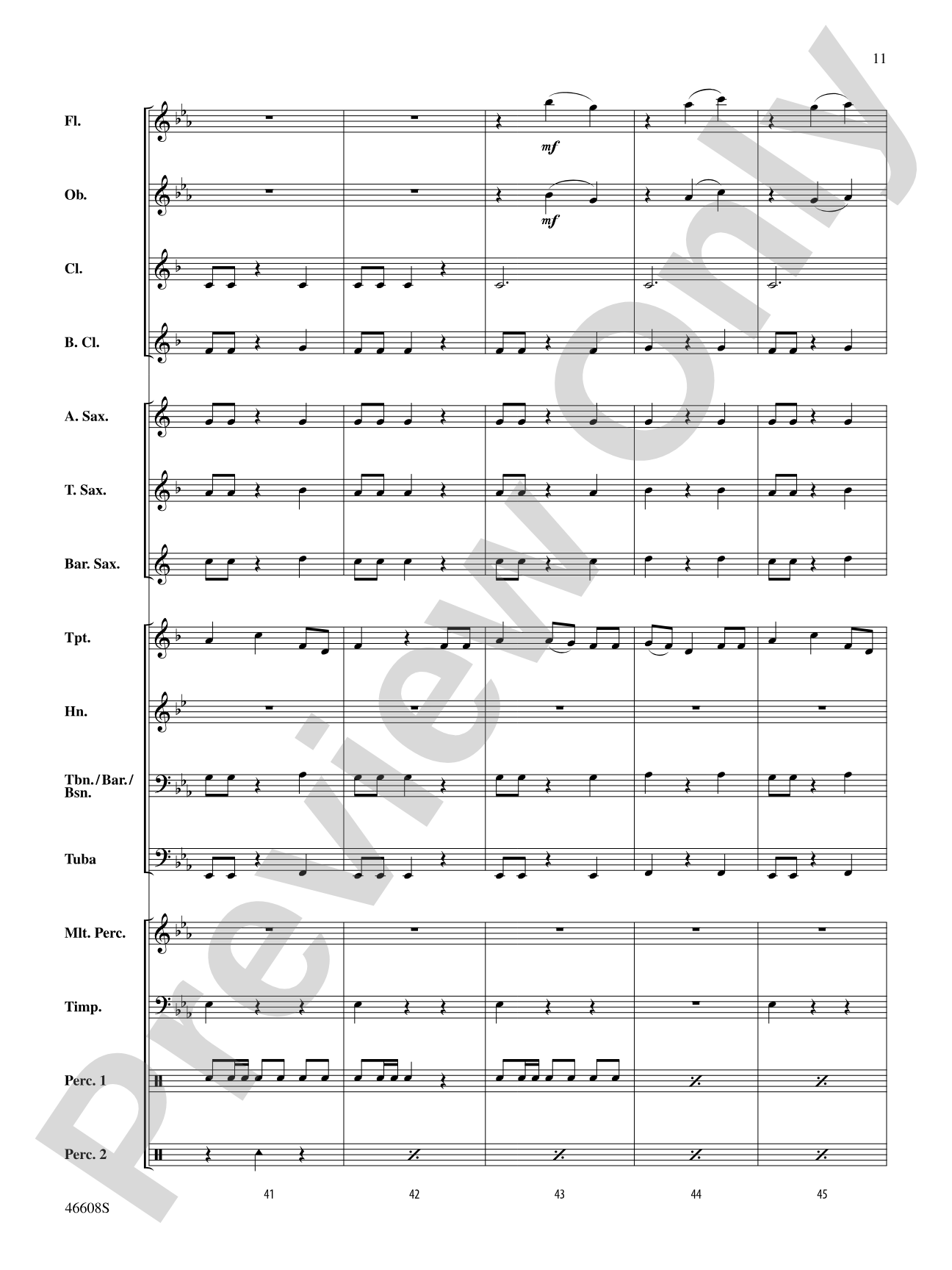
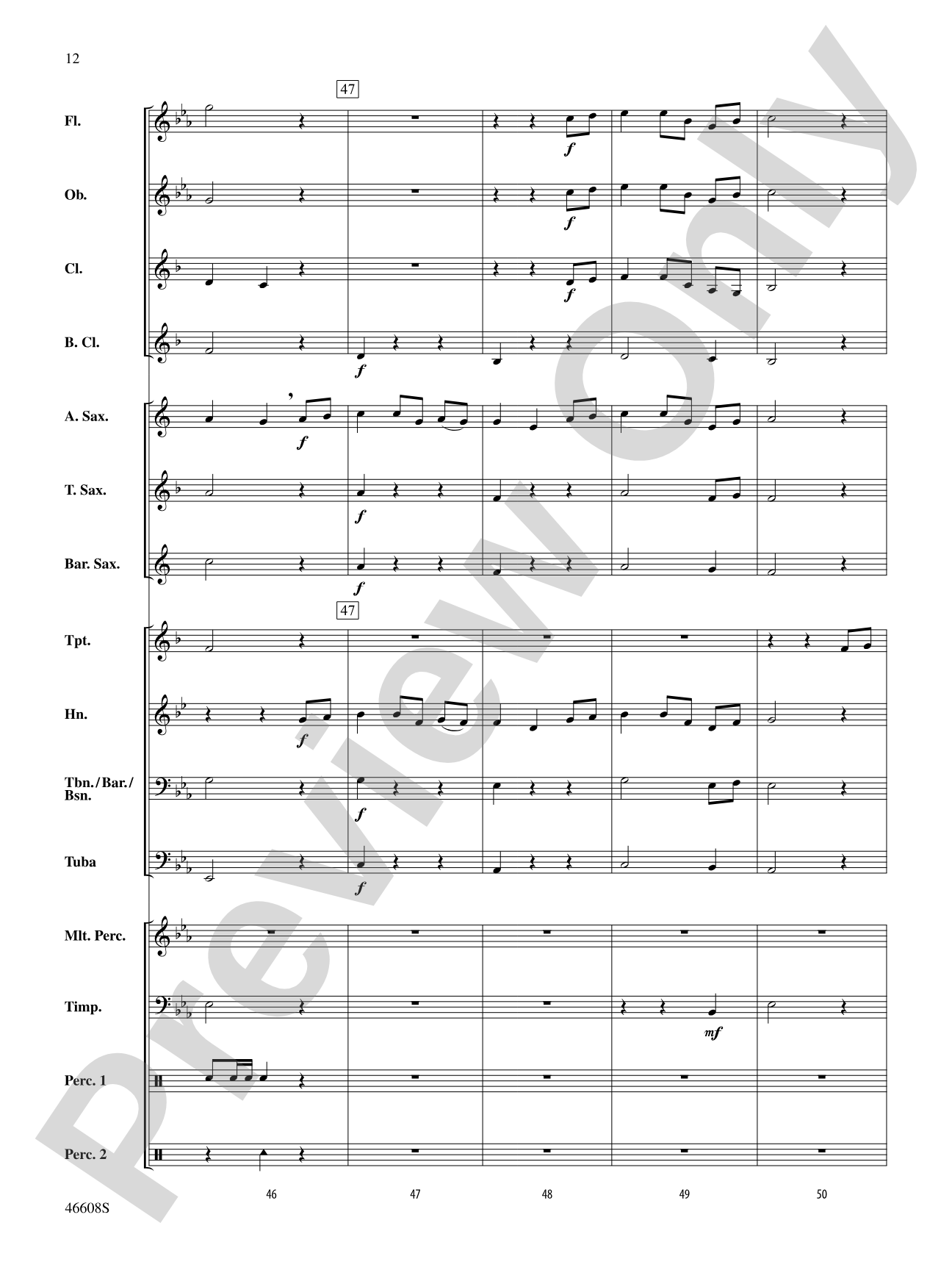
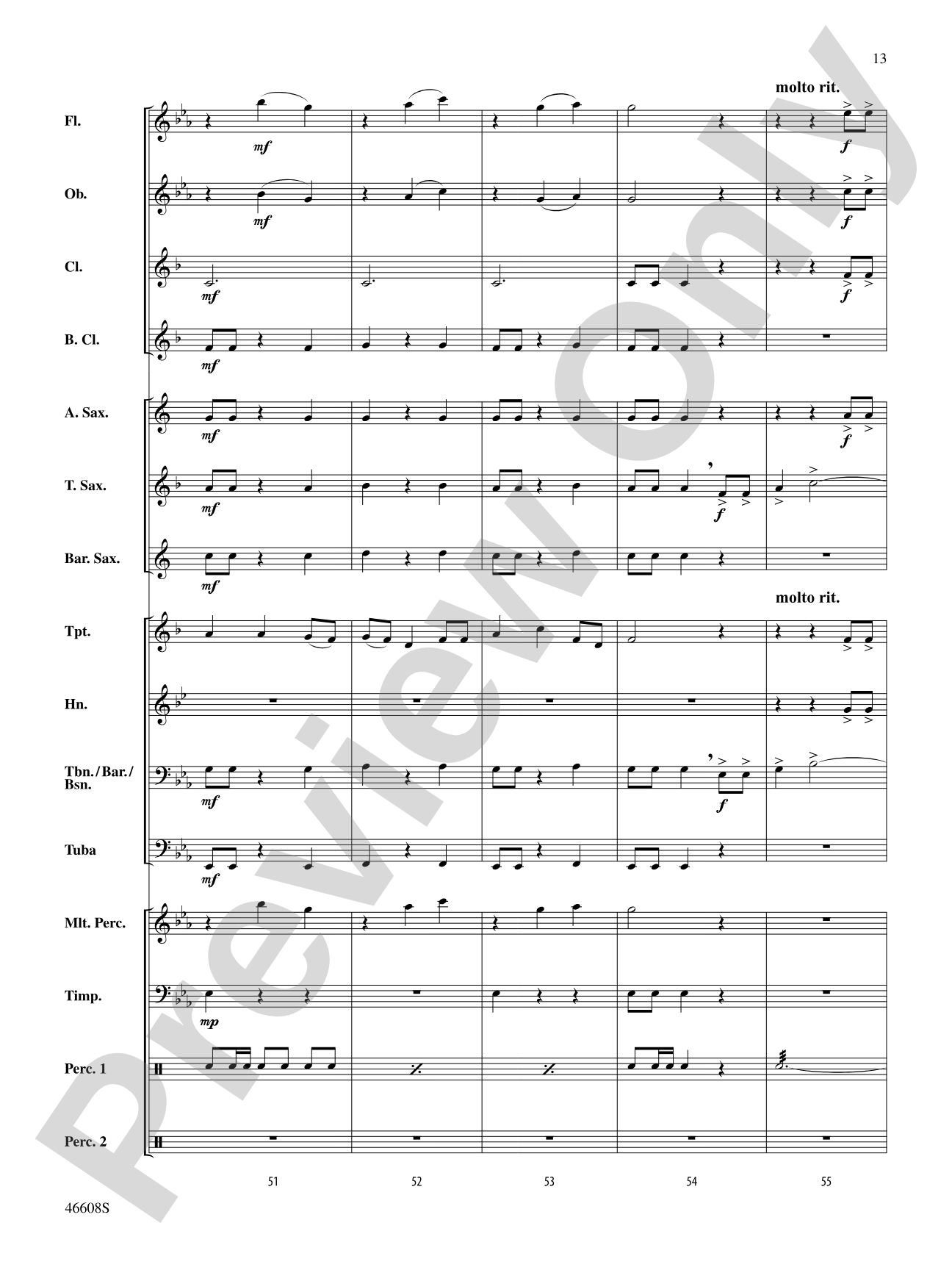
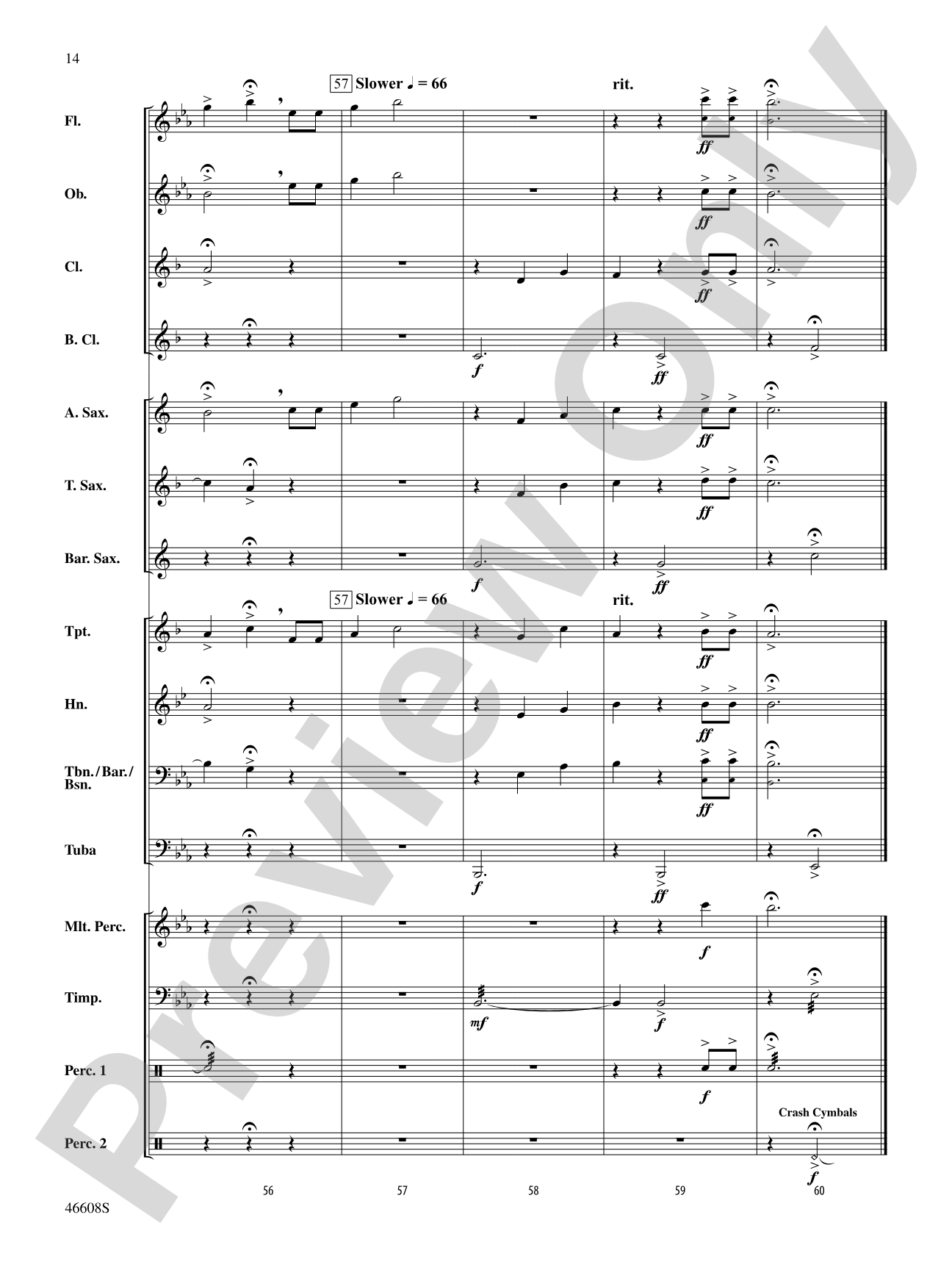

Sketches on a Shaped-Note Tune: Score
By Douglas E. Wagner
Grade: 1 (Very Easy)
Item: 00-PR-0006247
$9.00
Pickup currently not available
Description
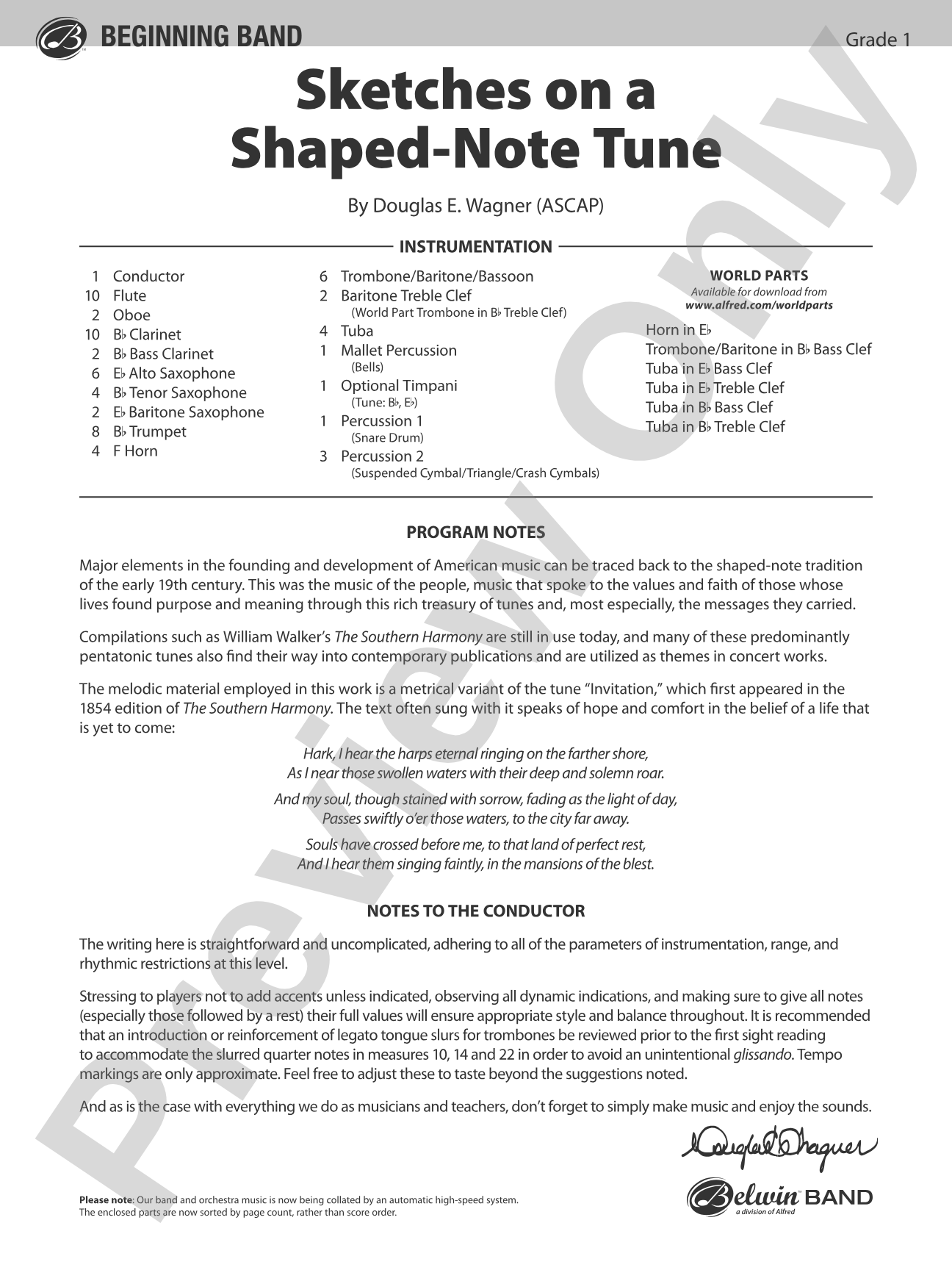
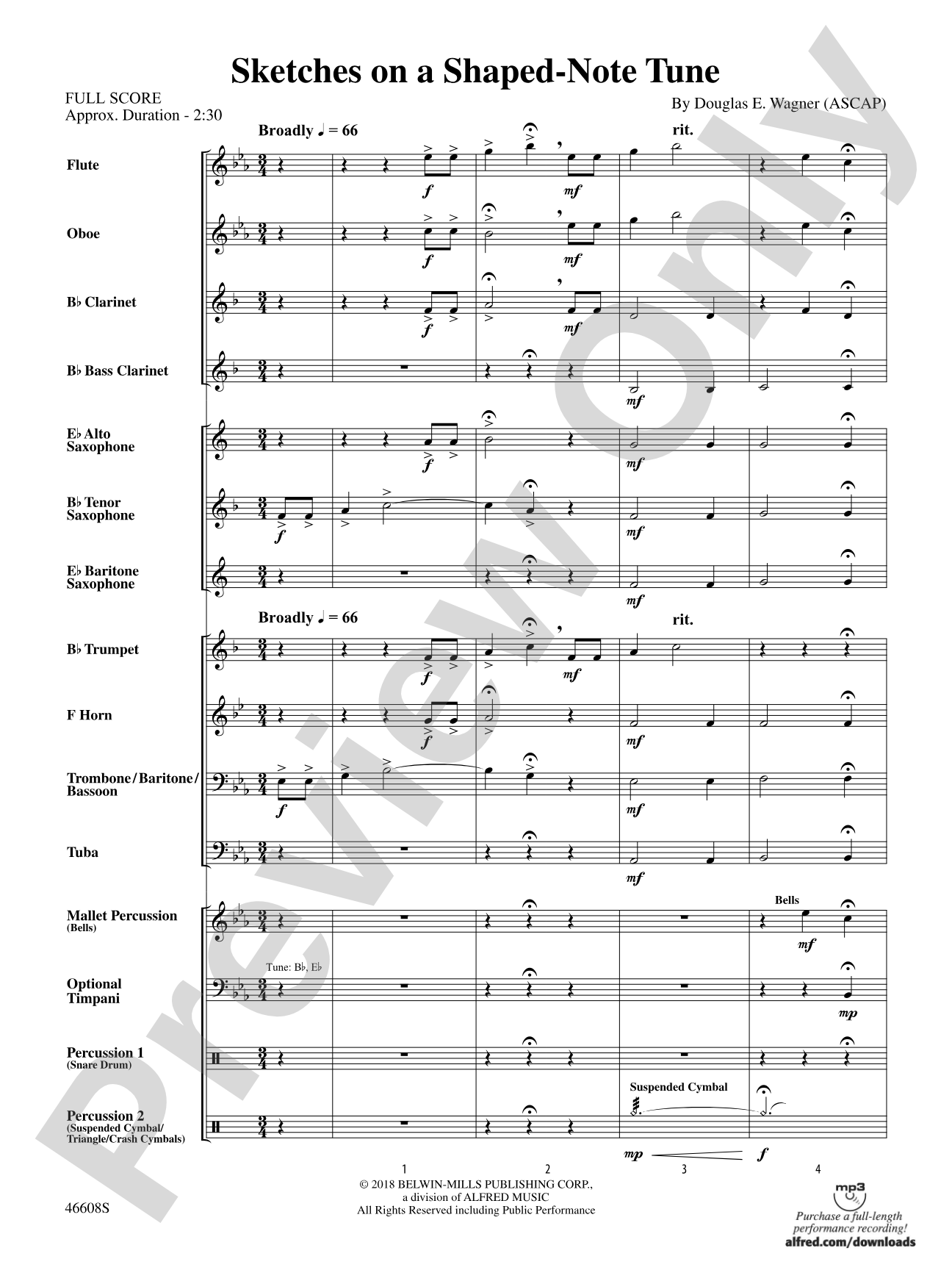
This piece is an ideal gateway for transitioning from method books to performance music. It is inspired by the shaped-note tradition of the early 19th century, which served as a major influence in the development of truly American music. Perfect for the first contest and every concert!


Don't just read it, hear it, play along with it, and watch your students grow with it. In MakeMusic Cloud, Sketches on a Shaped-Note Tune: Score comes alive with professional accompaniment, adjustable tempo, and built-in practice tools that turn solo practice into real progress.
Open in the Player
Jump straight in and assign it today.
Start Your Free Trial
Open this title and explore the full library in minutes.
Sample Audio
1
Audio File
--:--
0:00
0:00
Sample Video
Additional Details
Series:
Belwin Beginning Band
Publisher:
Alfred Music
Page Count:
132
SKU:
00-PR-0006247
More about this title
About the Composer: Douglas E. Wagner

Douglas E. Wagner grew up in Chicago and earned both undergraduate and graduate degrees in music from Butler University. He spent three decades as a high school music educator and administrator before transitioning to full-time composition work.
Since 1973, Wagner has published more than 3,500 compositions across every major ensemble and vocal setting: school and church choirs, concert bands, orchestras, handbells, organ, piano, and voice. His works have circulated widely, with over seventeen million copies purchased globally and performances broadcast on radio and television throughout the United States and internationally. Wagner currently lives in Indianapolis with his wife, Sandy.
Why we love this
Wagner captures the spirit of shaped-note hymn traditions without overwhelming younger players; the Grade 1 scoring respects what beginning bands can actually execute while keeping the musical content genuine. This is the kind of accessible writing that lets students feel like musicians from day one, not students waiting to become musicians. It programs beautifully on festivals and concert calendars because it sounds earned rather than simple.
What to expect
Sturdy and sincere, like singing a folk hymn you've known for generations. The shaped-note influence brings a sense of American pastoral warmth; melodies are direct and memorable, harmonies honest, with no awkward technical hurdles interrupting the songfulness.
Who it's for
Beginning concert bands ready to move beyond method books into genuine repertoire. This works for groups transitioning from the first year into their second, or for mixed-level bands where a cohesive, musically satisfying piece benefits everyone without frustrating advanced players.
How to get the most out of it
- Balance the melodic line across sections as it passes from trumpets to woodwinds. Younger bands tend to let the melody disappear when it moves; a brief check for dynamic equality between parts prevents this.
- Shape the phrases like hymns: long, sustained lines with subtle breathing points rather than choppy articulation. This idiom demands restraint from the ensemble.
- Keep the harmonic framework steady in the lower voices. The shaped-note tradition relies on solid voicing, so your baritones, trombones, and tubas should lock in early.
How to use it
Use this as an opener or closer on festival or concert programs where you want to establish musicality early. It pairs well with more elaborate Grade 2 or 3 pieces later in the set, showing judges and audiences that your band understands musical fundamentals before tackling complexity.
Skills your students will build
- Reading and performing sustained melodic lines with clear phrasing
- Understanding diatonic harmony and functional voice leading
- Balancing melody and accompaniment across the ensemble
- Playing with control and restraint in long-note passages
- Responding to conductor shapes and phrase architecture