


Skaters' Waltz: String Orchestra Conductor Score & Parts
Arr. Richard Meyer
Grade: 1
Item: 00-PK-0000197

$46.00
Pickup currently not available
Buy Extra Parts (Digital PDF Download)
| Product | Price | Quantity |
|---|---|---|
| Skaters' Waltz: Score | $8.00 | |
| Skaters' Waltz: 1st Violin | $5.99 | |
| Skaters' Waltz: 2nd Violin | $5.99 | |
| Skaters' Waltz: 3rd Violin (Viola [TC]) | $5.99 | |
| Skaters' Waltz: Viola | $5.99 | |
| Skaters' Waltz: Cello | $5.99 | |
| Skaters' Waltz: String Bass | $5.99 | |
| Skaters' Waltz: Piano Accompaniment | $5.99 |
Parts Added to Cart!
Description
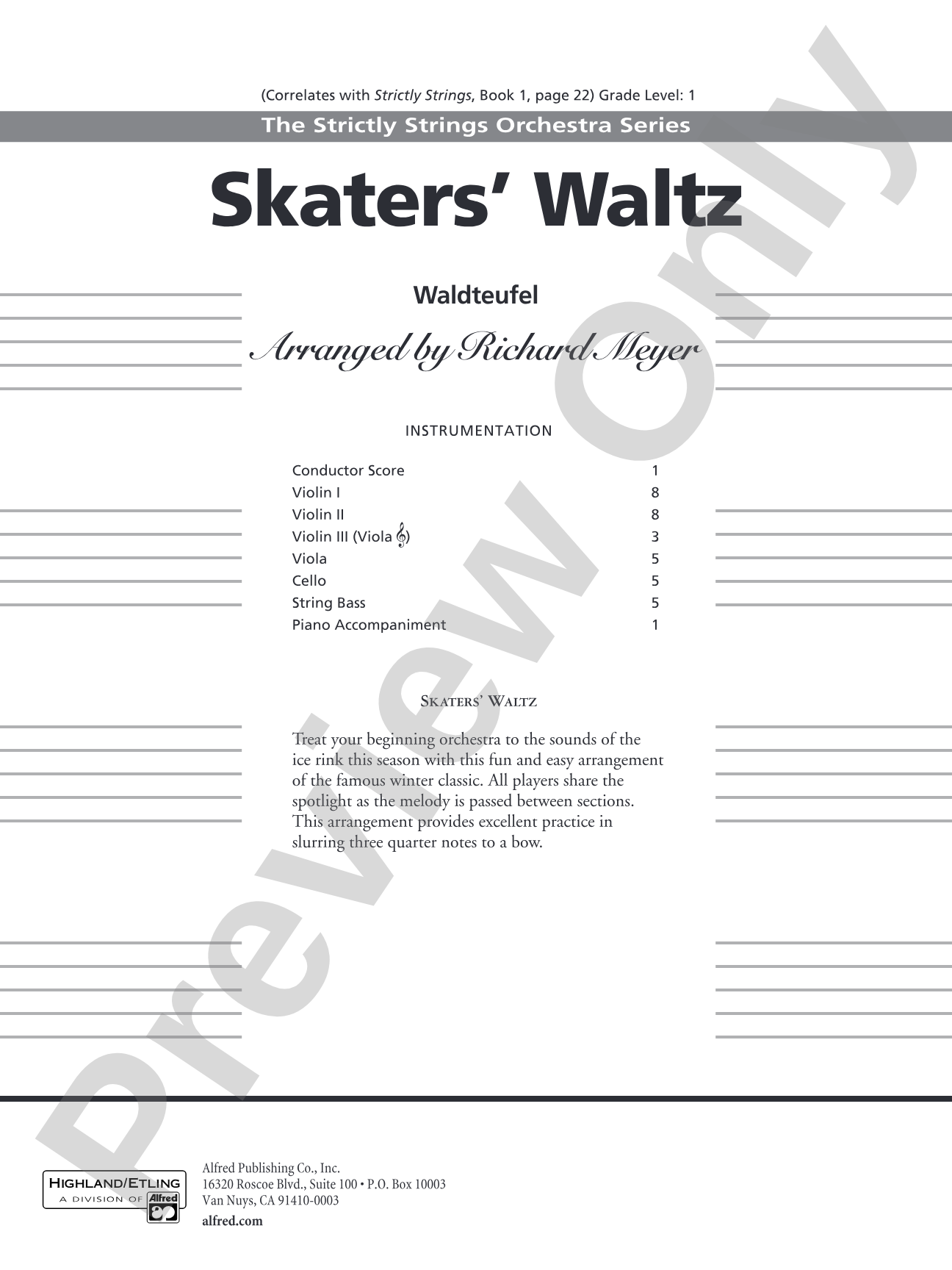
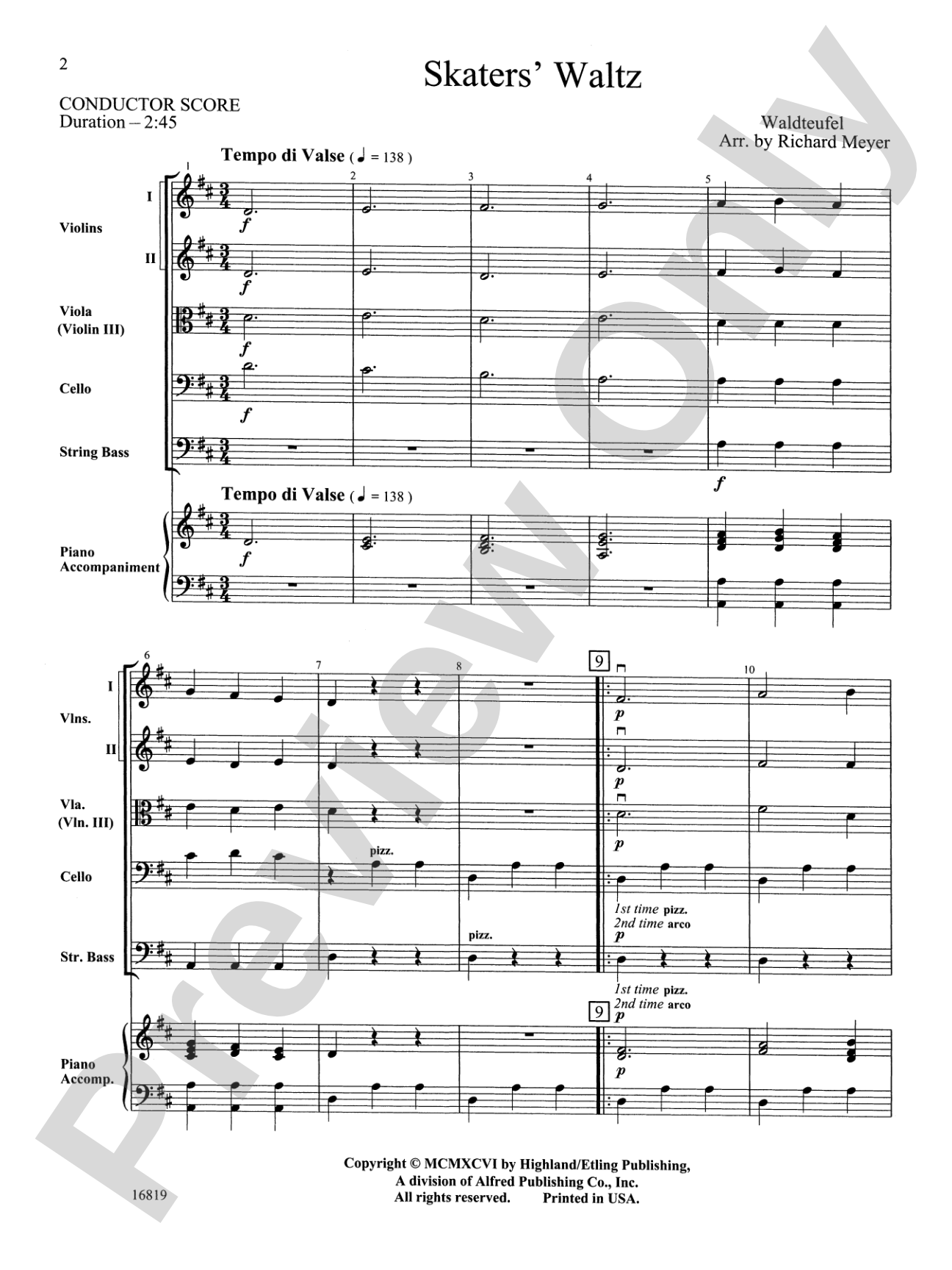
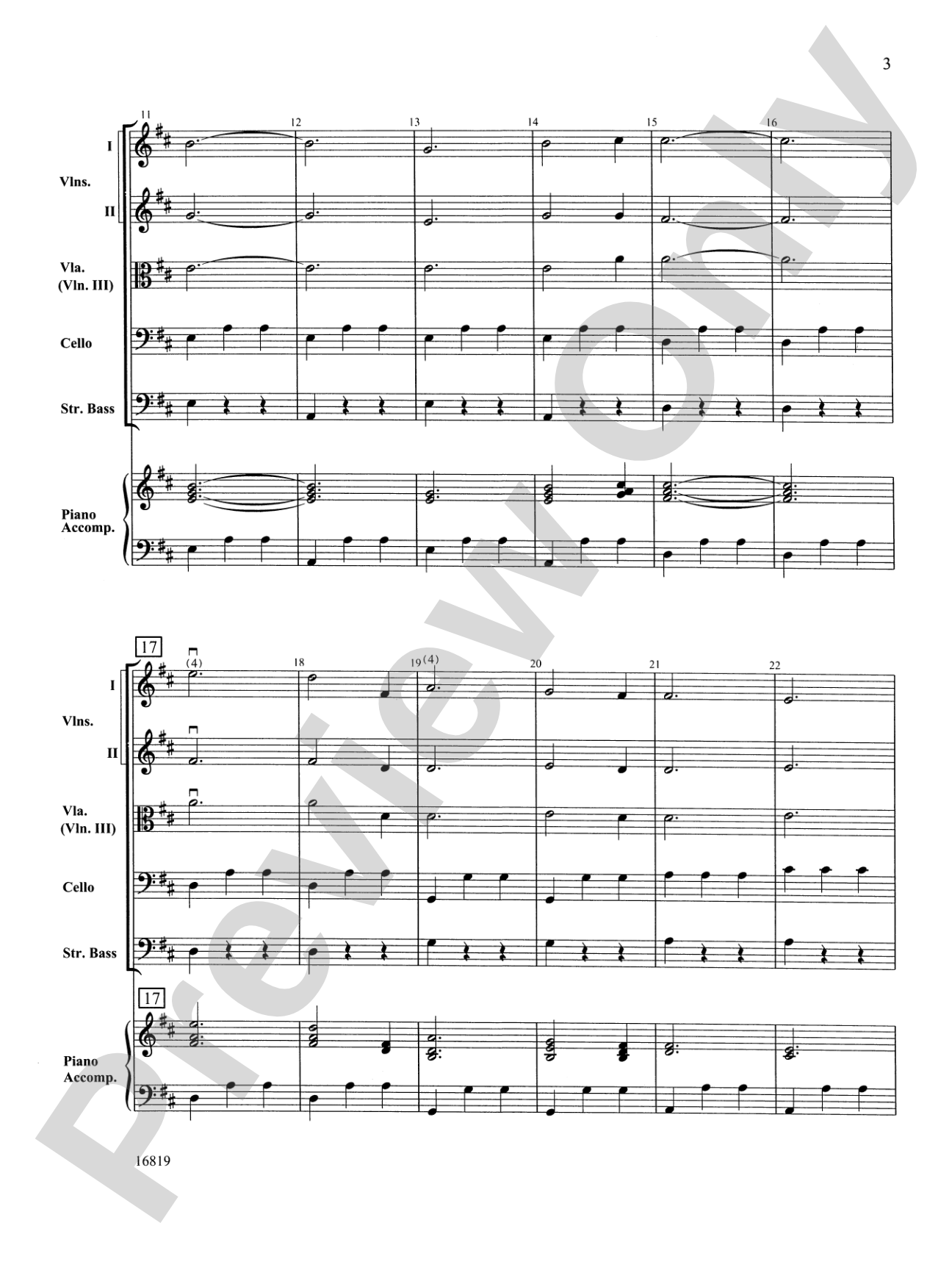
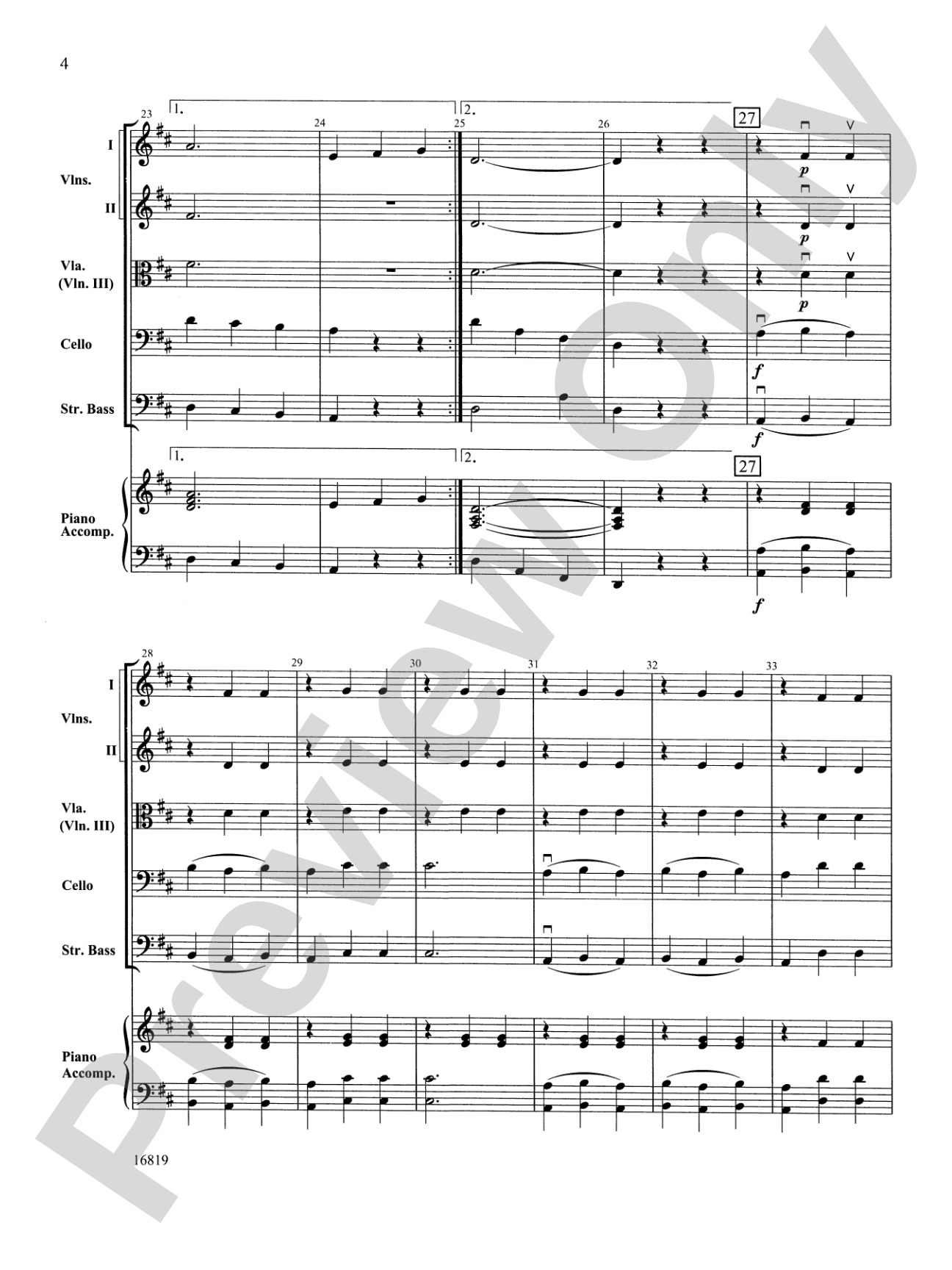
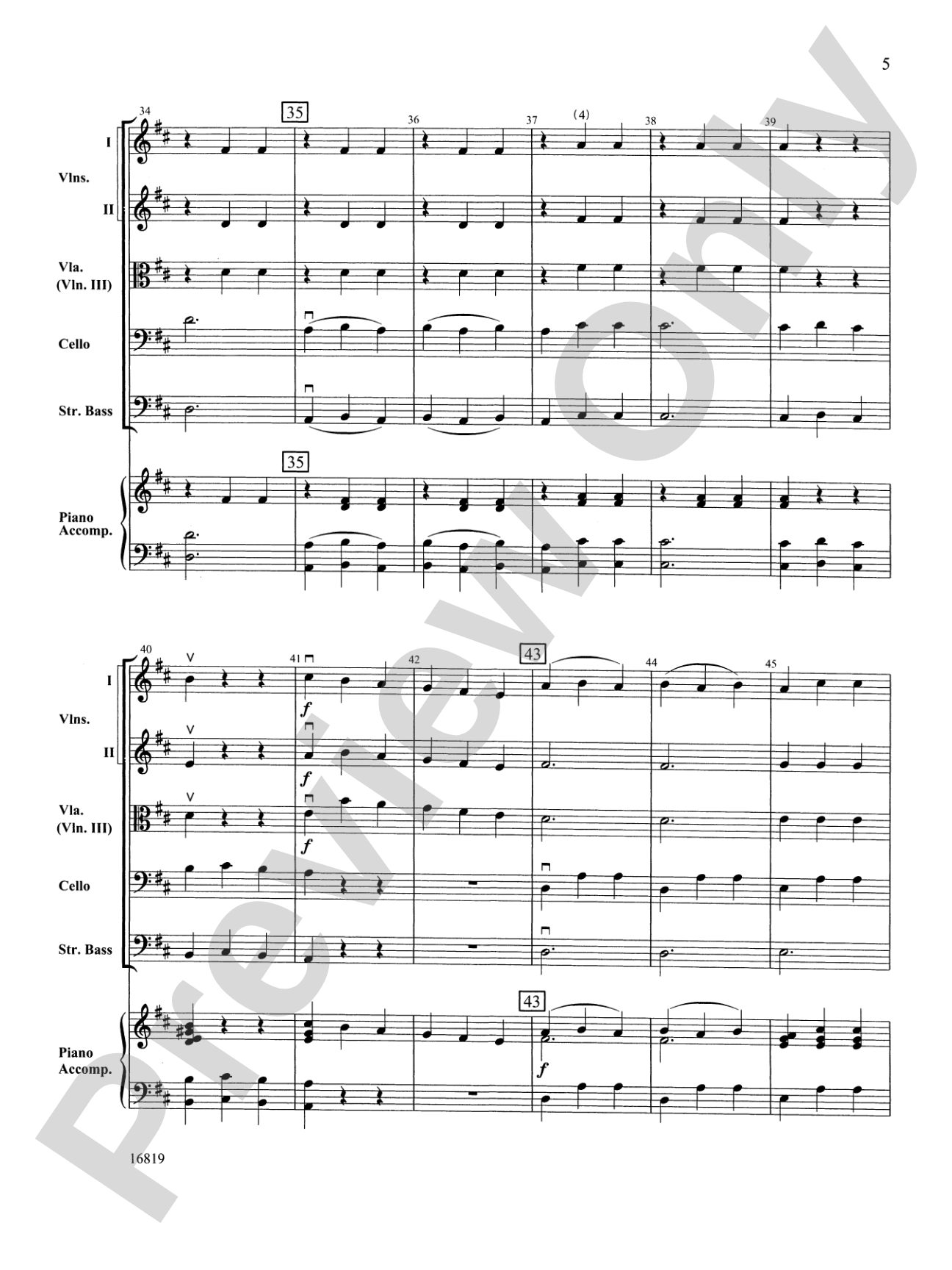
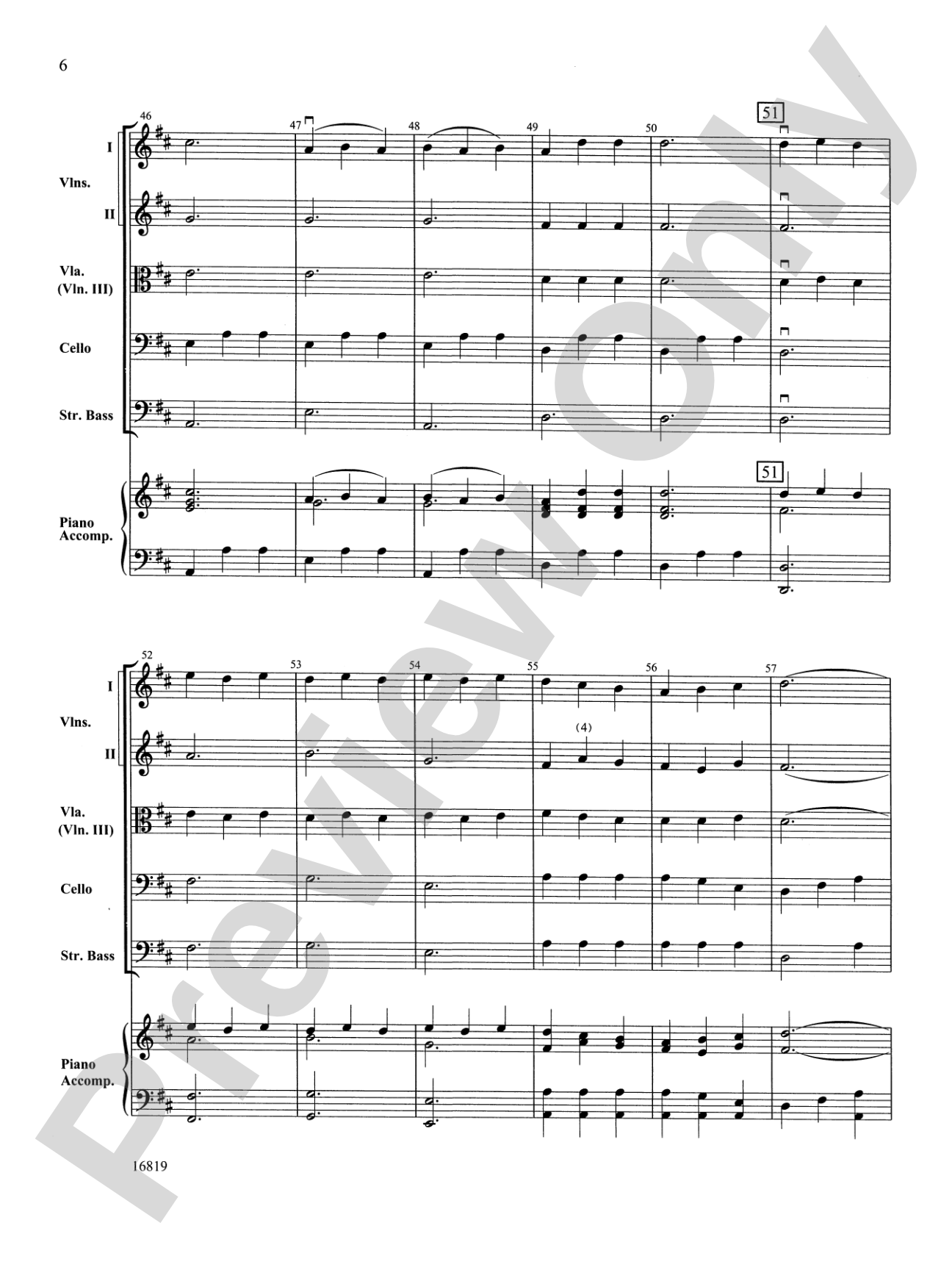
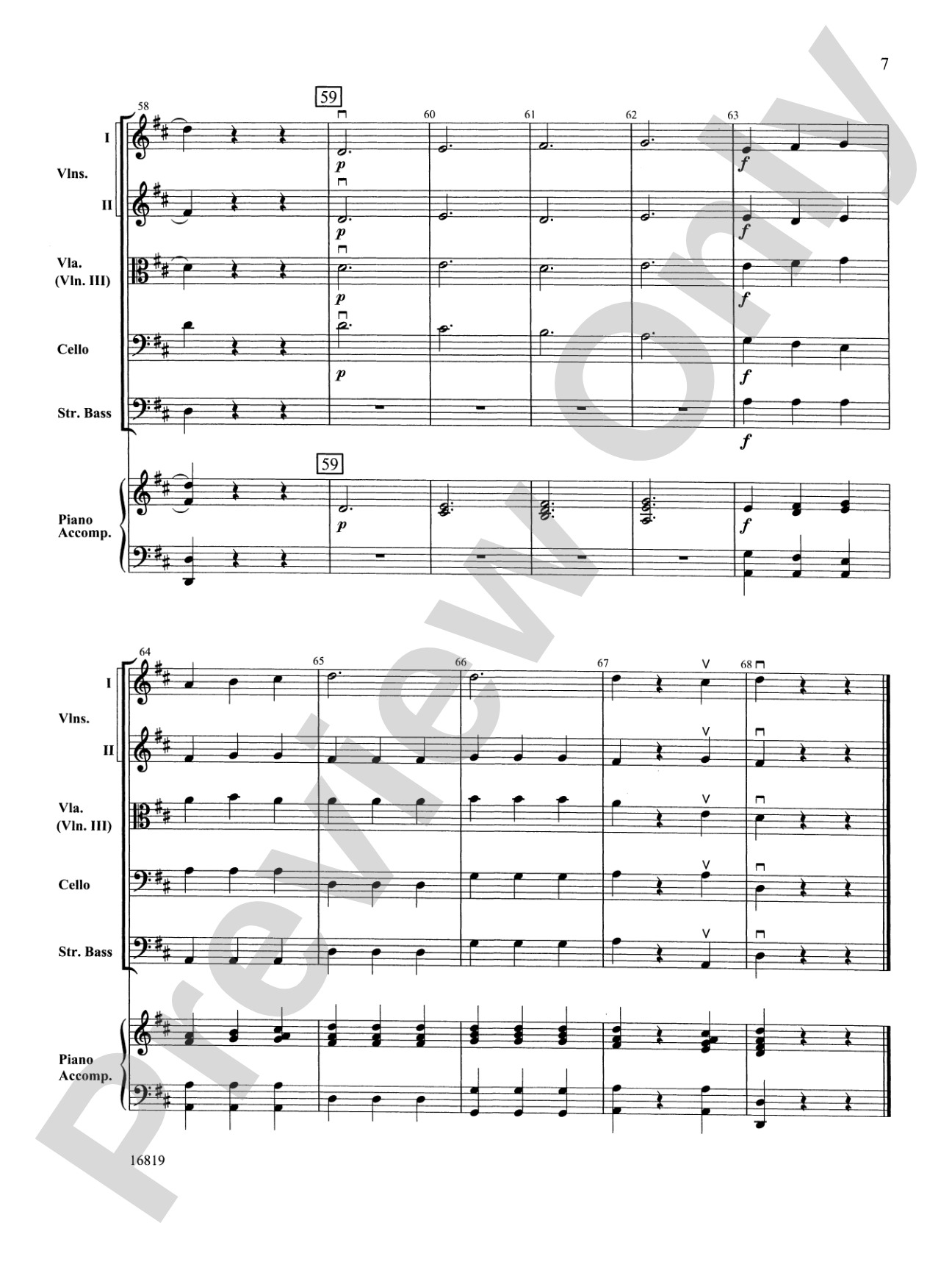
Treat your beginning orchestra to the sounds of the ice rink this season with this very easy and fun arrangement of the famous winter classic. This arrangement provides excellent practice in slurring three quarter notes to a bow. (Grade 1 - Correlates with Strictly Strings, Book 1, page 22)


Don't just read it, hear it, play along with it, and watch your students grow with it. In MakeMusic Cloud, Skaters' Waltz: String Orchestra Conductor Score & Parts comes alive with professional accompaniment, adjustable tempo, and built-in practice tools that turn solo practice into real progress.
Open in the Player
Jump straight in and assign it today.
Start Your Free Trial
Open this title and explore the full library in minutes.
Sample Audio
1
Audio File
--:--
0:00
0:00
Sample Video
No sample videos found.
Additional Details
Series:
Highland/Etling Strictly Strings
Publisher:
Alfred Music
Page Count:
72
SKU:
00-PK-0000197
More about this title
About the Arranger: Richard Meyer

Richard Meyer spent 35 years teaching strings in public schools, where he built the Oak Avenue Intermediate School orchestras from 29 students to 200 while directing the city's elementary string program. He led the Pasadena Youth Symphony Orchestra for 16 years, taking ensembles on international tours and guest-conducting All-State orchestras across multiple states. Beyond the podium, Meyer founded the "Giving Bach" program, which uses interactive concerts to reach special needs and underserved students throughout Southern California.
As a composer and arranger, Meyer has published over 190 works and served 16 years as string editor for Alfred Publishing Company. He co-authored the String Explorer Series and Sight-read It for Strings, establishing himself as a voice in accessible string pedagogy. Meyer has been a clinician at the A.S.T.A. National Conference, the Texas Orchestra Directors' Association Conference, and university string workshops across the country.
Why we love this
Meyer's arrangement captures everything that makes this piece work for young orchestras: straightforward voicing, clear articulation patterns, and a built-in pedagogical focus on the slurred three-quarter-note figure that novice players need to master. The Grade 1 level doesn't feel compromised; it feels purposeful, with the familiar waltz melody front and center and supporting parts that let ensemble members contribute without drowning.
What to expect
Picture a winter scene with clear ice and skaters gliding in smooth, connected strokes. The melody has that lilt and lightness of movement; even at Grade 1, the waltz rhythm creates a sense of motion and elegance. It's charming without being precious, and familiar enough that audiences recognize it immediately.
Who it's for
Beginning string orchestras and young ensembles just starting to balance slurring technique with ensemble sound. This arrangement works equally well for elementary or middle school groups ready to move beyond unison exercises into genuine orchestral repertoire.
How to get the most out of it
- Establish a clear, lilting pulse before rehearsal begins. Young orchestras often rush waltzes, so count the strong downbeat aloud during early run-throughs to anchor the three-beat feel.
- Break the slurred three-quarter-note figure into its own 5-minute drill once students are note-secure. Use a slower tempo, exaggerate the shape of the slur, and have students listen for that gentle crest in the middle note.
- Balance the melody line between first and second violins so the tune breathes naturally; this is a piece that rewards transparency over volume.
- Let the cello and bass lines establish the harmonic foundation without rushing their half notes; a slight separation between down-bow and up-bow can clarify the accompaniment pattern.
How to use it
Program this for a winter concert, a holiday assembly, or a young-artist showcase where it will delight families and administrators without demanding virtuosic playing. The familiarity of the tune makes it ideal for opening a concert or bridging between more challenging pieces, and it's short enough to program alongside additional works without overwhelming a young ensemble's rehearsal time.
Skills your students will build
- Slurring three-quarter notes to a single bow stroke
- Maintaining a steady three-beat waltz meter
- Balancing melody and accompaniment lines in an orchestral texture
- Coordinating bowing across multiple string sections
- Reading orchestral parts with independent rhythmic figures