

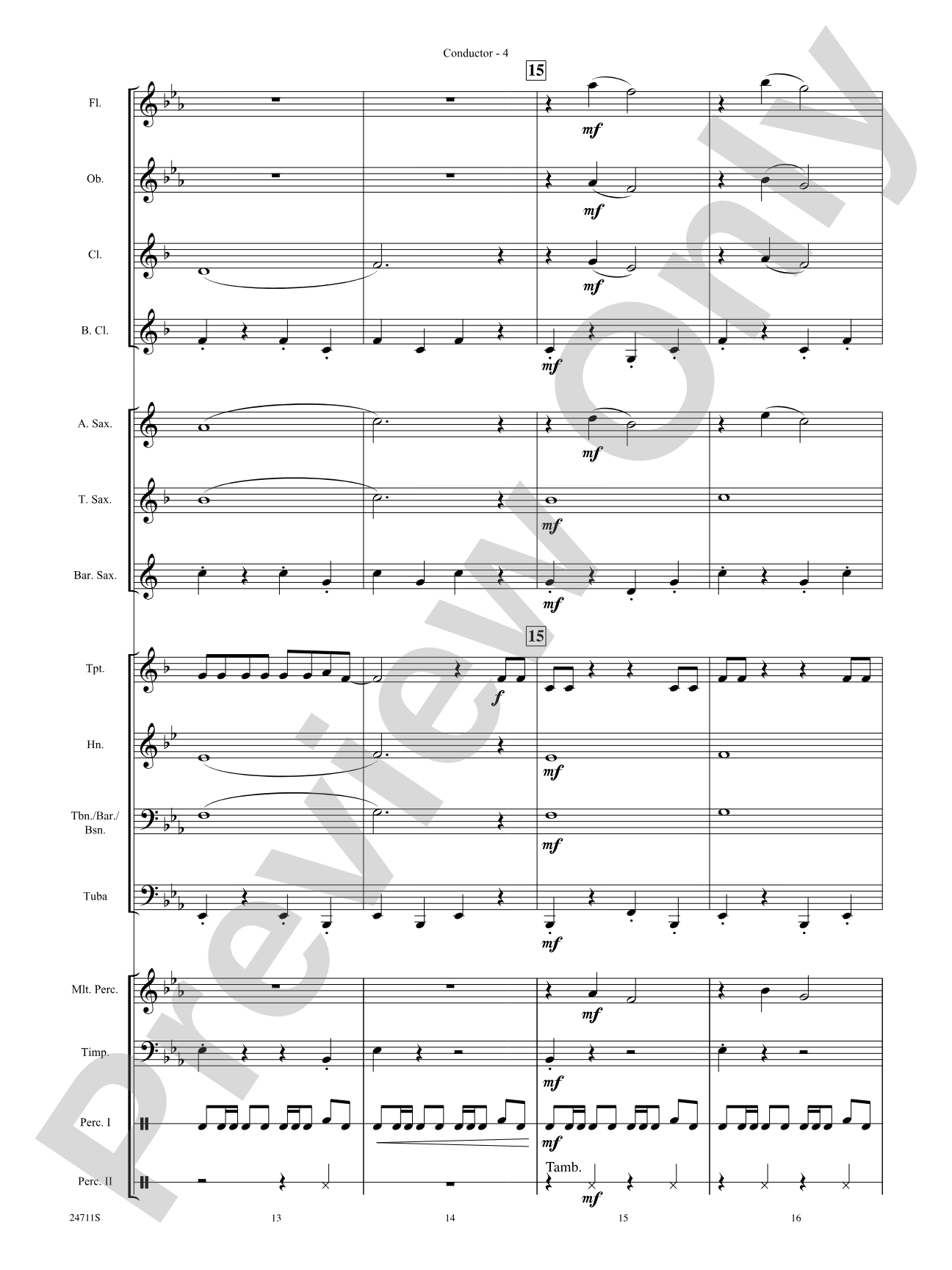
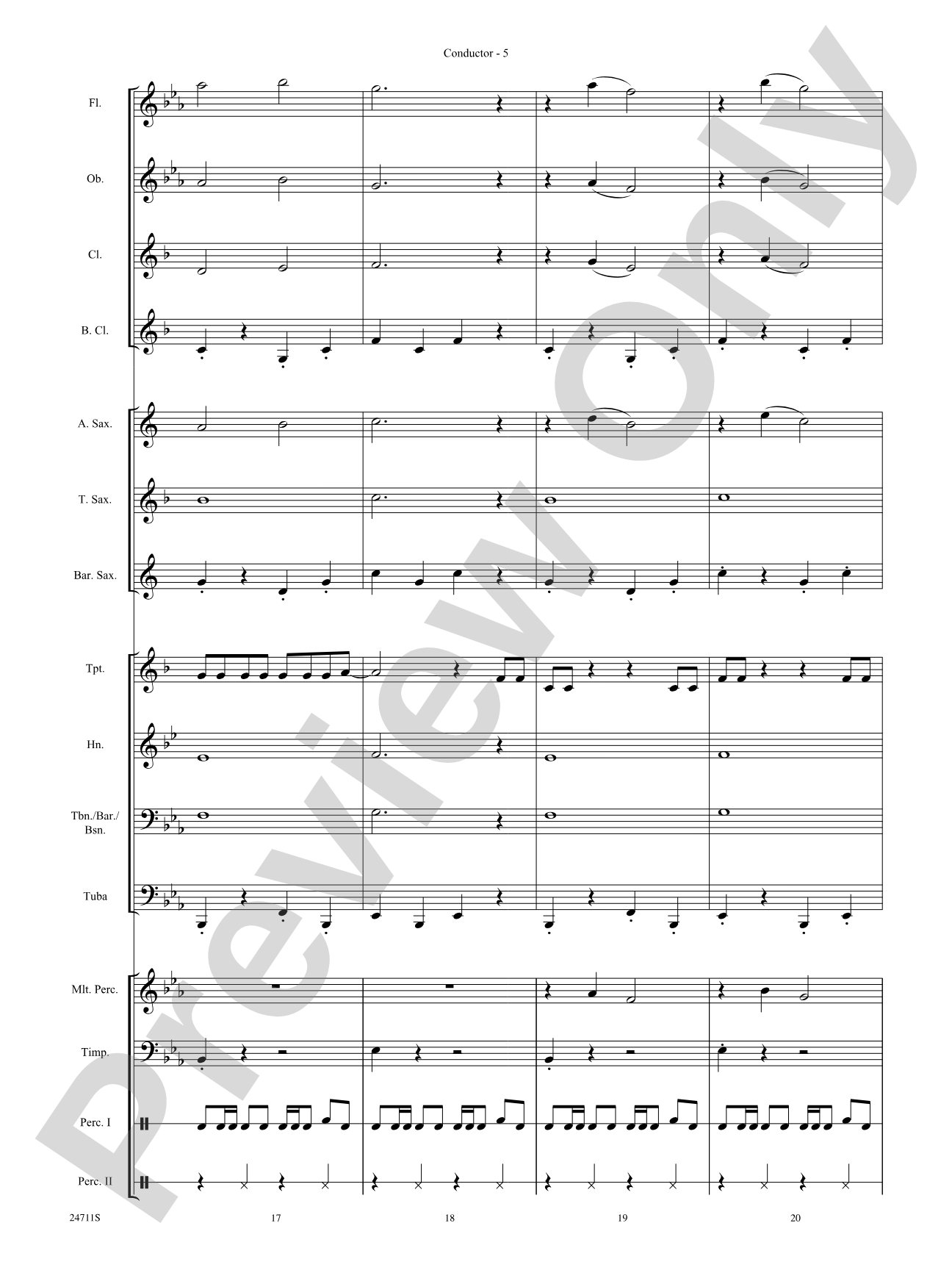
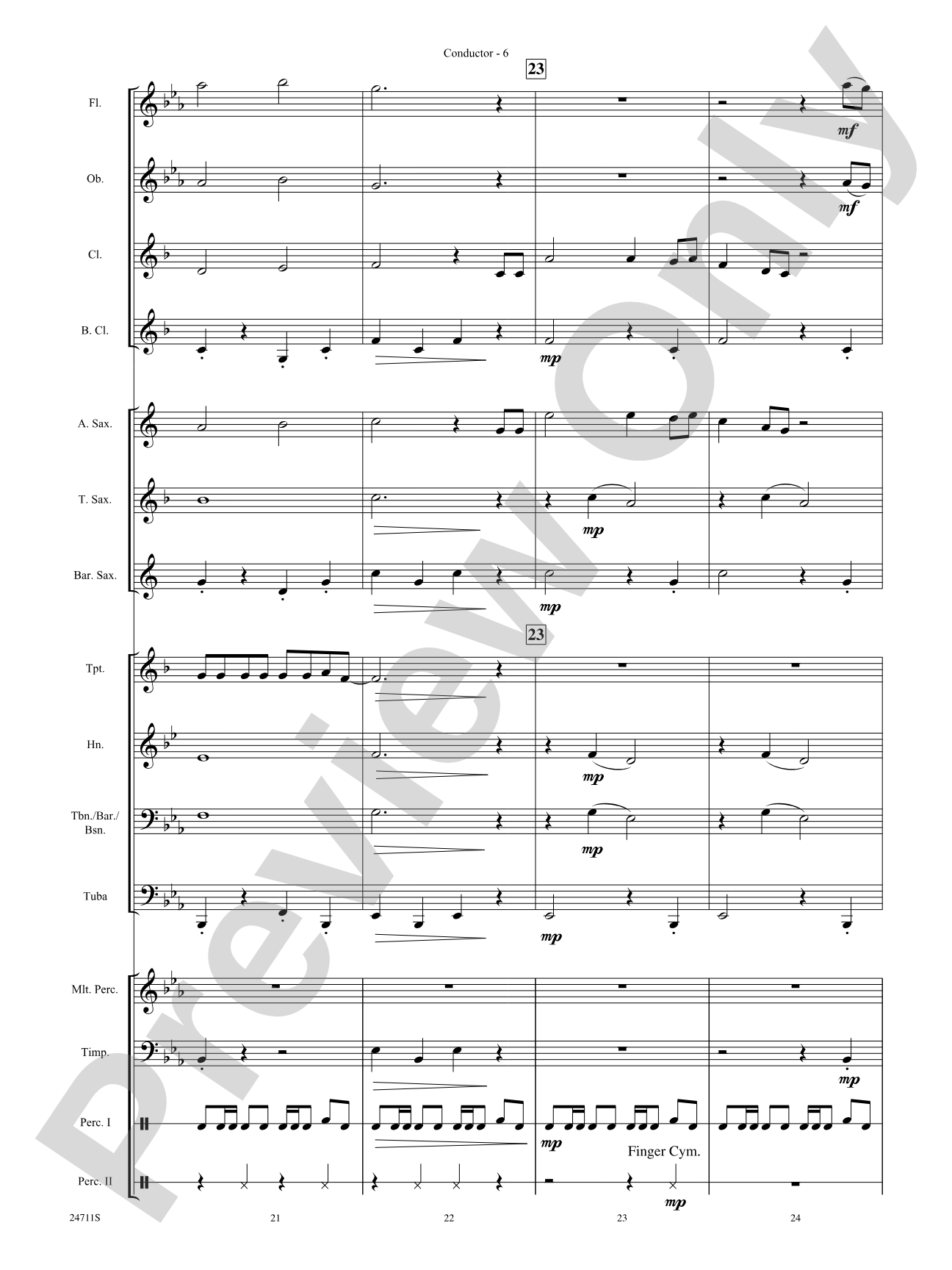
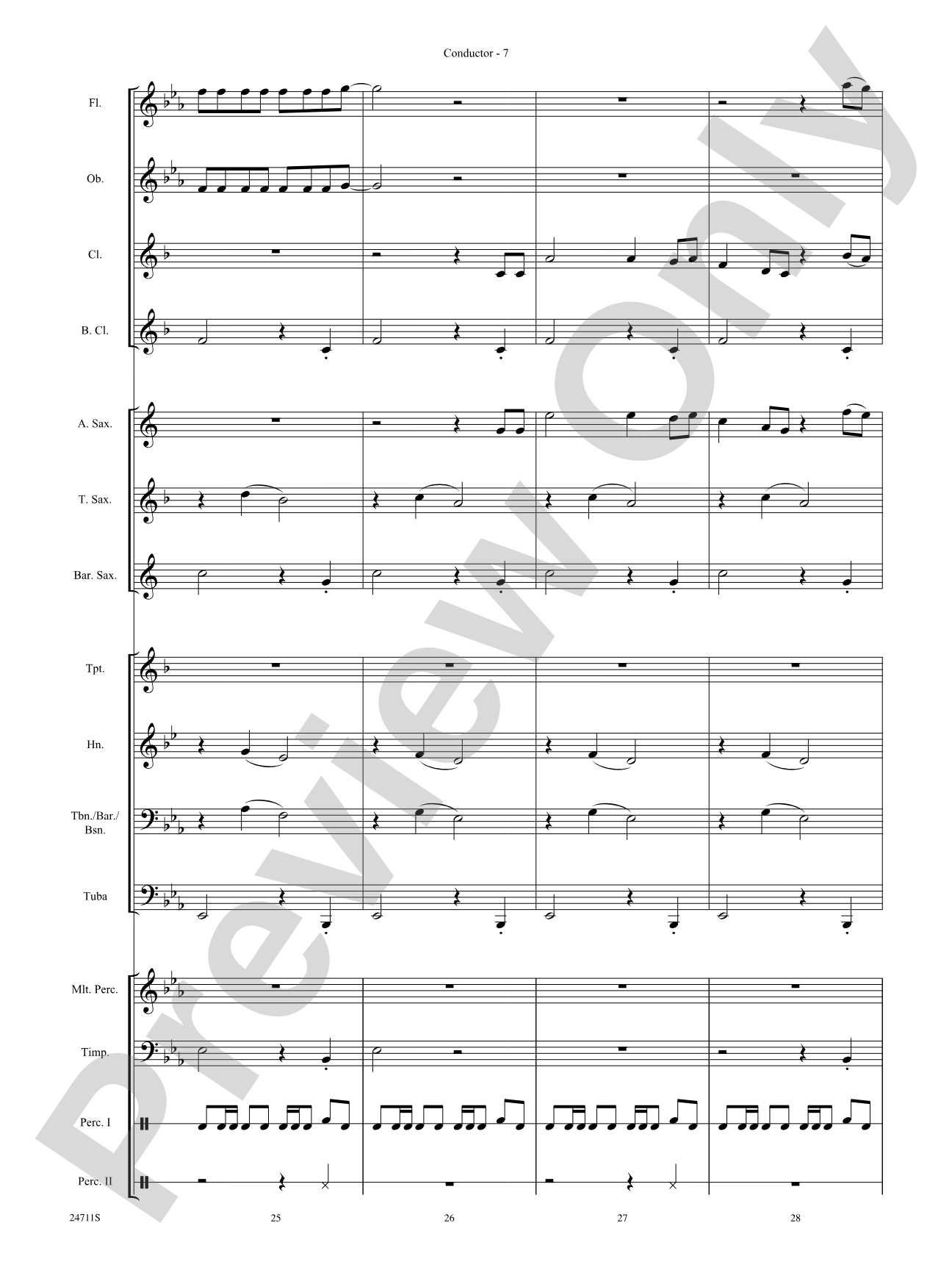
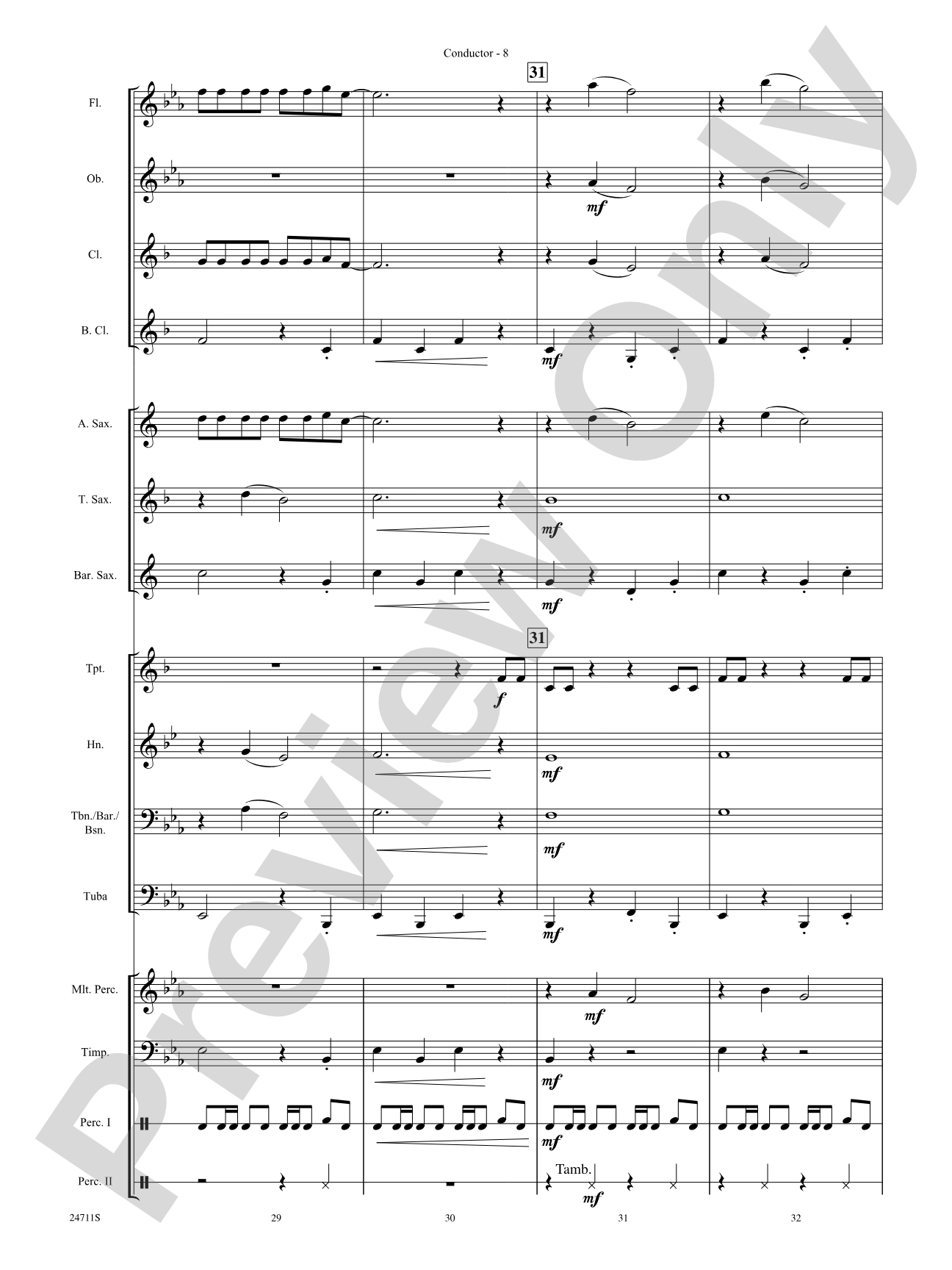
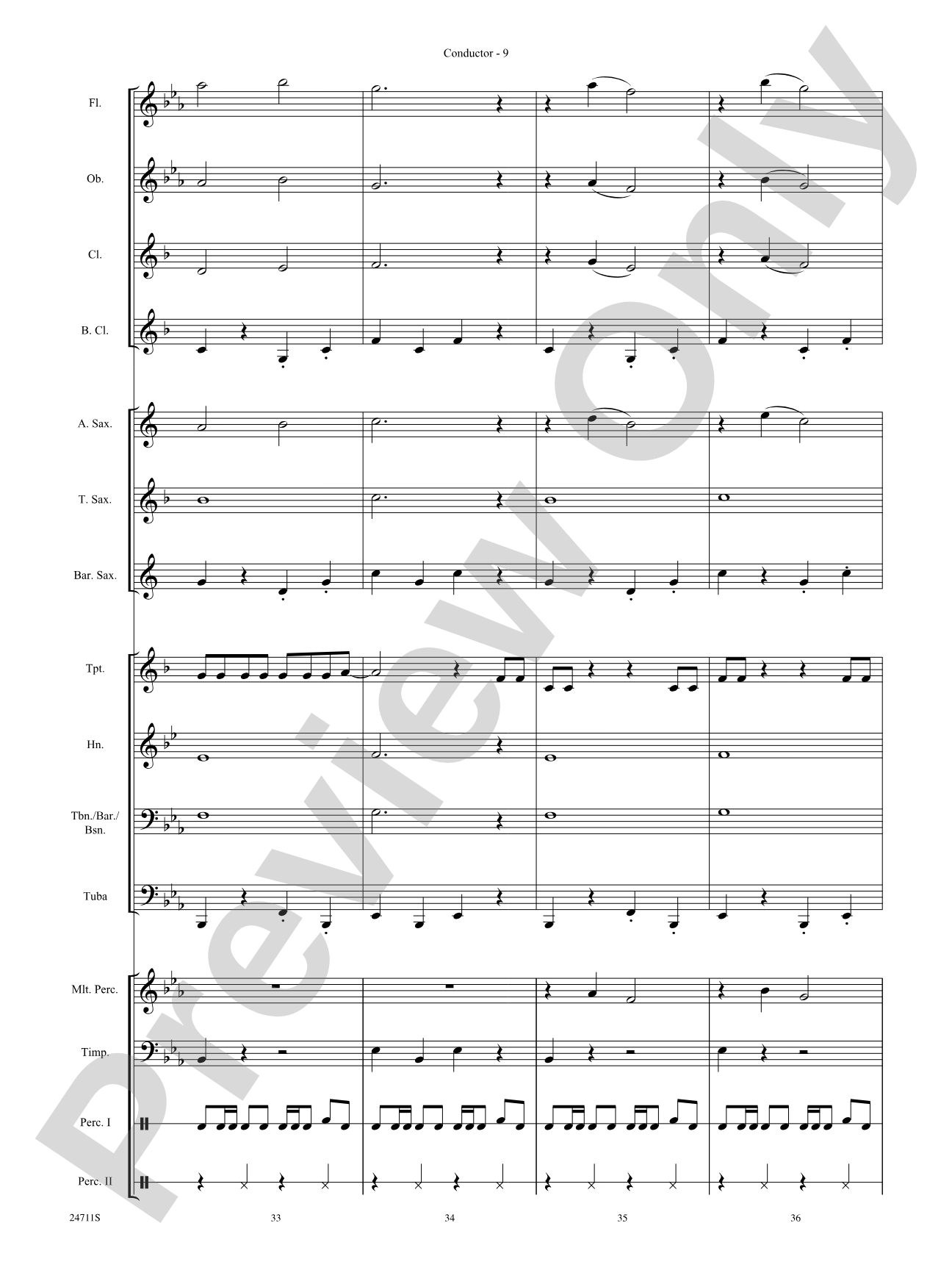
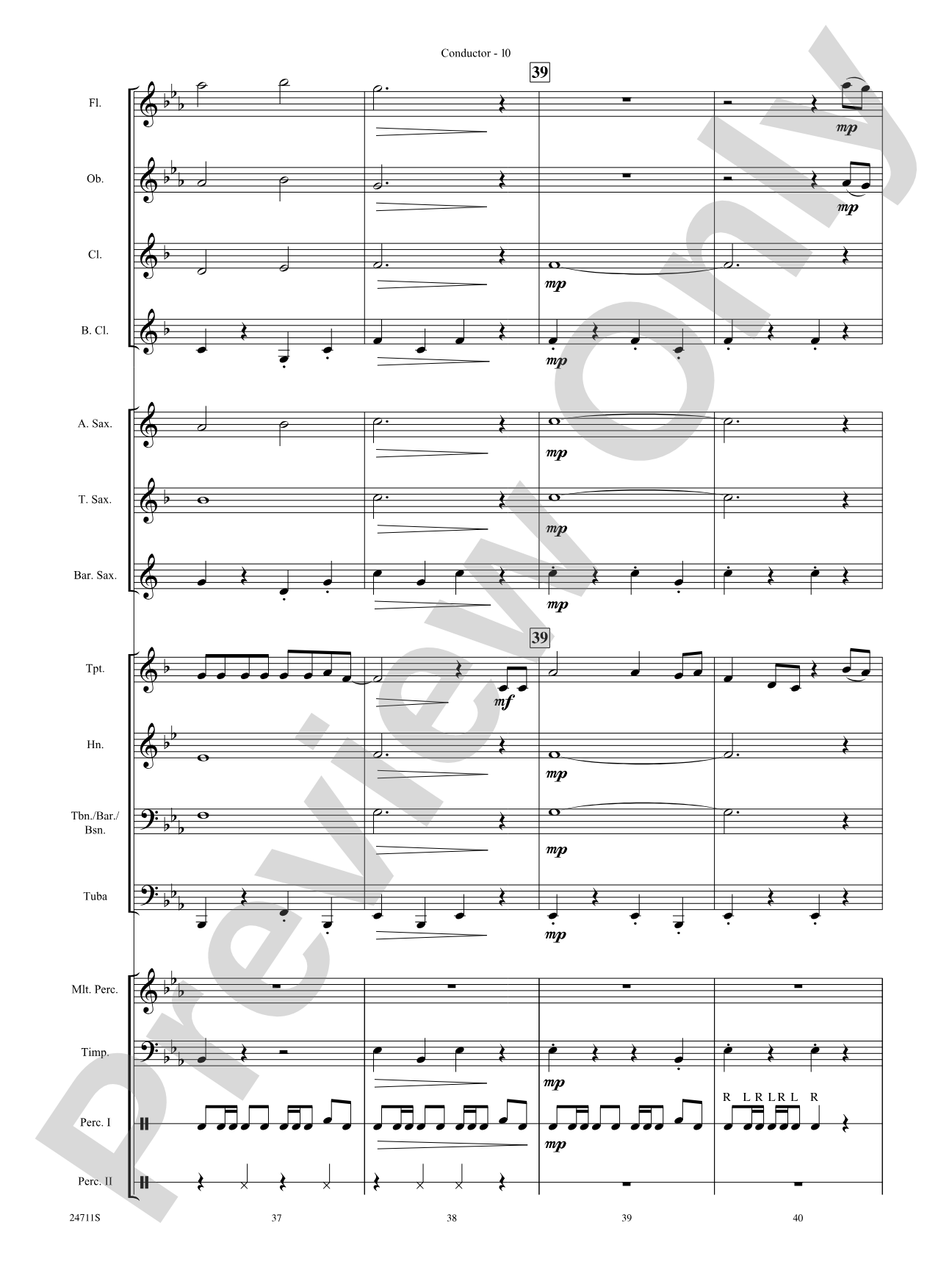
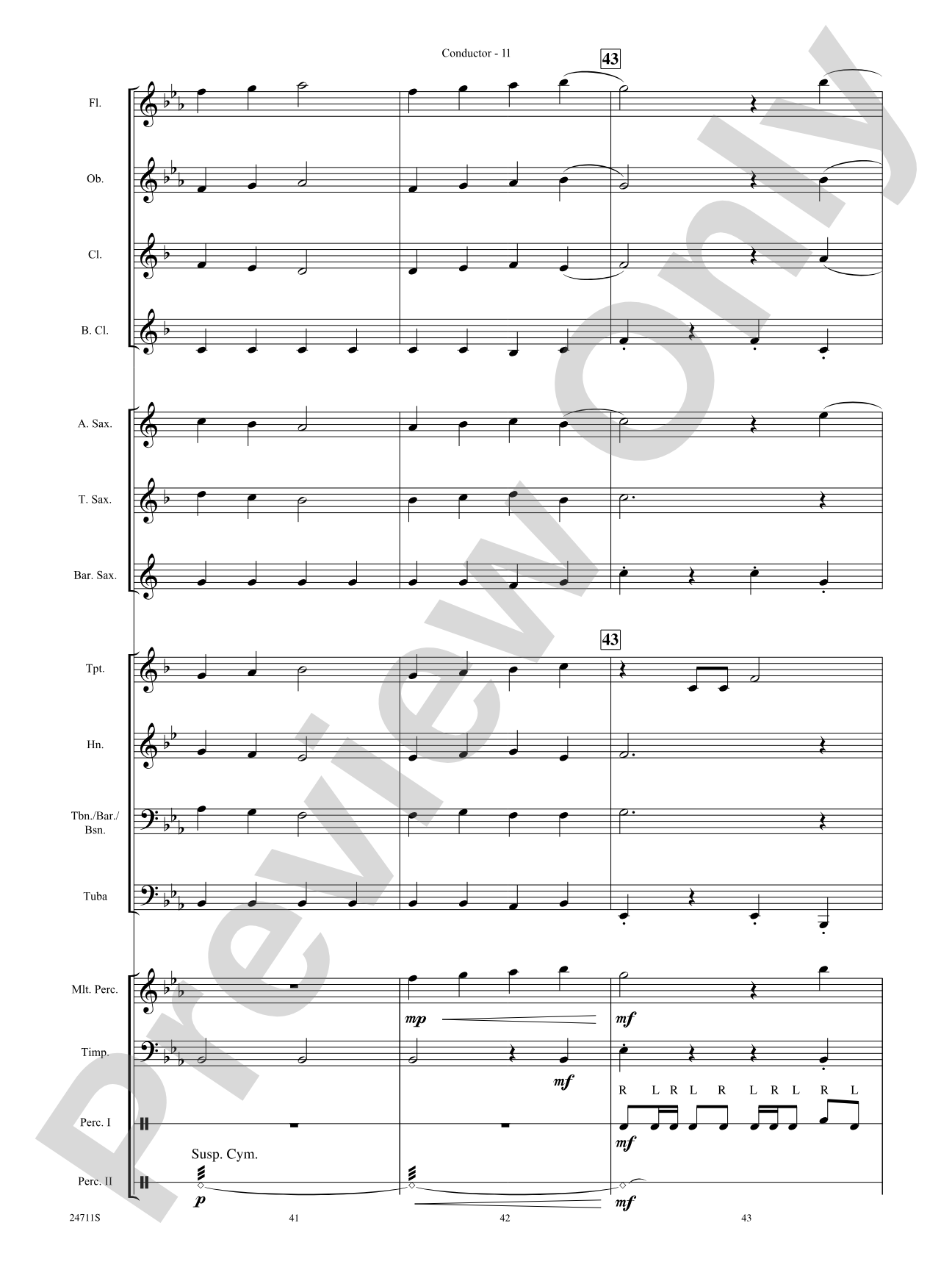
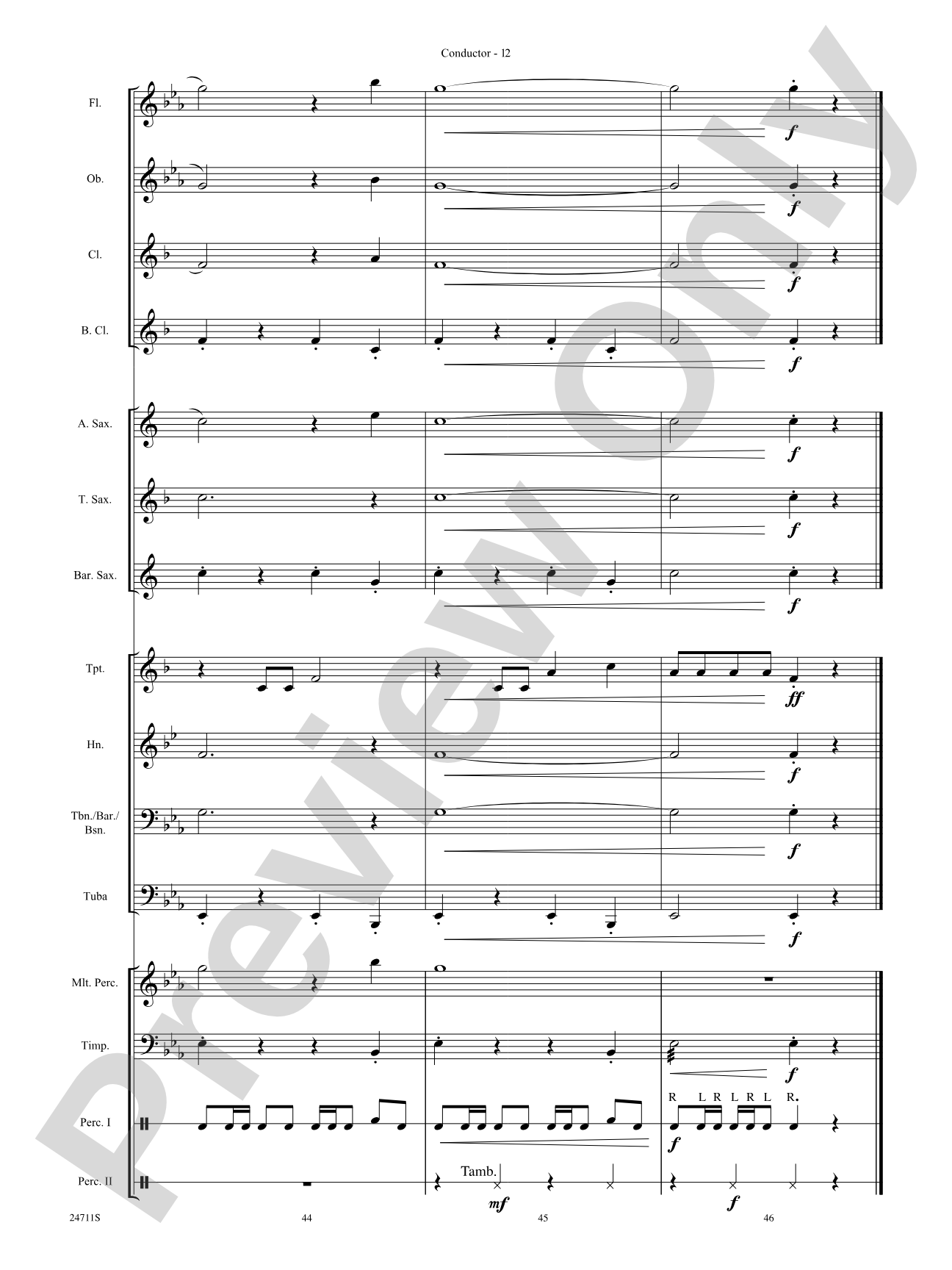



Siyahamba (We Are Marching): Score
Traditional South African Tune / arr. Douglas E. Wagner
Grade: 1 (Very Easy)
Item: 00-PR-0000860
$7.00
Pickup currently not available
Description
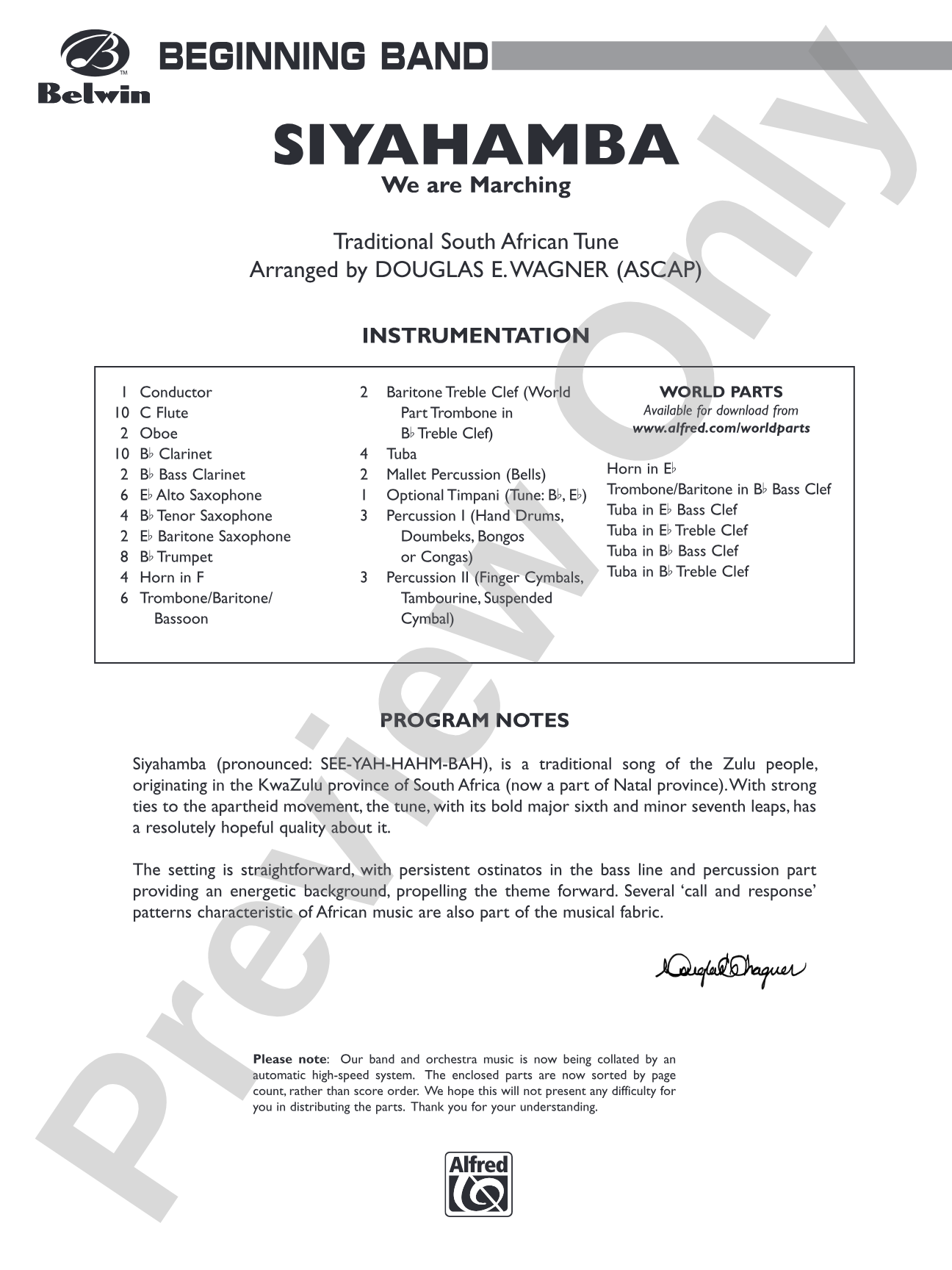
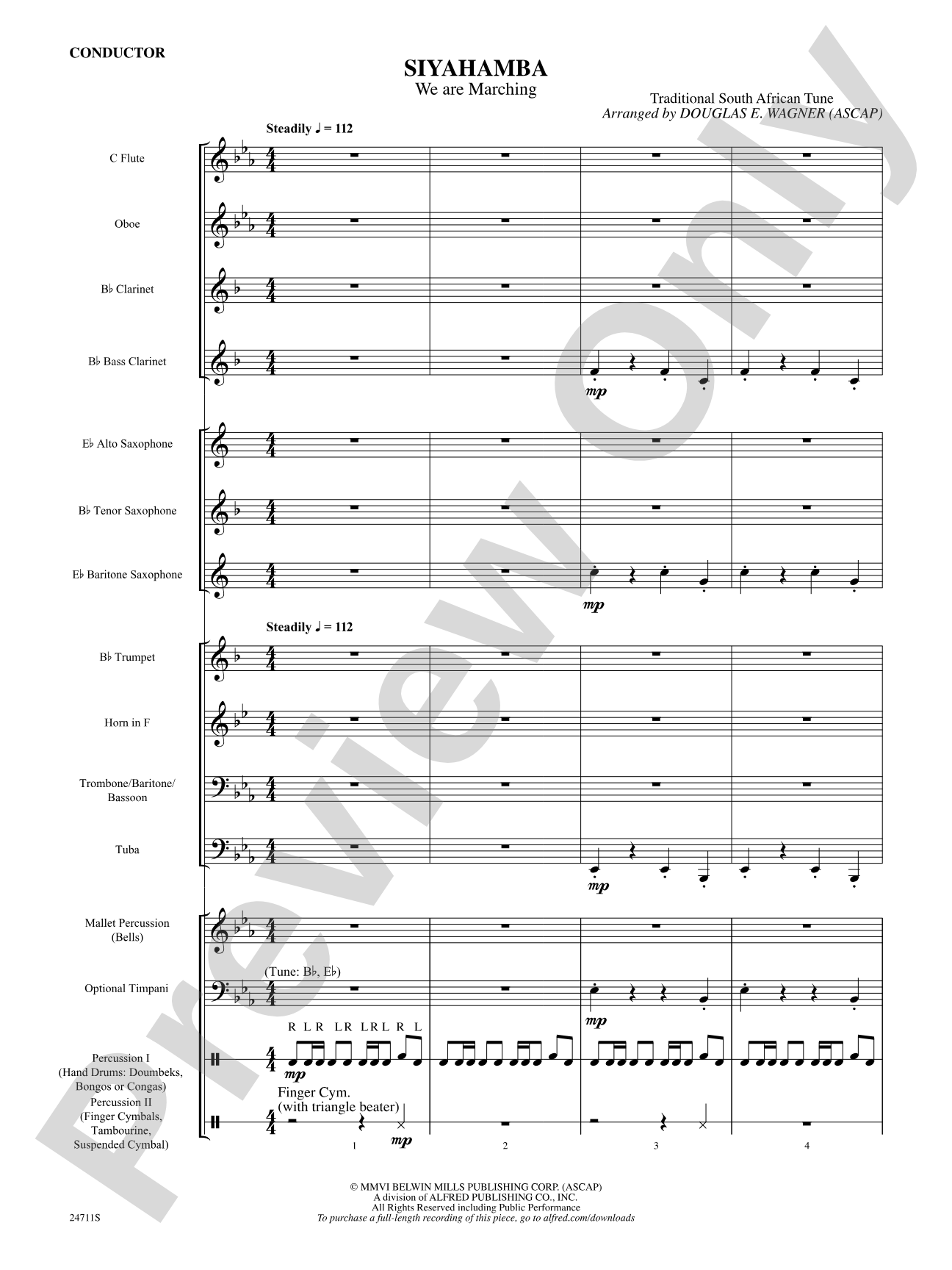
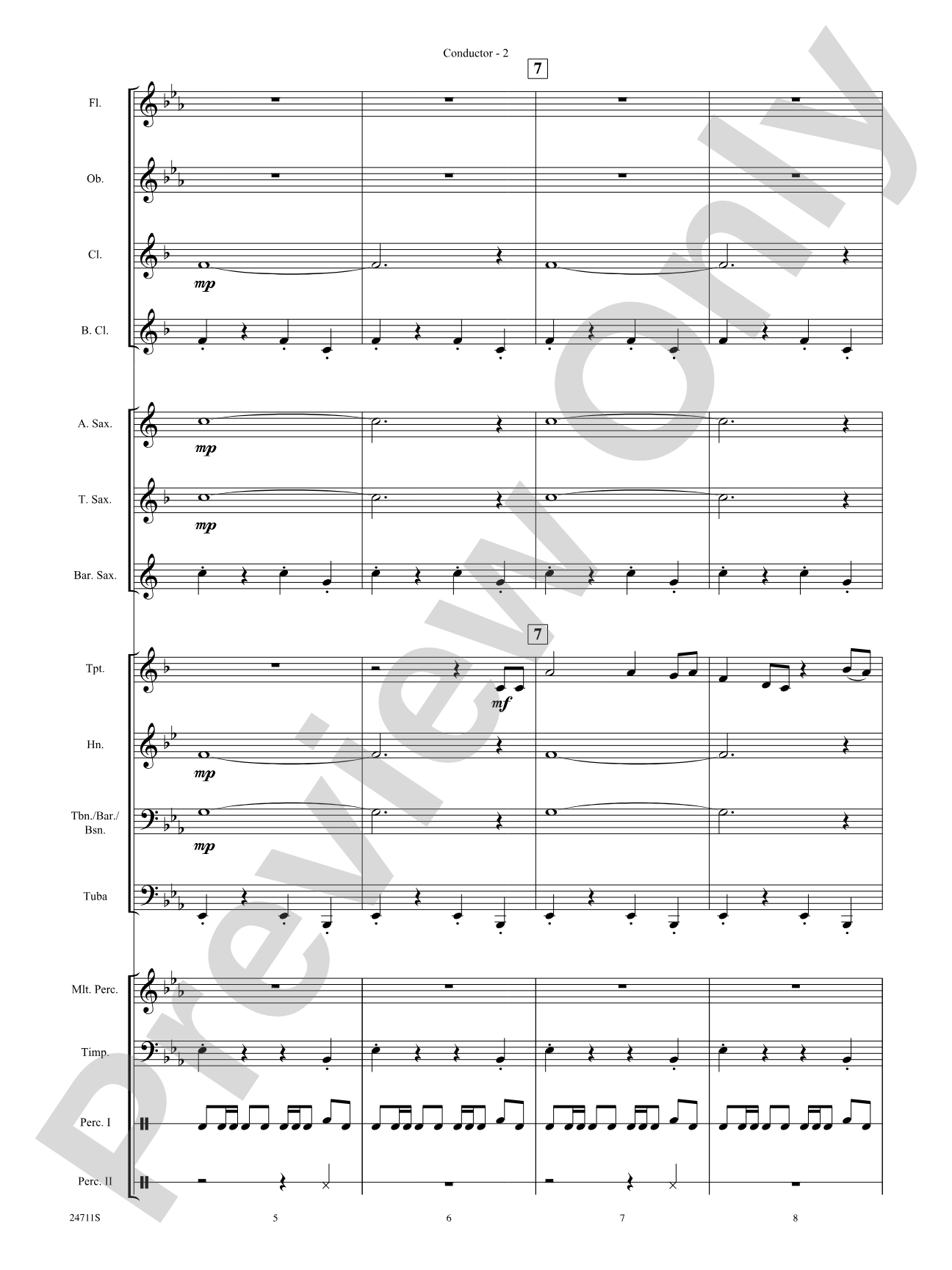
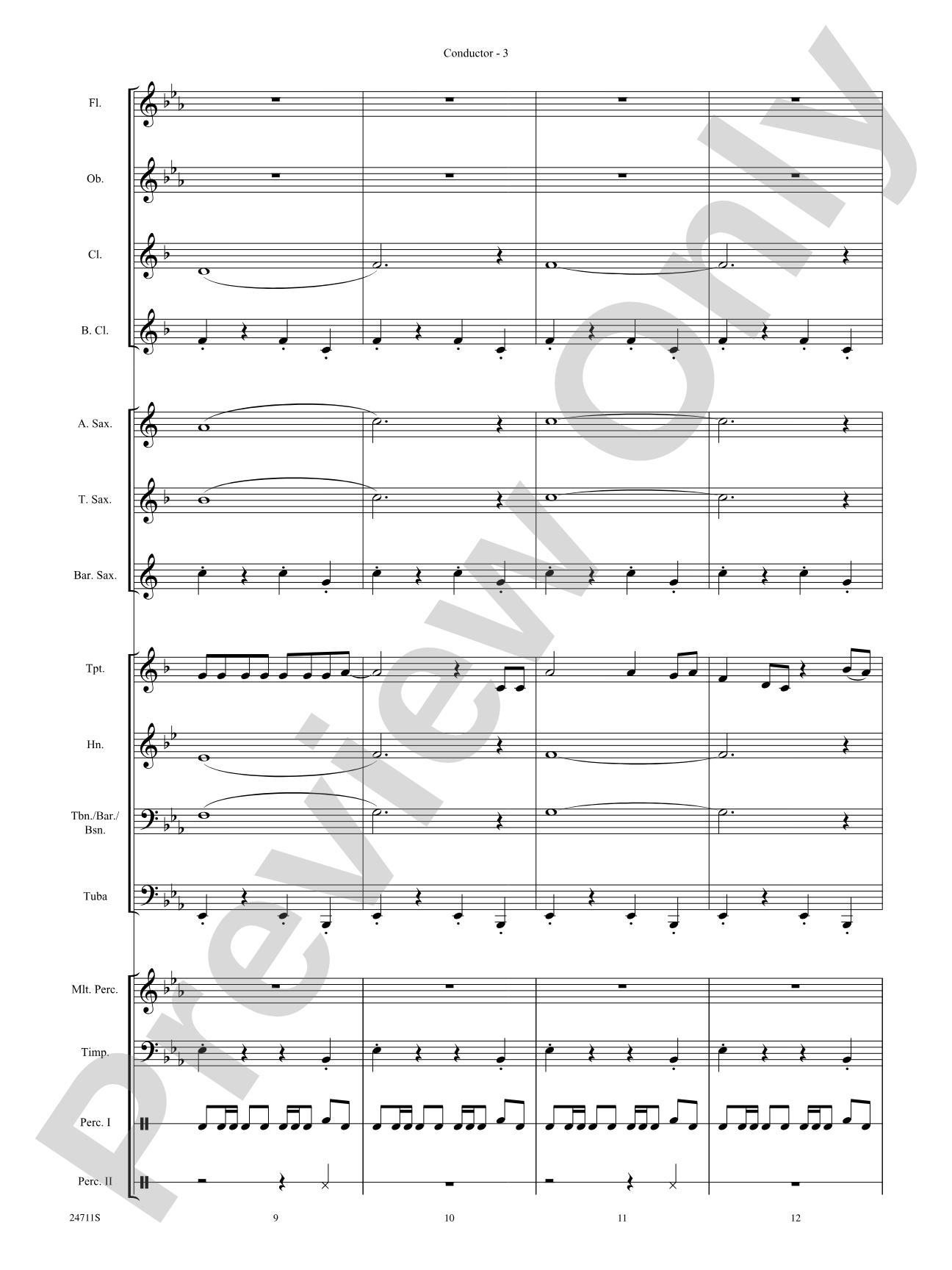
A traditional song of the Zulu people originating in the KwaZulu province of South Africa, "Siyahamba" is built upon persistent ostinatos with a driving percussion contribution as a background setting the stage for the charming theme. You'll hear several call-and-response patterns which are characteristic of traditional African music. An engaging addition to the beginning band literature with enticing multicultural roots.


Don't just read it, hear it, play along with it, and watch your students grow with it. In MakeMusic Cloud, Siyahamba (We Are Marching): Score comes alive with professional accompaniment, adjustable tempo, and built-in practice tools that turn solo practice into real progress.
Open in the Player
Jump straight in and assign it today.
Start Your Free Trial
Open this title and explore the full library in minutes.
Sample Audio
1
Audio File
--:--
0:00
0:00
Sample Video
No sample videos found.
Additional Details
Series:
Belwin Beginning Band
Publisher:
Alfred Music
Page Count:
138
SKU:
00-PR-0000860
More about this title
About the Arranger: Douglas E. Wagner

Douglas E. Wagner grew up in Chicago and studied music at Butler University, earning degrees at both the undergraduate and graduate levels. After three decades leading high school music programs as educator and administrator, he committed himself fully to composition and arranging, building a catalog of over 3,500 published works across choirs, concert bands, orchestras, handbells, organ, piano, and voice. His music has reached audiences through concert halls, broadcasts, and performances worldwide, with more than seventeen million copies sold since 1973.
Why we love this
Wagner respects the song's cultural roots while making it genuinely playful for young musicians. The persistent ostinatos and call-and-response structure give every section something engaging to do, and the percussion writing is active without overwhelming a beginning band's ability to balance.
What to expect
Siyahamba pulses with forward momentum. The steady ostinatos and prominent percussion create a rhythmic backbone that feels both traditional and alive, while the charming melody floats above with genuine warmth. Young musicians will feel the drive of South African music without getting tangled in technical complexity.
Who it's for
Beginning band programs seeking literature that opens cultural doors while building foundational ensemble skills. This Grade 1 arrangement works for middle school bands or high school groups just starting their year, and it serves any director looking to feature African musical traditions in a concert setting.
How to get the most out of it
- Lock the pulse in your rhythm section from the first rehearsal. The driving percussion and ostinato patterns rely on steady tempo, so drill the drums, bass, and other supporting instruments as a unit before layering melody.
- Emphasize the call-and-response sections with clear phrasing and articulation. Have the answering section listen actively and shape their entrance to echo the character of the call, not just the notes.
- Balance the ostinato patterns so they support rather than dominate the melody. Beginning bands often bring out their repeated figures too loudly; the theme should always emerge over the accompaniment.
- Let the percussion shine during transitions and the background sections where they set the stage. These moments give your young percussionists ownership of the arrangement and maintain the energy between thematic statements.
How to use it
Program this early in the fall concert when your band is still building confidence with ensemble balance. Pair it with other world music selections to create a multicultural mini-set, or use it as an opener that immediately establishes energy and cultural engagement. Its accessibility makes it ideal for a concert featuring the first months of rehearsal.
Skills your students will build
- Maintaining steady pulse within a rhythmic ostinato pattern
- Call-and-response phrasing and rhythmic entrances
- Balancing melody and accompaniment in an ensemble setting
- Recognizing and interpreting African musical characteristics