Sing to the Lord Cover Image

Sing to the Lord: SATB Choral Octavo

$2.25 USD
Sale price  $2.25 USD Regular price 
Skip to product information
Sing to the Lord Cover Image

Sing to the Lord: SATB Choral Octavo

Arr. Alice Parker

Item: 00-LG51322

makemusic Cloud badge

Need it now?

Buy Digital Version
$2.25
Shipped

One moment…

Description

Don't just read it, hear it, play along with it, and watch your students grow with it. In MakeMusic Cloud, Sing to the Lord: SATB Choral Octavo comes alive with professional accompaniment, adjustable tempo, and built-in practice tools that turn solo practice into real progress.

Sample Pages

Sample Audio
No sample audio found.
Sample Video
Additional Details
Series: Alfred Archive Edition: Lawson-Gould Music Publishers
Publisher: Alfred Music
Page Count: 8
UPC: 783556005032
SKU: 00-LG51322

More about this title

About the Arranger: Alice Parker
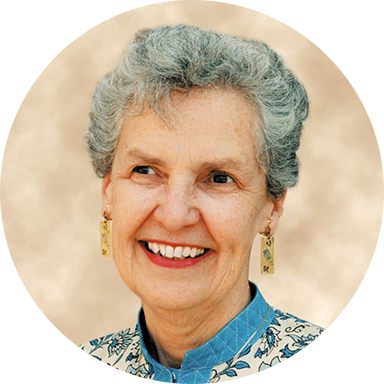
Alice Parker

Alice Parker brought together decades of deep study in composition and conducting to create choral music rooted in American melody. After training at Smith College and Juilliard (where she began her influential collaboration with Robert Shaw), Parker developed a distinctive approach to sacred music, producing over five hundred published works spanning operas, cantatas, song cycles, and individual anthems. Her Parker/Shaw arrangements of American folksongs, hymns, and spirituals became standard repertoire for choirs everywhere.

In 1985, Parker founded Melodious Accord, Inc., shifting her focus toward the heart of all vocal music: the melody itself. She authored books on melodic style, choral improvisation, and church music practice, and her pedagogical influence extended through board service with Chorus America (where she became the first Director Laureate) and recognition as Distinguished Composer of the Year by the American Guild of Organists. Parker received the Robert Shaw Award from the American Choral Directors Association, the Harvard Glee Club Foundation Medal, six honorary doctorates, and grants from ASCAP, the National Endowment for the Arts, and the Aaron Copland Fund for Music.

Why we love this

This octavo captures Parker's gift for revealing the lyrical beauty within sacred texts. The writing sits comfortably on all four voices while maintaining musical interest and dignity, making it accessible for capable parish choirs and university ensembles alike. A straightforward eight-page score from the trusted Alfred Archive Edition means you have a well-edited, performance-ready piece that needs no preparation beyond basic rehearsal planning.

What to expect

The piece honors the devotional character of its text while letting Parker's melodic sensibility shine through clear harmonic writing and balanced voice leading. Singing it feels both grounded and uplifting, the kind of music that sticks with singers long after rehearsal ends.

Who it's for

Church choirs and volunteer ensembles seeking sacred repertoire that combines spiritual authenticity with musical craftsmanship. This works equally well for community choirs, small college ensembles, and professional singers looking for a single piece rather than a full anthem series.

How to get the most out of it

  • Approach the melodic line with the legit singing voice Parker favored; avoid oversinging or forcing tone in any section even when parts climb.
  • Balance parts by listening to how each voice carries the harmonic narrative rather than equalizing dynamic levels uniformly across the choir.
  • Conduct with clarity so ensemble members feel supported through any rhythmic or harmonic shifts Parker may employ; her style rewards singers who feel the structure underneath the melody.

How to use it

Seat this on a concert program alongside other sacred works, or use it as a centerpiece anthem for a worship service that calls for reflective yet confident music. At eight pages, it offers substance without dominating rehearsal calendars, fitting neatly into regular liturgical schedules.

Skills your students will build

  • Sustaining pure tone through longer melodic phrases
  • Balancing individual voice parts within a harmonic texture
  • Responding to subtle harmonic movement while maintaining ensemble unity
  • Singing sacred text with clarity and reverence

You May Also Like
