
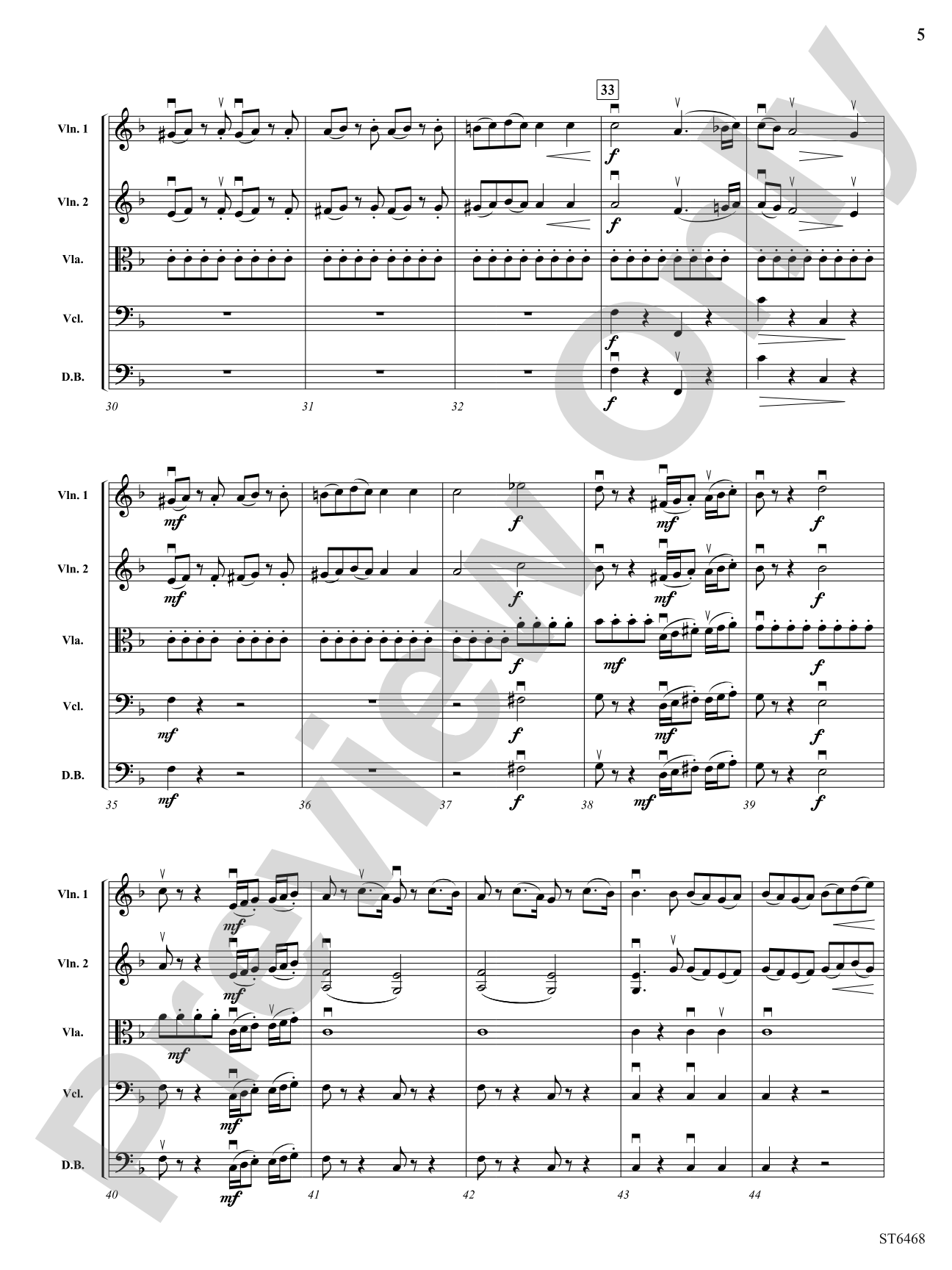
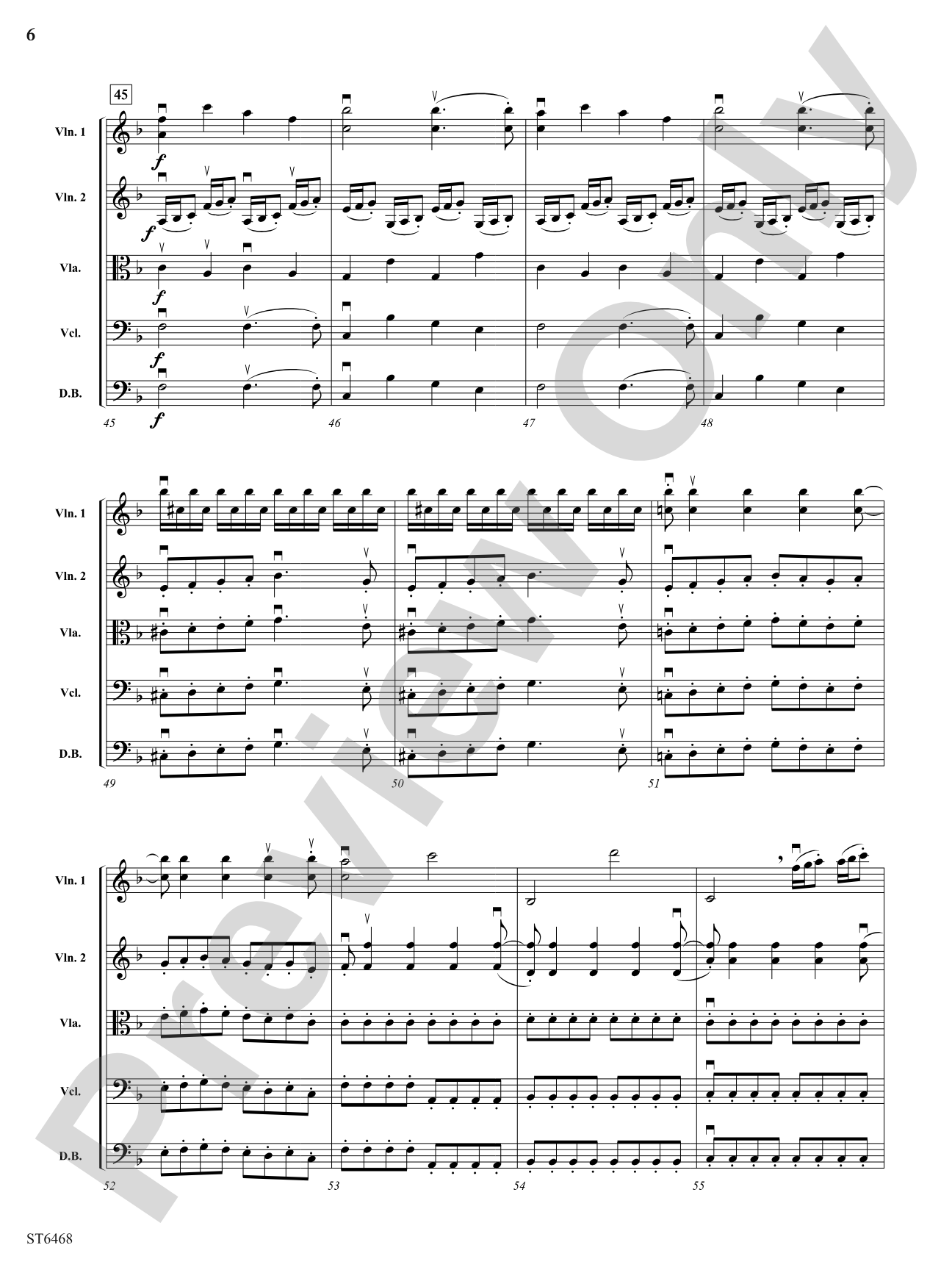
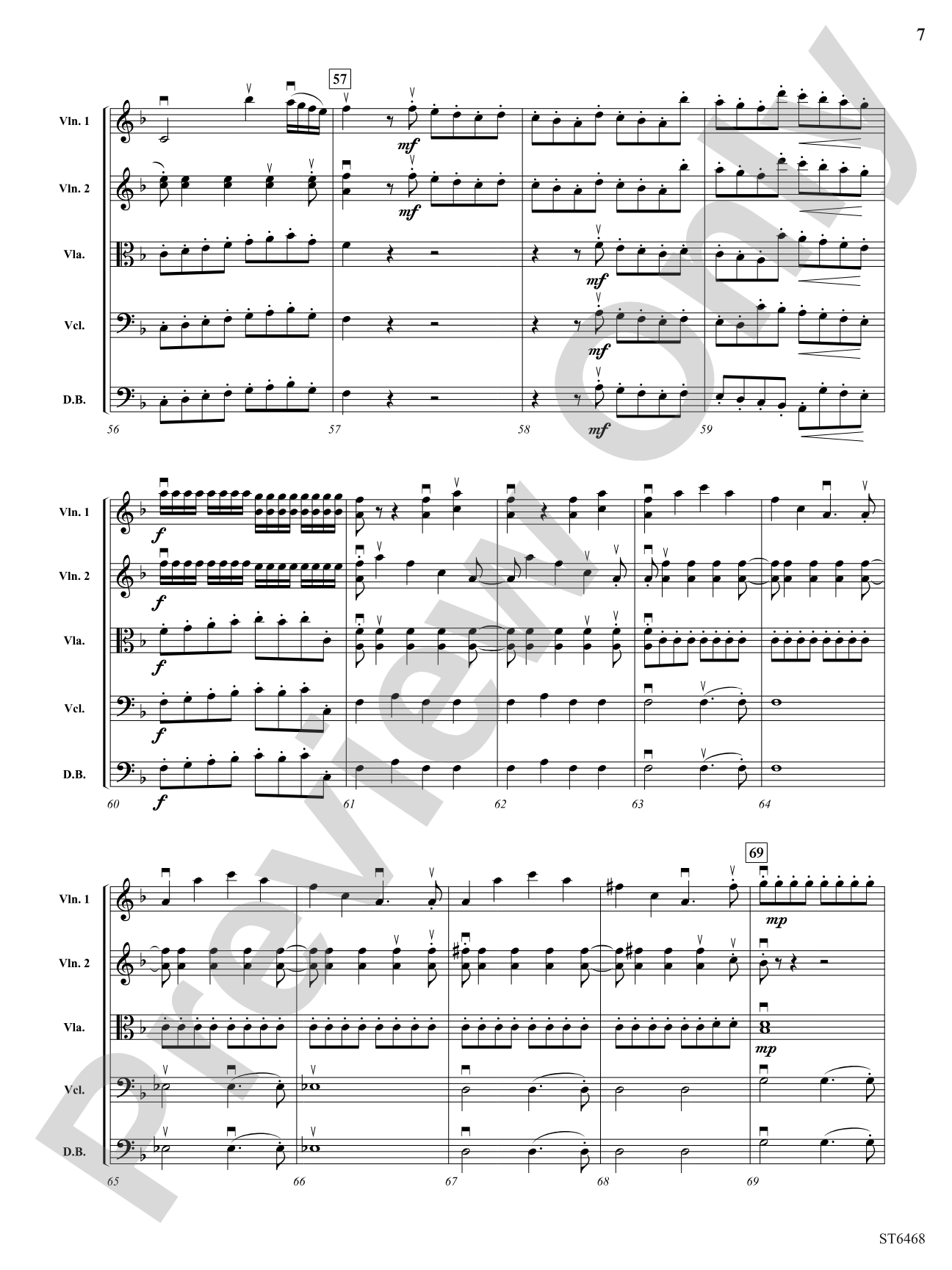
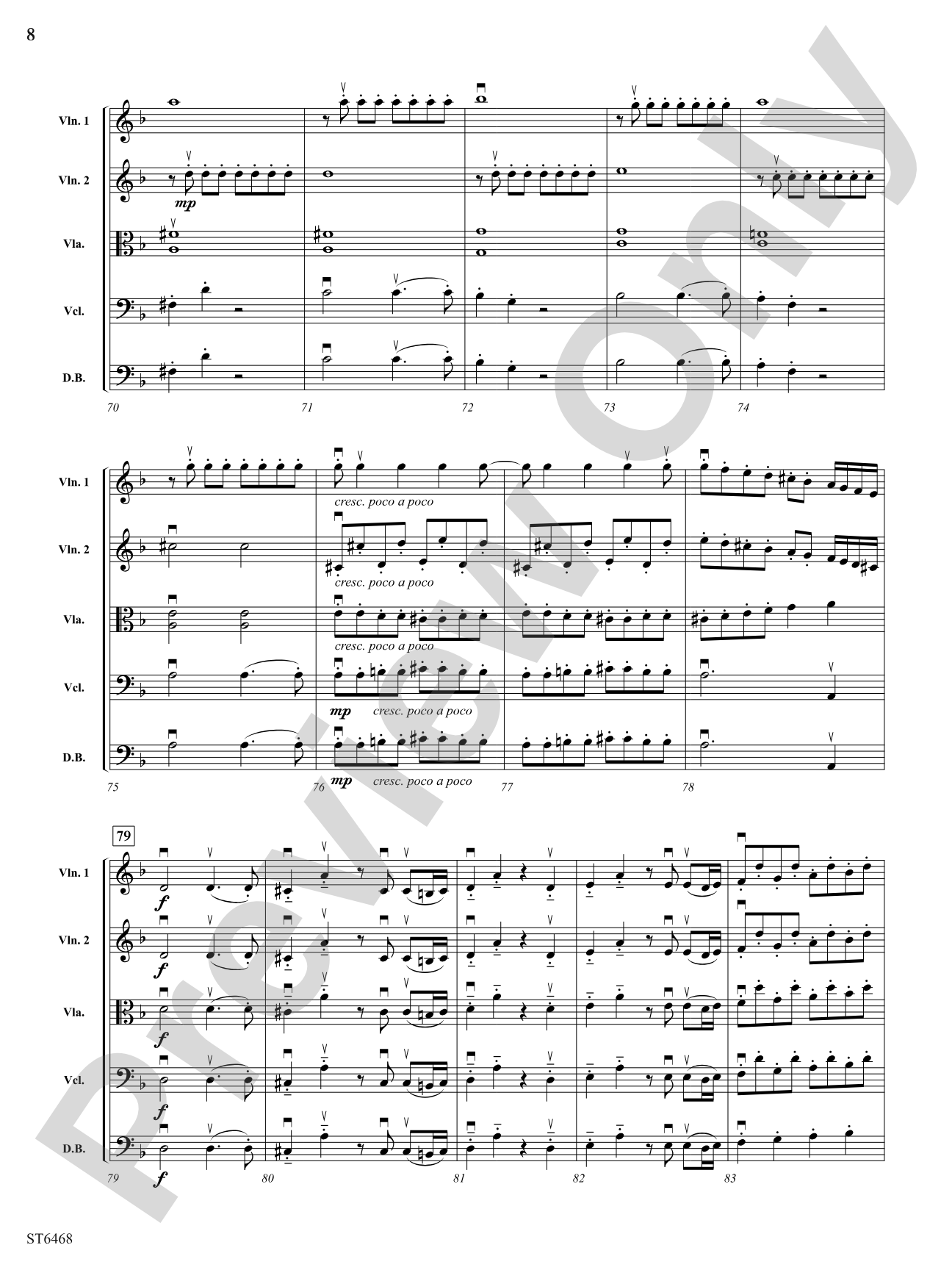
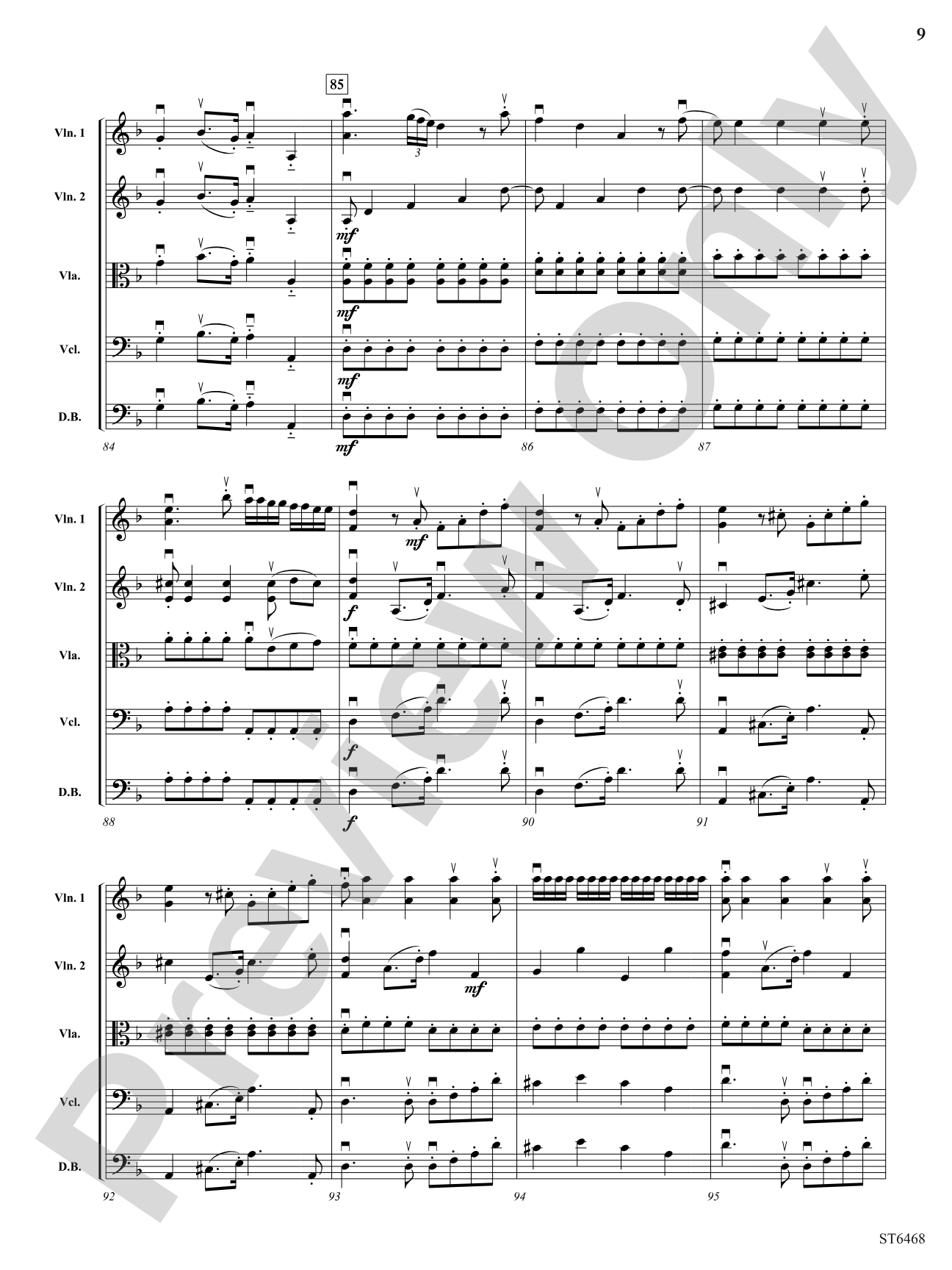
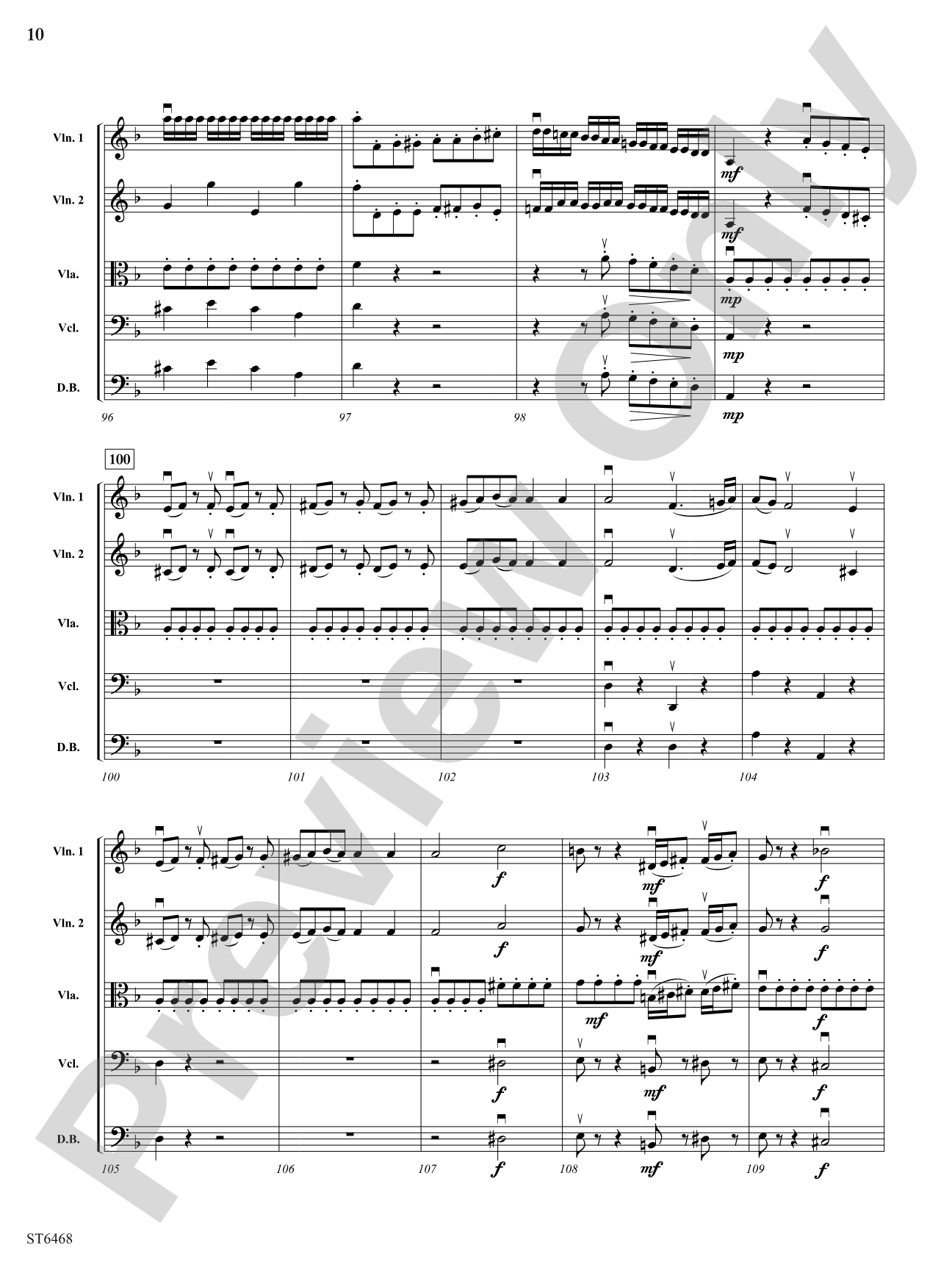
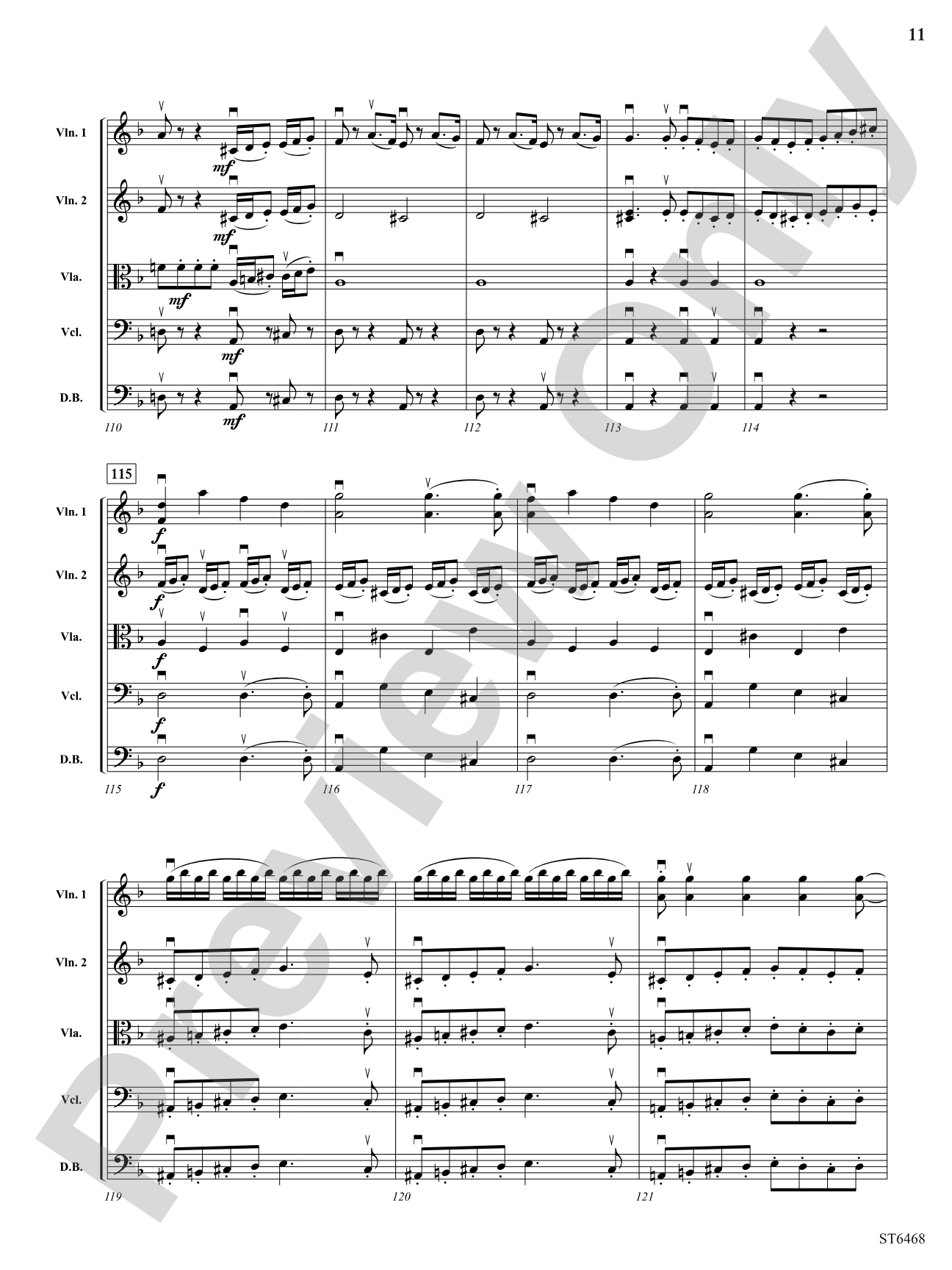
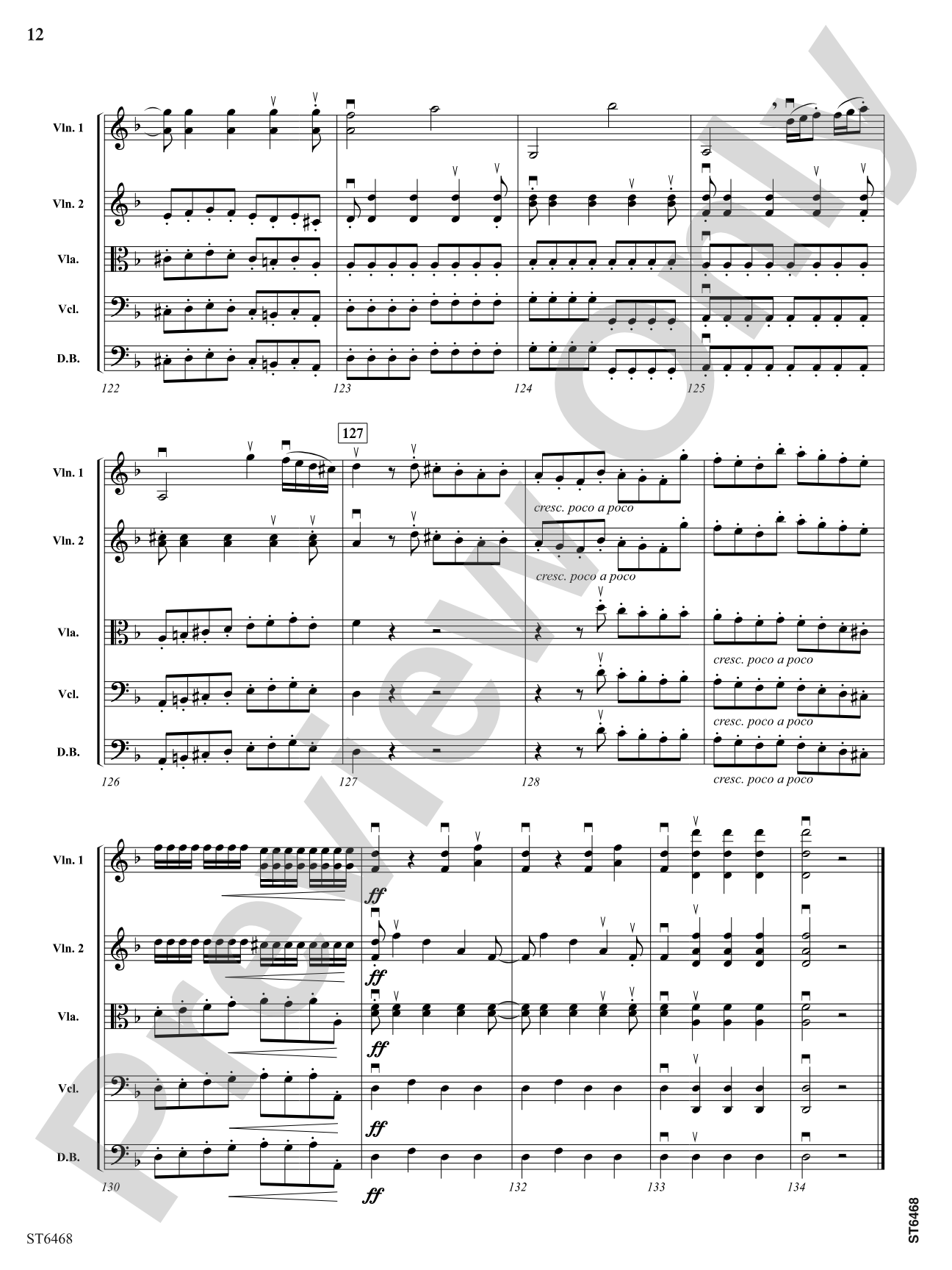

Sinfonia in D Minor: Score
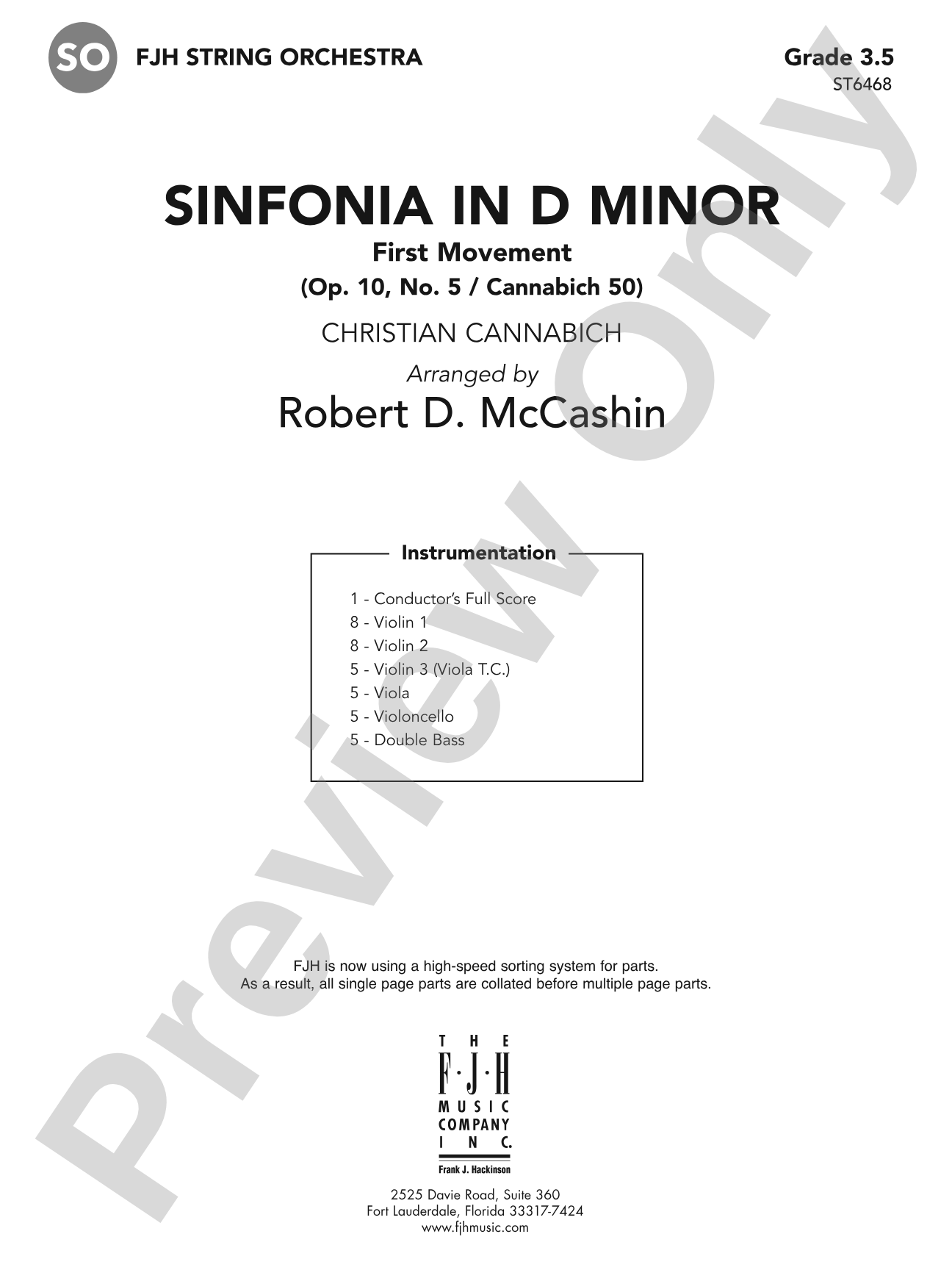
By Christian Cannabich / arr. Robert D McCashin
Grade: 3.5
Item: 98-DST6468S
$6.00
Pickup currently not available
Description
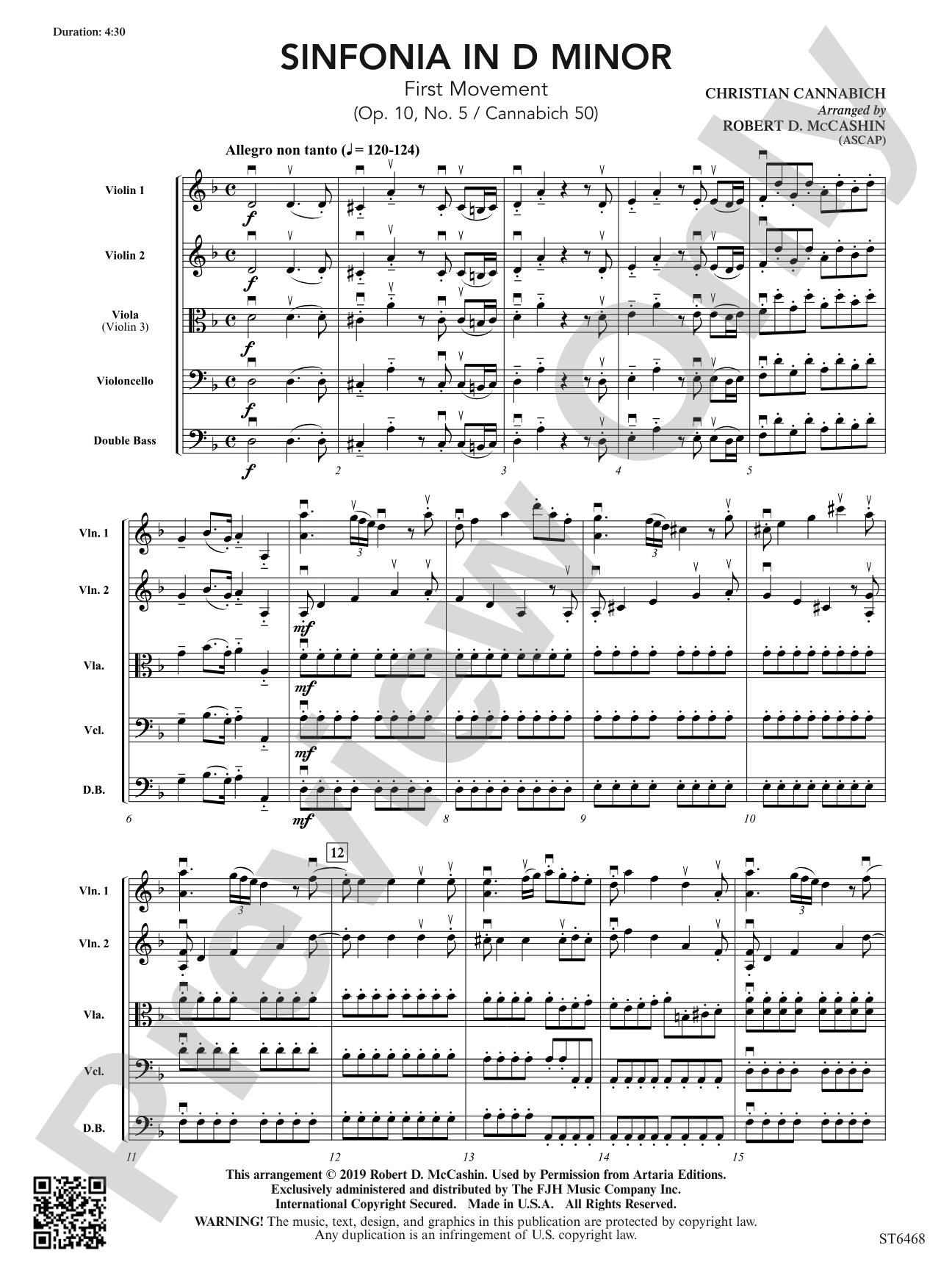
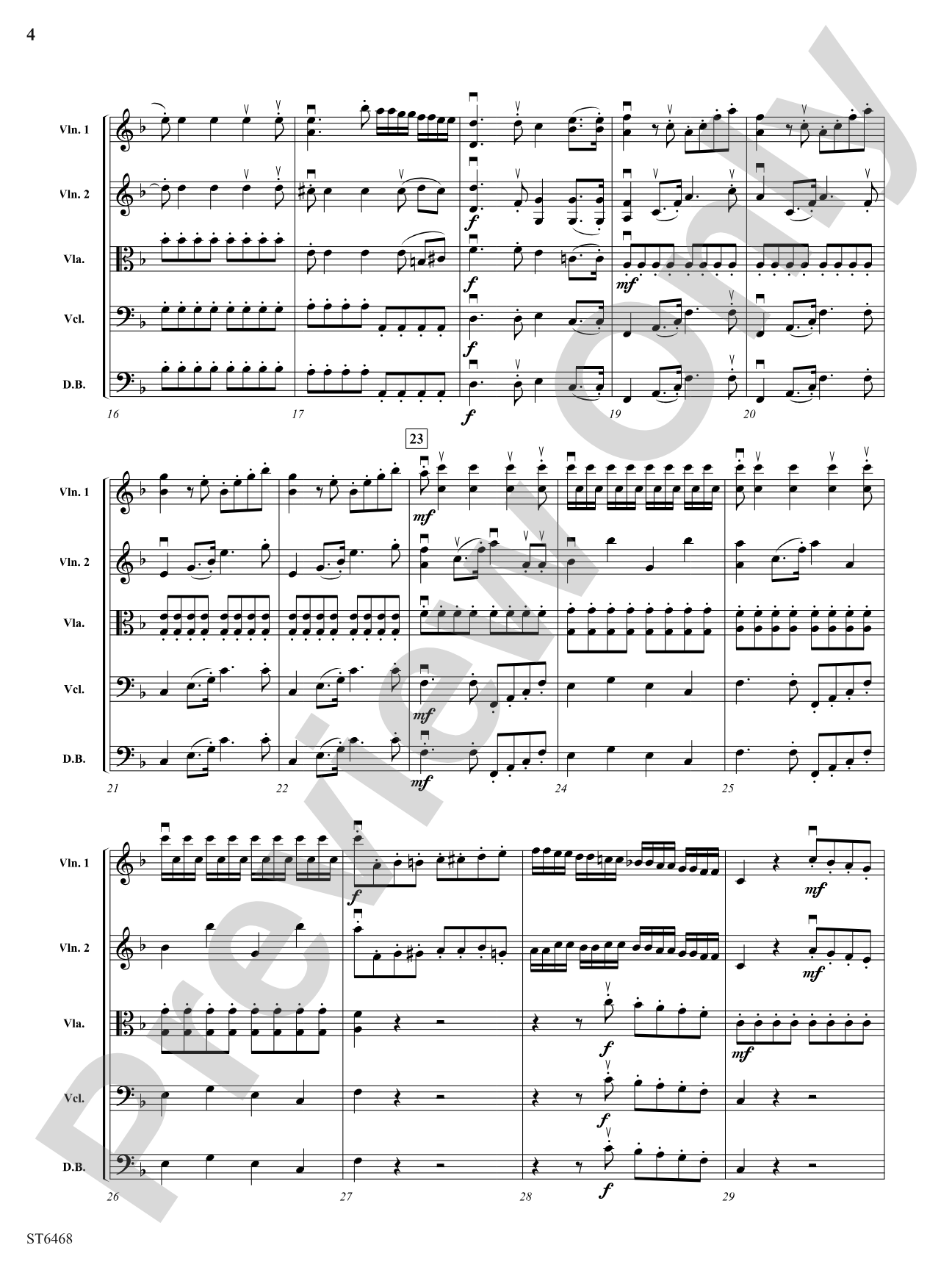
Cannabich was a contemporary of Mozart and Director of the famed Mannheim Court Orchestra, reputed at the time to be the best and most famous orchestra in all of Europe. The first movement of this particular symphony is filled with great drama and wonderful music. This arrangement is incredibly fun to play, exciting to hear, and full of teachable moments.


Sinfonia in D Minor: Score isn't in MakeMusic Cloud just yet...but it could be. Let us know you'd like to see it, and you'll help shape what comes next. In the meantime, start a free trial and dive into thousands of interactive titles your students can play along with today.
Request This Title
Tell us you want it.
Start Your Free Trial
Explore everything that's ready to play right now.
Sample Audio
1
Audio File
--:--
0:00
0:00
Sample Video
Additional Details
Series:
FJH String Orchestra
Publisher:
The FJH Music Company, Inc.
SKU:
98-DST6468S
More about this title
About the Composer: Christian Cannabich
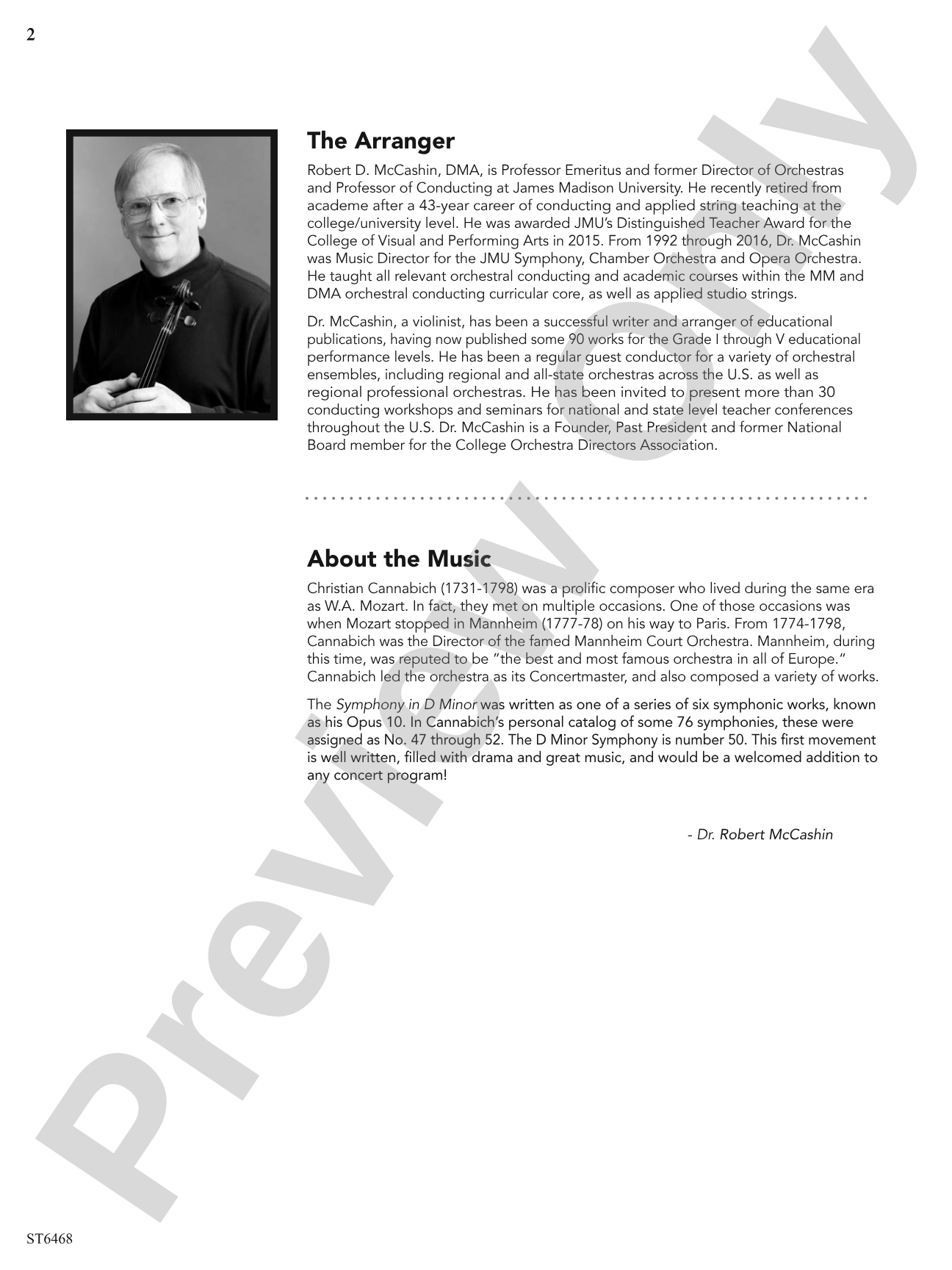
Christian Cannabich (1731-1798) served as Kapellmeister and later Generalmusikdirektor of the Mannheim Court Orchestra, the most celebrated ensemble of the 18th century. His leadership transformed Mannheim into a center of musical innovation, and he composed over 80 symphonies that bridged the Classical style of his era with dramatic intensity and orchestral sophistication.
Cannabich was a mentor to many younger composers and a direct influence on the development of the Classical symphony. His works demonstrate the hallmarks of Mannheim orchestration: precise dynamics, coordinated string writing, and a balance between formal structure and expressive content that made his music admired across Europe alongside that of Mozart and Haydn.
Why we love this
This first movement delivers genuine dramatic stakes without overwhelming a Grade 3.5 string orchestra. The arrangement preserves the architectural clarity of Cannabich's original writing while making it accessible for student musicians; directors get a work that teaches ensemble control and expressive playing without sacrificing musical substance.
What to expect
A window into the grandeur of the Mannheim sound: urgent, finely detailed, and emotionally direct. The opening movement carries a sense of courtly sophistication paired with real dramatic tension, unfolding with the clarity of a master orchestrator at work.
Who it's for
String orchestras at the intermediate level looking for a 18th-century work with genuine substance and drama. Students are ready for the technical and musical demands of Classical-era orchestration, and this piece rewards careful attention to ensemble balance and style.
How to get the most out of it
- Establish the opening theme with clear articulation and unified bow direction in the first violins; this melody carries the emotional weight of the movement and needs to cut through the ensemble.
- Attend carefully to dynamic contrast within phrases. Cannabich scores deliberate crescendos and diminuendos that shape the musical line; small groups of students often rush past these rather than sculpting them.
- Balance the viola and cello parts in the harmonic foundation. These voices anchor the structure, and when they're under-rehearsed, the whole piece loses cohesion.
- Take time on transitions between sections. The dramatic shifts in this movement work best when they feel intentional rather than rushed.
How to use it
Program this as a substantial opening work for a concert featuring 18th-century masterworks, or pair it with a contemporary arrangement to highlight the roots of modern string writing. It also serves well in contest or festival settings where orchestral depth and historical awareness are valued alongside technical execution.
Skills your students will build
- Baroque-to-Classical phrasing and articulation in ensemble contexts
- Dynamic control within sustained passages
- Viola and cello independence in harmonic support
- Reading and responding to conductor direction through complex sectional transitions
- Stylistic awareness of Mannheim orchestral practice