
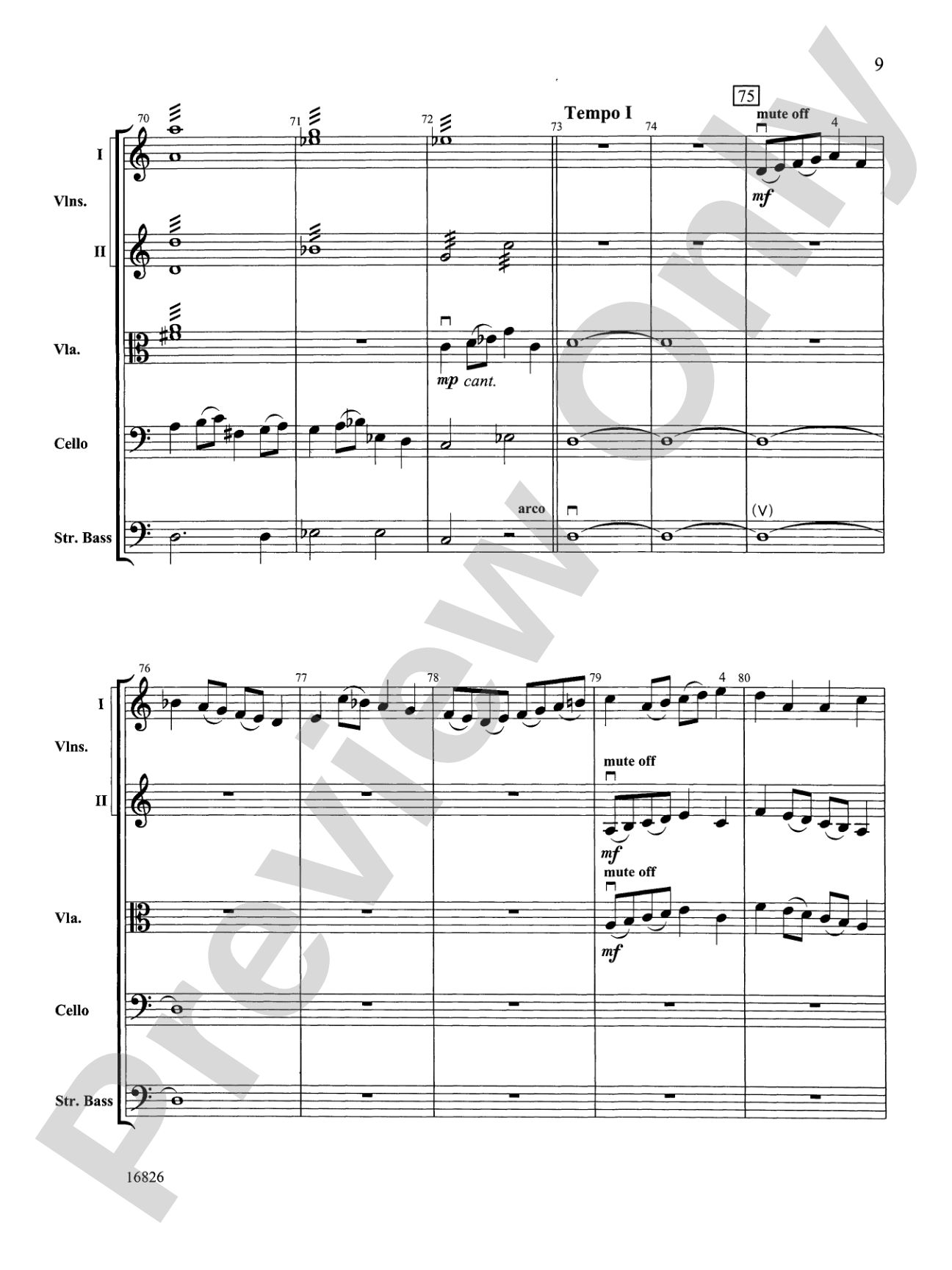
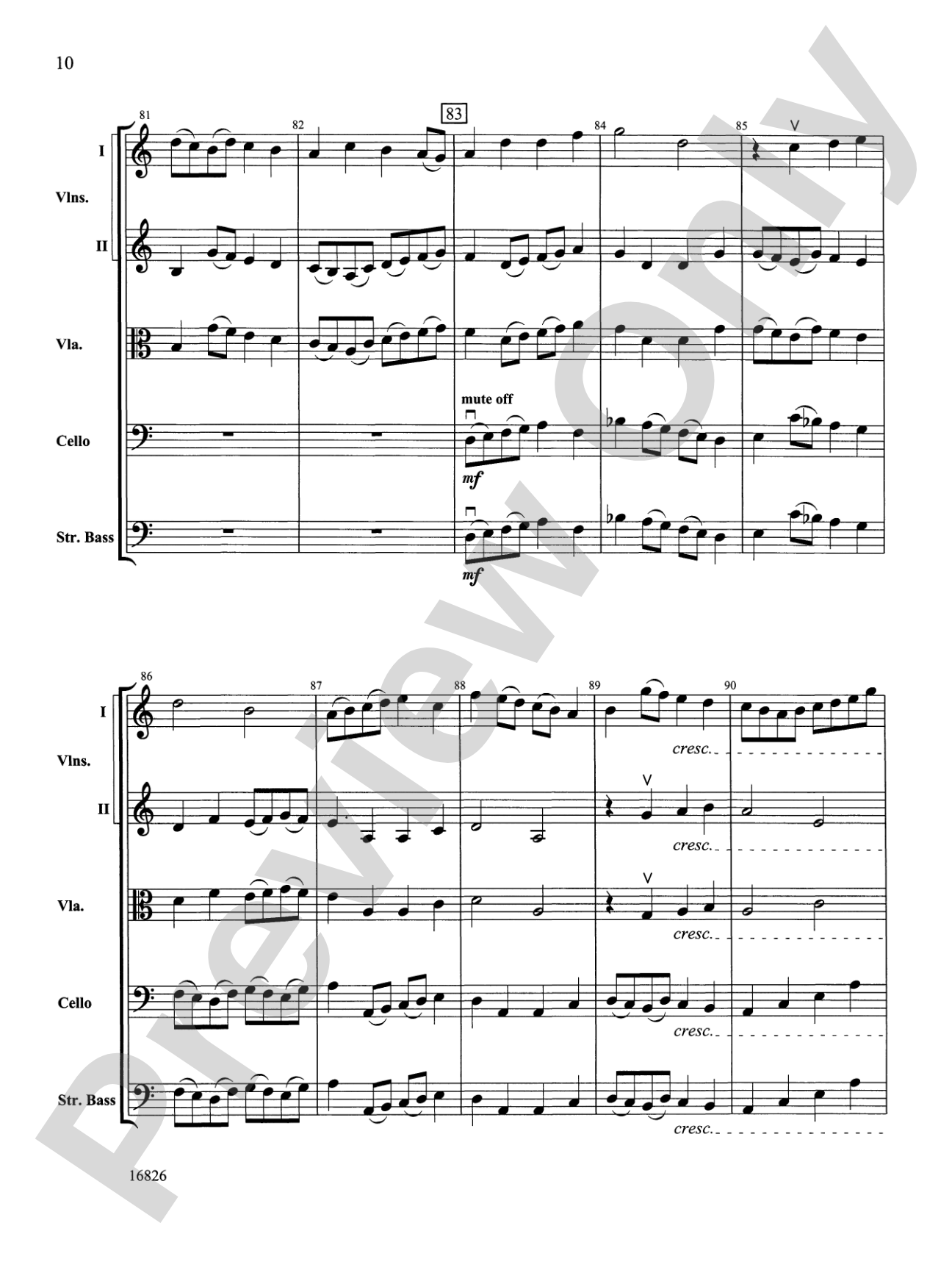
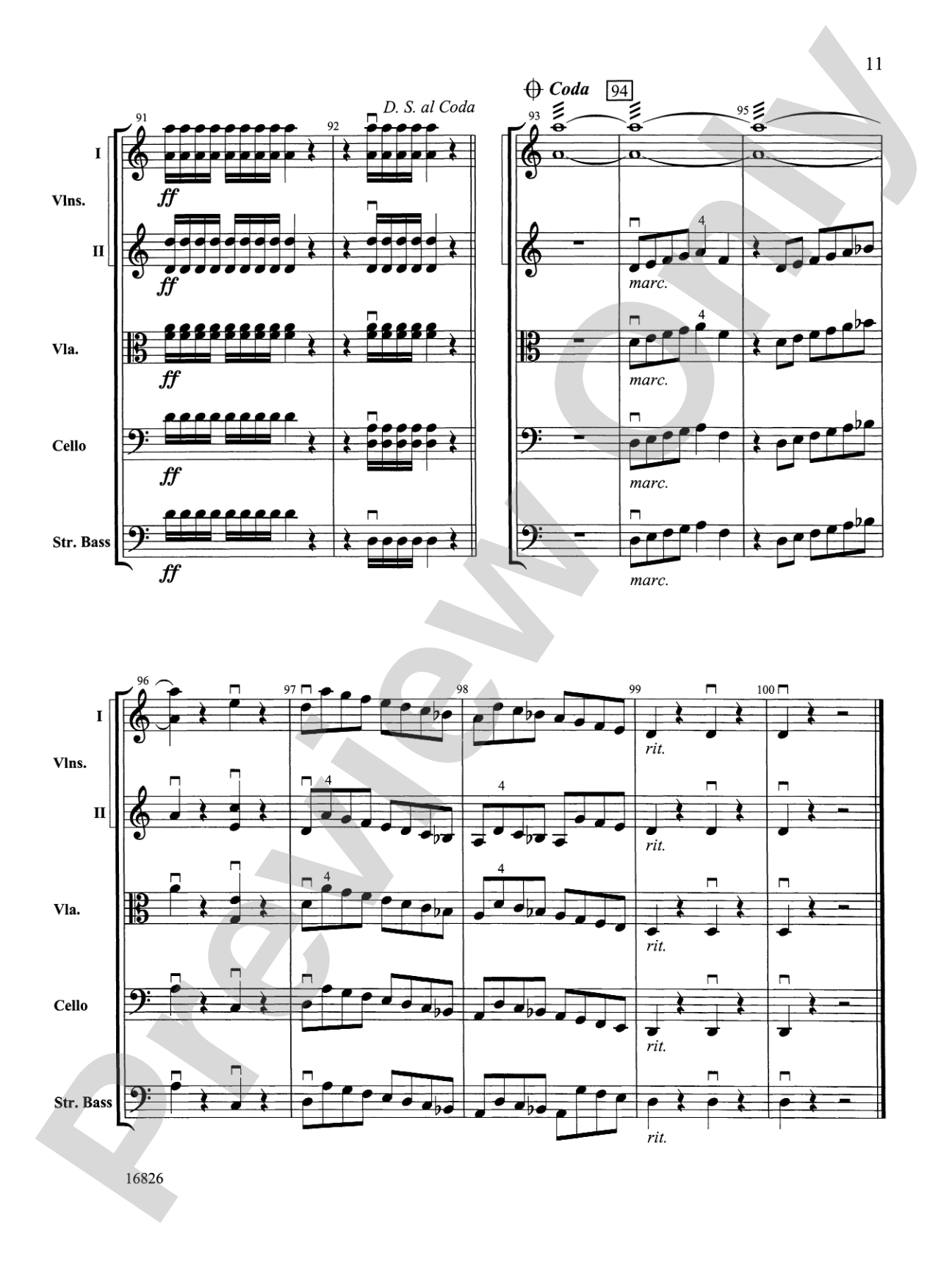


Sinfonia in D: String Orchestra Conductor Score & Parts
By Elliot Del Borgo
Grade: 2
Item: 00-PK-0003953

$62.00
Pickup currently not available
Buy Extra Parts (Digital PDF Download)
| Product | Price | Quantity |
|---|---|---|
| Sinfonia in D: Score | $9.00 | |
| Sinfonia in D: 1st Violin | $5.99 | |
| Sinfonia in D: 2nd Violin | $5.99 | |
| Sinfonia in D: 3rd Violin (Viola [TC]) | $5.99 | |
| Sinfonia in D: Viola | $5.99 | |
| Sinfonia in D: Cello | $5.99 | |
| Sinfonia in D: String Bass | $5.99 |
Parts Added to Cart!
Description
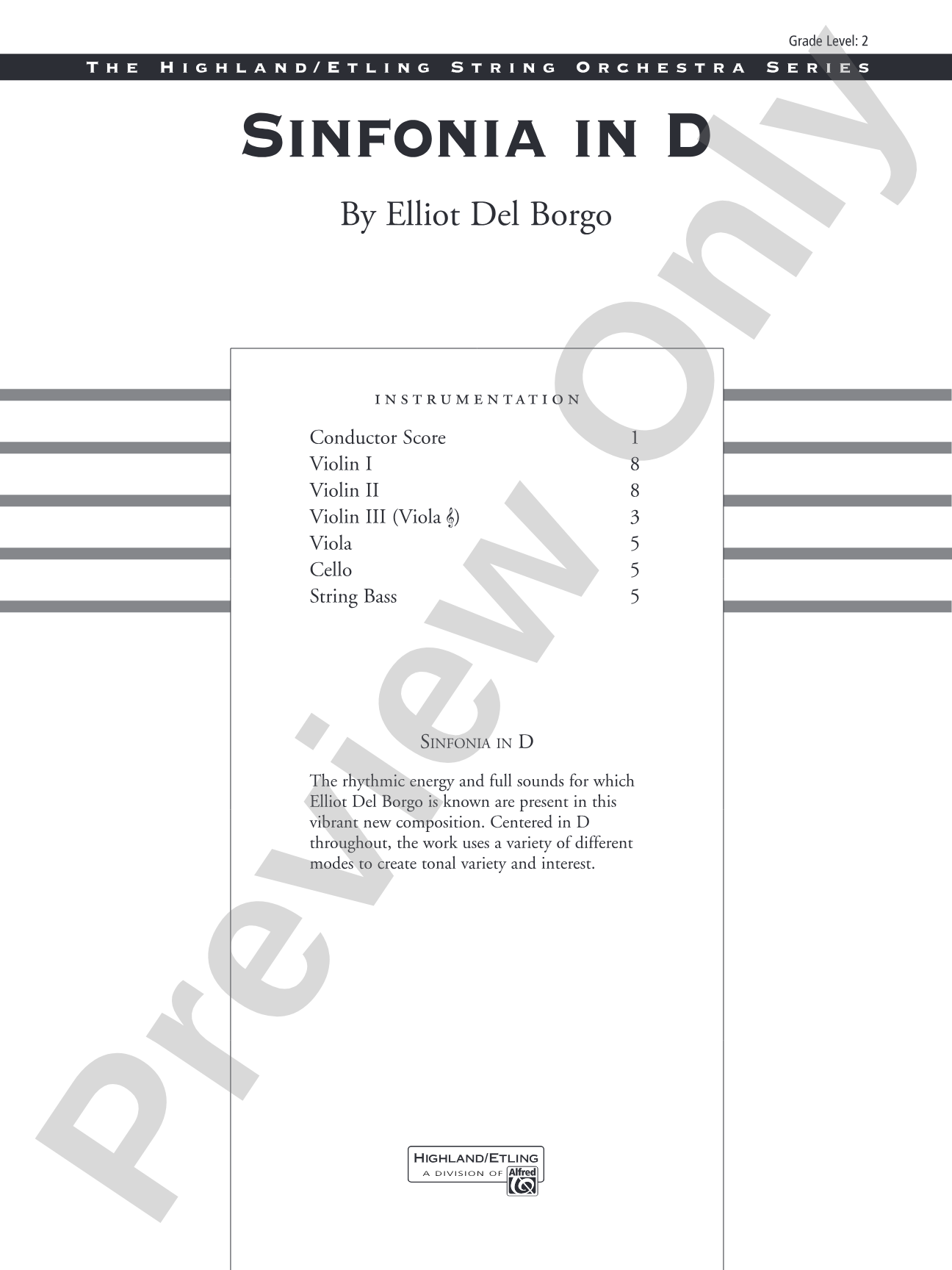
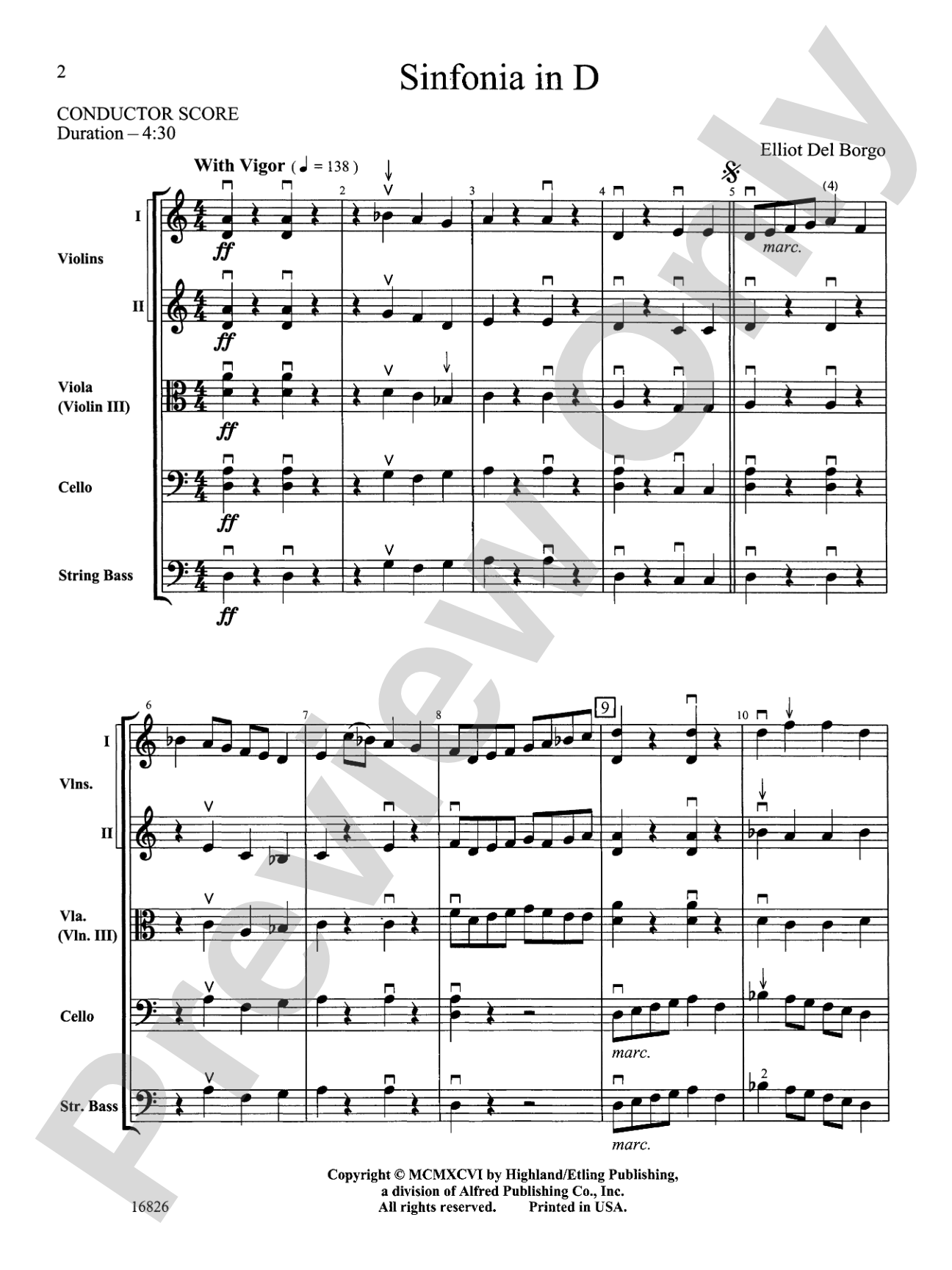
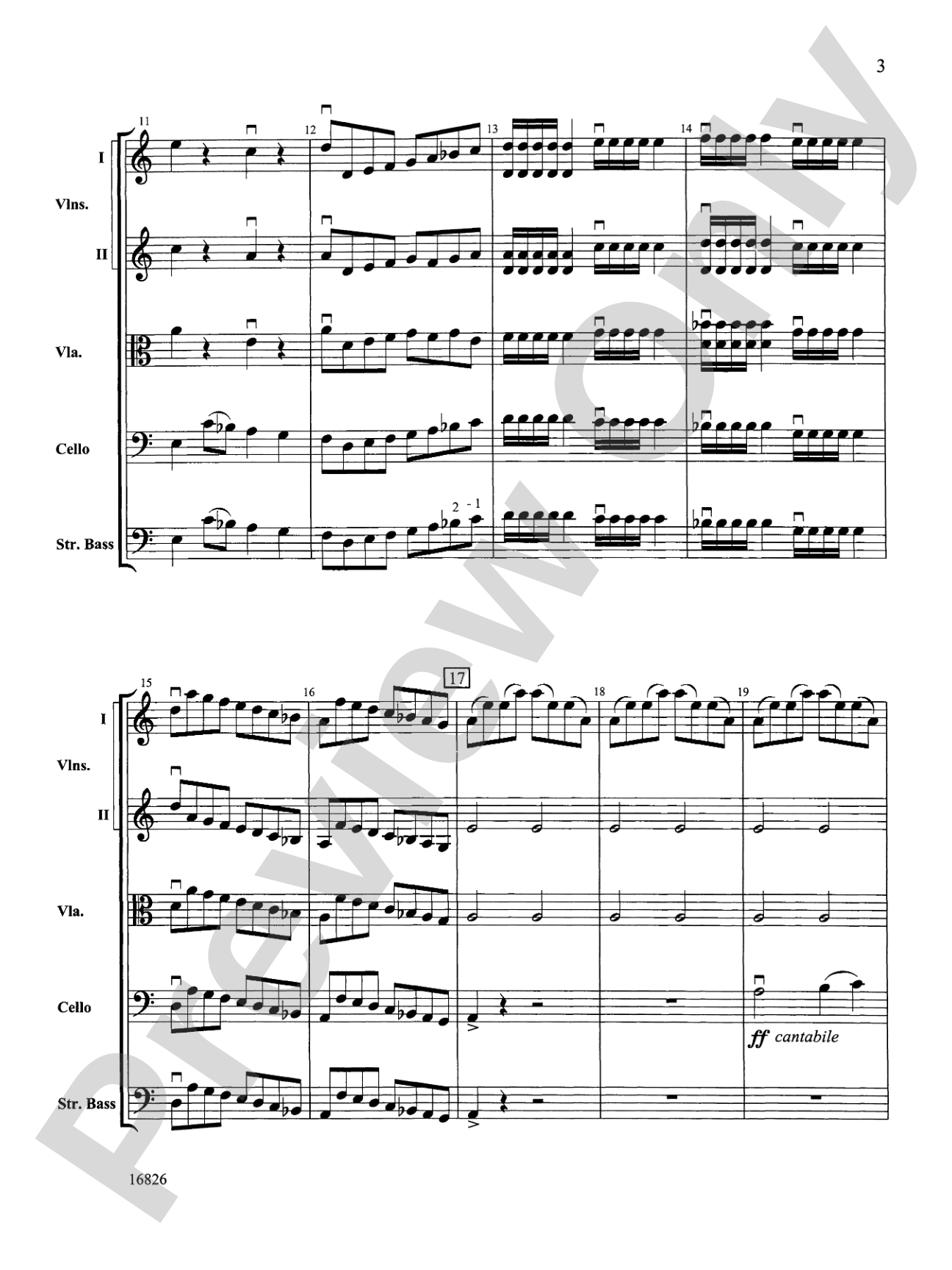
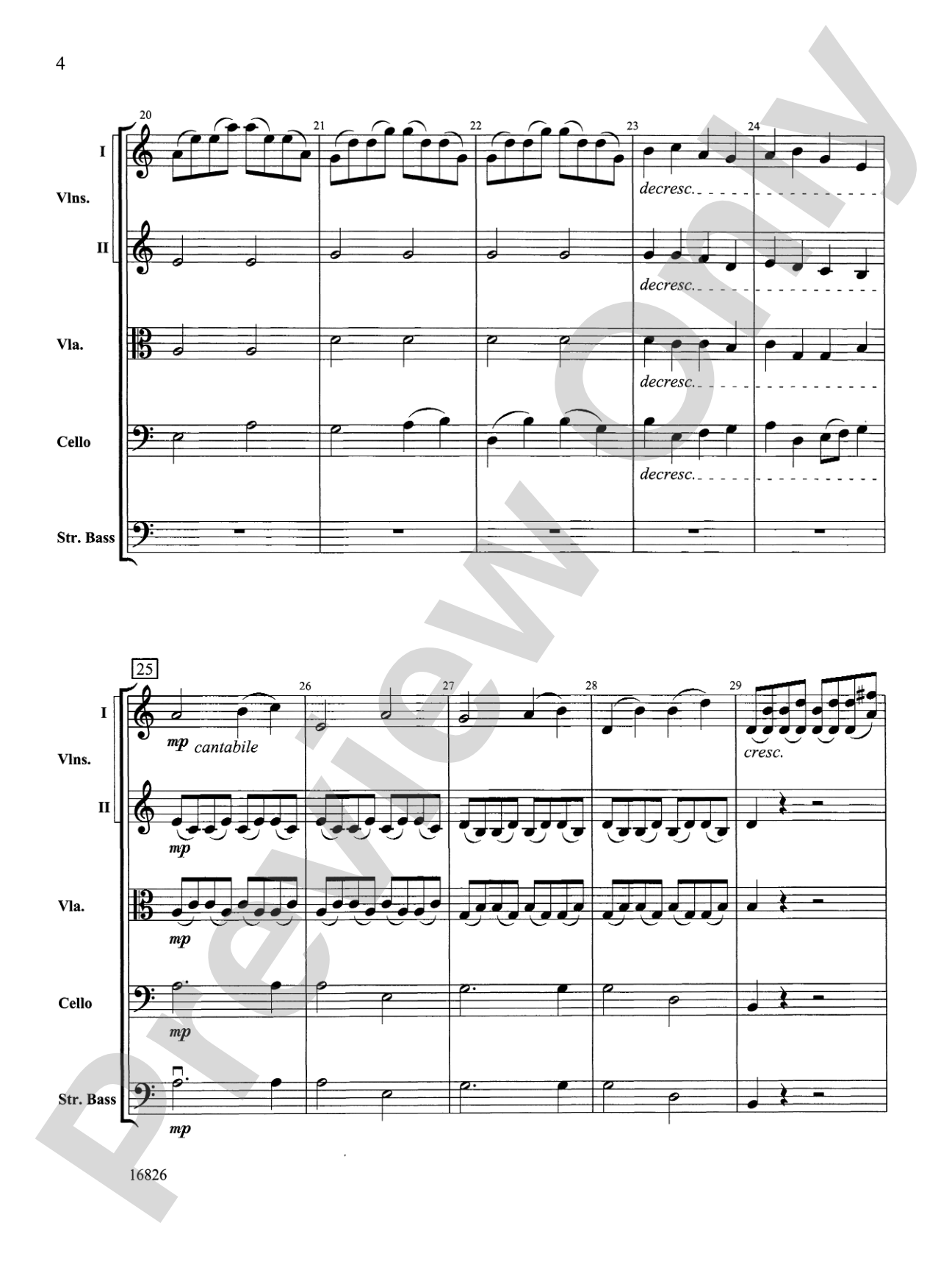
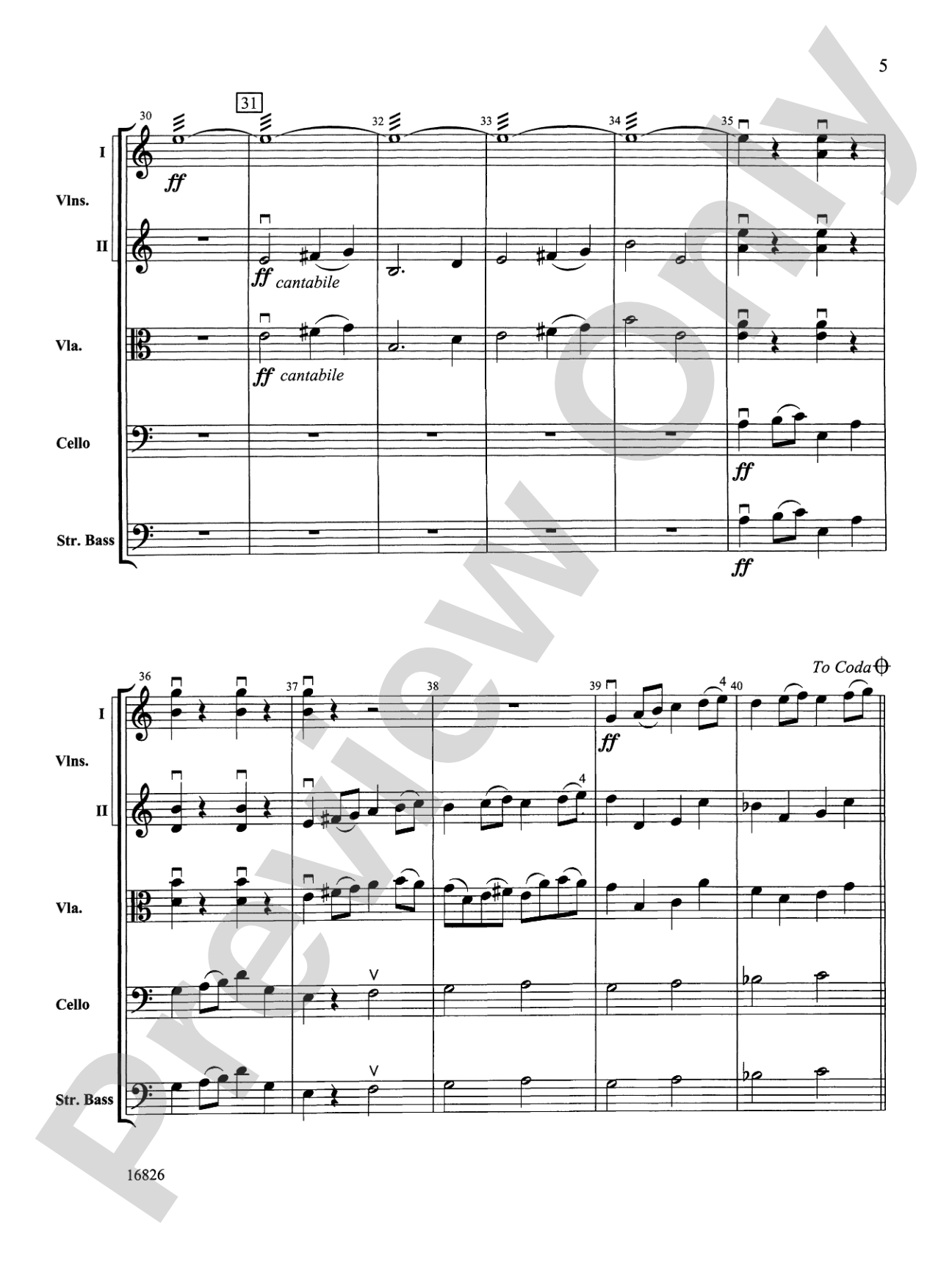
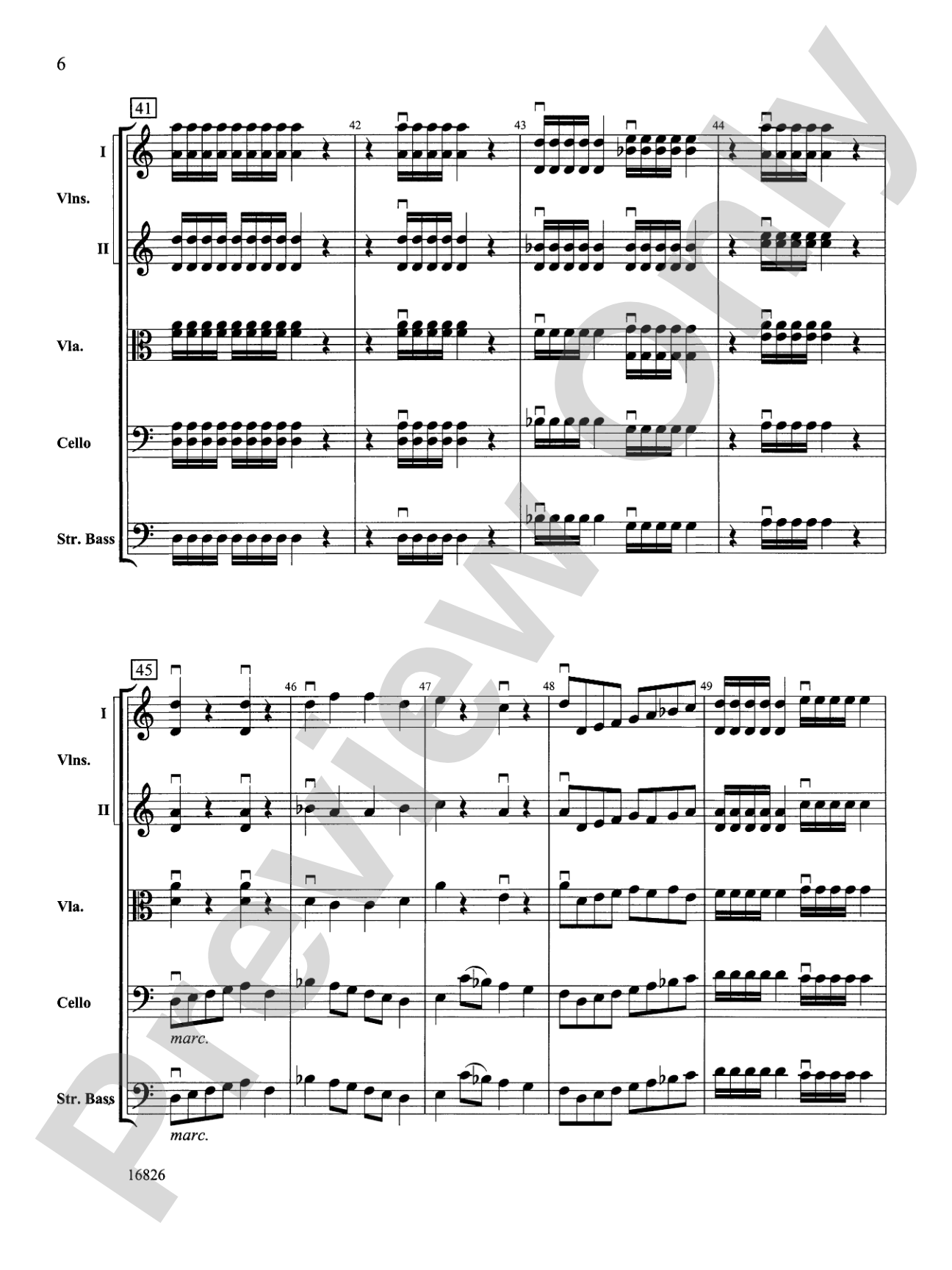
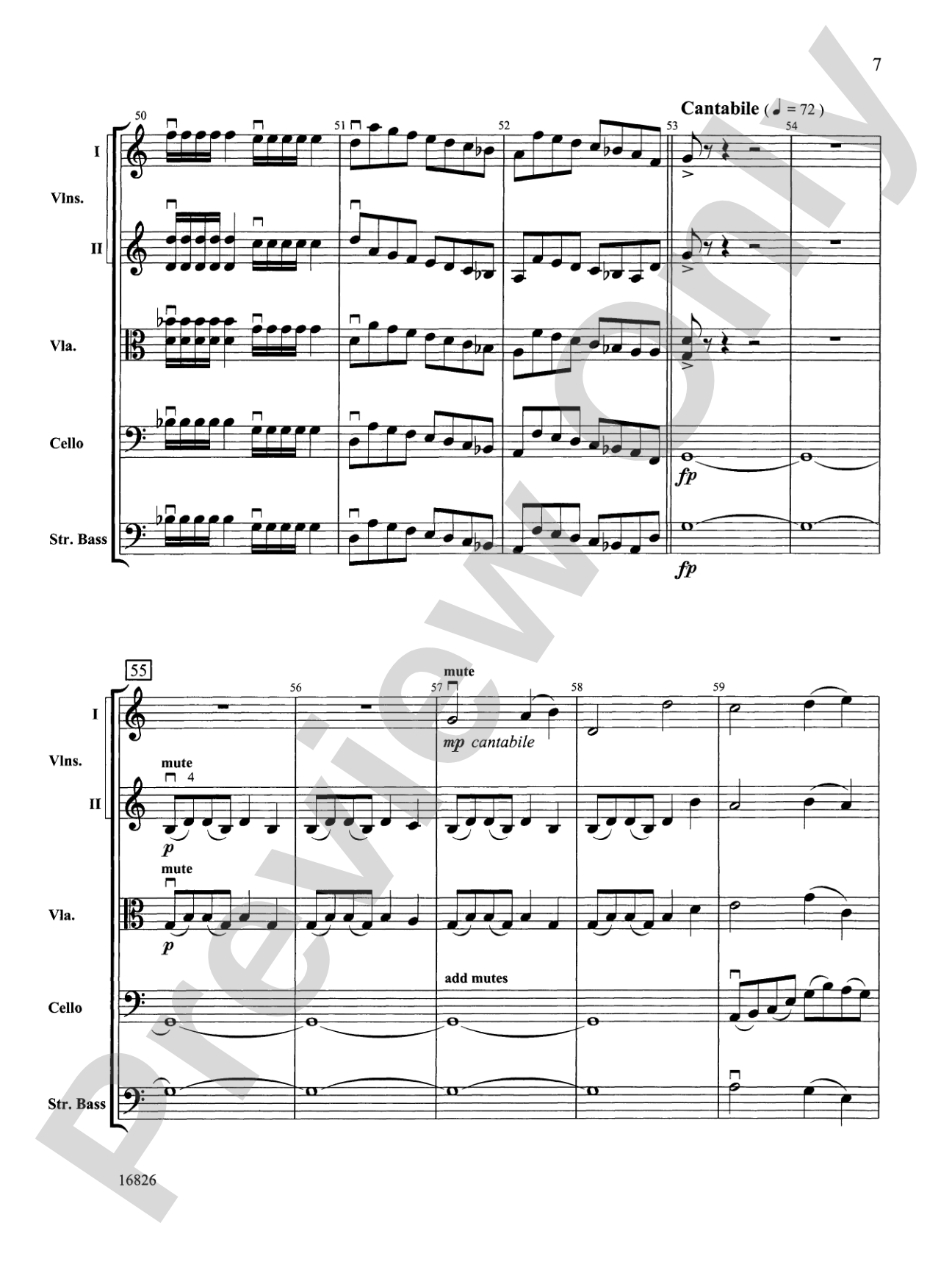
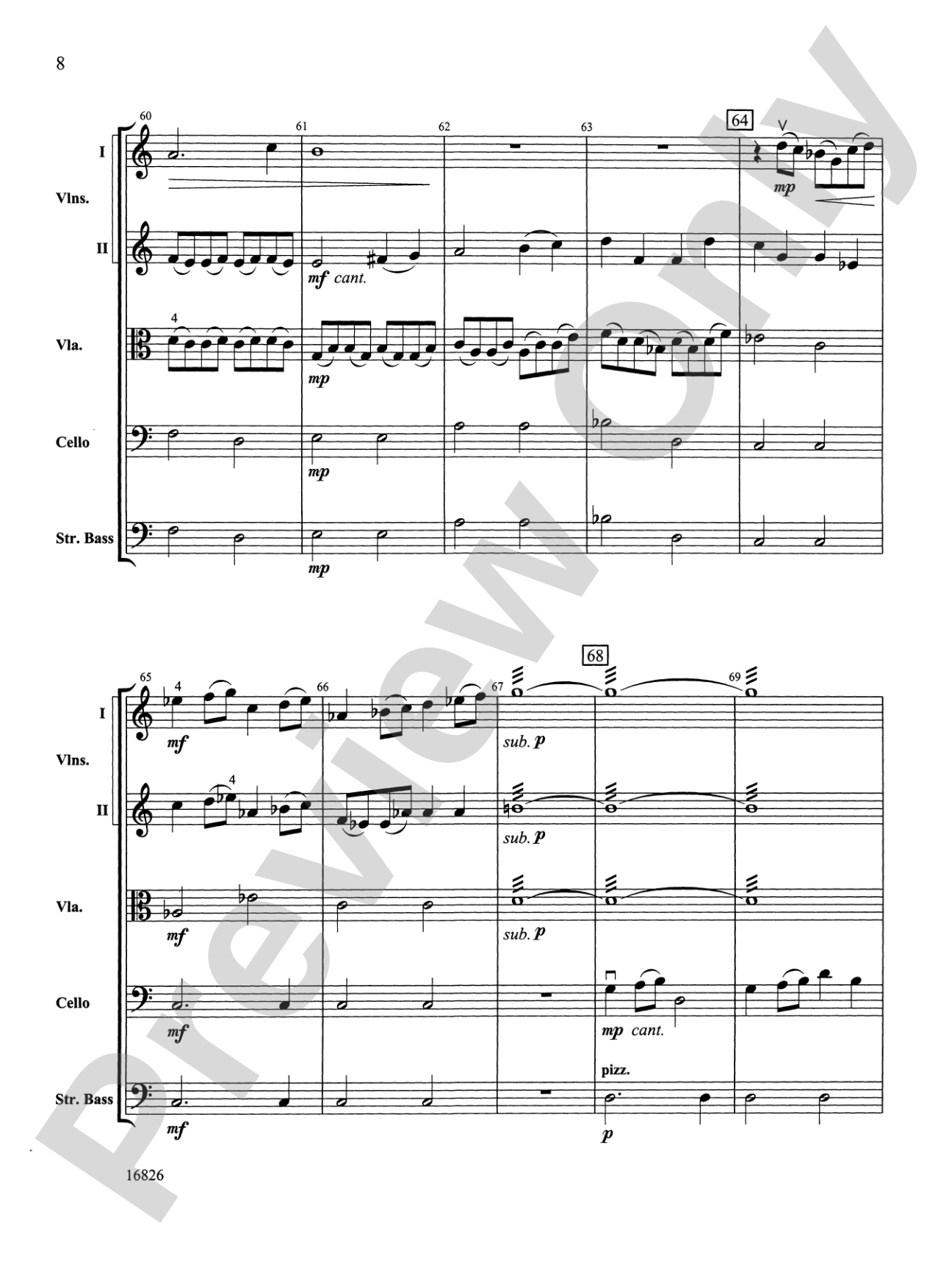
The rhythmic energy and full sounds for which Elliot Del Borgo is known are present in this vibrant new composition. Centered in D throughout, the work uses a variety of different modes to create tonal variety and interest. (Grade 2) This title is available in MakeMusic Cloud.


Don't just read it, hear it, play along with it, and watch your students grow with it. In MakeMusic Cloud, Sinfonia in D: String Orchestra Conductor Score & Parts comes alive with professional accompaniment, adjustable tempo, and built-in practice tools that turn solo practice into real progress.
Open in the Player
Jump straight in and assign it today.
Start Your Free Trial
Open this title and explore the full library in minutes.
Sample Audio
1
Audio File
--:--
0:00
0:00
Sample Video
No sample videos found.
Additional Details
Series:
Highland/Etling String Orchestra
Publisher:
Alfred Music
Page Count:
136
SKU:
00-PK-0003953
More about this title
About the Composer: Elliot Del Borgo
Elliot Del Borgo is a prolific composer and arranger whose works dominate the school band and string orchestra repertoire. His gift for crafting accessible yet musically substantial pieces has made him a fixture in concert programs at all levels, from middle school through professional ensembles.
Del Borgo's compositional voice balances rhythmic vitality with clear harmonic frameworks. He understands student musicians deeply and writes idiomatically for their instruments, creating parts that are engaging to play while remaining teachable. His works appear regularly on contest and festival programs across North America.
Why we love this
Del Borgo's rhythmic drive and textural clarity make this sinfonia immediately engaging for young orchestras. The modal variety keeps the harmonic language fresh without requiring advanced theoretical knowledge from your players, and the Grade 2 accessibility means developing orchestras can tackle a structurally confident work rather than a simplified sketch of one.
What to expect
Spirited and modern without being austere. The rhythmic drive and bright D major center give the piece forward momentum and optimism, while the modal excursions add color and depth. It feels like a piece that knows what it wants to say musically.
Who it's for
Growing string orchestras ready to play a piece with genuine compositional confidence and structural integrity. This work suits orchestras that have solid intonation and rhythmic control and want to program something substantial without the technical demands of Grade 3 or 4 repertoire.
How to get the most out of it
- Establish the pulse clearly in the opening measures. Del Borgo's rhythmic energy depends on your musicians finding the groove early, especially in the sections where melodic lines overlap.
- Bring out the modal shifts in rehearsal as intentional color changes rather than harmonic accidents. Label them in your parts so violins and violas understand when the tonal center tilts.
- Balance full section moments with the transparency of isolated lines. The variety Del Borgo achieves often comes from letting thinner textures breathe before building back to full sound.
- Shape phrases across the bar lines. Young string players sometimes stop at the barline; encourage them to hear musical ideas as continuous lines that extend beyond measure boundaries.
How to use it
Program this as a concert opener or a mid-program energy boost. Its Grade 2 accessibility and contest appeal make it ideal for a spring festival performance, or include it on a concert pairing it with a slower work to showcase your orchestra's range. The manageable page count and clear orchestration also make it a solid choice for students preparing for their first festival experience.
Skills your students will build
- Identifying and responding to modal shifts in real time
- Executing rhythmic precision in energetic tempos
- Balancing intonation across a full harmonic palette
- Maintaining ensemble cohesion when textural density changes
- Shaping longer phrases with intentional dynamic and tonal direction