Simply Classic, Book 1 Cover Image

Simply Classic, Book 1: Piano Book

$7.99 USD
Sale price  $7.99 USD Regular price 
Skip to product information
Simply Classic, Book 1 Cover Image

Simply Classic, Book 1: Piano Book

13 Favorite Piano Classics Arranged for Elementary Students of All Ages

Arranged by Margaret Goldston

Level: Elementary

Item: 00-6052

$7.99
Shipped

One moment…

Description
These collections are filled with simplified excerpts from well-known piano solos by the masters, arranged for elementary to early intermediate level students. These books are perfect for students who just can't wait to play their favorite classic pieces. The "simply classic" melodies in Book 1 are approximately equal in difficulty to Level 1B of Alfred's Basic Piano Library or any second-level piano course.

Simply Classic, Book 1: Piano Book isn't in MakeMusic Cloud just yet...but it could be. Let us know you'd like to see it, and you'll help shape what comes next. In the meantime, start a free trial and dive into thousands of interactive titles your students can play along with today.

Sample Pages

Sample Audio
No sample audio found.
Sample Video
Additional Details
Series: Simply Classic
Publisher: Alfred Music
Page Count: 24
ISBN10: 0-7390-1202-9
ISBN13: 978-0-7390-1202-4
UPC: 038081011226
SKU: 00-6052

More about this title

About the Arranger: Margaret Goldston
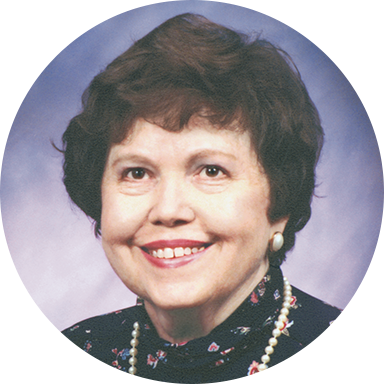
Margaret Goldston

Margaret Goldston (1932-2003) was a pianist, composer, and clinician whose career centered on connecting students with meaningful repertoire. She earned her Bachelor of Music degree in piano performance from Louisiana State University and maintained a teaching studio in North Carolina where she worked with students across all ages and levels.

Goldston's contributions to music education earned her recognition as Composer of the Year by the North Carolina Federation of Music Clubs in both 1983 and 1994. She studied composition privately with Pulitzer Prize-winning composer Robert Ward and conducted masterclasses and teacher workshops throughout the United States and Canada. Her original compositions appear regularly on contest lists and festival bulletins, and she received posthumous honors including the Music Teachers National Association Foundation Fellow designation in 2020.

Why we love this

Goldston understood what keeps young pianists engaged: the chance to play pieces they recognize and love, but at a level where success is actually possible. These arrangements preserve the character and charm of masterworks while removing the technical barriers that frustrate beginners, making this collection invaluable for motivating students in their second year of study.

What to expect

Opening this book feels like stepping into a gallery of musical masterpieces scaled to fit a young pianist's hands and comprehension. Each piece carries the elegance and emotional weight of its original, just distilled to its essence. There's a genuine beauty in playing Chopin or Mozart or Beethoven at this age, even in simplified form.

Who it's for

Second-year piano students who are ready to move beyond method book etudes and taste real classical repertoire. These simplified versions work equally well for students in a group class setting or private lessons, offering the immediate gratification that keeps young players motivated and invested in practicing.

How to get the most out of it

  • Pay attention to phrasing even in simplified passages. The melodies that made these pieces famous deserve singing, thoughtful interpretation, not just note-perfect accuracy.
  • Use the page count strategically. At 24 pages, you can introduce a new piece every lesson or every other lesson, keeping the collection fresh throughout the semester.
  • Listen to recordings of the original works with your students before they play the arrangements. Hearing the full context helps them understand why these melodies matter and gives them something to reach toward.

How to use it

Use Book 1 as your primary source for solo repertoire assignments in levels 1B through early intermediate, where students need achievable concert pieces with real musical substance. You might also draw from it when constructing recital programs that mix student compositions with classic arrangements, creating a bridge between original and arranged music.

Skills your students will build

  • Playing legato and staccato articulation distinctly
  • Recognizing and interpreting simple dynamic markings and tempo indications
  • Sustaining melodic phrasing across multi-measure phrases
  • Transferring newly learned pieces from page to performance in a reasonable time frame
  • Understanding stylistic traits of different composers through their melodies

You May Also Like