Simply Brubeck Cover Image

Simply Brubeck: Piano Book

$12.95 USD
Sale price  $12.95 USD Regular price 
Skip to product information
Simply Brubeck Cover Image

Simply Brubeck: Piano Book

The Music of Dave Brubeck: 26 of His Top Jazz Classics

By Dave Brubeck / arr. Bruce Nelson

Level: Easy Piano

Item: 00-27048

$12.95
Shipped

One moment…

Description
Simply Brubeck is a collection of the most engaging compositions by jazz pianist, Dave Brubeck. Phrase markings, articulations, fingering and dynamics have been included to aid with interpretation, and a large print size makes the notation easy to read. Titles: Audrey * Autumn in Our Town * Blue Lake Tahoe * Blue Rondo a la Turk * Blue Shadows in the Street * Bossa Nova U.S.A. * Broadway Bossa Nova * The Duke * Everybody's Jumpin' * Far More Blue * (I Still Am in Love with) A Girl Named Oli * In Your Own Sweet Way * It's a Raggy Waltz * King for a Day * Maori Blues * Mr. Fats * Newport Waltz * Softly, William, Softly * Strange Meadowlark * Summer Song * Sweet Cleo Brown * Take Five * Three to Get Ready * Unisphere * Unsquare Dance.

Simply Brubeck: Piano Book isn't in MakeMusic Cloud just yet...but it could be. Let us know you'd like to see it, and you'll help shape what comes next. In the meantime, start a free trial and dive into thousands of interactive titles your students can play along with today.

Sample Pages

Sample Audio
No sample audio found.
Sample Video
Additional Details
Series: Simply Series
Publisher: Alfred Music
Page Count: 80
ISBN10: 0-7390-4496-6
ISBN13: 978-0-7390-4496-4
UPC: 038081292571
SKU: 00-27048

More about this title

About the Composer: Dave Brubeck
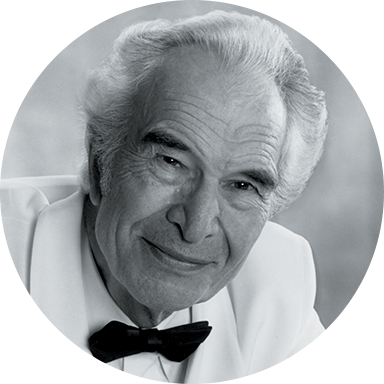
Dave Brubeck

Dave Brubeck built his legacy as both a virtuoso improviser and a meticulous composer who refused to keep jazz and classical music separate. His formal training under Darius Milhaud at Mills College gave him the tools to write large-scale works (choral pieces, orchestral compositions, oratorios, and ballets), while his deep roots in jazz gave those works an unmistakable rhythmic sophistication and harmonic freshness. He broke new ground in the recording industry with Time Out, the first jazz album to sell over a million copies, and became an advocate for racial integration in American music during a pivotal moment in the mid-twentieth century.

Beyond the bandstand, Brubeck's choral and sacred music has been performed worldwide, from cathedrals in Washington, DC to concert halls across Europe. His Grammy Lifetime Achievement Award, his 2003 induction into the American Classical Music Hall of Fame, and honors from Austria and the London Symphony Orchestra affirm the breadth of his contribution to music. Brubeck's ability to write in multiple genres without compromising artistic integrity remains his defining strength.

Why we love this

This collection captures Brubeck's compositional voice in an accessible format that doesn't sacrifice musicality. The arranger's attention to fingering, phrasing, and dynamics lifts these pieces beyond note-reading exercises; pianists encounter real interpretive choices from the page. For a teaching library, these selections balance his most recognizable works (Take Five, Unsquare Dance) with deeper cuts that reveal the range of his writing across blues, bossa nova, and waltz forms.

What to expect

These pieces breathe with the relaxed sophistication of someone who spent decades on a bandstand. Melodies sing over walking bass lines and gentle chord changes; rhythms play with expectations without abandoning groove. There's a warmth here, sometimes bluesy, sometimes breezy, always grounded in Brubeck's ear for what makes a tune memorable and singable.

Who it's for

Early-intermediate pianists who want to move beyond classical repertoire and explore jazz composition without requiring advanced sight-reading or improvisation skills. Students interested in American music history and the intersection of classical training with jazz language will find concrete examples throughout. Teachers building a recital program around a single composer or introducing jazz standards in an accessible key.

How to get the most out of it

  • Pay close attention to the phrasing marks rather than treating Brubeck's melodies as straight rhythmic lines; his jazz origins shaped how he sculpts musical phrases, and respecting those contours makes the difference between correct notes and convincing performance.
  • Use the suggested fingerings to unlock the harmonic movement beneath the melody; Brubeck often voices chords in ways that reward careful hand positioning and smooth voice-leading.
  • Lean into the rhythmic specificity of pieces like It's a Raggy Waltz and Unsquare Dance by practicing with a metronome to lock the unusual meters before relaxing into swing feel.
  • Balance the jazz idiom with clarity; these pieces work best when the accompaniment grooves steadily beneath a conversational melodic line, not when everything swings equally hard.

How to use it

Slot these pieces into recitals or student showcases as a palate cleanser between classical and romantic repertoire, or build an entire program around Brubeck's compositional range. They work well in a jazz appreciation unit or as a bridge for young pianists transitioning from classical study into improvisation. The variety of styles (waltz, bossa nova, blues, raggy) means you can program selections thematically or simply choose what matches your students' interests and technical readiness.

Skills your students will build

  • Reading jazz chord symbols and comping rhythms
  • Playing swing and bossa nova feels with proper articulation
  • Interpreting phrase markings and dynamics in non-classical contexts
  • Recognizing and performing blues and ragtime inflections
  • Managing unusual meters (3/4 and 4/4 mixed in dance forms)
  • Balancing melody and accompaniment across both hands

You May Also Like