

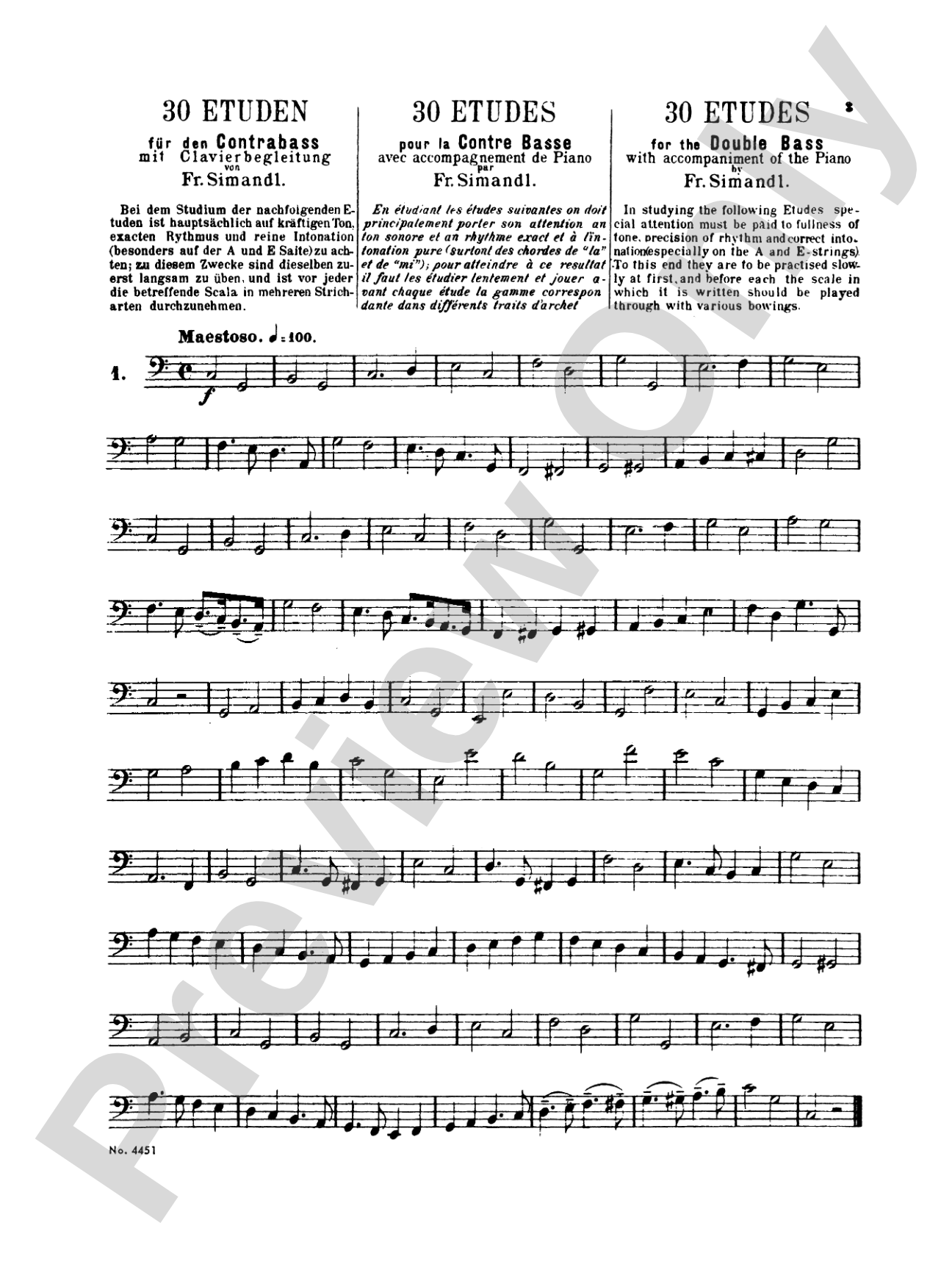
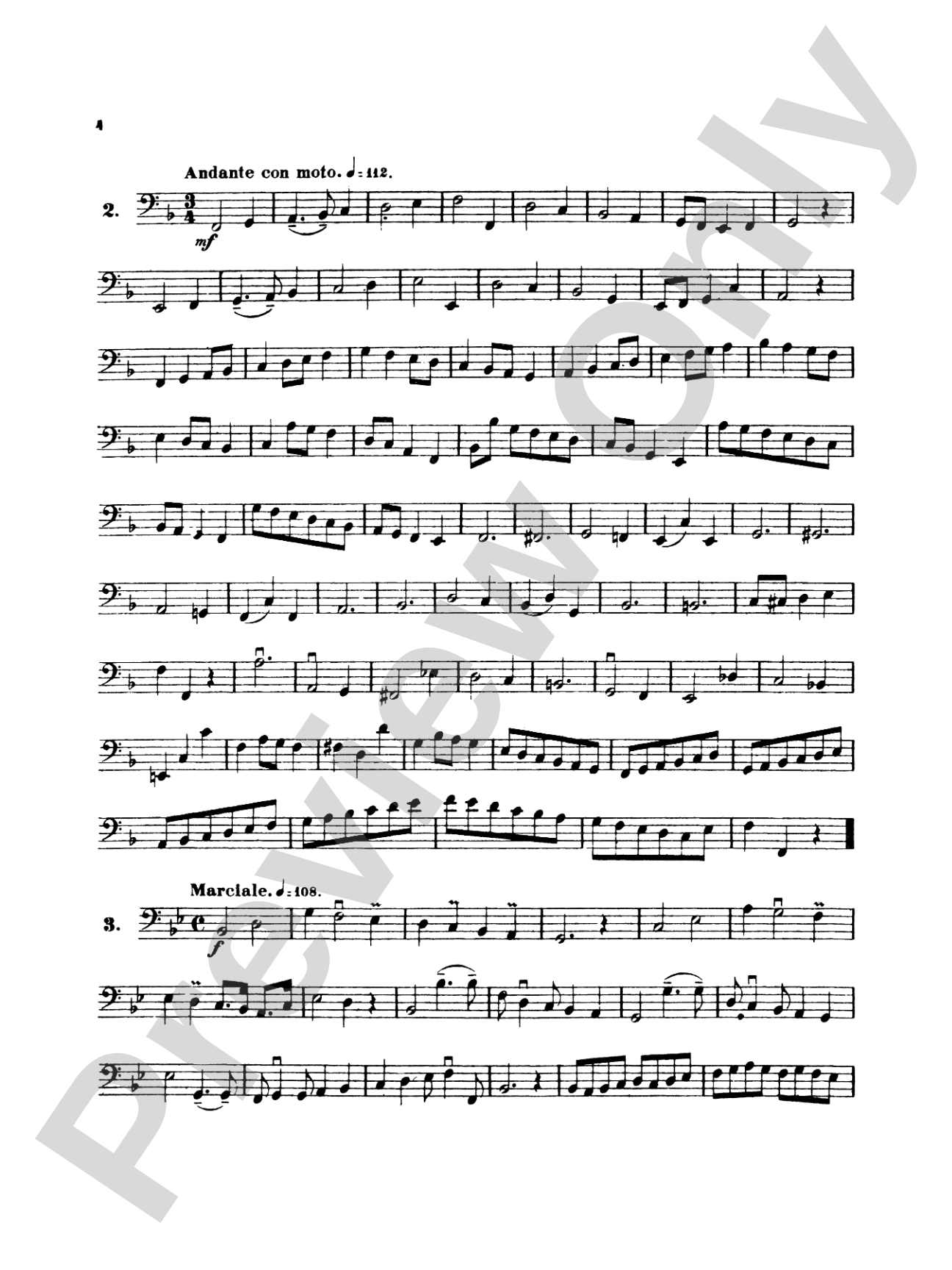
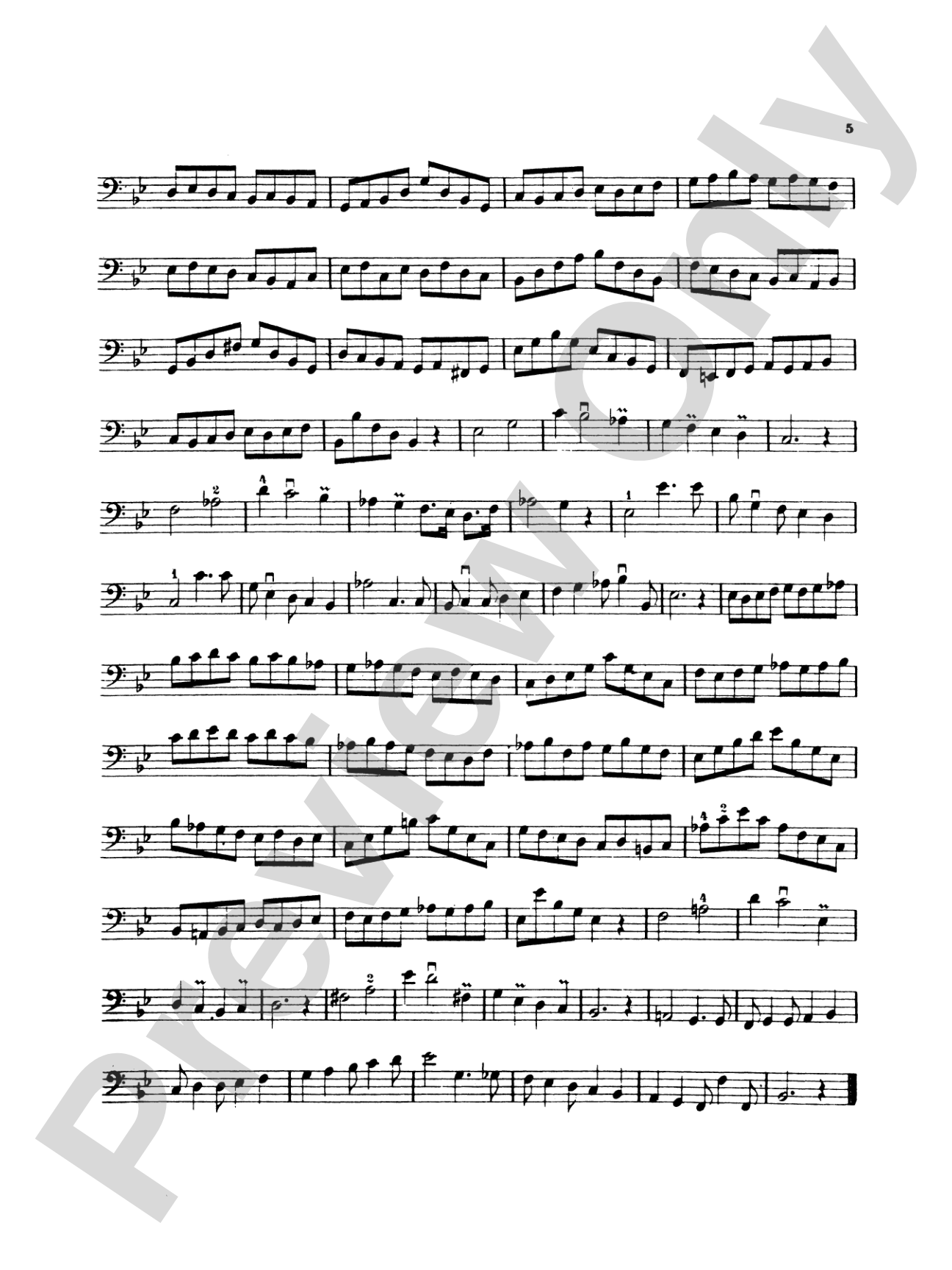
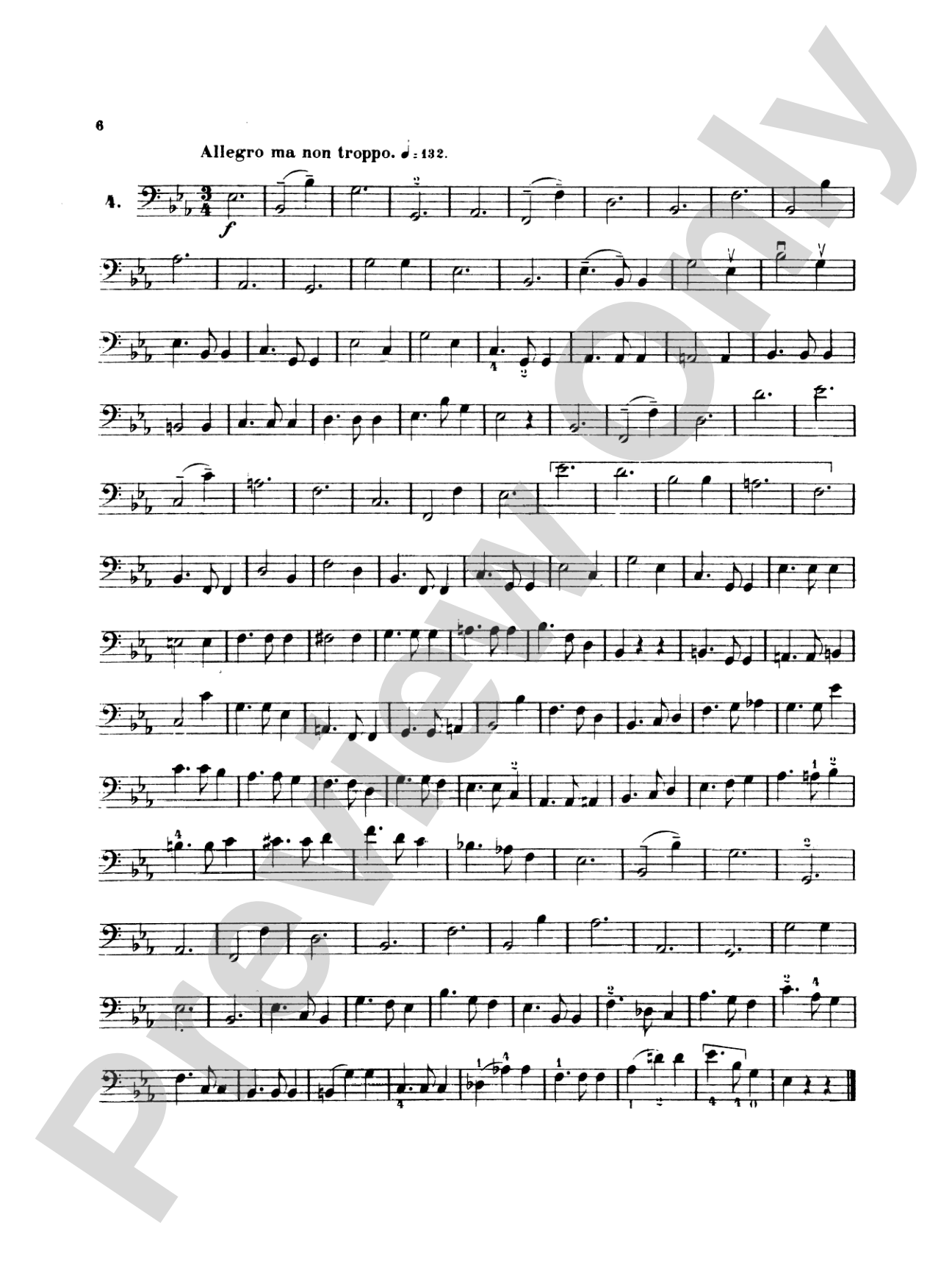
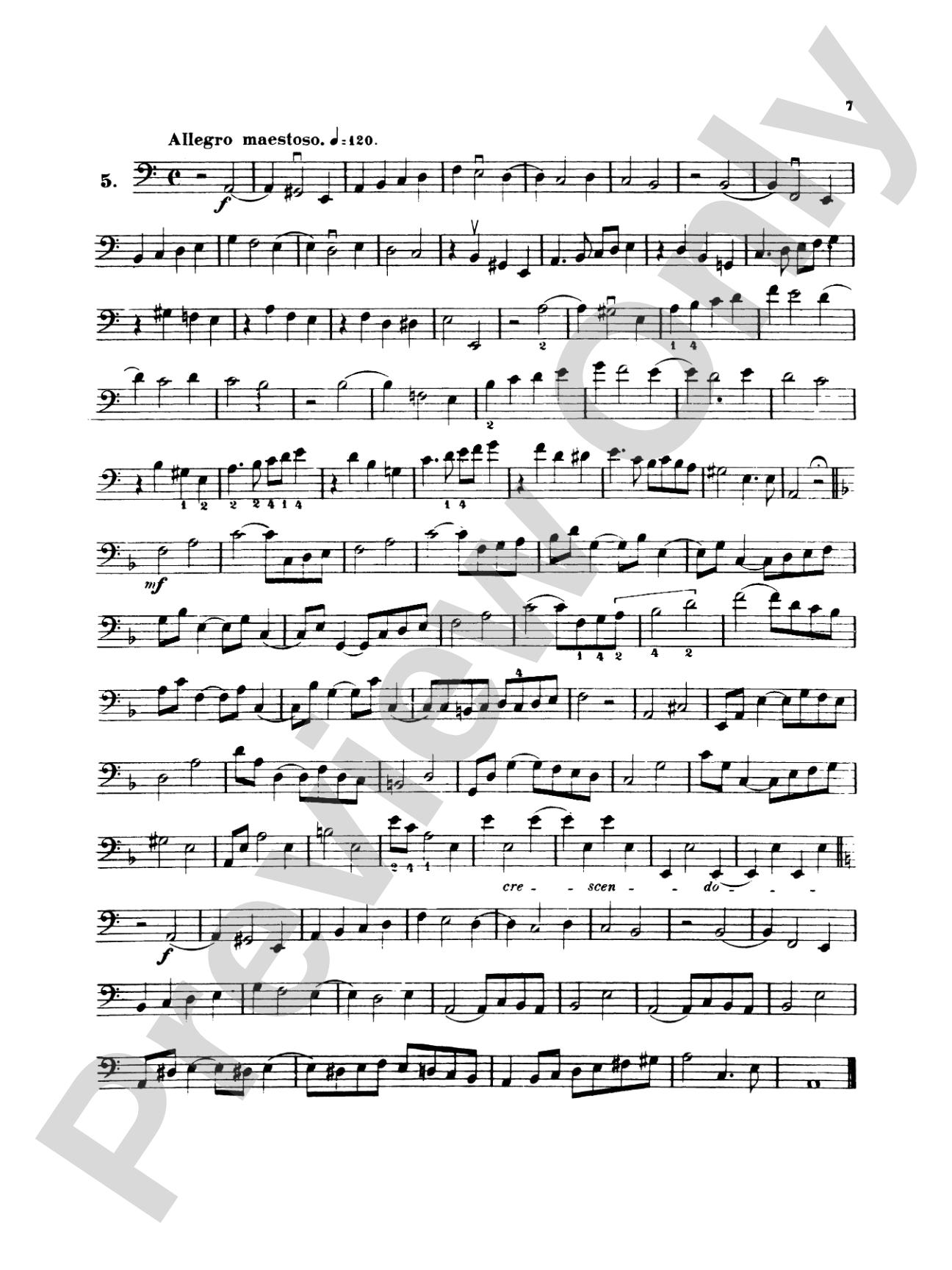
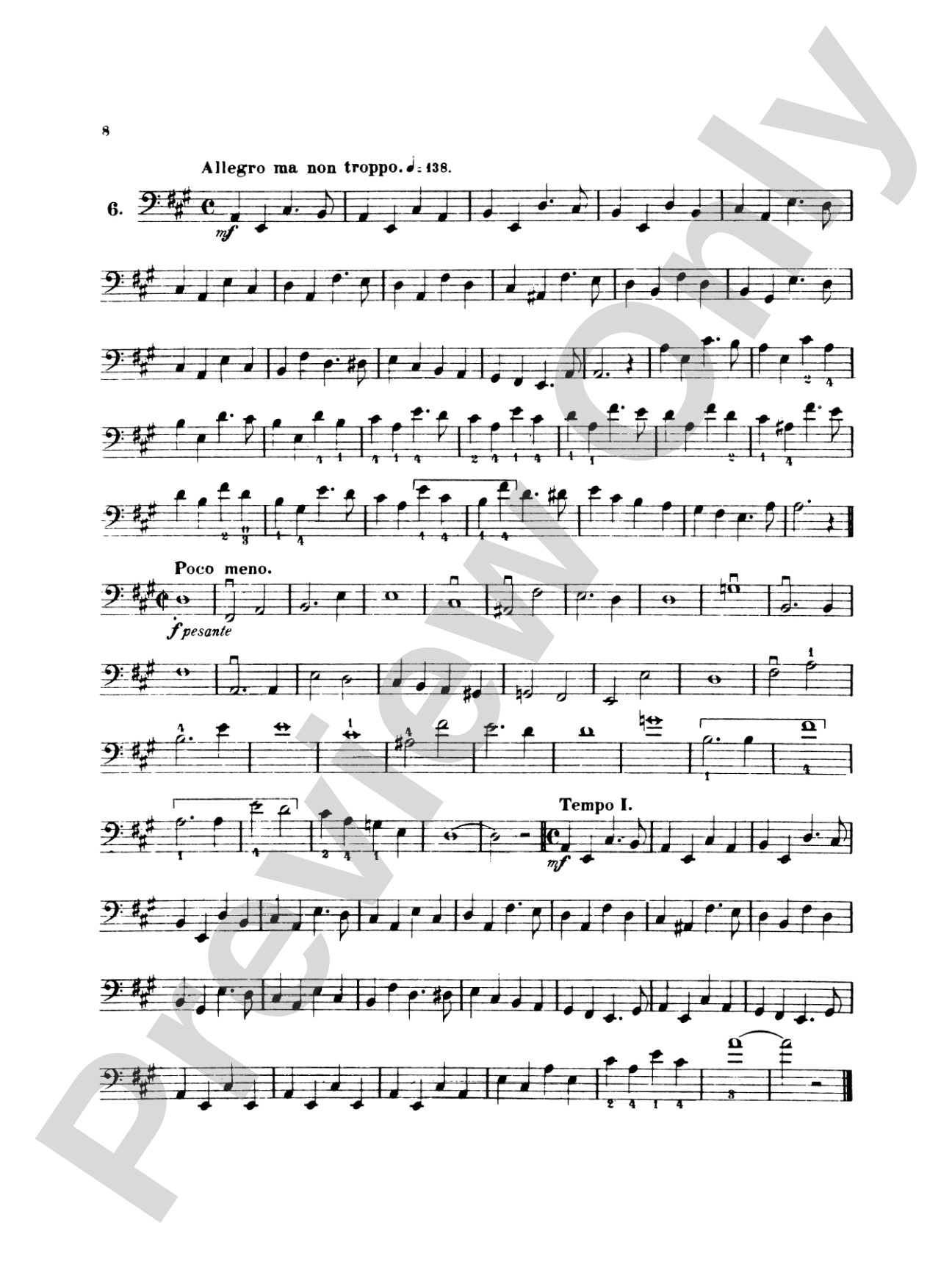
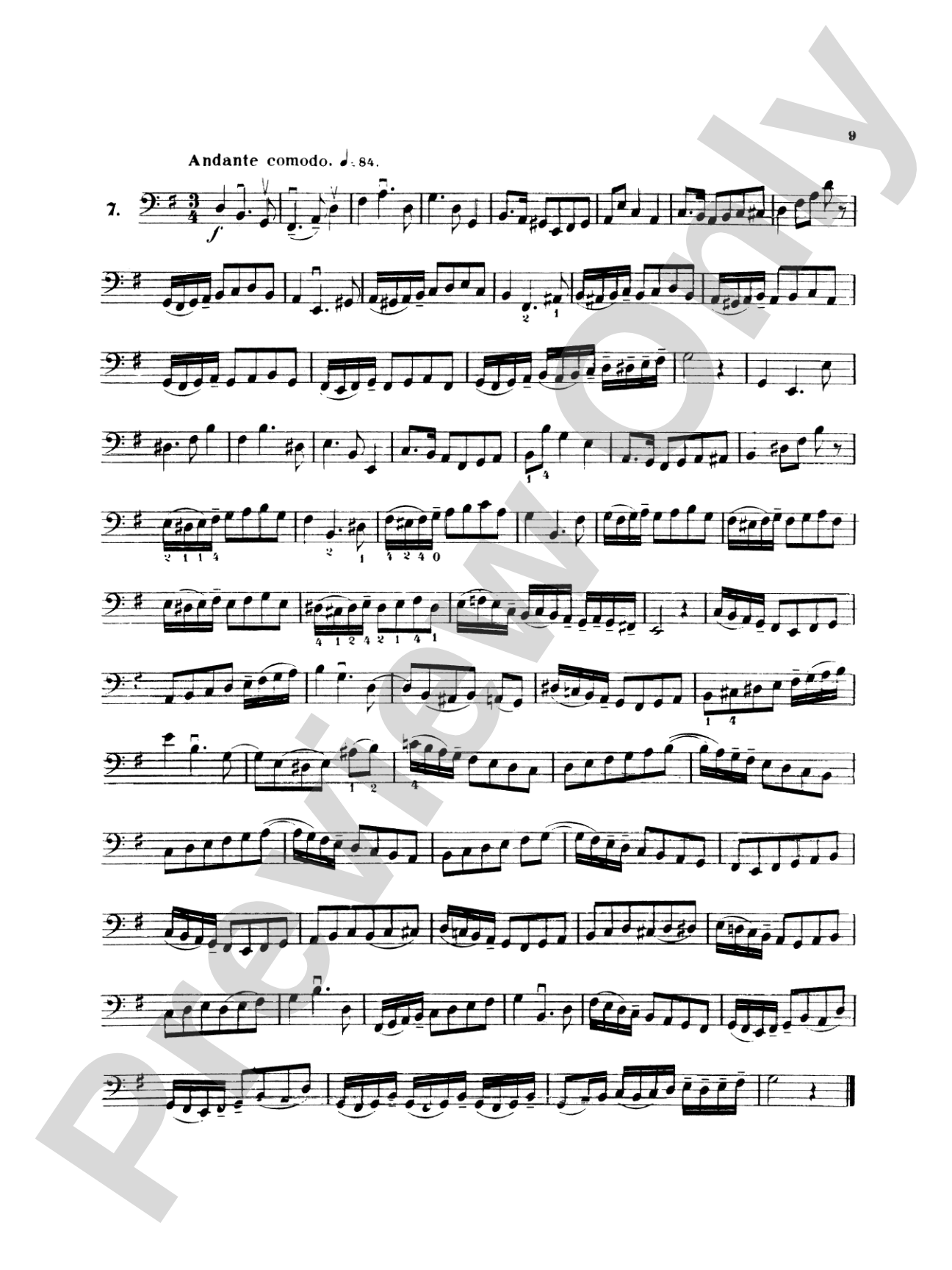
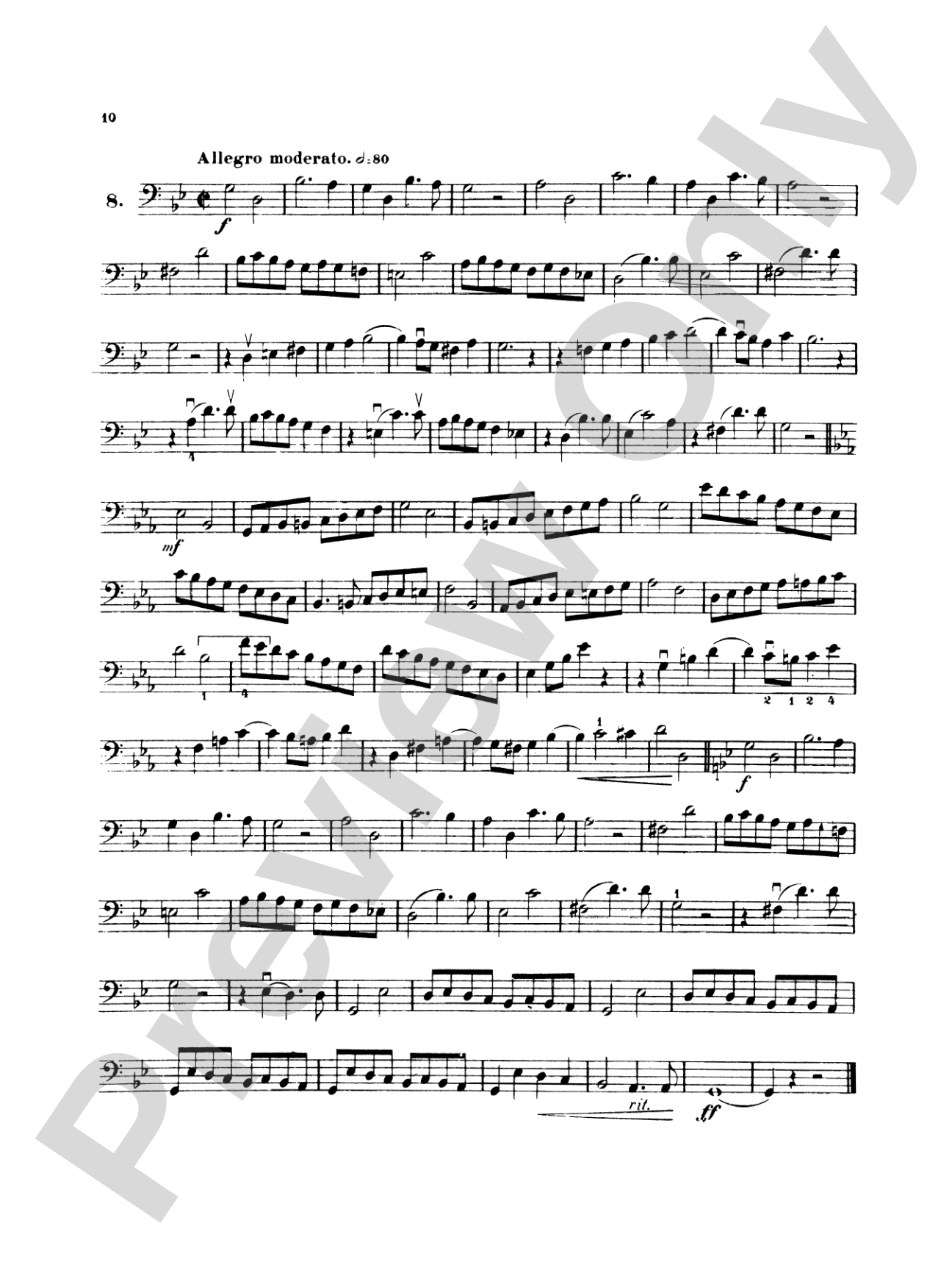
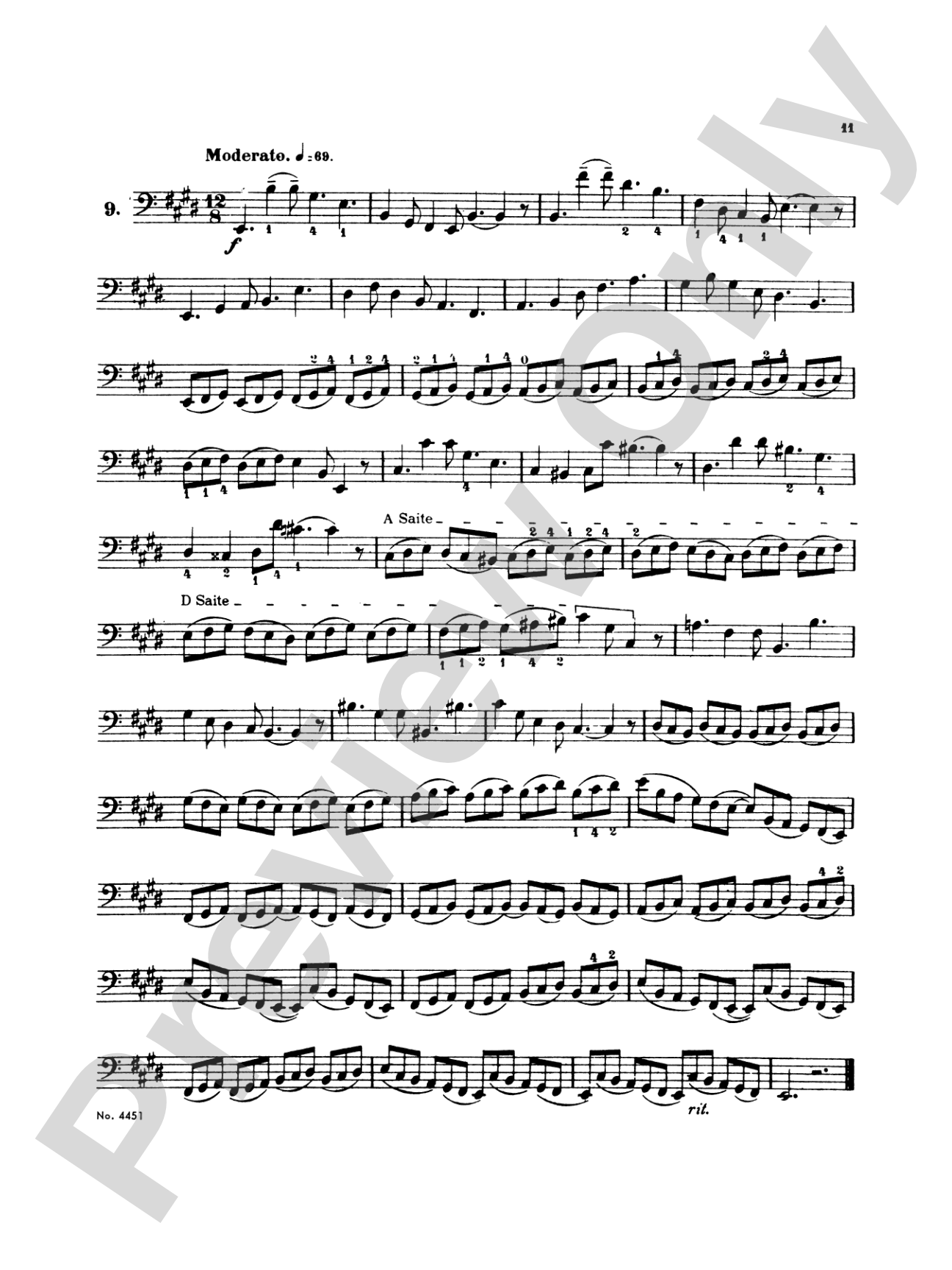
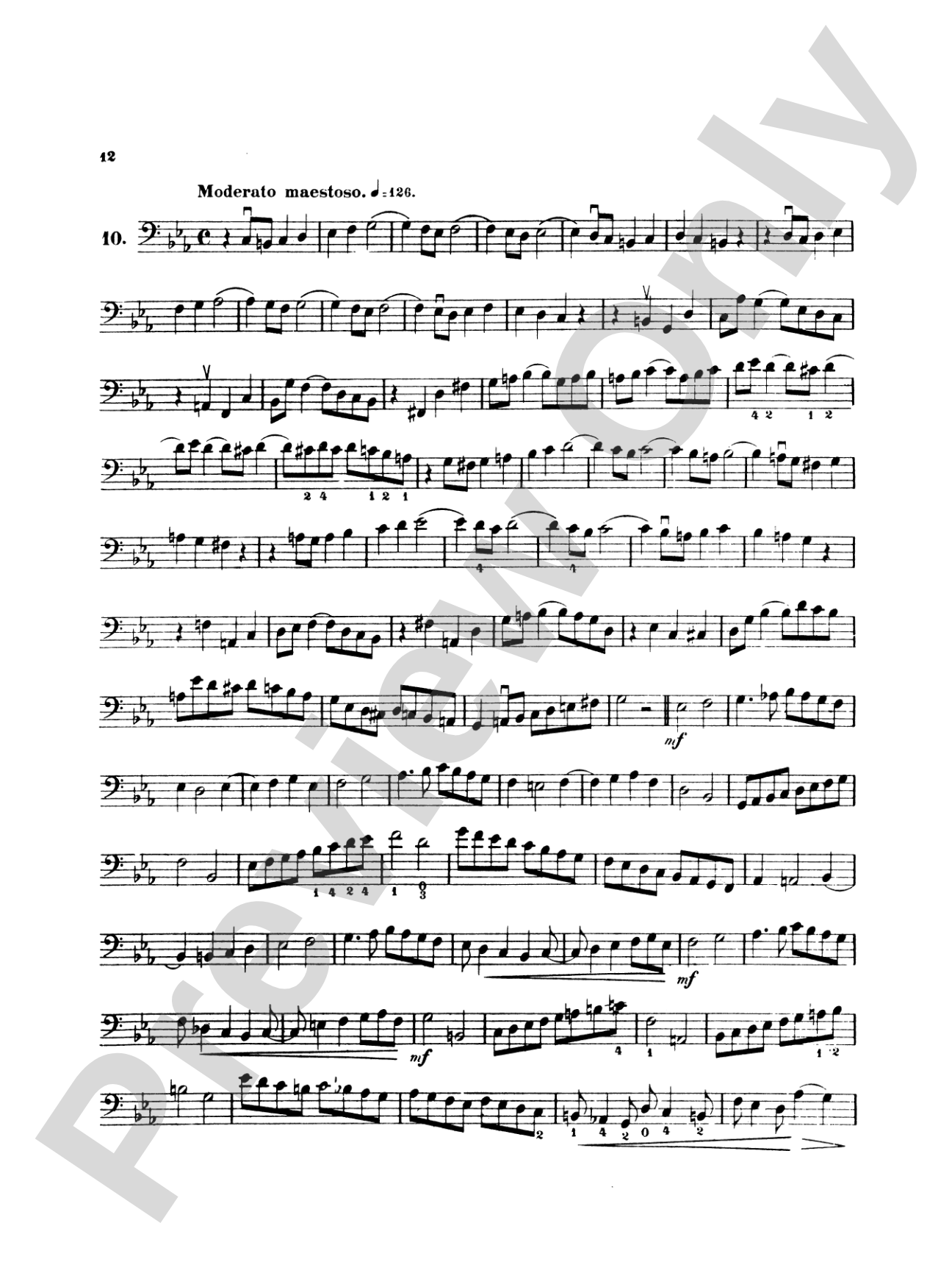
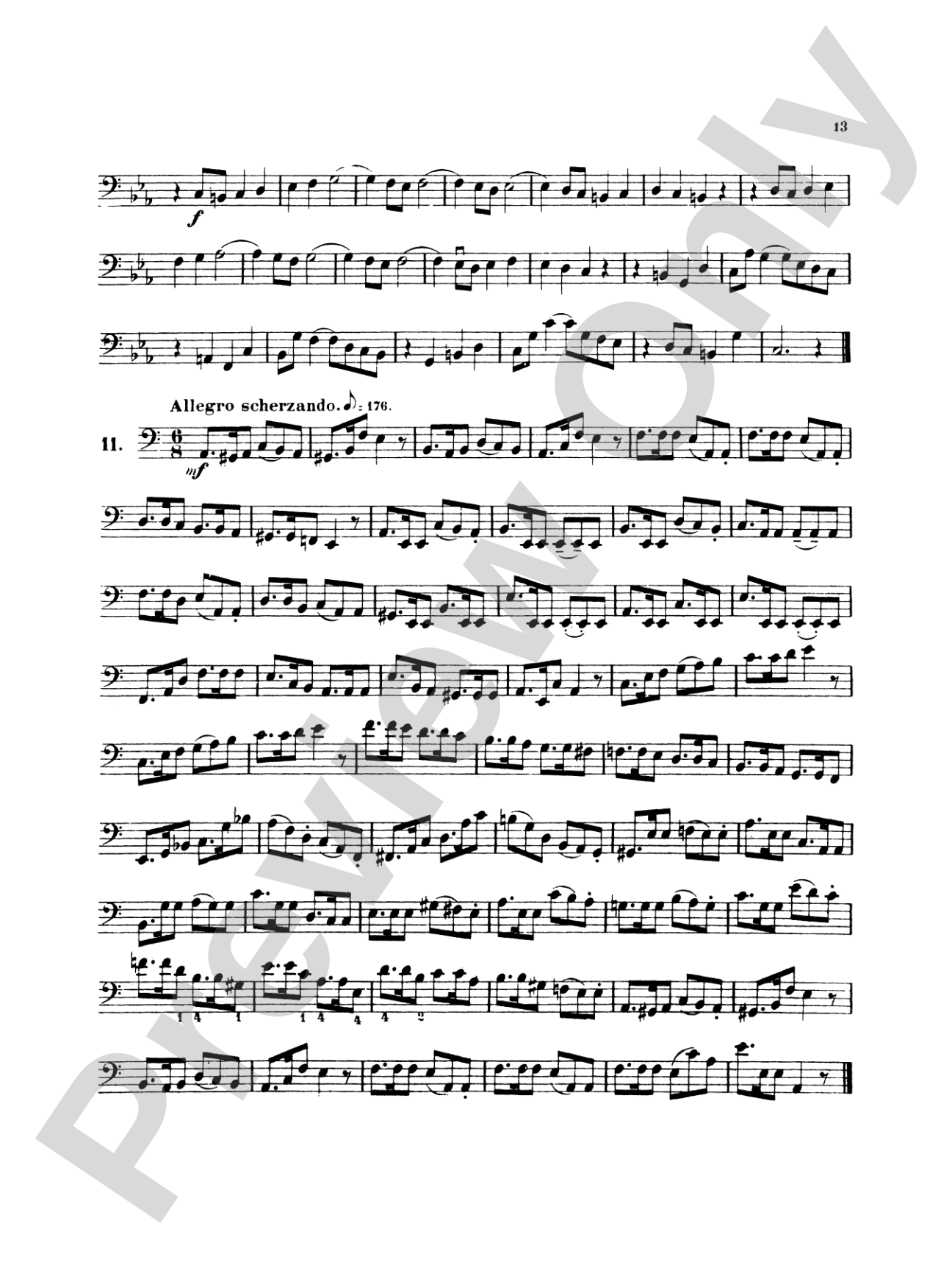
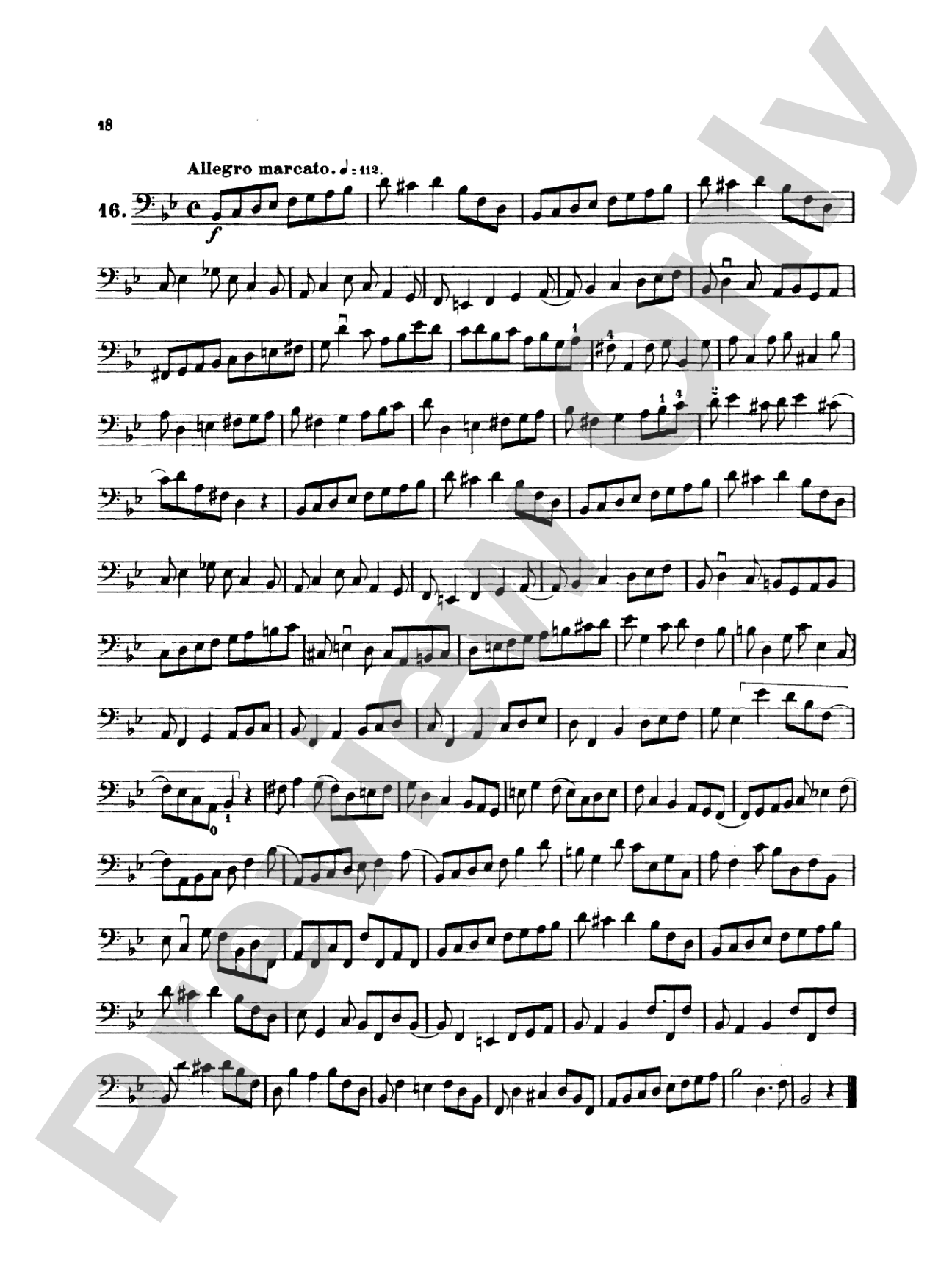
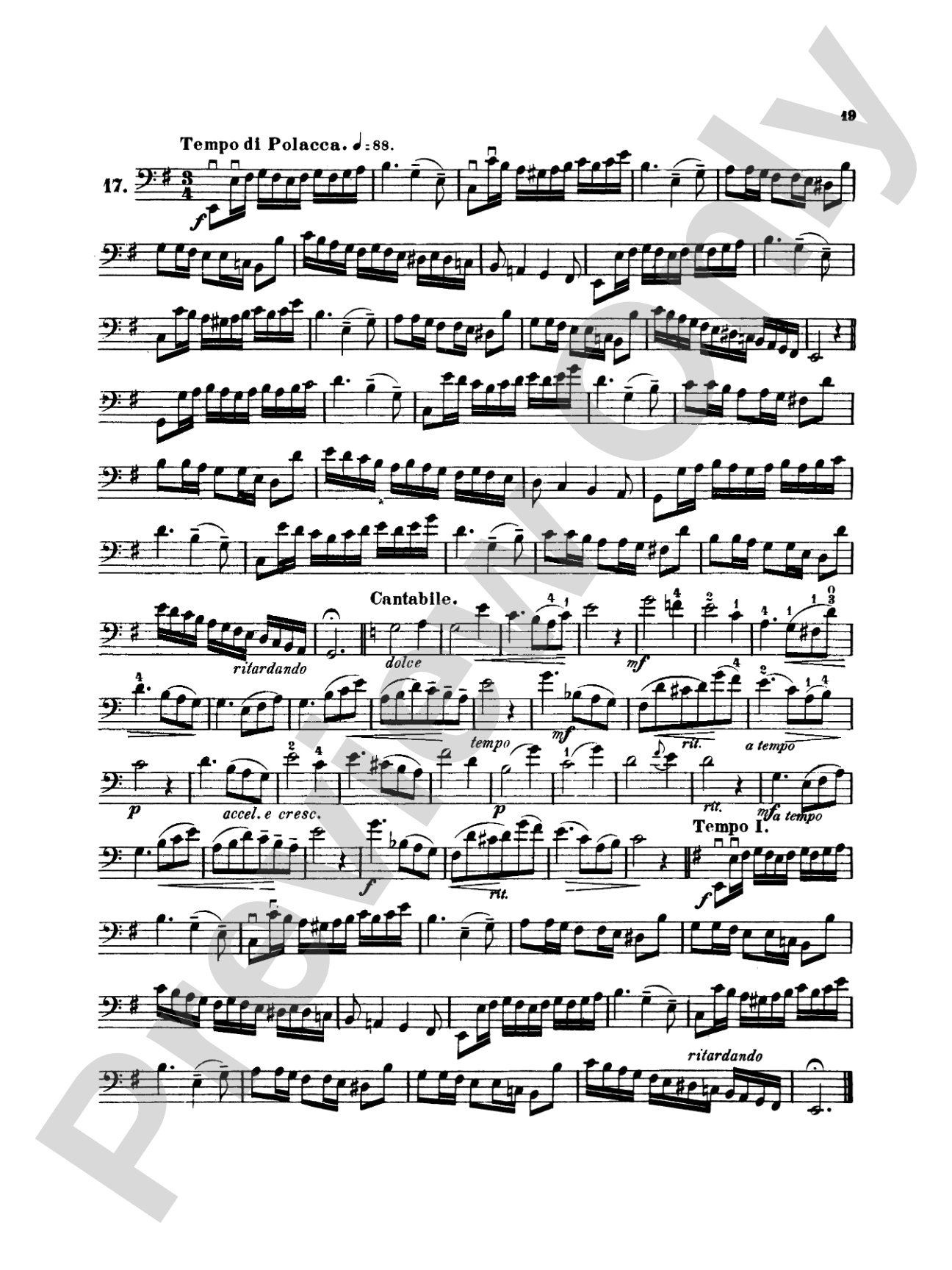
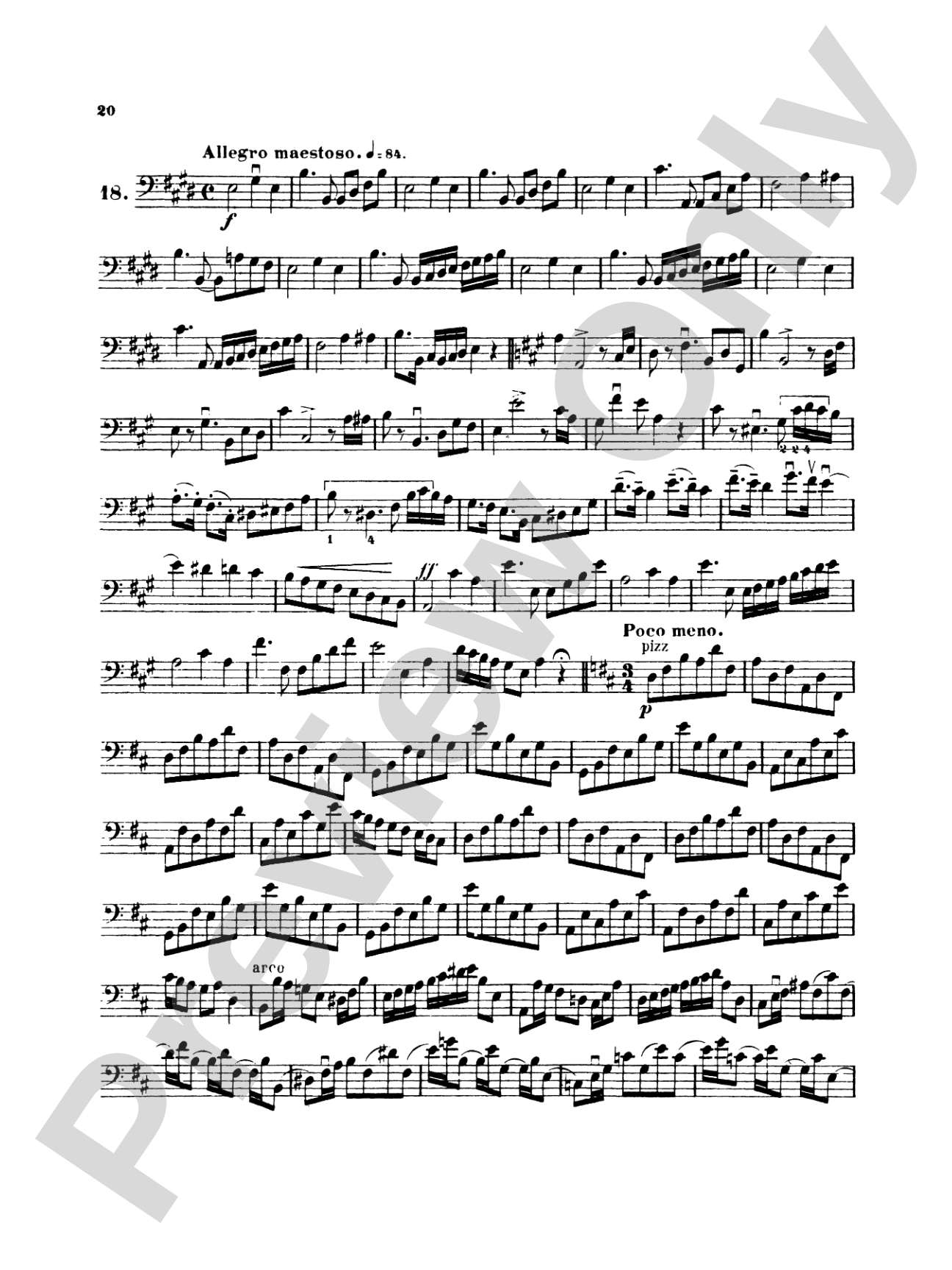
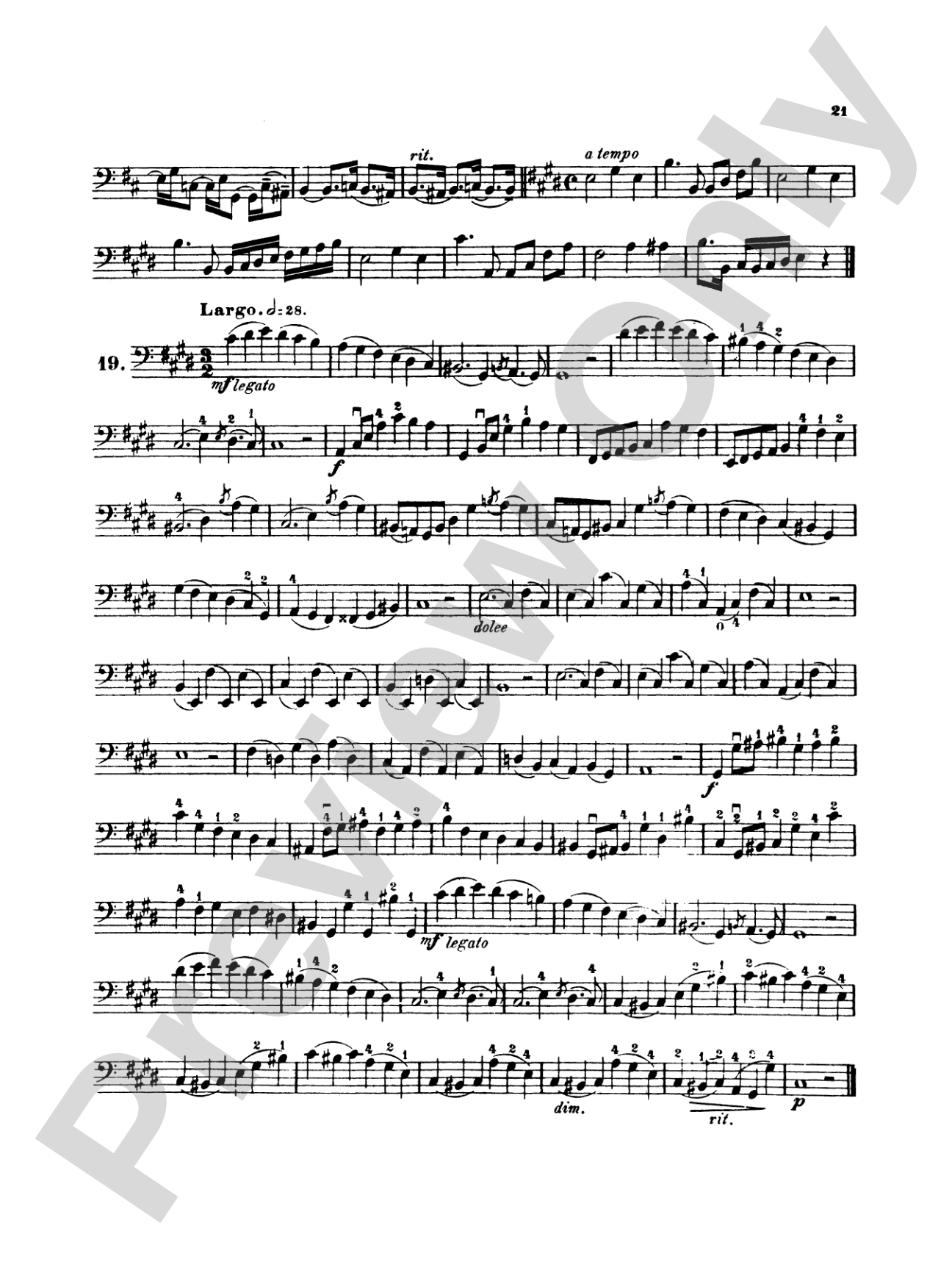
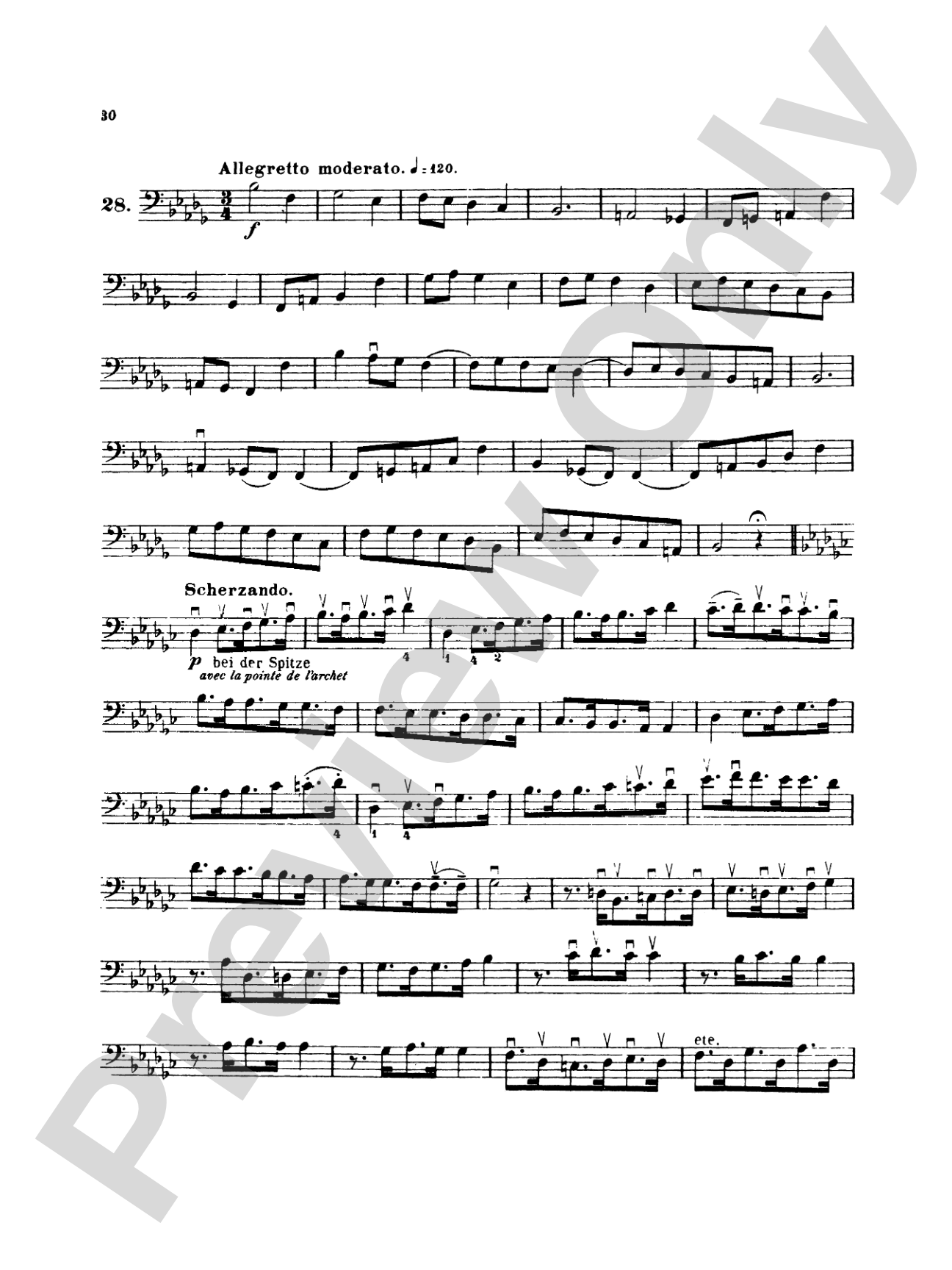
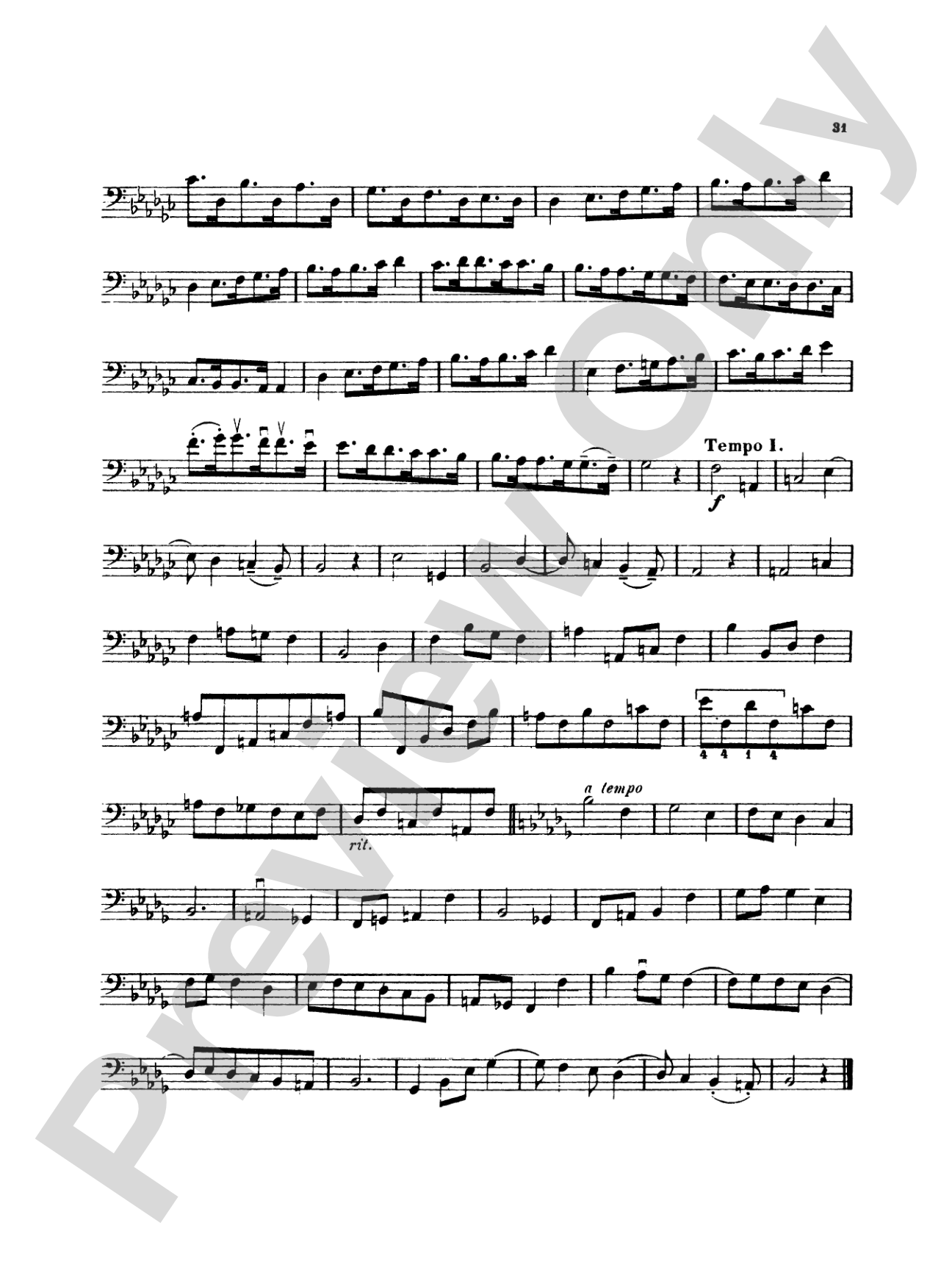
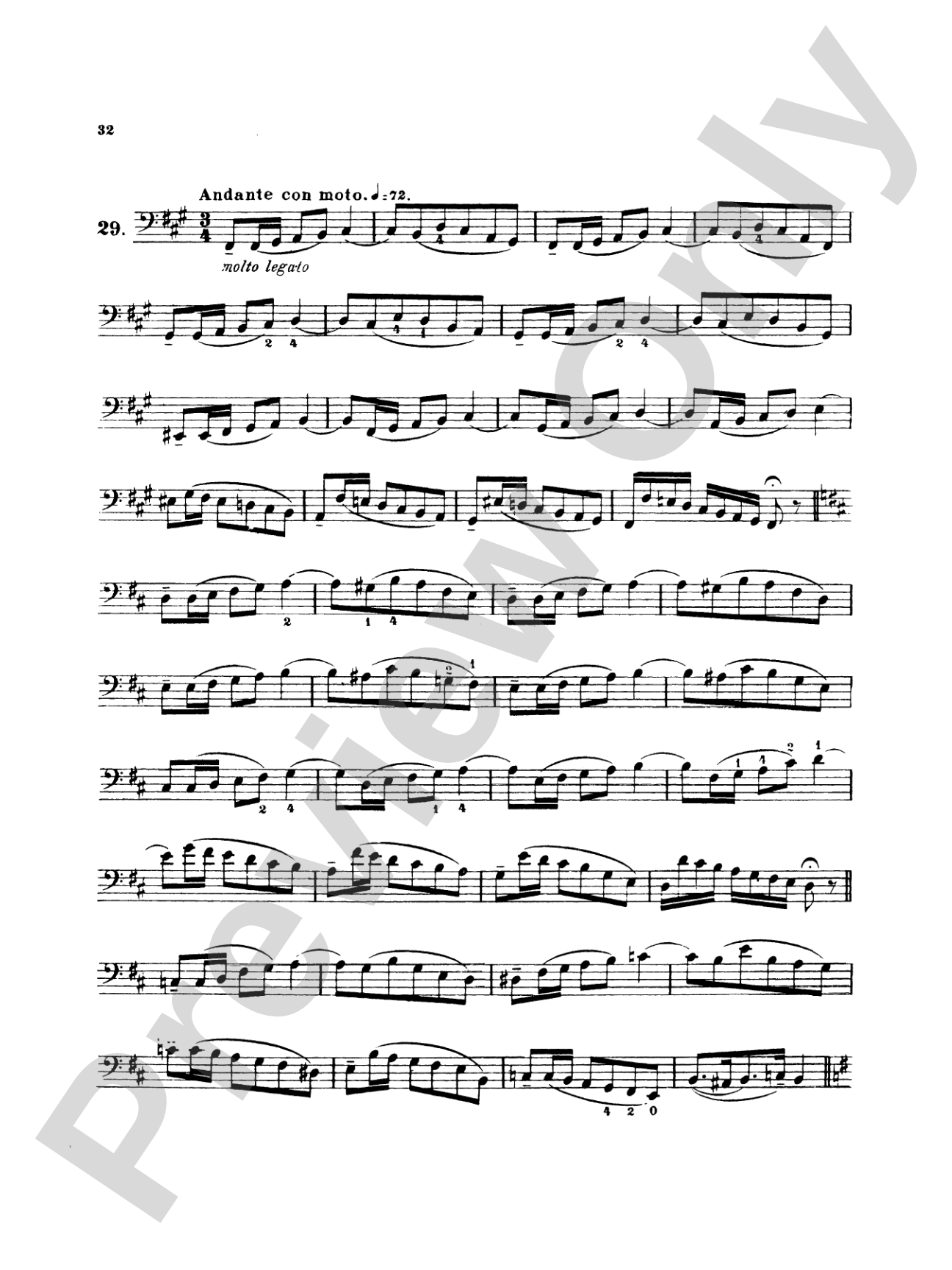
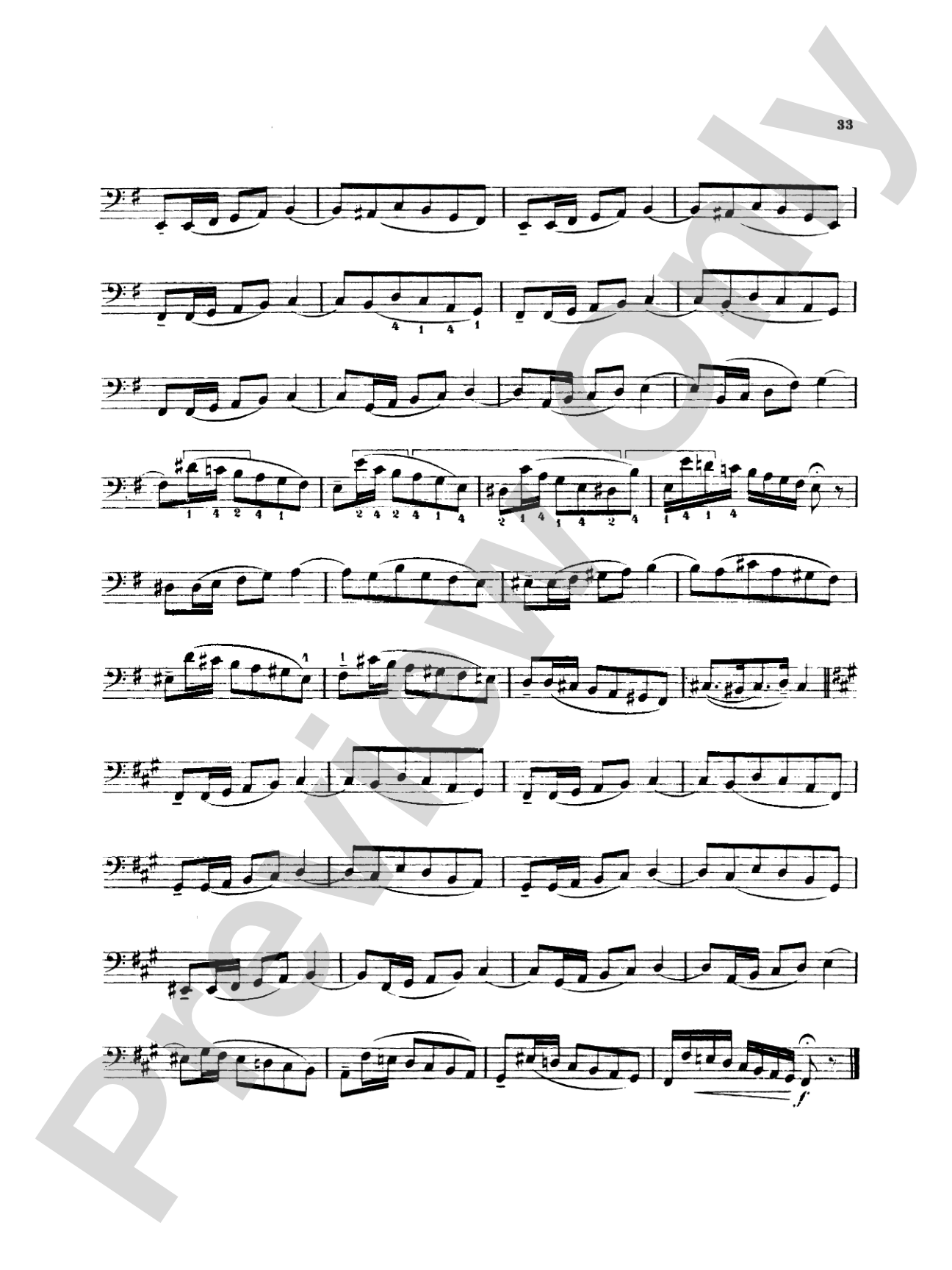
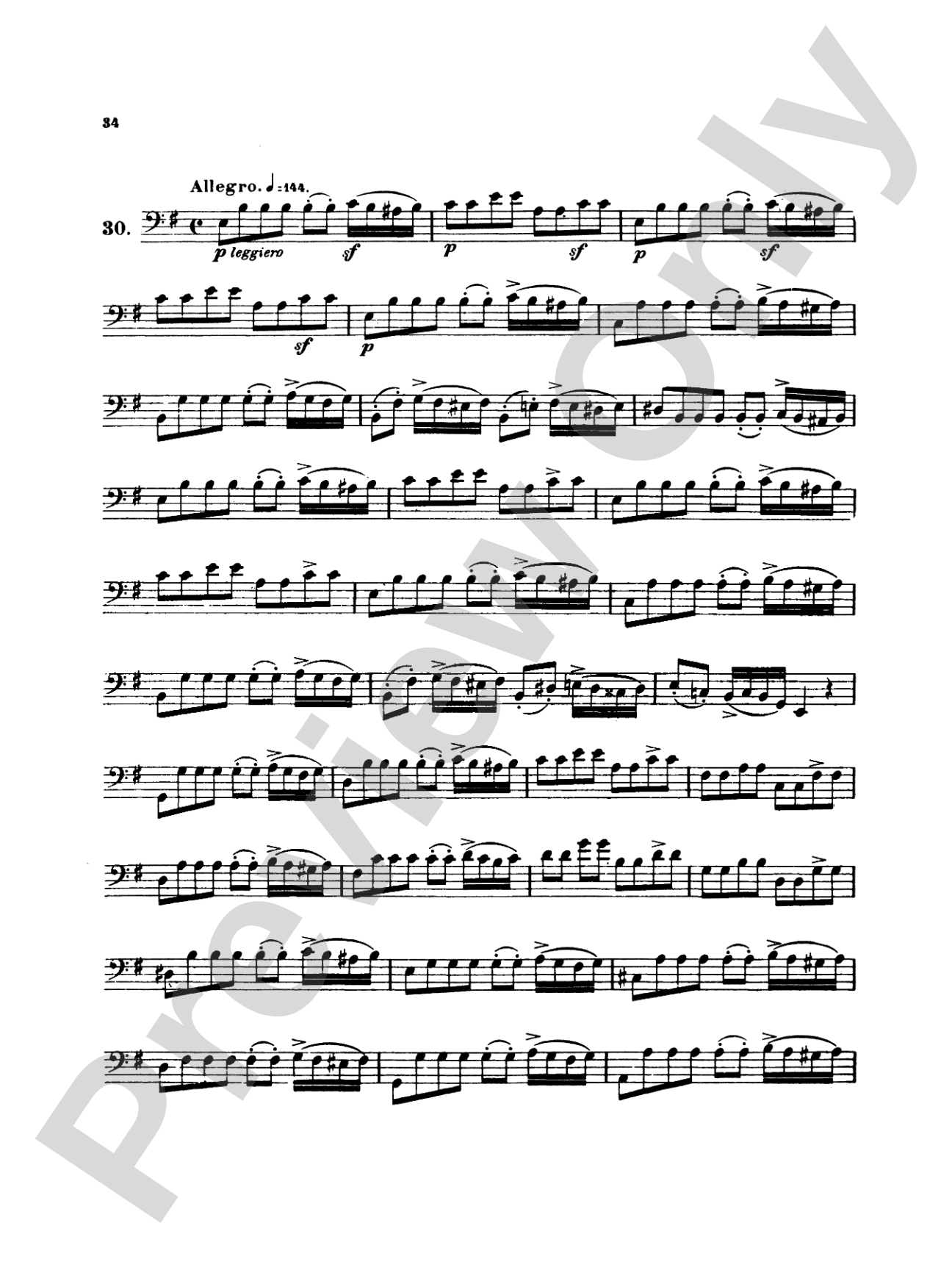
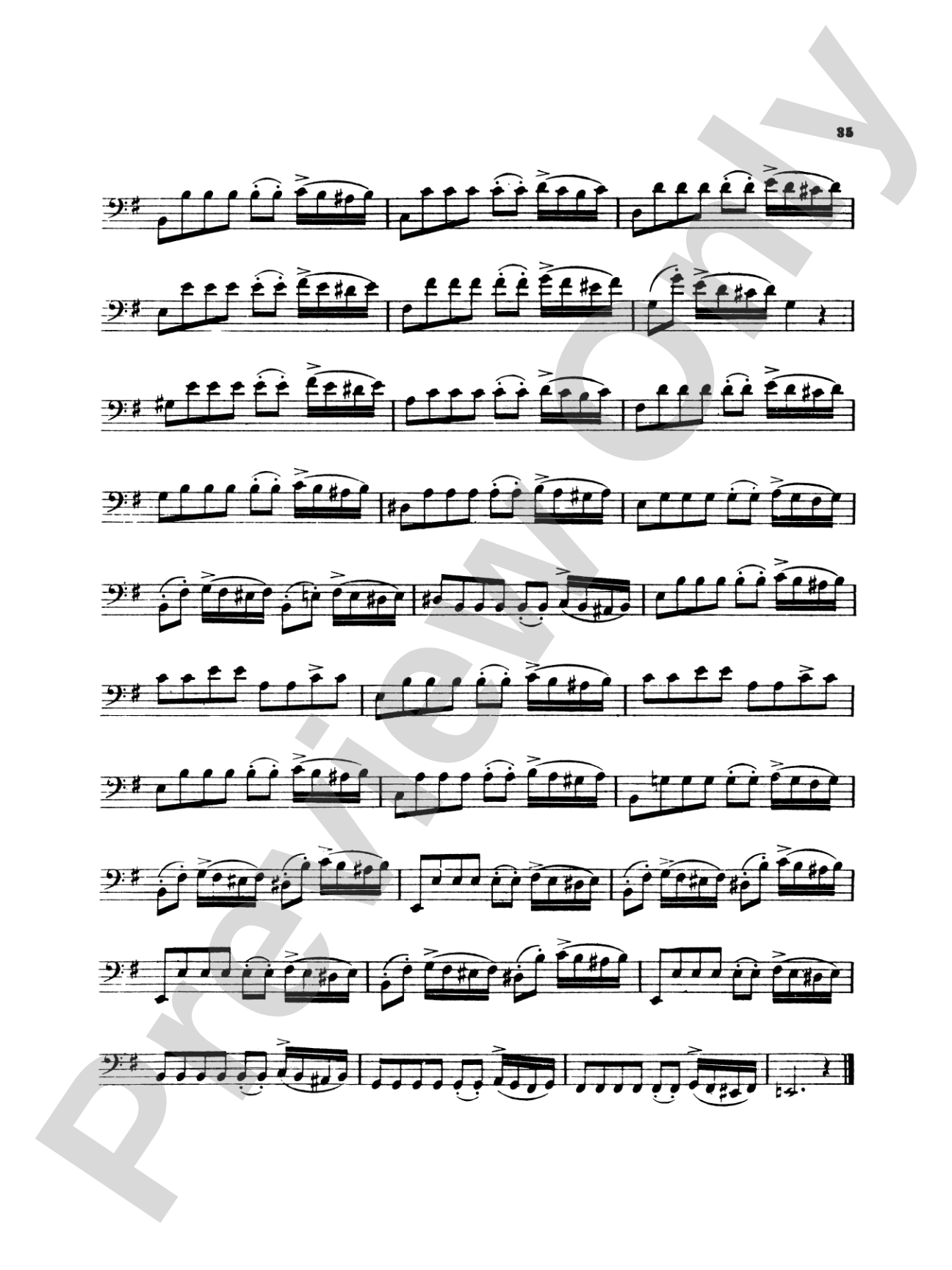


Simandl: Thirty Etudes for Double Bass: String Bass Book
By Franz Simandl
Item: 00-PK-0003516

$10.99
Pickup currently not available
Buy Extra Parts (Digital PDF Download)
| Product | Price | Quantity |
|---|---|---|
| Simandl: Thirty Etudes for Double Bass | $9.95 |
Parts Added to Cart!
Related Items
Thirty Etudes for String Bass: String Bass Book |
$10.99
|
View |
Description
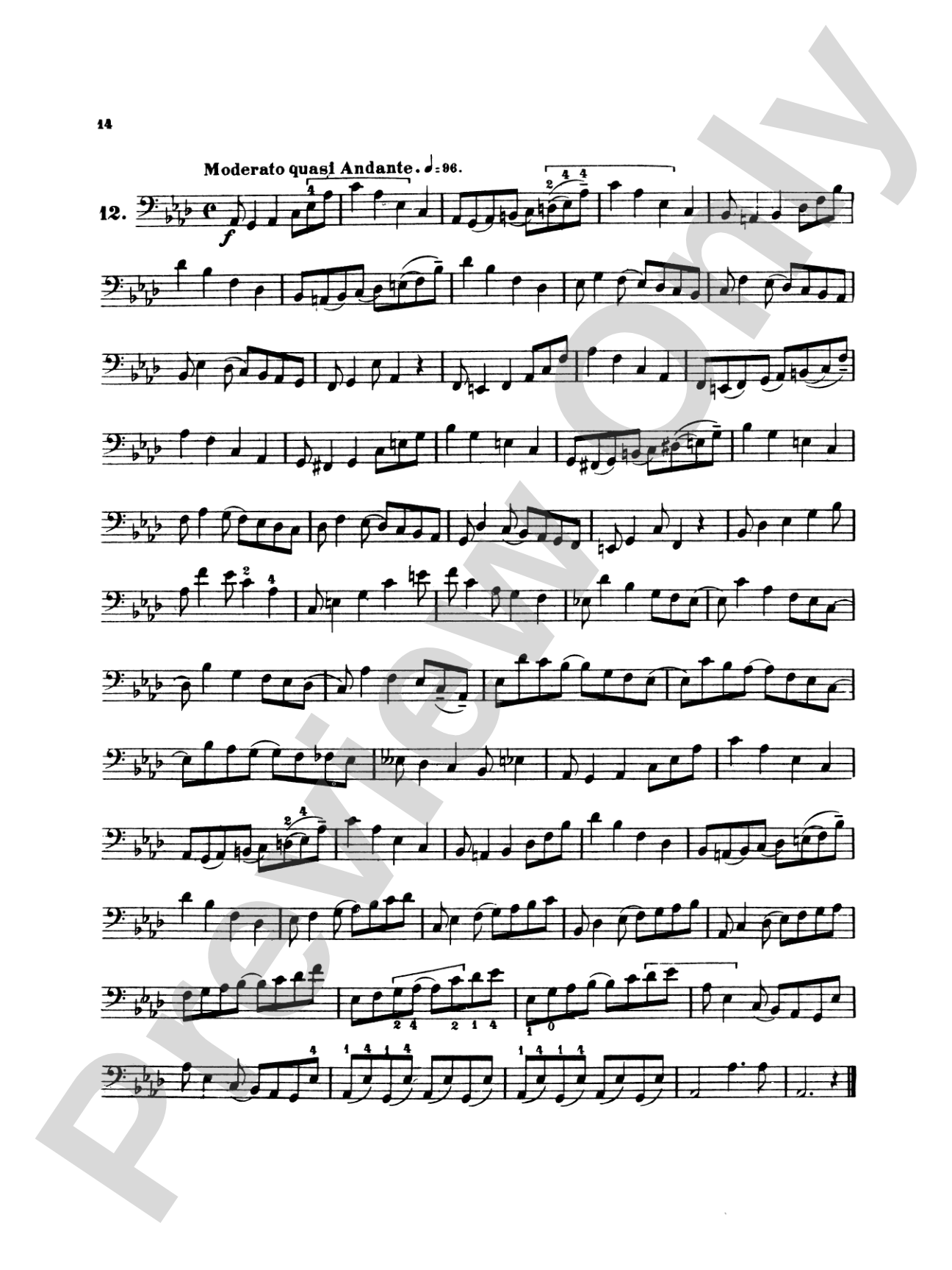
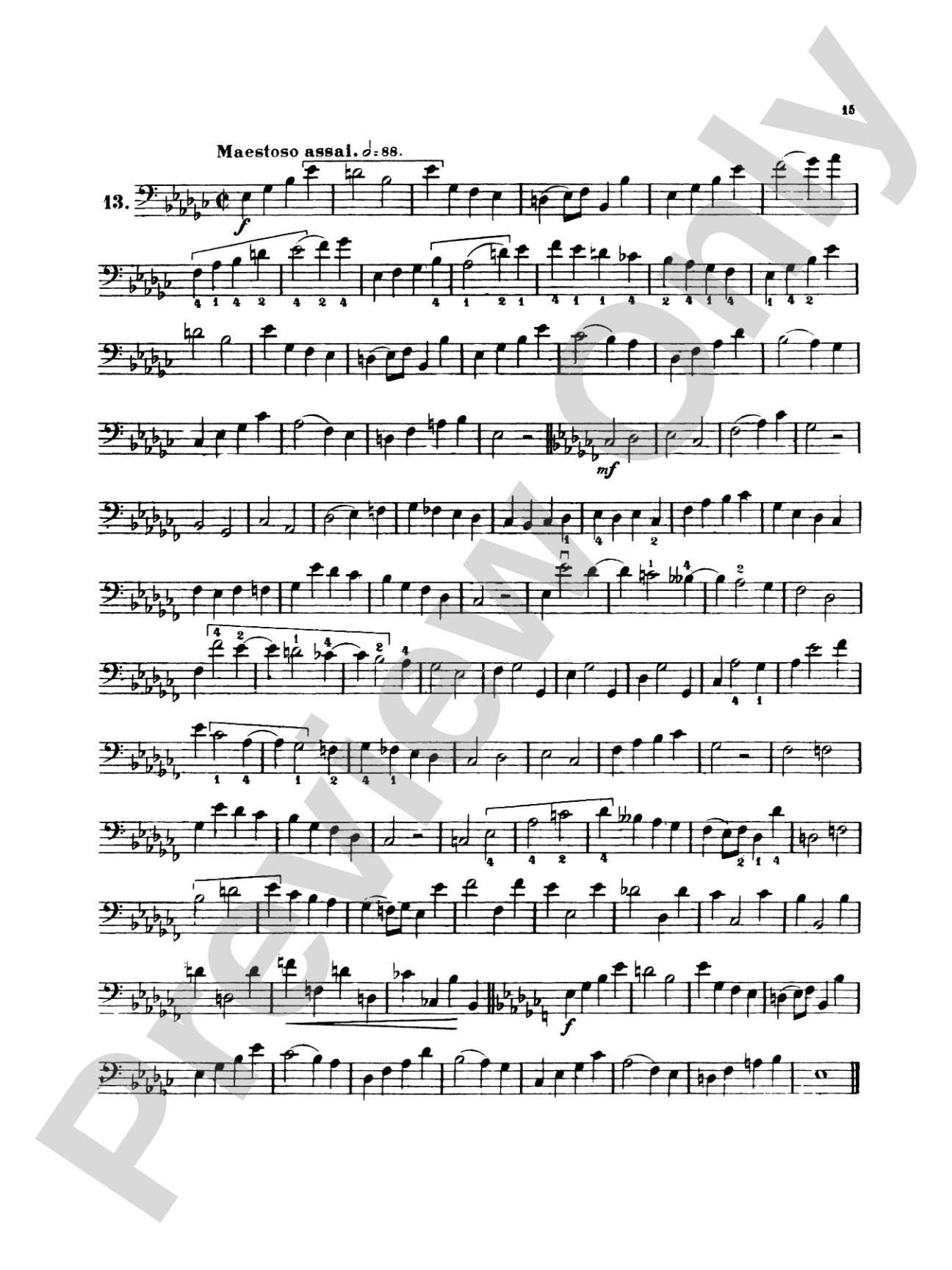
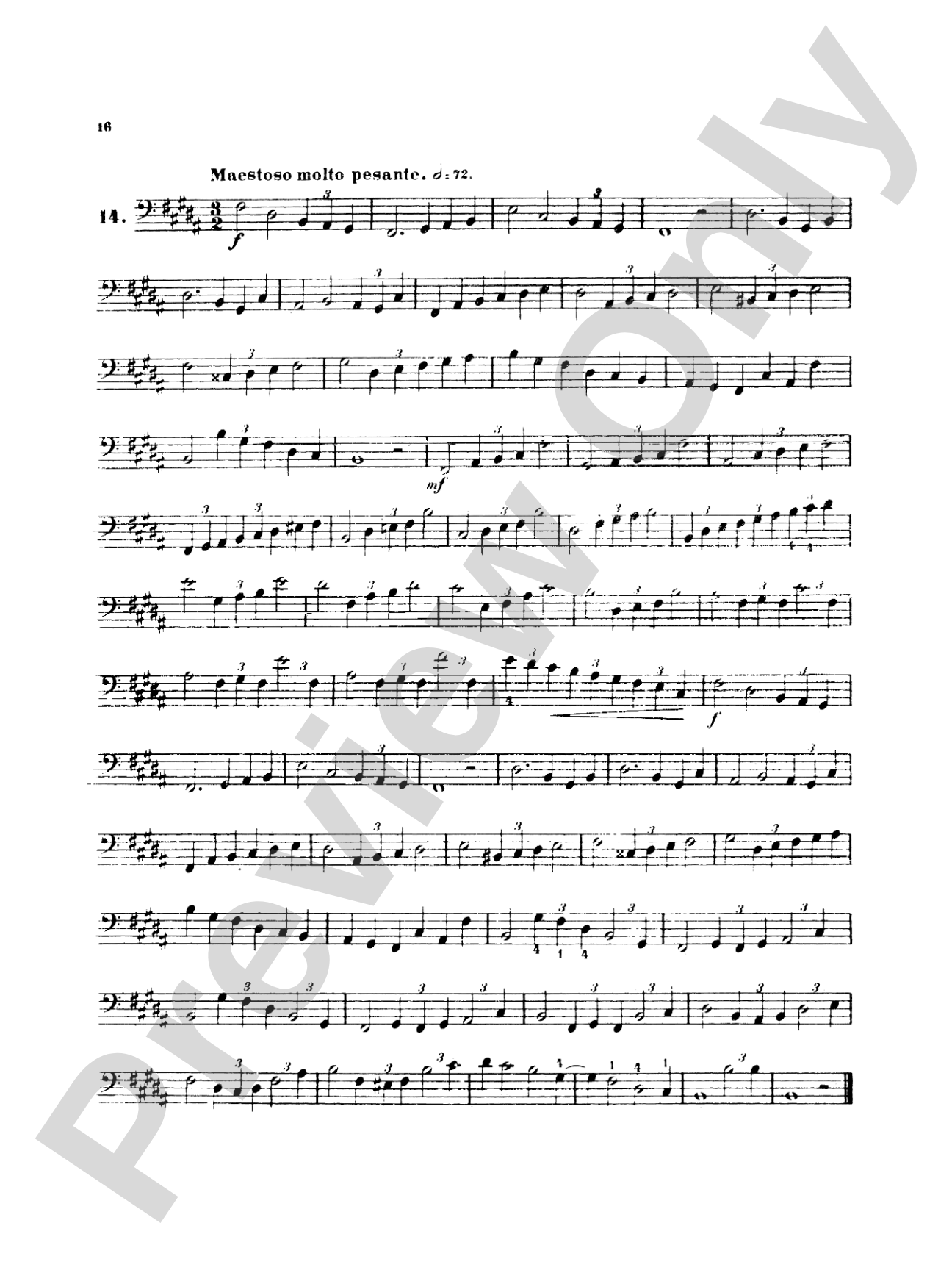
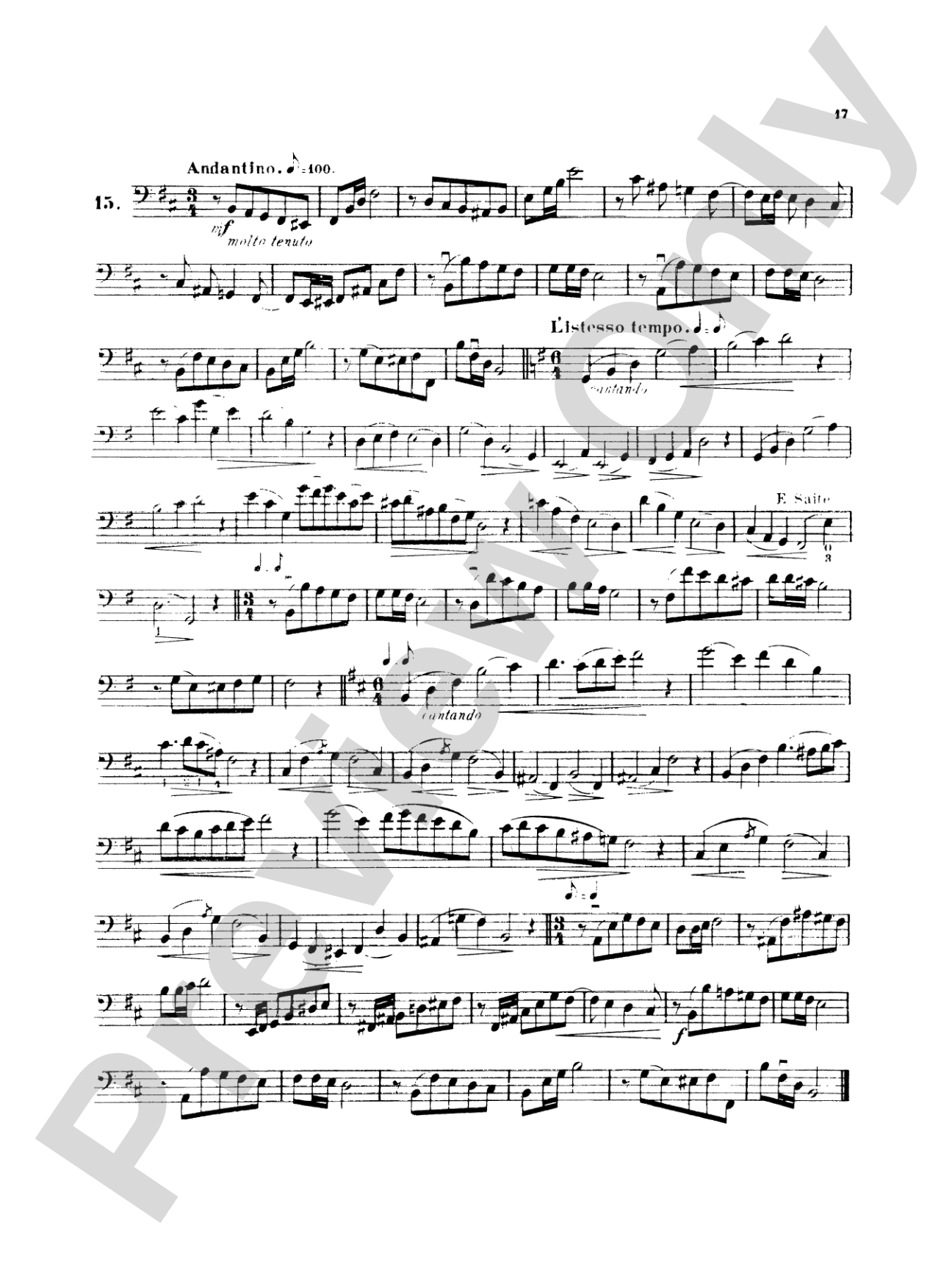
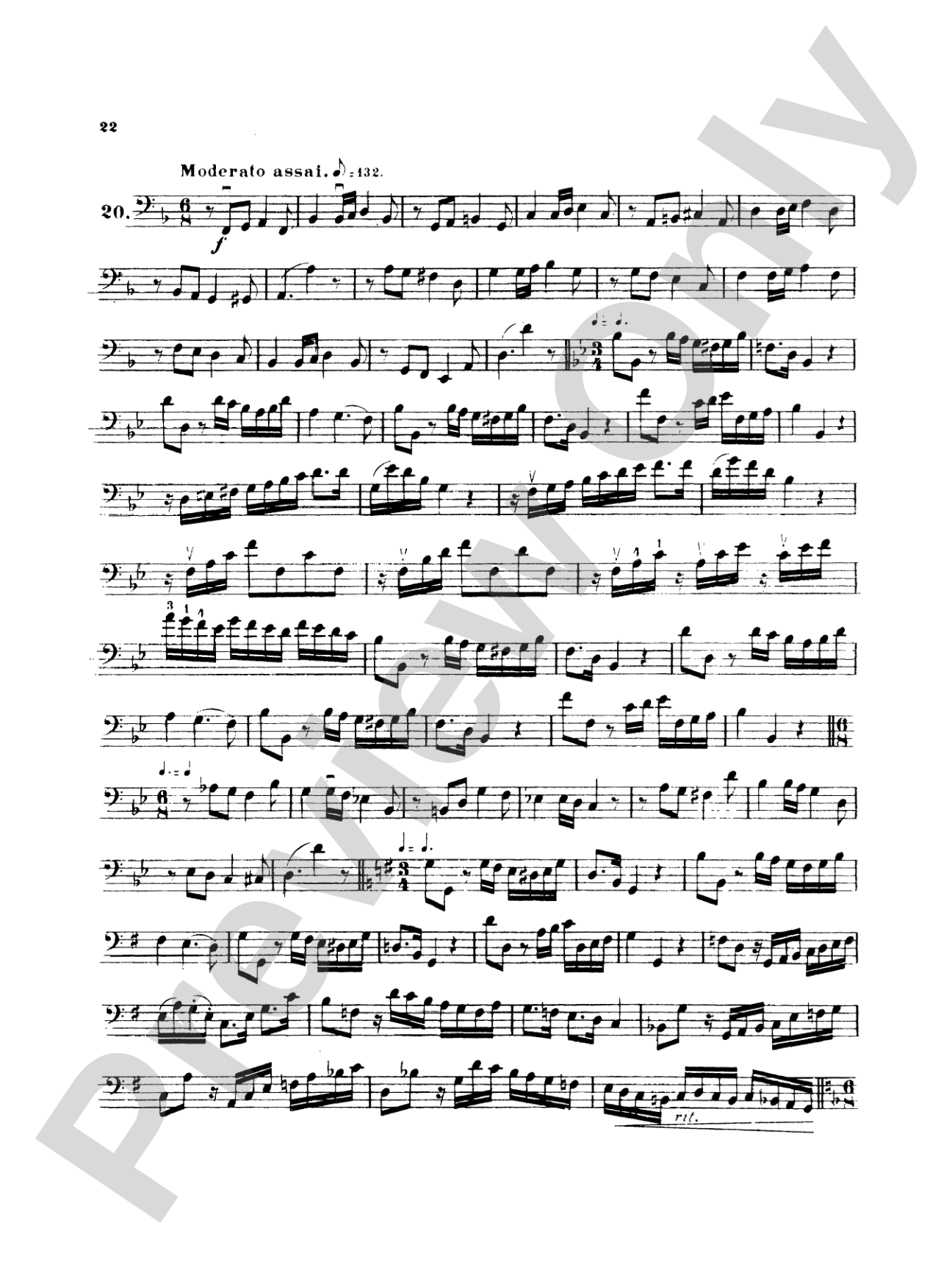
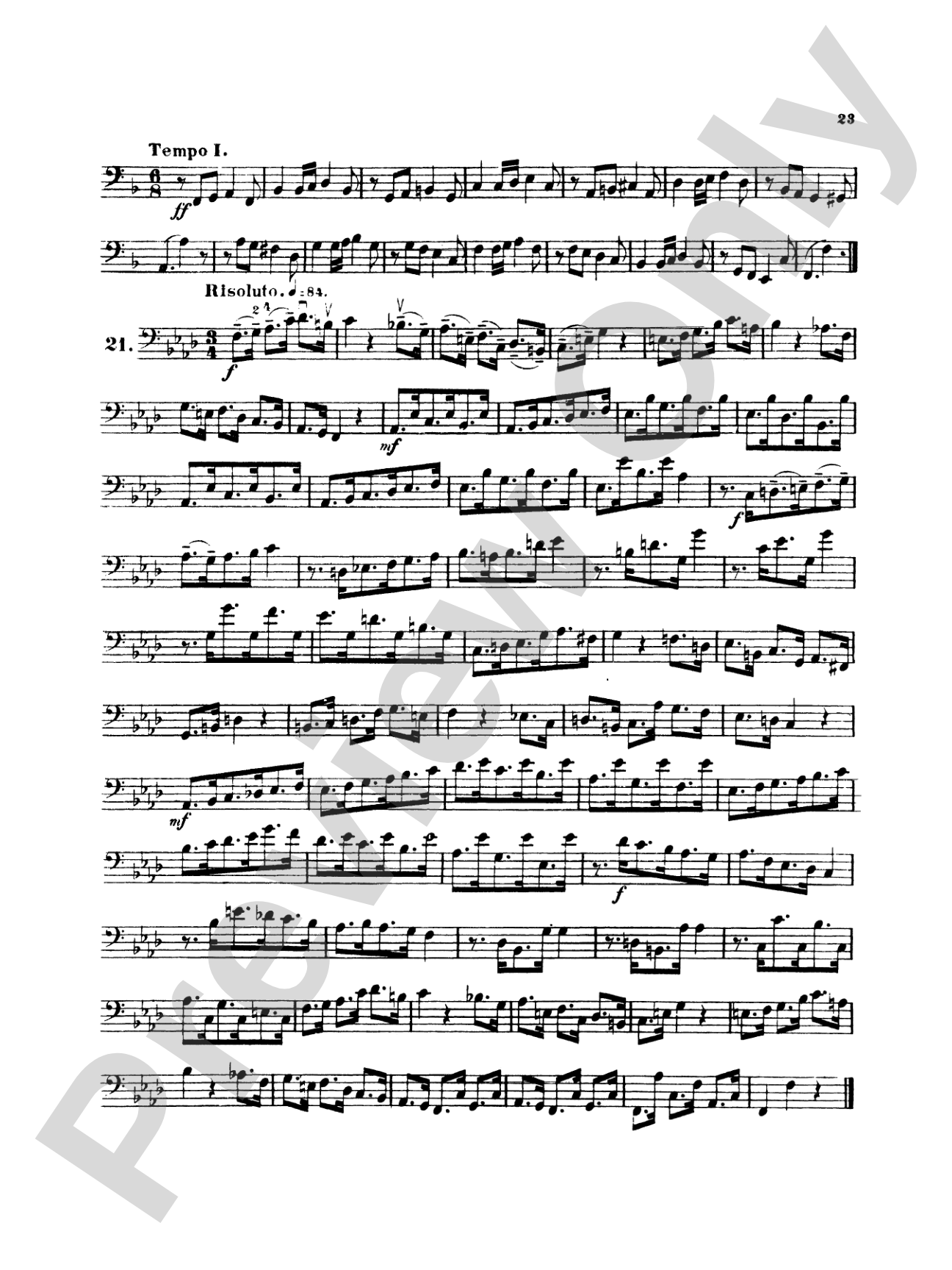
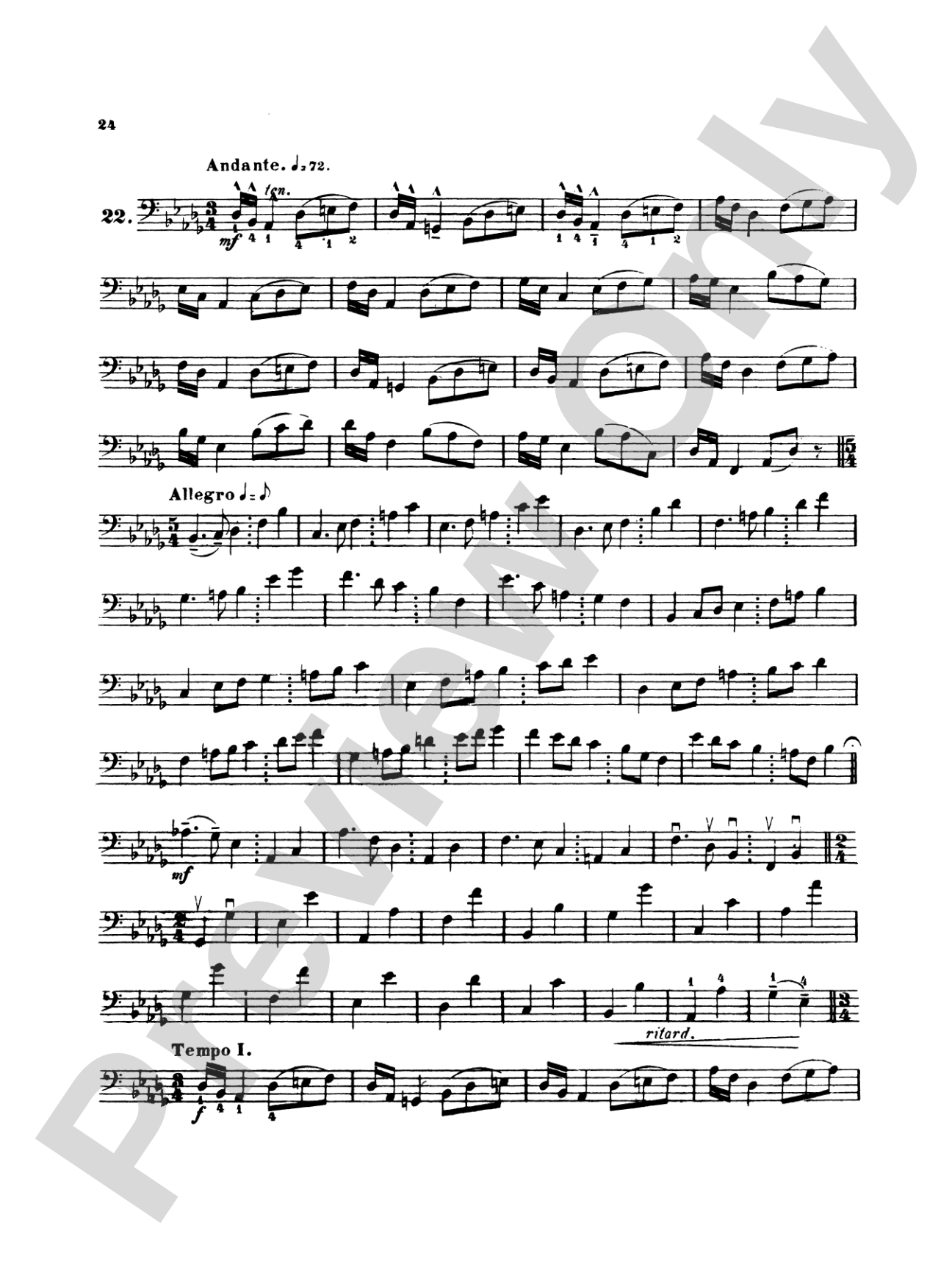
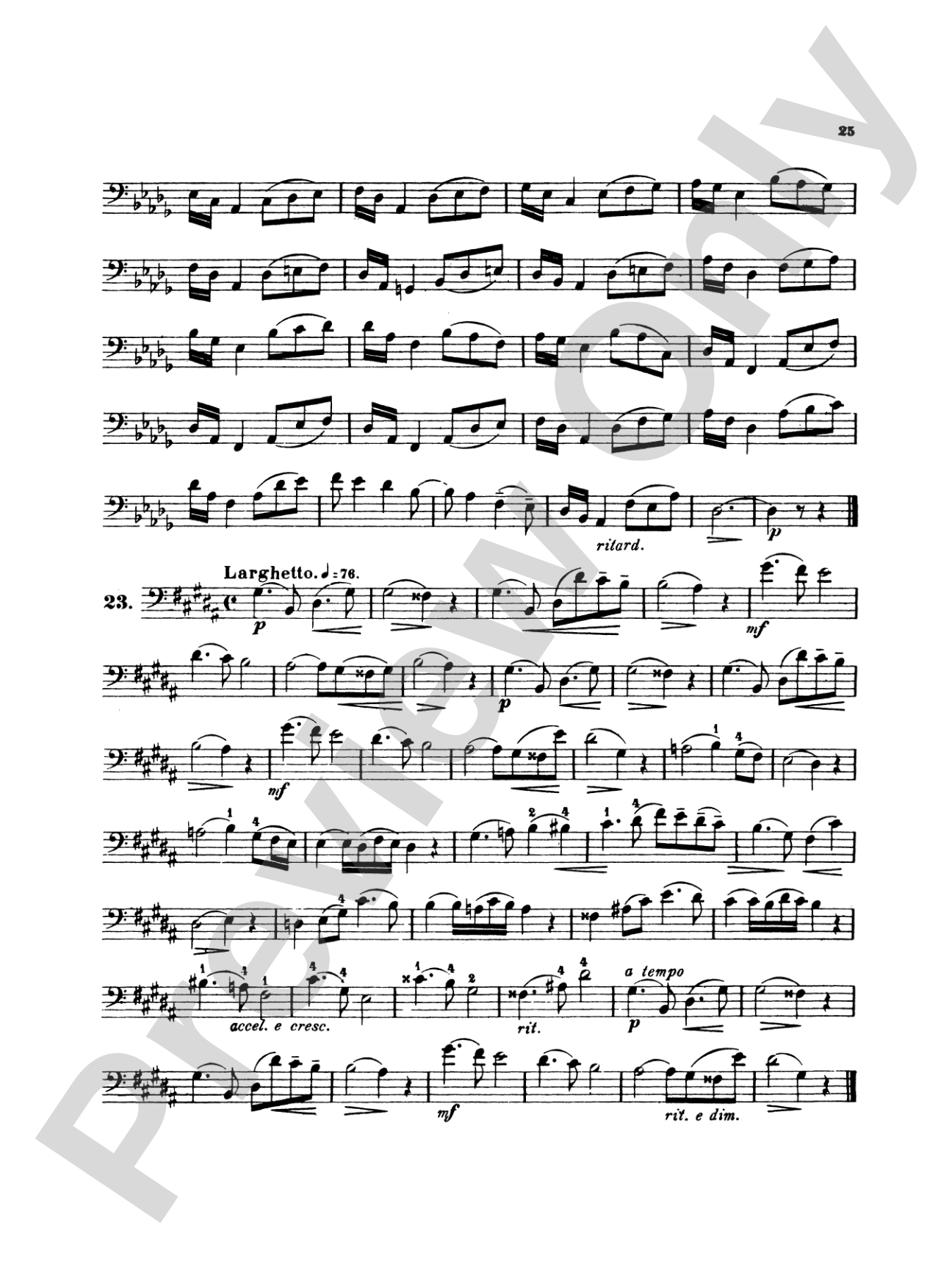
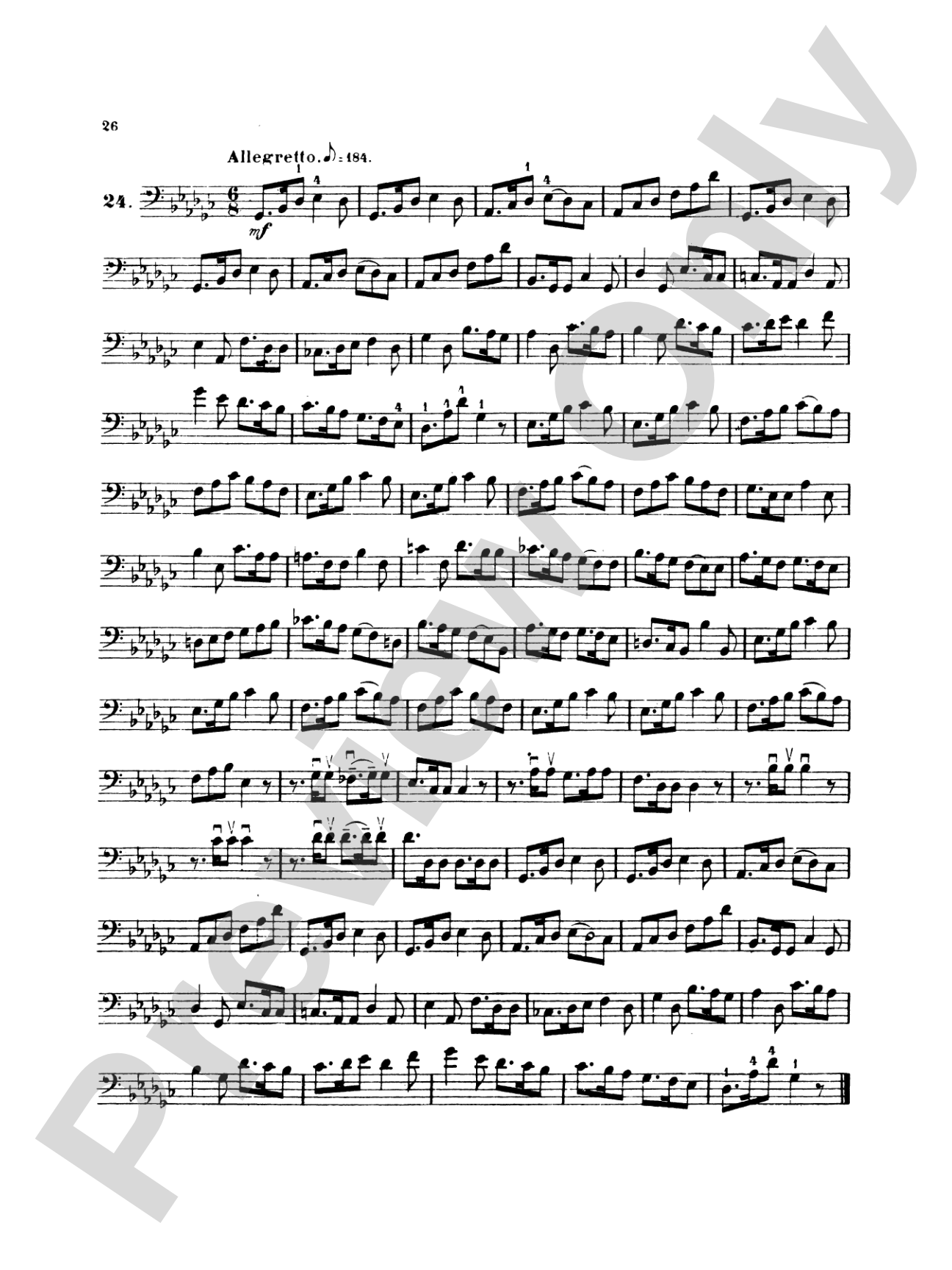
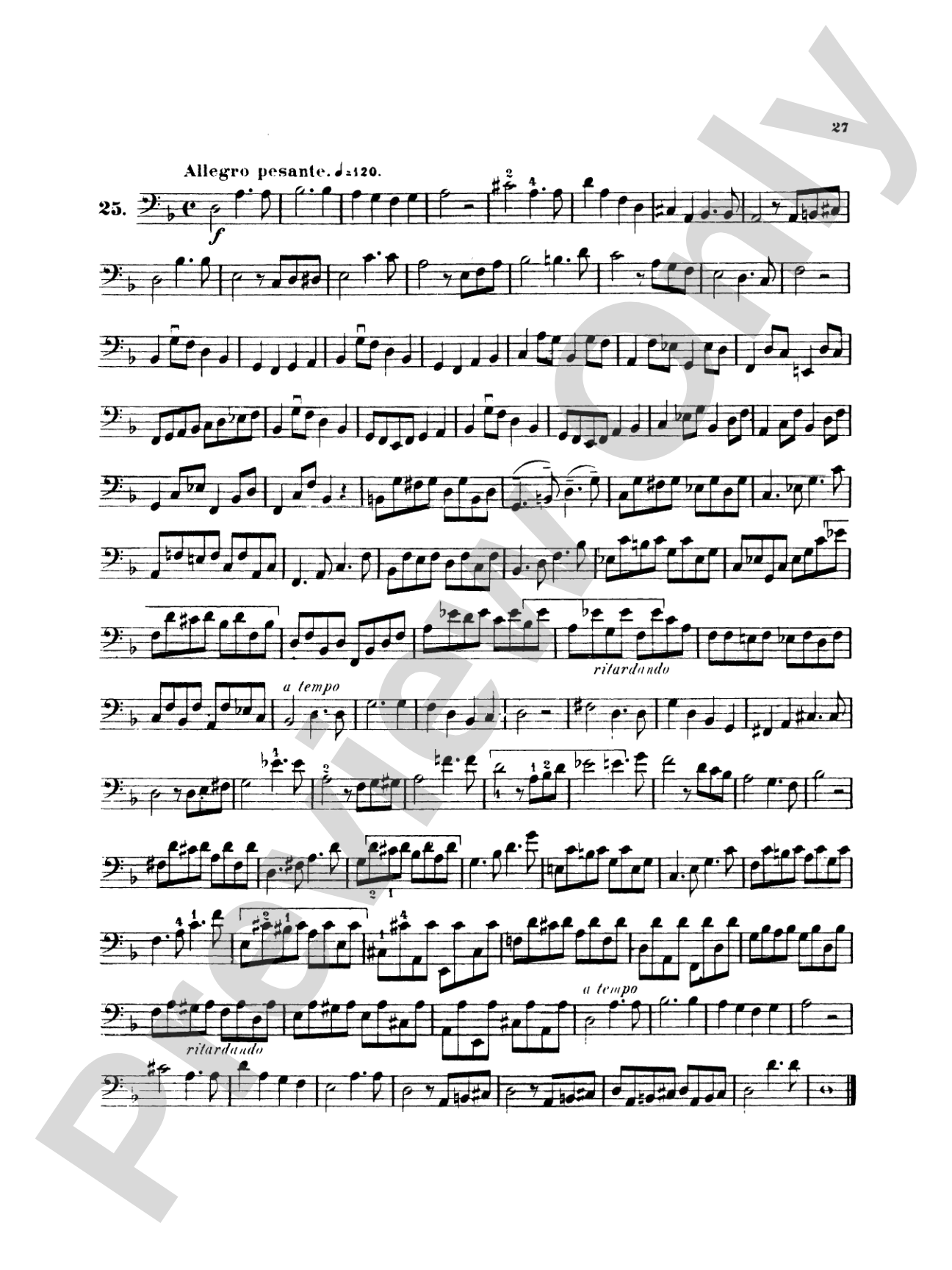
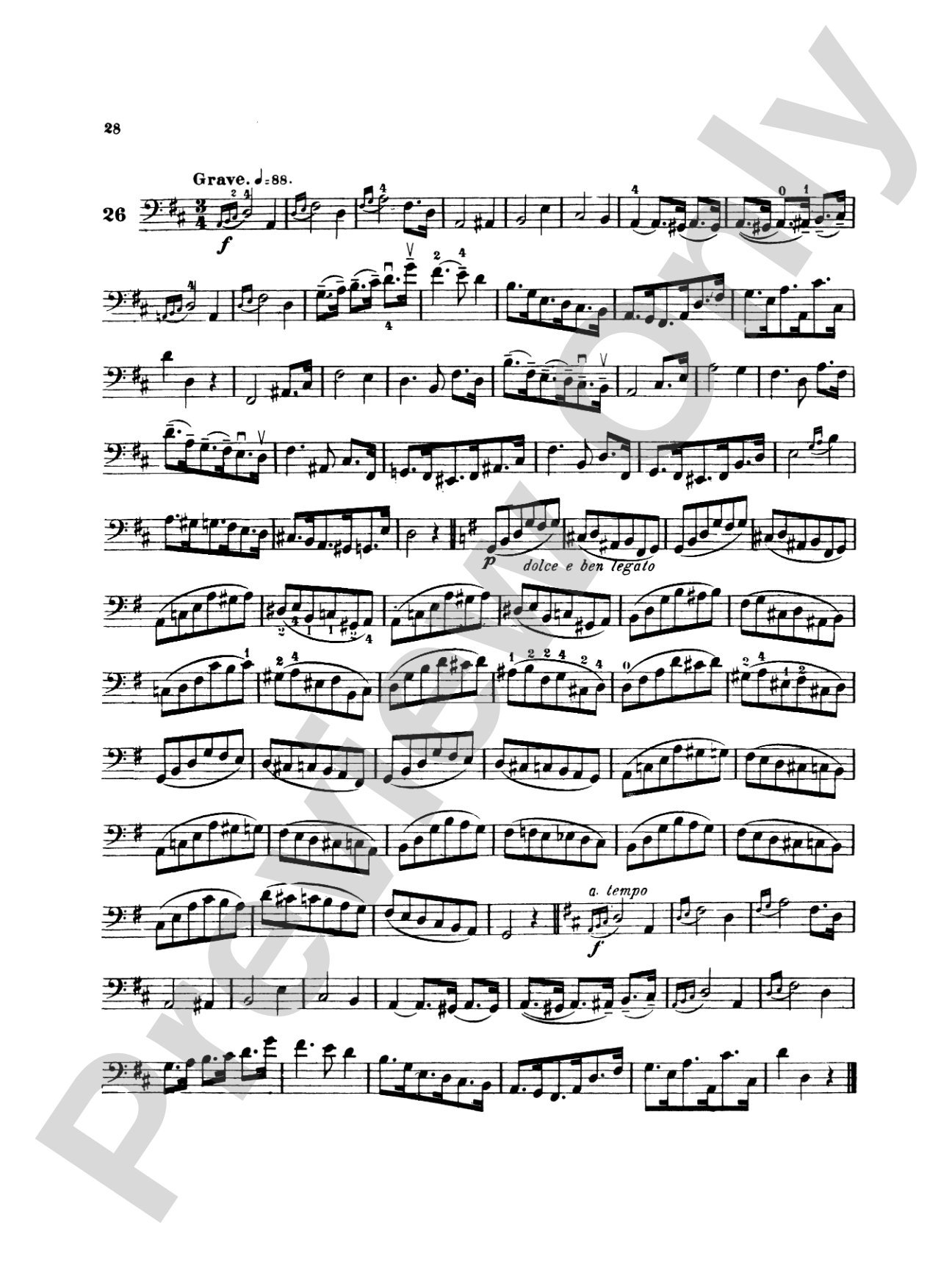
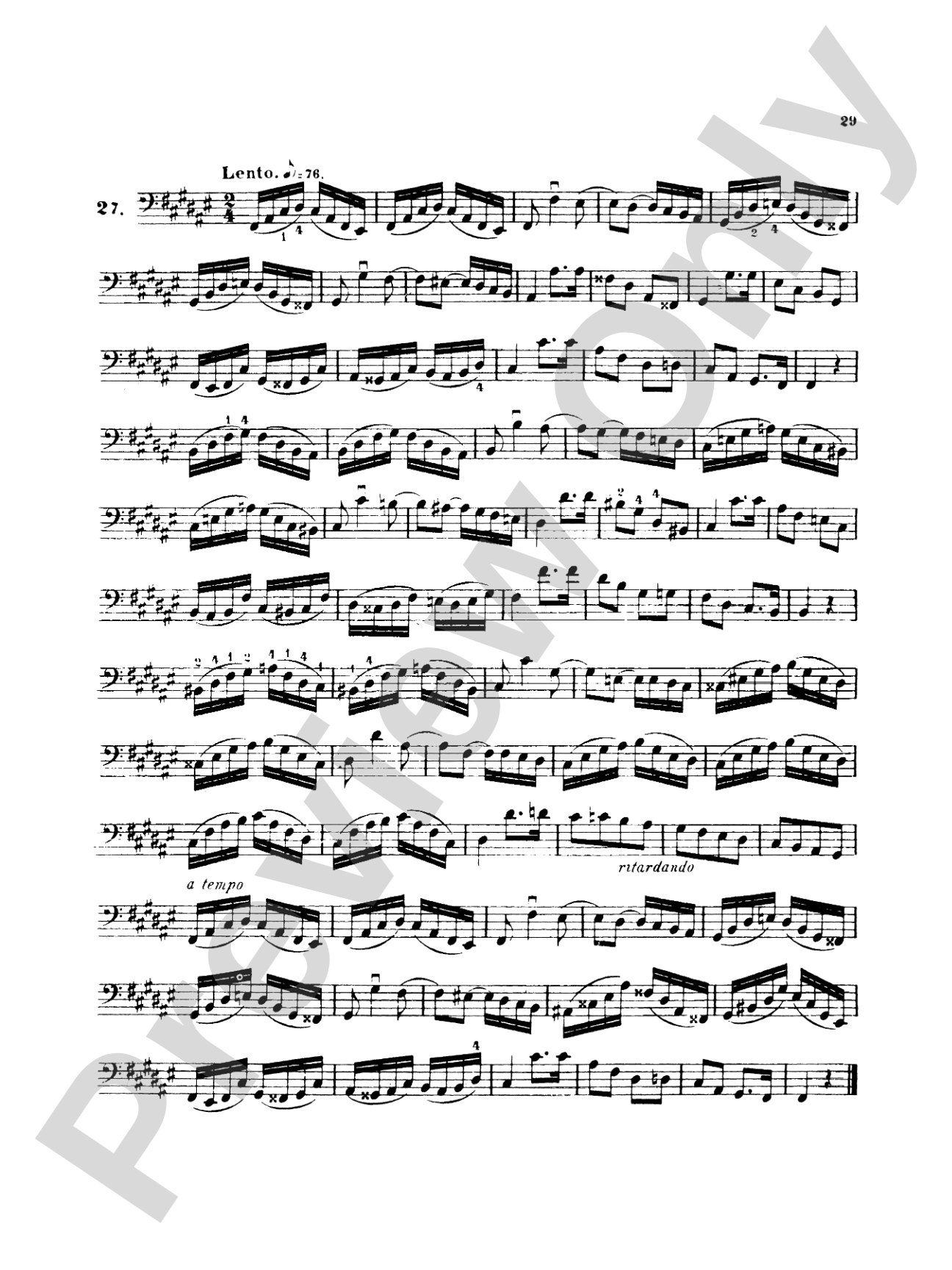
Franz Simandl (1840-1912) was a double-bassist and pedagogue most remembered for his book "New Method for the Double Bass." Simandl studied at the Prague Conservatory with Josef Hrabe before becoming the principal bassist in the Vienna Court Opera Orchestra. This collection of 30 Etudes ranges from basic to complex in scope and in difficulty.


Don't just read it, hear it, play along with it, and watch your students grow with it. In MakeMusic Cloud, Simandl: Thirty Etudes for Double Bass: String Bass Book comes alive with professional accompaniment, adjustable tempo, and built-in practice tools that turn solo practice into real progress.
Open in the Player
Jump straight in and assign it today.
Start Your Free Trial
Open this title and explore the full library in minutes.
Sample Audio
No sample audio found.
Sample Video
No sample videos found.
Additional Details
Series:
Kalmus Edition
Publisher:
Alfred Music
Page Count:
36
SKU:
00-PK-0003516
More about this title
About the Composer: Franz Simandl
Franz Simandl (1840-1912) shaped double bass pedagogy for generations through his systematic approach to technique and musical development. A principal bassist with the Vienna Court Opera Orchestra, he combined orchestral mastery with a gift for writing progressive studies that build foundation and artistry in parallel.
Why we love this
These 30 etudes have earned their place in bass studios because they move deliberately from accessible to challenging without ever feeling disconnected from actual music-making. Simandl writes with an orchestra musician's ear; every study serves a specific technical purpose while maintaining melodic integrity, so students work on real problems (intonation, bow control, position shifts) within musical phrases that matter.
What to expect
These studies inhabit the world of 19th-century Austrian musical discourse: direct, purposeful, never sentimental. They demand presence and intention from the player; there is no room for autopilot, yet the melodies often reward that focus with genuine musical satisfaction.
Who it's for
String bass students working toward intermediate and advanced proficiency will find systematic technical development and lasting musical content in this collection. Teachers of young adults preparing for university auditions or orchestra positions rely on these etudes to address specific intonation and shifting challenges while maintaining the student's connection to musicality.
How to get the most out of it
- Approach each etude as a miniature recital piece rather than a drill. Simandl's writing rewards musical phrasing and tone production as much as technical accuracy.
- Mark position shifts and fingering choices clearly before you begin systematic work; revisiting these decisions mid-study interrupts your focus on the musical problem at hand.
- Use the progression through the collection to develop your sense of tempo and character. Earlier studies lay groundwork; later ones reward careful attention to dynamics, articulation, and how the bow shapes a phrase.
- Record yourself playing these studies periodically. Simandl's writing is transparent; intonation and bow evenness are impossible to hide, which is precisely what makes these etudes so valuable for self-assessment.
How to use it
Reserve these etudes for studio work and lesson material rather than recital programming. They serve best as the backbone of a bass player's weekly practice routine, with individual studies assigned strategically as technique-building tools between performances of standard repertoire.
Skills your students will build
- Double bass intonation in shifting passages
- Position changes across the entire fingerboard
- Bow control and evenness across dynamic ranges
- Rhythmic precision and subdivisions
- Vibrato application and control
- Melodic phrasing and musical interpretation on a bass instrument