Silversides Cover Image

Silversides: Concert Band Conductor Score

$7.00 USD
Sale price  $7.00 USD Regular price 
Skip to product information
Silversides Cover Image

Silversides: Concert Band Conductor Score

By William Owens

Grade: 2

Item: 98-B1858S

$7.00
Shipped

One moment…

Description
Audiences will quickly embrace this musical depiction of the iconic USS Silversides. The haunting opening statement portrays the vessel submerging to embark on her perilous assignment. A dramatic middle section and fiery closing yield a vivid picture of the heroic sea vessel in action. Stunning music!

Silversides: Concert Band Conductor Score isn't in MakeMusic Cloud just yet...but it could be. Let us know you'd like to see it, and you'll help shape what comes next. In the meantime, start a free trial and dive into thousands of interactive titles your students can play along with today.

Sample Pages

Sample Audio
No sample audio found.
Sample Video
Additional Details
Series: FJH Young Band
Publisher: The FJH Music Company, Inc.
UPC: 241444535530
SKU: 98-B1858S

More about this title

About the Composer: William Owens
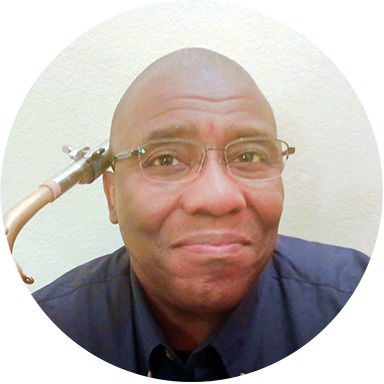
William Owens

William Owens brings three decades of classroom experience to his compositional work. A VanderCook College of Music graduate and native of Gary, Indiana, he spent 30 years directing bands in Texas before retiring in 2014. His catalog now exceeds 300 published titles across concert band, string orchestra, and chamber settings, with works appearing on state music lists and in music education texts nationwide.

Owens' approach to young band writing is rooted in practical pedagogy and musical substance. His commissions from organizations like the American Bandmasters Association and Phi Beta Mu International reflect the respect he commands in the field. He holds memberships in ASCAP, TMEA, and other professional organizations, and was recognized as a Distinguished Alumnus by VanderCook. He currently resides in Fort Worth with his wife Georgia and maintains a passion for American history and classic automobiles.

Why we love this

Owens captures a specific narrative moment without resorting to empty program music clichés. The USS Silversides gets its due through orchestration and harmonic color rather than literal representation, giving students something genuinely interesting to execute while audiences hear a coherent musical story. At Grade 2, this sits in that sweet spot where young ensembles sound accomplished without drowning in technical demands.

What to expect

The opening pulls you underwater; quiet, tense, purposeful. When the action unfolds, the energy lifts everything with it, building to a rousing climax that feels earned rather than imposed. It's vivid without being cheesy, ambitious without losing sight of what a young ensemble can deliver.

Who it's for

Grade 2 concert bands looking for a programmatic work with real substance and orchestral sophistication. This appeals to musicians ready to engage with narrative structure and conductors seeking material that challenges students musically without overwhelming them technically.

How to get the most out of it

  • Shape the opening submersion carefully; resist the urge to rush the haunting material. Your slower tempo here makes the dramatic middle section land harder by contrast.
  • Balance the brass in the action section so the melody sings through the thicker texture. Grade 2 brass players often play louder rather than with better tone, so address that distinction in rehearsal.
  • Taper the closing fire into a controlled finish. A fiery closer that falls apart in the final measures undermines everything that came before it.

How to use it

Pair this with other concert band works that explore American subjects or military themes for a thematic concert block. Its Grade 2 accessibility also makes it a solid choice for a fall festival season when rehearsal time is still building up, or as a programming anchor that gives newer ensemble members a chance to play something with real narrative weight.

Skills your students will build

  • Sustaining long, controlled phrases at soft dynamics
  • Balancing melody and accompaniment within fuller orchestrations
  • Executing sudden dynamic shifts and tempo variations
  • Responding to conductor gestures that shape program music narratives

You May Also Like