

Sight Reading for the Classical Guitar, Level I-III: Daily Sight Reading Material with Emphasis on Interpretation, Phrasing, Form, and More: Solo Guitar
Daily Sight Reading Material with Emphasis on Interpretation, Phrasing, Form, and More
By Robert Benedict
Item: 00-PB-0002025
$13.99
Pickup currently not available
Related Items
Sight Reading for the Classical Guitar, Level I-III: Guitar Book |
$13.99
|
View |
Description
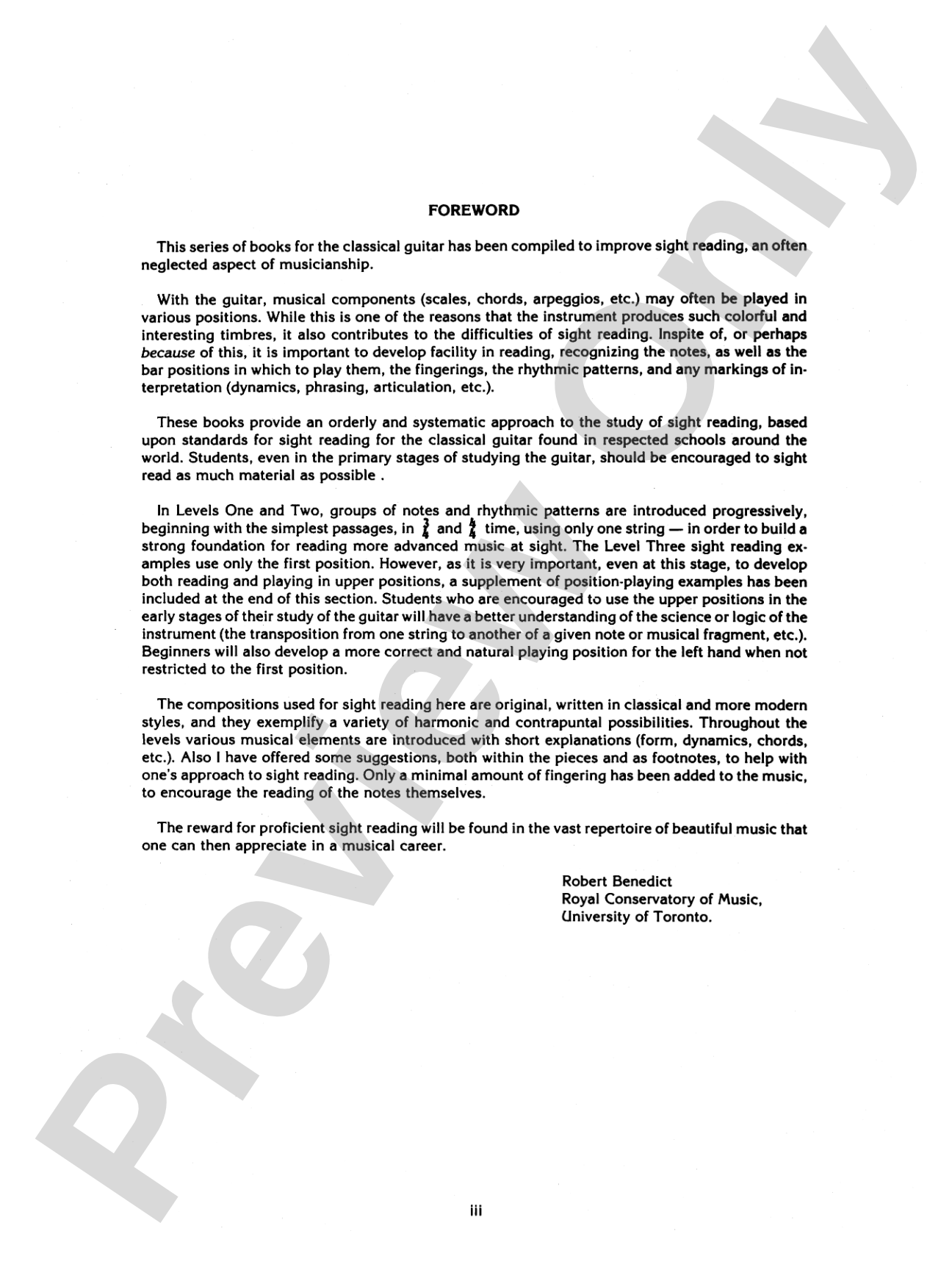
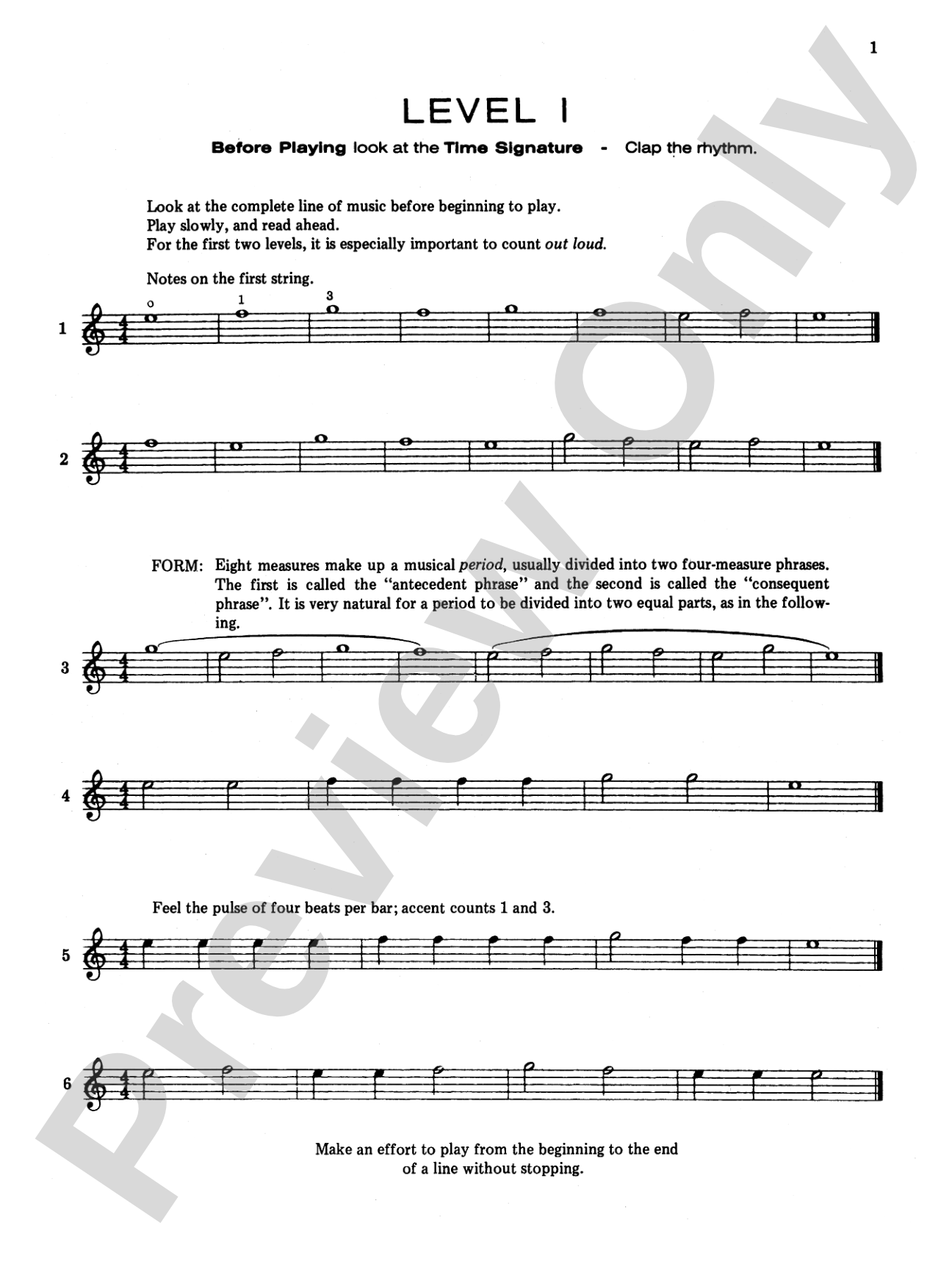
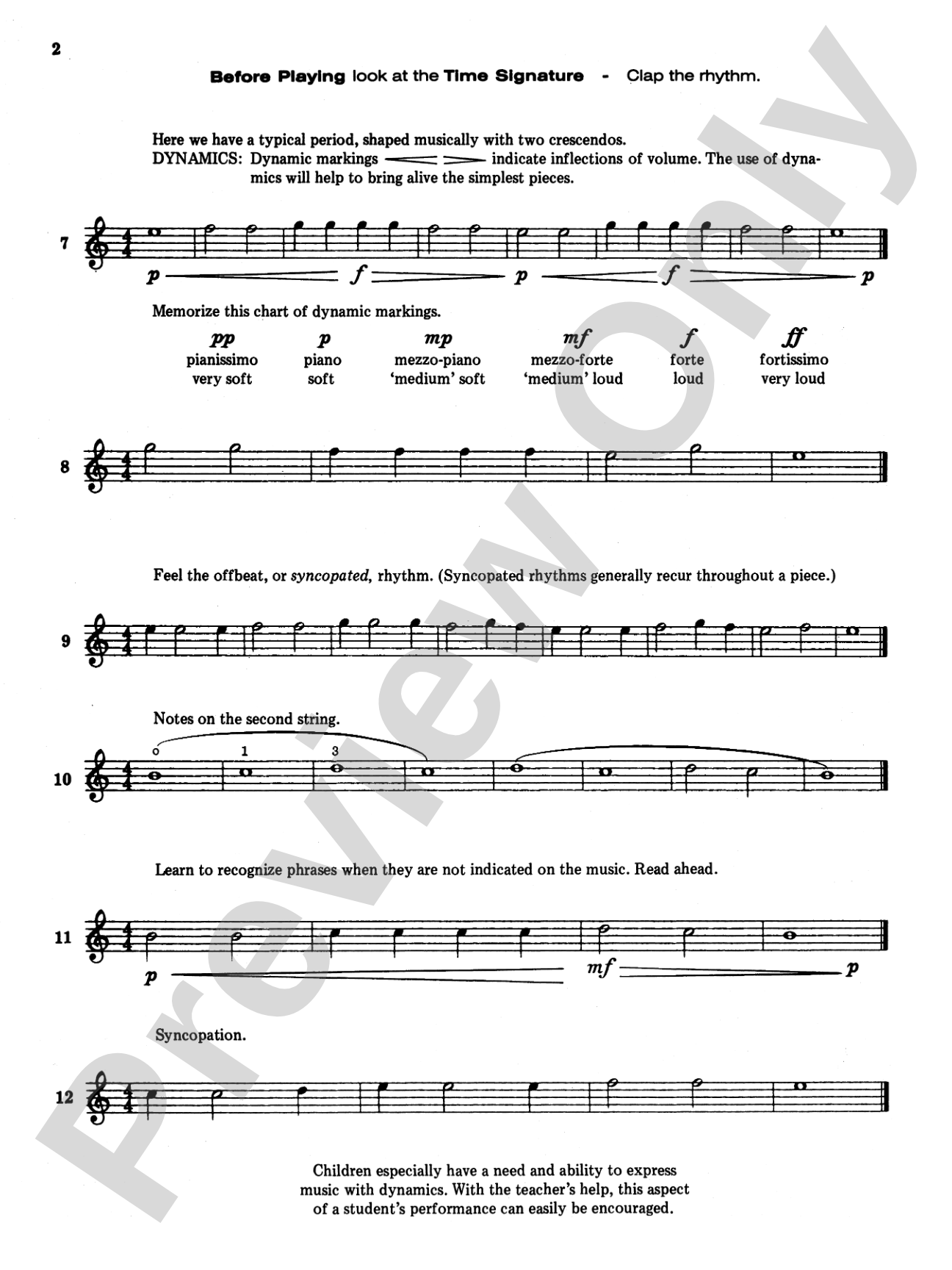
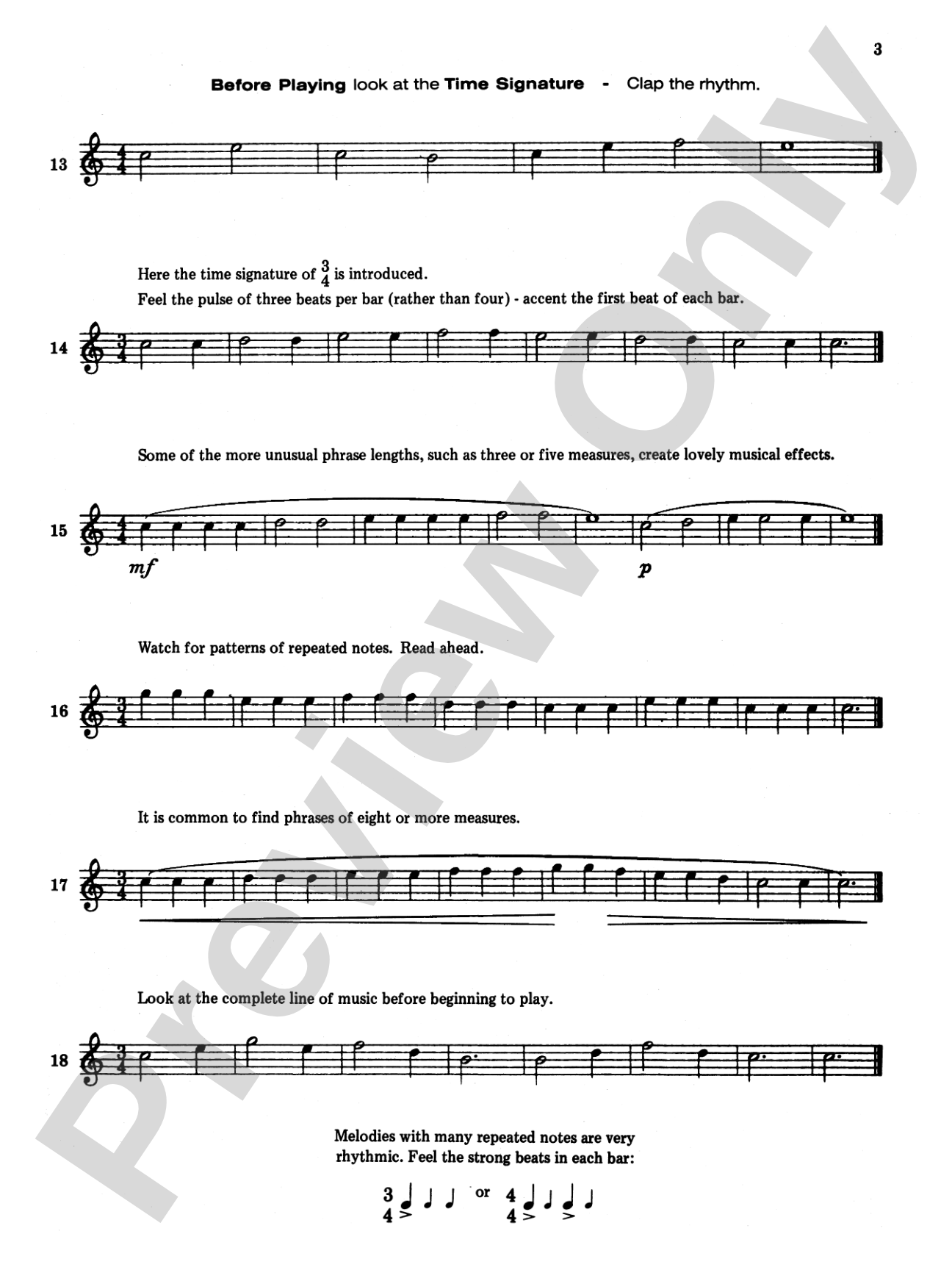
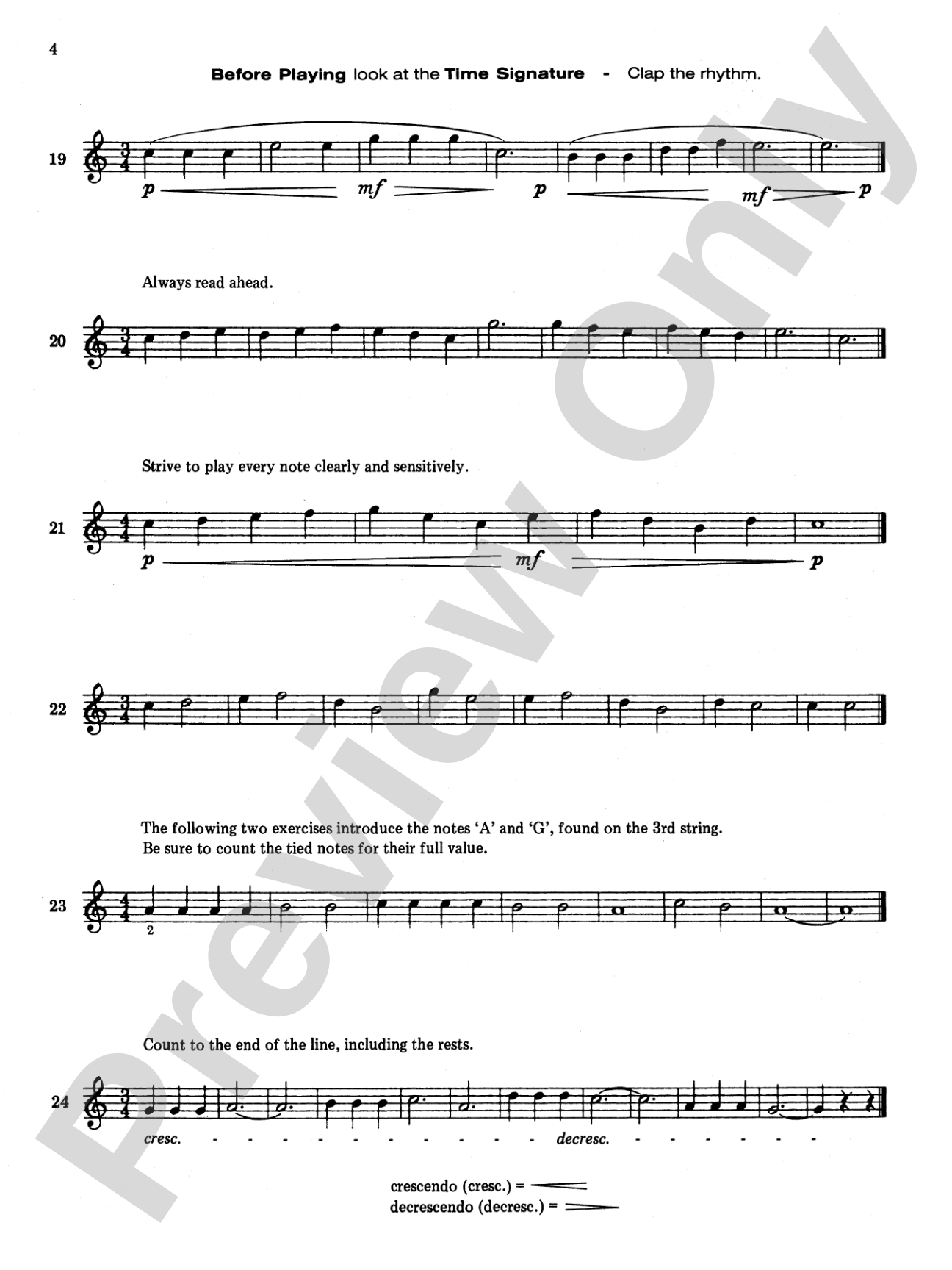
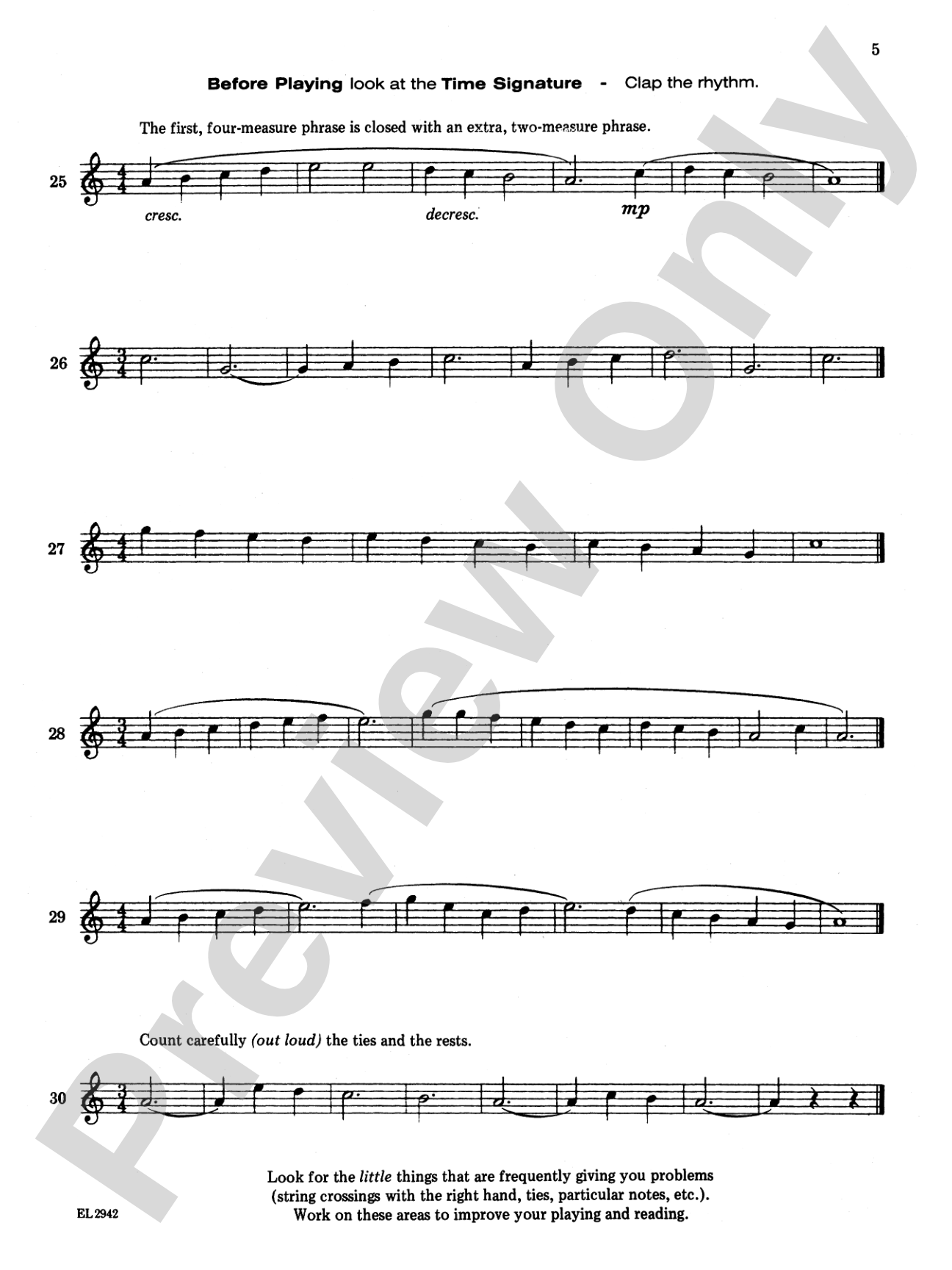
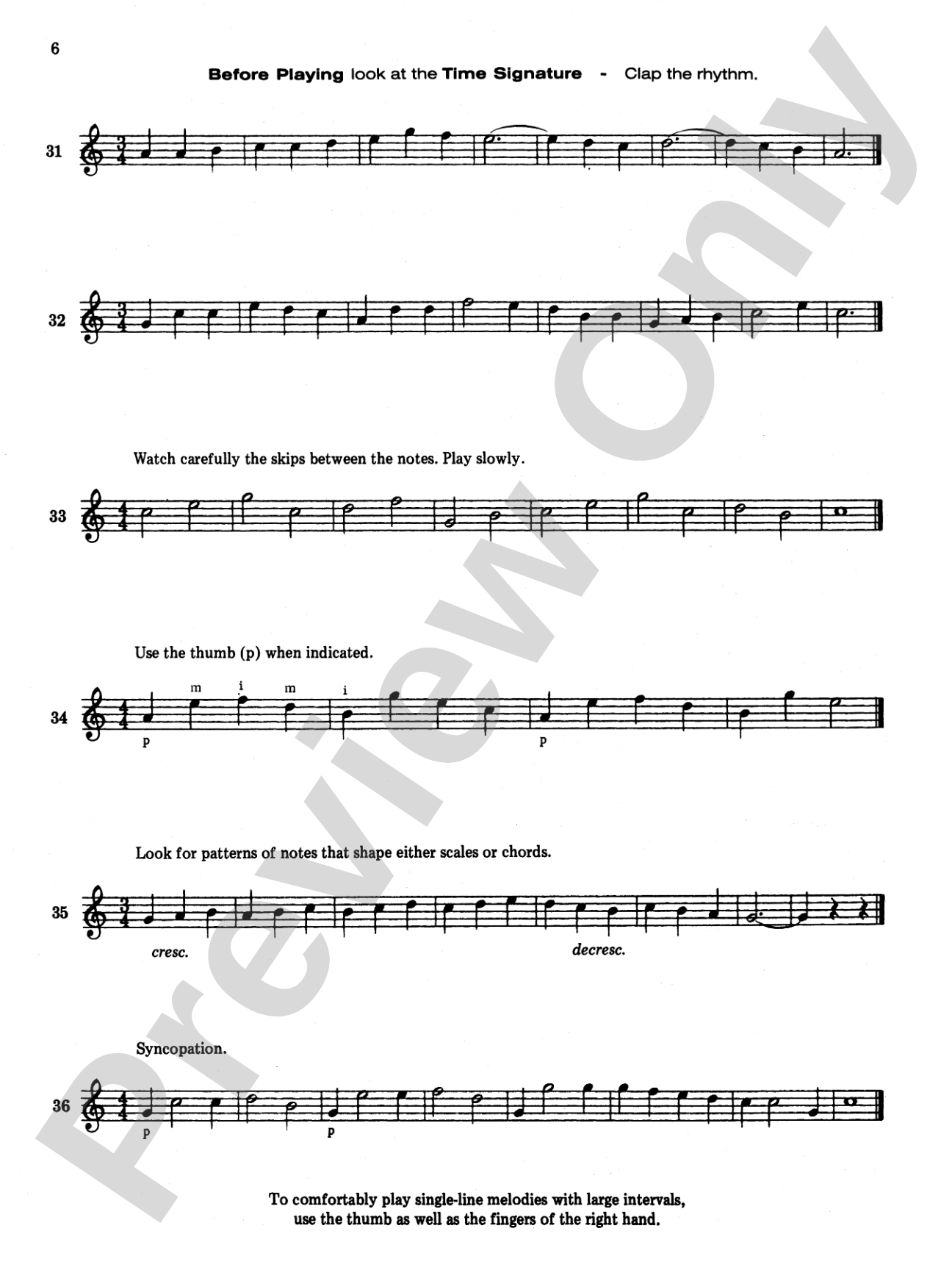
This book for the classical guitar has been compiled to improve sight reading, an often neglected aspect of musicianship.
With the guitar, musical components (scales, chords, arpeggios, etc.) may often be played in various positions. While this is one of the reasons that the instrument produces such colorful and interesting timbres, it also contributes to the difficulties of sight reading. It is important to develop facility in reading, recognizing the notes, as well as the bar positions in which to play them, the fingerings, the rhythmic patterns, and any markings if interpretation (dynamics, phrasing, articulation, etc.).
This book provides an orderly and systematic approach to the study of sight reading, based upon standards for sight reading for the classical guitar found in respected schools around the world.


With the guitar, musical components (scales, chords, arpeggios, etc.) may often be played in various positions. While this is one of the reasons that the instrument produces such colorful and interesting timbres, it also contributes to the difficulties of sight reading. It is important to develop facility in reading, recognizing the notes, as well as the bar positions in which to play them, the fingerings, the rhythmic patterns, and any markings if interpretation (dynamics, phrasing, articulation, etc.).
This book provides an orderly and systematic approach to the study of sight reading, based upon standards for sight reading for the classical guitar found in respected schools around the world.
Sight Reading for the Classical Guitar, Level I-III: Daily Sight Reading Material with Emphasis on Interpretation, Phrasing, Form, and More: Solo Guitar isn't in MakeMusic Cloud just yet...but it could be. Let us know you'd like to see it, and you'll help shape what comes next. In the meantime, start a free trial and dive into thousands of interactive titles your students can play along with today.
Request This Title
Tell us you want it.
Start Your Free Trial
Explore everything that's ready to play right now.
Sample Audio
No sample audio found.
Sample Video
No sample videos found.
Additional Details
Publisher:
Alfred Music
Page Count:
48
SKU:
00-PB-0002025
More about this title
Why we love this
Most sight reading books treat the guitar as though it were a piano, ignoring the instrument's unique challenge of multiple positions for the same note. Benedict builds systematic facility across the neck by coupling note recognition with position awareness and fingering choices. Teachers appreciate repertoire that acknowledges what actually makes guitar reading difficult rather than pretending those problems don't exist.
What to expect
Structured and focused. Each exercise isolates specific reading challenges rather than overwhelming the player with mixed demands, yet the collection progresses toward real musical interpretation. Working through these pages builds the confidence that comes from recognizing patterns across the fretboard.
Who it's for
Classical guitarists at intermediate levels who recognize that sight reading remains a weak point despite solid technical ability. This resource works equally well for students preparing for conservatory entrance exams or auditions that include reading components, and for ensemble players who need to move confidently through unfamiliar chamber music at first glance.
How to get the most out of it
- Establish the position before you play. Glance at the first note, identify which area of the neck you need, and anchor your hand there before reading ahead.
- Read phrasing and dynamic markings alongside the pitches, not after. Train your eyes to process interpretation cues in real time rather than as afterthoughts.
- Practice each exercise multiple times without looking back. The goal is fluency, which means committing to decisions and following through rather than correcting mistakes mid-phrase.
How to use it
Assign five to ten minutes daily during studio lessons or ensemble warm-ups rather than as occasional supplementary work. The systematic approach yields results only through consistent exposure, so integrate it into regular practice routines alongside technique and repertoire study.
Skills your students will build
- Identifying note locations across multiple positions on the fingerboard
- Matching visual note recognition with fingering choices in real time
- Reading dynamic, articulation, and phrasing markings without sacrificing rhythmic accuracy
- Interpreting musical markings while maintaining steady tempo
- Managing position shifts efficiently during continuous reading passages
- Coordinating left hand position awareness with right hand rhythm execution