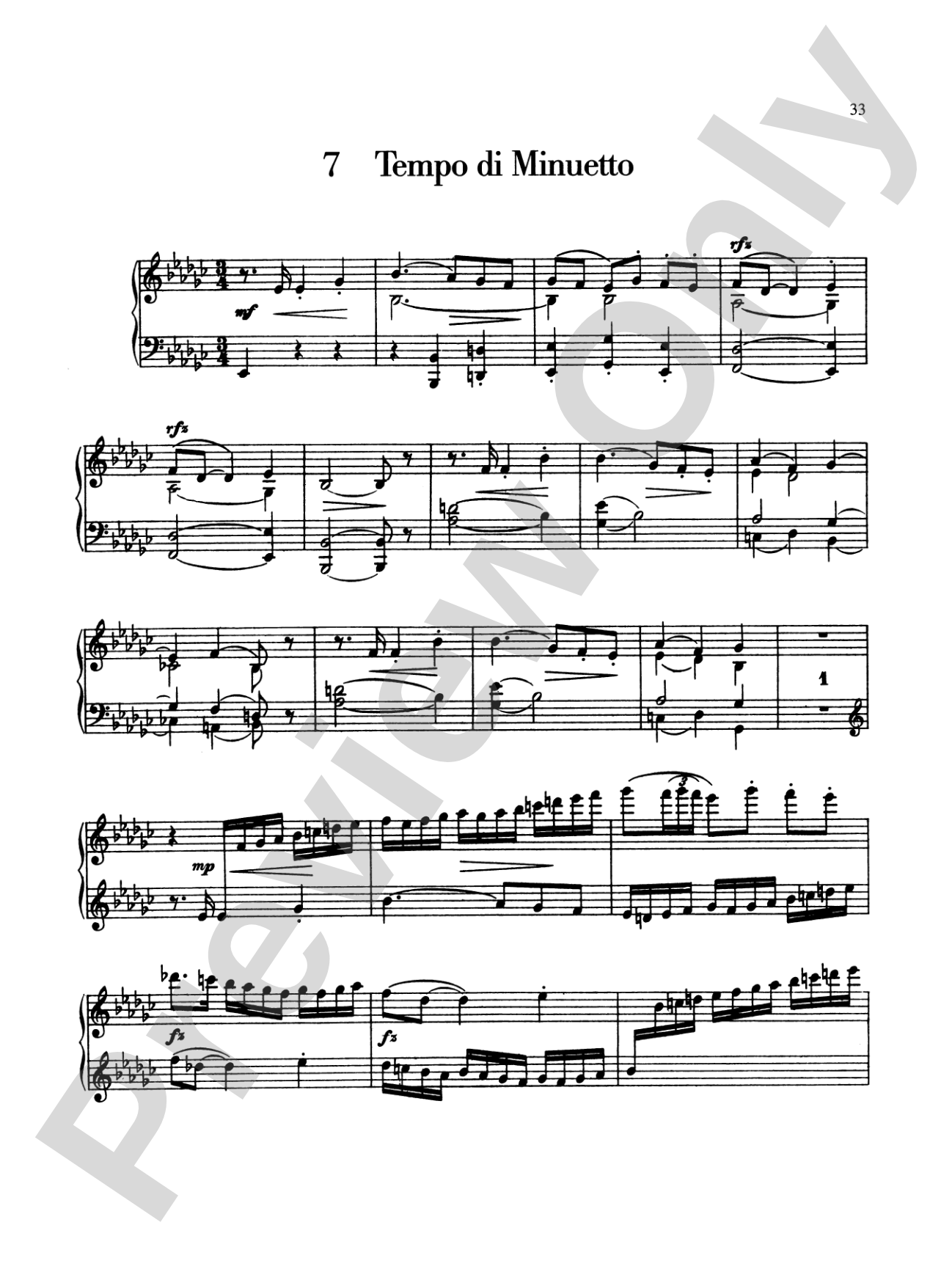
Sibelius: Ten Pieces, Op. 58 Sheet Music Preview

Sibelius: Ten Pieces, Op. 58

By Jean Sibelius

Level: Late Intermediate

Item: 00-PC-0004148

Digital Download
$0.99
Description
A collection of Late Intermediate piano solos composed by Jean Sibelius.

Don't just read it, hear it, play along with it, and watch your students grow with it. In MakeMusic Cloud, Sibelius: Ten Pieces, Op. 58 comes alive with professional accompaniment, adjustable tempo, and built-in practice tools that turn solo practice into real progress.

Sample Audio
No sample audio found.
Sample Video
Additional Details
Series: Kalmus Edition
Publisher: Alfred Music
Page Count: 52
SKU: 00-PC-0004148

More about this title

About the Composer: Jean Sibelius

Jean Sibelius (1865–1957) stands as Finland's most significant composer and a towering figure of late Romantic and early modern orchestral writing. Though known worldwide for sweeping symphonic works and the tone poem Finlandia, Sibelius composed extensively for solo piano throughout his career, treating the instrument as a vehicle for intimate lyricism and harmonic innovation rather than virtuosic display.

Sibelius's piano works reveal a composer absorbed in economy of gesture and the poetic potential of sparse textures. His late-career pieces, including Op. 58, strip away Romantic excess in favor of crystalline clarity and structural refinement, anticipating the modernist sensibilities that would dominate twentieth-century composition.

Why we love this

These ten pieces bridge the gap between Romantic idiom and modern restraint in ways that deepen a student's musical maturity. Rather than requiring technical pyrotechnics, they demand interpretive sensitivity and an understanding of how sparse sonority and elegant form can carry profound emotional weight—skills that transfer across all repertoire.

What to expect

These pieces inhabit a landscape of subtle melancholy and crystalline beauty. Sibelius's harmonies feel both familiar and slightly displaced, invoking the Finnish landscape through suggestion rather than description—cool, spare, and emotionally precise.

Who it's for

Late intermediate pianists ready to move beyond Romantic convention into the twentieth-century sound world will find these pieces both accessible and artistically substantial. Students preparing for recitals, competitions, or college auditions benefit from the combination of musical depth and moderate technical demands.

How to get the most out of it

  • Pay attention to pedal markings and silence as actively as you do to notes. Sibelius uses the sustain pedal architecturally; careless pedaling obscures the transparent voice leading.
  • Shape phrases through dynamics and tone color rather than tempo rubato. The pieces reward a steady pulse and careful voicing of inner lines.
  • Explore the harmonic language slowly away from the keyboard. Many passages contain chromatic shifts and unexpected resolutions that benefit from study before performing.
  • Let rests breathe. The space between ideas is as compositionally intentional as the material itself; resist the impulse to fill it with extraneous sound.

How to use it

Select individual pieces for student recitals or competitions where Romantic staples dominate the field; a Sibelius solo immediately distinguishes a program and introduces audiences to early modern sensibility. Several pieces work well as contrasting selections alongside Bach or Baroque keyboard music.

Skills your students will build

  • Interpreting sparse textures and transparent voice leading
  • Understanding early twentieth-century harmonic language and voice leading
  • Managing pedal use as a structural tool rather than a coloration effect
  • Building expressive depth through dynamic control and tone color rather than tempo manipulation
  • Reading and performing music with restrained, poetic character

You May Also Like