
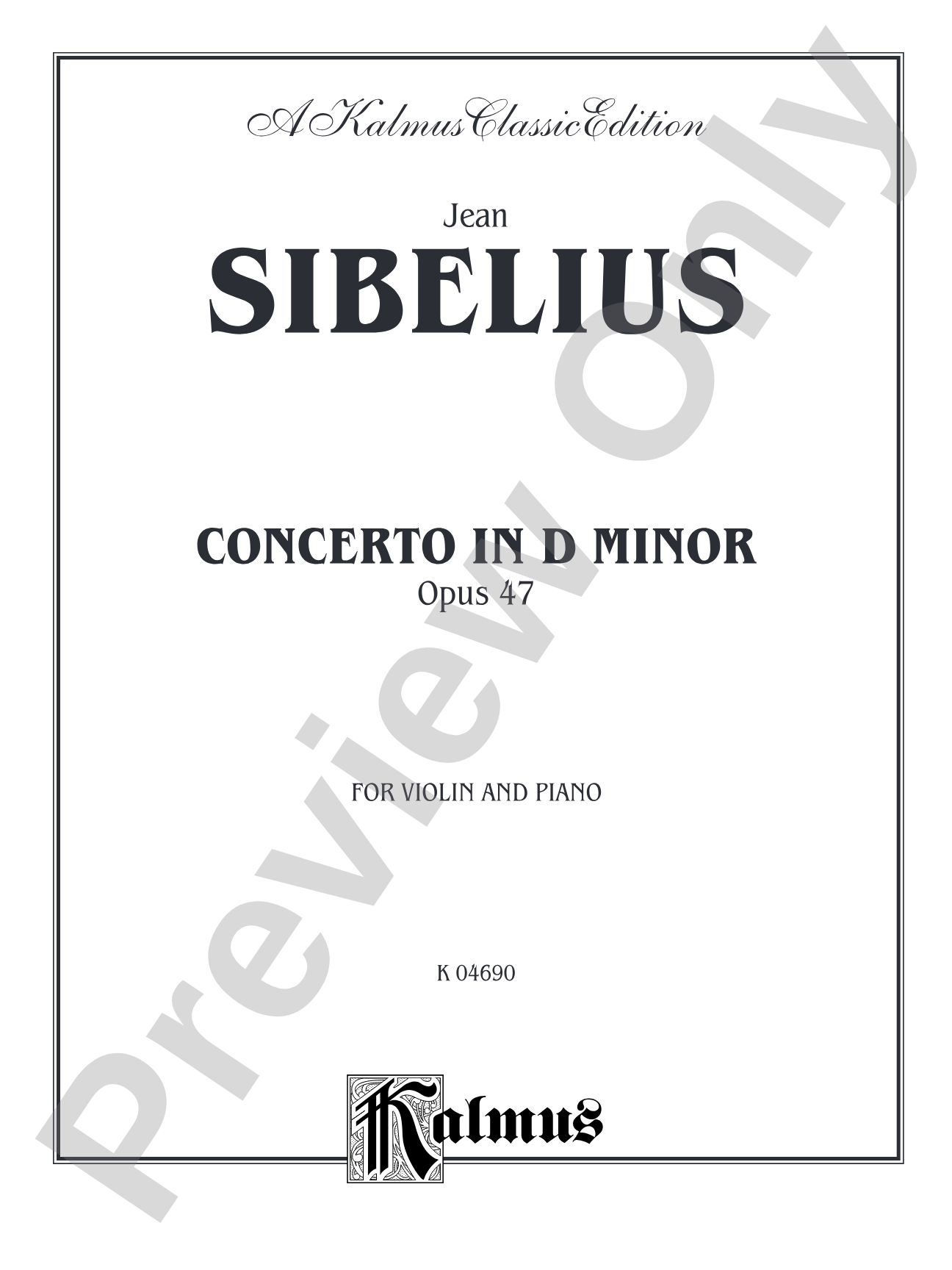

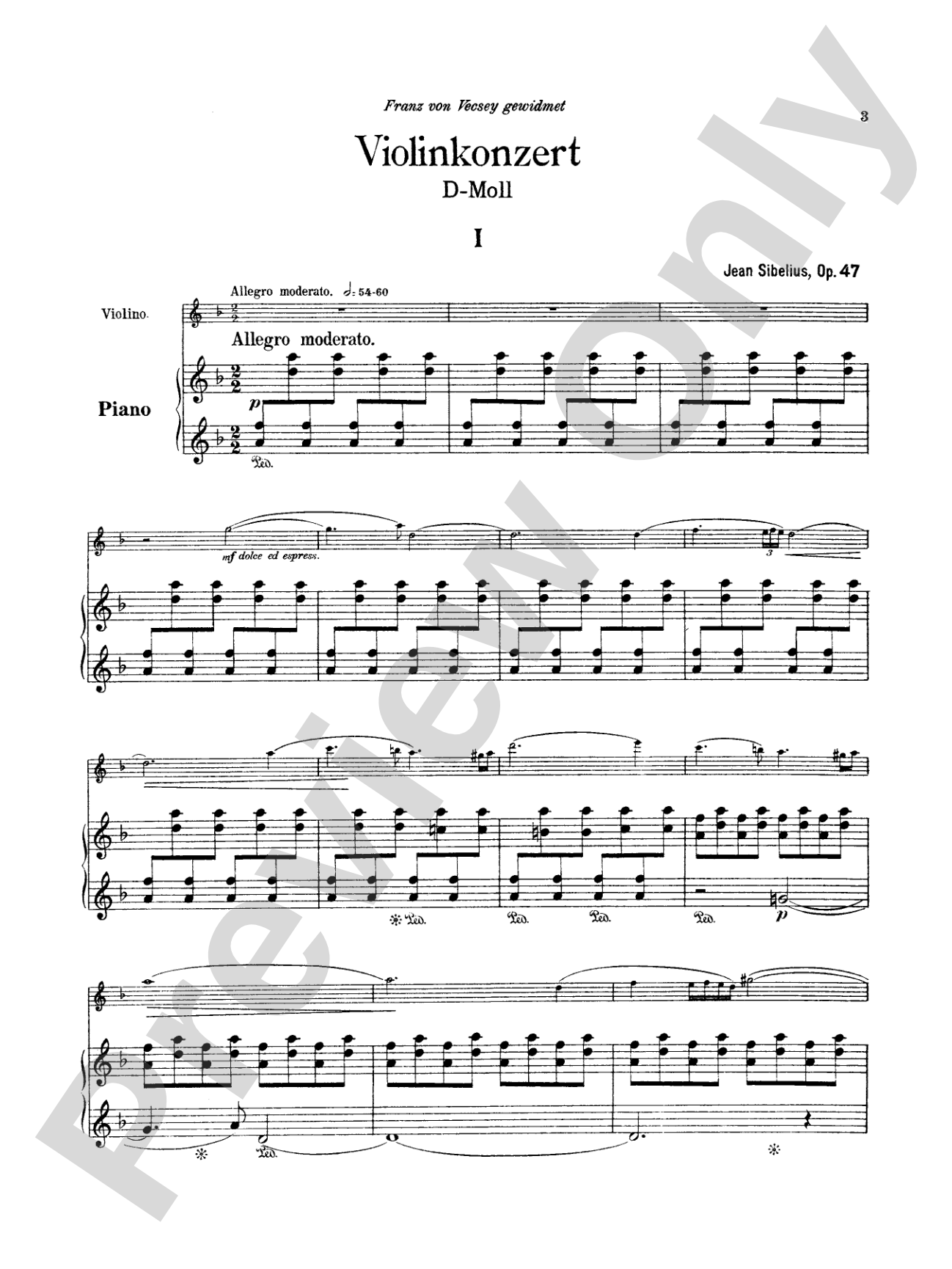
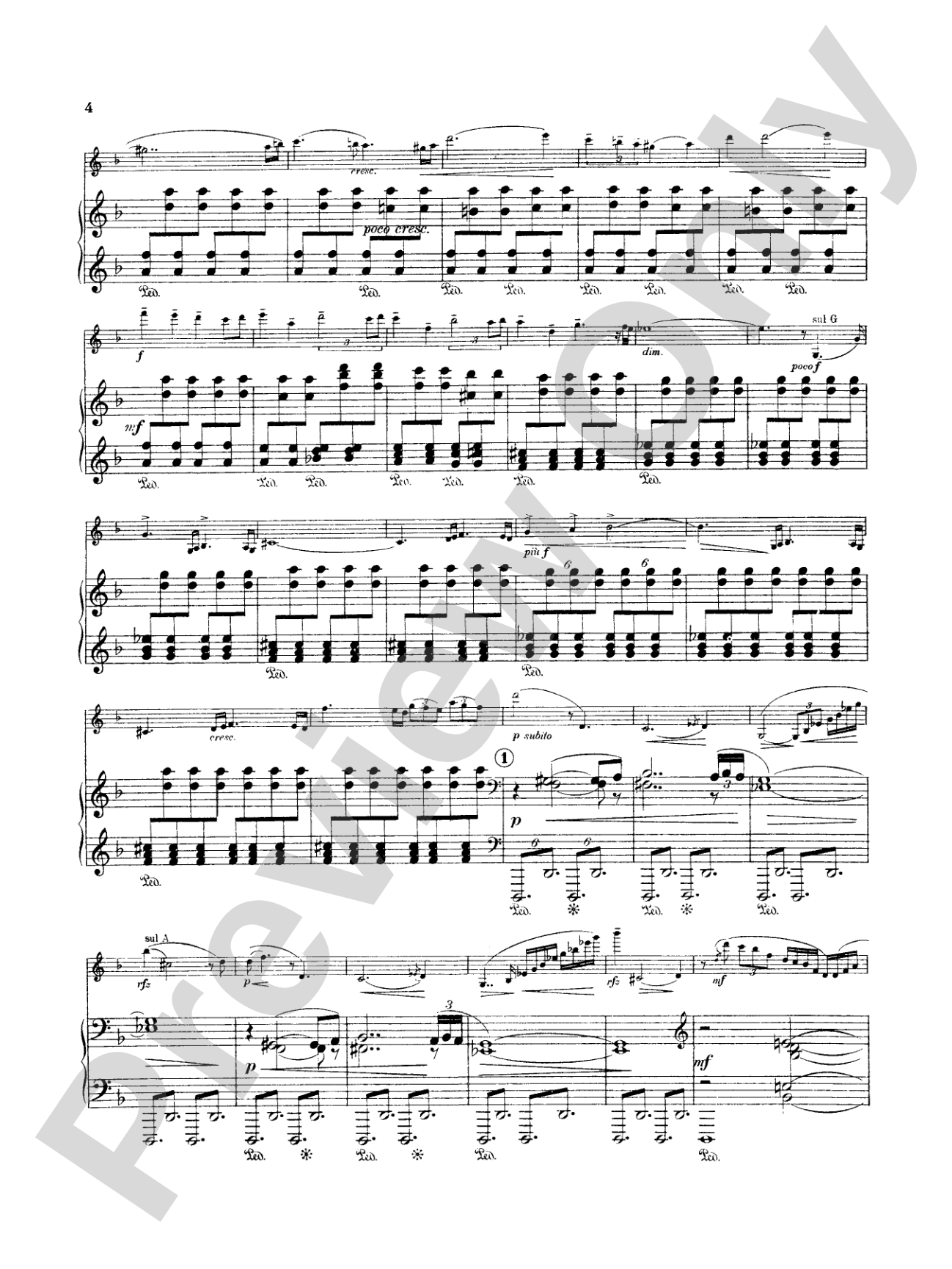
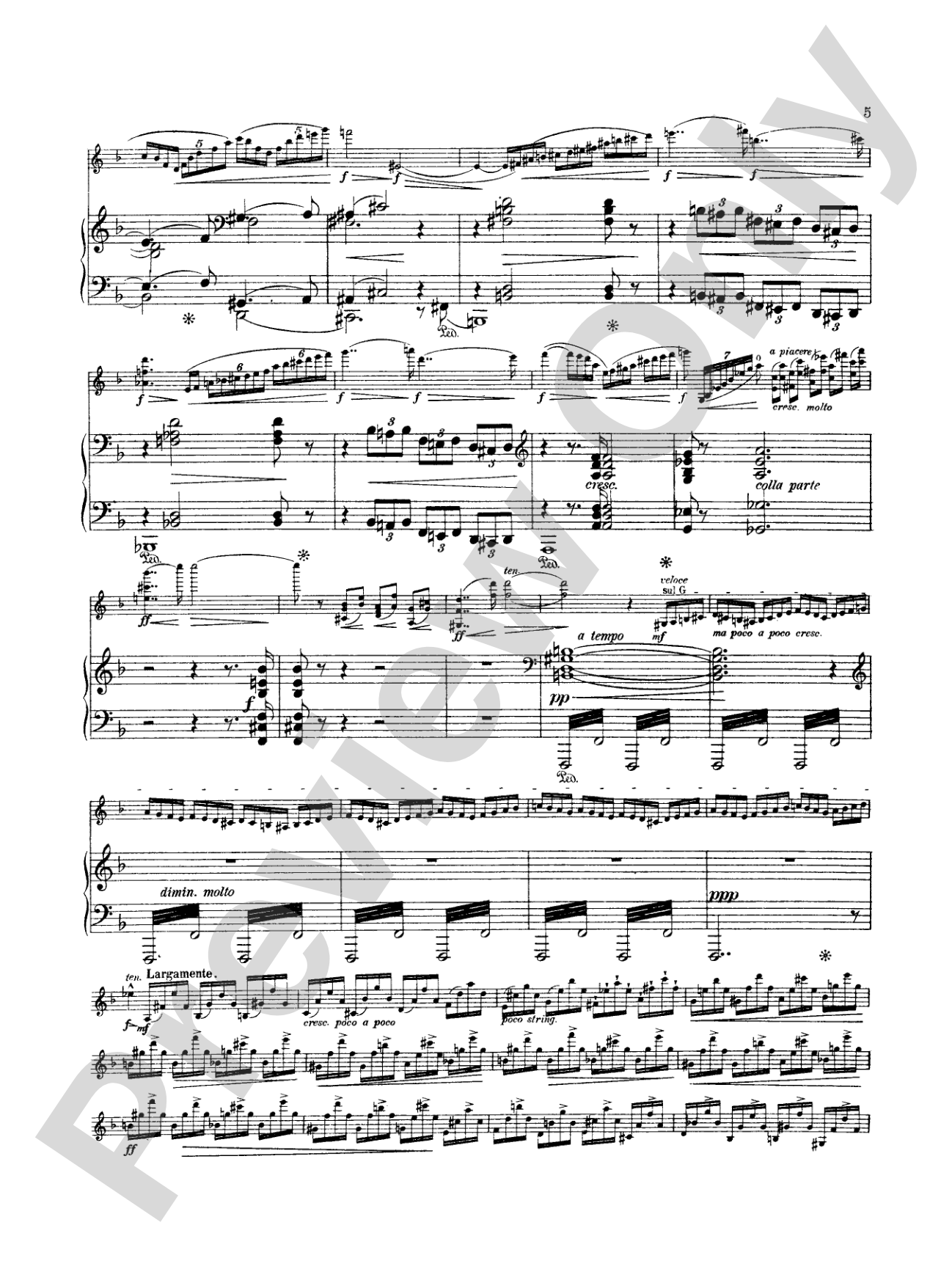
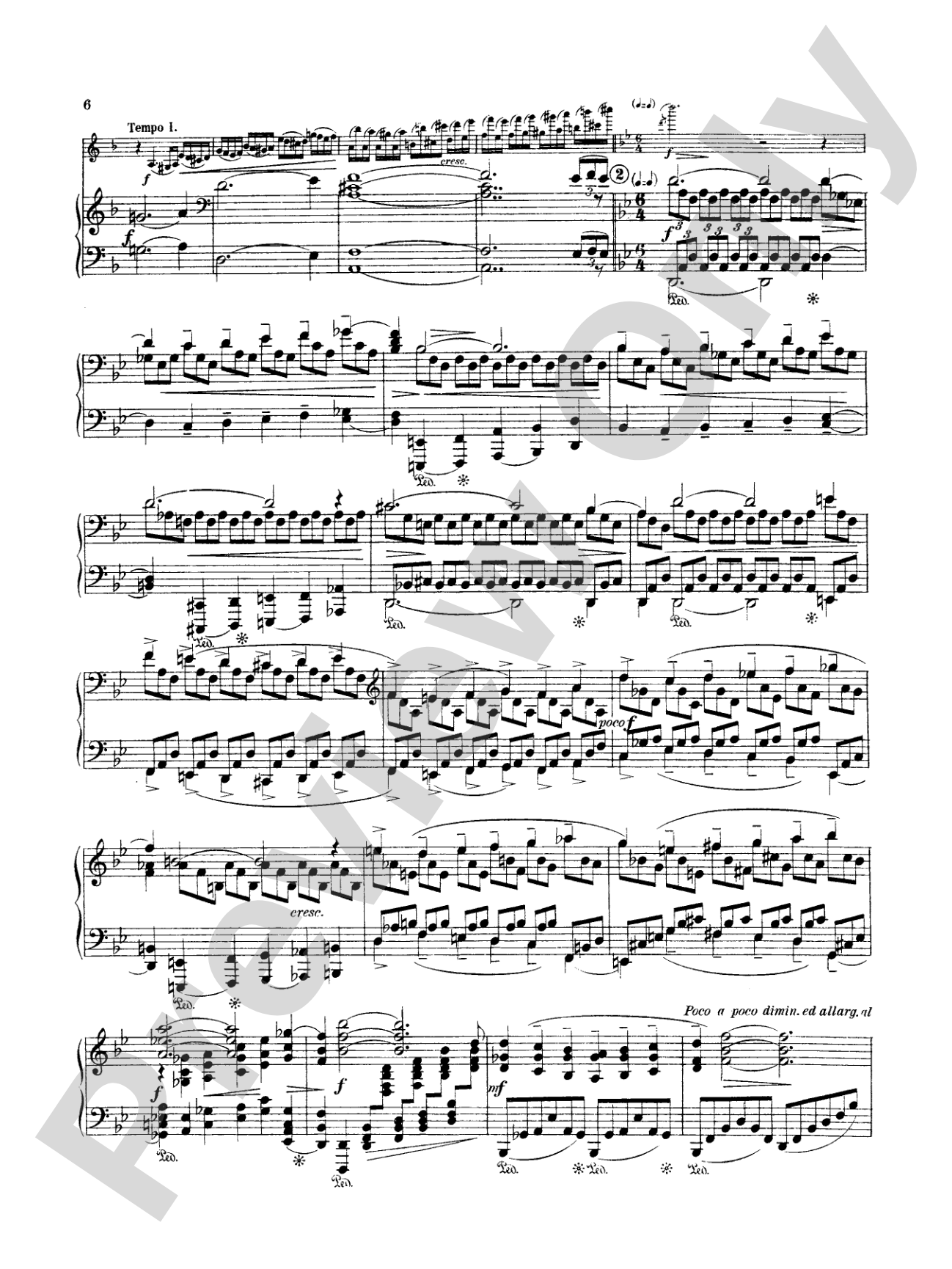
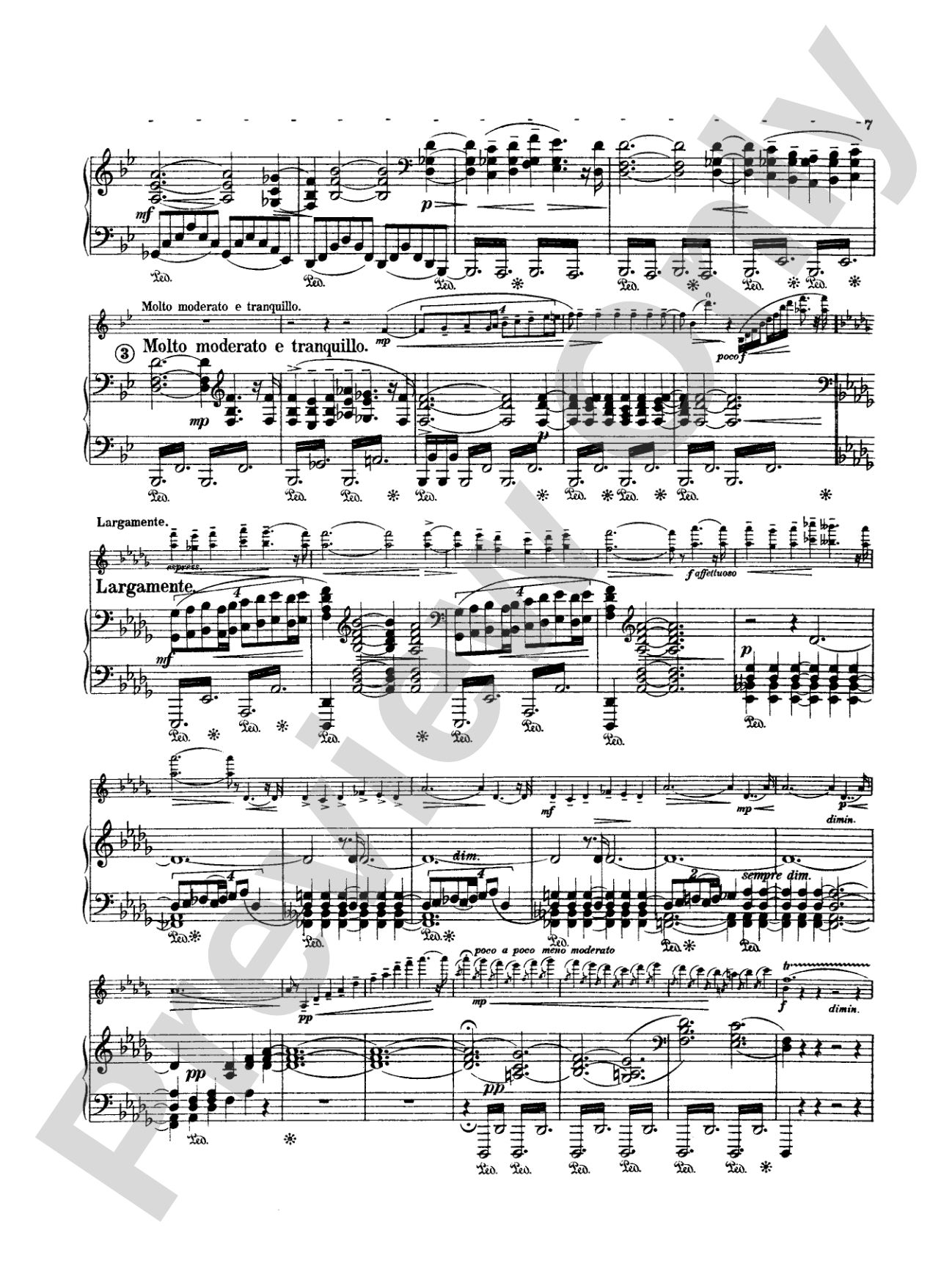
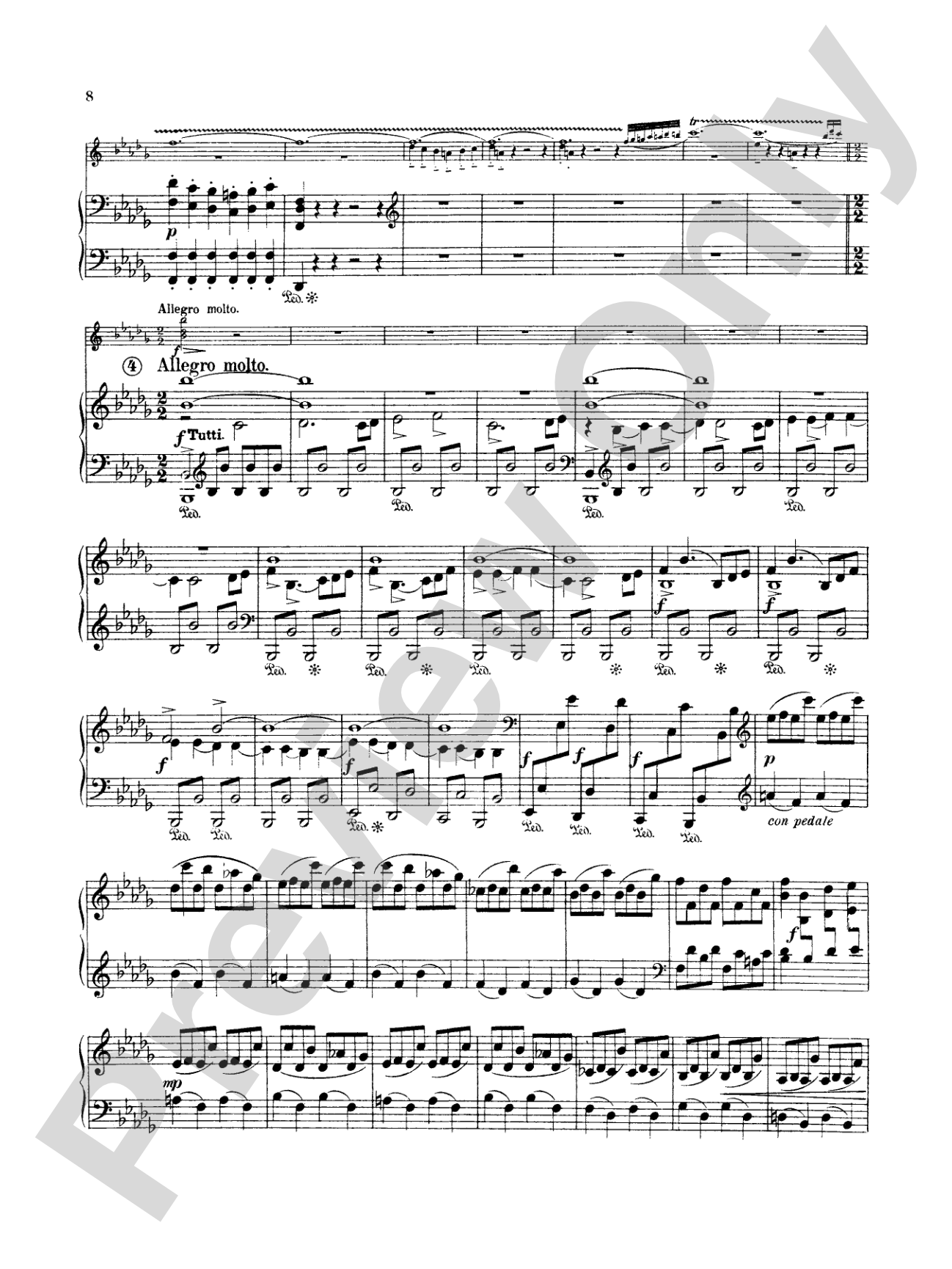

Sibelius: Concerto in D Minor, Op. 47
By Jean Sibelius
Item: 00-PC-0010952
$5.95
Pickup currently not available
Description


Don't just read it, hear it, play along with it, and watch your students grow with it. In MakeMusic Cloud, Sibelius: Concerto in D Minor, Op. 47 comes alive with professional accompaniment, adjustable tempo, and built-in practice tools that turn solo practice into real progress.
Open in the Player
Jump straight in and assign it today.
Start Your Free Trial
Open this title and explore the full library in minutes.
Sample Audio
No sample audio found.
Sample Video
No sample videos found.
Additional Details
Series:
Kalmus Edition
Publisher:
Alfred Music
Page Count:
56
SKU:
00-PC-0010952
More about this title
About the Composer: Jean Sibelius
Jean Sibelius (1865-1957) stands as Finland's most celebrated composer and a defining voice of musical nationalism in the late 19th and early 20th centuries. His orchestral works, particularly the symphonies and tone poems, shaped how composers understood the expressive potential of thematic development and orchestral color. The Violin Concerto, completed in 1904, represents his deepest engagement with the virtuoso solo tradition and remains a cornerstone of the violin repertoire.
Sibelius's approach to the concerto form differs markedly from the Romantic virtuosity of his contemporaries. Rather than subordinating the orchestra to showcase the soloist's technical prowess, he creates a genuine dialogue between violin and piano accompaniment, where the soloist must balance technical display with profound lyricism. For music educators, his work exemplifies how orchestral sophistication can be achieved through disciplined thematic writing and careful harmonic architecture.
Why we love this
This concerto demands serious artistry from advanced violinists while rewarding the investment with one of the most satisfying melodic arcs in all of string literature. The three-movement structure balances virtuosic display in the outer movements with a deeply introspective Adagio, giving your students a complete musical experience rather than a technical gauntlet. Programming this work signals your commitment to canonical masterworks and provides a genuine challenge for serious competitors and recital performers.
What to expect
The concerto unfolds with an almost orchestral grandeur, even in this piano reduction, moving from the austere dignity of the opening through passages of soaring lyricism and virtuosic display. The slow movement speaks with a quiet intensity that feels almost introspective, as if the violin is conversing with itself in a distant key. The finale returns with renewed energy and technical brilliance, leaving the performer and listener with a sense of achievement and catharsis.
Who it's for
This violin book serves advanced students preparing for competitions, auditions, or recital programs, as well as skilled amateurs seeking a major canonical work for serious study. The technical demands and interpretive depth make it appropriate for players who have already mastered standard concerto repertoire and are ready to engage with early 20th-century harmonic language and formal structure. Teachers will find it invaluable for students aiming at conservatory-level study or professional performance.
How to get the most out of it
- Approach the opening recitative not as a cadenza flourish but as the statement of a genuine protagonist; the violin must establish its character before the orchestral response arrives
- Shape the lyrical passages with long-line phrasing that honors Sibelius's gift for melody; resist the urge to overemphasize individual notes when the architecture depends on sustained phrase direction
- Balance virtuosic passagework in the first movement's development with clarity of line; rapid figurations must remain transparent rather than blurred, particularly in the higher positions
- In the Adagio, allow silence and space to do as much work as the sustained tones; the emotional weight of this movement comes from restraint and the careful placement of ornamental figures
How to use it
Reserve this work for an entire recital slot or as the centerpiece of a concerto competition program, as its three substantial movements demand undivided attention from both performer and audience. Pair it with smaller chamber works or solo pieces from different eras to create variety in texture and mood, allowing the Sibelius to stand as the architectural anchor of your concert. The contest/festival designation makes it an obvious choice for serious competitors, but it equally serves as a signature piece for advanced students seeking repertoire that will sustain their interest and challenge their growth for months.
Skills your students will build
- Reading and interpreting early 20th-century harmonic language and formal structures
- Extended techniques in high positions and rapid passagework with clarity and control
- Sustaining long melodic lines with stylistically appropriate vibrato and phrase direction
- Balancing virtuosic display with ensemble awareness in the context of an accompaniment
- Interpreting fermatas, rubato, and expressive indications within a cyclical three-movement form