
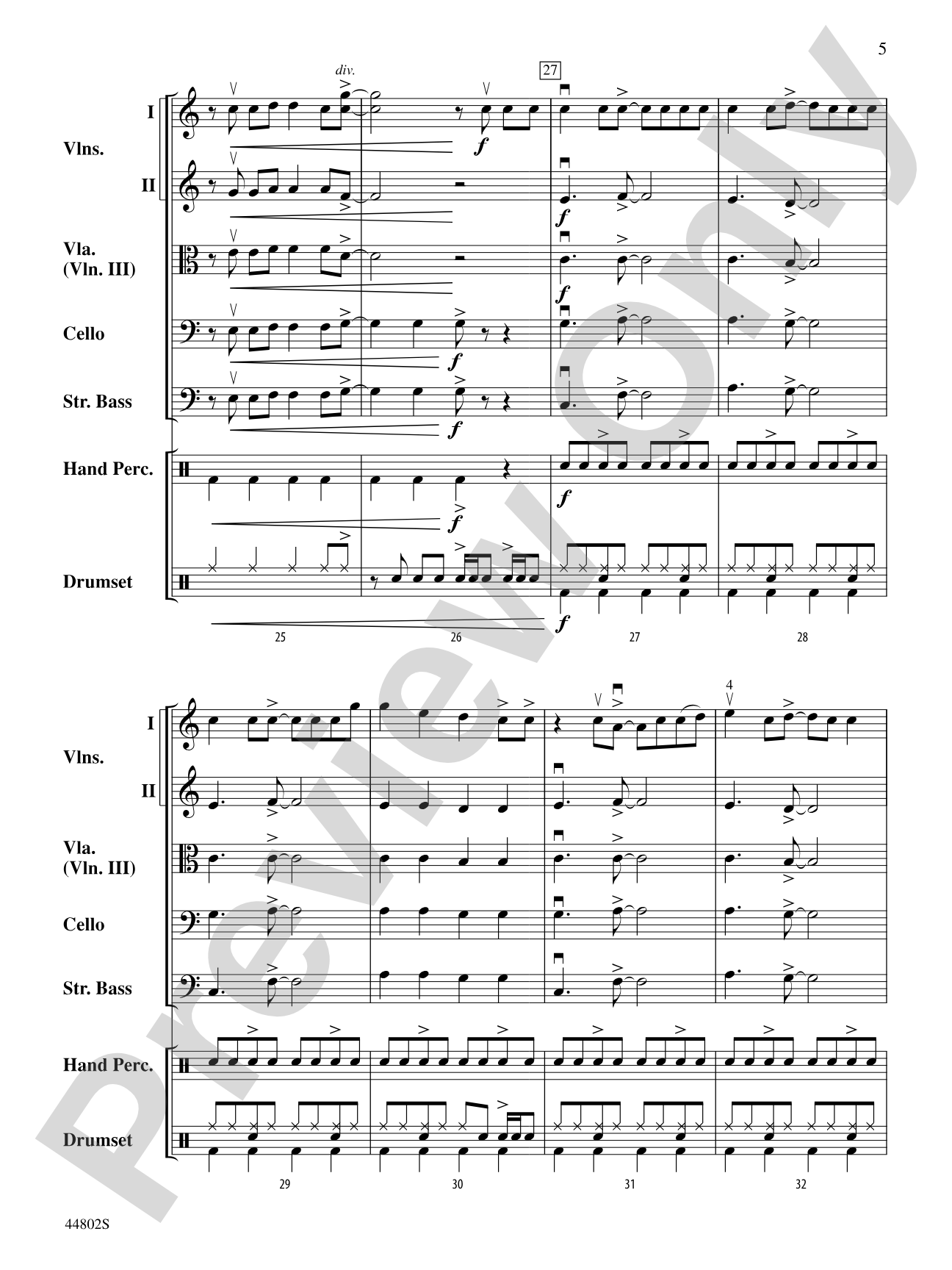
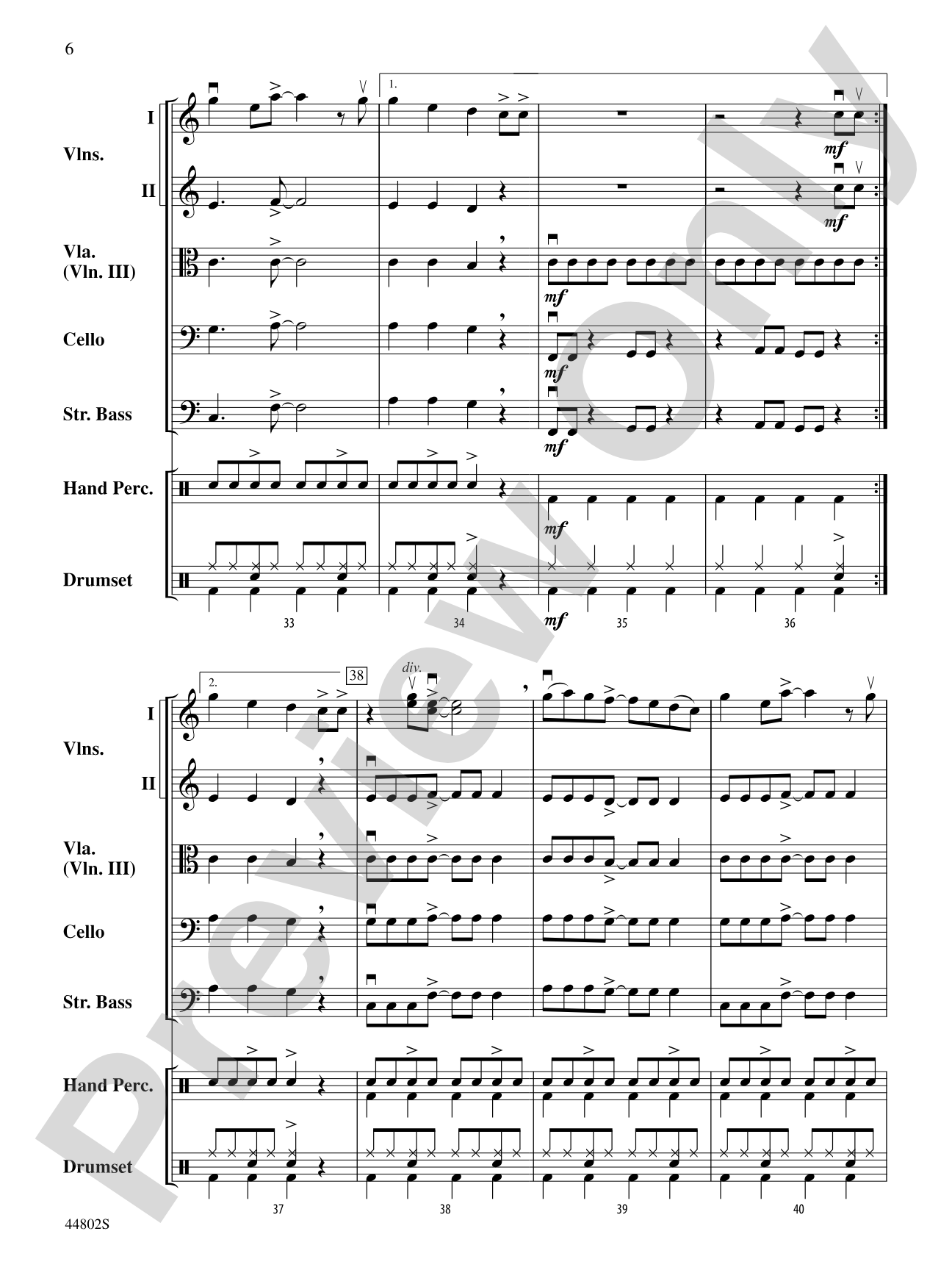
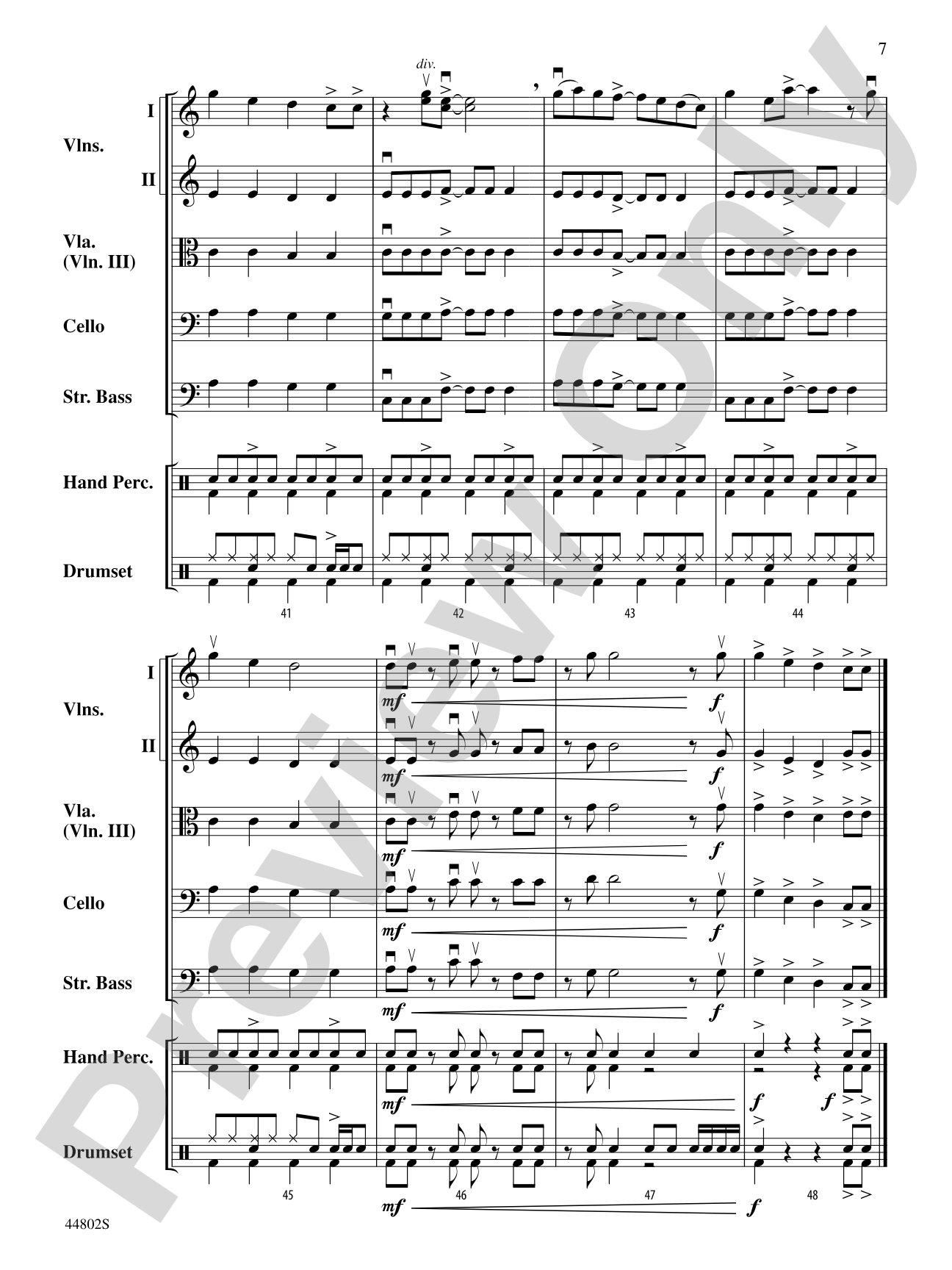

Shut Up and Dance: String Orchestra Conductor Score & Parts
As Performed by Walk the Moon
Words and music by Ryan McMahon, Benjamin Berger, Nicholas Petricca, Sean Waugaman, Kevin Ray, and Eli Maiman / arr. Michael Story
Grade: 2
Item: 00-PK-0007074

$55.00
One moment…
Related Items
Shut Up and Dance: Concert Band Conductor Score & Parts |
$62.00
|
View | |
Shut Up and Dance: String Orchestra Conductor Score & Parts |
$55.00
|
View | |
Shut Up and Dance: String Orchestra Conductor Score |
$9.00
|
View | |
Shut Up and Dance: Concert Band Conductor Score & Parts |
$62.00
|
View | |
Shut Up and Dance: Concert Band Conductor Score |
$10.00
|
View |
Description
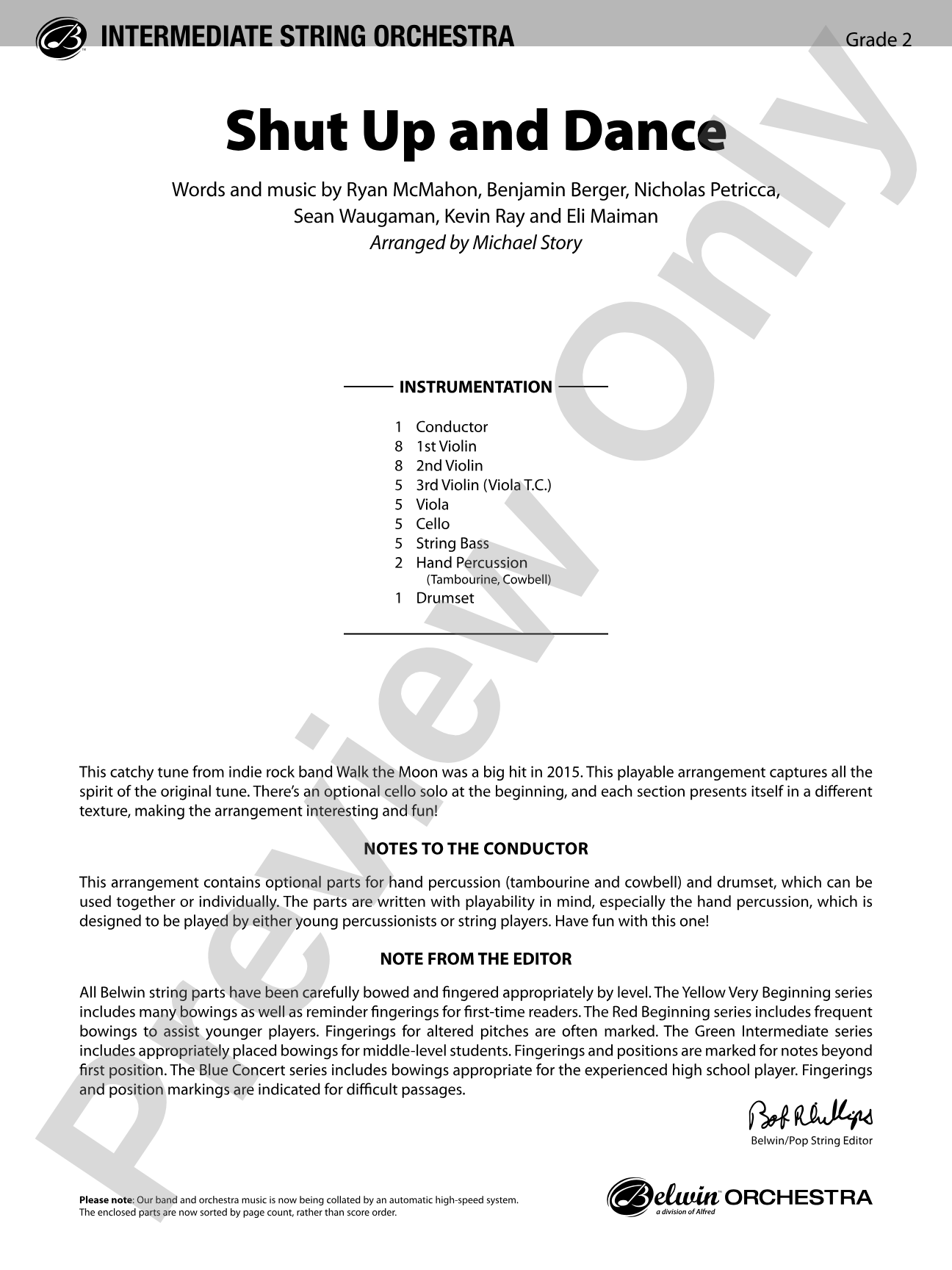
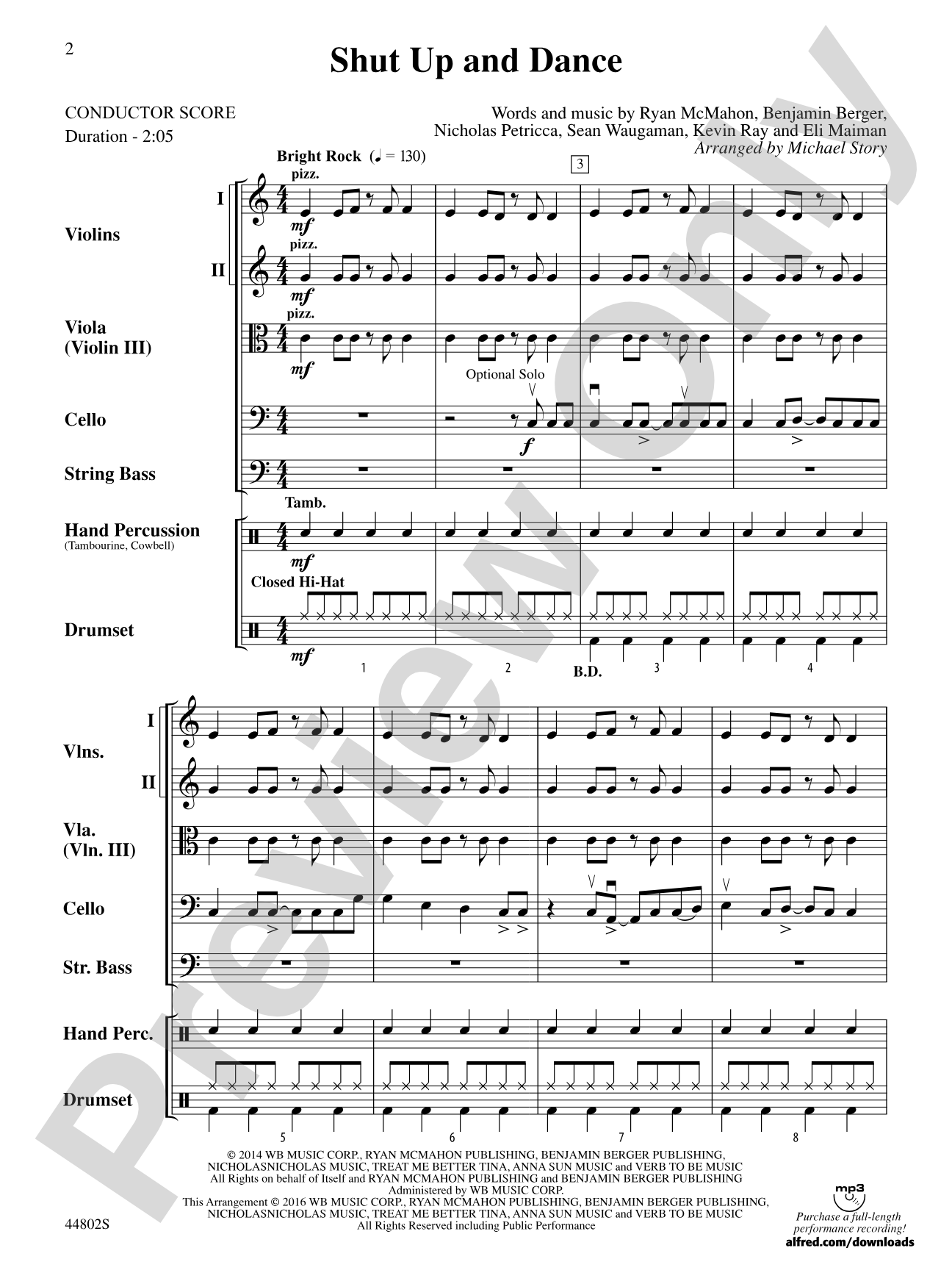
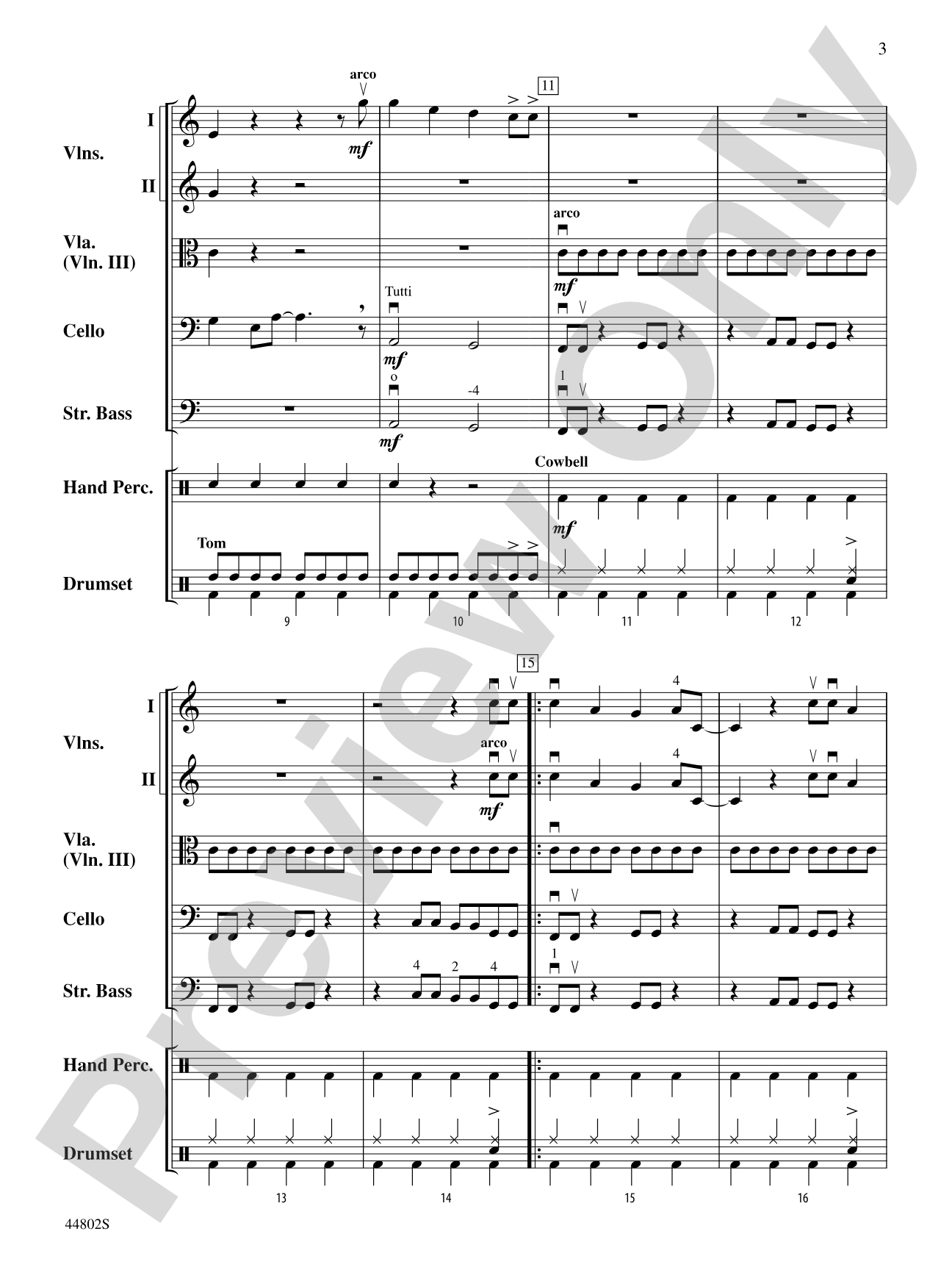
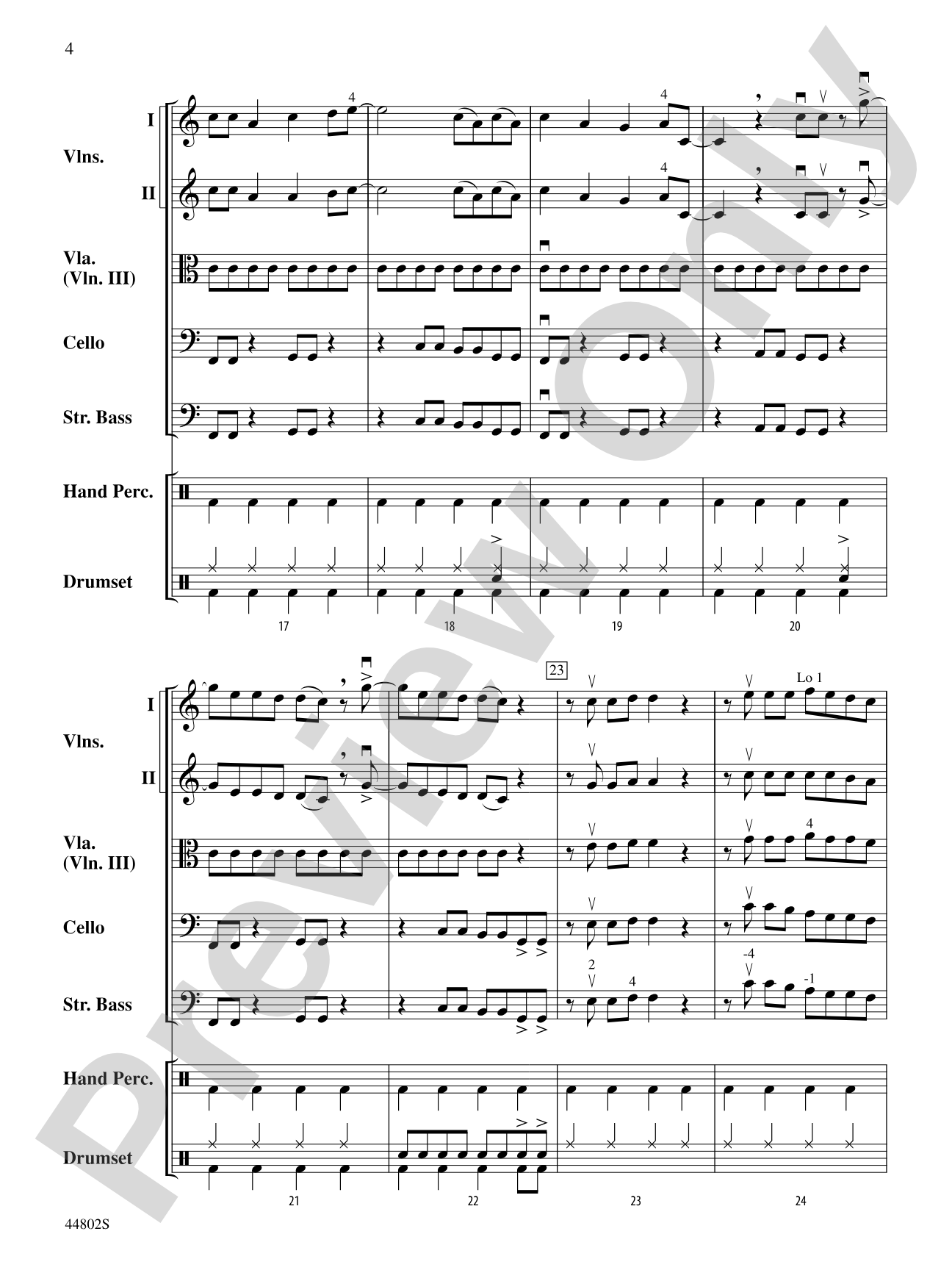
This catchy tune from indie-rock band Walk the Moon was a big hit in 2015. Michael Story's playable arrangement captures all the spirit of the original tune. There's an optional cello solo at the beginning, and each section presents itself in a different texture, making the arrangement interesting and fun! Also included are optional parts for hand percussion and drumset. (2:05)


Don't just read it, hear it, play along with it, and watch your students grow with it. In MakeMusic Cloud, Shut Up and Dance: String Orchestra Conductor Score & Parts comes alive with professional accompaniment, adjustable tempo, and built-in practice tools that turn solo practice into real progress.
Open in the Player
Jump straight in and assign it today.
Start Your Free Trial
Open this title and explore the full library in minutes.
Sample Audio
1
Audio File
--:--
0:00
0:00
Sample Video
Additional Details
Series:
Pop Intermediate String Orchestra
Publisher:
Alfred Music
Page Count:
78
SKU:
00-PK-0007074
More about this title
Why we love this
Michael Story's arrangement strips away none of the infectious energy that made "Shut Up and Dance" a radio staple, yet builds the piece thoughtfully so Grade 2 players feel the progression from that optional cello opener all the way through to the final hit. The varied textures keep both players and audiences engaged without asking for virtuosity you don't have yet, and the optional percussion parts give you flexibility for the exact ensemble sitting in front of you.
What to expect
Infectious and driven. The piece has the propulsive, feel-good energy of the original track translated into orchestral color, with bright rhythmic figures and enough textural variety to stay fresh across its just-over-two-minute runtime. You're playing something recognizable and modern, not conducting a museum piece.
Who it's for
String orchestras at the Grade 2 level looking to add contemporary repertoire that doesn't feel like a compromise. This works equally well for players who know the original song and players encountering it for the first time, and it's engaging enough to hold an audience without requiring advanced technique.
How to get the most out of it
- Lock the rhythmic feel first: this arrangement lives and dies by the groove. Establish the pulse in rehearsal before worrying about articulation or balance, especially in the sections where pizzicato and arco textures overlap.
- Balance the optional cello solo generously at the opening. It should be heard clearly over the accompaniment so it lands as a real moment, not a buried detail.
- Lean into the textural shifts. Each section sounds deliberately different; make sure your section transitions feel intentional and clean rather than accidental.
- If you're using the hand percussion and drumset parts, schedule extra rehearsal time with those players. The groove tightens significantly when all layers lock together.
How to use it
Program this as the closer to a concert segment aimed at general audiences, or use it as a palate cleanser between heavier classical works. It's also ideal for a pops concert or school assembly where you want to showcase that your orchestra plays music beyond the traditional canon.
Skills your students will build
- Maintaining consistent groove and pulse across changing textures
- Navigating pizzicato and arco transitions with rhythmic precision
- Balancing solo lines against ensemble accompaniment
- Reading and responding to dynamic and textural cues from a conductor
- Coordinating with optional percussion parts for layered ensemble awareness