
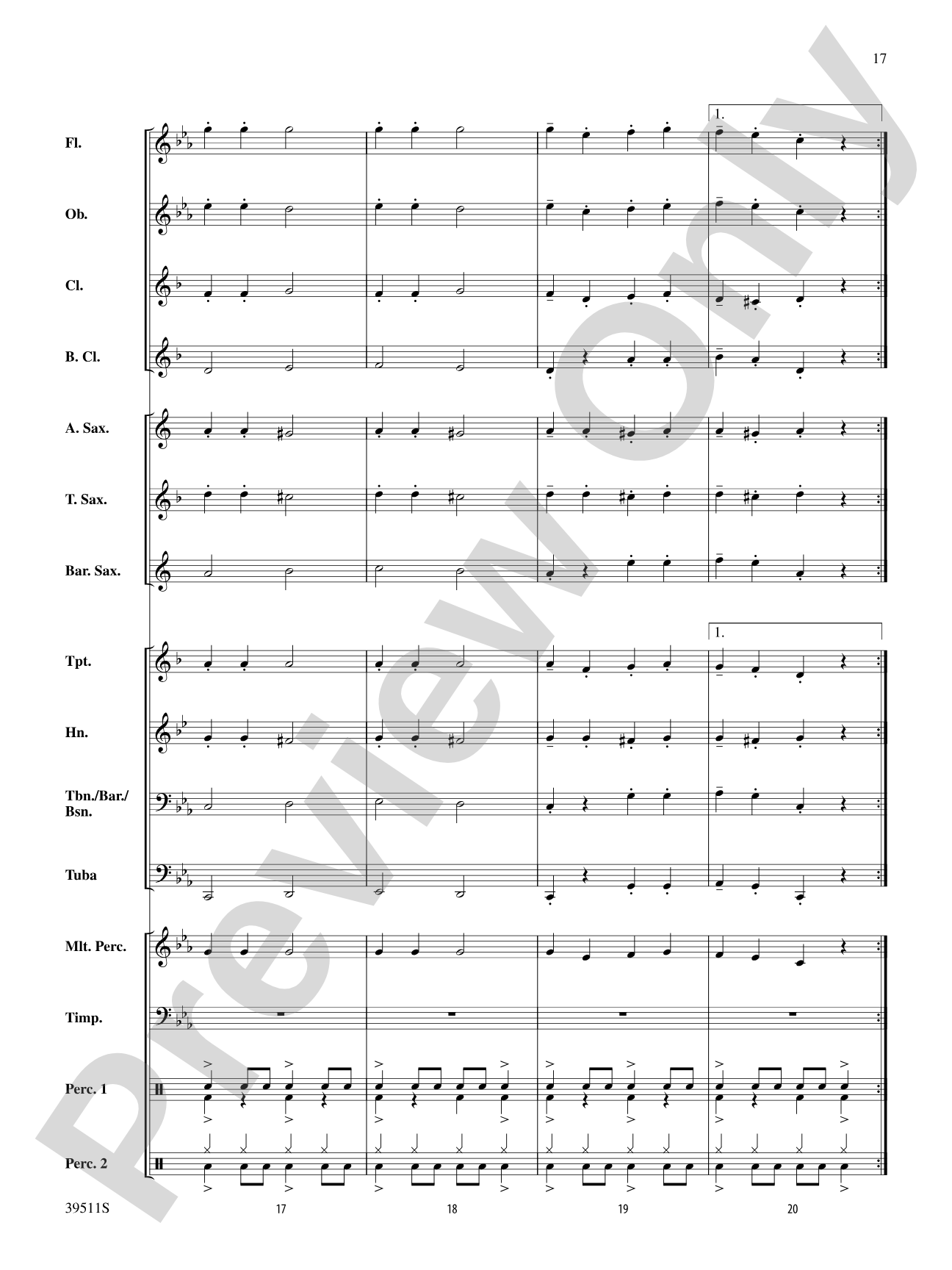
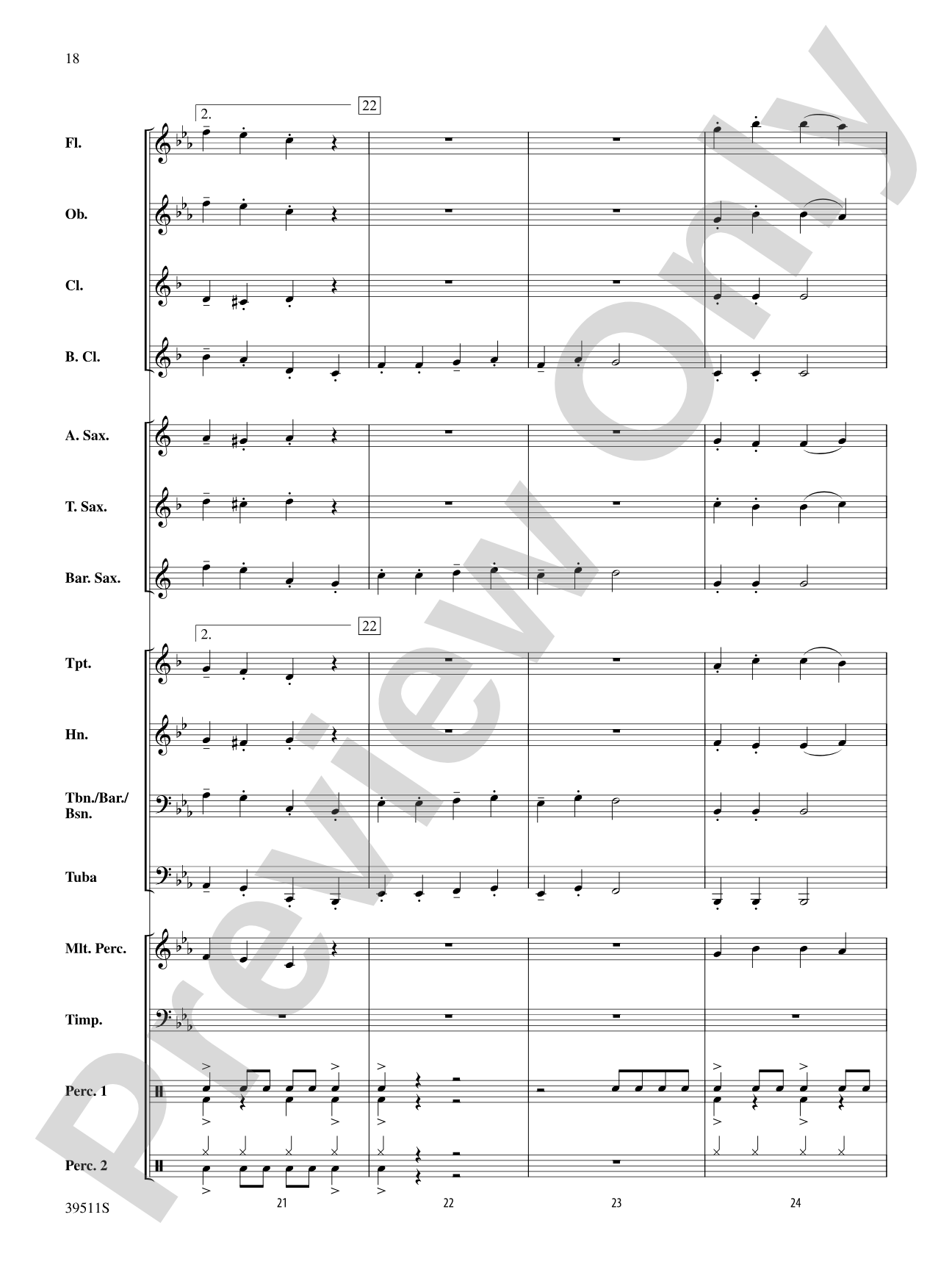
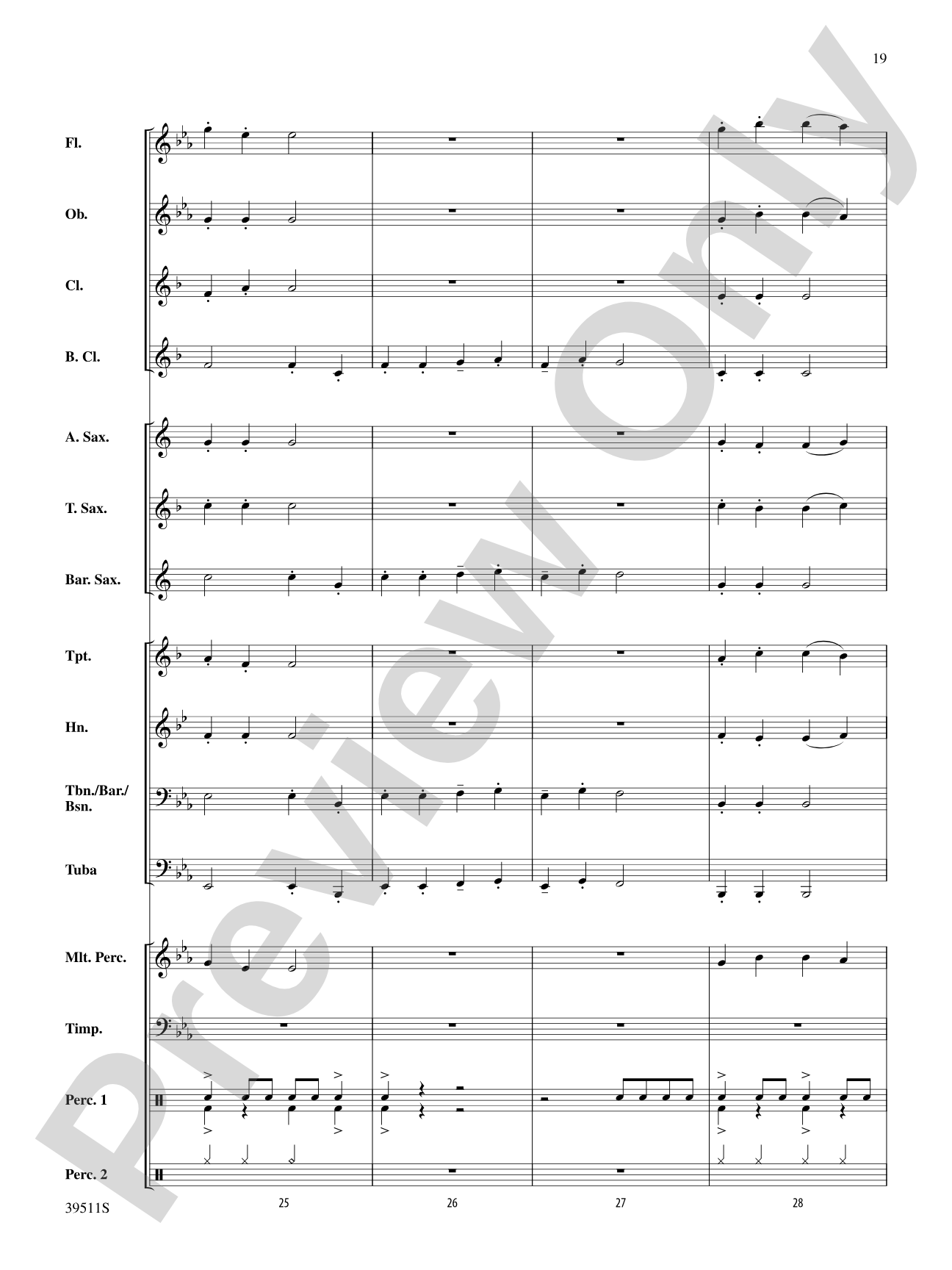
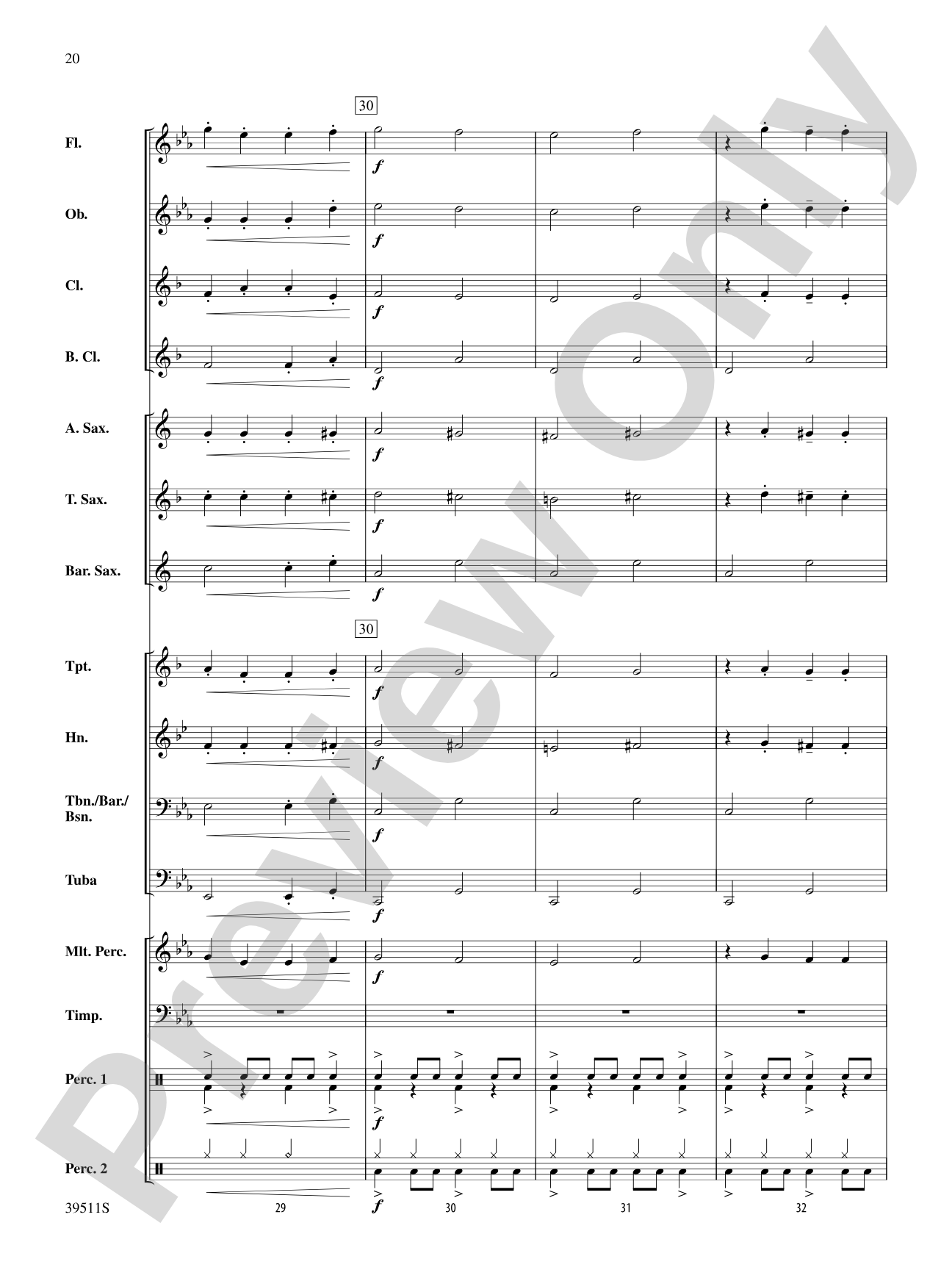
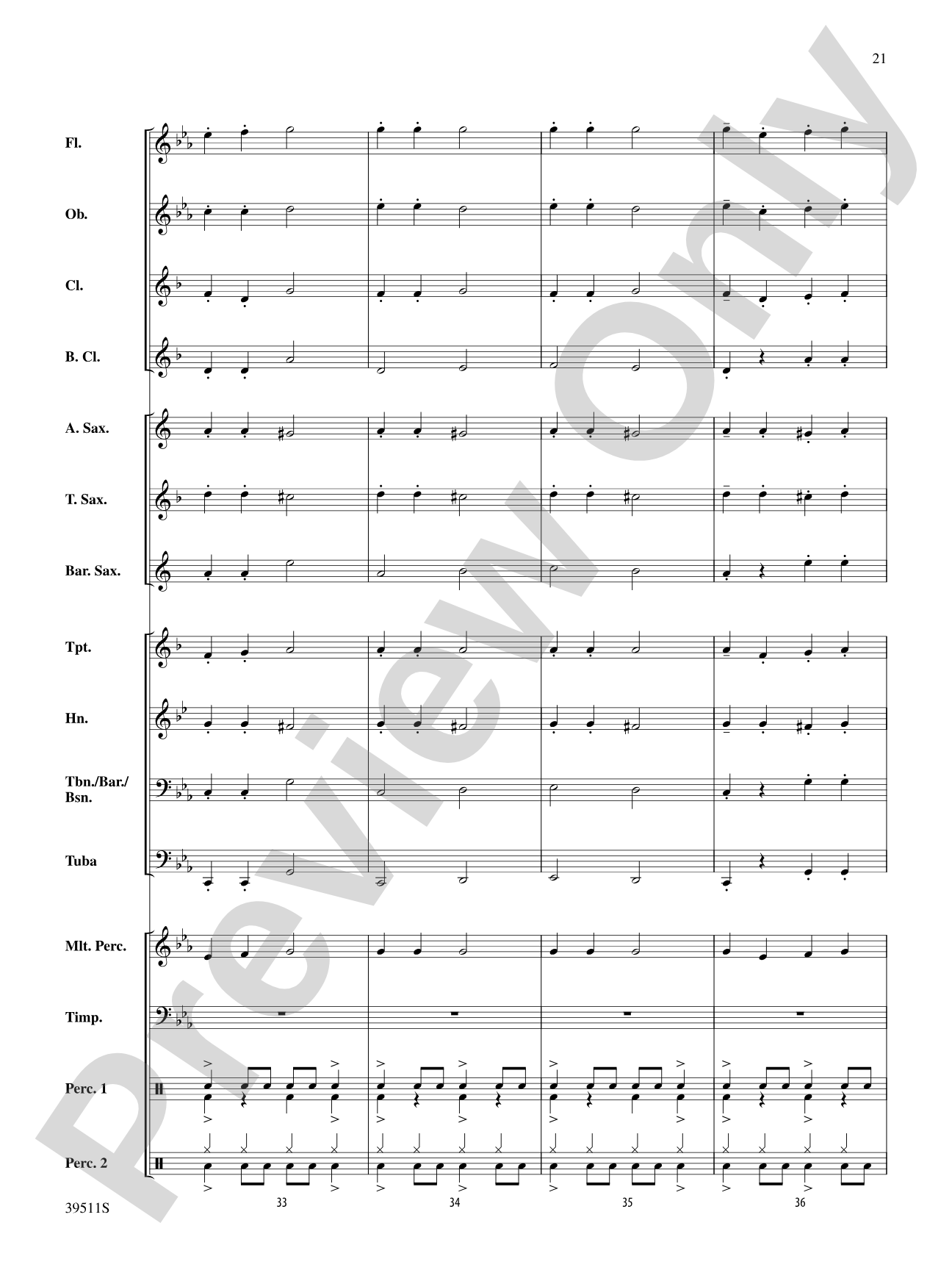
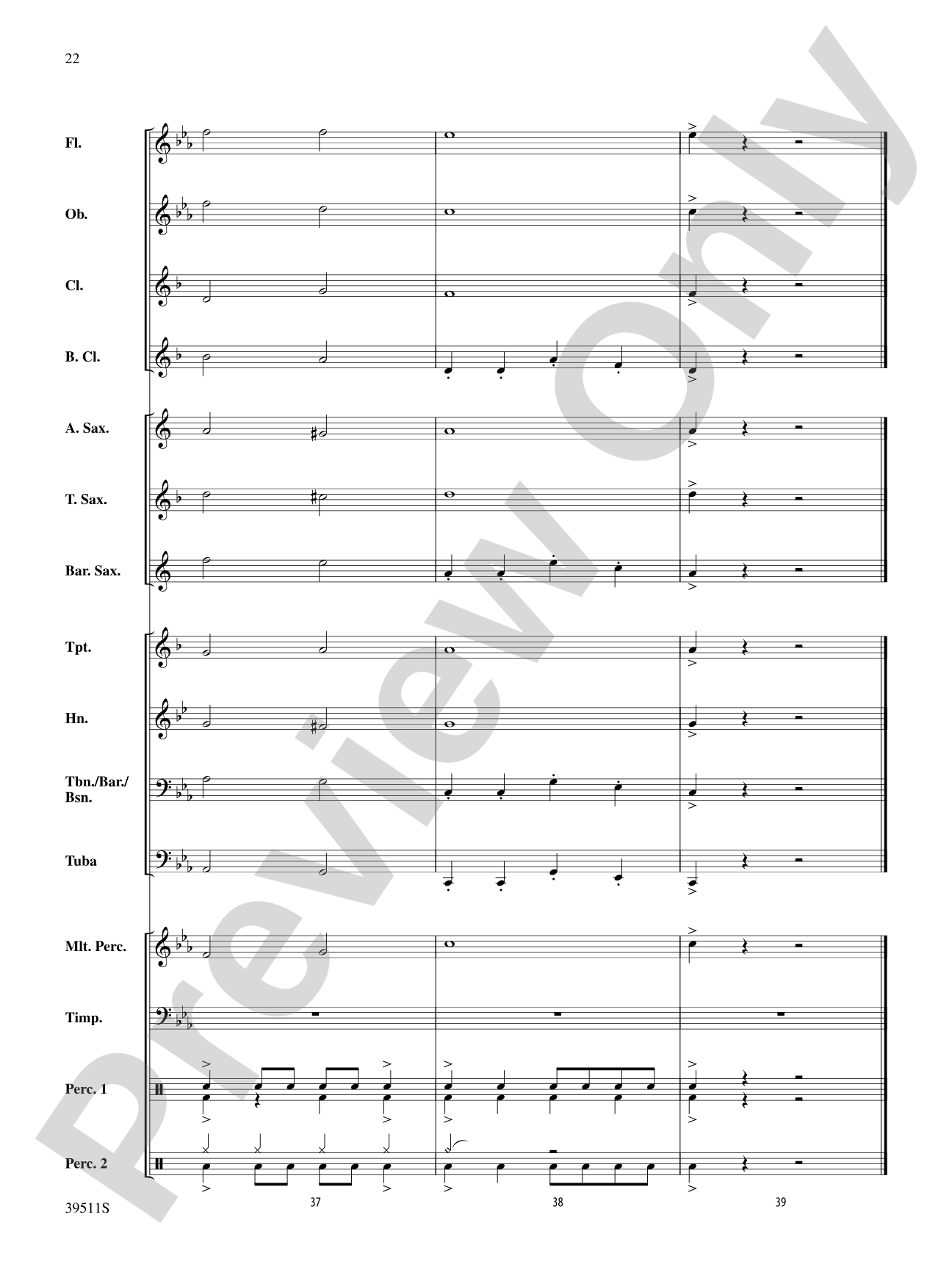
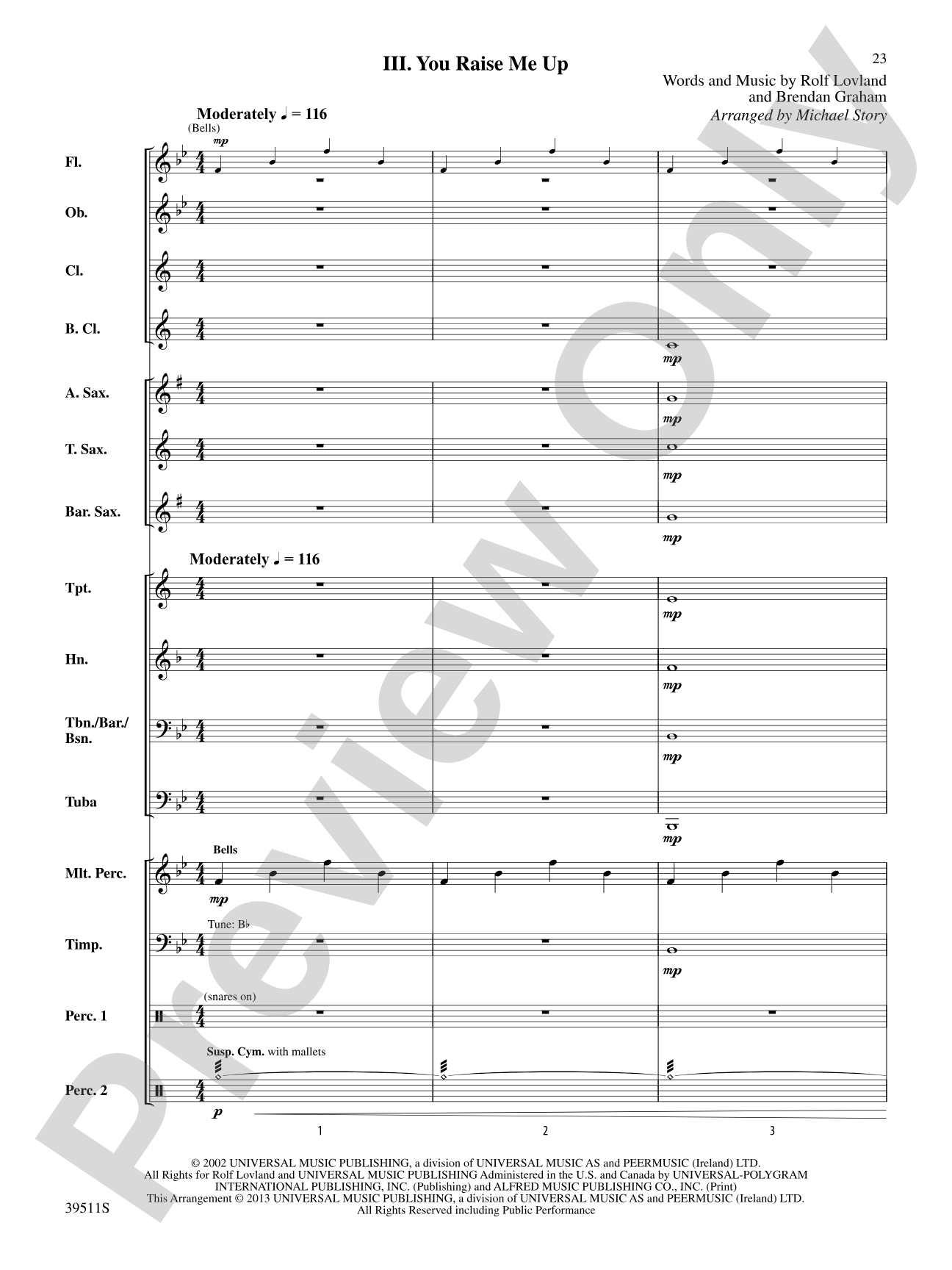
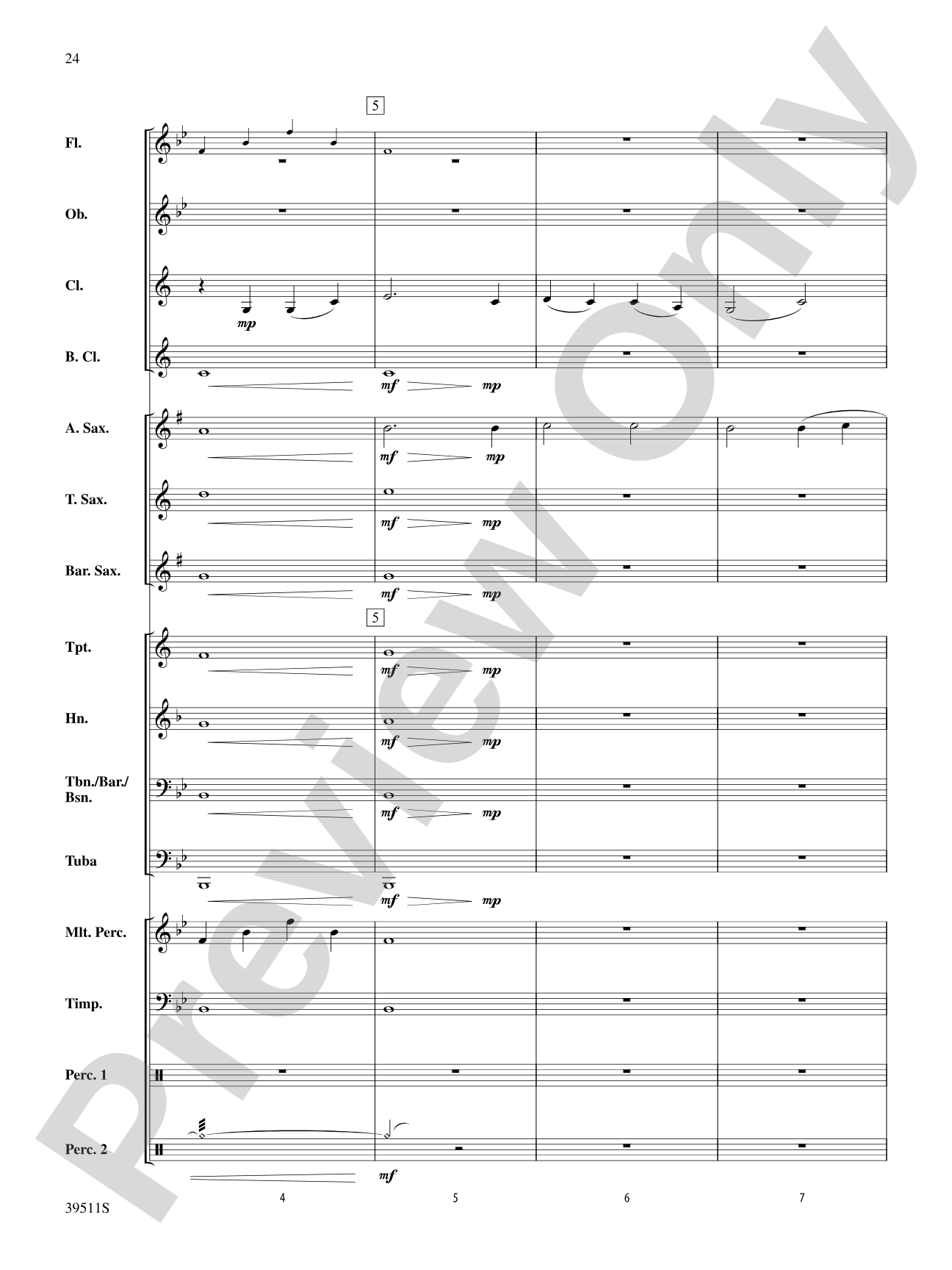
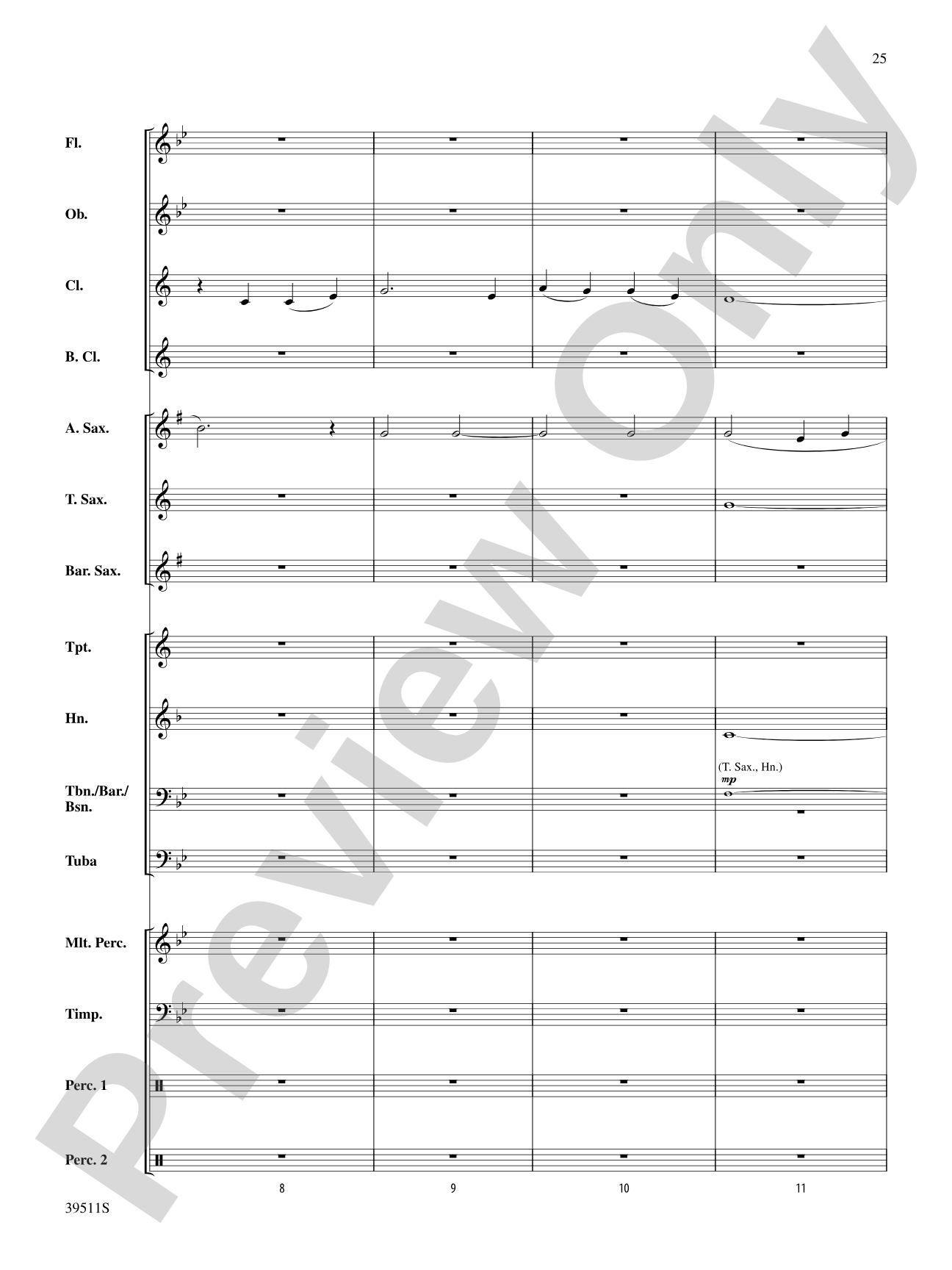
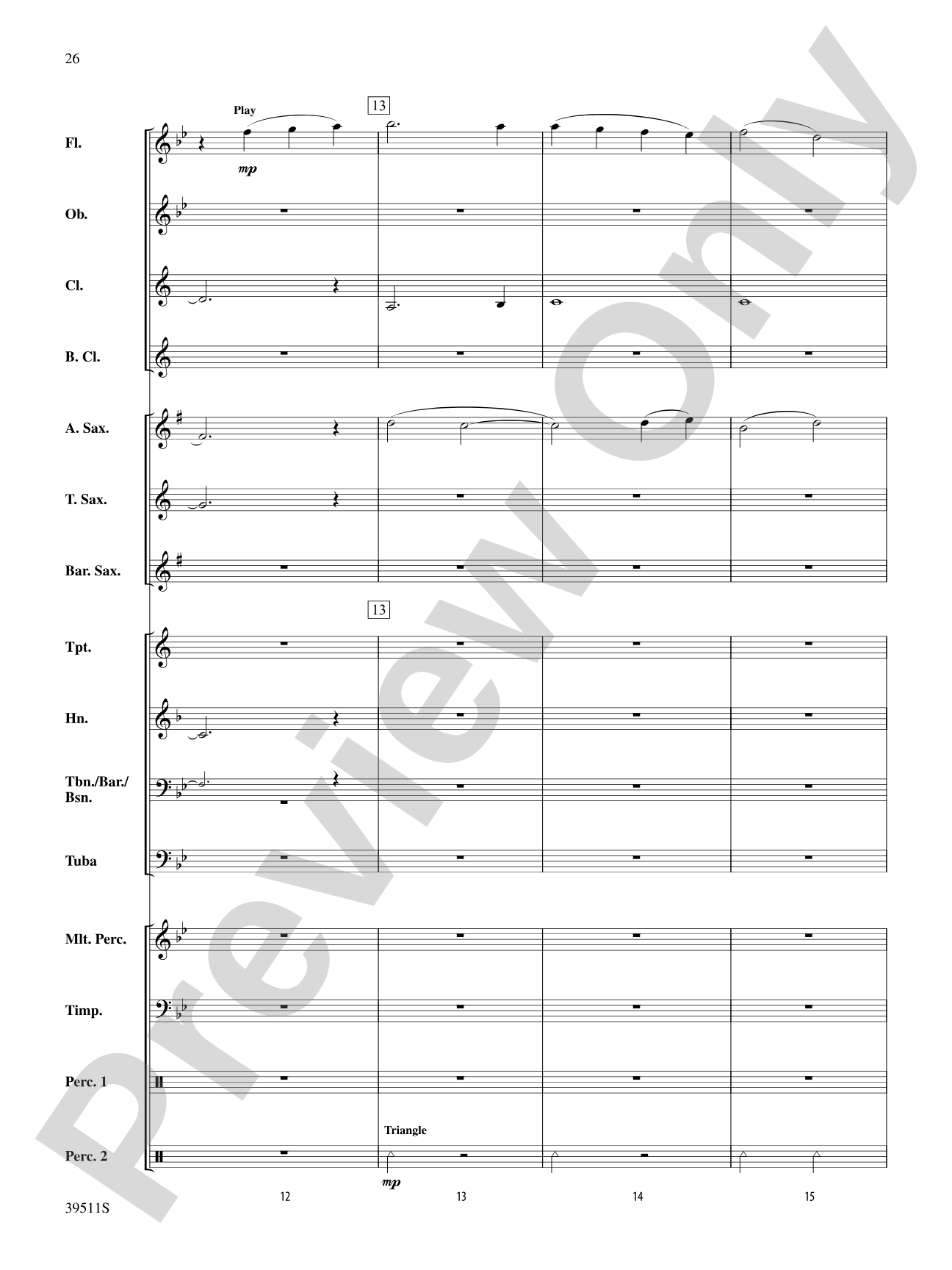
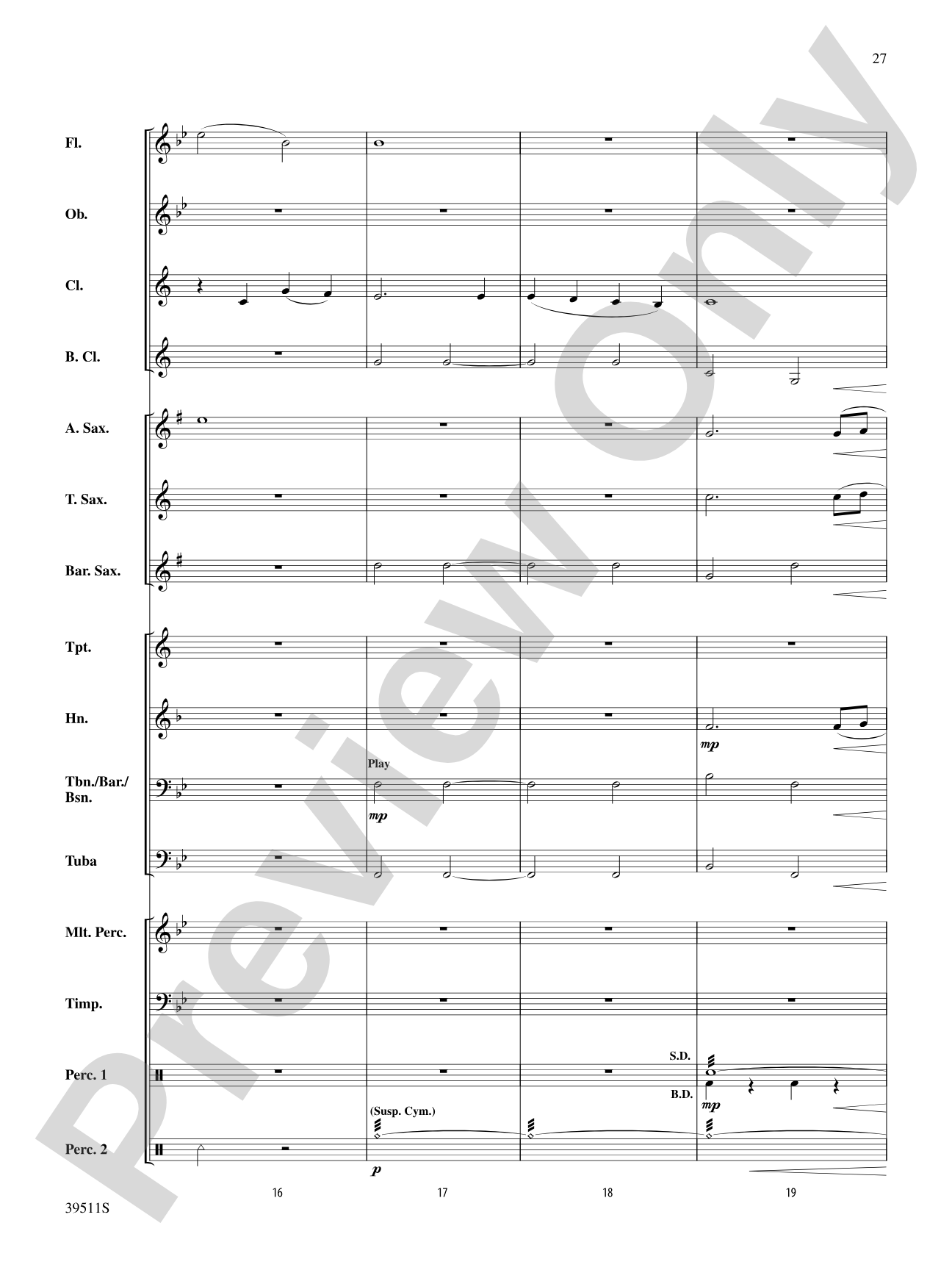
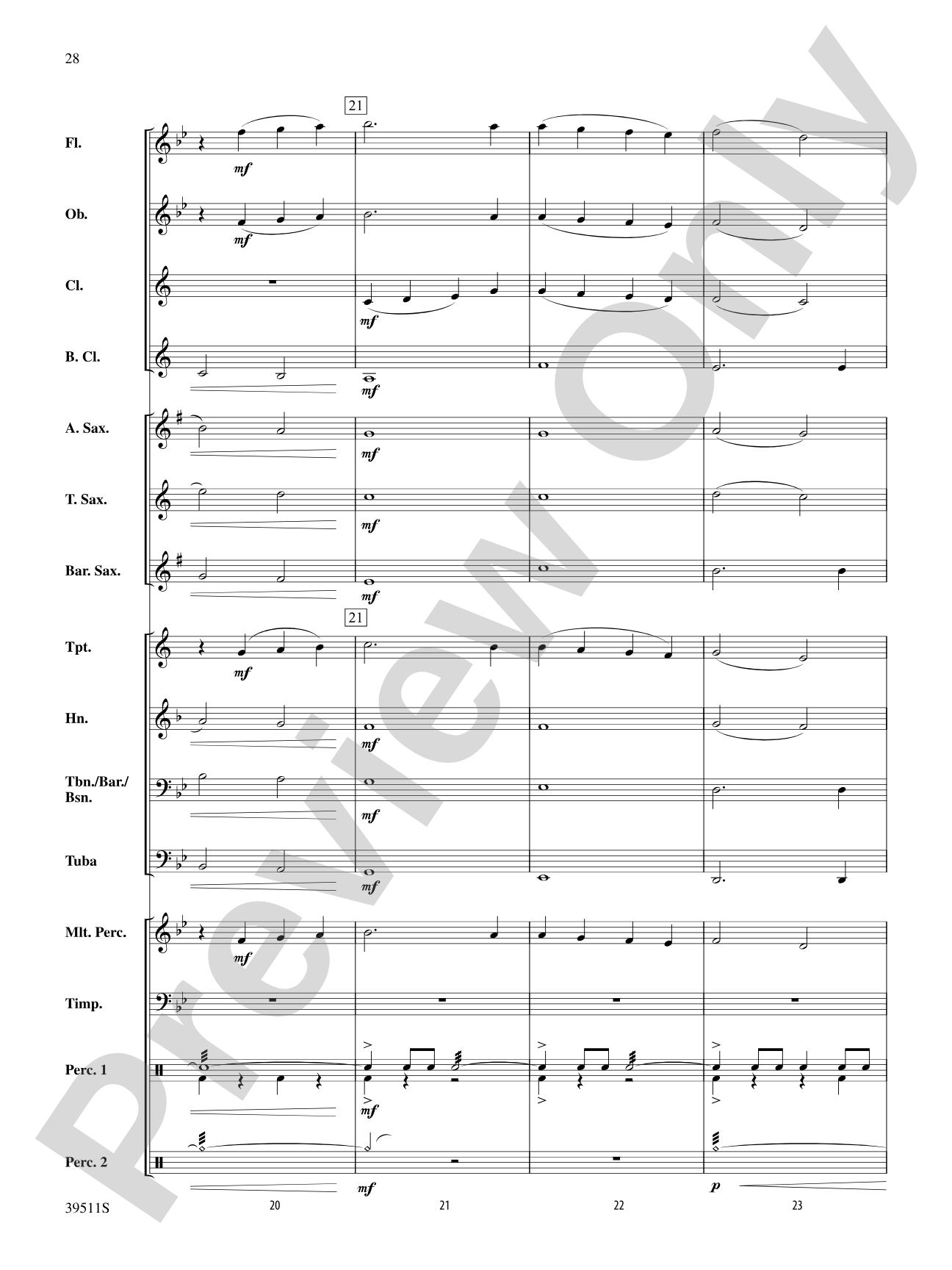
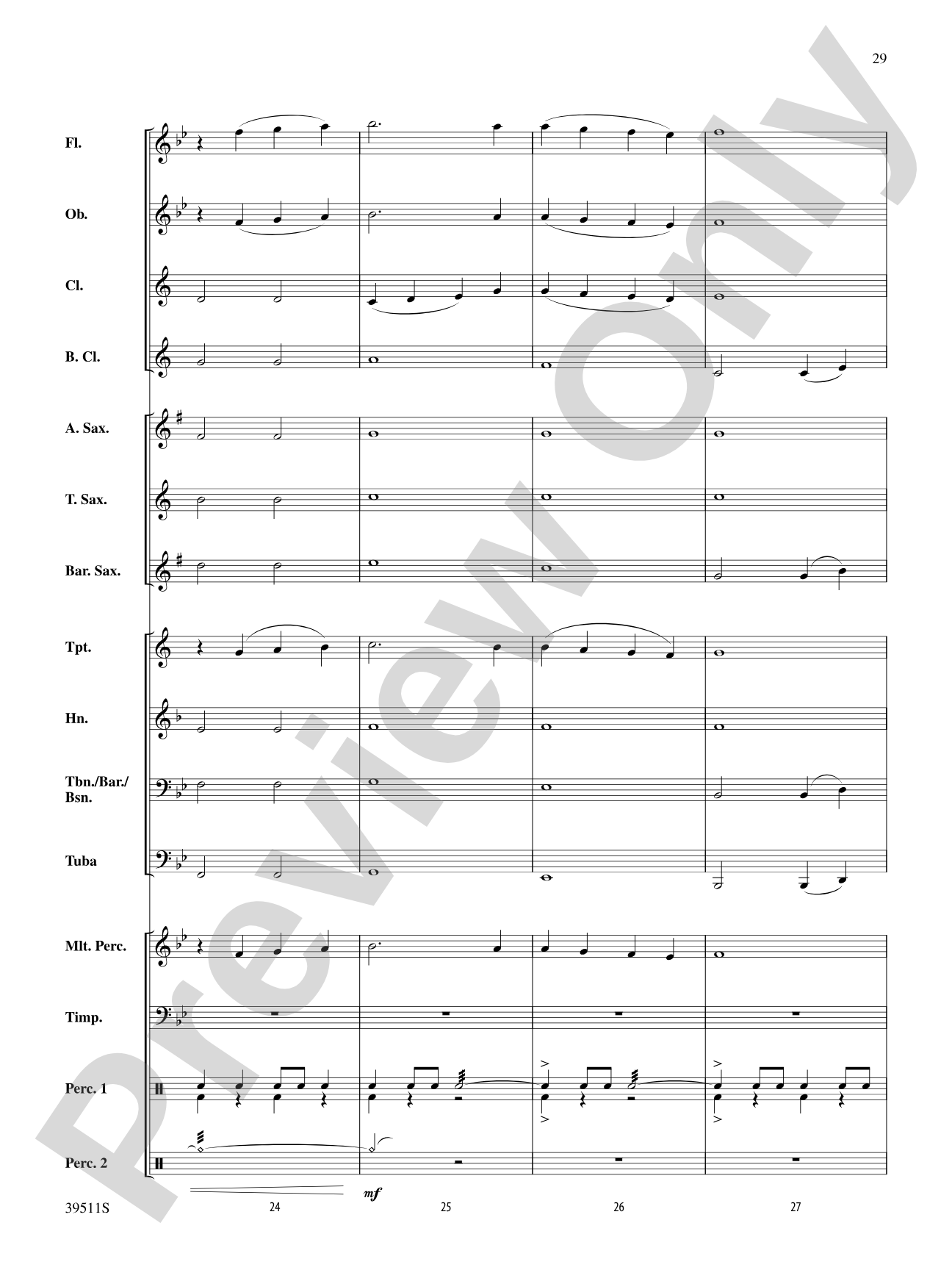
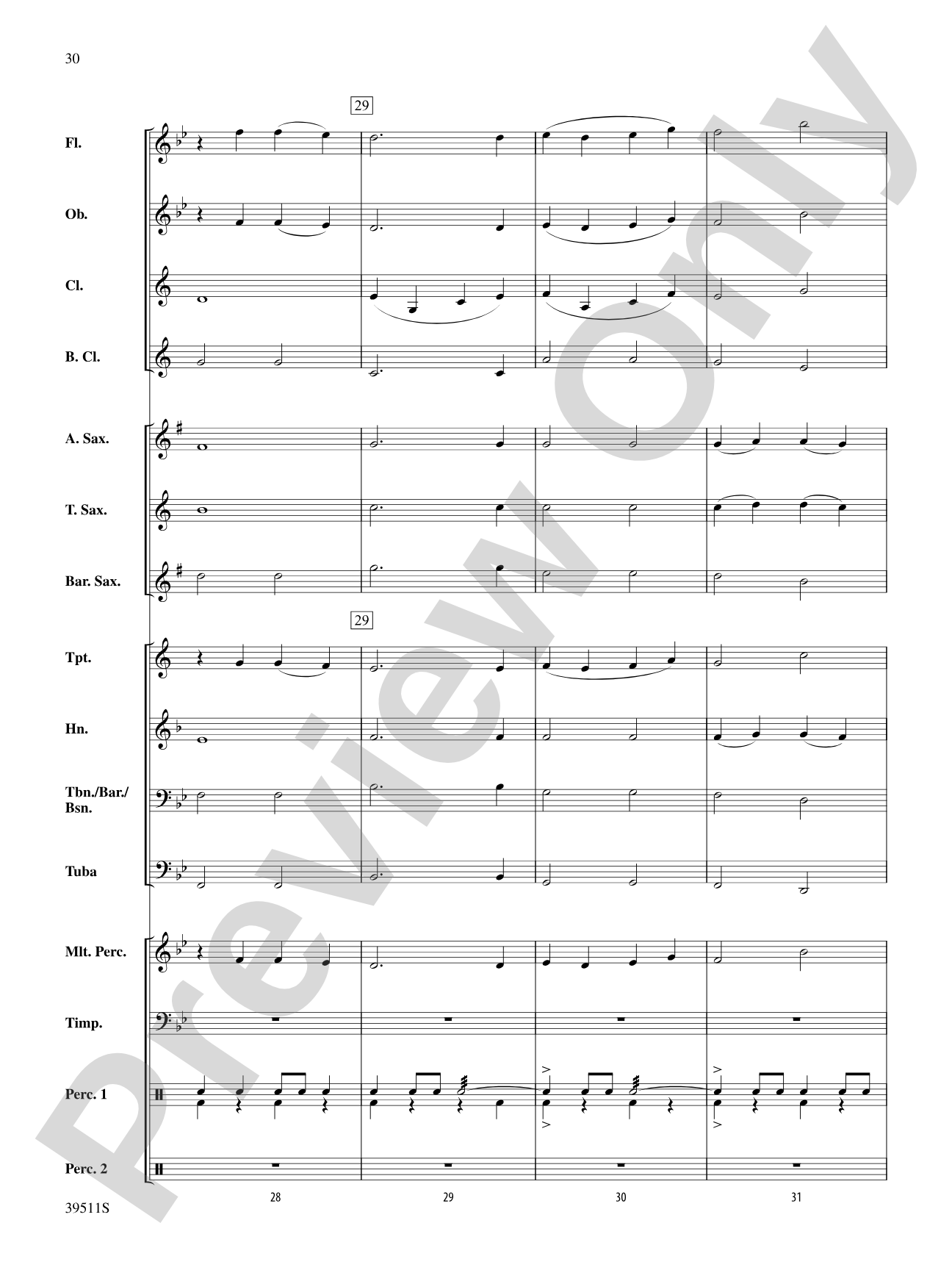
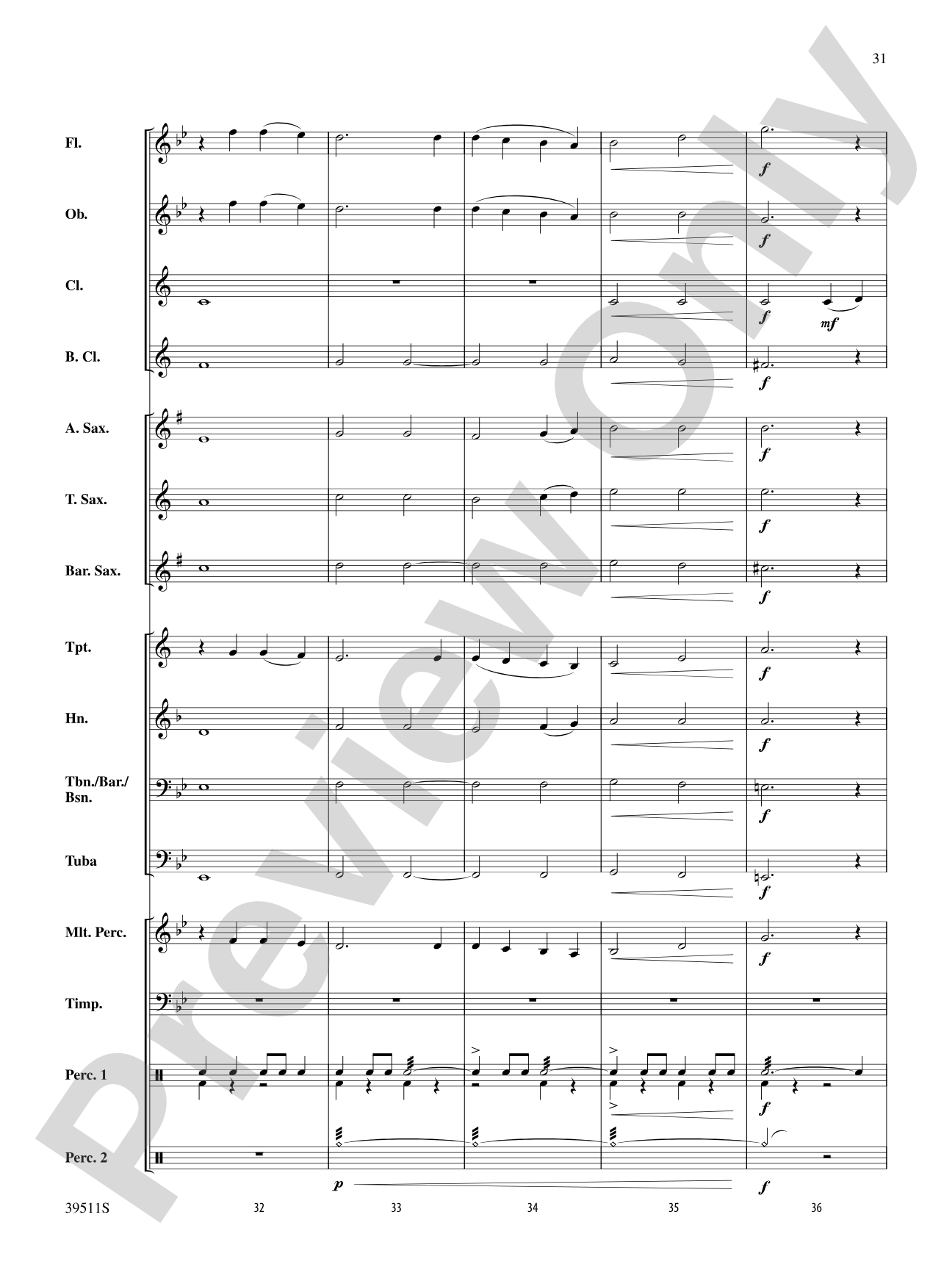
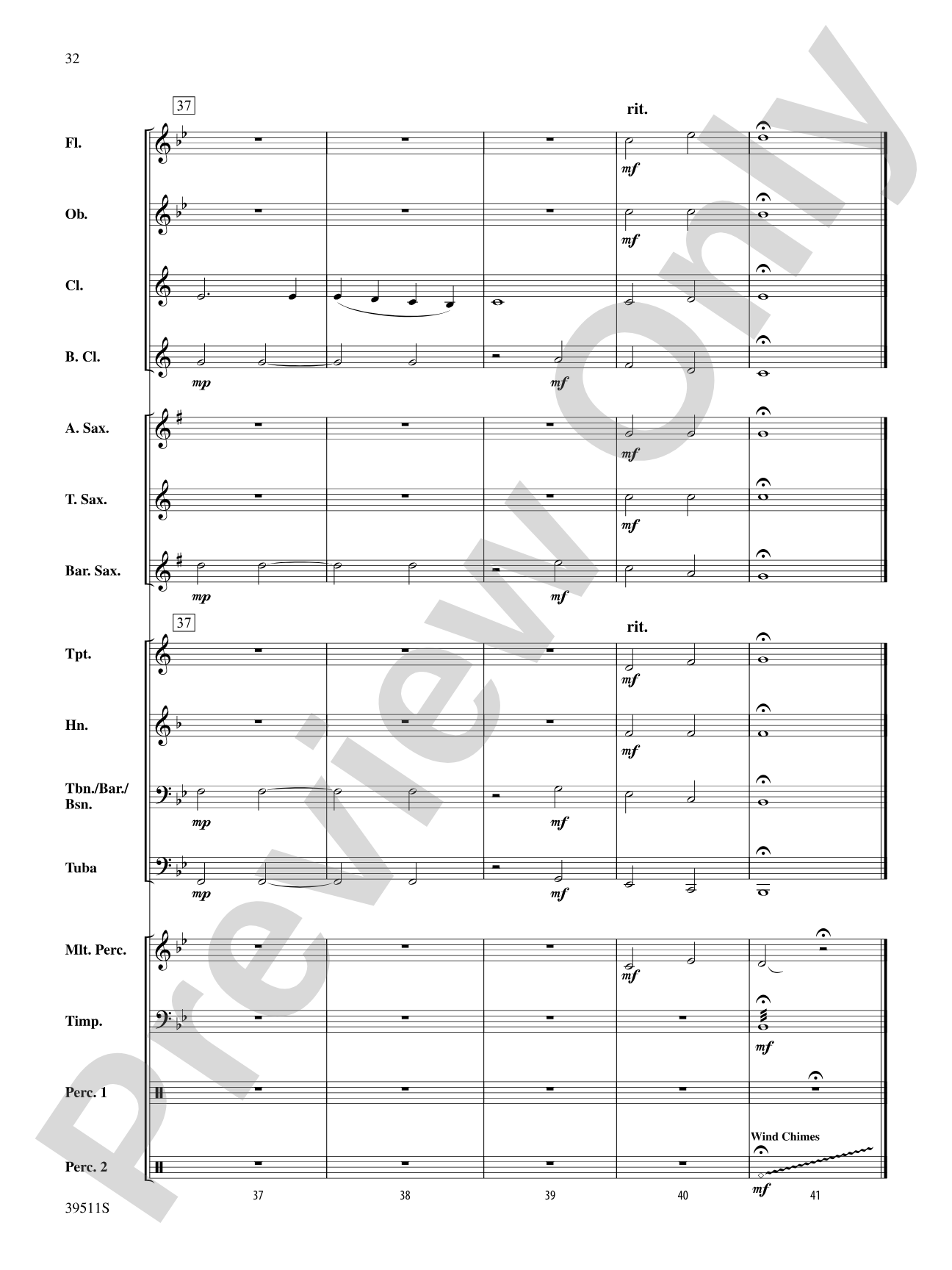
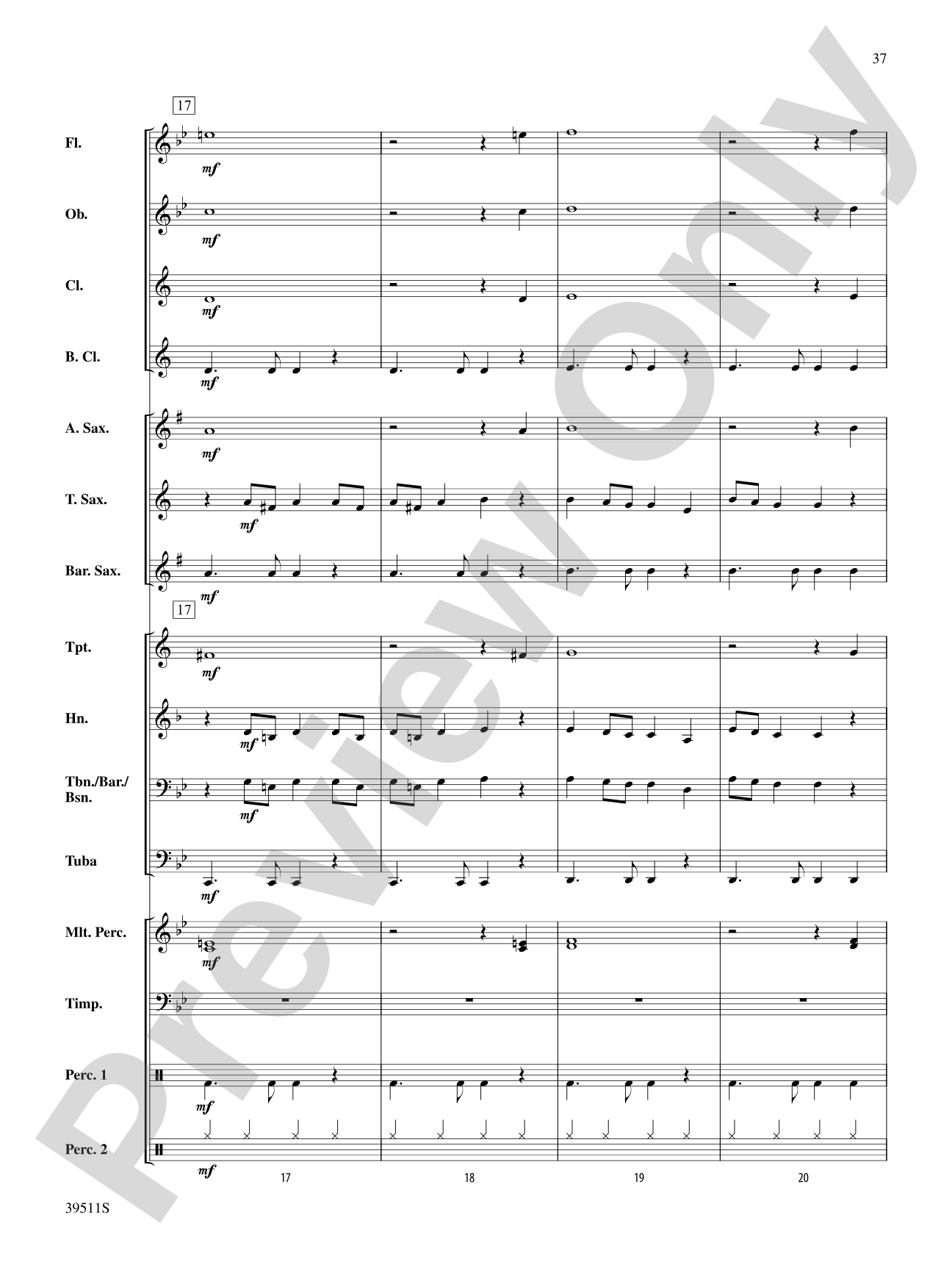
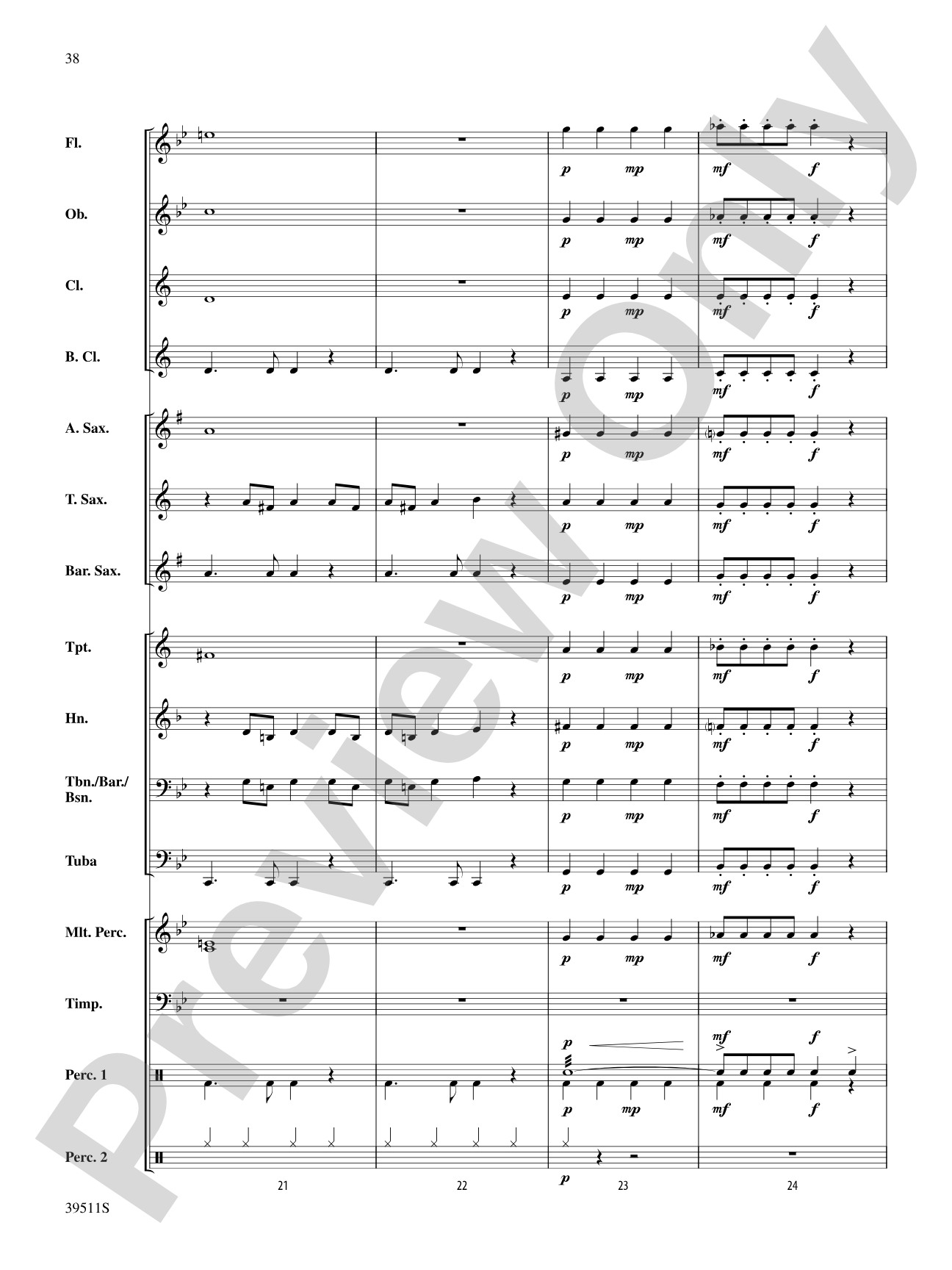
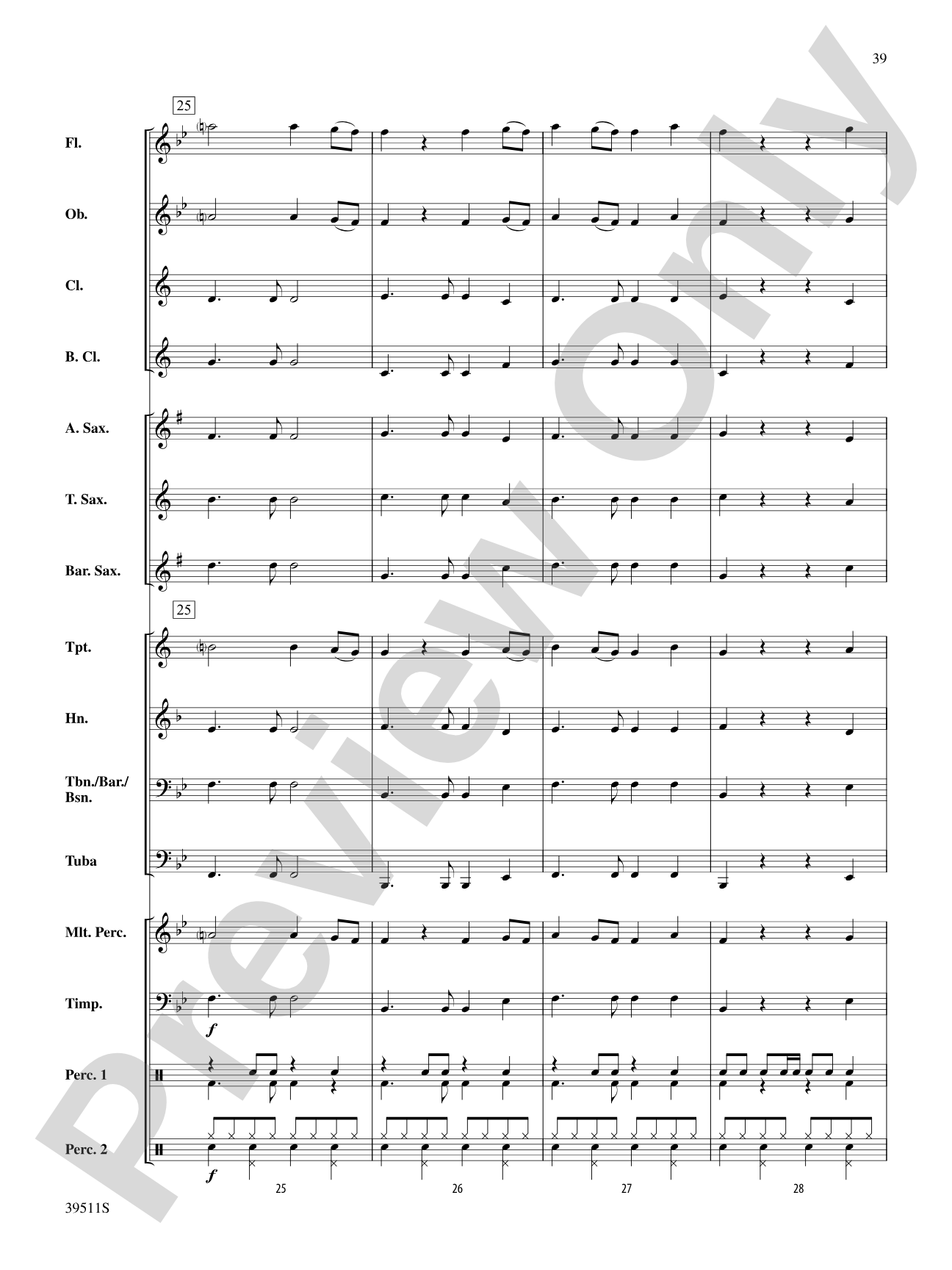
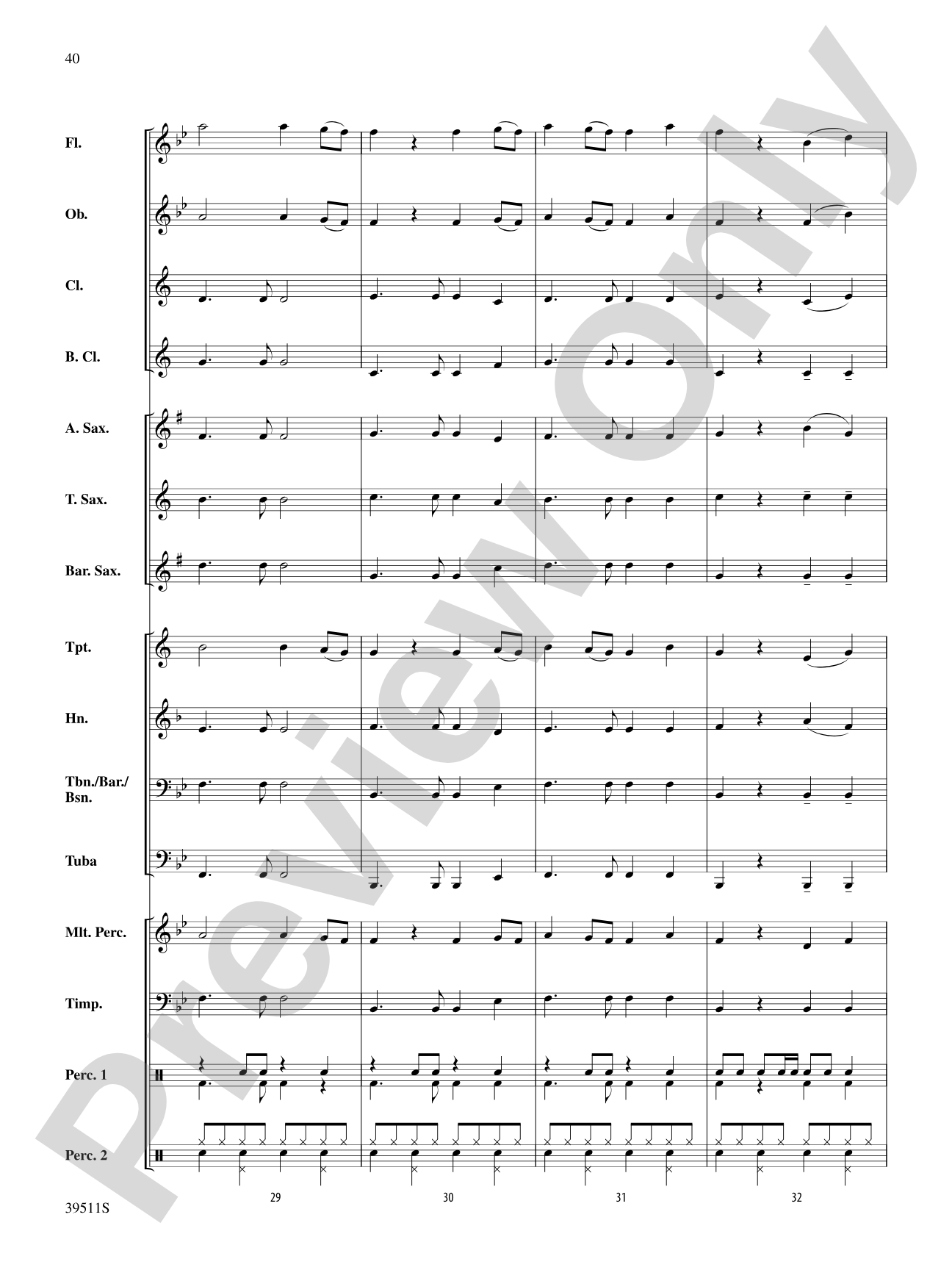



Short Cuts for Beginning Band -- #2: Concert Band Conductor Score & Parts
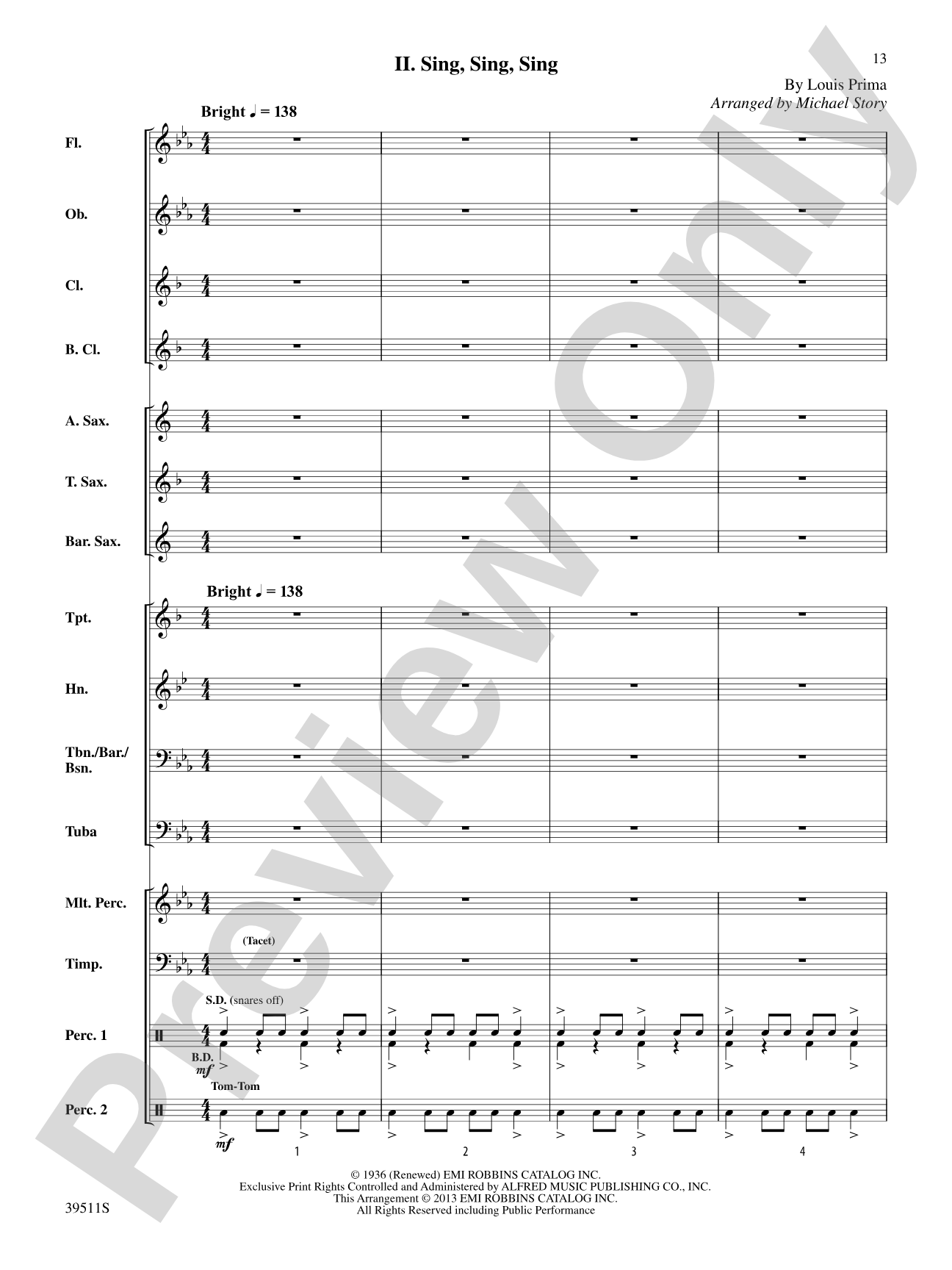
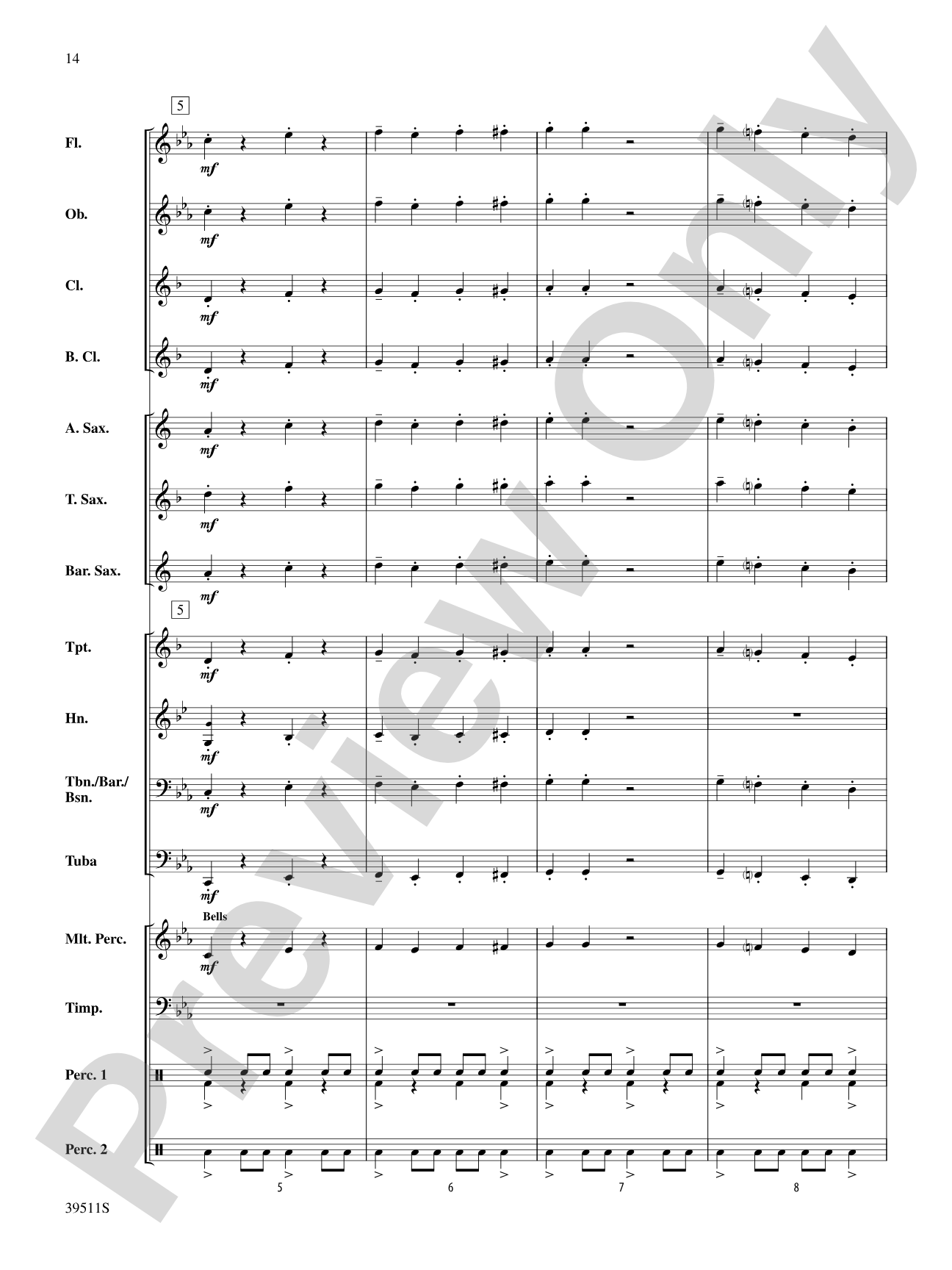
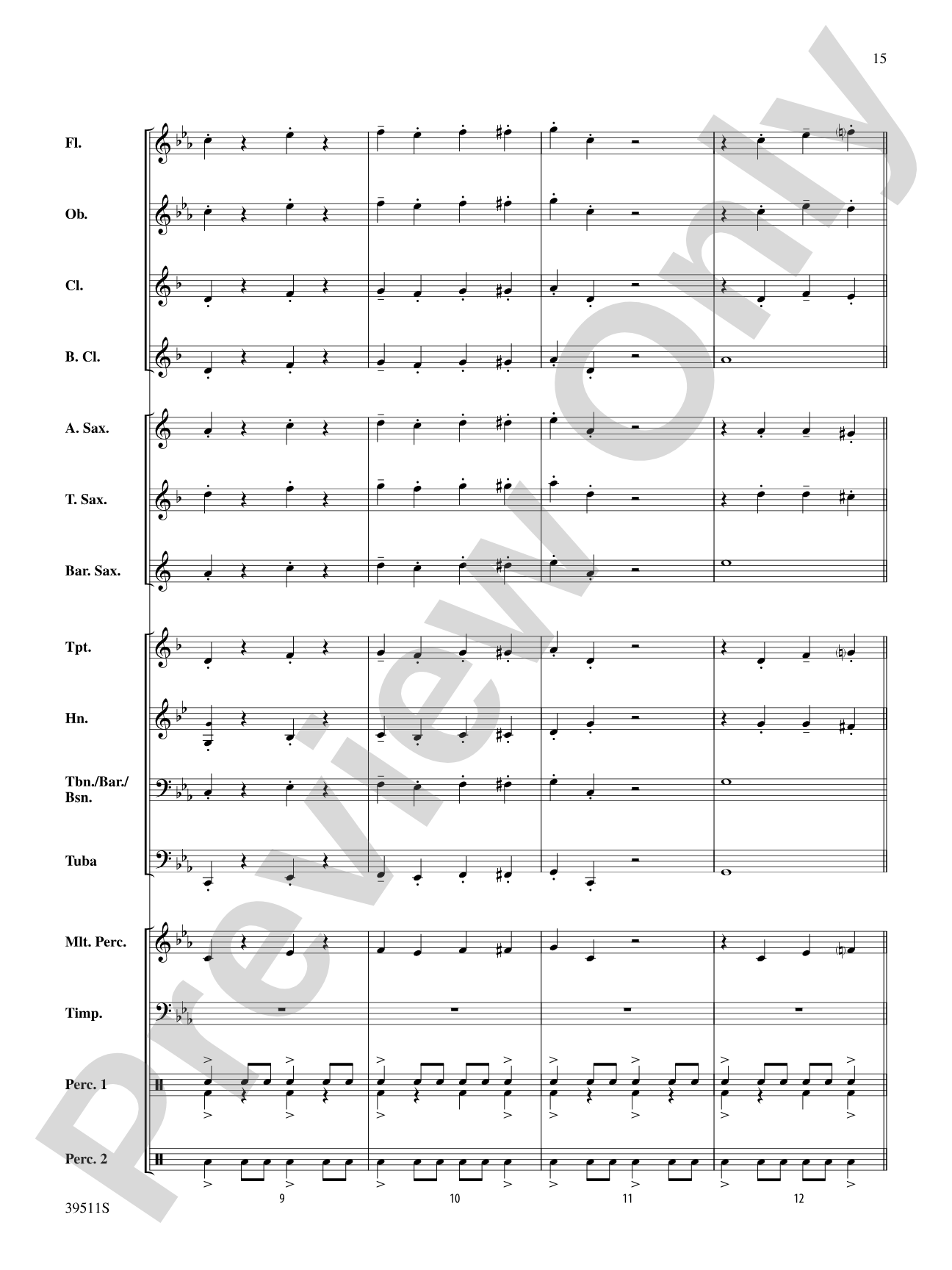
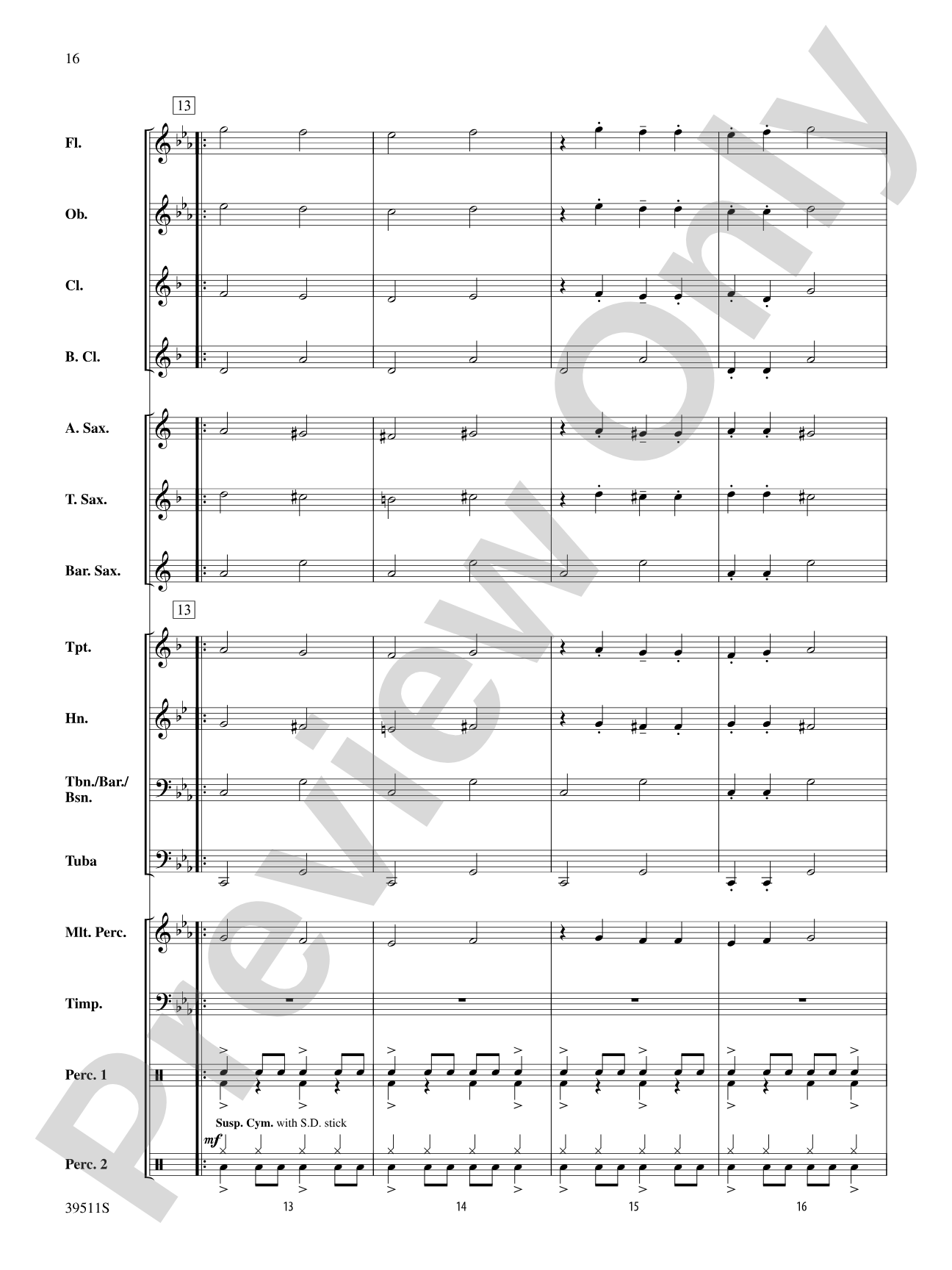
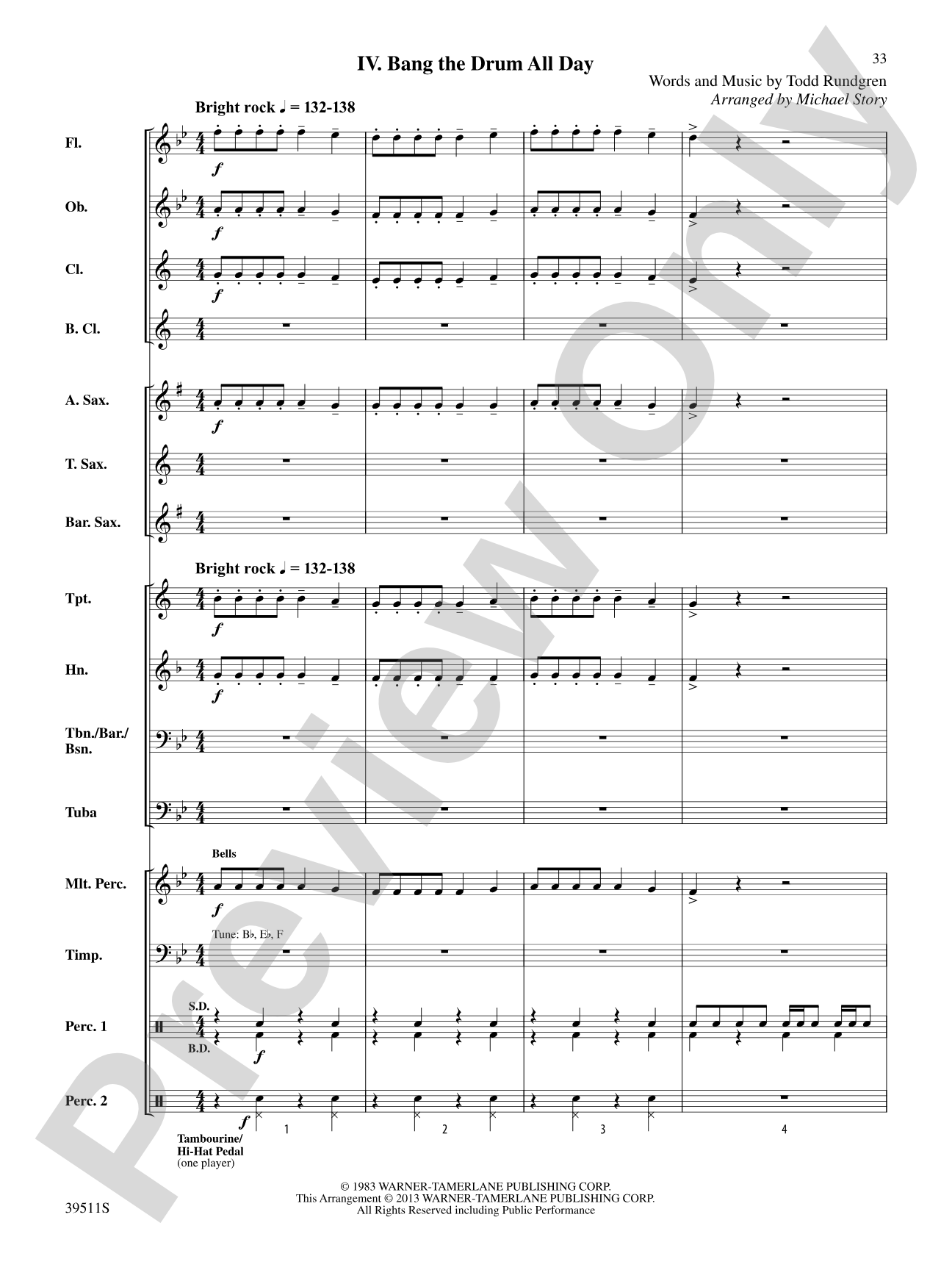
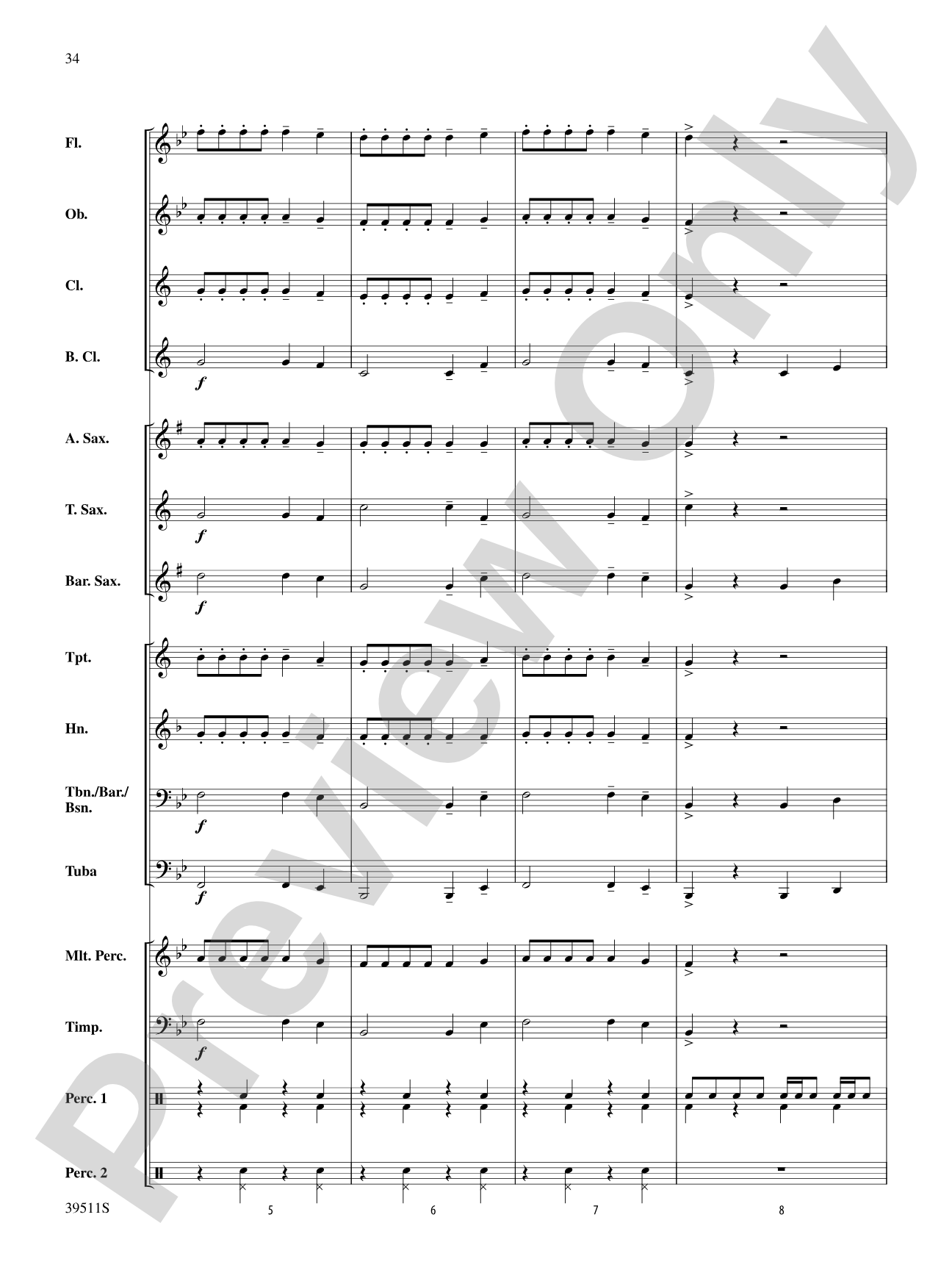
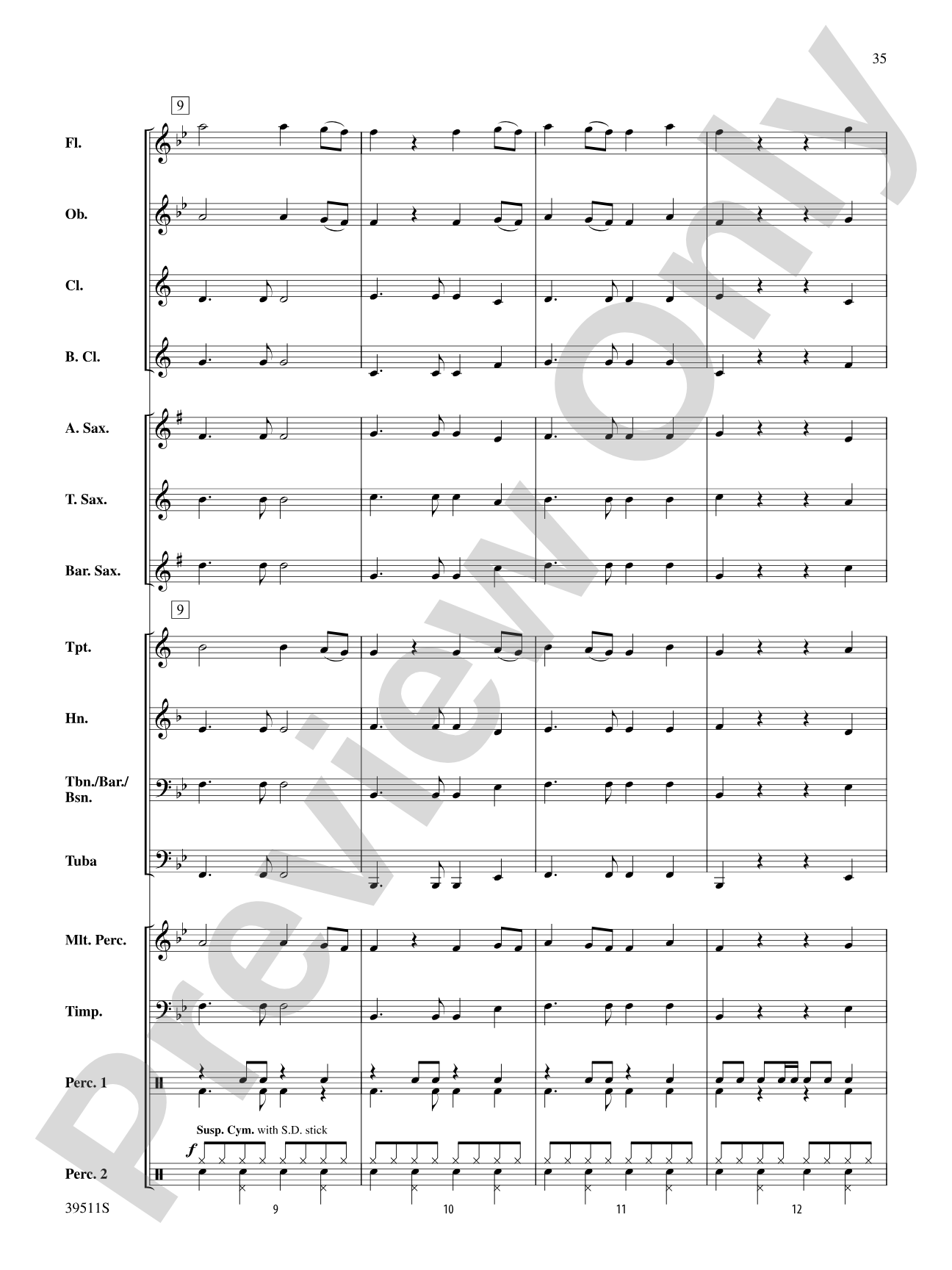
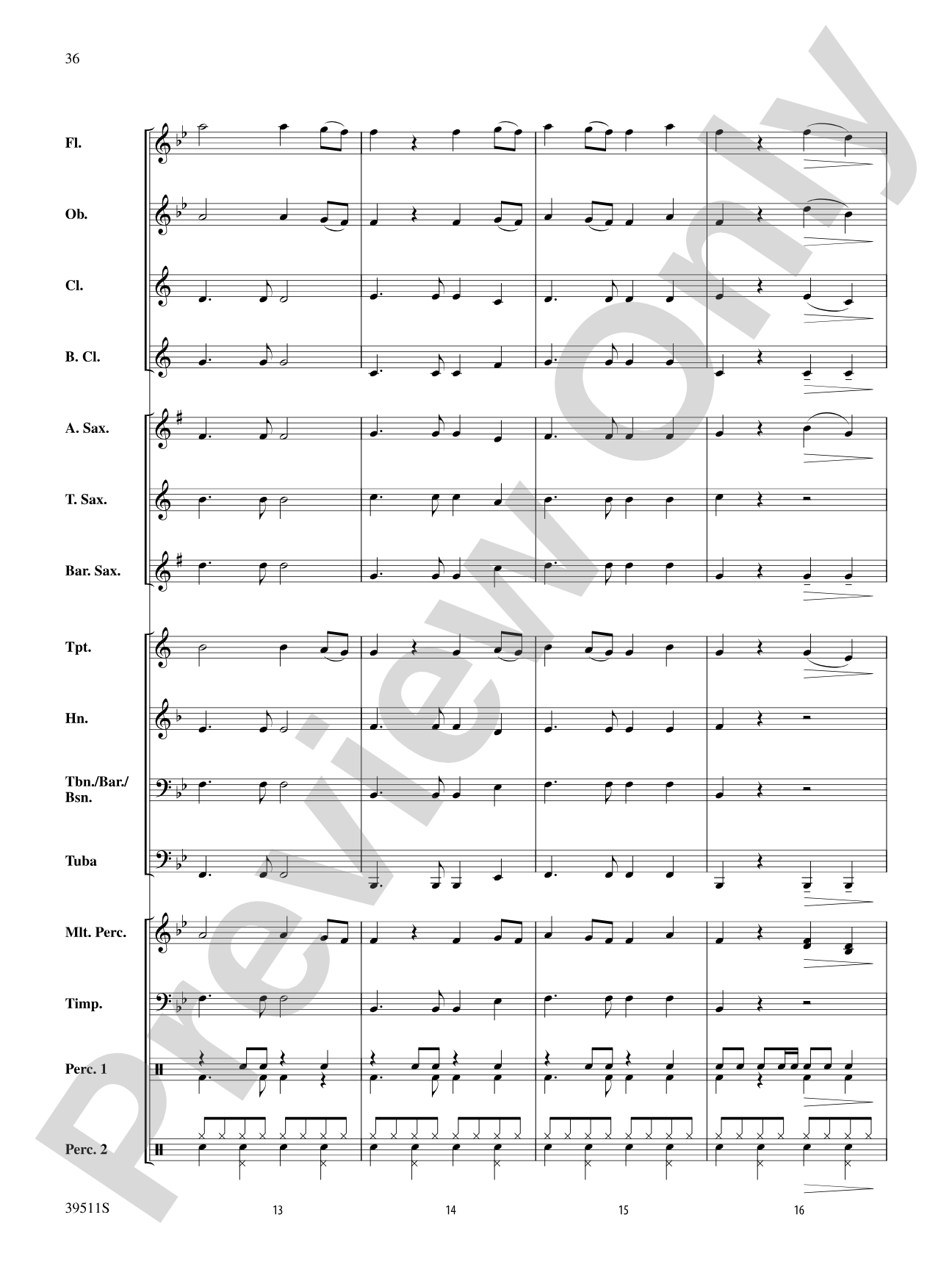
I. Don't Stop Believin', II. Sing, Sing, Sing, III. You Raise Me Up, IV. Bang the Drum All Day
Arr. Michael Story
Grade: 1 (Very Easy)
Item: 00-PK-0005574

$61.00
One moment…
Description
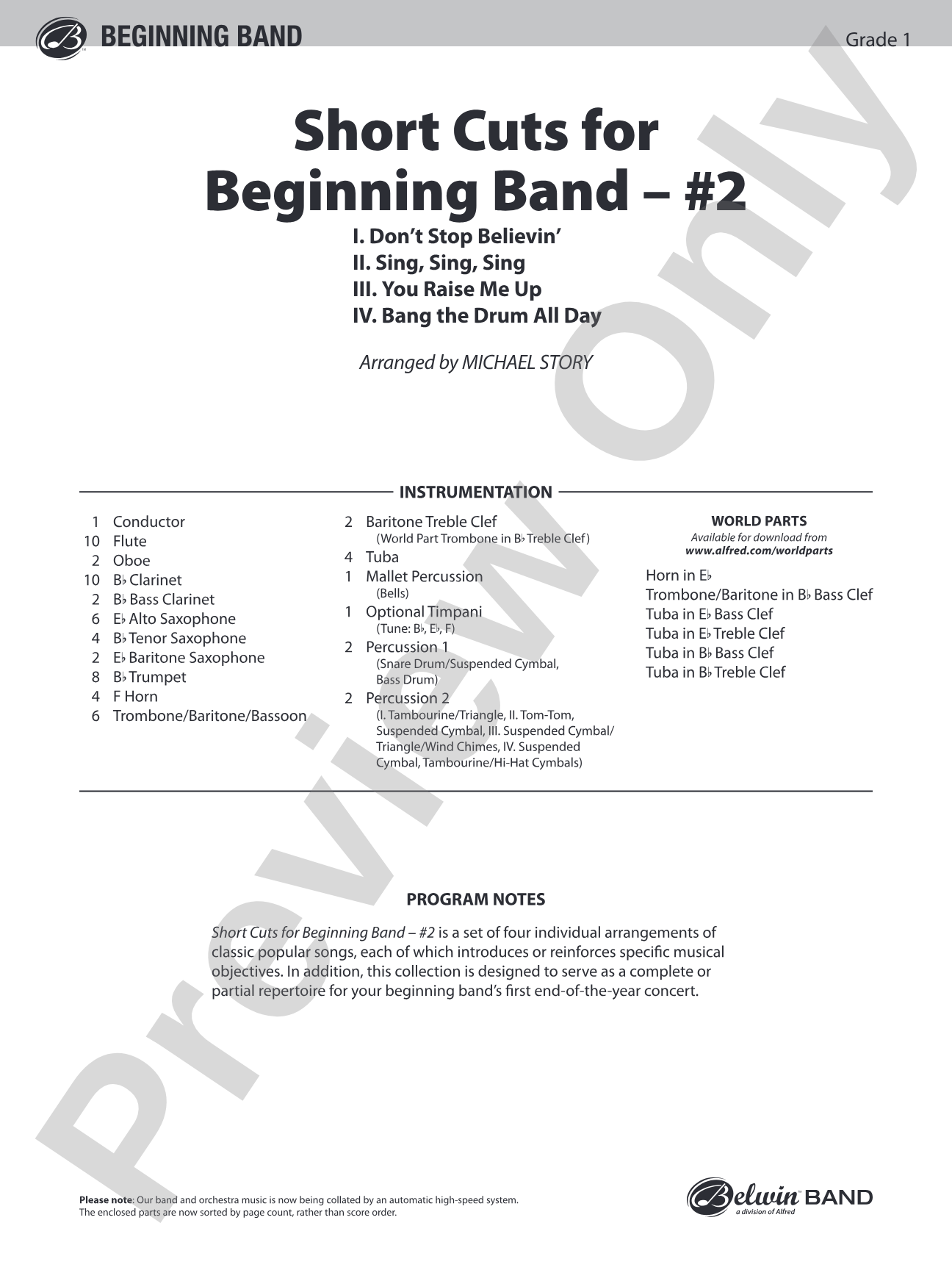
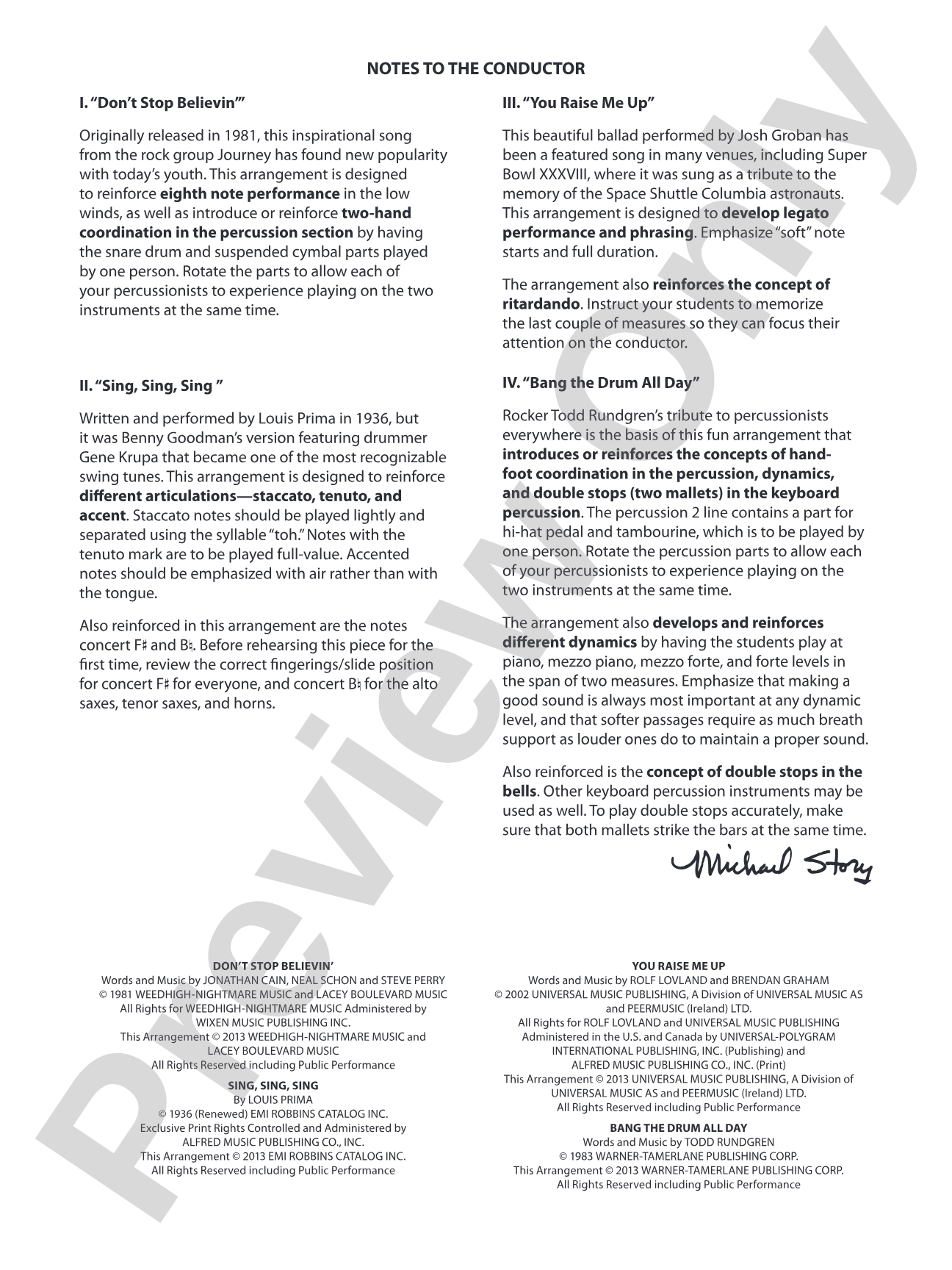
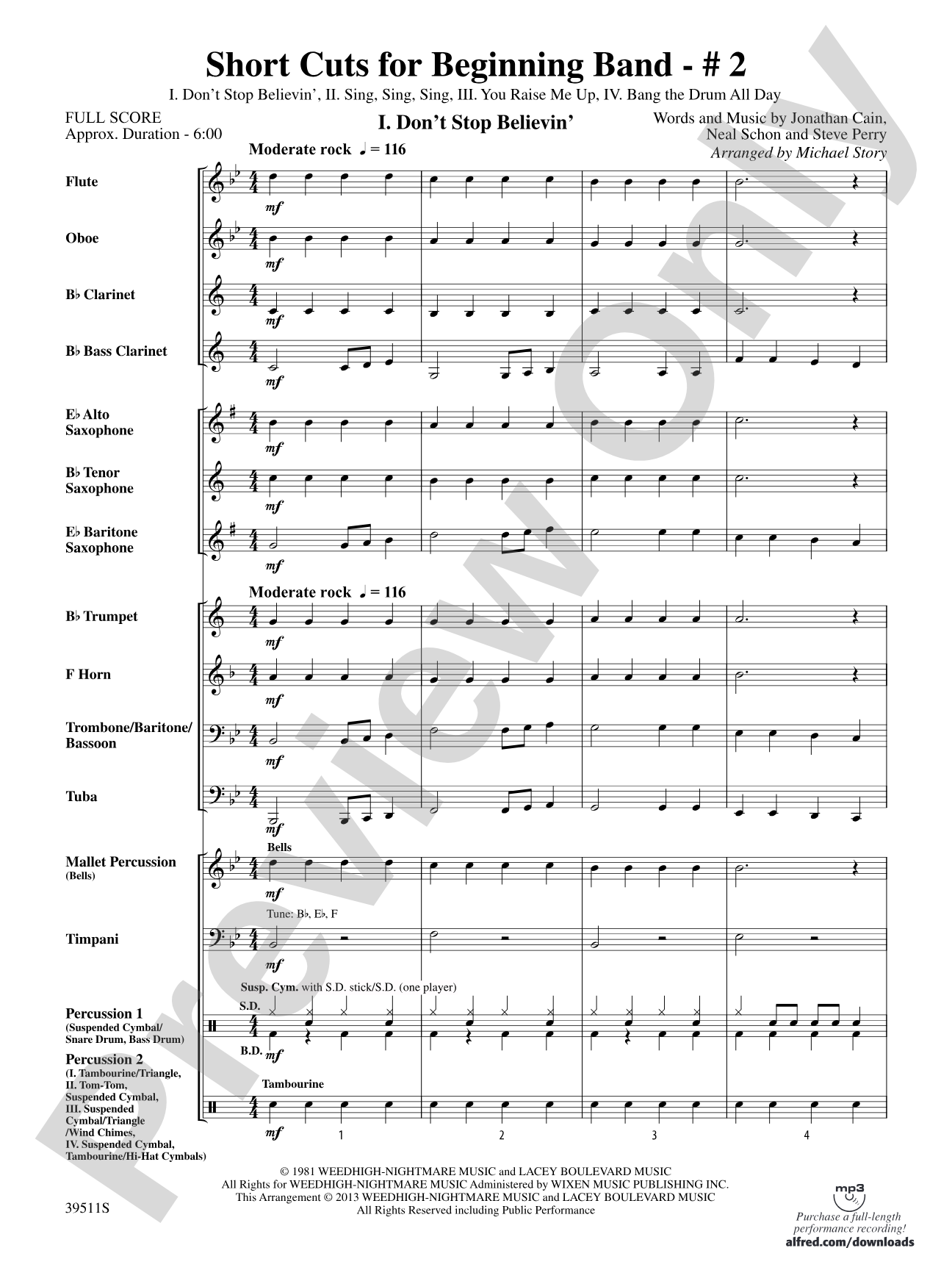
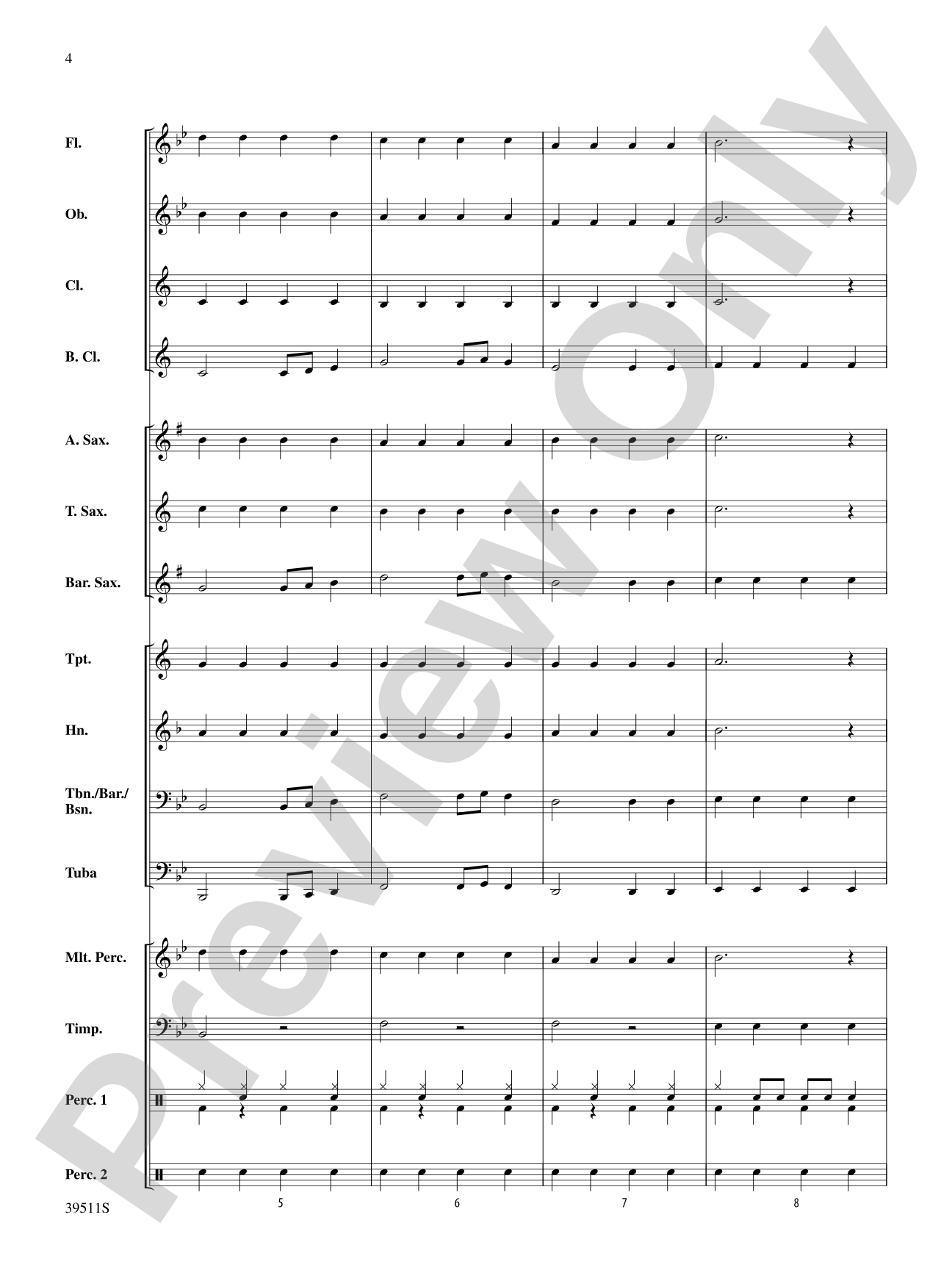
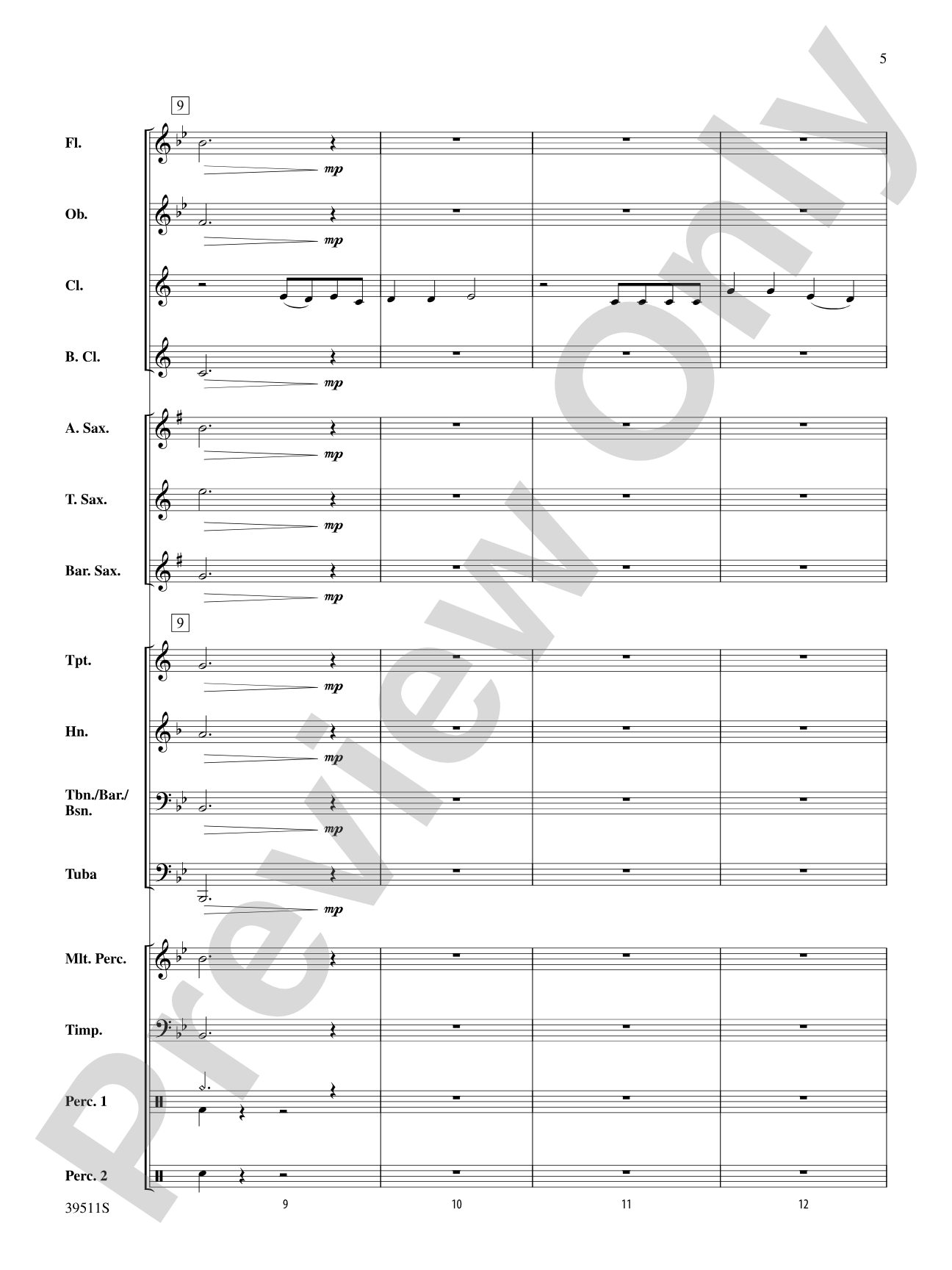
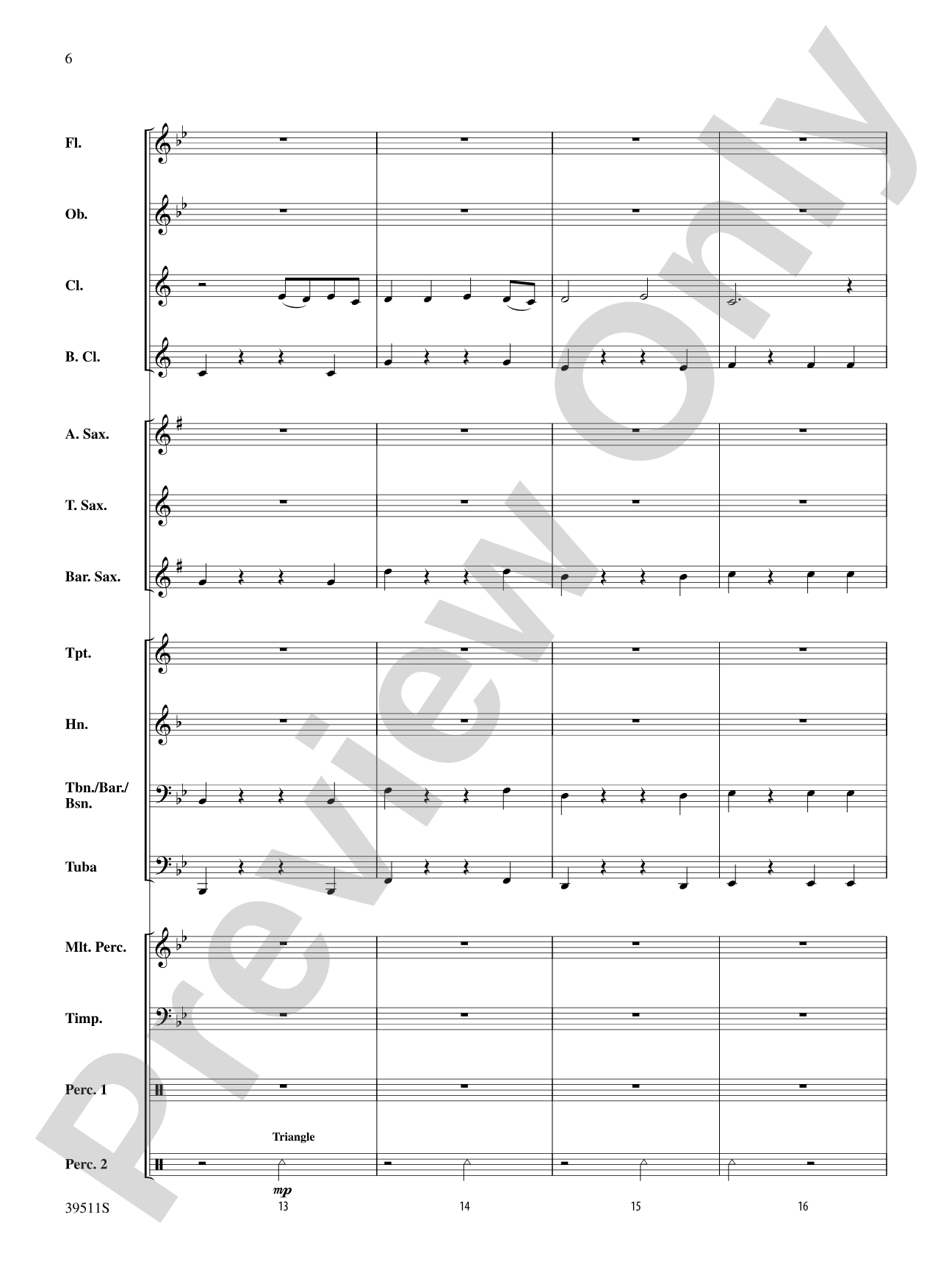
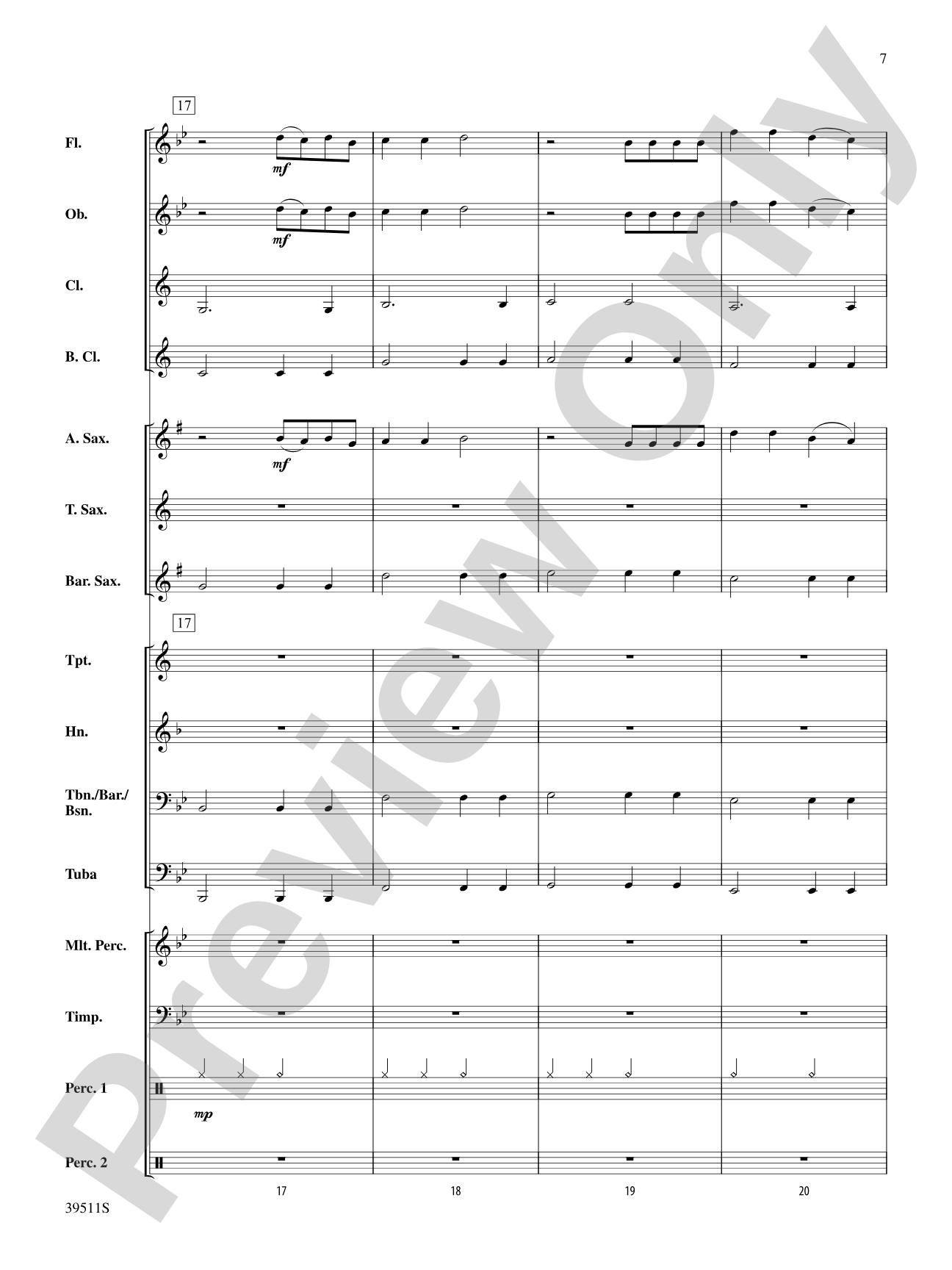
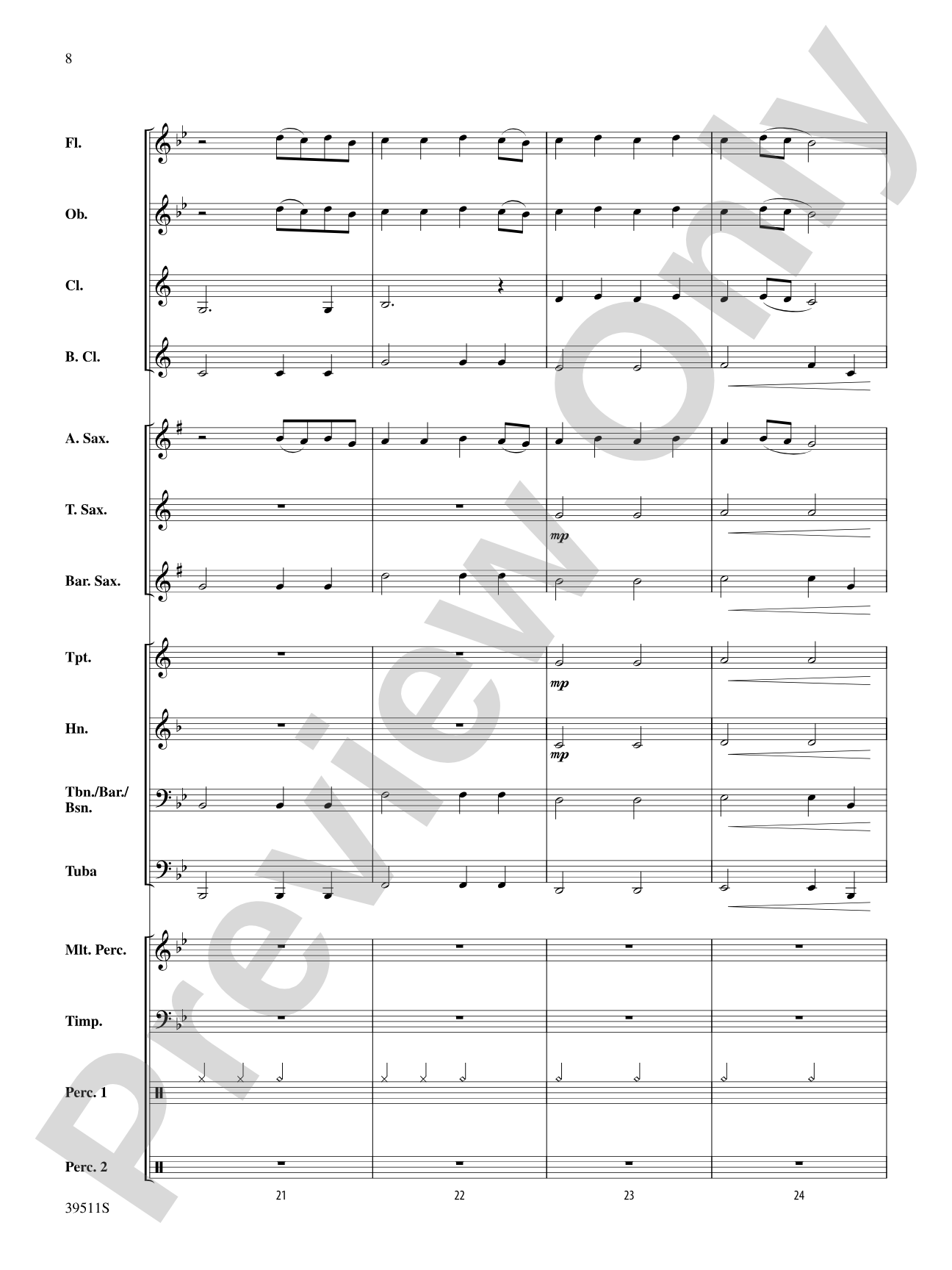
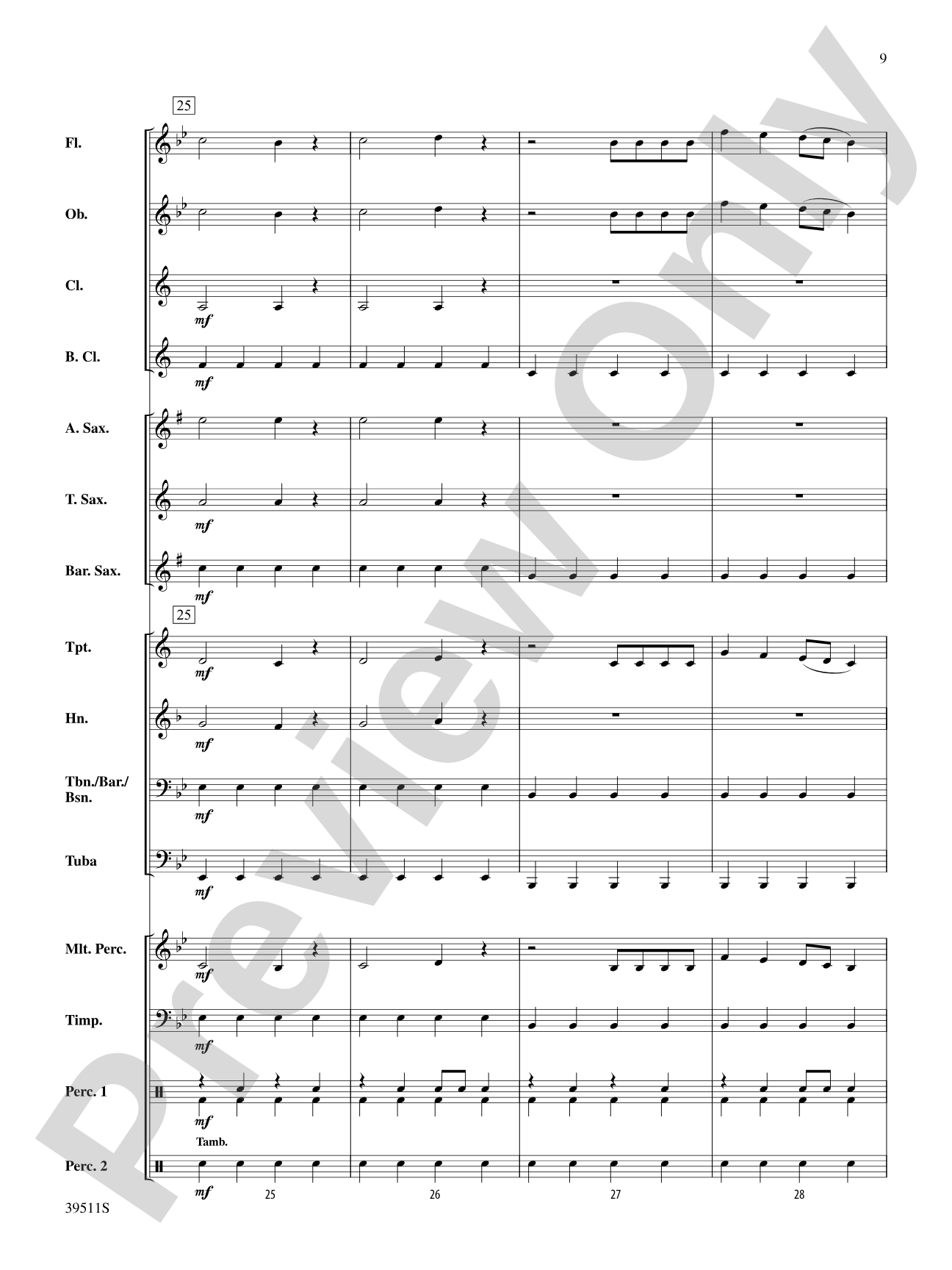
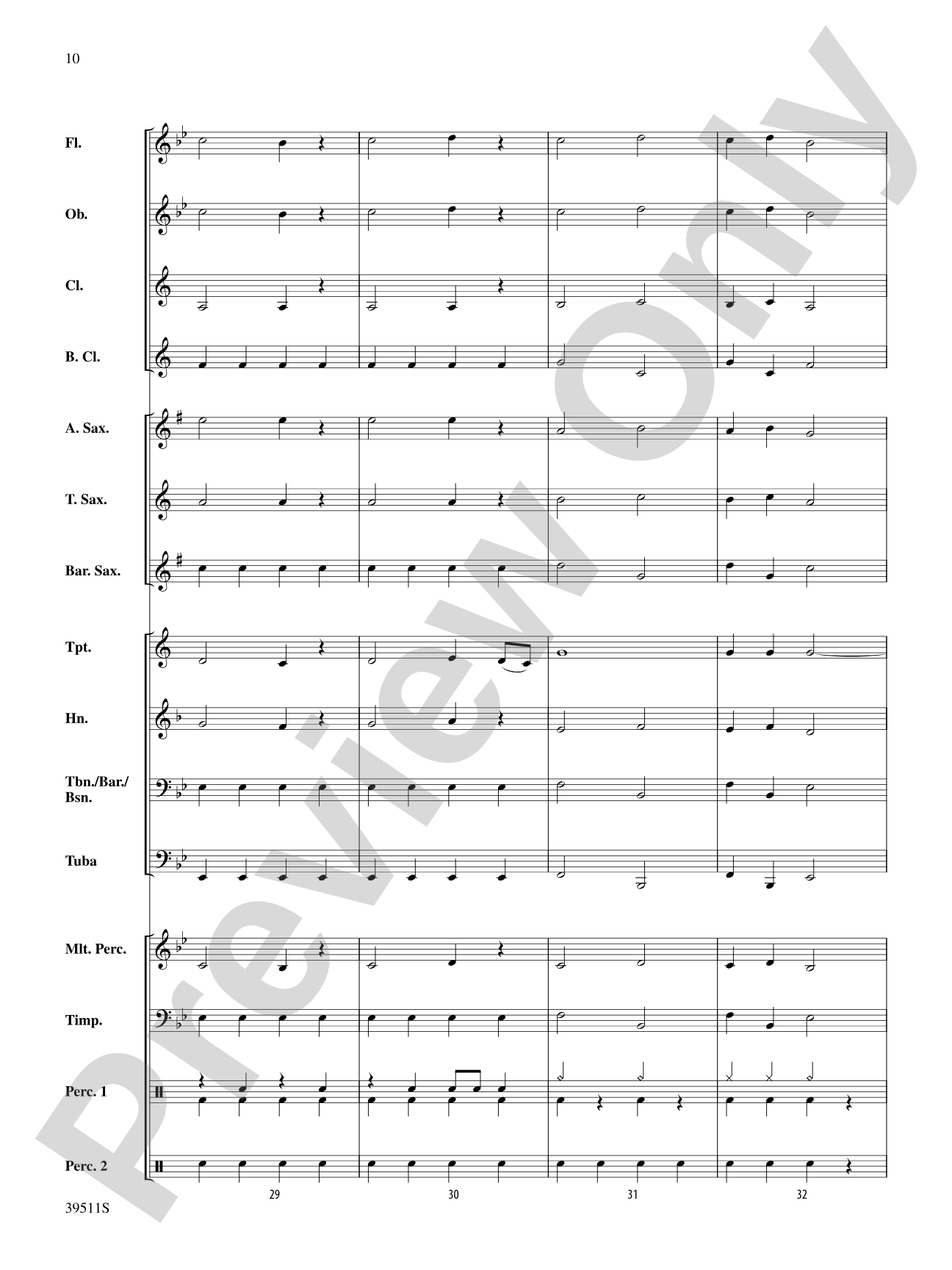
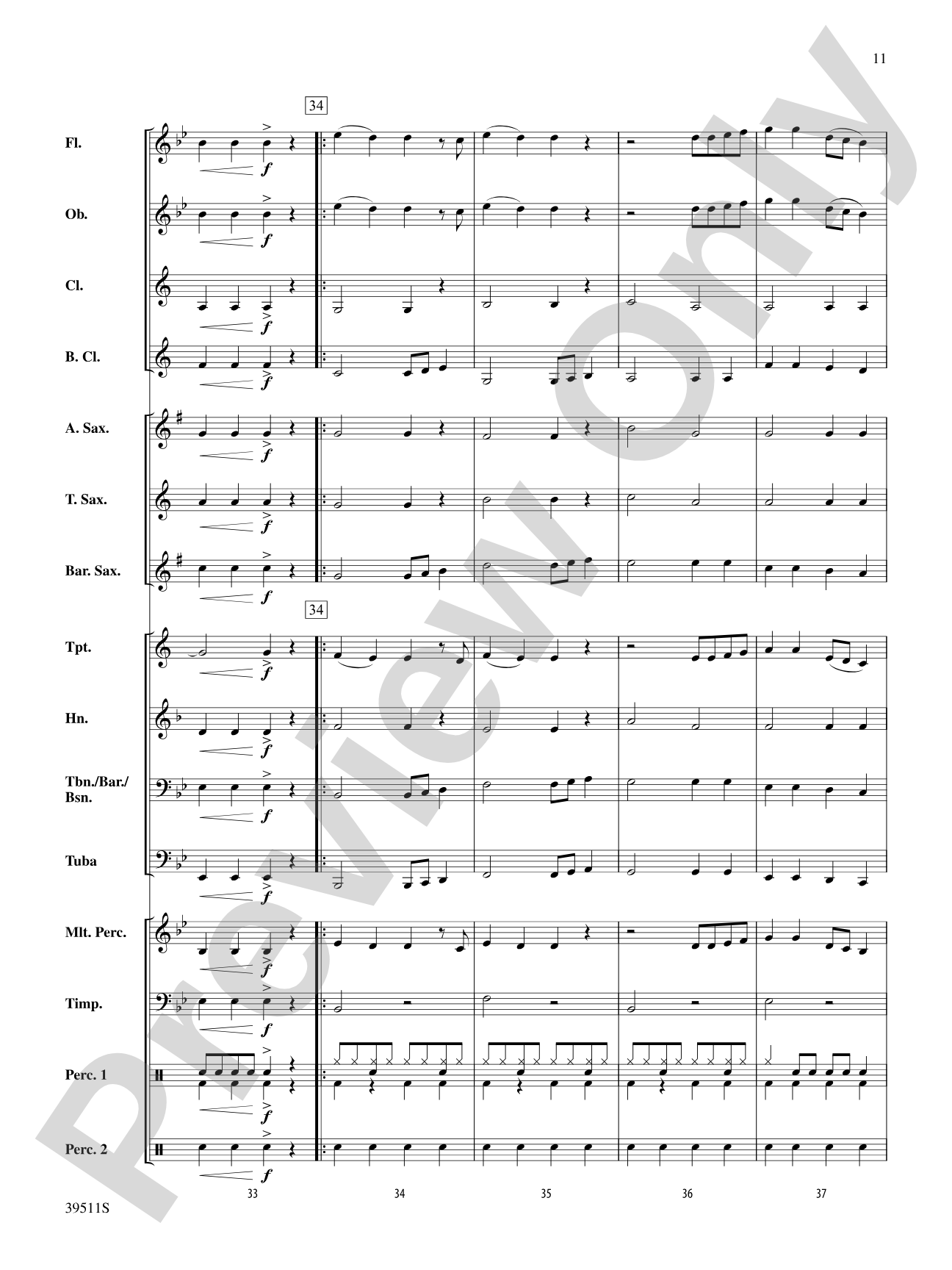
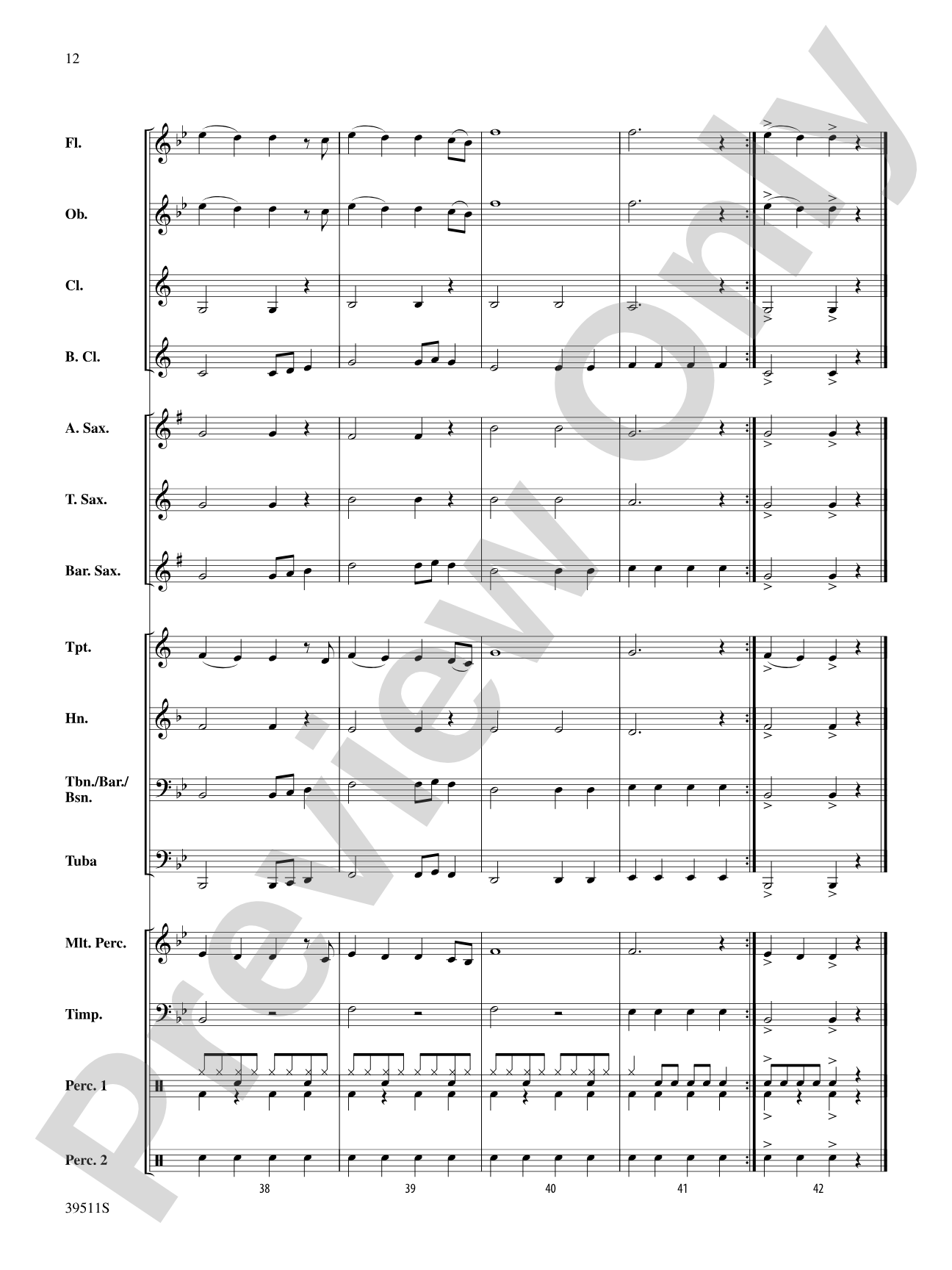
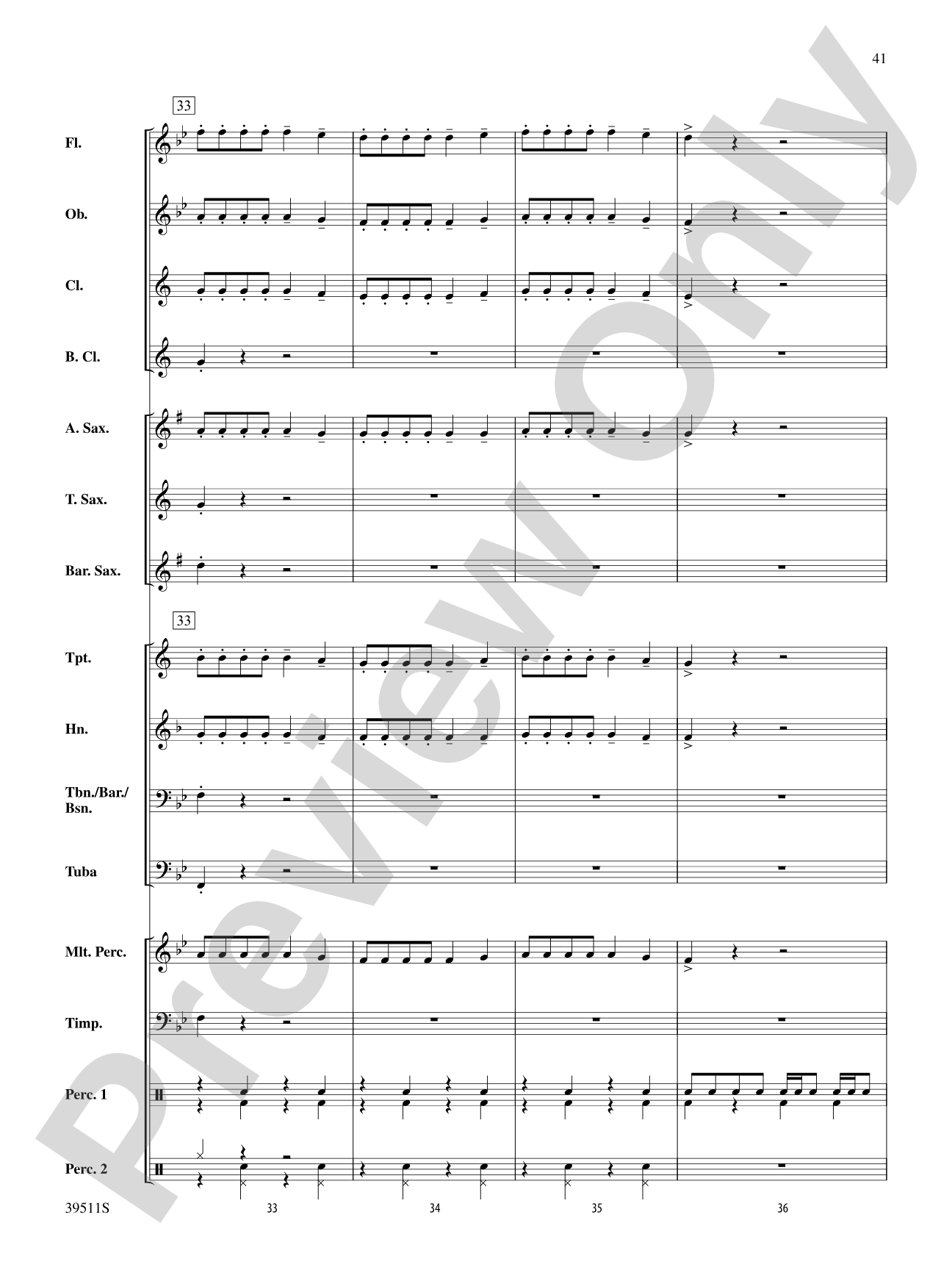
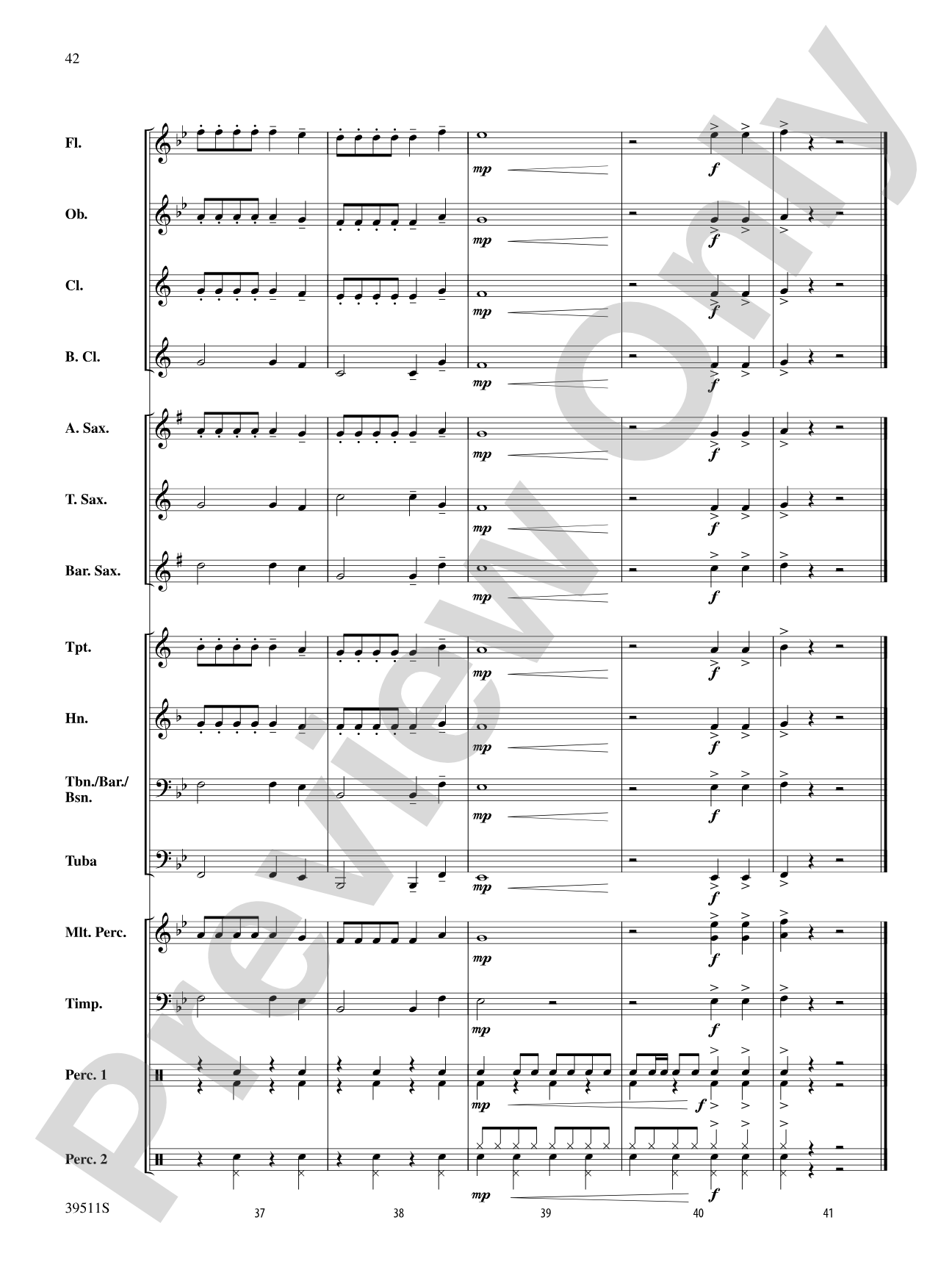
Pop tunes can energize your beginning band program---everyone loves to perform a recognizable tune! Here are four hot tunes that are carefully scored for your students, but with identifiable teaching concepts at the forefront. Use these wonderful melodies to reinforce eighth note performance in the low winds, two-hand percussion performance, a variety of articulations, legato performance, phrasing, and the execution of ritardando. Also includes a variety of dynamic and tempo considerations. The tunes can be performed in one concert or throughout the school year to apply these musical concepts in a timely manner. Titles included are "Don't Stop Believin'," "Sing, Sing, Sing," "You Raise Me Up," and "Bang the Drum All Day." Engaging and educational, be sure to check out Short Cuts #1 (00-38318) as well! (6:00)


Don't just read it, hear it, play along with it, and watch your students grow with it. In MakeMusic Cloud, Short Cuts for Beginning Band -- #2: Concert Band Conductor Score & Parts comes alive with professional accompaniment, adjustable tempo, and built-in practice tools that turn solo practice into real progress.
Open in the Player
Jump straight in and assign it today.
Start Your Free Trial
Open this title and explore the full library in minutes.
Sample Audio
1
Audio File
--:--
0:00
0:00
Sample Video
No sample videos found.
Additional Details
Series:
Pop Beginning Band
Publisher:
Alfred Music
Page Count:
132
SKU:
00-PK-0005574
More about this title
About the Arranger: Michael Story
Michael Story is an accomplished composer and arranger with a gift for making contemporary repertoire accessible to young musicians. His arrangements for beginning bands have become classroom staples, combining recognizable melodies with thoughtfully scaffolded scoring that serves genuine pedagogical goals rather than simply simplifying a tune.
Why we love this
These four arrangements prove that teaching fundamentals and playing pop hits aren't mutually exclusive. Story embeds specific technical work—eighth note precision in the low voices, controlled articulation shifts, legato phrasing—into songs your students already know and want to play, which means they'll practice the concepts without resistance. The collection also works perfectly as a programming resource: you can use one arrangement per concert or space them throughout the year as students develop the skills needed to execute each tune musically.
What to expect
Energetic and accessible. You'll recognize the melodies immediately, and the writing sits comfortably in the low-to-middle ranges where beginning players build confidence. There's a polish to these arrangements that makes young musicians feel like they're playing real music, not just exercises in disguise.
Who it's for
Beginning band students and conductors looking to reinforce fundamental technique while playing music that genuinely excites them. These arrangements serve programs in their first or second year of band, where motivating students matters as much as building chops.
How to get the most out of it
- Isolate the eighth note figures in the low winds during sectionals before full ensemble rehearsals. These passages need rhythmic precision, and breaking them out lets students focus on note accuracy and subdivision without managing ensemble balance.
- Mark the ritardando carefully in parts and conduct it with clear preparation. Beginning conductors and students often rush the approach or lose tempo stability during the deceleration, so rehearse the gesture separately from the melody.
- Work articulation patterns section by section rather than whole-band. When a passage shifts from staccato to legato, have each voice group practice the change independently so transitions feel intentional, not accidental.
- Use the dynamic and tempo markings as interpretive anchors. These arrangements deliberately include variety in this area, so pointing out how a slight tempo adjustment or volume shift shapes phrase meaning will help students move beyond mechanical playing.
How to use it
Program one arrangement per concert to give students a familiar anchor in an otherwise unfamiliar program. Alternatively, use them throughout the year as you introduce each technical concept in rehearsal; when students master eighth notes or ritardando, deploy the corresponding tune as a celebration and reinforcement of what they've learned.
Skills your students will build
- Eighth note articulation and precision in lower winds
- Two-hand percussion coordination and control
- Multiple articulation styles within a single piece
- Legato phrasing and breath management
- Ritardando execution and ensemble synchronization during tempo changes
- Dynamic control across a range of markings and tempos