
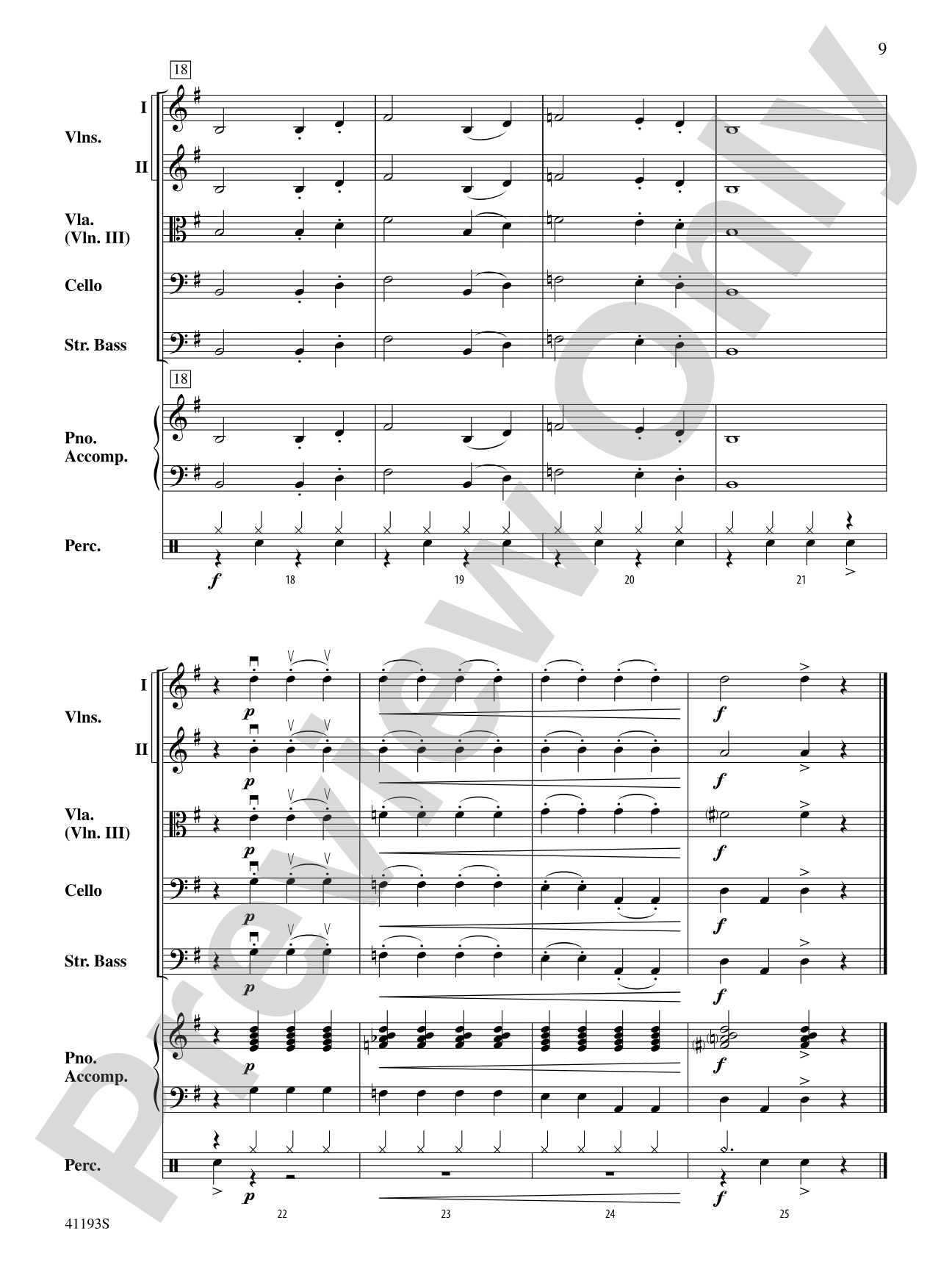
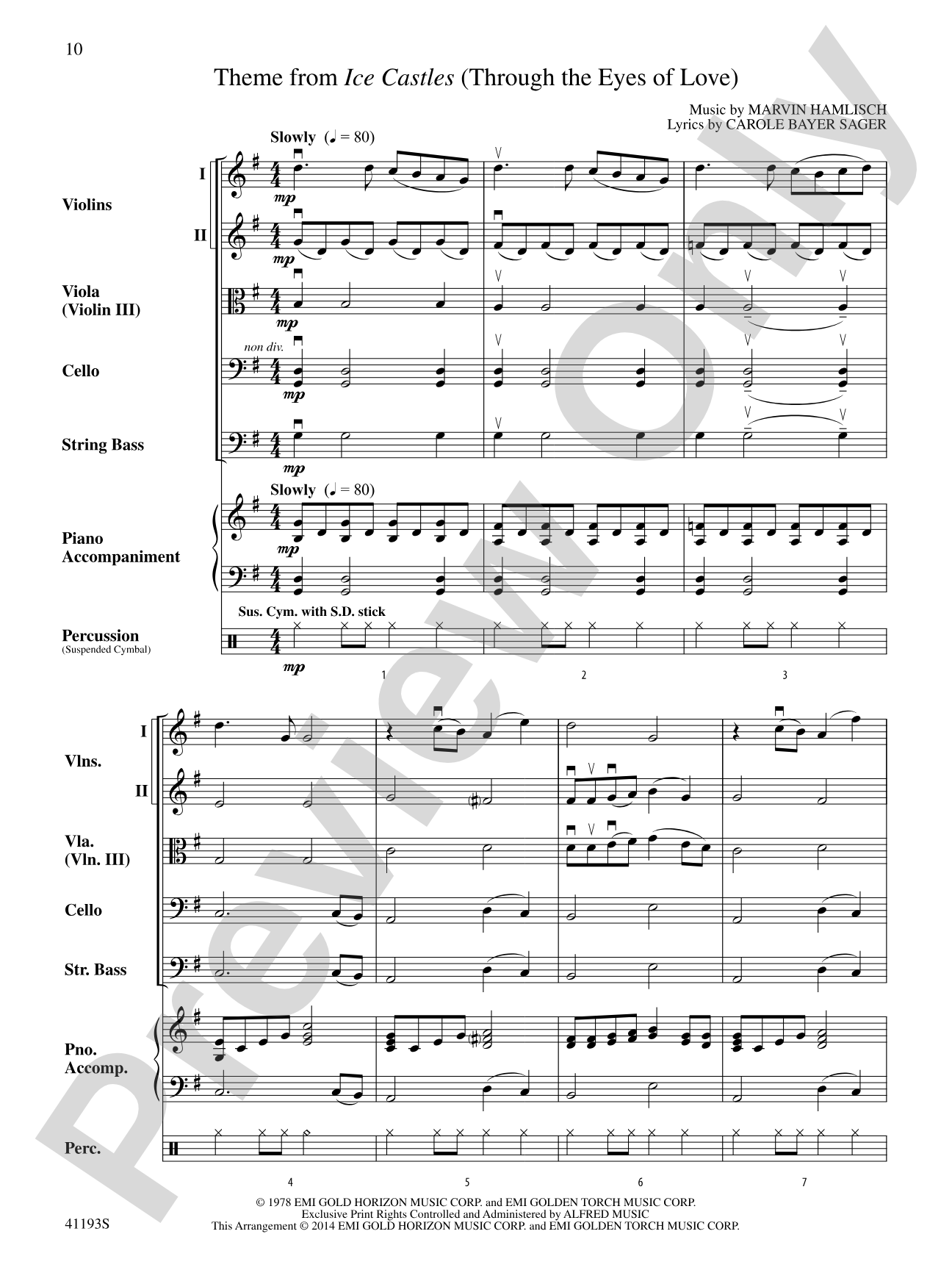
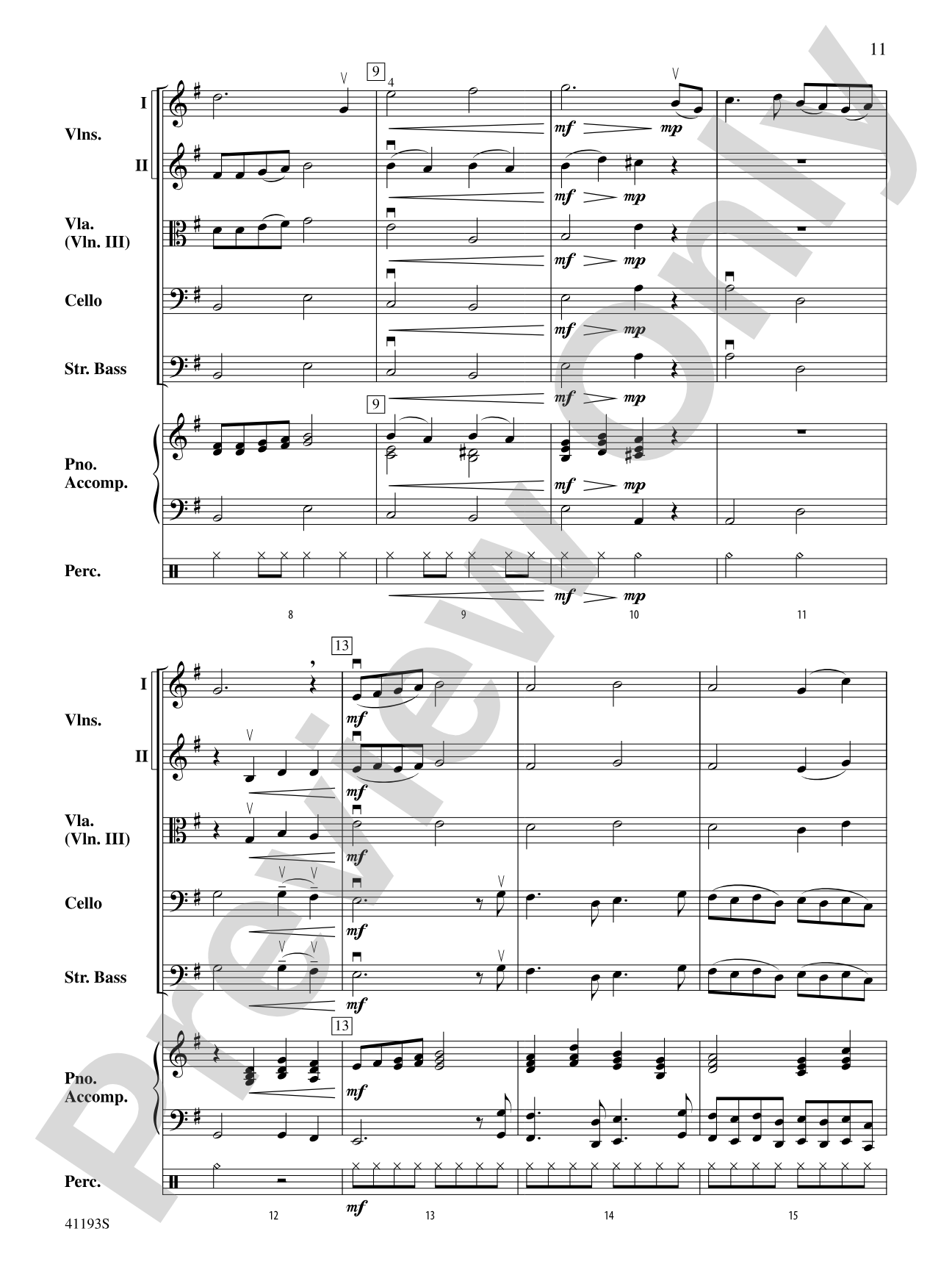
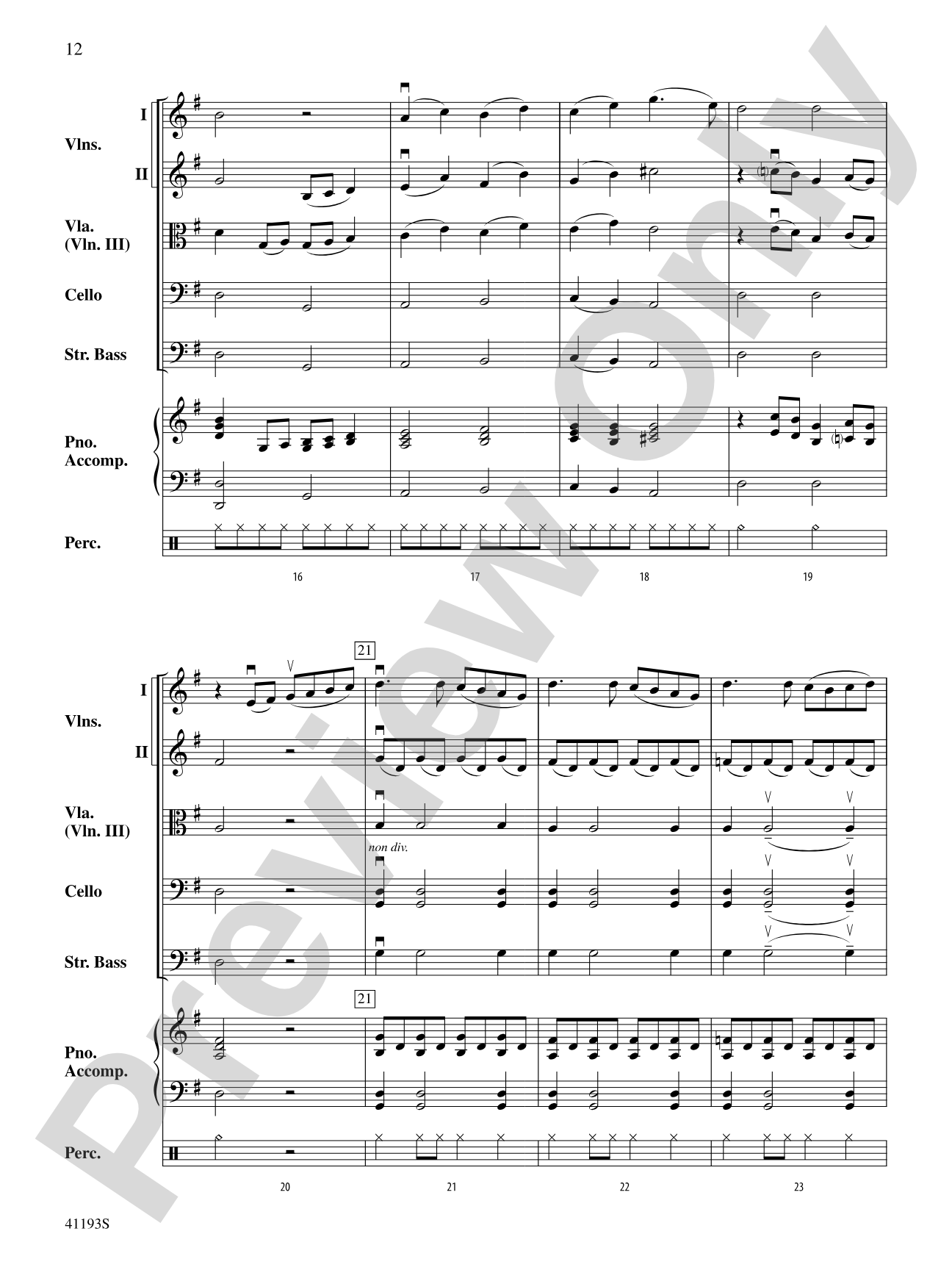
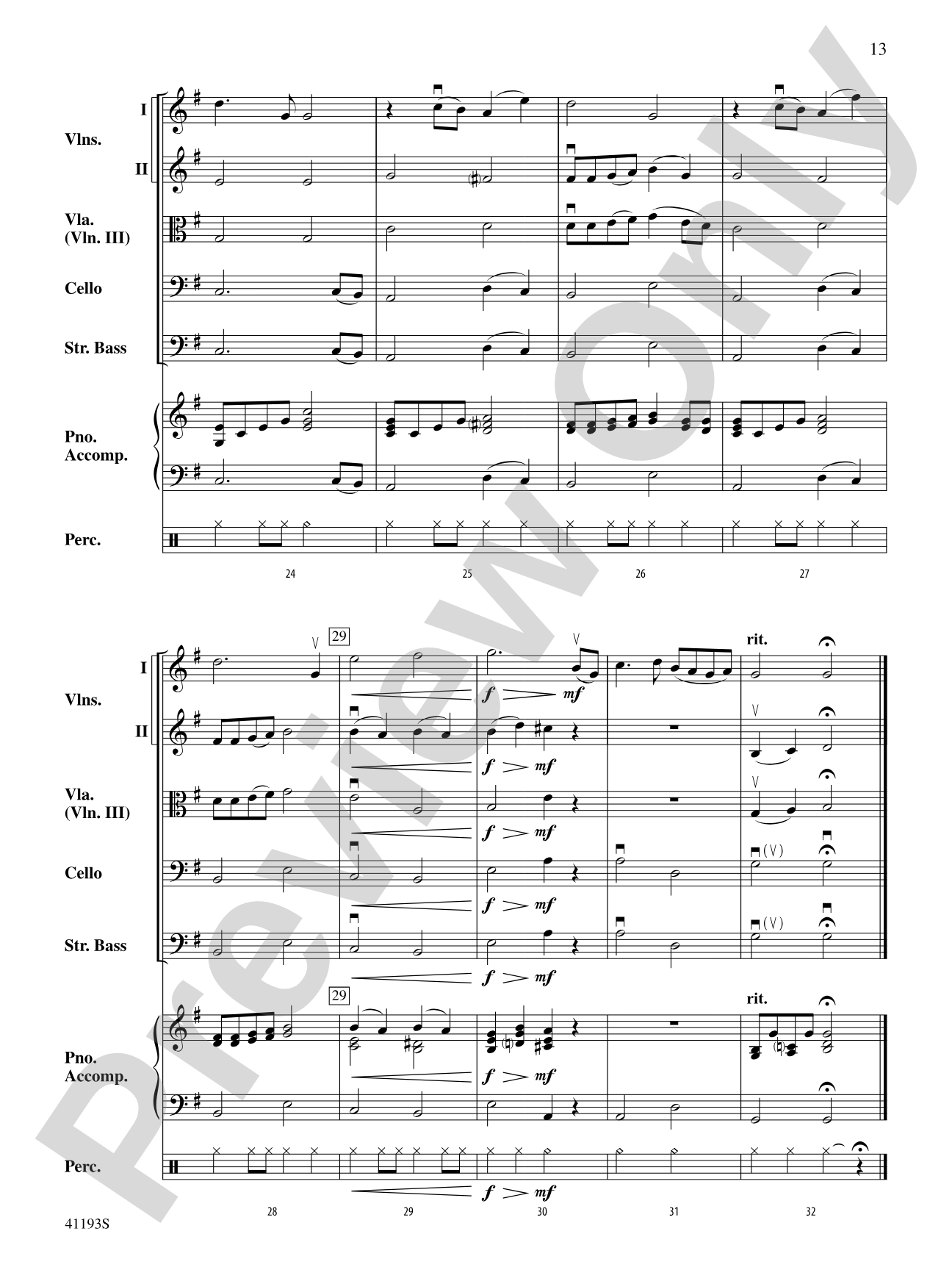
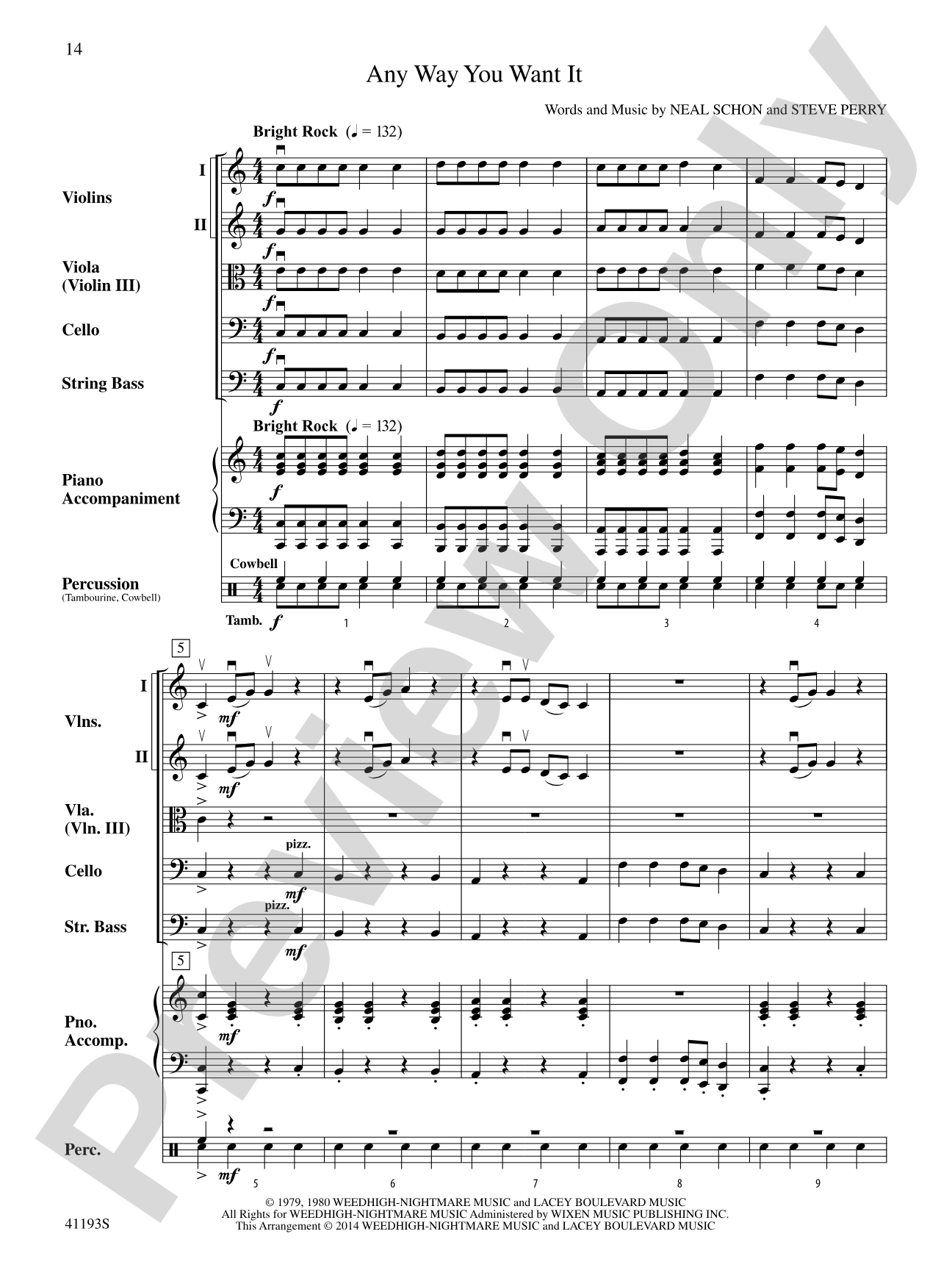
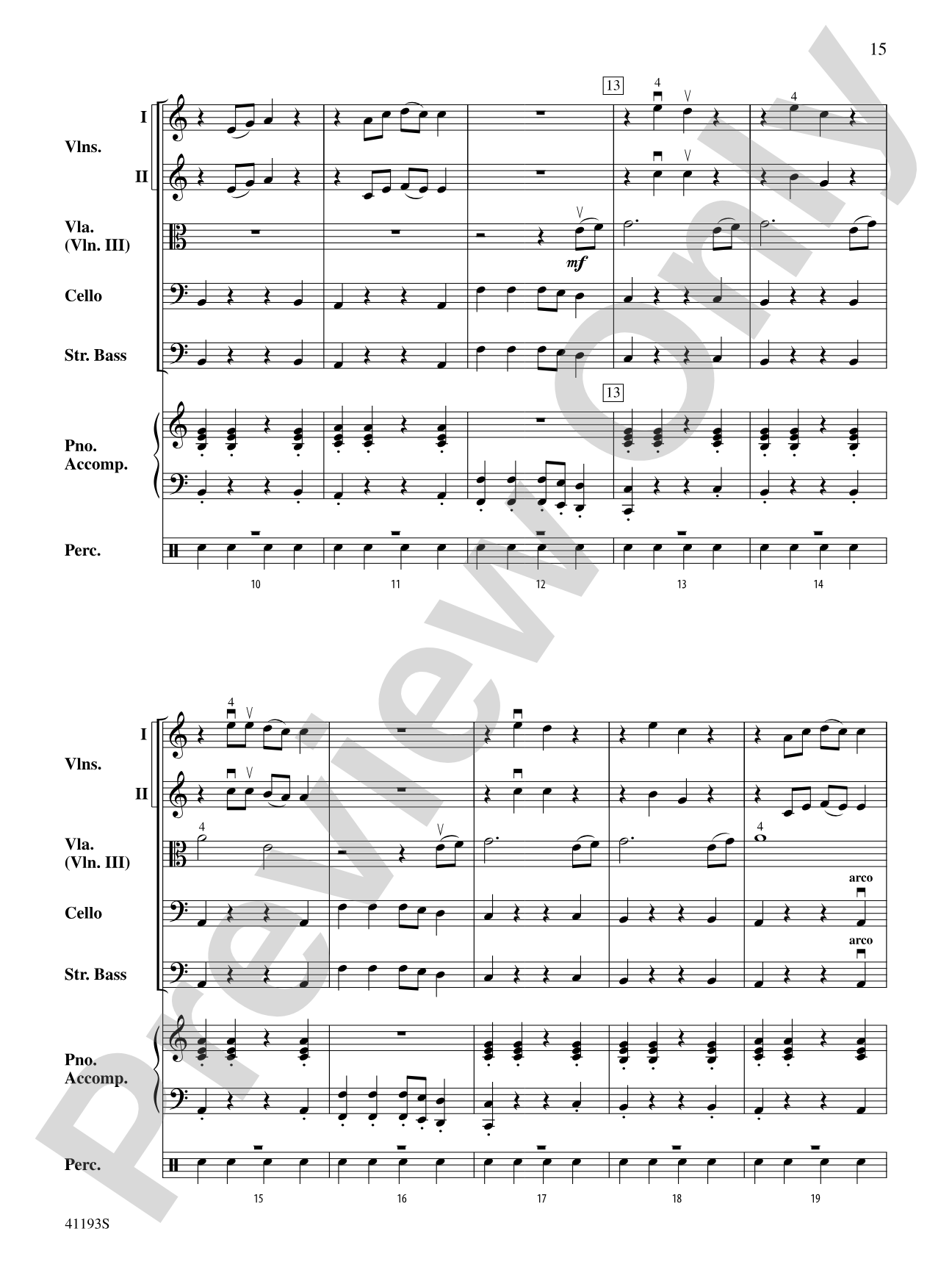
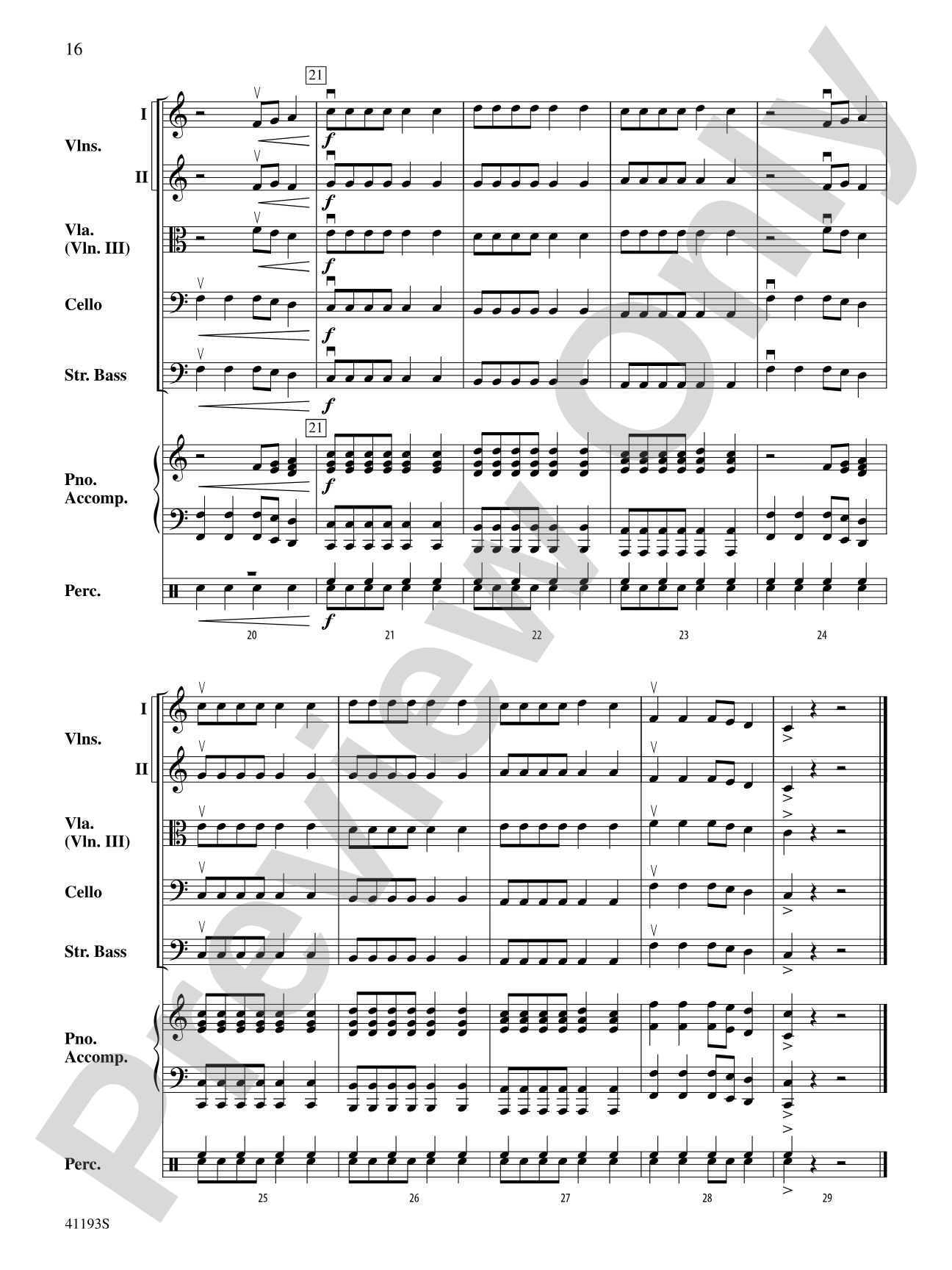

Short Cuts 2: String Orchestra Conductor Score & Parts
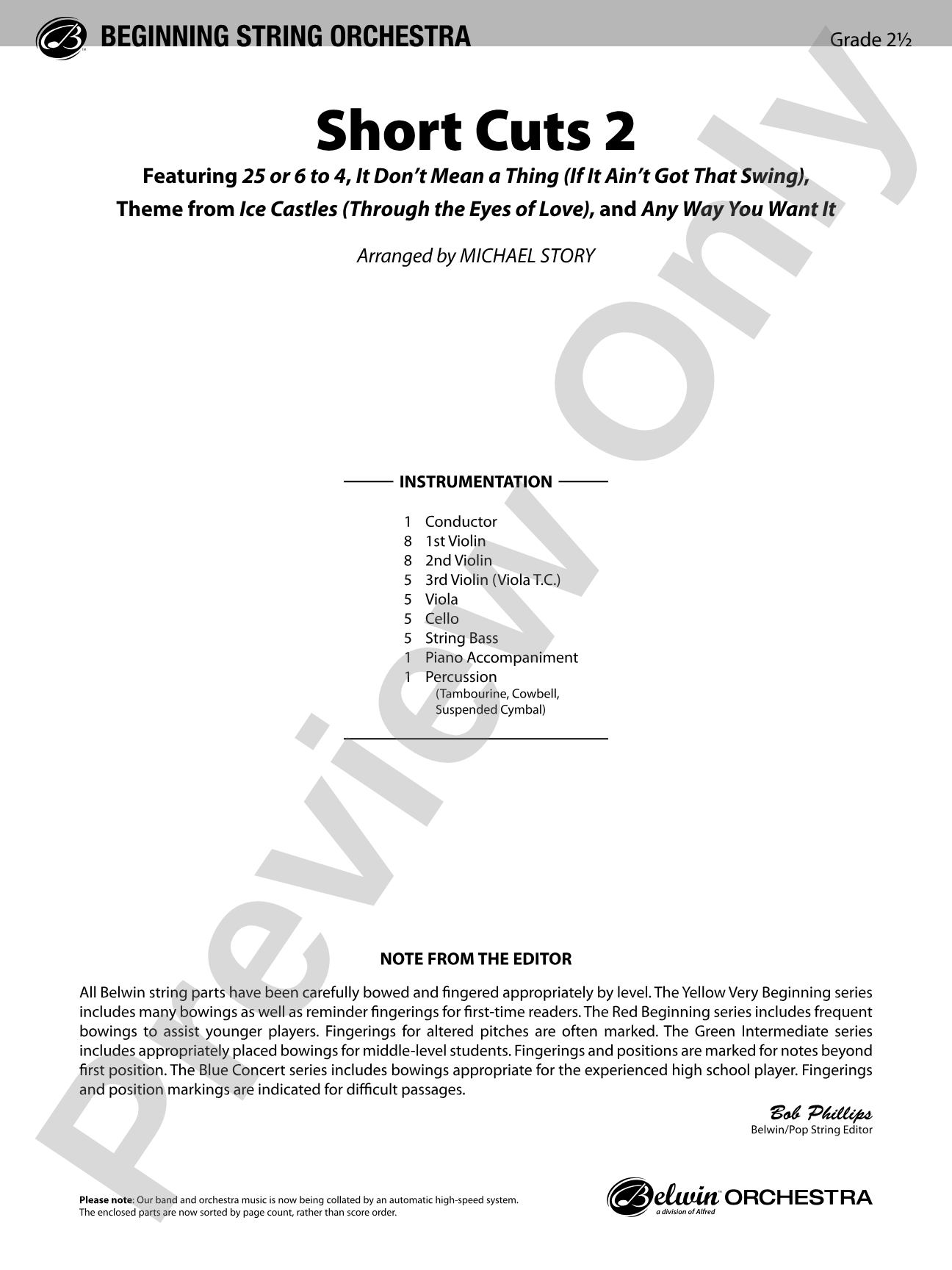
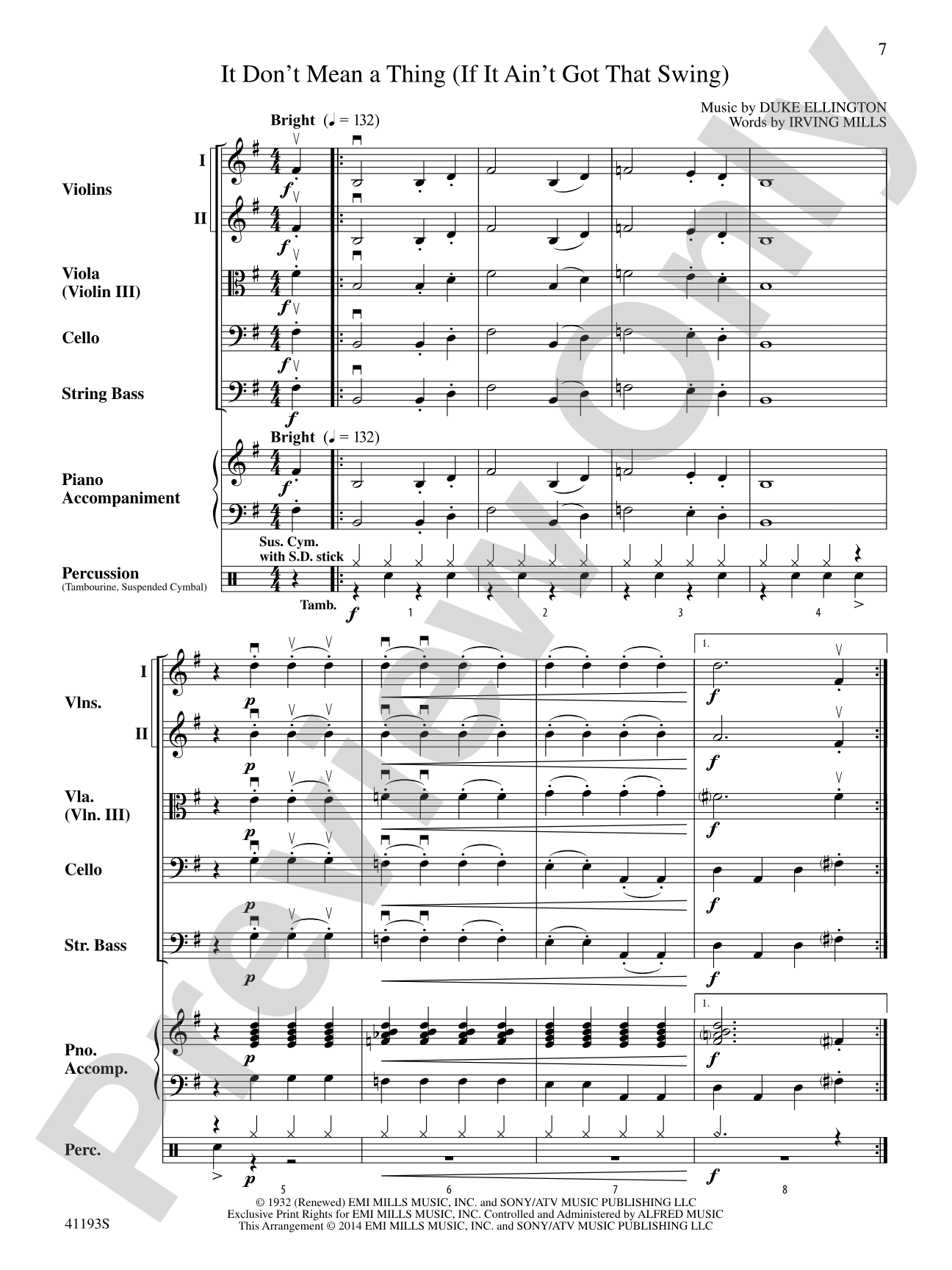
Featuring: 25 or 6 to 4 / It Don't Mean a Thing (If It Ain't Got That Swing) / Theme from Ice Castles (Through the Eyes of Love) / Any Way You Want It
Arr. Michael Story
Grade: 2.5
Item: 00-PK-0006065

$50.00
One moment…
Description
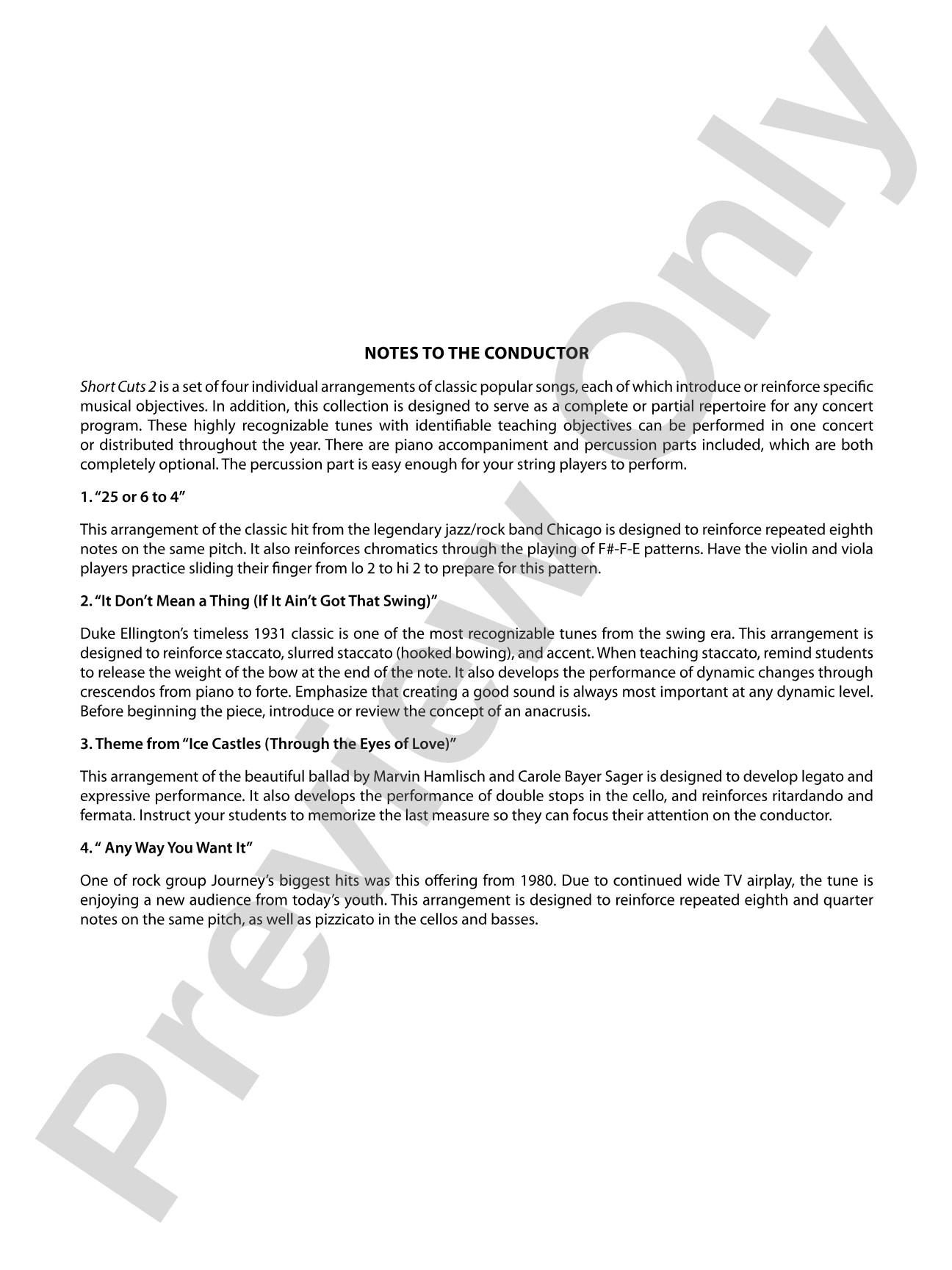
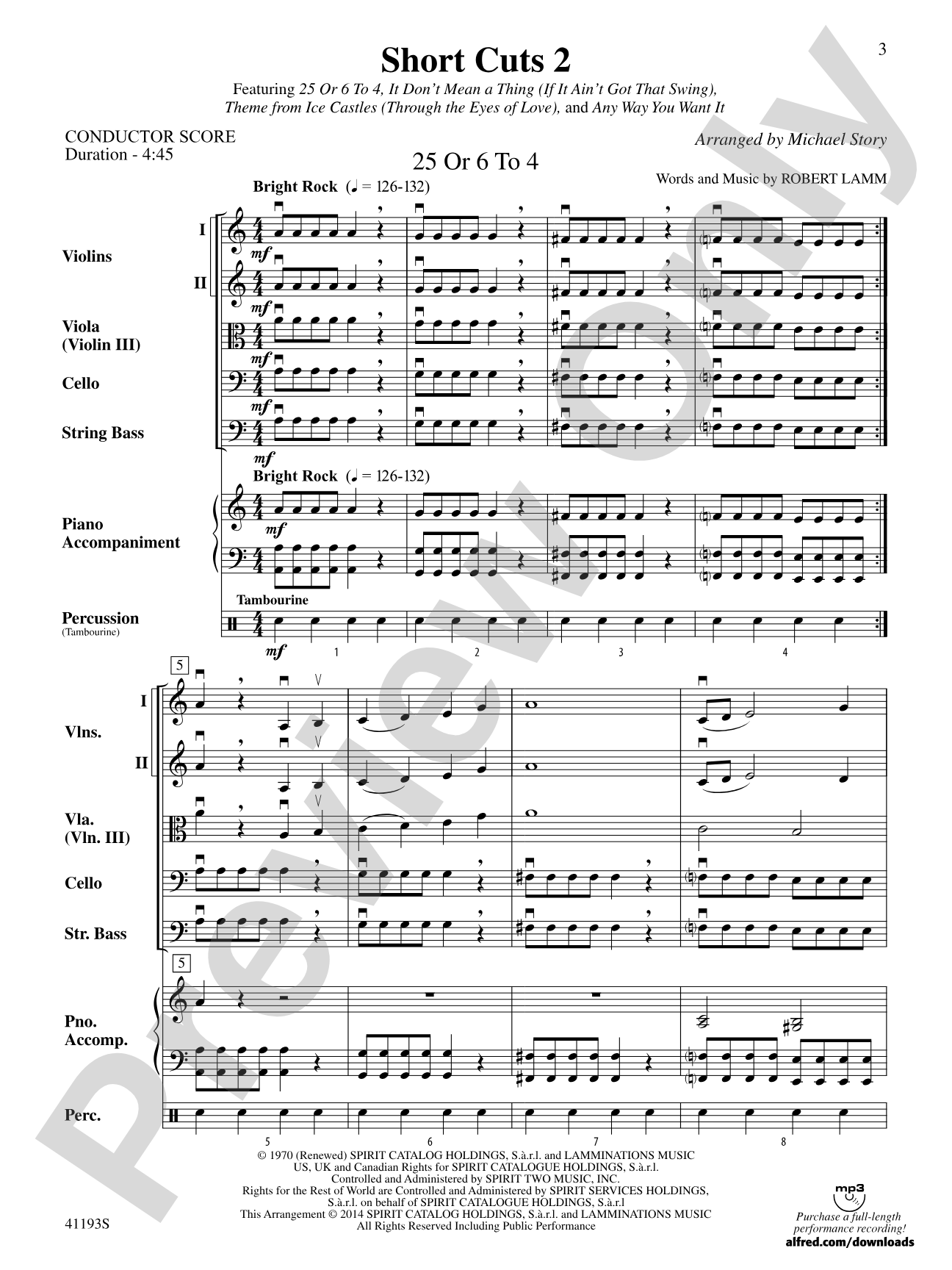
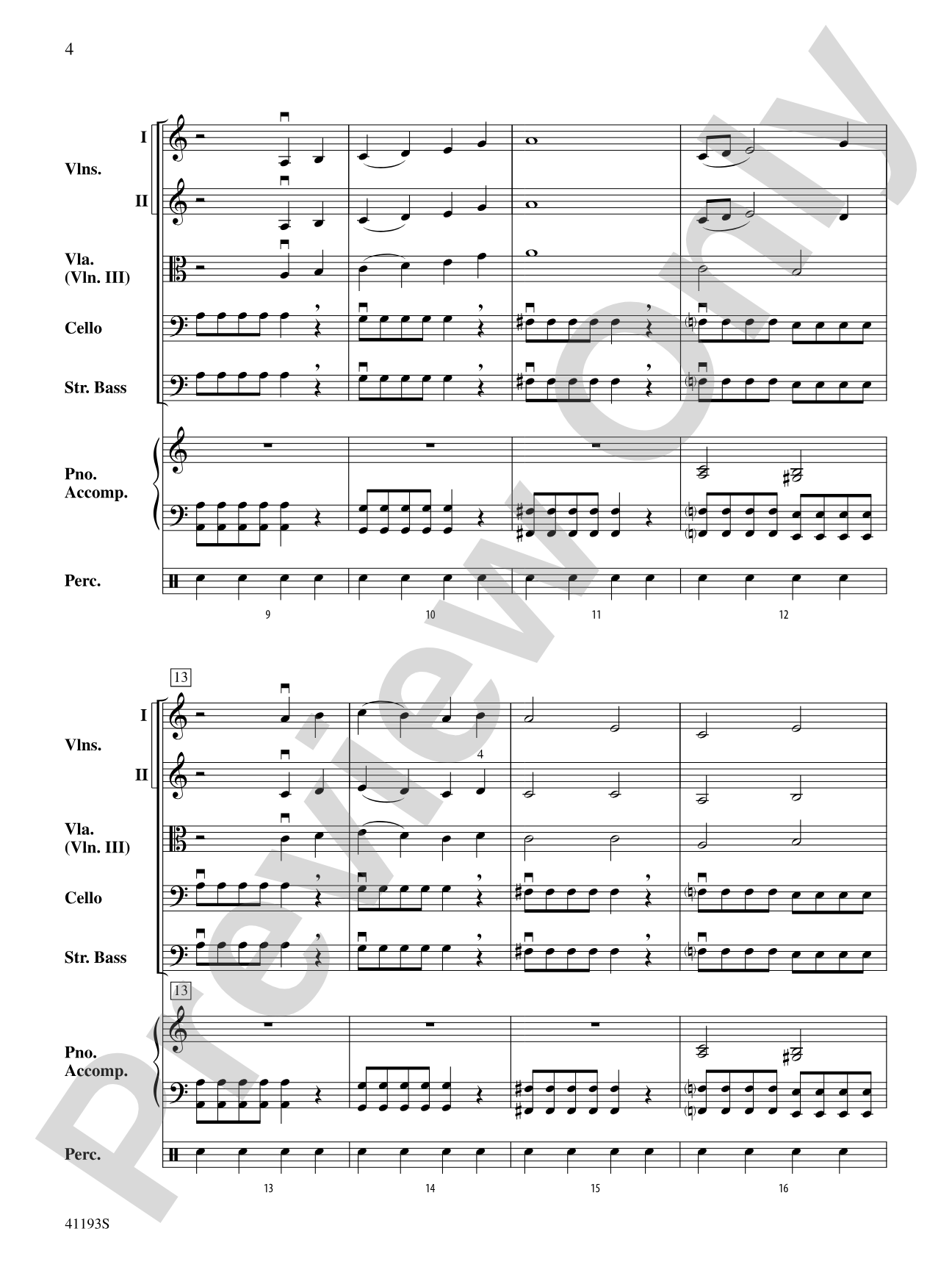
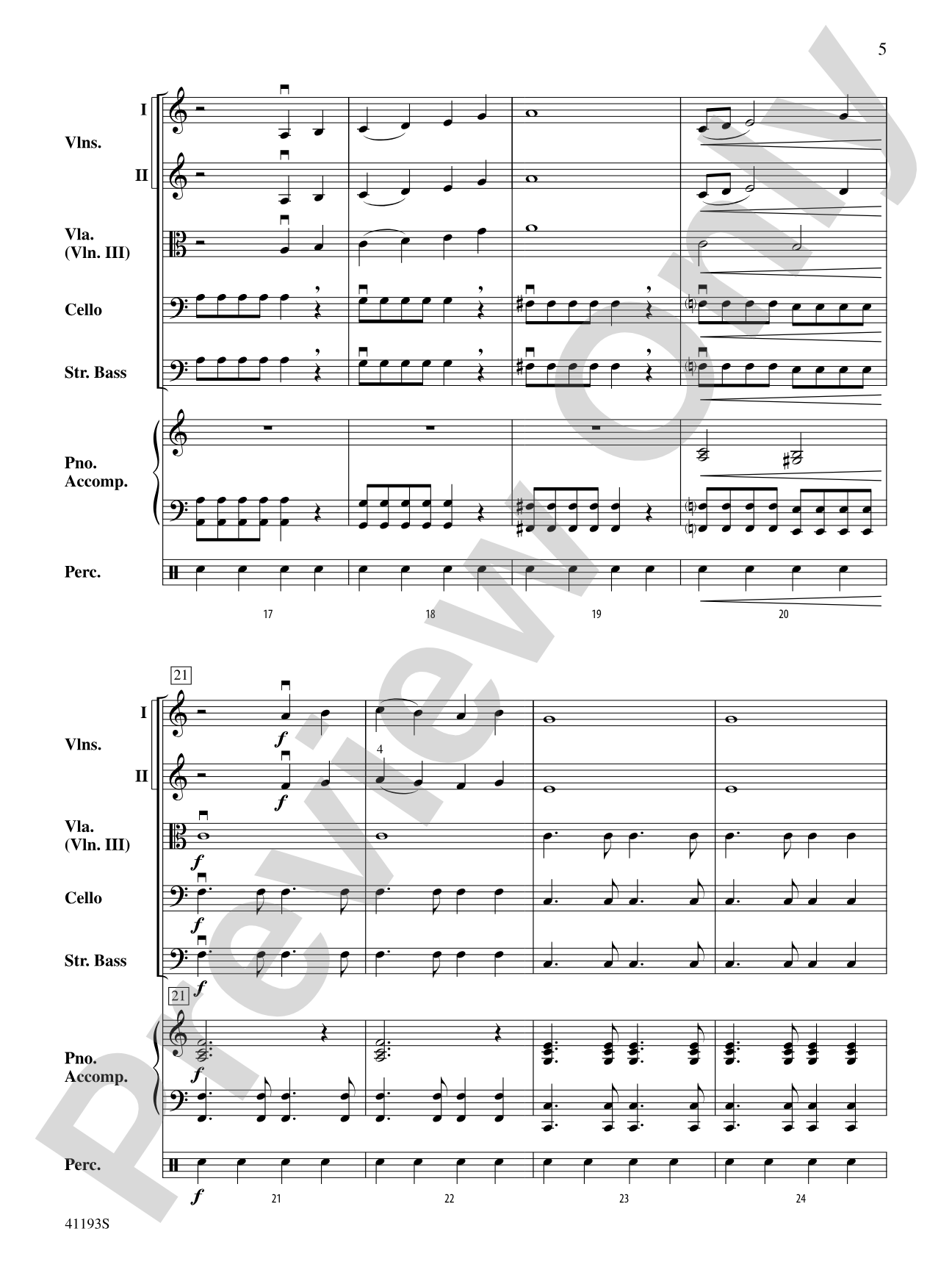
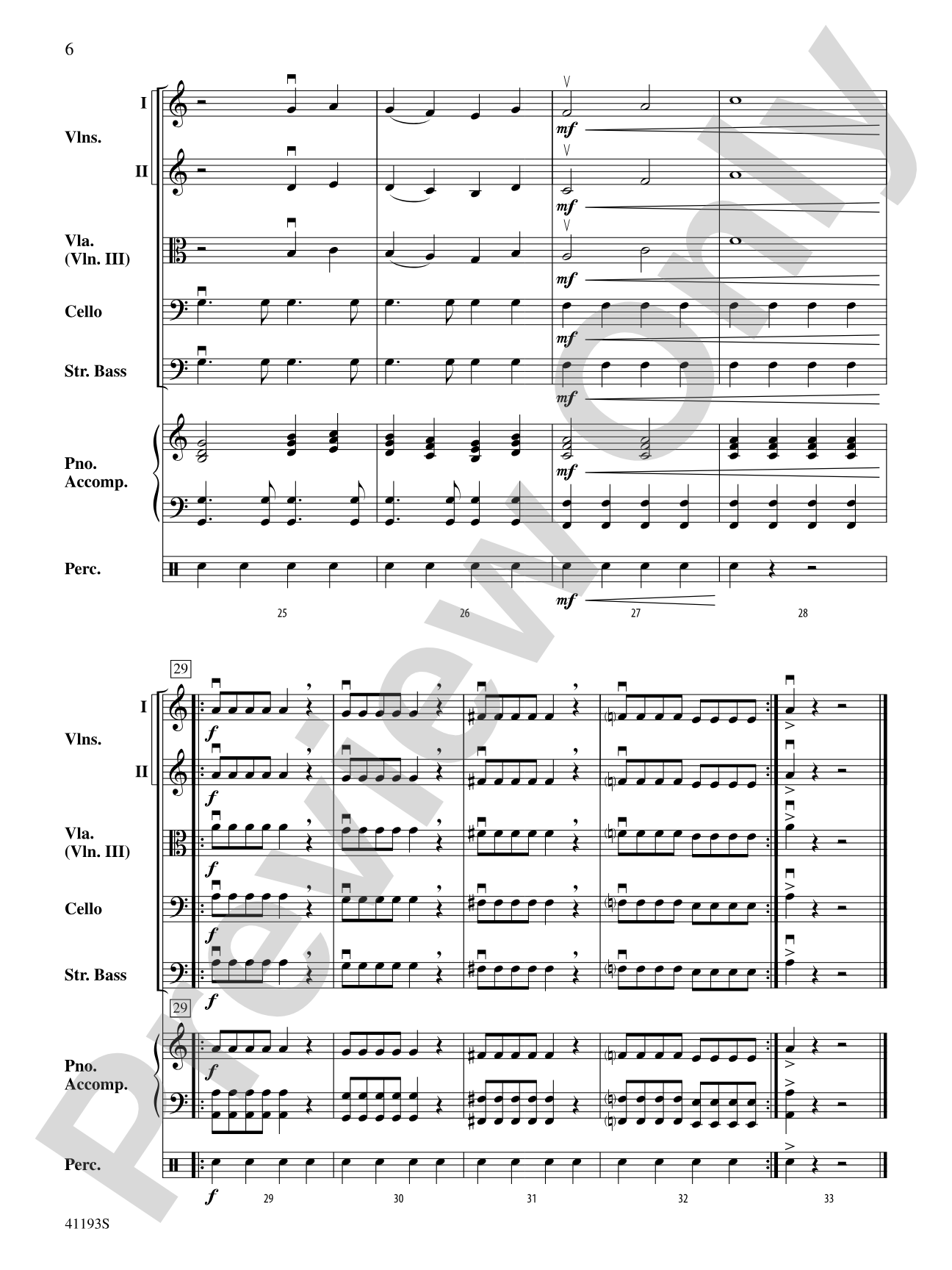
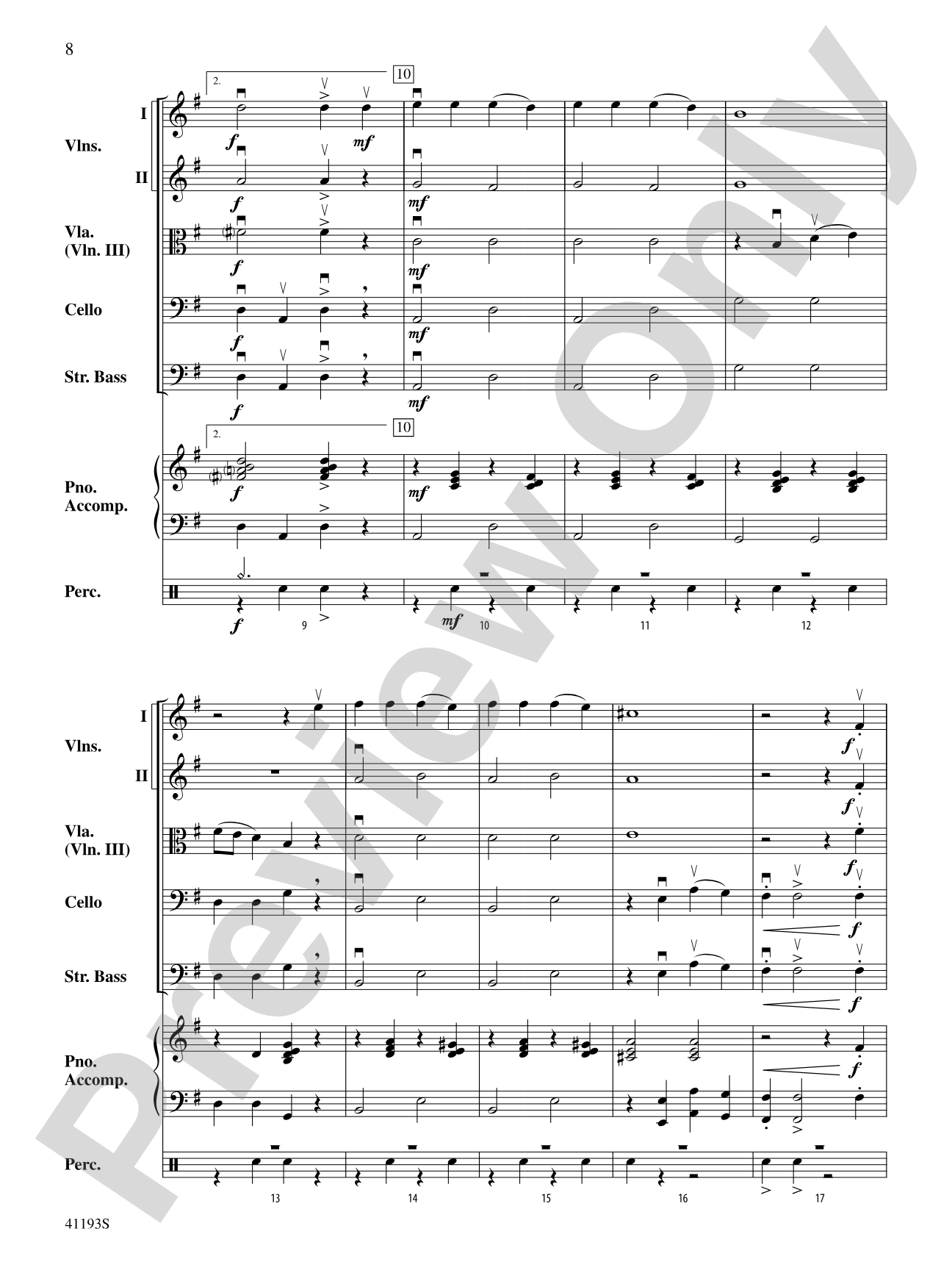
This is a set of four individual arrangements of classic popular songs, each of which introduce or reinforce specific musical objectives. In addition, this collection is designed to serve as a complete or partial repertoire for any concert program. These highly recognizable tunes with identifiable teaching objectives can be performed in one concert or distributed throughout the year. There are piano accompaniment and percussion parts included, which are both completely optional. The percussion part is easy enough for your string players to perform. (4:45)


Don't just read it, hear it, play along with it, and watch your students grow with it. In MakeMusic Cloud, Short Cuts 2: String Orchestra Conductor Score & Parts comes alive with professional accompaniment, adjustable tempo, and built-in practice tools that turn solo practice into real progress.
Open in the Player
Jump straight in and assign it today.
Start Your Free Trial
Open this title and explore the full library in minutes.
Sample Audio
1
Audio File
--:--
0:00
0:00
Sample Video
No sample videos found.
Additional Details
Series:
Pop Beginning String Orchestra
Publisher:
Alfred Music
Page Count:
152
SKU:
00-PK-0006065
More about this title
About the Arranger: Michael Story
Michael Story has established himself as a prolific arranger and composer for beginning and intermediate string orchestras. His arrangements are known for balancing accessibility with musical integrity, making recognizable repertoire serve clear pedagogical goals without sacrificing the joy of playing familiar music.
Why we love this
Story's arrangements in this collection turn movie themes and popular standards into focused teaching vehicles. Each piece targets specific musical concepts, so you're never just playing songs for entertainment; you're building skills while your students stay engaged with material they recognize and enjoy.
What to expect
These arrangements carry the warmth and familiarity of beloved melodies while maintaining the elegant simplicity that Grade 2.5 orchestras can execute confidently. The writing feels fresh rather than watered-down, letting students experience the emotional core of each song without technical overreach.
Who it's for
String orchestra directors working with Grade 2.5 ensembles who want to program contemporary, recognizable material without sacrificing pedagogical clarity. This collection works equally well for directors building a full concert or supplementing existing repertoire with strategically chosen pieces throughout the school year.
How to get the most out of it
- Balance the optional piano accompaniment carefully in rehearsal. The strings can absolutely stand alone, but if you include the keyboard part, make sure it supports rather than overwhelms the melodic lines.
- Let your percussion players (likely string students on timpani, triangle, or tambourine) lead some of the rhythmic figures. The easy percussion writing is a gateway to understanding how rhythm sections work together.
- Take advantage of the recognizable melodies by letting students hear recordings before rehearsals begin. Familiarity builds confidence and speeds up learning significantly.
How to use it
Program individual pieces across your concert season, pairing them with classical or contemporary works to create variety and sustain student interest. Alternatively, perform all four arrangements in one concert as a thematic program that showcases how well-known melodies work in orchestral arrangement, offering audiences an accessible entry point into your ensemble's capabilities.
Skills your students will build
- Reading and executing specific rhythmic patterns introduced in each arrangement
- Balancing independent string parts while maintaining homophonic texture
- Responding to conductor cues that shape phrasing in familiar melodies
- Coordinating with optional accompaniment and percussion parts
- Understanding how melodies can be orchestrated across string sections