

Short Cuts: String Orchestra Conductor Score & Parts
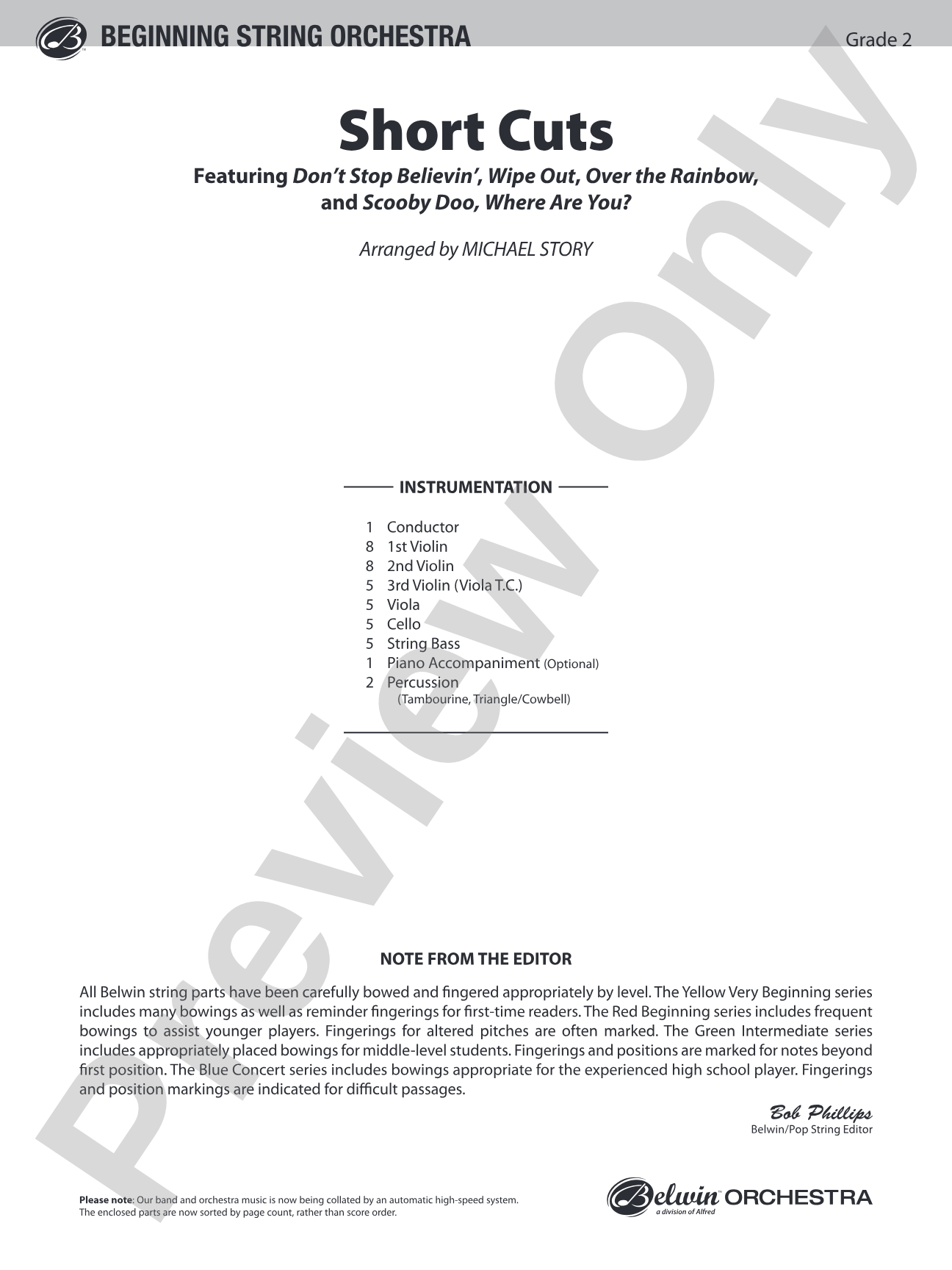
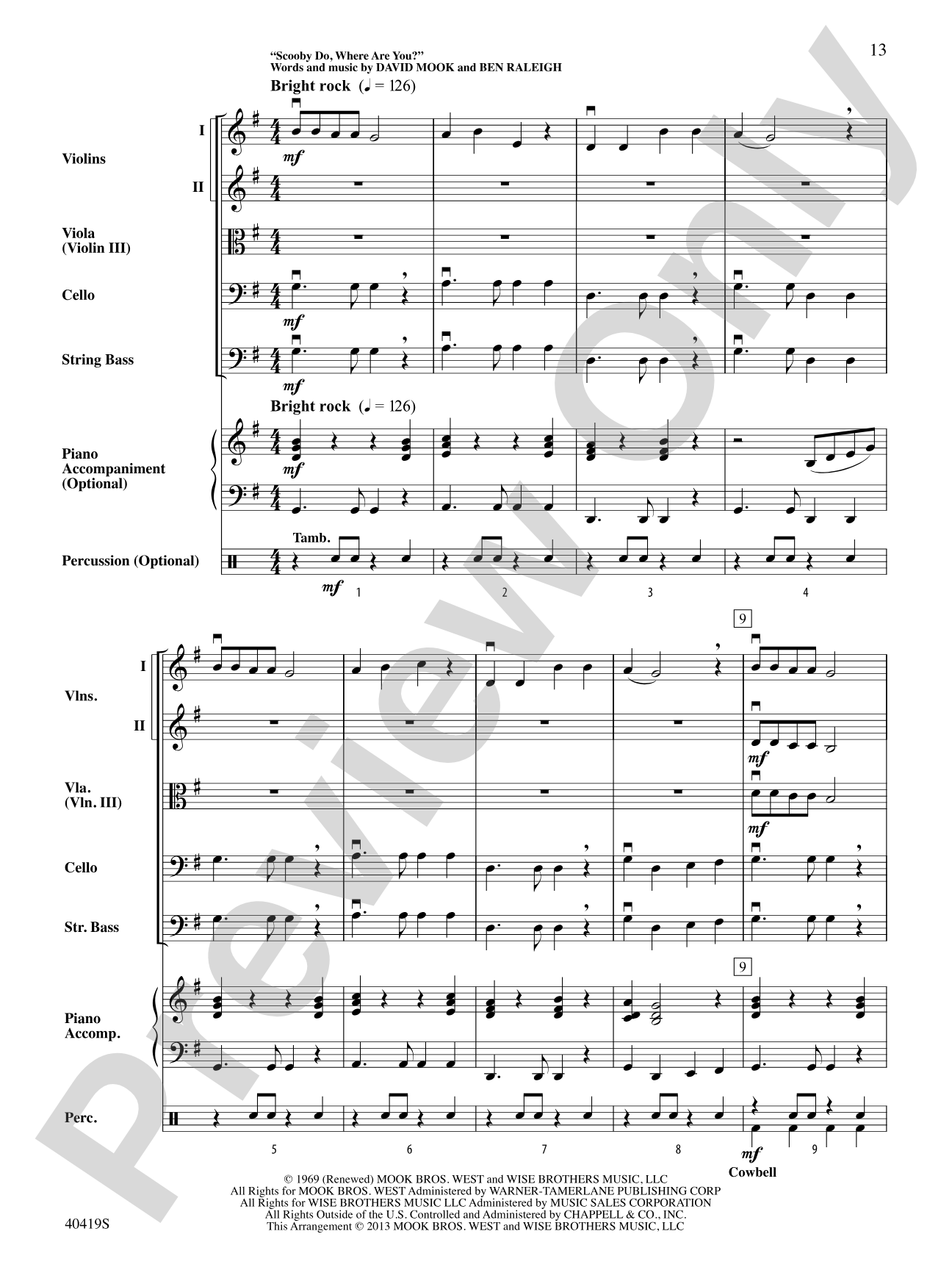
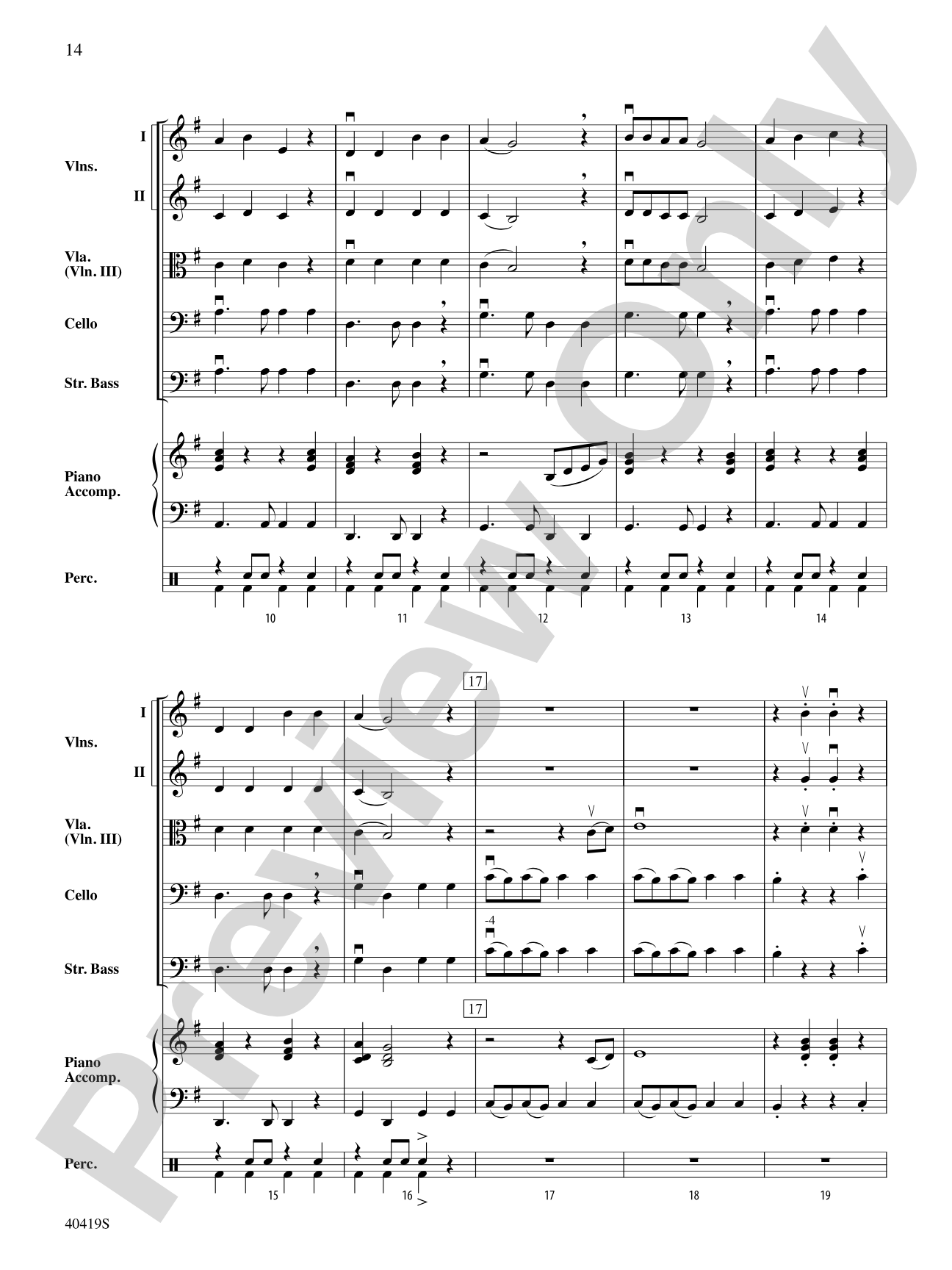
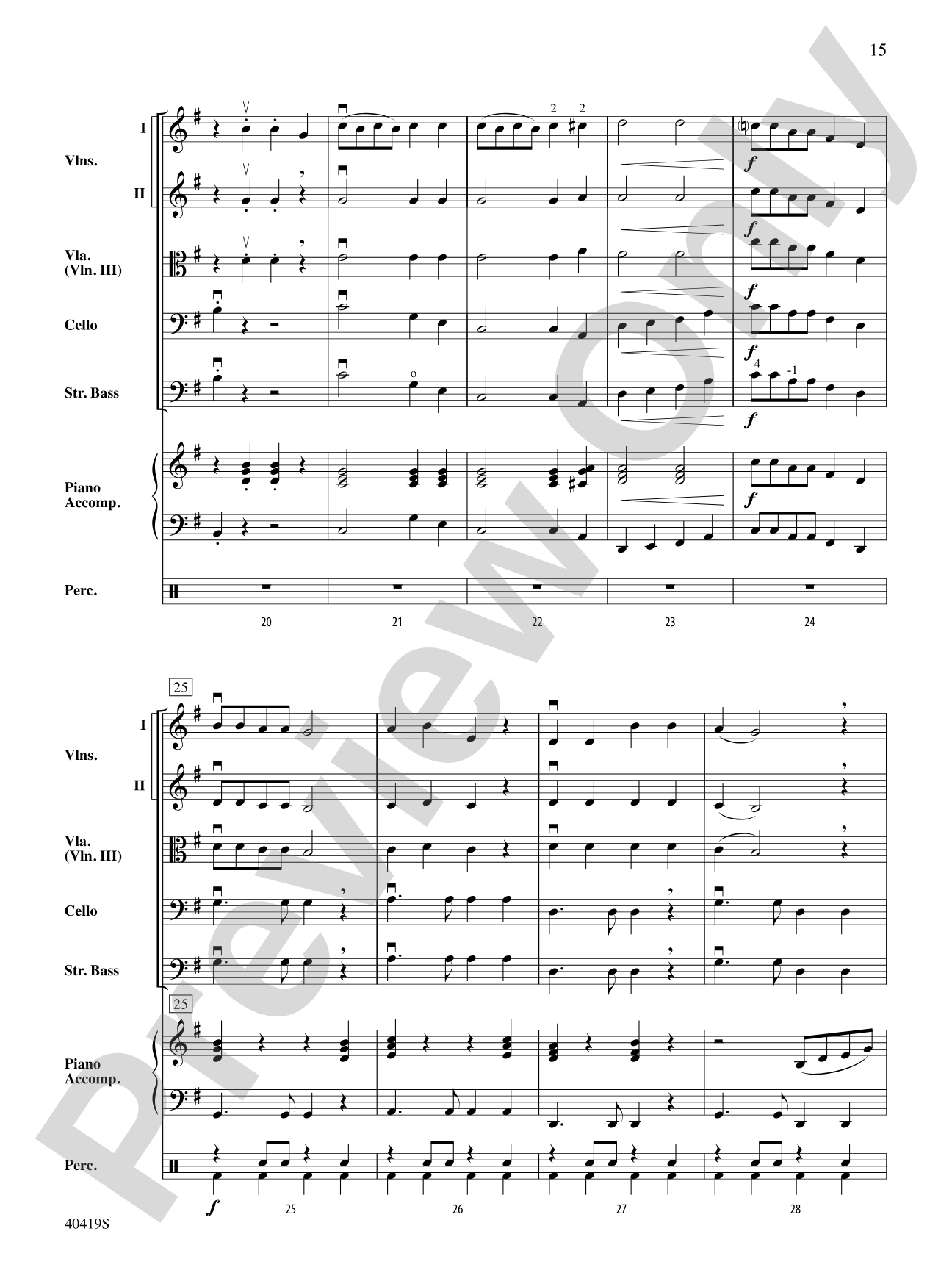
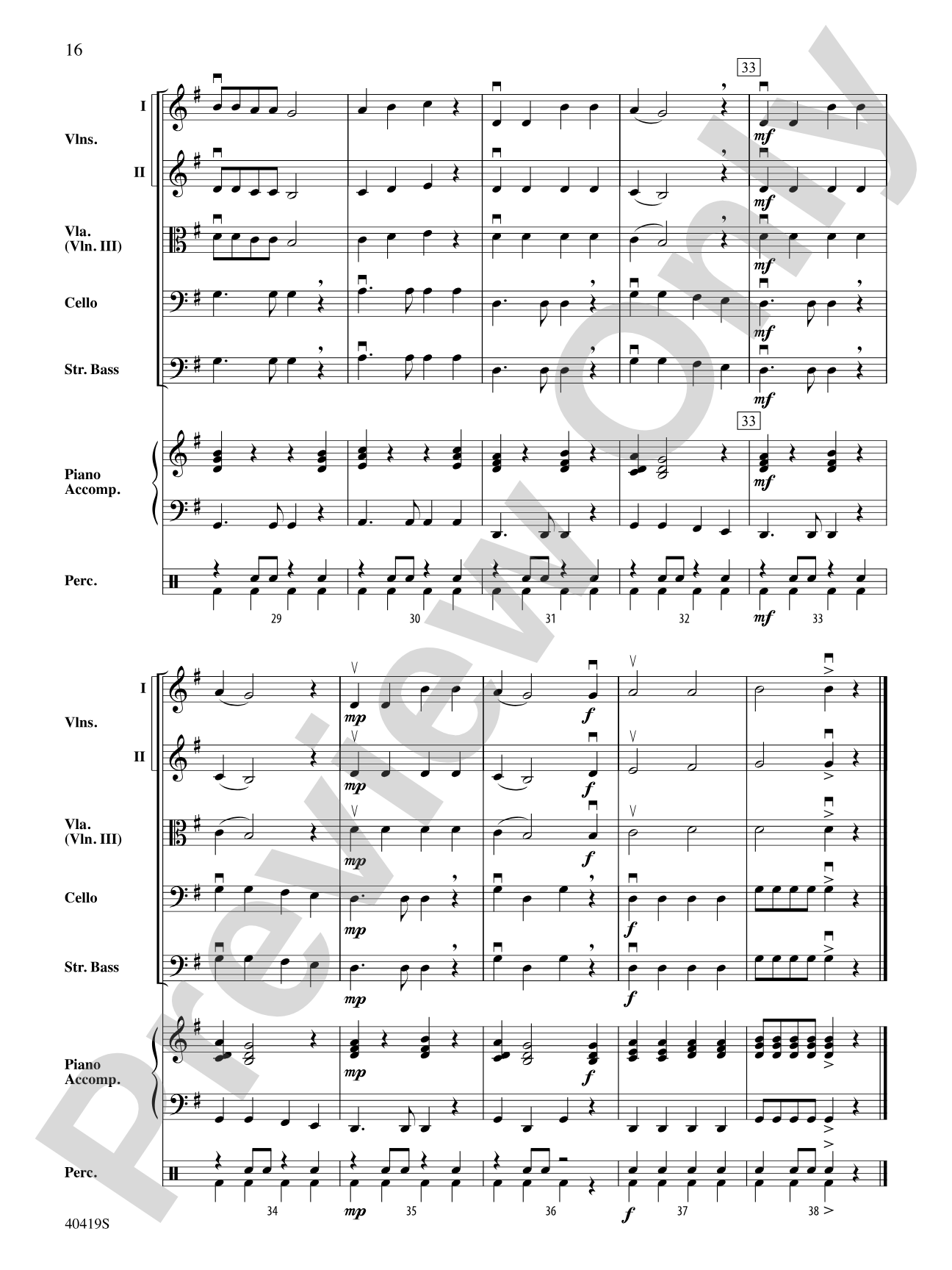
Featuring: Don't Stop Believin' / Wipe Out / Over the Rainbow / Scooby Doo, Where Are You?
Arr. Michael Story
Grade: 2
Item: 00-PK-0005702

$54.00
One moment…
Description
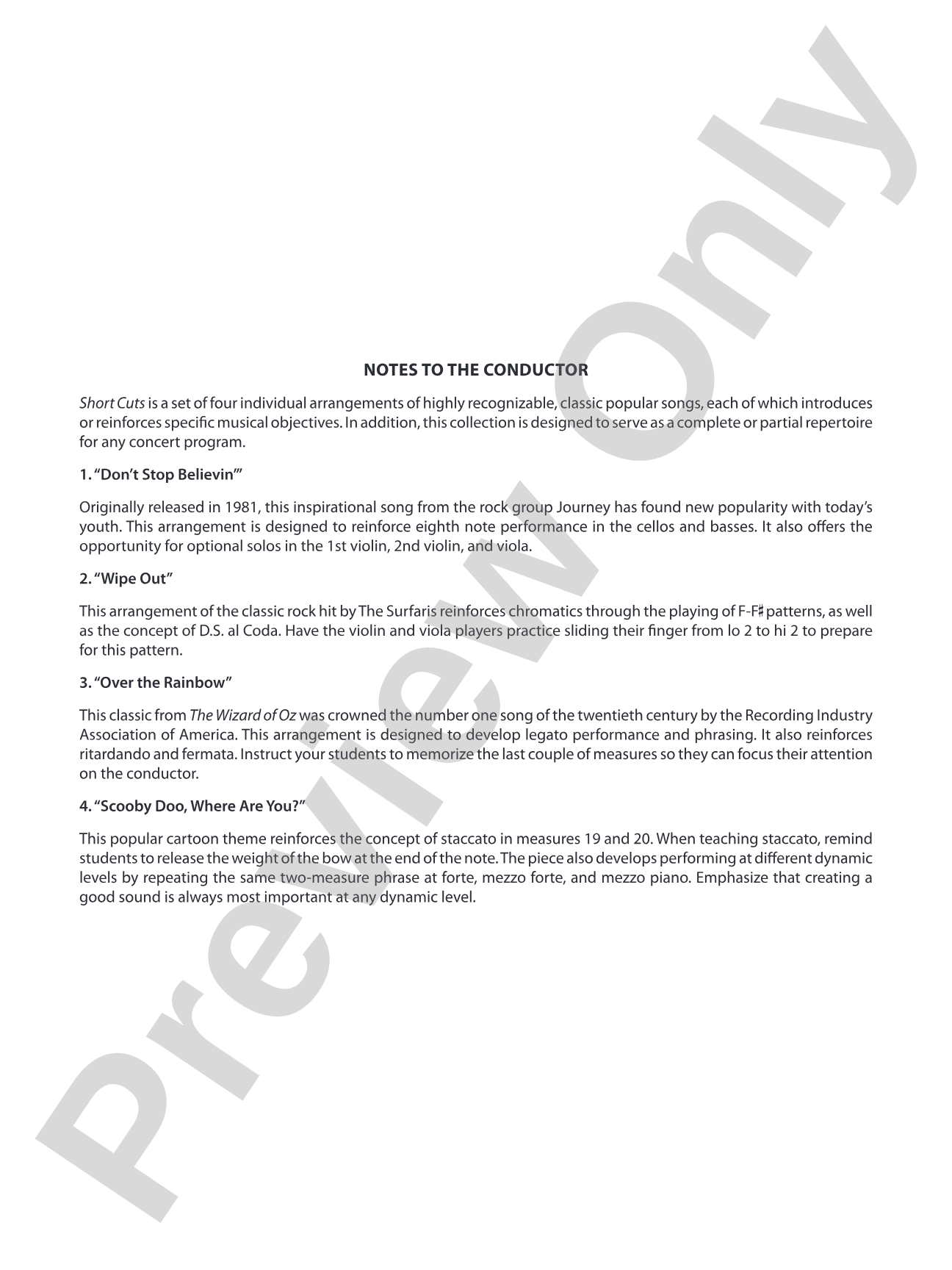
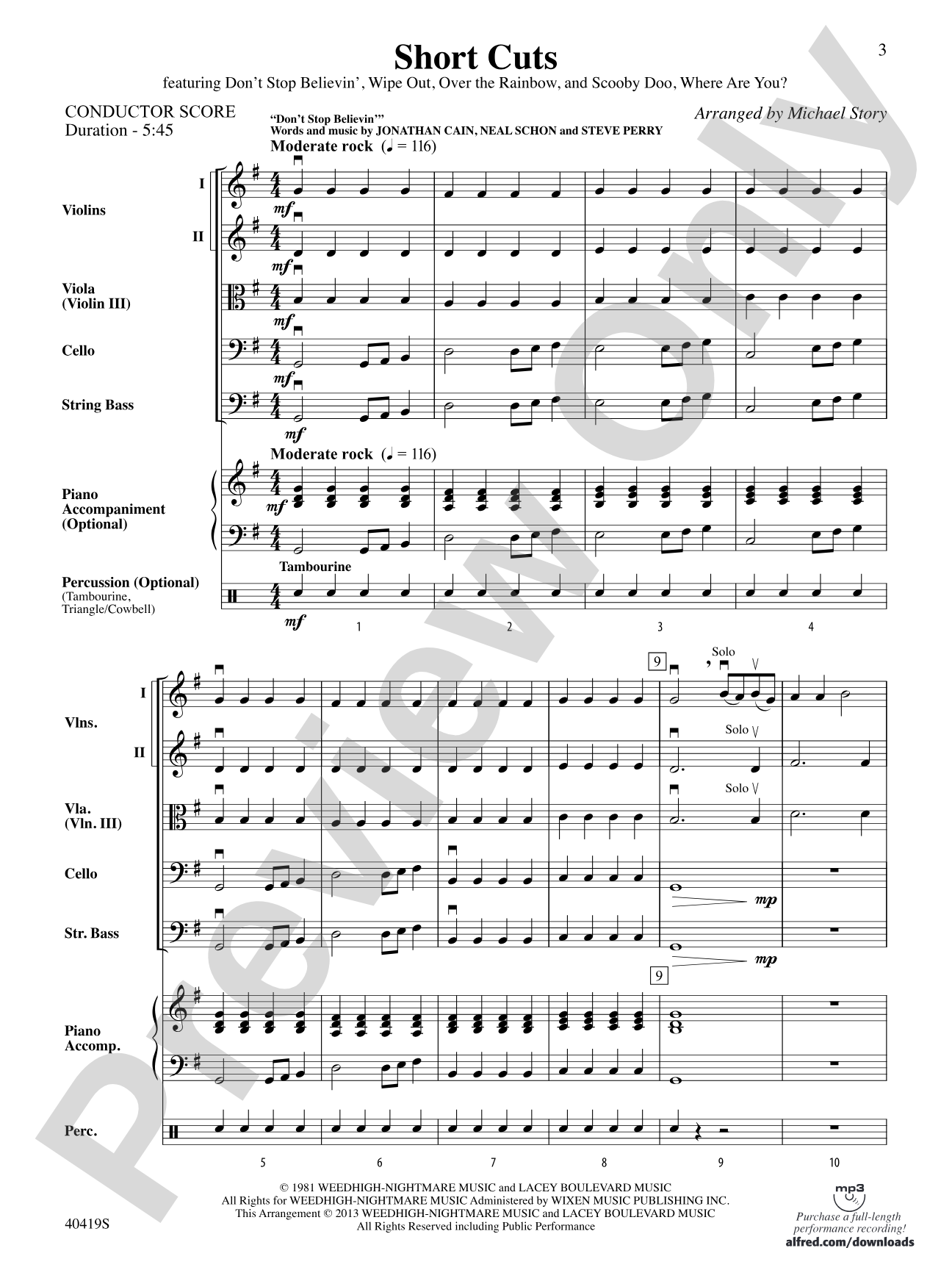
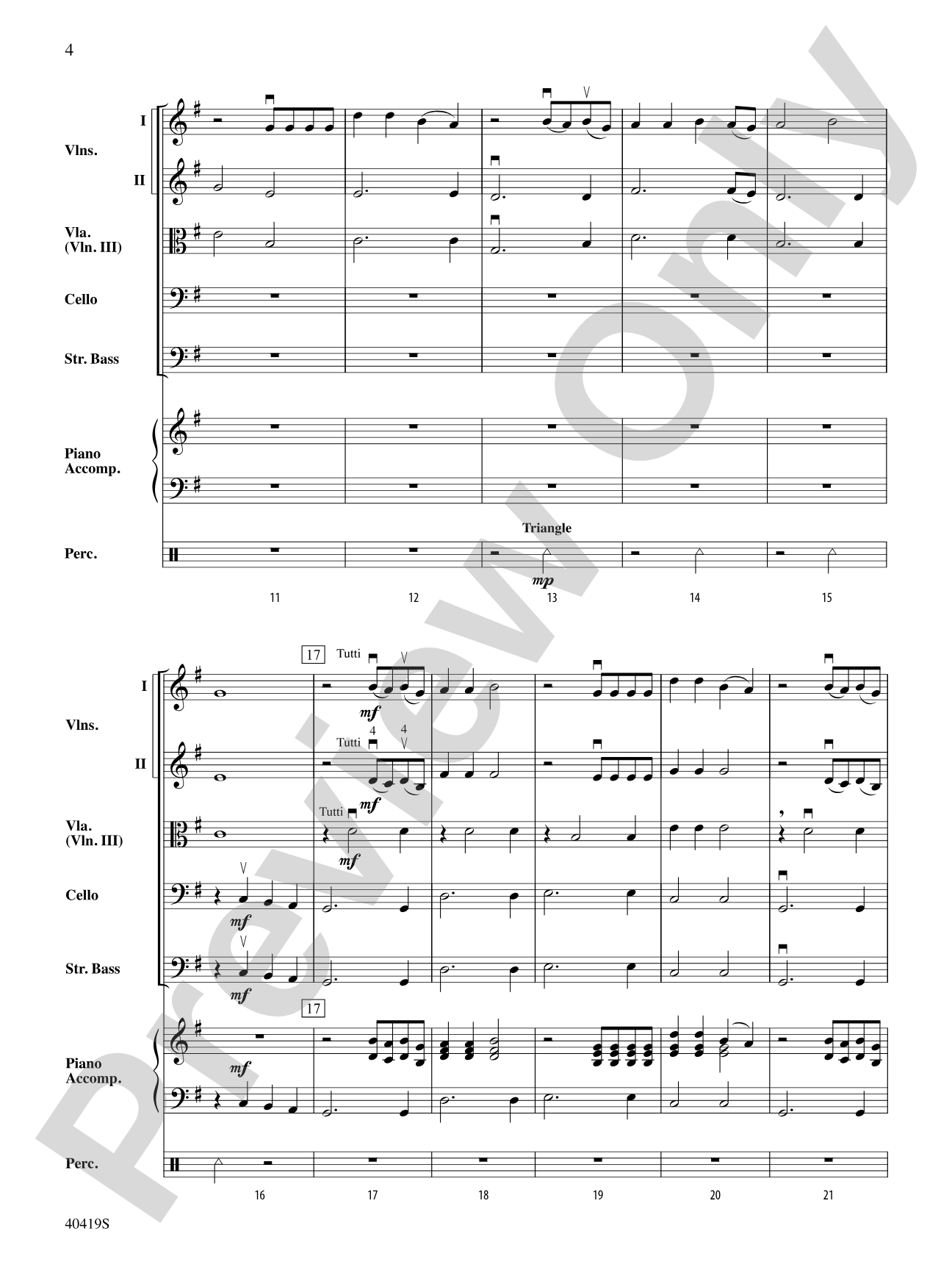
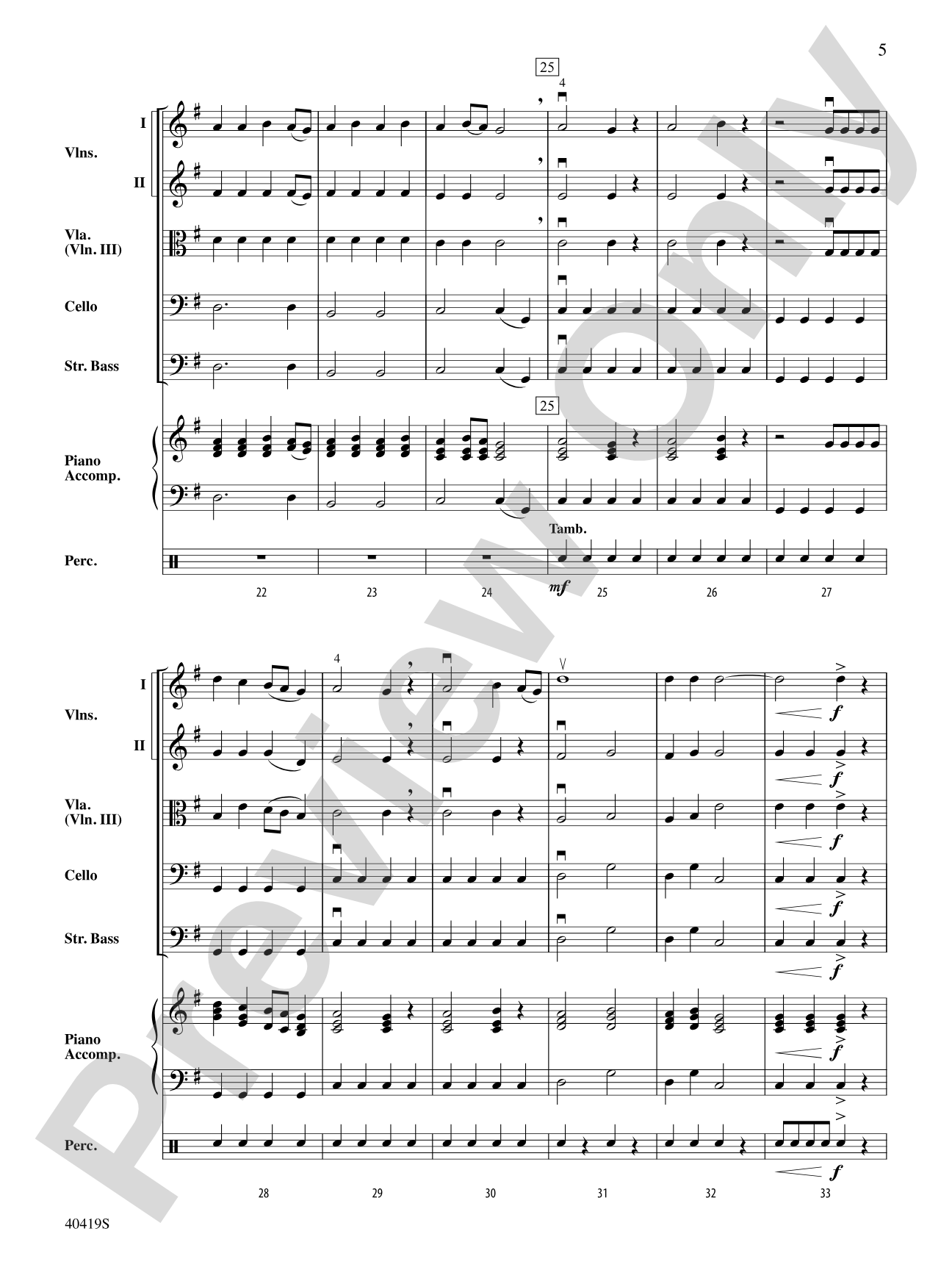
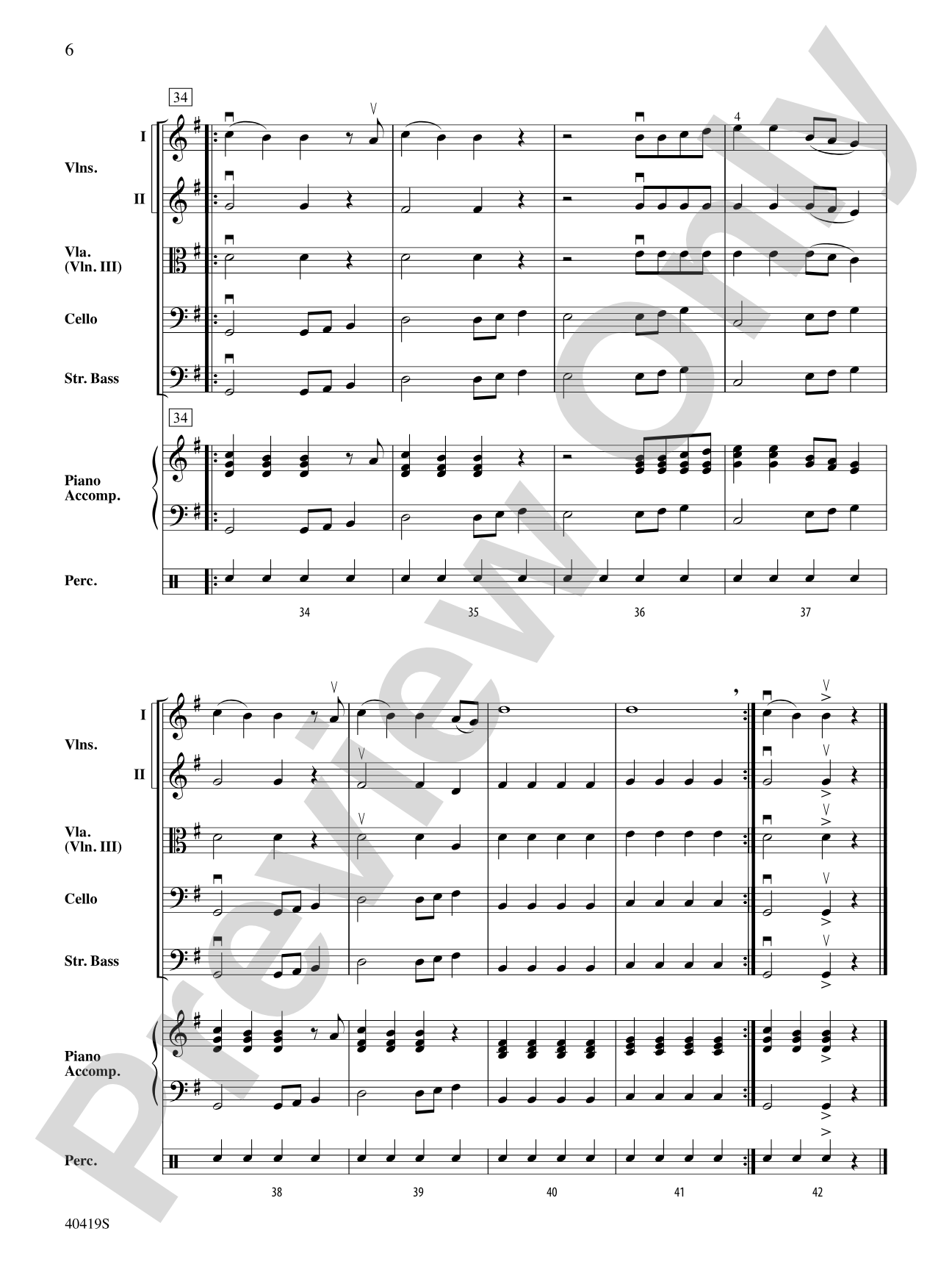
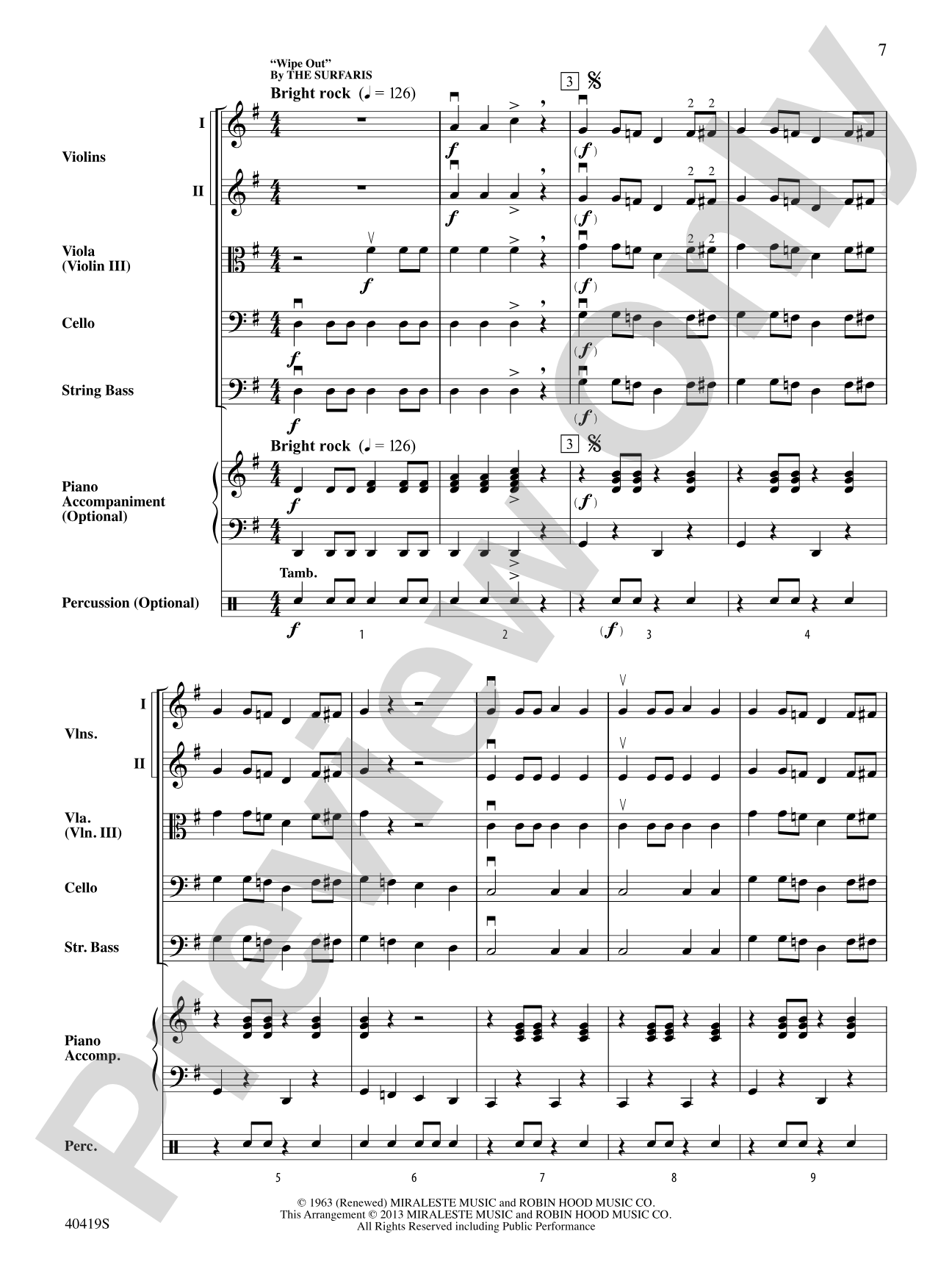
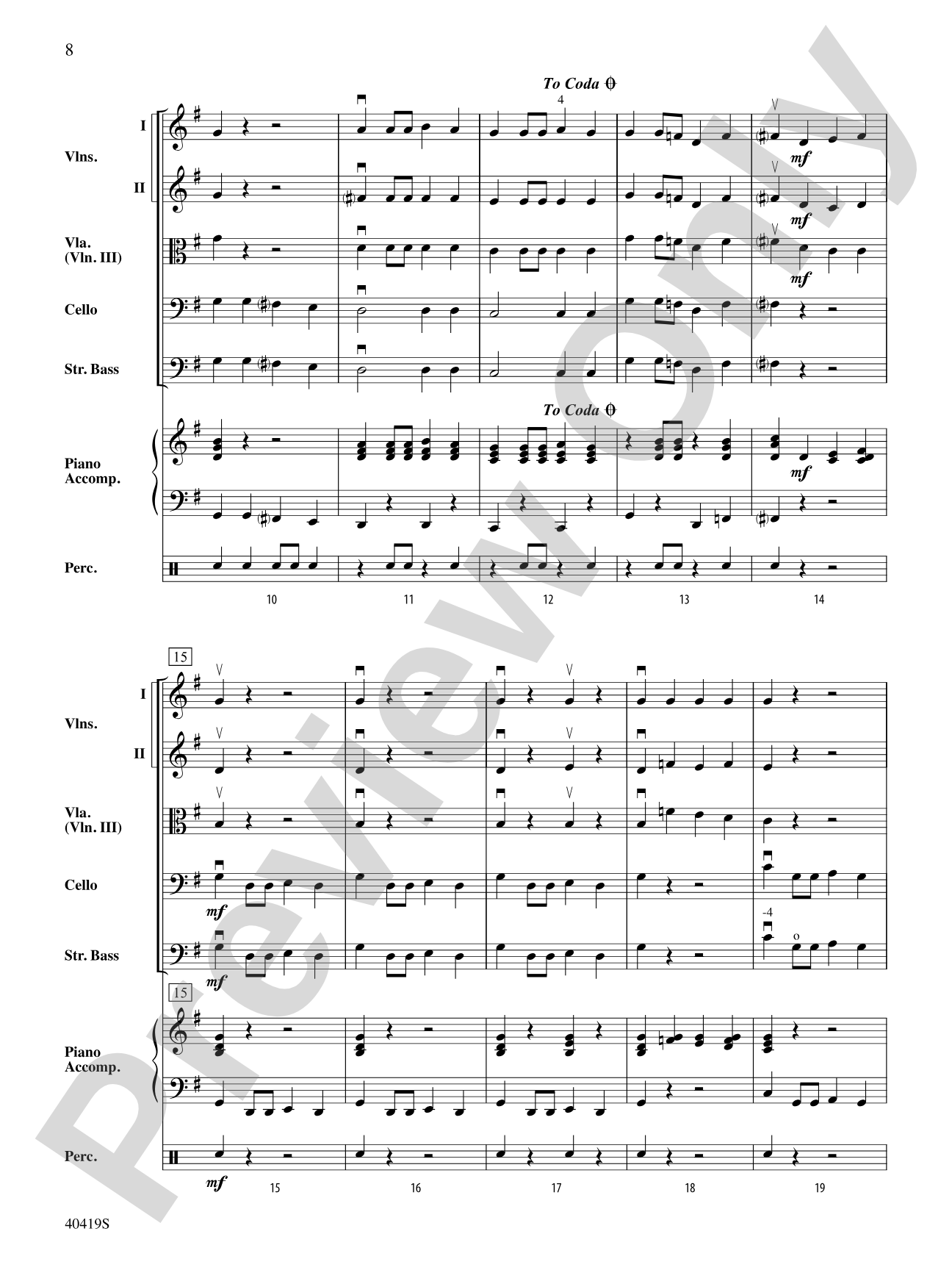
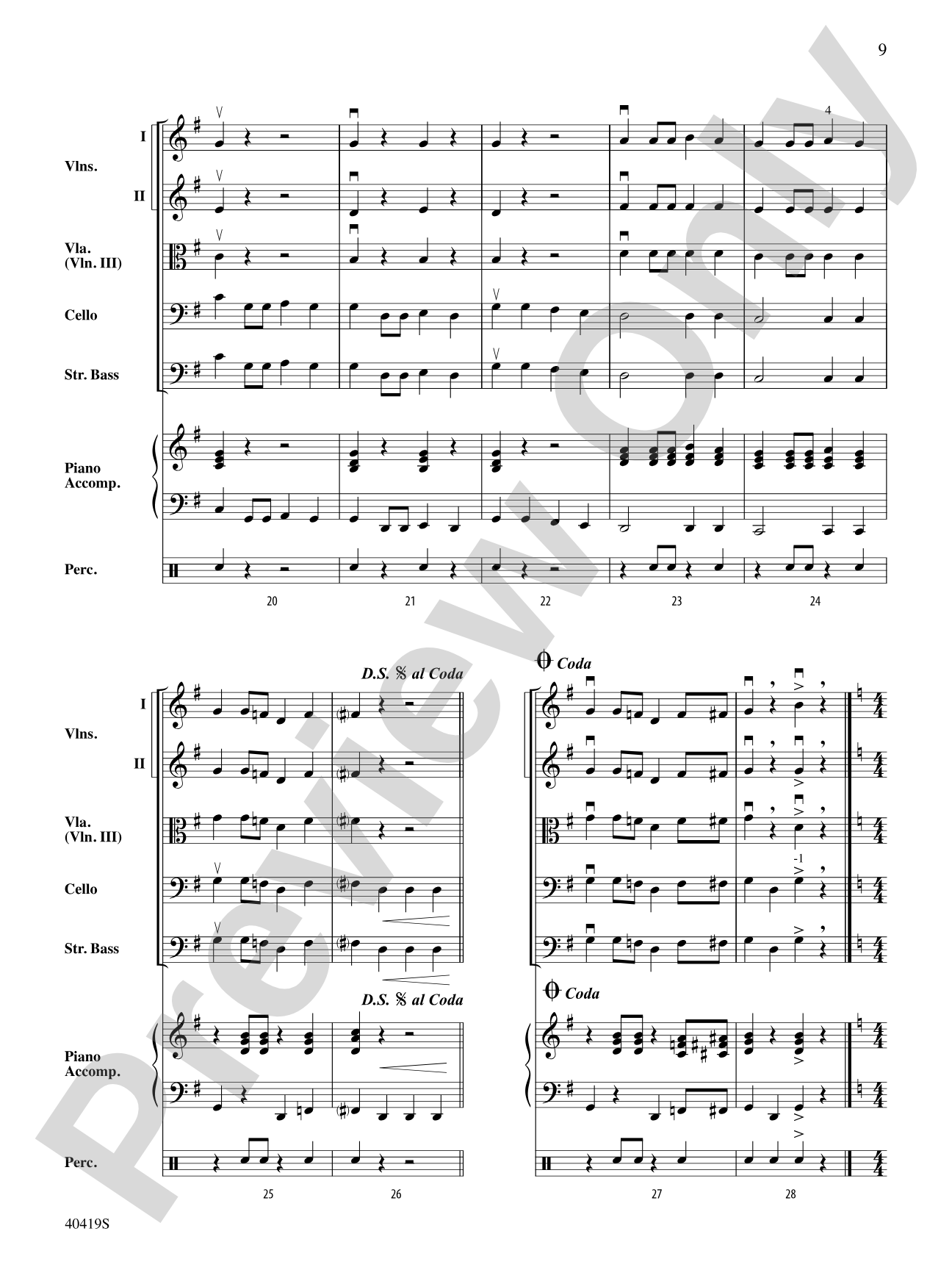
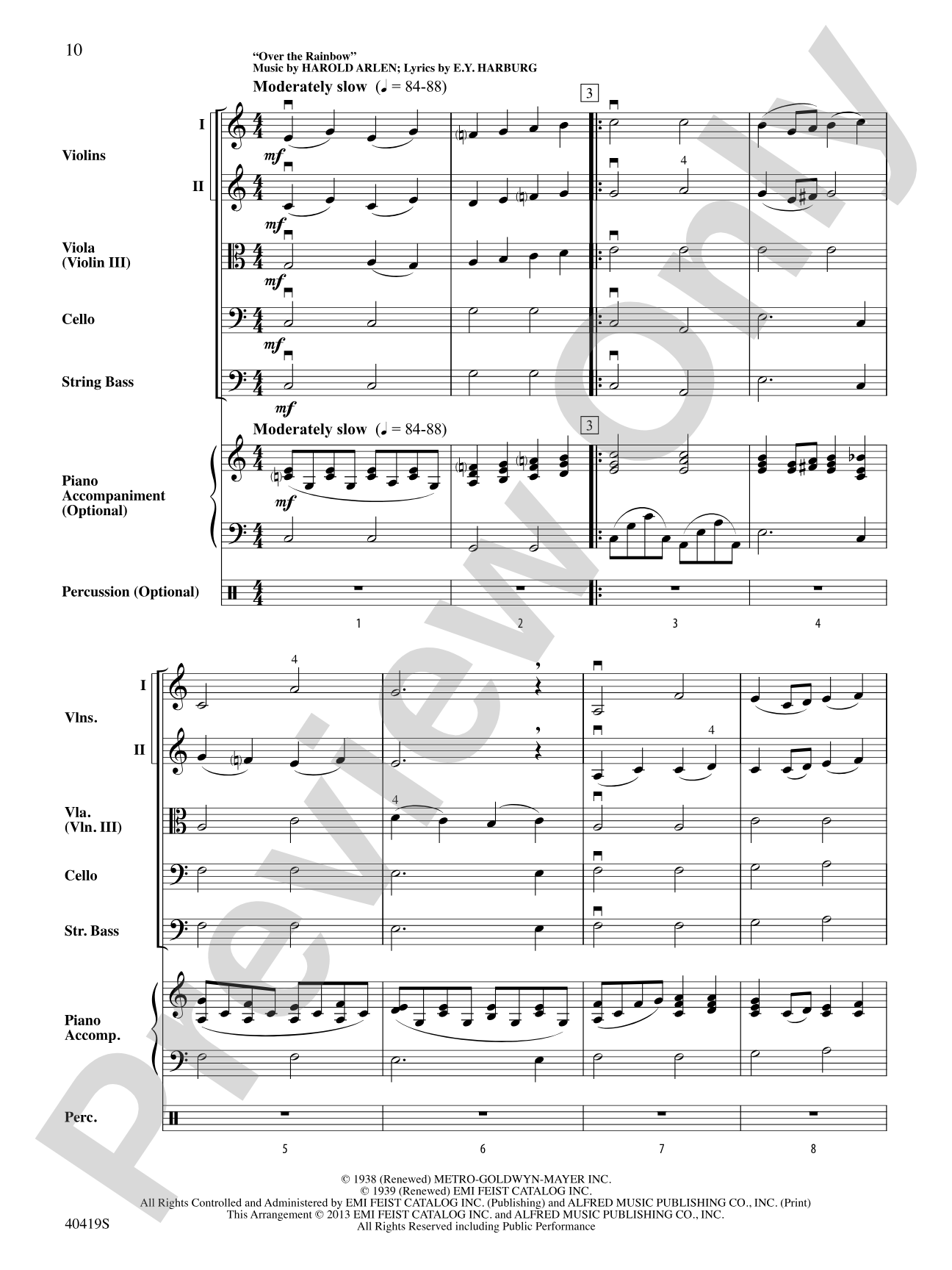
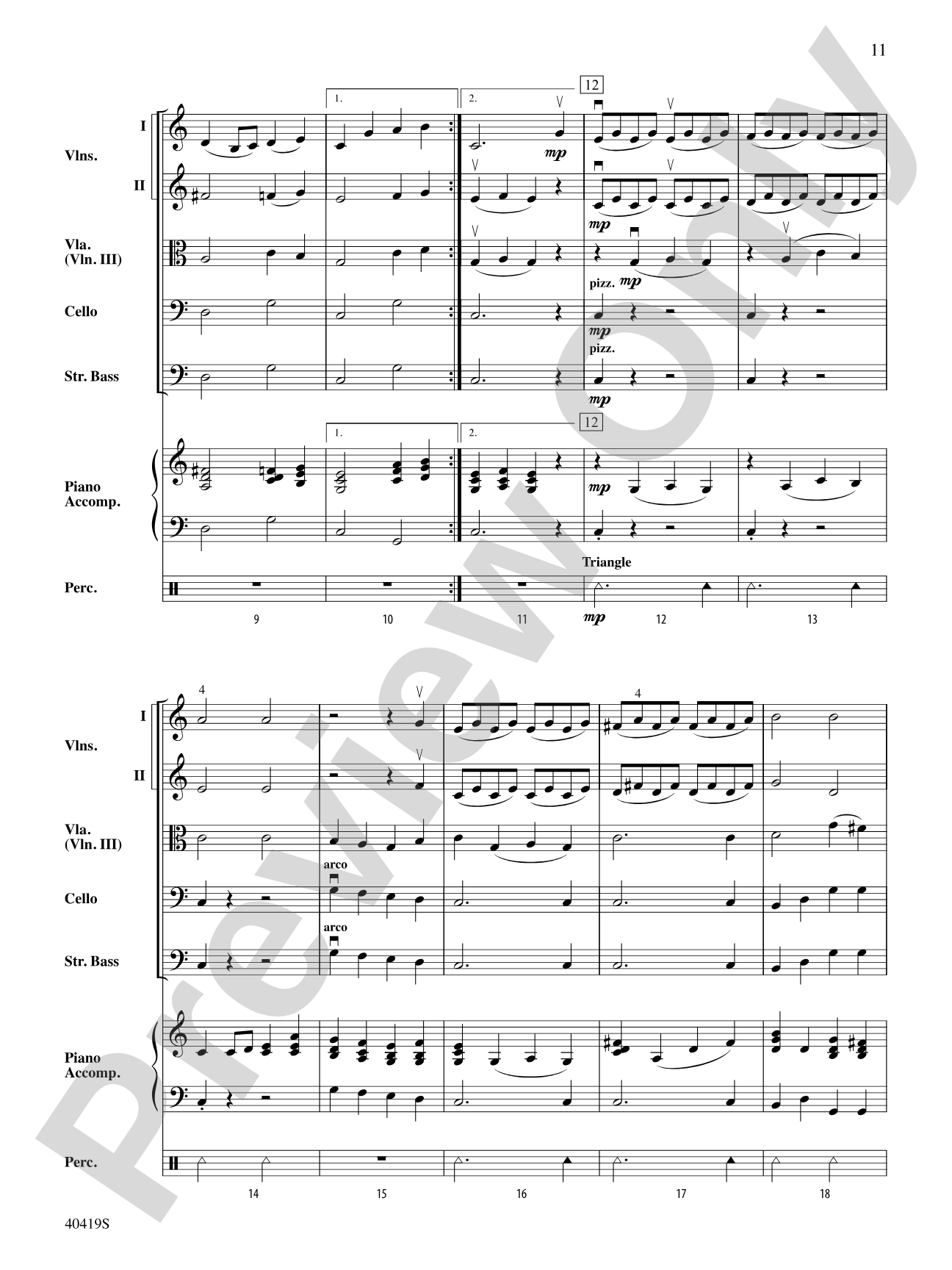
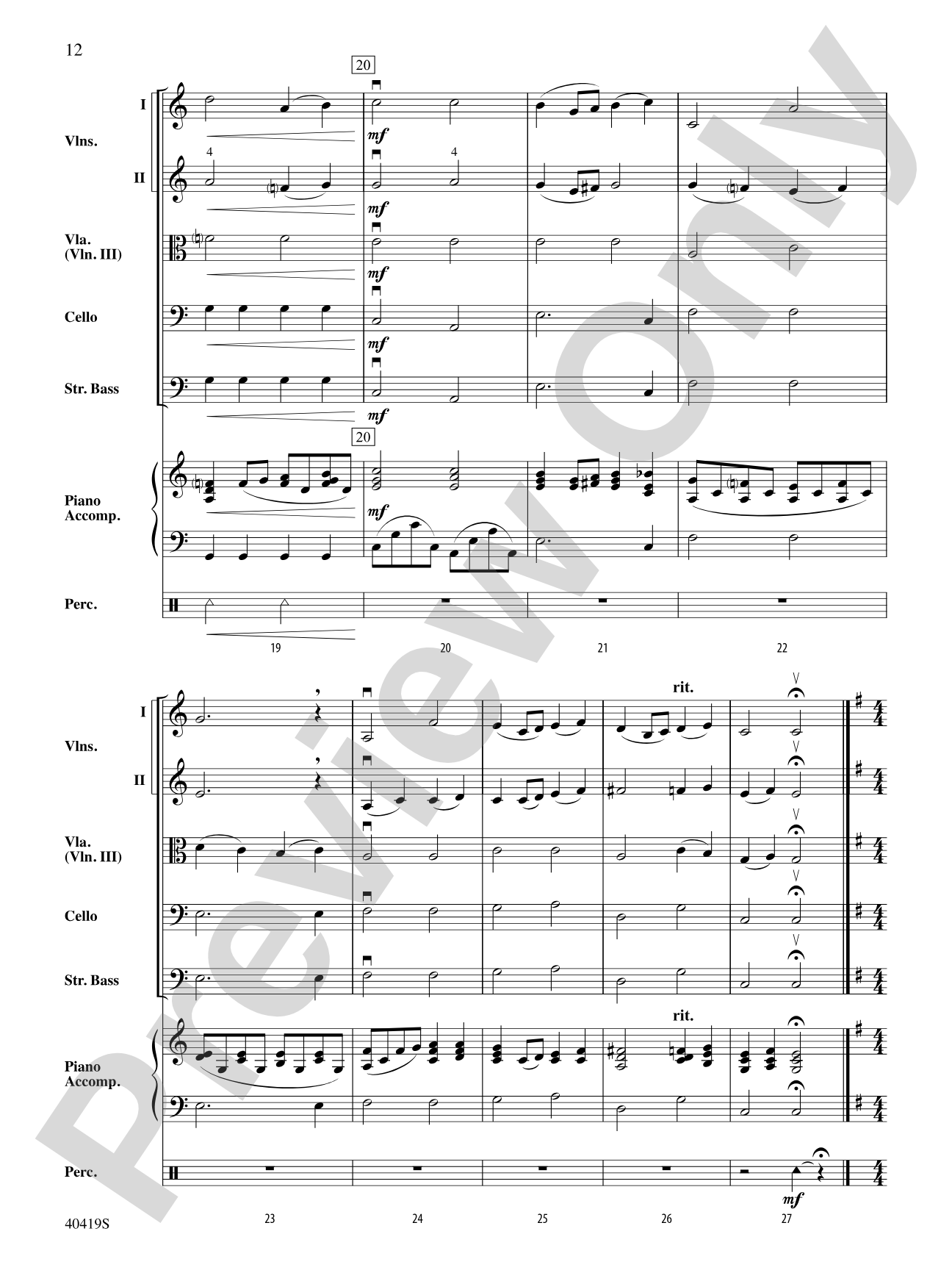
Here are four highly recognizable pop tunes with identifiable teaching concepts at the forefront. These titles can be performed in one concert or distributed throughout the year to foster your teaching objectives. Titles included are "Don't Stop Believin'," "Wipe Out," "Over the Rainbow," and "Scooby Doo, Where Are You?" (5:45)


Don't just read it, hear it, play along with it, and watch your students grow with it. In MakeMusic Cloud, Short Cuts: String Orchestra Conductor Score & Parts comes alive with professional accompaniment, adjustable tempo, and built-in practice tools that turn solo practice into real progress.
Open in the Player
Jump straight in and assign it today.
Start Your Free Trial
Open this title and explore the full library in minutes.
Sample Audio
1
Audio File
--:--
0:00
0:00
Sample Video
No sample videos found.
Additional Details
Series:
Pop Beginning String Orchestra
Publisher:
Alfred Music
Page Count:
156
SKU:
00-PK-0005702
More about this title
About the Arranger: Michael Story
Michael Story is a prolific composer and arranger whose work spans concert music, educational repertoire, and popular music arrangements. His gift for crafting engaging, playable scores has made him a staple in school music programs nationwide, particularly in the string orchestra and band worlds where his understanding of mixed-ability ensembles shines through clear writing and accessible voicing.
Why we love this
These four arrangements hit the sweet spot between student engagement and musical substance. Pop tunes students actually know keep motivation high, while Story's orchestration choices embed genuine teaching moments (rhythmic unison, cross-string articulation, independent melodic lines) that don't feel like work. You can program all four in a single concert or space them throughout the year to reinforce different skills without repetition.
What to expect
Energetic and immediately recognizable. Each arrangement captures the fingerprint of its source tune (the propulsive drive of "Don't Stop Believin'," the surf rock attitude of "Wipe Out," the gentle lyricism of "Over the Rainbow," the playful cartoon charm of "Scooby Doo") while maintaining the warmth and blend of acoustic strings. The music feels fresh and contemporary without gimmick.
Who it's for
String orchestras at the Grade 2 level who want to program contemporary, high-engagement repertoire without sacrificing musical substance. These arrangements work equally well for ensembles building foundational technique and more experienced groups looking for fun programming that still develops ensemble skills.
How to get the most out of it
- Establish the groove early in rehearsal. These pieces live or die by rhythmic precision and ensemble lock, so spend rehearsal time on unison passages and rhythmic coordination before adding layers.
- Balance the melody across your string sections. With recognizable pop hooks, the temptation is to let the section carrying the tune overpower the accompaniment. Keep lines singing but proportioned.
- Pay attention to articulation markings as character indicators. Story uses short strokes, long lines, and pizzicato shifts to define the personality of each tune, so honor those details even at slower tempos during learning.
How to use it
Open a concert with one of the higher-energy pieces to capture audience attention immediately, or use these throughout the season as crowd-pleasing breaks between more formal repertoire. The variety in mood and style makes them excellent vehicles for thematic programming around film and television music, or simply as a way to celebrate popular culture alongside your concert music standards.
Skills your students will build
- Rhythmic precision and ensemble coordination in pop/rock contexts
- Melodic shaping and phrasing across multiple string voices
- Articulation control (legato, staccato, pizzicato) for stylistic contrast
- Independence within supportive voicing arrangements
- Sight-reading contemporary notation and idioms