

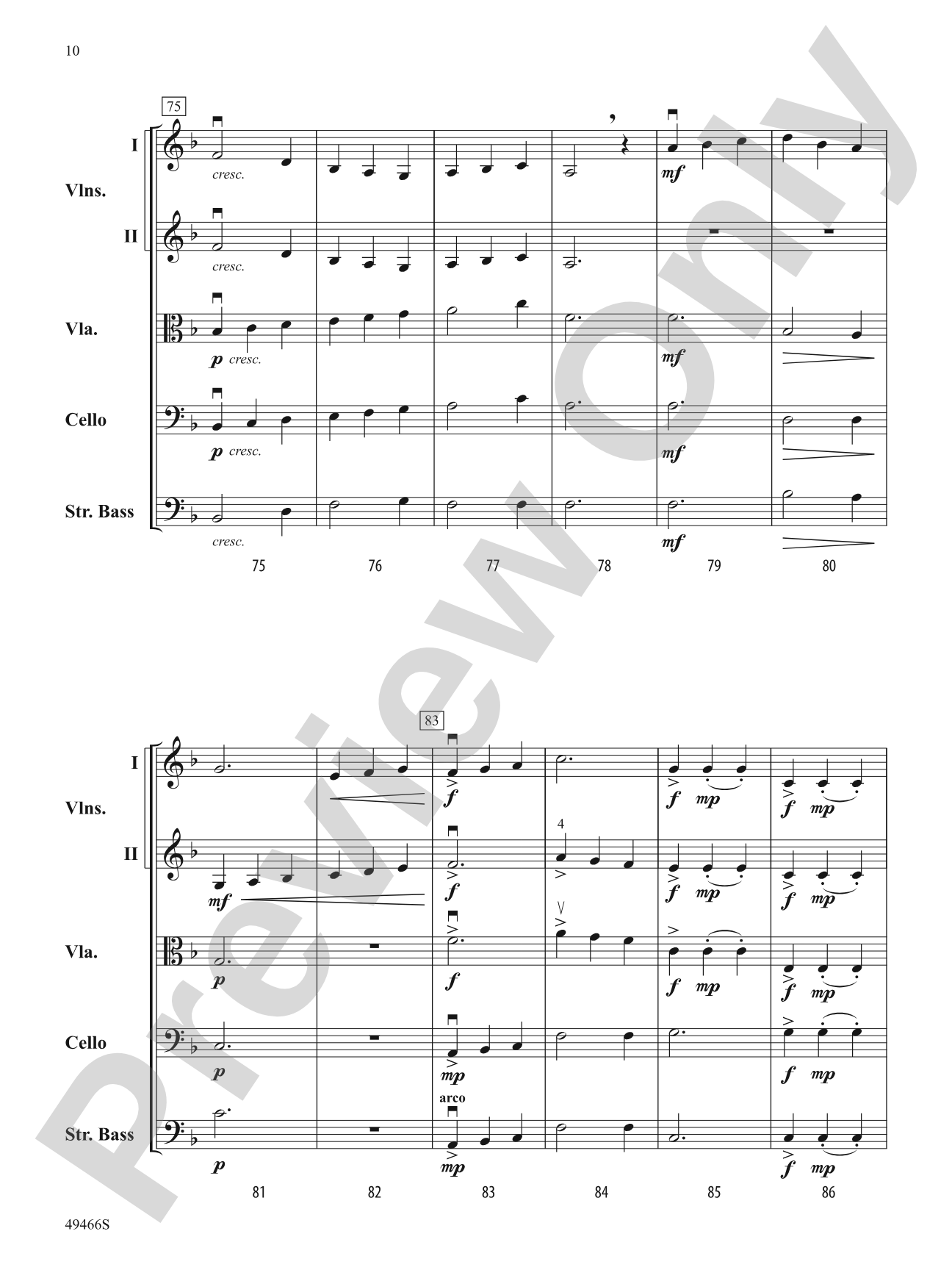
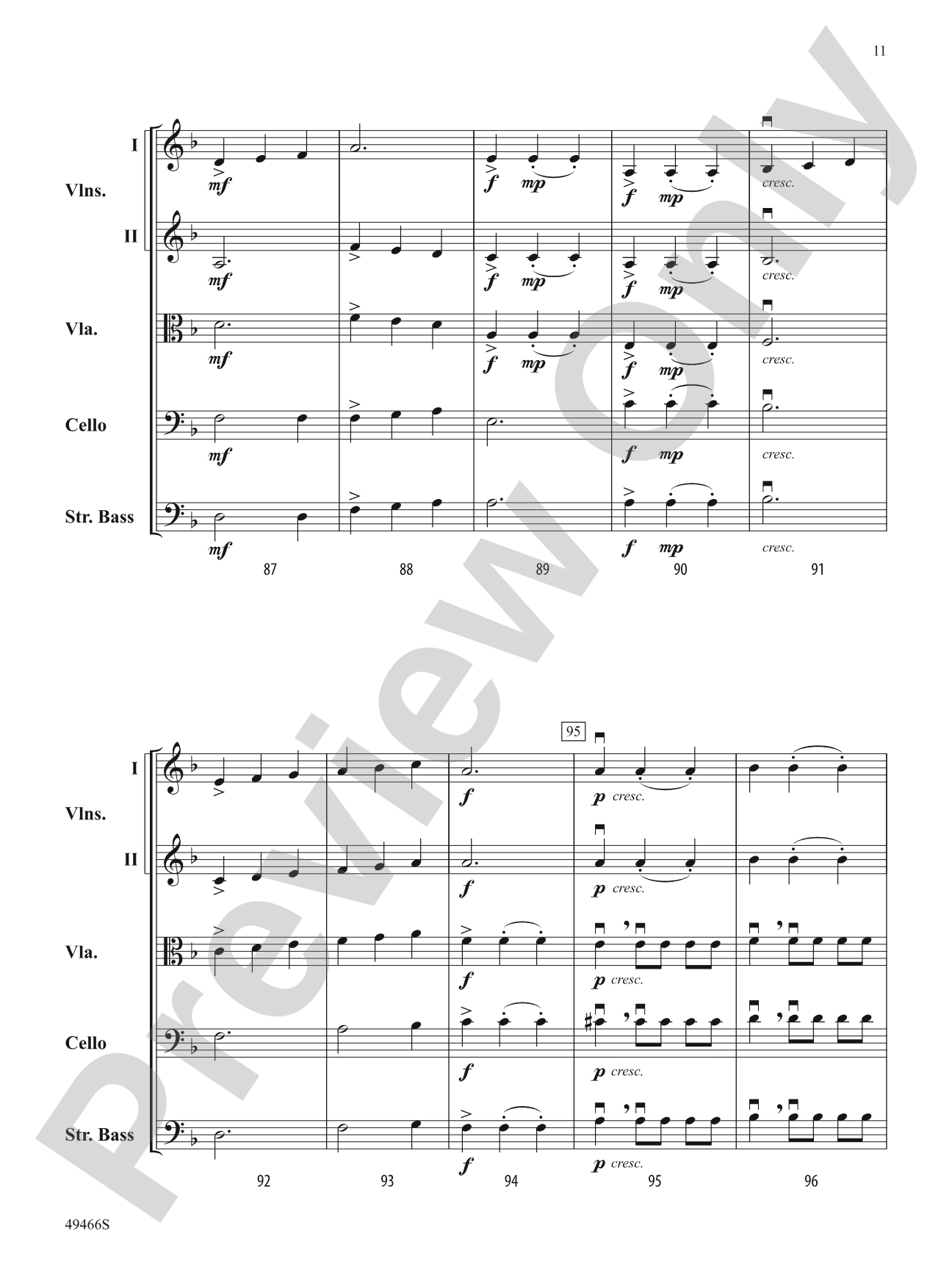
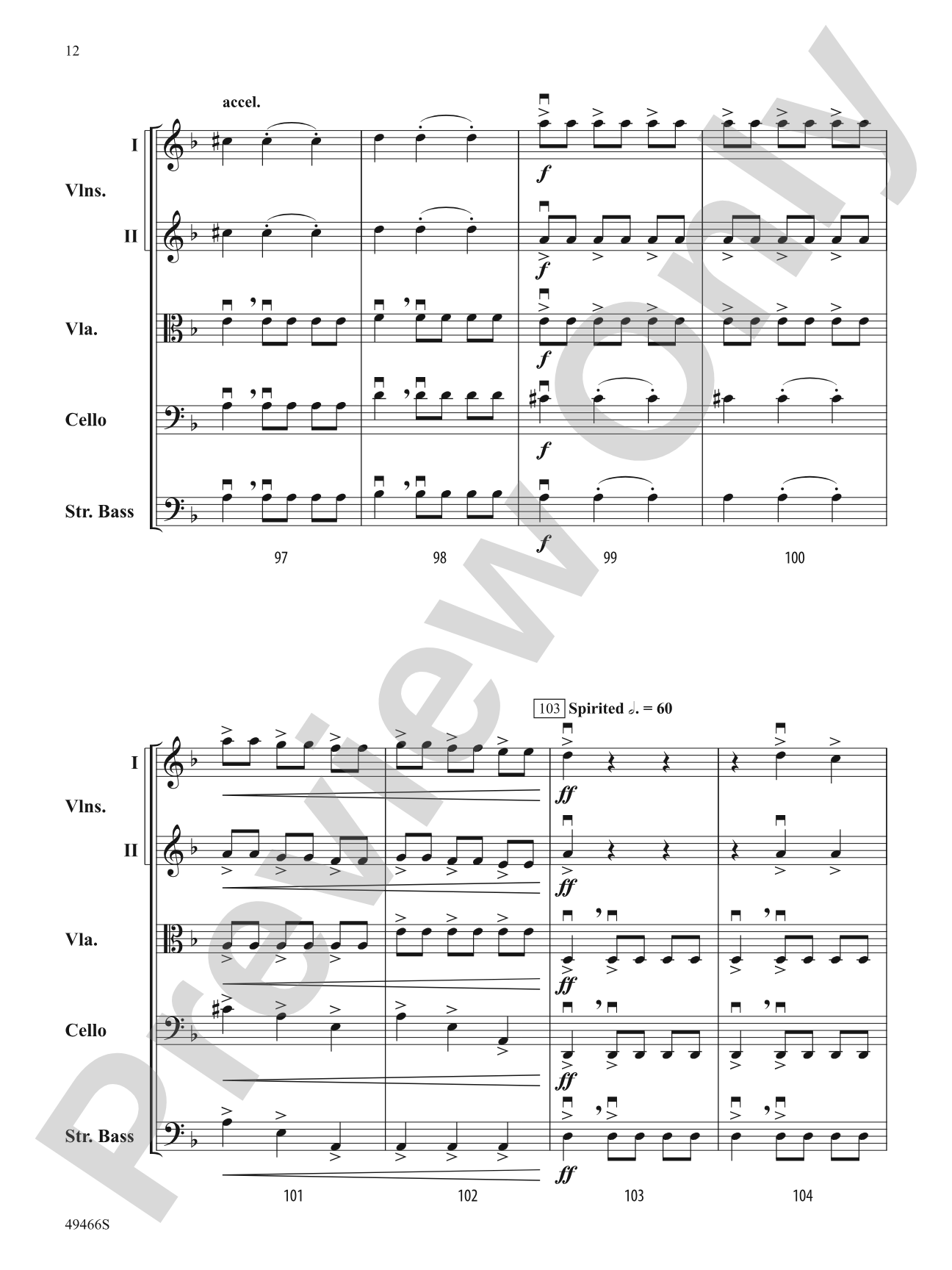
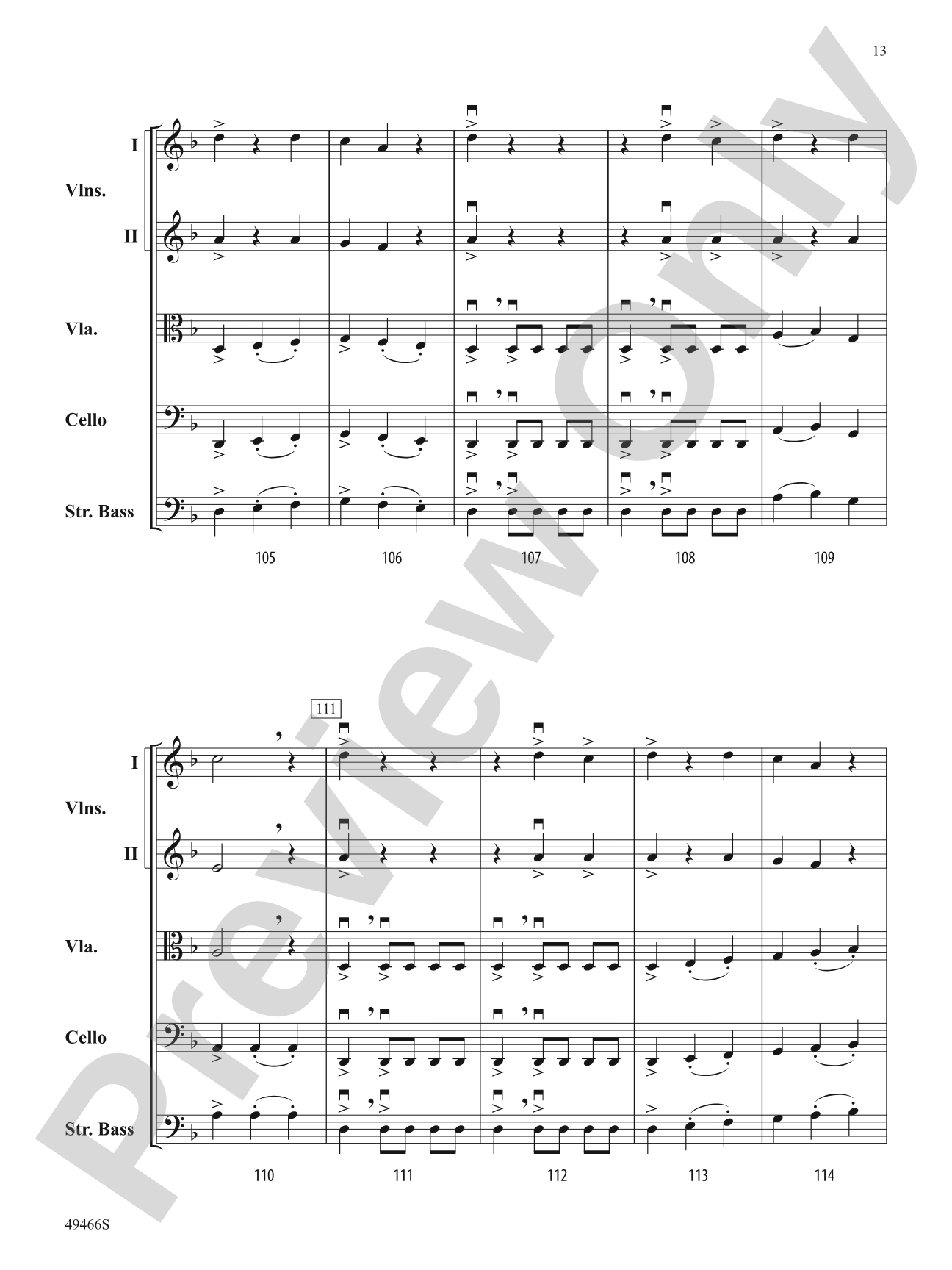
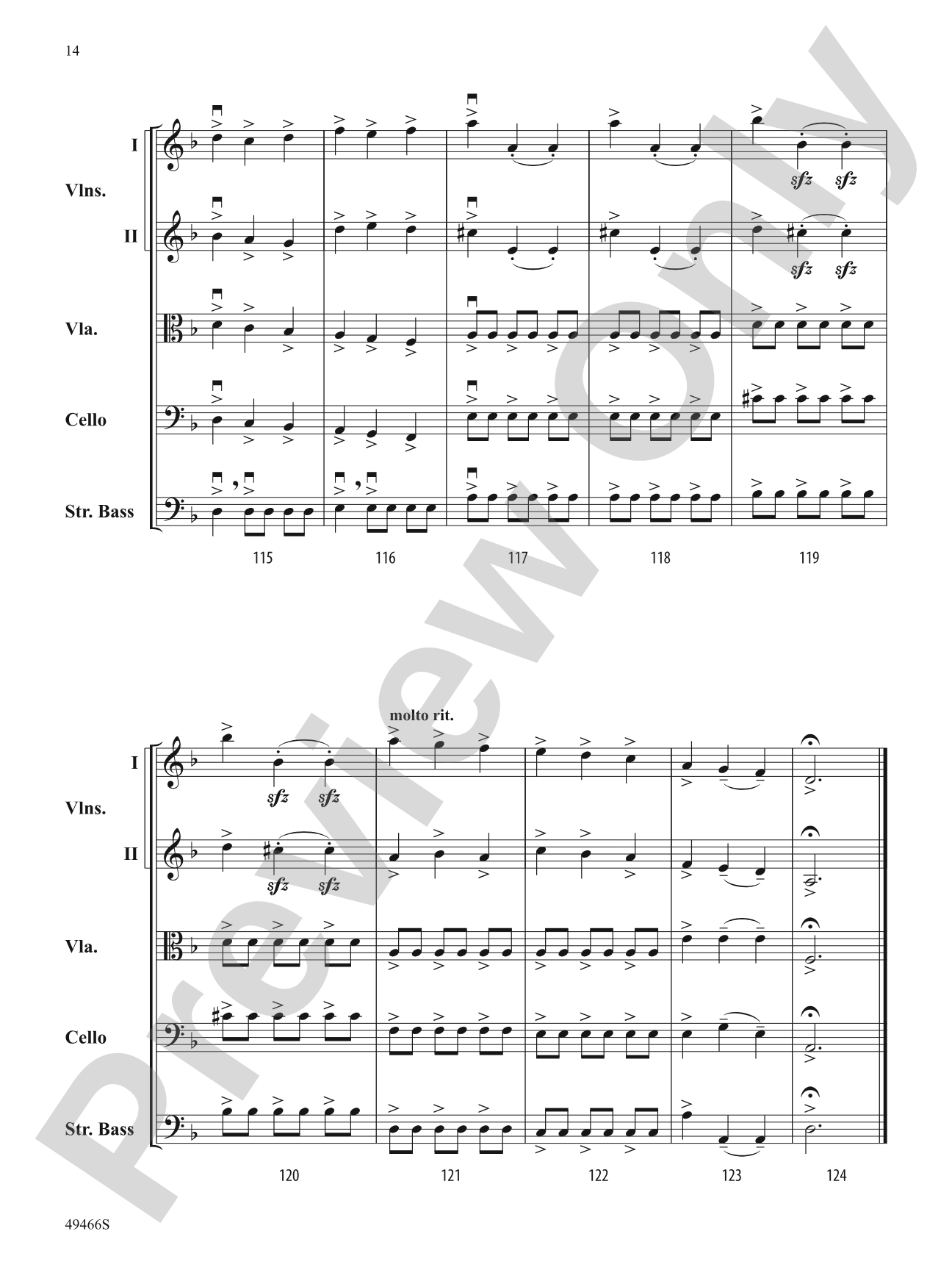

Shipwreck Coast: Score
By Erica Donahoe
Grade: 1.5
Item: 00-PR-0007039
$9.00
Pickup currently not available
Description
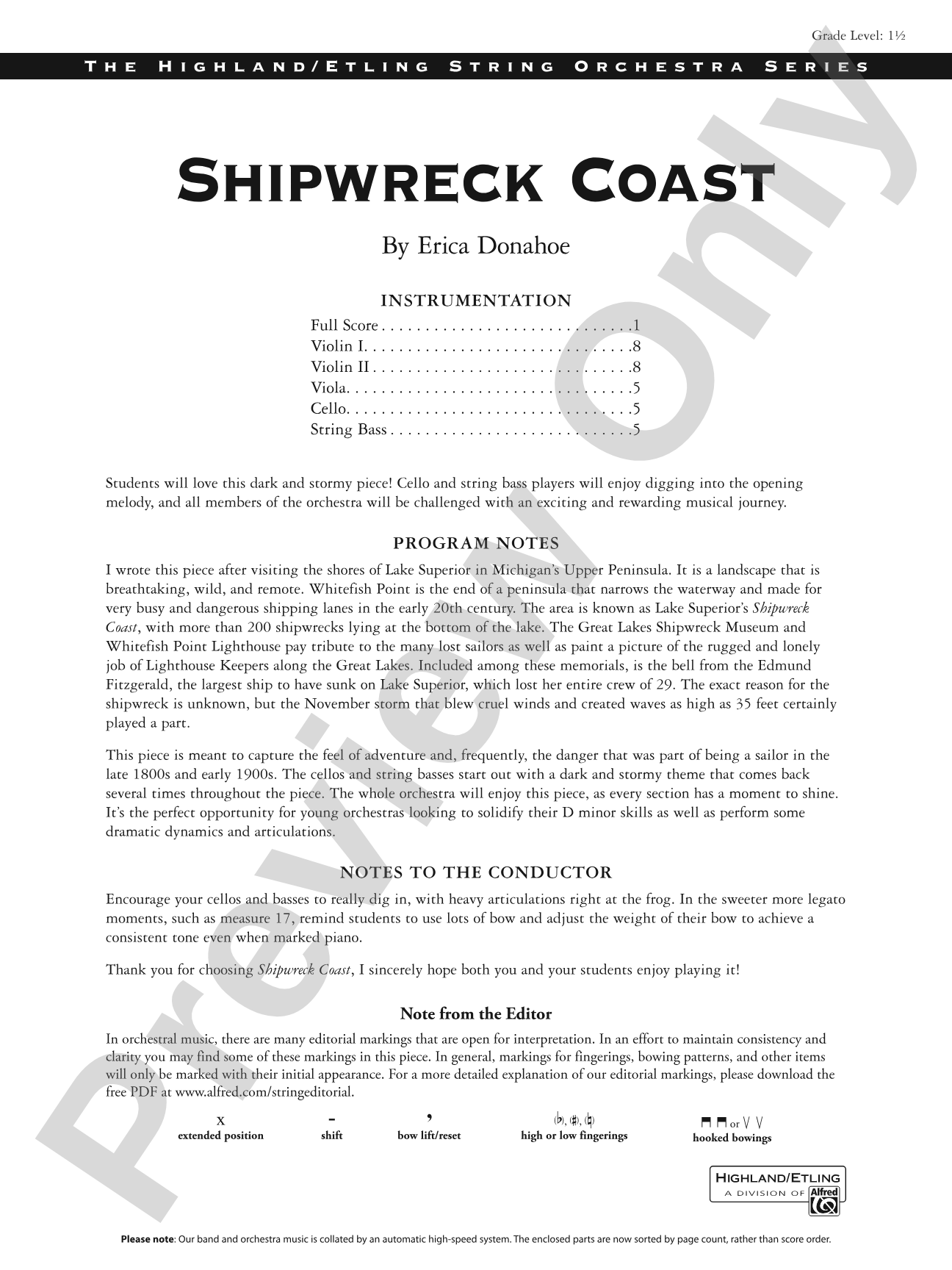
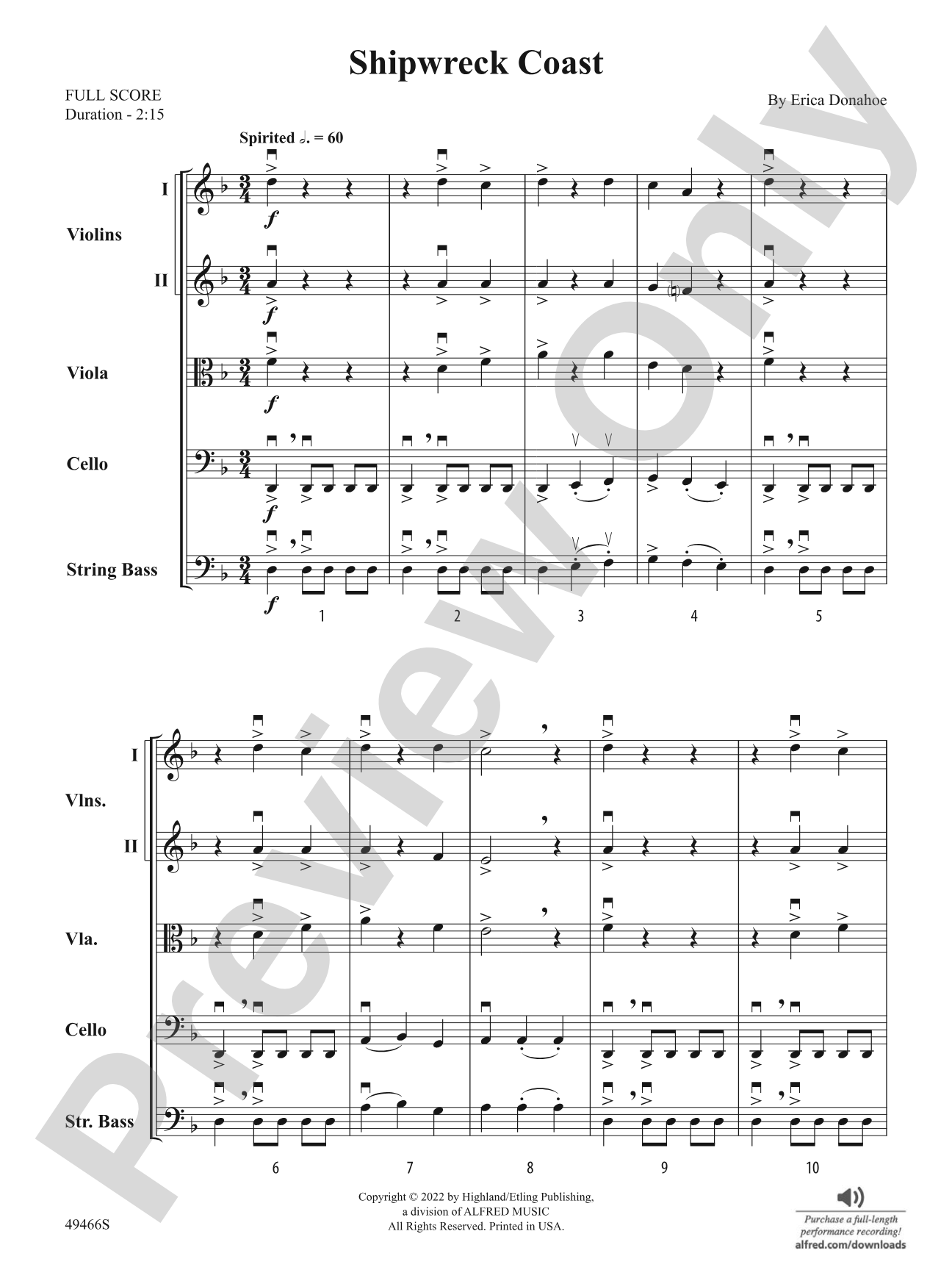
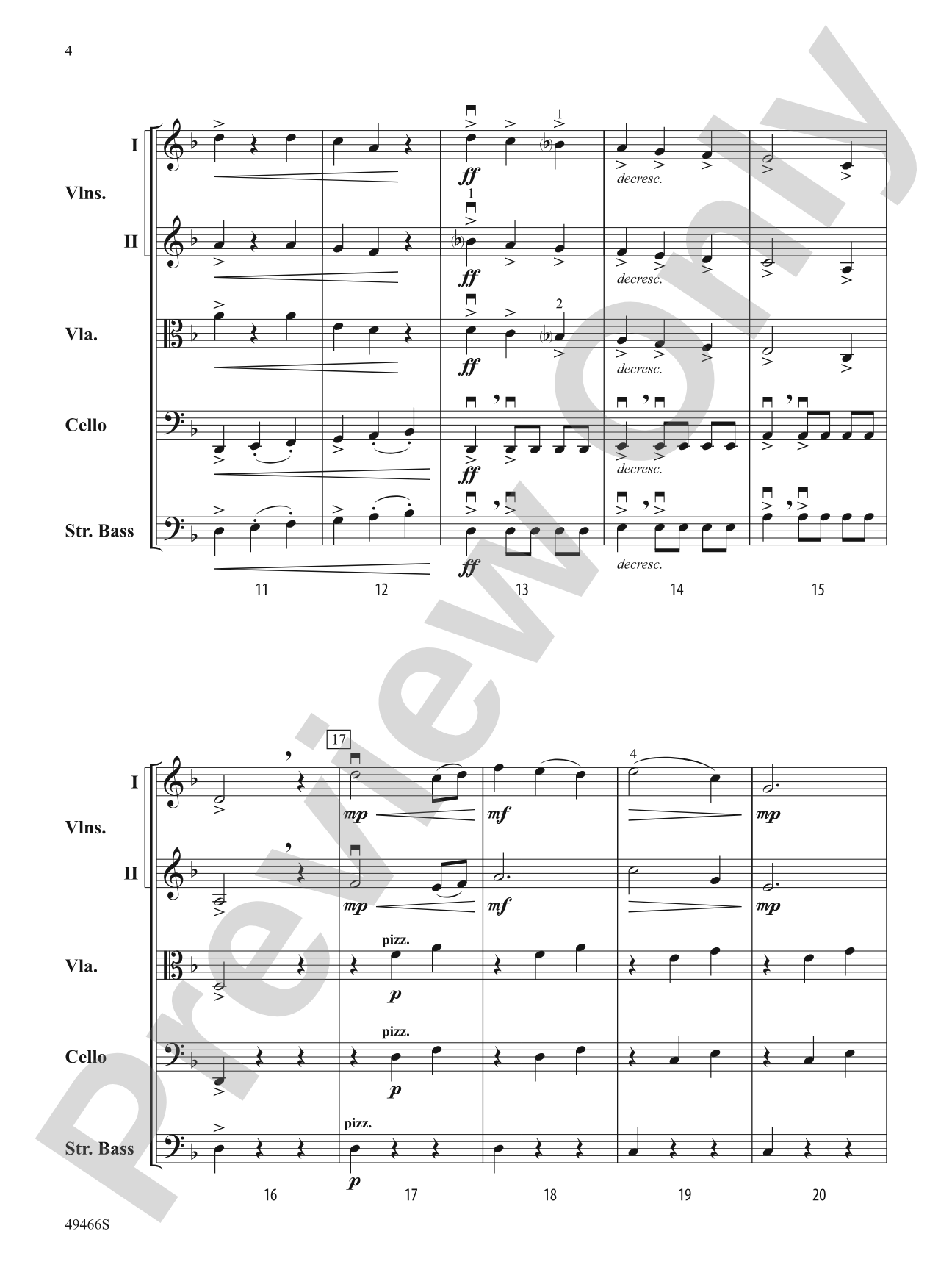
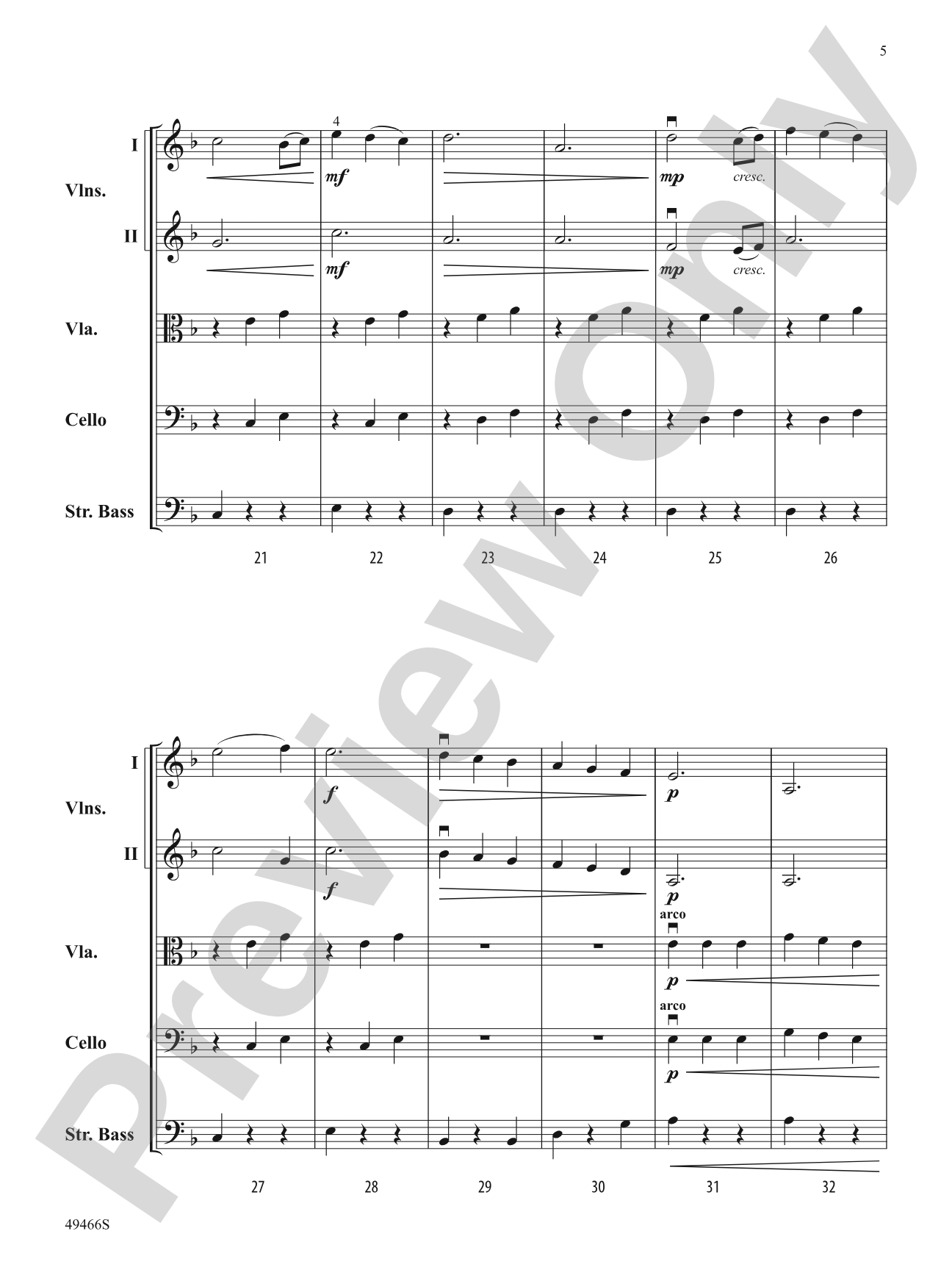
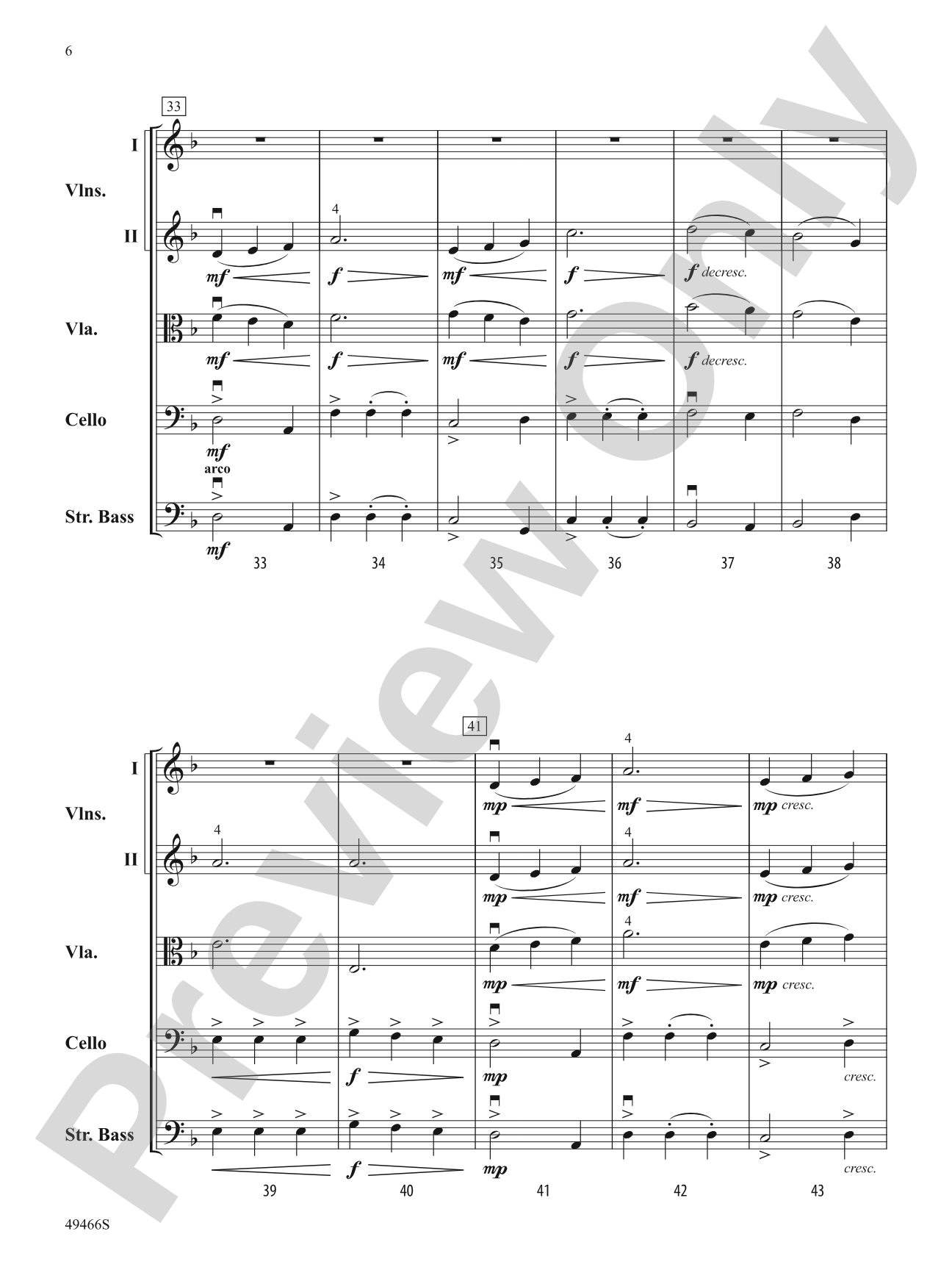
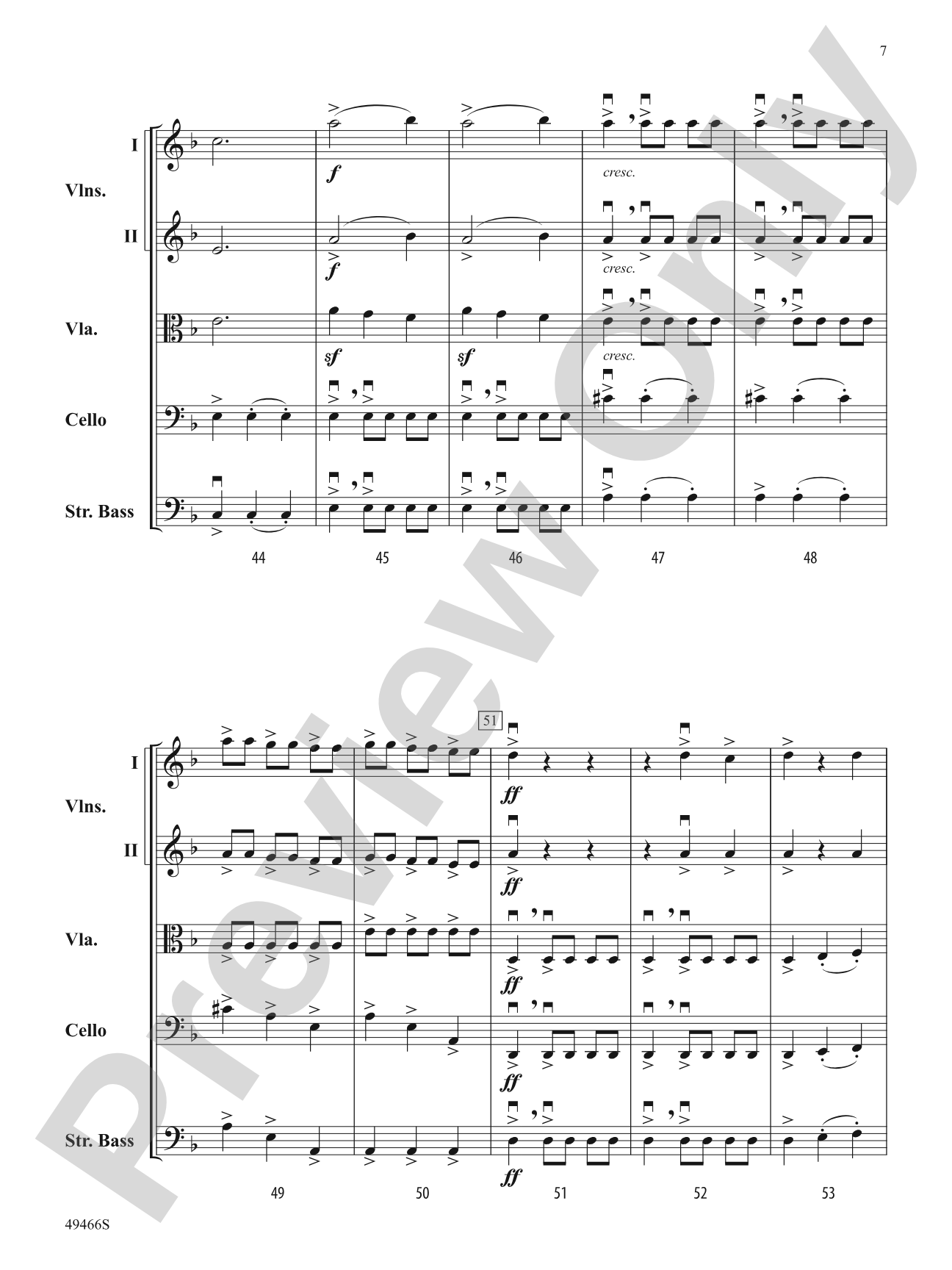
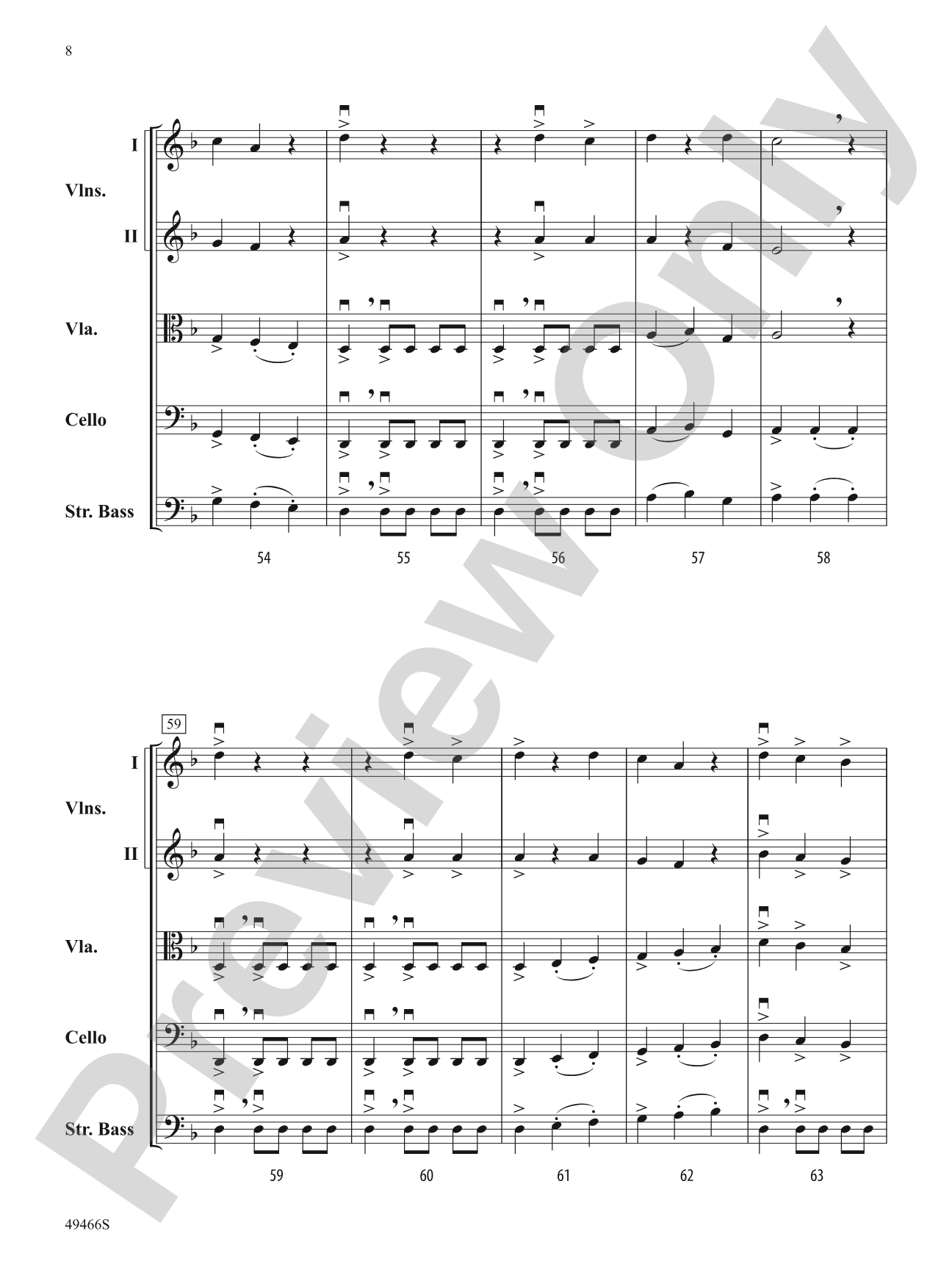
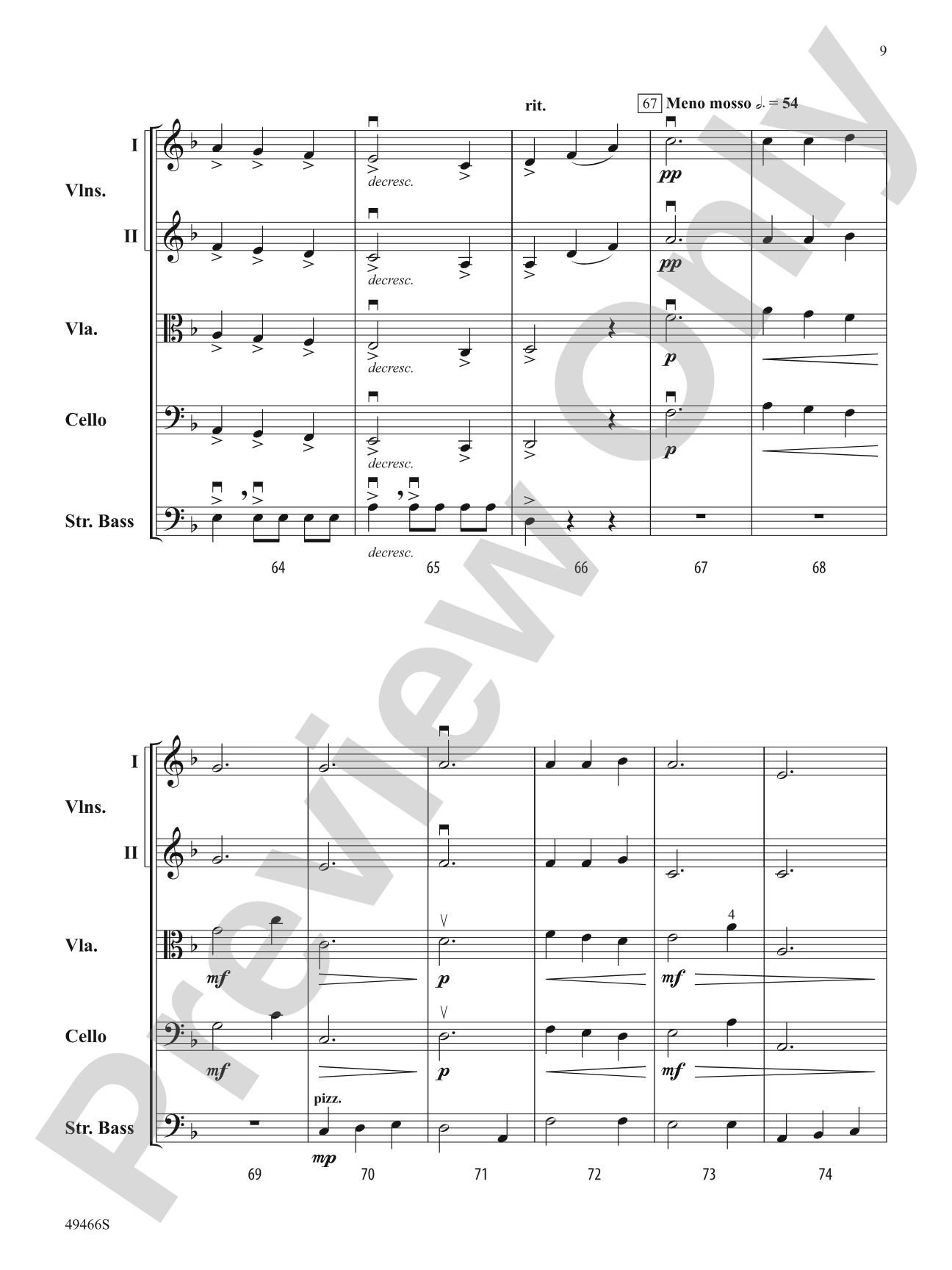
Students will love Shipwreck Coast---a dark and stormy piece by Erica Donahoe! Cello and string bass players will enjoy digging into the opening melody, and all members of the orchestra will be challenged with an exciting and rewarding musical journey. (3:30)


Don't just read it, hear it, play along with it, and watch your students grow with it. In MakeMusic Cloud, Shipwreck Coast: Score comes alive with professional accompaniment, adjustable tempo, and built-in practice tools that turn solo practice into real progress.
Open in the Player
Jump straight in and assign it today.
Start Your Free Trial
Open this title and explore the full library in minutes.
Sample Audio
1
Audio File
--:--
0:00
0:00
Sample Video
Additional Details
Series:
Highland String Orchestra (HSO)
Publisher:
Alfred Music
SKU:
00-PR-0007039
More about this title
Why we love this
Donahoe captures genuine orchestral drama without overcomplicating the writing. The opening cello and bass melody gives lower strings real ownership of the piece, while the flexible instrumentation means you're not scrambling to cover missing parts. The three-and-a-half-minute arc builds naturally and delivers a payoff that feels earned rather than contrived.
What to expect
Dark waters churning beneath gray skies. The piece is genuinely stormy without theatricality—there's a sense of movement and unease that keeps listeners engaged. By the end, you feel like you've weathered something together.
Who it's for
String orchestras working at the early intermediate level who are ready for programmatic storytelling. This piece suits ensembles with solid bow control and some experience with dynamic contrast but not yet tackling complex polyphony or rapid position changes.
How to get the most out of it
- Anchor the opening melody in the lower strings with a clear, singing tone; let the cello and bass line establish the stormy mood before other voices enter.
- Shape dynamic changes gradually to create tension rather than sudden shifts; the piece works best when the emotional arc feels inevitable.
- Balance the texture so that inner voices don't muddy the primary melodic line; transparency in the accompaniment will let the drama breathe.
- Pay attention to the listed duration; rehearse with a conductor's click to ensure the piece lands within the expected three-and-a-half minutes.
How to use it
Program this alongside lighter, more lyrical works to showcase your ensemble's range. It works well in spring concerts when festival season is approaching, or as a standalone contest/festival entry where judges appreciate strong programmatic writing at an accessible level.
Skills your students will build
- Sustaining tone quality across a full three-and-a-half-minute arc
- Reading and responding to dynamic shaping cues
- Maintaining rhythmic cohesion in lower string parts during accompaniment figures
- Balancing ensemble texture so that primary and secondary melodic lines remain distinct
- Interpreting programmatic intent through bowwork and phrasing