
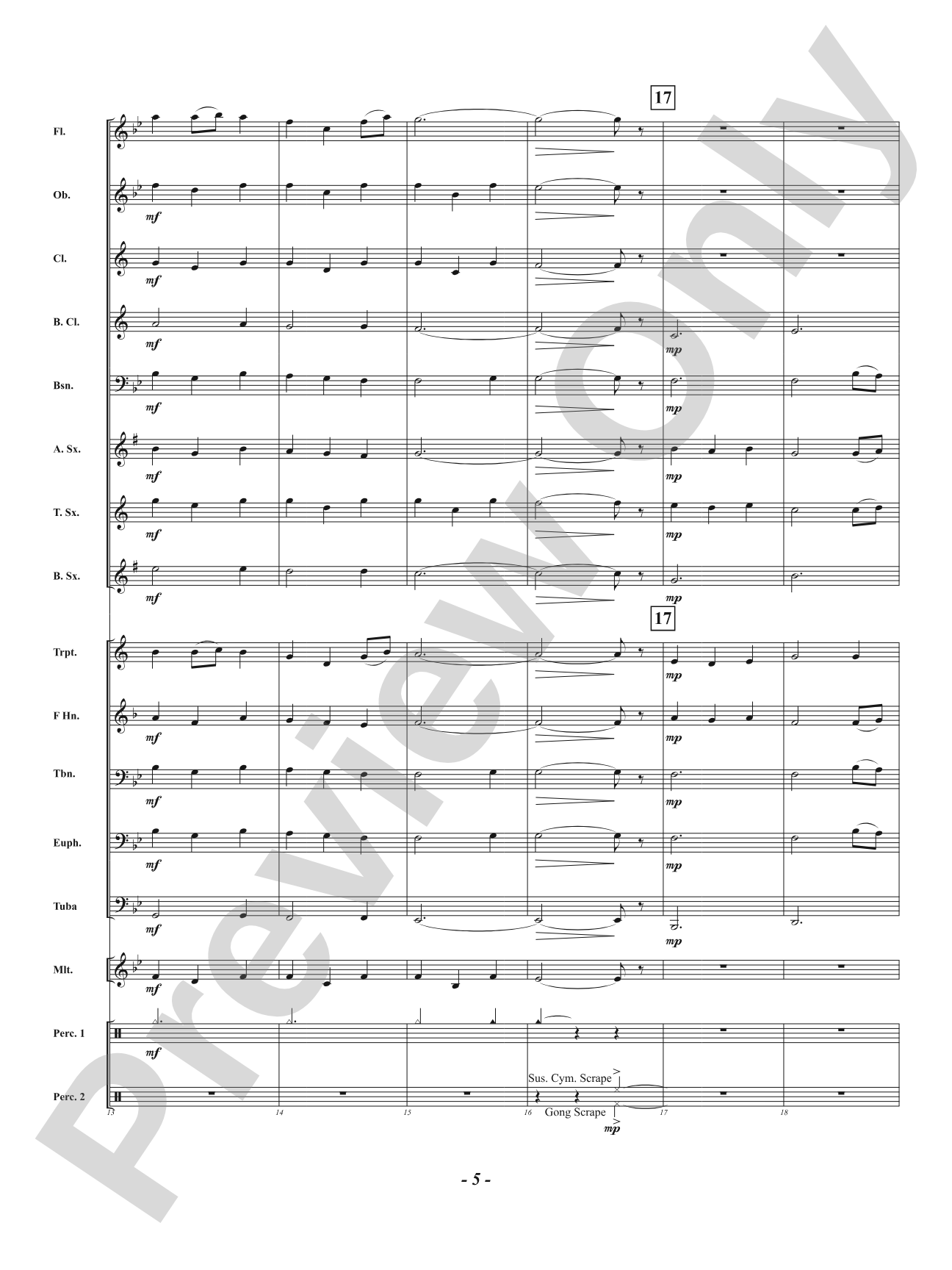
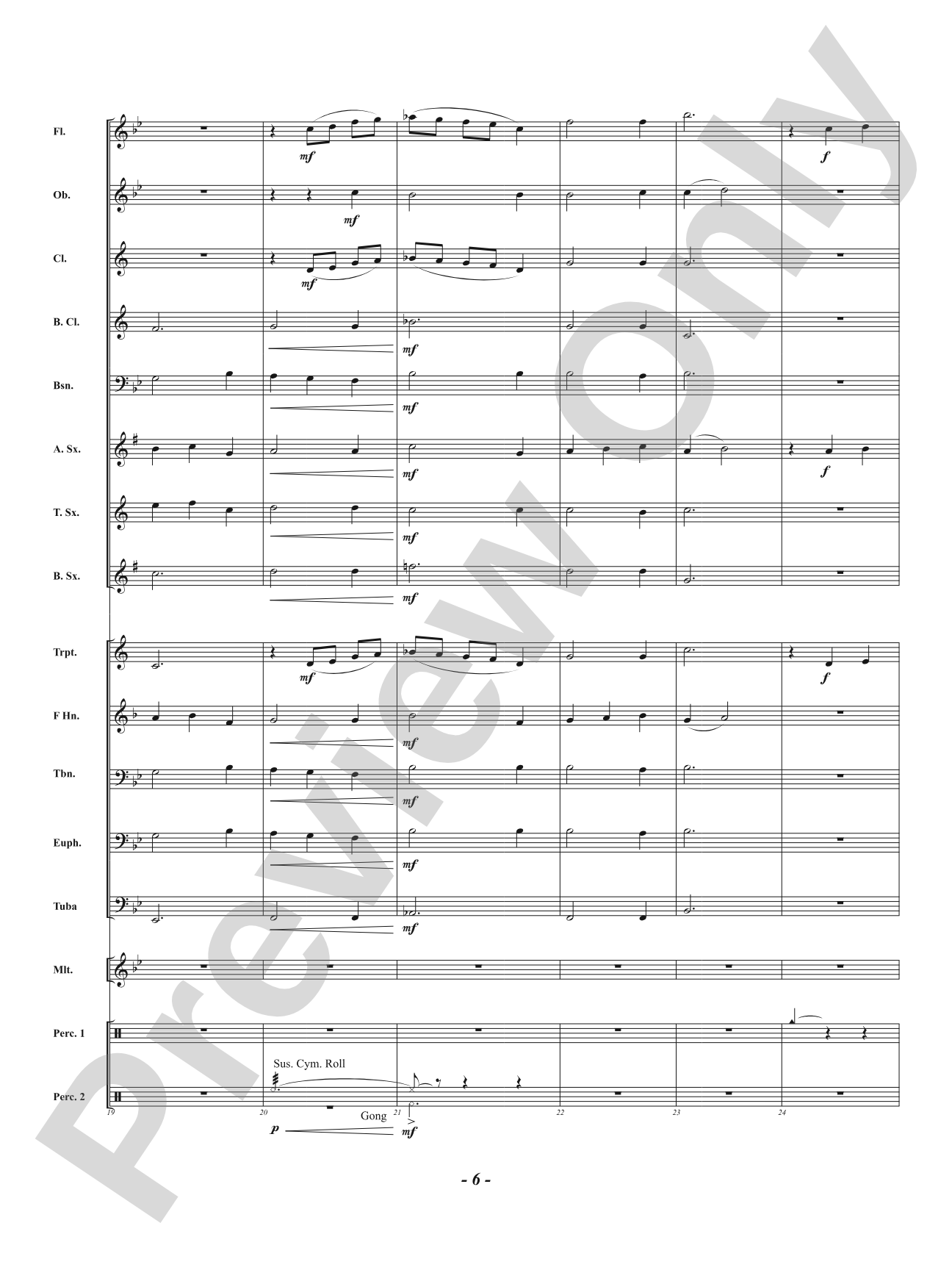
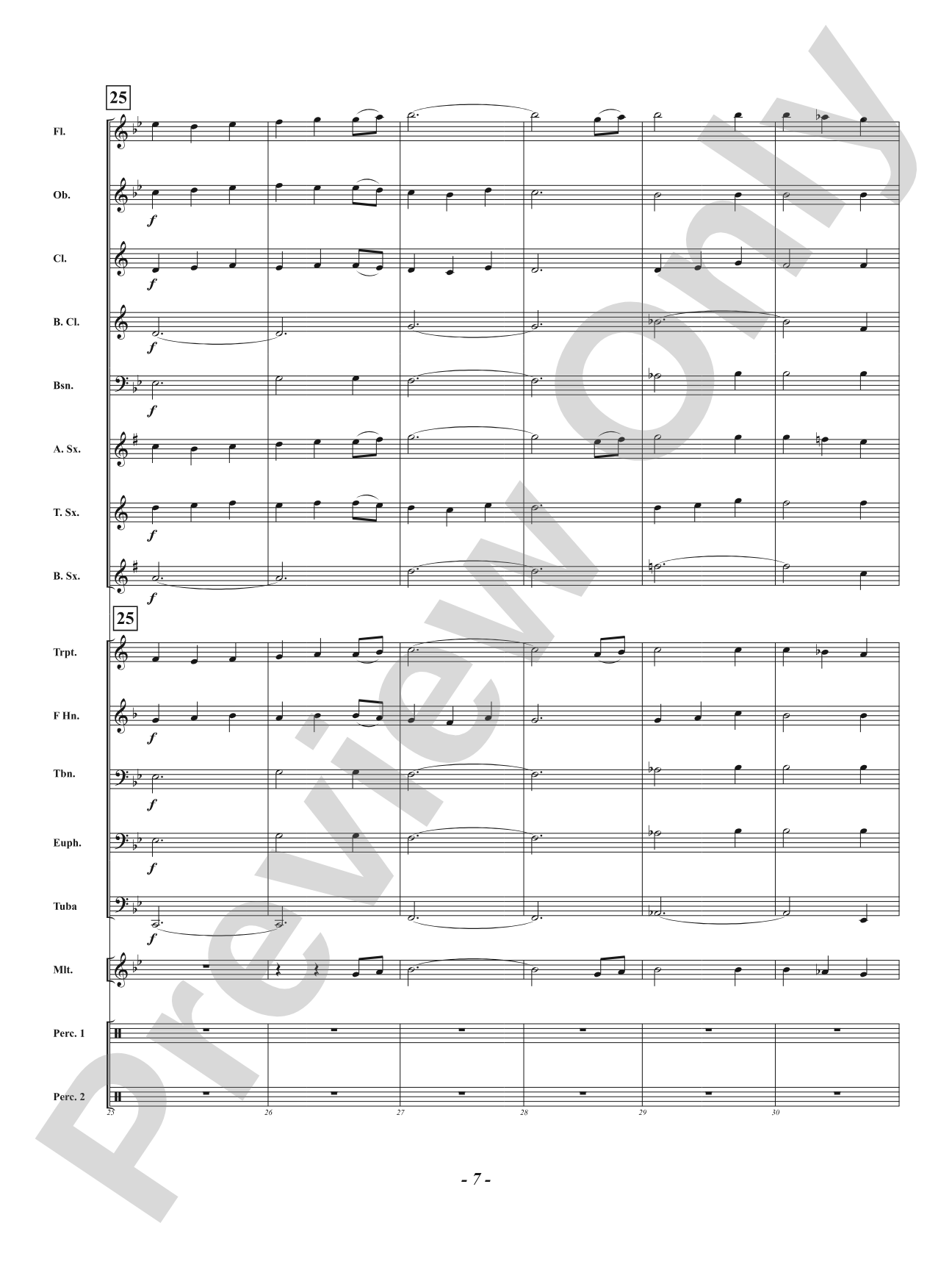
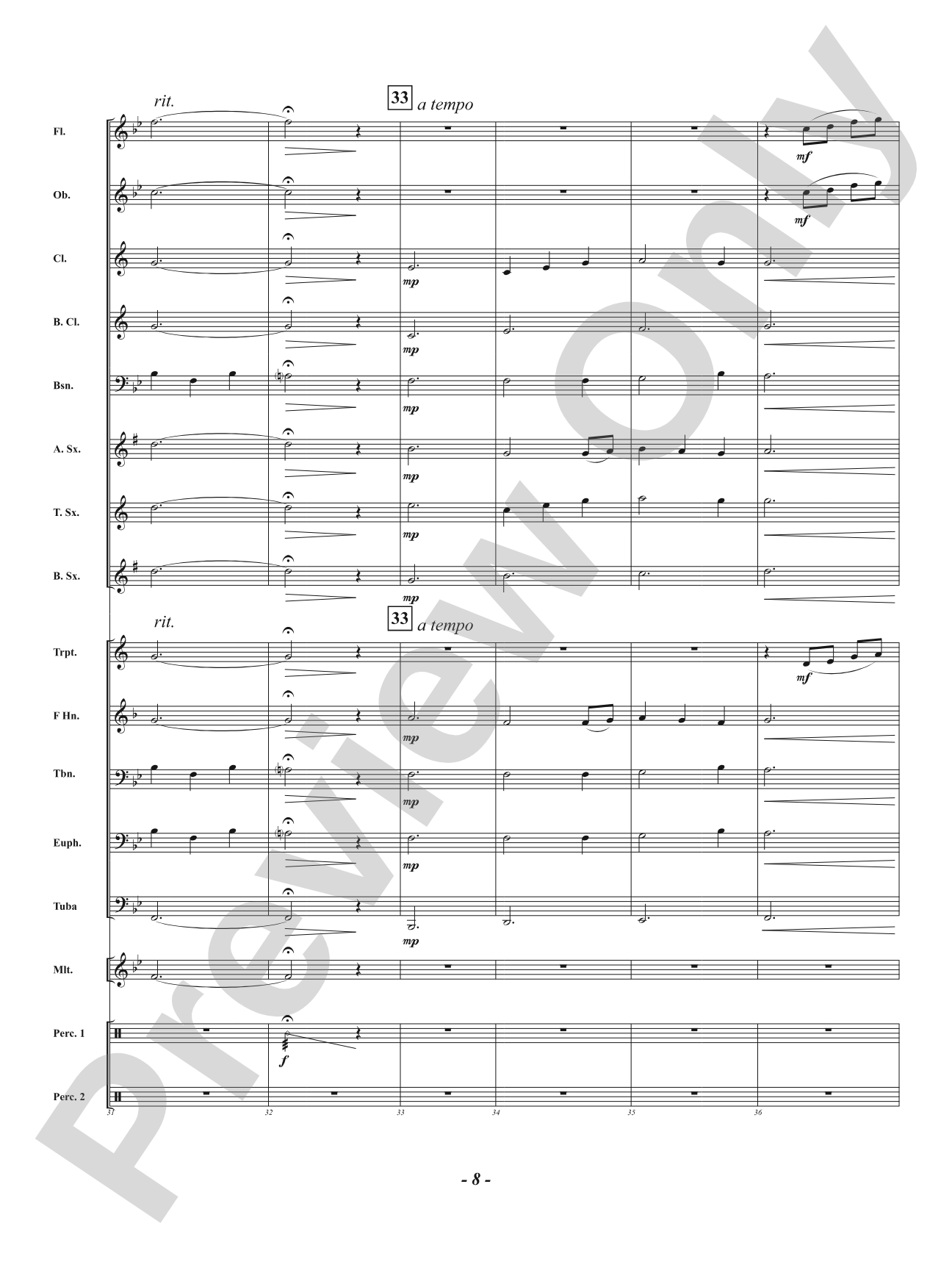
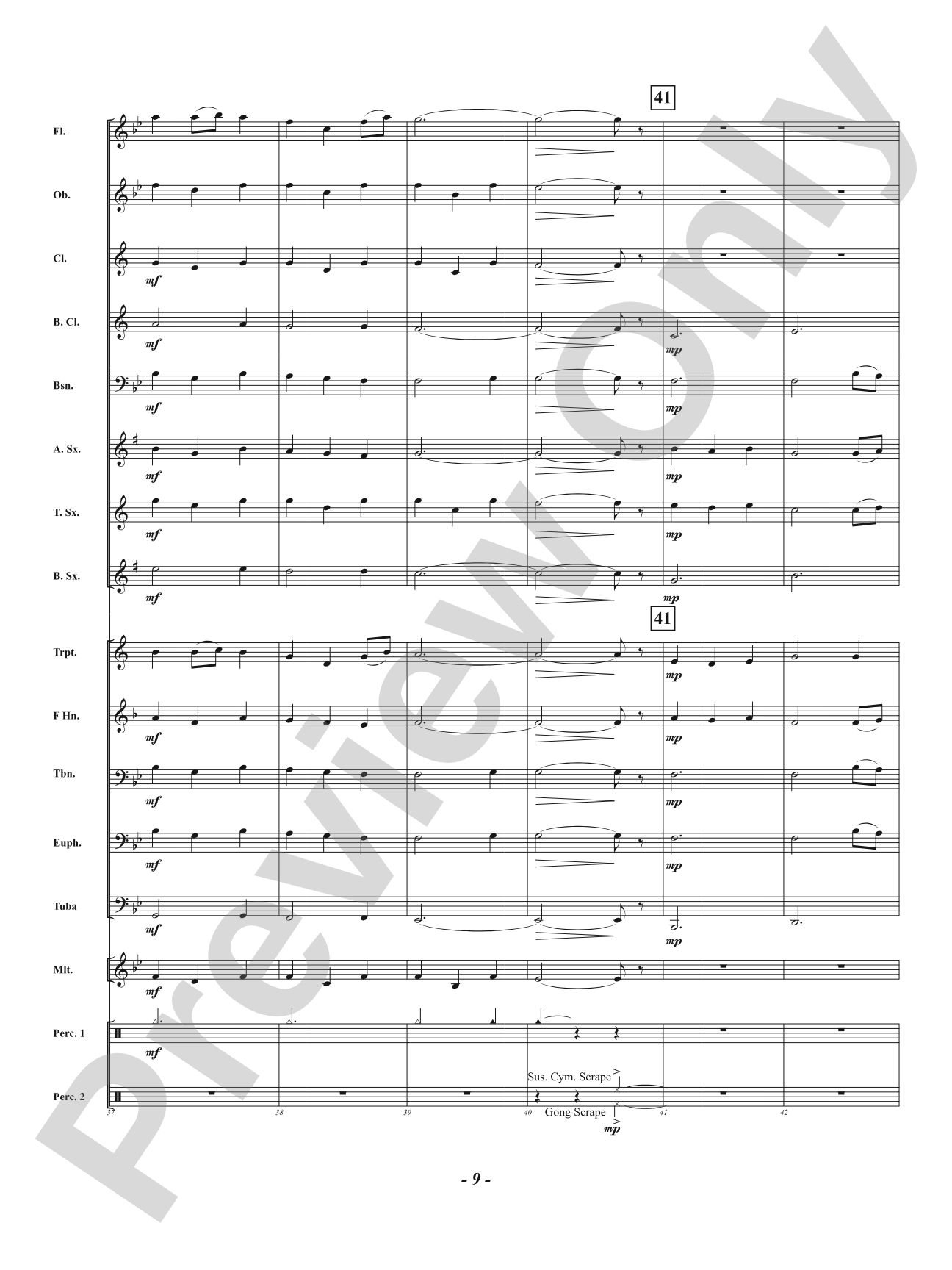
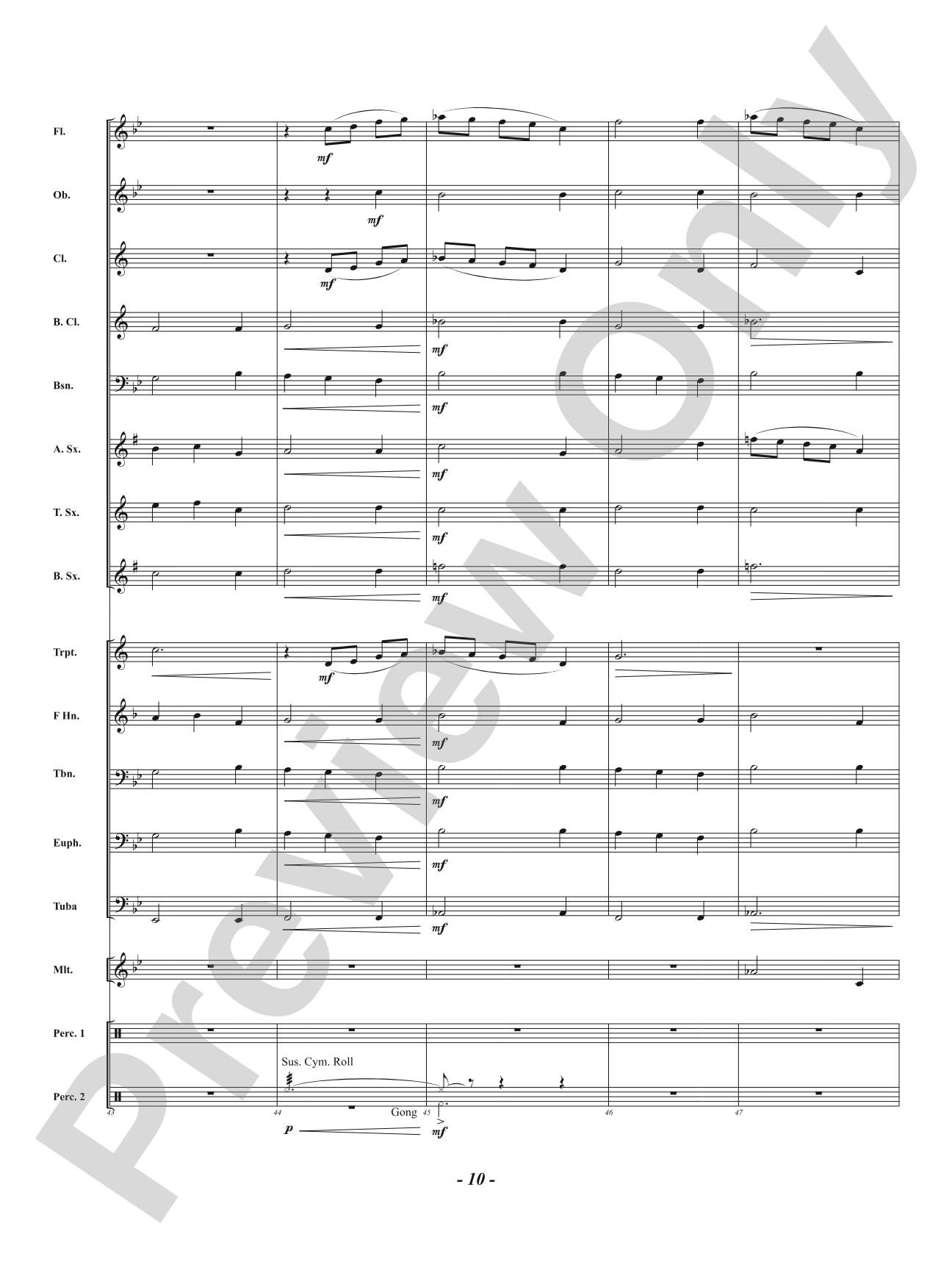
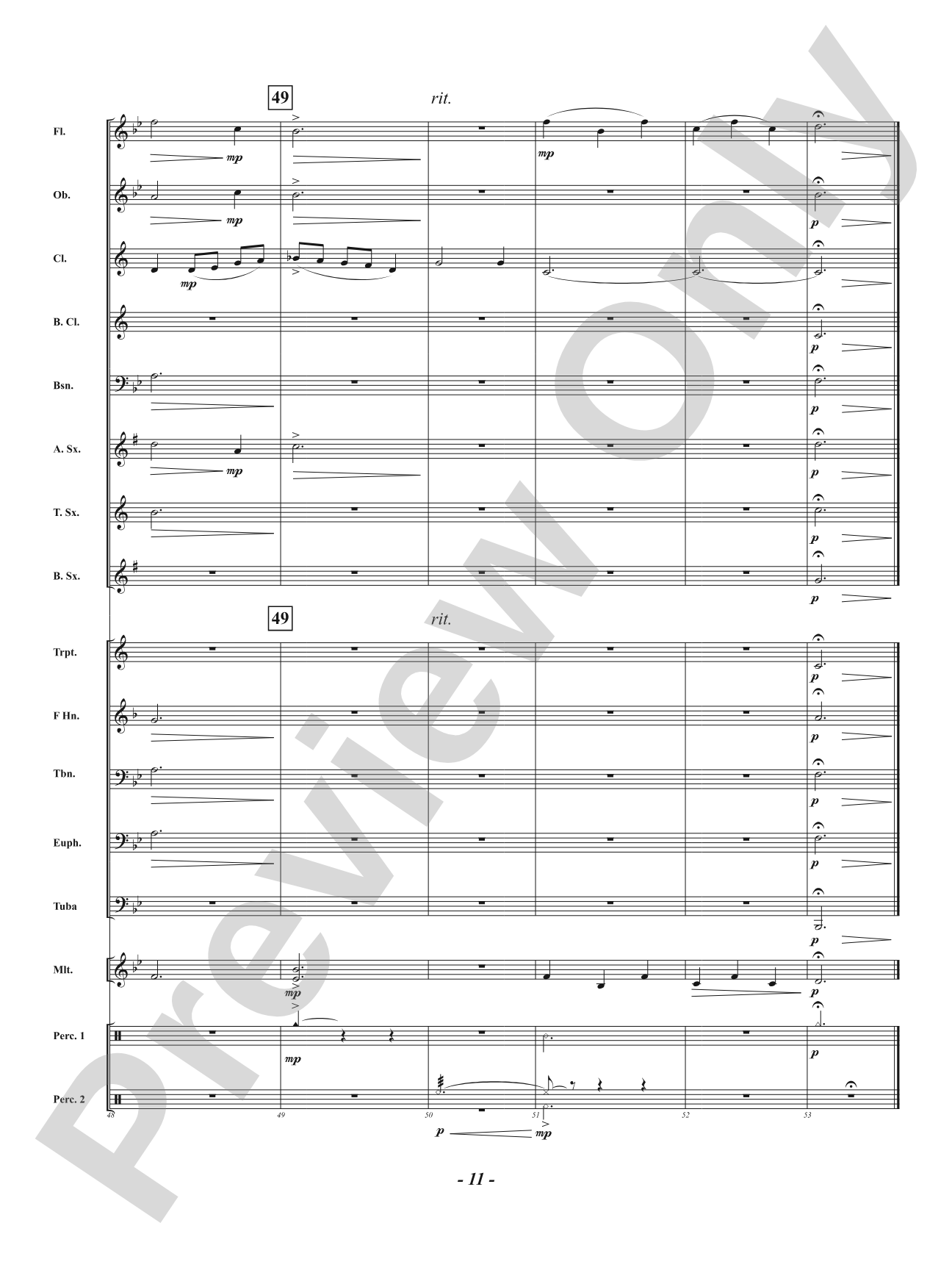


Shimmering Stars: Concert Band Conductor Score & Parts
By Brian Bankston
Grade: 1
Item: 98-PK-RWS2258
$55.00
Pickup currently not available
Buy Extra Parts (Digital PDF Download)
| Product | Price | Quantity |
|---|---|---|
| Shimmering Stars: Score | $8.00 | |
| Shimmering Stars: 1st Flute | $3.99 | |
| Shimmering Stars: Oboe | $3.99 | |
| Shimmering Stars: 1st B-flat Clarinet | $3.99 | |
| Shimmering Stars: B-flat Bass Clarinet | $3.99 | |
| Shimmering Stars: Bassoon | $3.99 | |
| Shimmering Stars: 1st E-flat Alto Saxophone | $3.99 | |
| Shimmering Stars: B-flat Tenor Saxophone | $3.99 | |
| Shimmering Stars: E-flat Baritone Saxophone | $3.99 | |
| Shimmering Stars: 1st B-flat Trumpet | $3.99 | |
| Shimmering Stars: 1st F Horn | $3.99 | |
| Shimmering Stars: 1st Trombone | $3.99 | |
| Shimmering Stars: Baritone B.C. | $3.99 | |
| Shimmering Stars: Baritone T.C. | $3.99 | |
| Shimmering Stars: Tuba | $3.99 | |
| Shimmering Stars: 1st Mallet Percussion | $3.99 | |
| Shimmering Stars: 1st Percussion | $3.99 | |
| Shimmering Stars: 2nd Percussion | $3.99 |
Parts Added to Cart!
Description
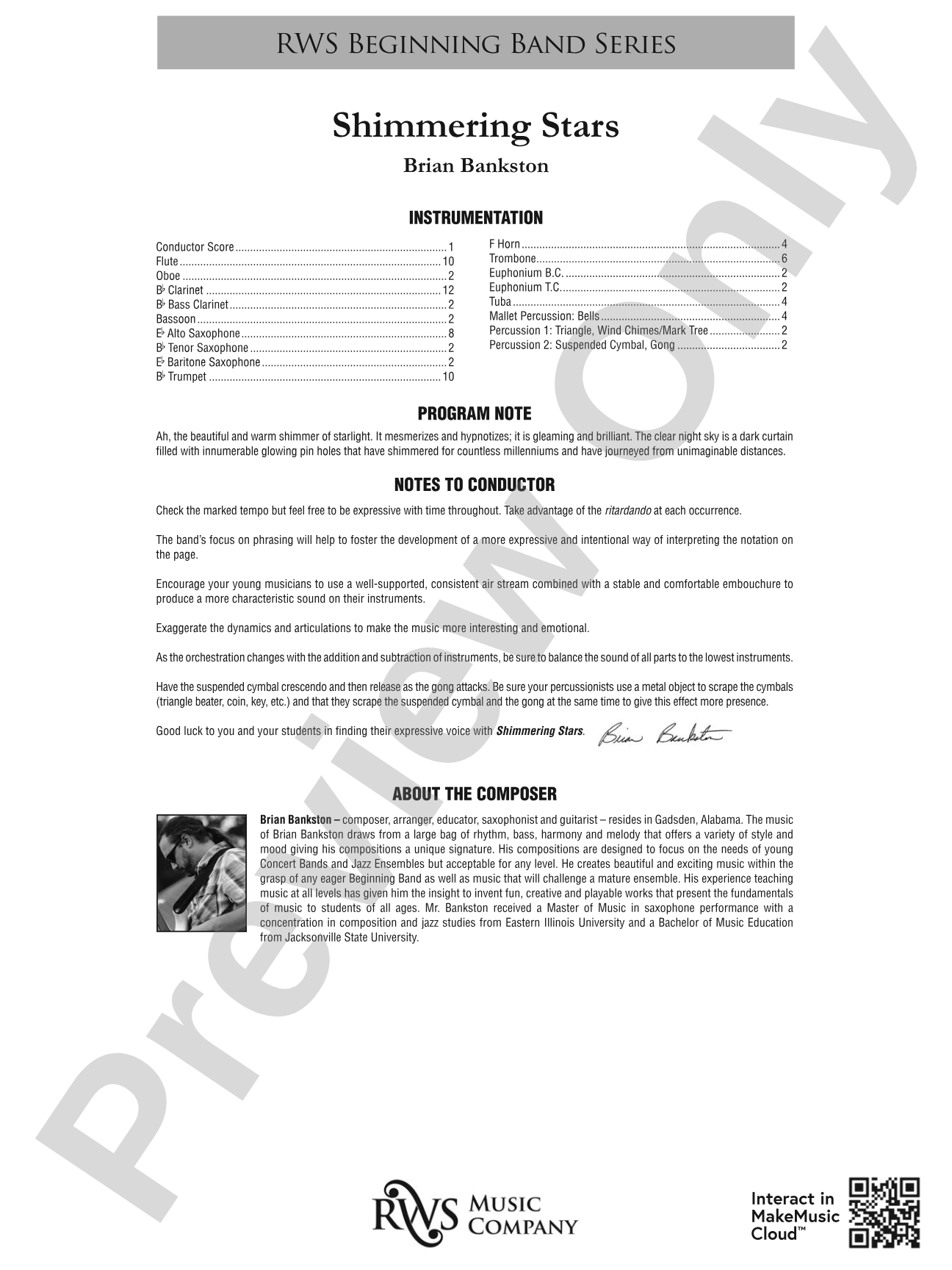
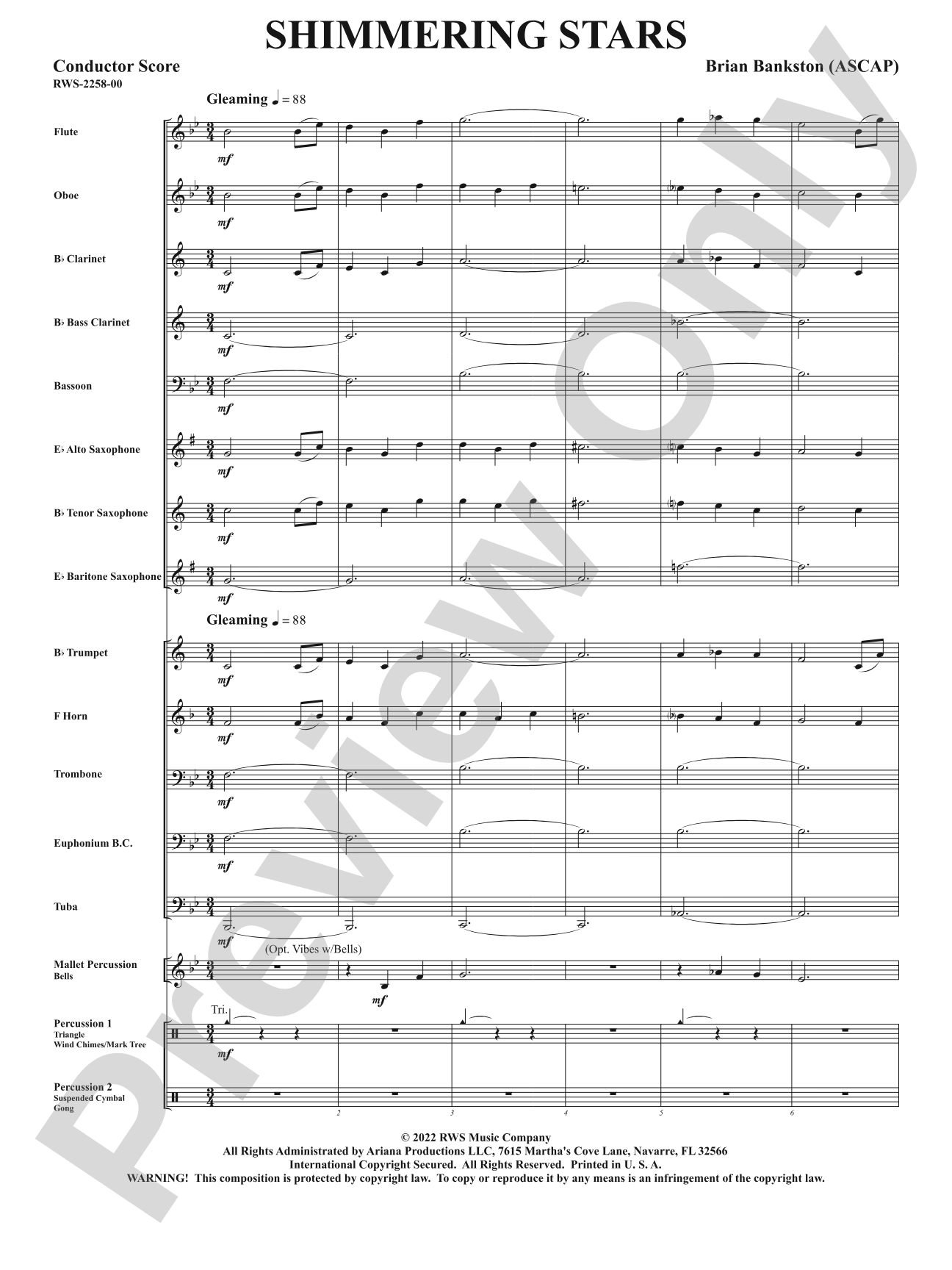
This simple, charming lyrical piece is ideal for helping young musicians learn to play with musicianship and style. Designed to be a platform for grooming tone, dynamics and phrasing, your band will play more intentional and meaningful. Appropriate lyrical content for any concert or festival performance.
Original Item#: RWS-2258-00


Original Item#: RWS-2258-00
Shimmering Stars: Concert Band Conductor Score & Parts isn't in MakeMusic Cloud just yet...but it could be. Let us know you'd like to see it, and you'll help shape what comes next. In the meantime, start a free trial and dive into thousands of interactive titles your students can play along with today.
Request This Title
Tell us you want it.
Start Your Free Trial
Explore everything that's ready to play right now.
Sample Audio
1
Audio File
--:--
0:00
0:00
Sample Video
No sample videos found.
Additional Details
Series:
RWS - Beginning Band
Publisher:
RWS Music Company
SKU:
98-PK-RWS2258
More about this title
About the Composer: Brian Bankston
Brian Bankston is a composer and educator who writes accessibly for young ensembles without sacrificing musical substance. His work appears regularly in beginning band curricula, where his understanding of developmental progression and instrumental technique shapes every phrase he writes.
Why we love this
Bankston crafts a piece that does something harder than it sounds: he creates genuine musicality within the technical reach of first-year musicians. The lyrical writing gives your band a real melodic anchor to shape, rather than just moving air through their instruments. This is the kind of piece that teaches phrasing organically because the music itself wants to be sung.
What to expect
Gentle and warm, with a sense of light without heaviness. The piece unfolds like a simple but well-told story, inviting musicians to listen to themselves and each other. There's a quiet beauty here that doesn't require technical fireworks to feel genuine.
Who it's for
Grade 1 concert bands looking for repertoire that teaches musicianship from day one. Directors working with newer musicians who benefit from clear melodic writing and straightforward instrumentation. Bands preparing material for festivals or fall concerts that needs both educational depth and audience appeal.
How to get the most out of it
- Shape the melodic line as a vocalist would. Younger musicians often see dynamics as volume only, so model how rubato and subtle breath points make the line breathe without losing time.
- Balance between parts matters immediately. Use this piece to establish the habit of listening inward, especially where accompanying voices support the melody rather than doubling it.
- Keep the tempo moderate and steady through the first rehearsals. Young players tend to rush under pressure, and a rock-solid pulse from the conductor creates space for them to focus on tone and tone quality.
- Let the ensemble hear themselves without you talking constantly. Play through sections, then ask them what they notice about the sound. They'll own the musical decisions faster.
How to use it
Open a concert with this to set an elegant tone and show your audience that your young band plays with intention. It also works well as a contrast piece in a mixed program where faster or more energetic selections surround it. Early in the season, use it as your rehearsal anchor while teaching fundamentals of musicianship and dynamics.
Skills your students will build
- Shaping a melodic line with intentional phrasing
- Controlling and using dynamics musically rather than mechanically
- Sustaining tone quality throughout longer musical phrases
- Listening to and balancing with other voices in the ensemble
- Reading and responding to conductor interpretation