
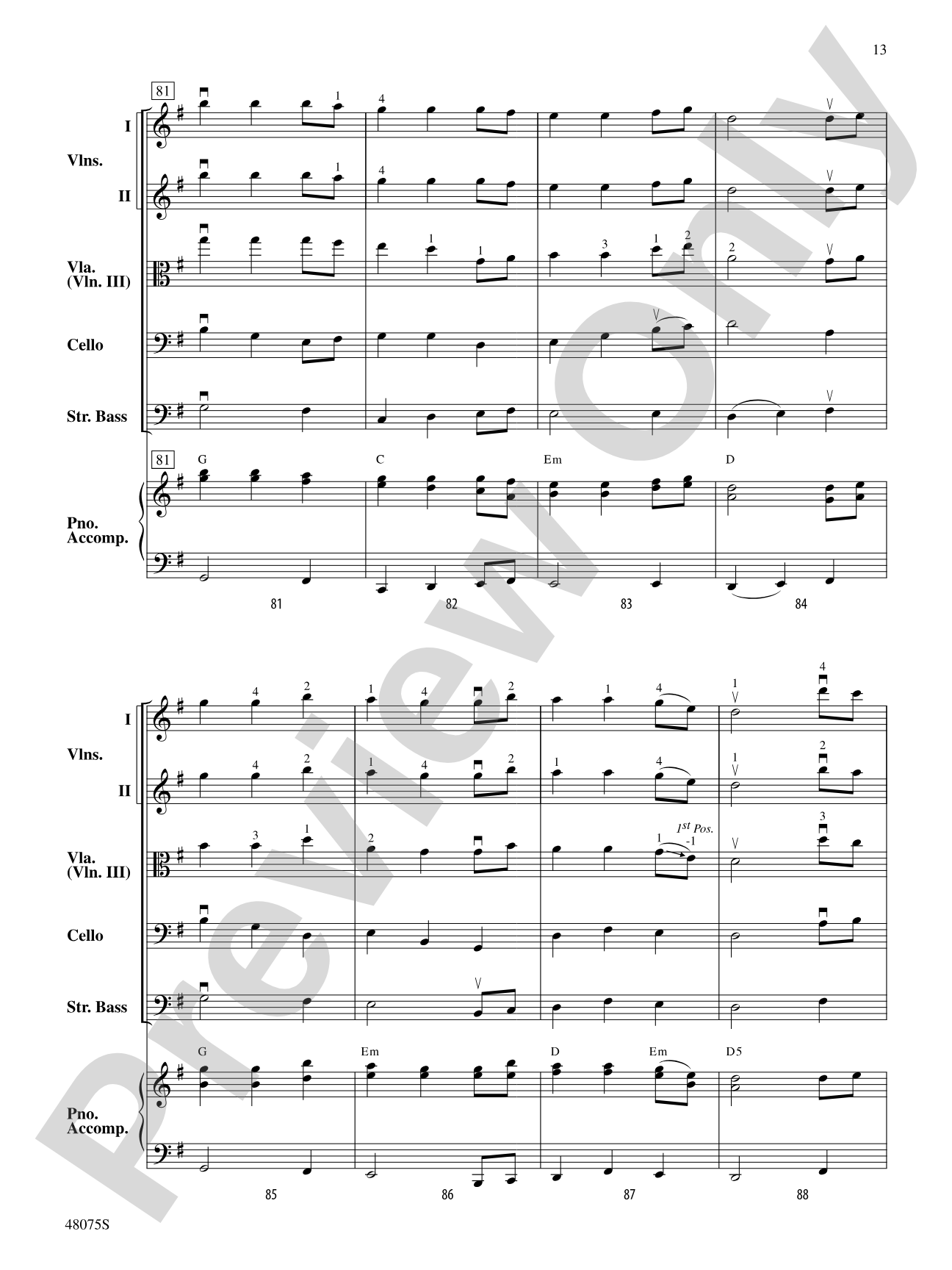
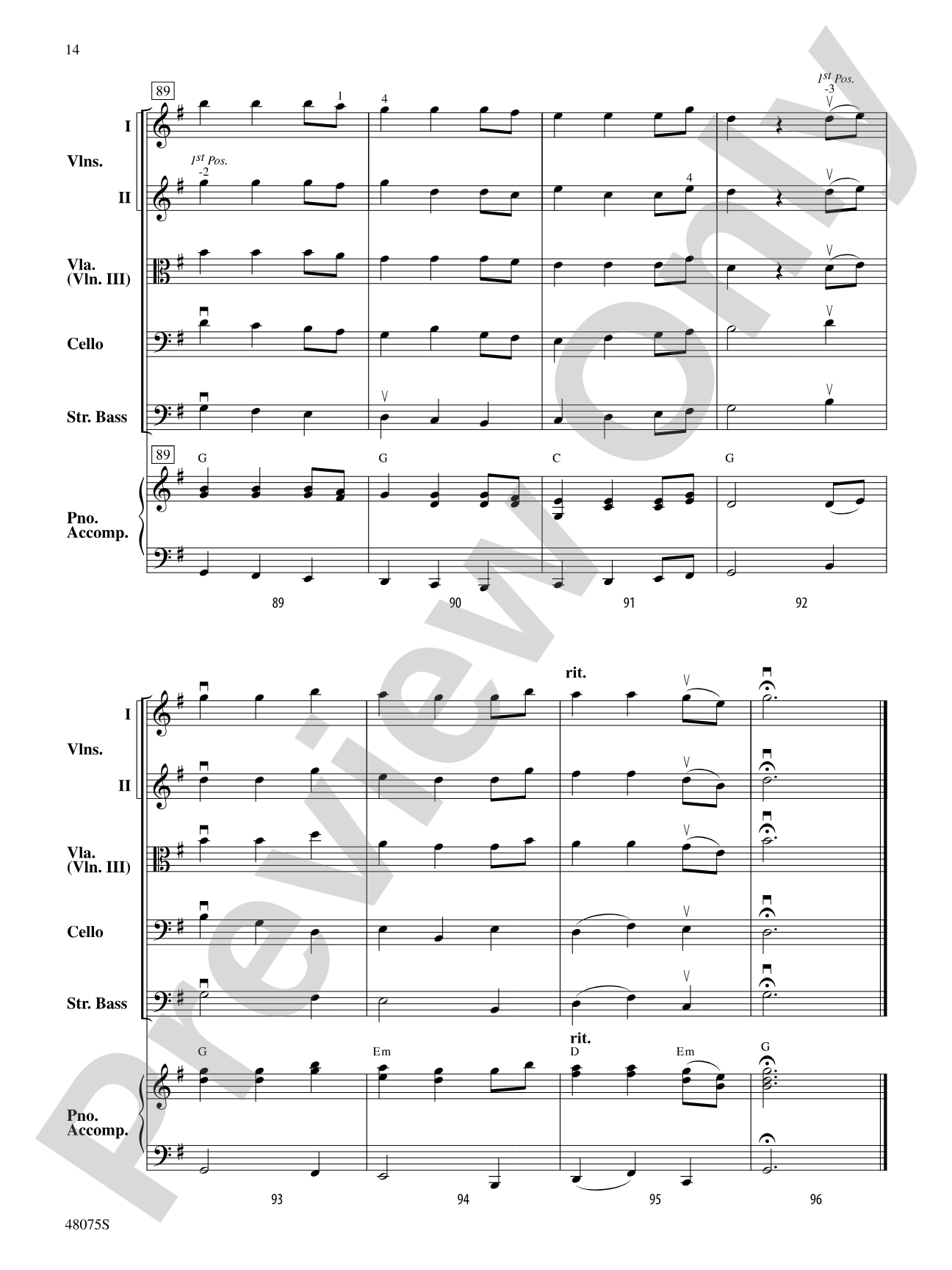

Shifting Sands: String Orchestra Conductor Score & Parts
The Shifting Song
By Bob Phillips
Grade: 2.5 (Medium Easy)
Item: 00-PK-0008219

$50.00
Pickup currently not available
Buy Extra Parts (Digital PDF Download)
| Product | Price | Quantity |
|---|---|---|
| Shifting Sands: Score | $9.00 | |
| Shifting Sands: 1st Violin | $3.00 | |
| Shifting Sands: 2nd Violin | $3.00 | |
| Shifting Sands: 3rd Violin (Viola [TC]) | $3.00 | |
| Shifting Sands: Viola | $3.00 | |
| Shifting Sands: Cello | $3.00 | |
| Shifting Sands: String Bass | $3.00 | |
| Shifting Sands: Piano Accompaniment | $3.00 | |
| Shifting Sands: Violin Educational Pack | $3.00 | |
| Shifting Sands: Viola Educational Pack | $3.00 | |
| Shifting Sands: Cello Educational Pack | $3.00 | |
| Shifting Sands: Bass Educational Pack | $3.00 |
Parts Added to Cart!
Description
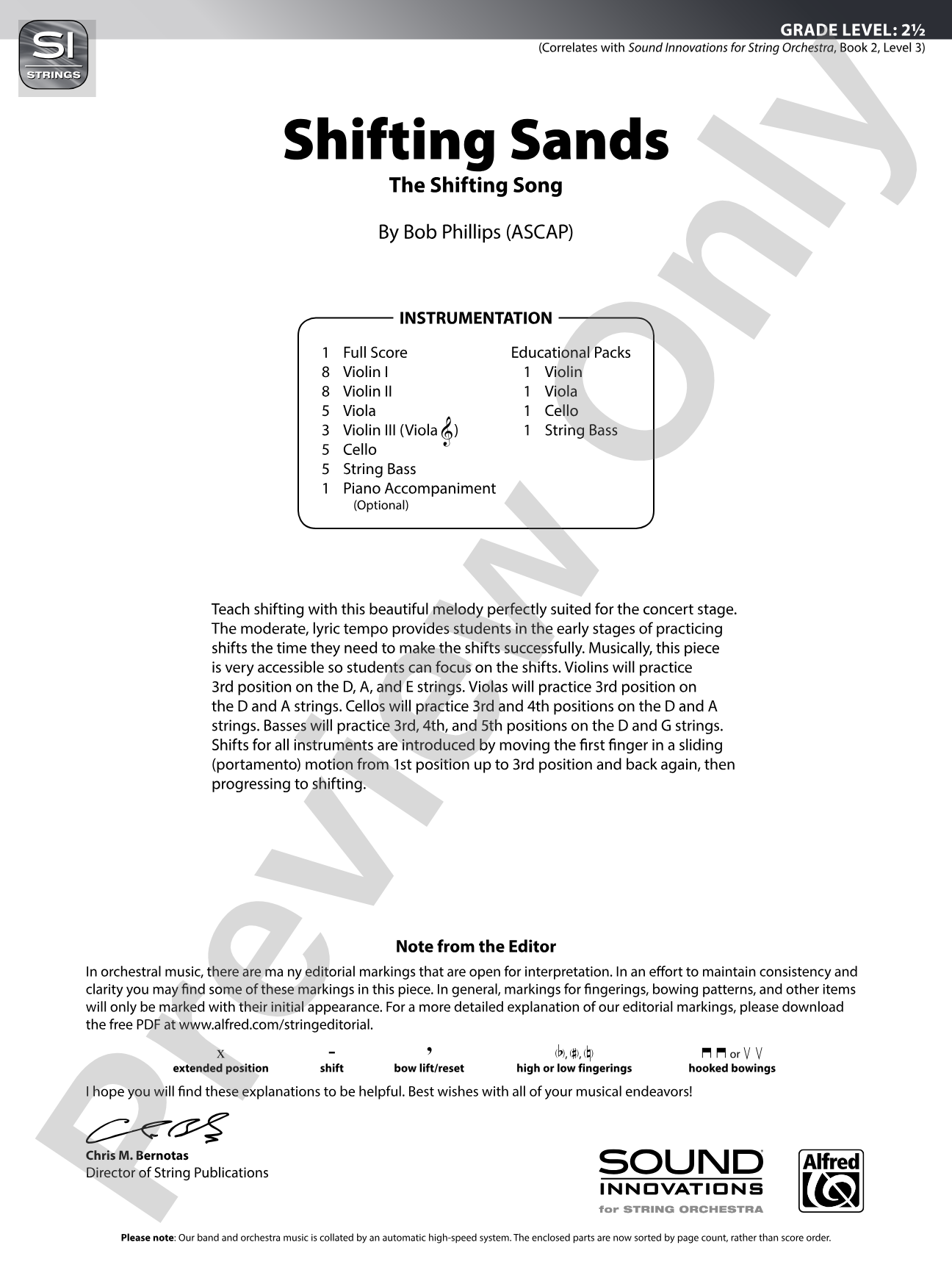
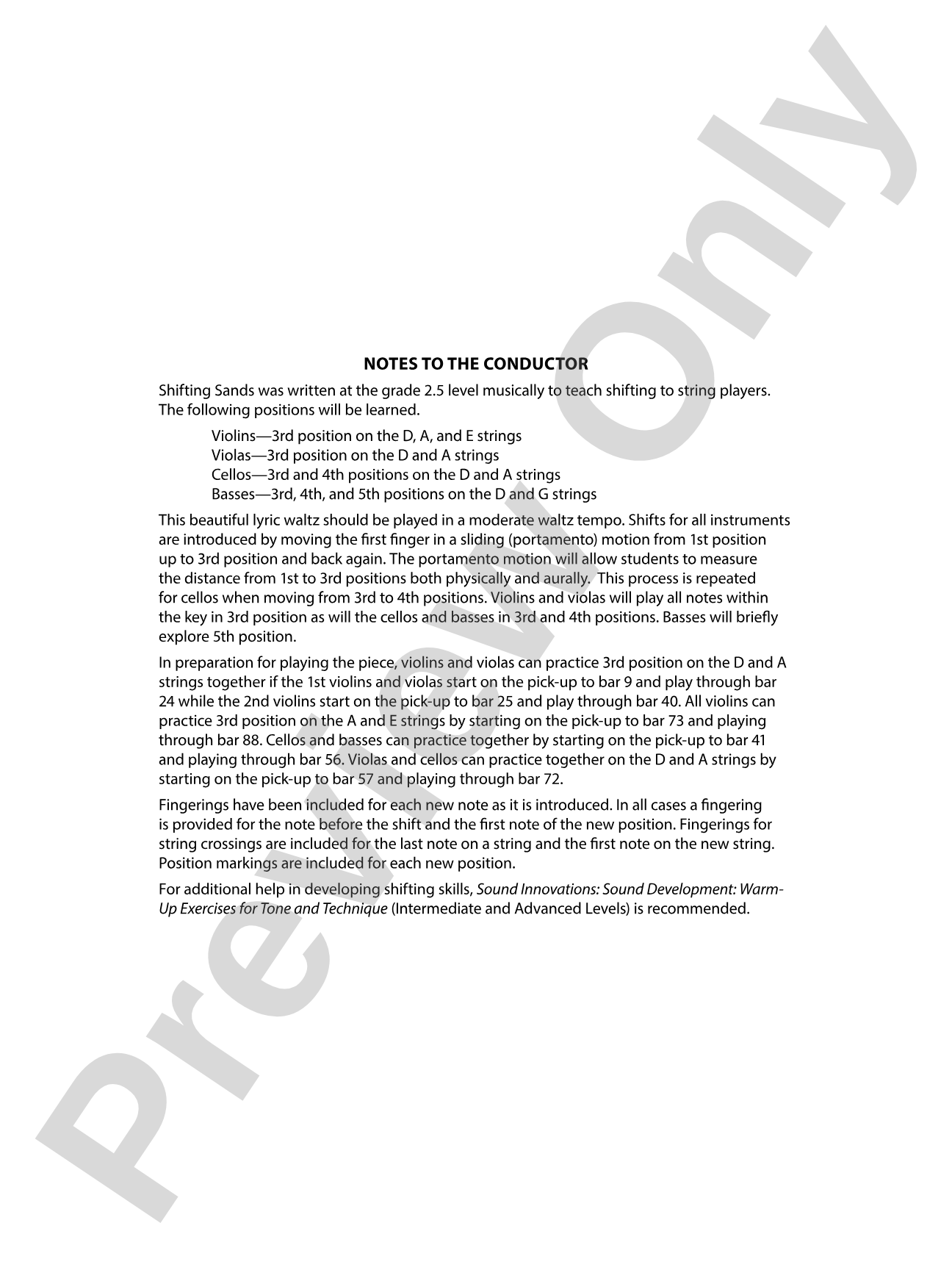
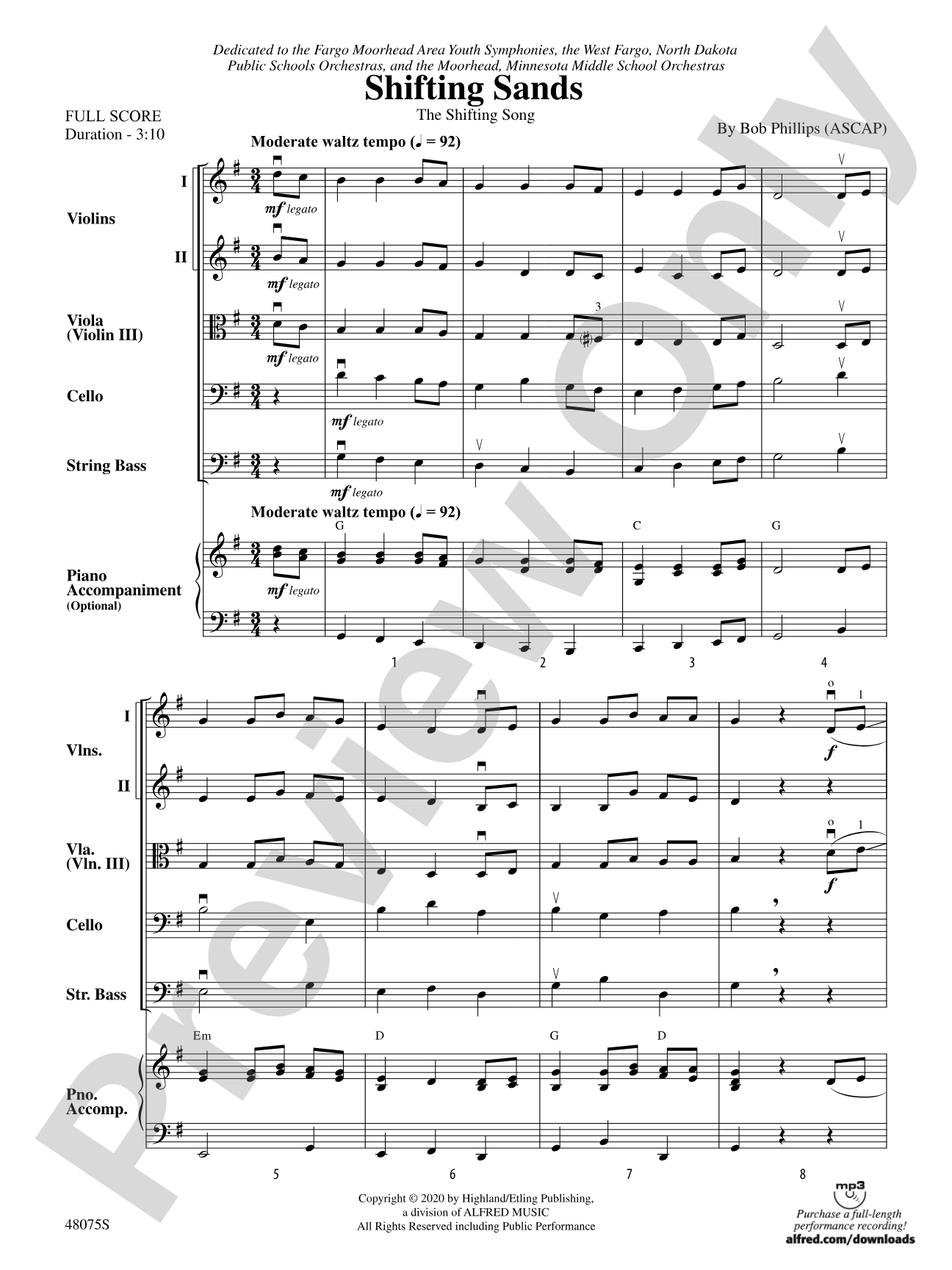
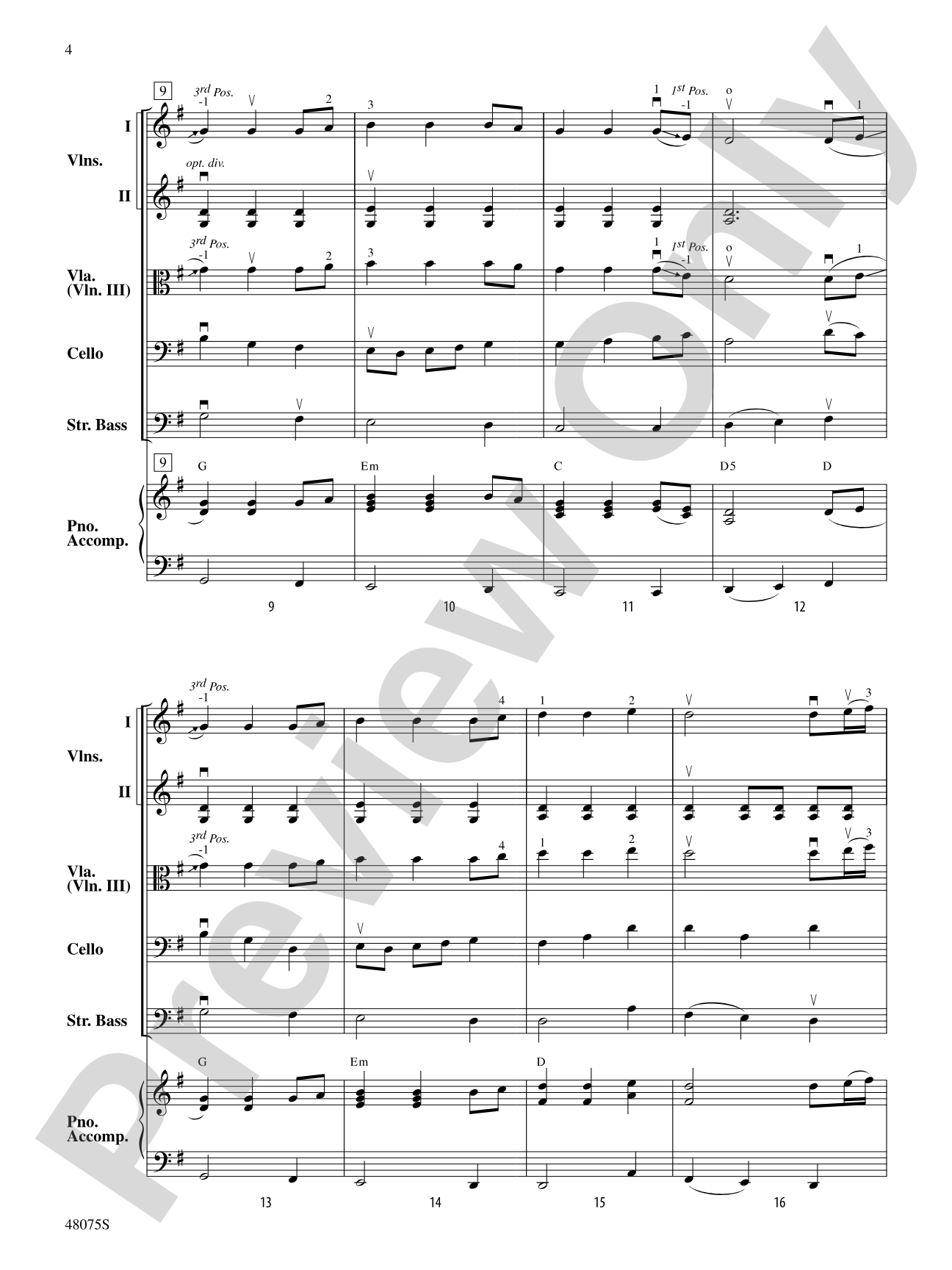
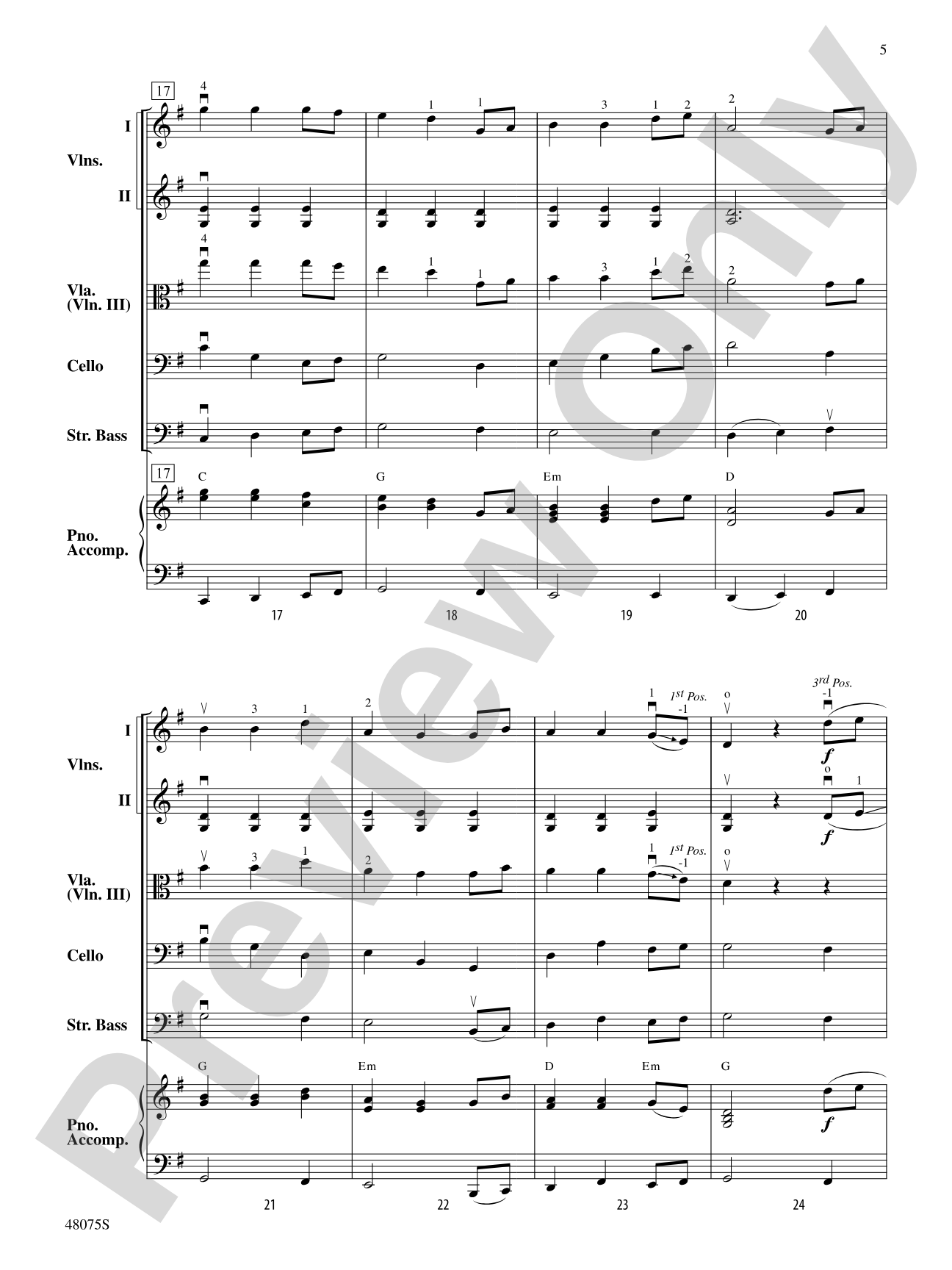
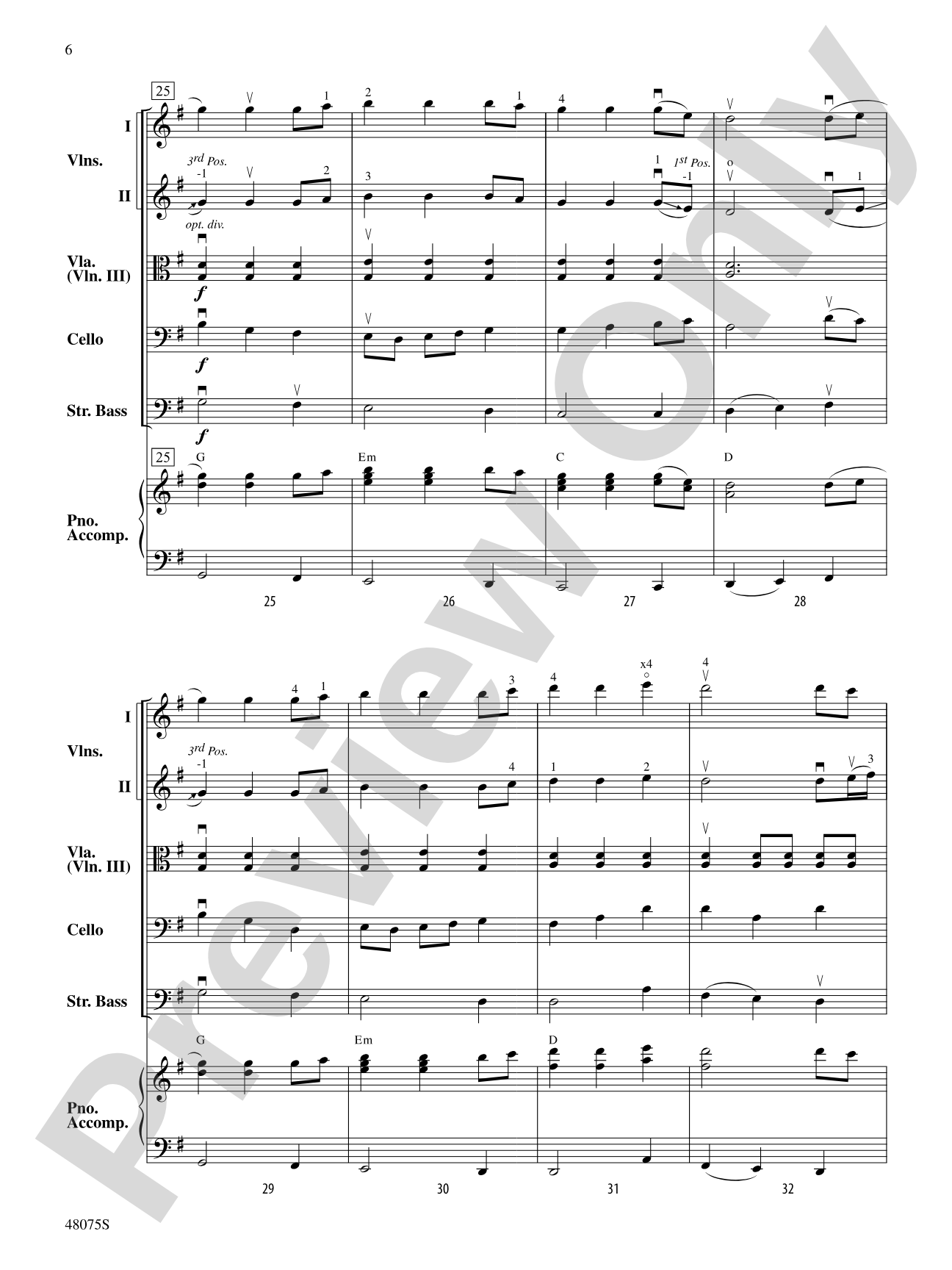
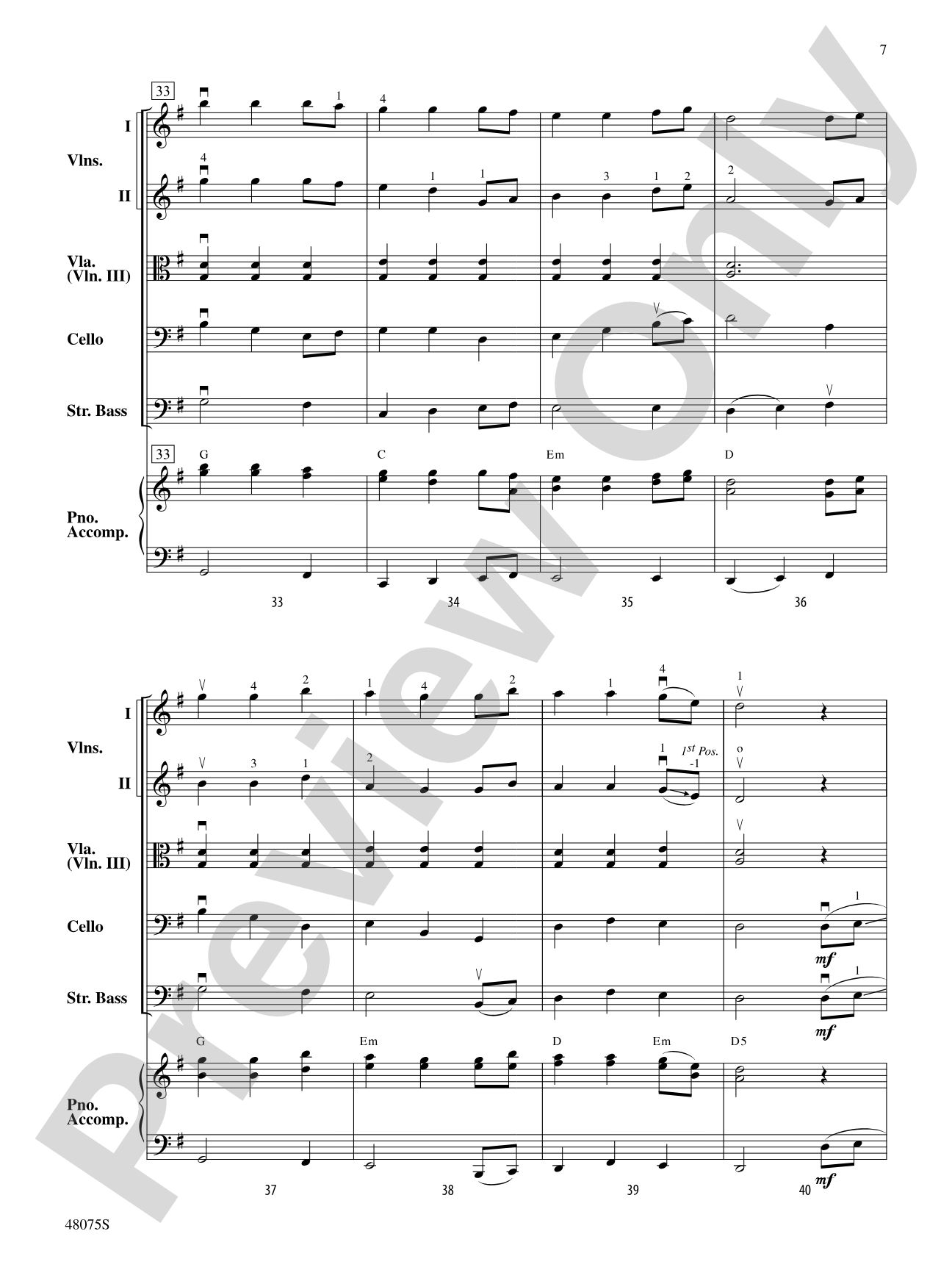
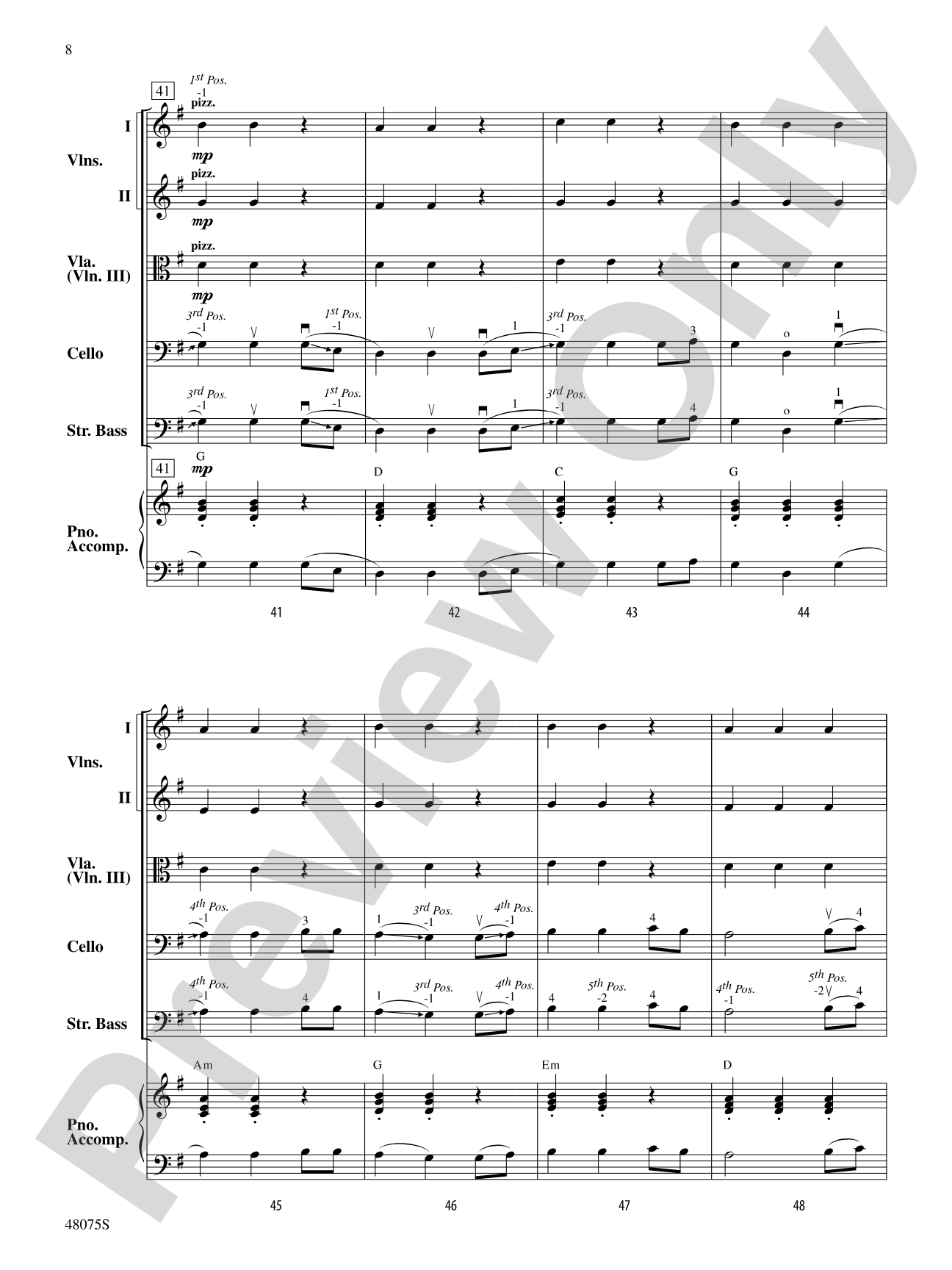
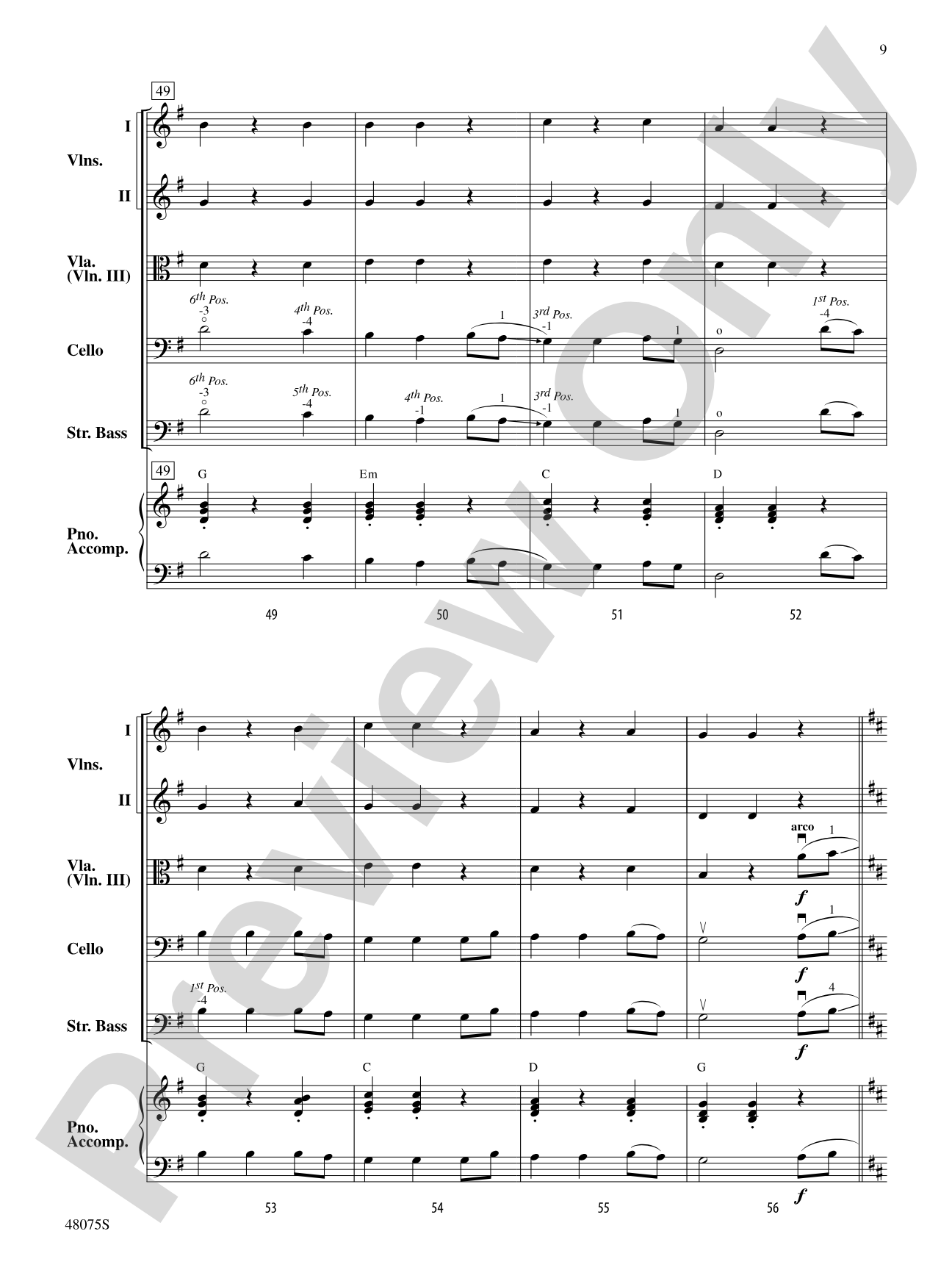
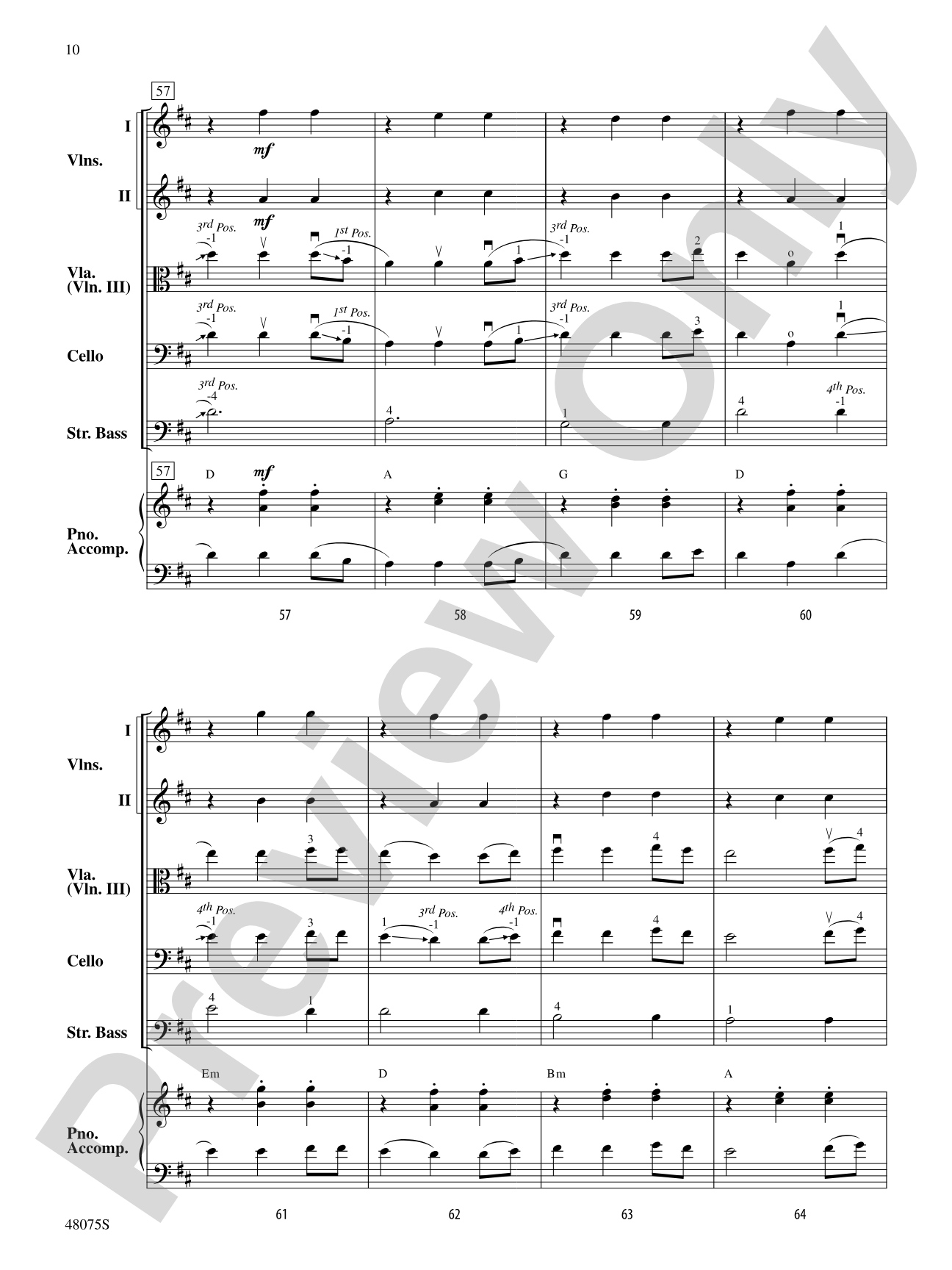
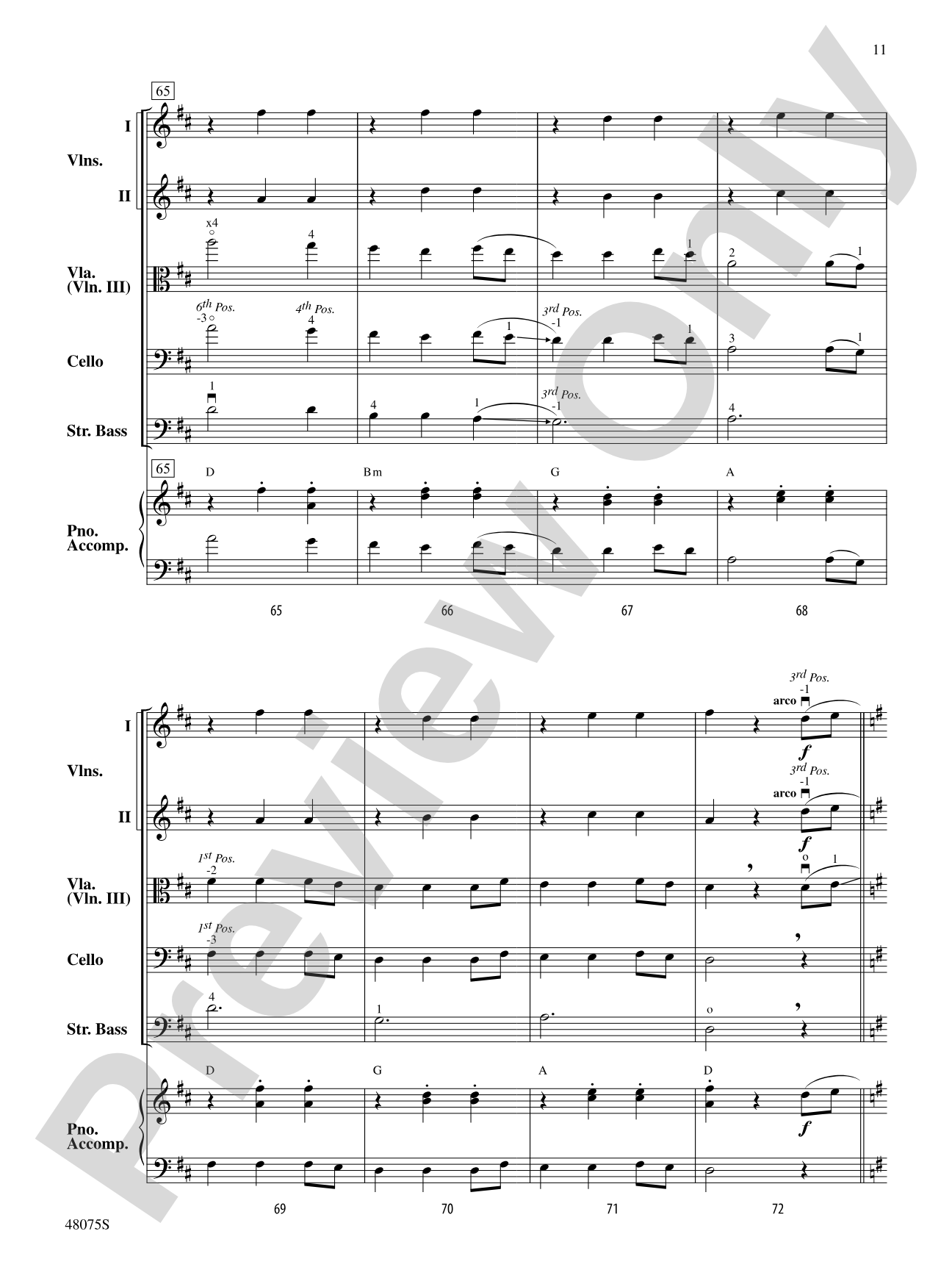
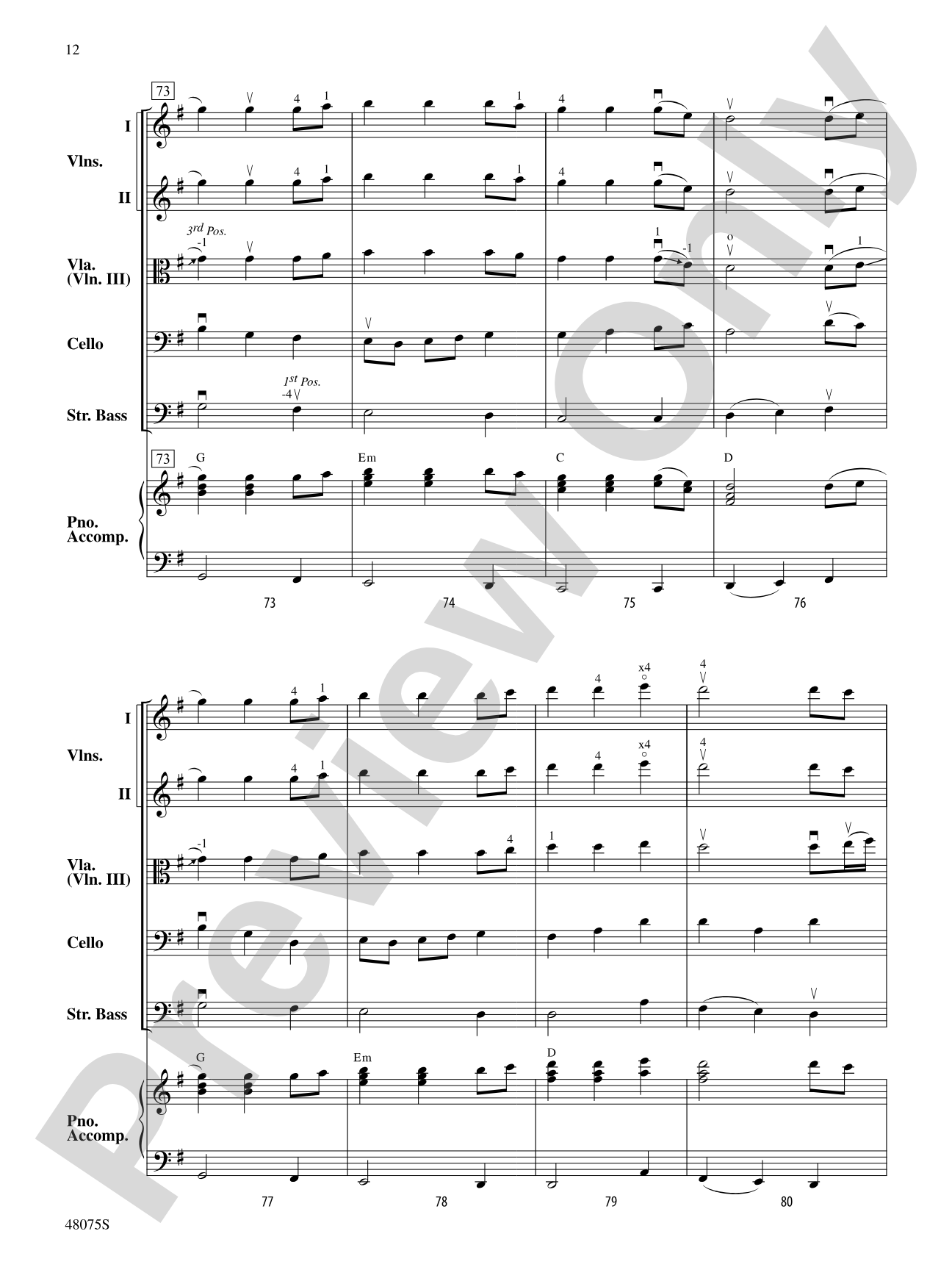
Teach shifting with this beautiful melody by Bob Phillips. Shifting Sands is also perfectly suited for the concert stage. The moderate, lyric tempo provides students in the early stages of practicing shifts the time they need to make the shifts successfully. Musically, this piece is very accessible so students can focus on the shifts. Violins will practice 3rd position on the D, A, and E strings. Violas will practice 3rd position on the D and A strings. Cellos will practice 3rd and 4th positions on the D and A strings. Basses will practice 3rd, 4th, and 5th positions on the D and G strings. Shifts for all instruments are introduced by moving the first finger in a sliding (portamento) motion from 1st position up to 3rd position and back again, then progresses to shifting. Correlated to Sound Innovations for String Orchestra, Book 2, Level 3. (3:10) This title is available in MakeMusic Cloud.


Don't just read it, hear it, play along with it, and watch your students grow with it. In MakeMusic Cloud, Shifting Sands: String Orchestra Conductor Score & Parts comes alive with professional accompaniment, adjustable tempo, and built-in practice tools that turn solo practice into real progress.
Open in the Player
Jump straight in and assign it today.
Start Your Free Trial
Open this title and explore the full library in minutes.
Sample Audio
1
Audio File
--:--
0:00
0:00
Sample Video
Additional Details
Series:
Sound Innovations for String Orchestra
Publisher:
Alfred Music
Page Count:
140
SKU:
00-PK-0008219
More about this title
About the Composer: Bob Phillips

Bob Phillips (born 1953) is a composer, conductor, and string pedagogue who has shaped how thousands of students learn orchestra. Over four decades, he developed a 700-student string program in Saline, Michigan that became a national model for both classical and contemporary ensemble work. His compositional output spans more than 200 published works for orchestras and bands, and he has authored six levels of the Sound Innovations series alongside groundbreaking style-specific collections including Jazz Philharmonic, Rock Philharmonic, Mariachi Philharmonic, and Latin Philharmonic.
Phillips is an award-winning ASCAP composer whose work appears regularly at the Midwest Clinic. He has conducted at numerous all-state festivals, youth symphonies, and camps including the All-State Orchestra at Interlochen, Blue Lake Fine Arts Camp, and the Queensland Honour Ensemble Program. His instructional videos and teaching materials reach thousands of educators annually, and his commitment to both technical excellence and musical accessibility defines his approach to string education.
Why we love this
Phillips designed this piece with genuine pedagogical insight: the lyric tempo and accessible harmony create space for students to execute shifts without rushing, and the portamento introduction naturally scaffolds the technique before traditional shifting begins. The orchestration ensures every section has clear work to do at an appropriate level, making this equally valid for concert performance as it is for technical development.
What to expect
Quietly lyrical, with a unhurried elegance. The moderate tempo creates an almost meditative quality, letting the gentle melody unfold while each section focuses on the physical and tonal demands of position shifts. There's a sense of purpose beneath the simplicity; this is music that knows exactly what it's asking of young players.
Who it's for
Early-intermediate string orchestras ready to move beyond first position work. Designed for students in Book 2 of Sound Innovations (typically Grade 2.5), this piece serves both sectional string classes and full orchestras seeking accessible literature that teaches without sounding remedial.
How to get the most out of it
- Lead the ensemble through the portamento passages with a clear, unhurried pulse; students should hear and feel the deliberate slide before attempting faster shifts.
- Balance the ensemble so the melodic line sings above the supporting voices, especially when violins carry the primary material.
- Use the moderate tempo as your teaching tool. Resist the urge to push; let students hear their own intonation during the shift.
- Mark bowings and shift points clearly in all parts before rehearsal so students can anticipate position changes rather than react to them.
How to use it
Pair this with your Sound Innovations curriculum as a bridge between technical exercises and concert repertoire. Its three-minute duration and moderate difficulty make it ideal for festival or contest settings where you want to showcase progress without overreaching technically. It also works well as an opener on a larger concert program, establishing a warm, accessible tone before moving to more complex works.
Skills your students will build
- Shifting between 1st and 3rd position using portamento (sliding first finger)
- 3rd position intonation on D, A, and E strings (violins); D and A strings (violas); D and A strings (cellos)
- 4th and 5th position technique on D, A, and G strings (cellos and basses)
- Smooth position transitions within a musically coherent context
- Sustained tone and phrase awareness at a moderate lyric tempo