
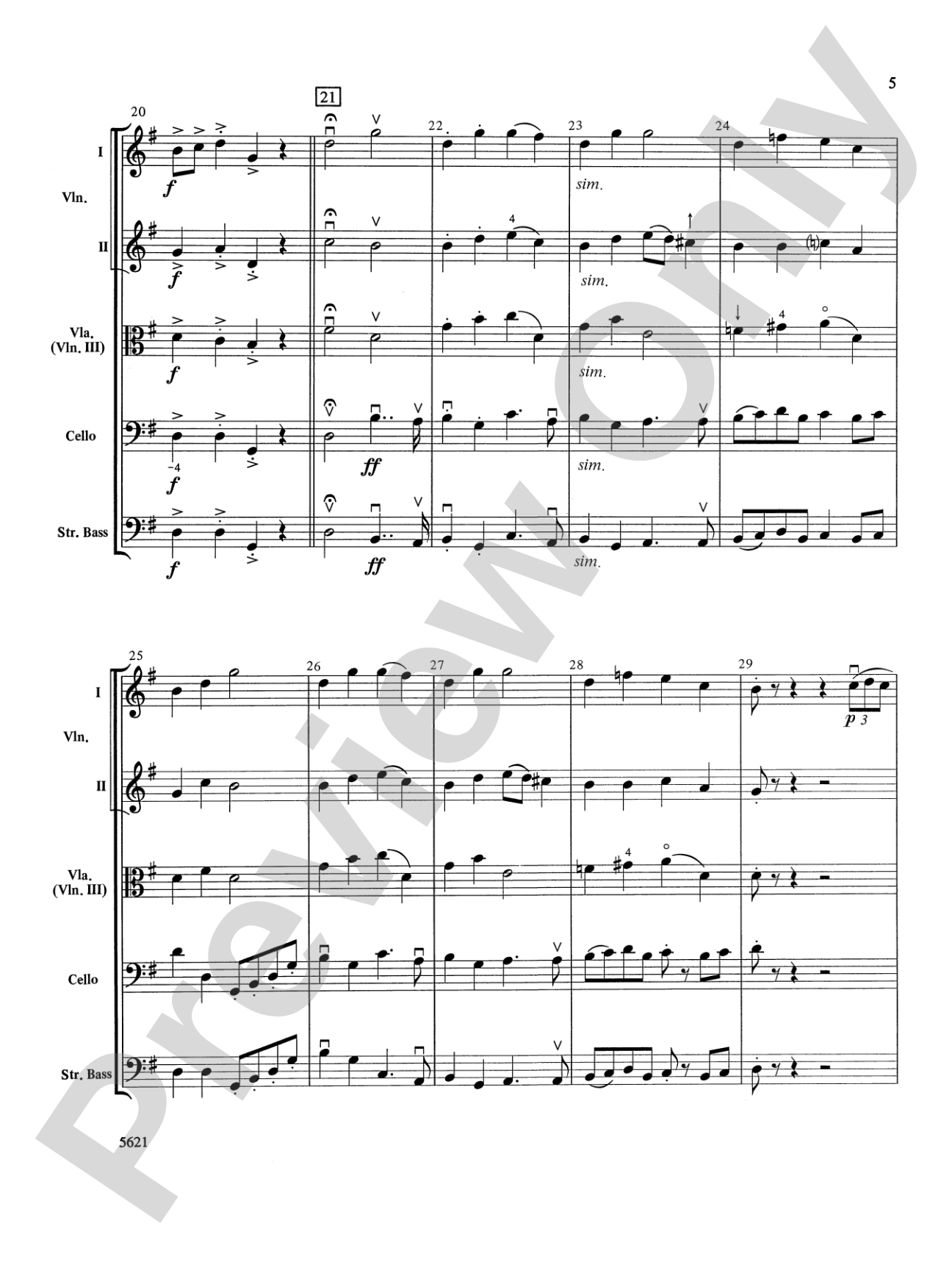
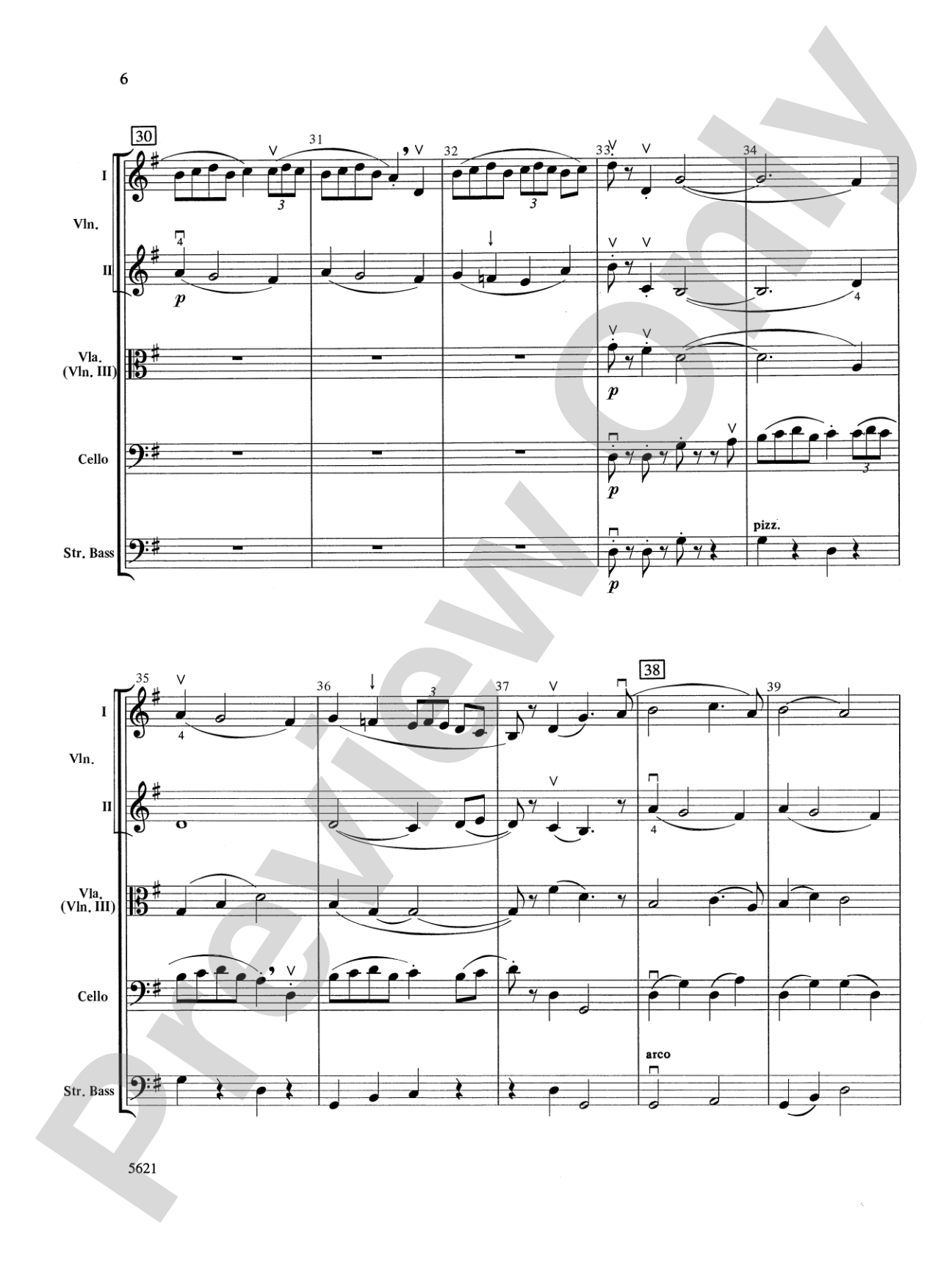
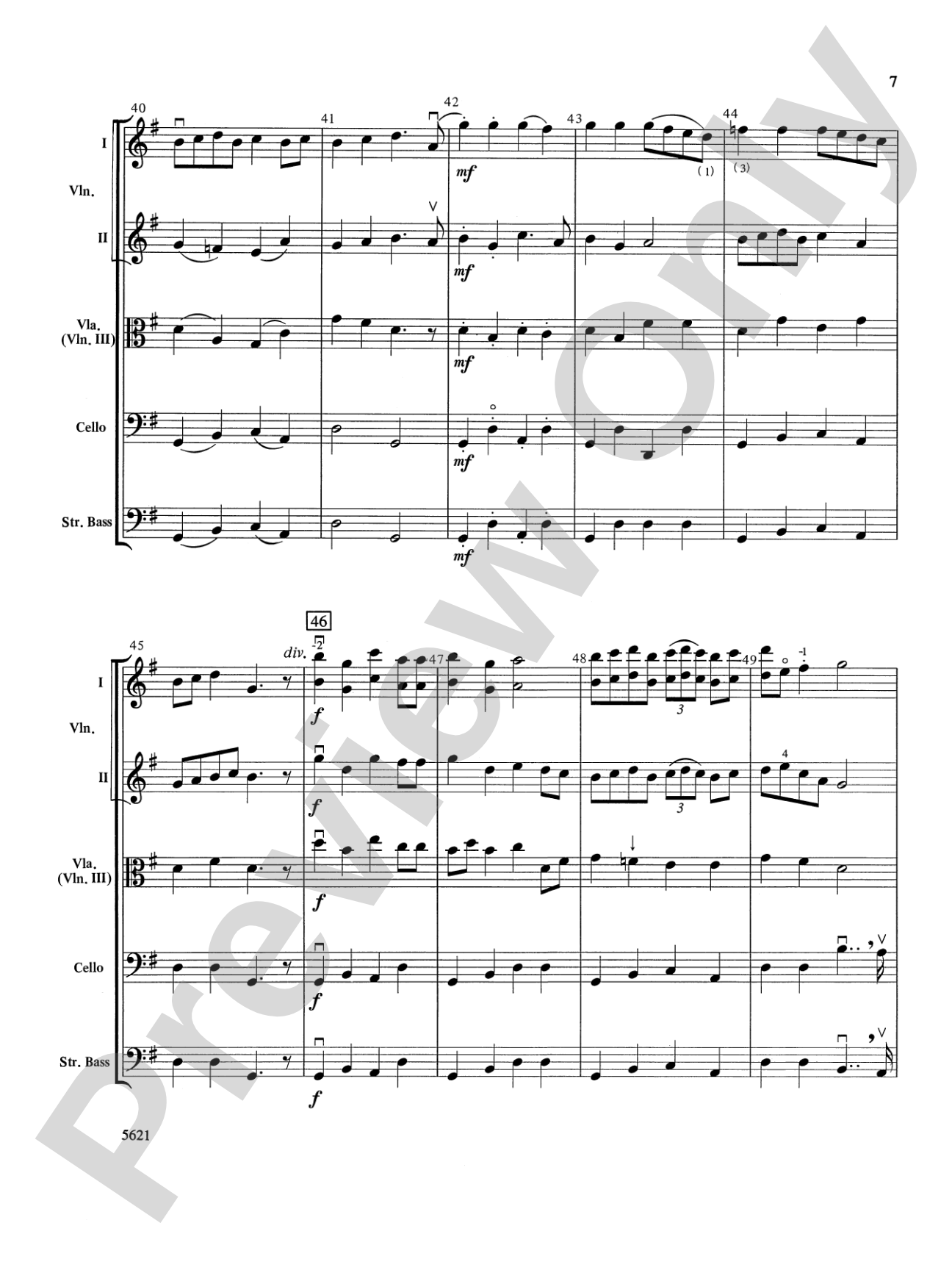
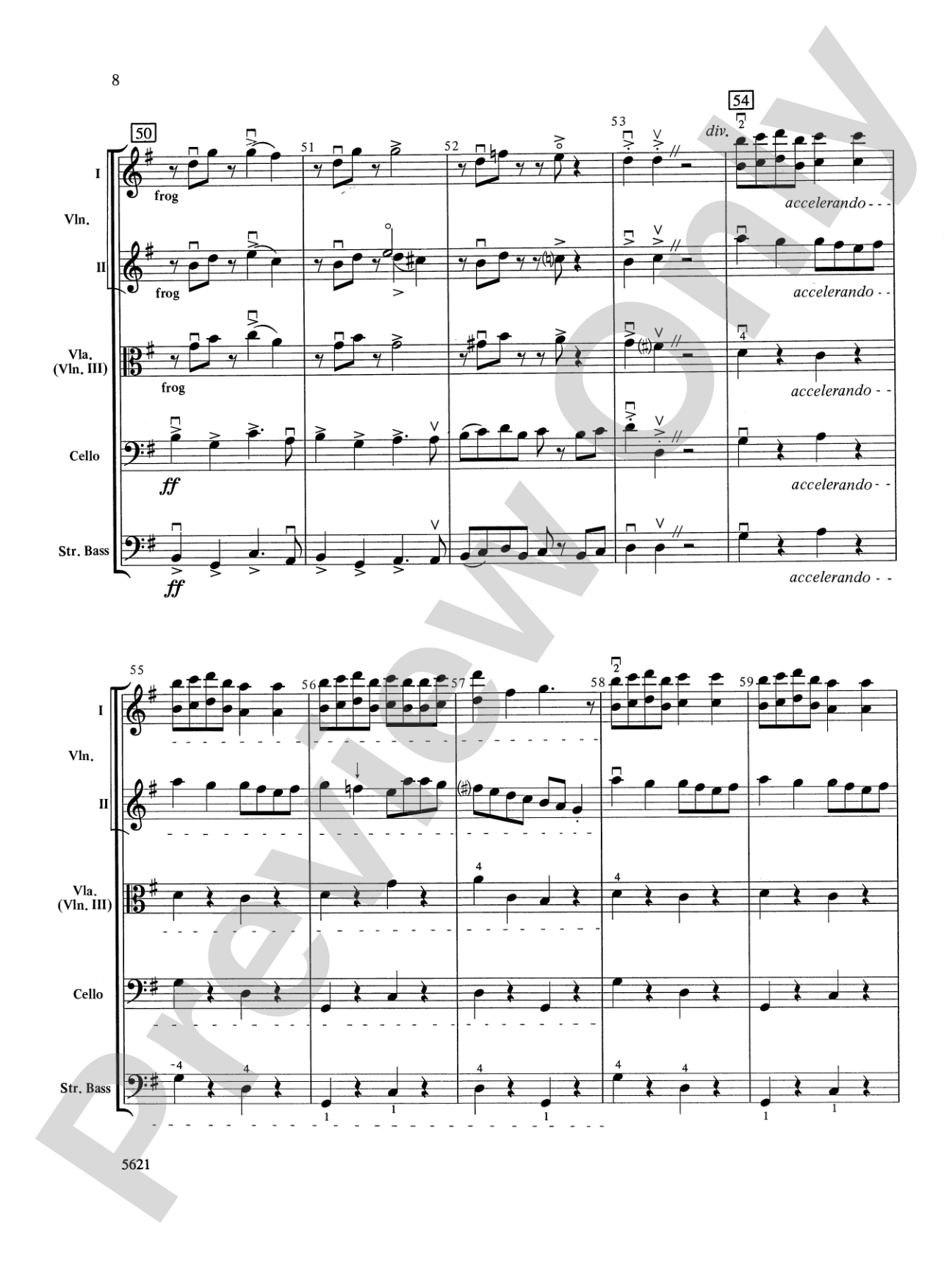
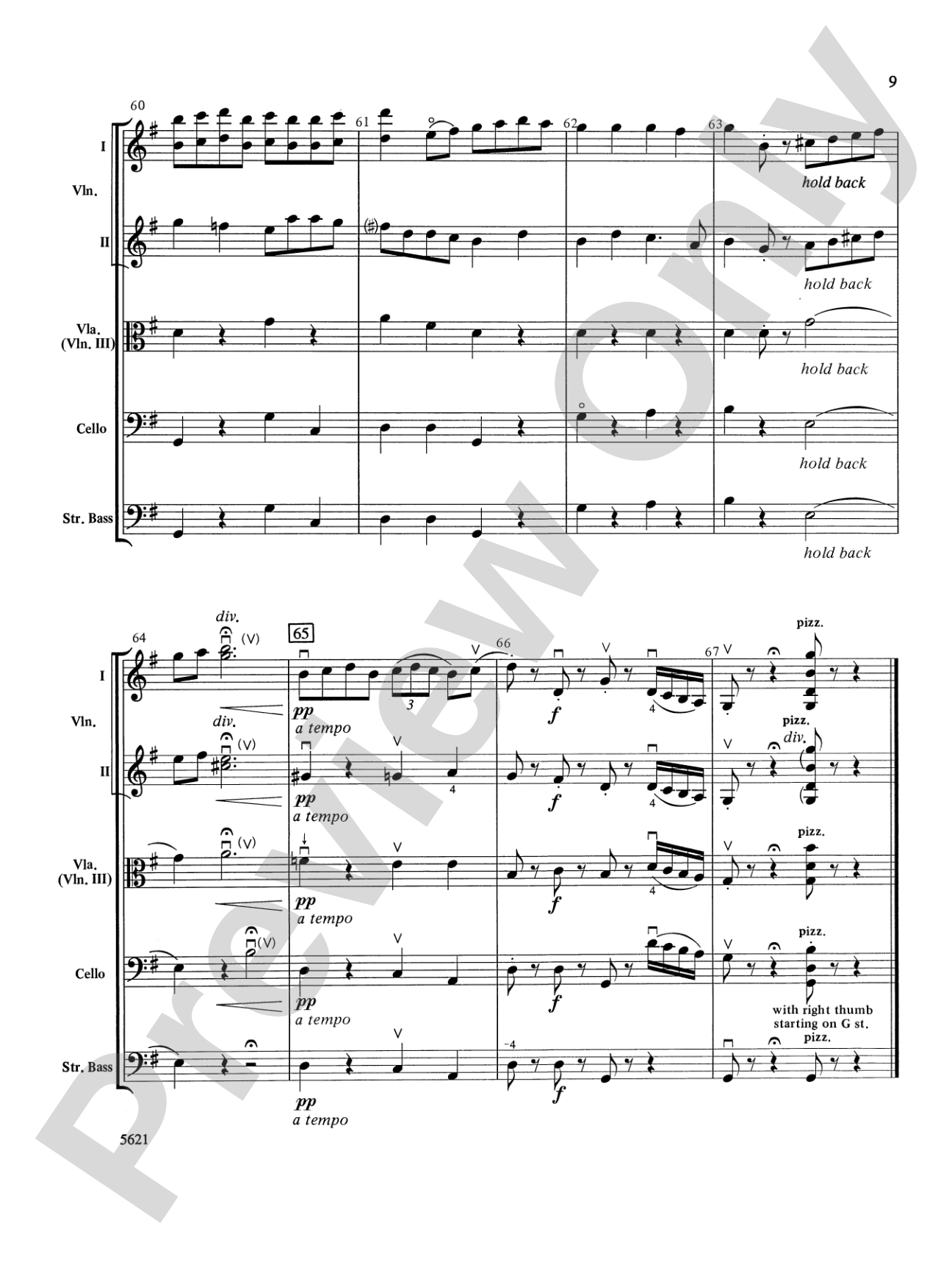




Shepherds Hey (an English Morris Dance): Score
An English Morris Dance
By Percy Aldridge Grainger / arr. Harry Alshin
Grade: 3
Item: 00-PR-0001874
$9.00
Pickup currently not available
Description
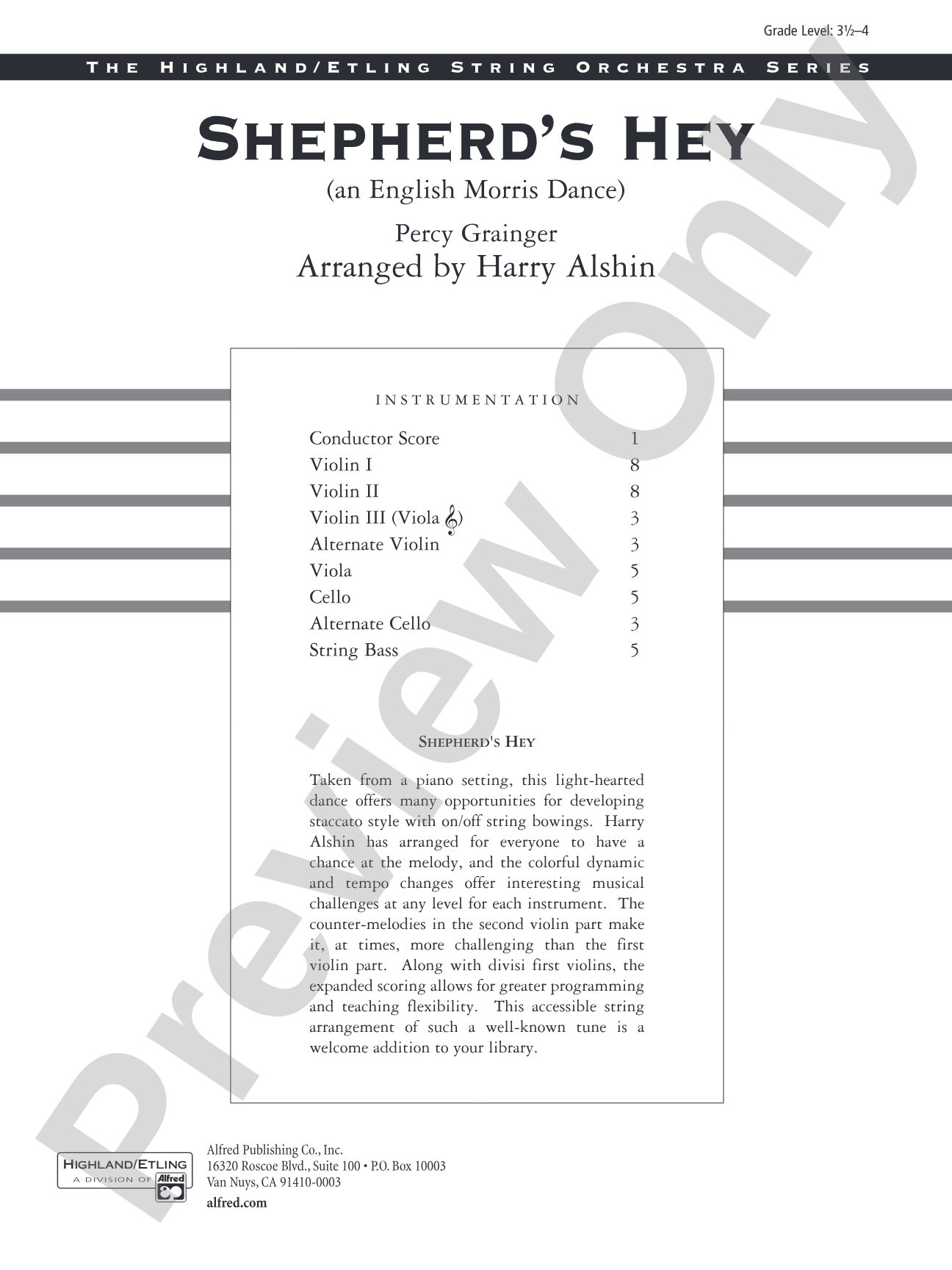
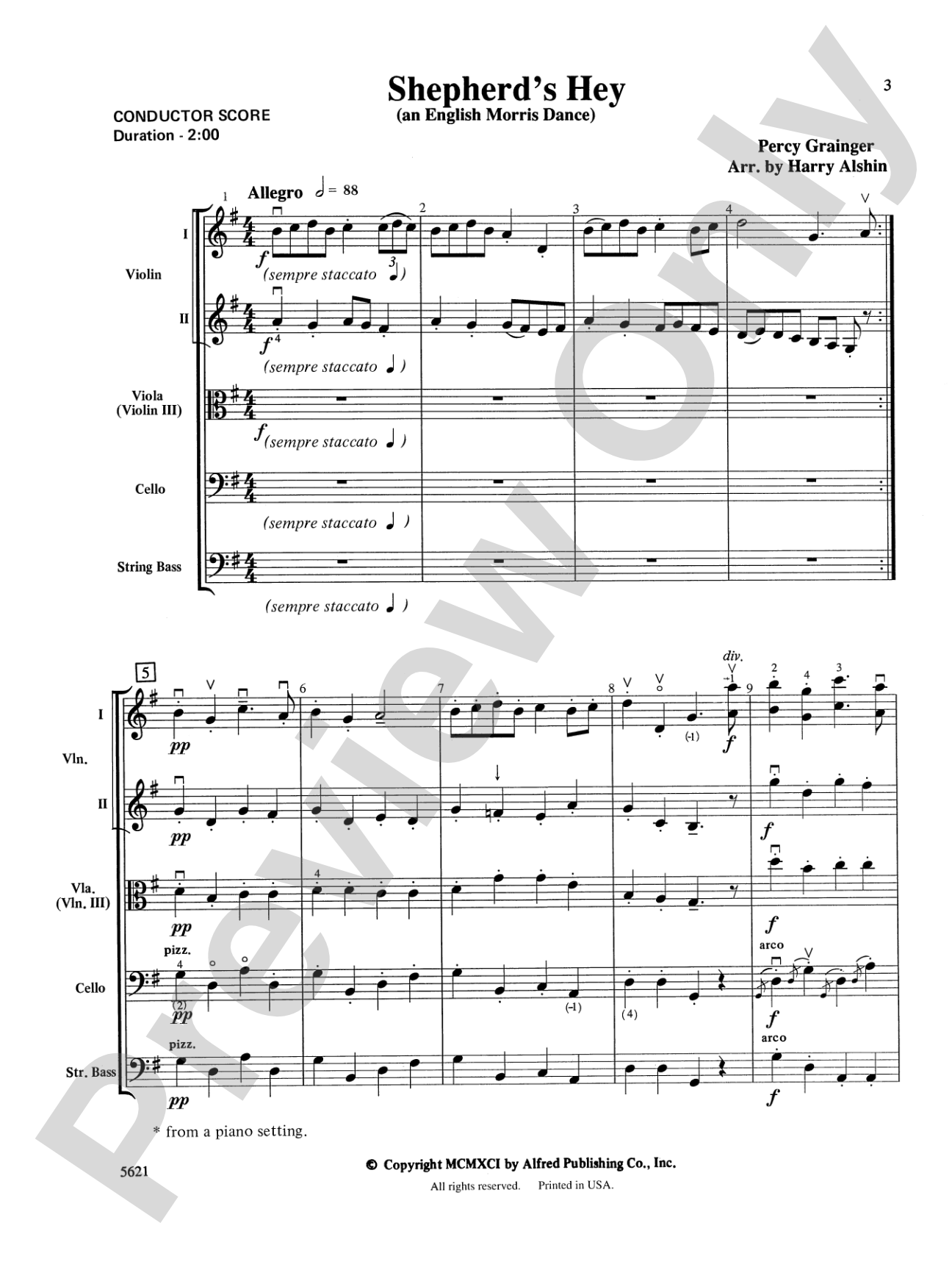
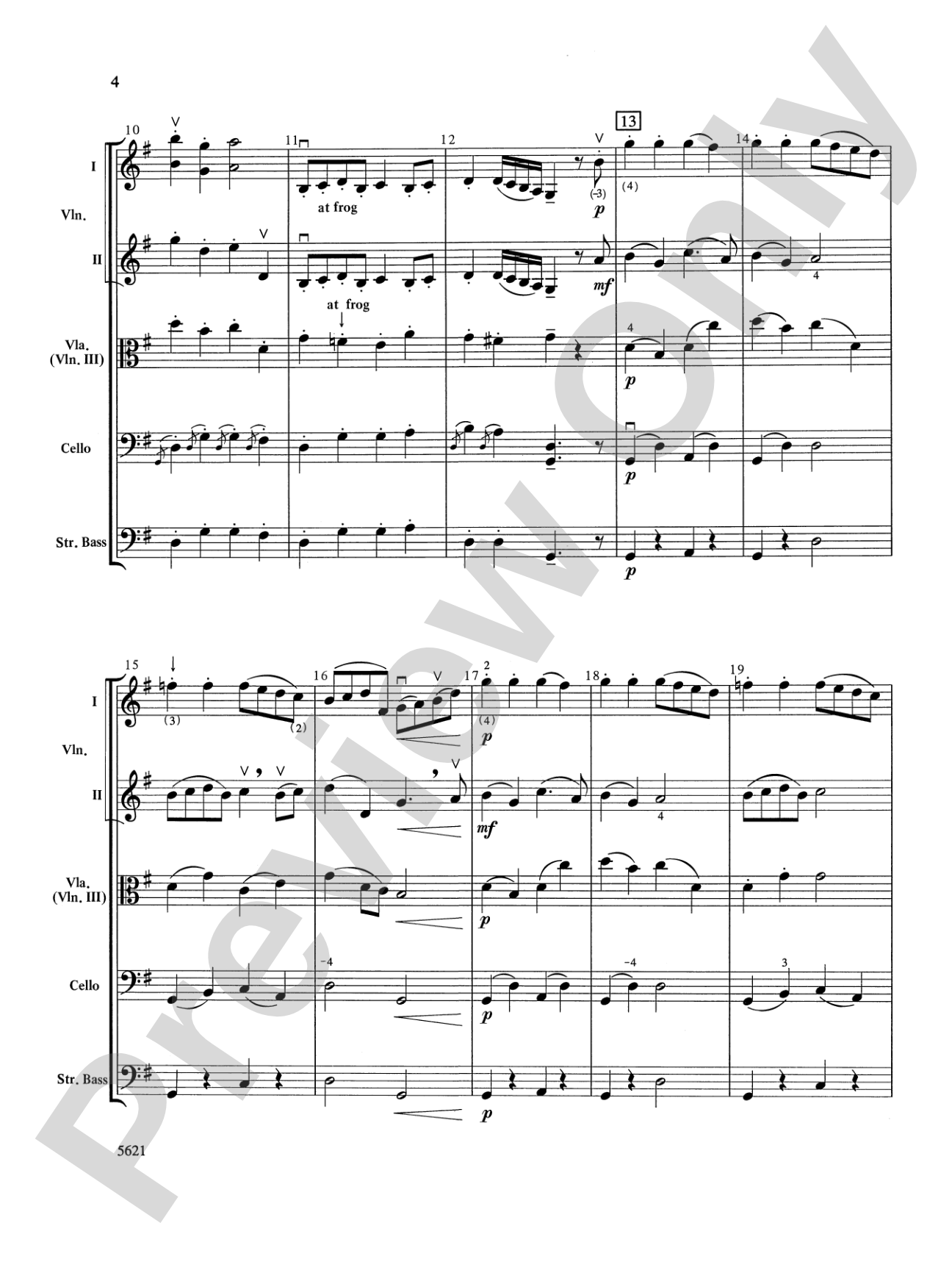
Taken from a piano setting, the accessible string arrangement of this lighthearted dance offers many opportunities for student development of staccato style with on/off string bowings. Alshin's arrangement allows each instrument to play the melody, offering colorful dynamic and tempo changes for any level student.


Don't just read it, hear it, play along with it, and watch your students grow with it. In MakeMusic Cloud, Shepherds Hey (an English Morris Dance): Score comes alive with professional accompaniment, adjustable tempo, and built-in practice tools that turn solo practice into real progress.
Open in the Player
Jump straight in and assign it today.
Start Your Free Trial
Open this title and explore the full library in minutes.
Sample Audio
No sample audio found.
Sample Video
No sample videos found.
Additional Details
Series:
Highland/Etling String Orchestra
Publisher:
Alfred Music
Page Count:
80
SKU:
00-PR-0001874
More about this title
About the Composer: Percy Aldridge Grainger
Percy Aldridge Grainger (1882–1961) was an Australian-born composer and pianist who became a champion of folk music and unconventional orchestration. His arrangements of traditional melodies, particularly English and Scandinavian dances, remain foundational to string orchestra repertoire because they honor the source material while creating fresh instrumental colors and technical challenges for young players.
Grainger's approach to arranging prioritized accessibility without sacrificing musical substance. He believed students deserved engaging, danceable music that developed both technique and musicianship. Shepherds Hey exemplifies this philosophy, transforming a morris dance into a vehicle for learning stylistic variety and ensemble balance.
Why we love this
Alshin's arrangement captures what makes Grainger's work so teachable: the melody rotates through the ensemble so every section gets to lead, dynamic and tempo variations keep rehearsals lively, and the staccato-and-legato demands build bow control without feeling like etude work. String directors at the Grade 3 level rarely find pieces this musically rewarding that still allow developing players to shine.
What to expect
Shepherds Hey bounces with the energy of an outdoor celebration. The melody skips lightly through the ensemble like dancers passing a torch, with moments of gentle swing and playful dynamic shaping that remind listeners this is music meant to move feet and lift spirits.
Who it's for
String orchestras working at the Grade 3 level, particularly those ready to tackle stylistic independence and bow articulation. This arrangement suits ensembles preparing for both concert and festival settings, where a charming, technically solid piece performs well and generates positive student experience.
How to get the most out of it
- Isolate the staccato passages in early rehearsals by having students play on the string with a quick bow stroke, then gradually add the lift-off motion. The contrast between bouncing and sustained bowing creates the dance's rhythmic lift.
- When the melody passes to a new section, highlight the handoff by having the outgoing instrument taper slightly and the entering section enter with gentle clarity. This makes the rotation transparent to an audience.
- Treat the tempo and dynamic shifts as structural moments, not accidents. A slight broadening before a key change or a sudden softening helps the ensemble hear the form and reinforces ensemble listening.
- Balance the tutti passages by checking that inner voices don't overwhelm the melody. In a folk dance arrangement, clarity of line matters more than blended sound.
How to use it
Program this early in a concert to establish an upbeat, approachable tone, or pair it with other folk-based arrangements to build a thematic set. It also works well as a confident closer for a student showcase, since the piece lets each section have a moment in the spotlight without demanding virtuosic display.
Skills your students will build
- Staccato bowing with precise on/off string control
- Passing melodic lines cleanly between sections
- Dynamic shaping and tempo flexibility within a single piece
- Maintaining rhythmic buoyancy in a dance-based context
- Listening for balance when multiple sections play simultaneously