

Shepherd Of The Stars: Choral Instrumental Pak
By Joseph M. Martin / By Robert Sterling
Item: 35-PK00236035
$65.00
Pickup currently not available
Buy Extra Parts (Digital PDF Download)
Parts Added to Cart!
Description
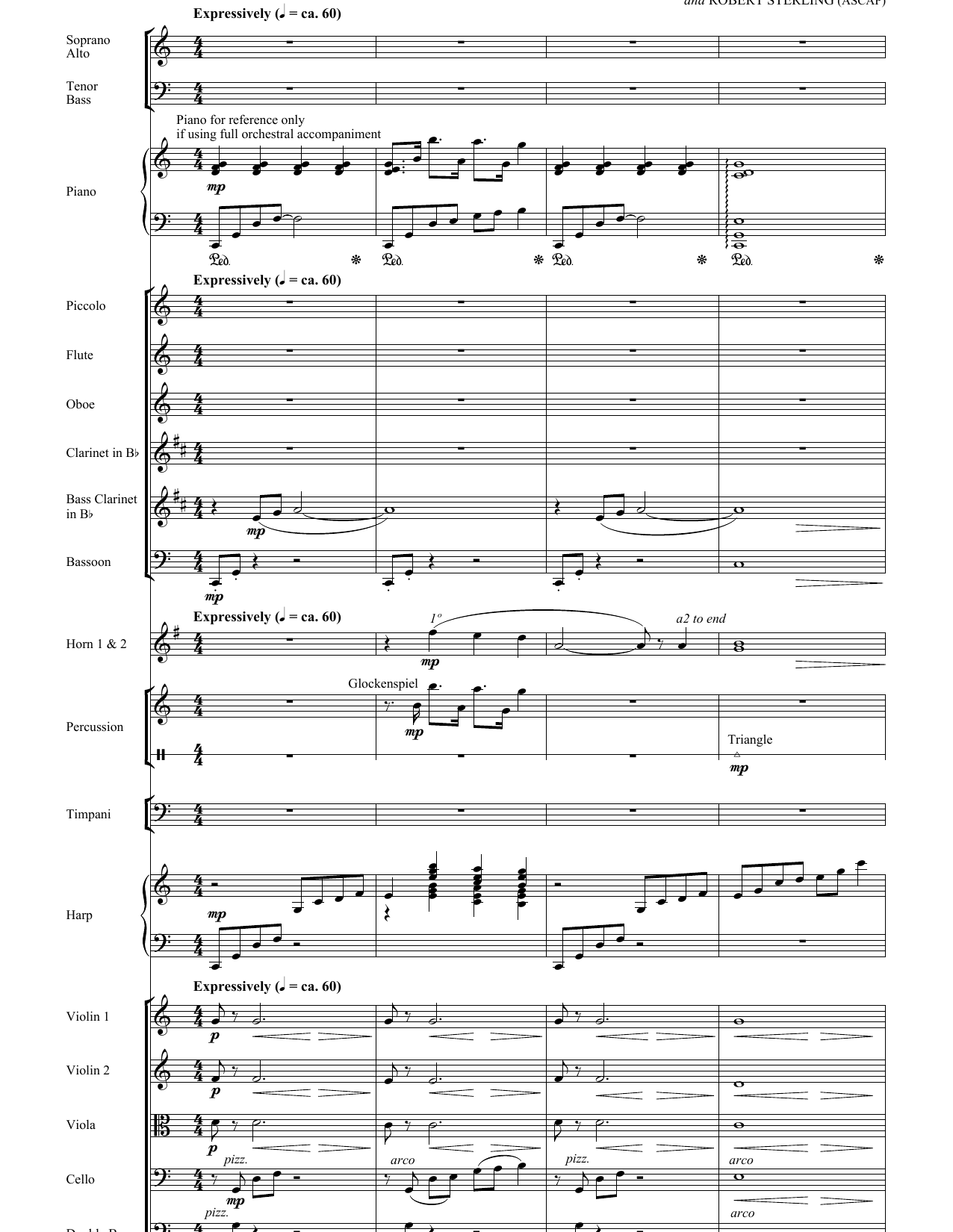
This anthem is a sacred tone poem shining with the light of hope. Illuminated with the warmth of a rich harmonic syntax, this singular choral is refreshing to the ears and spiritually encouraging to the heart. The lush and colorful orchestration creates a sound track to this message of divine faithfulness. Duration: ca. 2:49.


Shepherd Of The Stars: Choral Instrumental Pak isn't in MakeMusic Cloud just yet...but it could be. Let us know you'd like to see it, and you'll help shape what comes next. In the meantime, start a free trial and dive into thousands of interactive titles your students can play along with today.
Request This Title
Tell us you want it.
Start Your Free Trial
Explore everything that's ready to play right now.
Sample Audio
No sample audio found.
Sample Video
No sample videos found.
Additional Details
Publisher:
Hal Leonard
SKU:
35-PK00236035
More about this title
About the Composer: Joseph M. Martin

Joseph M. Martin studied piano performance at Furman University and earned his master's degree from the University of Texas at Austin, where he later taught in the Piano Pedagogy Department for five years. A accomplished concert pianist, he has performed solo recitals across the United States and Mexico, and won the Nina Plant Wideman Competition, which led to a featured performance with the Guadalajara Symphony Orchestra. His work spans from concert halls like Carnegie Hall to worship spaces throughout North America, reflecting his deep commitment to both art music and sacred music traditions.
Martin's compositional voice draws from his dual expertise in classical piano and church music. He continues to compose and arrange for diverse venues and ensembles, surprising listeners with the breadth of his musical output. Based in Austin, Texas, he remains active as both a performer and creator, balancing recital appearances with arrangements and original works for worship and concert settings.
Why we love this
Martin crafts this piece with genuine spiritual depth rather than sentimentality, letting rich harmonies carry the message of faithfulness without overselling the emotion. The orchestration gives your ensemble a soundtrack that feels cinematic and cohesive, allowing singers to sit comfortably in the harmonic tapestry rather than fight against thin accompaniment. At under three minutes, it fits naturally into any service or concert without requiring extended rehearsal time for complex musical or technical demands.
What to expect
The piece radiates quiet confidence and warmth, wrapping listeners in lush sonorities that suggest divine presence without resorting to bombast. Its harmonic language feels modern yet accessible, creating an intimate spiritual moment that lingers after the final note.
Who it's for
This anthem serves choirs of intermediate to advanced ability who want sacred music with harmonic sophistication and orchestral polish. It works equally well for traditional church music programs and concert choirs seeking repertoire that feels both contemporary in sound and theologically grounded.
How to get the most out of it
- Let the orchestration breathe by resisting the urge to push the choir's volume in the upper passages; the lush colors beneath will carry the text.
- Shape phrases through harmonic movement rather than metric accents, which keeps the tone poem feeling reflective and spacious.
- Balance the blend between voice parts carefully during rich harmonic sections, as doubled notes and added colors can muddy ensemble clarity if one section dominates.
How to use it
Program this as the centerpiece of an Advent or Epiphany service where you want to establish a contemplative mood while affirming hope. It also works as a concert piece that bridges between traditional and contemporary sacred repertoire, especially when paired with works that explore similar themes of light and faithfulness.
Skills your students will build
- Singing sustained lines through rich harmonic progressions without losing pitch or blend
- Shaping lyrical phrases based on harmonic rhythm rather than text stress
- Balancing ensemble sound when multiple voice parts carry primary melodic material
- Responding to orchestral cues and following conducted entrances with precision