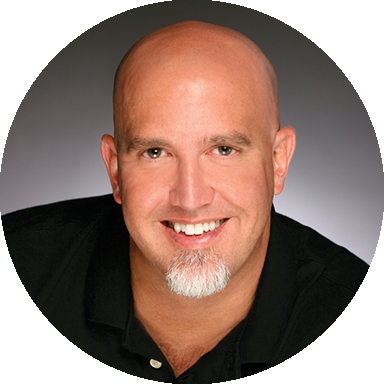
Greg Gilpin brings decades of choral expertise to his work as a composer, arranger, and conductor. His credentials span prestigious venues including Carnegie Hall, Lincoln Center, and the Sydney Opera House, while his ASCAP awards recognize his significant contributions to choral music. As Director of Educational Choral Publications for Shawnee Press, Gilpin combines his performance experience with a deep understanding of what works in the rehearsal room.
Beyond the concert stage, Gilpin has expanded his creative reach into film scoring and collaborative projects with internationally recognized singers. His memberships in ACDA, NAfME, and Phi Mu Alpha Sinfonia reflect his ongoing commitment to the choral arts community and music education.
Why we love this
Gilpin's hand on this American folk standard yields an arrangement that honors the tune's meditative quality while giving male voices genuine musical substance. The nine-page score distributes the material thoughtfully across TTBB voicing, avoiding the trap of relegating lower voices to harmonic filler. This is the kind of piece that sounds simple on first read but reveals layers worth discovering in rehearsal.
What to expect
There is a quiet dignity in Shenandoah that asks singers to listen to one another. Gilpin's arrangement captures the river landscape and the longing in the text, creating space for reflection rather than spectacle. The piece unfolds with an intimacy that suits a cappella singing.
Who it's for
Male or mixed voice ensembles seeking a substantial yet accessible arrangement of a canonical American tune. High schools, colleges, and community choirs will find the TTBB voicing flexible enough to accommodate smaller sections or student singers still developing range and confidence.
How to get the most out of it
Balance the melody line carefully so it emerges naturally without pushing; this tune benefits from a conversational tone rather than projection.
Let the piece breathe at phrase endings. The arrangement will feel more spacious and reflective when you resist the urge to rush between sections.
Work the inner voices separately first to ensure they support rather than compete with the sopranos and tenors carrying the primary melodic material.
Consider the vowel shapes in the lower registers; keeping them pure will allow the chords to ring clearly without muddiness.
How to use it
Shenandoah anchors a concert focused on American roots music or folk traditions, whether paired with spirituals, work songs, or contemporary pieces inspired by traditional sources. Its moderate length and accessible difficulty make it ideal for a program opener that sets a contemplative mood before moving into more dramatic works.
Skills your students will build
Sustaining pure vowels across extended phrases
Balancing functional harmony in close voice leading
Listening to inner voices as harmonic support rather than accompaniment
Shaping long-line melodies with text-driven phrasing
A cappella intonation in slow, reflective tempos
You May Also Like
Scan to Complete Your Purchase
Use your phone's camera to scan the code below
You'll log in on your phone and the order will be added to your account