
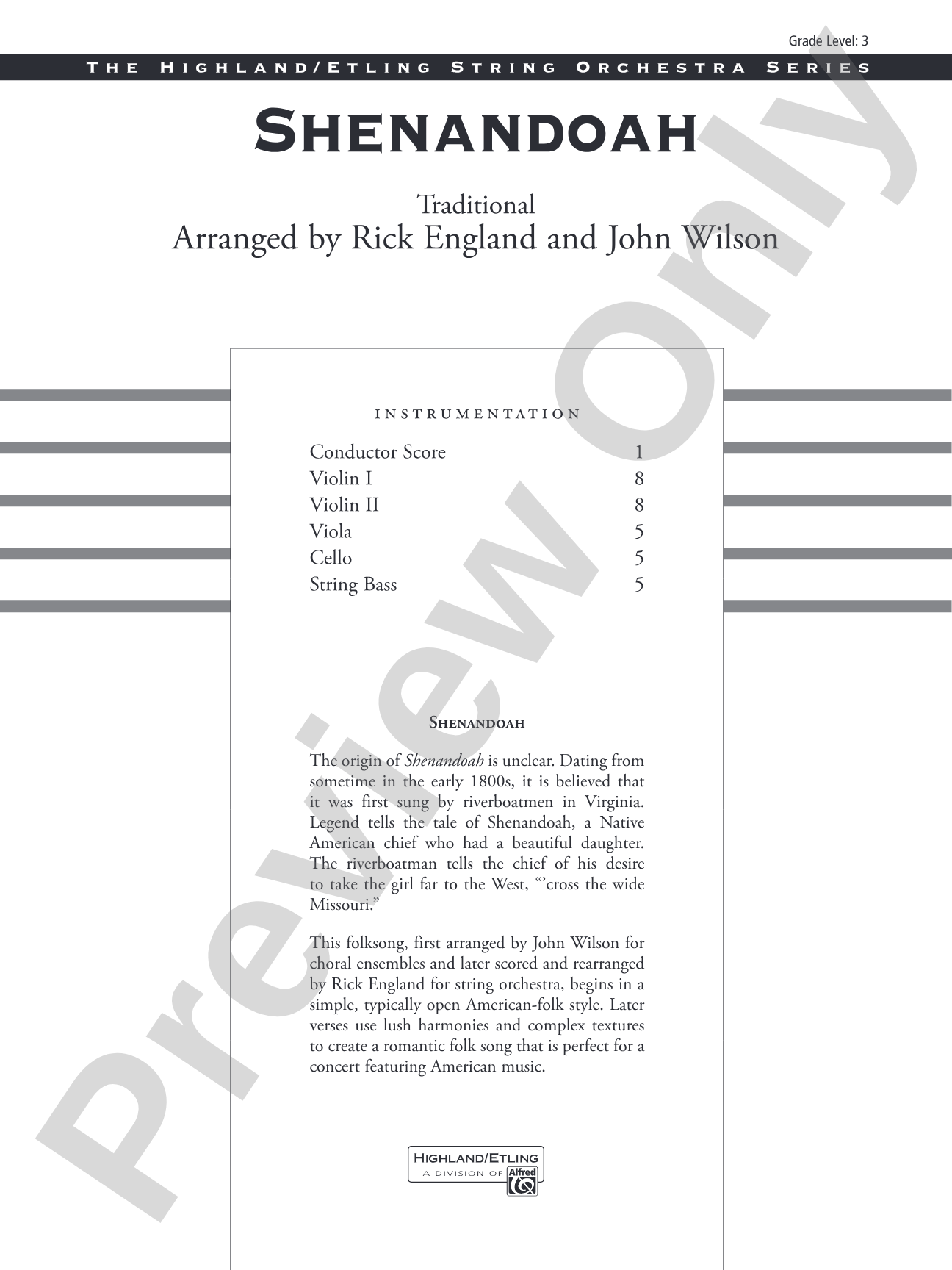


Shenandoah: String Orchestra Conductor Score & Parts
Traditional / arr. Rick England and John Wilson
Grade: 3
Item: 00-PK-0001095

$46.00
Pickup currently not available
Buy Extra Parts (Digital PDF Download)
| Product | Price | Quantity |
|---|---|---|
| Shenandoah: Score | $9.00 | |
| Shenandoah: 1st Violin | $5.99 | |
| Shenandoah: 2nd Violin | $5.99 | |
| Shenandoah: Viola | $5.99 | |
| Shenandoah: Cello | $5.99 | |
| Shenandoah: String Bass | $5.99 |
Parts Added to Cart!
Related Items
Shenandoah: String Orchestra Conductor Score & Parts |
$44.00
|
View |
Description
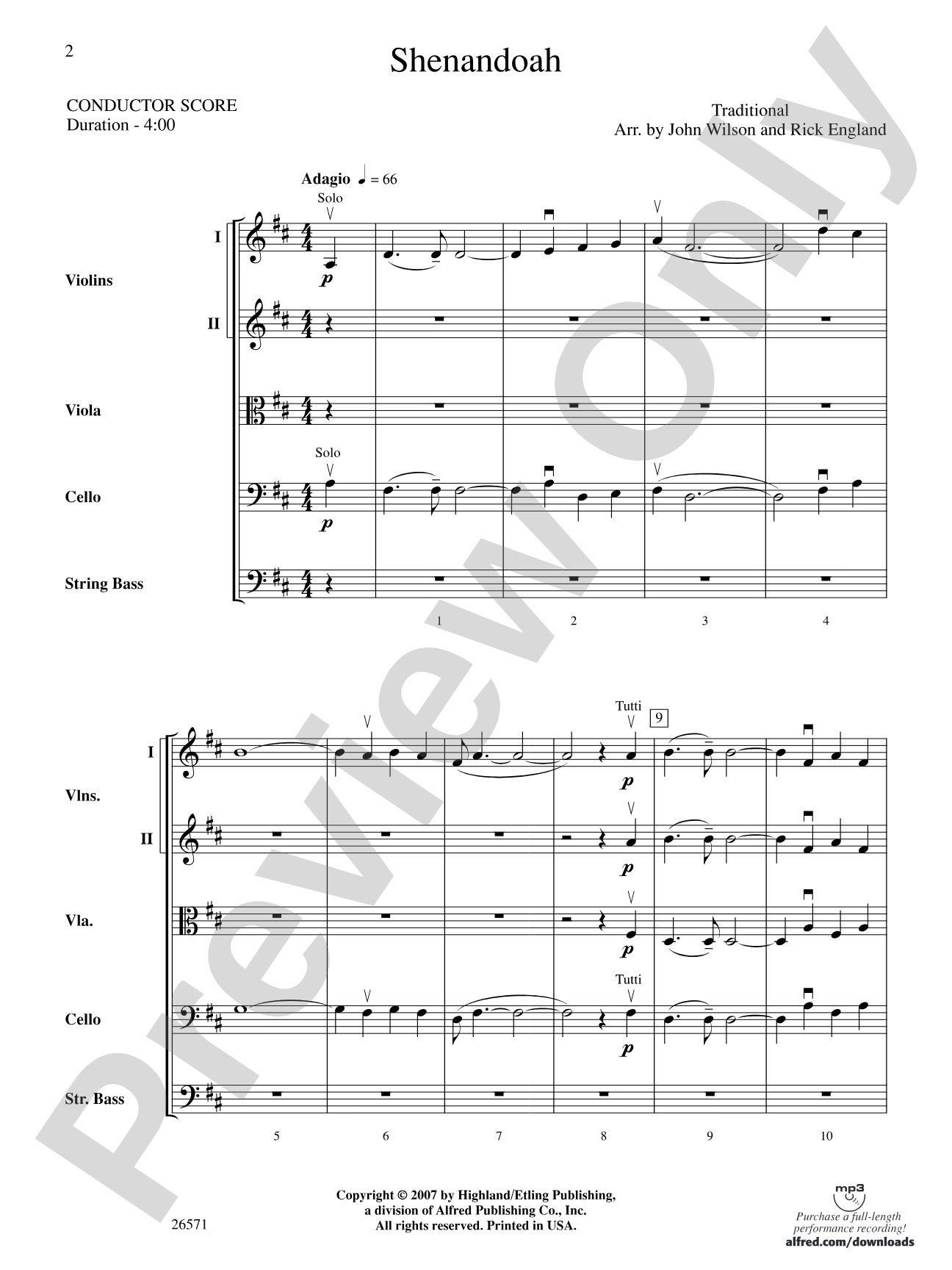
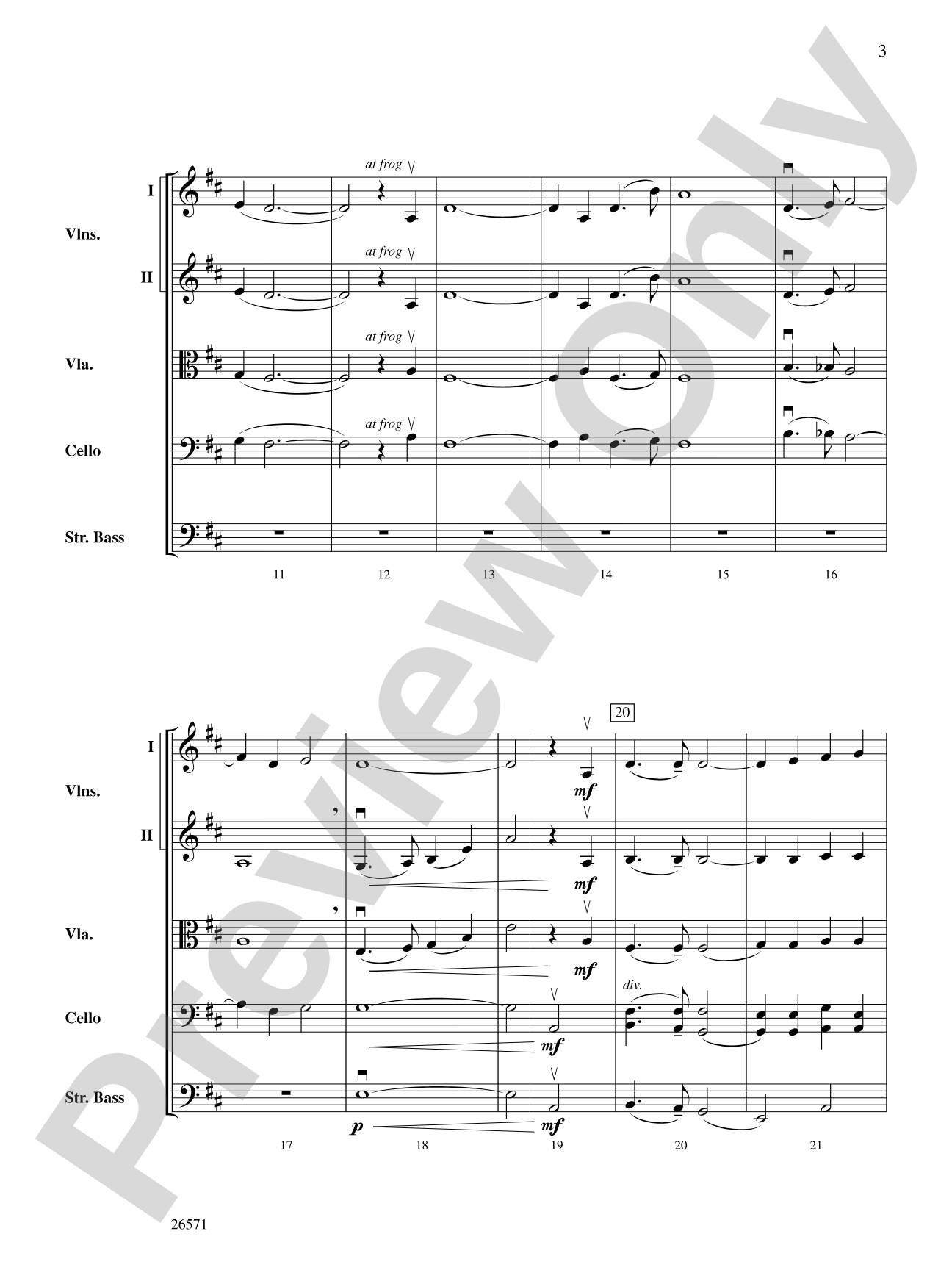
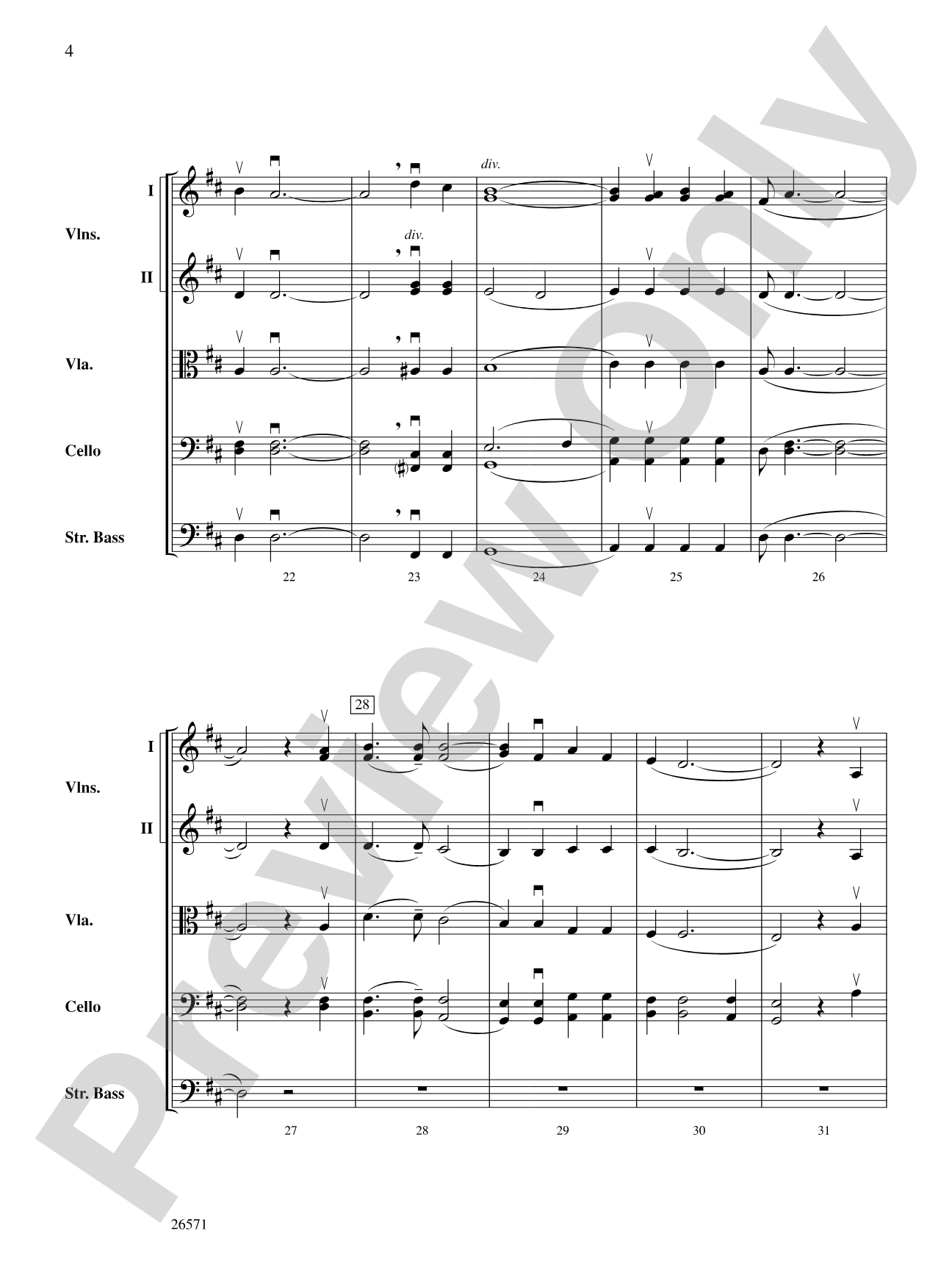
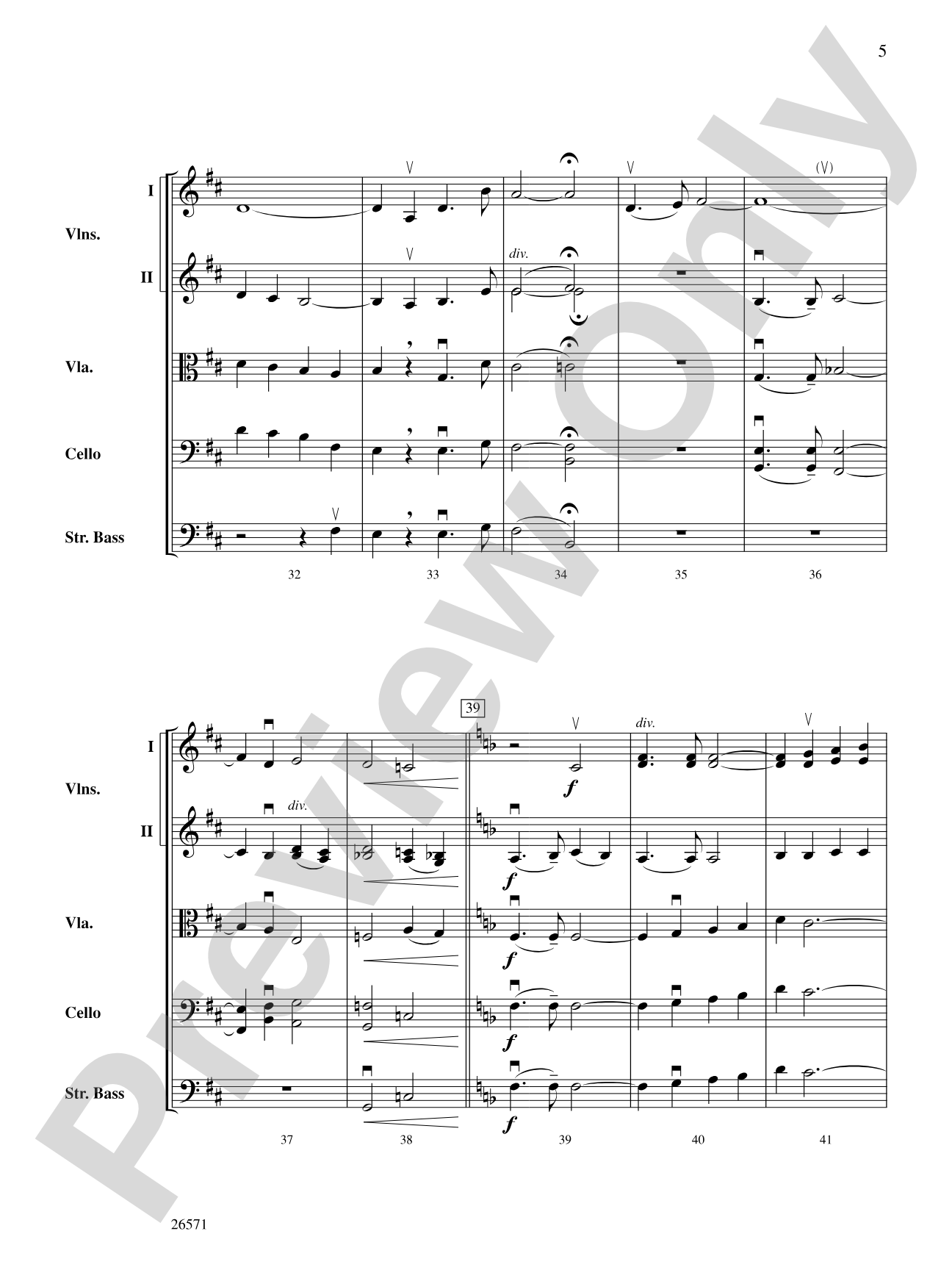
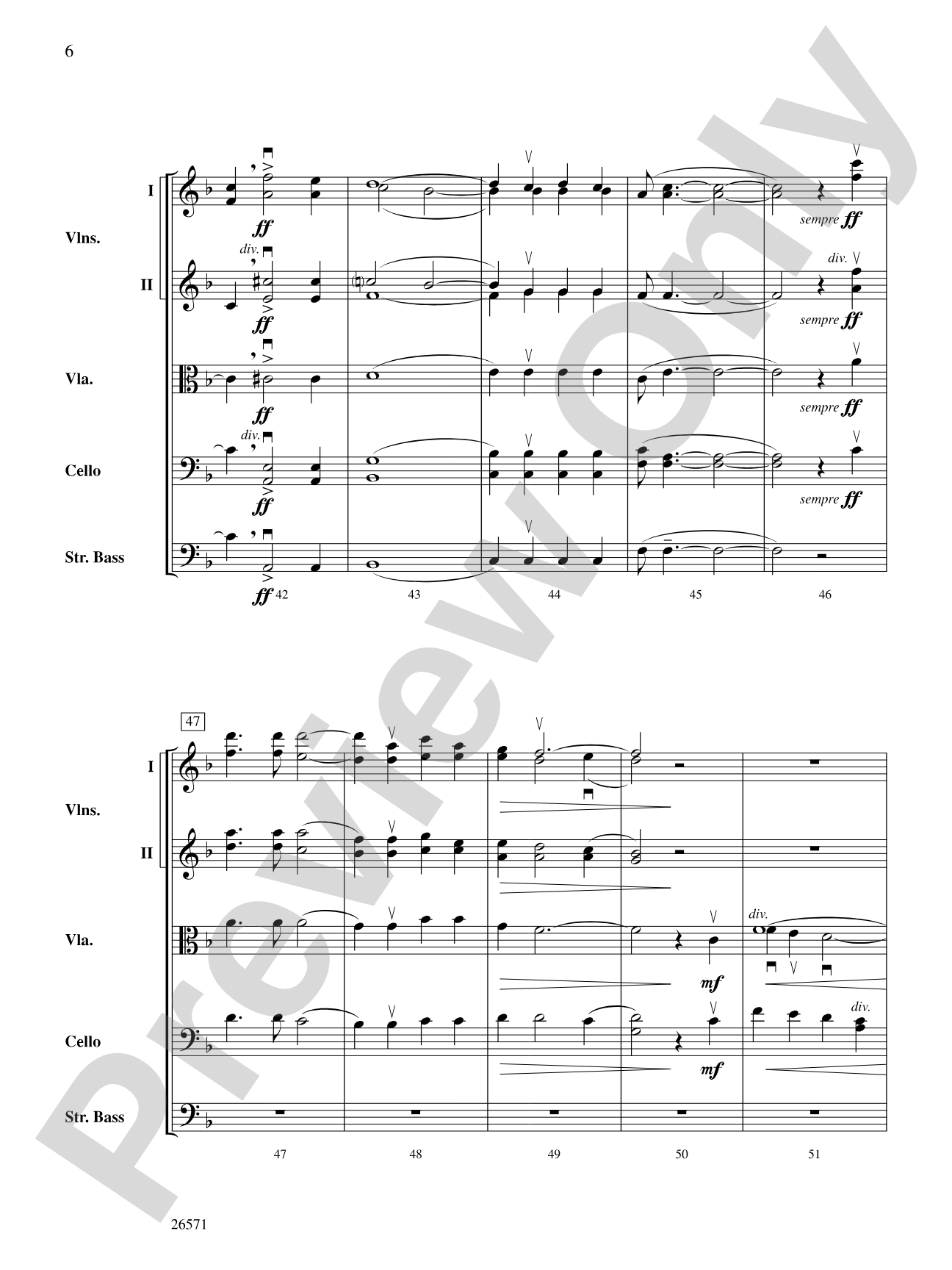
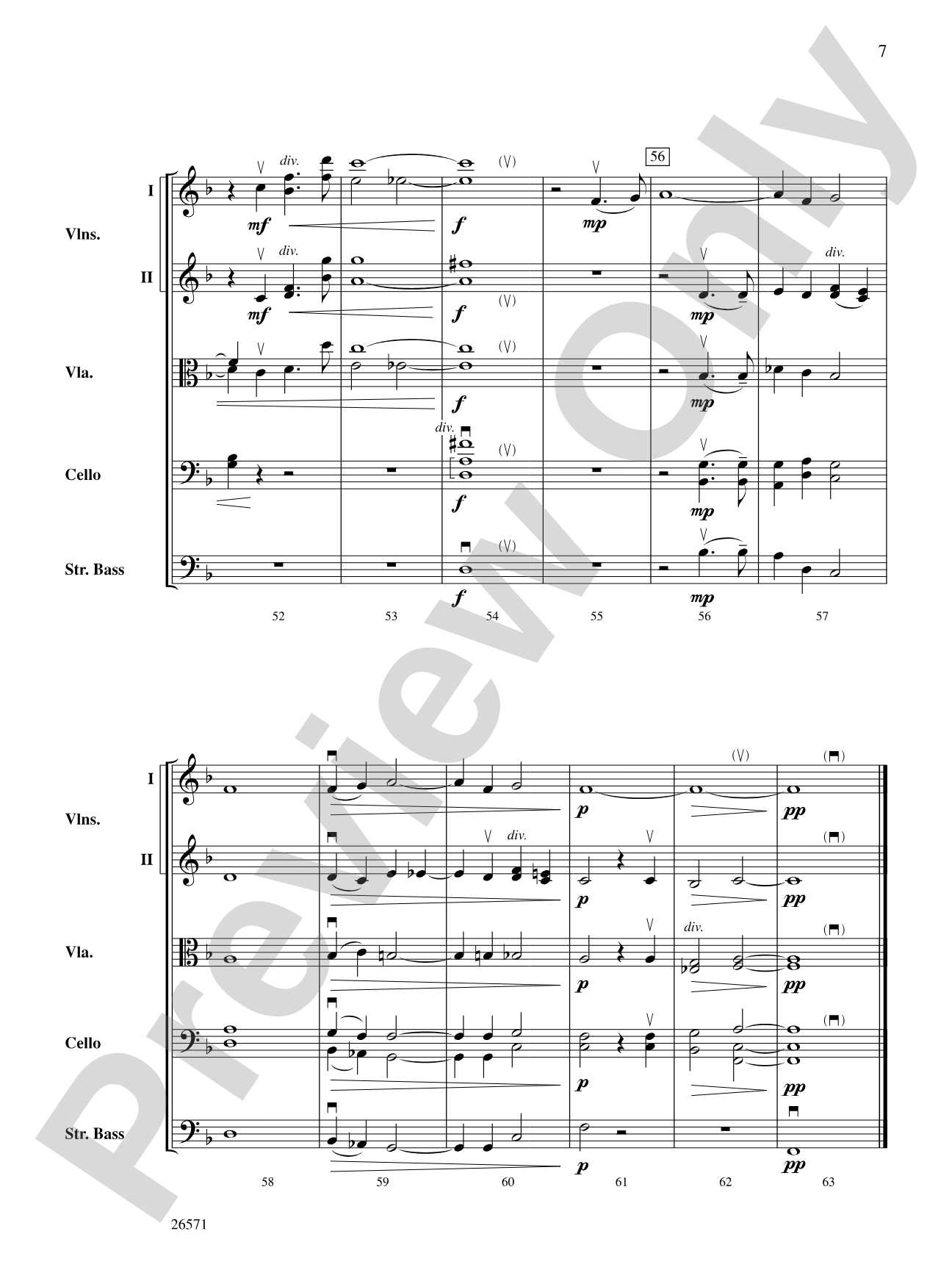
Dating from around the early 1800s, this renowned folk song tells the tale of a riverboatman who longs to take an Indian Chief's beautiful daughter far to the west, 'cross the wide Missouri. This folksong, frequently arranged for choral ensembles, has been newly arranged for string orchestra. It begins very simply and builds into lush harmonies and complex textures to create the perfect romantic selection for any concert. This title is available in MakeMusic Cloud.


Don't just read it, hear it, play along with it, and watch your students grow with it. In MakeMusic Cloud, Shenandoah: String Orchestra Conductor Score & Parts comes alive with professional accompaniment, adjustable tempo, and built-in practice tools that turn solo practice into real progress.
Open in the Player
Jump straight in and assign it today.
Start Your Free Trial
Open this title and explore the full library in minutes.
Sample Audio
1
Audio File
--:--
0:00
0:00
Sample Video
No sample videos found.
Additional Details
Series:
Highland/Etling String Orchestra
Publisher:
Alfred Music
Page Count:
31
SKU:
00-PK-0001095
More about this title
About the Arranger: Rick England
Rick England has built a reputation as a thoughtful arranger for school ensembles, with particular expertise in adapting traditional material for string orchestras. His work emphasizes pedagogical clarity without sacrificing musical sophistication, making him a trusted voice in the Highland/Etling series.
Why we love this
England and Wilson's arrangement respects the melody's folk simplicity while giving string orchestras genuine harmonic and textural depth to explore. The progression from bare opening to rich textures provides a satisfying arc that keeps both players and audiences engaged, and the Grade 3 difficulty makes it accessible without feeling underdeveloped.
What to expect
The opening holds the stillness of longing, spare and intimate. As the arrangement unfolds, rich harmonic layers bloom beneath the ancient melody, creating a sweeping romantic landscape that honors the song's origins while giving it new orchestral life.
Who it's for
String orchestra conductors programming a concert that needs a piece with emotional resonance, broad appeal, and room for interpretive nuance at the intermediate level. Players benefit from experience building textures and dynamics within a familiar melodic framework.
How to get the most out of it
- Balance the melody line carefully in the early, sparse sections so the tune emerges clearly before the harmonies build; avoid letting accompanimental voices muddy the familiar melody that audiences recognize.
- Shape the dynamic growth across the entire piece as a single emotional arc rather than allowing rehearsal sections to feel disconnected; map where the texture thickens and crescendos need to serve that larger trajectory.
- Let the string tone warm and open during the lush harmonic passages without losing articulation clarity in the accompaniment figures that support those textures.
How to use it
This works beautifully as a concert centerpiece that bridges classical programming and folk tradition, or as a contest/festival selection where judges value both accessibility and musical substance. Its emotional weight and growing complexity make it a strong anchor for a program that mixes lighter opening pieces with this more substantial middle selection.
Skills your students will build
- Sustaining phrase shape across changing harmonic textures
- Voicing balance between melody and supporting harmonic lines
- Dynamic control in building from sparse to densely textured passages
- Stylistic interpretation of traditional melody in an expanded orchestral context