
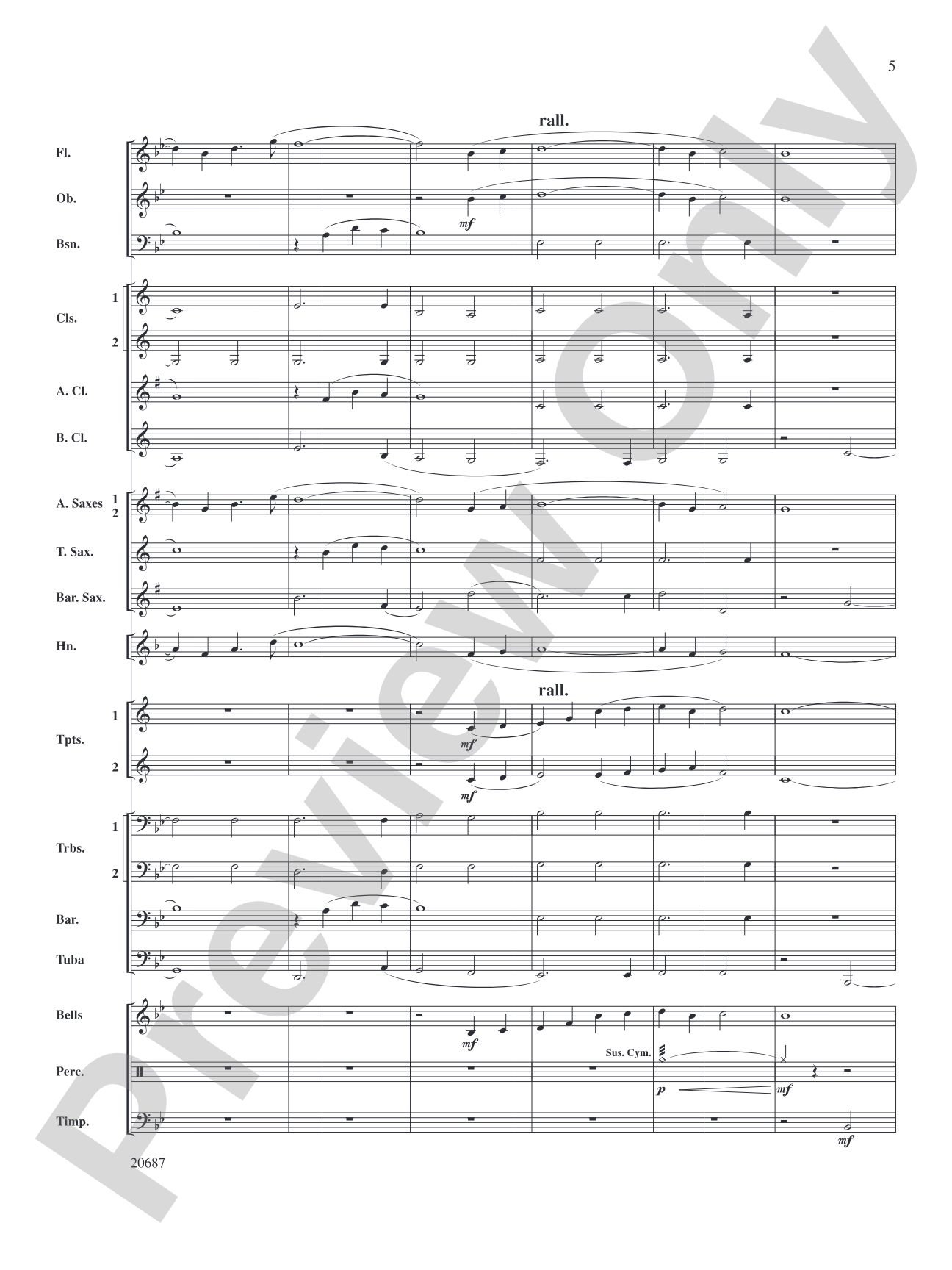
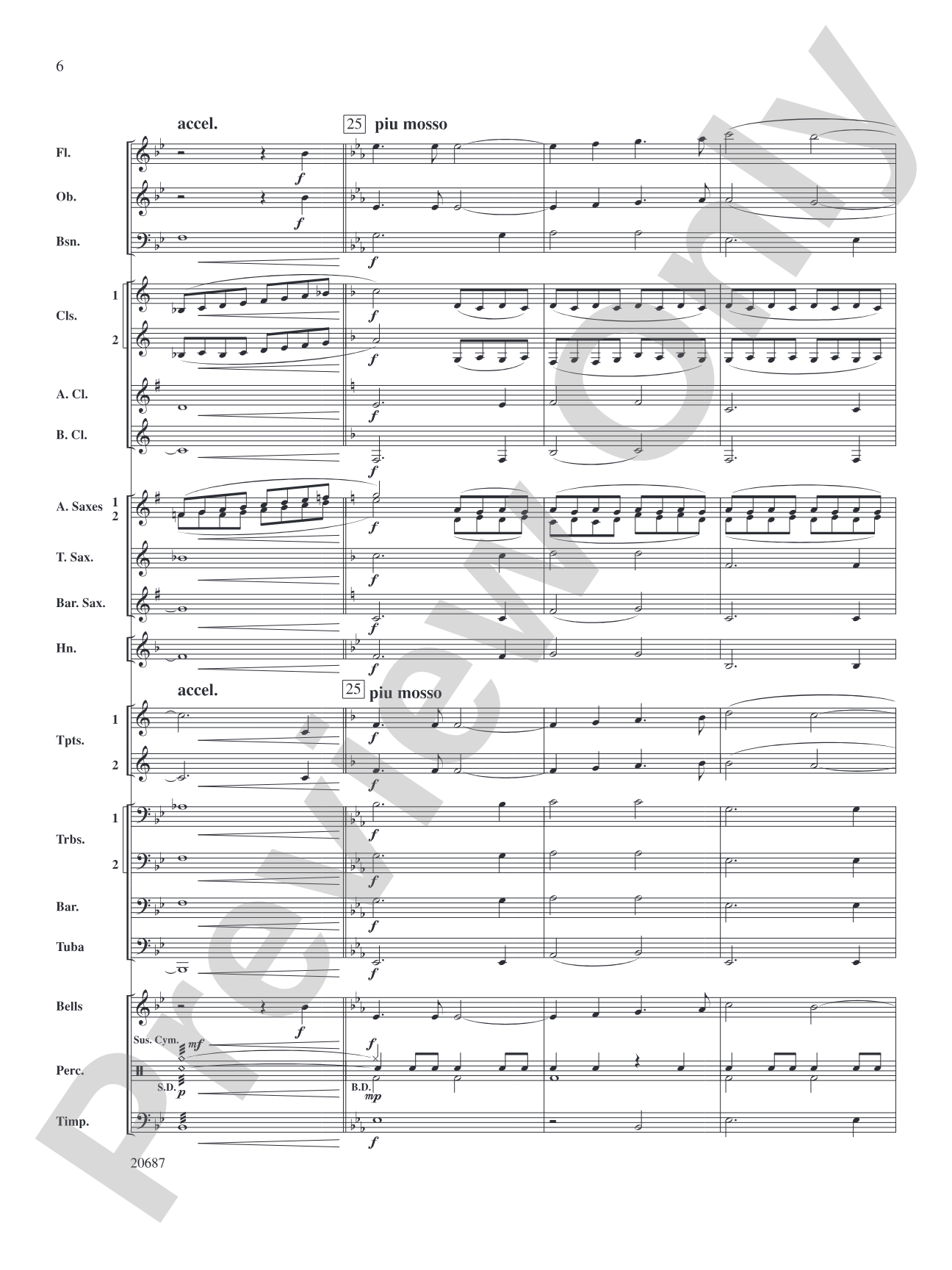
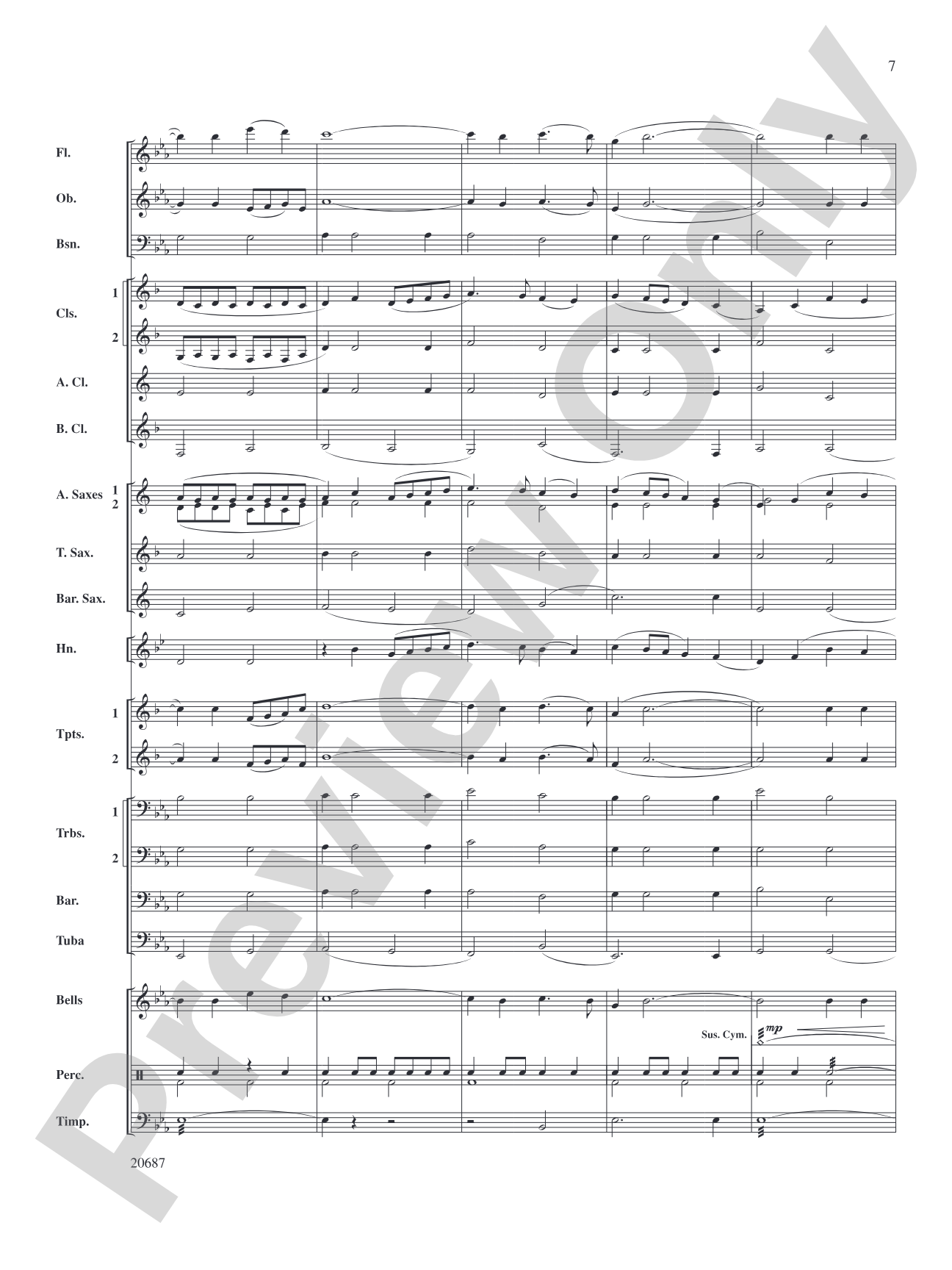
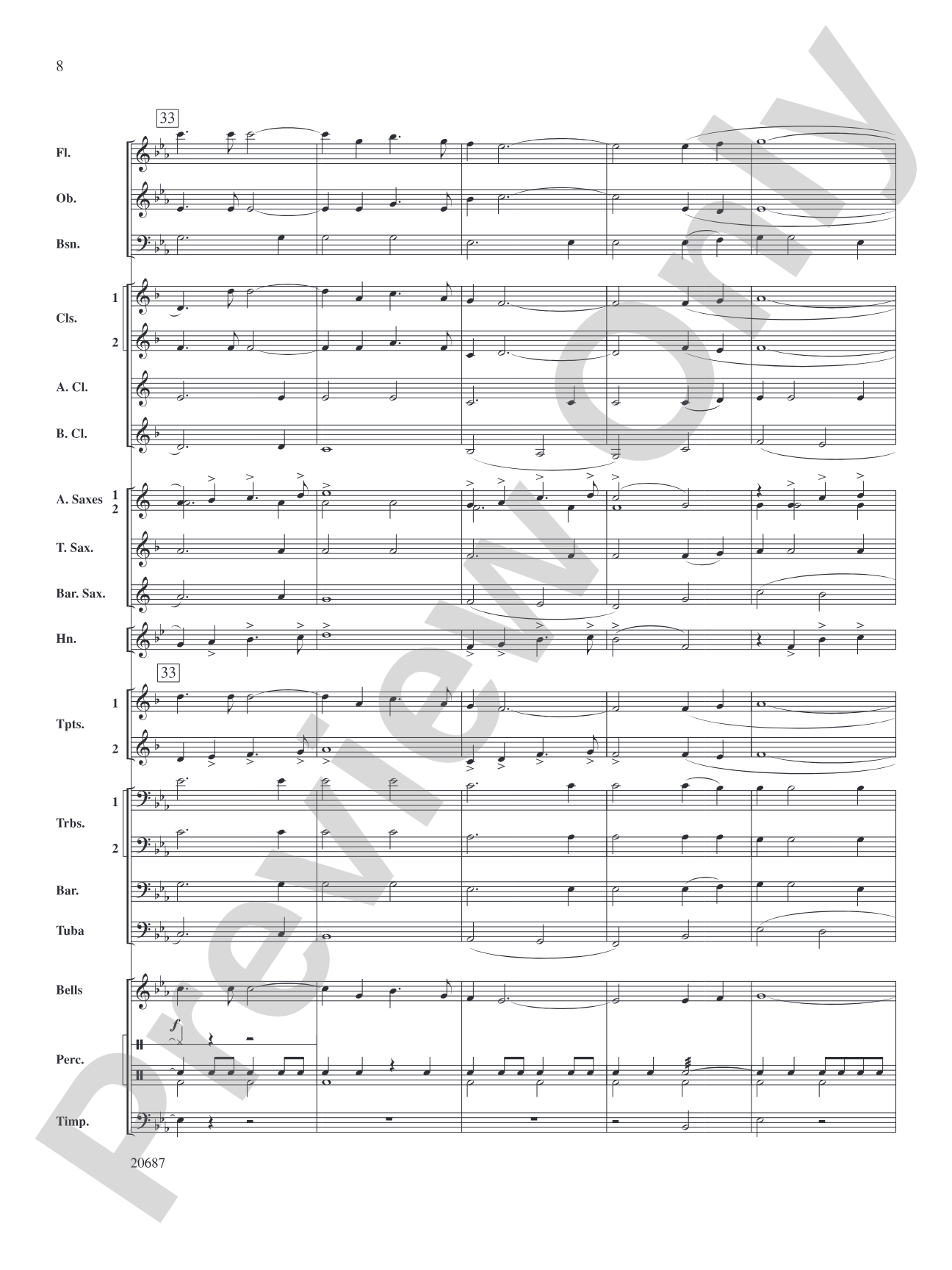
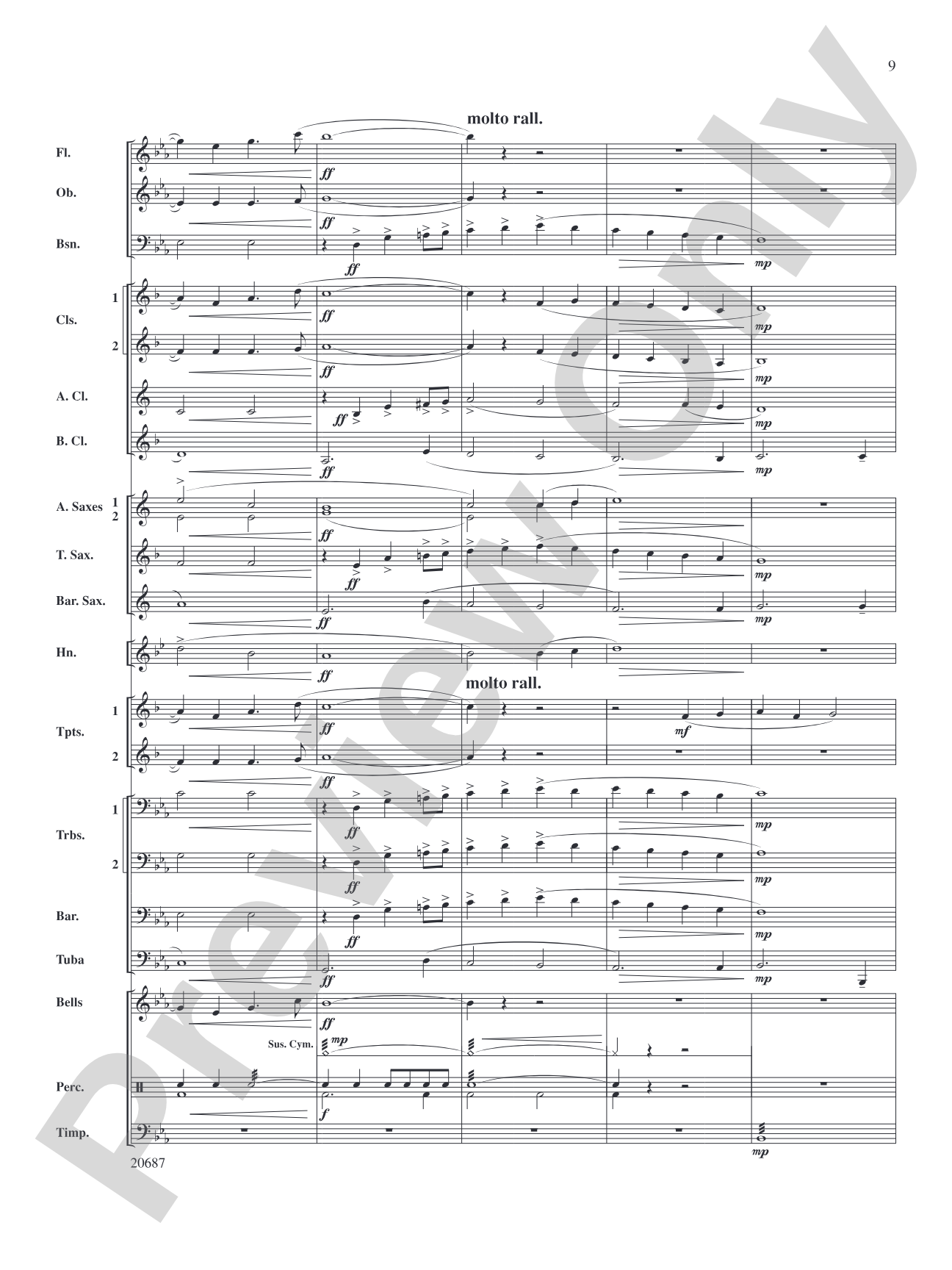
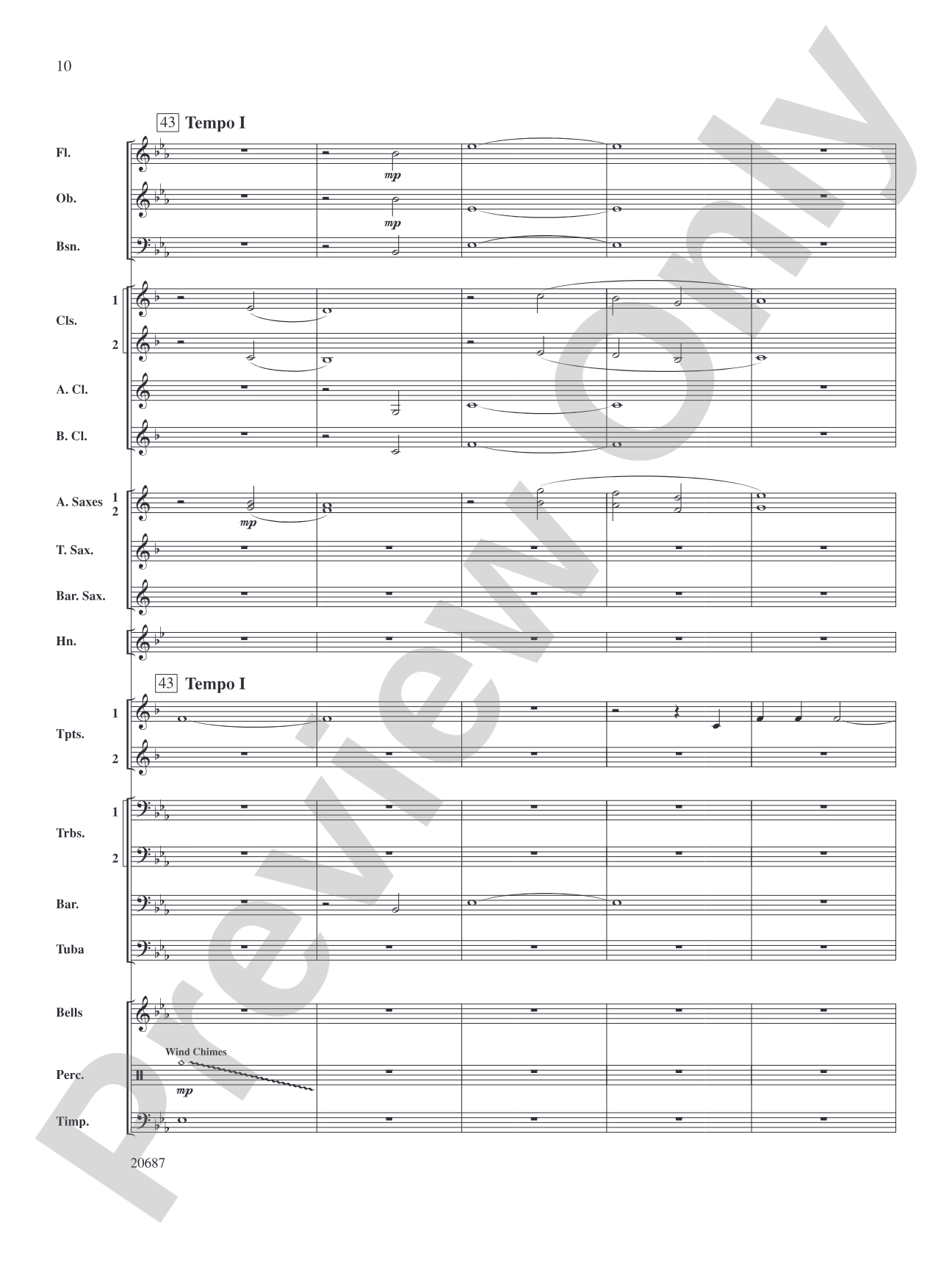
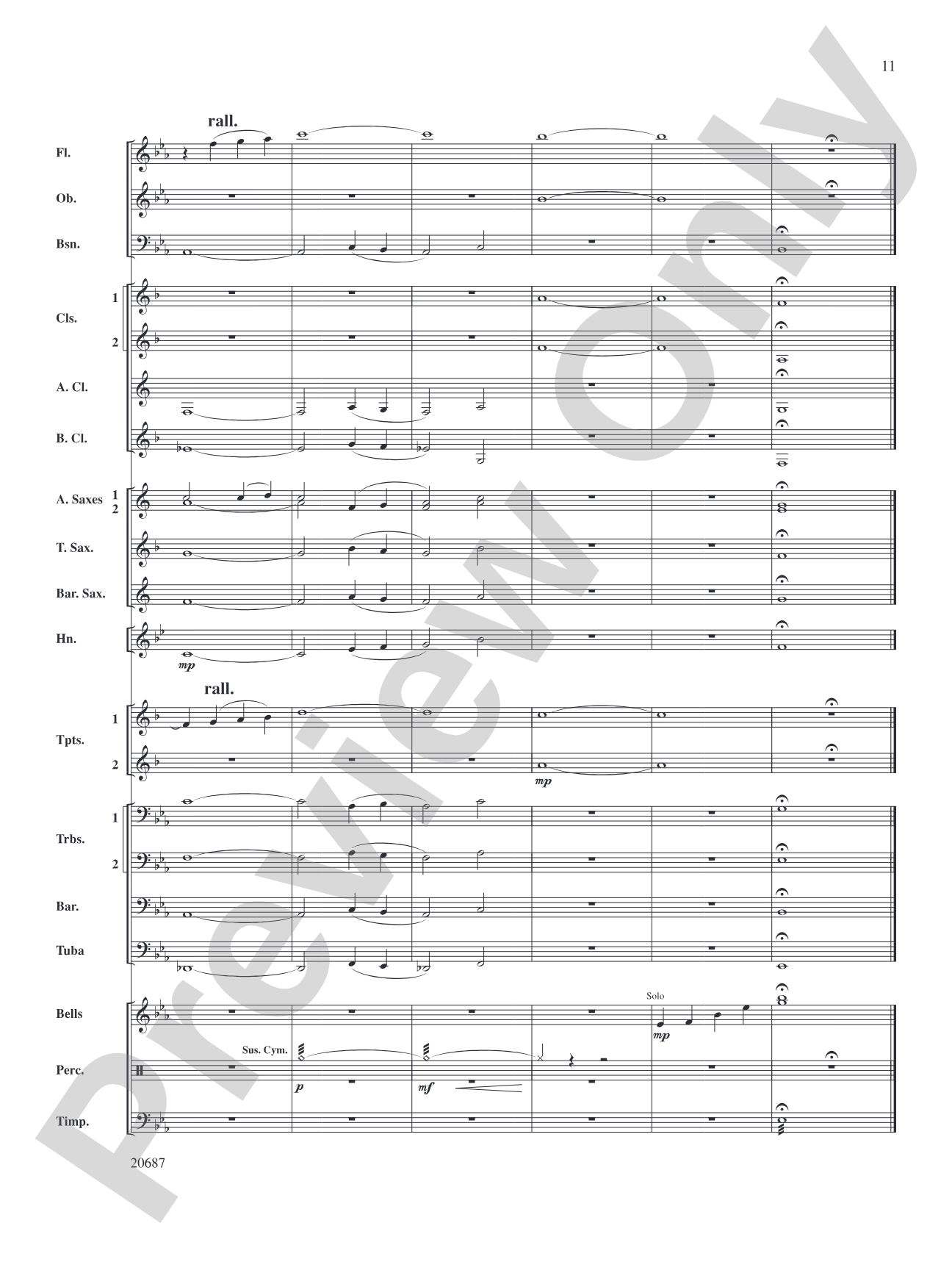

Shenandoah: Concert Band Conductor Score & Parts
Arr. Robert Sheldon
Grade: 2 (Medium Easy)
Item: 00-PK-0000441

$55.00
Pickup currently not available
Buy Extra Parts (Digital PDF Download)
| Product | Price | Quantity |
|---|---|---|
| Shenandoah: Score | $8.00 | |
| Shenandoah: Flute | $3.00 | |
| Shenandoah: Oboe | $3.00 | |
| Shenandoah: Bassoon | $3.00 | |
| Shenandoah: 1st B-flat Clarinet | $3.00 | |
| Shenandoah: 2nd B-flat Clarinet | $3.00 | |
| Shenandoah: E-flat Alto Clarinet | $3.00 | |
| Shenandoah: B-flat Bass Clarinet | $3.00 | |
| Shenandoah: E-flat Alto Saxophone | $3.00 | |
| Shenandoah: 2nd E-flat Alto Saxophone | $3.00 | |
| Shenandoah: B-flat Tenor Saxophone | $3.00 | |
| Shenandoah: E-flat Baritone Saxophone | $3.00 | |
| Shenandoah: 1st B-flat Trumpet | $3.00 | |
| Shenandoah: 2nd B-flat Trumpet | $3.00 | |
| Shenandoah: 1st F Horn | $3.00 | |
| Shenandoah: 1st Trombone | $3.00 | |
| Shenandoah: 2nd Trombone | $3.00 | |
| Shenandoah: Baritone T.C. | $3.00 | |
| Shenandoah: Baritone B.C. | $3.00 | |
| Shenandoah: Tuba | $3.00 | |
| Shenandoah: Bells | $3.00 | |
| Shenandoah: 1st Percussion | $3.00 | |
| Shenandoah: Timpani | $3.00 |
Parts Added to Cart!
Description
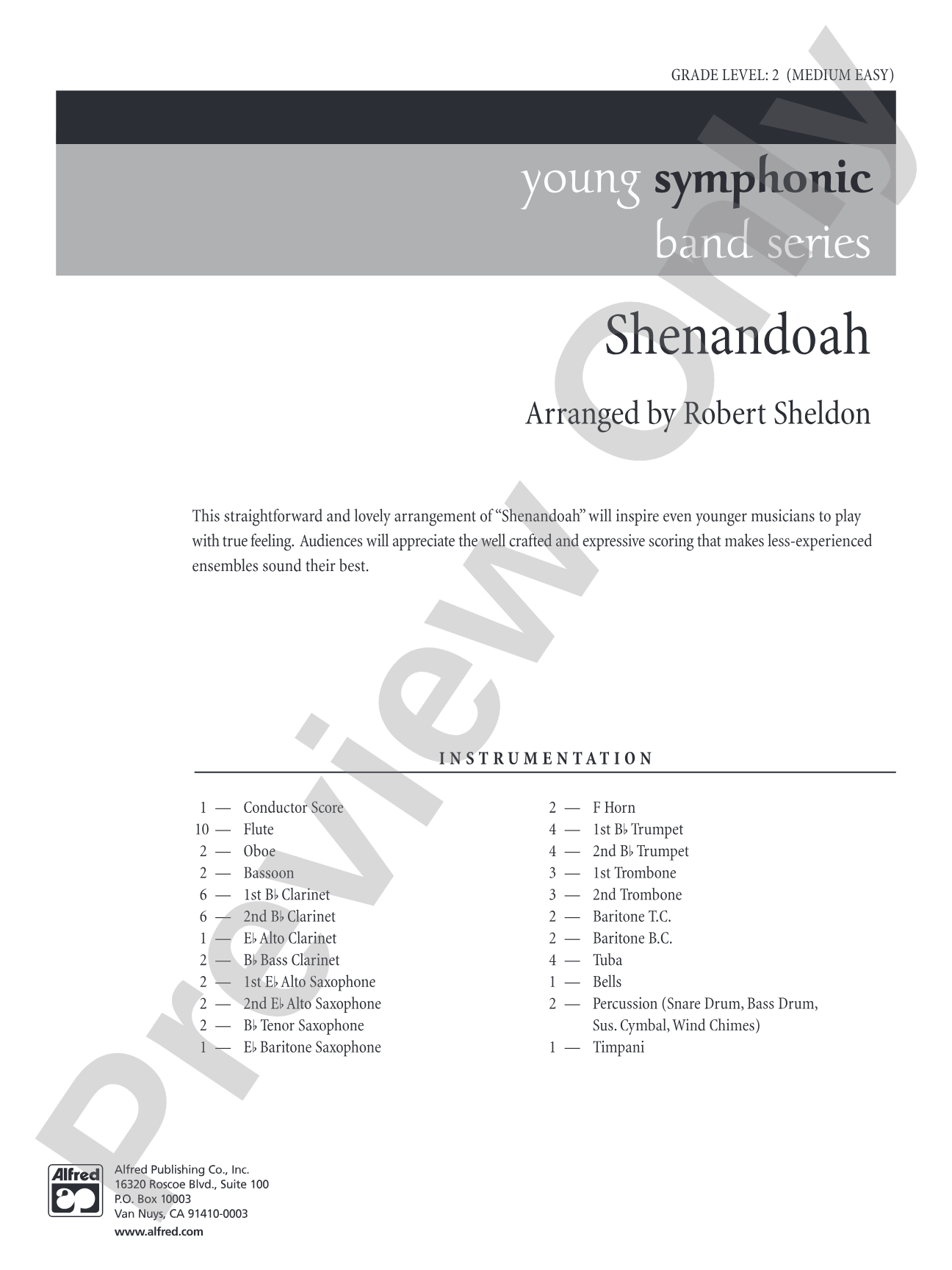
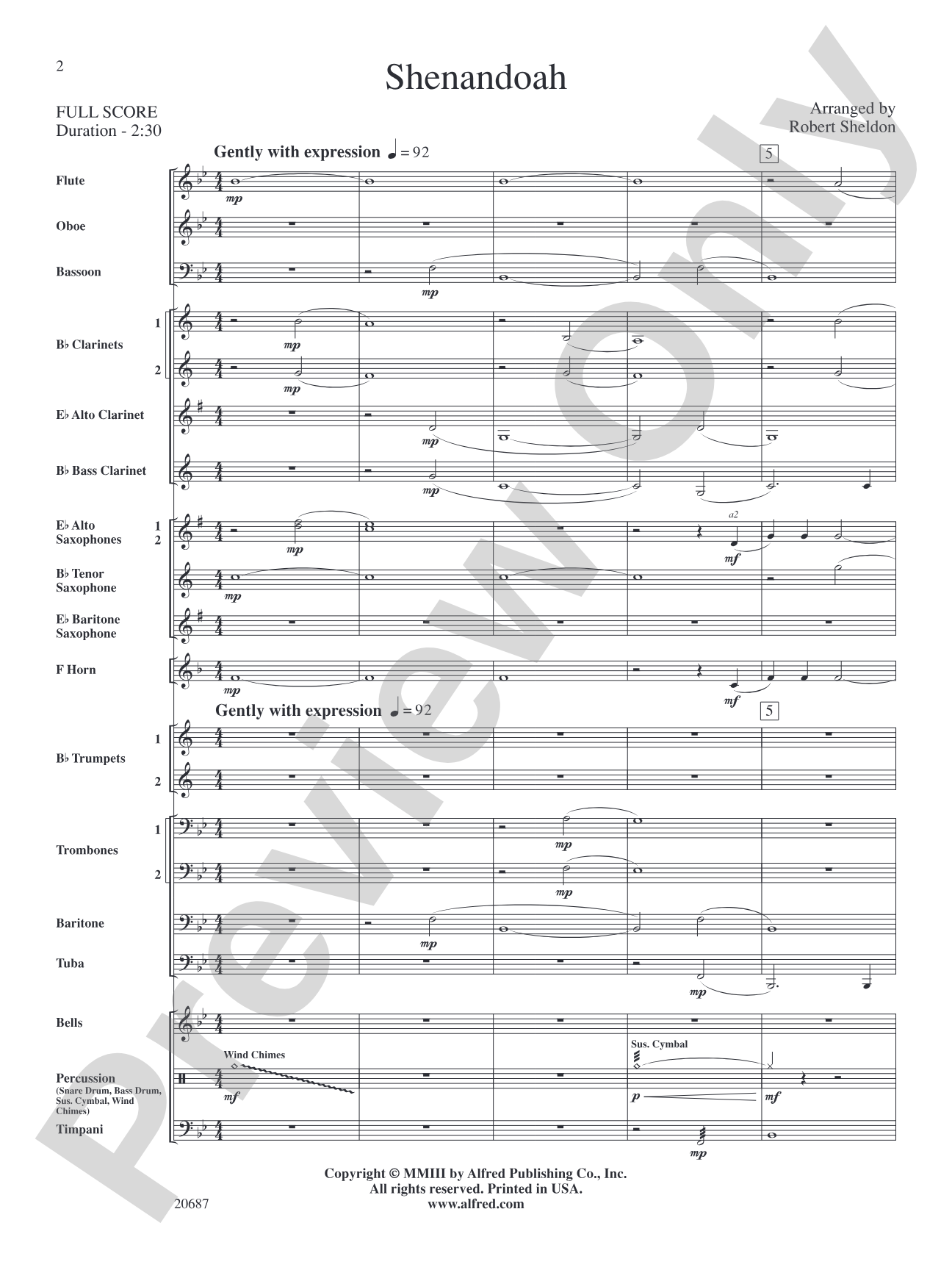
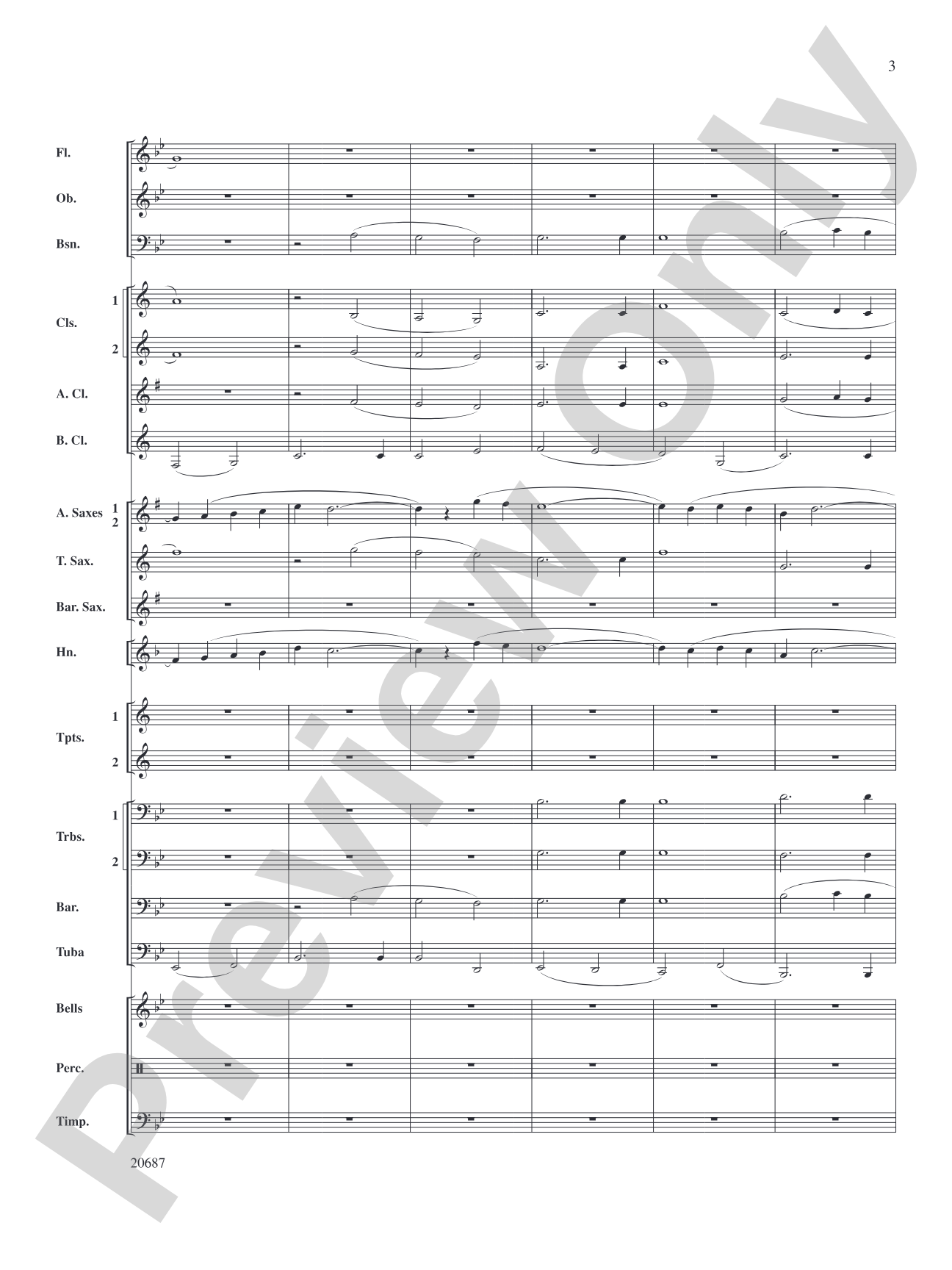
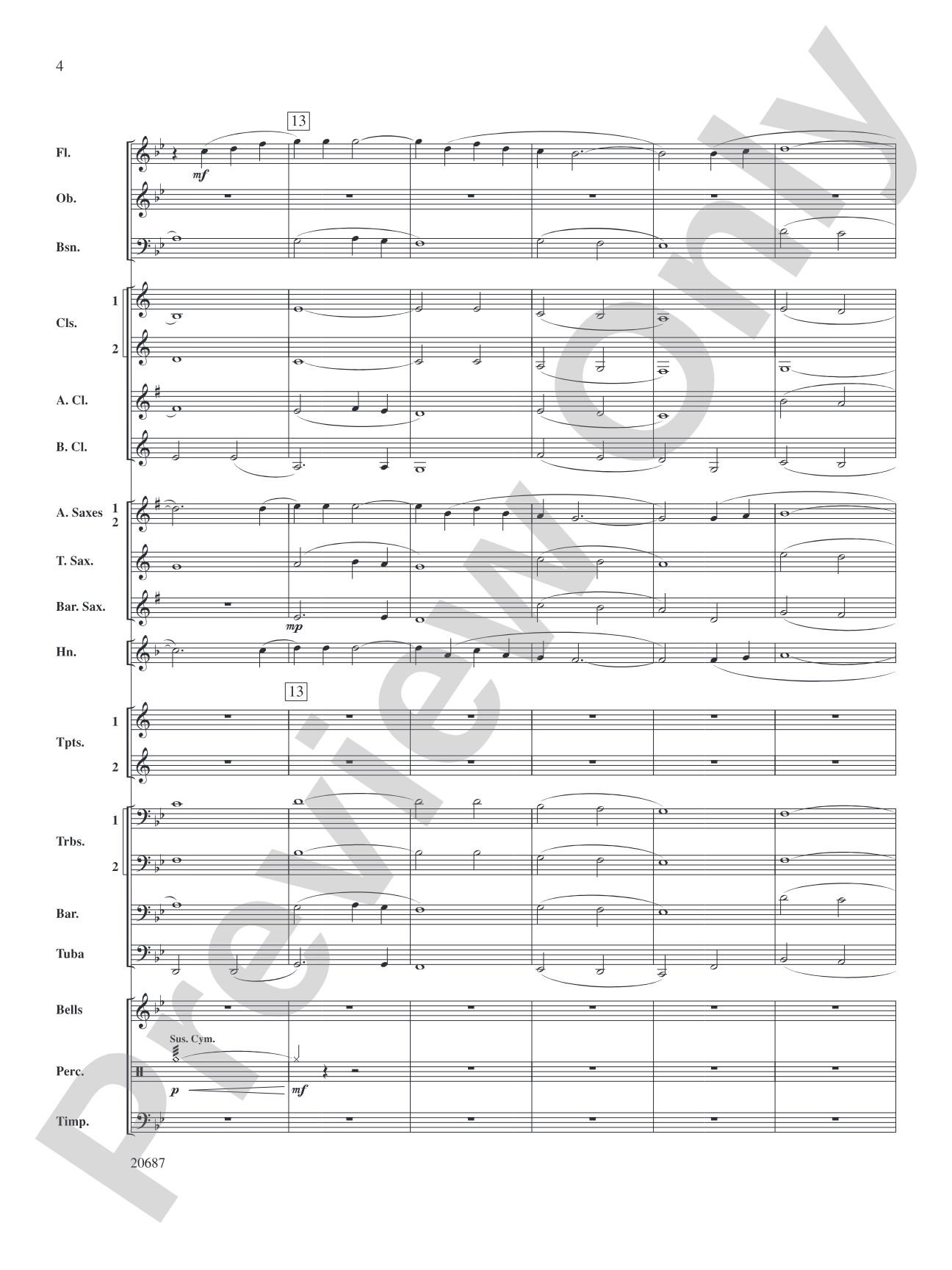
Another gem from the pen of Robert Sheldon! This straightforward and lovely arrangement of "Shenandoah" will inspire even younger musicians to play with true feeling. The well crafted and expressive scoring will make less-experienced ensembles sound their best. Appropriate for concert and contest. This title is available in MakeMusic Cloud.


Don't just read it, hear it, play along with it, and watch your students grow with it. In MakeMusic Cloud, Shenandoah: Concert Band Conductor Score & Parts comes alive with professional accompaniment, adjustable tempo, and built-in practice tools that turn solo practice into real progress.
Open in the Player
Jump straight in and assign it today.
Start Your Free Trial
Open this title and explore the full library in minutes.
Sample Audio
1
Audio File
--:--
0:00
0:00
Sample Video
Additional Details
Series:
Young Symphonic
Publisher:
Alfred Music
Page Count:
128
SKU:
00-PK-0000441
More about this title
About the Arranger: Robert Sheldon

Robert Sheldon's music appears on more wind band concert stages and festival lists than almost any contemporary composer working today. His output is staggering, he produces dozens of new works annually while maintaining an active schedule as a guest conductor for All-State ensembles, a clinician at universities and state conferences, and a composer accepting commissions from groups across the country.
Sheldon's accolades from the American School Band Director's Association, Phi Beta Mu, and ASCAP reflect the depth of craft in his writing. He has conducted his own compositions at Carnegie Hall, Orchestra Hall, Boston Symphony Hall, the Kennedy Center, and the Sydney Opera House. In 2020, VanderCook College of Music granted him an honorary doctorate in recognition of his contributions to wind band literature and music education.
Why we love this
Sheldon's gift for orchestration shines here. He has scored this folk melody to sit comfortably within a Grade 2 ensemble while giving each section something musical to do. The arrangement sounds far richer than its accessibility suggests, and young musicians respond to how well the writing lets them express themselves without technical barriers in the way.
What to expect
Shenandoah carries a timeless, reflective quality, the melody unfolds with quiet dignity. Sheldon's arrangement honors the folk tune's character while surrounding it with warm harmonic support that feels generous rather than austere. Young musicians playing this piece discover what it means to convey genuine feeling without technical pyrotechnics.
Who it's for
Young concert bands and developing high school ensembles that need a piece combining accessibility with genuine musical substance. This works equally well for contest preparation and concert programming when you want to showcase growth without asking your band to reach beyond their technical level.
How to get the most out of it
- Balance the melody across sections. Sheldon's scoring distributes the tune, so watch that no single voice overwhelms the others even when the melody passes to different instruments.
- Shape the phrasing with conductor's breath. Young bands respond well to clear gestures that show the arc of each phrase, especially in a piece built on lyrical lines.
- Keep the tempo steady and singing. Resist pulling back; the music gains warmth from forward motion, not from slowing down.
- Listen for blend in the lower voices. The supporting parts are essential to the arrangement's balance, so make sure brass and reeds match tone quality beneath the melody.
How to use it
Pair this with other folk arrangements or ballads to create a program section that builds musicality and dynamic control. It also serves well as an early-season concert opener to establish tone and focus before tackling technically demanding works. The piece earns its place in contest rotation for bands seeking repertoire that sounds polished without requiring advanced technique.
Skills your students will build
- Legit, expressive melodic phrasing in a singable context
- Section balance when the melody moves between instruments
- Dynamic shaping and breath control across longer phrase lines
- Listening and blending in supporting harmonic voices
- Sustaining tone quality at softer dynamics