
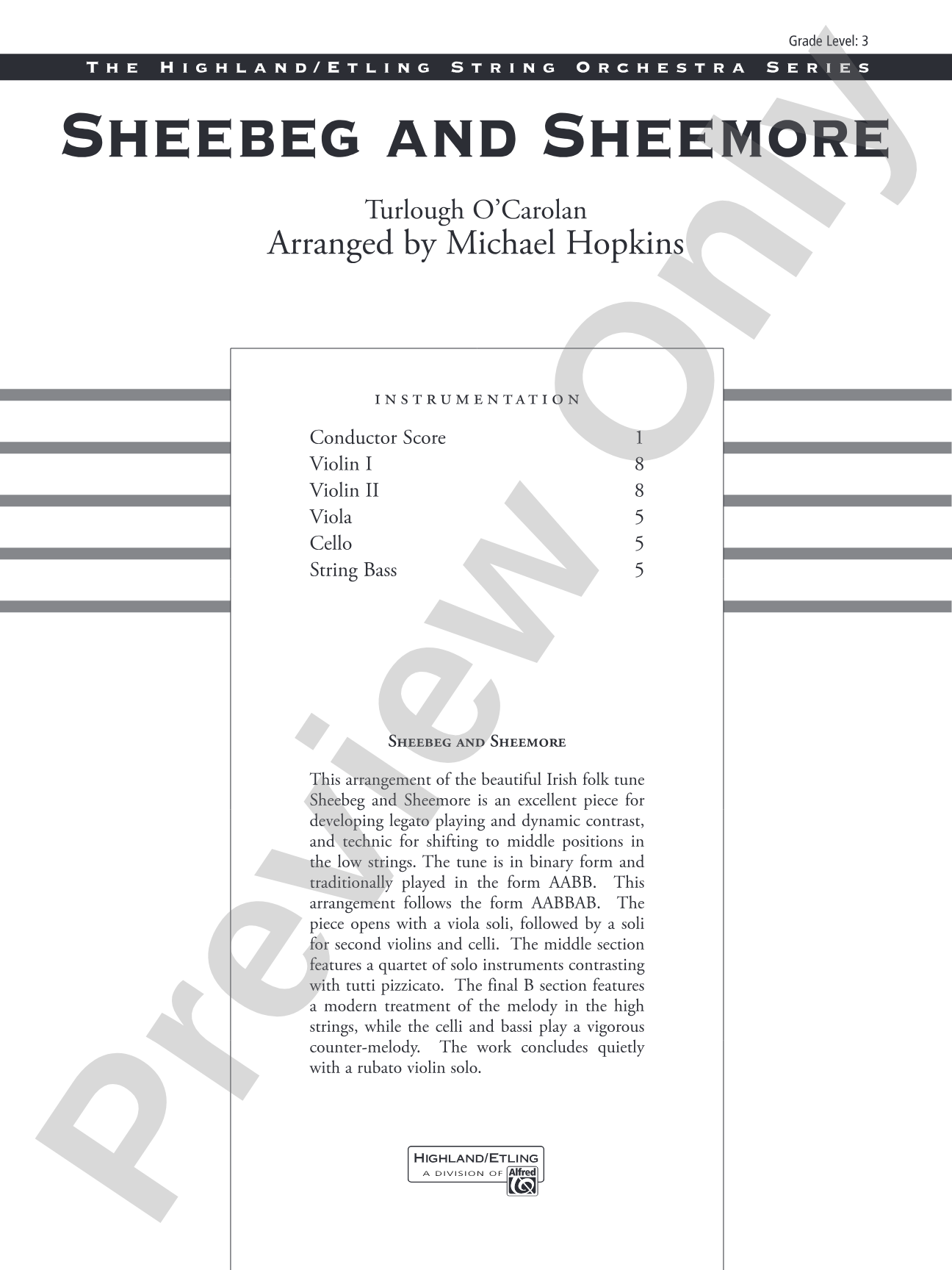
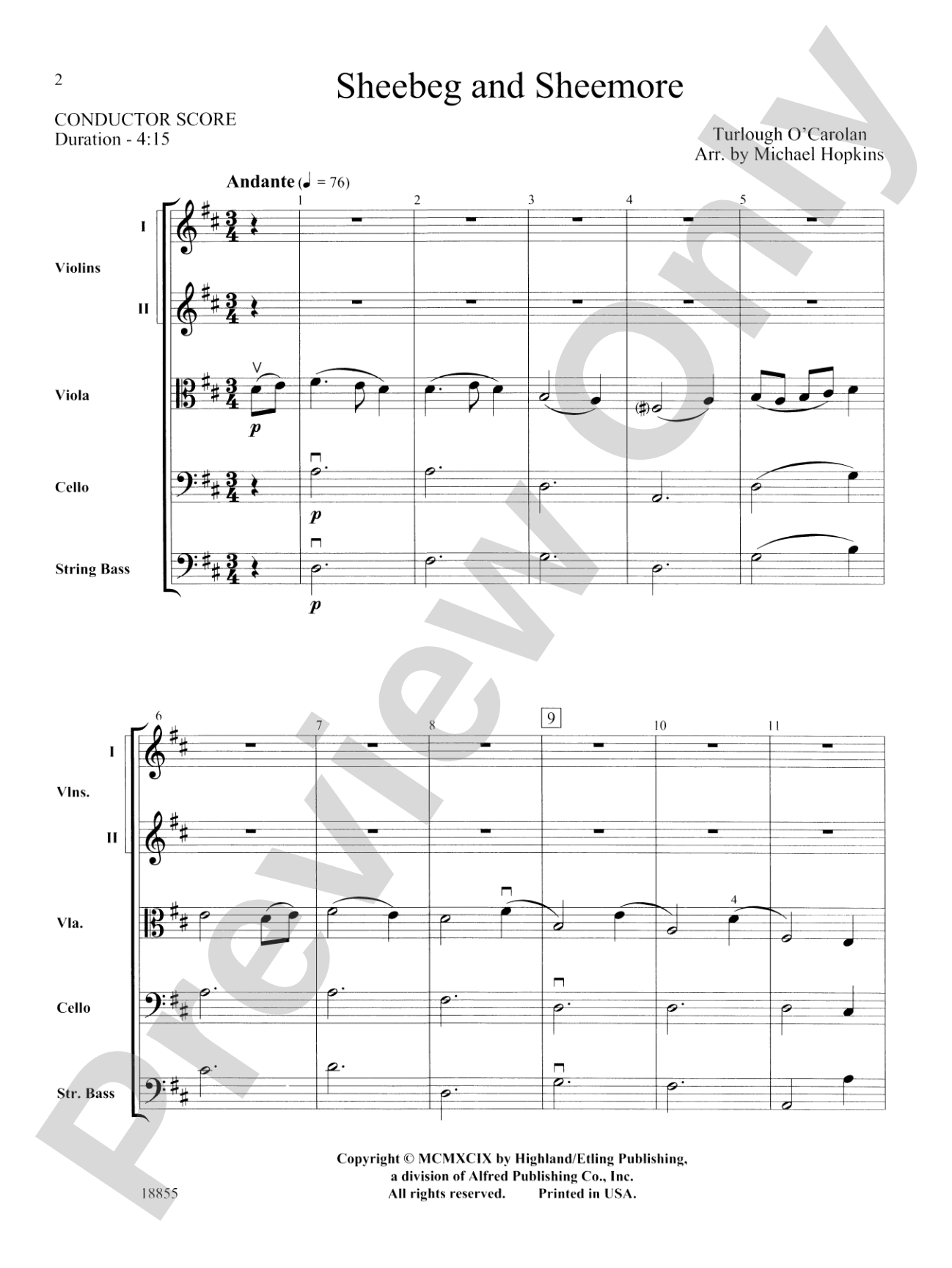
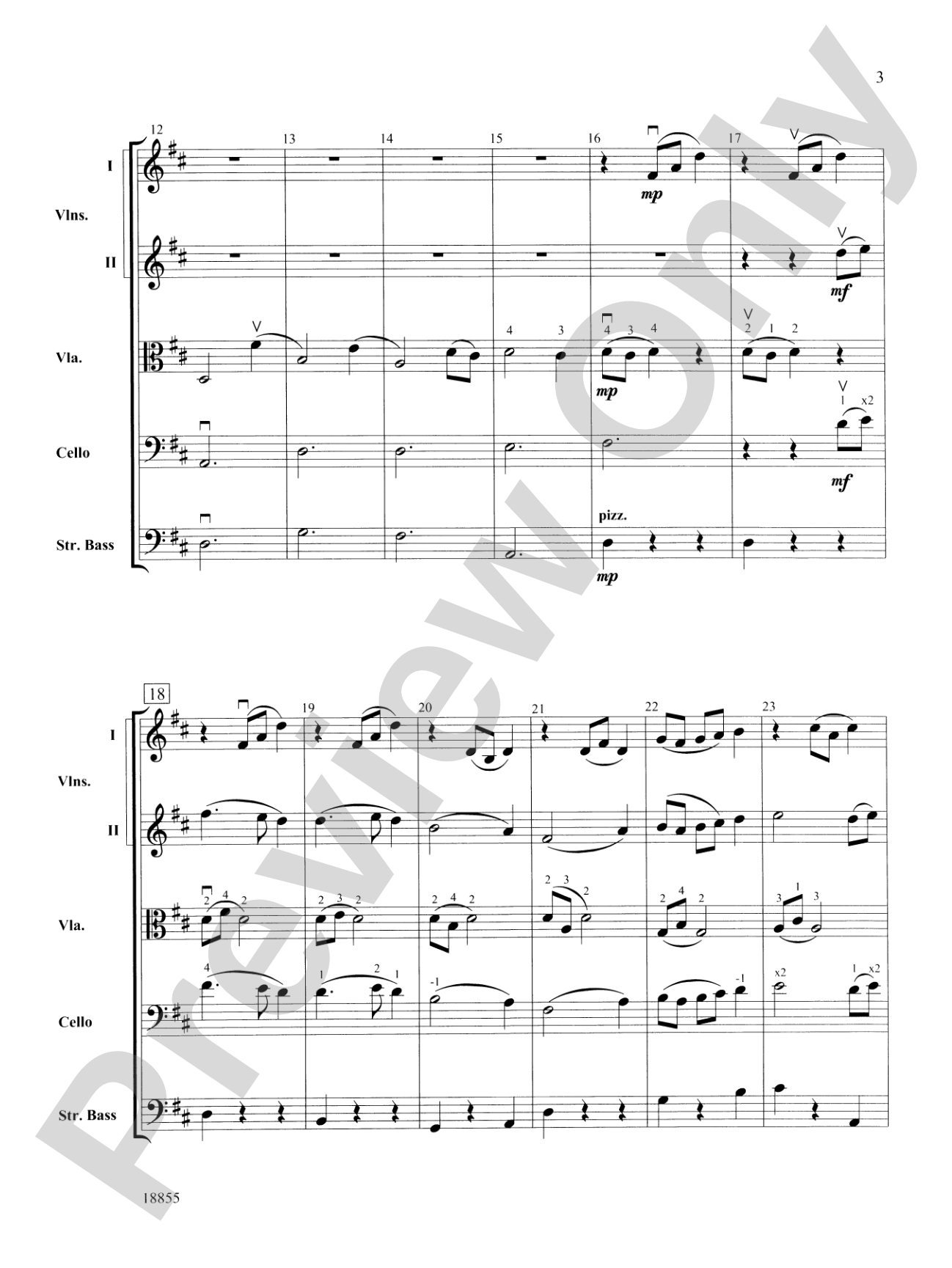
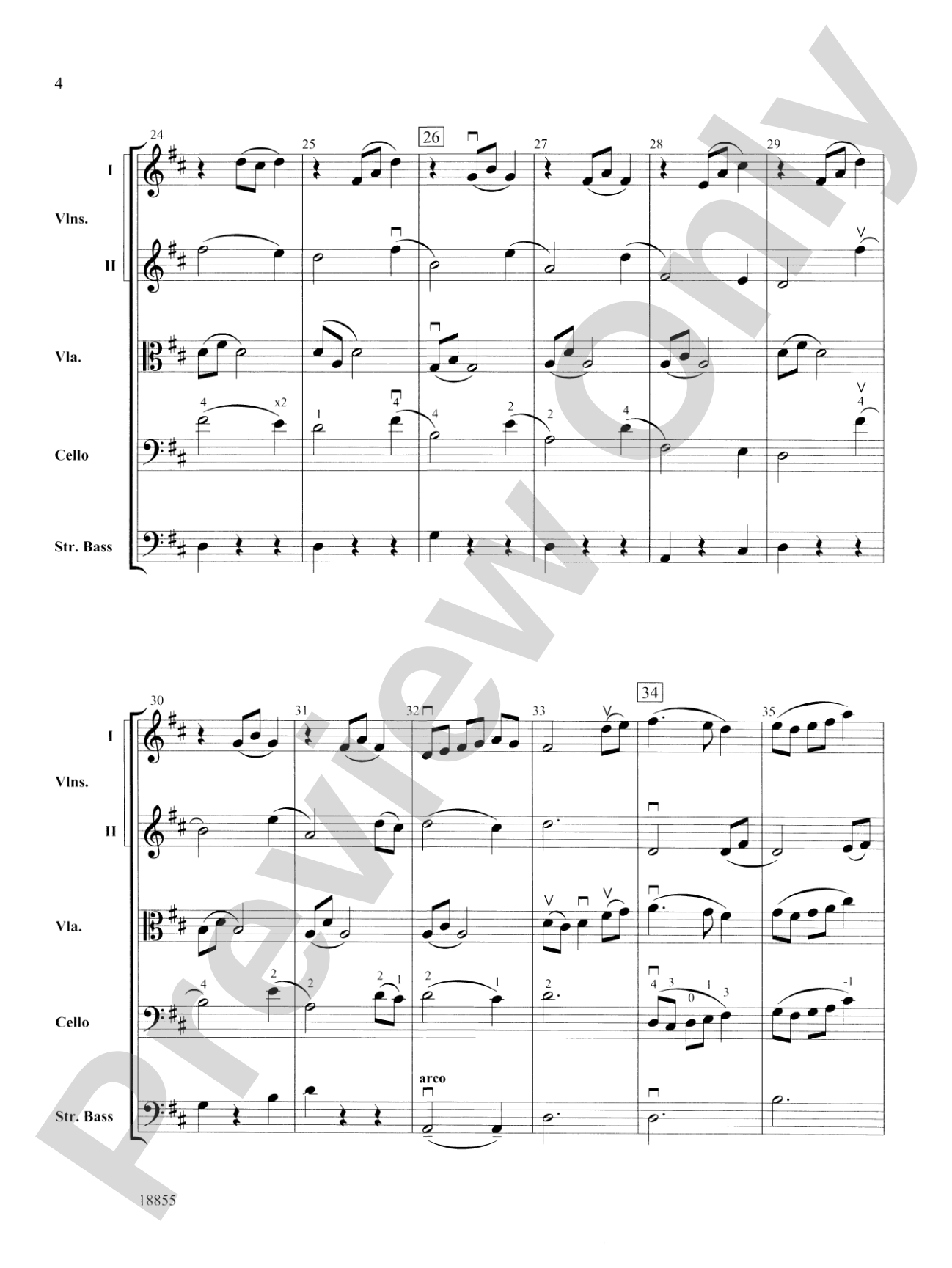
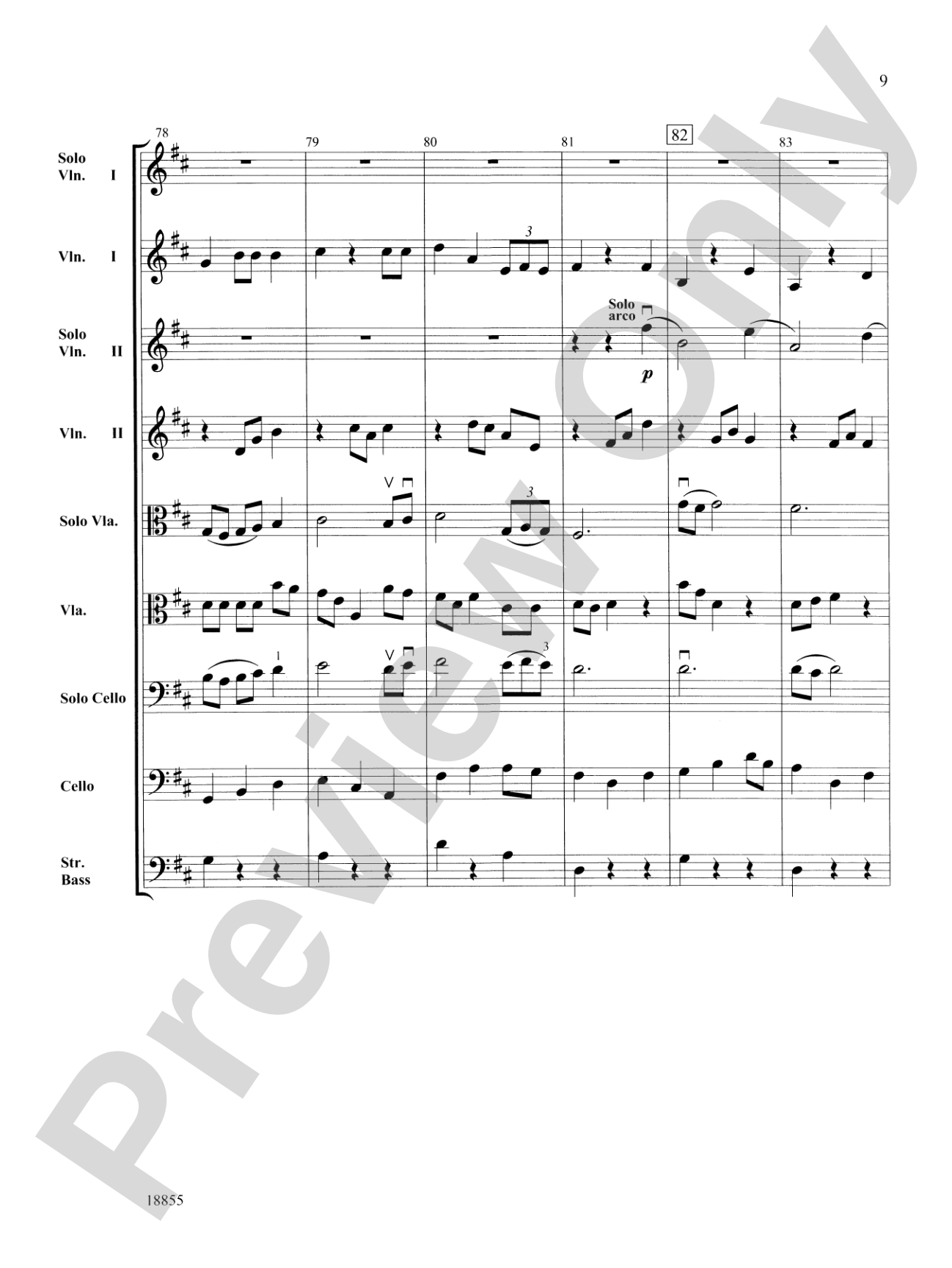
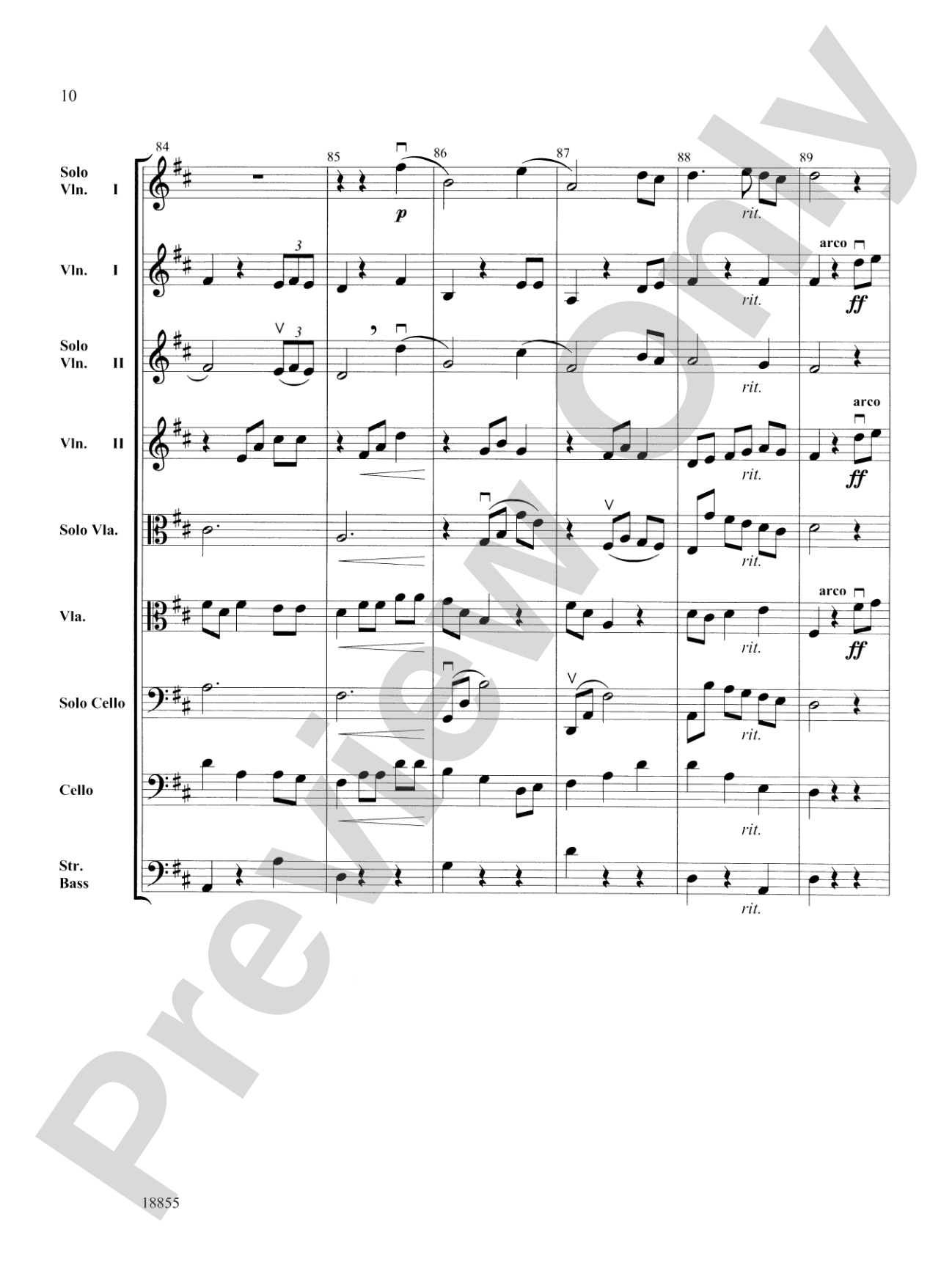
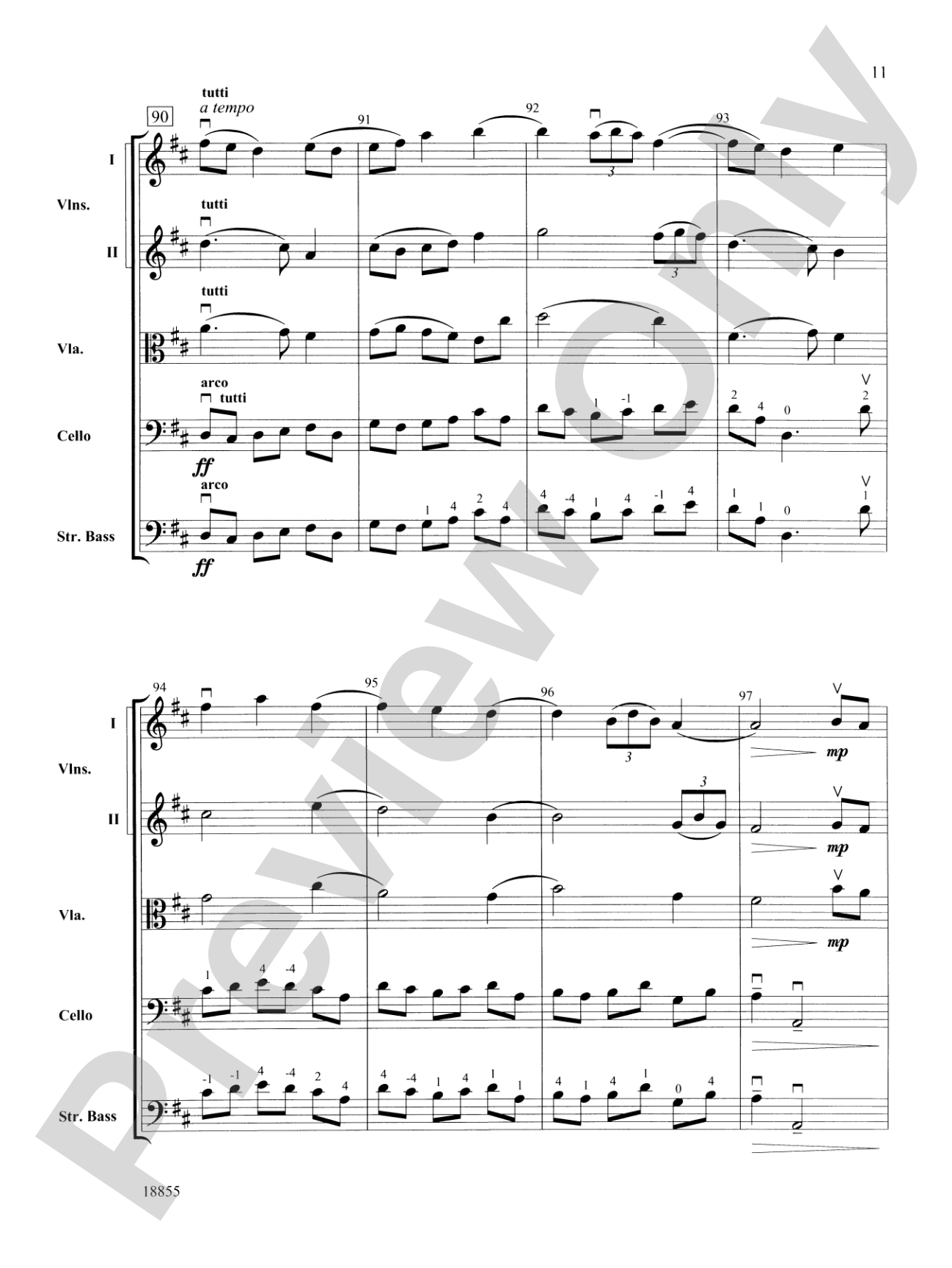
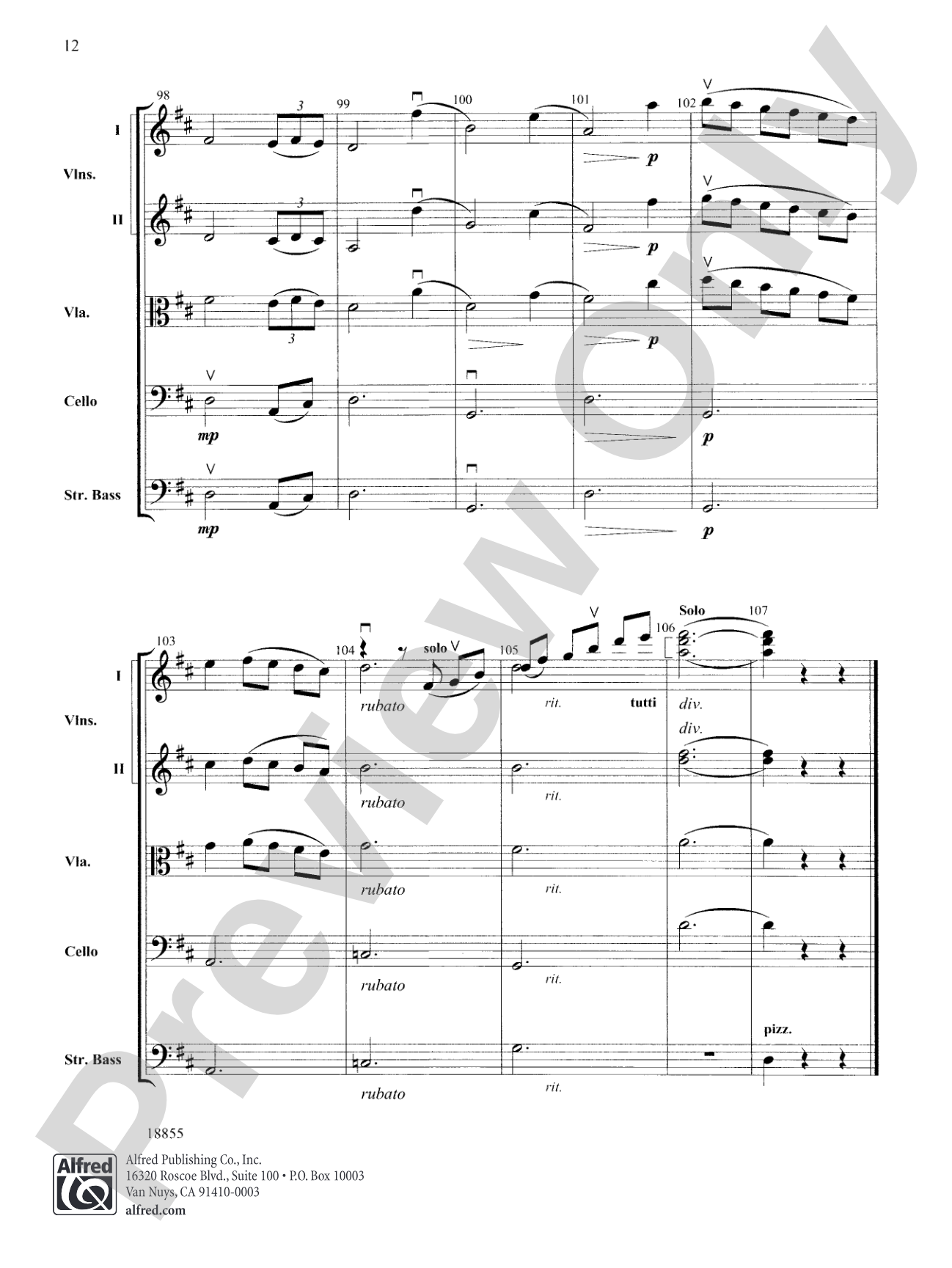

Sheebeg and Sheemore: Score
By Turlough O'Carolan / arr. Michael Hopkins
Grade: 3
Item: 00-PR-0000296
$9.00
Pickup currently not available
Description
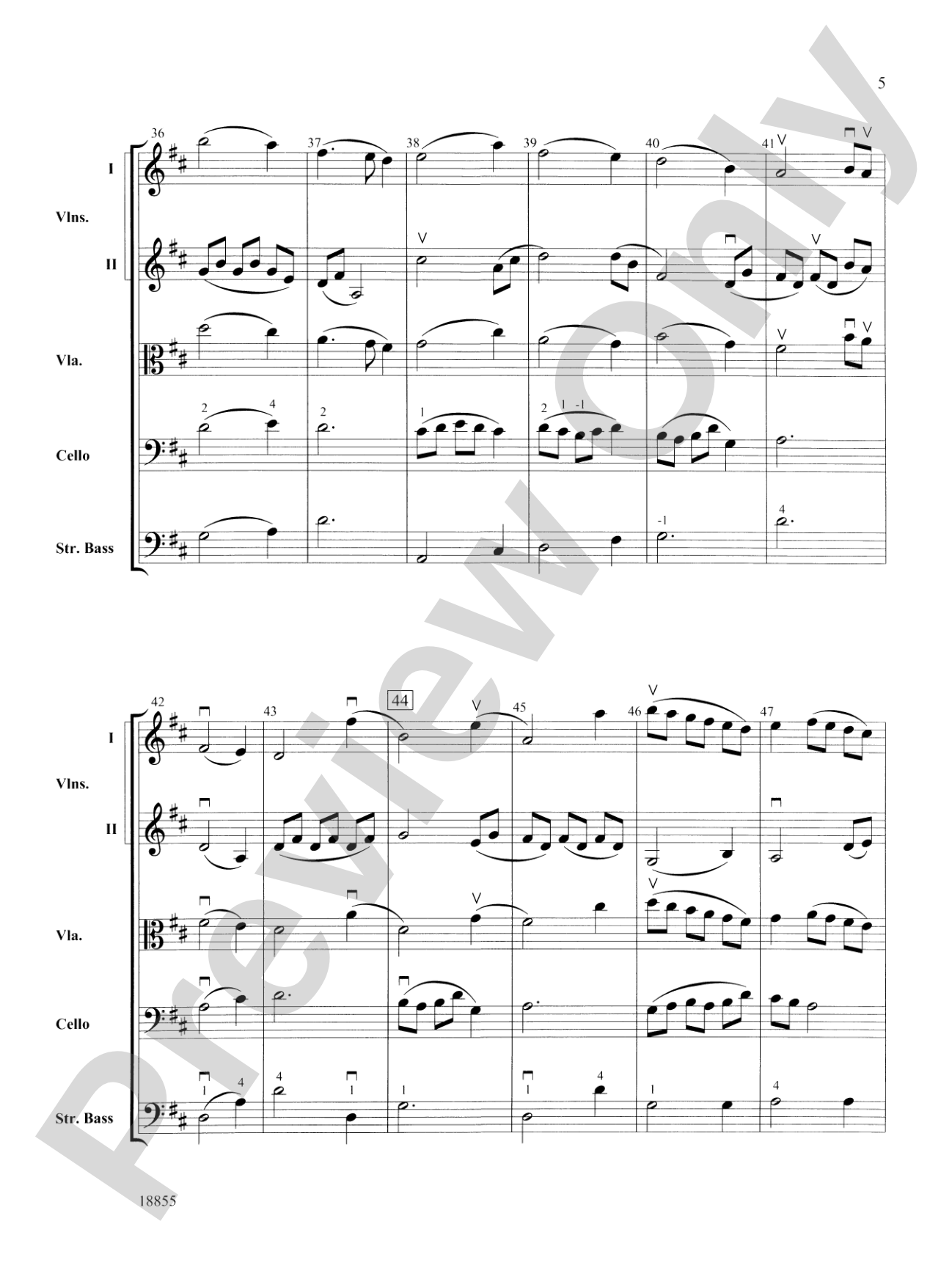
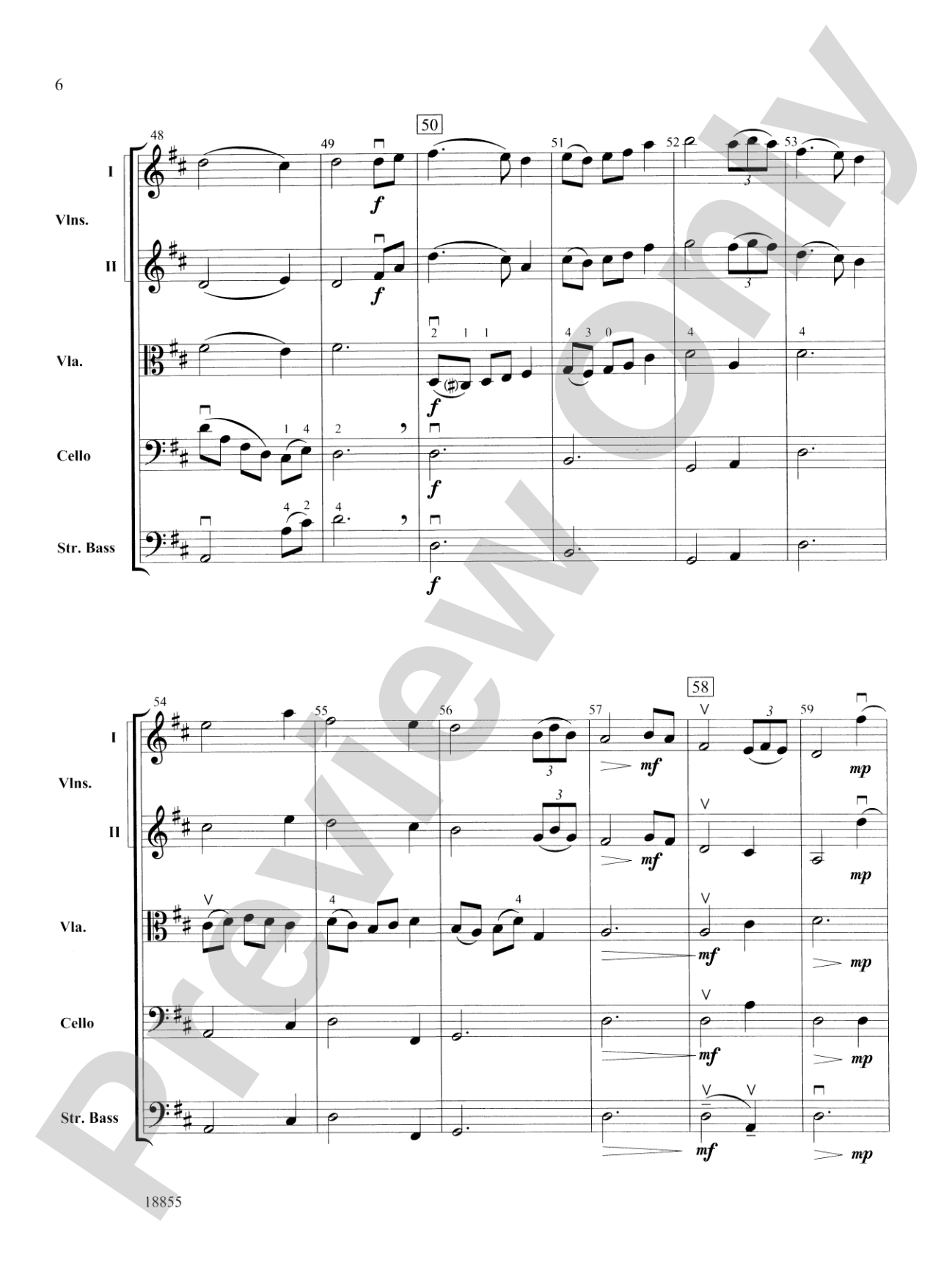
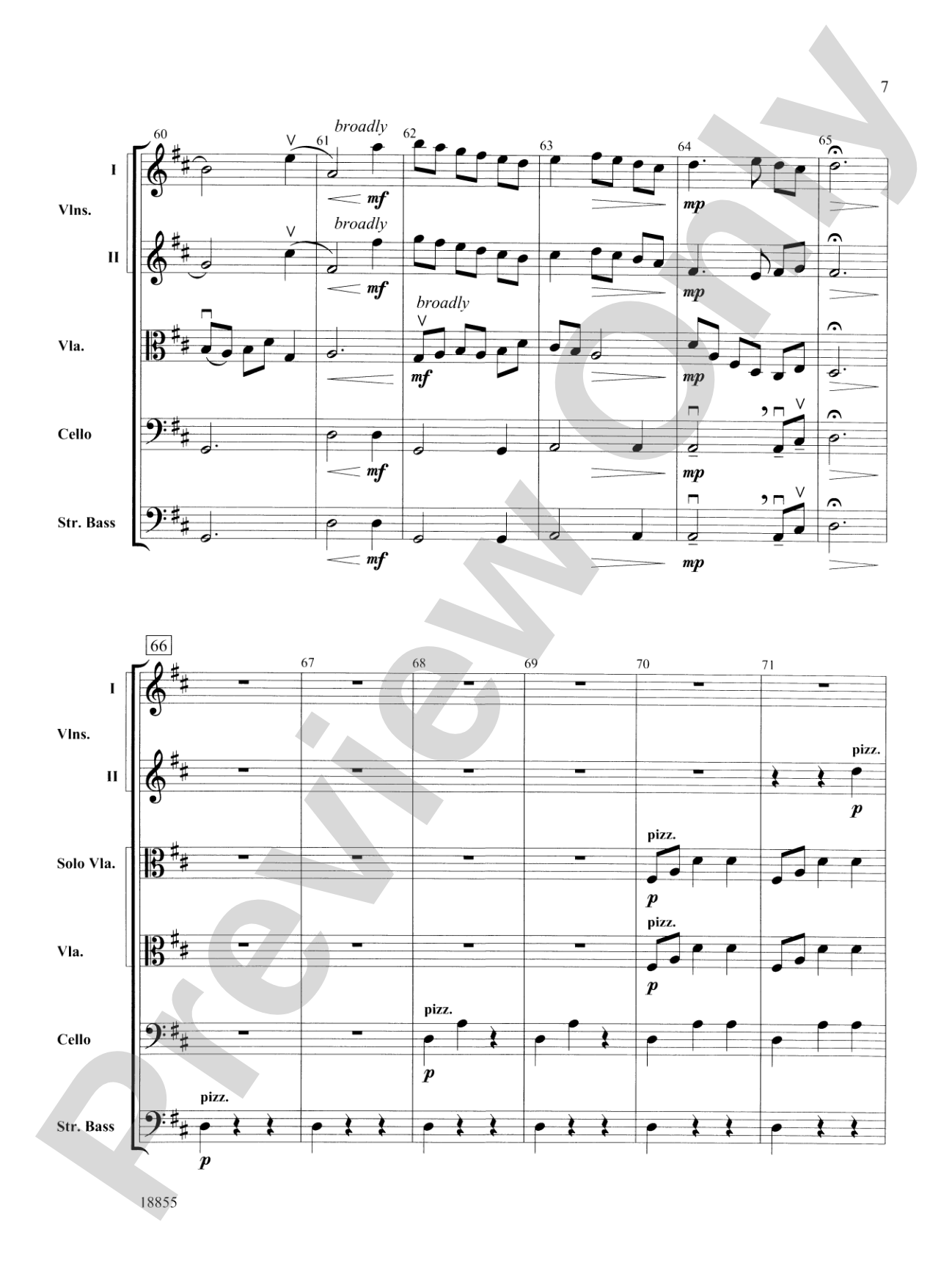
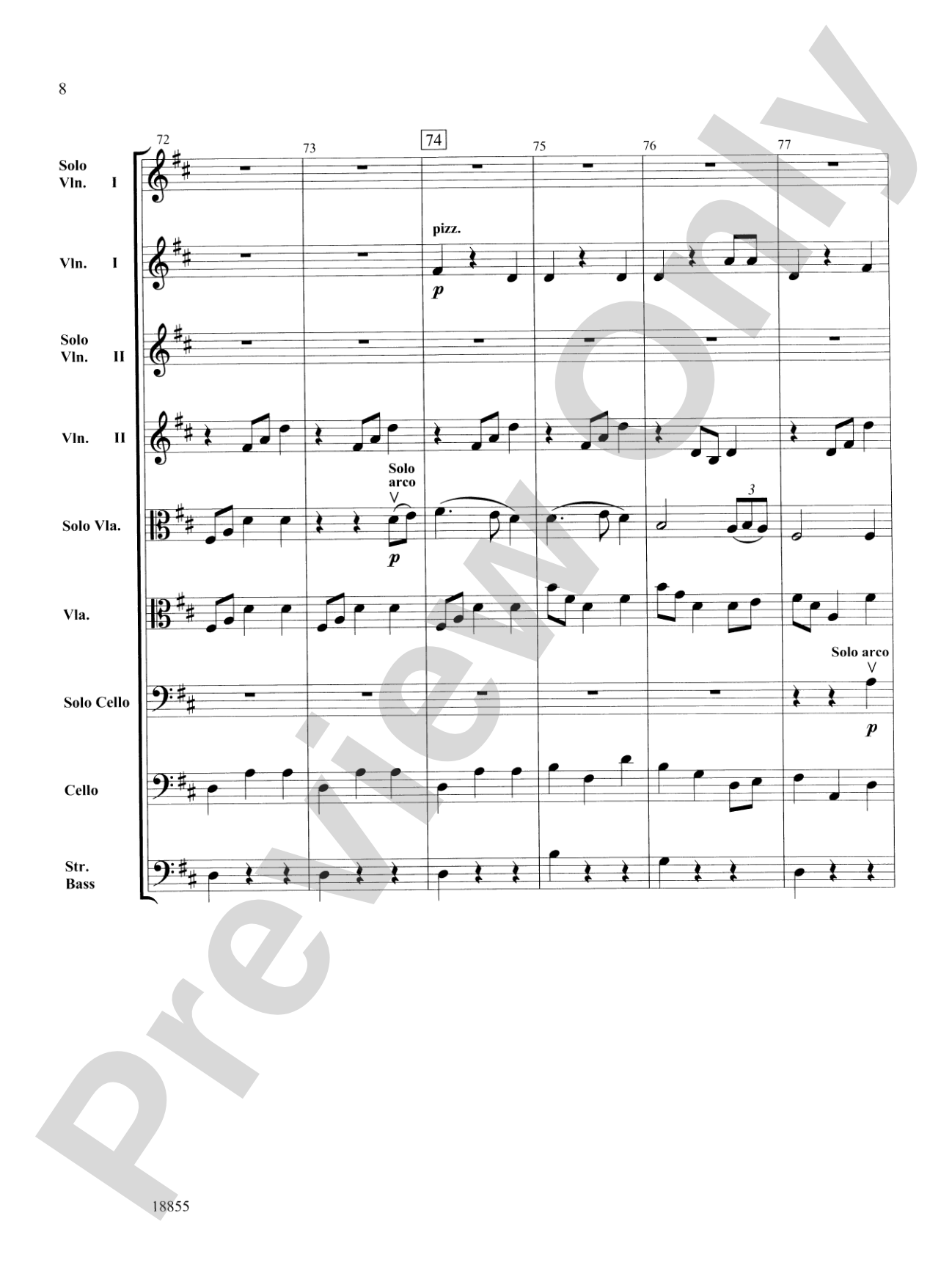
This beautiful arrangement of the Irish folk tune is an excellent piece for developing legate playing and dynamic contrast. Featuring solos for Violin l, Violin ll, Viola and Cello, this very playable work uses a wide variety of textures and colors that will give your orchestra a rich, mature sound. Gorgeous!


Don't just read it, hear it, play along with it, and watch your students grow with it. In MakeMusic Cloud, Sheebeg and Sheemore: Score comes alive with professional accompaniment, adjustable tempo, and built-in practice tools that turn solo practice into real progress.
Open in the Player
Jump straight in and assign it today.
Start Your Free Trial
Open this title and explore the full library in minutes.
Sample Audio
1
Audio File
--:--
0:00
0:00
Sample Video
No sample videos found.
Additional Details
Series:
Highland/Etling String Orchestra
Publisher:
Alfred Music
Page Count:
124
SKU:
00-PR-0000296
More about this title
About the Composer: Turlough O'Carolan
Turlough O'Carolan (1670-1738) was an Irish harper and composer whose music bridged the Gaelic bardic tradition and European Baroque forms. Blind from childhood, he became one of the most celebrated musicians of his era, traveling throughout Ireland and collecting both traditional melodies and original compositions that reflected the landscape and patrons he encountered.
Why we love this
Michael Hopkins's arrangement captures the lyrical warmth of O'Carolan's melody while giving every section of your orchestra something meaningful to play. The strategic use of solos across the four voice parts transforms a folk tune into a chamber-like conversation, and the attention to legato and dynamic shaping creates opportunities for your students to develop musicality that goes far beyond note-reading.
What to expect
Sheebeg and Sheemore unfolds with the quiet elegance of an Irish melody passed down through generations. The interweaving of solos creates moments of intimacy within a larger ensemble sound, and the shifting textures suggest a landscape where light changes with the time of day. There is no urgency here, only the steady, flowing beauty of a well-crafted folk melody.
Who it's for
String orchestra conductors at the Grade 3 level who want a piece that sounds polished and expressive without overwhelming players technically. This arrangement is particularly valuable for ensembles developing legato control and learning to support soloists, and it works equally well in a festival program or a concert celebrating folk traditions.
How to get the most out of it
- Shape the melody as if it's being sung by a harpist. This means thinking through each phrase's peak, allowing the line to breathe naturally rather than observing every dynamic marking as an isolated event.
- Balance the featured solos carefully. When Violin I carries the tune, pull back the accompaniment just enough that the solo line emerges without requiring the soloist to force the volume.
- Experiment with bow speed on the legato passages. A slower, fuller stroke will produce the mature, singing tone the arrangement calls for; rushing the tempo or using a choppy stroke undercuts the piece's lyrical character.
- Let the textural variety breathe. When the arrangement shifts from full ensemble to a solo plus light accompaniment, take a moment for the change to register with the audience before the next phrase begins.
How to use it
Pair this with other Grade 3 string pieces that share a lyrical, accessible character to build a thematic concert section. It also serves as an excellent choice for festival competition, where the combination of technical accessibility and musical maturity often scores well. The solo opportunities make it ideal for a concert featuring student soloists.
Skills your students will build
- Sustained legato bowing across phrase lengths
- Dynamic contrast and shaping within a single melodic line
- Balance between solo line and ensemble accompaniment
- Reading and executing diverse textural roles (melody, countermelody, accompaniment)
- Ensemble blend and listening across four string voice parts