
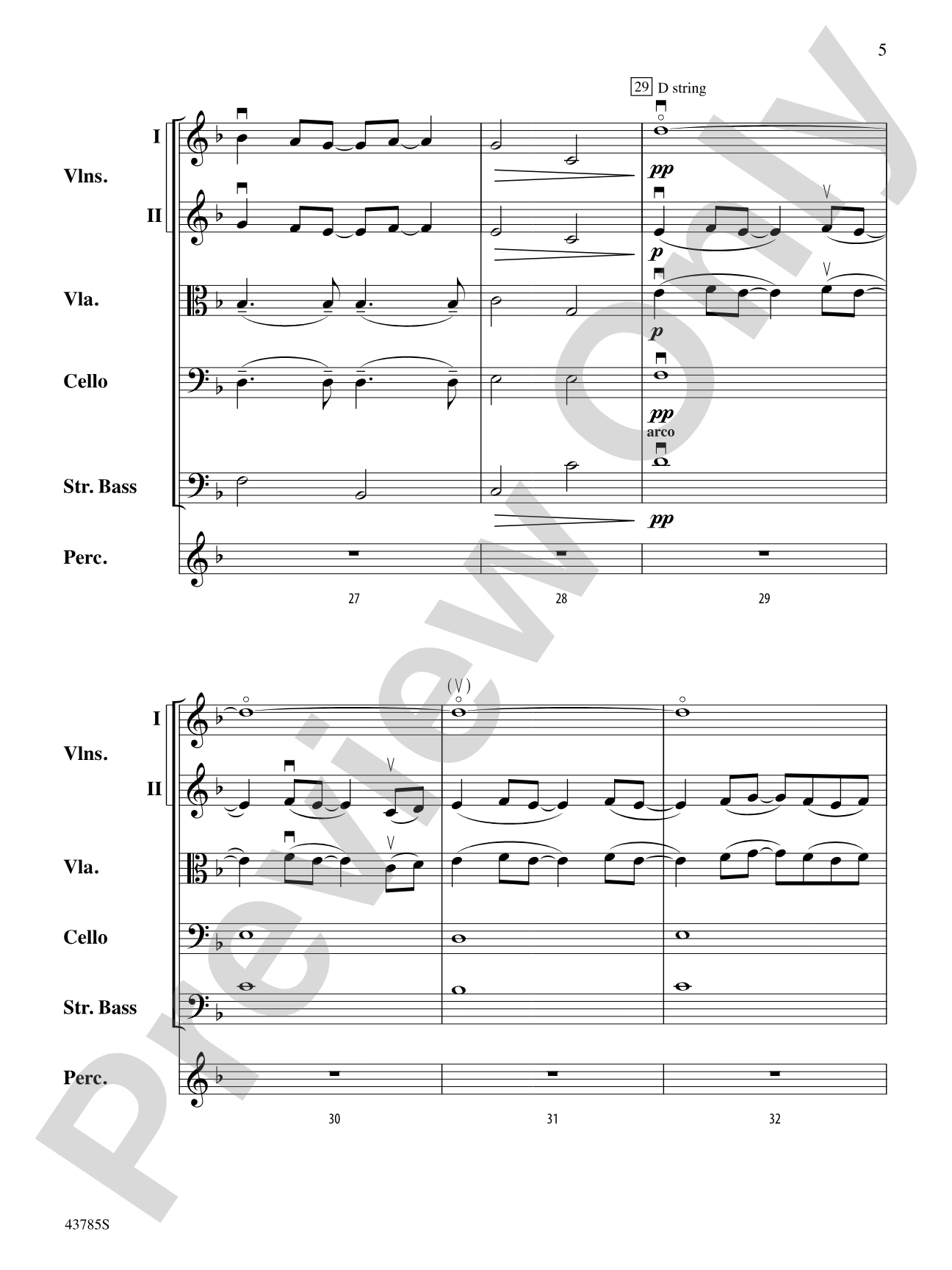
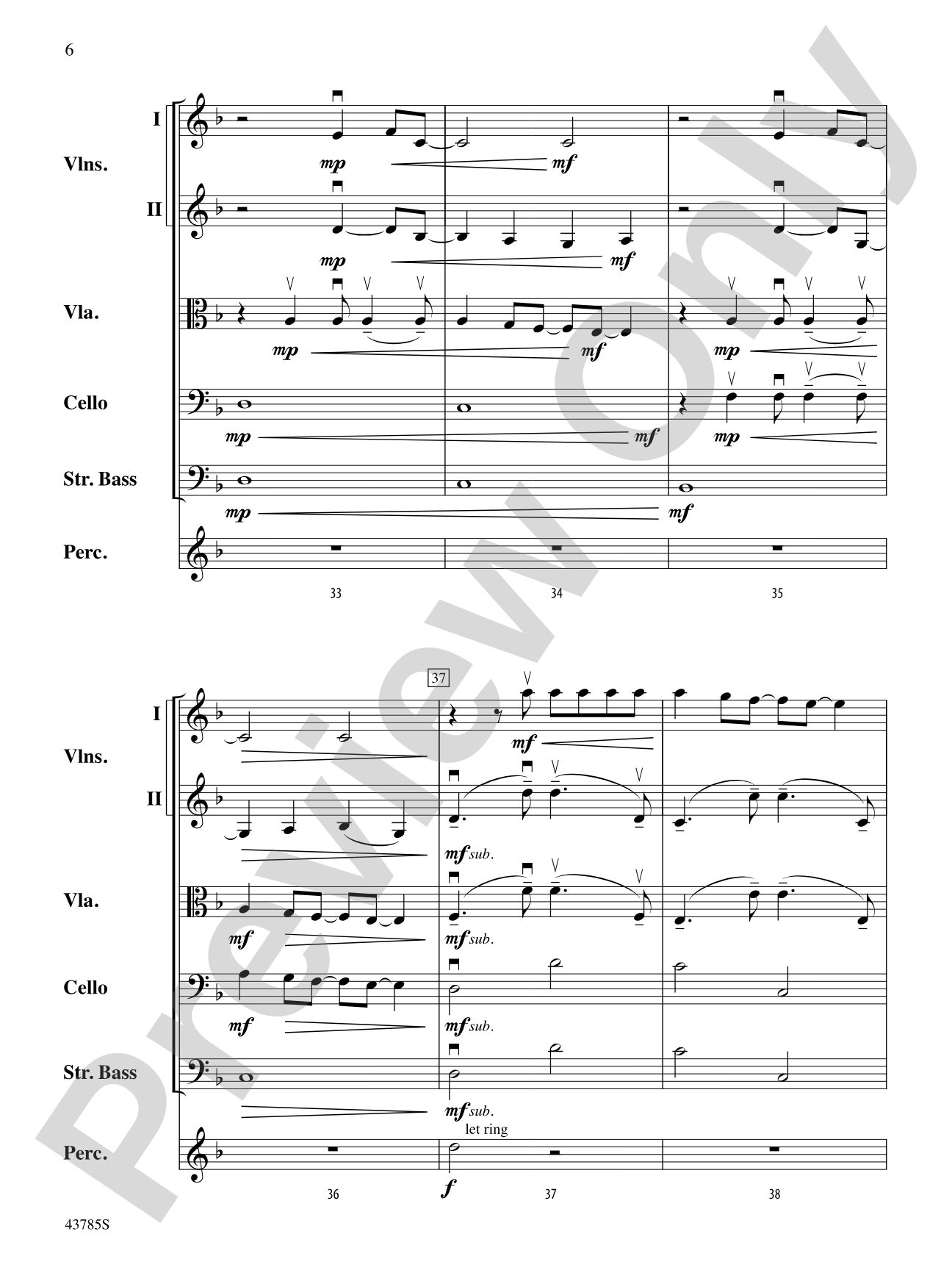
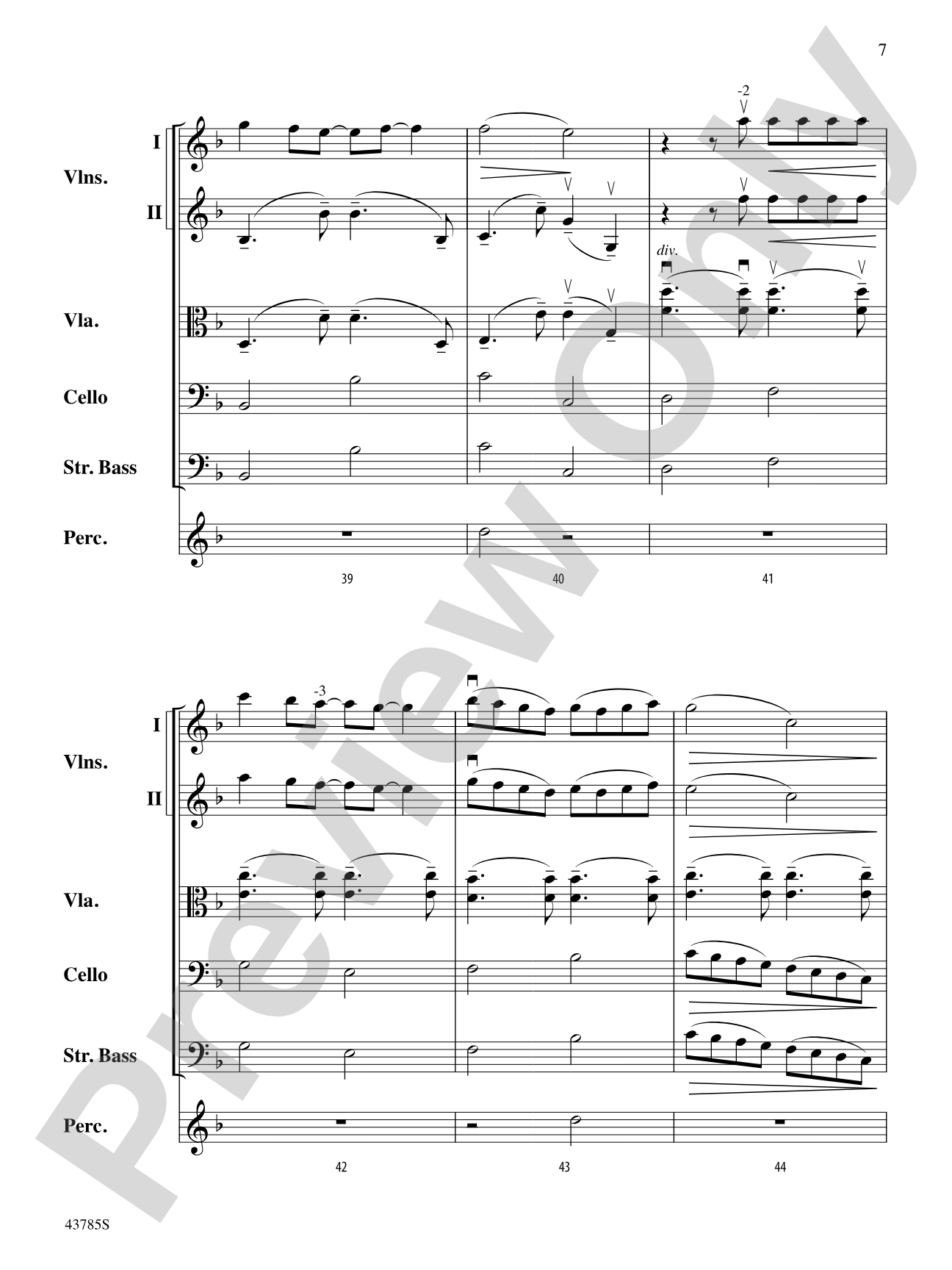
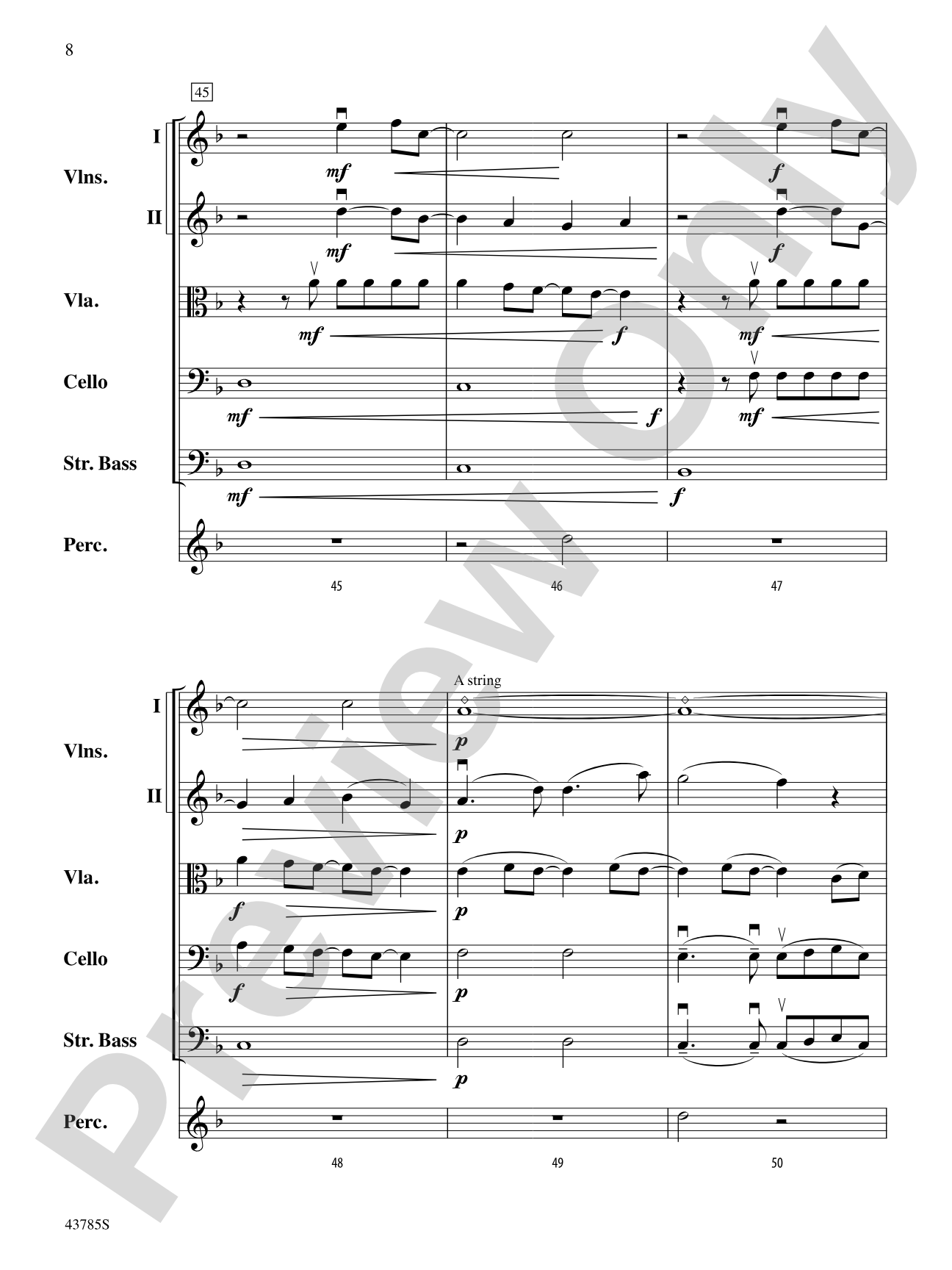
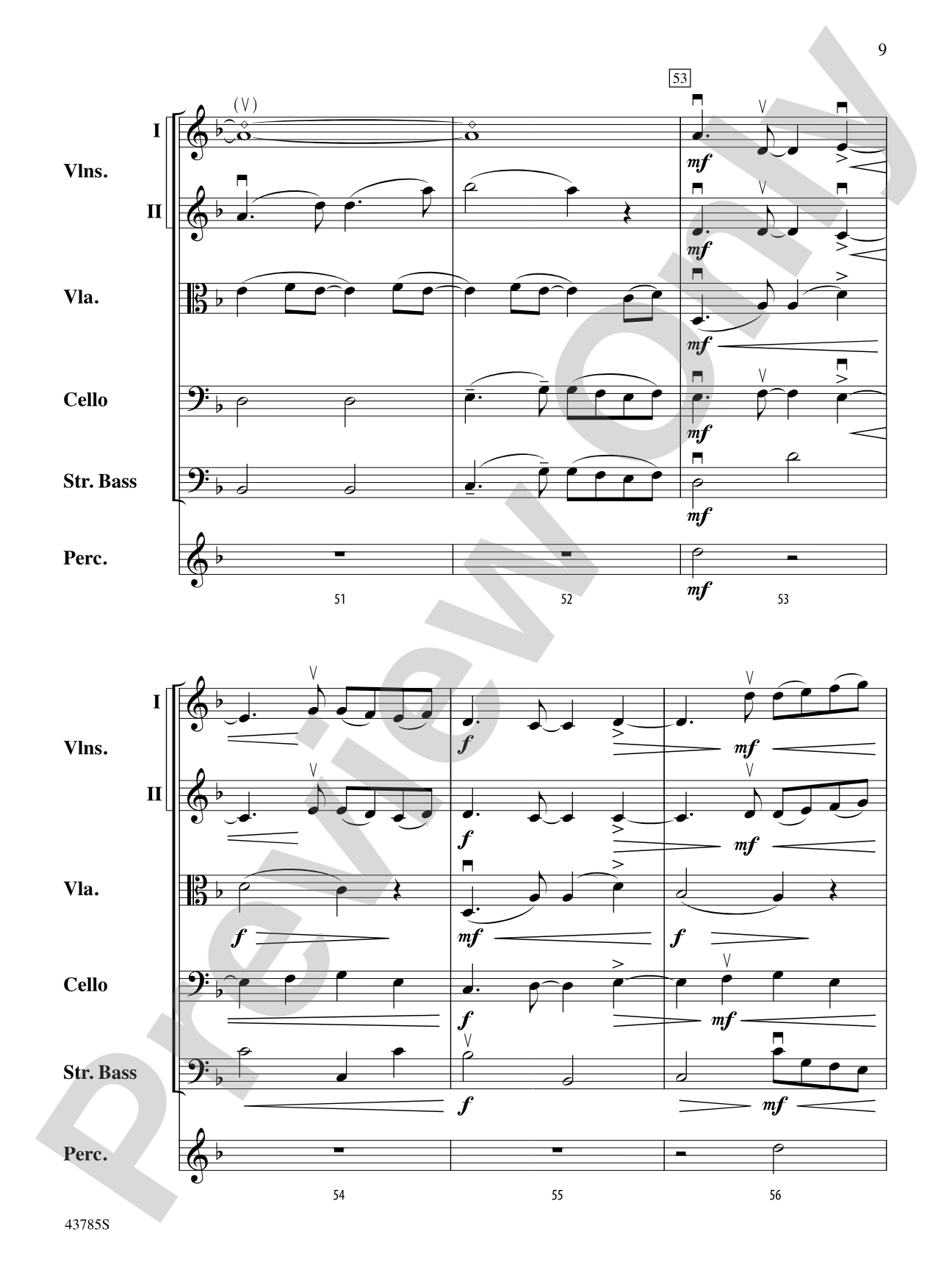
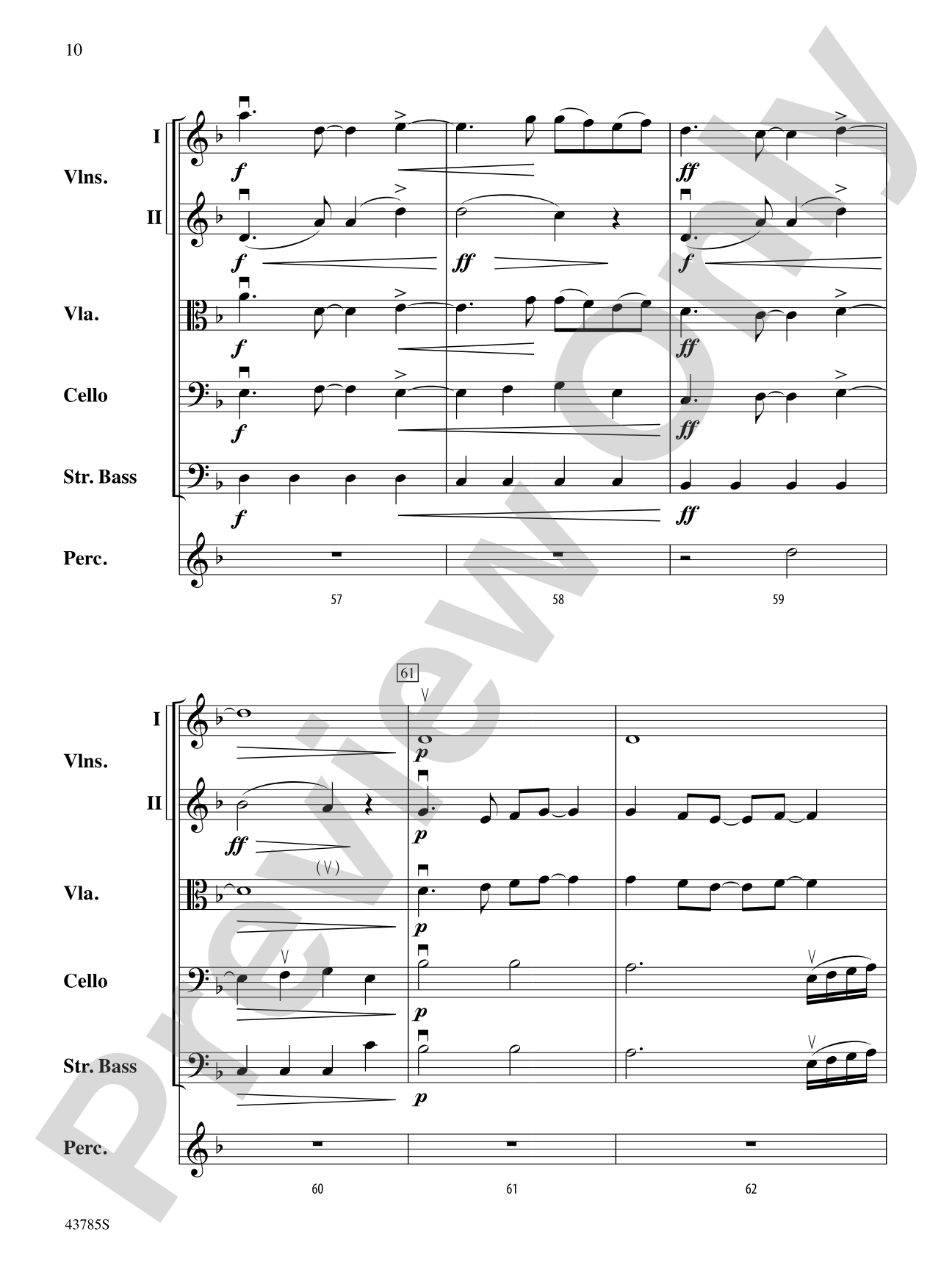
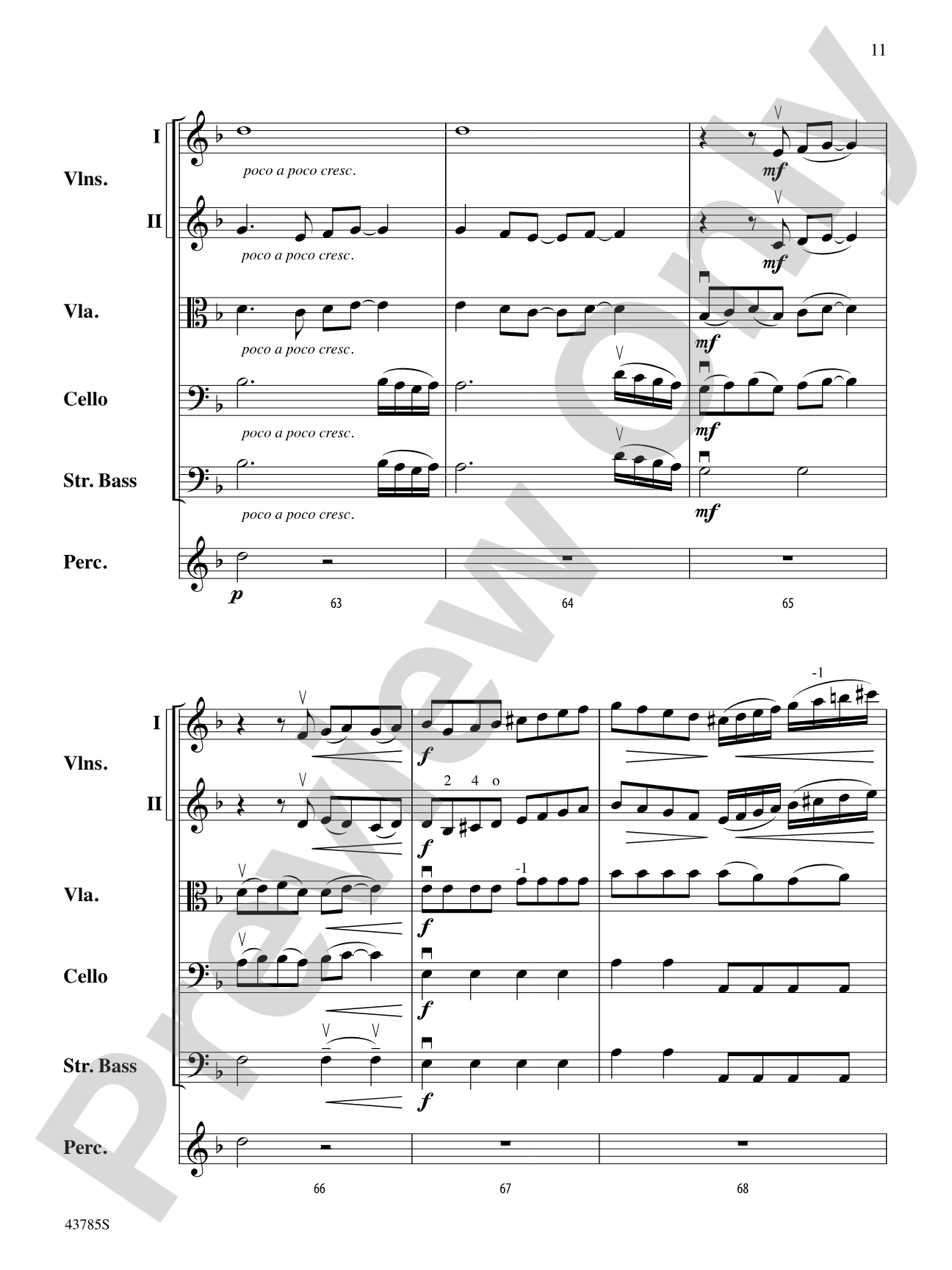
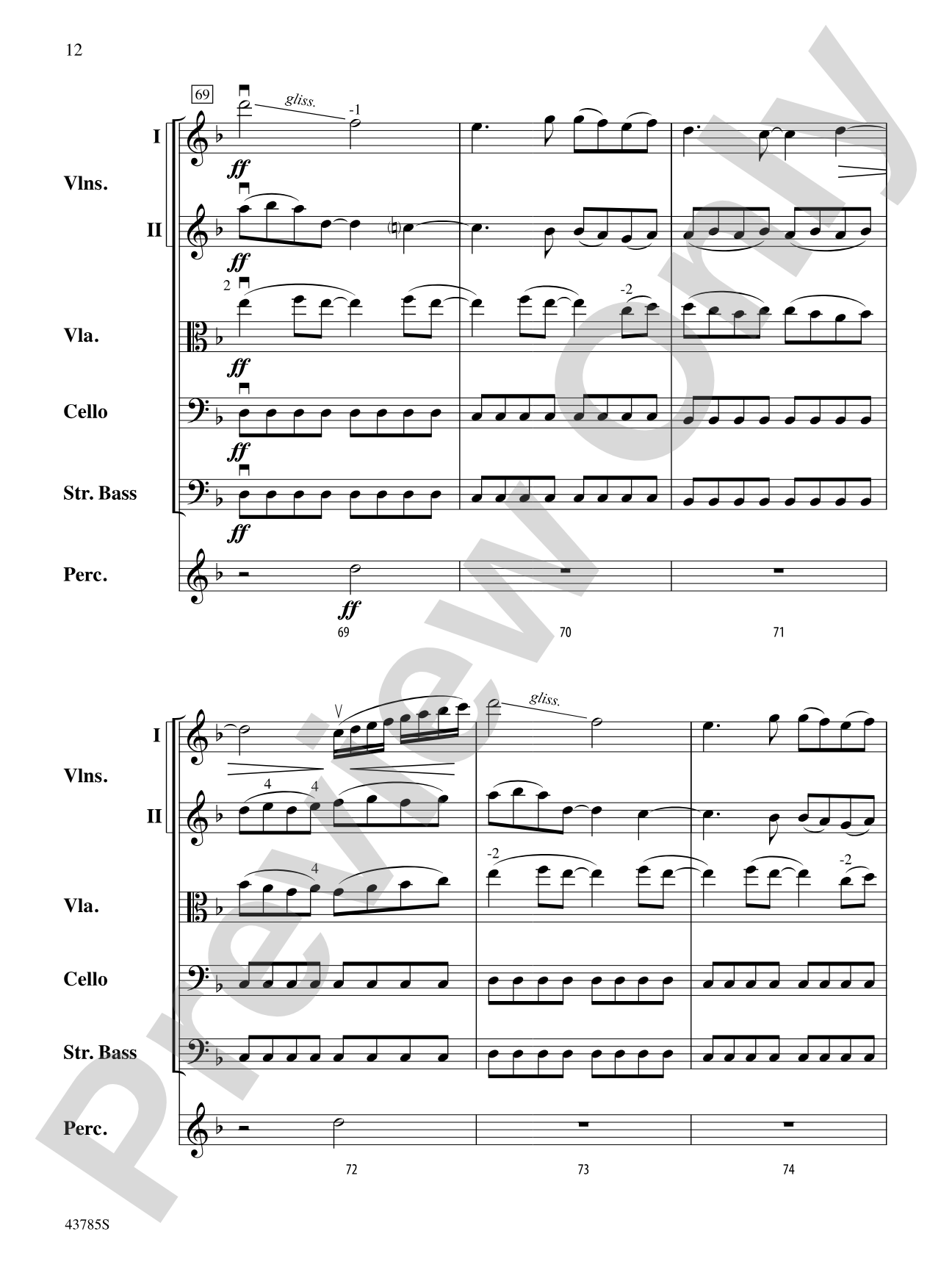
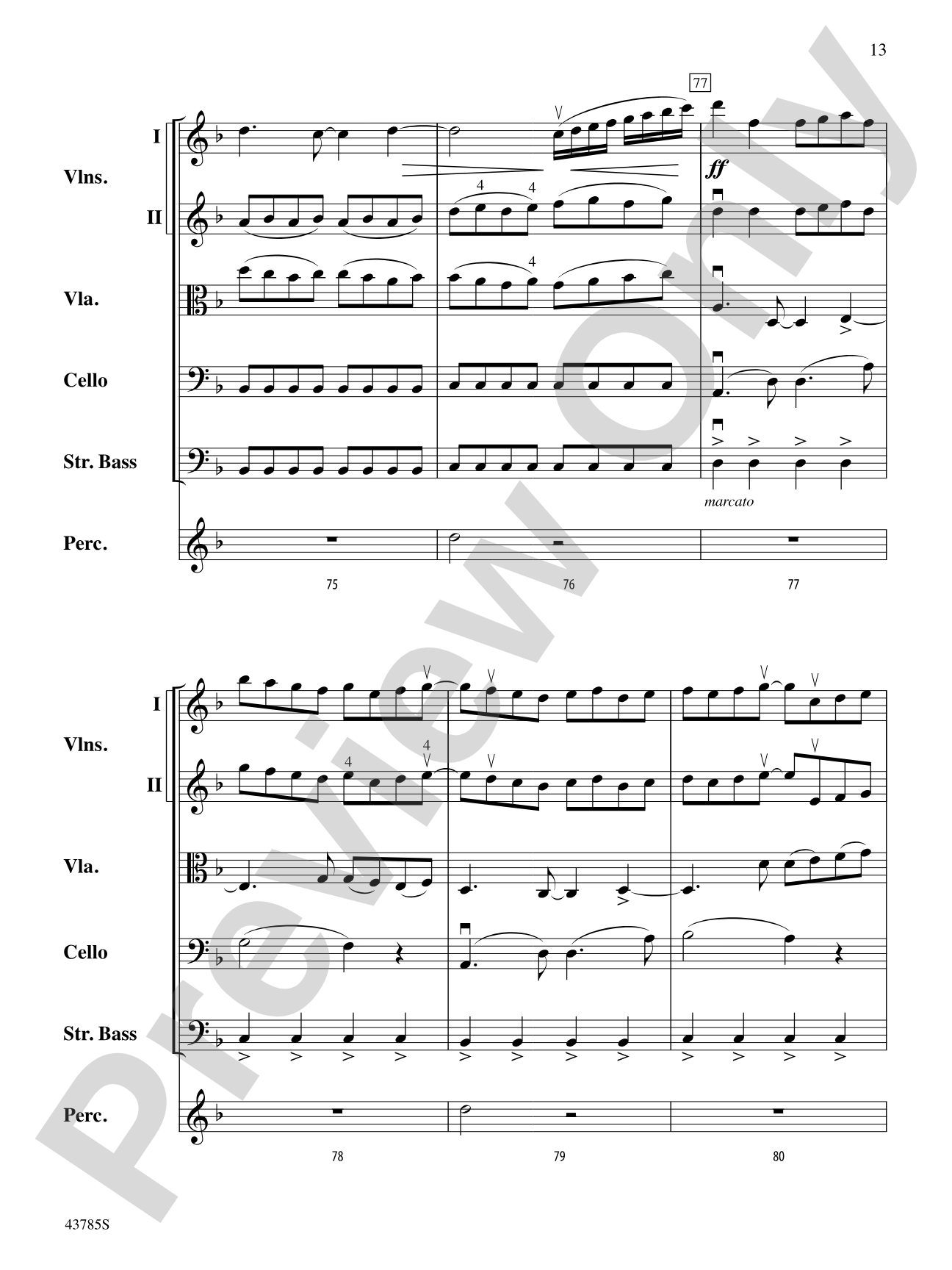
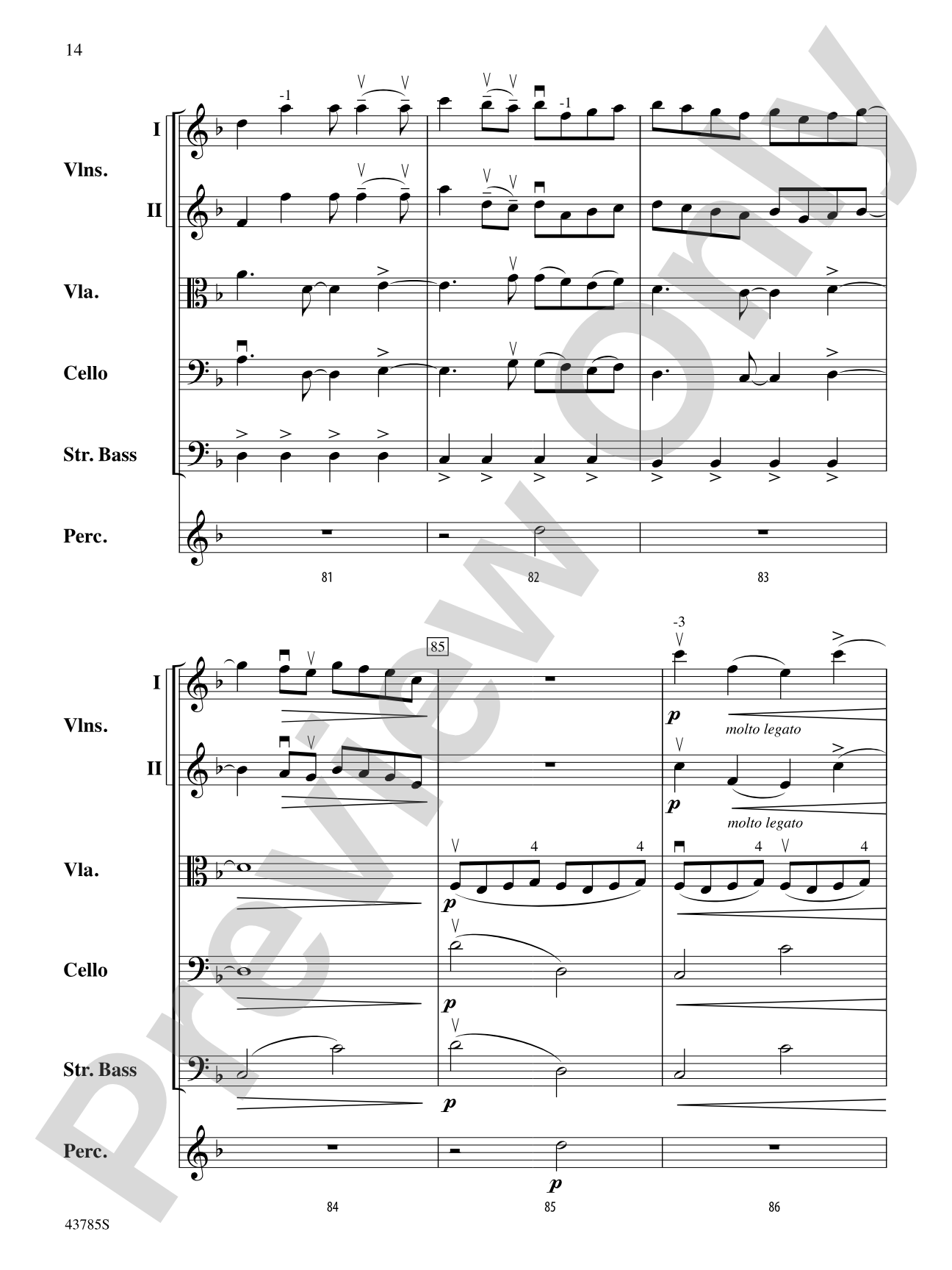
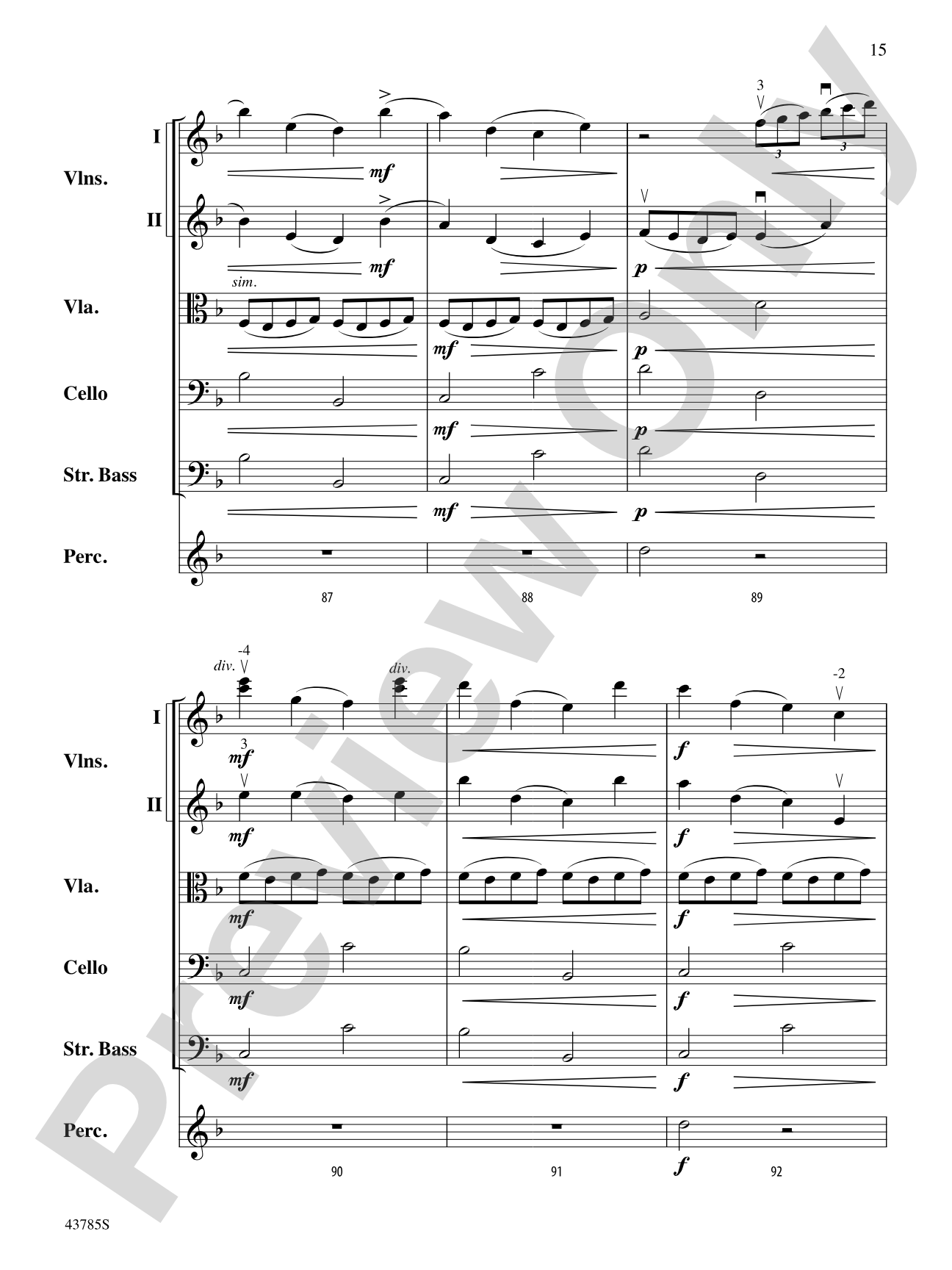
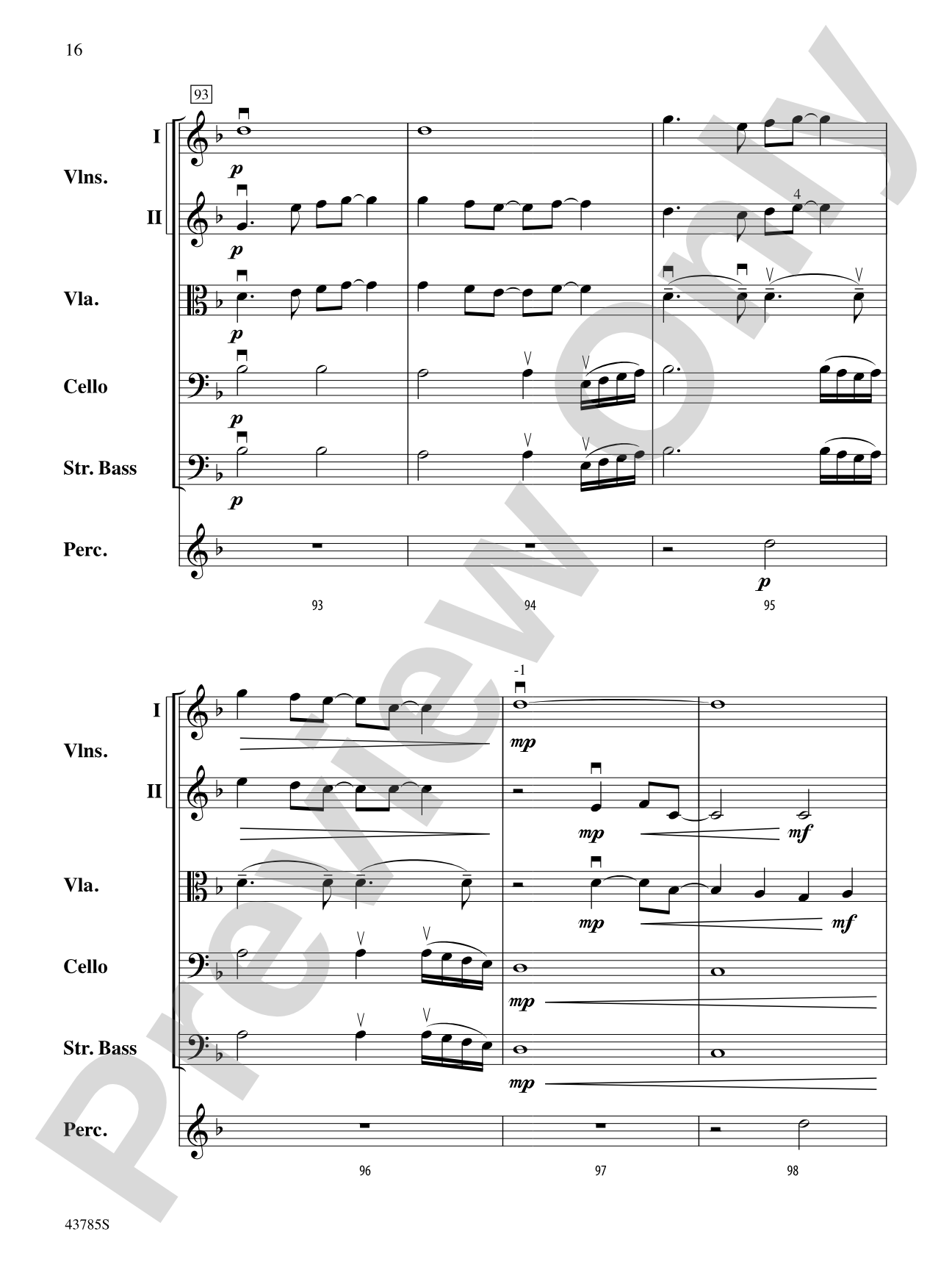
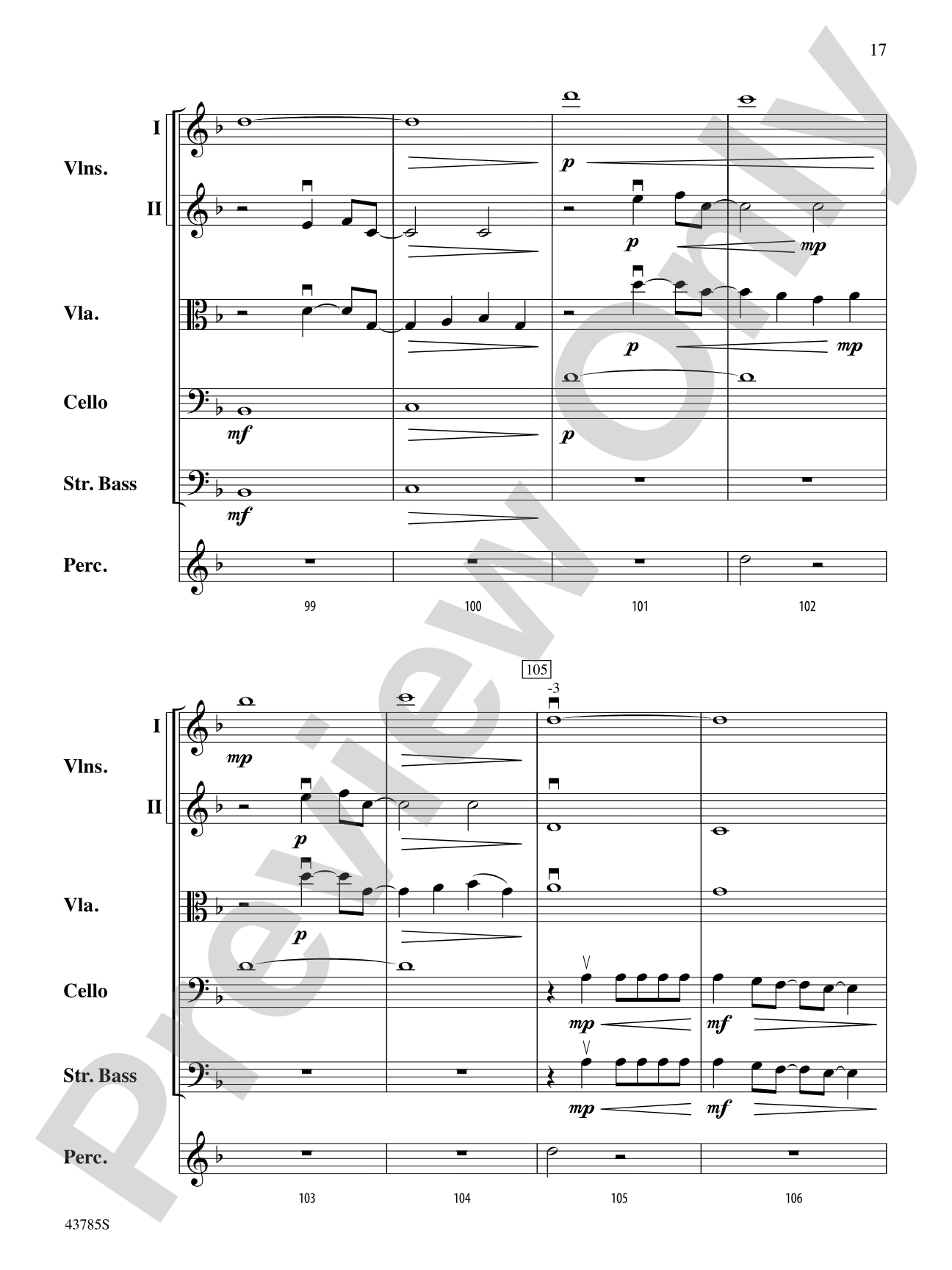
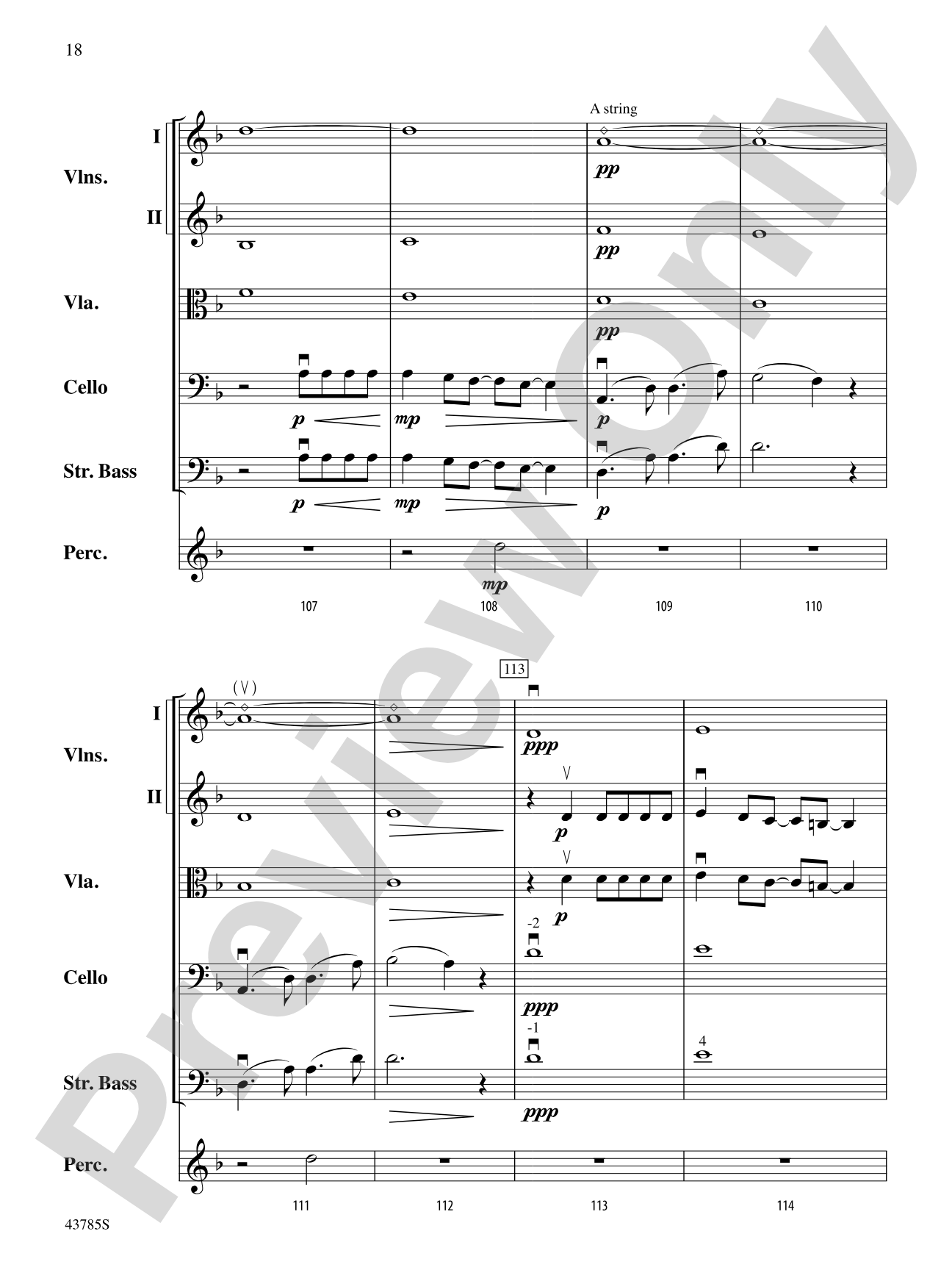
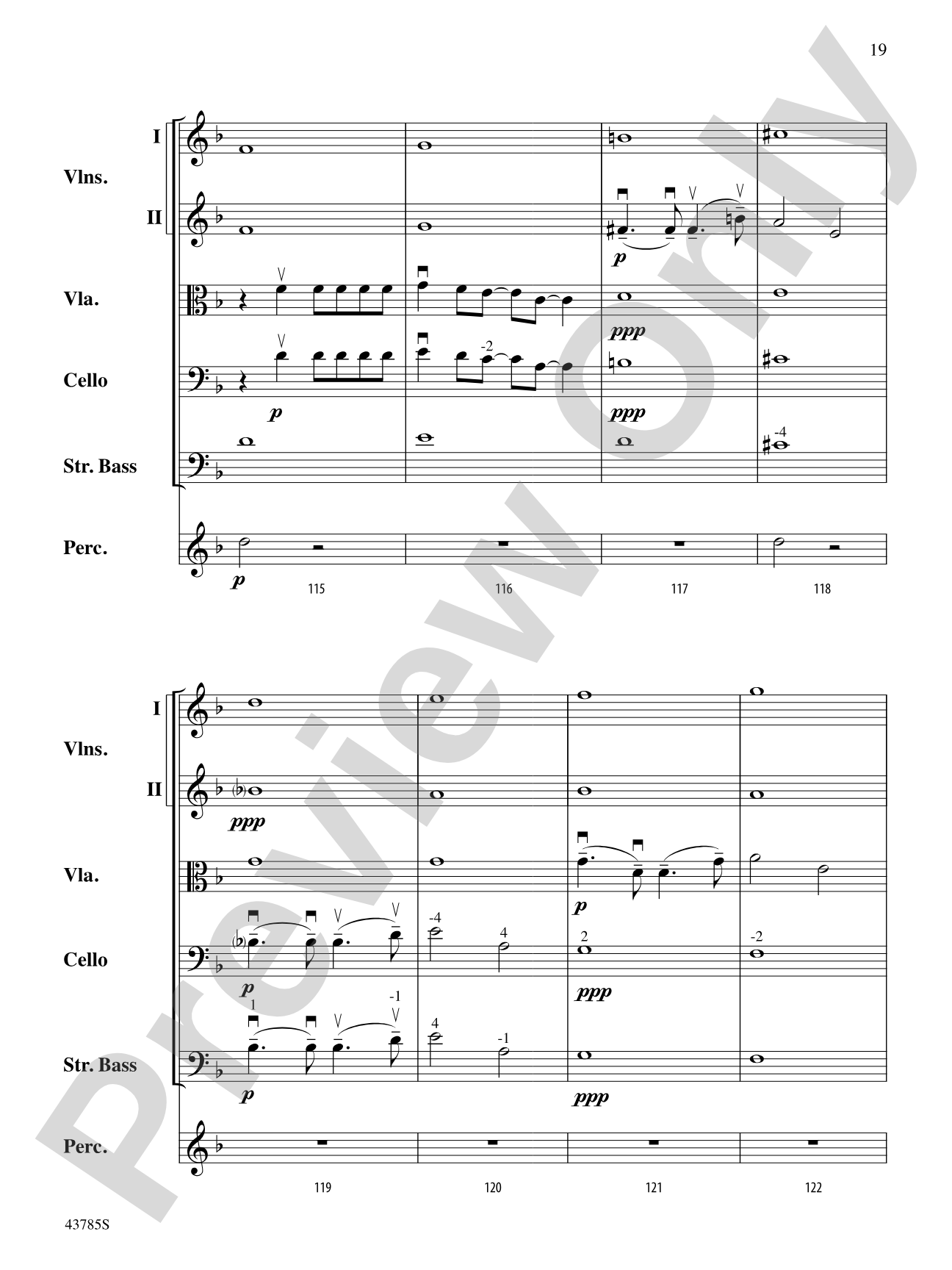
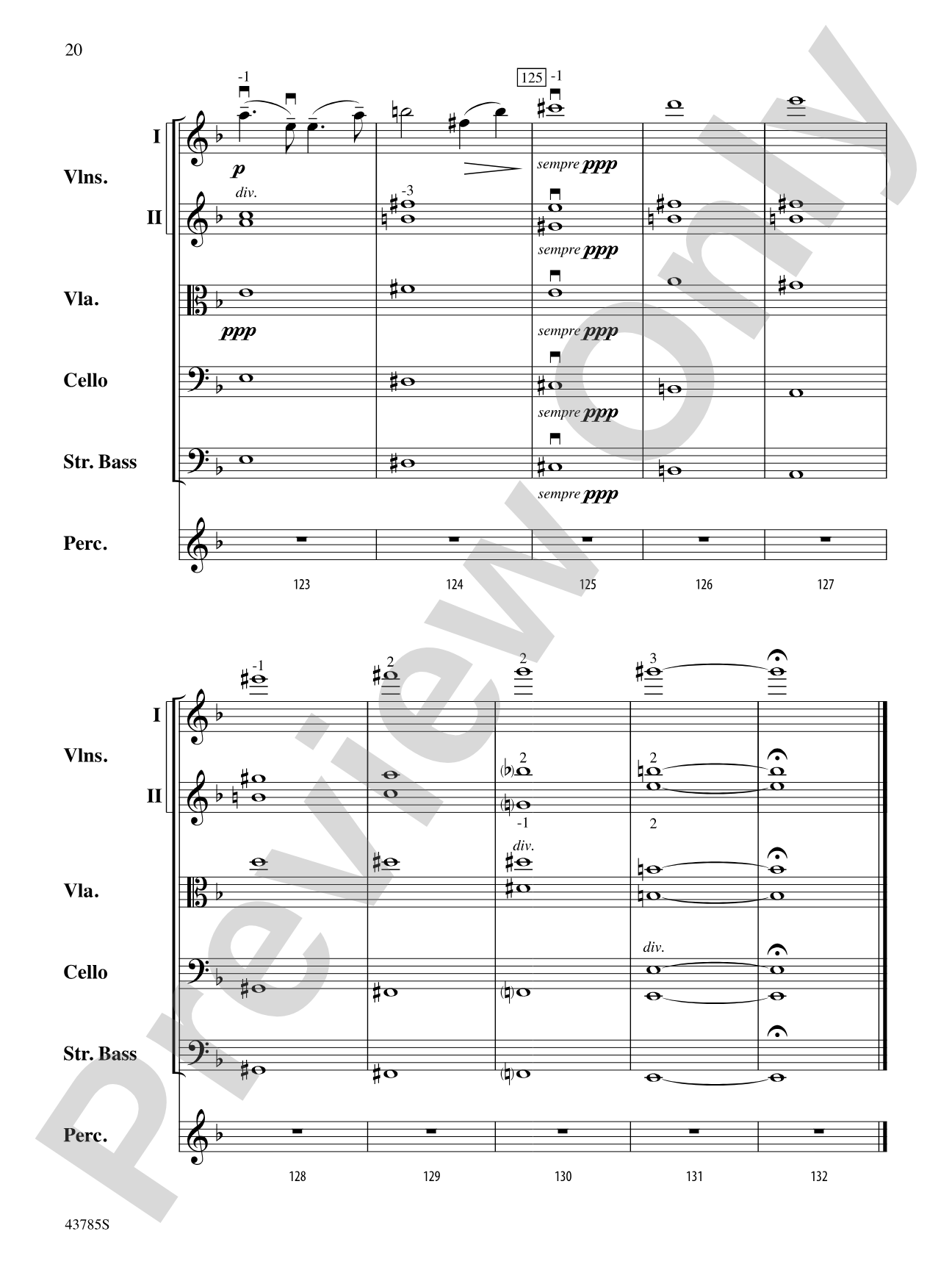

Shattered: String Orchestra Conductor Score & Parts
By Michael Hopkins
Grade: 3
Item: 00-PK-0006639

$58.00
Pickup currently not available
Buy Extra Parts (Digital PDF Download)
| Product | Price | Quantity |
|---|---|---|
| Shattered: Score | $10.00 | |
| Shattered: 1st Violin | $5.99 | |
| Shattered: 2nd Violin | $5.99 | |
| Shattered: Viola | $5.99 | |
| Shattered: Cello | $5.99 | |
| Shattered: String Bass | $5.99 | |
| Shattered: 1st Percussion | $5.99 |
Parts Added to Cart!
Description
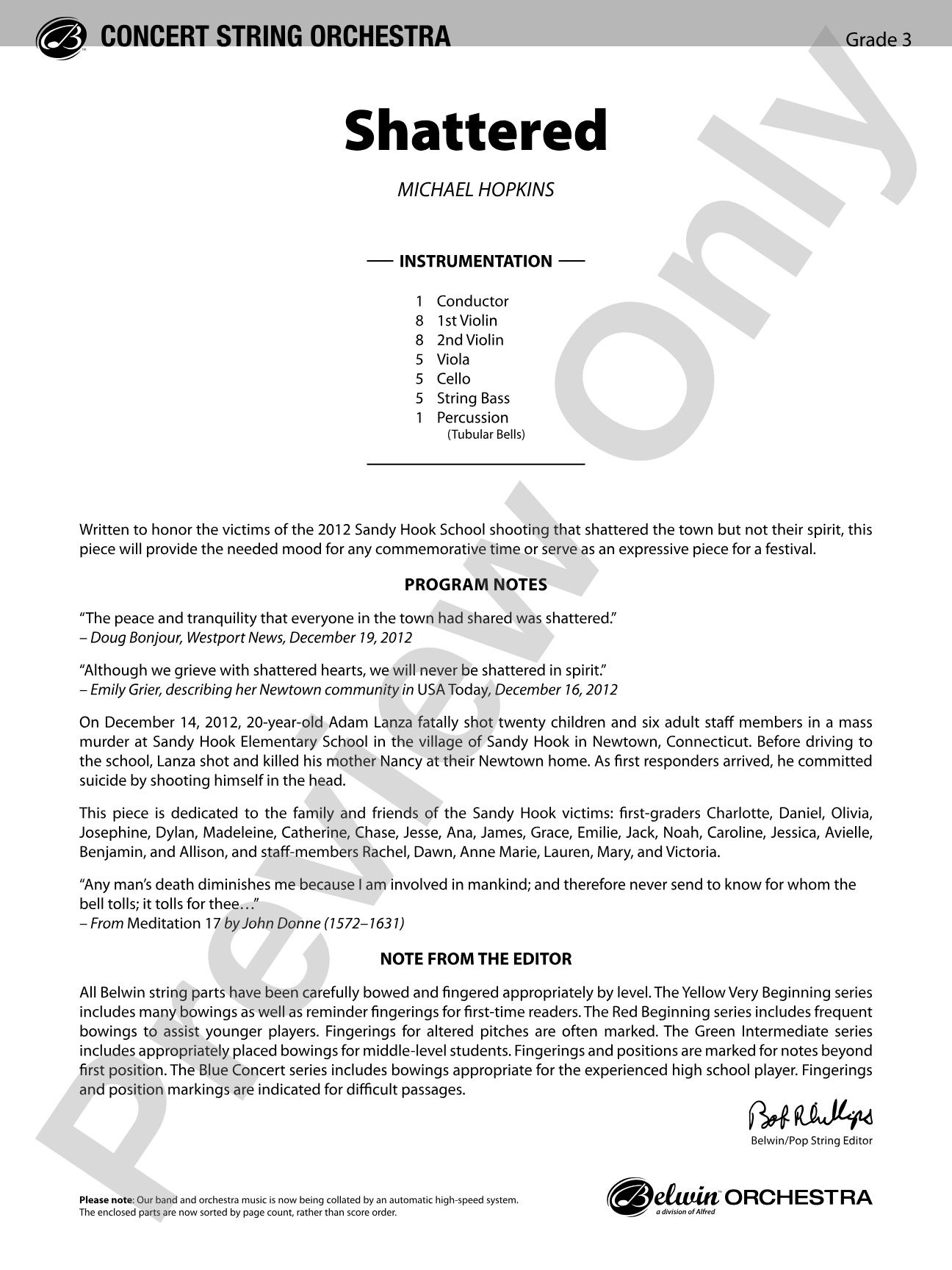
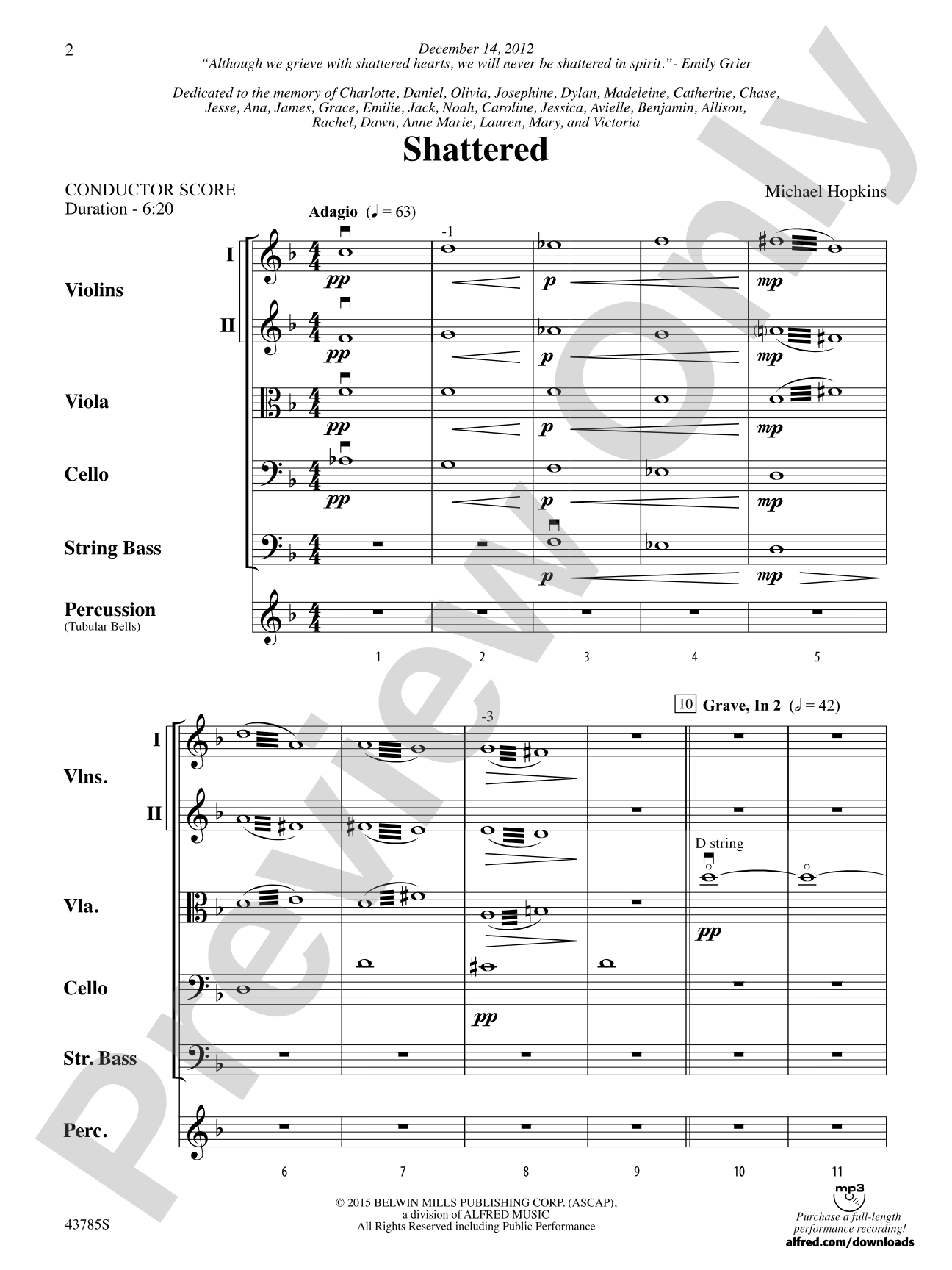
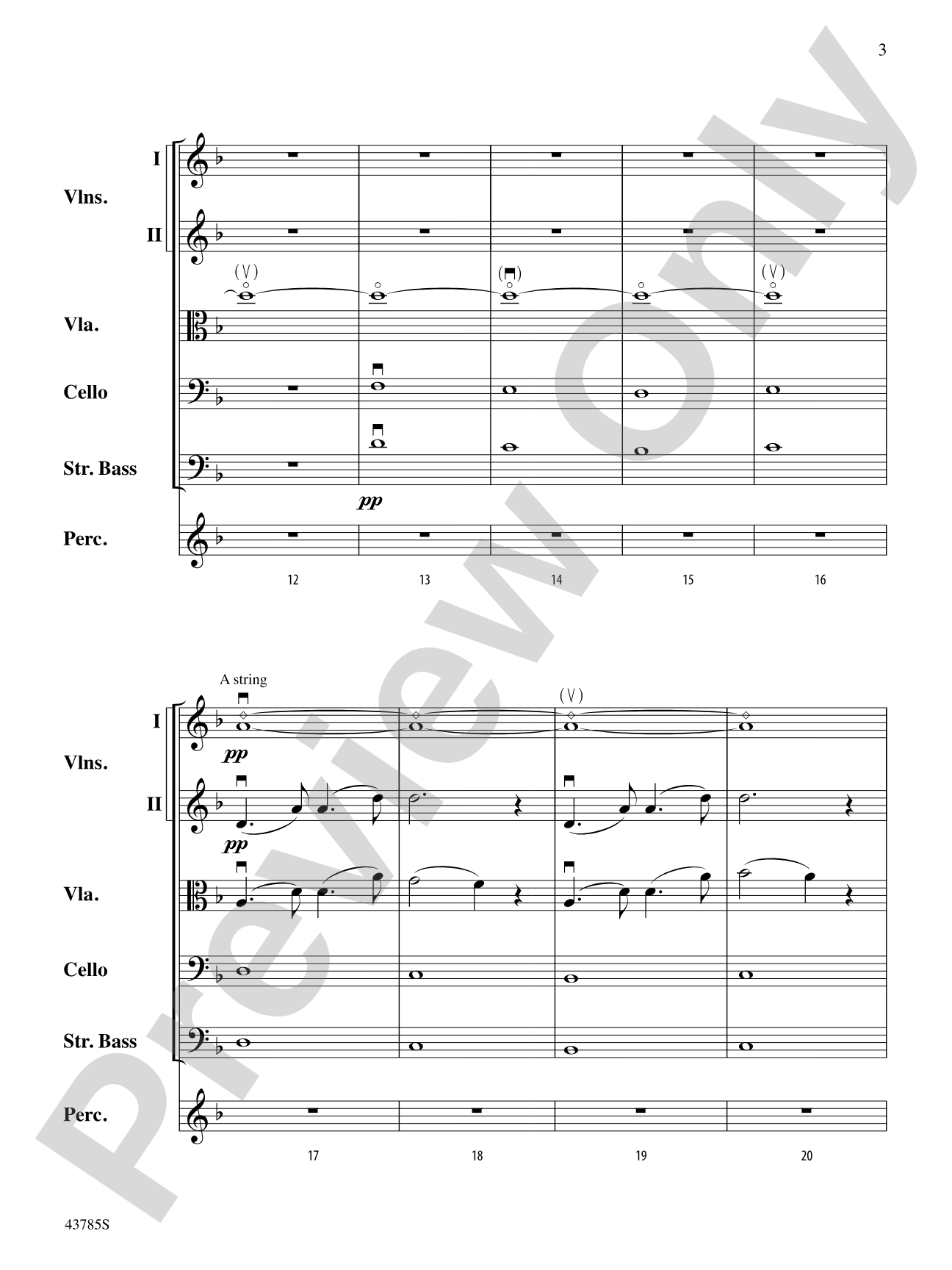
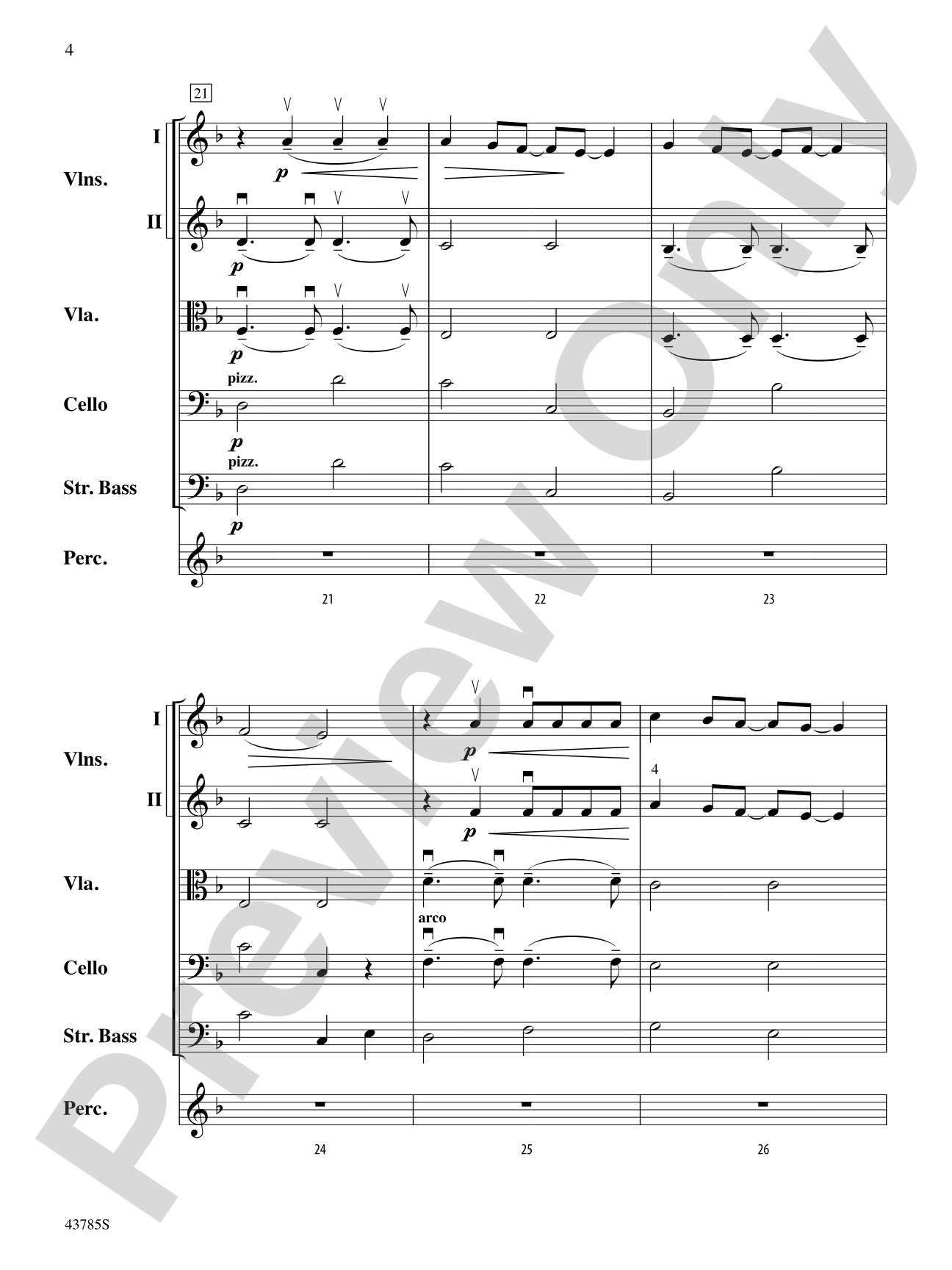
Written to honor the victims of the 2012 Sandy Hook School shooting that shattered the town but not their spirit, this piece will provide the needed mood for any commemorative time or serve as an expressive piece for a festival. (6:20)


Don't just read it, hear it, play along with it, and watch your students grow with it. In MakeMusic Cloud, Shattered: String Orchestra Conductor Score & Parts comes alive with professional accompaniment, adjustable tempo, and built-in practice tools that turn solo practice into real progress.
Open in the Player
Jump straight in and assign it today.
Start Your Free Trial
Open this title and explore the full library in minutes.
Sample Audio
1
Audio File
--:--
0:00
0:00
Sample Video
No sample videos found.
Additional Details
Series:
Belwin Concert String Orchestra
Publisher:
Alfred Music
Page Count:
126
SKU:
00-PK-0006639
More about this title
About the Composer: Michael Hopkins
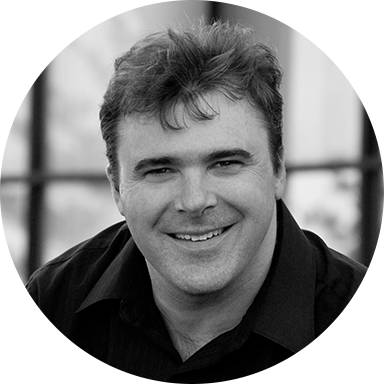
Michael Hopkins brings a deep commitment to string education and ensemble leadership forged through decades of teaching and conducting. At the University of Michigan, where he serves as Professor and Chair of Music Education, he teaches string techniques, orchestra methods, and courses in music psychology and research. His career spans middle and high school orchestra direction in Colorado, Michigan, and Vermont, as well as guest conducting at over 100 orchestra festivals and clinics across the United States.
Hopkins is a prolific composer and arranger with more than 70 published works for orchestra to his name. He founded the Burlington Chamber Orchestra and has contributed significantly to the field through research presentations at national and state conferences and peer-reviewed articles on string pedagogy and music technology. His book, The Art of String Teaching (GIA Publications), stands as a comprehensive resource for orchestra teachers, conductors, and private studio instructors.
Why we love this
A Grade 3 piece that achieves genuine emotional weight without requiring advanced technical facility. Hopkins writes with real orchestral sophistication, giving every section meaningful material while keeping the demands manageable so your ensemble can focus entirely on the interpretive and expressive work. The commemorative context enriches the musicmaking without feeling heavy-handed.
What to expect
The piece carries quiet dignity and resolve, honoring grief without wallowing in it. Sustained harmonies and measured phrasing create a reflective, almost meditative soundscape that builds gradually, reflecting both vulnerability and the resilience suggested by its title.
Who it's for
String orchestra conductors preparing a commemorative concert, festival performance, or program moment that calls for genuine emotional depth. Young orchestras at the intermediate level can access the material without extensive technical preparation, allowing their focus to settle on artistic expression and musical communication.
How to get the most out of it
- Shape each phrase with deliberate dynamics and bow control rather than rushing through sustained passages. The expressive power depends on your orchestra's ability to sustain tone quality at softer volumes.
- Balance the internal voices carefully so the piece breathes as a unified sound rather than feeling bottom-heavy. Violins II and violas carry essential harmonic weight and need projection without overwhelming the lower strings.
- Establish a still, centered tempo in rehearsal before adding interpretive flexibility. A stable foundation allows your orchestra to communicate the emotional content without becoming unfocused.
- Allocate extra rehearsal time to transitions between sections. Clean hand technique and clear cueing ensure the ensemble stays responsive to your interpretive choices.
How to use it
Program this as a standalone commemorative work in a concert dedicated to reflection or remembrance, or pair it with other substantial repertoire as a contrasting emotional anchor. Its 6 minute 20 second duration makes it ideal for opening a second half of a concert or creating a meaningful standalone segment at a festival.
Skills your students will build
- Sustaining tone quality at low dynamic levels (pianissimo and mezzo-piano)
- Shaping long phrases with minimal notation cues
- Ensemble balance and blend across four-part voicing
- Responsiveness to subtle conducting gestures and interpretive nuance
- Musical maturity in performance of commemorative or emotional content