

Shadows of Venice: Score
By Doug Spata
Grade: 2
Item: 00-PR-0003358
$7.00
Pickup currently not available
Description
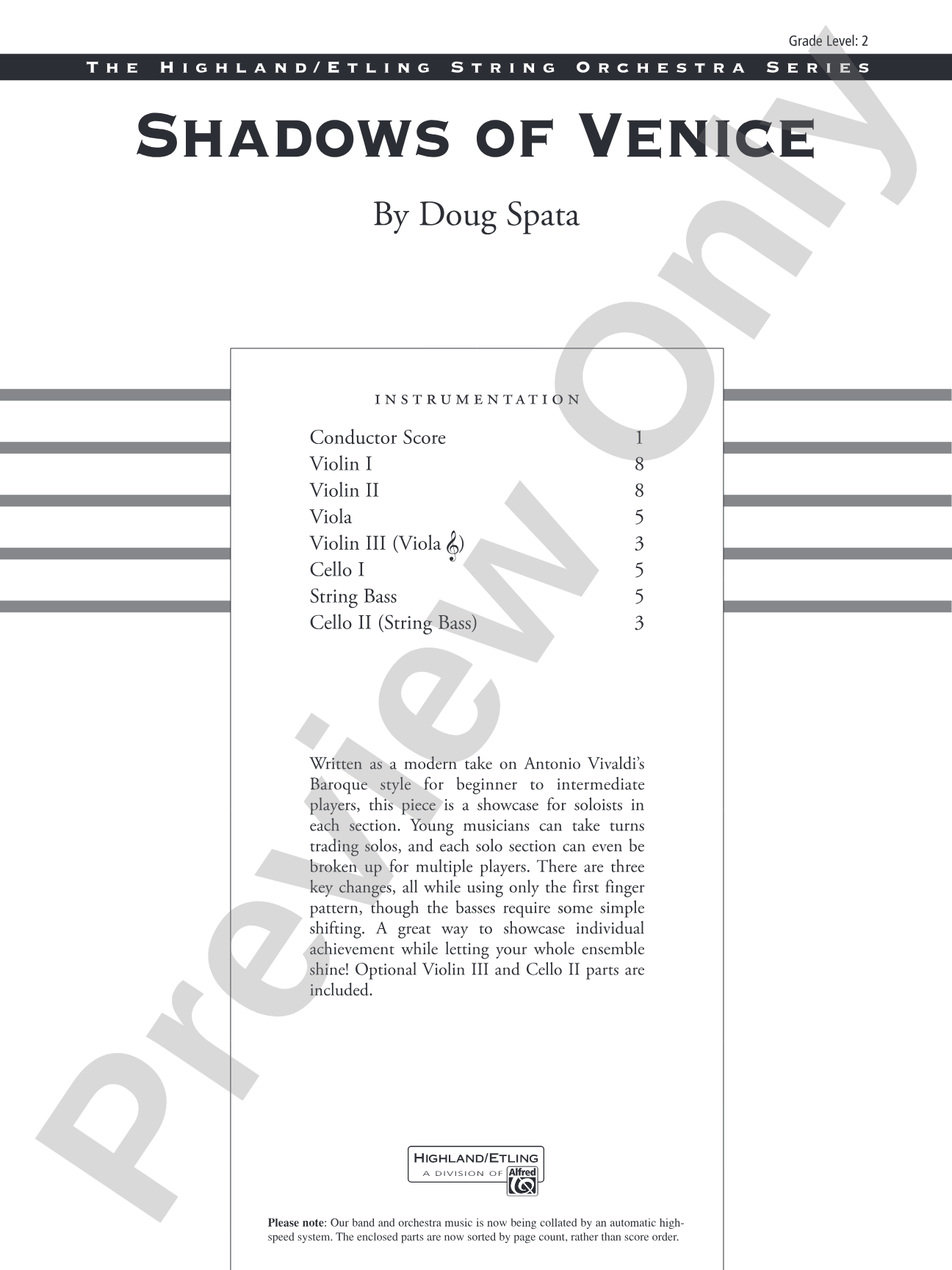
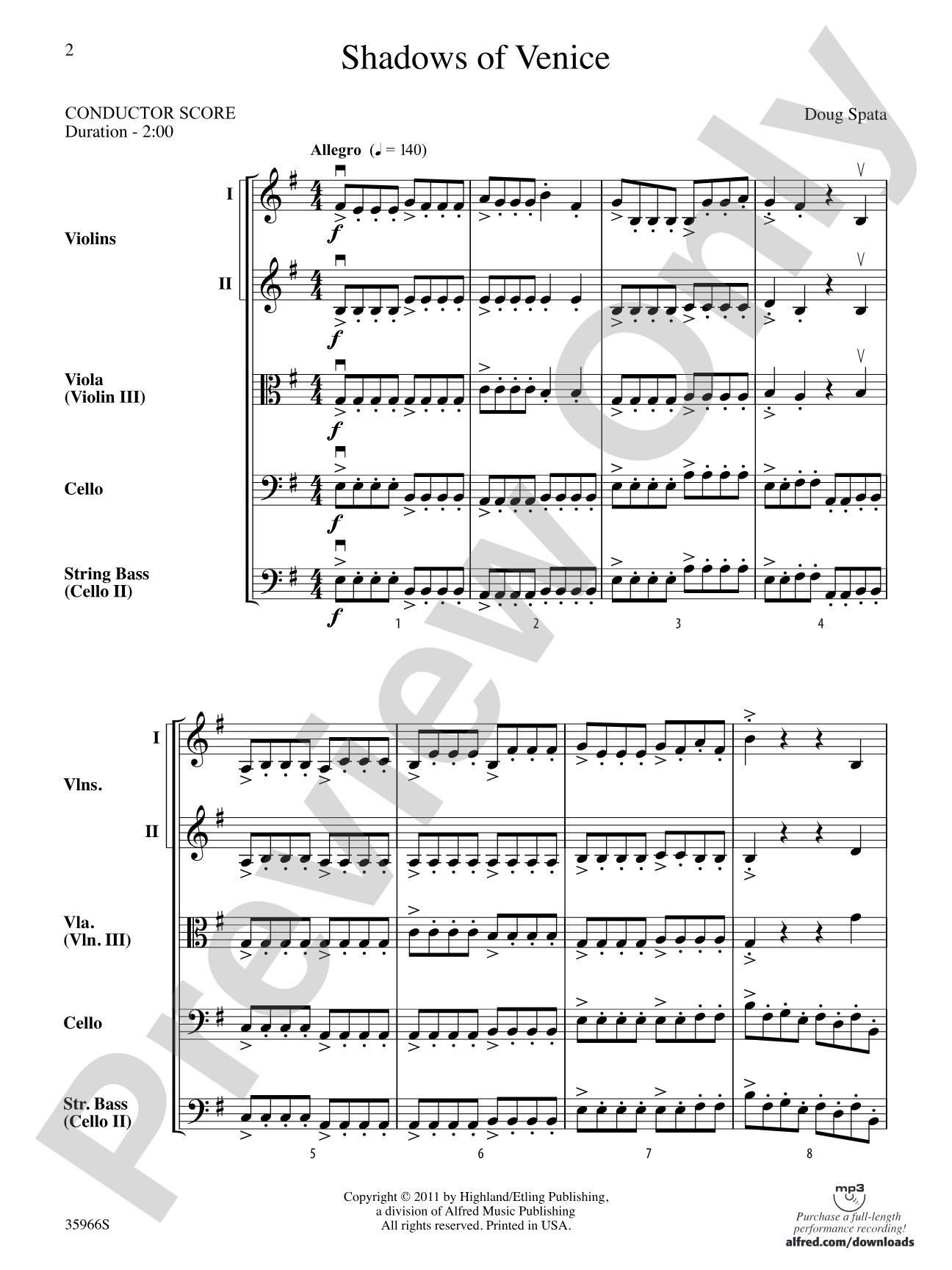
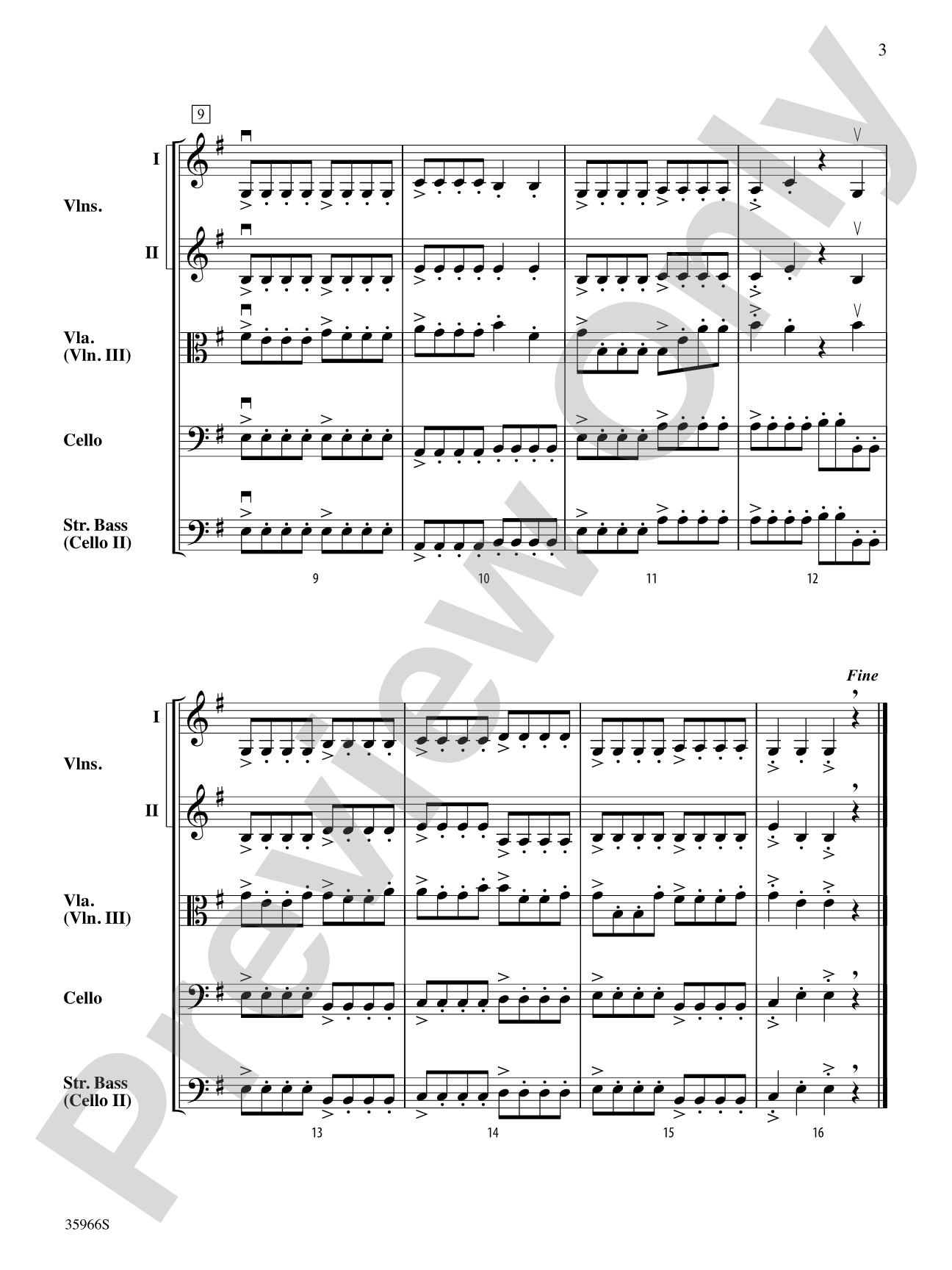
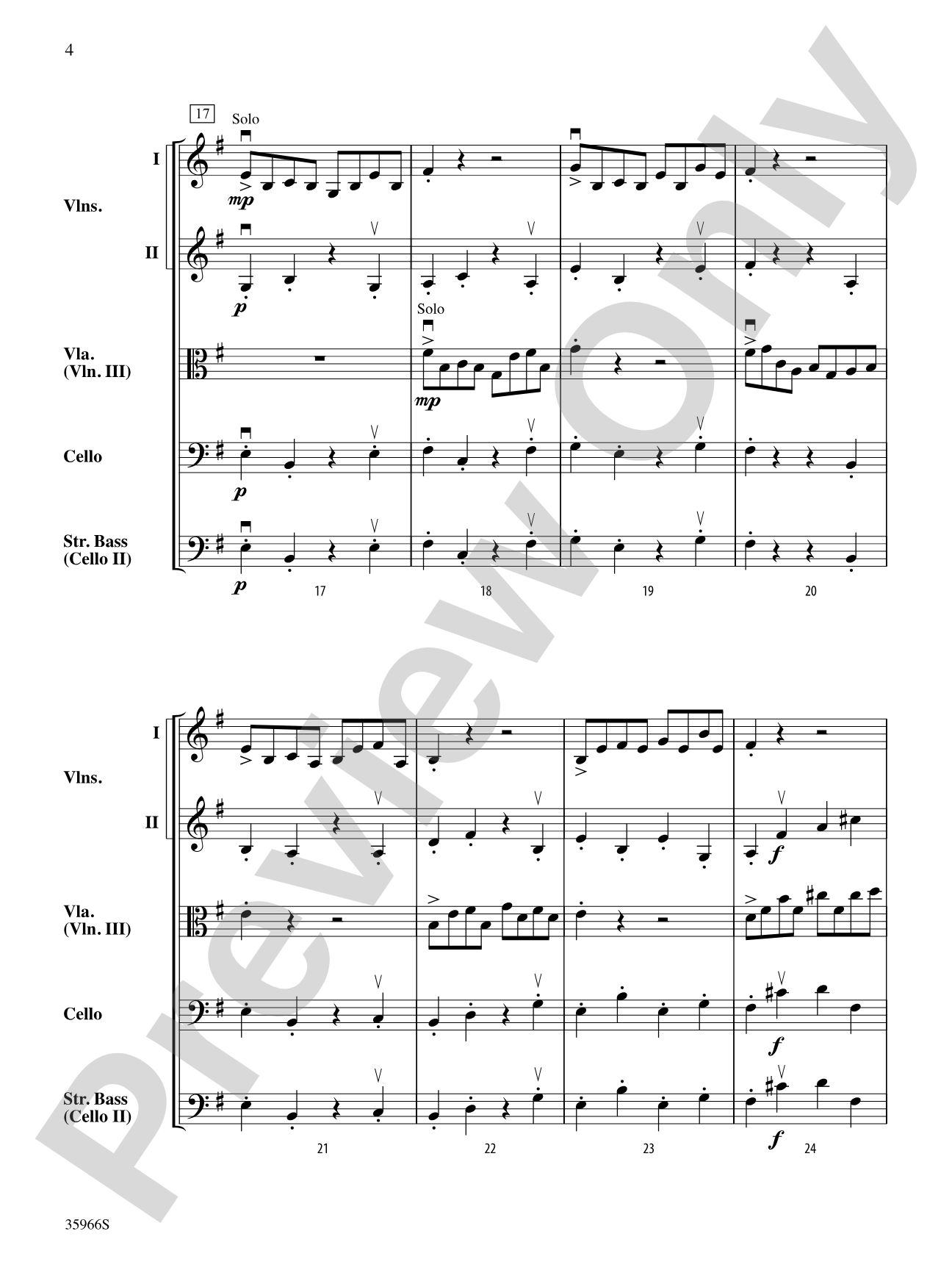
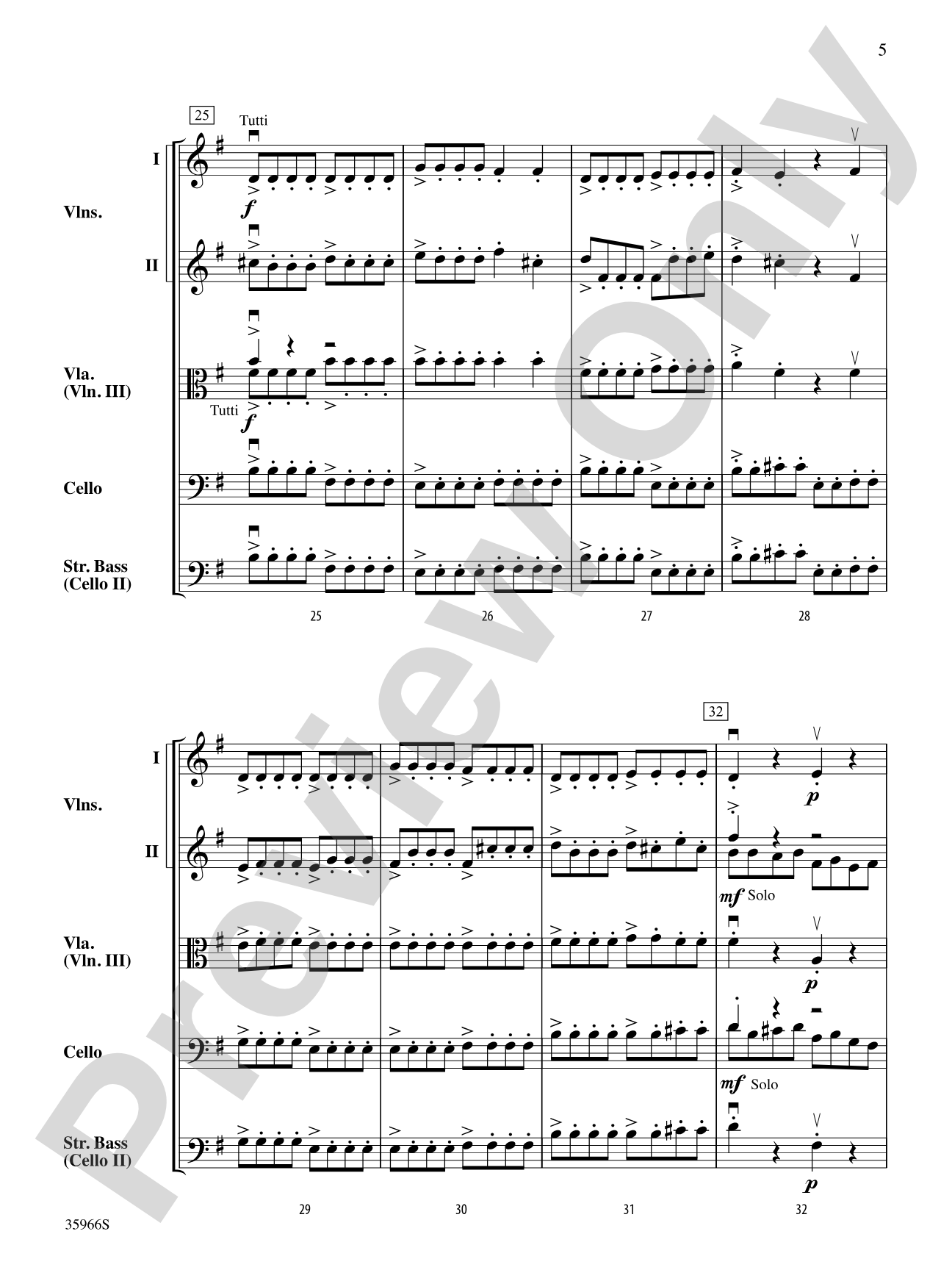
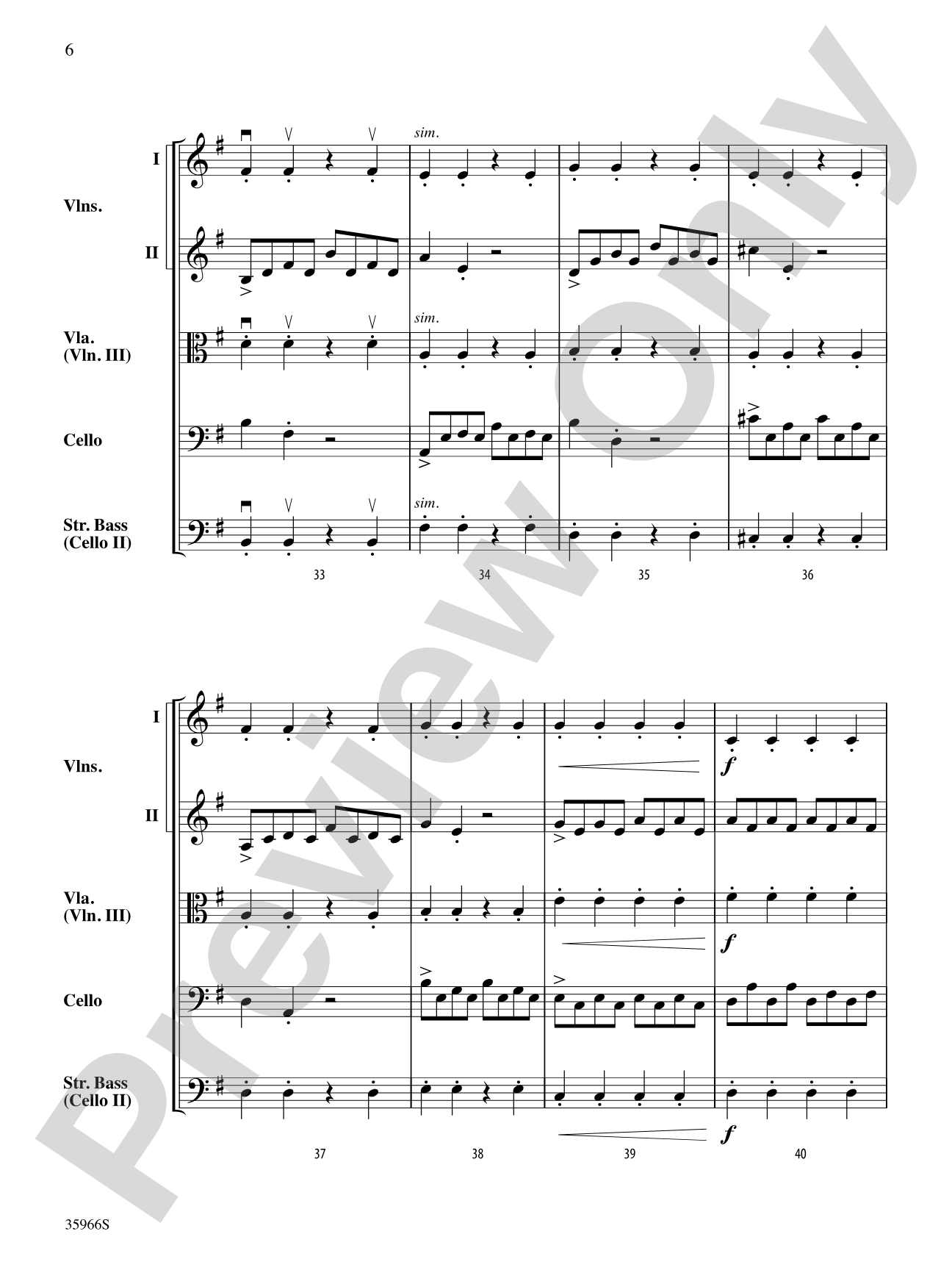
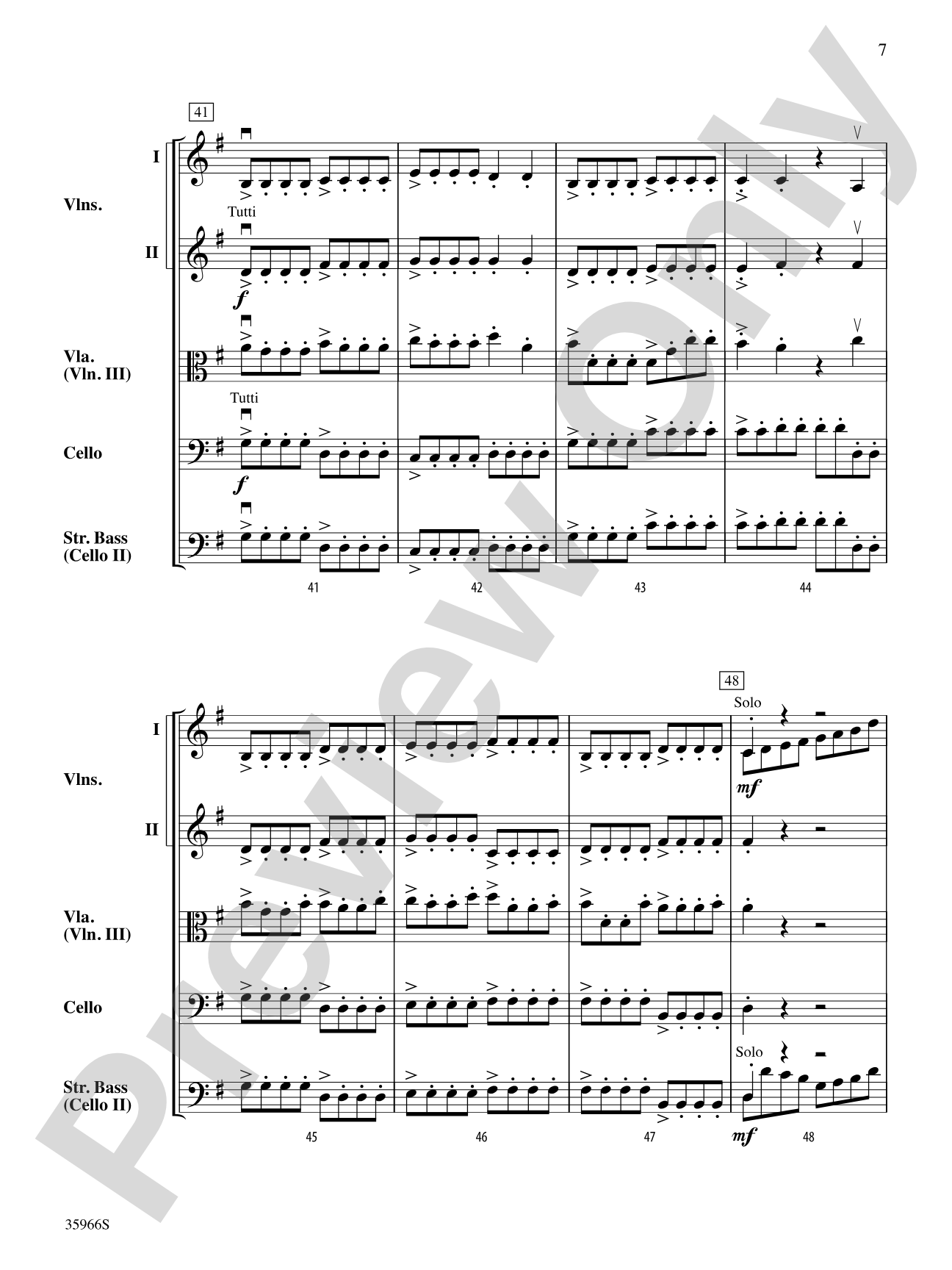
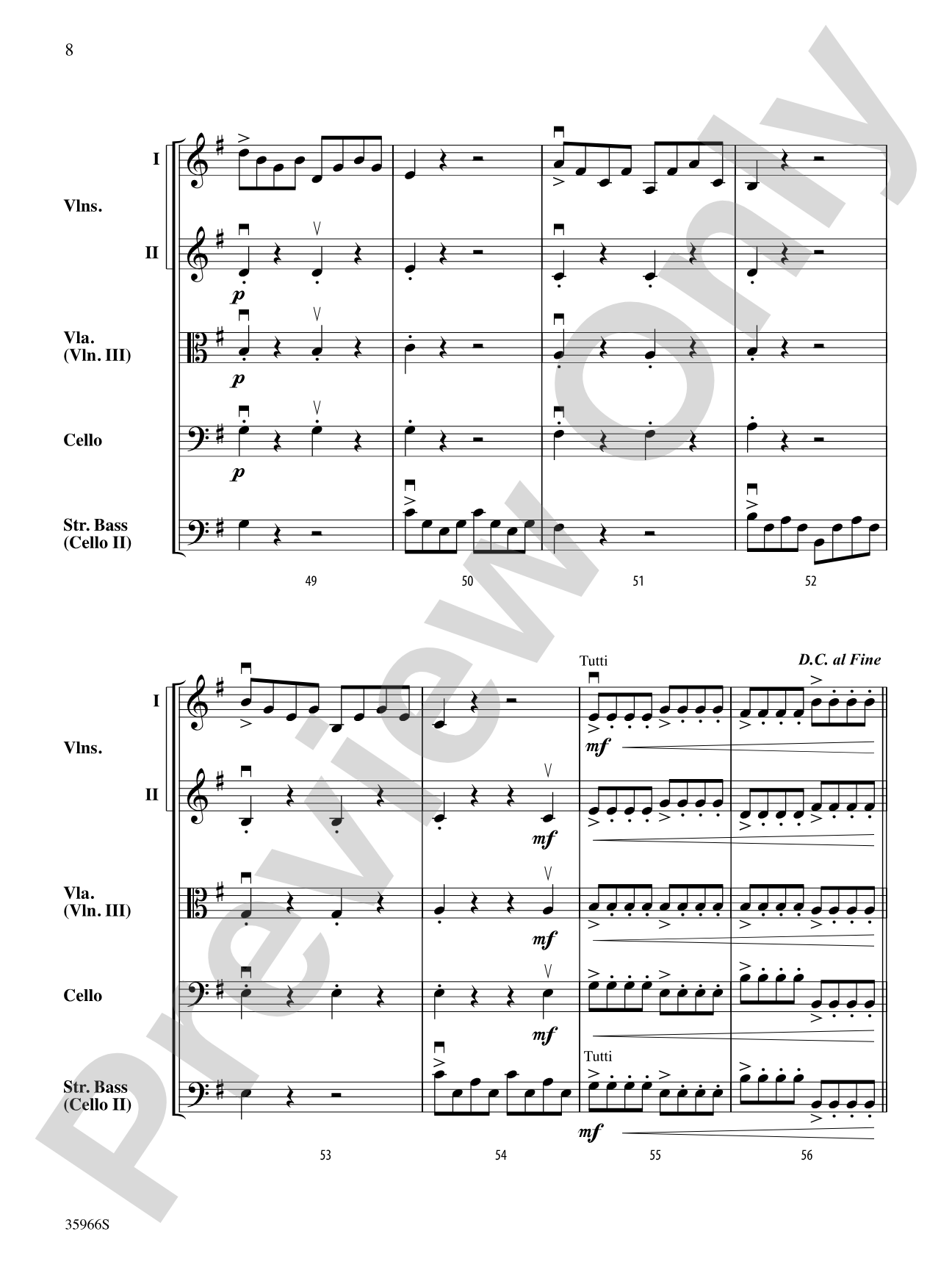
Written as a modern take on Antonio Vivaldi's Baroque style for beginner to intermediate players, this piece is a showcase for soloists in each section. Young musicians can take turns trading solos, and each solo section can even be broken up for multiple players. There are three key changes, all while using only the first finger pattern, though the basses require some simple shifting. A great way to showcase individual achievement while letting your whole ensemble shine! Optional Violin III and Cello II parts are included.


Don't just read it, hear it, play along with it, and watch your students grow with it. In MakeMusic Cloud, Shadows of Venice: Score comes alive with professional accompaniment, adjustable tempo, and built-in practice tools that turn solo practice into real progress.
Open in the Player
Jump straight in and assign it today.
Start Your Free Trial
Open this title and explore the full library in minutes.
Sample Audio
1
Audio File
--:--
0:00
0:00
Sample Video
No sample videos found.
Additional Details
Series:
Highland/Etling String Orchestra
Publisher:
Alfred Music
Page Count:
148
SKU:
00-PR-0003358
Instrumentation:
string w/ vln3 and cello2
More about this title
About the Composer: Doug Spata
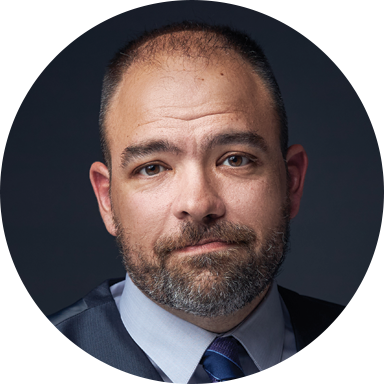
Doug Spata trained as a clarinetist but found his compositional voice through years of conducting string orchestras in school settings. His deep understanding of how young musicians learn and grow has shaped a catalog that speaks directly to teachers and students alike. His compositions have earned recognition across the country and internationally, performed by ensembles ranging from student orchestras to professional companies.
Beyond student-centered works, Spata has composed operas, ballet scores, symphonies, and chamber music for ensembles of every size. His gift lies in writing music that challenges musicians meaningfully while remaining accessible, a balance that keeps educators returning to his catalog year after year.
Why we love this
Spata captures the elegance of Vivaldi's style without asking your section leaders to master multiple positions. The solo trading structure lets every violinist, violist, and cellist experience genuine featured moments, building confidence and individual musicianship within an ensemble context. Three key changes keep things engaging for your listening audience while staying firmly within first position for most players, making this both programmatically sophisticated and technically smart for Grade 2.
What to expect
Venetian in spirit if not in period accuracy, Shadows of Venice moves with Renaissance grace and Baroque flourish. The piece breathes elegantly through key changes that feel natural rather than abrupt, and the trading solos create a sense of graceful conversation among the sections.
Who it's for
Conductors leading Grade 2 string orchestras who want to program music that develops individual soloists without requiring complex shifting or multi-position navigation. This works beautifully for schools that value recognizing student achievement through performance opportunities.
How to get the most out of it
- Balance the soloists forward during trading passages without losing the orchestral texture underneath. The accompaniment parts provide harmonic color and shouldn't fade just because a stand partner is featured.
- Rotate which players take the violin, viola, and cello solos across multiple rehearsals so the piece becomes a genuine opportunity for rotation rather than singling out only your strongest players.
- Shape the optional Violin III and Cello II parts thoughtfully. They add richness but should support, not compete with, the primary lines during solo sections.
- Mark the key changes clearly in both your score and your players' parts. Students often miss them on first read, so highlight them and rehearse the transition passages in isolation before performing.
How to use it
Perfect for a winter or spring concert where you want to celebrate individual musicians while demonstrating your orchestra's growth. The Vivaldi-inspired language makes it a natural pairing with other Baroque or early music programming, or use it to anchor a concert celebrating student achievement and solo development.
Skills your students will build
- Playing solo passages with confidence and projection
- Navigating three key changes within first position and simple shifting
- Accompanying other soloists while maintaining ensemble balance
- Sustaining melodic lines with attention to Baroque phrasing conventions
- Reading and executing dynamic contrasts between solo and tutti sections