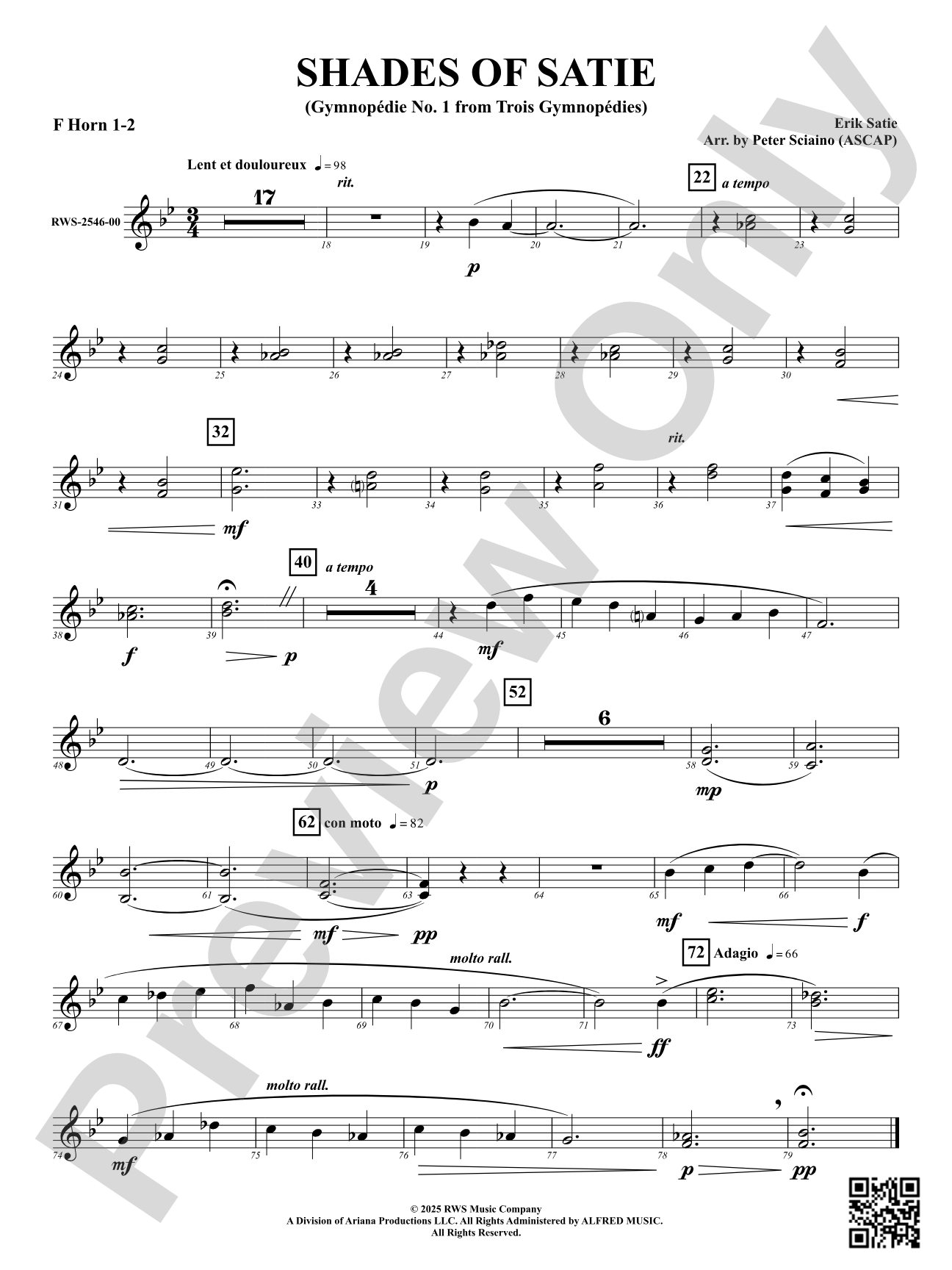
Erik Satie (1866-1925) was a French composer and pianist whose deceptively simple works masked profound musical philosophy. He rejected the Romantic era's emotional excess, instead crafting pieces of radical restraint and clarity that influenced composers from Debussy to Philip Glass. His Gymnopédies, written in the 1880s, became his most enduring works, establishing him as a visionary who understood that less could say infinitely more.
Satie's unconventional approach to composition and his often humorous rebellion against musical convention made him a figure apart in late 19th-century Paris. His influence on 20th-century music, minimalism, and contemporary composition remains profound. For music educators, Satie's work demonstrates that musical depth emerges not from complexity but from clarity of intent and sensitive handling of space.