
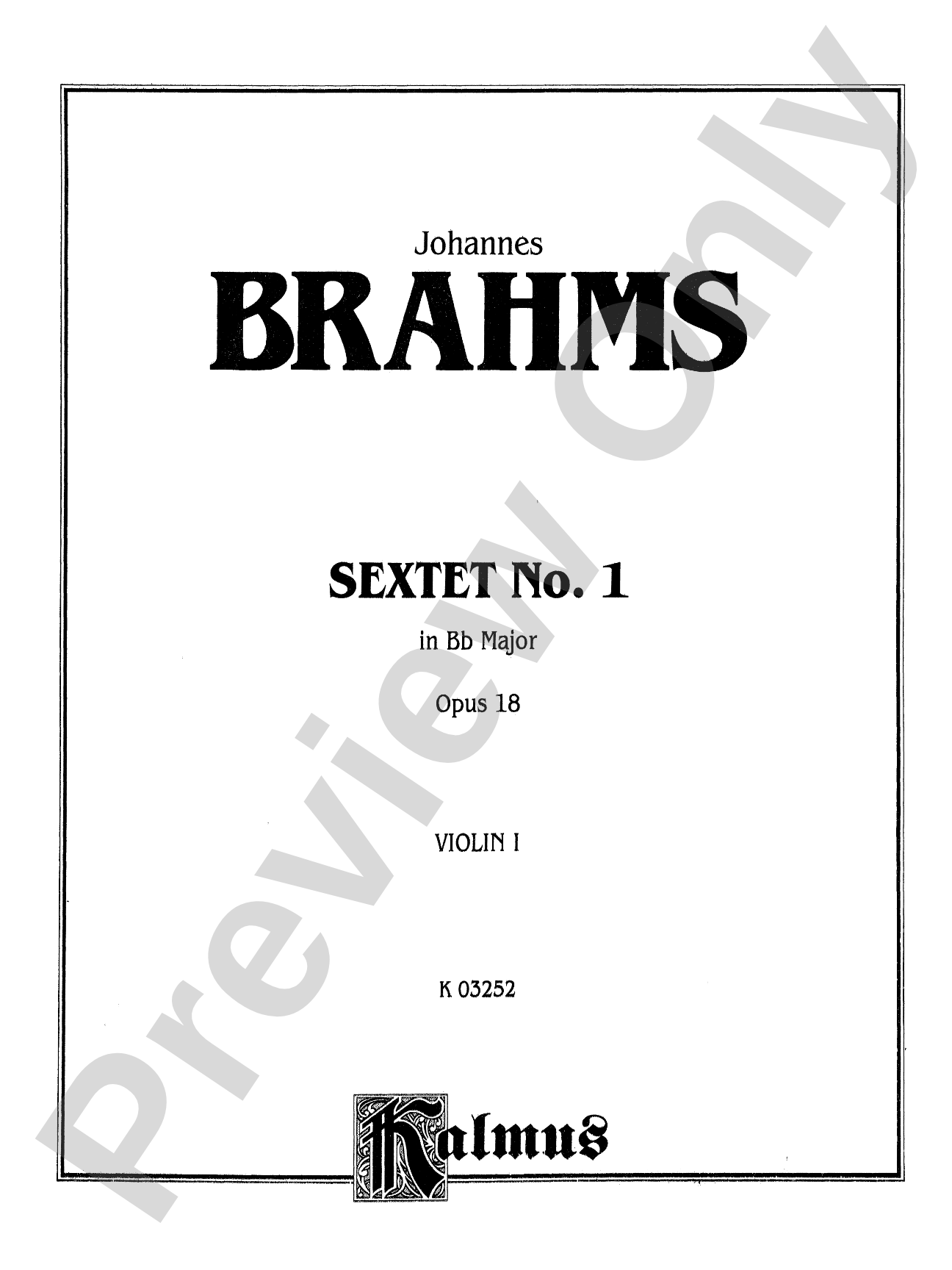
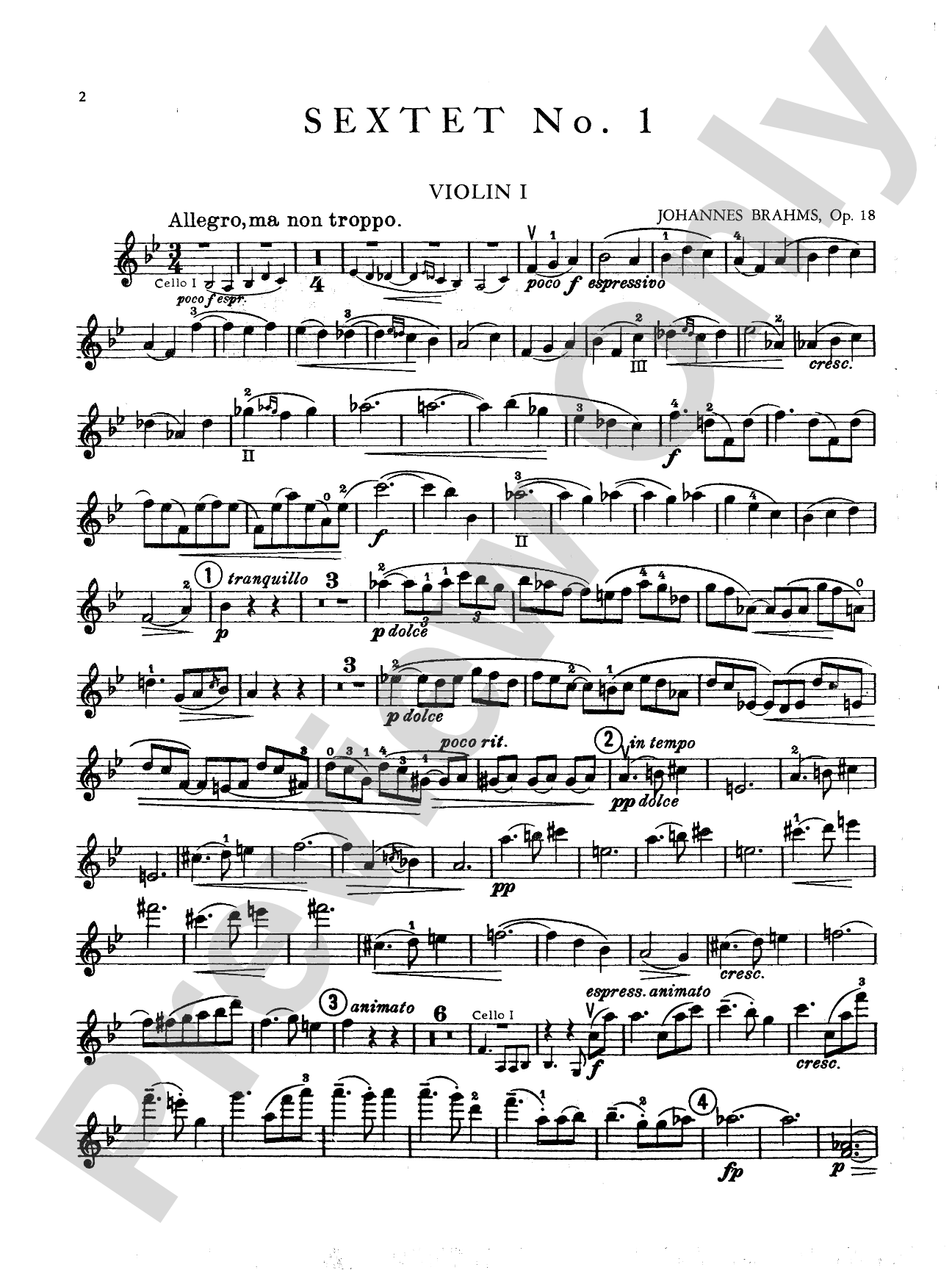
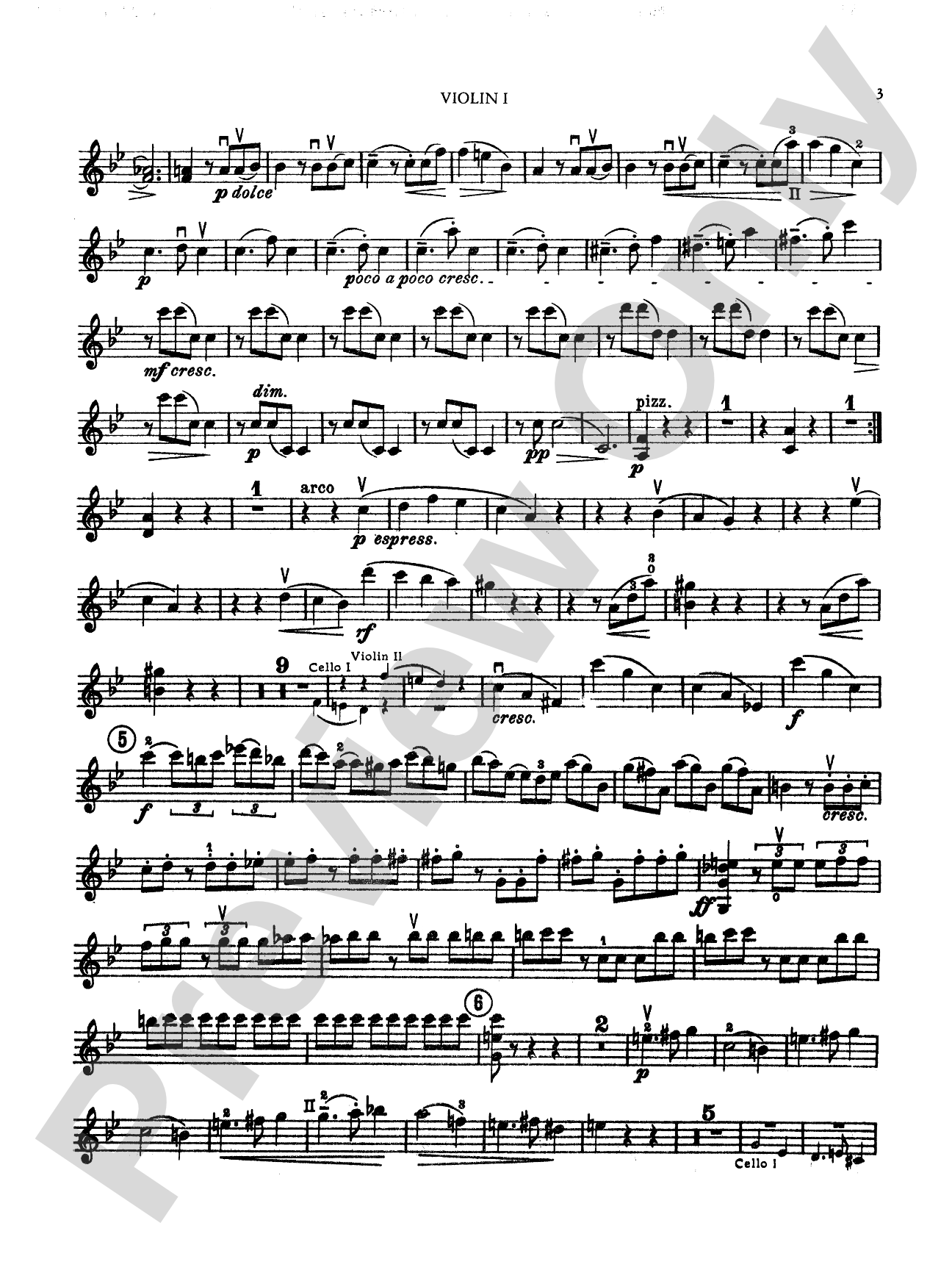
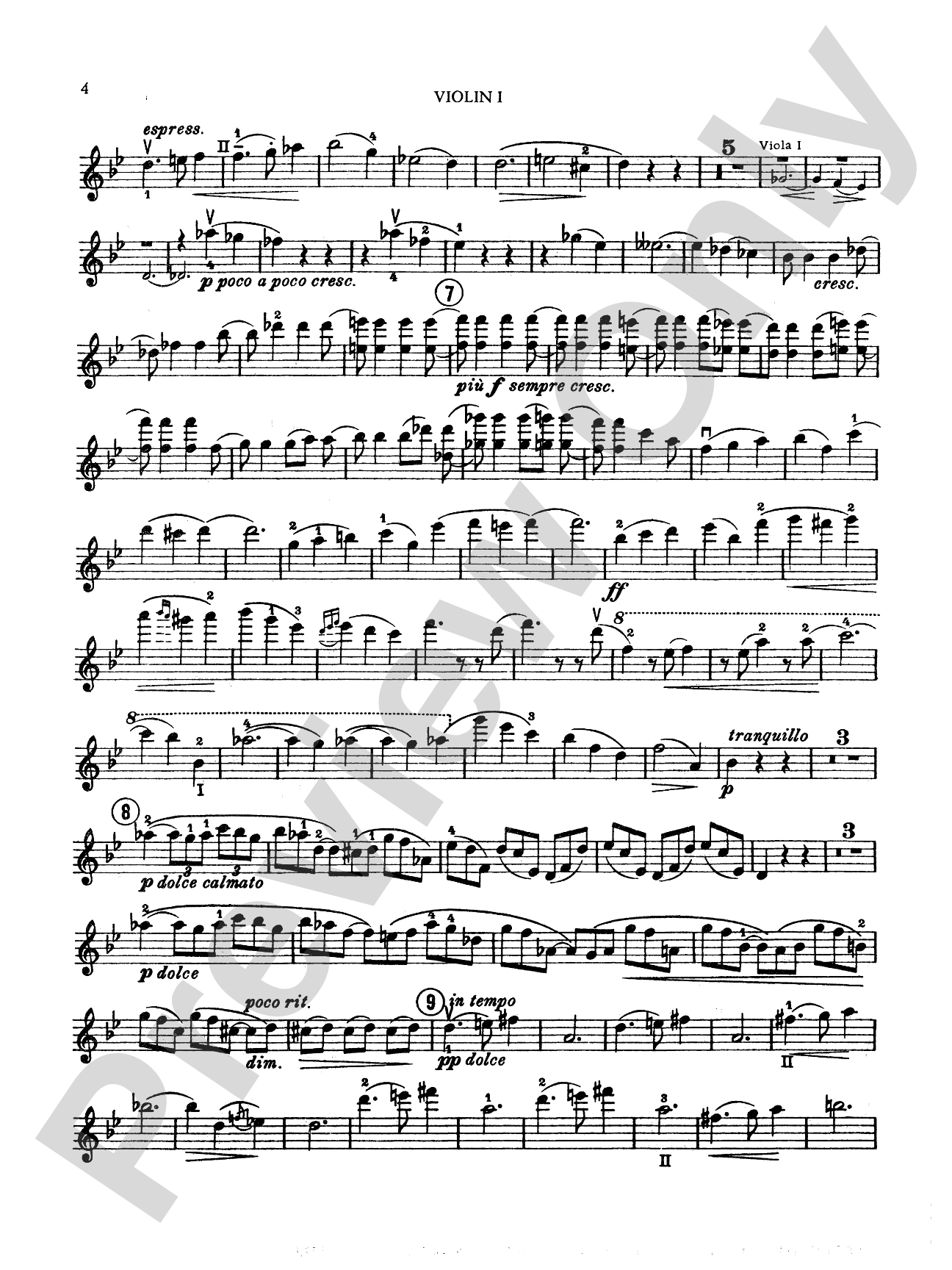
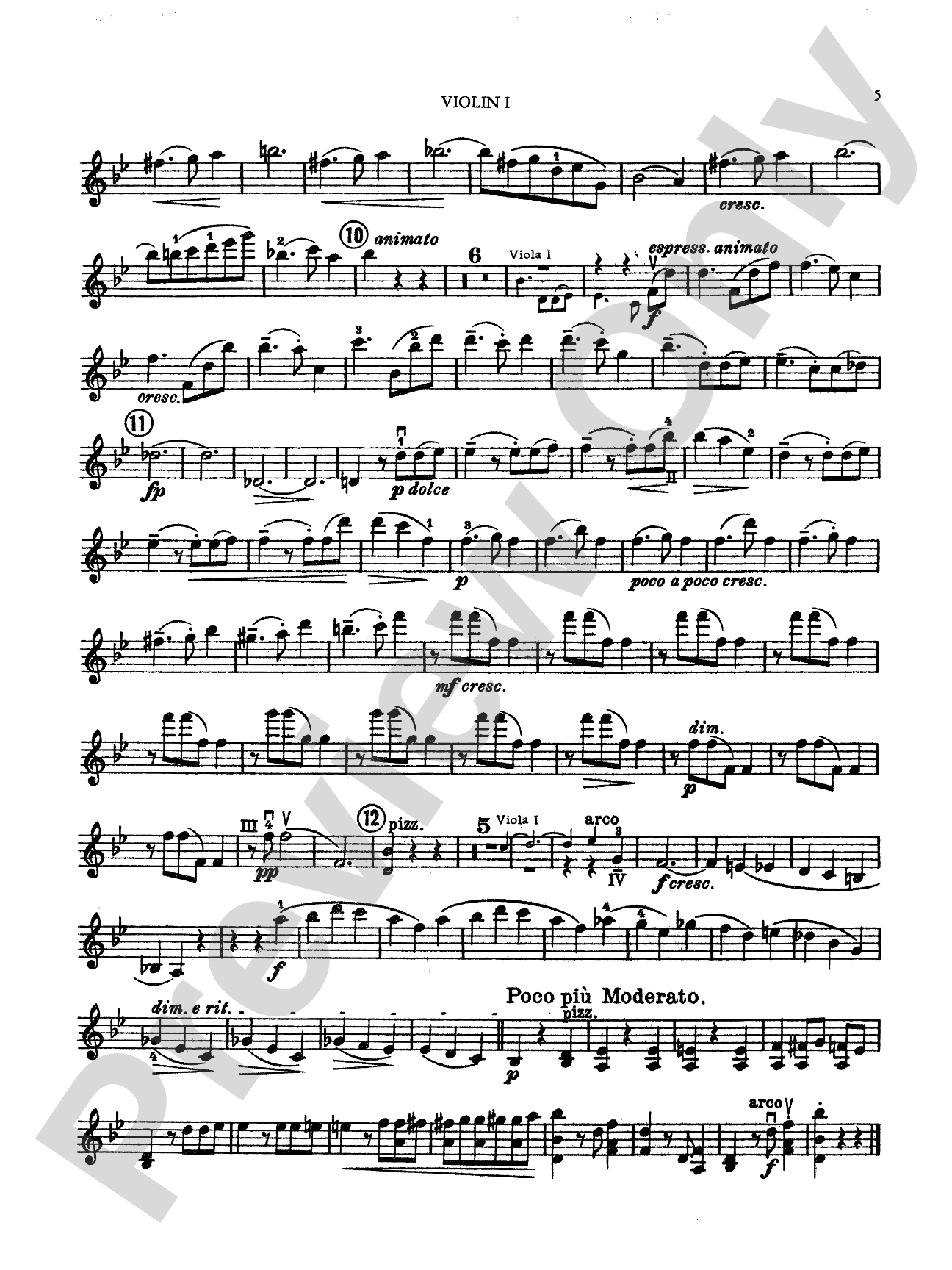
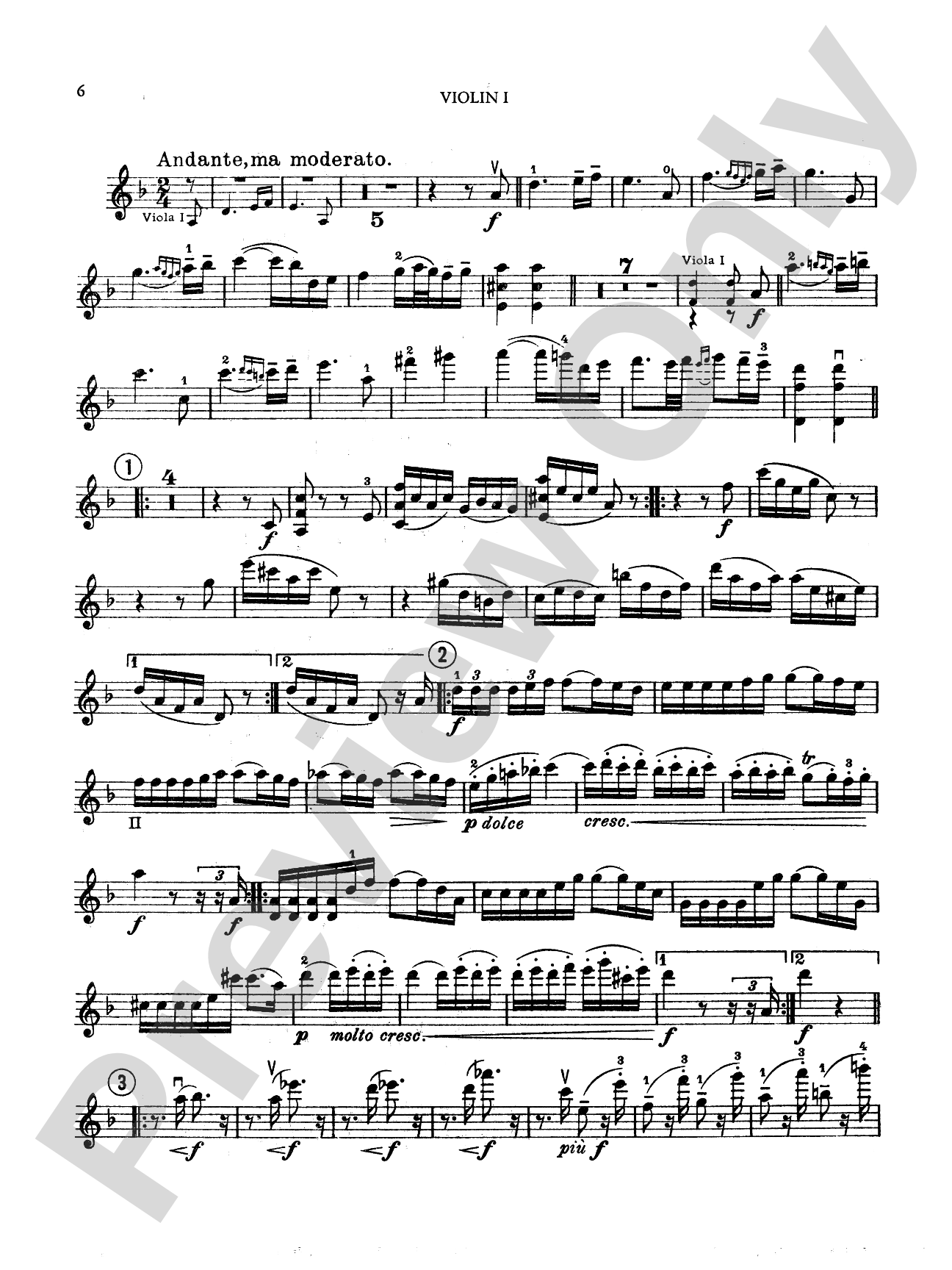
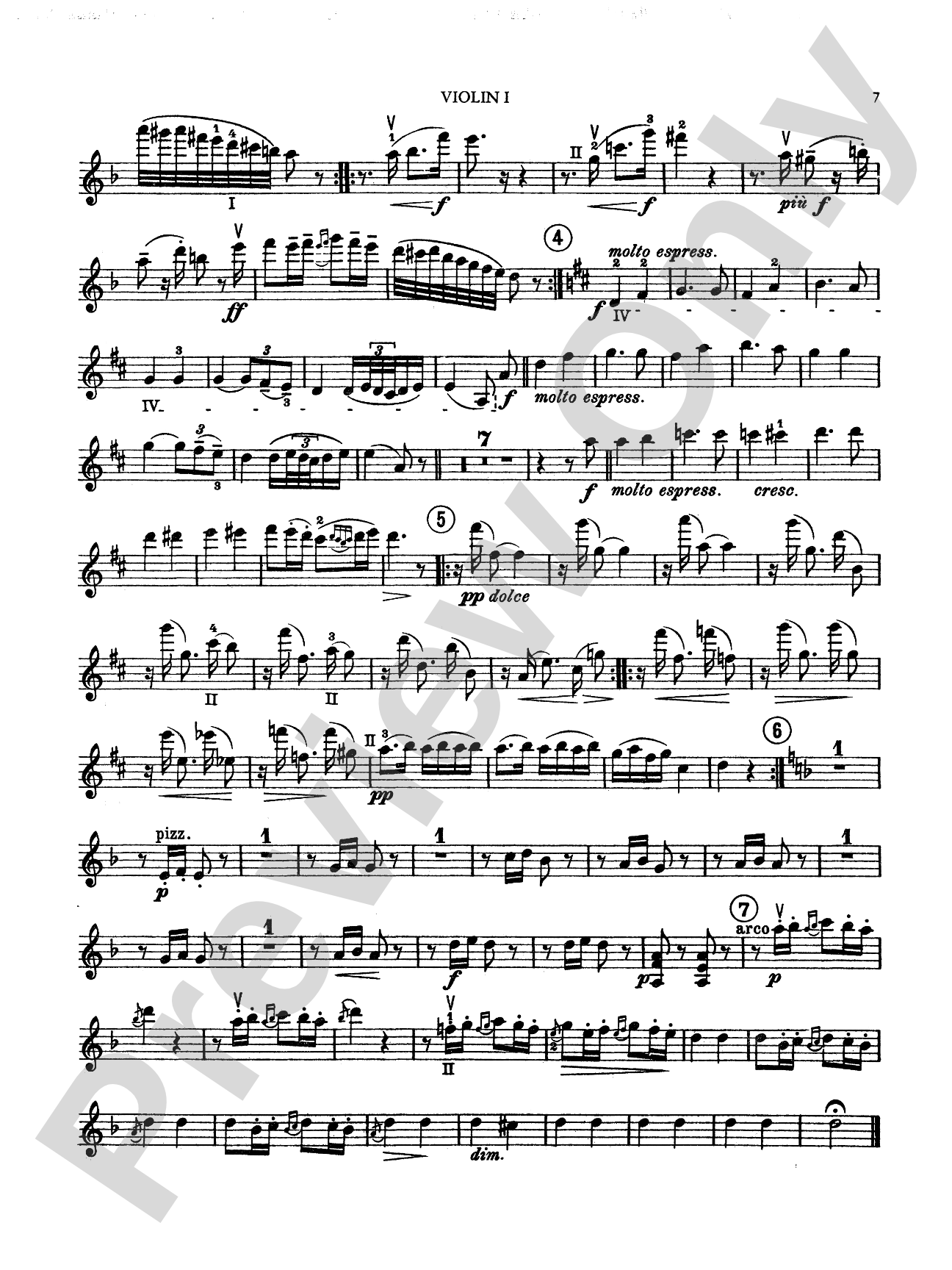
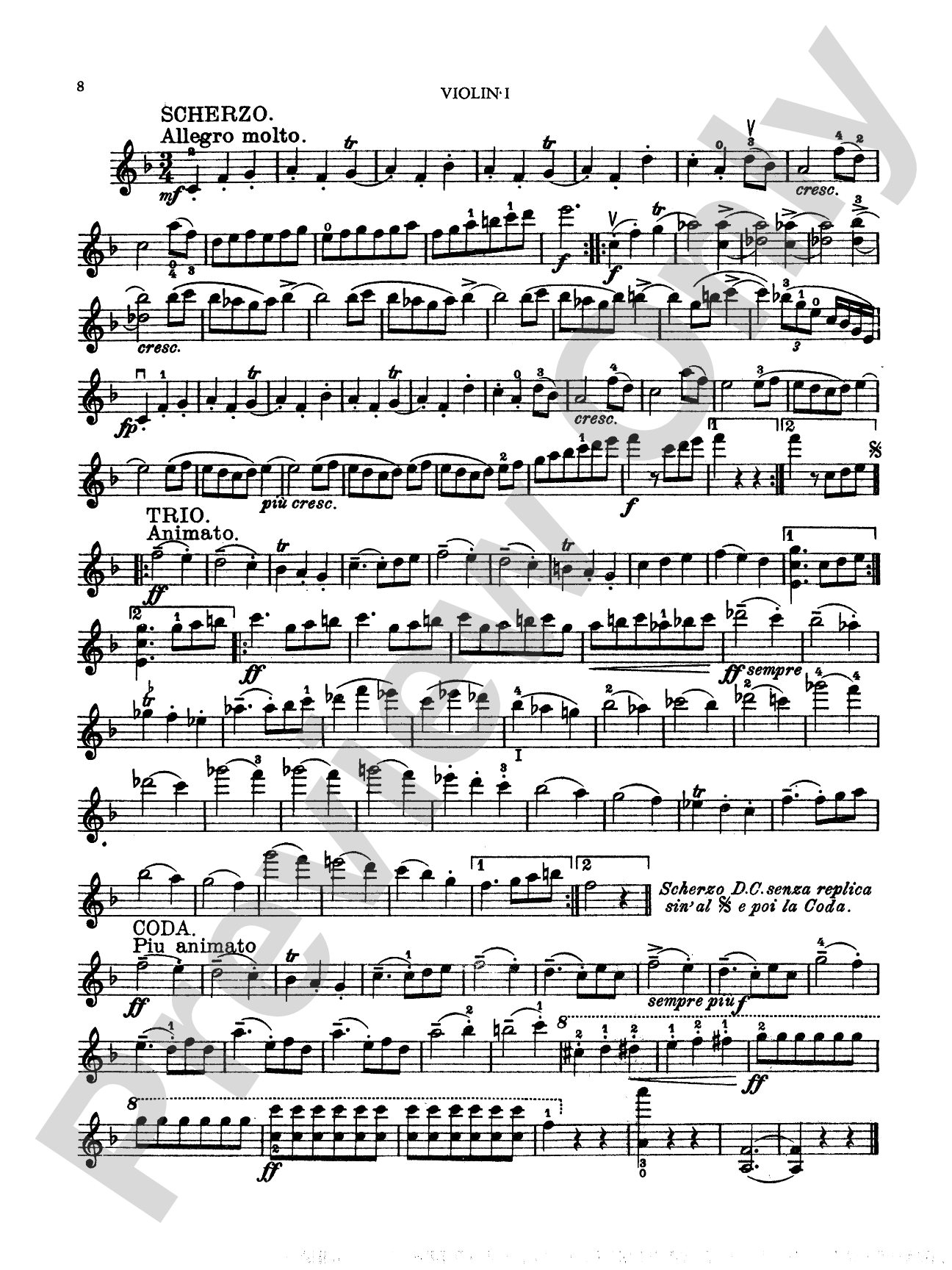
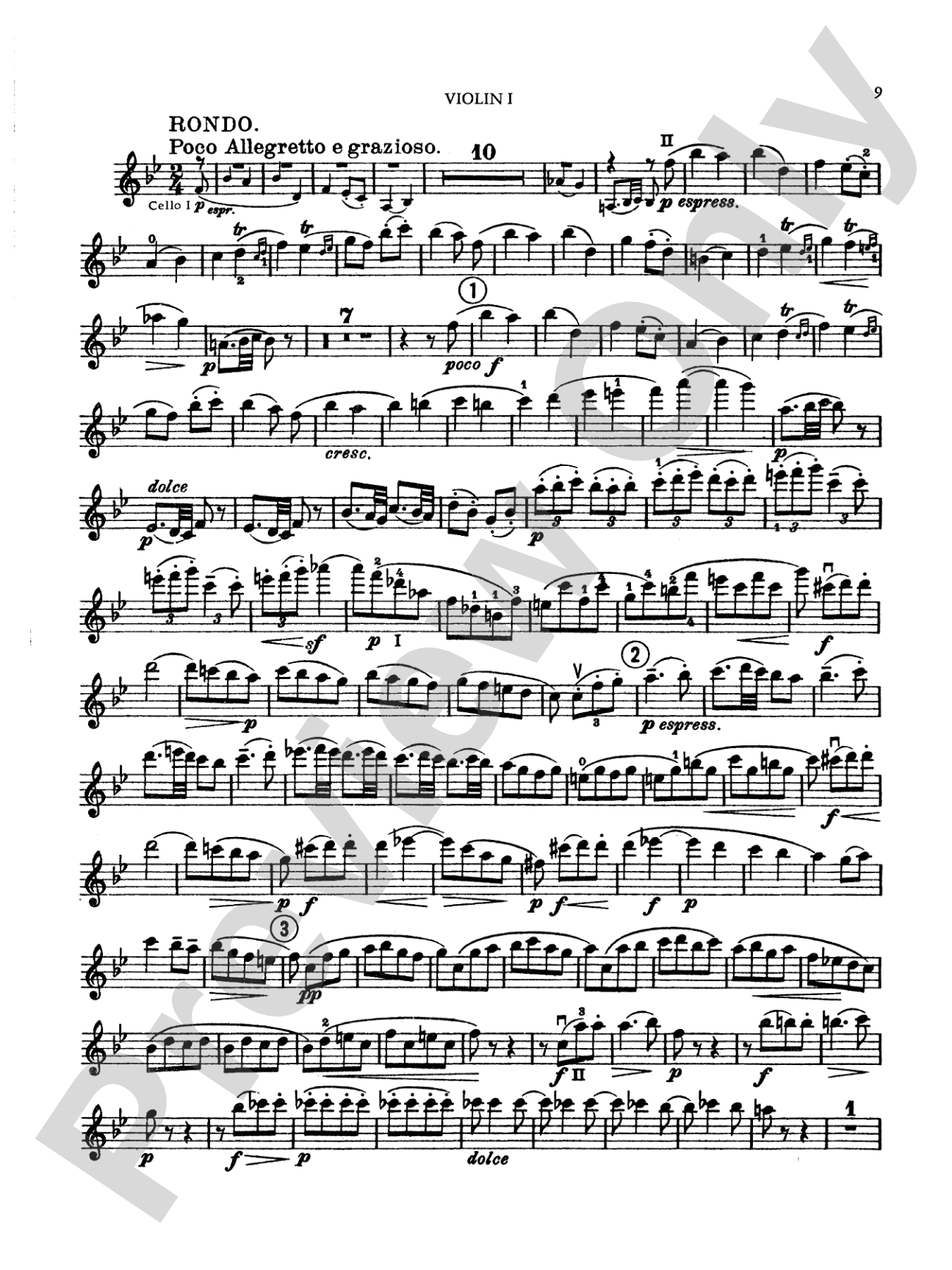
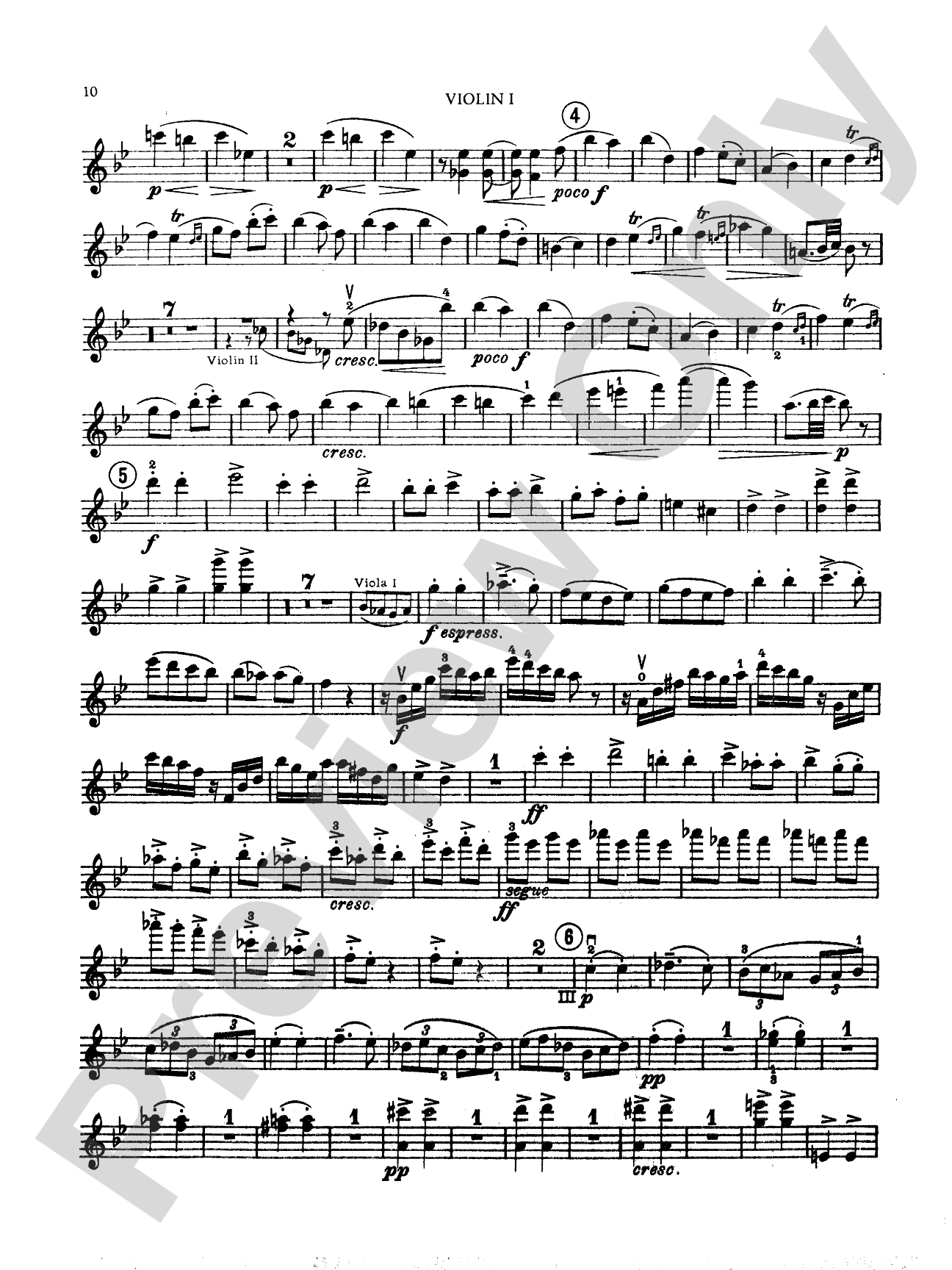
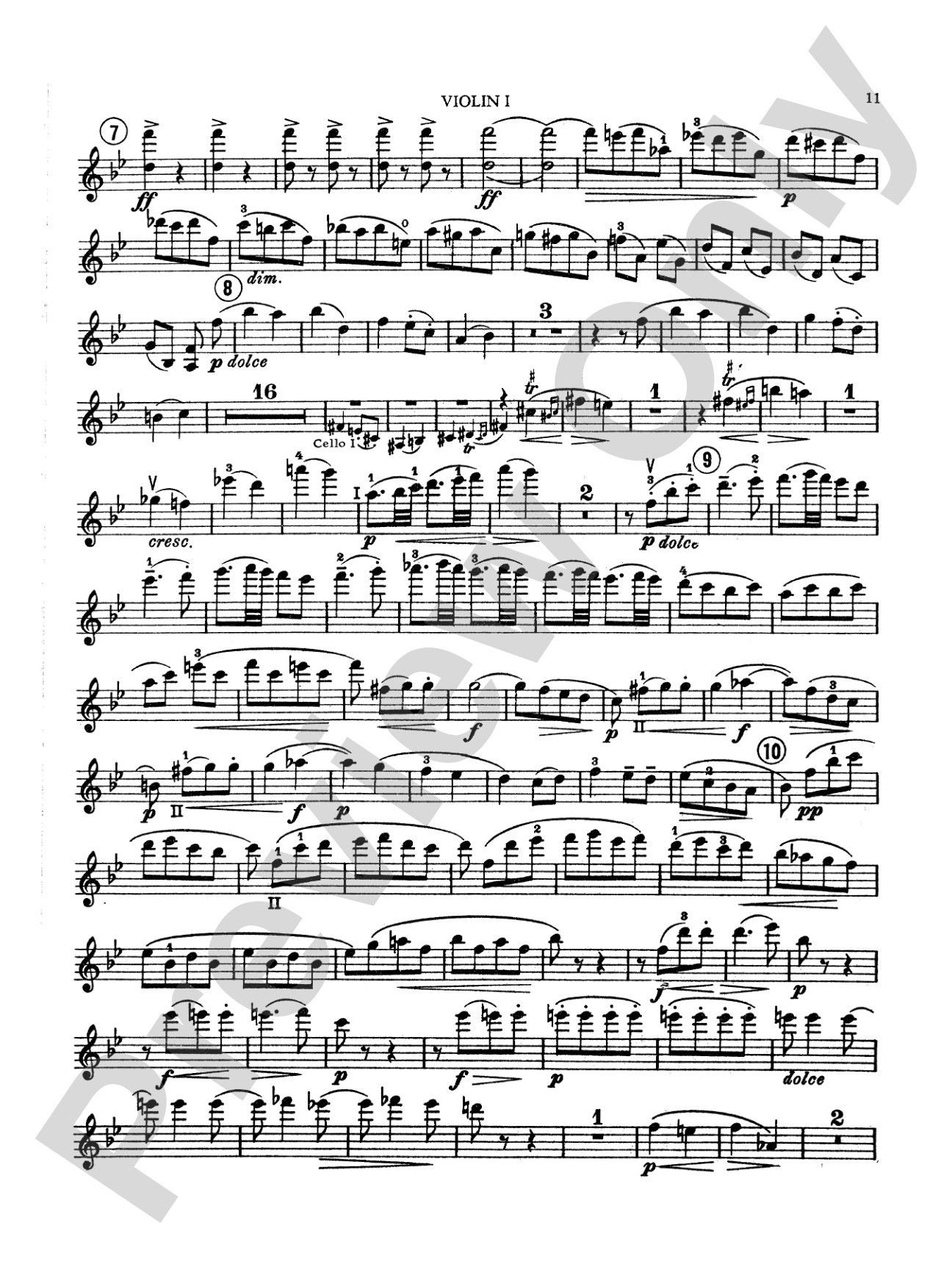
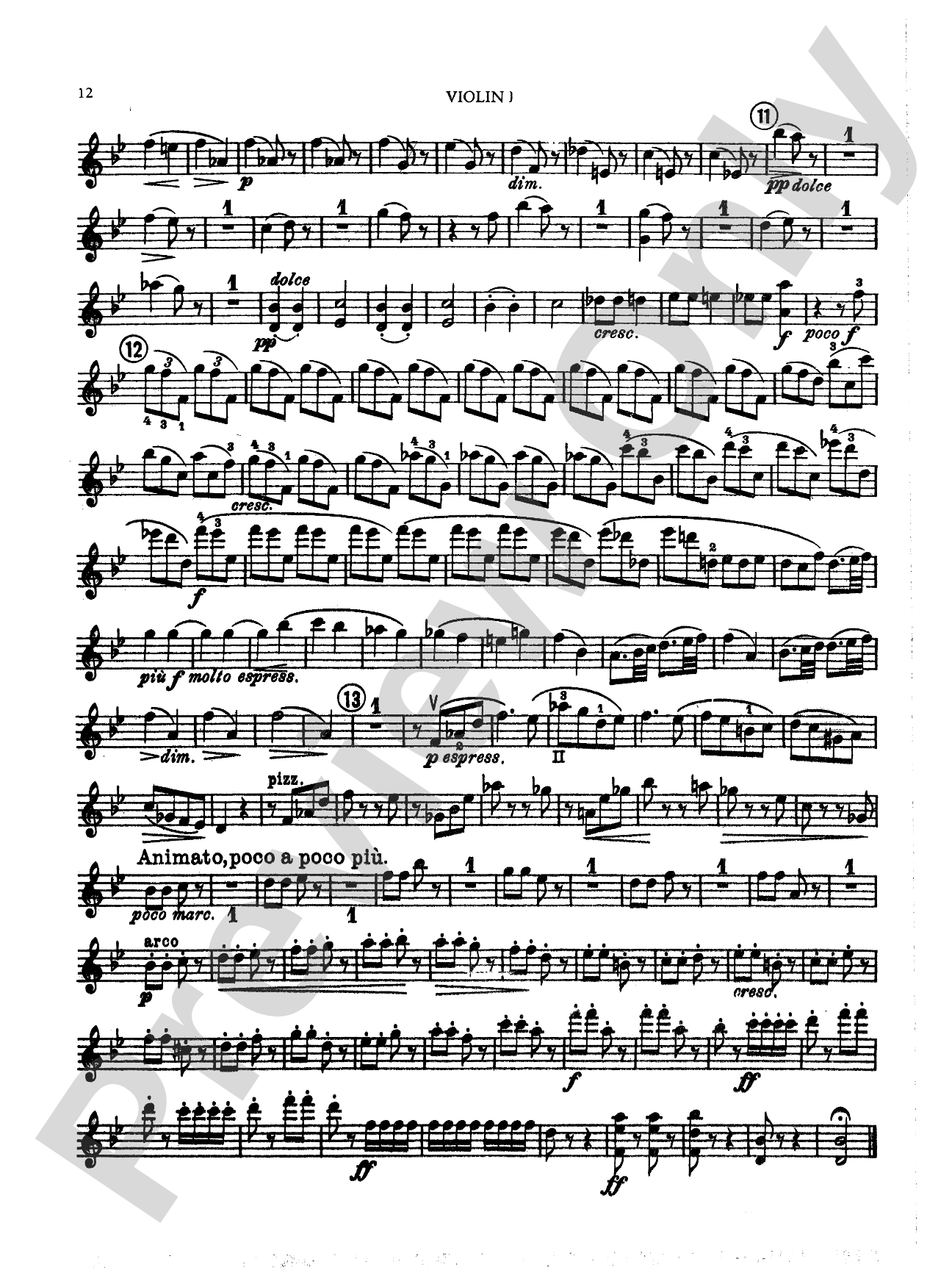

Sextet in B-Flat Major, Op. 18: String Sextet Book
By Johannes Brahms
Item: 00-PK-0002571

$14.99
Pickup currently not available
Buy Extra Parts (Digital PDF Download)
| Product | Price | Quantity |
|---|---|---|
| Sextet in B-Flat Major, Op. 18: 1st Violin | $3.00 | |
| Sextet in B-Flat Major, Op. 18: 2nd Violin | $3.00 | |
| Sextet in B-Flat Major, Op. 18: Viola | $3.00 | |
| Sextet in B-Flat Major, Op. 18: 2nd Viola | $3.00 | |
| Sextet in B-Flat Major, Op. 18: Cello | $3.00 | |
| Sextet in B-Flat Major, Op. 18: 2nd Cello | $3.00 |
Parts Added to Cart!
Related Items
Sextet in B-flat Major, Opus 18: String Sextet Book |
$14.95
|
View |
Description


Don't just read it, hear it, play along with it, and watch your students grow with it. In MakeMusic Cloud, Sextet in B-Flat Major, Op. 18: String Sextet Book comes alive with professional accompaniment, adjustable tempo, and built-in practice tools that turn solo practice into real progress.
Open in the Player
Jump straight in and assign it today.
Start Your Free Trial
Open this title and explore the full library in minutes.
Sample Audio
No sample audio found.
Sample Video
No sample videos found.
Additional Details
Series:
Kalmus Edition
Publisher:
Alfred Music
Page Count:
72
SKU:
00-PK-0002571
Instrumentation:
2 Violins, 2 Violas, 2 Cellos
More about this title
About the Composer: Johannes Brahms
Johannes Brahms (1833-1897) bridged Romanticism and Classical tradition, composing symphonies, concertos, and chamber works that balanced structural rigor with emotional depth. His chamber music, including this sextet, reveals a composer equally committed to intimate conversation among instruments and grand architectural design. Brahms studied the Classical masters intensely and brought that architectural precision to Romantic expression, influencing generations of composers who followed.
Why we love this
The B-Flat Sextet is Brahms at his most generous and accessible, yet it never condescends. Six string voices allow for stunning textural variety without losing the intimacy that makes chamber music rewarding. Advanced ensembles will find sophisticated voice-leading and harmonic language that justifies the piece's place in contests and festivals while discovering why performers return to it year after year.
What to expect
The sextet unfolds with Romantic warmth and lyrical generosity. Brahms creates conversations among six equal voices, where the texture shifts from grand tuttis to intimate dialogues between pairs of instruments. There is nostalgia in the harmonic language, structural sophistication beneath the singing melodies, and a pervasive sense of both intimacy and scale.
Who it's for
This sextet belongs in the hands of advanced string ensembles with secure intonation, mature ensemble balance, and experience reading multi-part string textures. Chamber orchestras, advanced high school string groups, and college-level players will find a piece that respects their technical abilities while offering genuine musical and interpretive challenges.
How to get the most out of it
- Balance the two viola parts as equal partners in the texture rather than allowing them to retreat into accompanying roles. The violas carry thematic material throughout and deserve projection equal to the violins.
- Work the cello pair as a unified voice in rhythmic and harmonic foundation. When they diverge into counterpoint, ensure clarity of line without sacrificing the warmth that defines Brahmsian string writing.
- Attend to dynamic shape across entire phrases rather than note-to-note. Brahms often writes long melodic arcs that require strategic breath points and subtle dynamic curves to sing rather than merely outline.
- Let the sustained passages breathe. Romantic-era string writing often contains long tones that younger ensembles rush through. Patience with held notes creates the warmth and lyricism the score demands.
How to use it
Program this as a centerpiece for a chamber music concert or string festival competition. Its length and structural sophistication make it ideal as a standalone feature or paired with a shorter classical-era sextet to highlight Brahms's Romantic approach to the form. It also serves as an excellent capstone work for advanced high school or undergraduate string programs.
Skills your students will build
- Balancing six independent melodic lines while maintaining ensemble cohesion
- Reading and realizing complex harmonic progressions across distributed voices
- Sustaining Romantic-era phrasing across long melodic arcs
- Collaborative chamber music leadership without a conductor
- Interpreting stylistic context and performing practice conventions of the Romantic period