
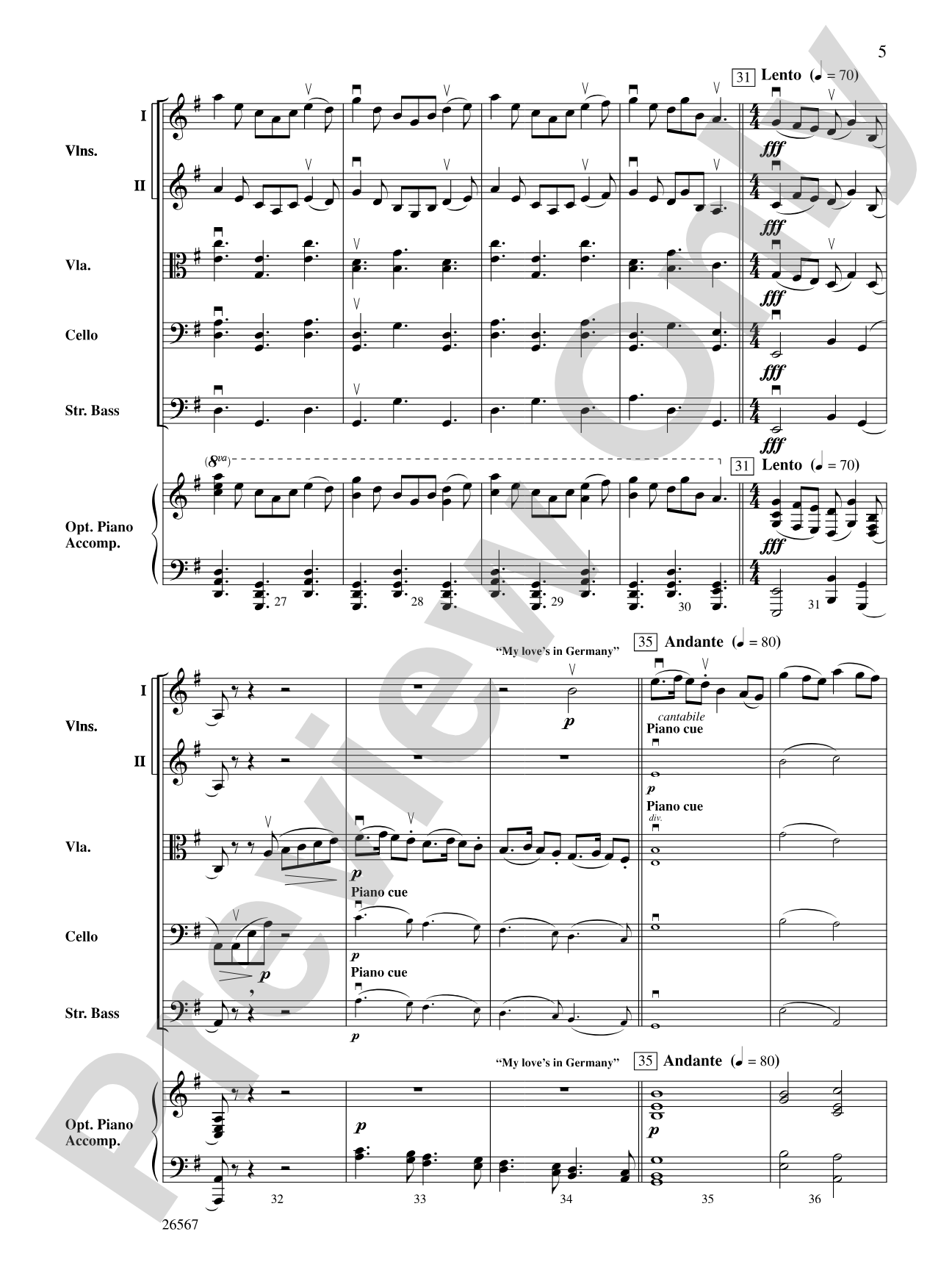
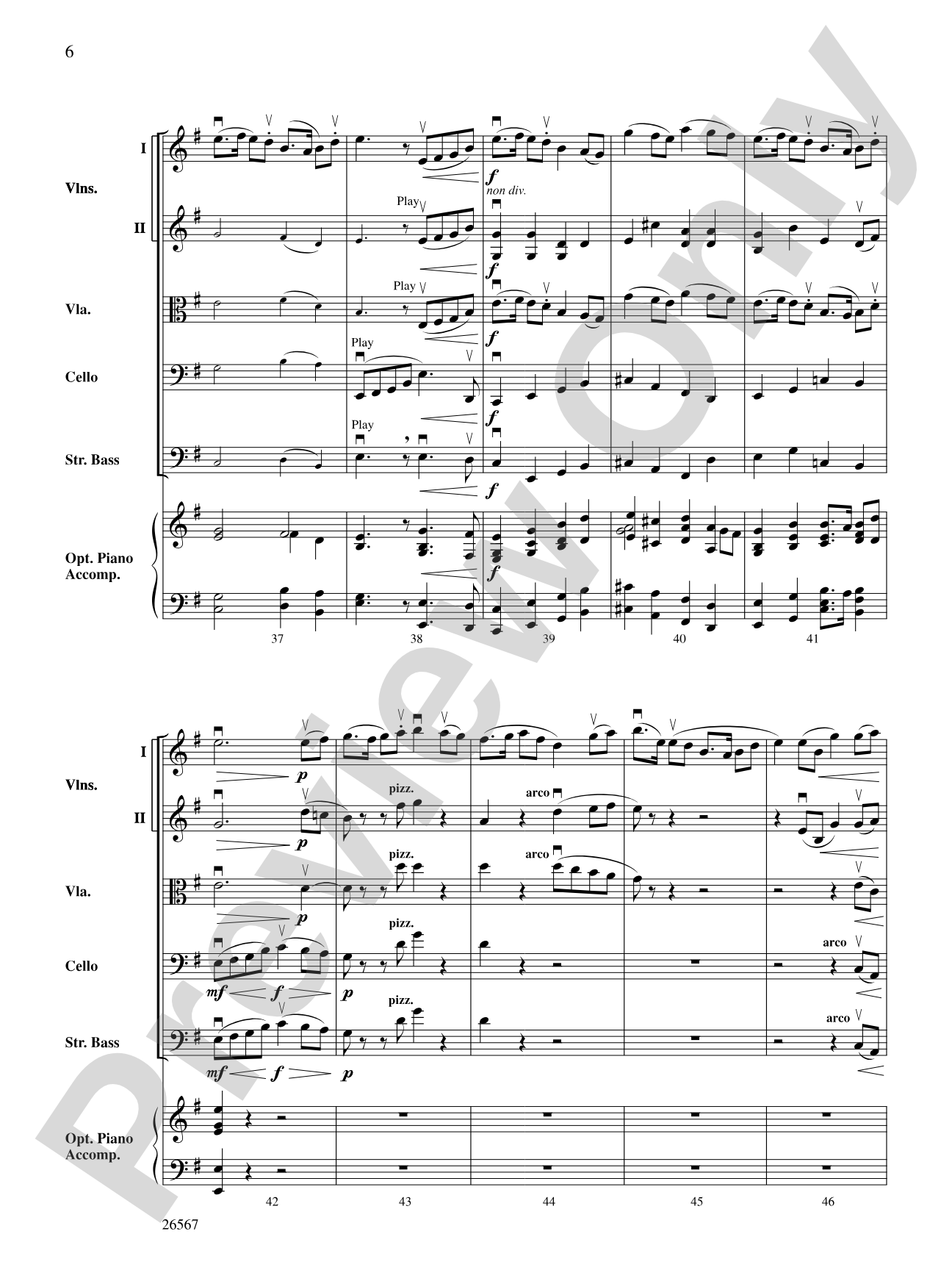
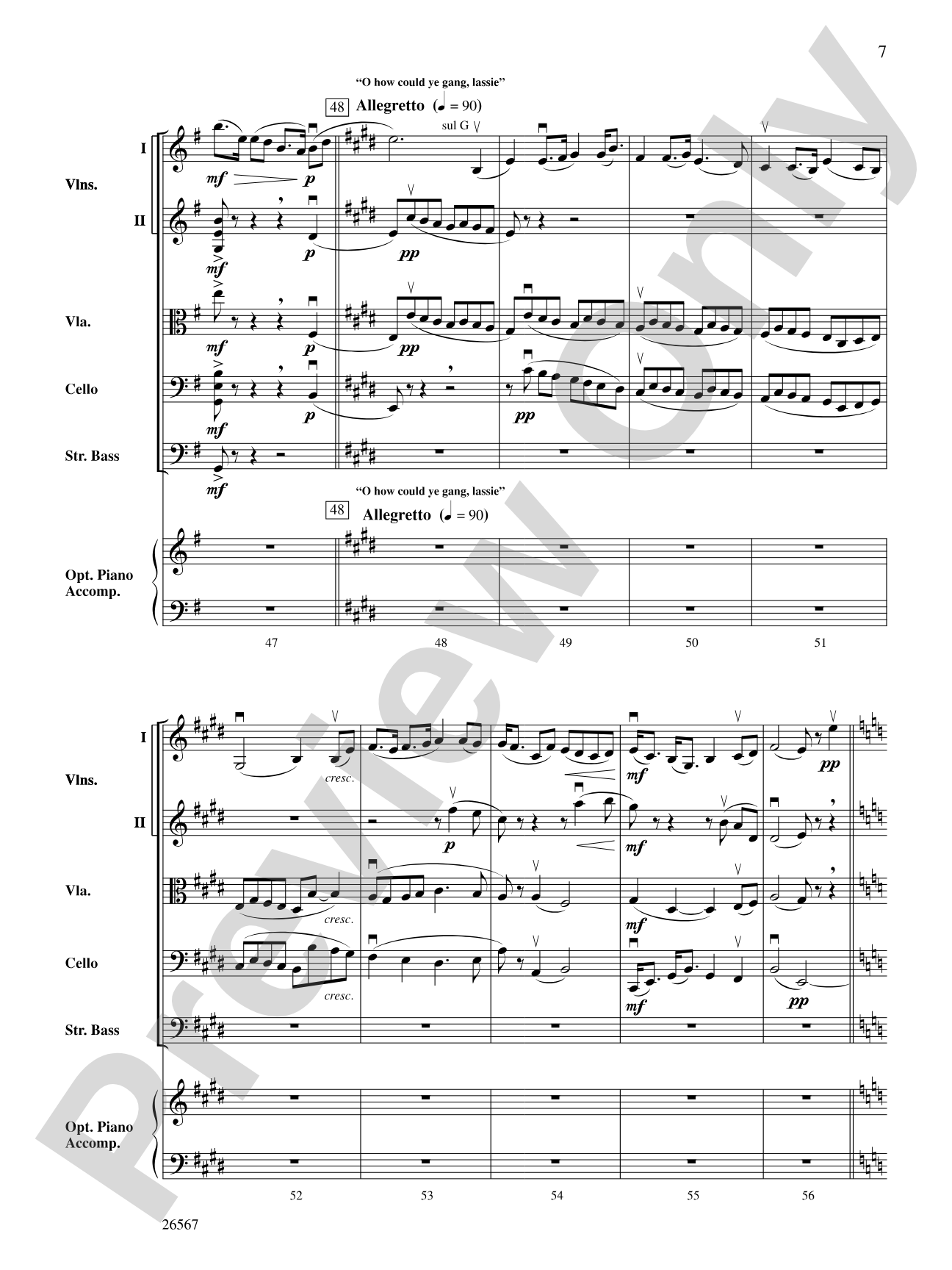
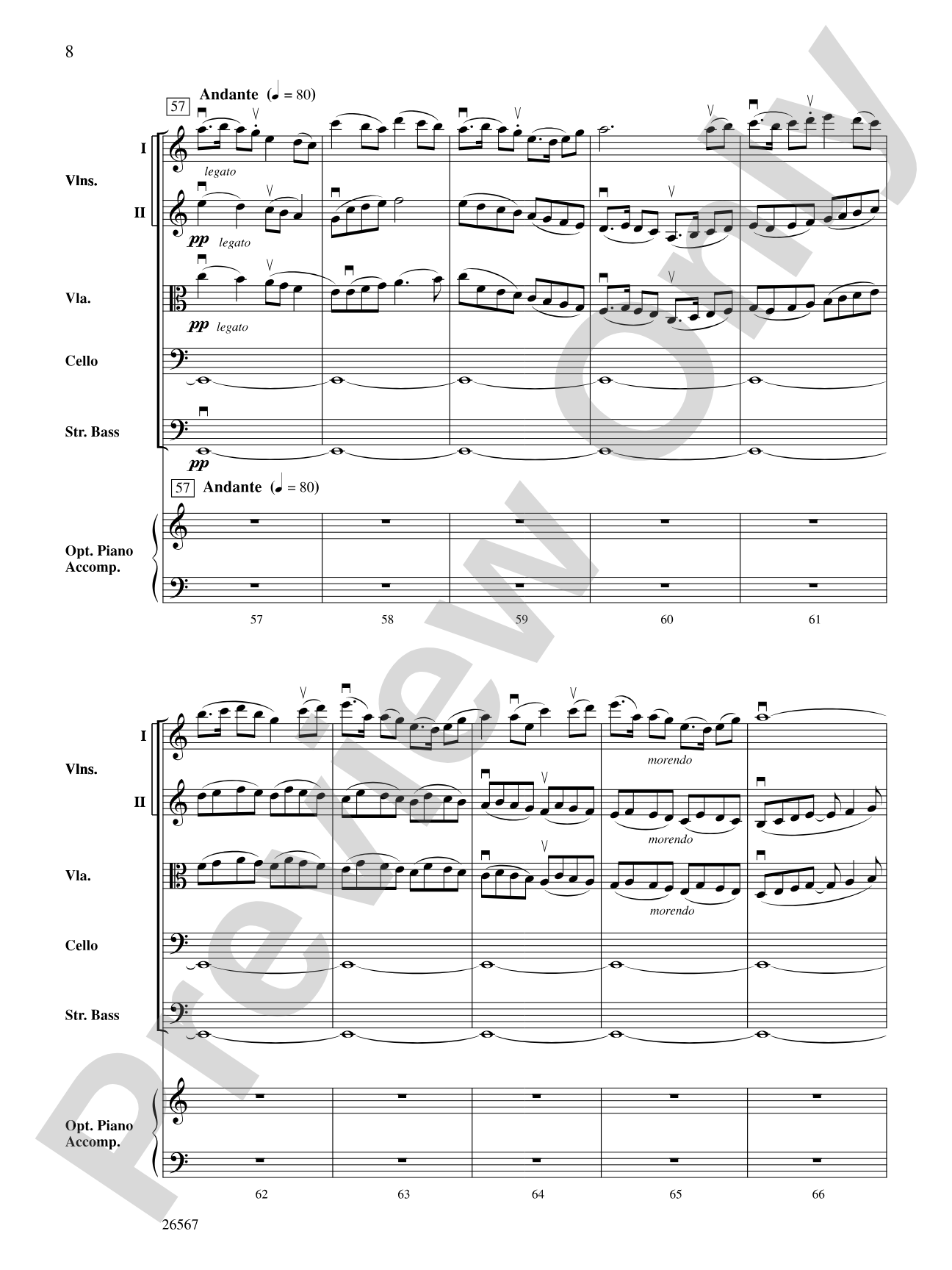
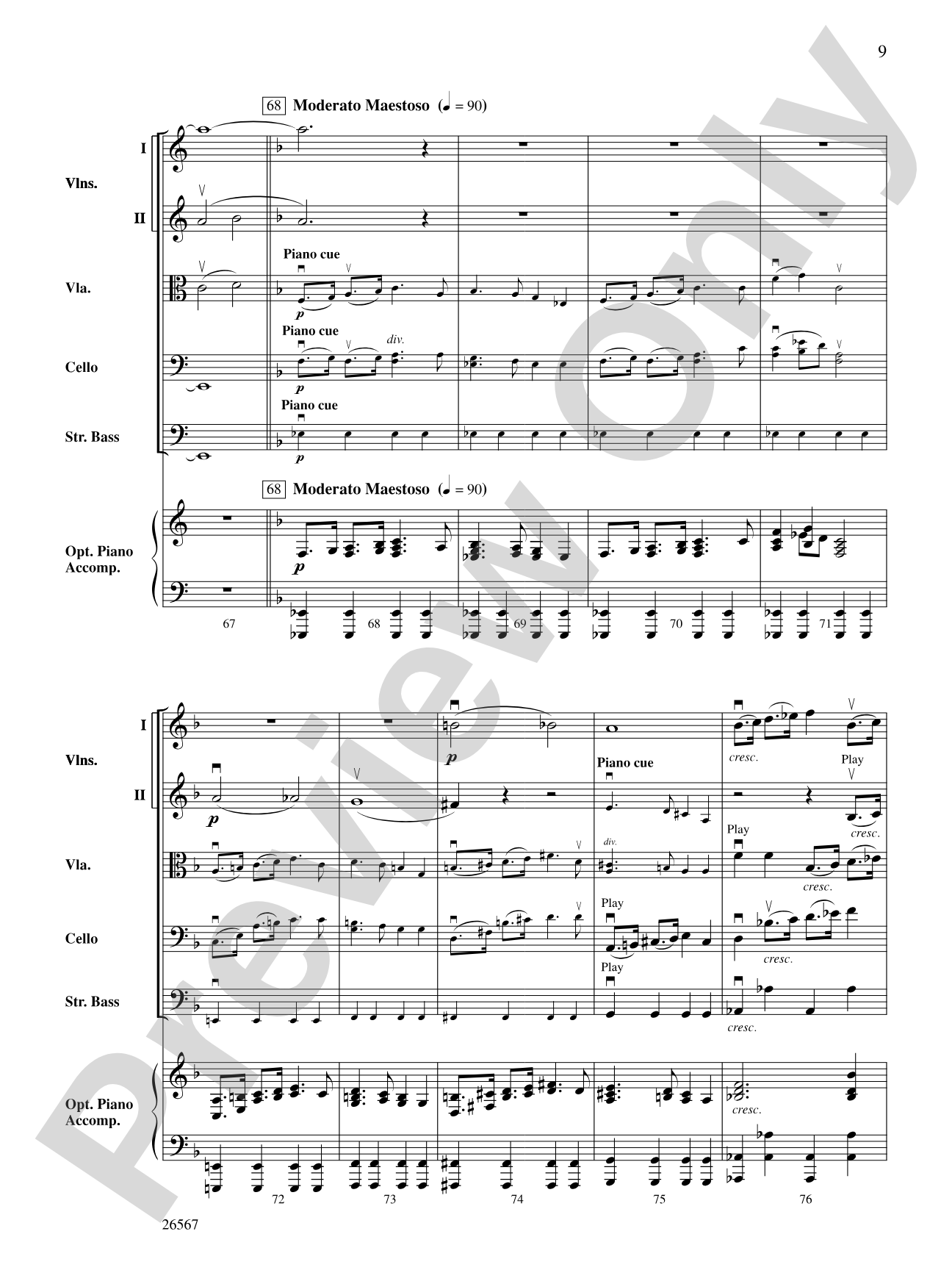
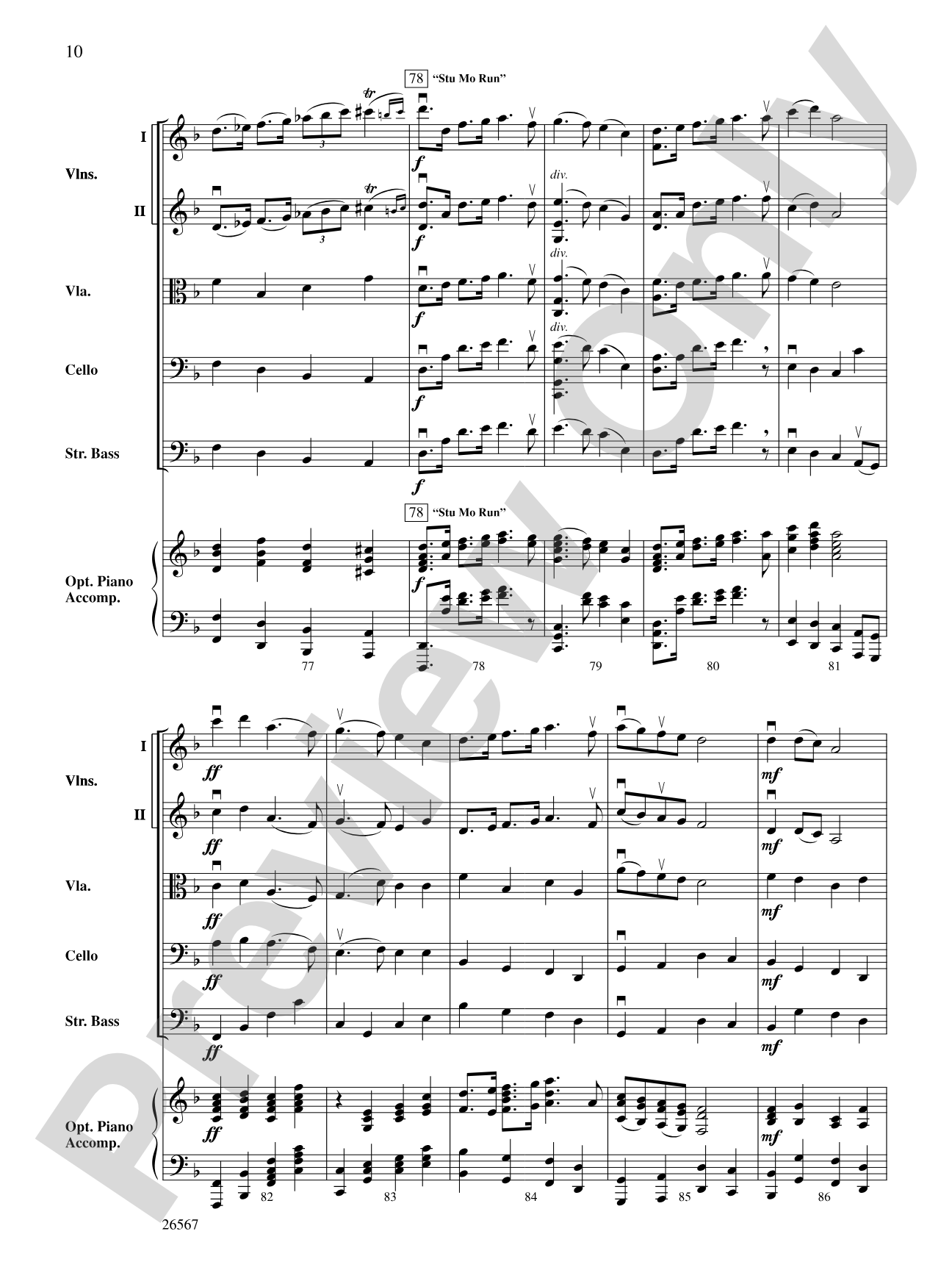
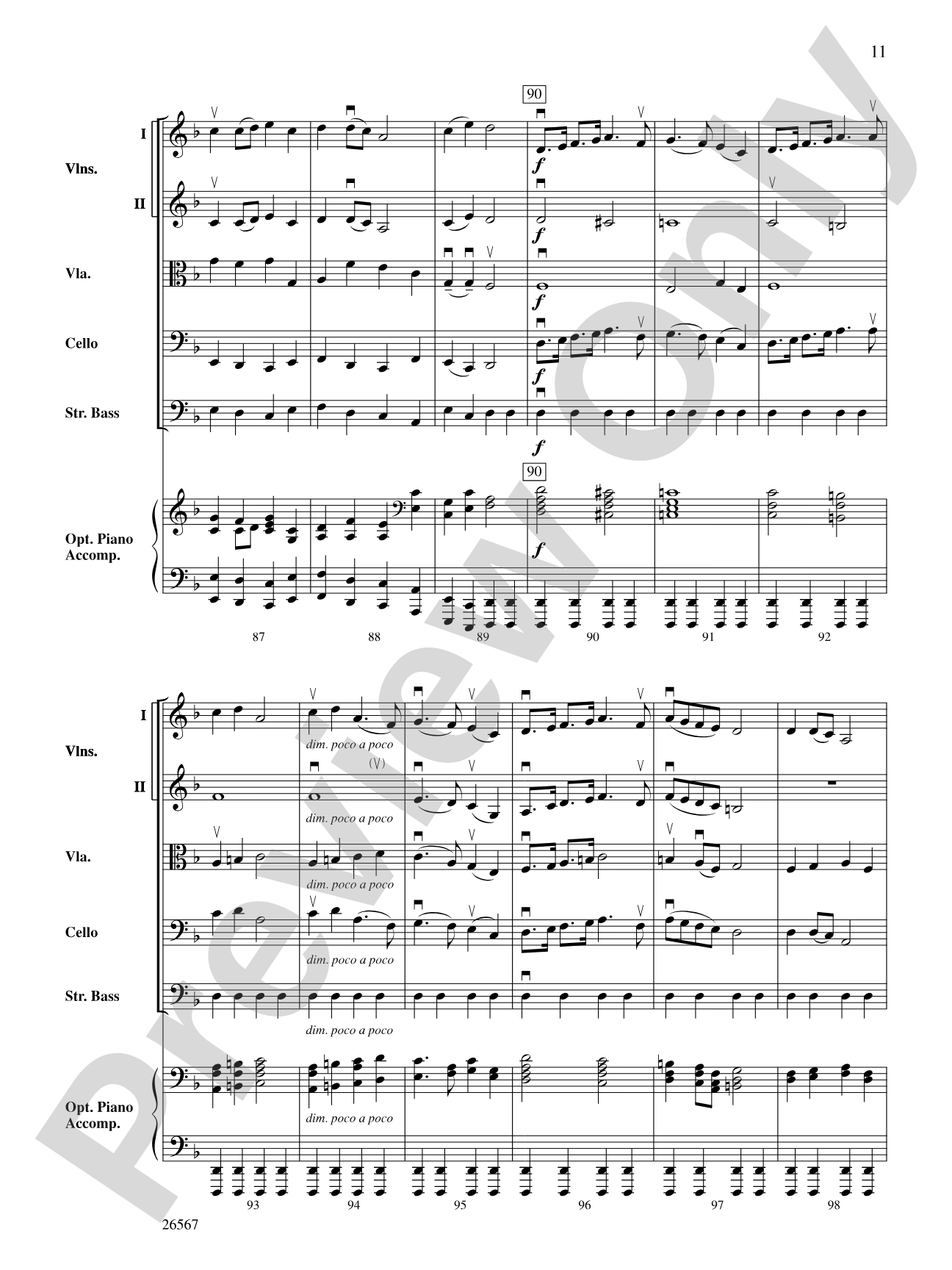
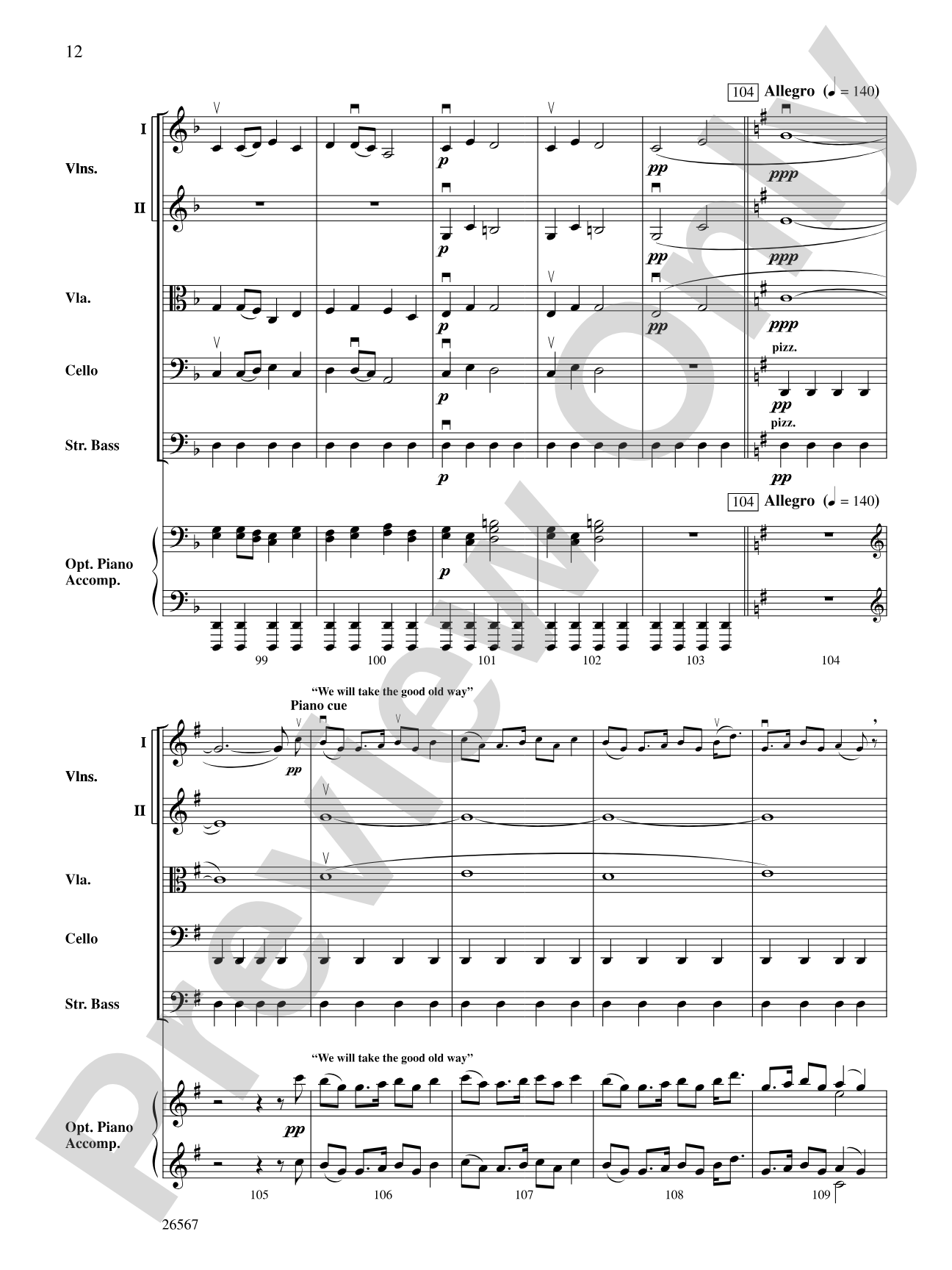
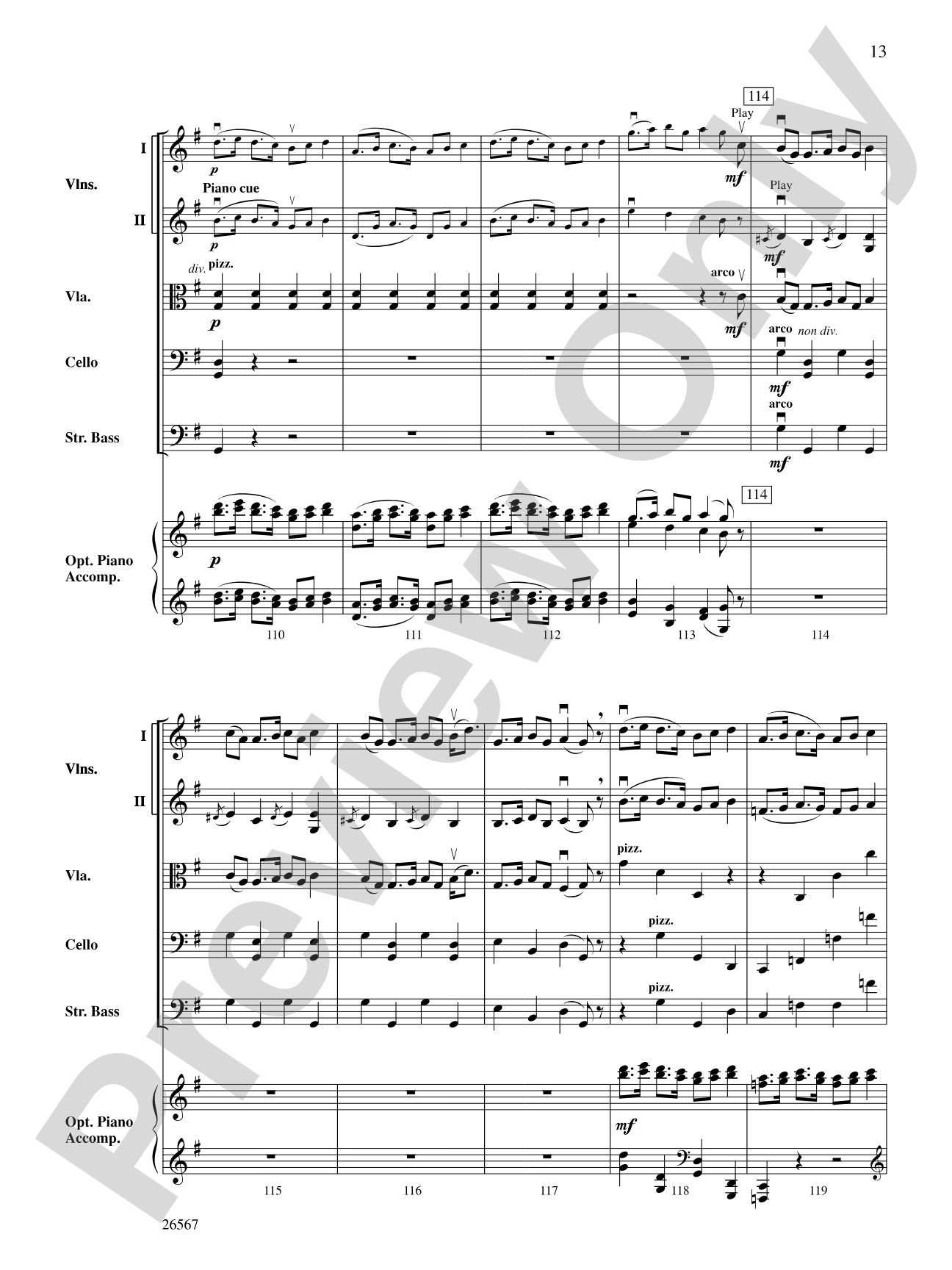
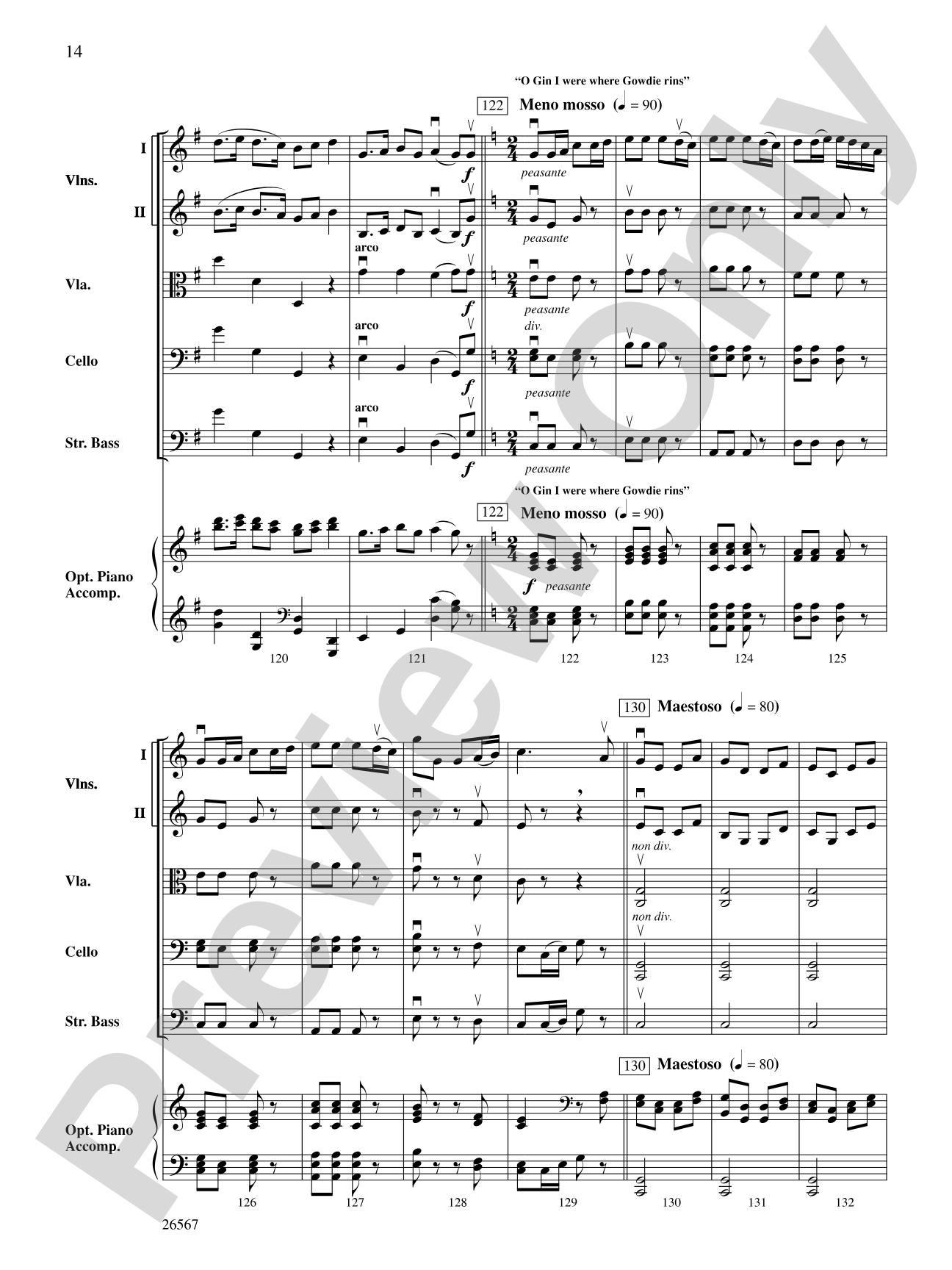
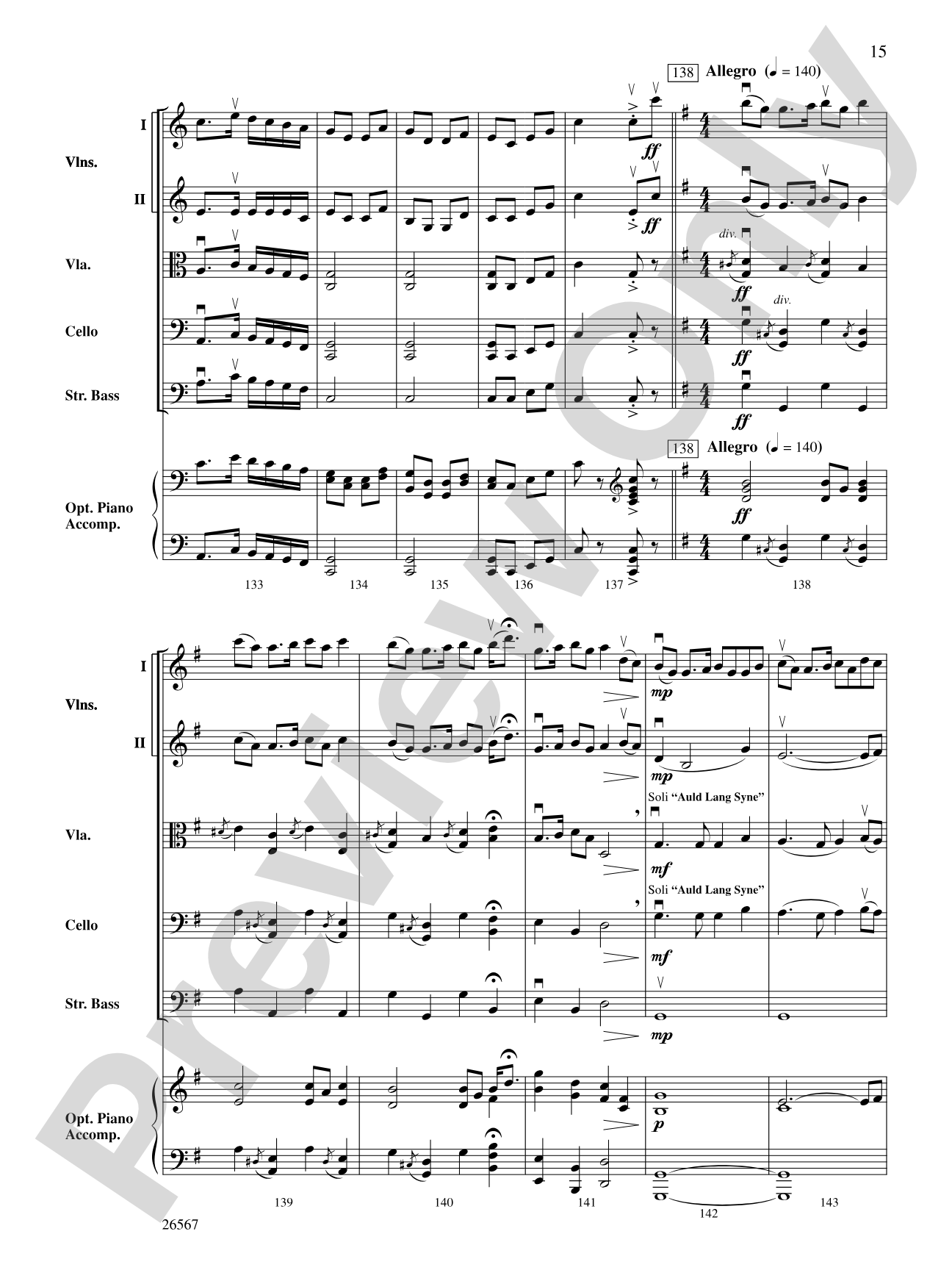
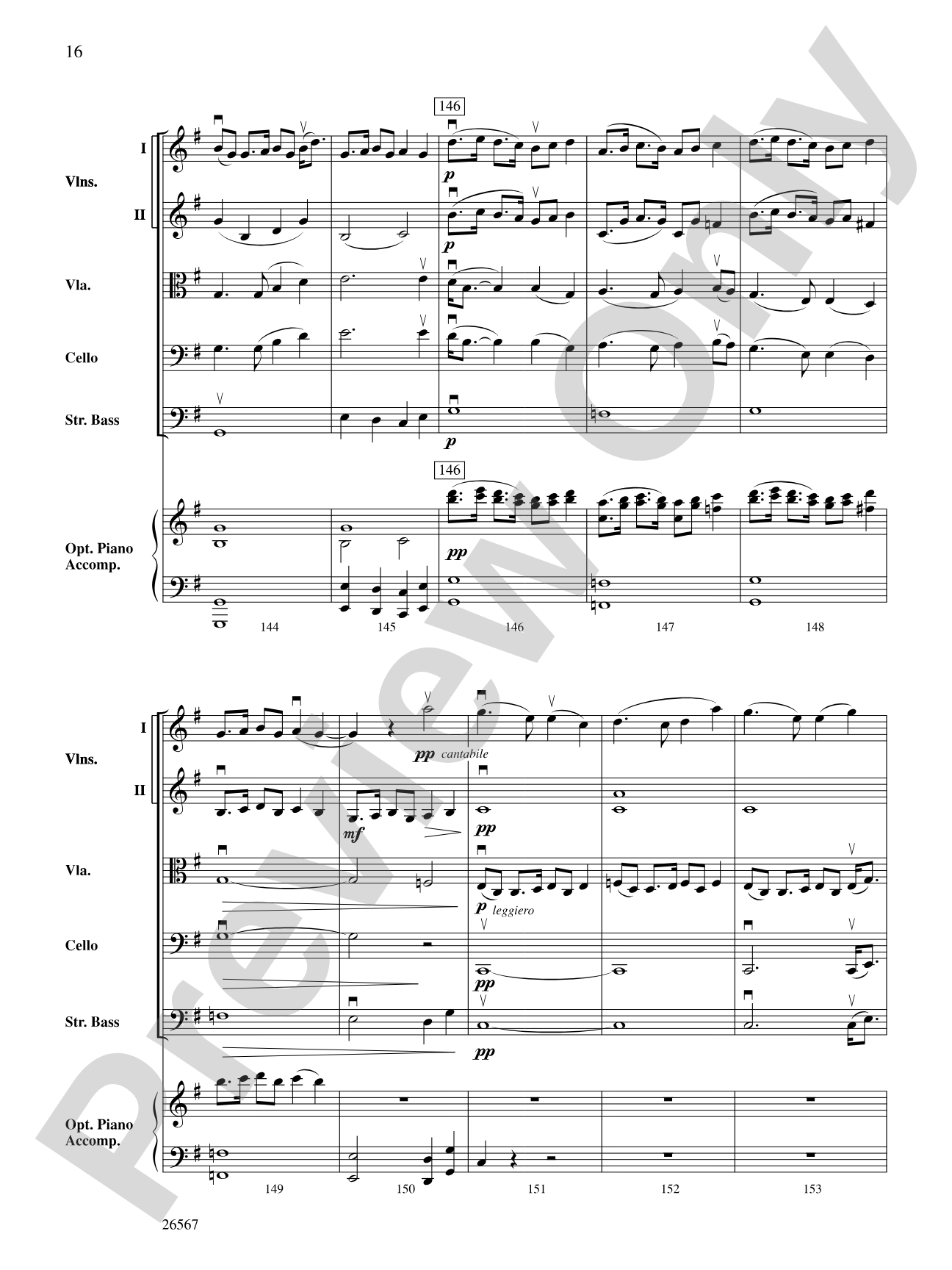



Seven Scottish Airs: String Orchestra Conductor Score & Parts
By Gustav Holst / arr. Bob Phillips
Grade: 4.5
Item: 00-PK-0001091

$56.00
Pickup currently not available
Buy Extra Parts (Digital PDF Download)
| Product | Price | Quantity |
|---|---|---|
| Seven Scottish Airs: Score | $10.00 | |
| Seven Scottish Airs: 1st Violin | $5.99 | |
| Seven Scottish Airs: 2nd Violin | $5.99 | |
| Seven Scottish Airs: Viola | $5.99 | |
| Seven Scottish Airs: Cello | $5.99 | |
| Seven Scottish Airs: String Bass | $5.99 | |
| Seven Scottish Airs: Piano Accompaniment | $5.99 |
Parts Added to Cart!
Description
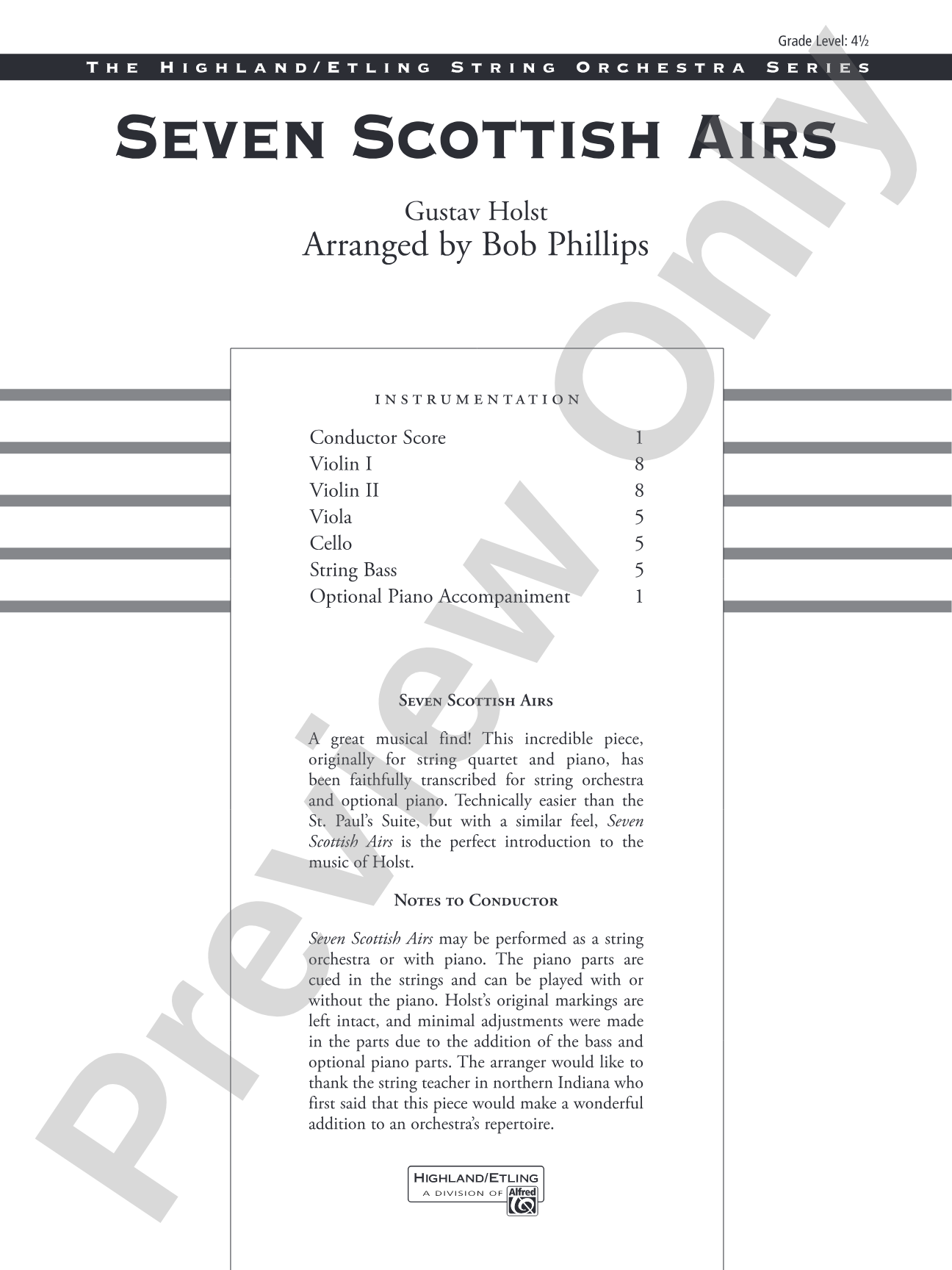
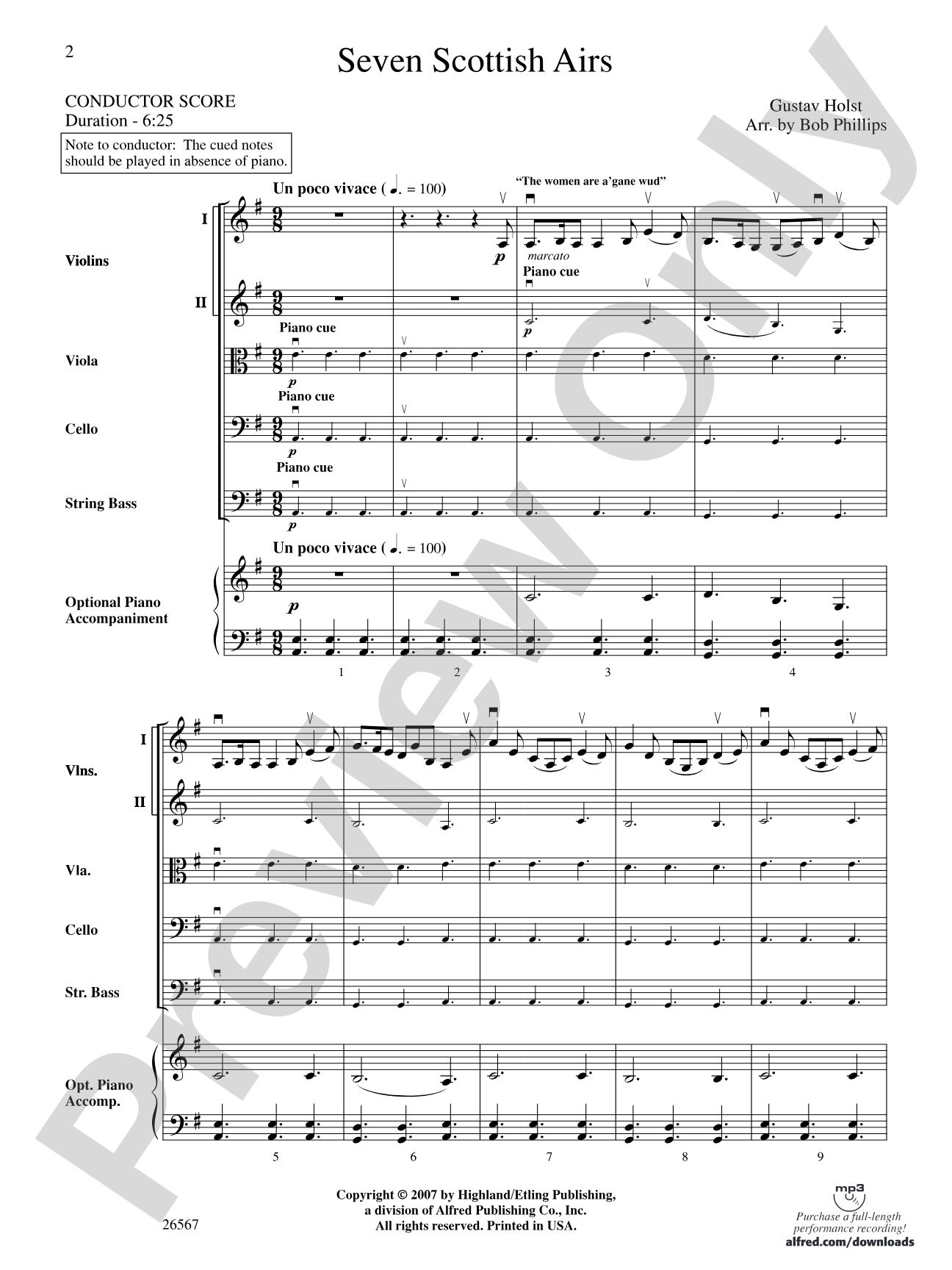
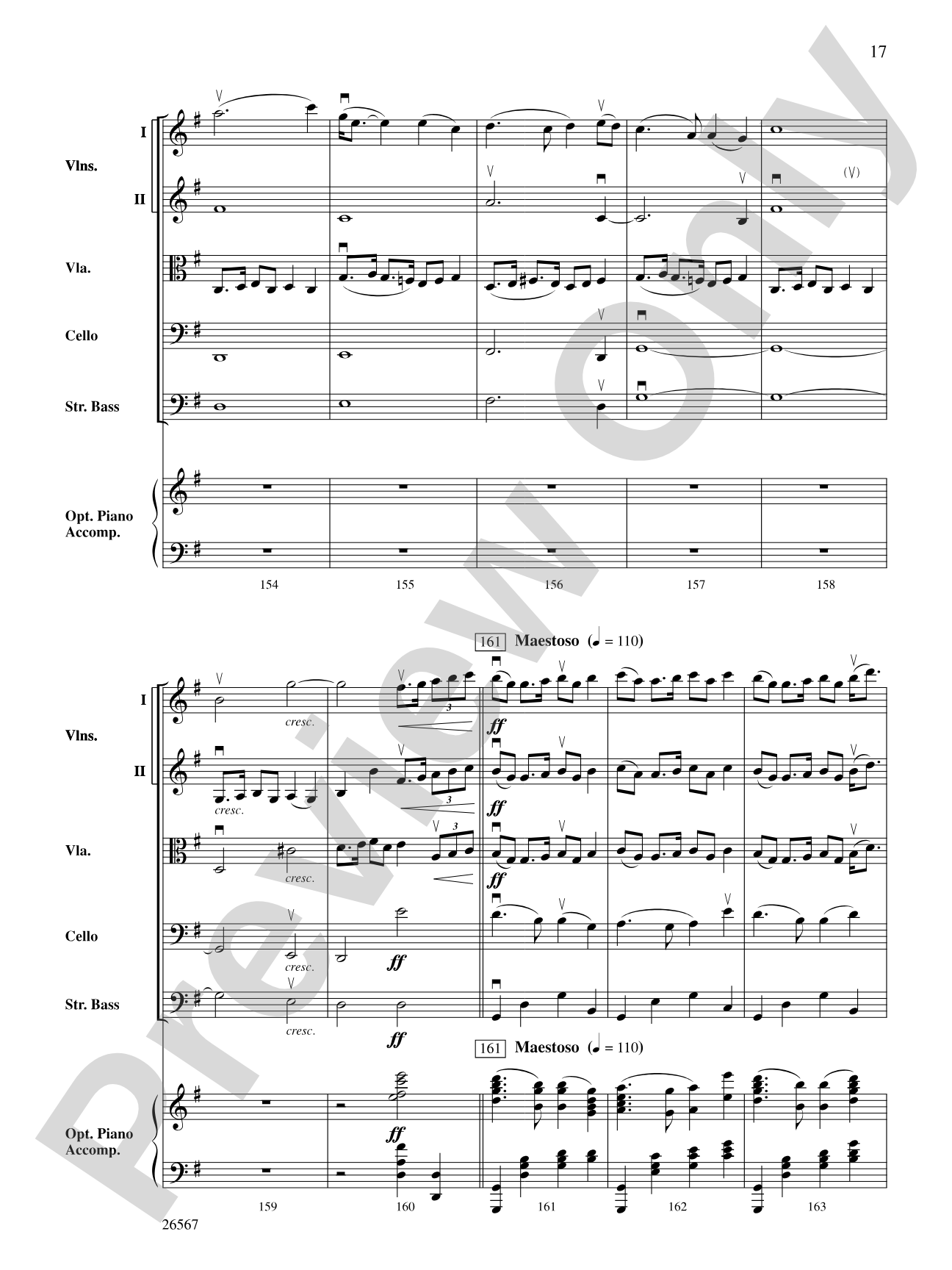
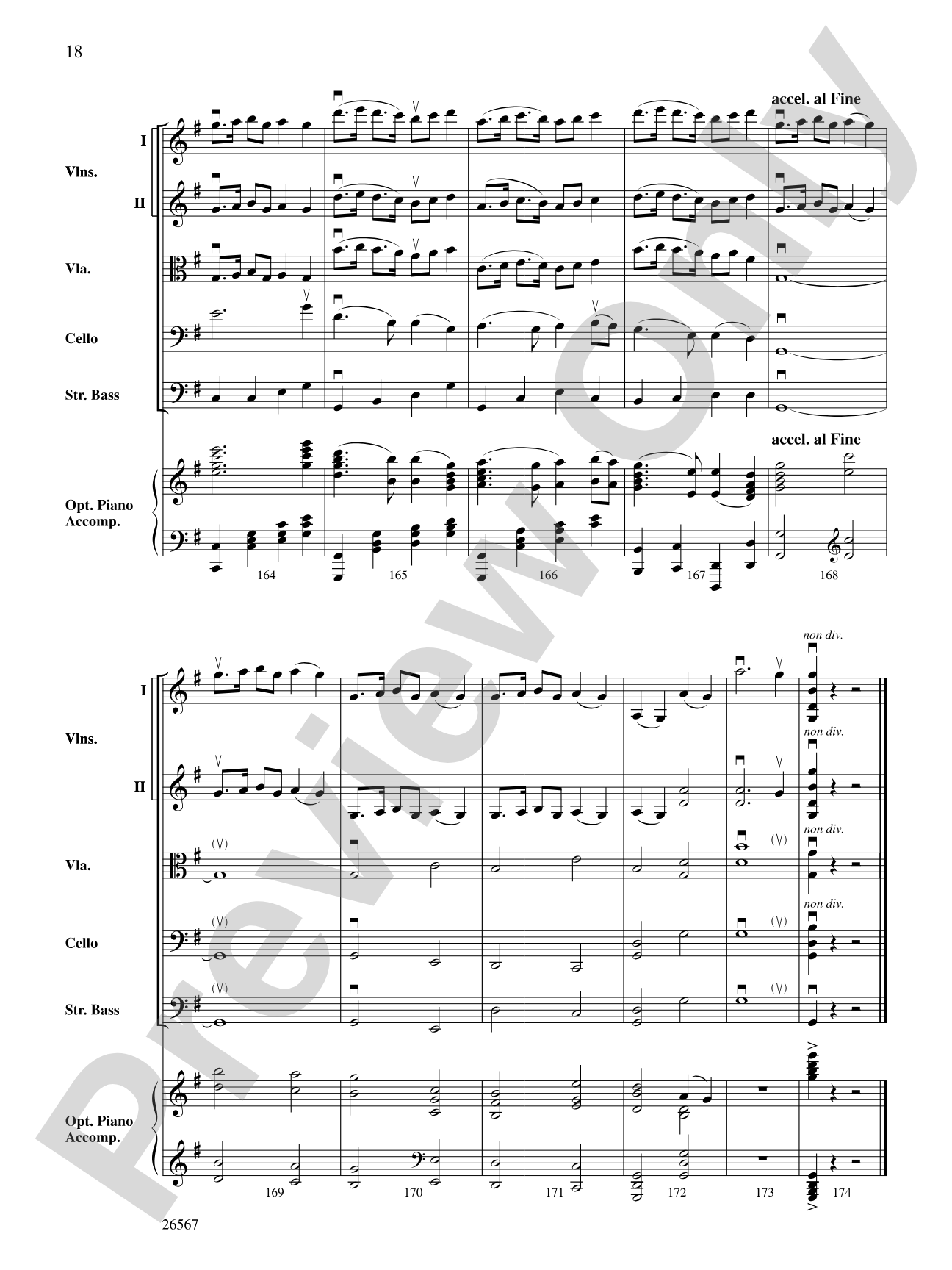
A great musical find! This incredible piece, originally for string quartet and piano, has been faithfully transcribed for string orchestra and optional piano. Technically easier than the St. Paul's Suite, but with a similar feel, Seven Scottish Airs is the perfect introduction to the music of Holst. (6:25) This title is available in MakeMusic Cloud.


Don't just read it, hear it, play along with it, and watch your students grow with it. In MakeMusic Cloud, Seven Scottish Airs: String Orchestra Conductor Score & Parts comes alive with professional accompaniment, adjustable tempo, and built-in practice tools that turn solo practice into real progress.
Open in the Player
Jump straight in and assign it today.
Start Your Free Trial
Open this title and explore the full library in minutes.
Sample Audio
1
Audio File
--:--
0:00
0:00
Sample Video
Additional Details
Series:
Highland/Etling String Orchestra
Publisher:
Alfred Music
Page Count:
118
SKU:
00-PK-0001091
More about this title
About the Composer: Gustav Holst
Gustav Holst (1874, 1934) was an English composer whose gift for melody and orchestration shaped early 20th-century music. Though best known for The Planets, Holst was a dedicated educator and prolific writer across many genres, from operas to band music. His string works reveal a fascination with folk traditions and modal writing that set him apart from his contemporaries.
Holst's approach to composition valued clarity and accessibility without sacrificing sophistication. He spent years teaching at the Royal College of Music and in schools, which deeply influenced his philosophy that good music need not be complex to be meaningful. This practical wisdom runs through all his works, including these Scottish airs.
Why we love this
This arrangement captures the lyrical warmth and folkloric charm of Holst's original concept while staying within the technical grasp of developing orchestras. The Grade 4.5 difficulty sits at that productive middle ground where students challenge themselves without drowning in notation, making it rewarding to rehearse and satisfying to perform. Programming a Holst work signals serious musicianship to your audience, and this one delivers on that promise without requiring advanced soloists or extreme demands on section balance.
What to expect
Warm, accessible, and deeply melodic, these Scottish airs transport you to windswept landscapes and quiet emotional moments. The orchestration breathes spaciousness despite the smaller ensemble size; Holst's writing creates a sense of intimacy rather than limitation. There's a timeless quality to the music that feels both historically grounded and immediately human.
Who it's for
Conductors leading Grade 4-5 string orchestras who want substantial repertoire that sounds mature and feels good to play. This works equally well for festival competition, concert programming, or teaching sectional independence and melodic discipline. Students will grow from the sustained singing and expressive control this literature demands.
How to get the most out of it
- Treat the Scottish melodies as songs: encourage singers' phrasing and legit breath placement from your strings, even across measures where rests might tempt players to shortchange the line.
- Balance the optional piano part as accompaniment, not competing voice. If you include it, the pianist should blend underneath rather than anchor or color the texture.
- Shape each air as its own statement. Avoid rushing between movements; let the character of each Scottish tune fully register before moving to the next.
- Pay attention to Holst's dynamic markings and articulation specifics. His orchestration is lean and clear, so what he writes is what carries the sound.
How to use it
Pair this with other British string repertoire (Vaughan Williams, Delibes, or modern works) to build a concert around melodic storytelling rather than virtuosity. It also programs well as a bridge piece between lighter educational fare and more challenging standard orchestra repertoire, showing audiences that middle-grade ensembles can deliver polished, sophisticated music. The 6:25 duration makes it ideal for inclusion in a mixed concert without requiring extensive programming real estate.
Skills your students will build
- Singing melodically across longer phrases without rhythmic interruption
- Balance and blend when accompanying voices carry important material
- Dynamic control and shaping of folk-inspired melodies
- Precision in articulation and style marking interpretation
- Score reading and ensemble independence across multiple parts