


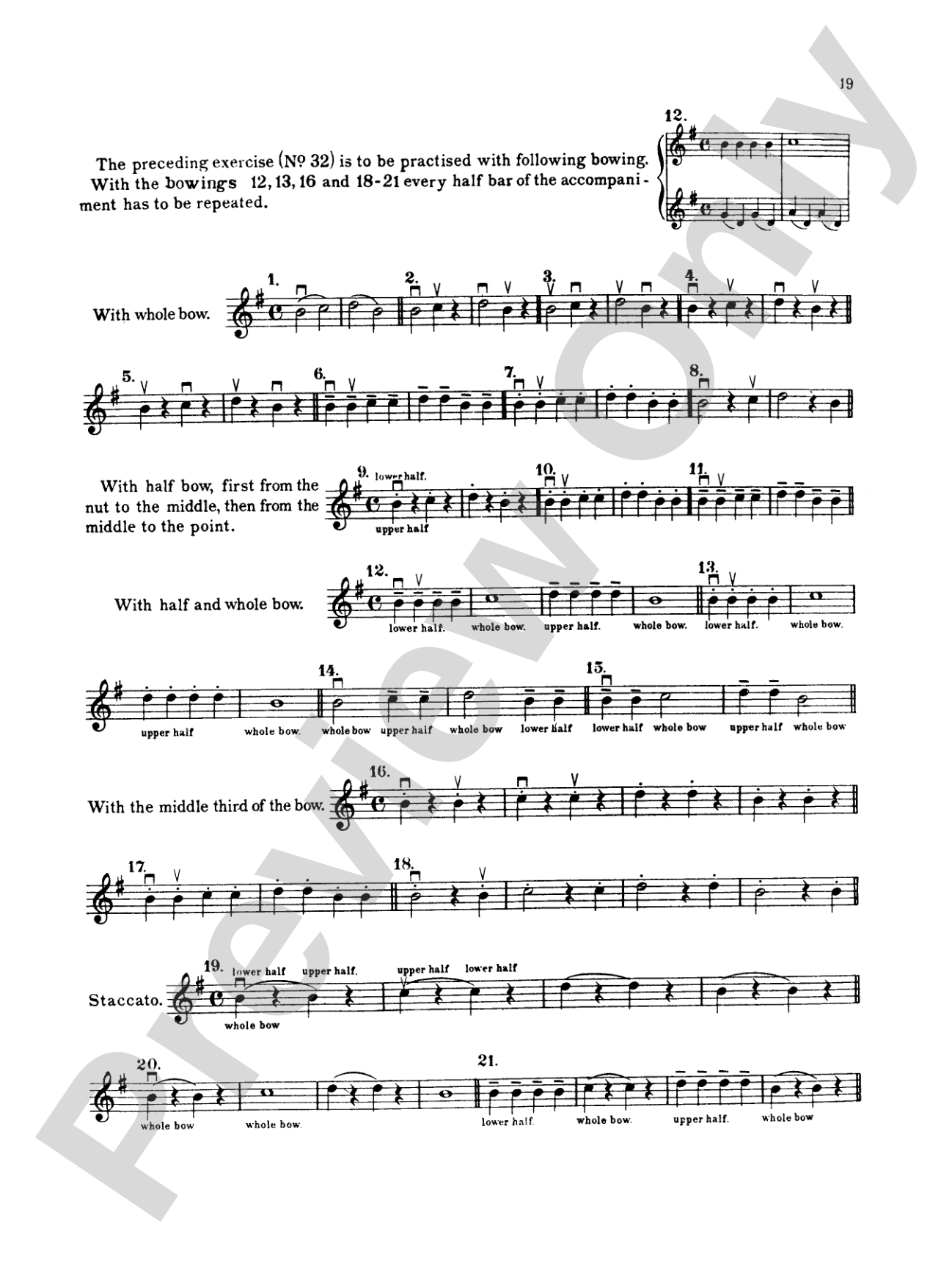
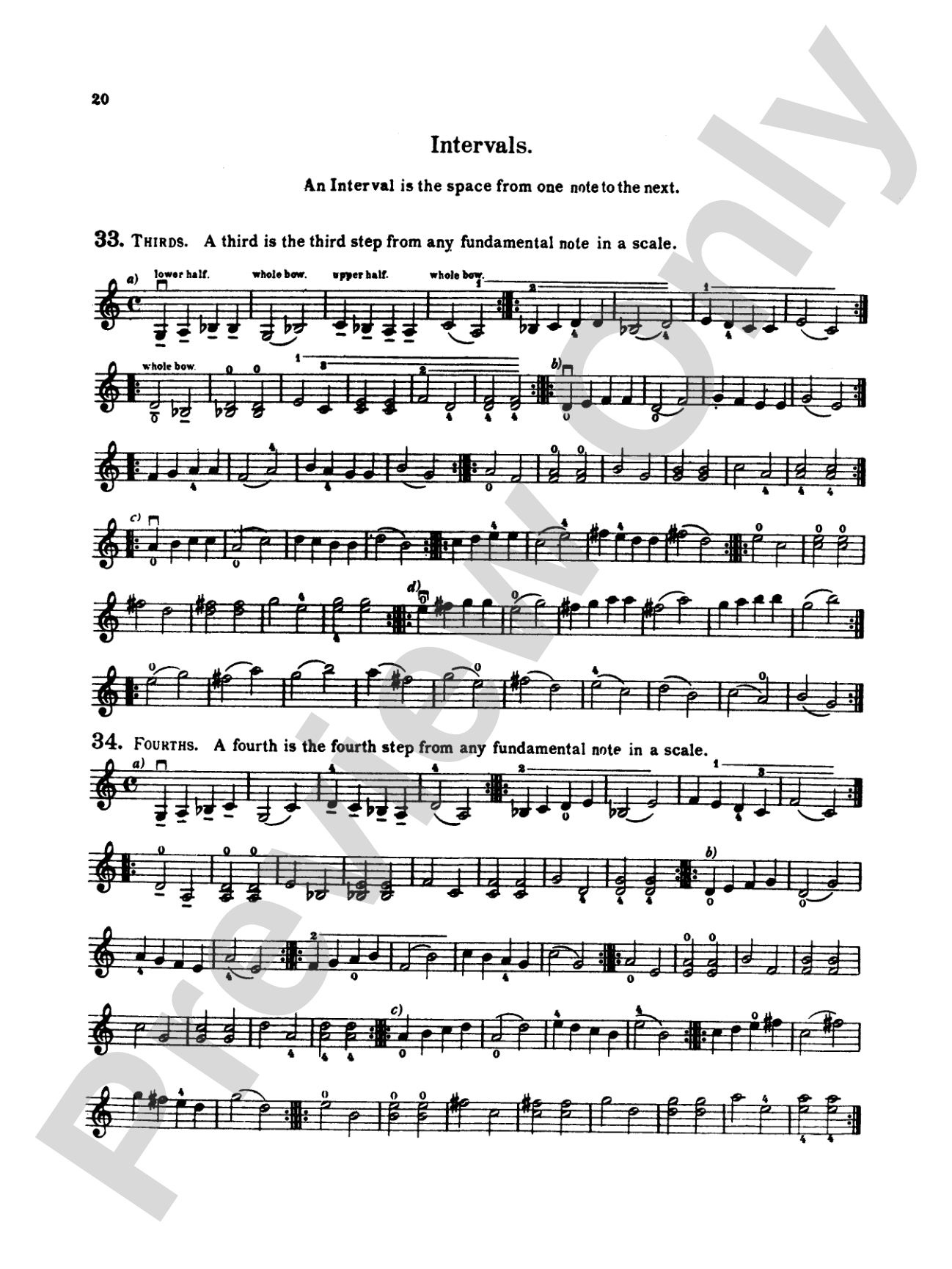
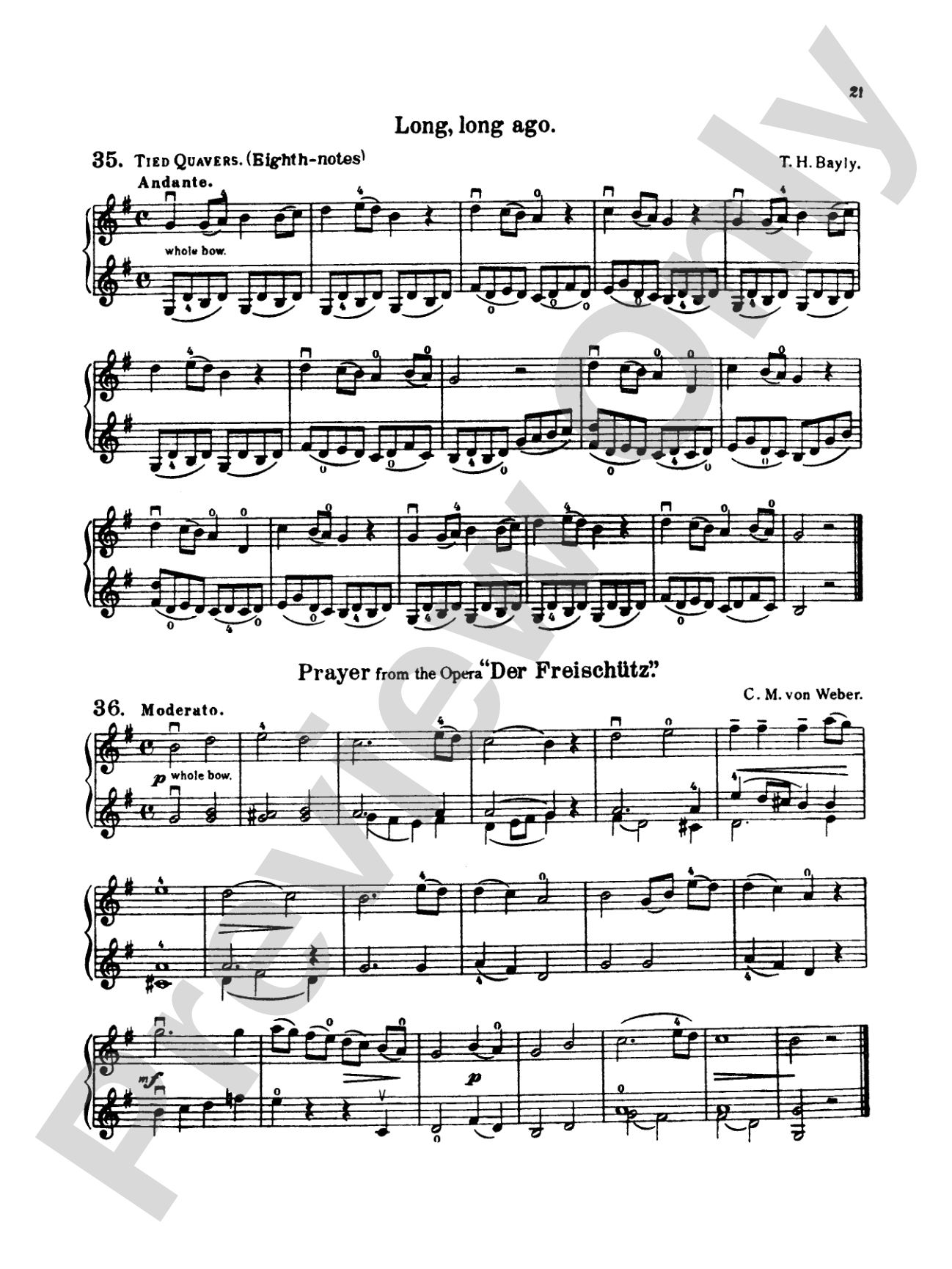
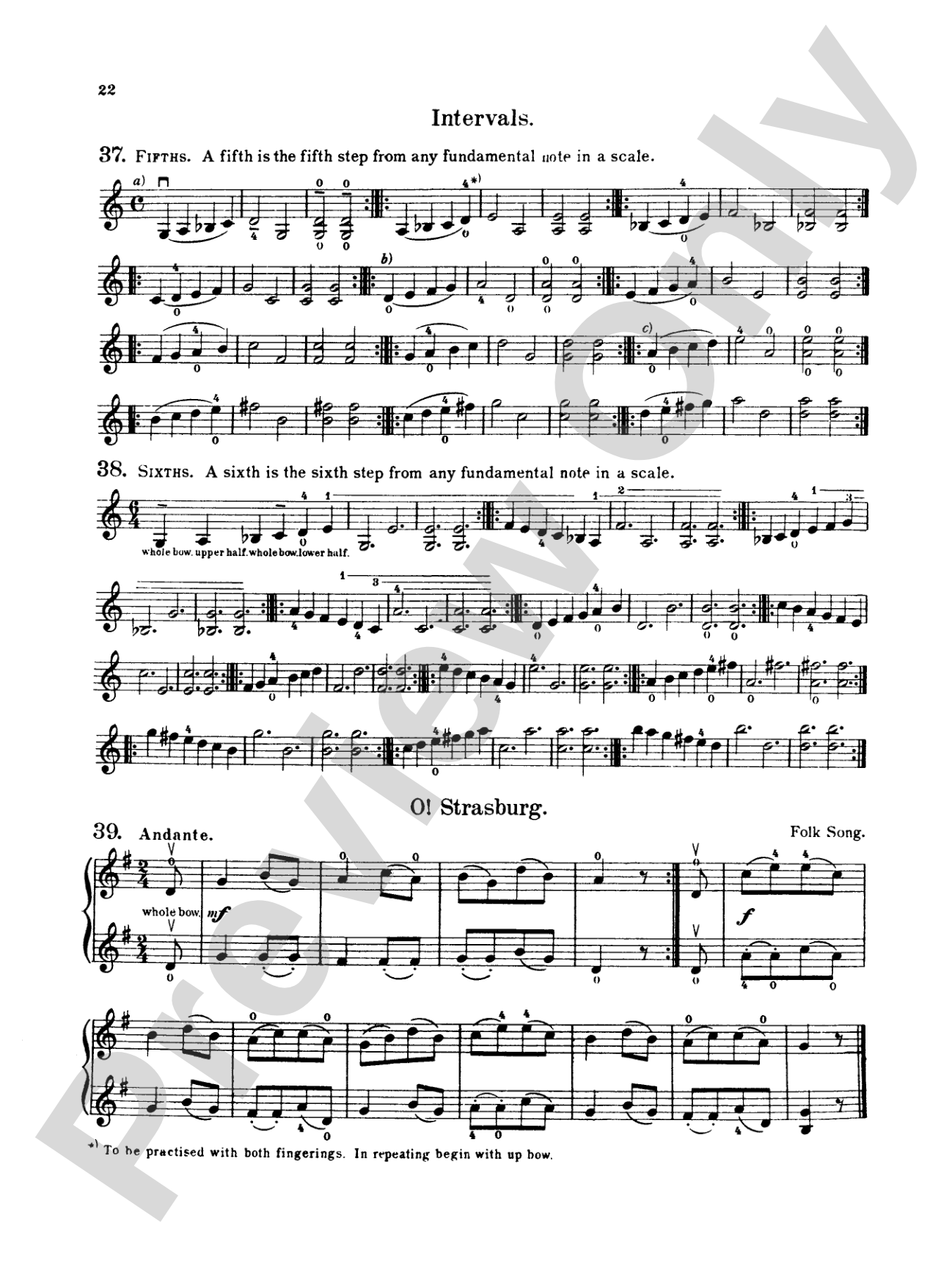
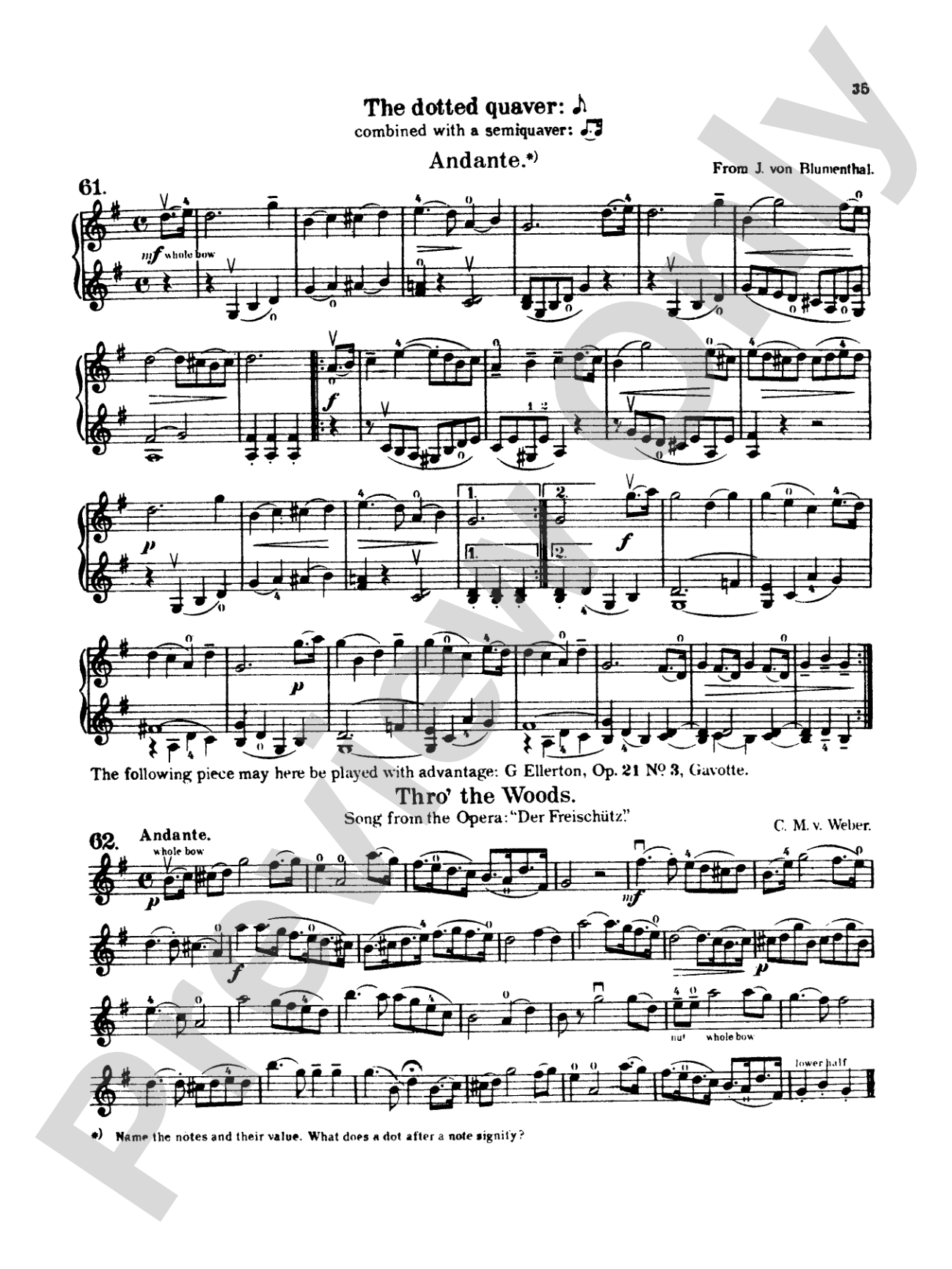
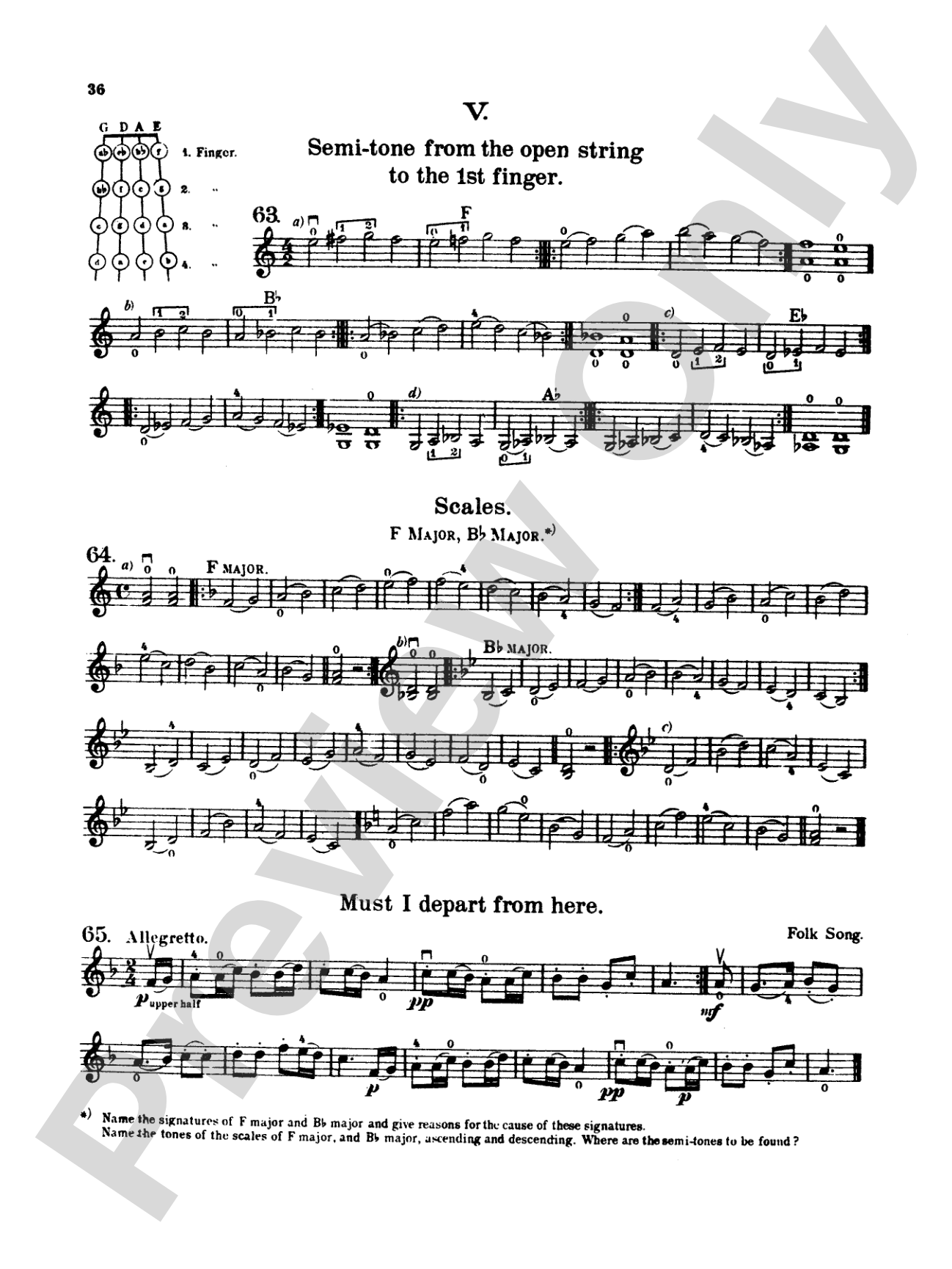
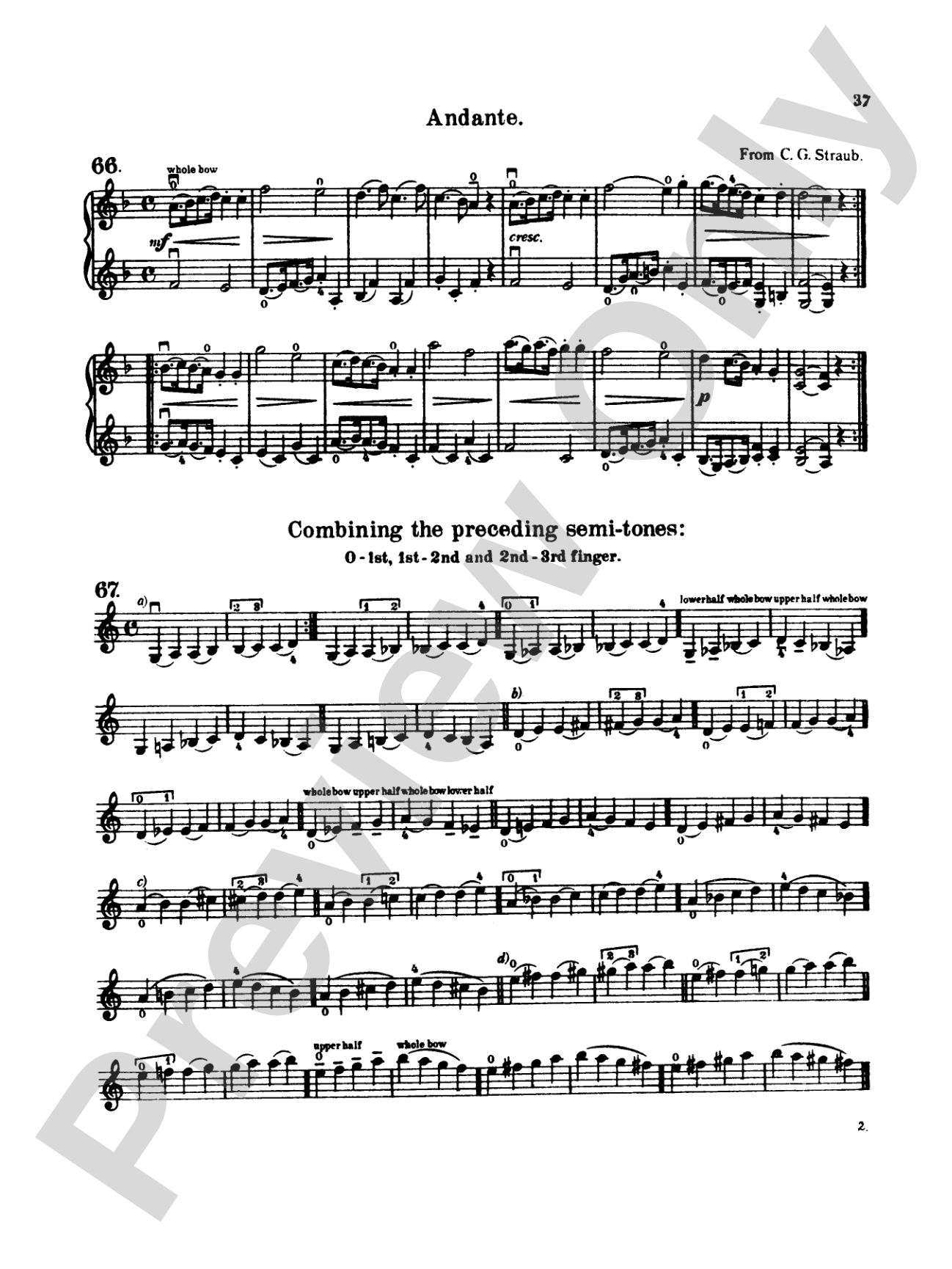
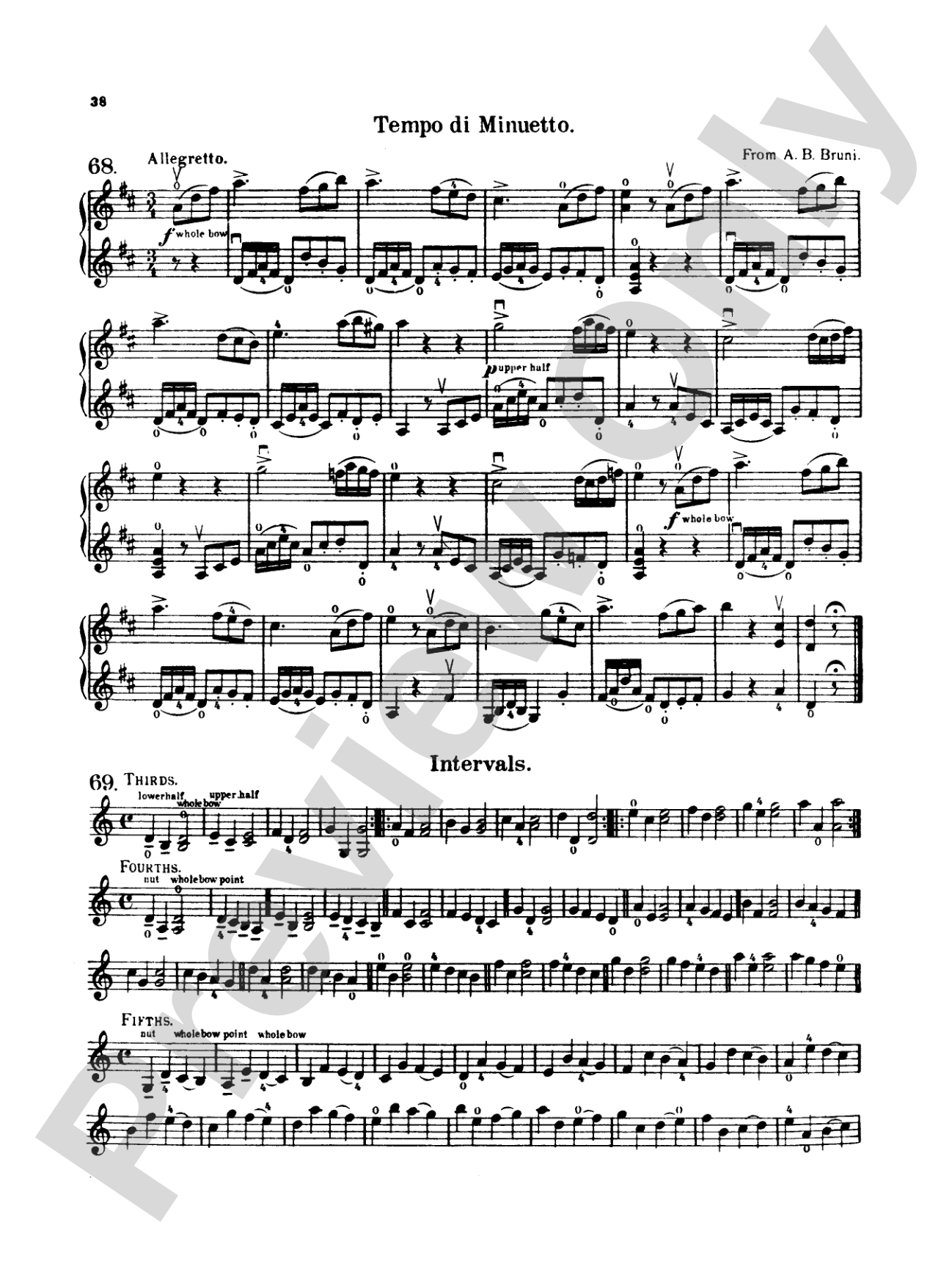
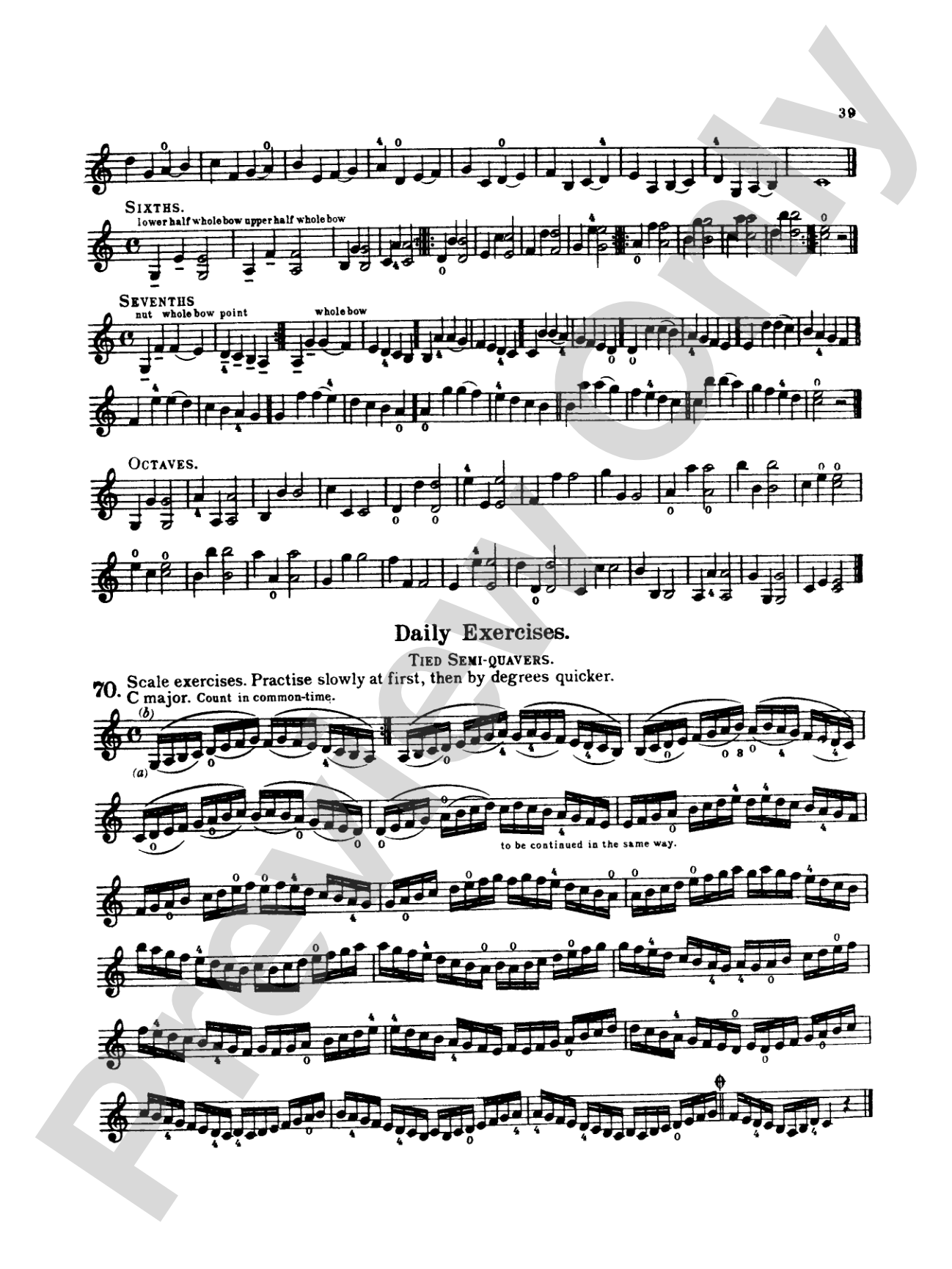
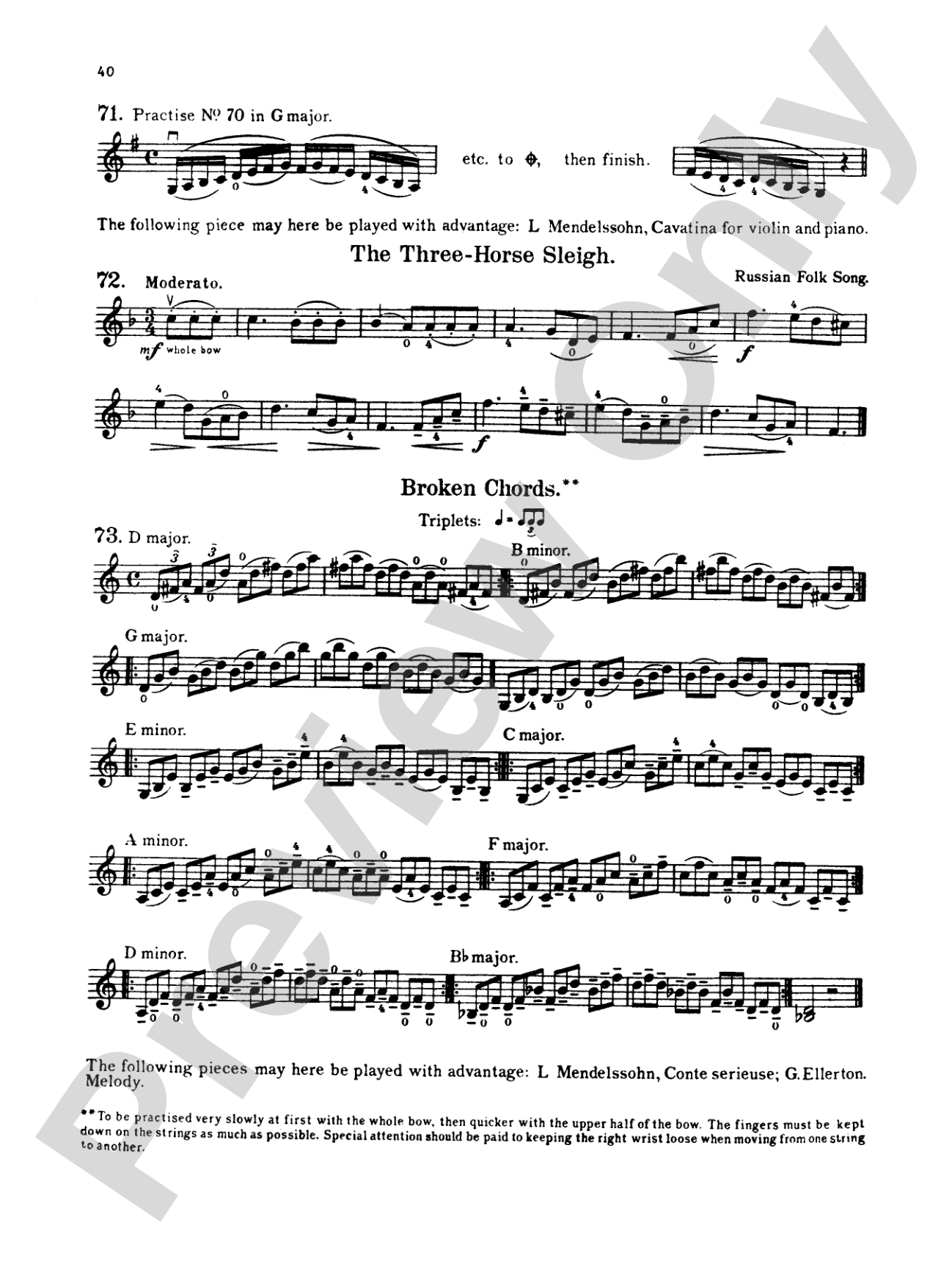
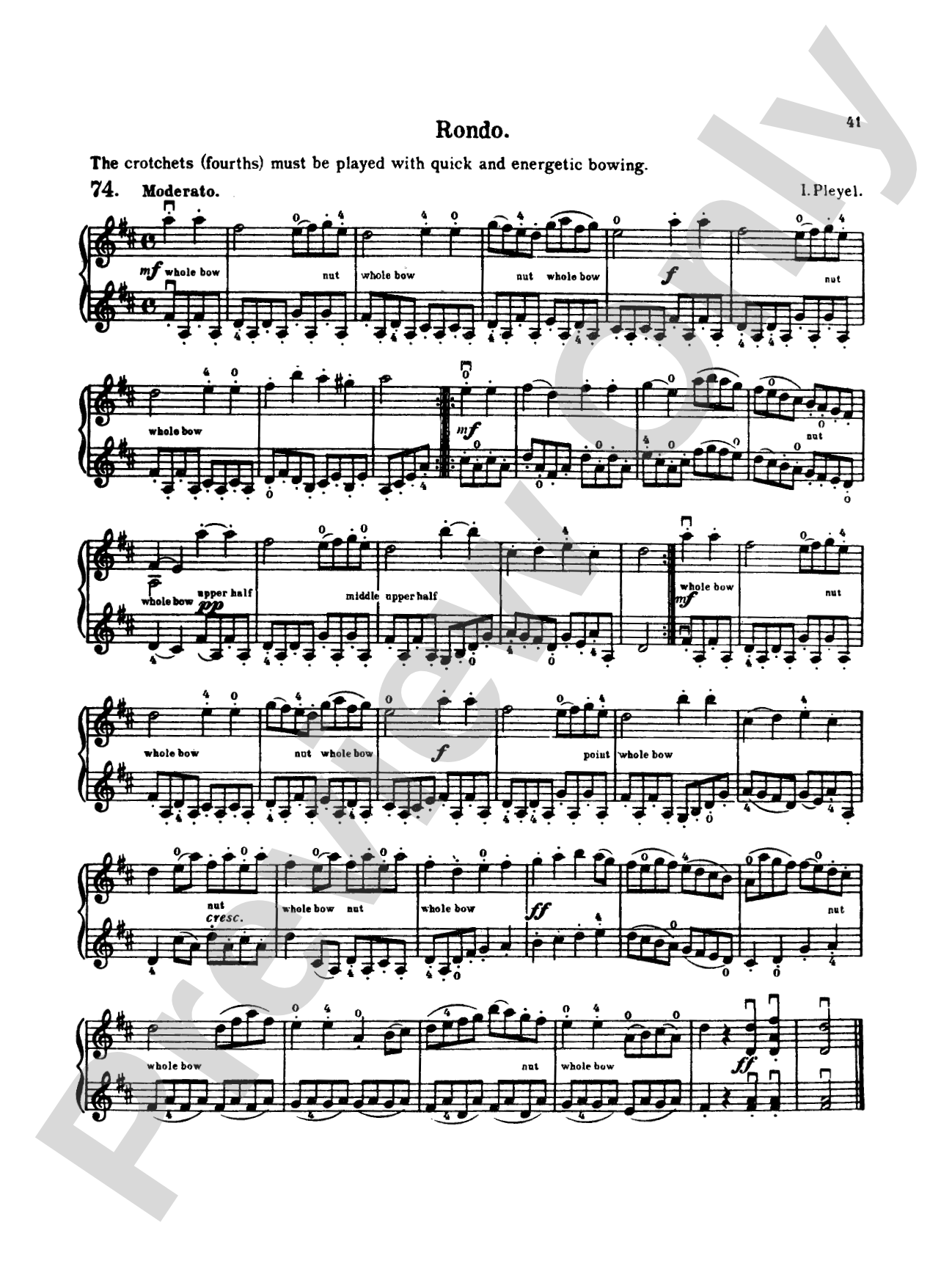
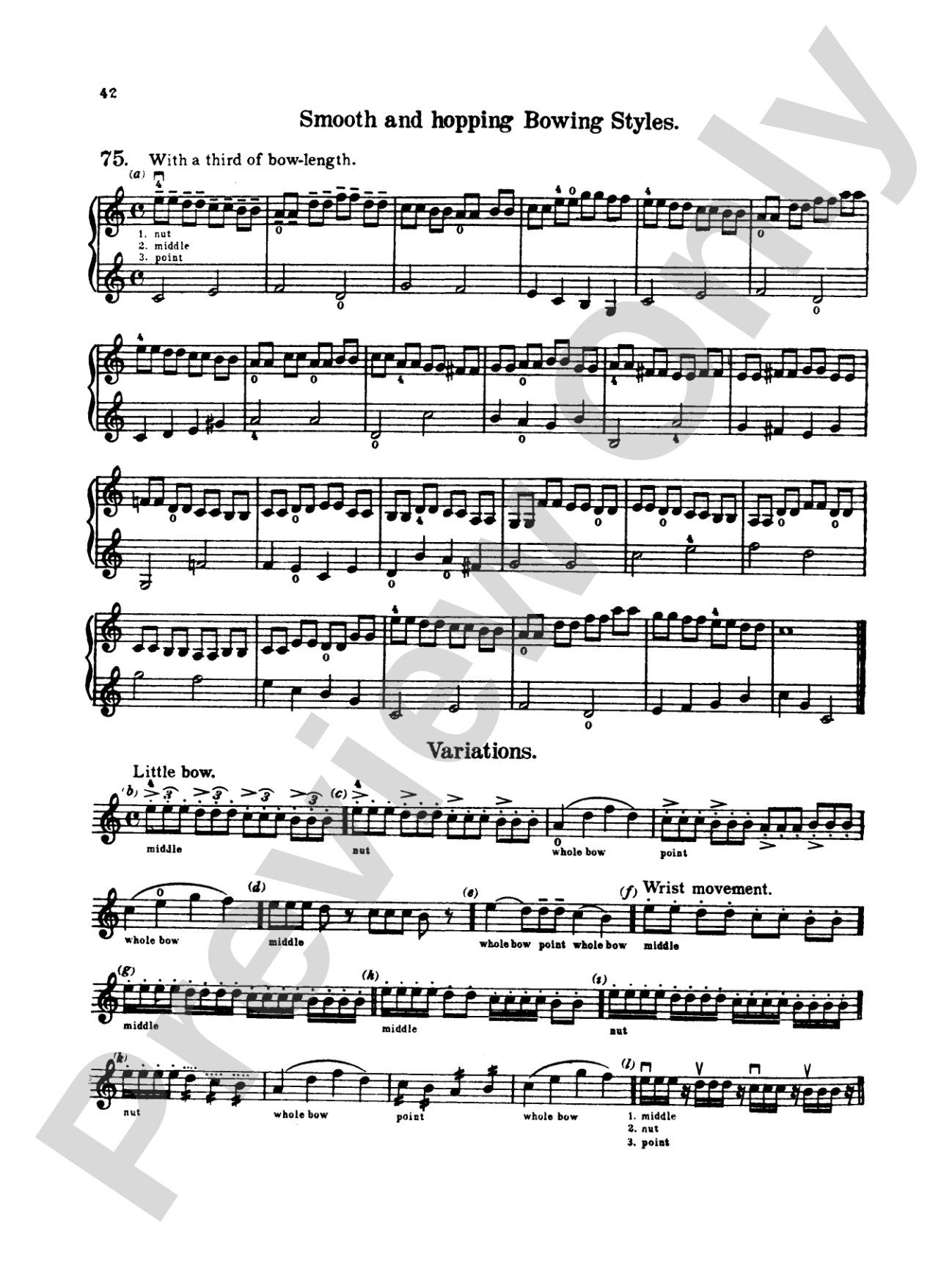
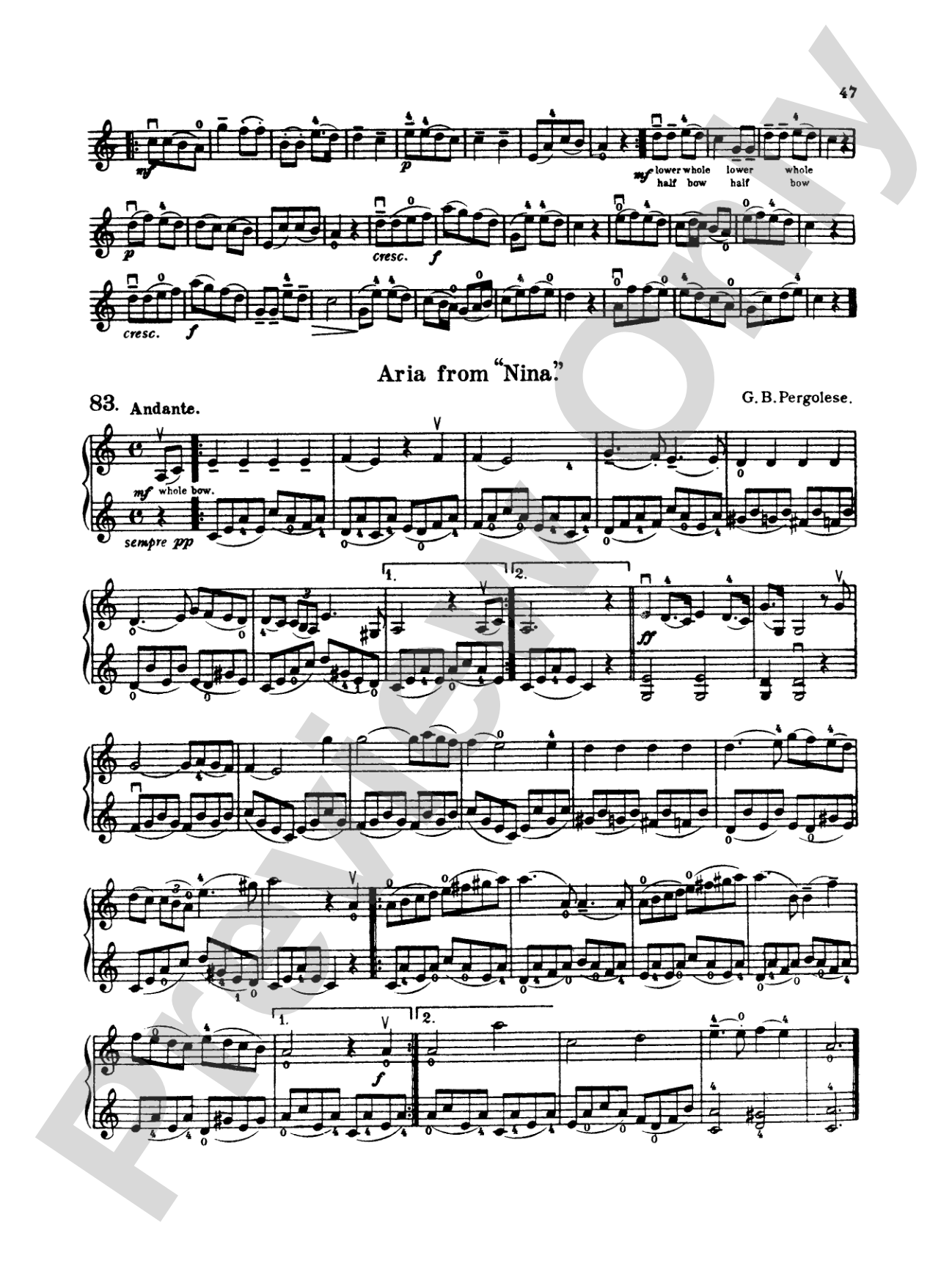
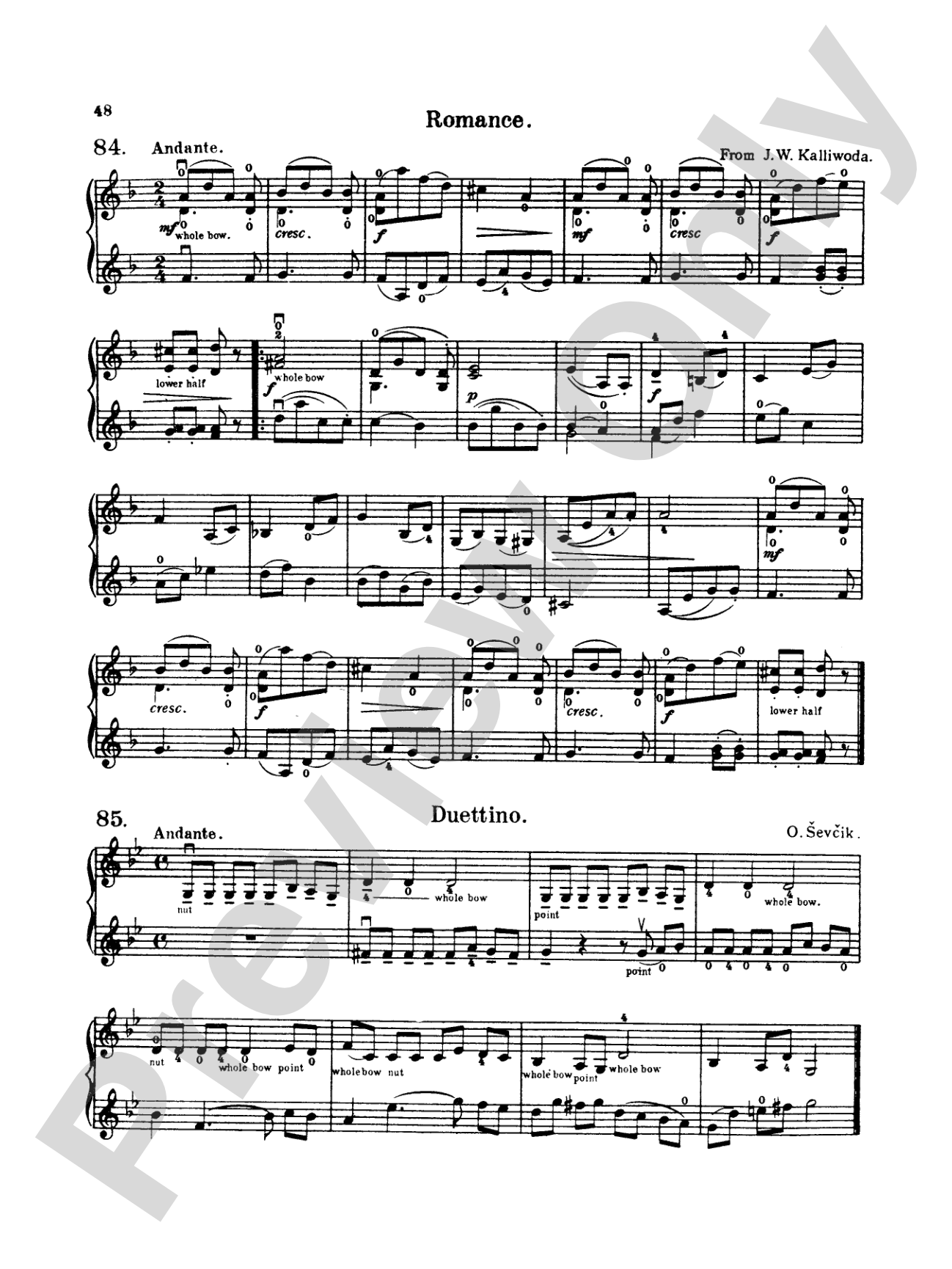
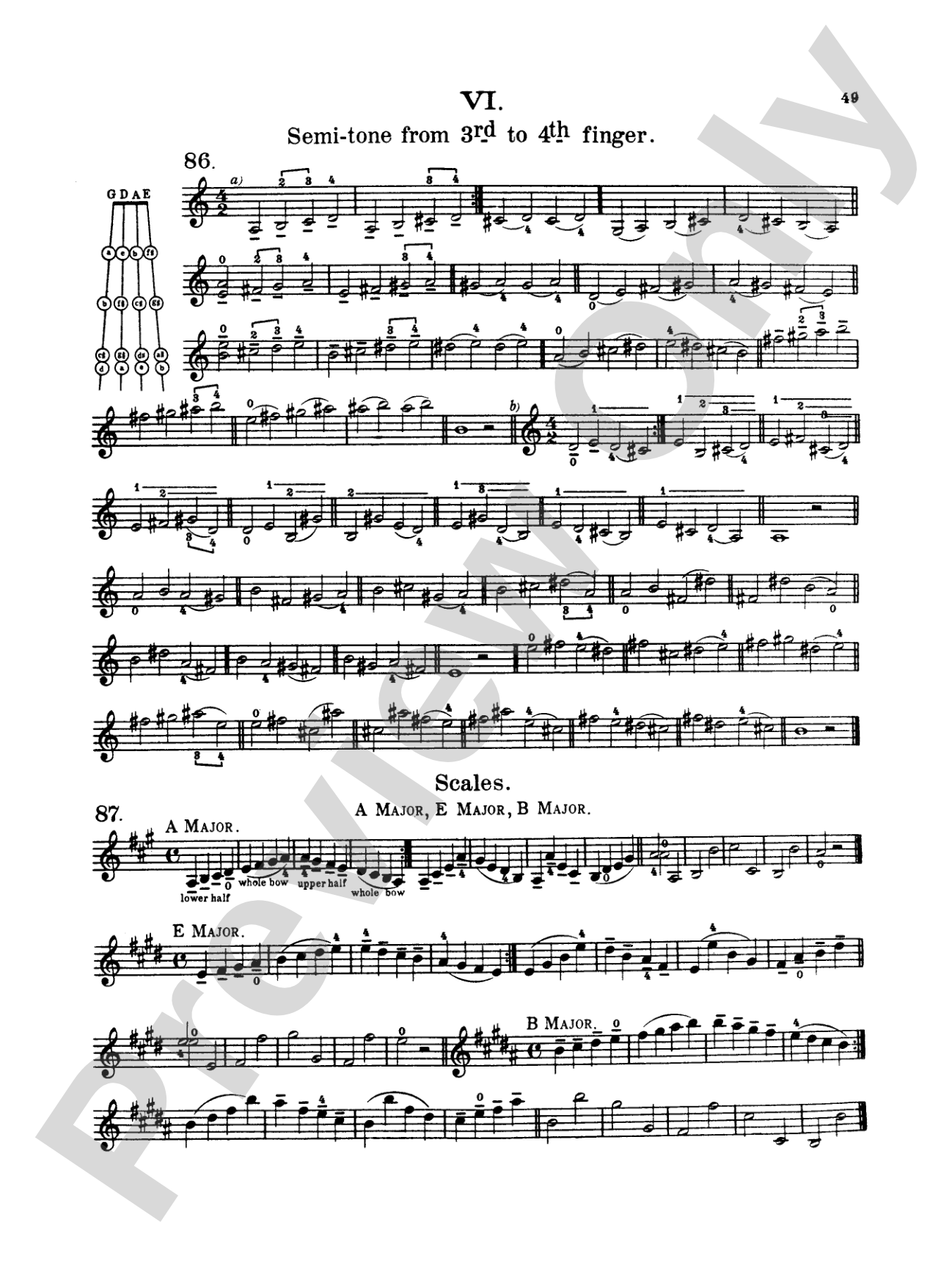
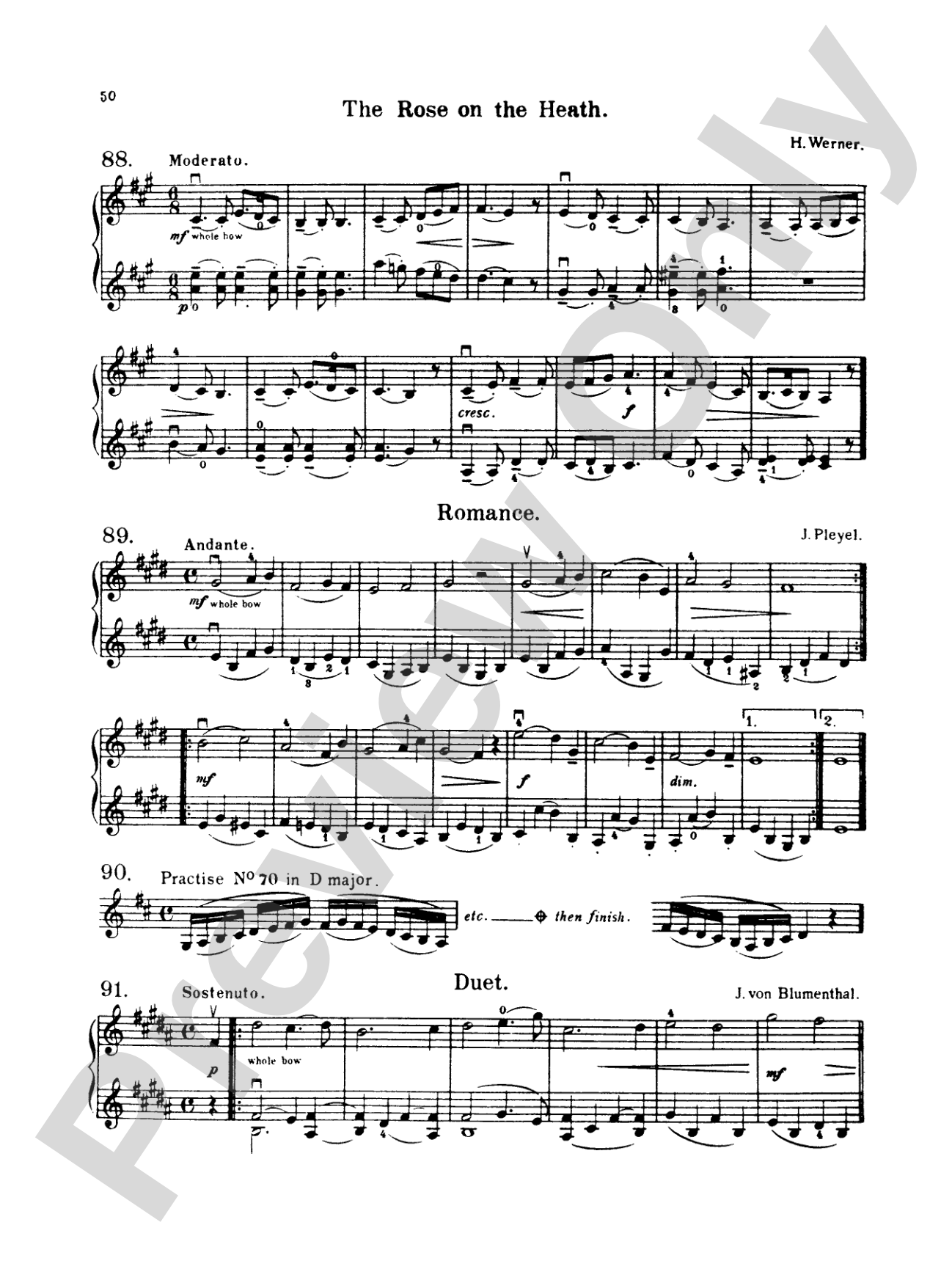

Sevcík: The Little Sevcík (An Elementary Violin Tutor): Violin Book
By Otakar Ševcík
Item: 00-PK-0002723

$9.95
Pickup currently not available
Buy Extra Parts (Digital PDF Download)
| Product | Price | Quantity |
|---|---|---|
| Sevcík: The Little Sevcík (An Elementary Violin Tutor) | $8.95 |
Parts Added to Cart!
Description
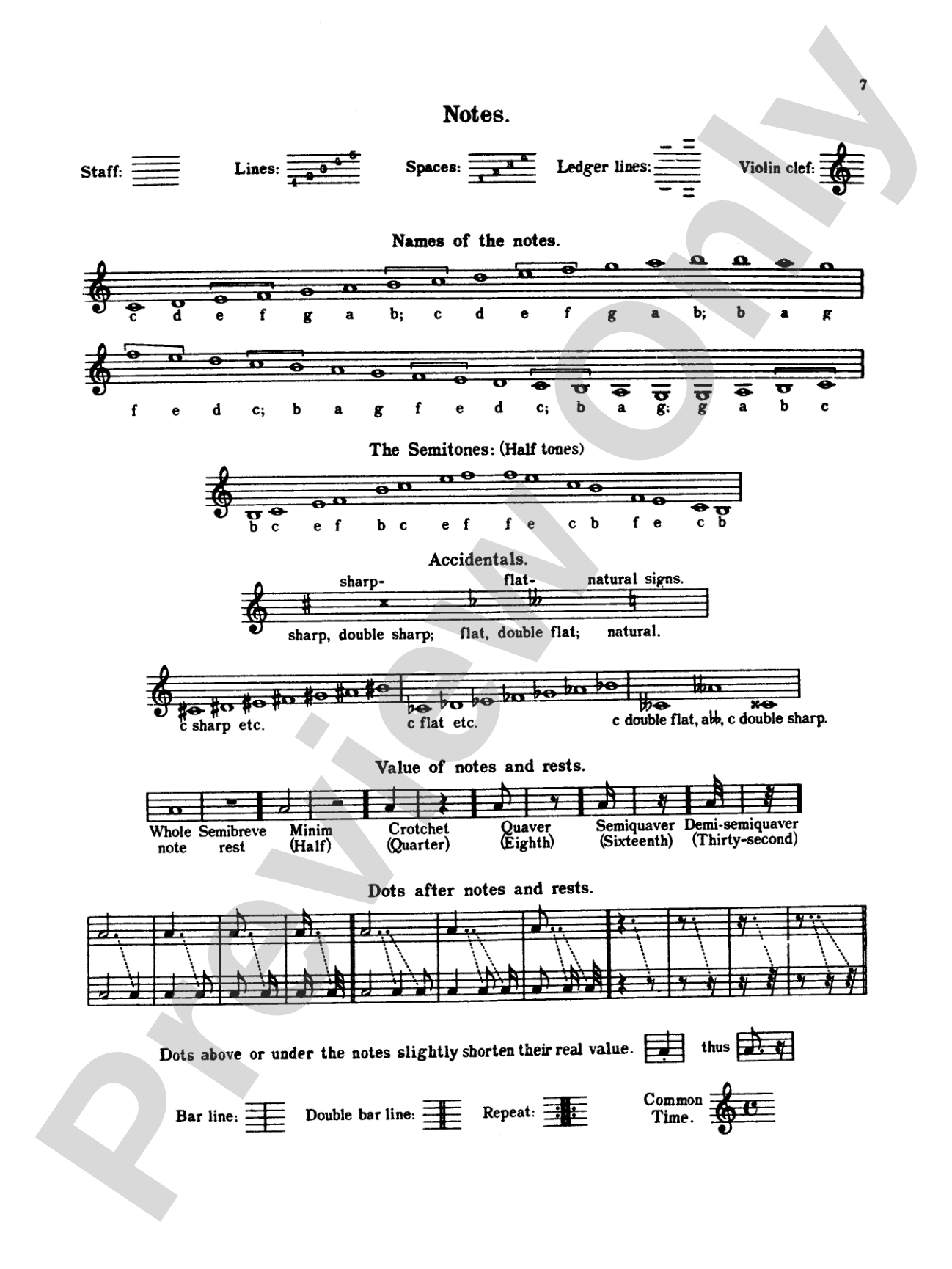
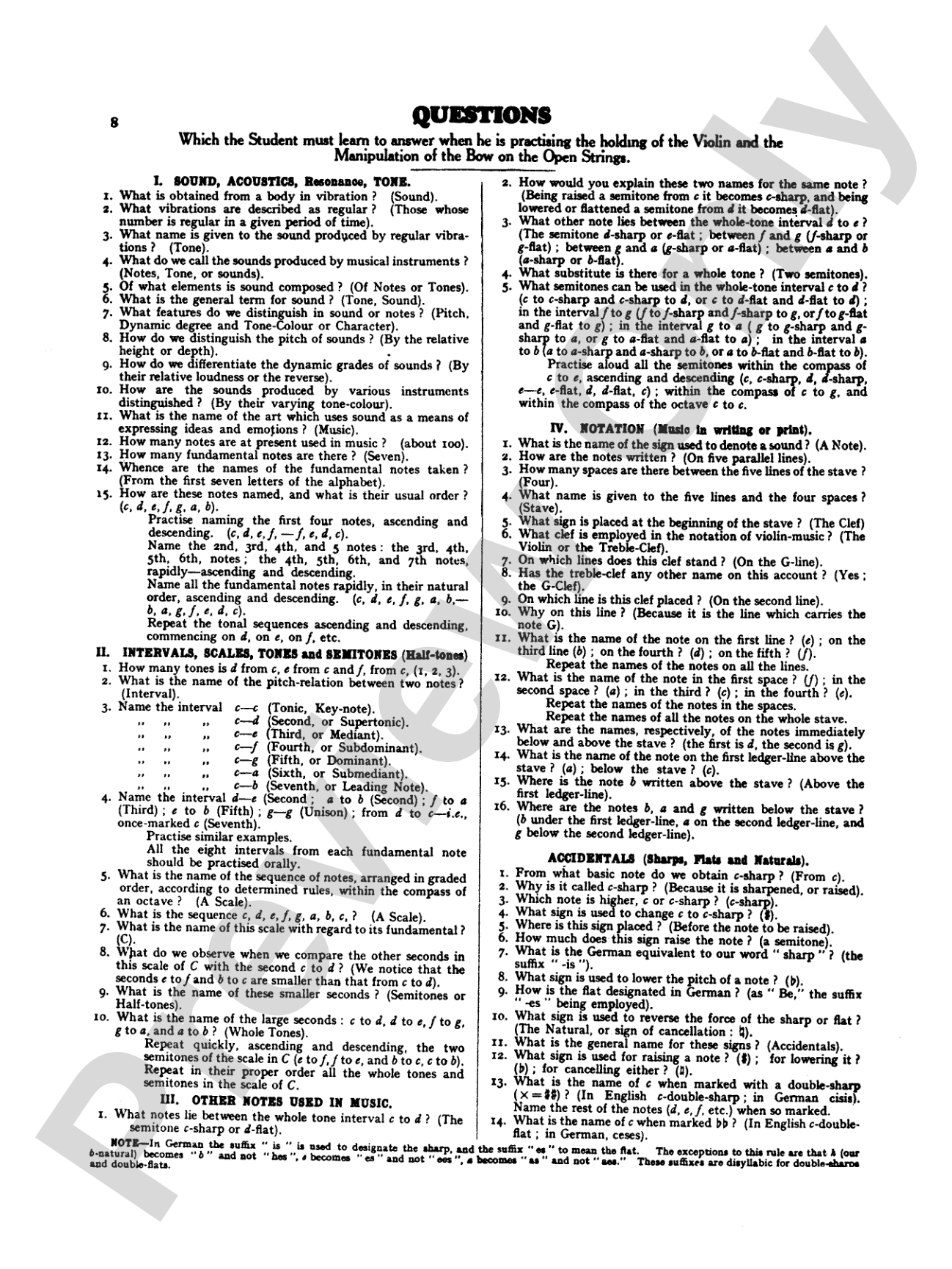
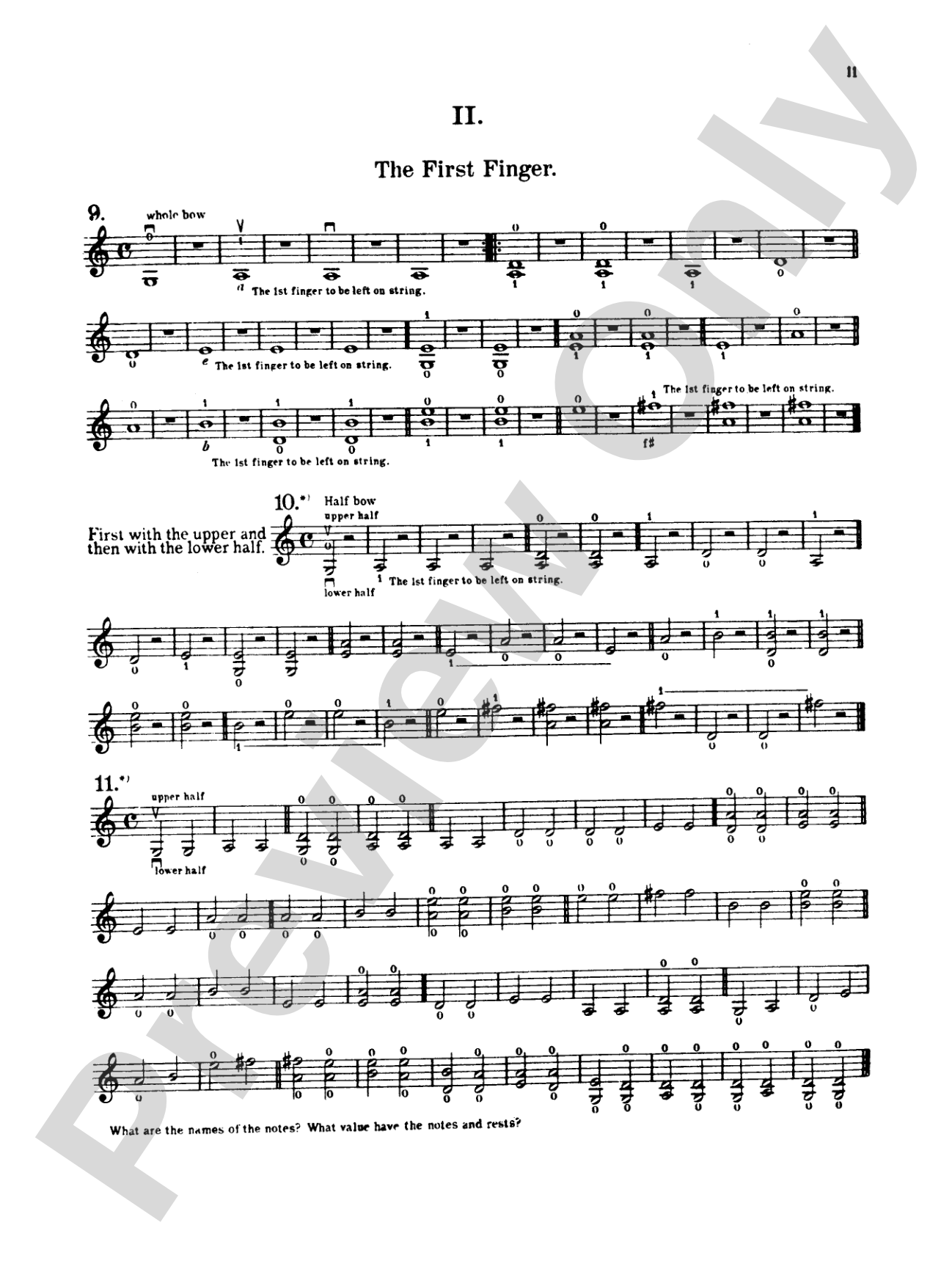
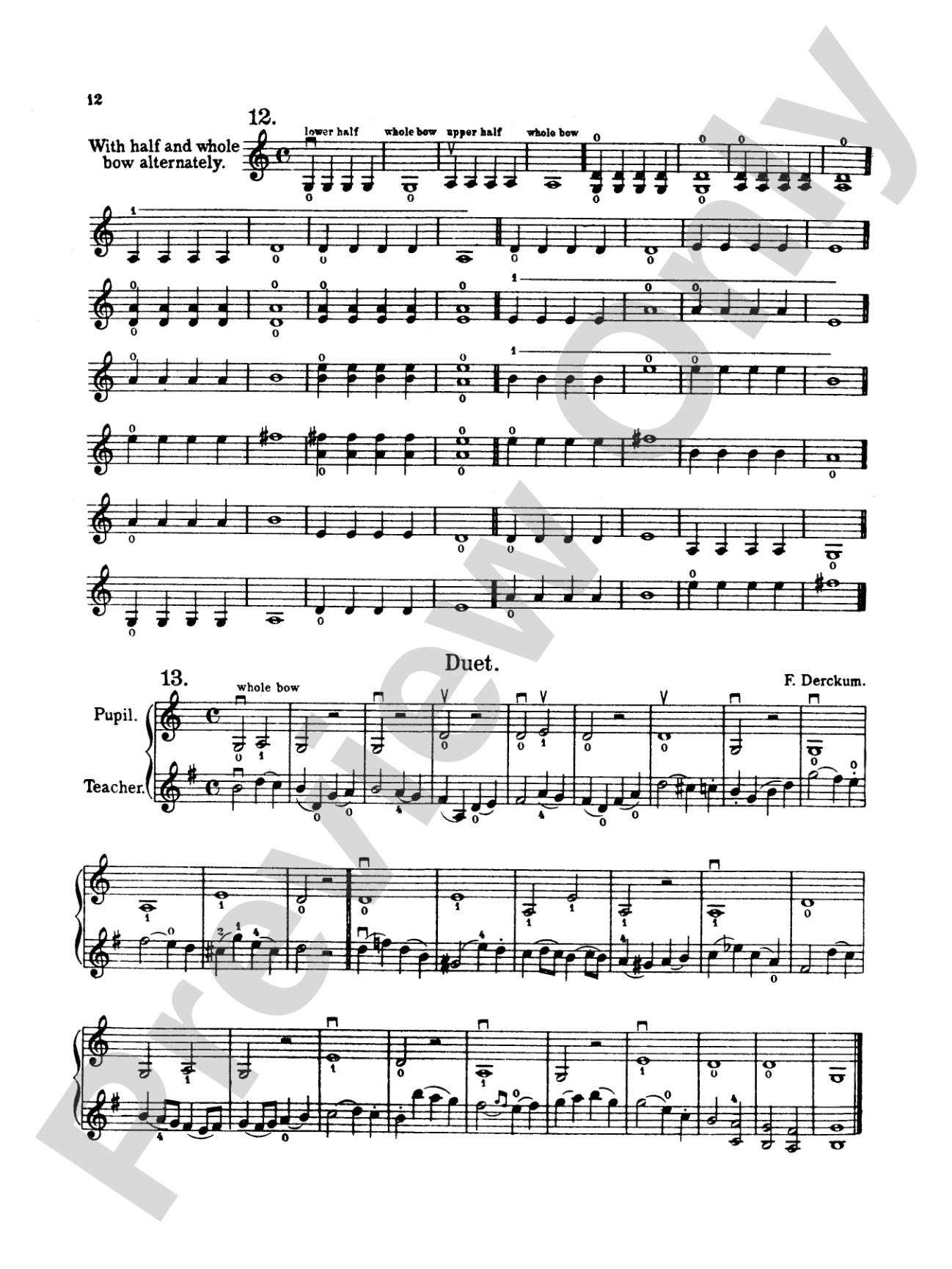
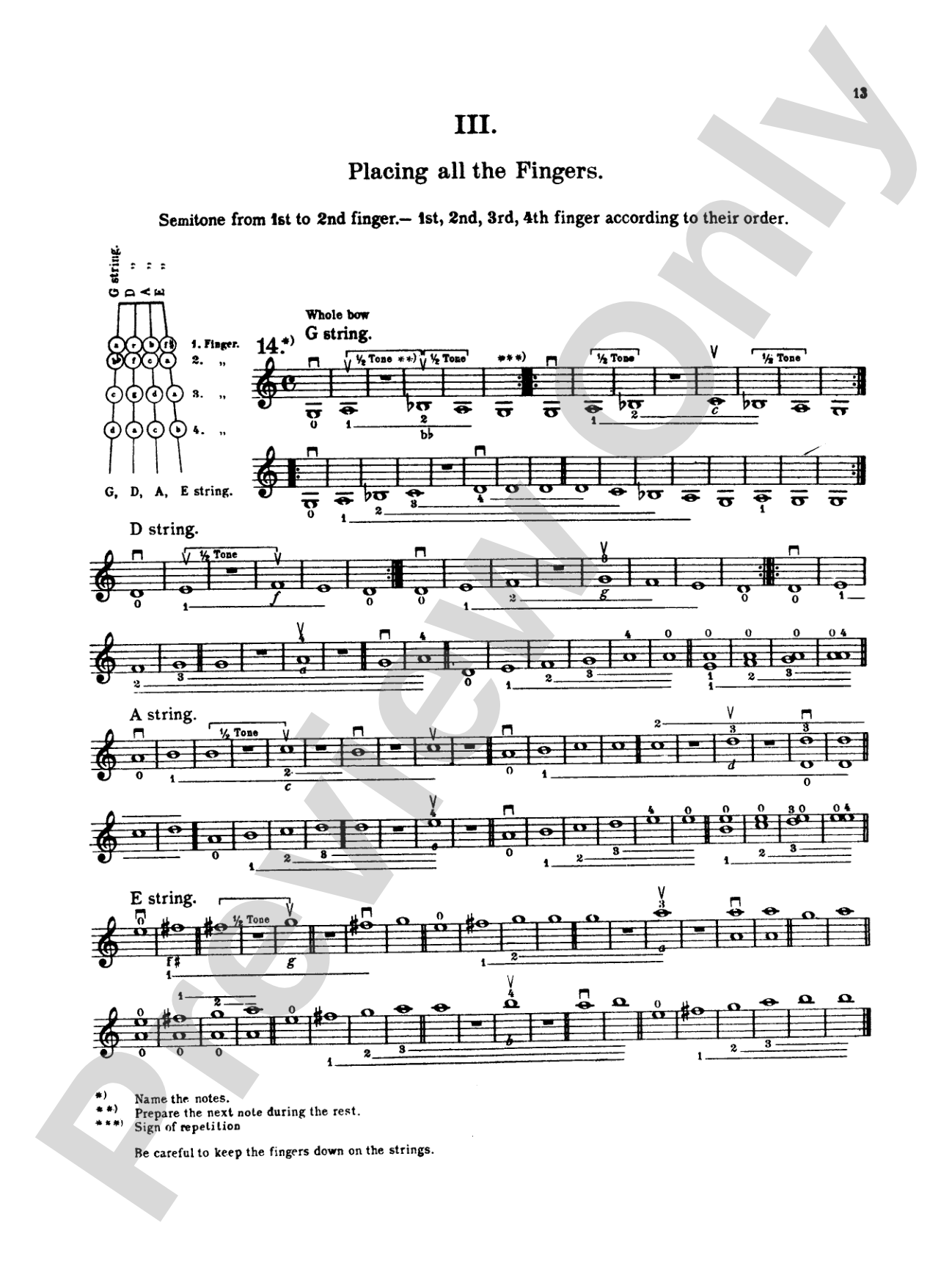
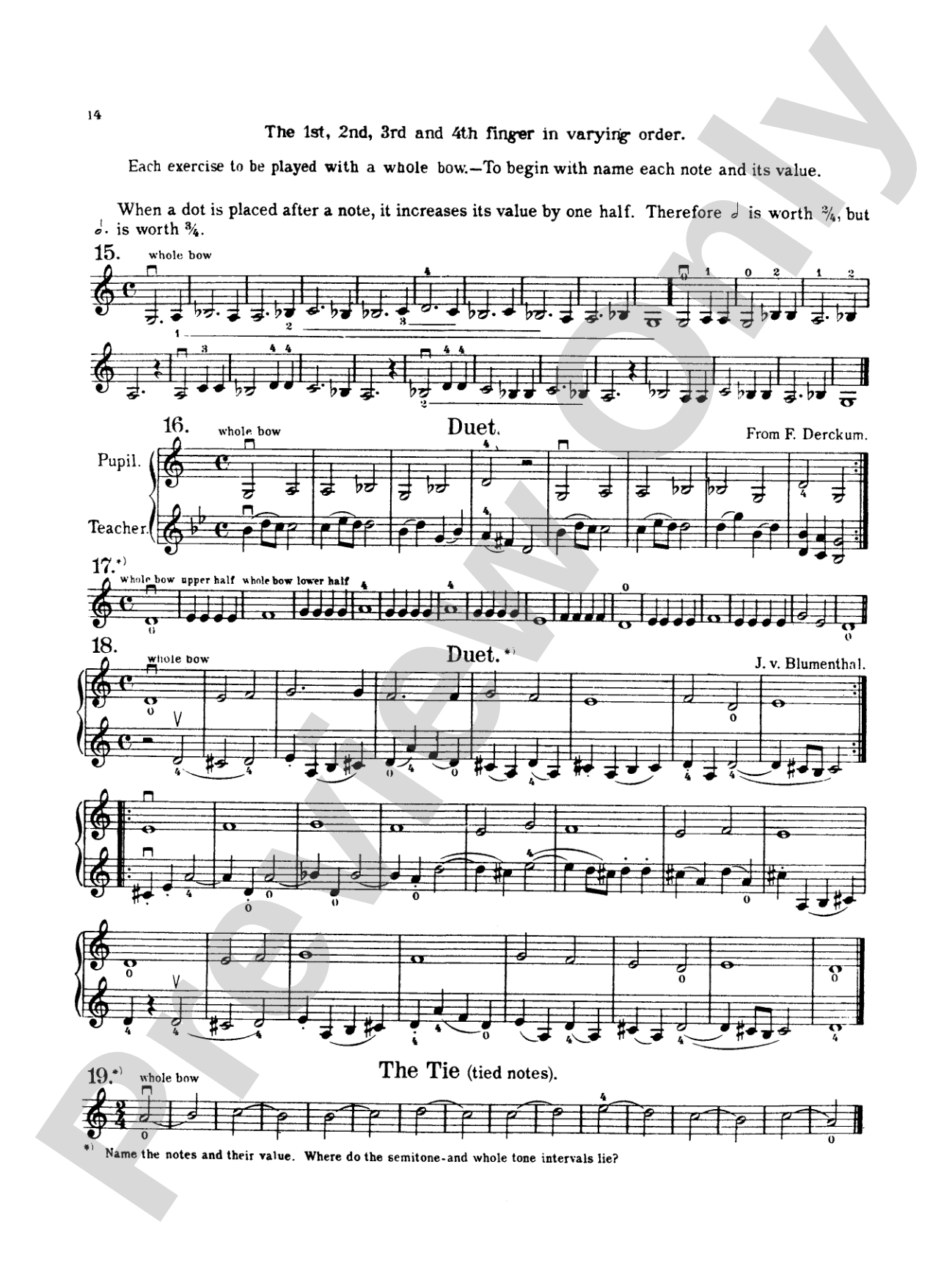
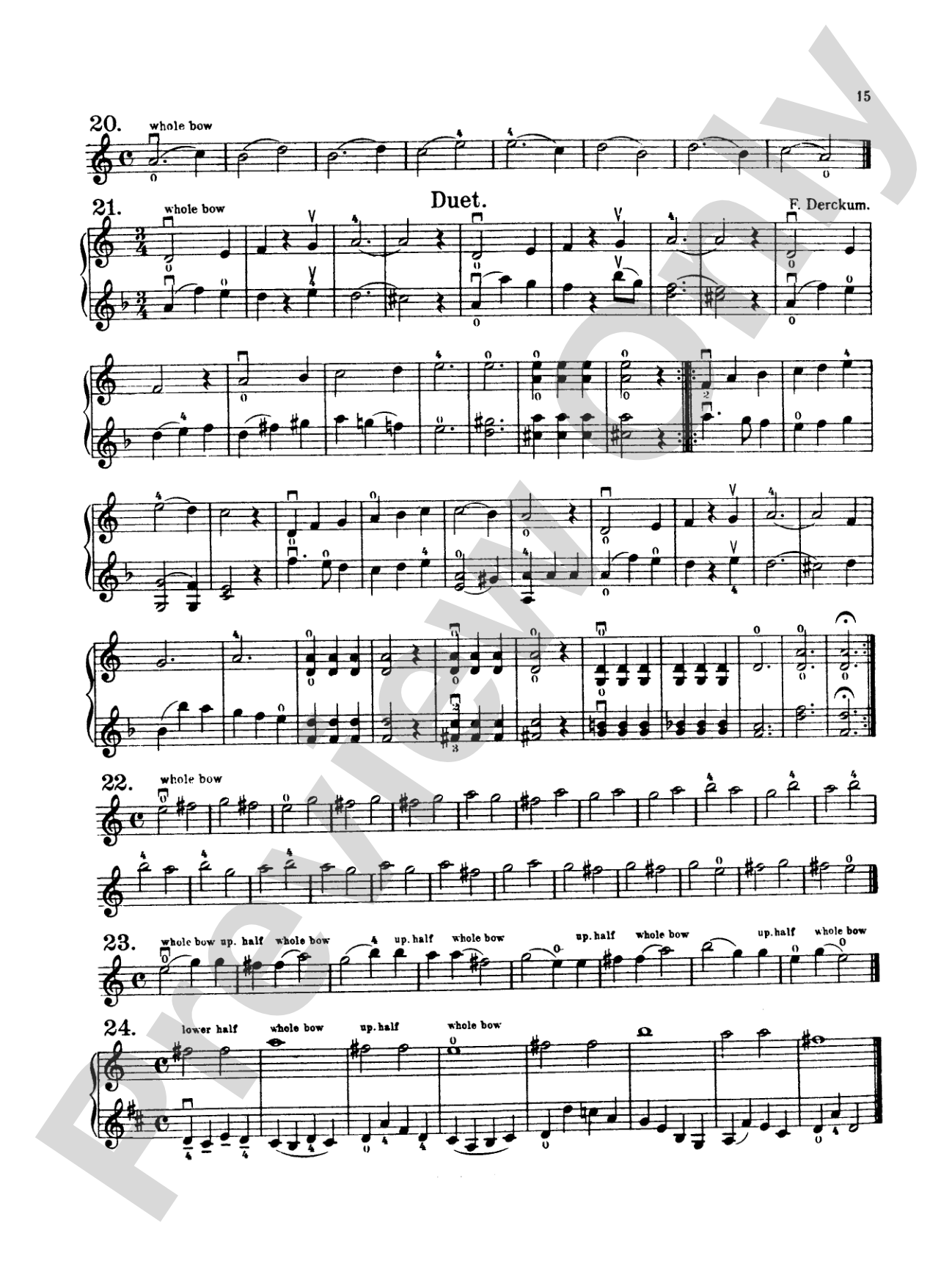
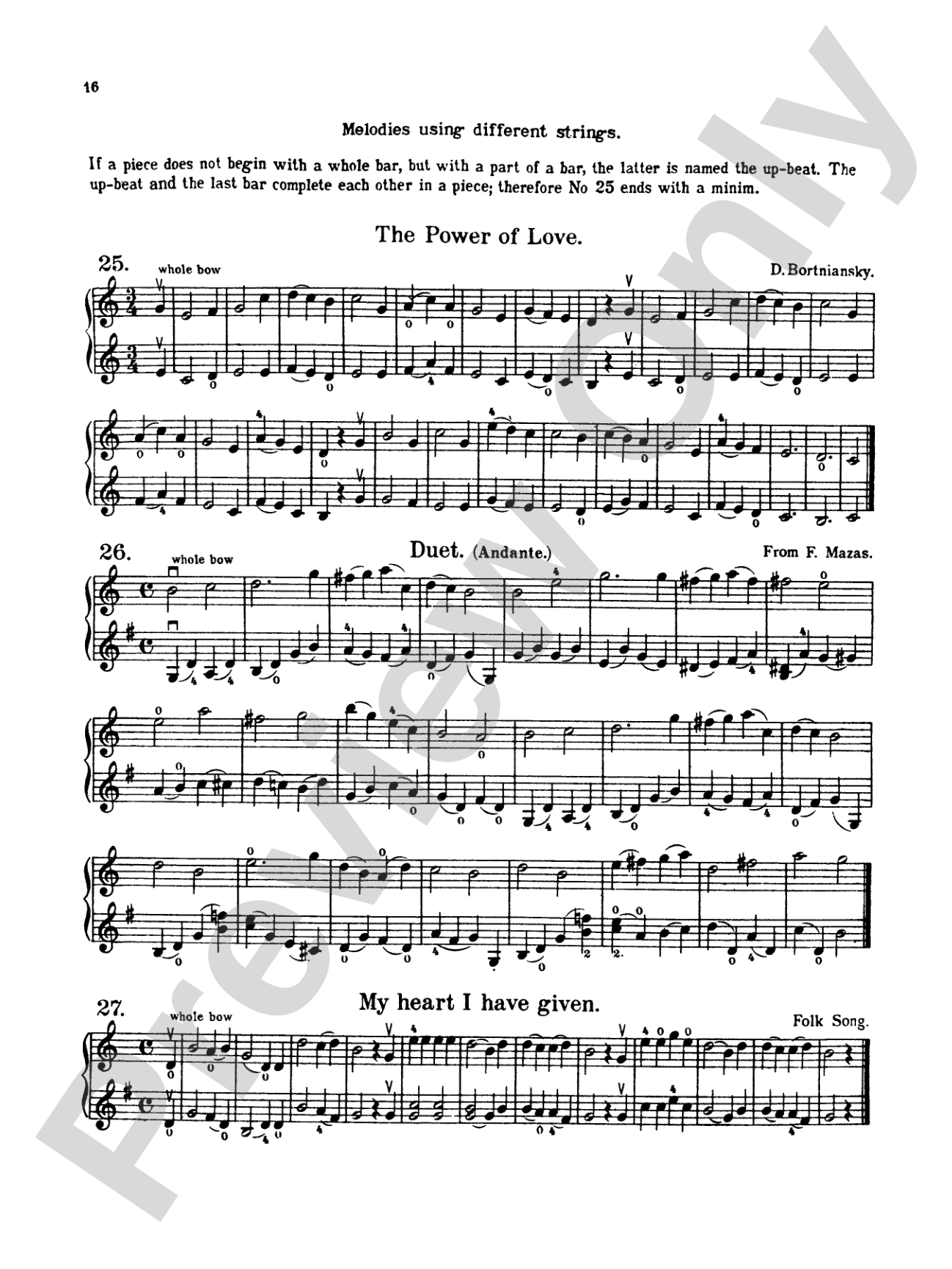
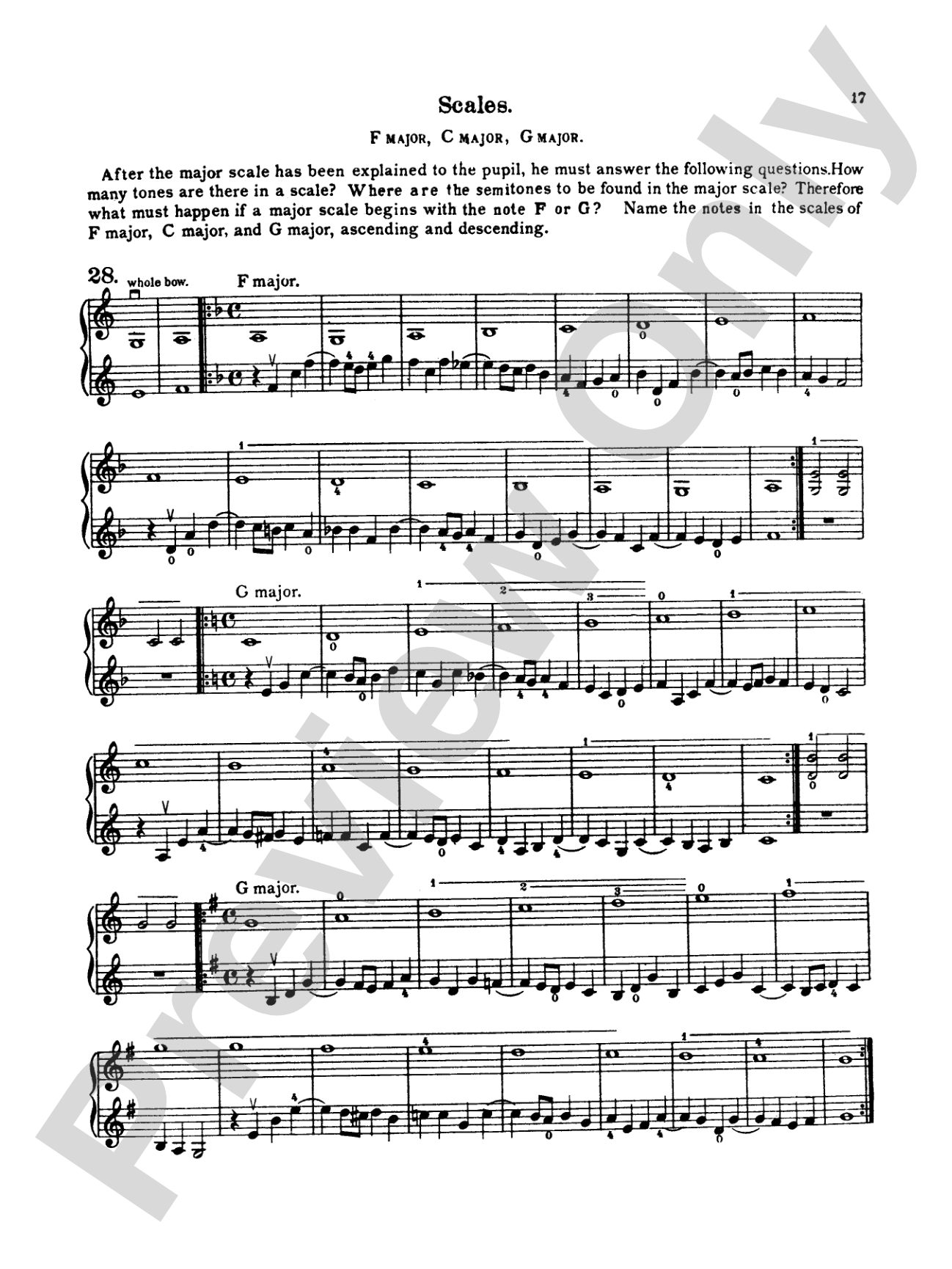
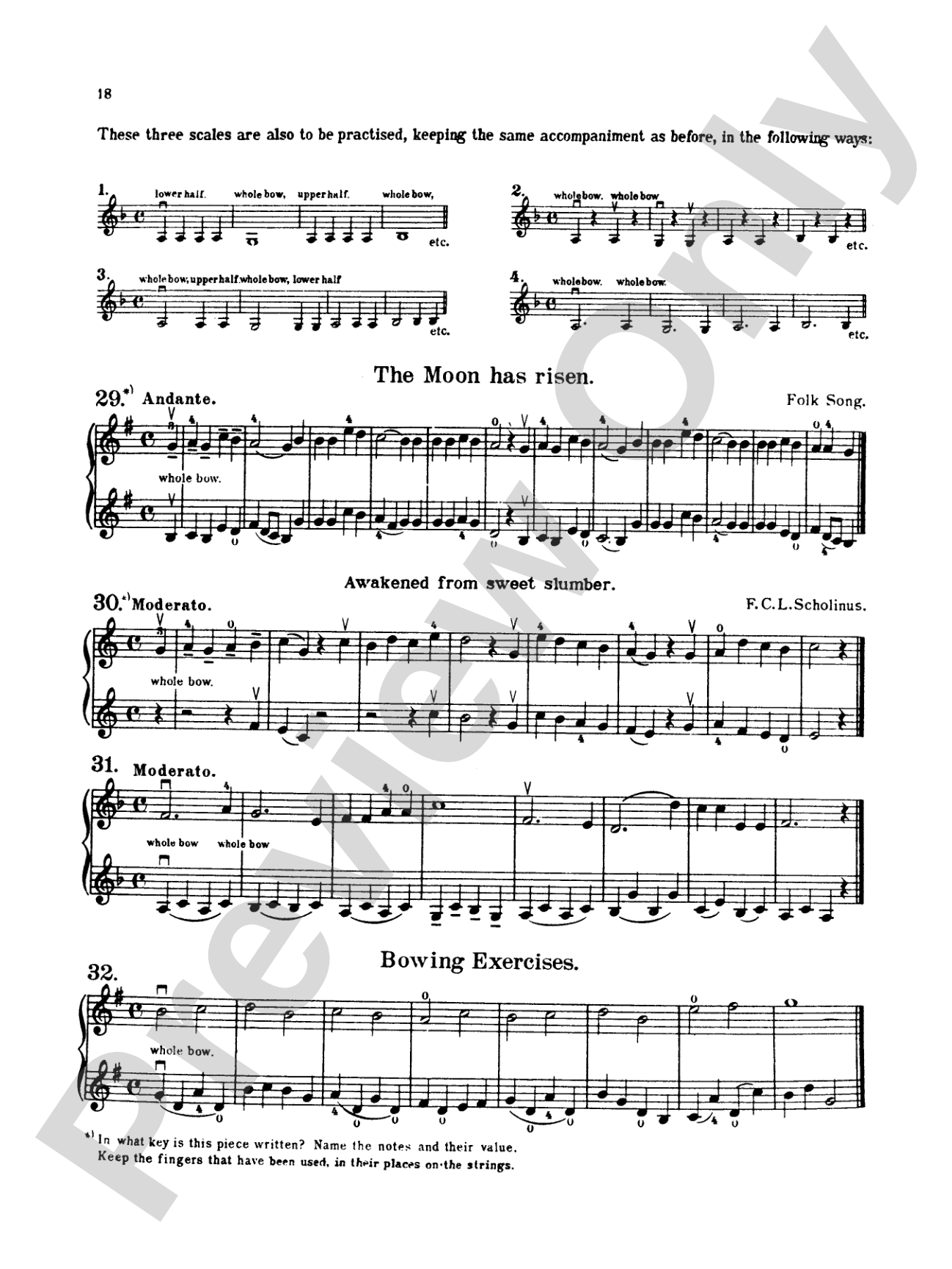
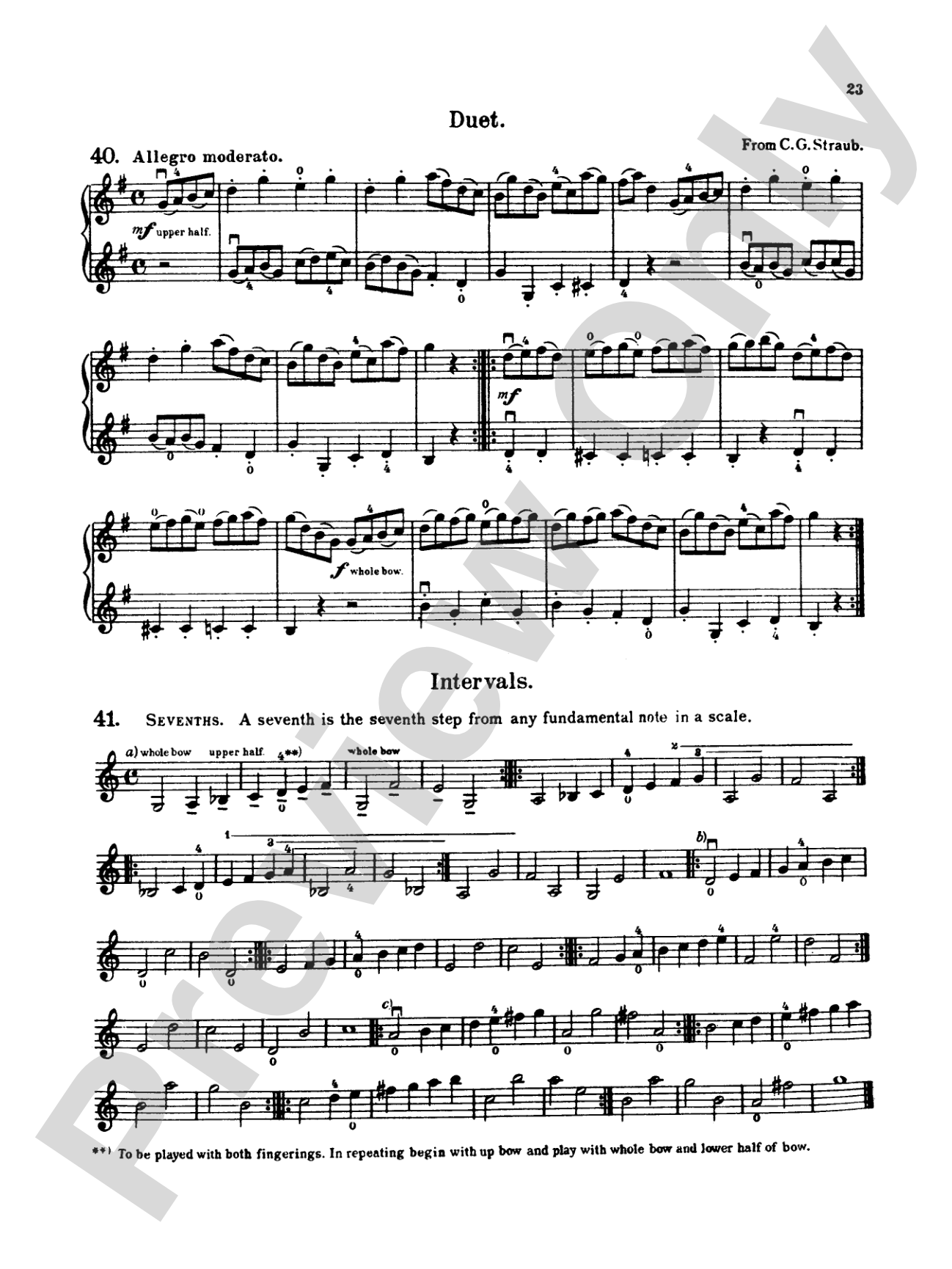
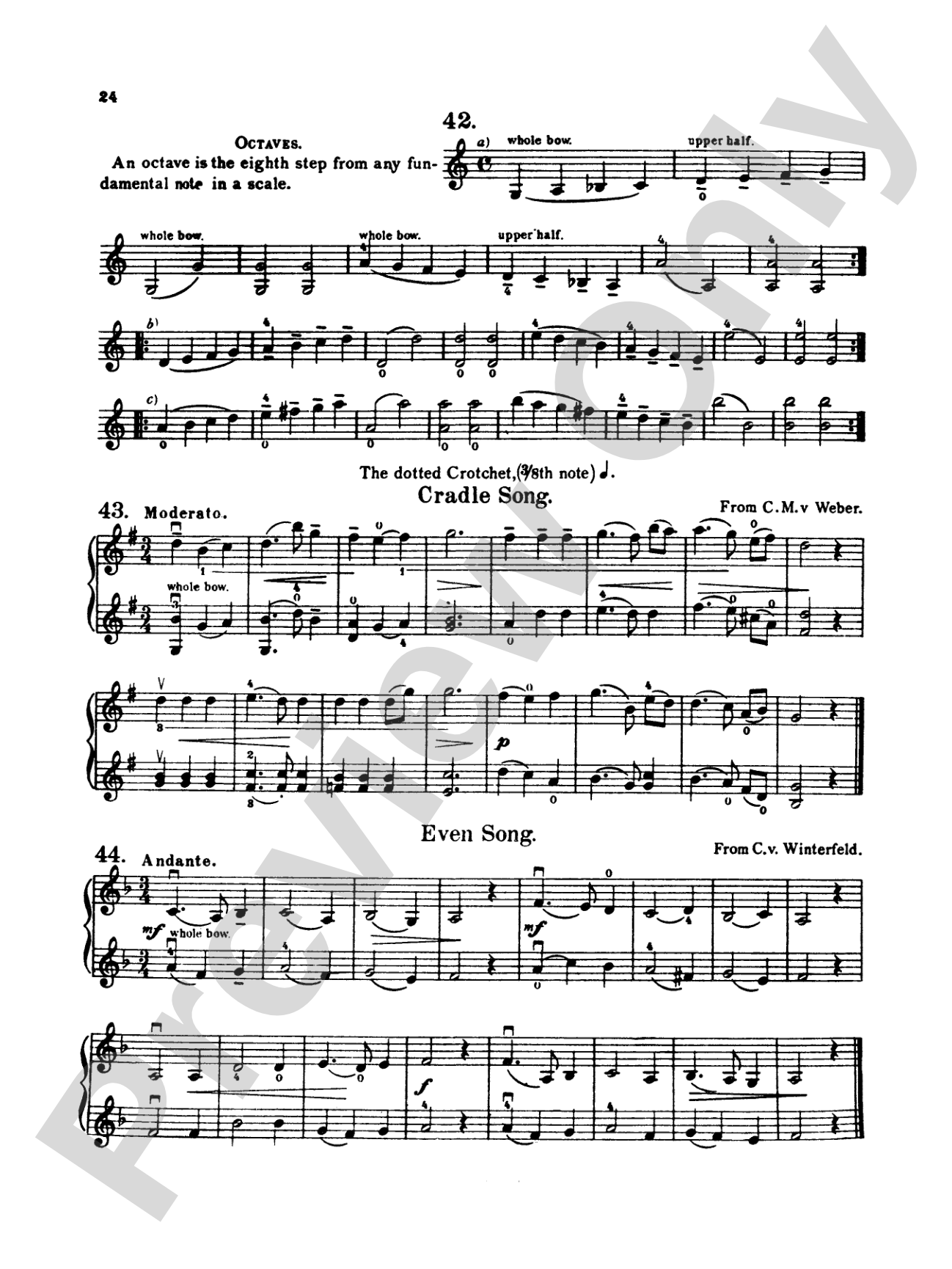
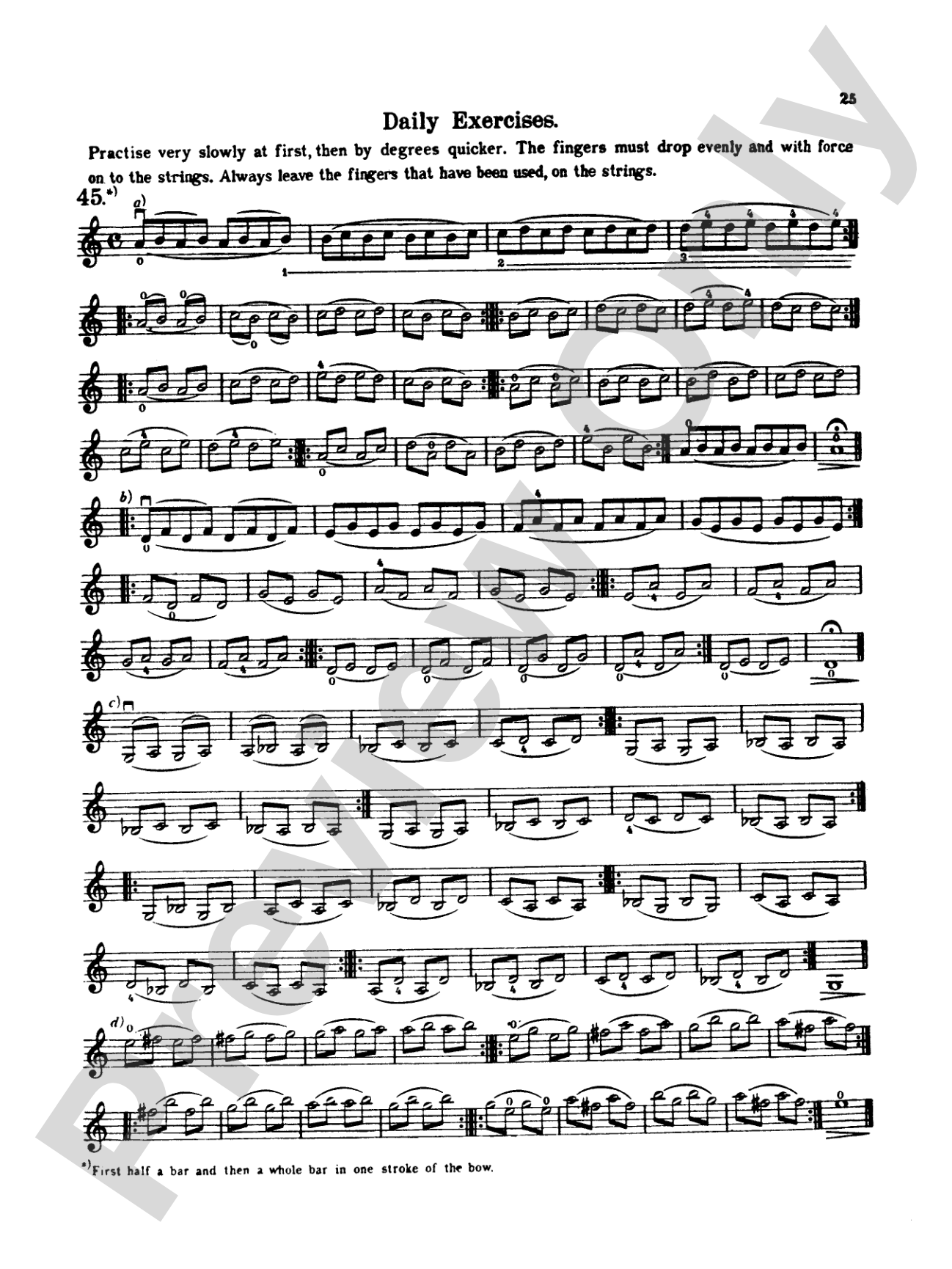
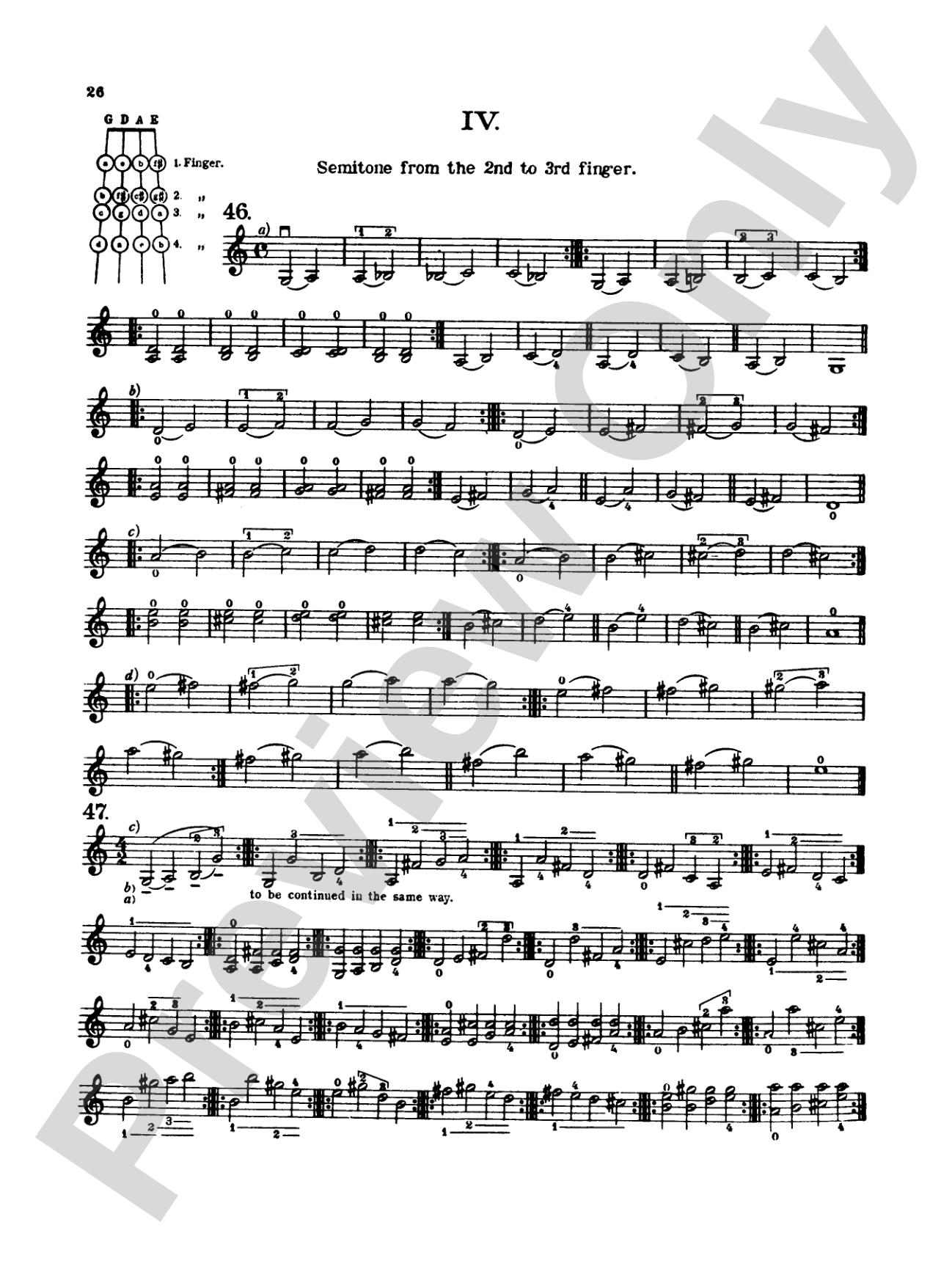
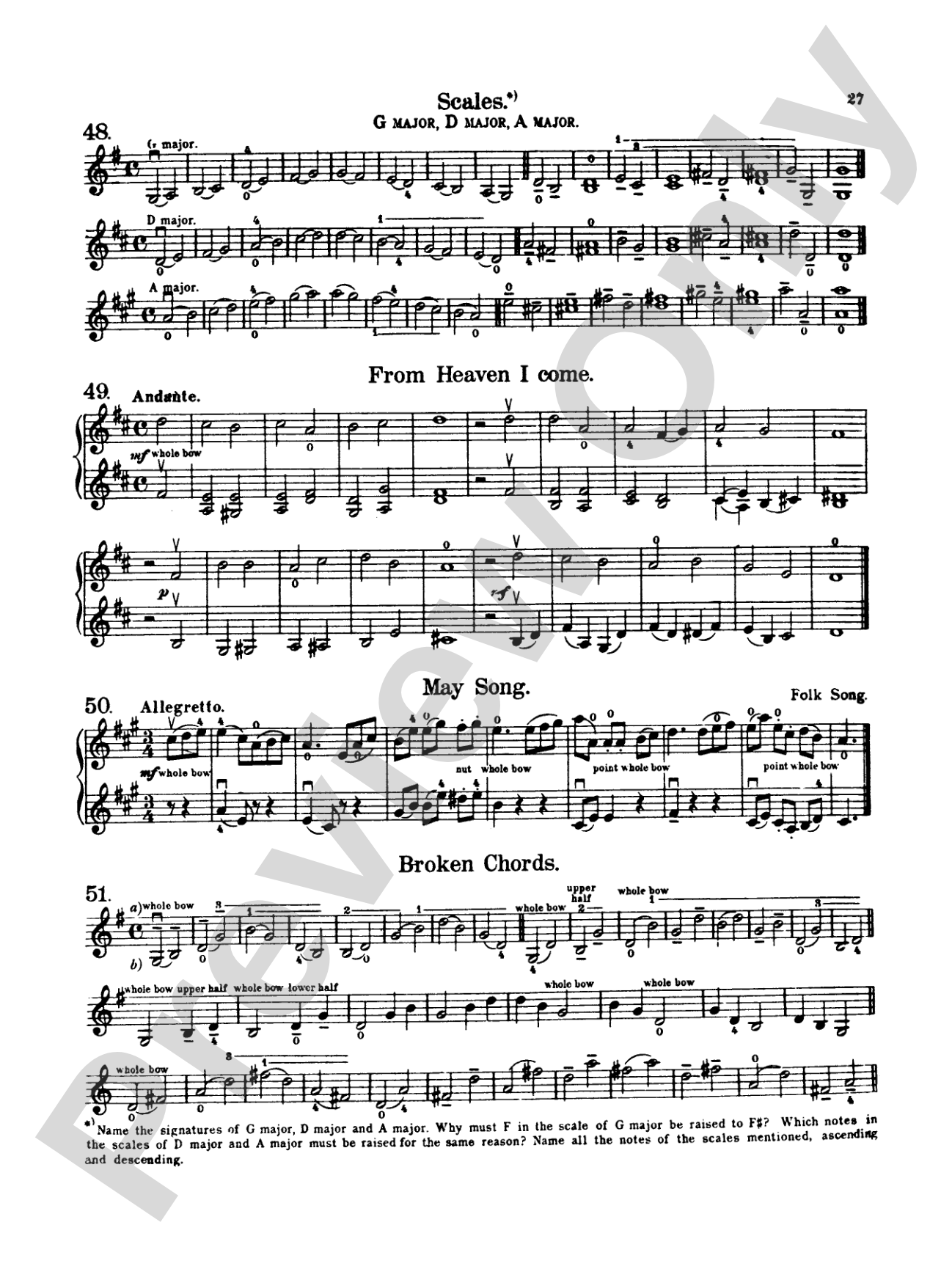
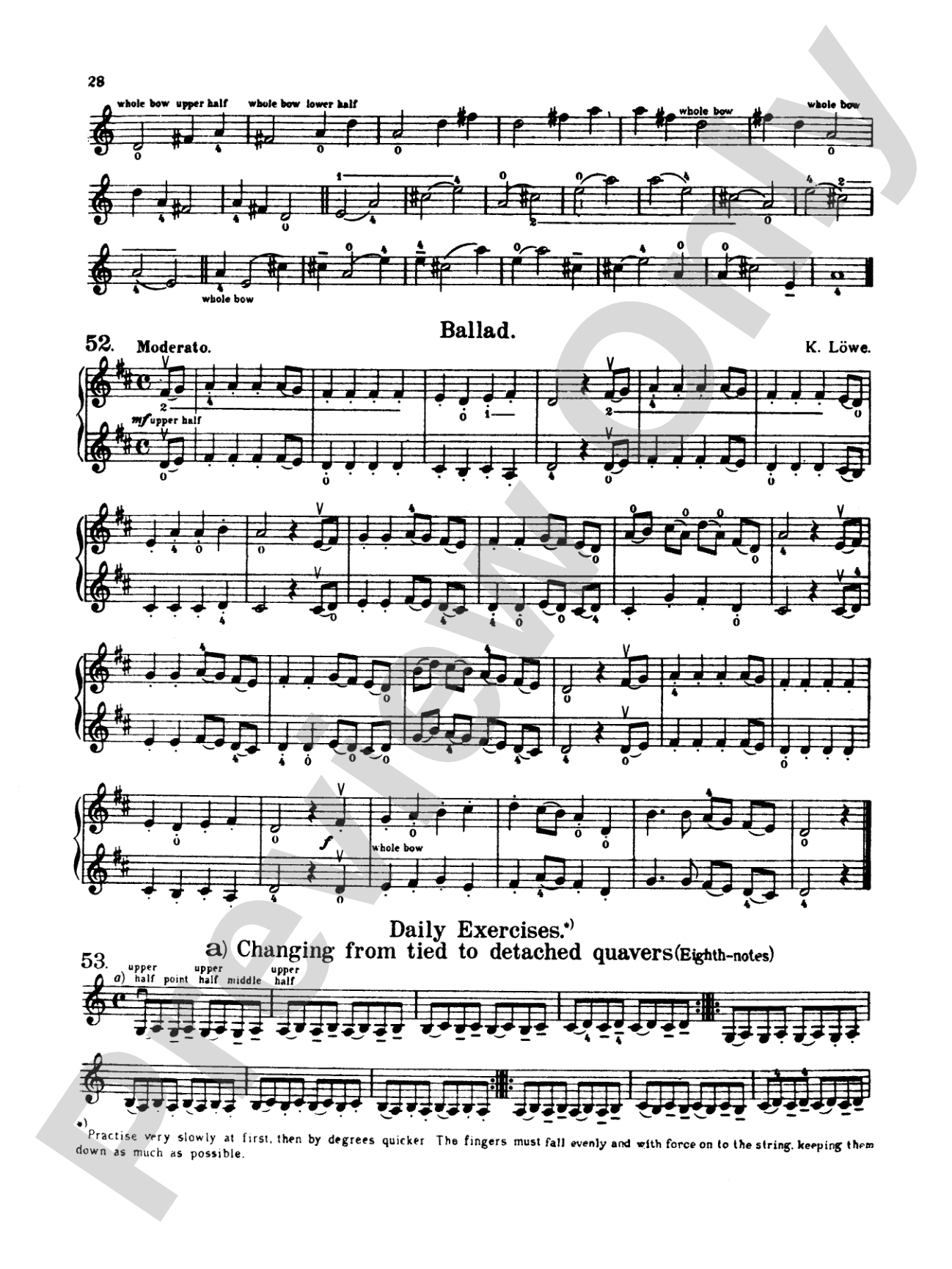
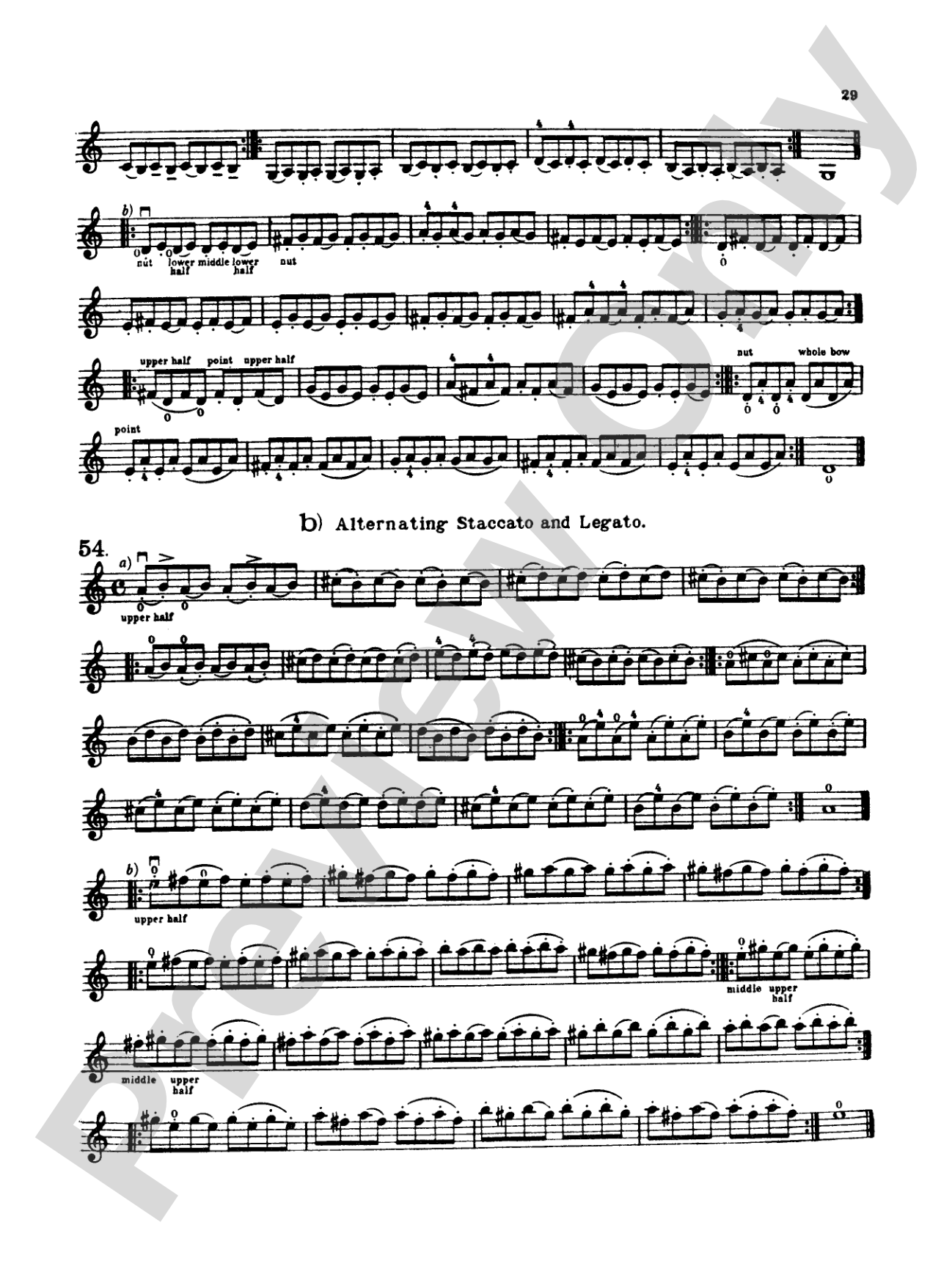
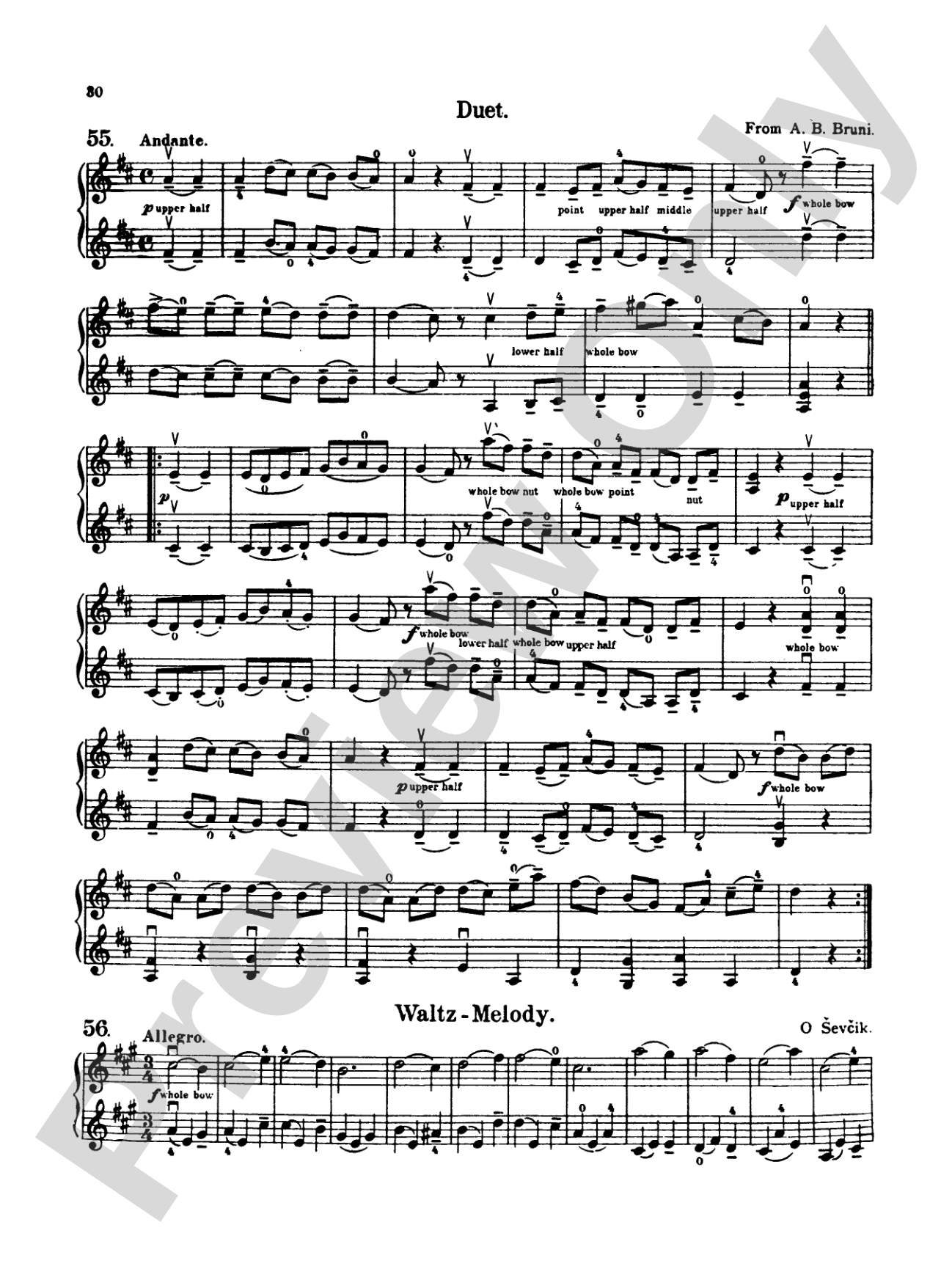
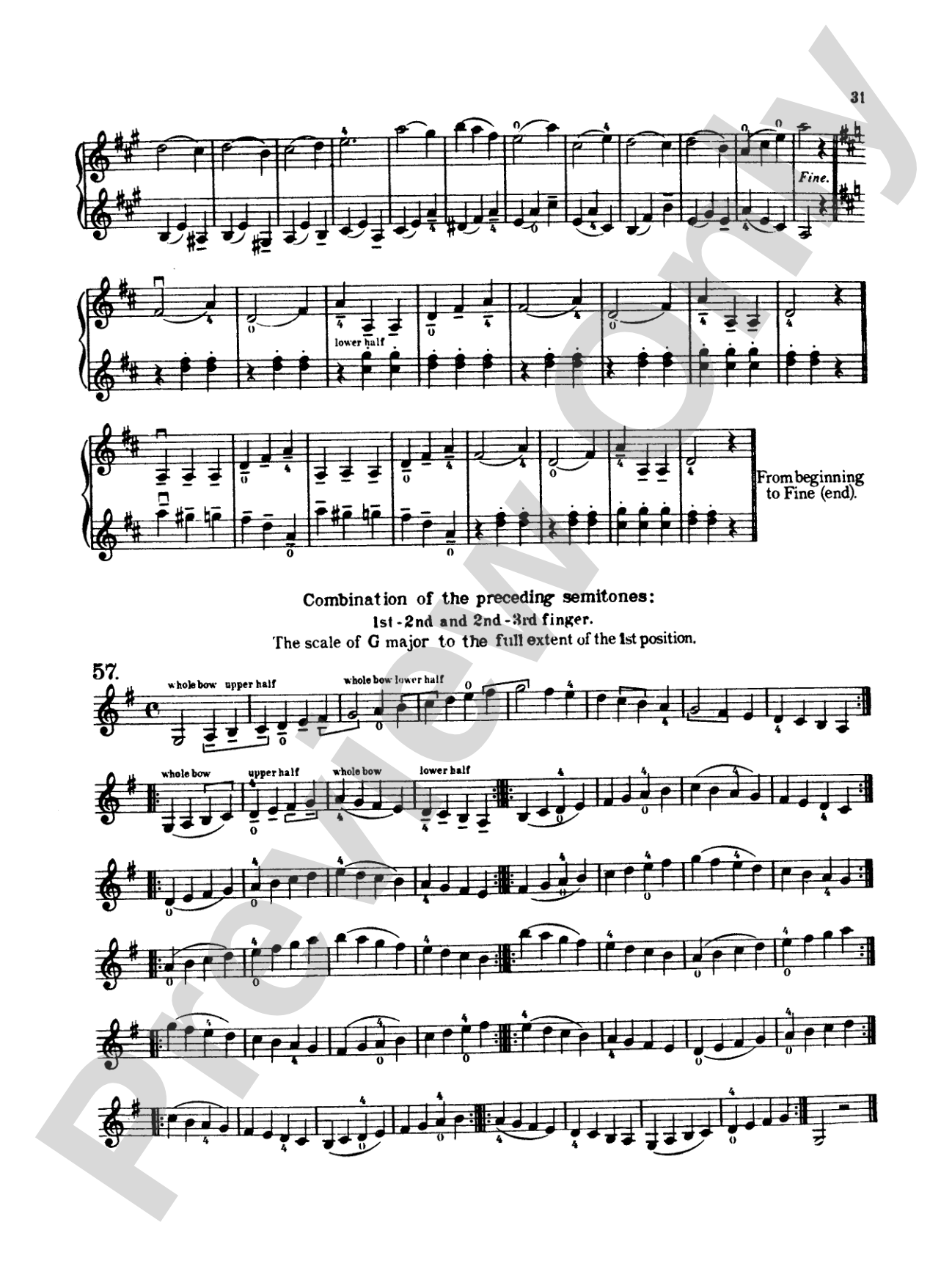
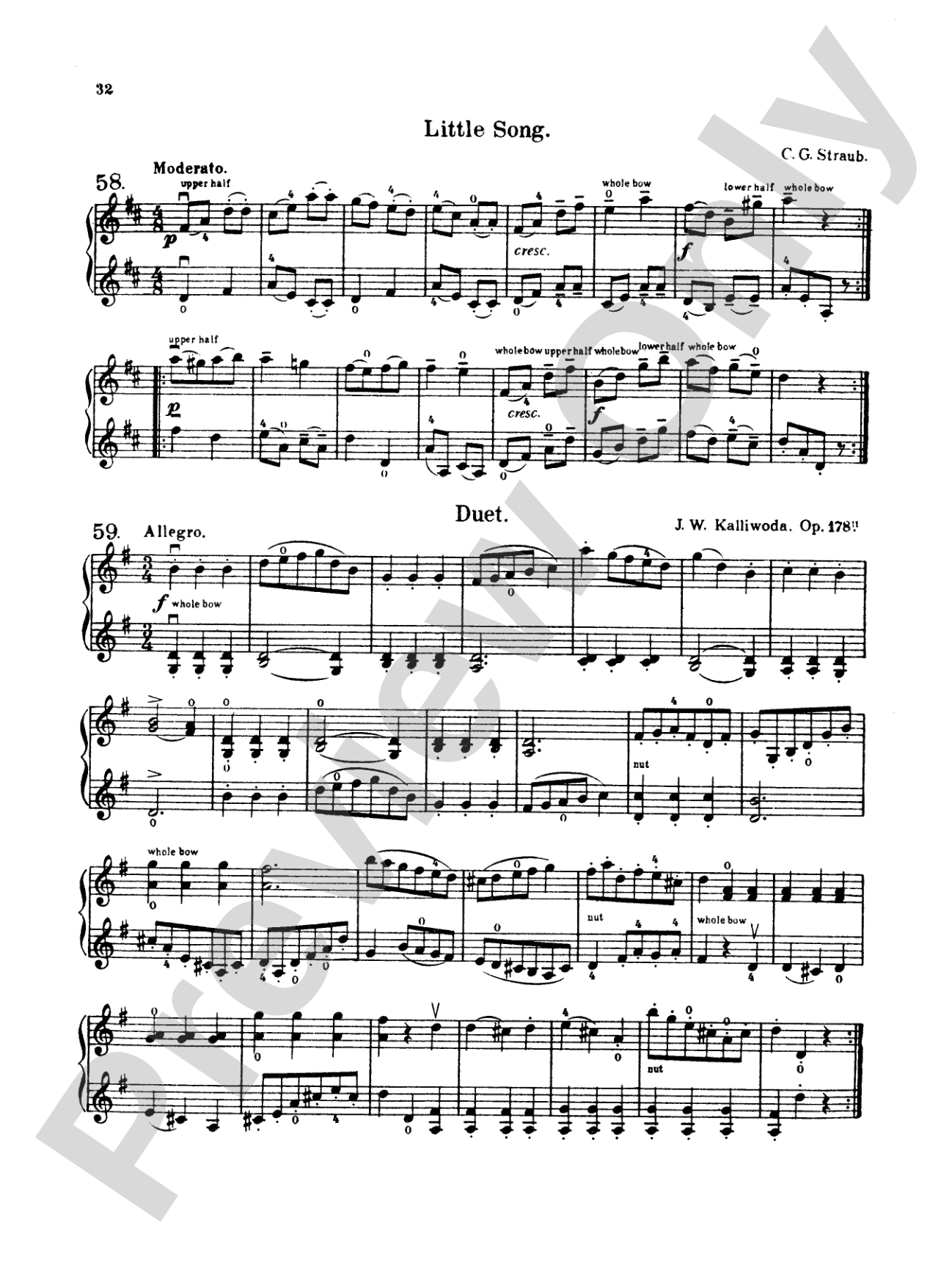
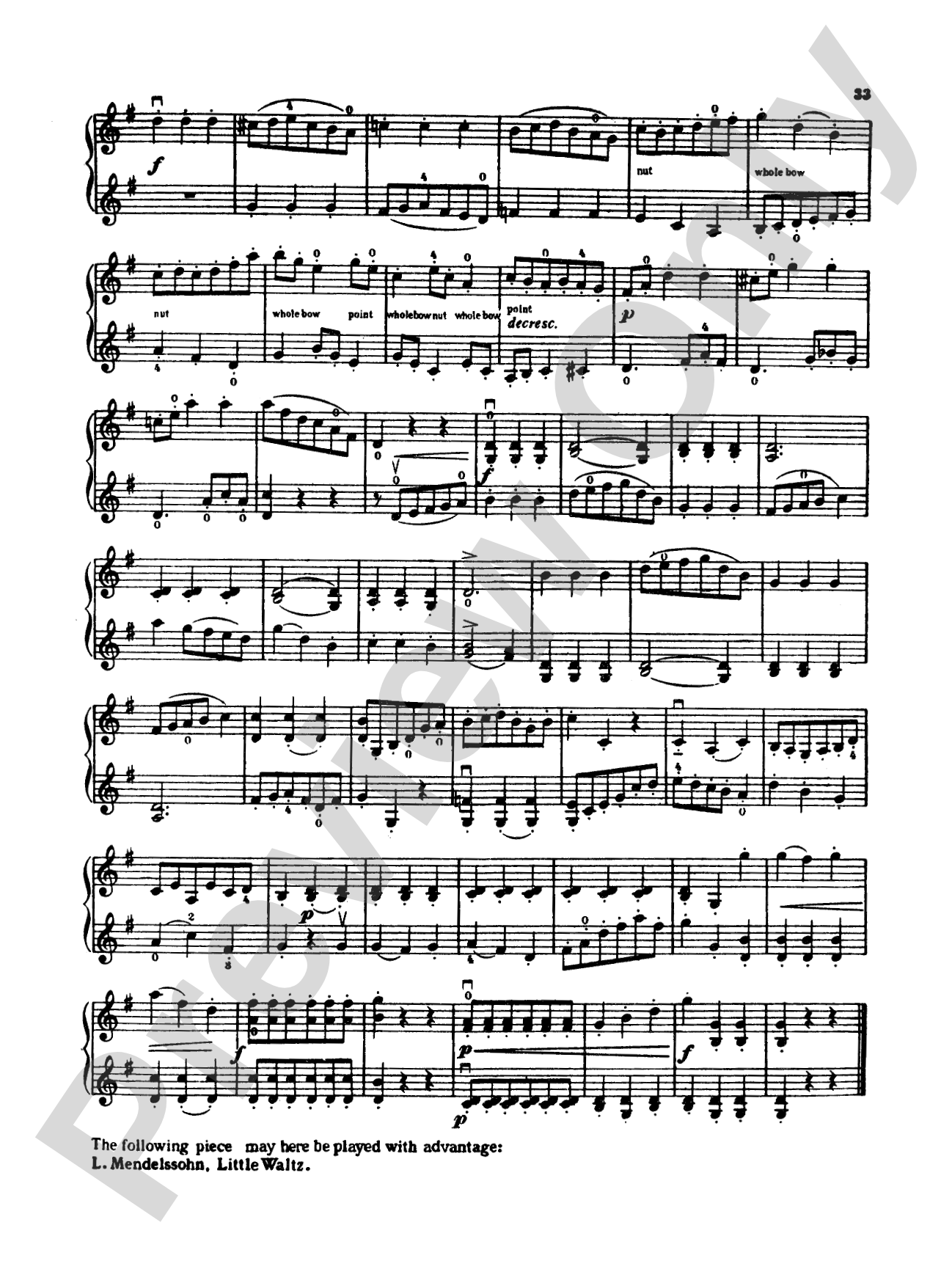
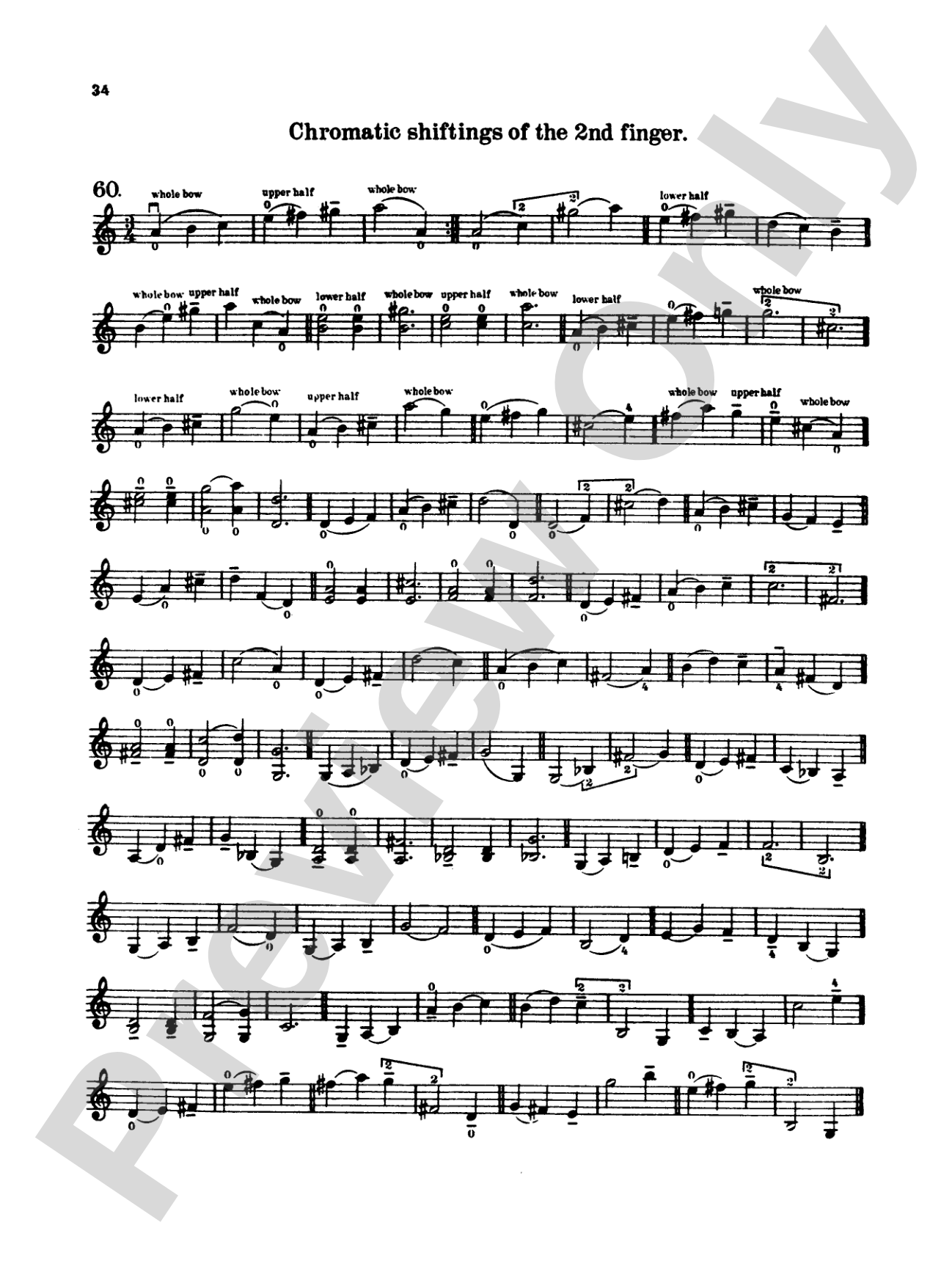
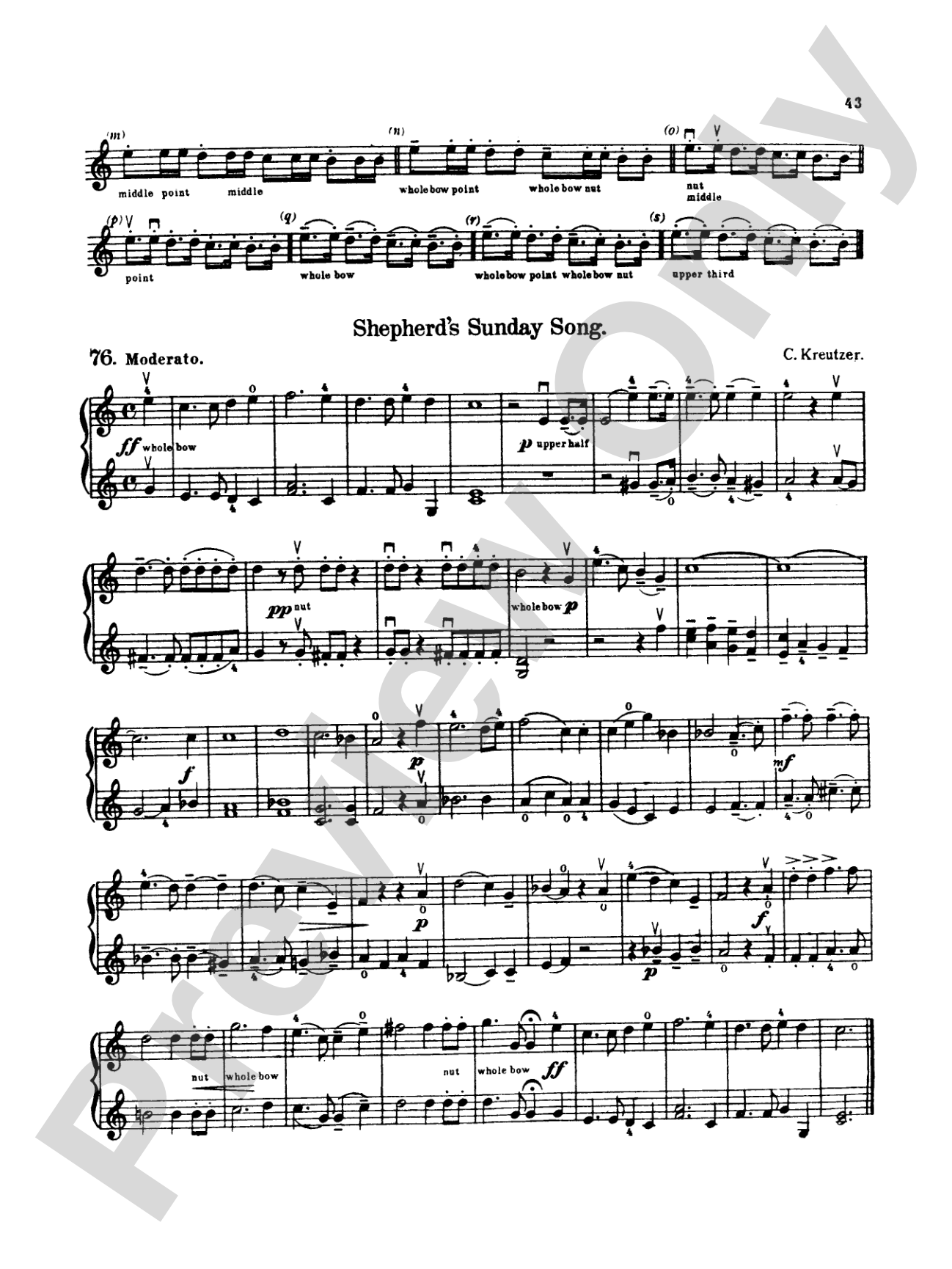
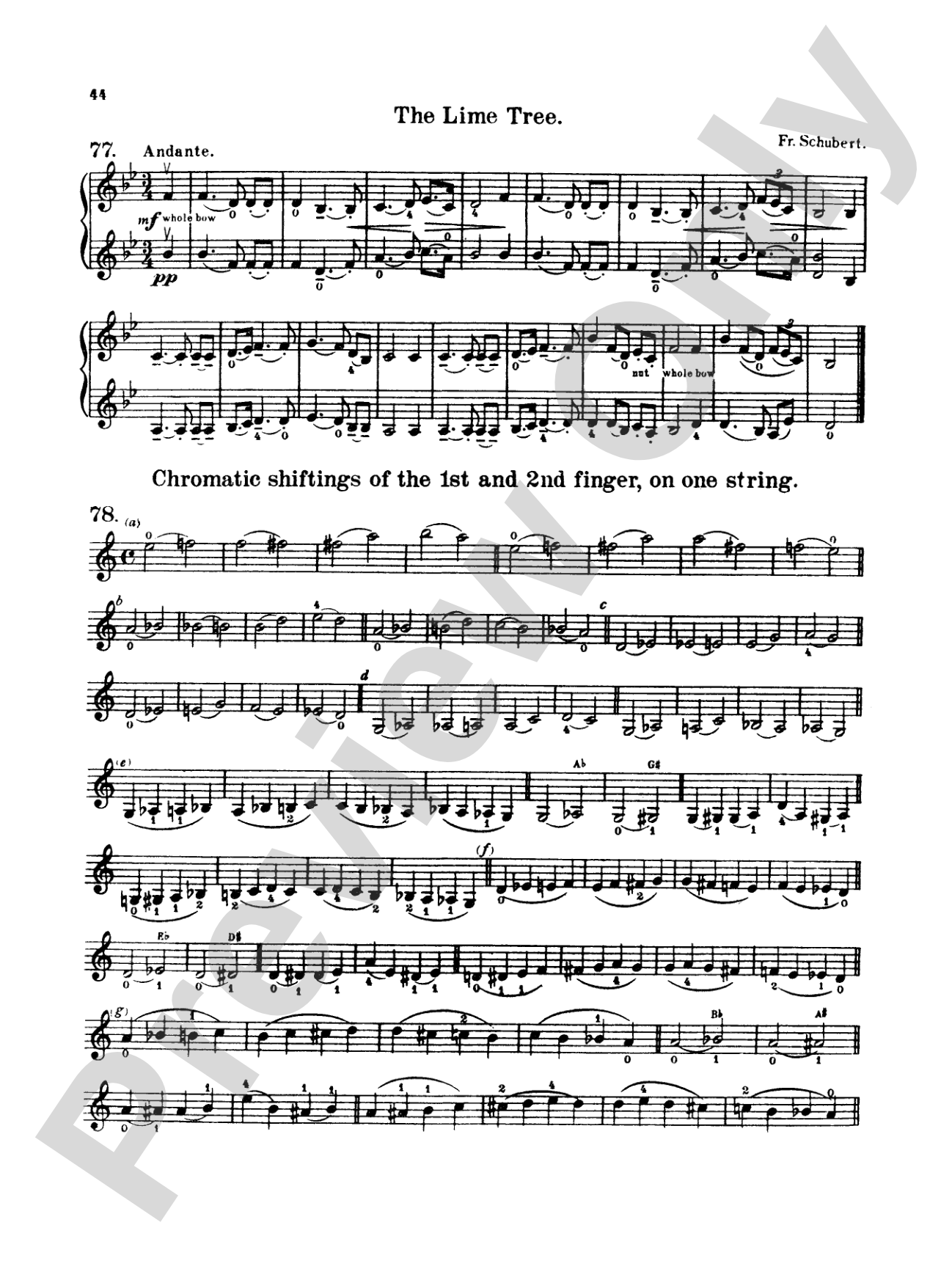
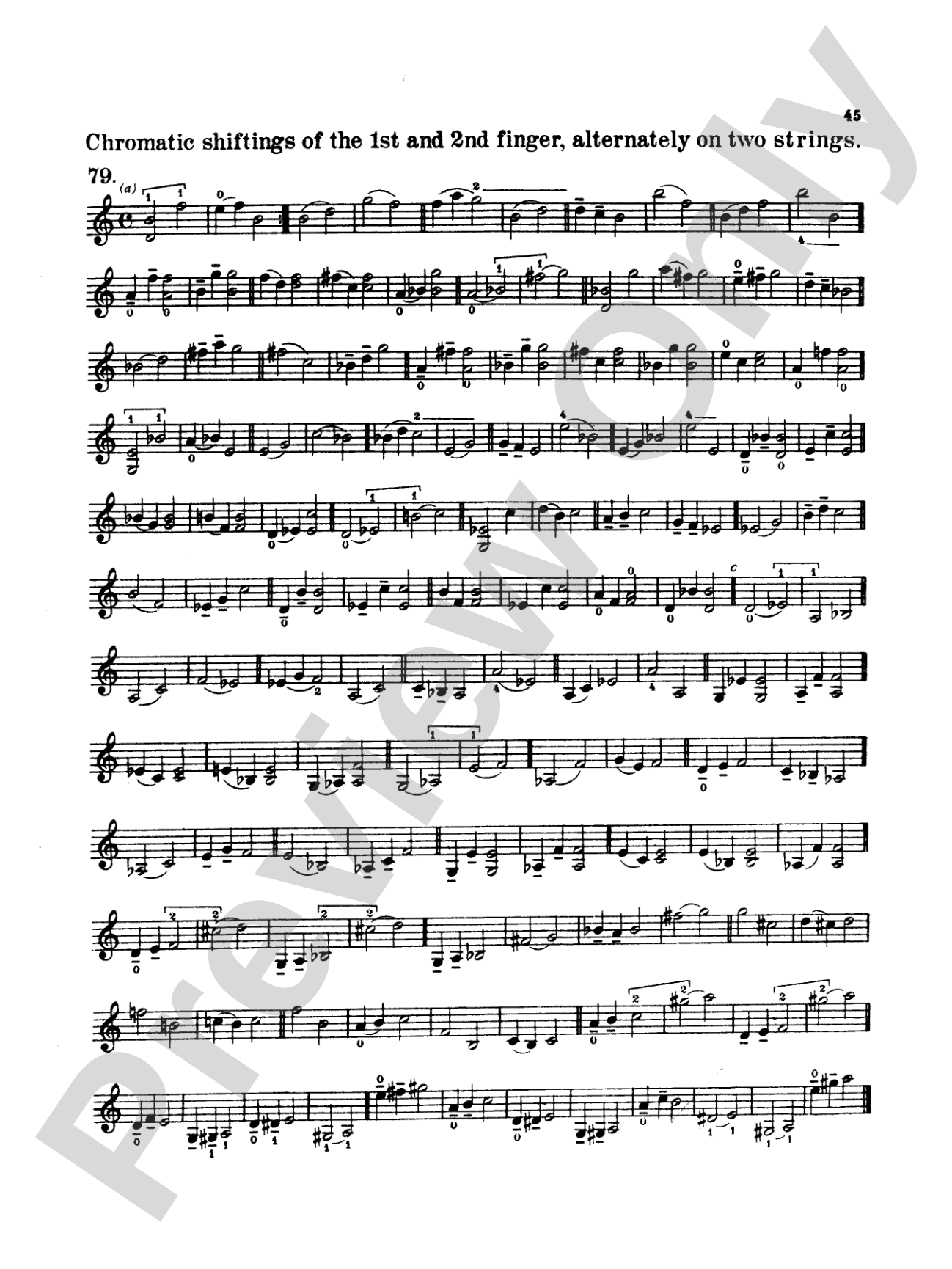
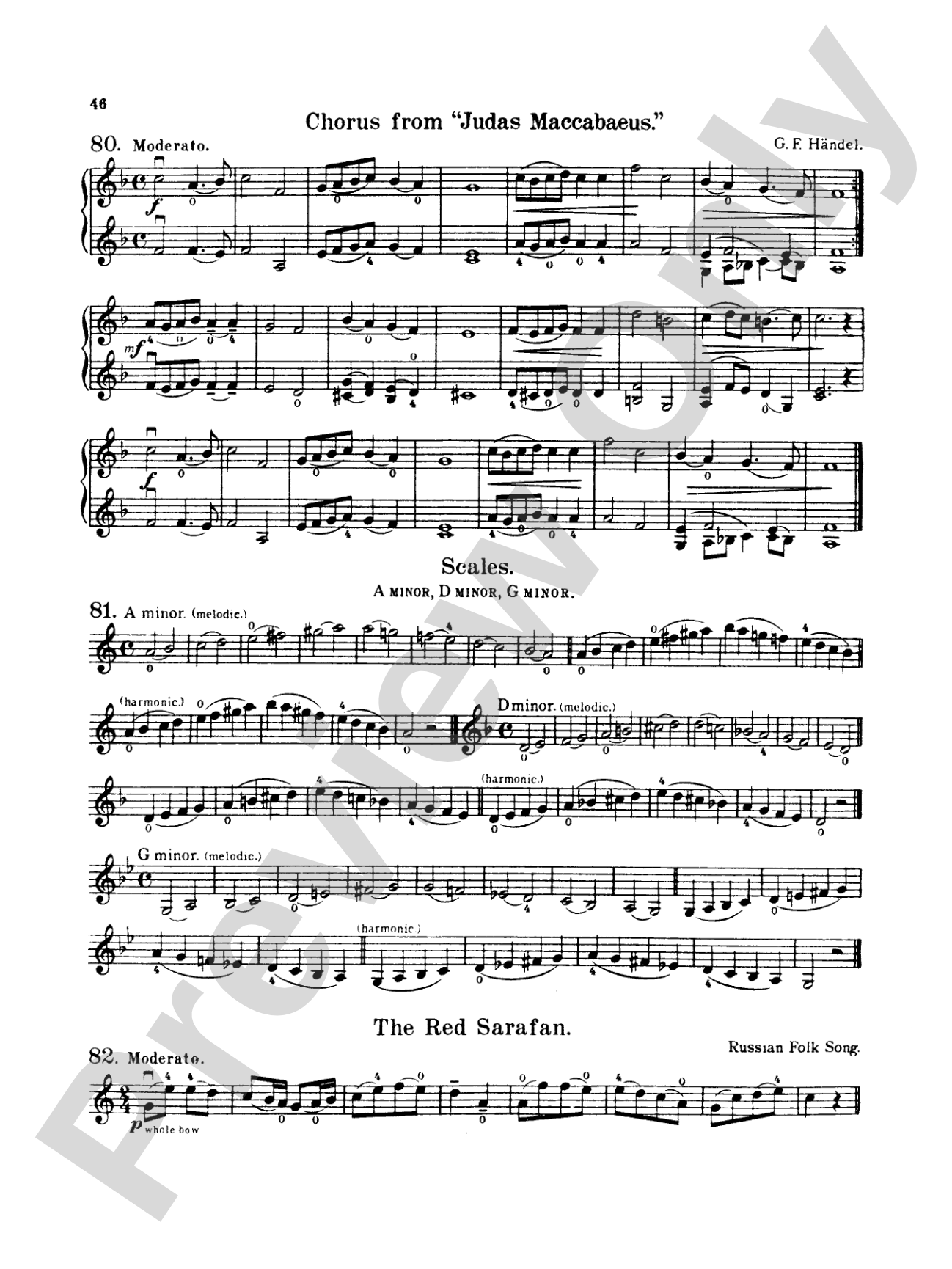
The famous "Little Sevcik" violin method is now available in a cleanly printed Kalmus edition.


Don't just read it, hear it, play along with it, and watch your students grow with it. In MakeMusic Cloud, Sevcík: The Little Sevcík (An Elementary Violin Tutor): Violin Book comes alive with professional accompaniment, adjustable tempo, and built-in practice tools that turn solo practice into real progress.
Open in the Player
Jump straight in and assign it today.
Start Your Free Trial
Open this title and explore the full library in minutes.
Sample Audio
No sample audio found.
Sample Video
No sample videos found.
Additional Details
Series:
Kalmus Edition
Publisher:
Alfred Music
Page Count:
88
SKU:
00-PK-0002723
More about this title
About the Composer: Otakar Sevcík
Otakar Sevcík (1852-1934) was a Czech violinist and pedagogue whose teaching methods shaped violin education across Europe and beyond. His systematic approach to technical development emphasized precision, intonation, and efficient practice habits long before these became standard in violin training.
Why we love this
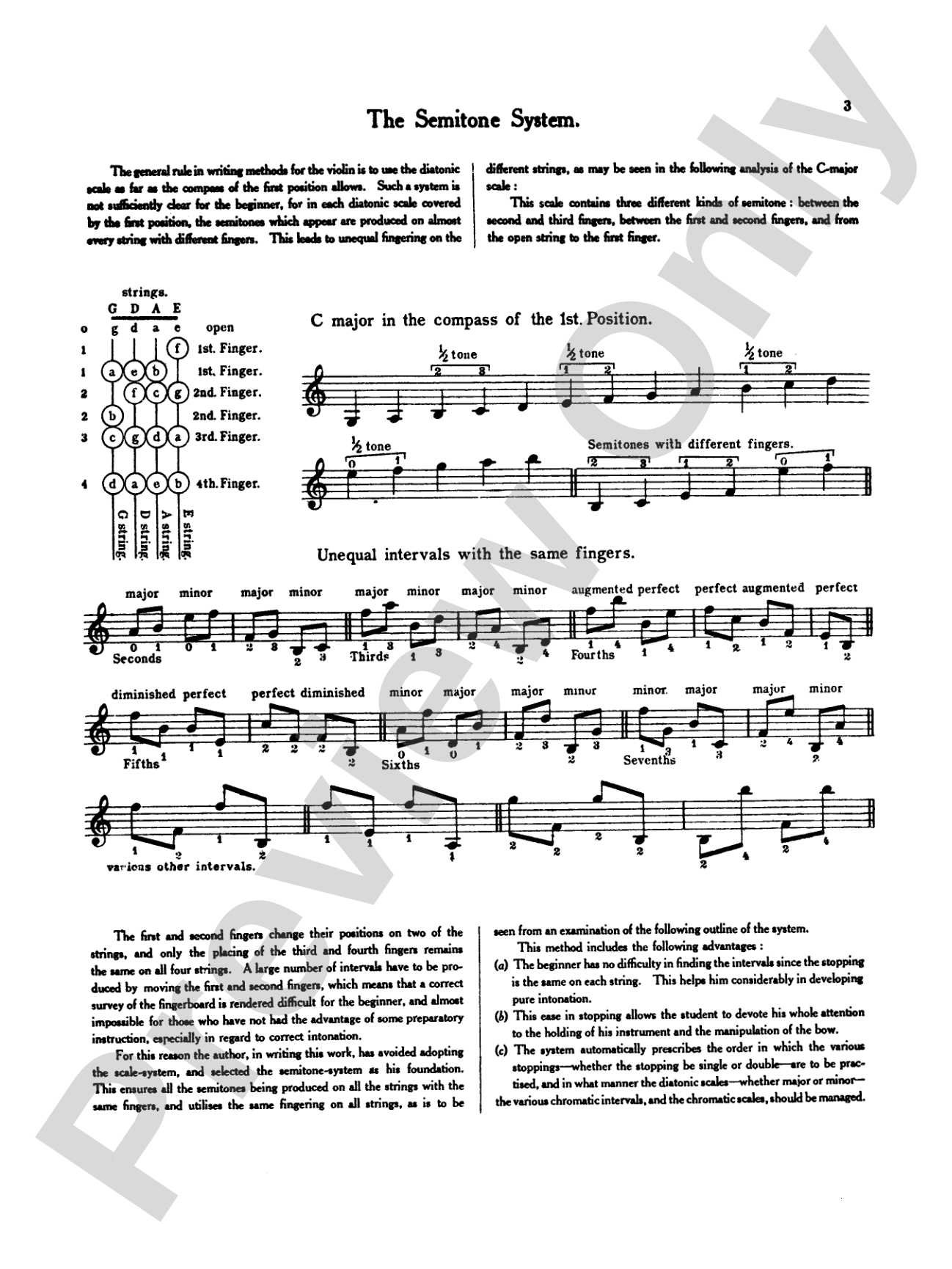
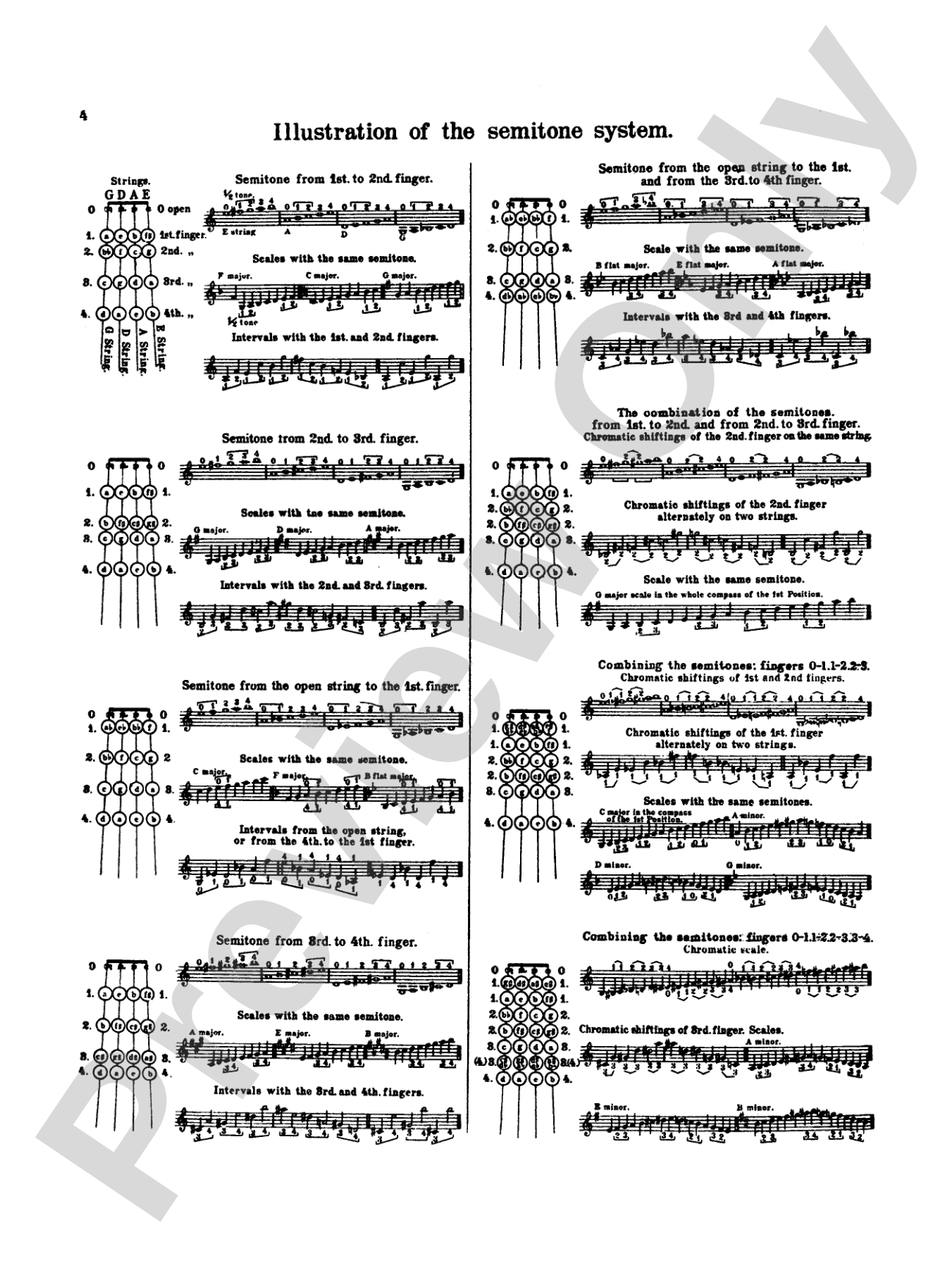
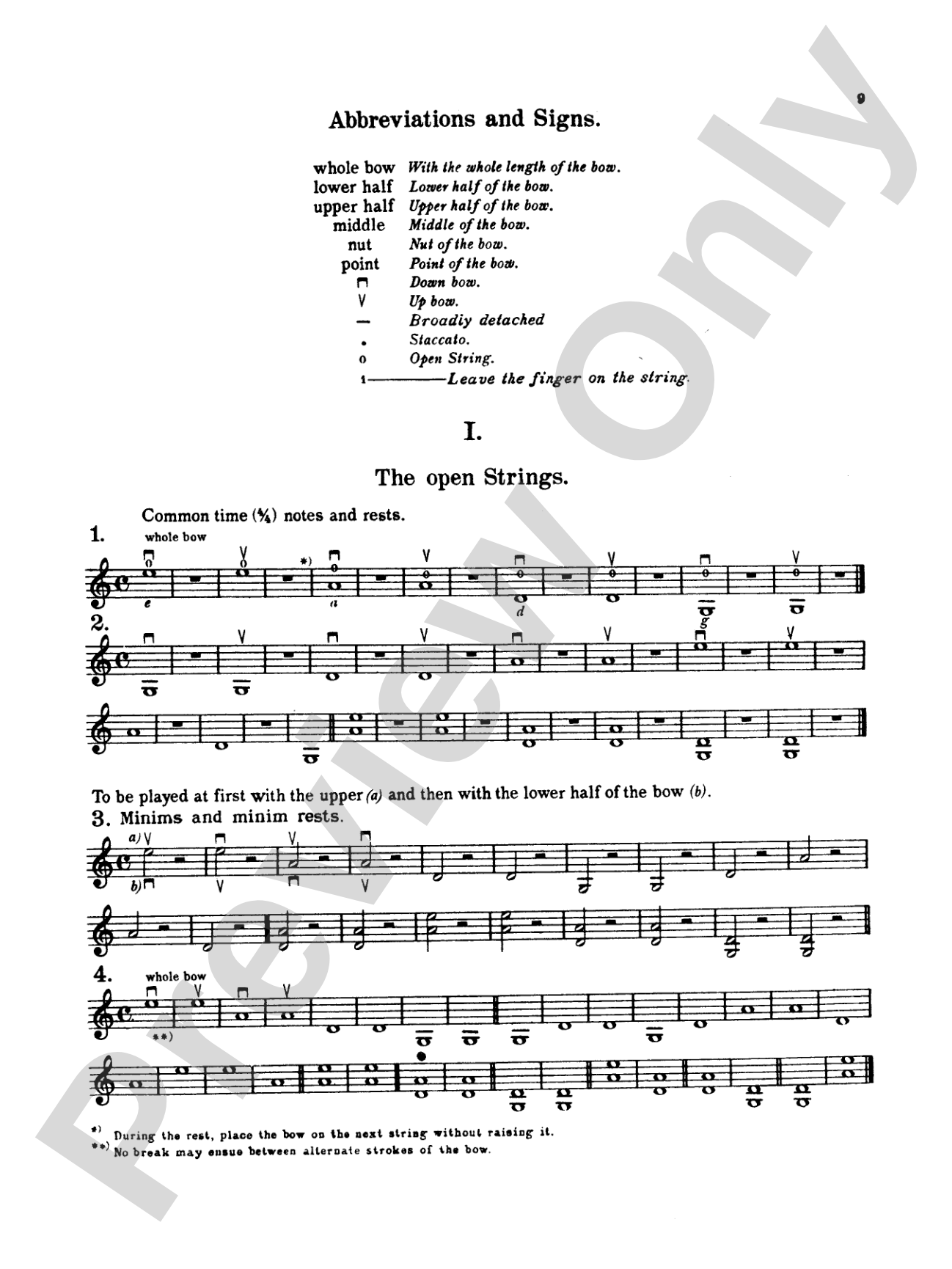
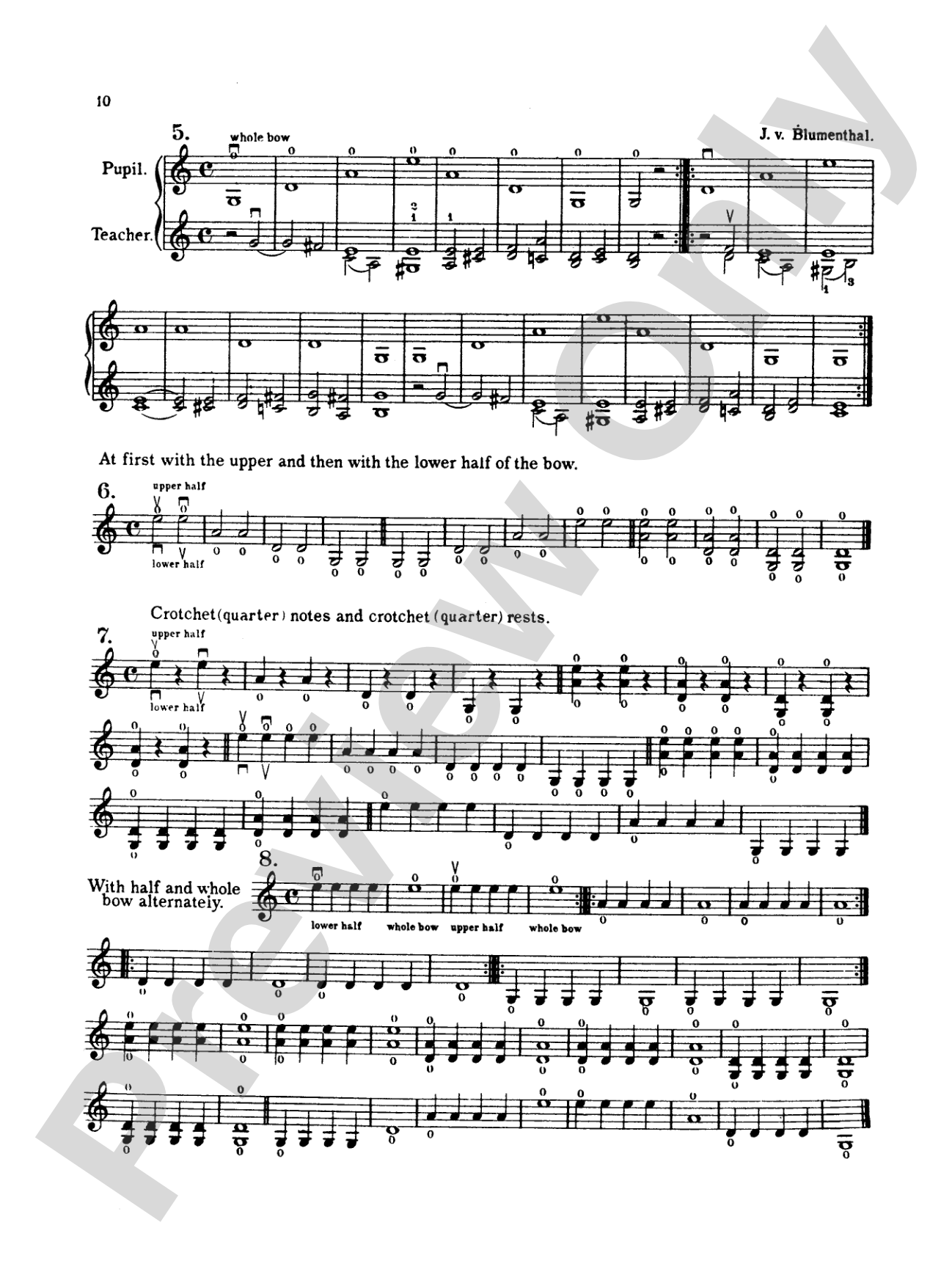
The Little Sevcík remains one of the most direct and logical entry points into violin technique because Sevcík built every exercise around a single, clear pedagogical goal. This Kalmus edition offers clean engraving that makes reading the studies easier for young players, letting them focus on the music rather than deciphering crowded notation.
What to expect
Straightforward and purposeful. These are not character pieces; they are musical exercises designed to sound clean and controlled, rewarding precision and consistency. Students feel concrete progress as each study introduces one specific technical challenge and then reinforces it.
Who it's for
Beginning violinists in the early stages of technique development, typically ages 6-10 or first-year players of any age. Teachers who want a time-tested, systematic progression of studies that builds both left-hand and right-hand skills methodically.
How to get the most out of it
- Work through each study slowly enough to hear the intonation clearly; Sevcík's exercises reveal tuning problems immediately, making them invaluable for developing a trained ear.
- Practice the bowing patterns exactly as written before adding any vibrato, so students internalize the fundamental stroke mechanics.
- Return to completed studies periodically at faster tempos; many teachers use them as warm-ups to reinforce technique without feeling like repetition.
How to use it
Use these as the foundation of daily practice rather than concert material. Assign studies sequentially alongside your primary method book to accelerate technical growth between lessons.
Skills your students will build
- Basic bow control and straight bowing
- Reading rhythm in simple meters (2/4, 3/4, 4/4)
- First-position finger placement and intonation
- Coordination between left-hand shifts and right-hand bow changes
- Sustained tone production with consistent pressure