
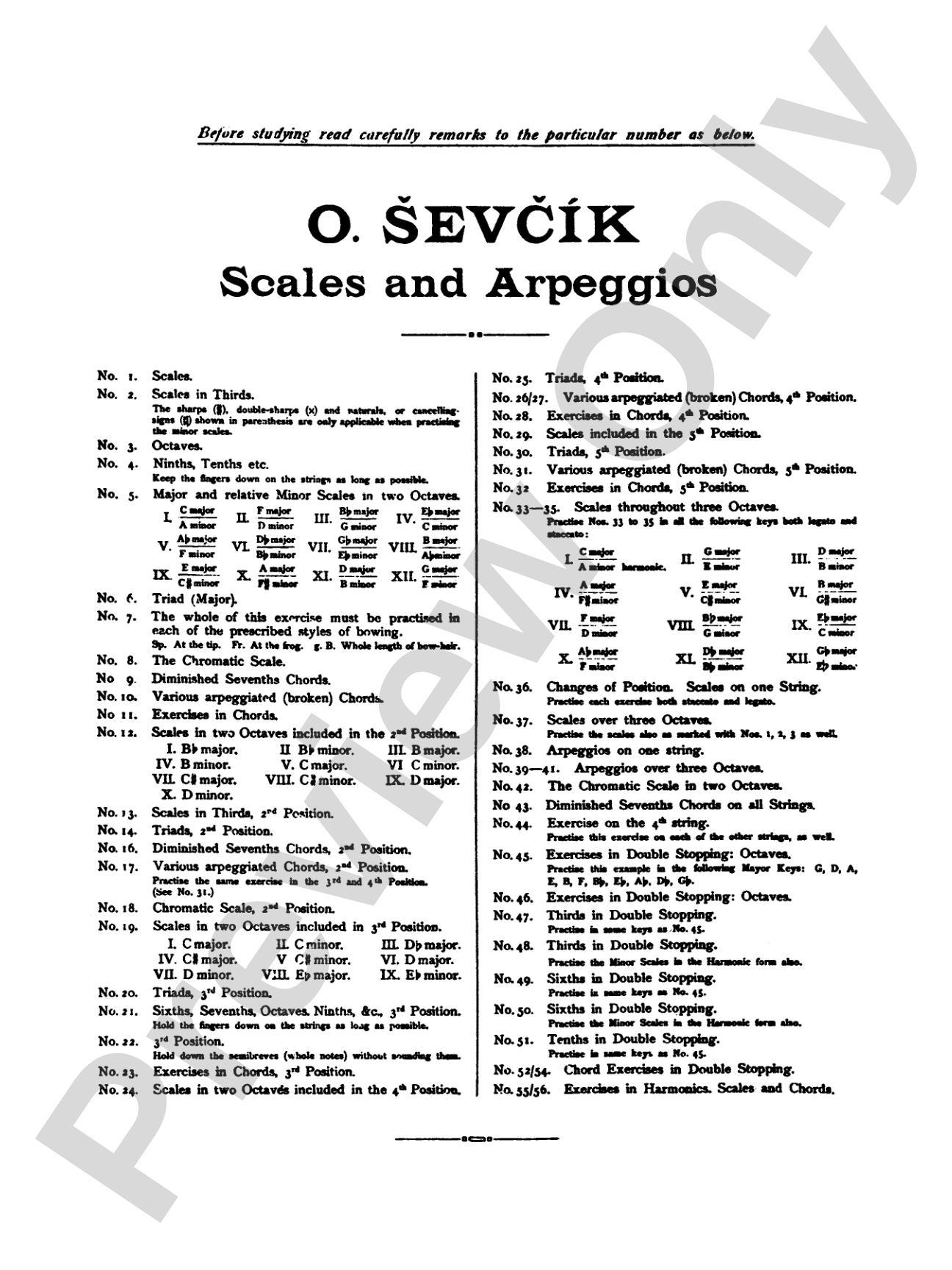
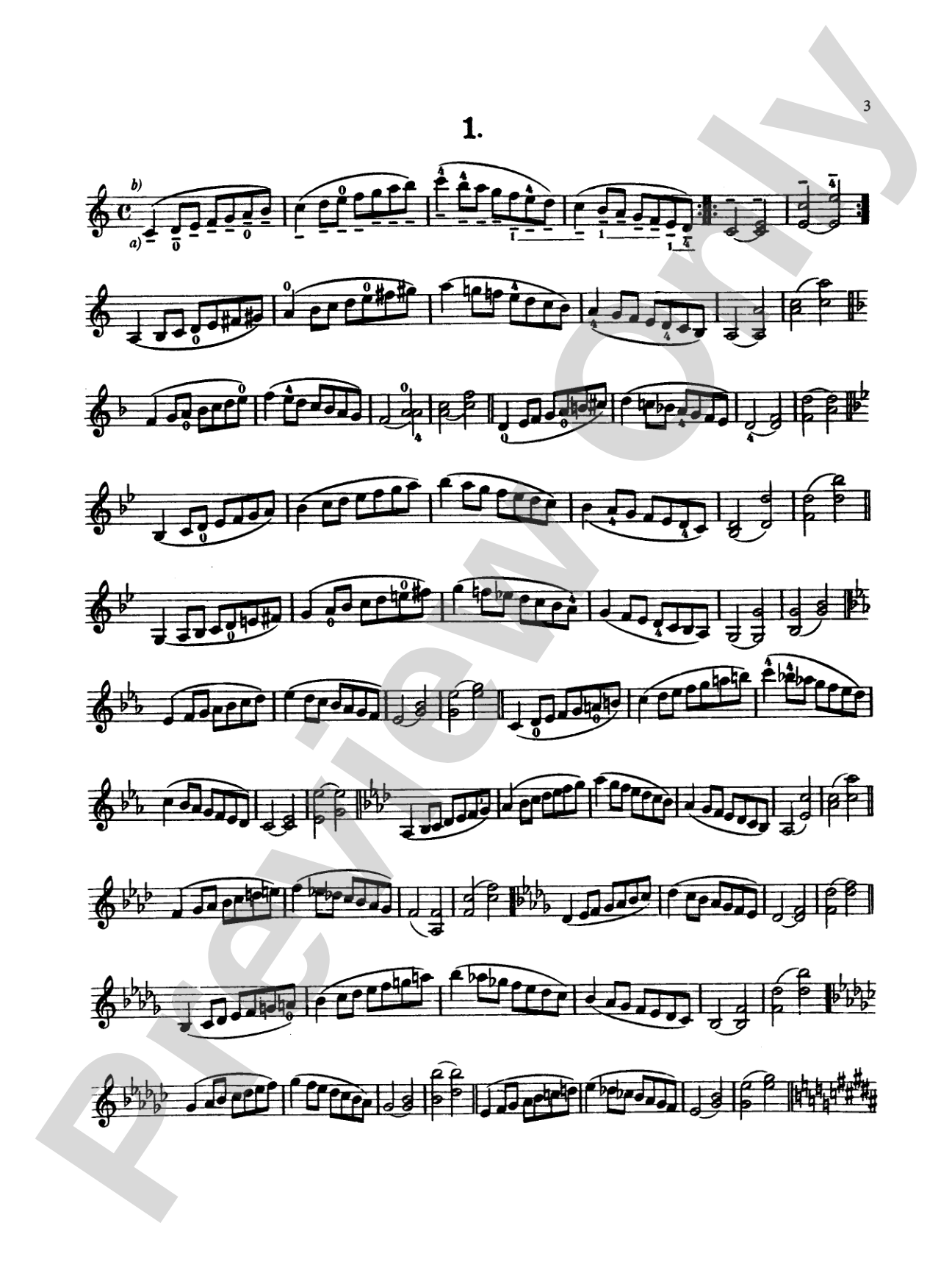
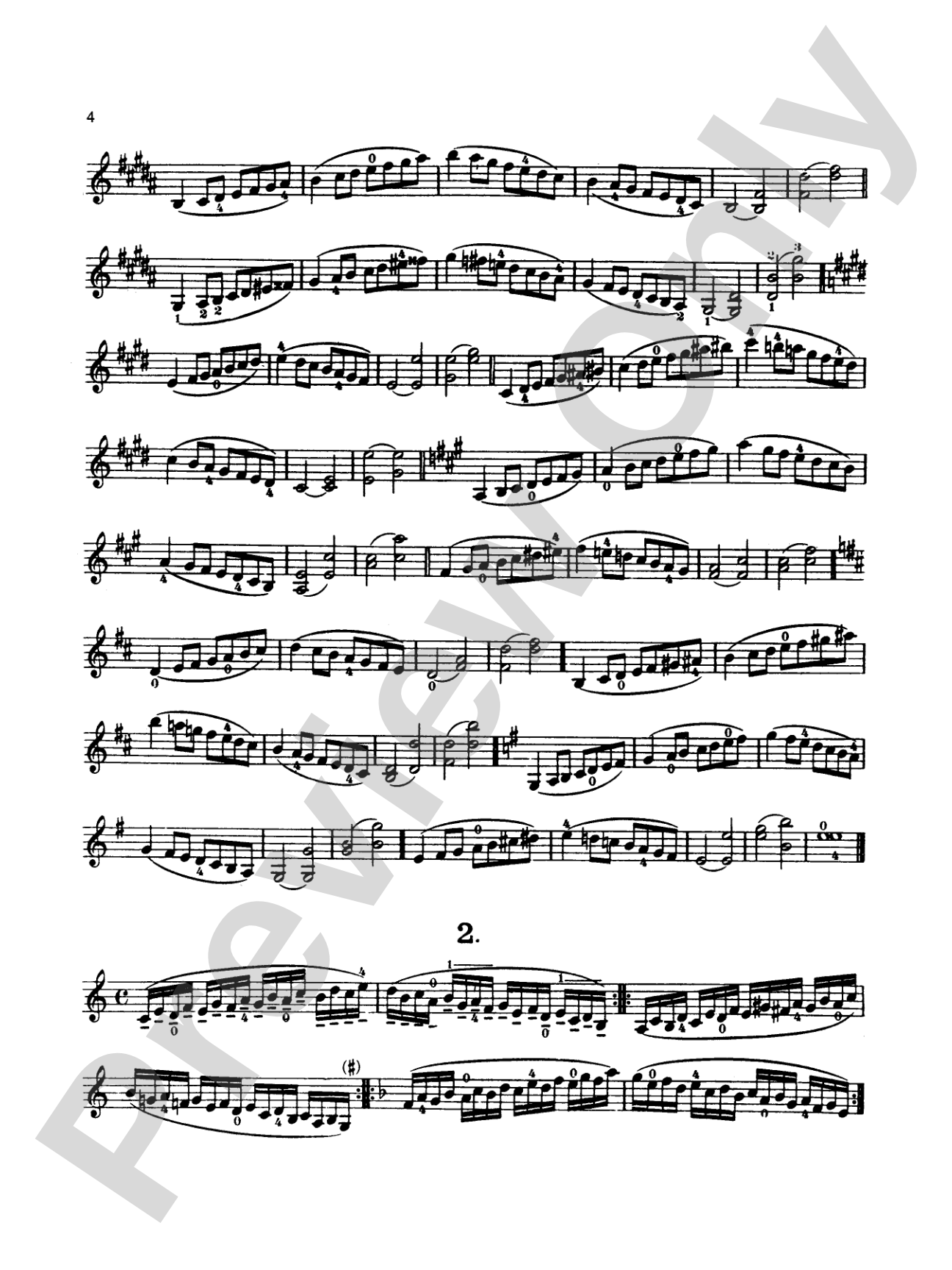
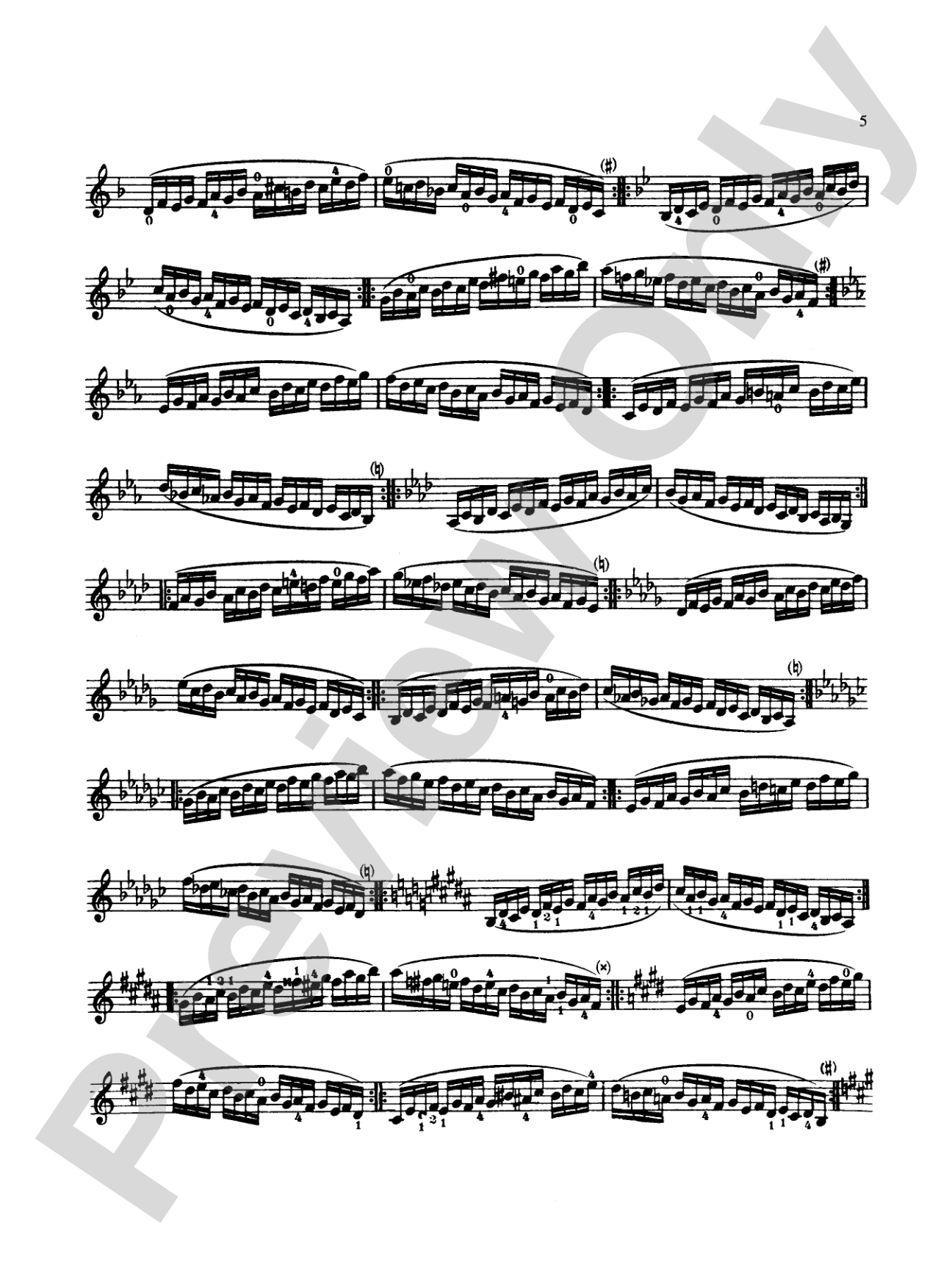
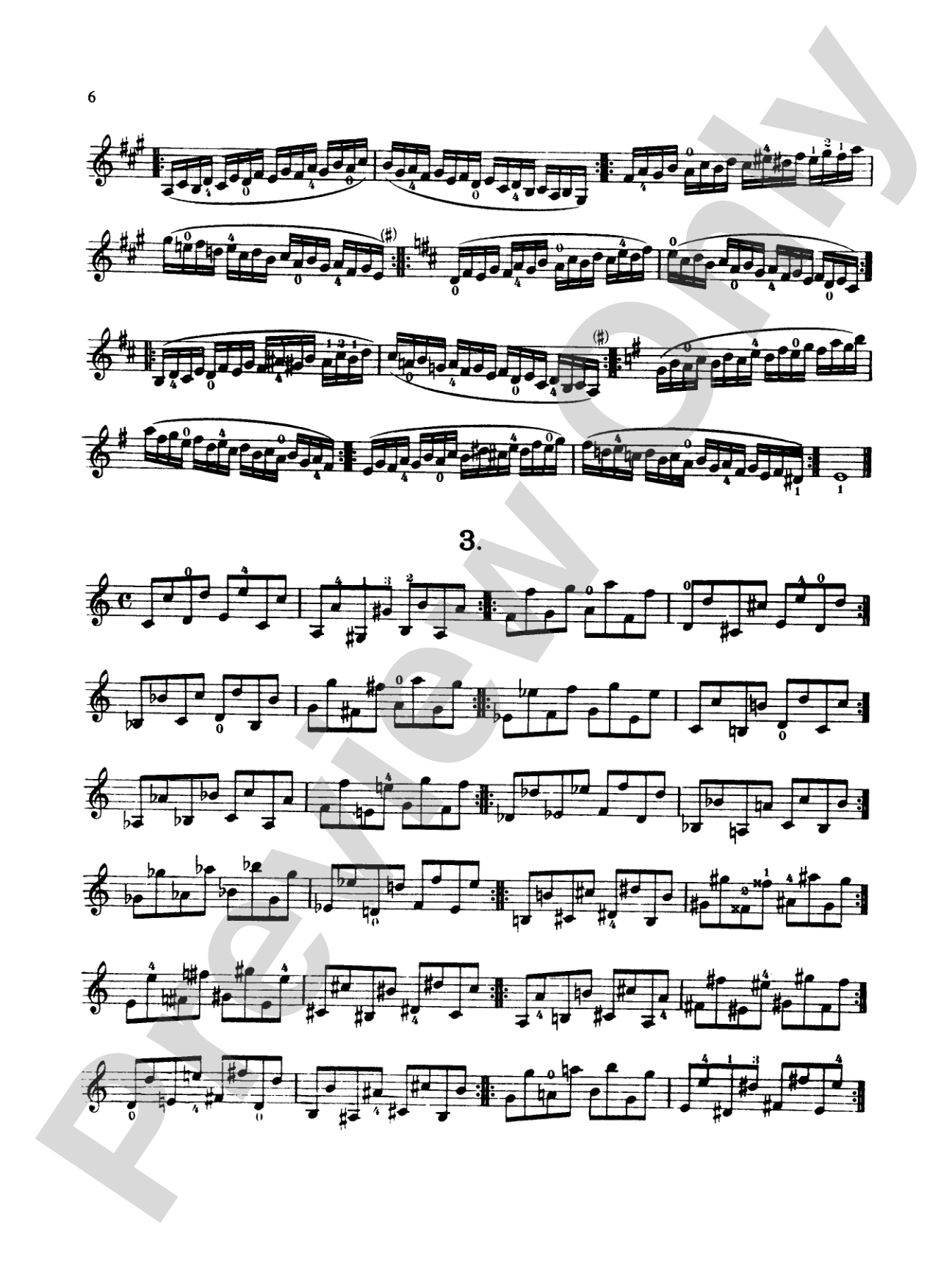
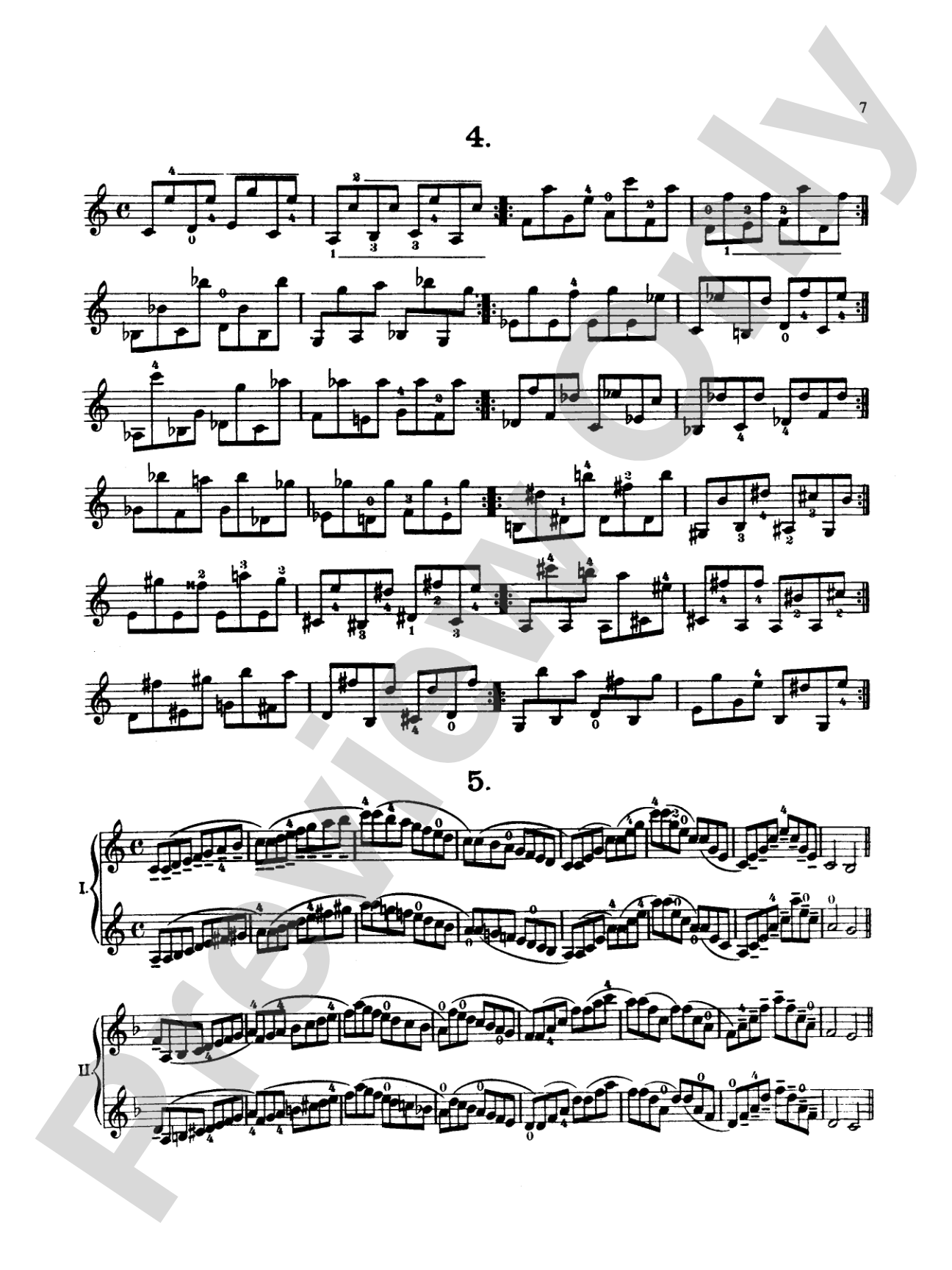
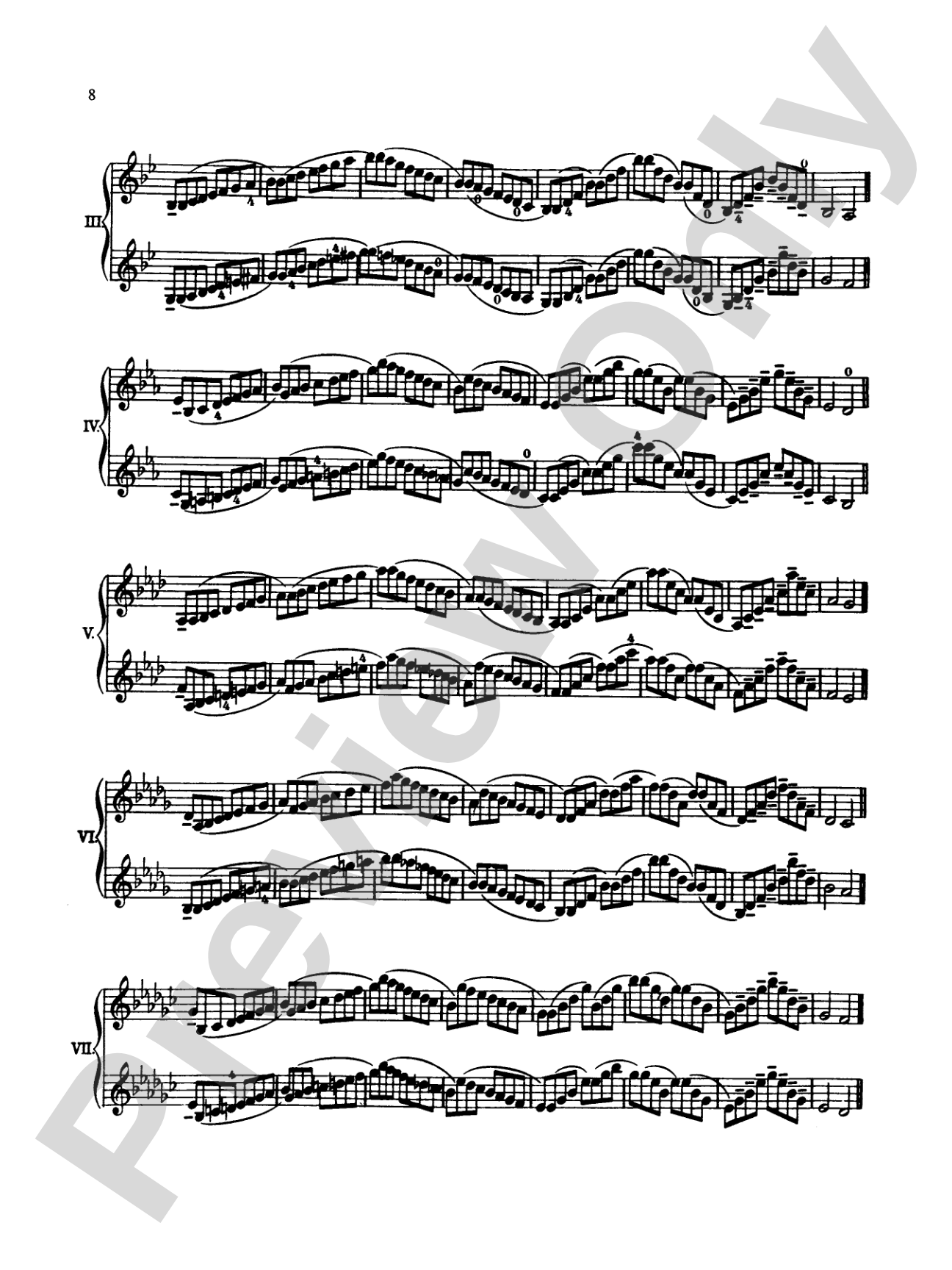
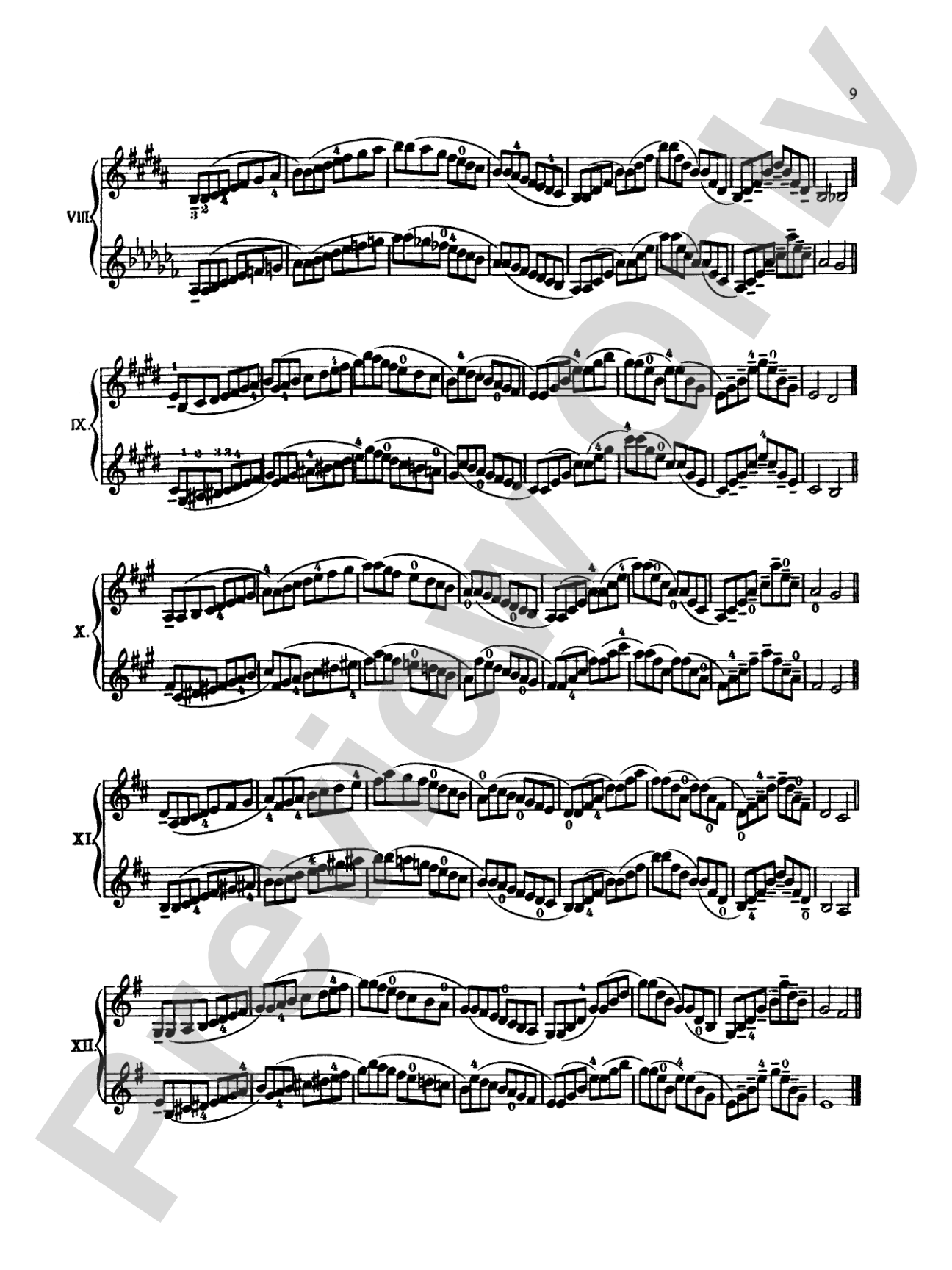
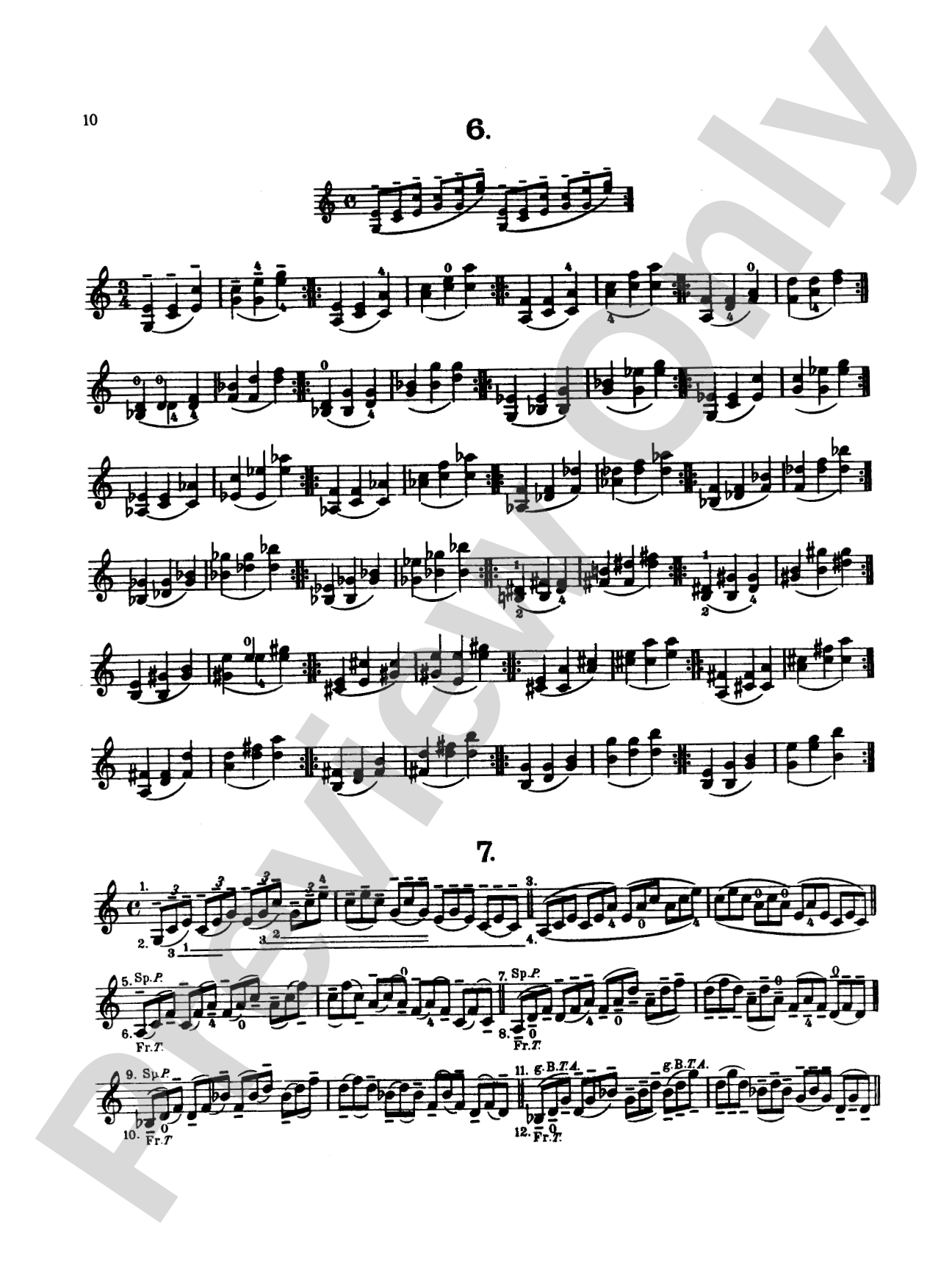
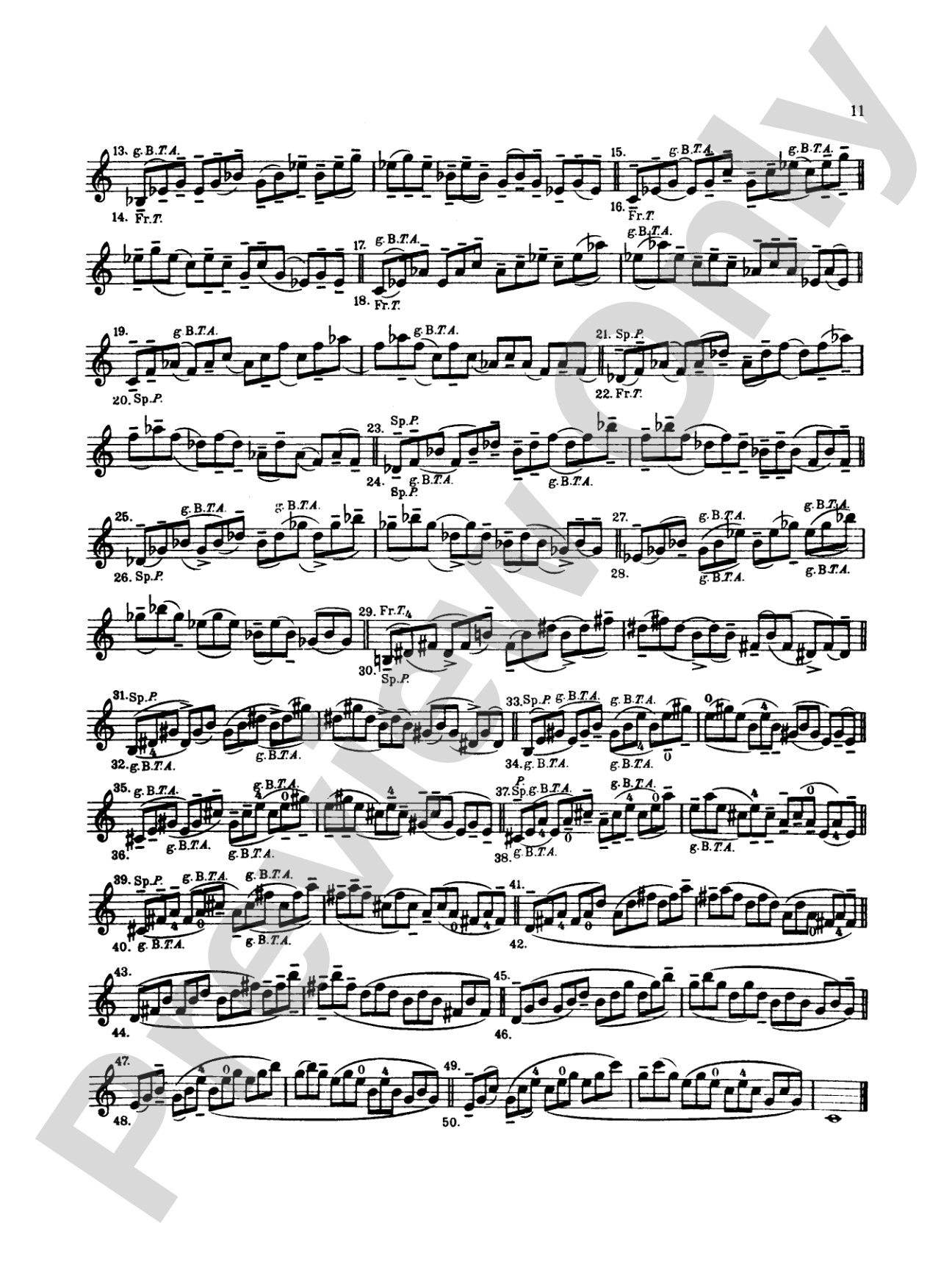
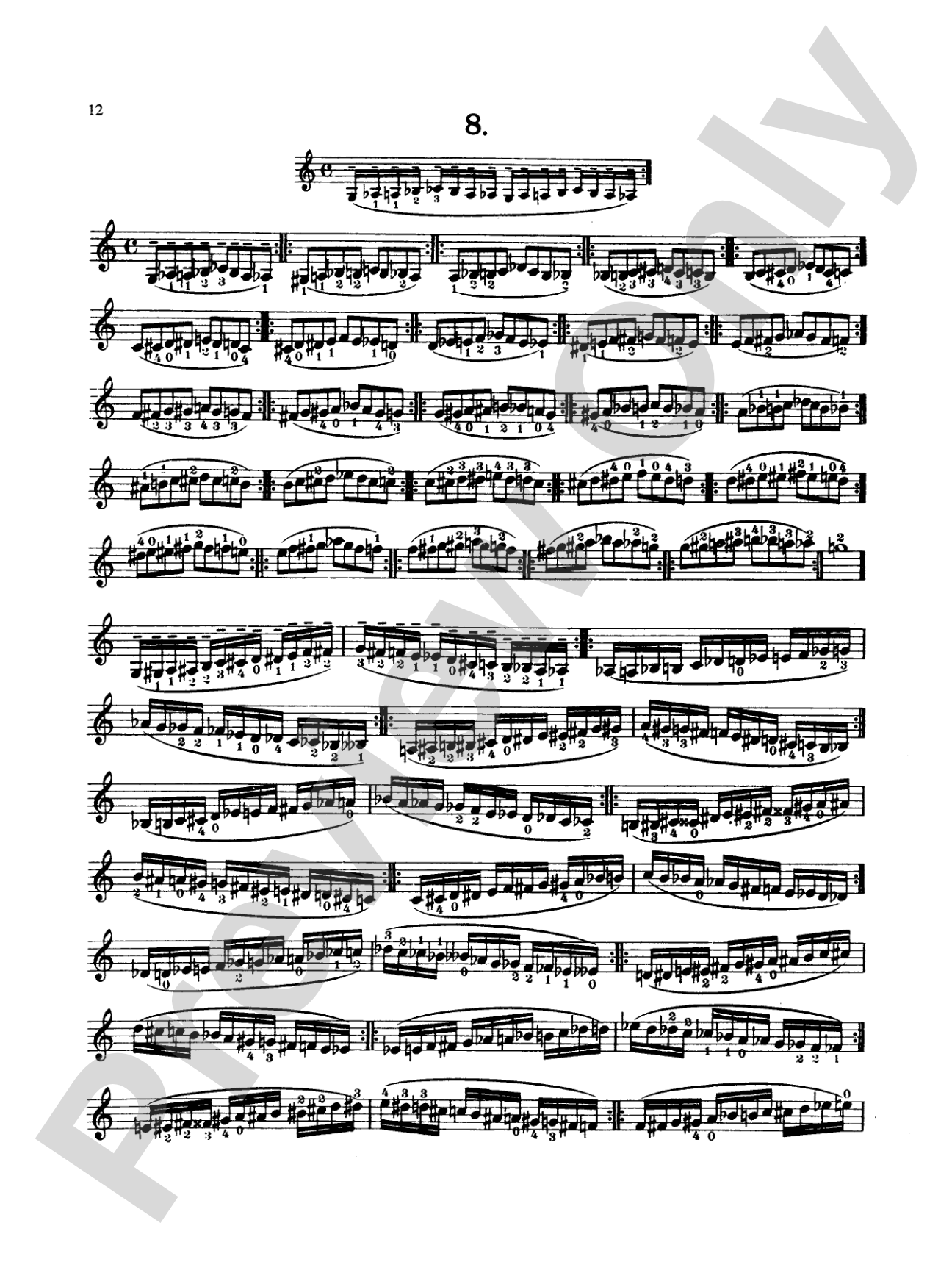
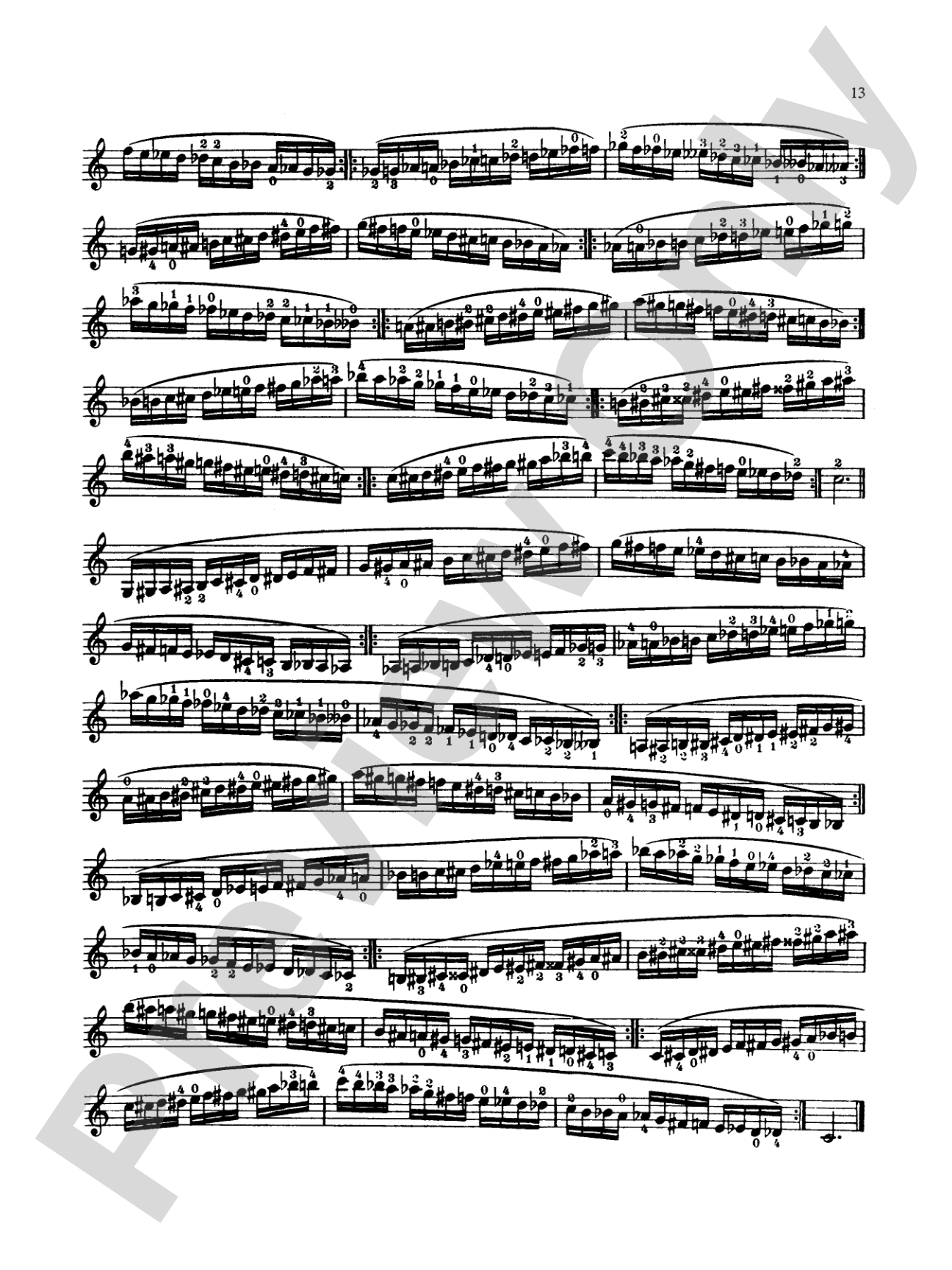
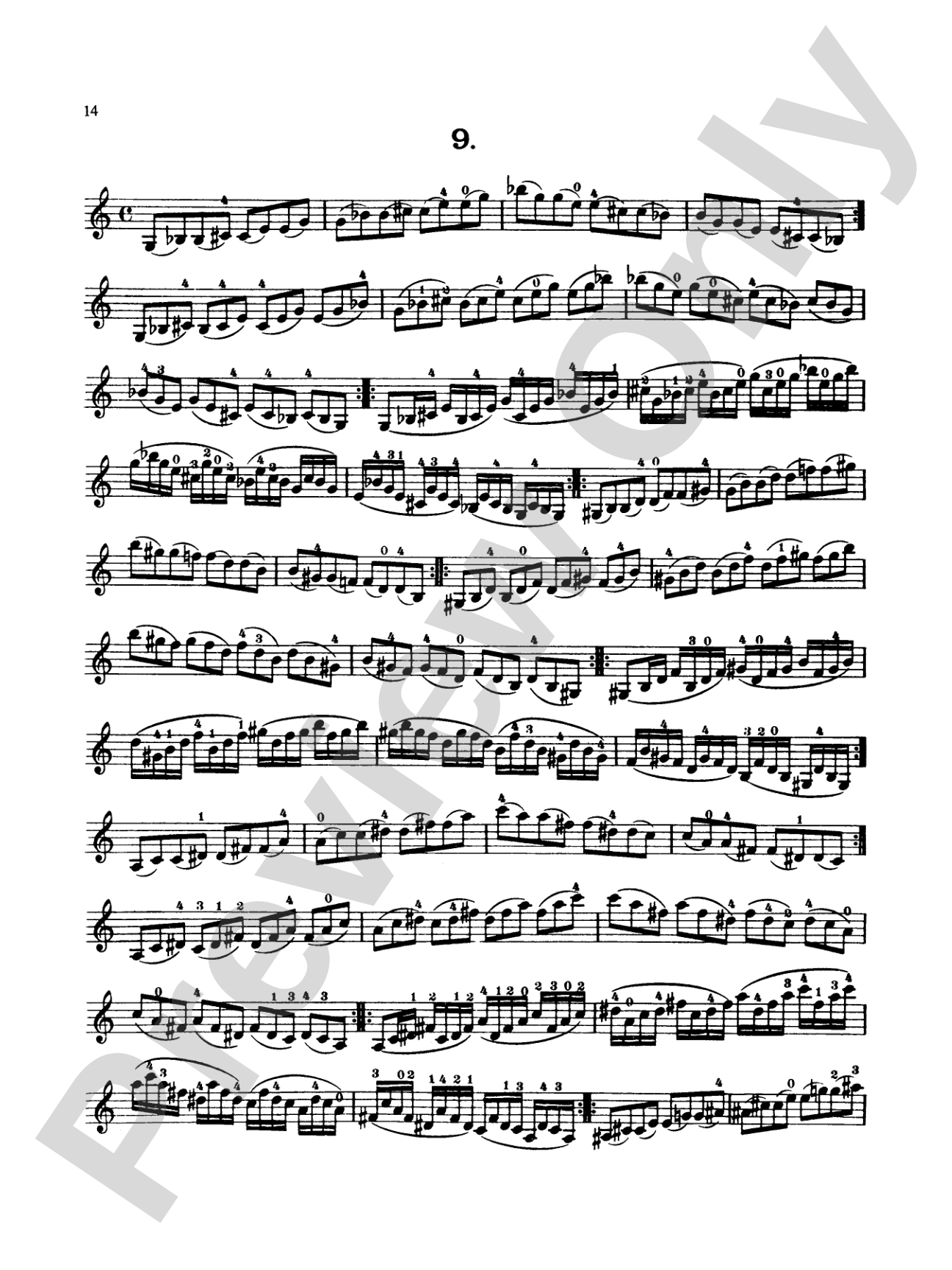
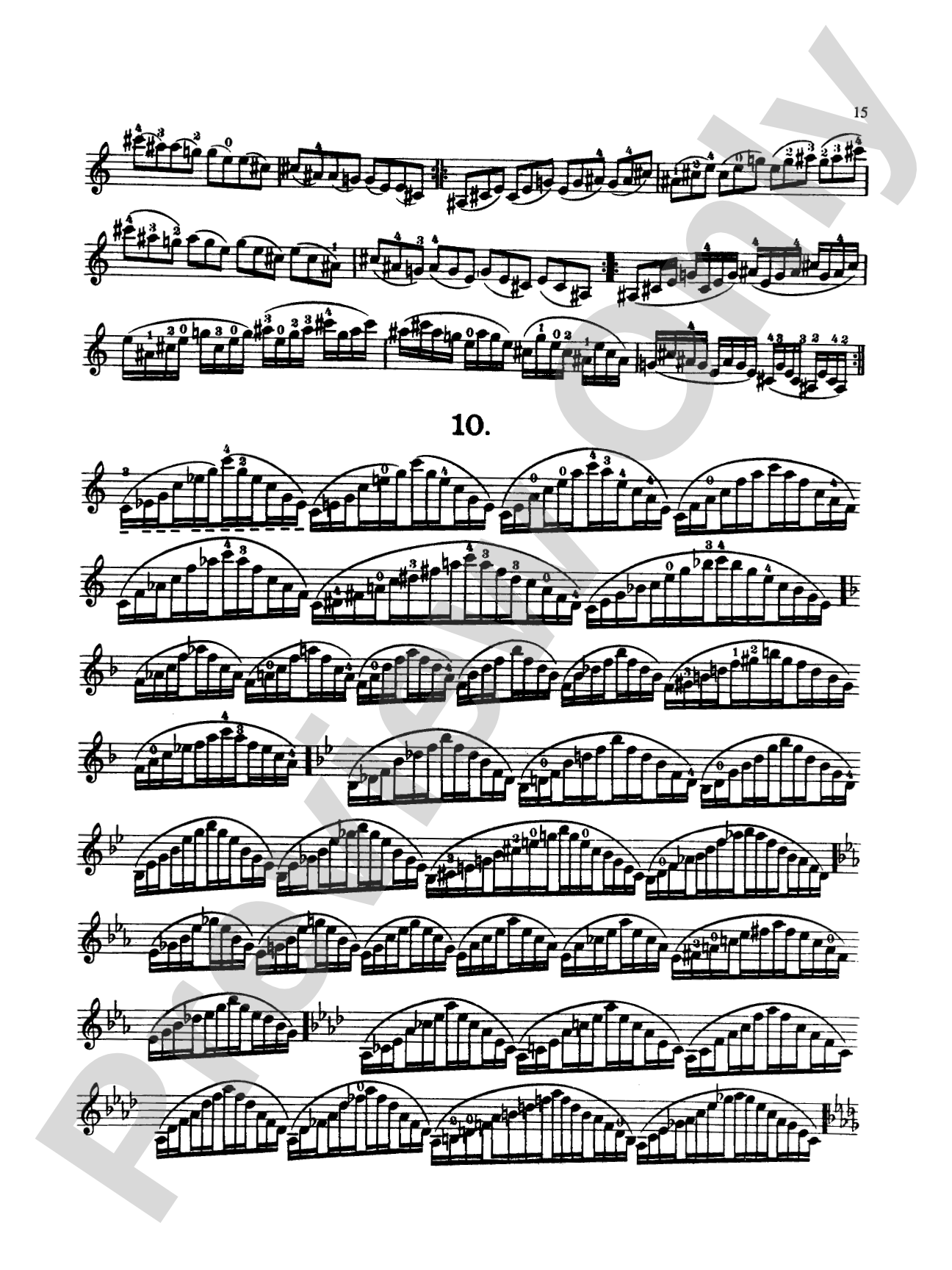
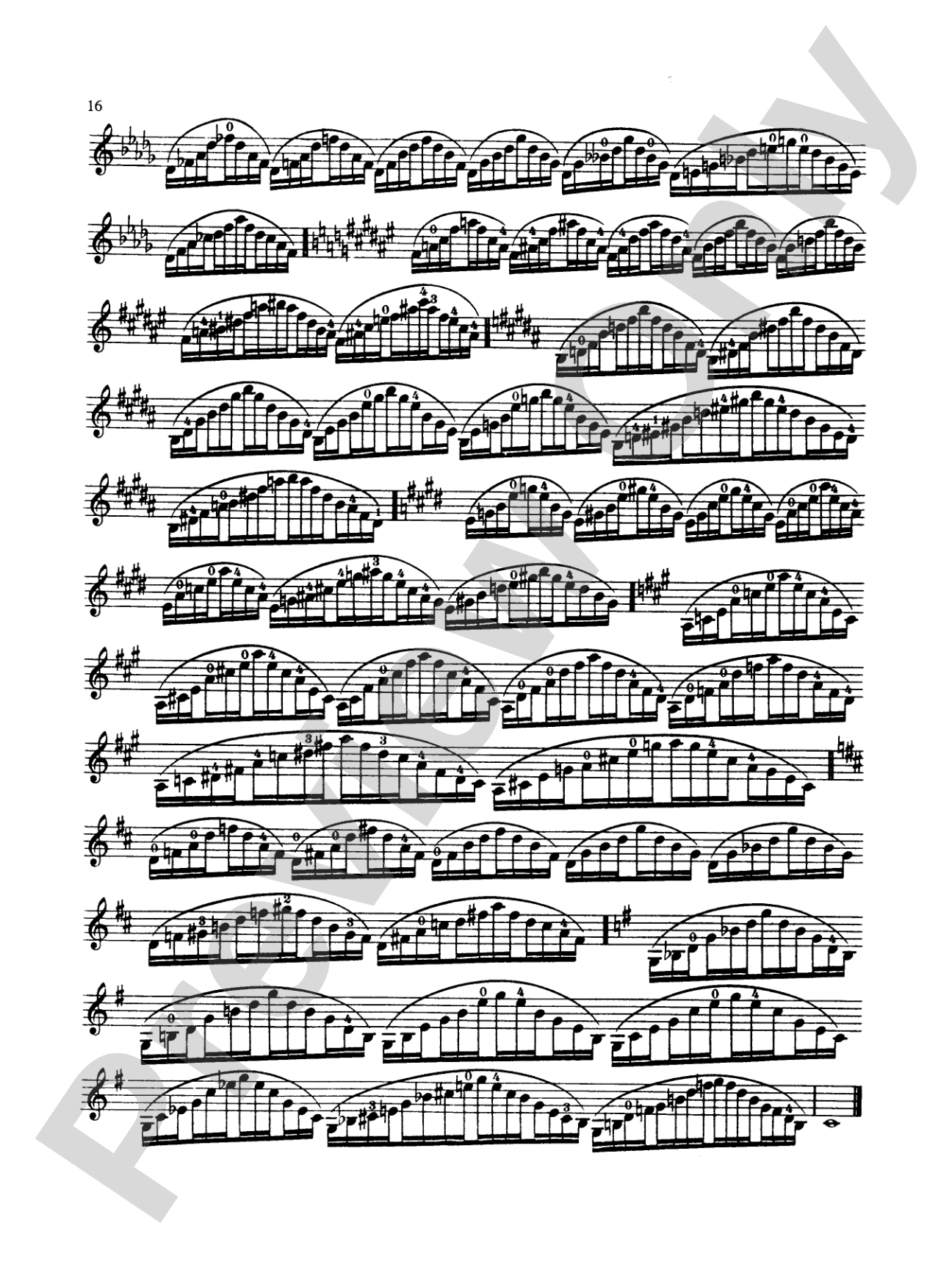
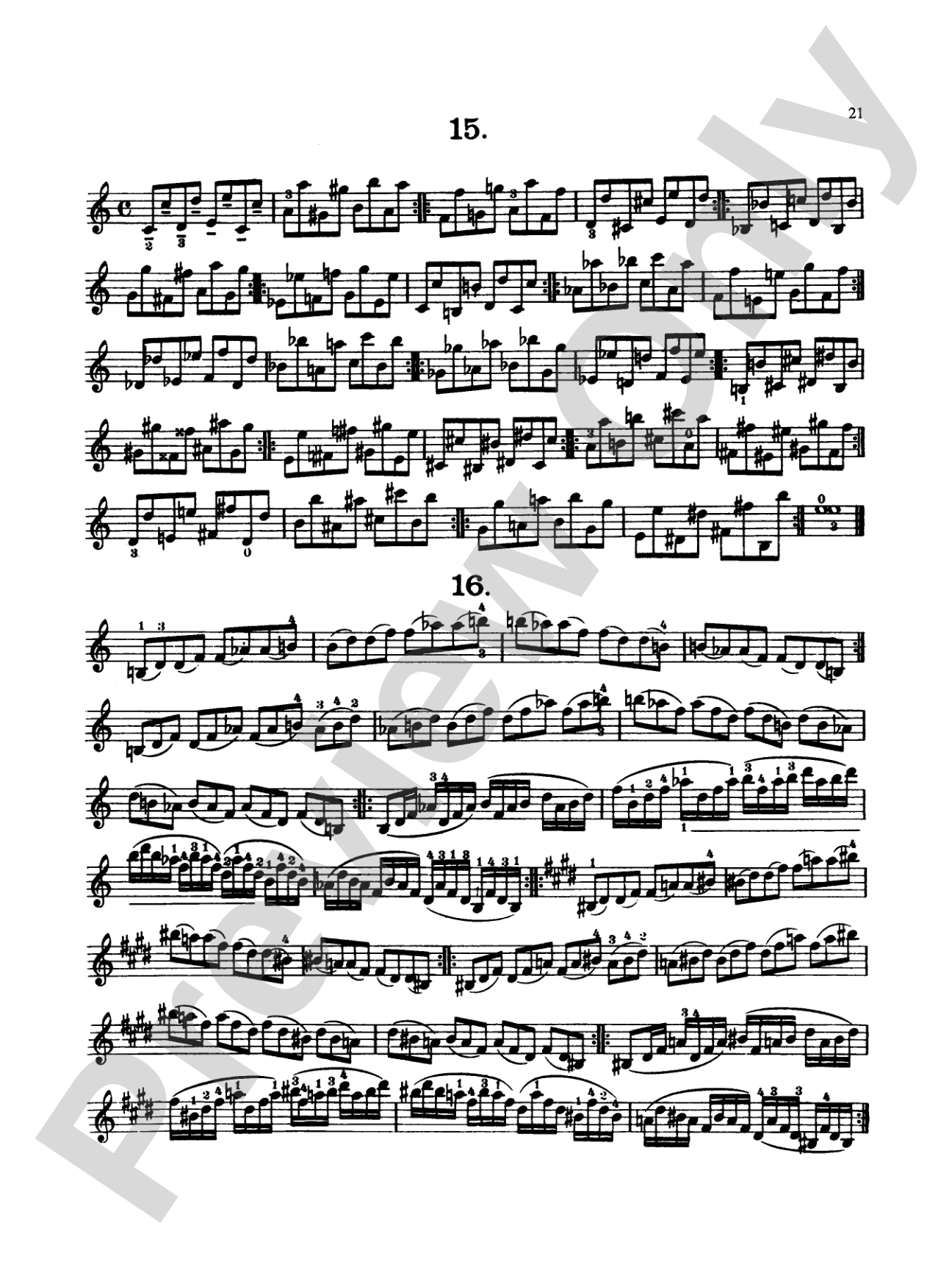
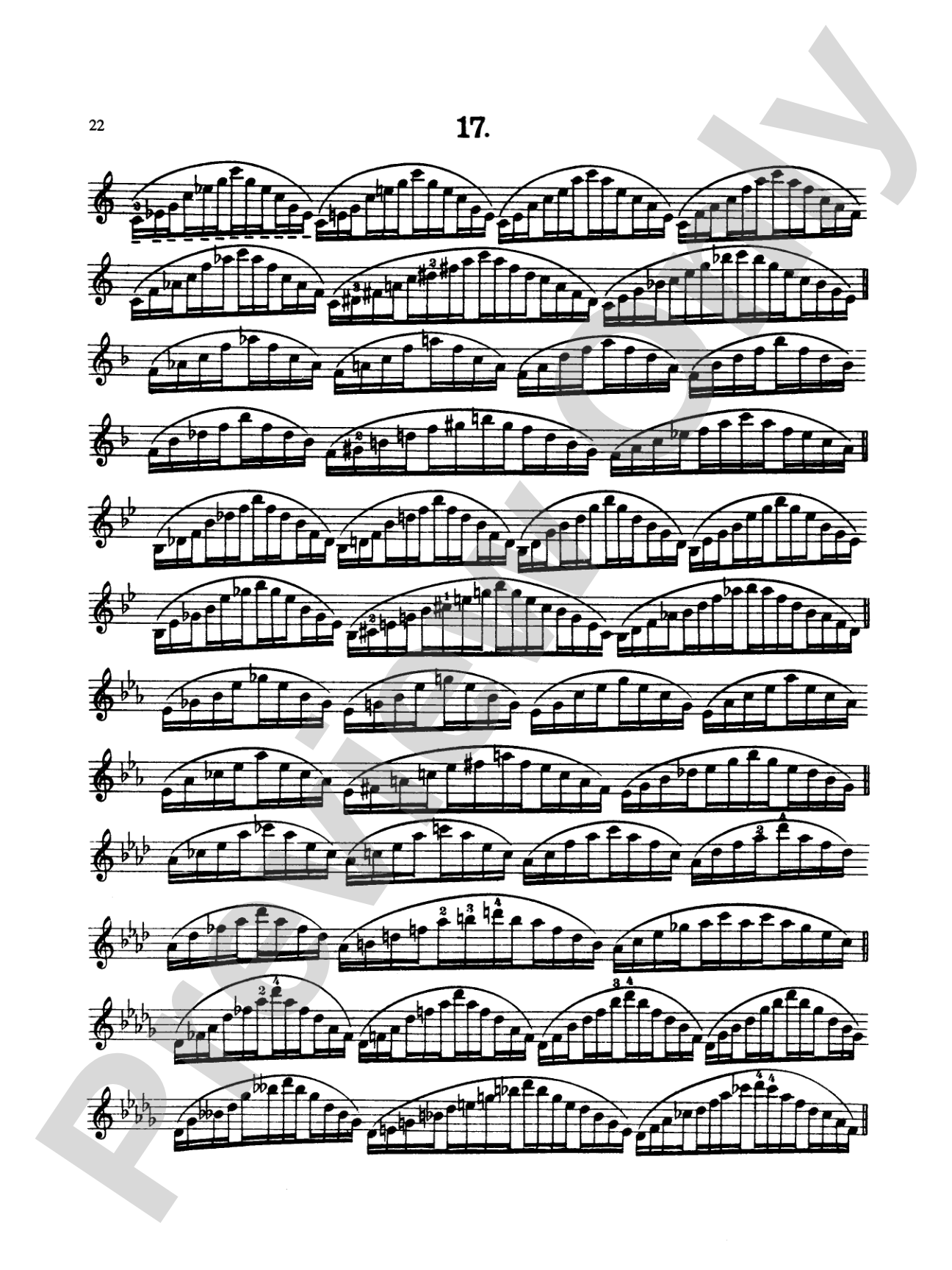
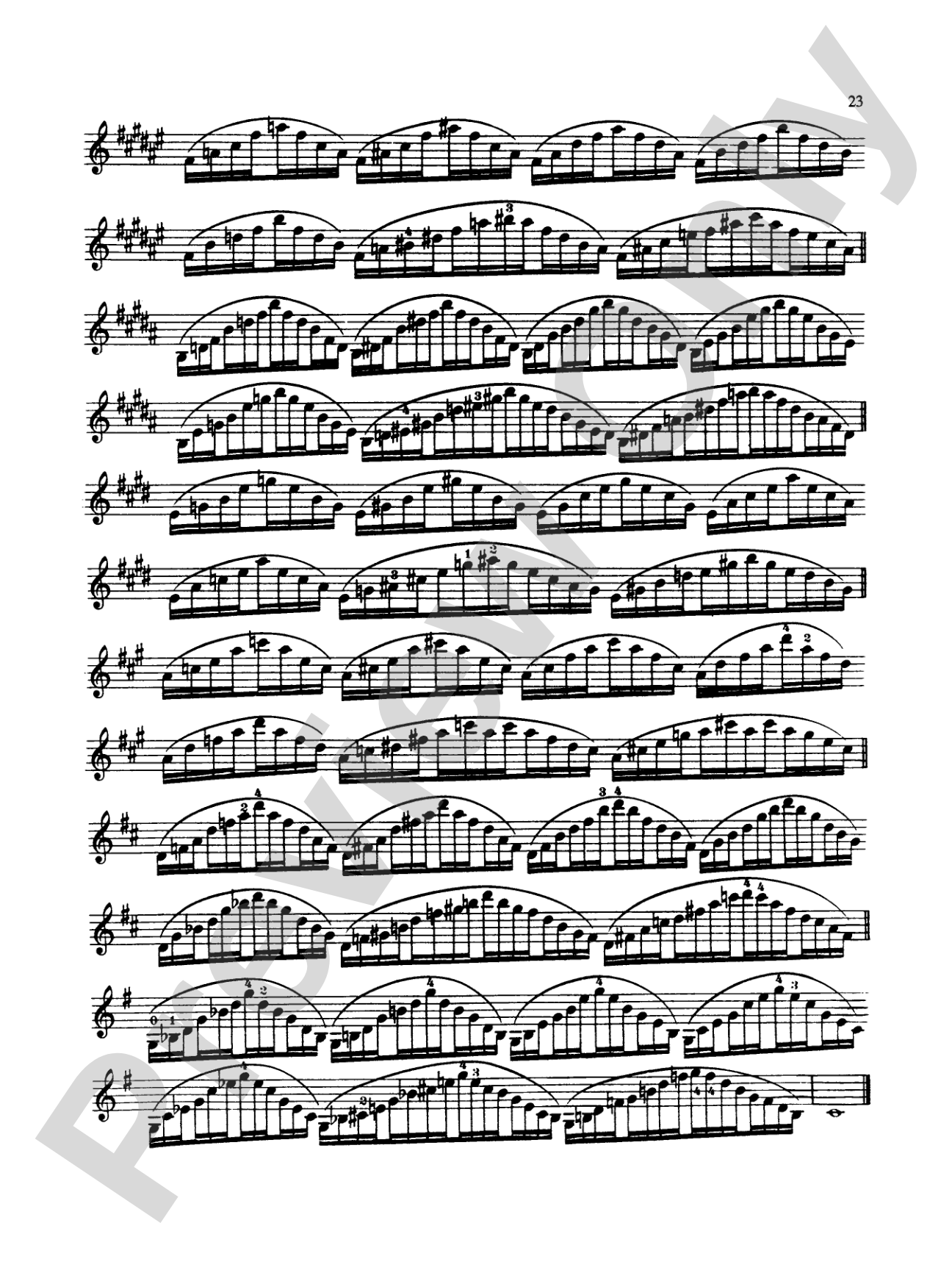
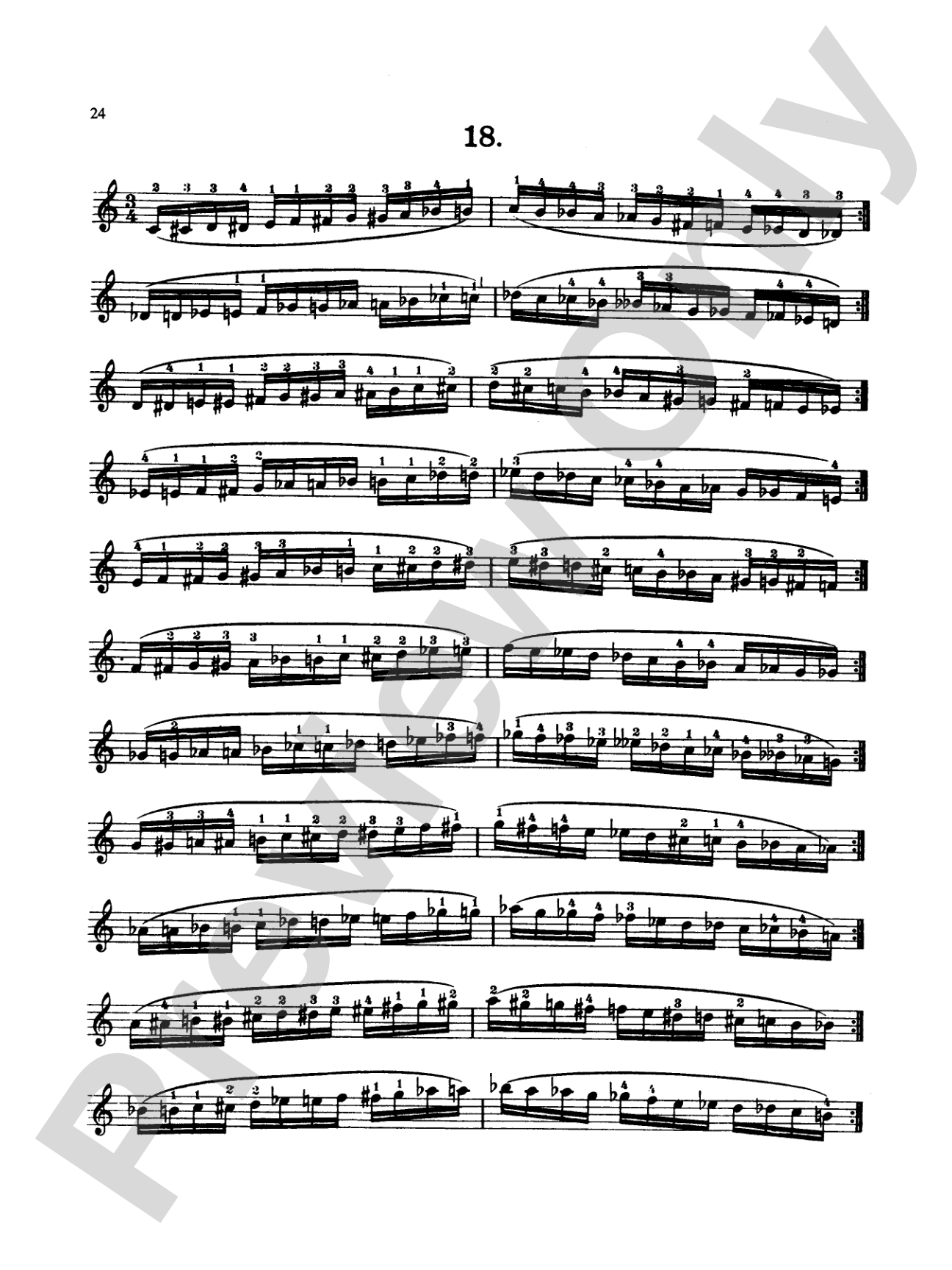
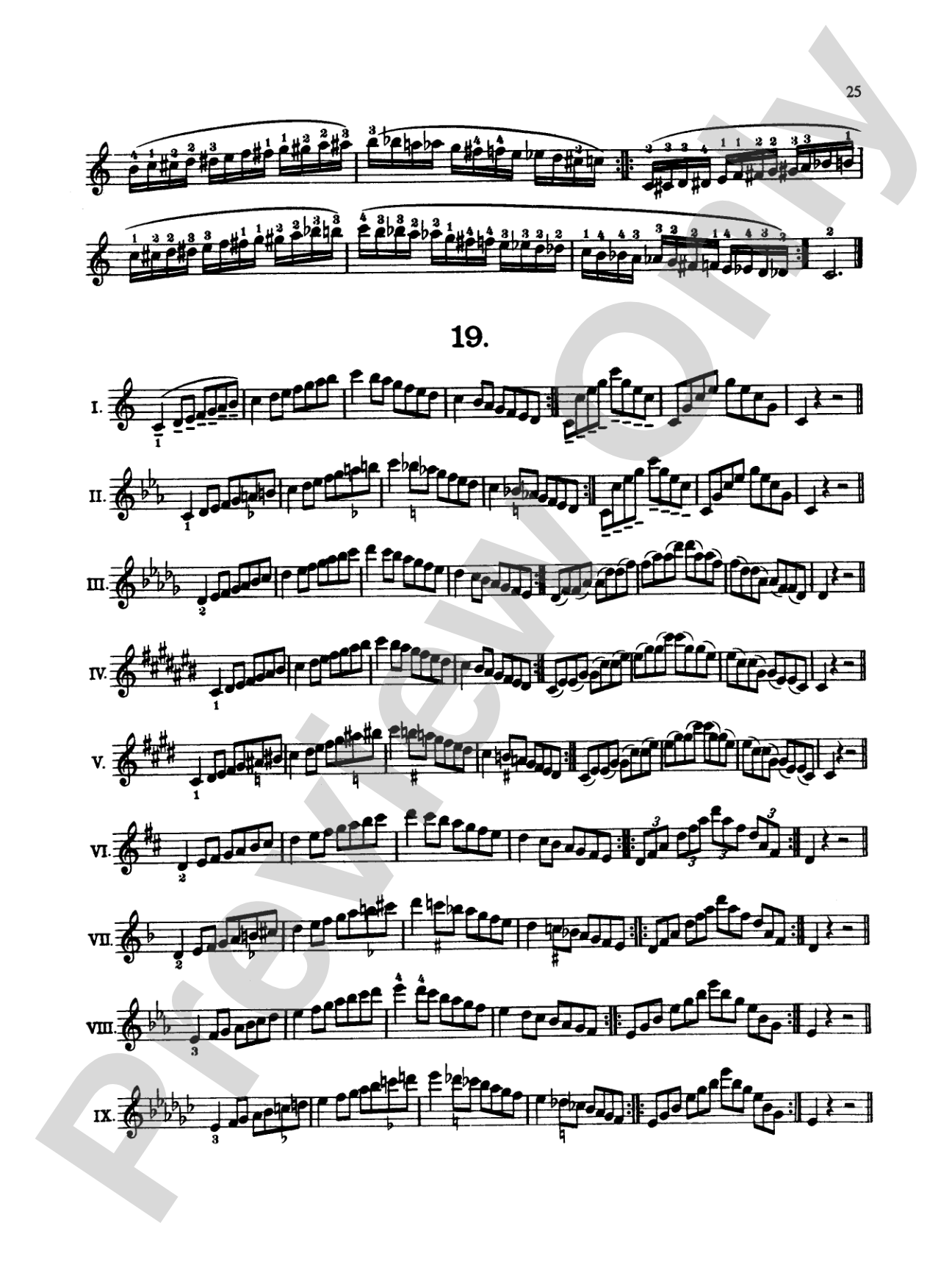
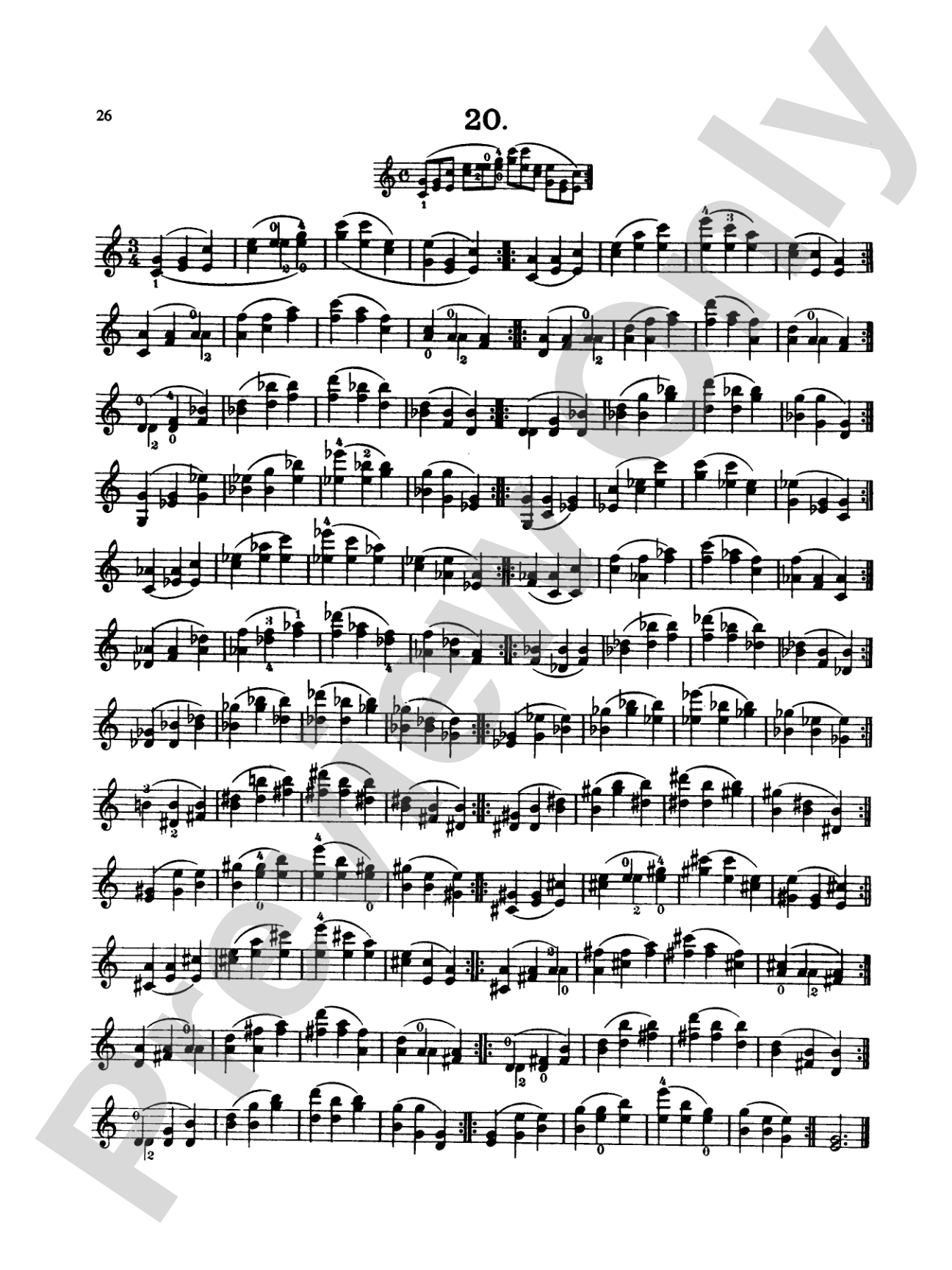
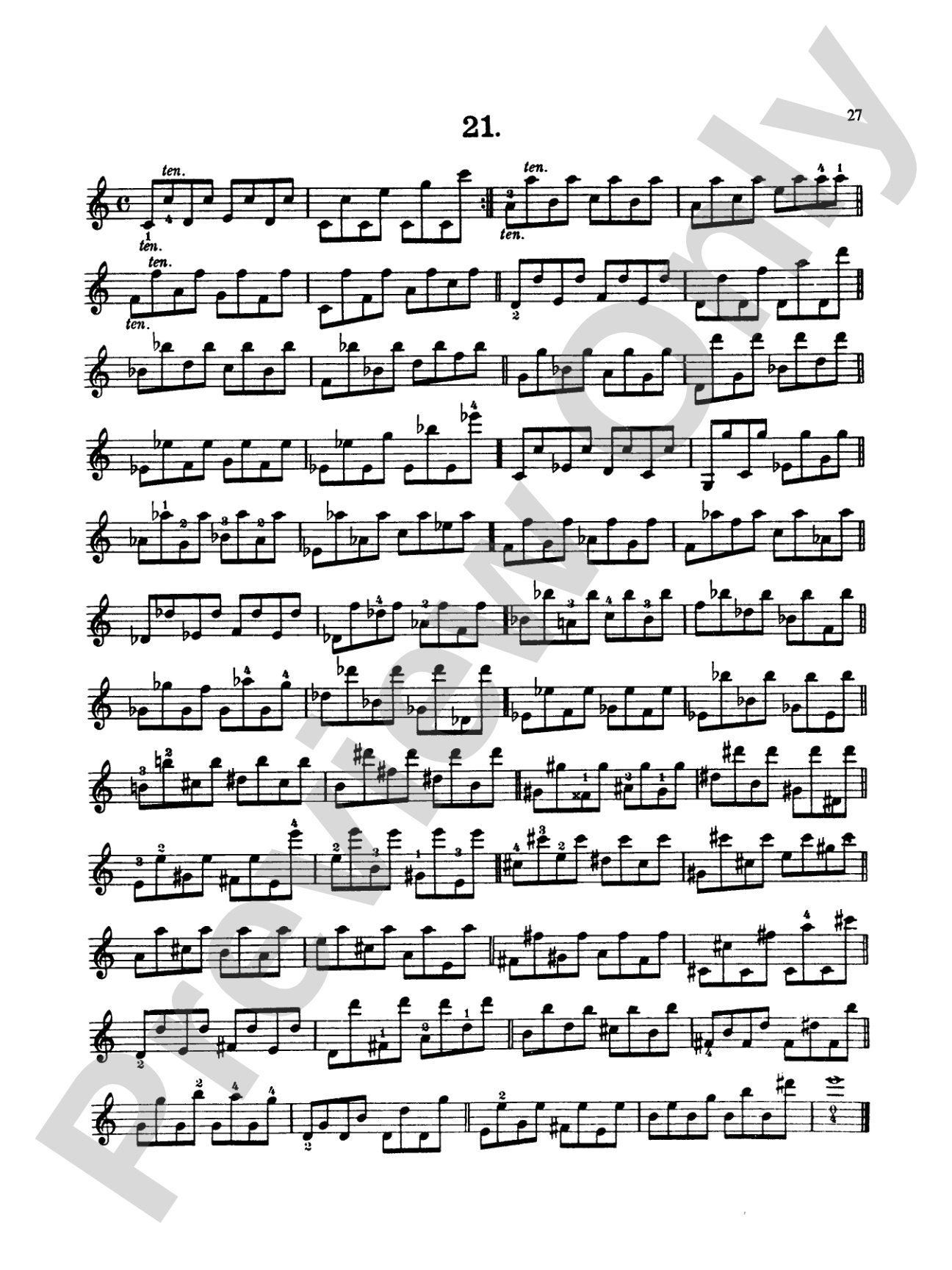
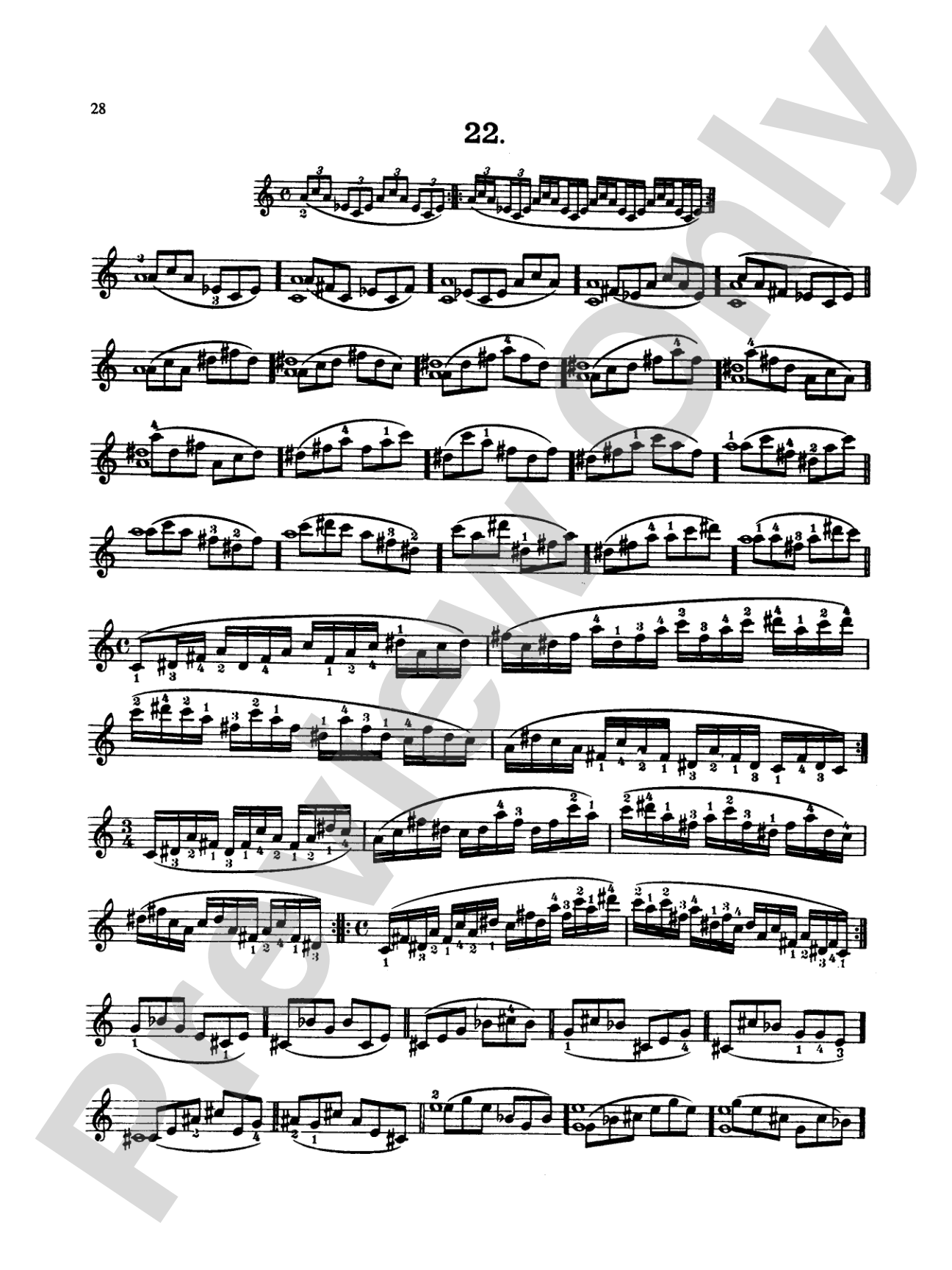
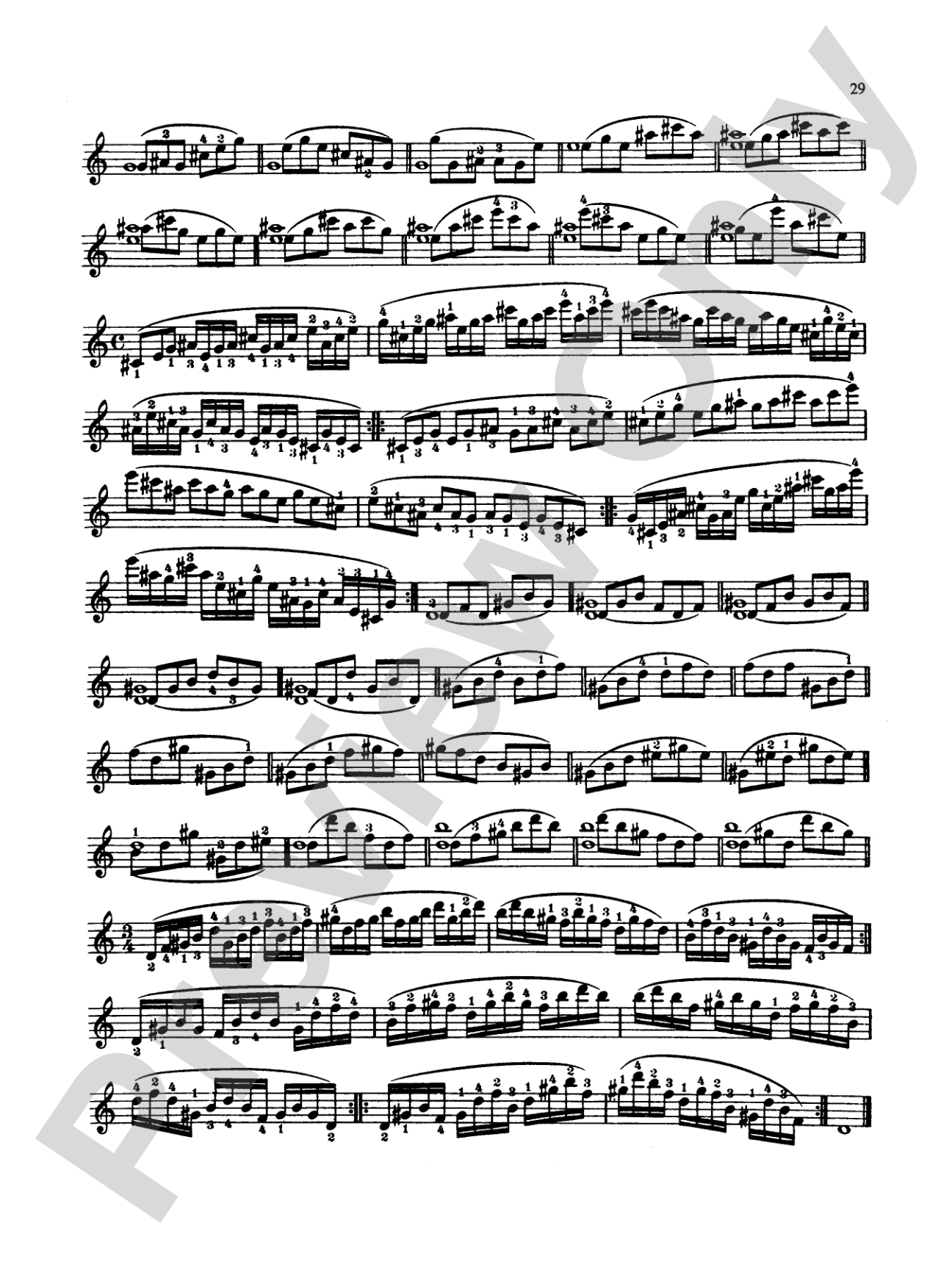
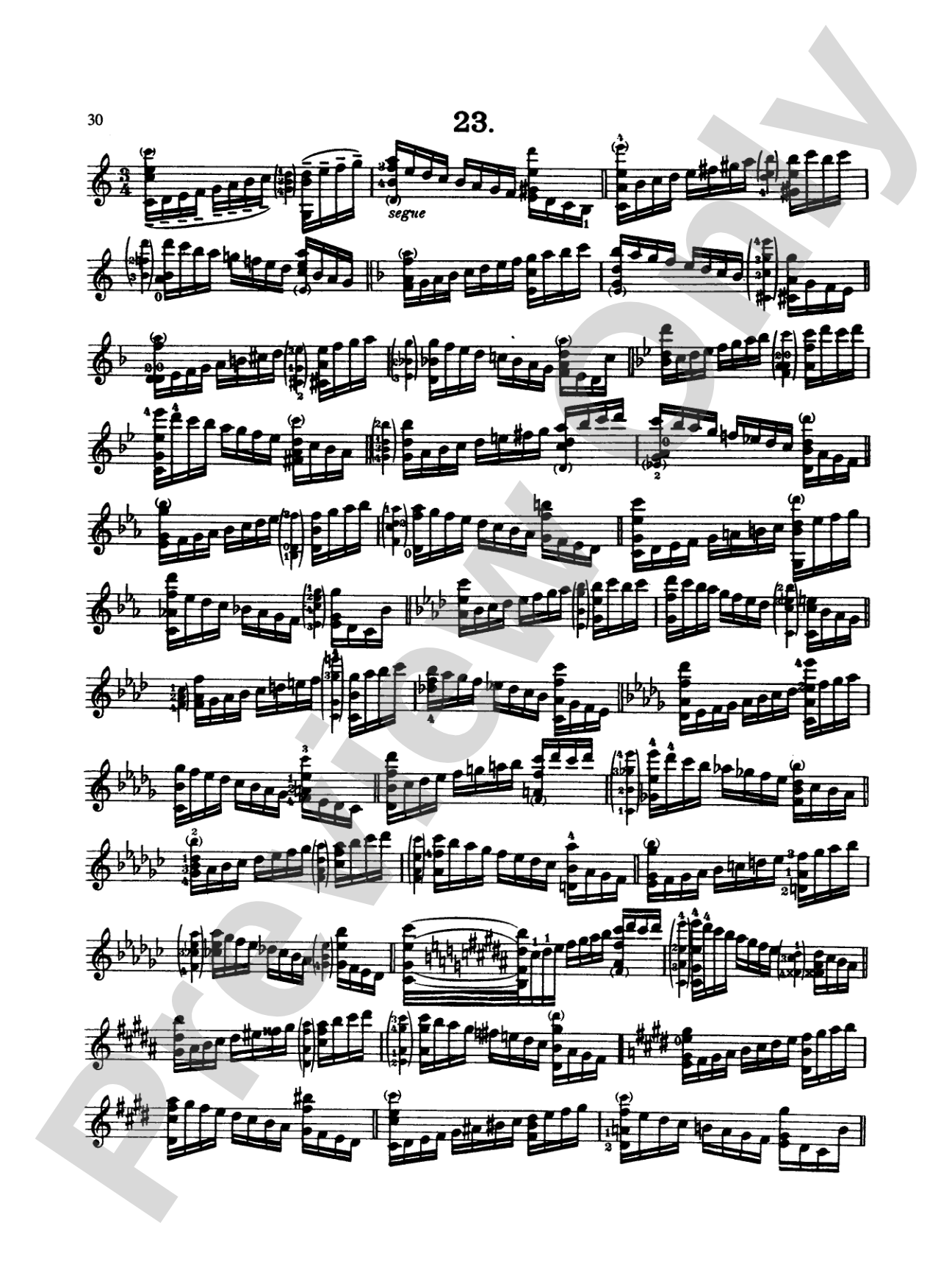
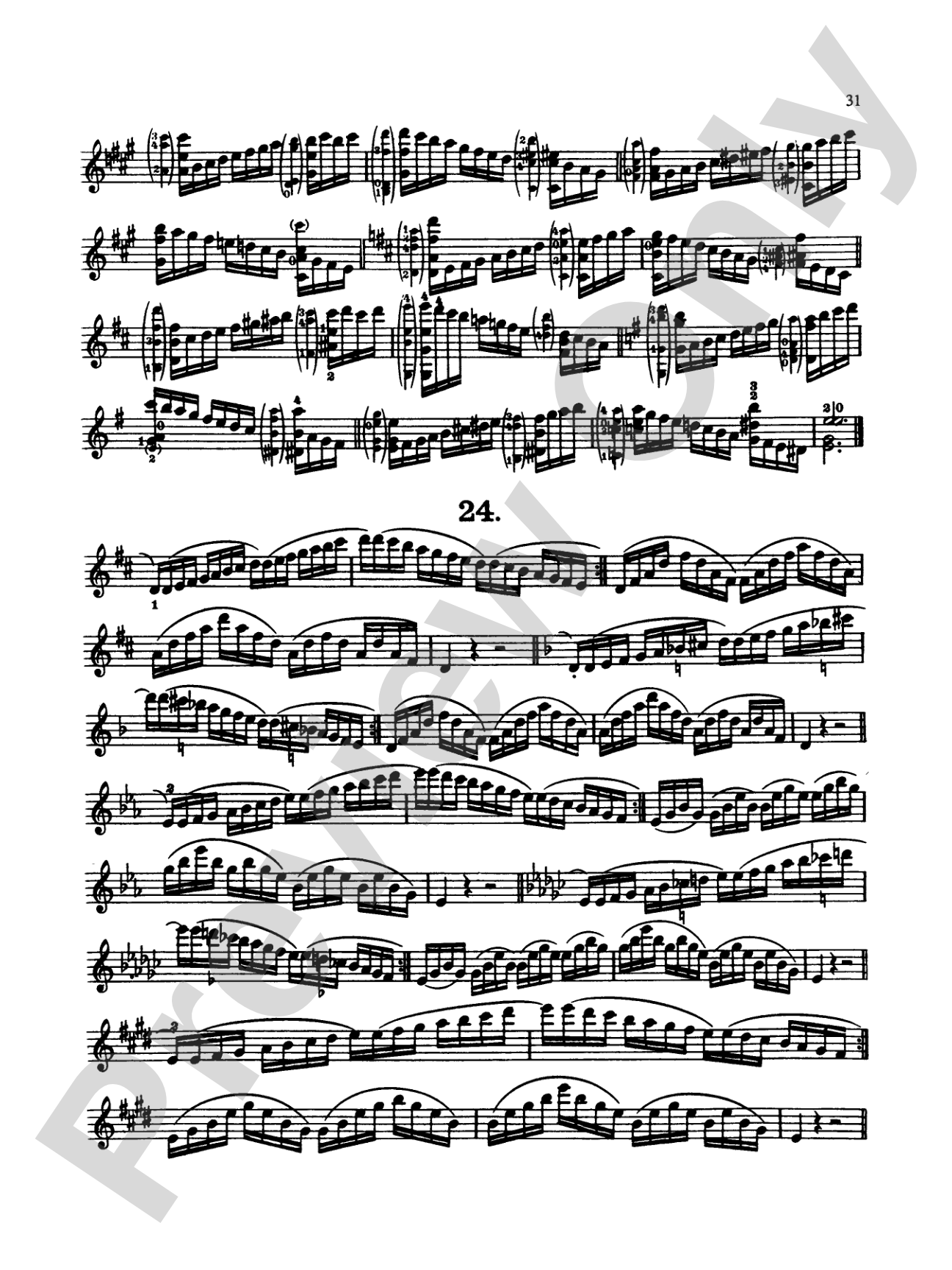
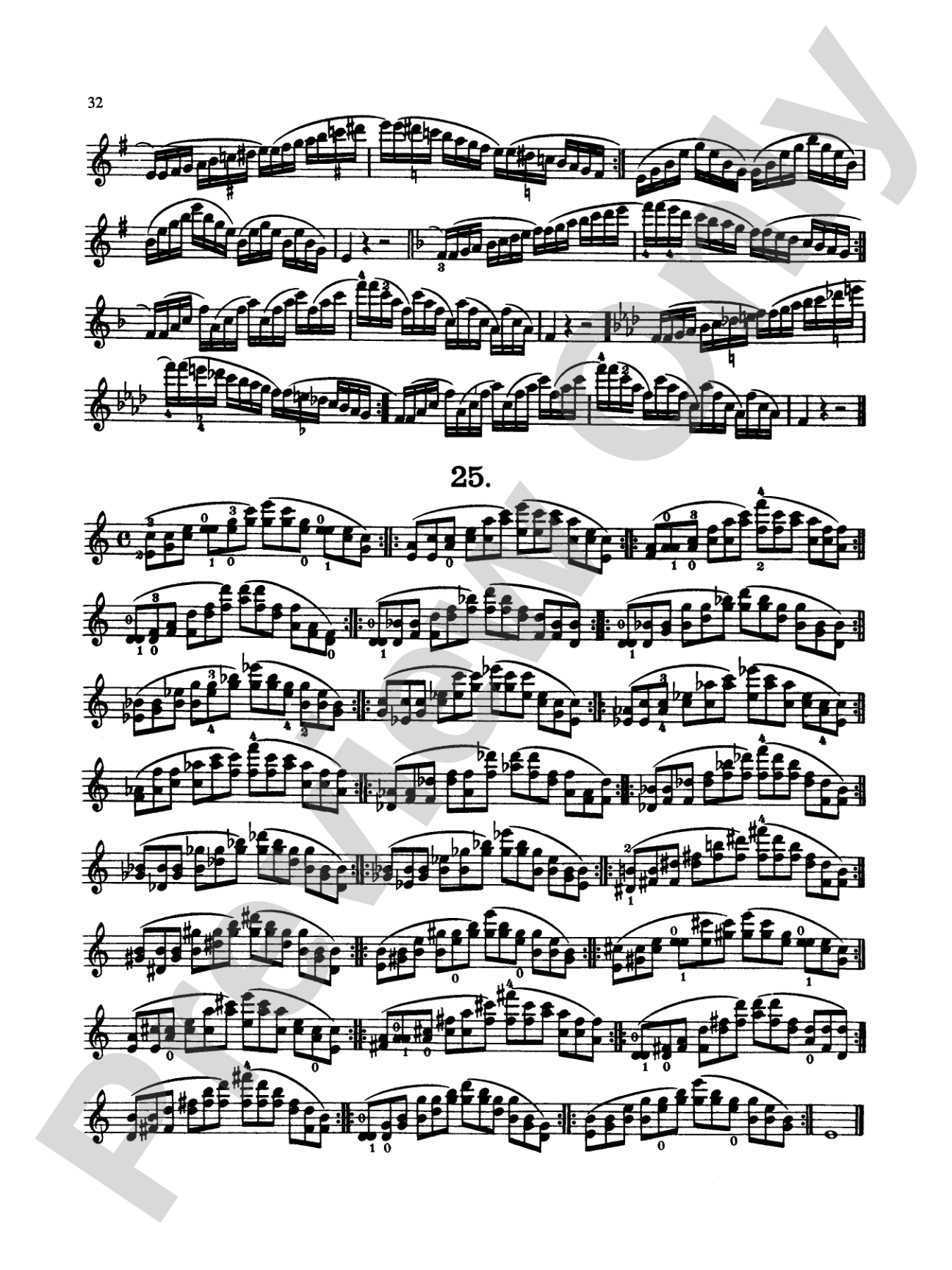
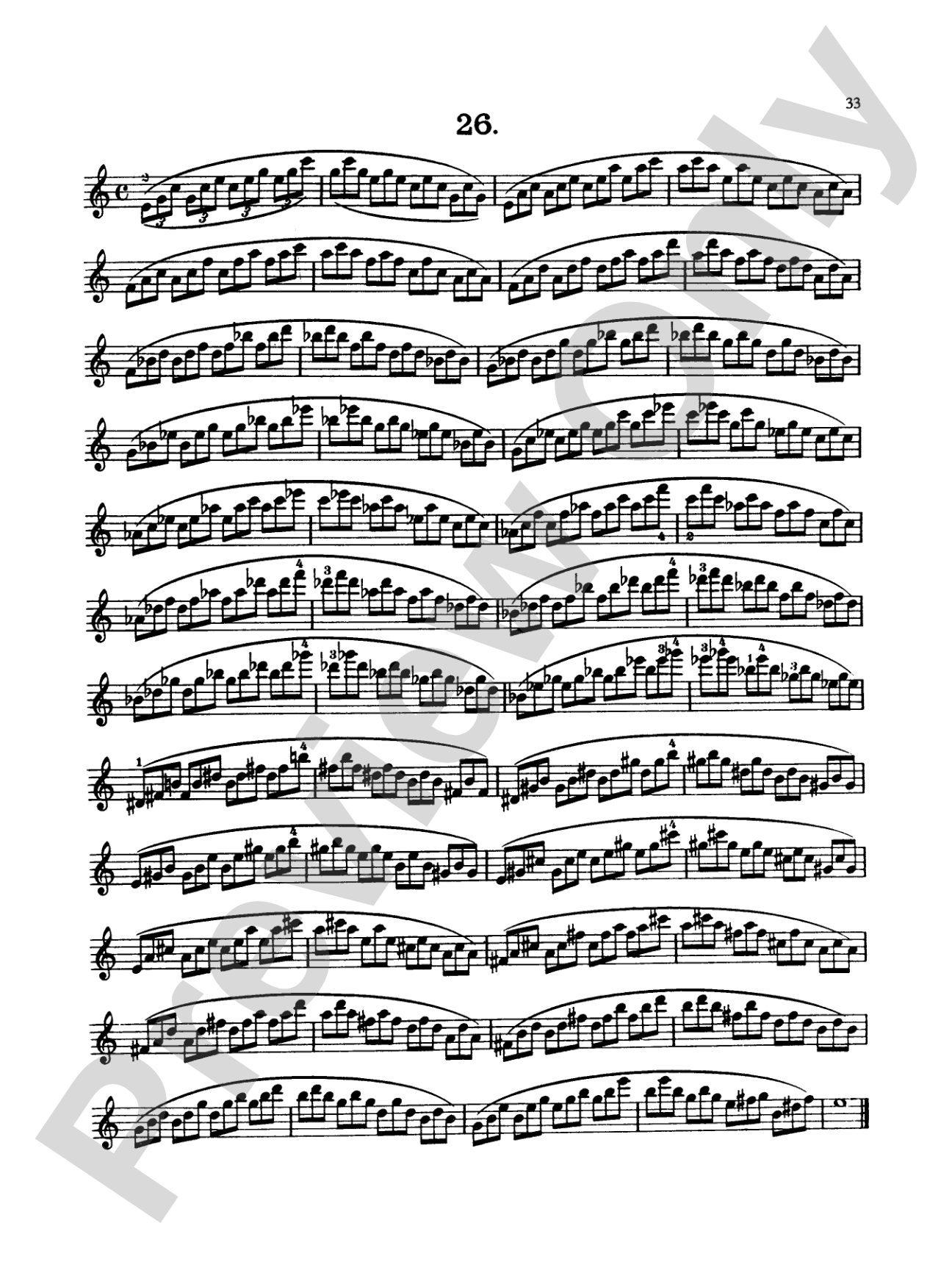
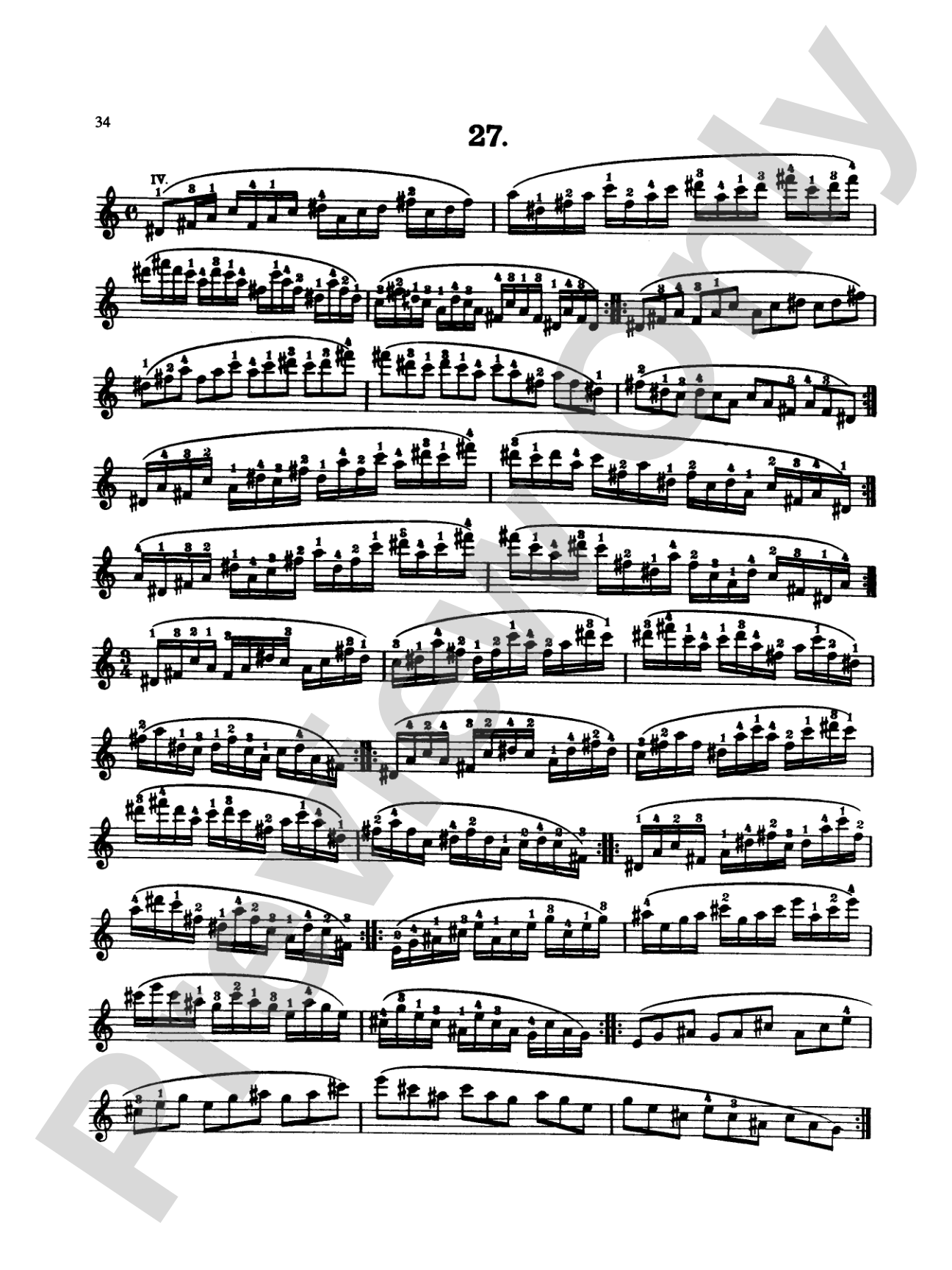
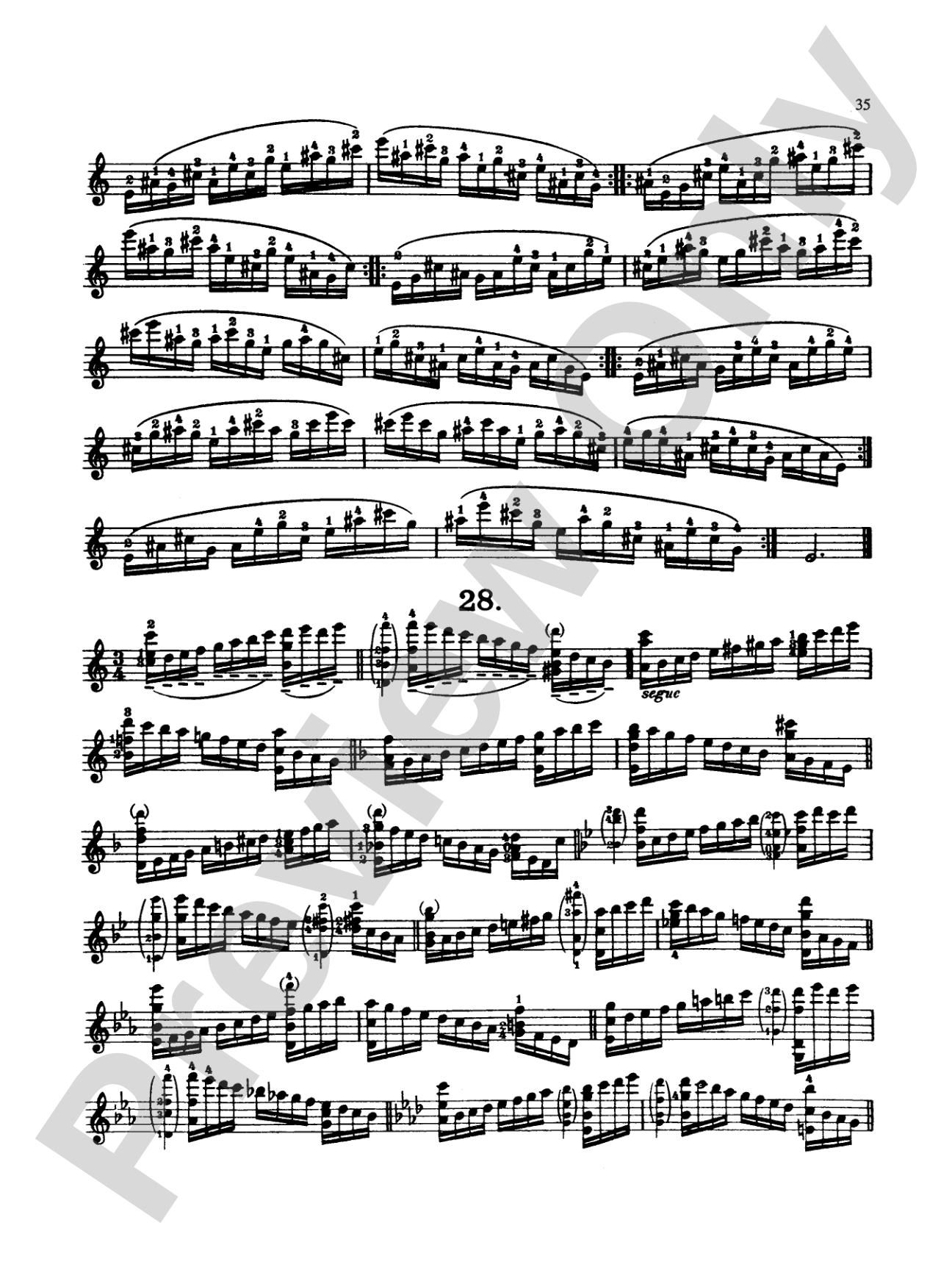
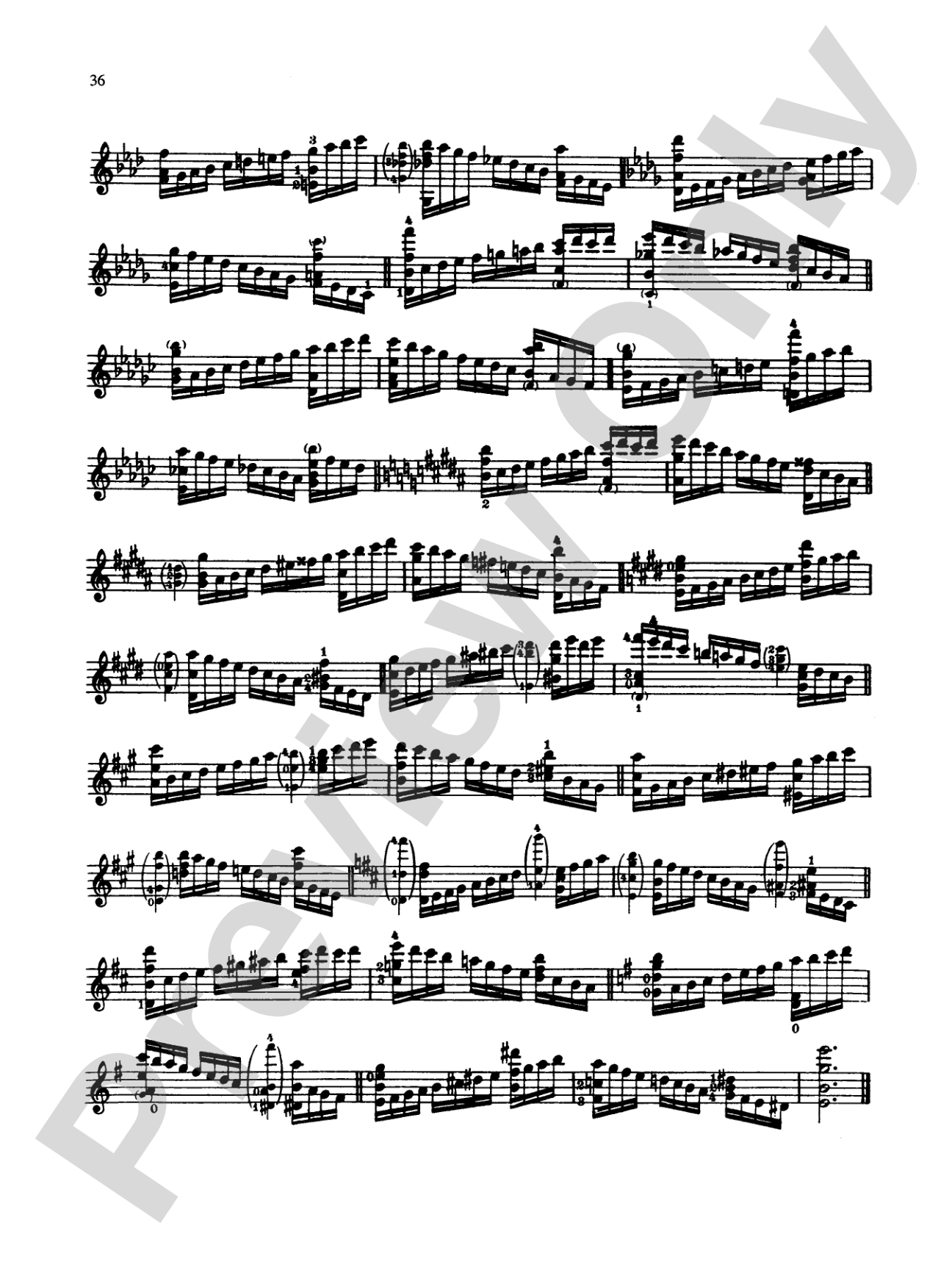
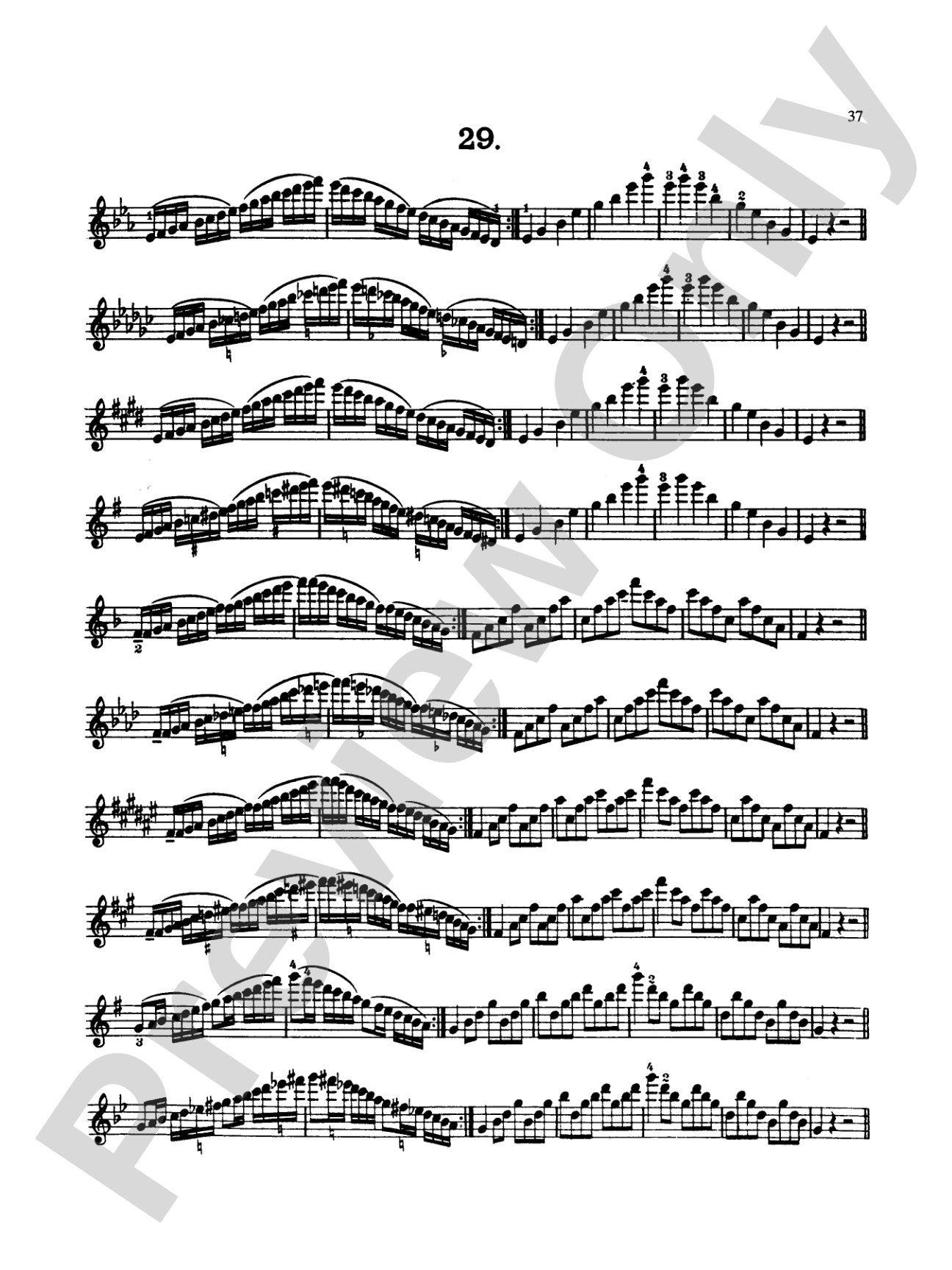
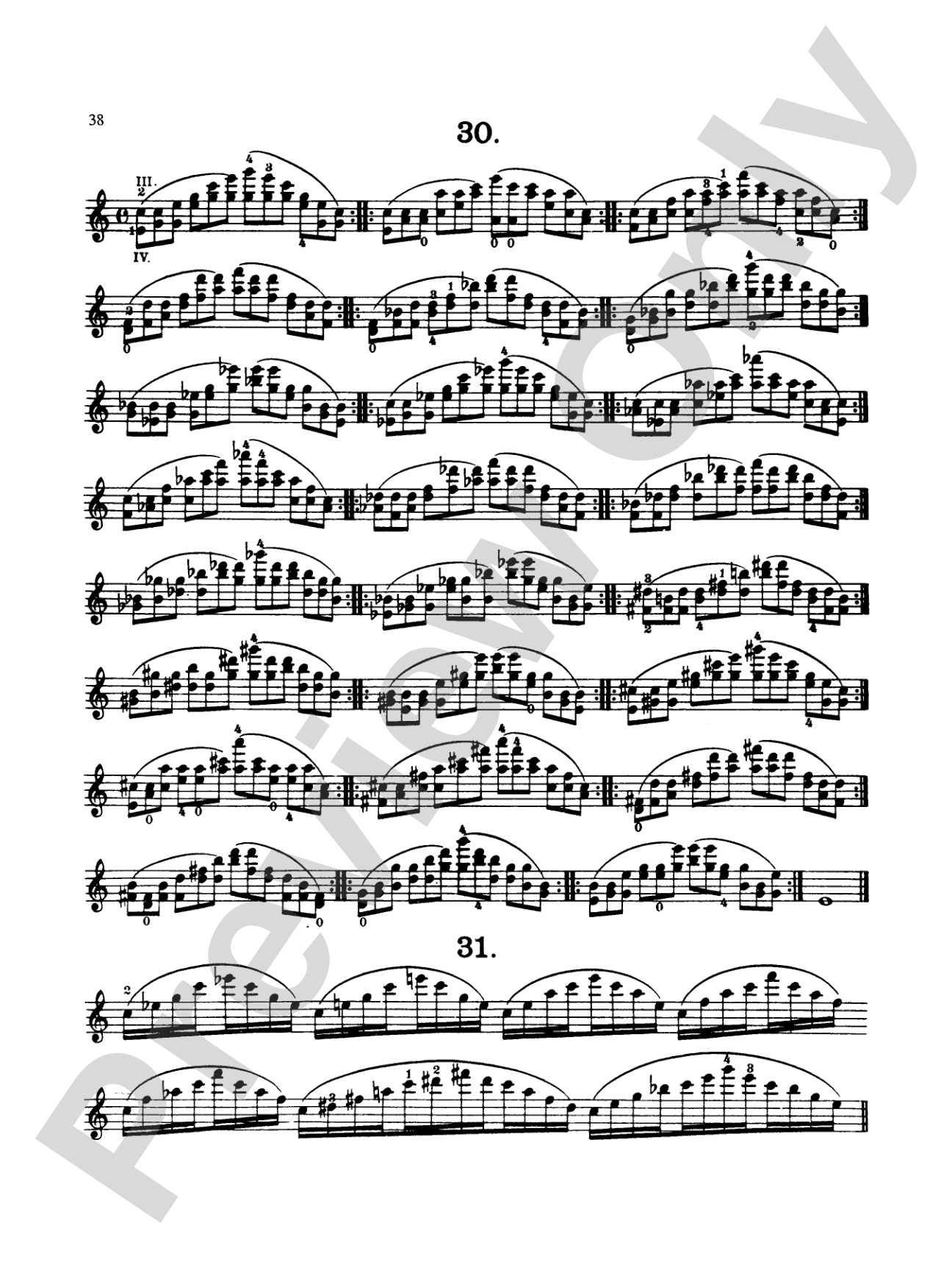
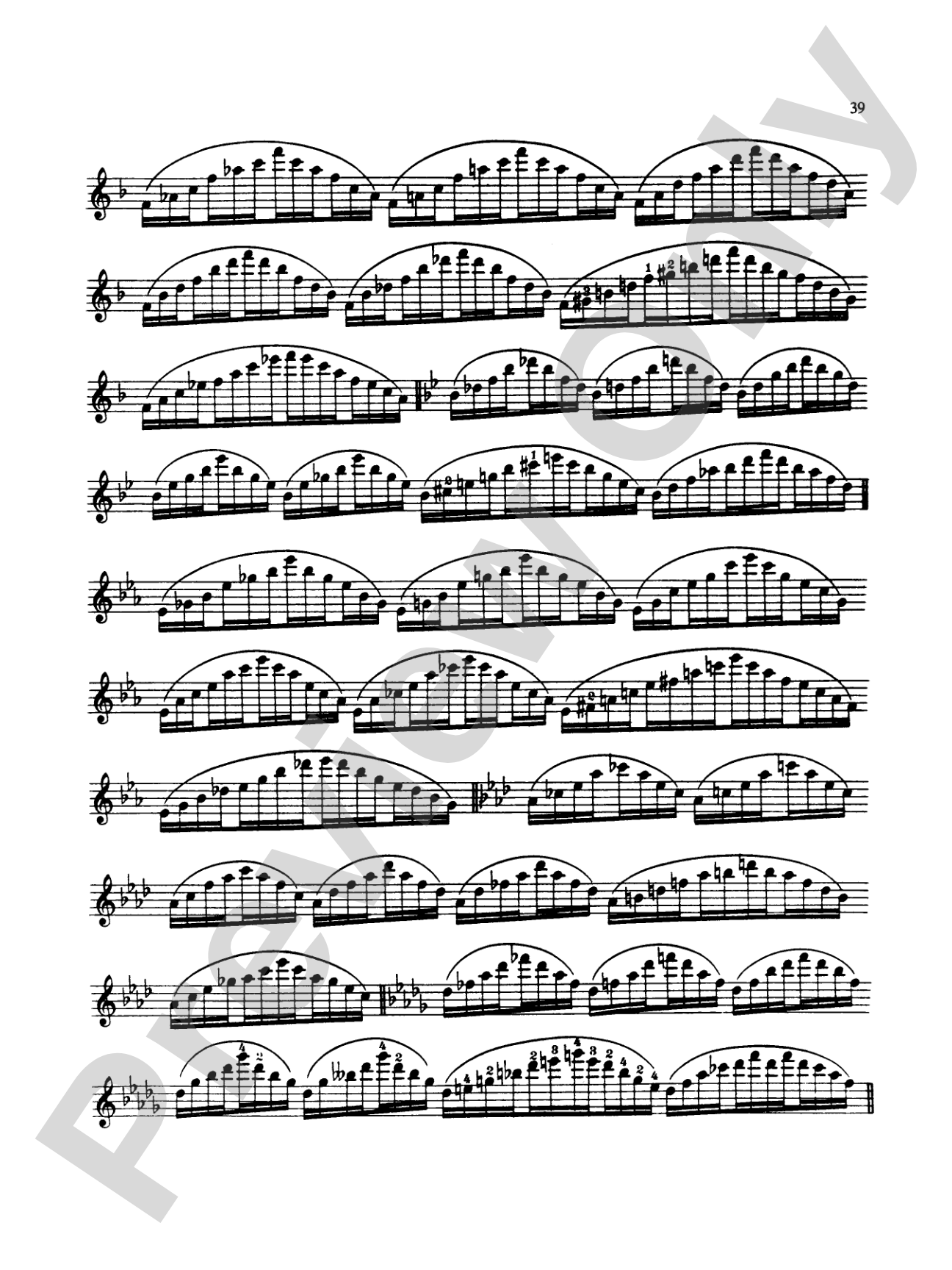
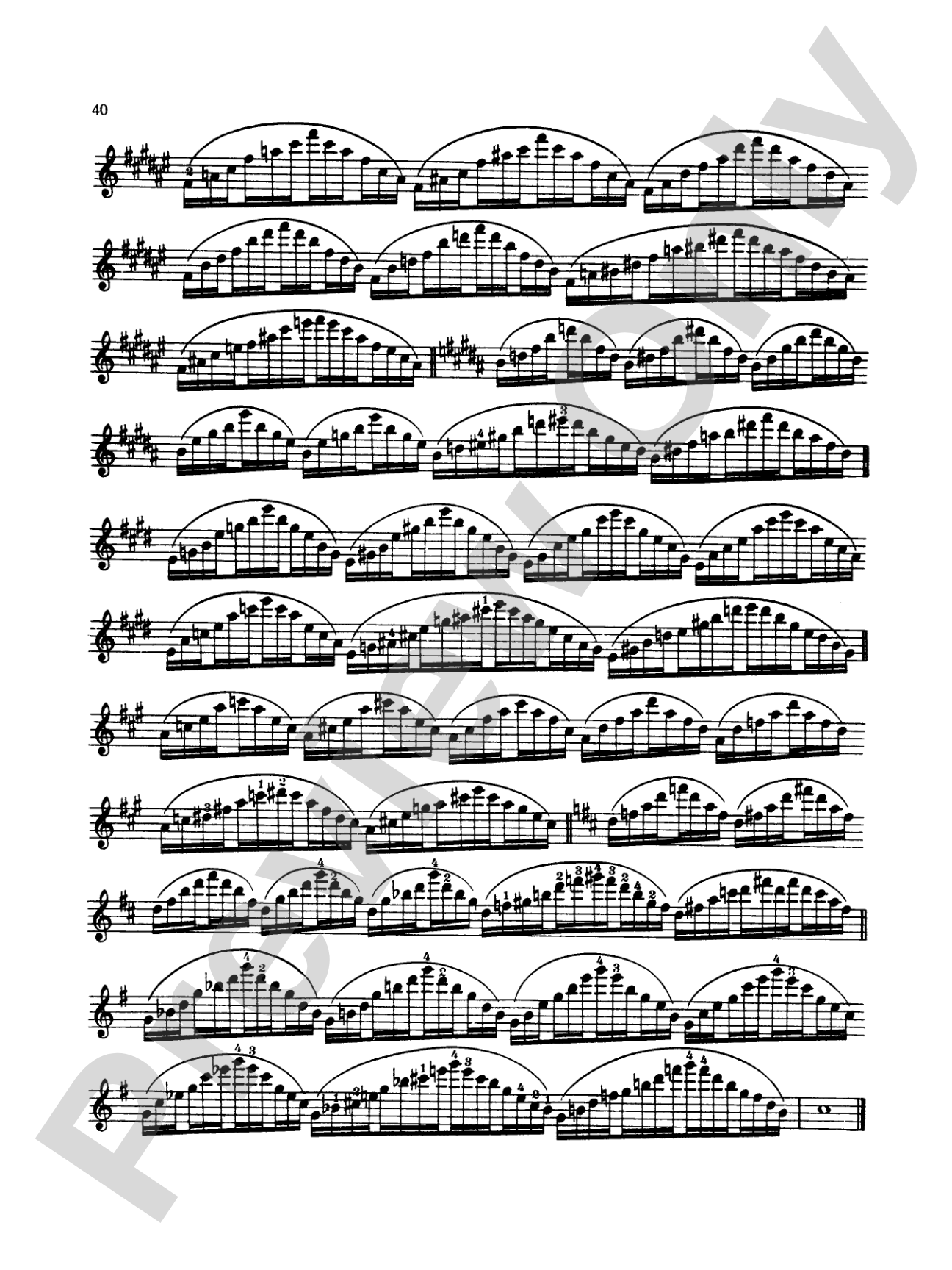
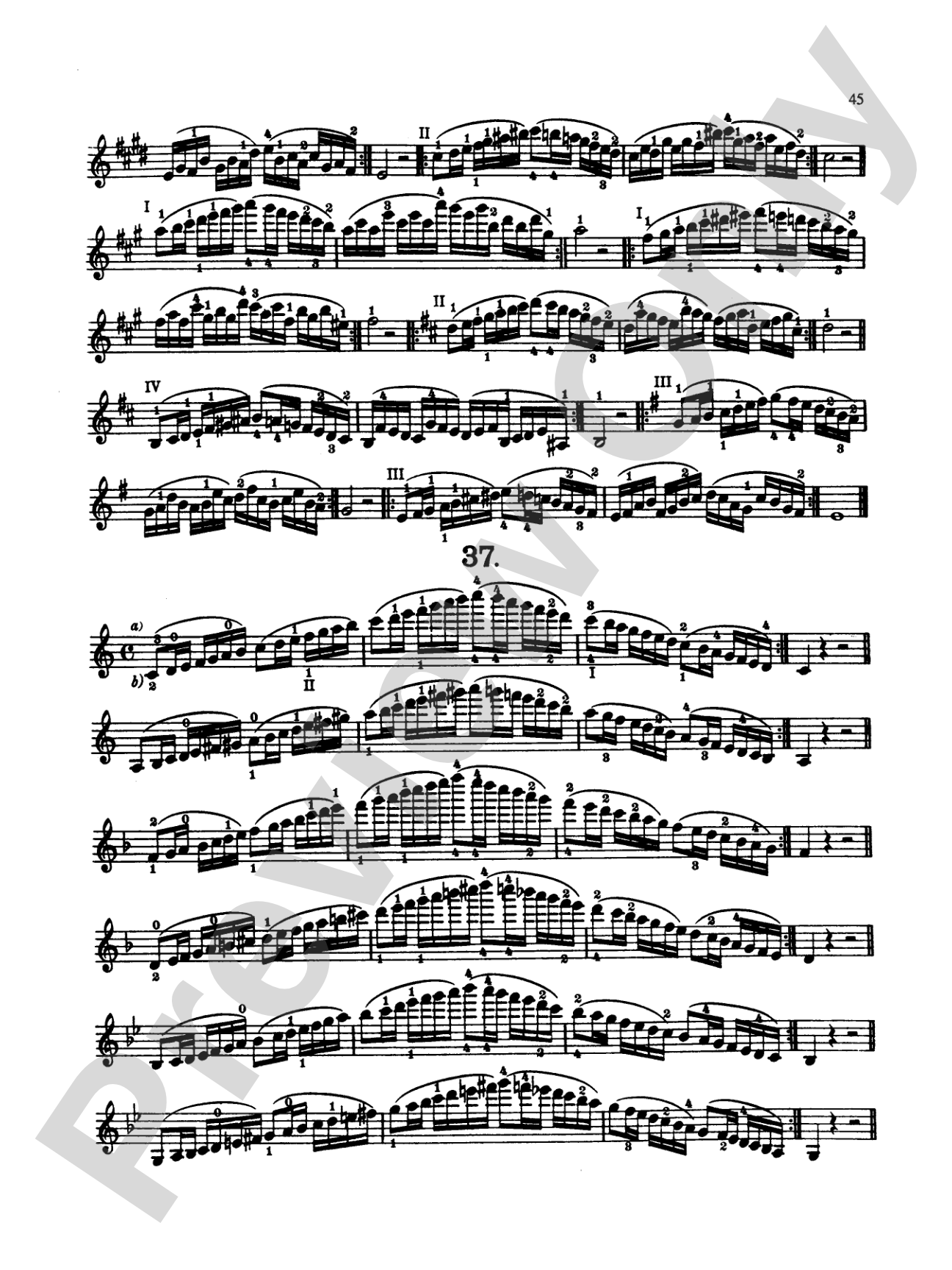
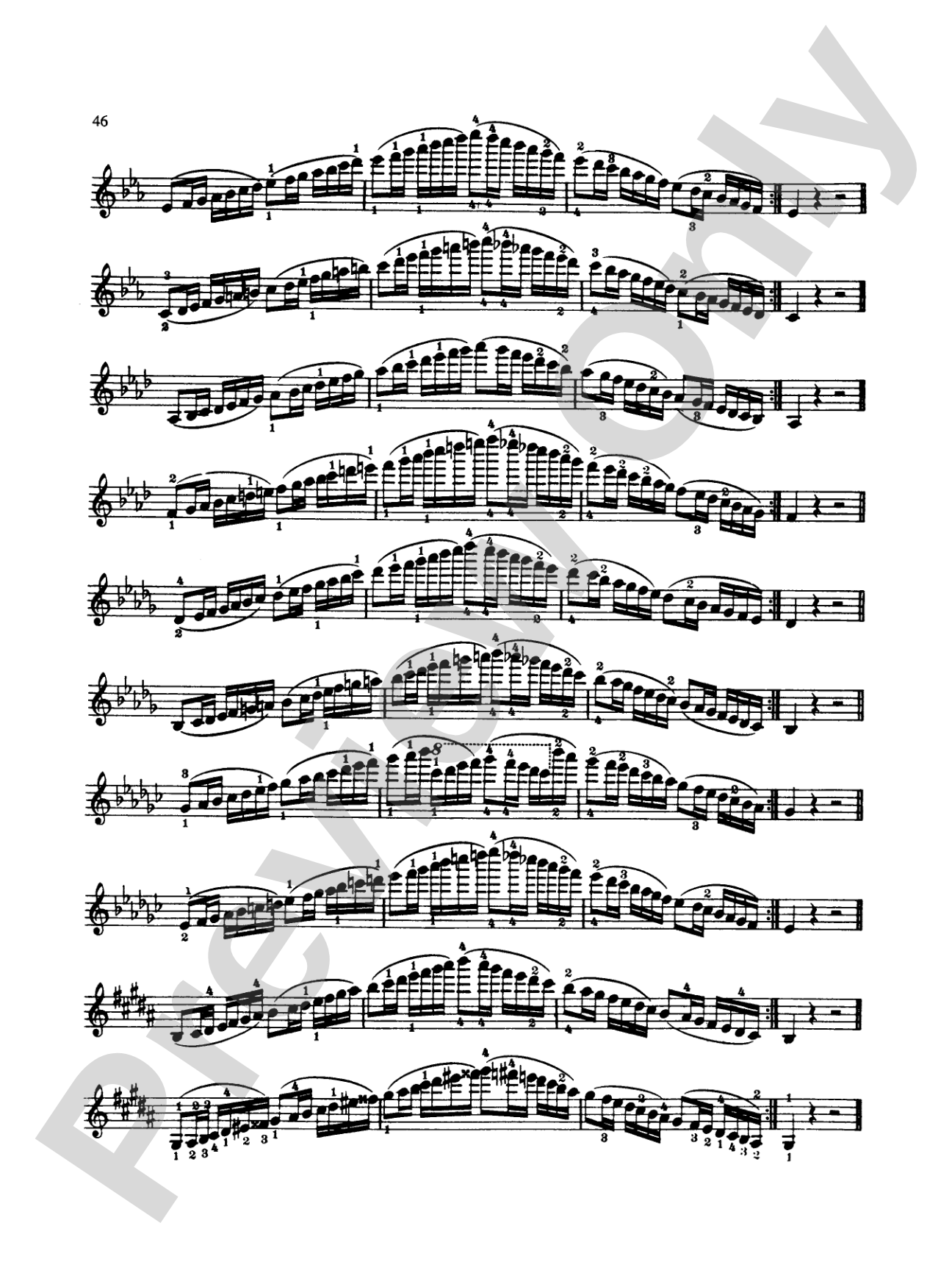
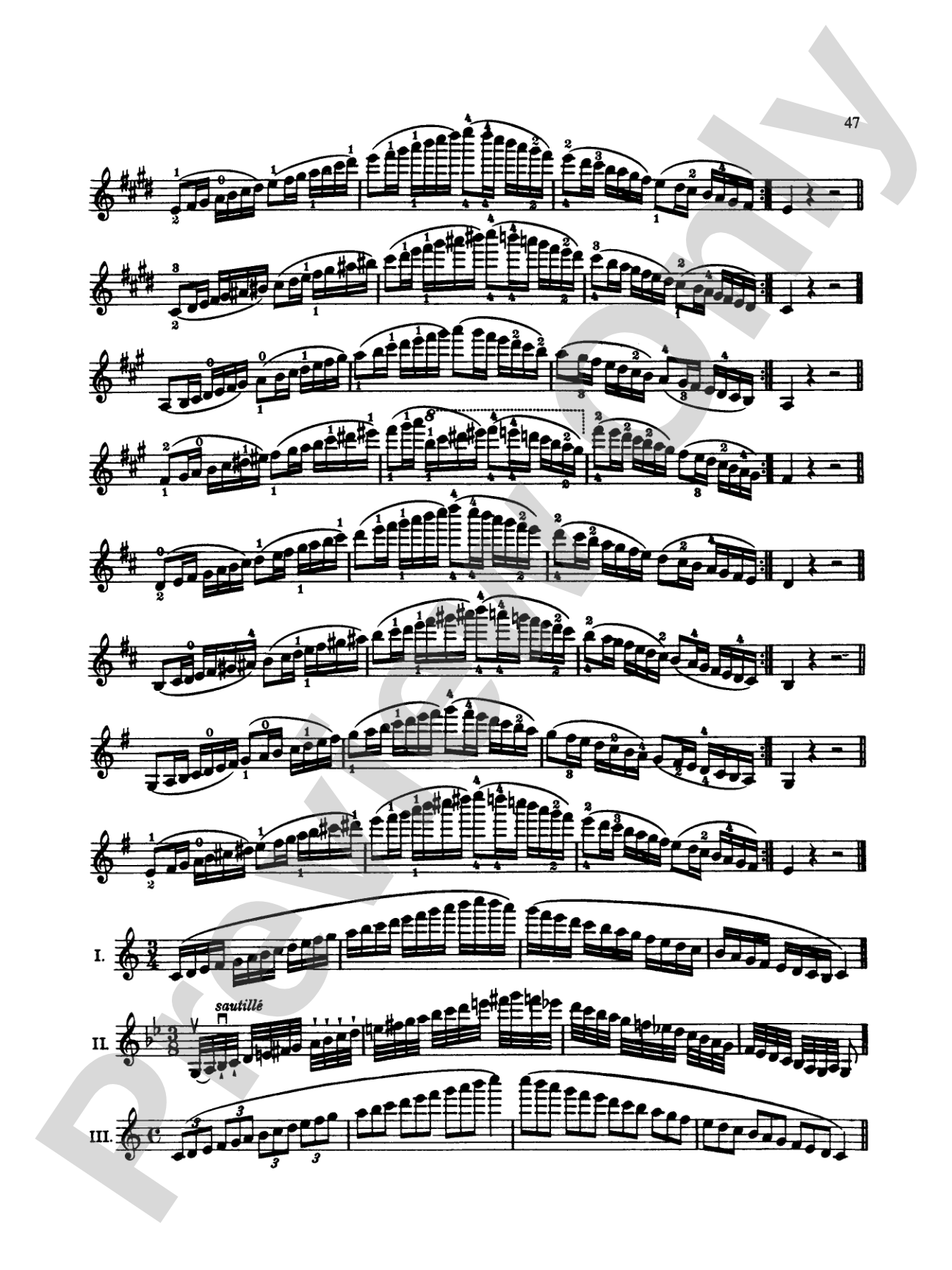
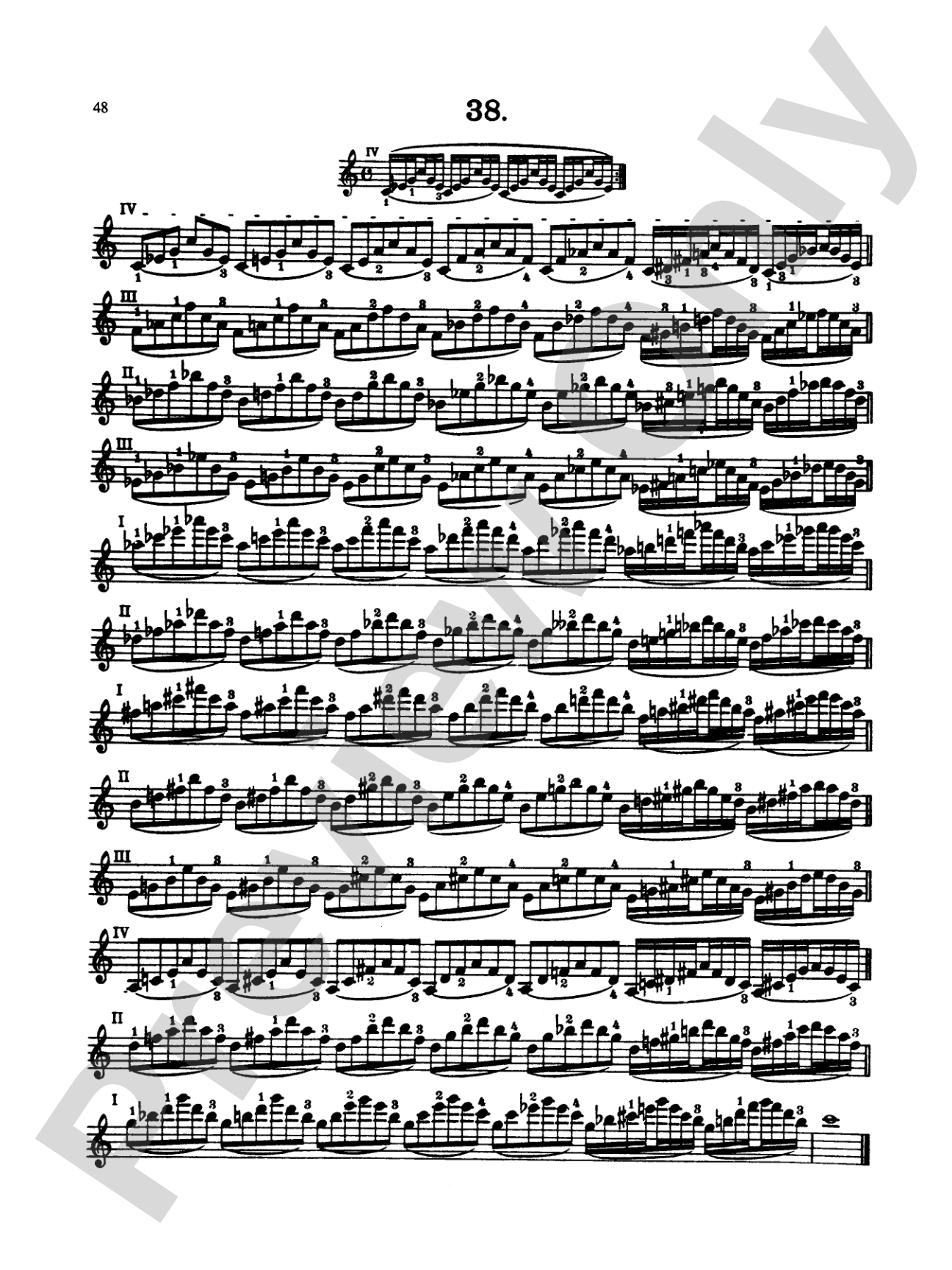
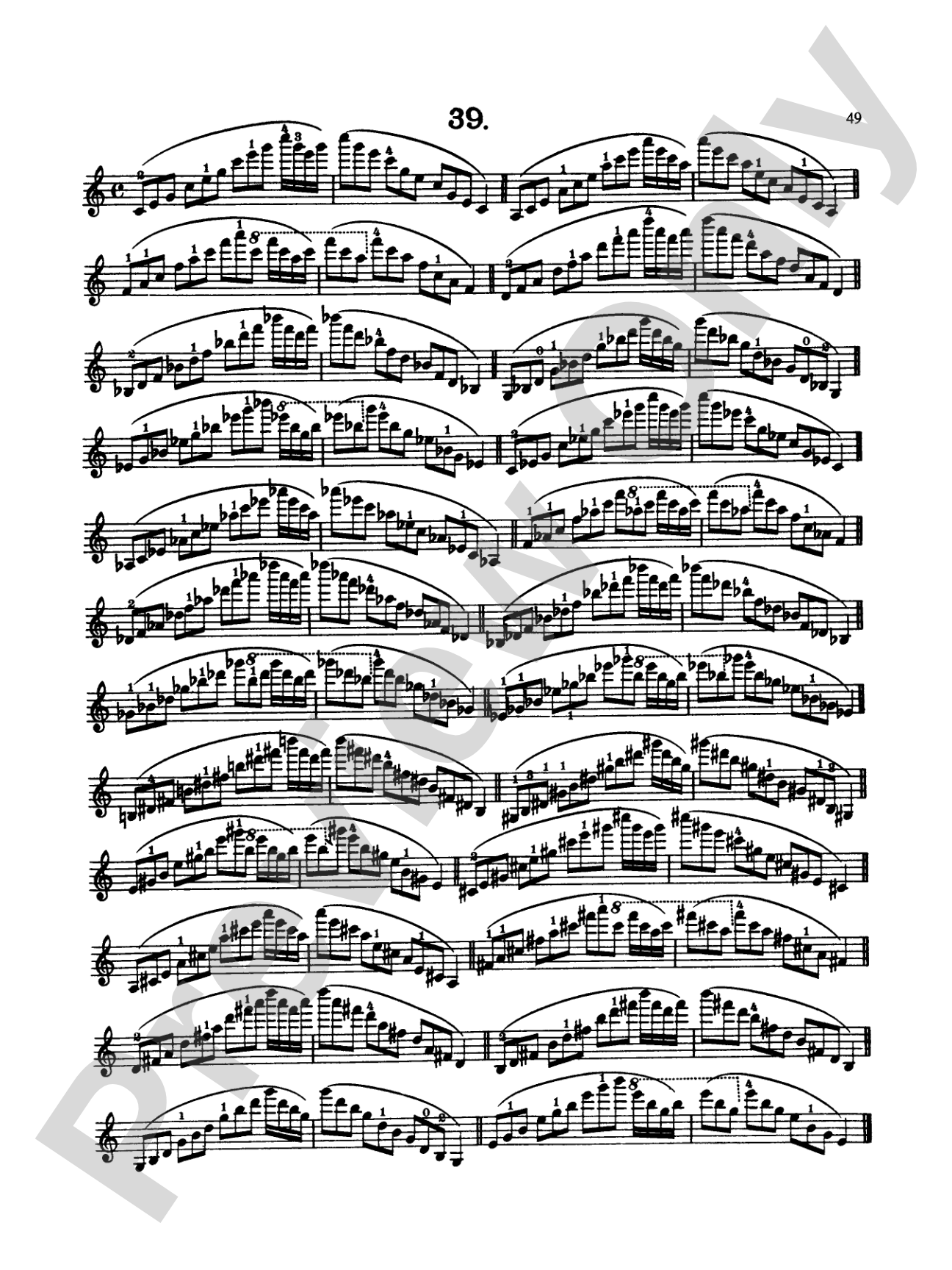
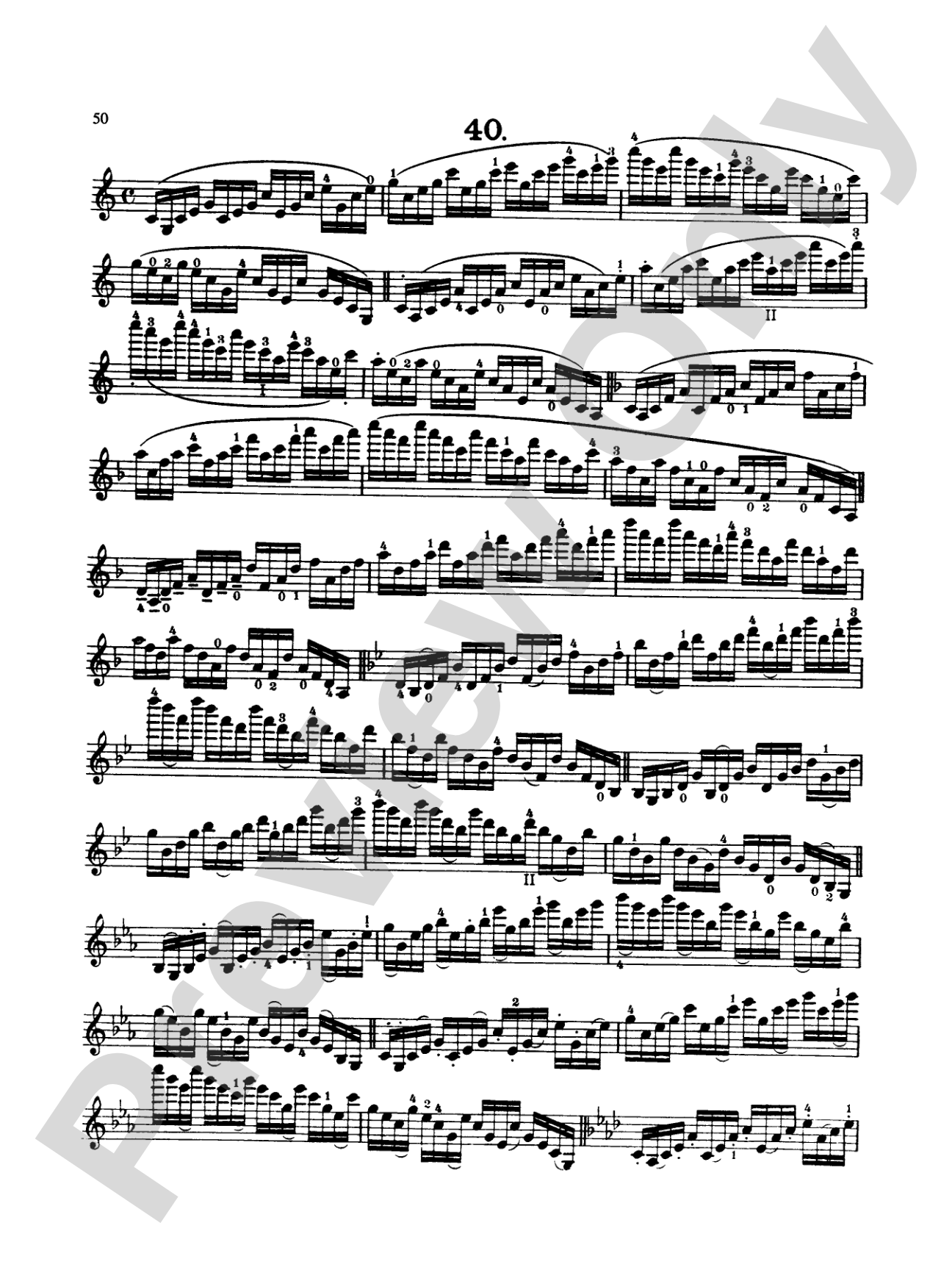

Sevcík: Sevcík for Violin (Scales and Arpeggios): Violin Book
By Otakar Ševcík
Item: 00-PK-0002753

$12.95
Pickup currently not available
Buy Extra Parts (Digital PDF Download)
| Product | Price | Quantity |
|---|---|---|
| Sevcík: Sevcík for Violin (Scales and Arpeggios) | $11.95 |
Parts Added to Cart!
Related Items
Scales and Arpeggios for Violin: Violin Book |
$12.95
|
View |
Description
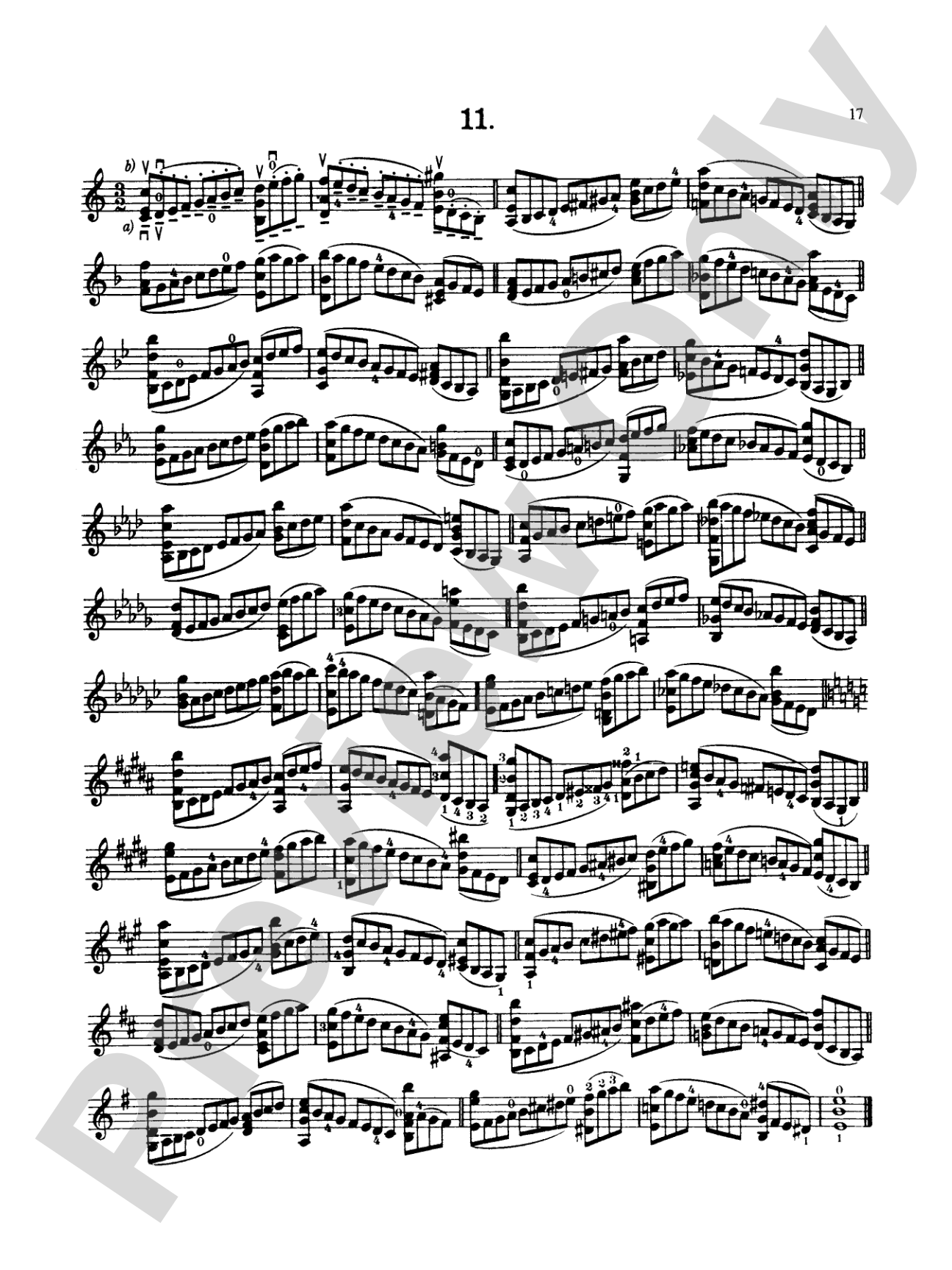
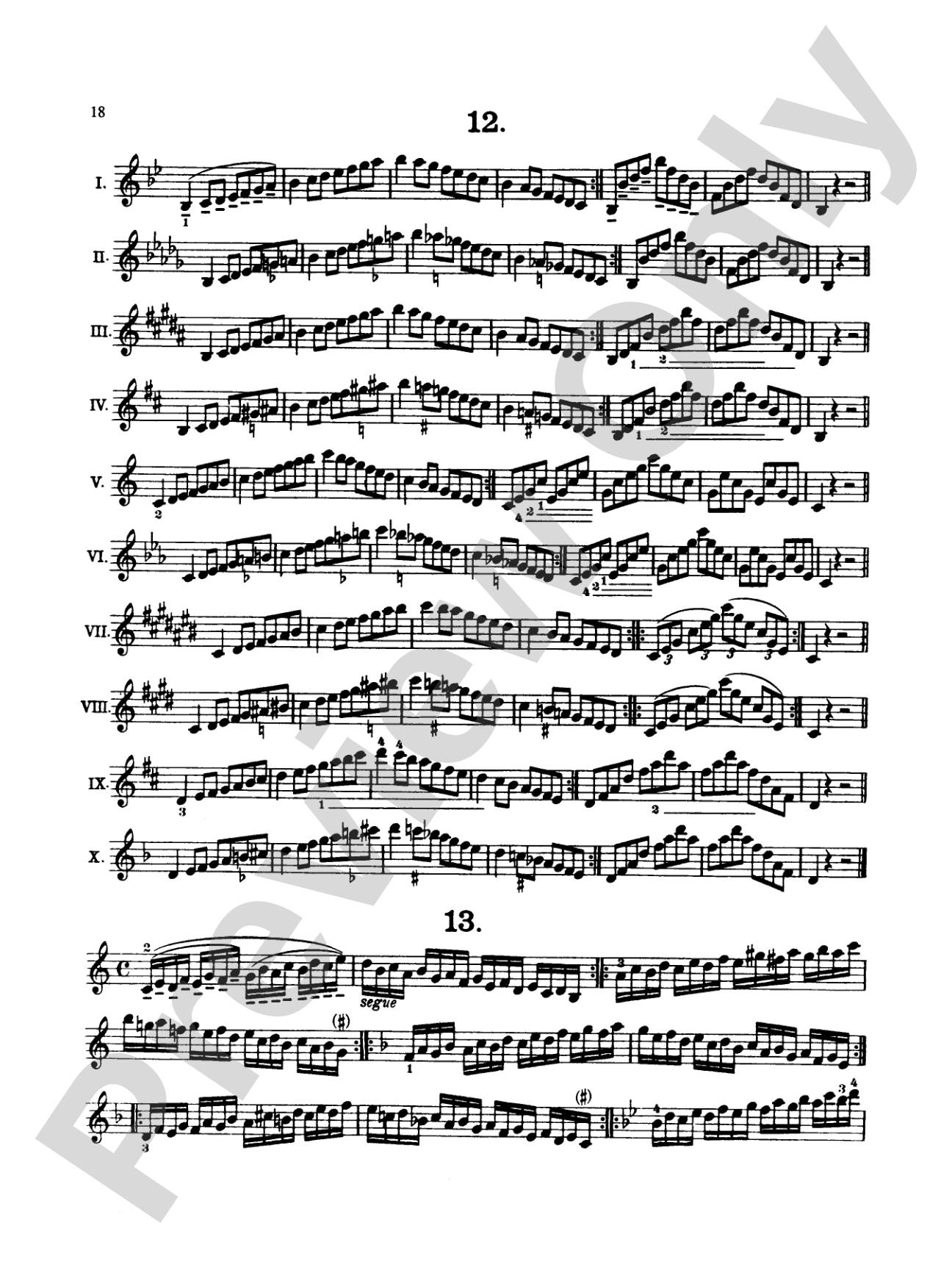
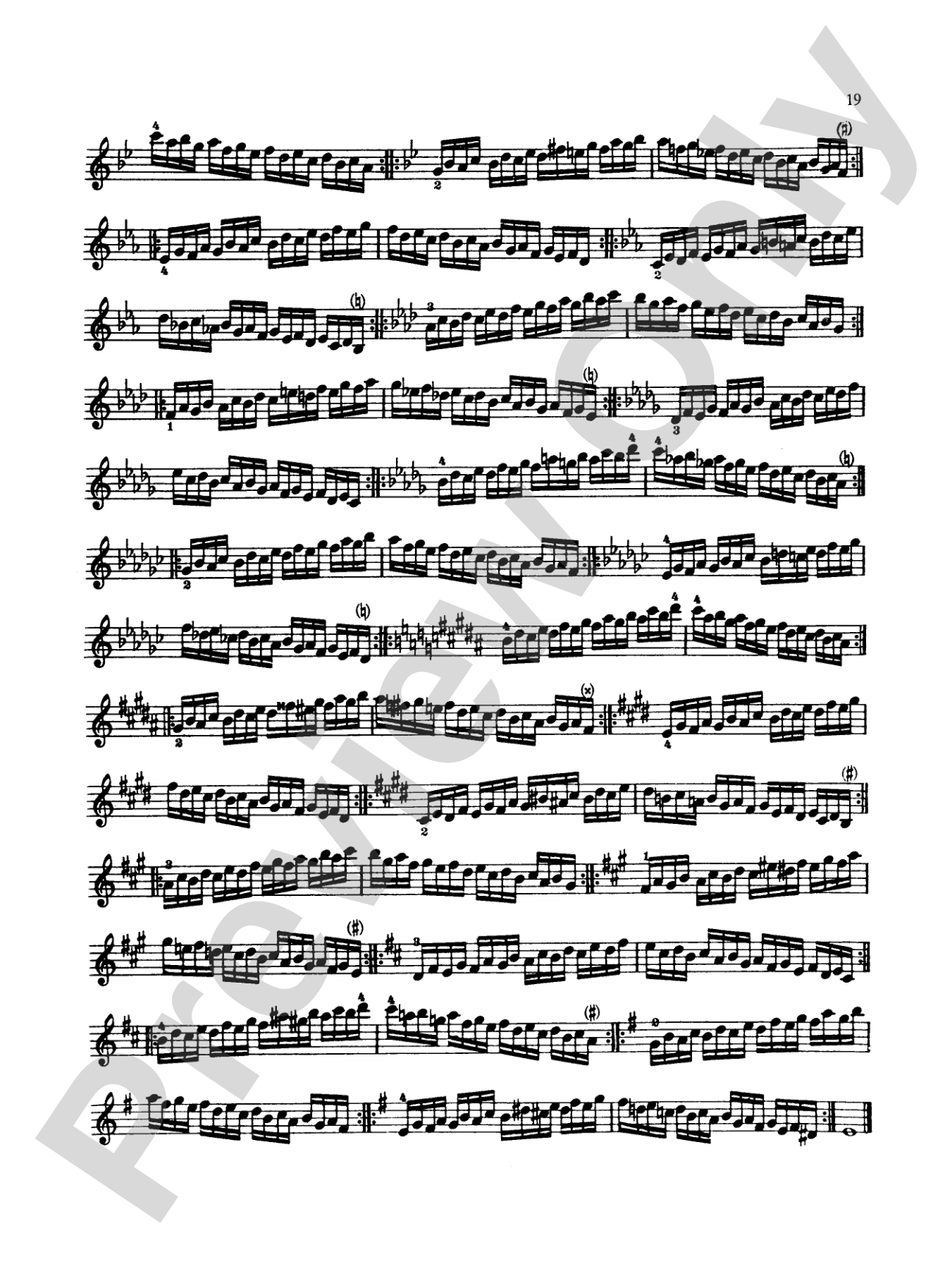
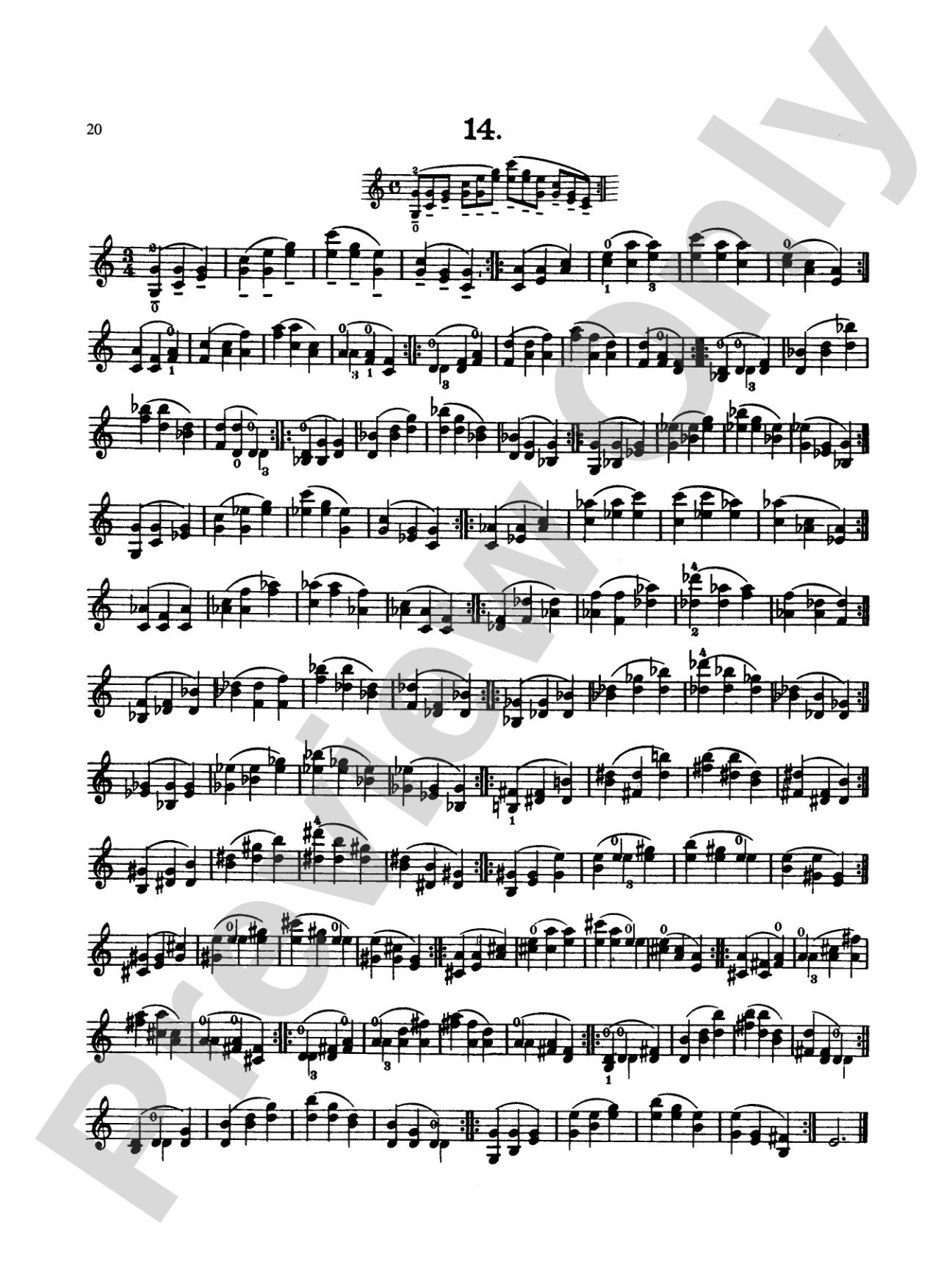
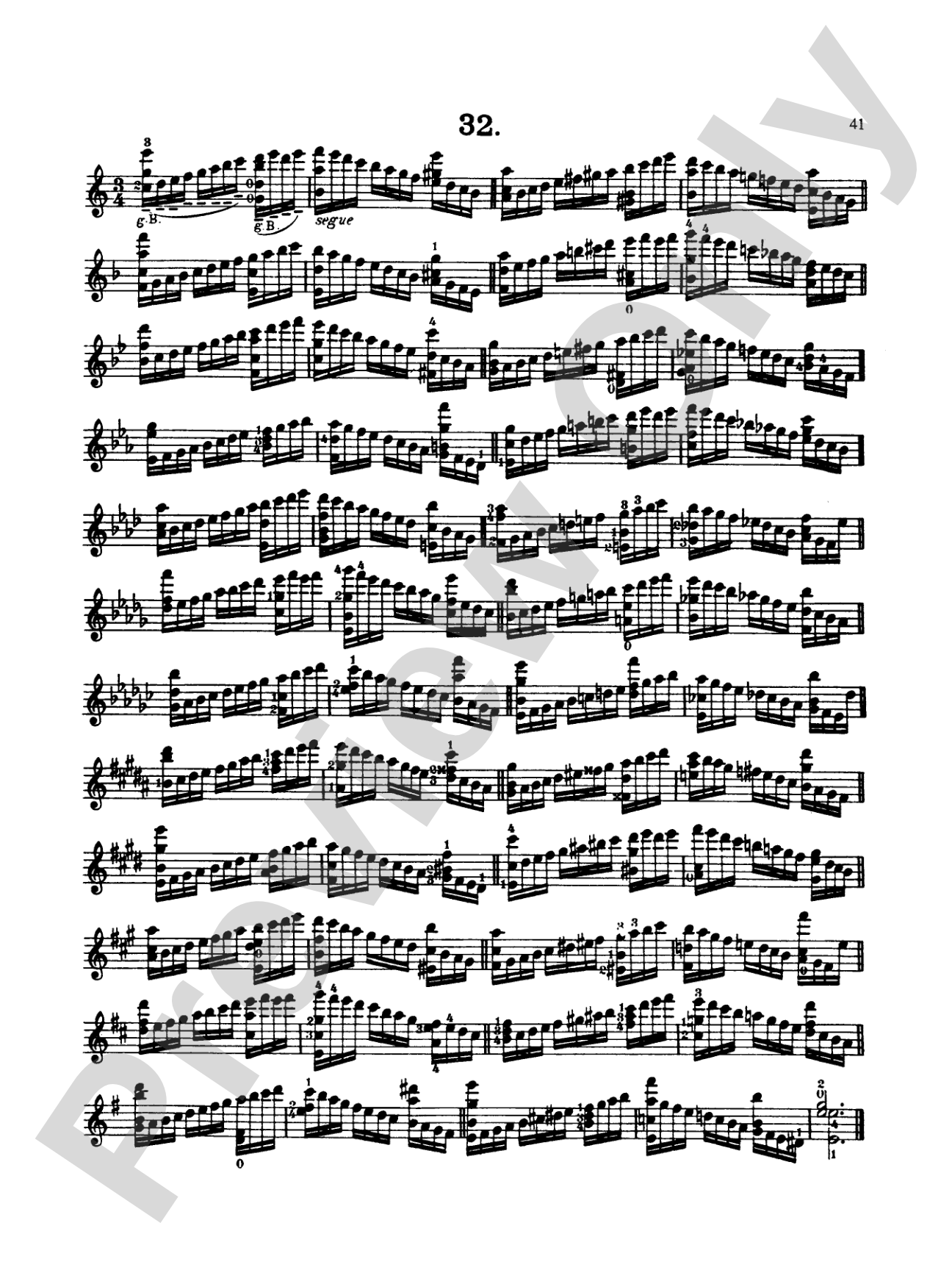
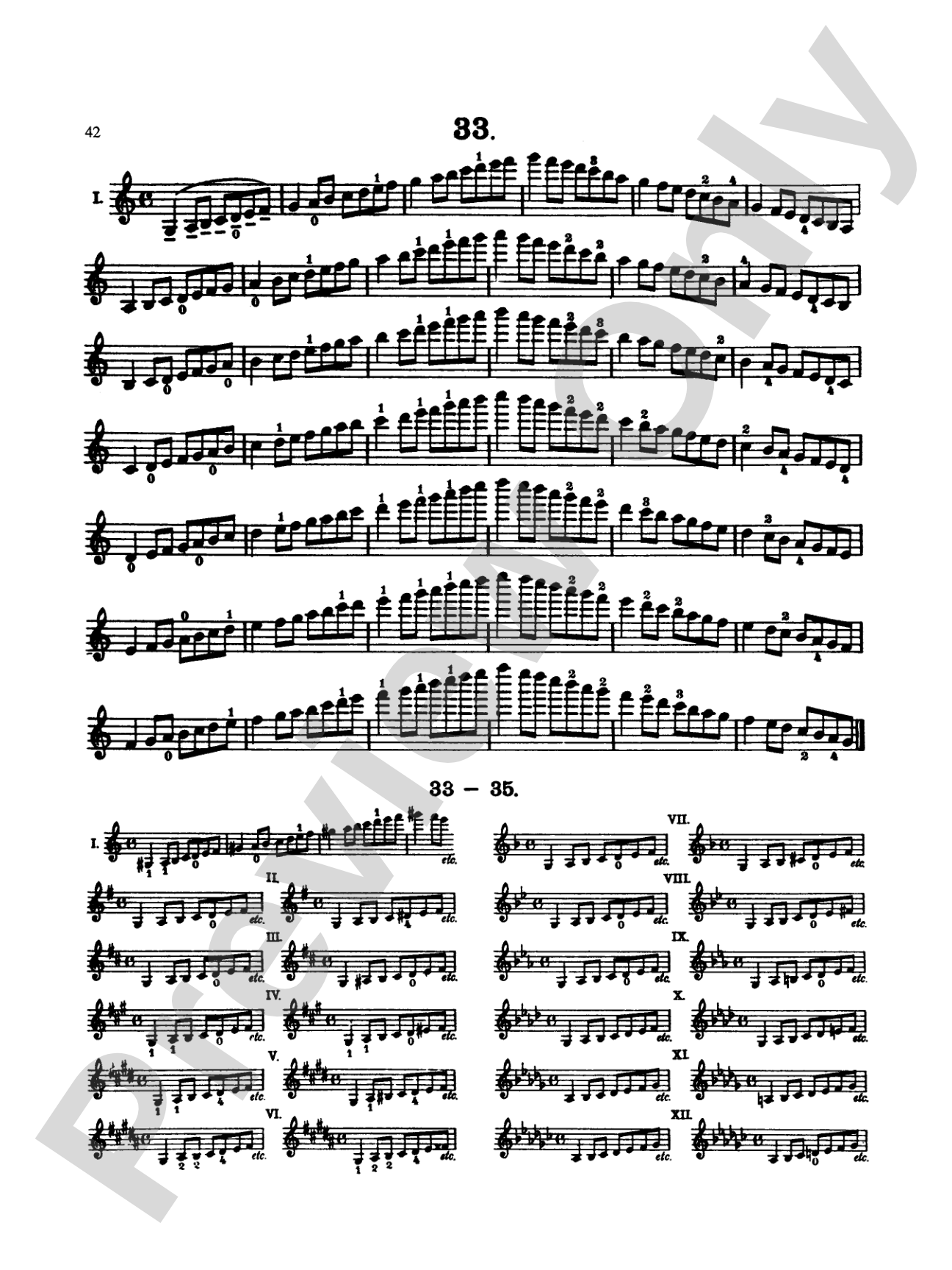
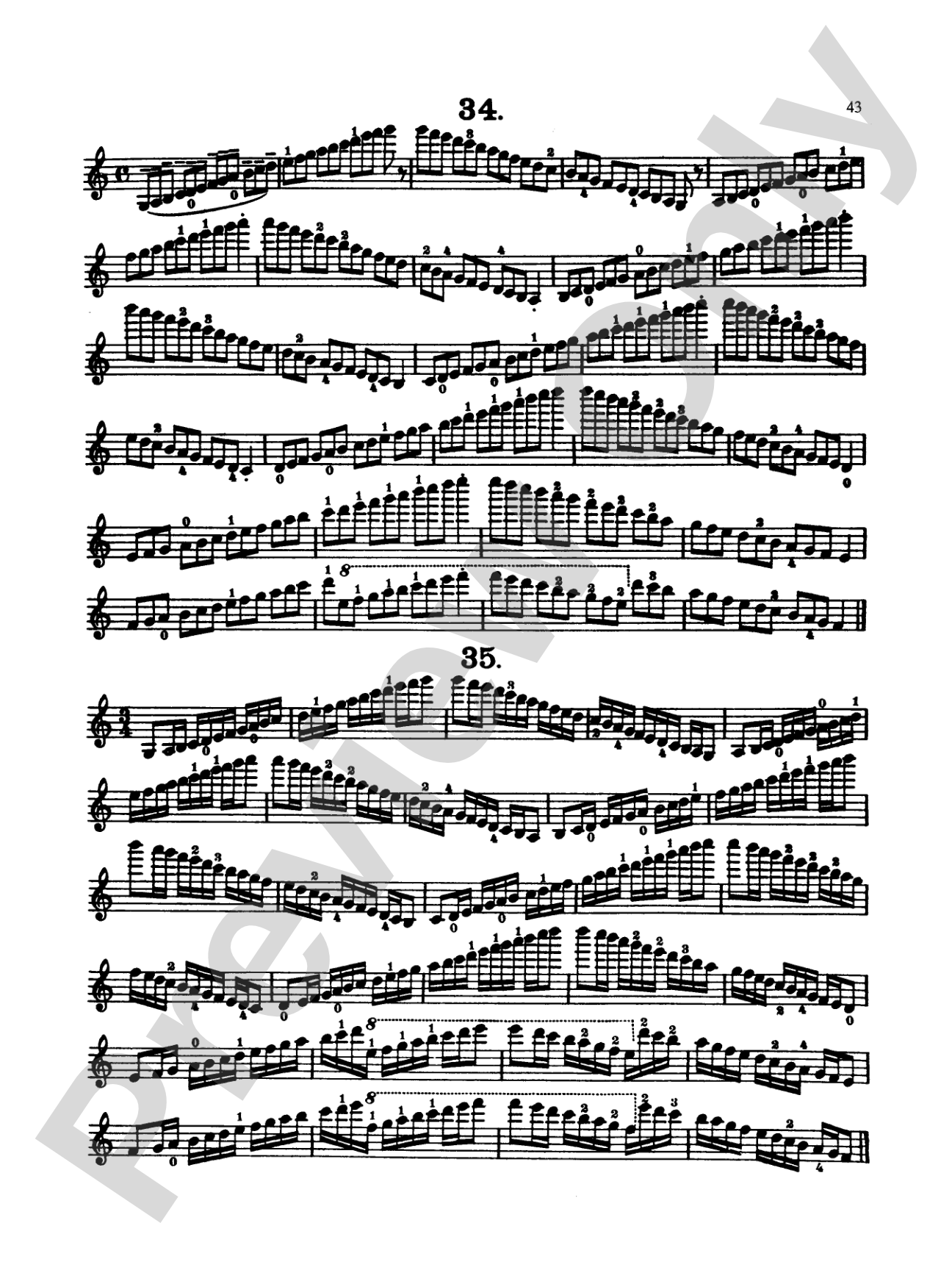
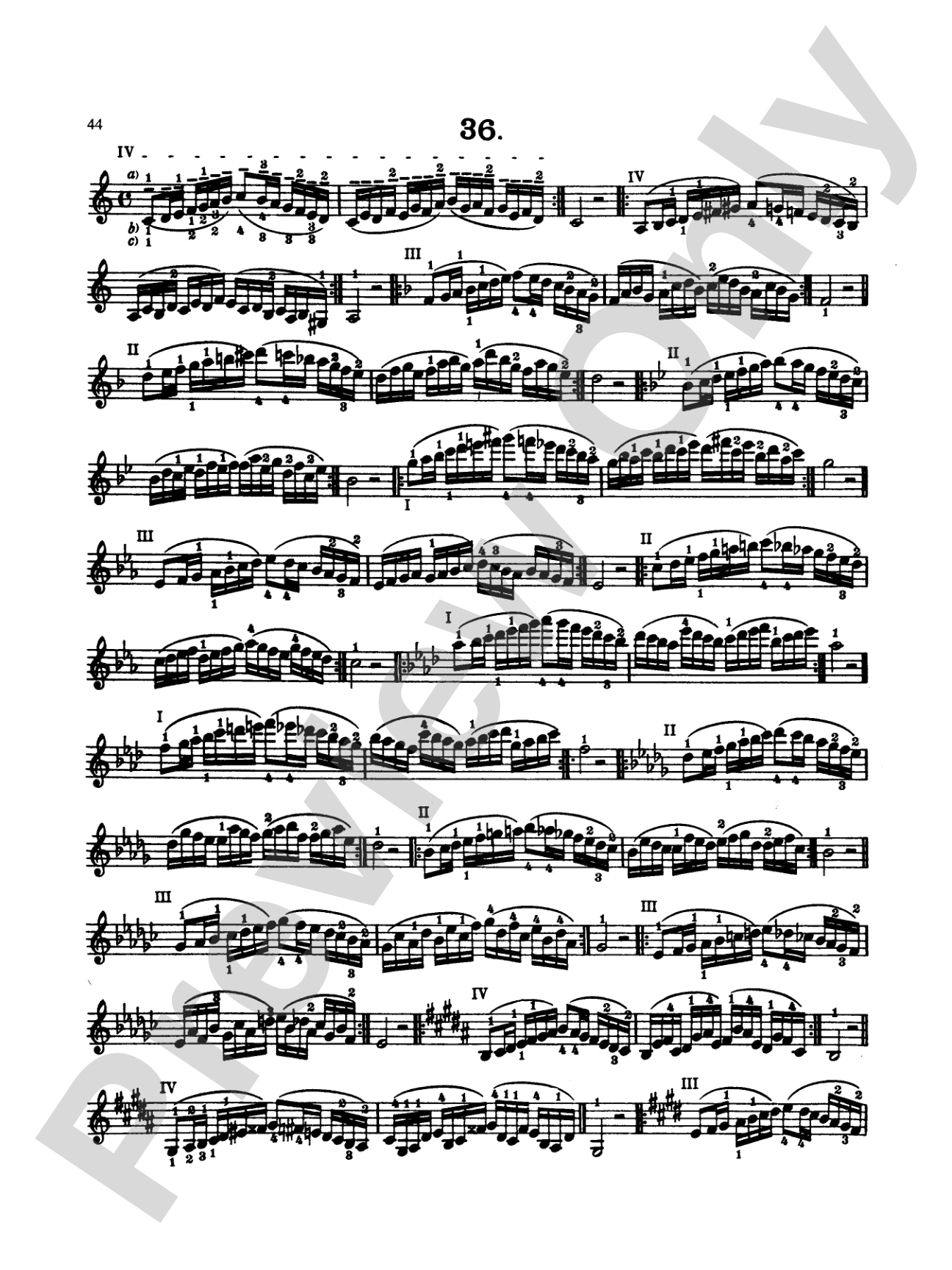
A collection of exercises, for Violin, composed by Otakar Sevcik.


Don't just read it, hear it, play along with it, and watch your students grow with it. In MakeMusic Cloud, Sevcík: Sevcík for Violin (Scales and Arpeggios): Violin Book comes alive with professional accompaniment, adjustable tempo, and built-in practice tools that turn solo practice into real progress.
Open in the Player
Jump straight in and assign it today.
Start Your Free Trial
Open this title and explore the full library in minutes.
Sample Audio
No sample audio found.
Sample Video
No sample videos found.
Additional Details
Series:
Kalmus Edition
Publisher:
Alfred Music
Page Count:
72
SKU:
00-PK-0002753
More about this title
About the Composer: Otakar Sevcík
Otakar Sevcík (1852, 1934) was a Czech violinist and pedagogue whose systematic approach to string technique became foundational to violin training across Europe and beyond. His exercises and studies emerged from decades of private teaching and performance experience, designed to build mechanically sound, efficient technique through targeted, repeatable work. Sevcík's methods prioritized intonation, bow control, and left-hand facility in ways that remain central to violin pedagogy today.
Why we love this
Sevcík's scale and arpeggio exercises solve a real pedagogical challenge: students need consistent, structured technical work that translates directly to repertoire. These materials are not mere finger gymnastics; they're designed so every exercise addresses a specific technical demand your students will encounter in actual music. The Kalmus edition makes this essential resource accessible in an affordable, no-fuss format.
What to expect
These exercises feel purposeful and direct. There's no ornamentation or musical storytelling here, only clean, focused technique. Practicing them brings a satisfying clarity as your fingers find consistent patterns across the fingerboard and your bow arm develops the control these scales demand.
Who it's for
Intermediate and advanced violin students benefit most from these exercises, particularly those preparing for advanced repertoire, auditions, or solo performance. Teachers looking for systematic technical foundation work will find this collection indispensable for structuring daily practice and addressing specific technical gaps.
How to get the most out of it
- Establish a steady tempo before each exercise and maintain it throughout; rushing scales undermines the precision Sevcík demands.
- Rotate through different bowings systematically (détaché, legato, martelé) rather than drilling each scale only one way; variety prevents mechanical playing and transfers the technique to different musical contexts.
- Focus on even tone production across all four strings, treating each scale as an opportunity to refine your open-string resonance and smooth string crossings.
- Work through scales in their presented order rather than cherry-picking favorites; Sevcík's sequence builds difficulty deliberately and ensures comprehensive coverage of all positions and keys.
How to use it
Reserve this for private lesson and practice room work rather than ensemble rehearsal. Assign scales and arpeggios selectively based on each student's repertoire needs; if a student is learning a Bach partita in D major, spend weeks with Sevcík's D major materials. Consistent daily practice from this collection accelerates progress on the actual pieces students want to perform.
Skills your students will build
- Intonation accuracy across all positions and string crossings
- Even tone production and bow control throughout all registers
- Facility in all major and minor keys and all positions
- Smooth, controlled string transitions
- Rhythmic precision and rhythmic independence between hands
- Systematic knowledge of scale fingering patterns
- Arpeggiation technique for chord-based passage work