
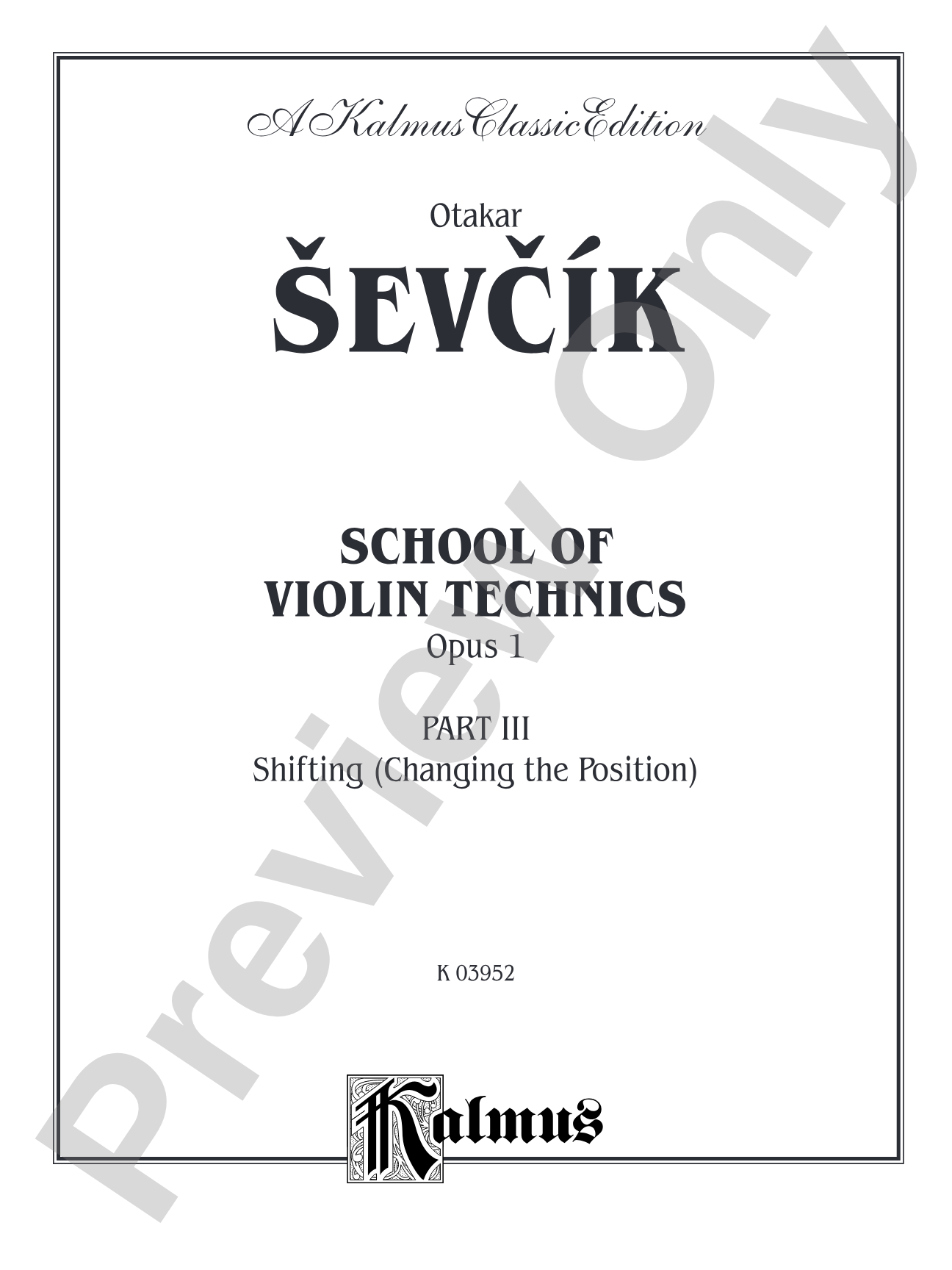
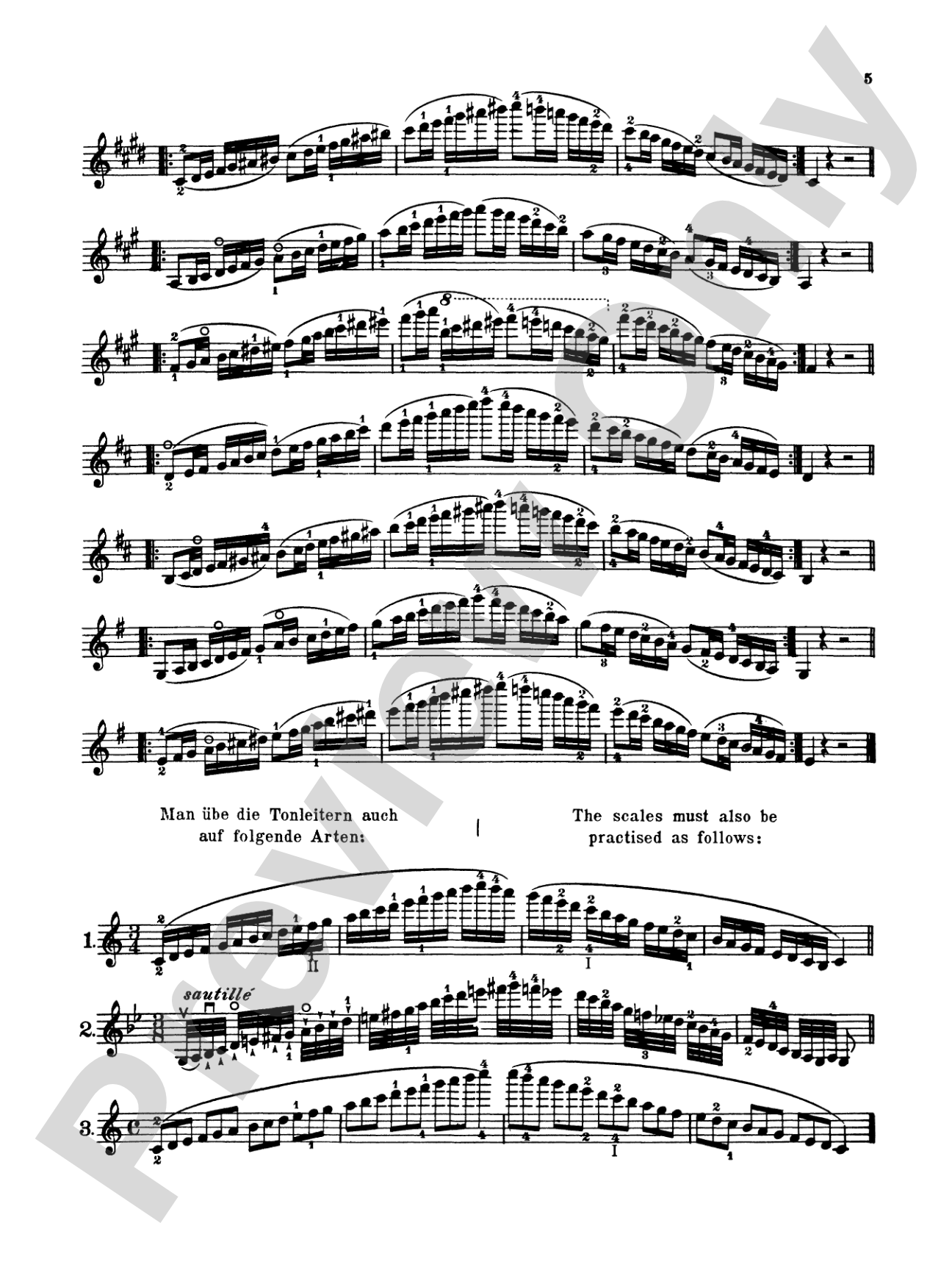
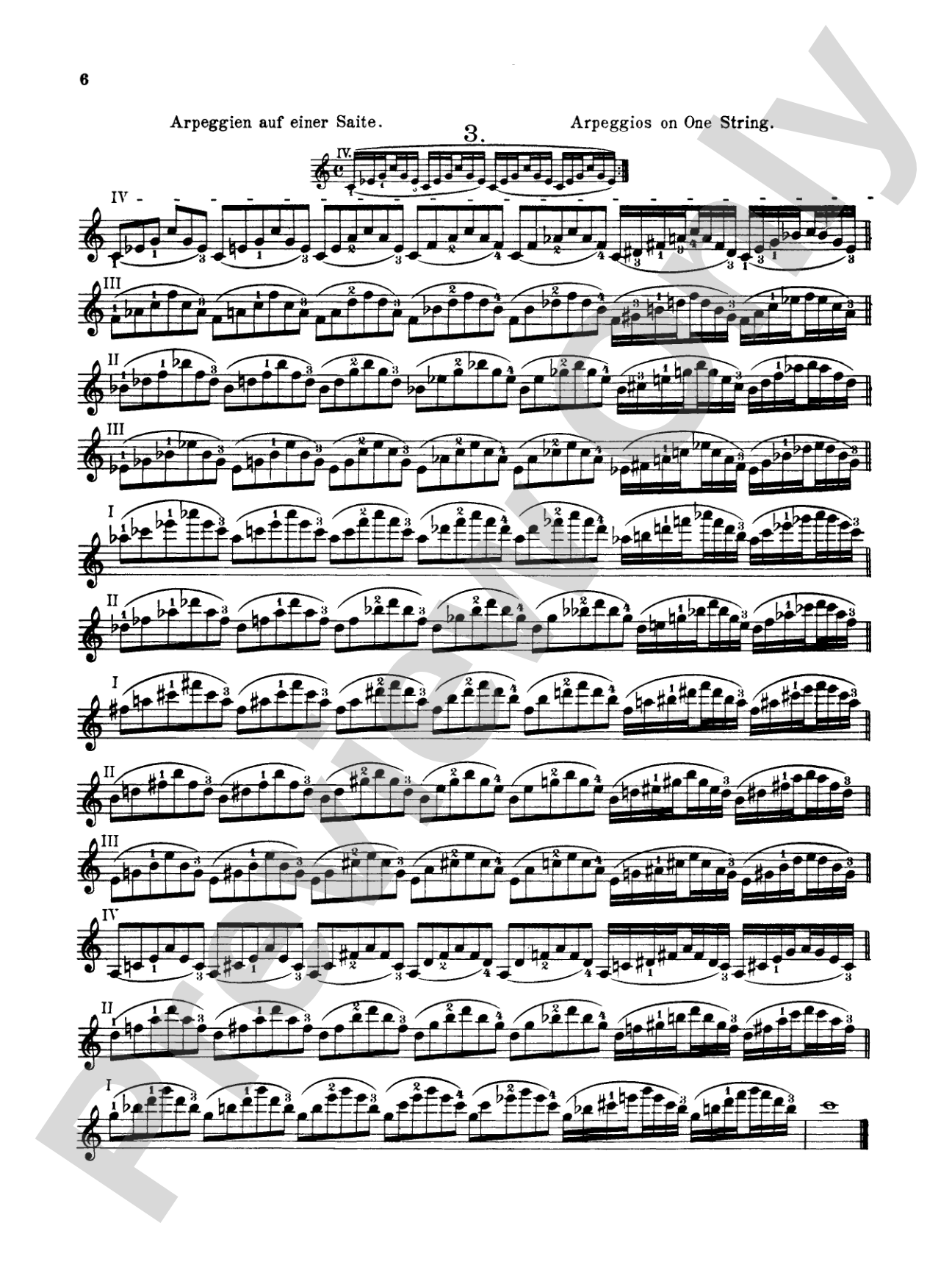
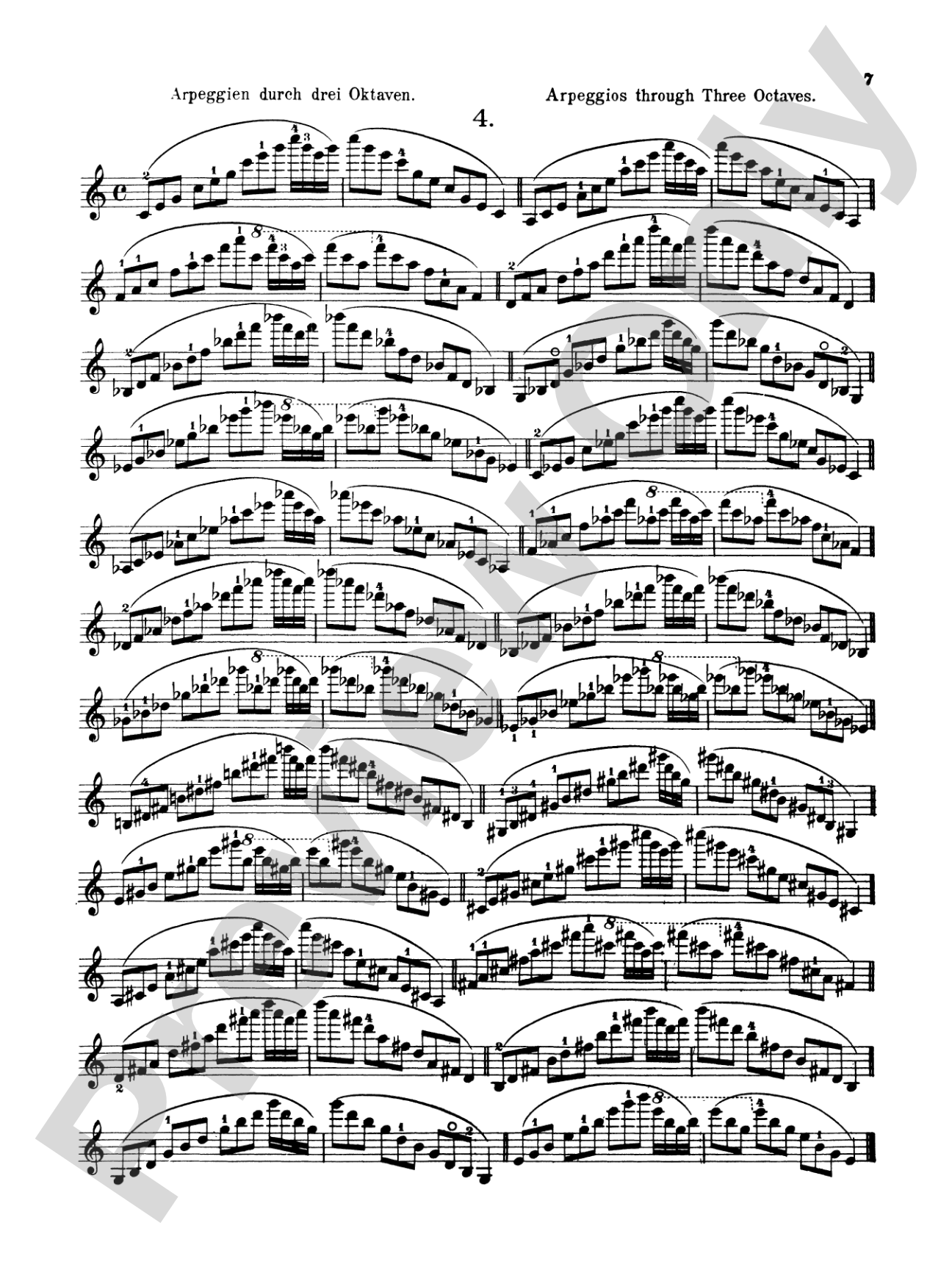
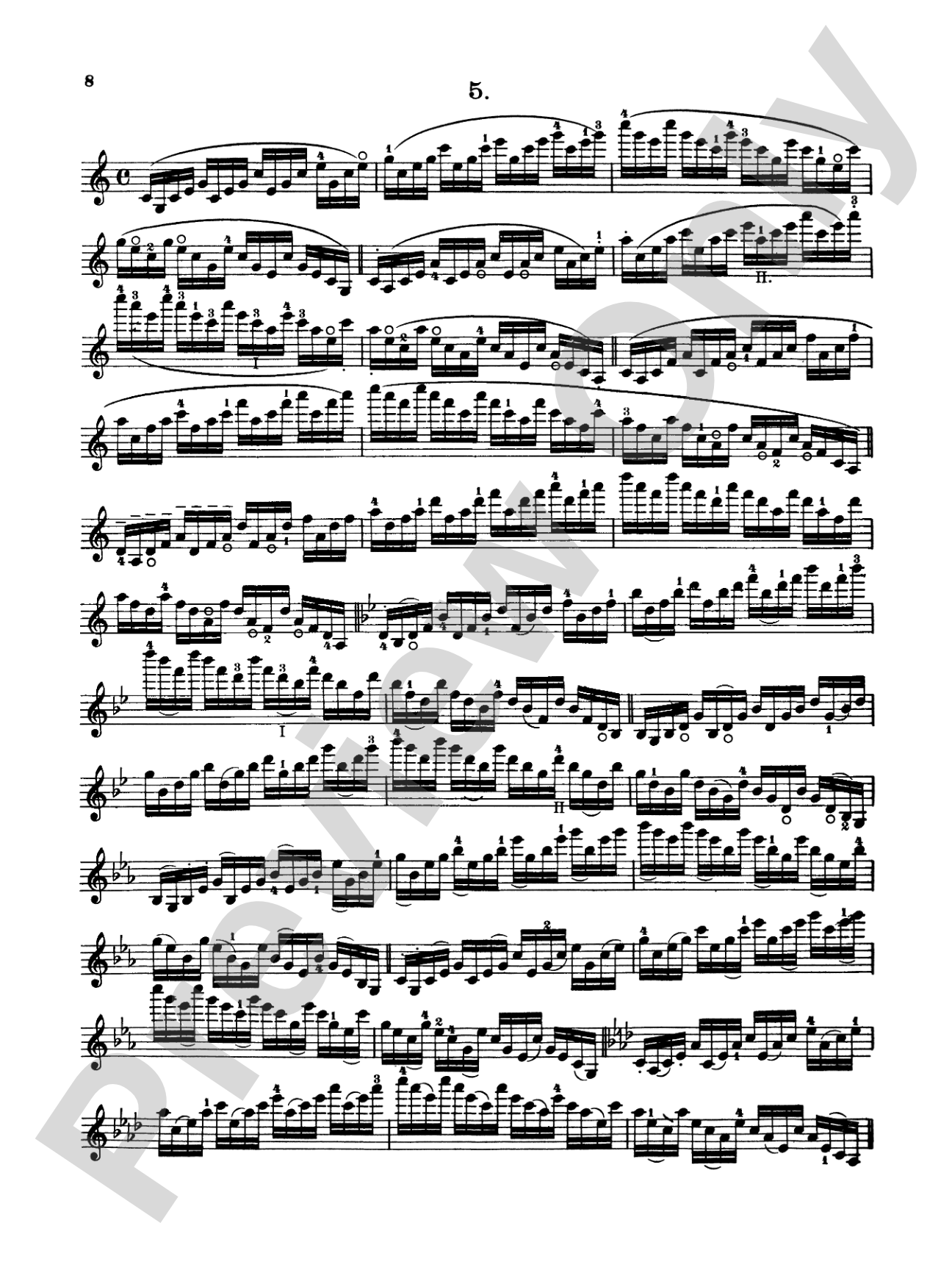
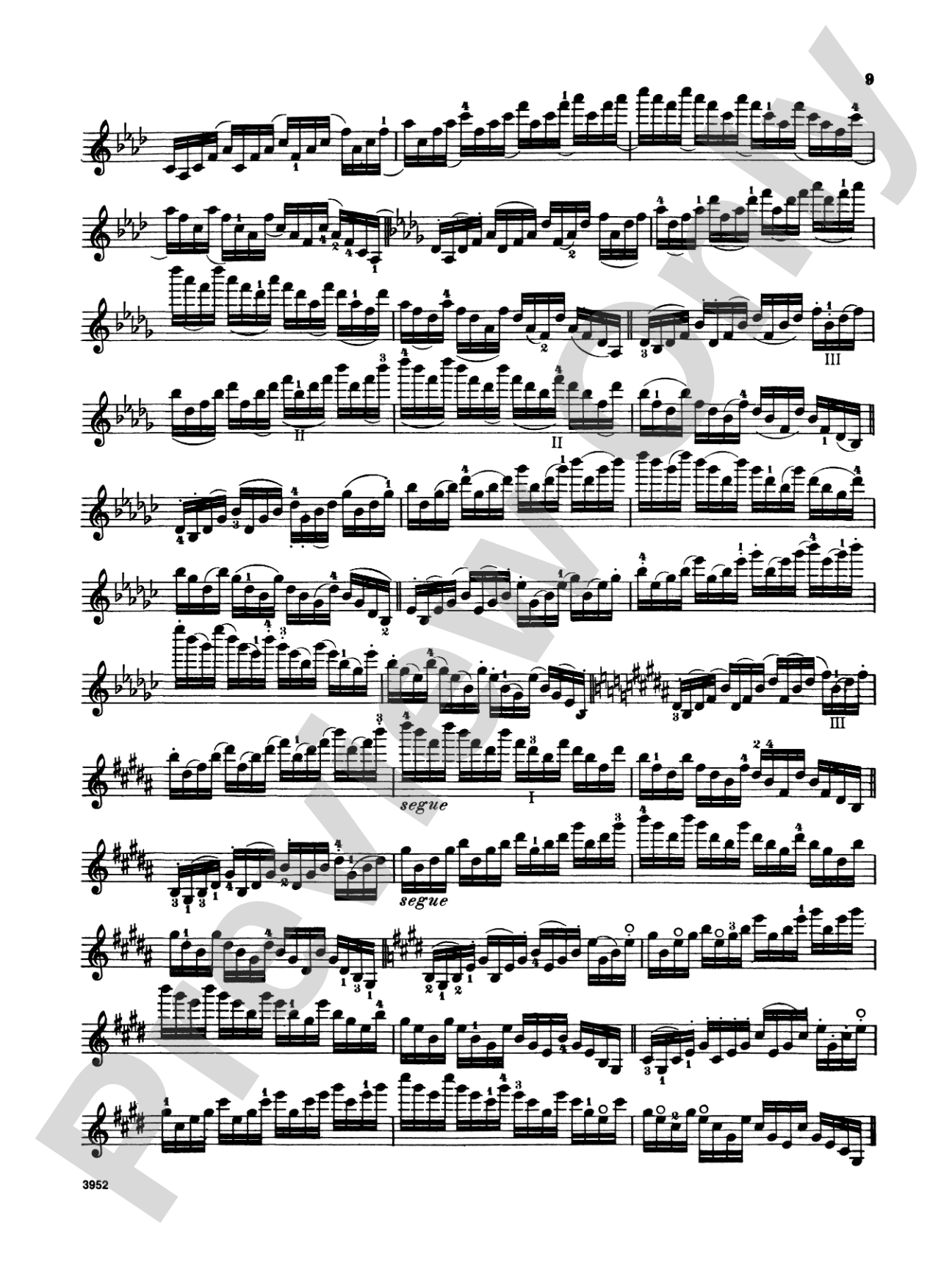
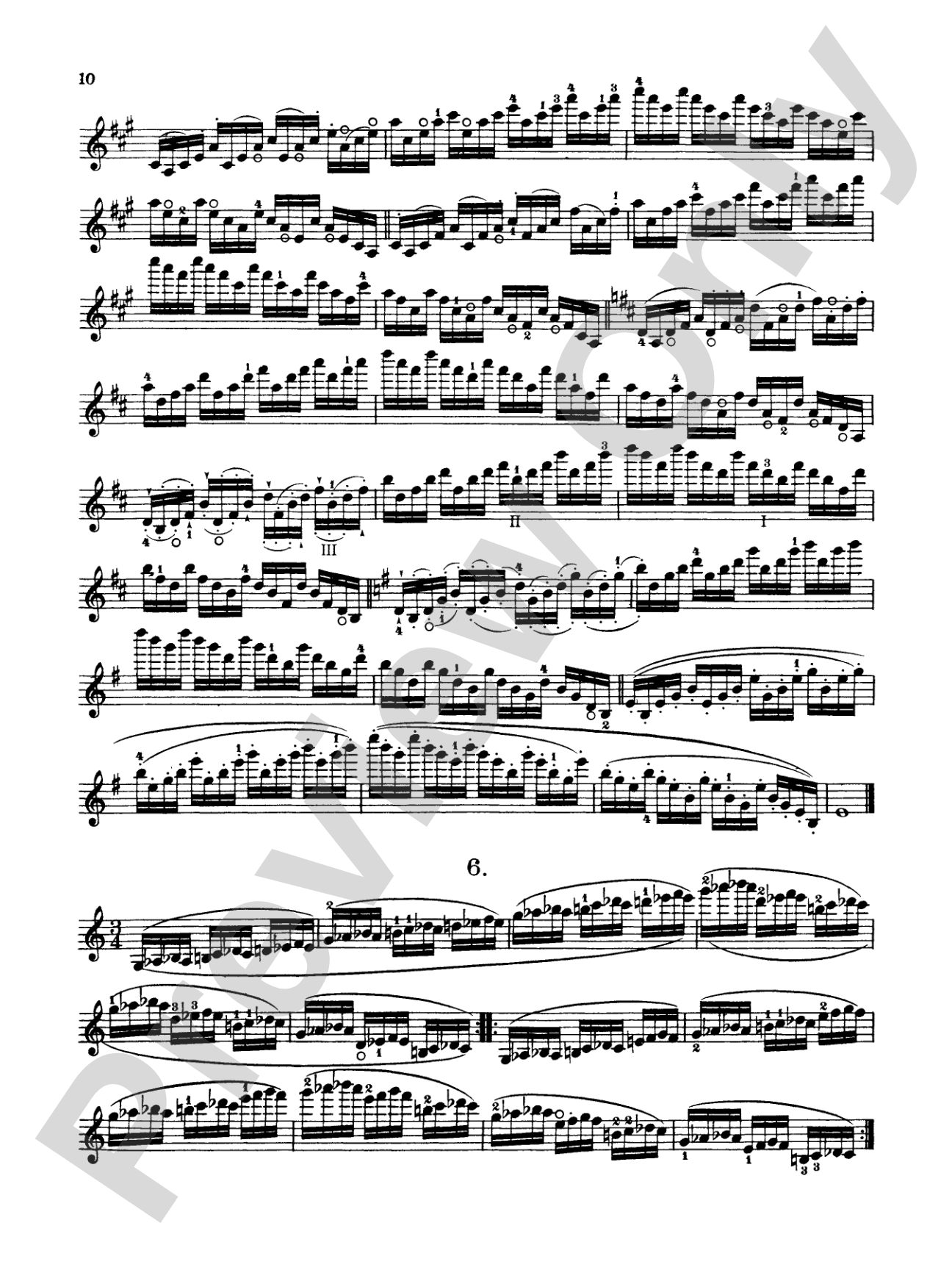
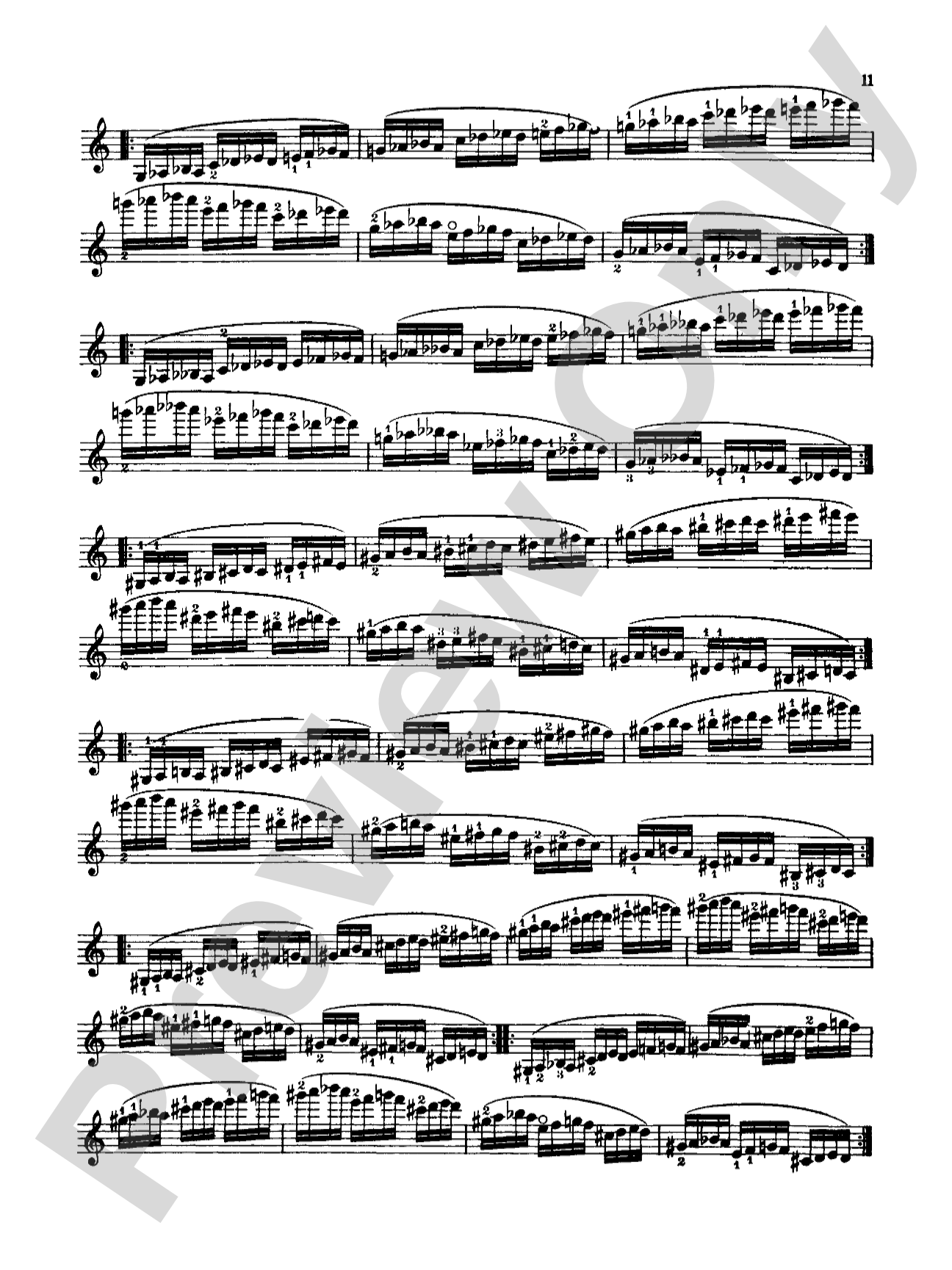
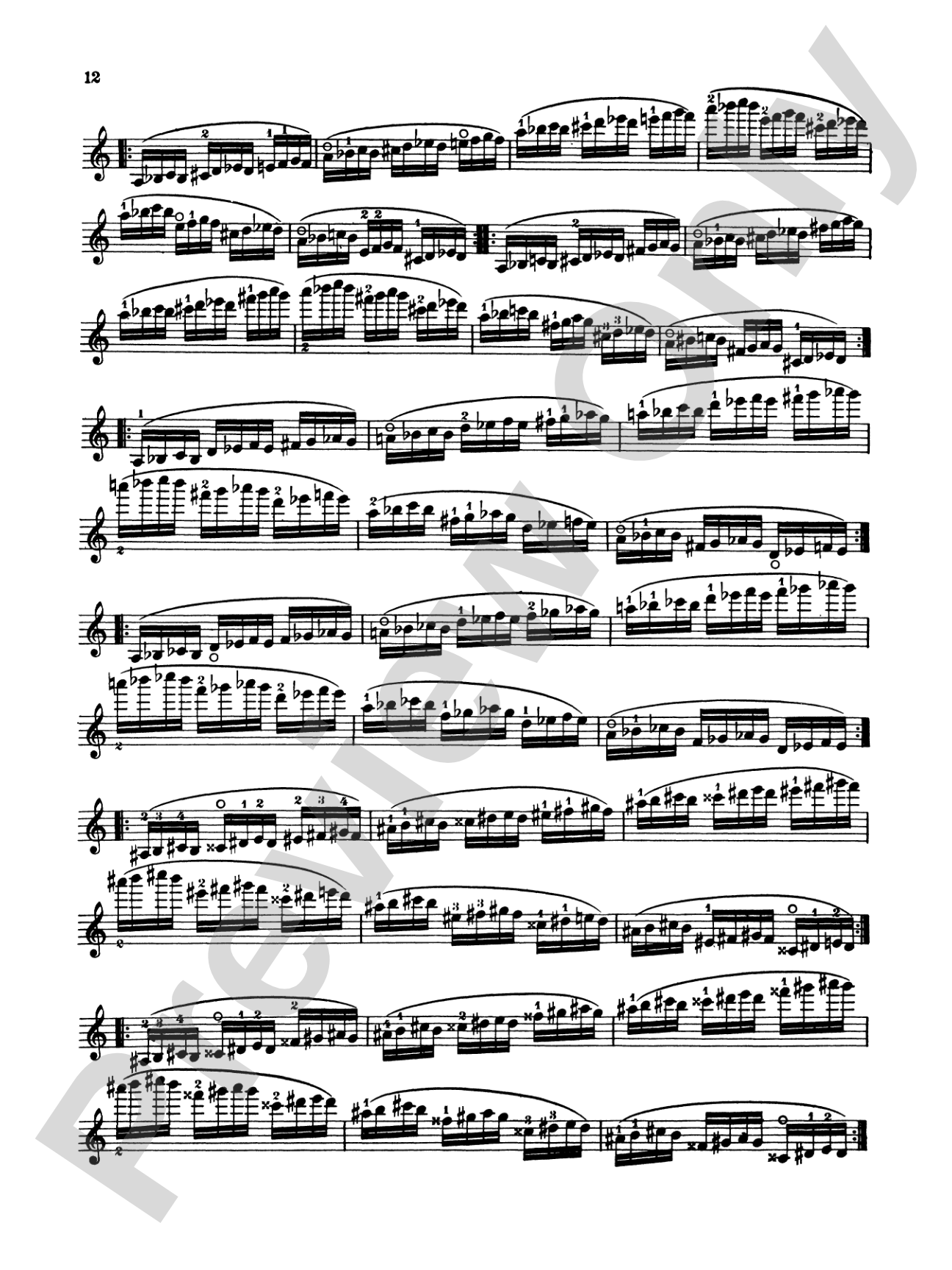
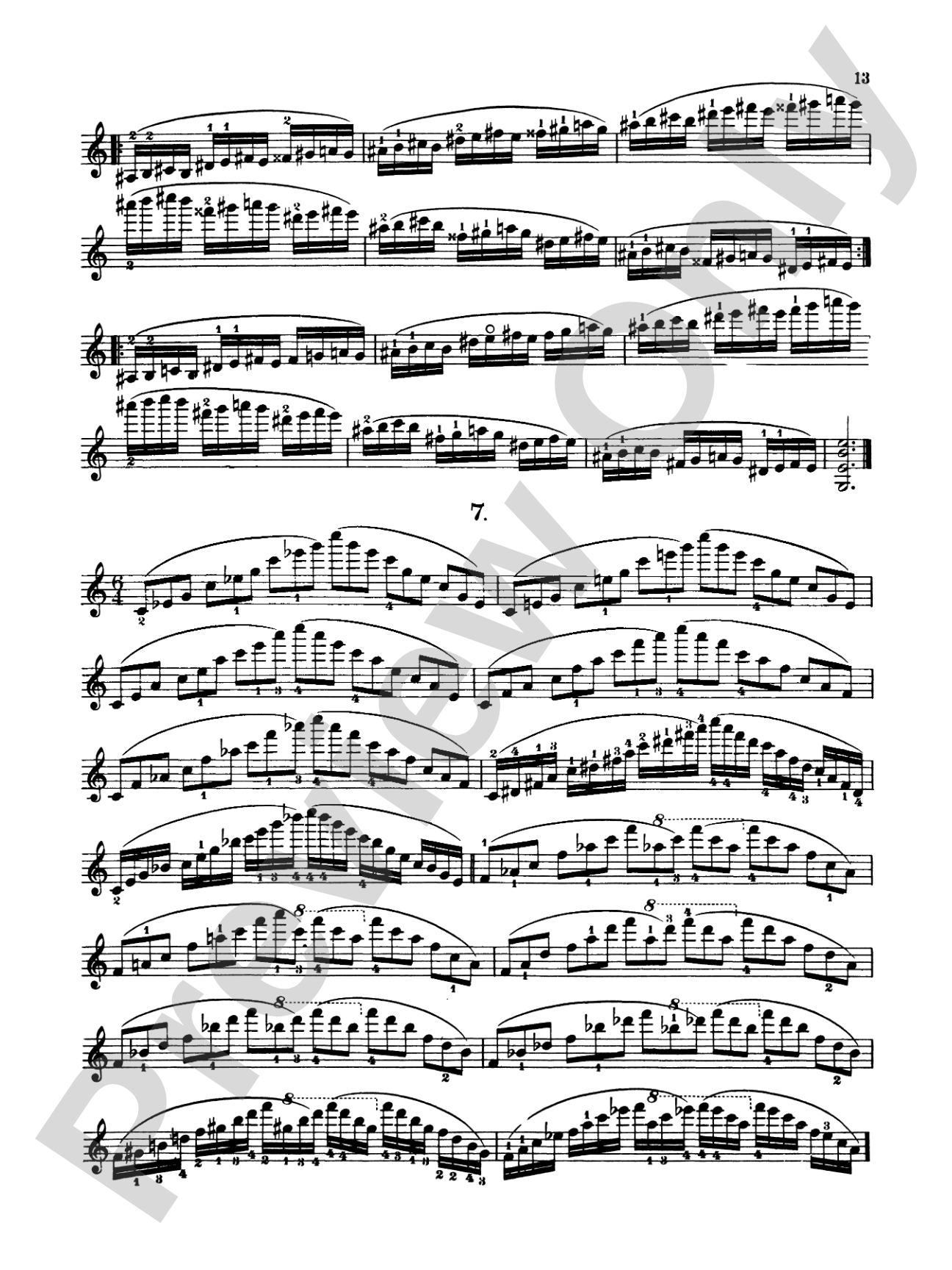
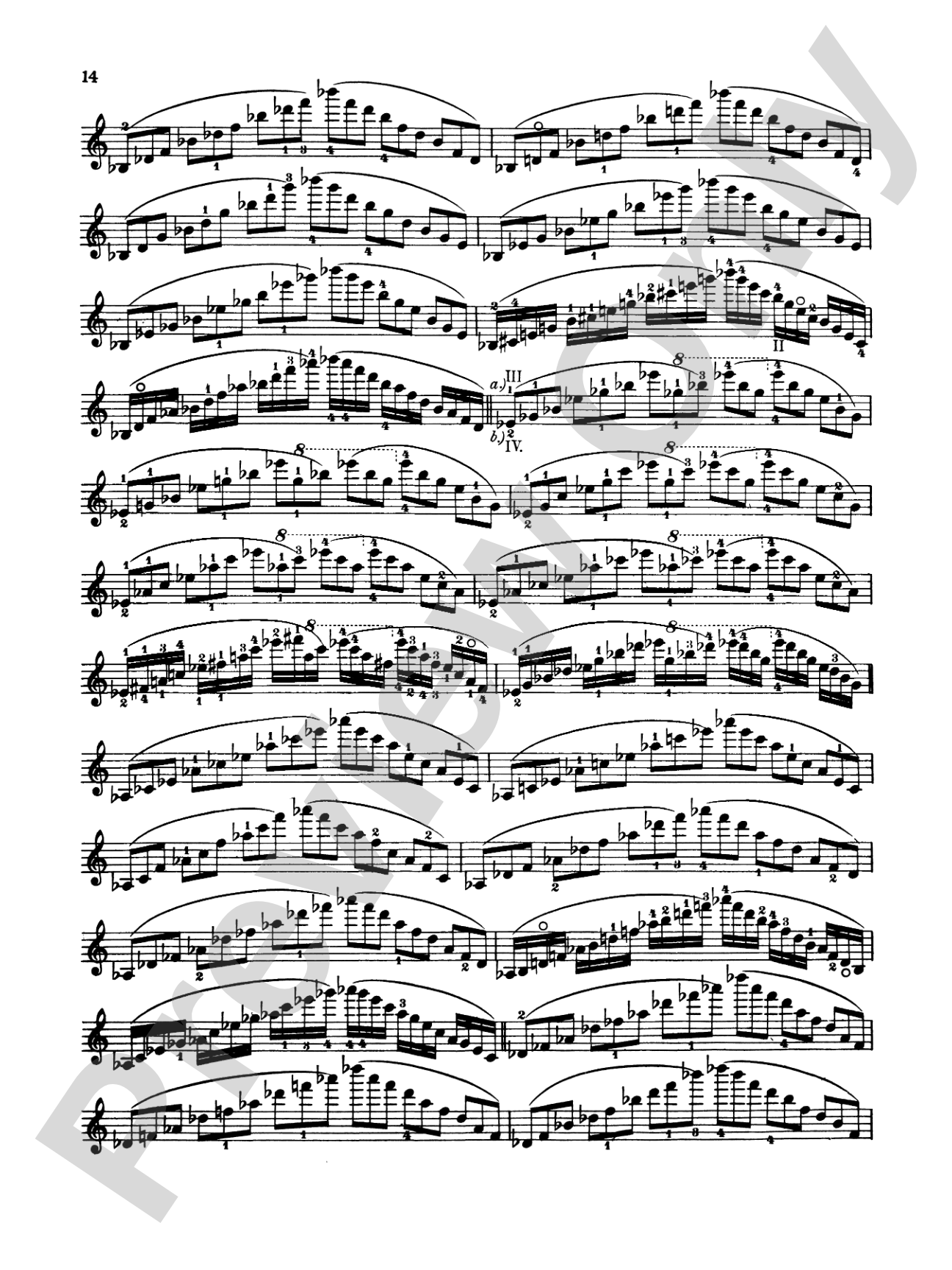
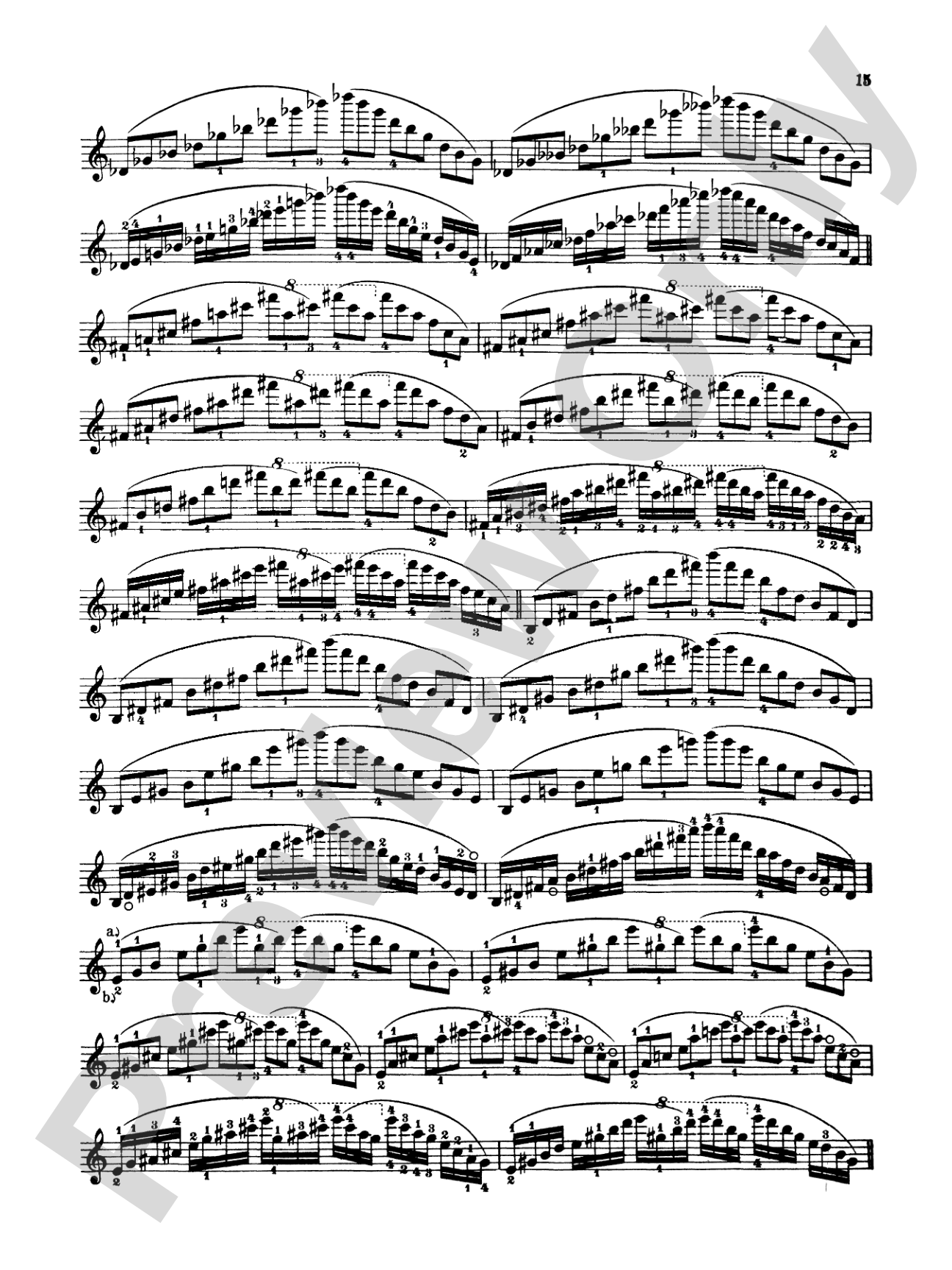
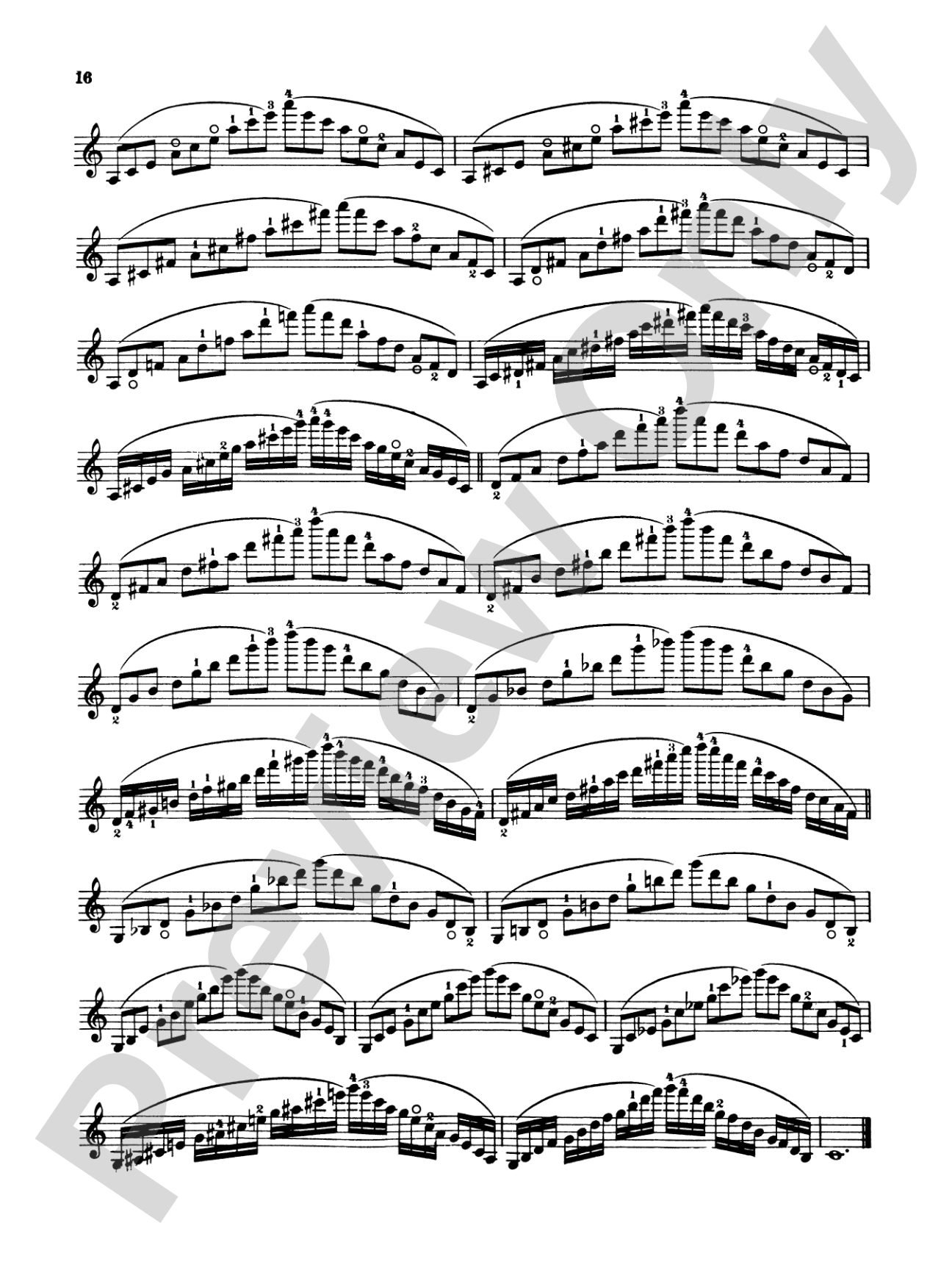
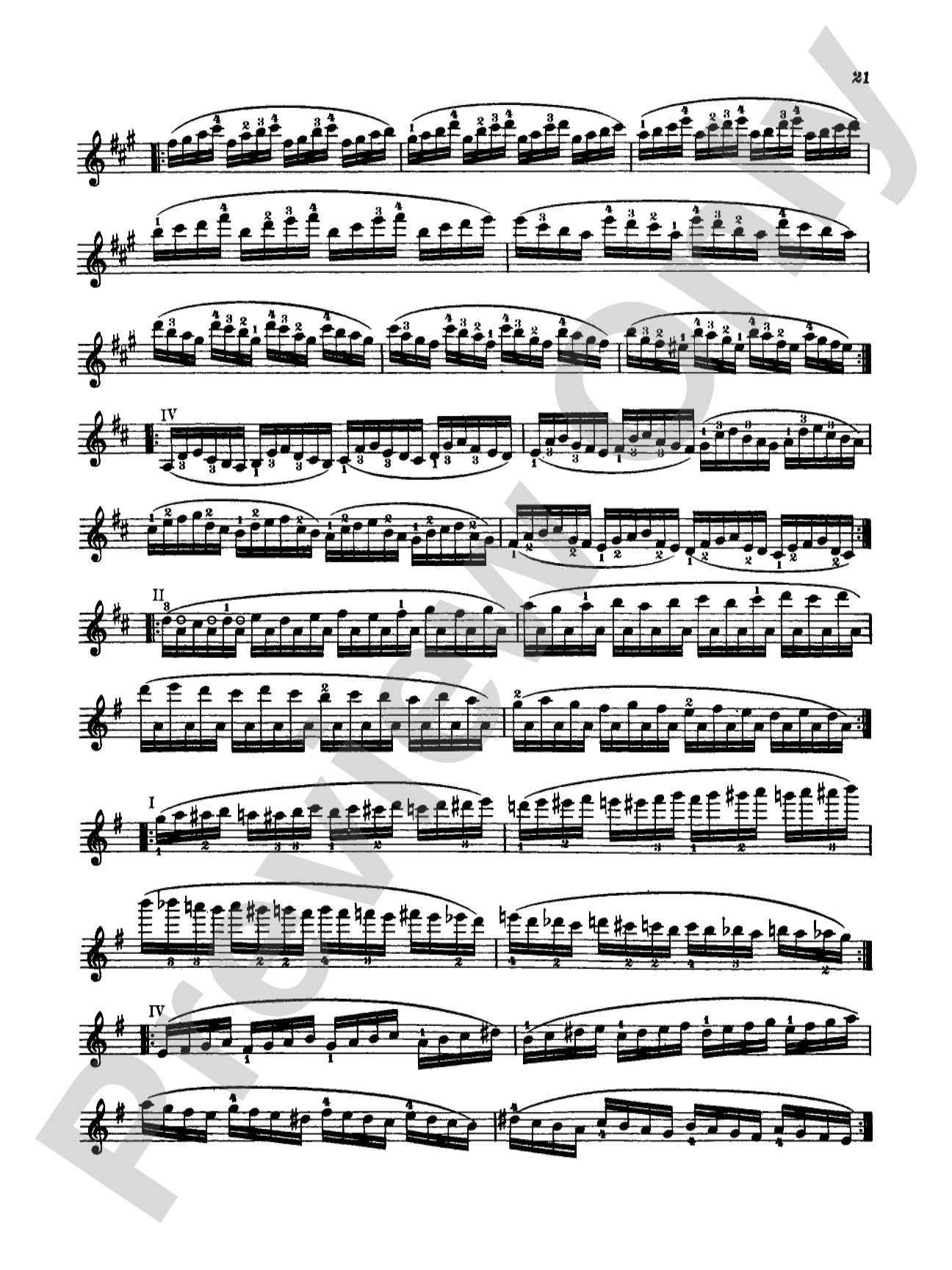
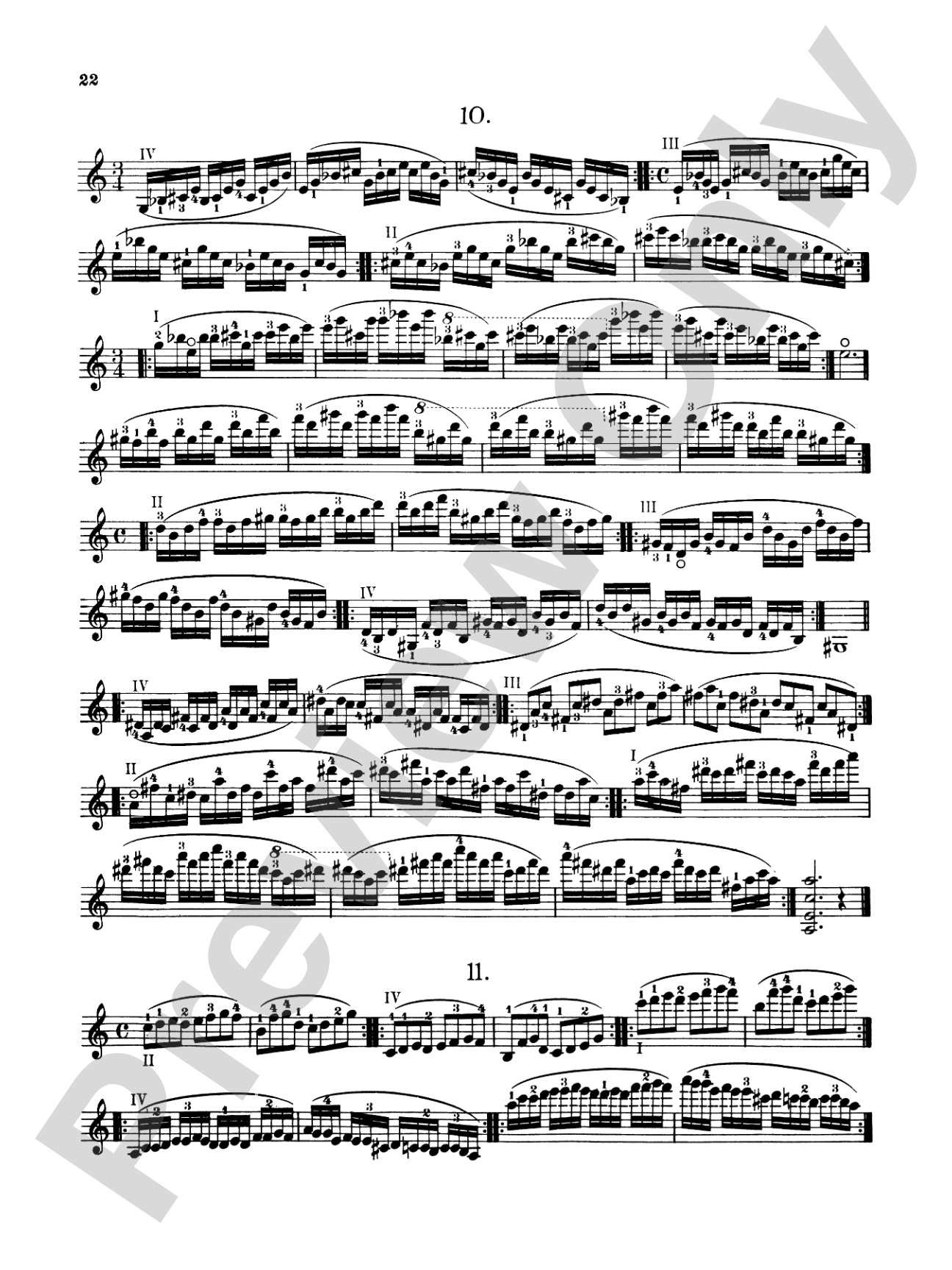
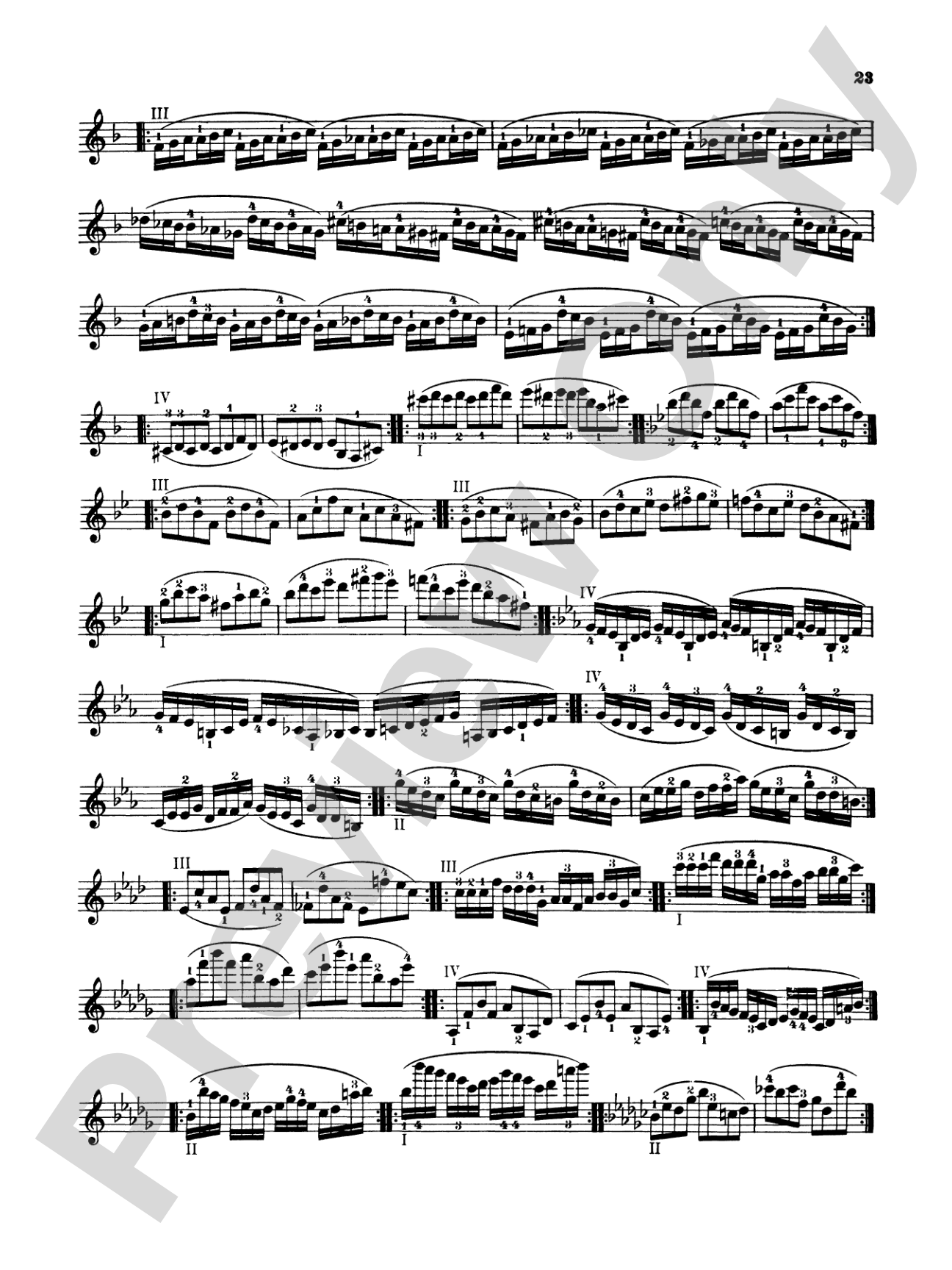
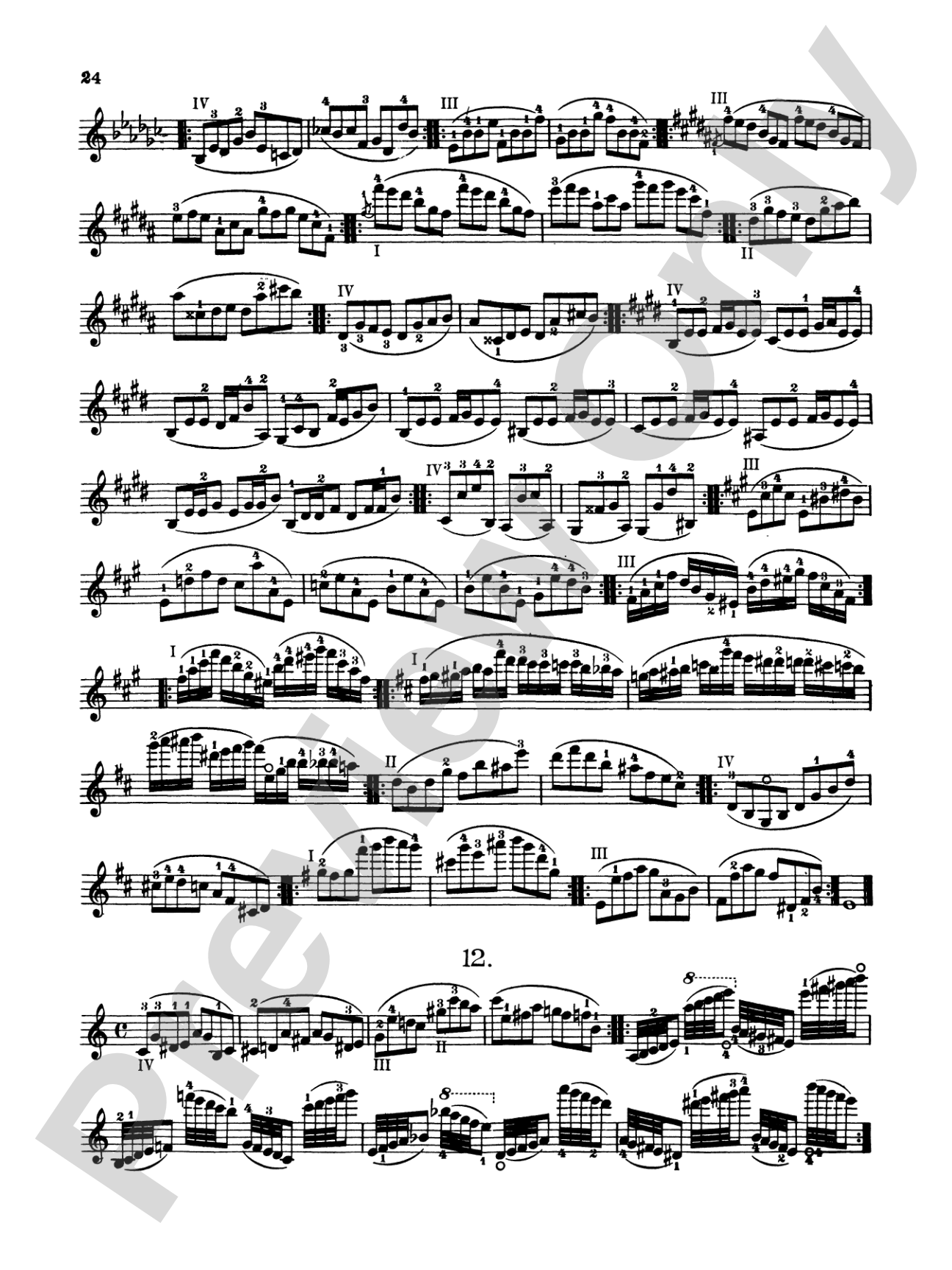
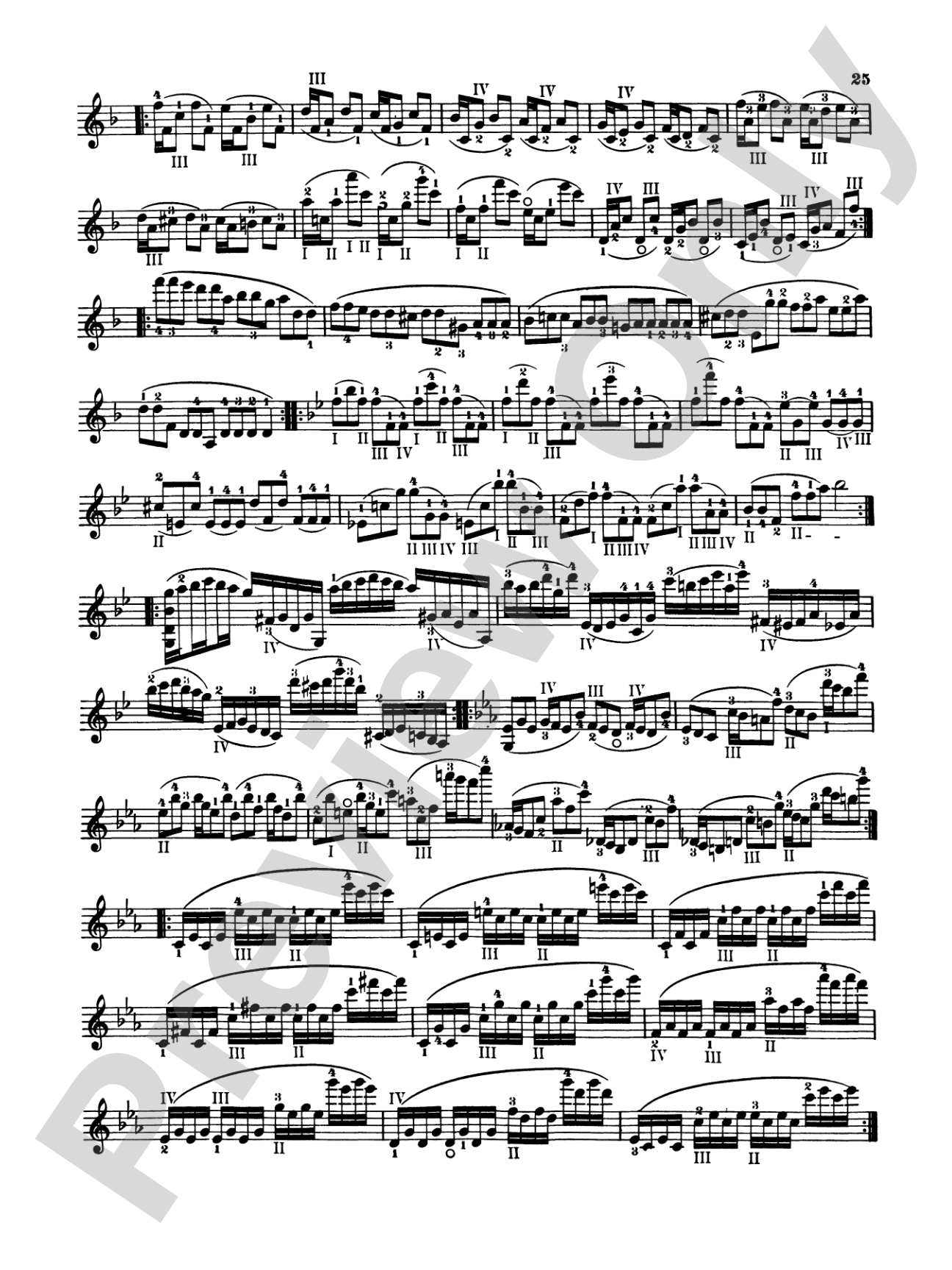
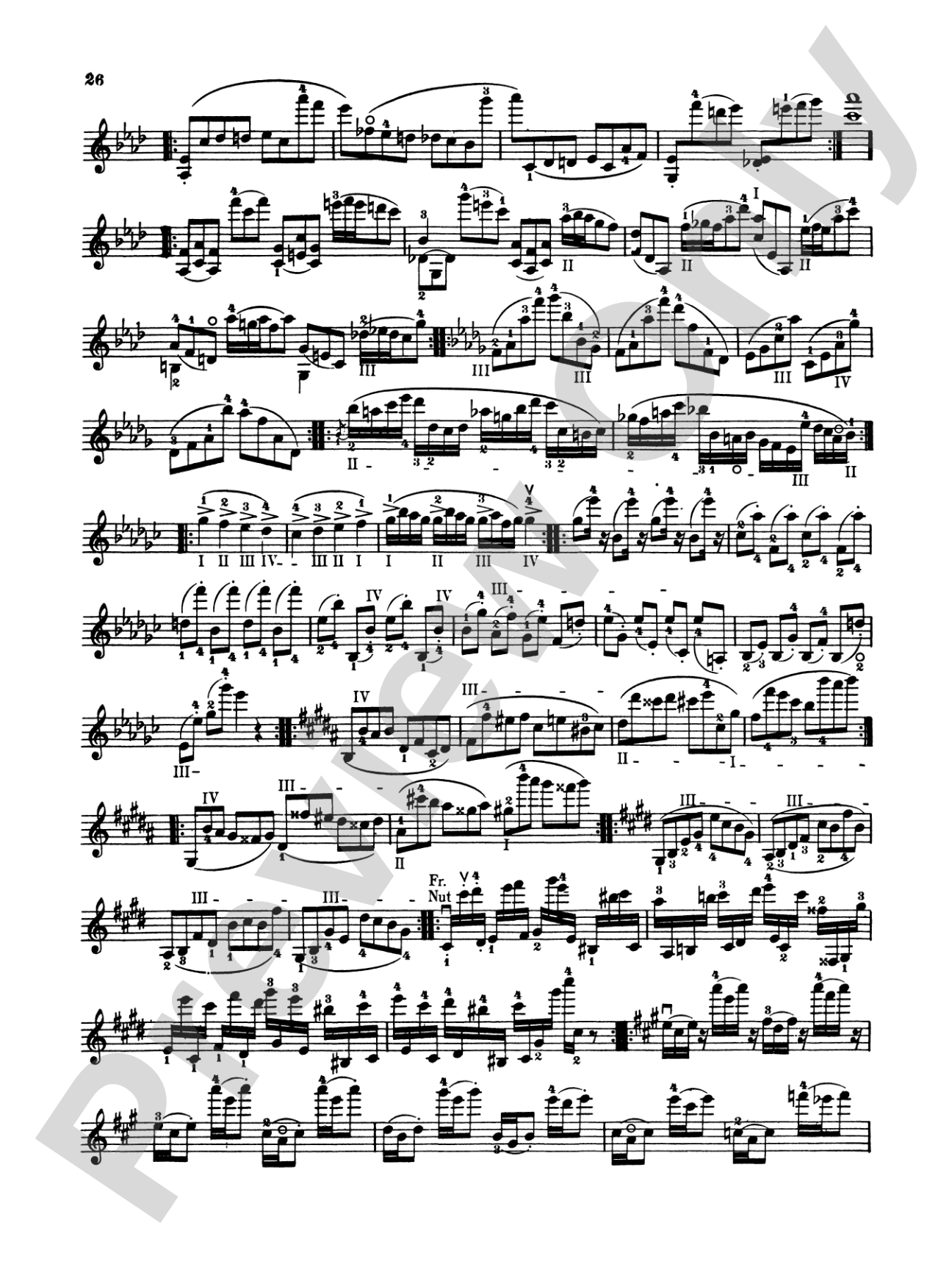
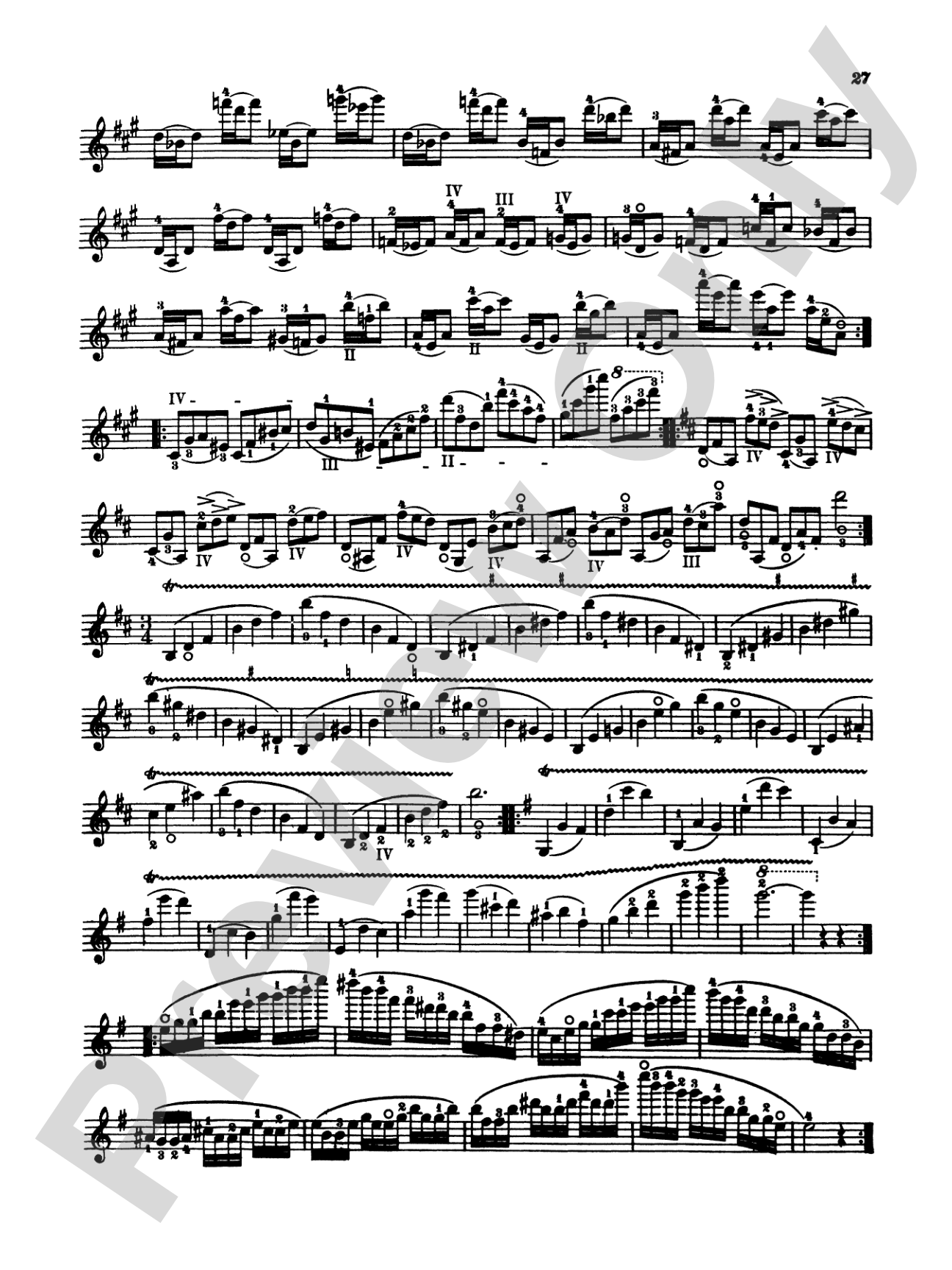
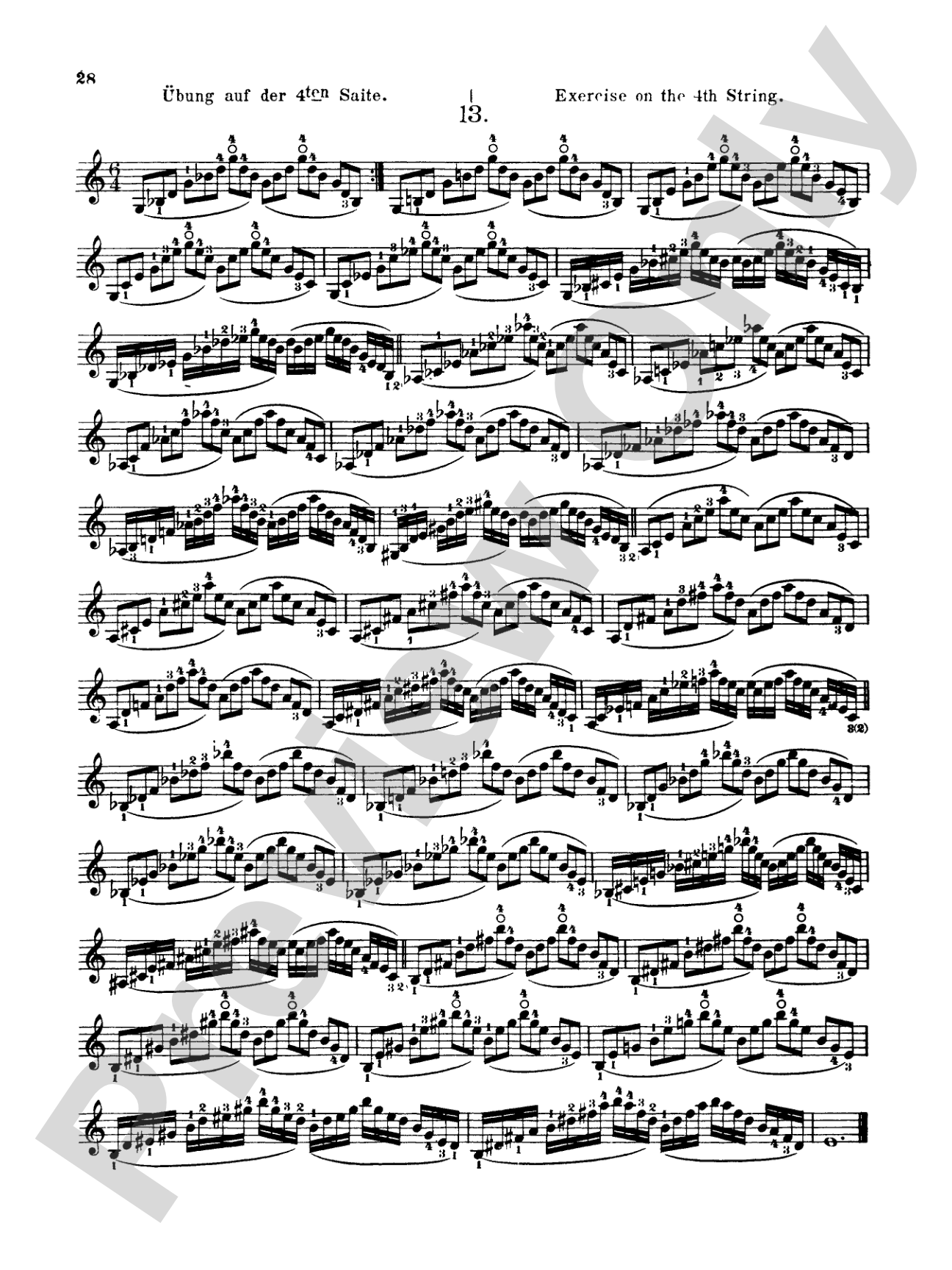
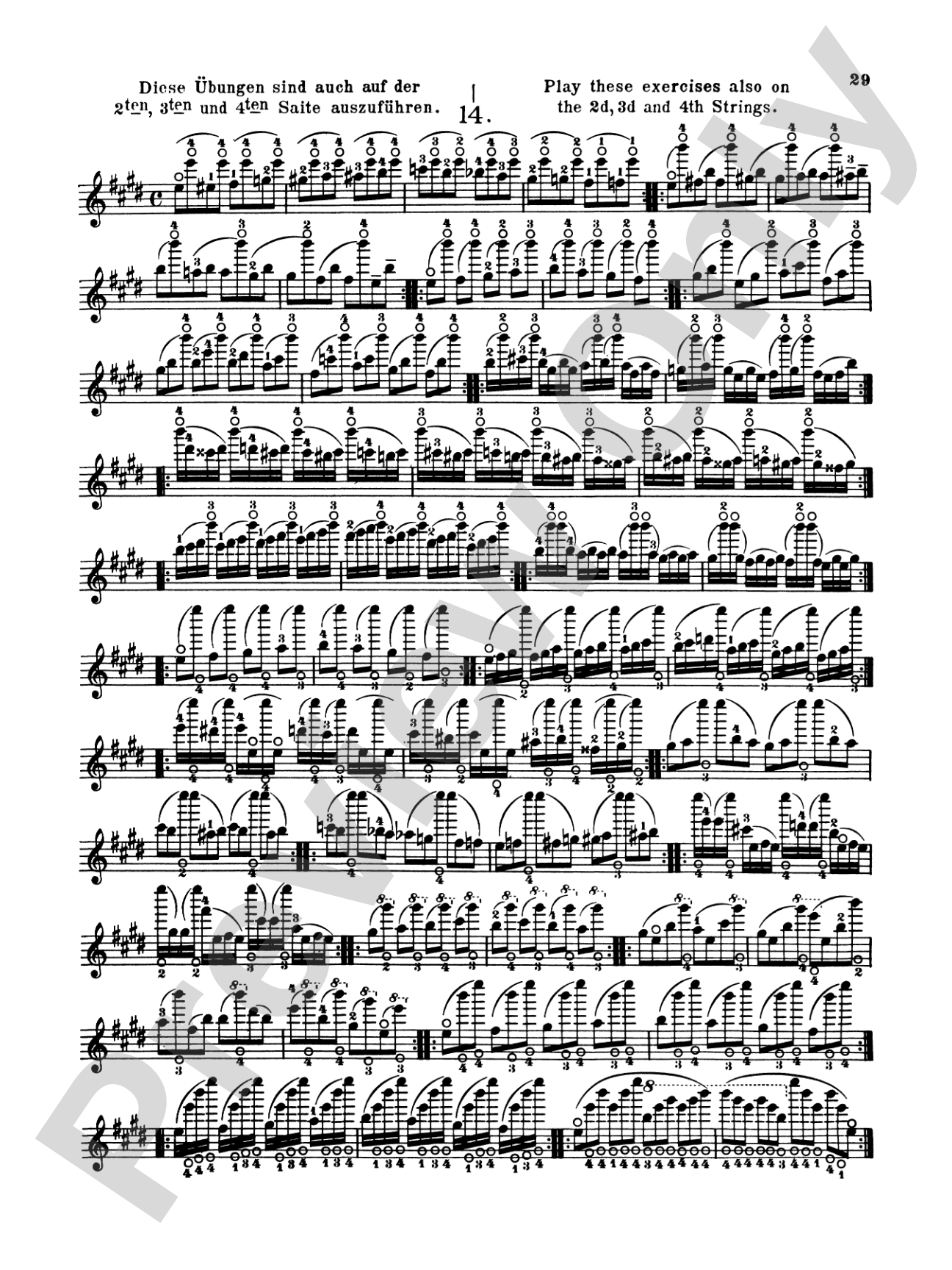




Sevcík: School of Violin Technics, Op. 1, Volume III: Violin Book
By Otakar Ševcík
Item: 00-PK-0003347

$7.95
Pickup currently not available
Buy Extra Parts (Digital PDF Download)
| Product | Price | Quantity |
|---|---|---|
| Sevcík: School of Violin Technics, Op. 1, Volume III | $6.95 |
Parts Added to Cart!
Related Items
School of Violin Technics, Opus 1, Volume III: Violin Book |
$7.95
|
View |
Description
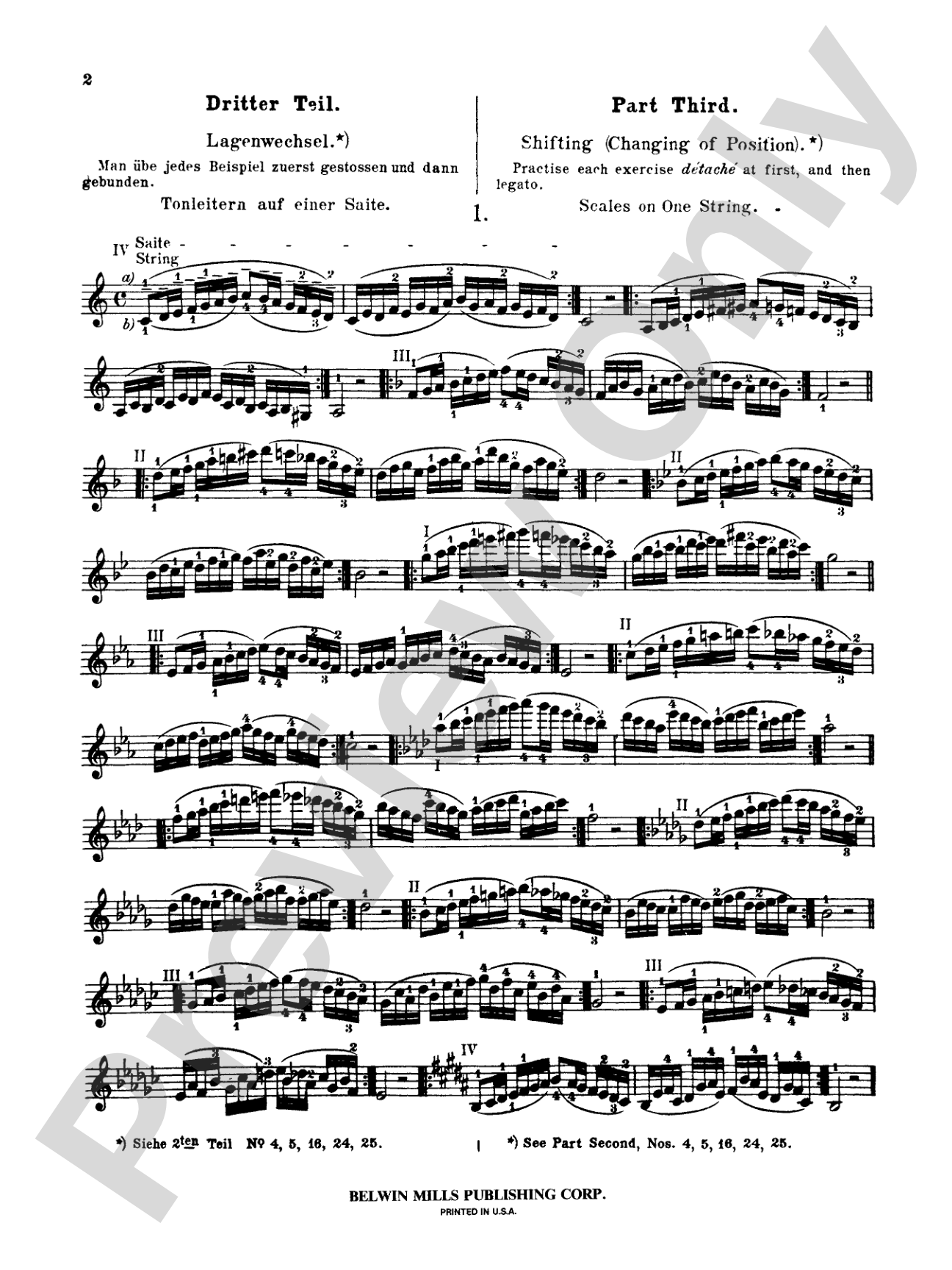
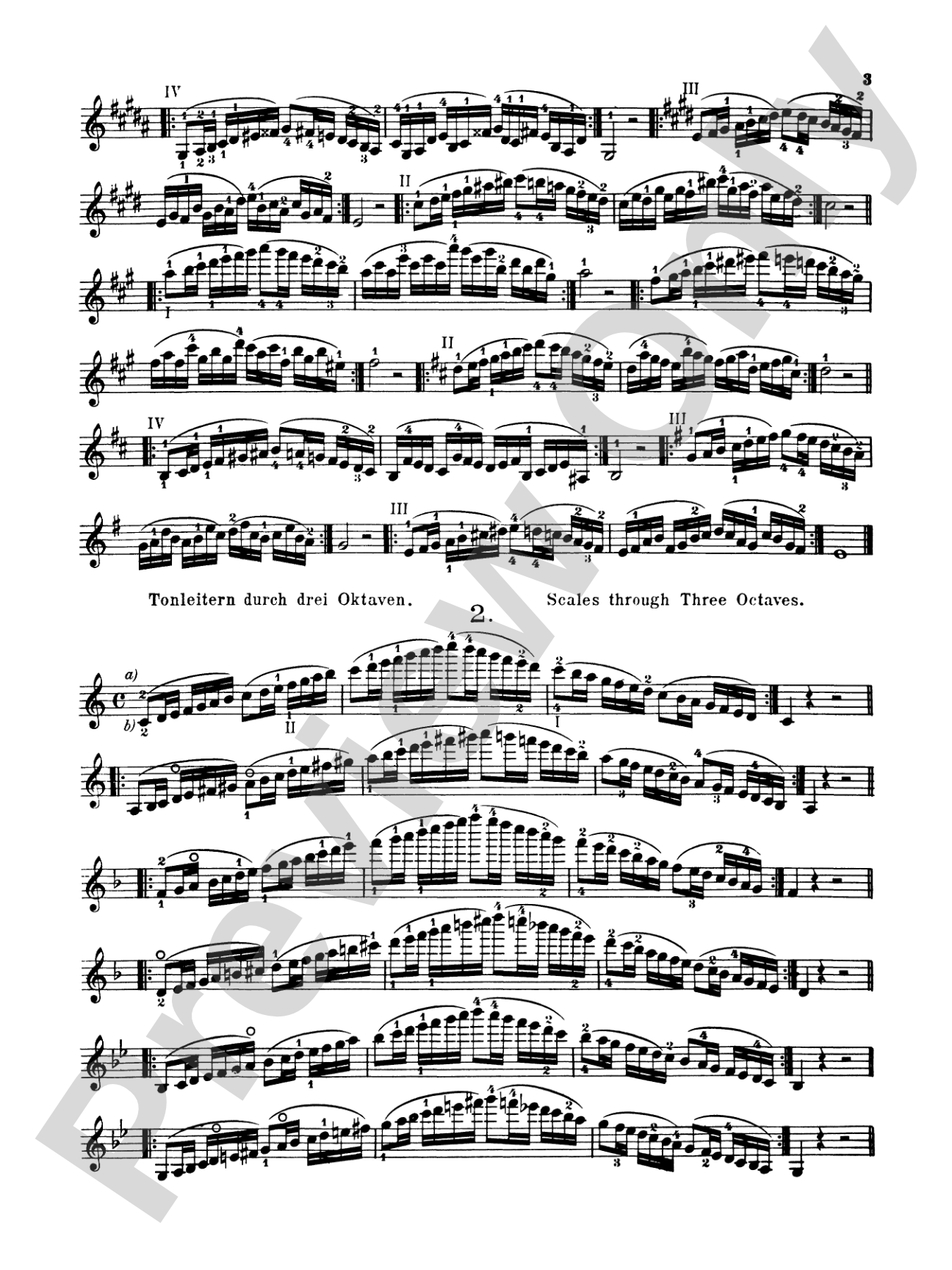
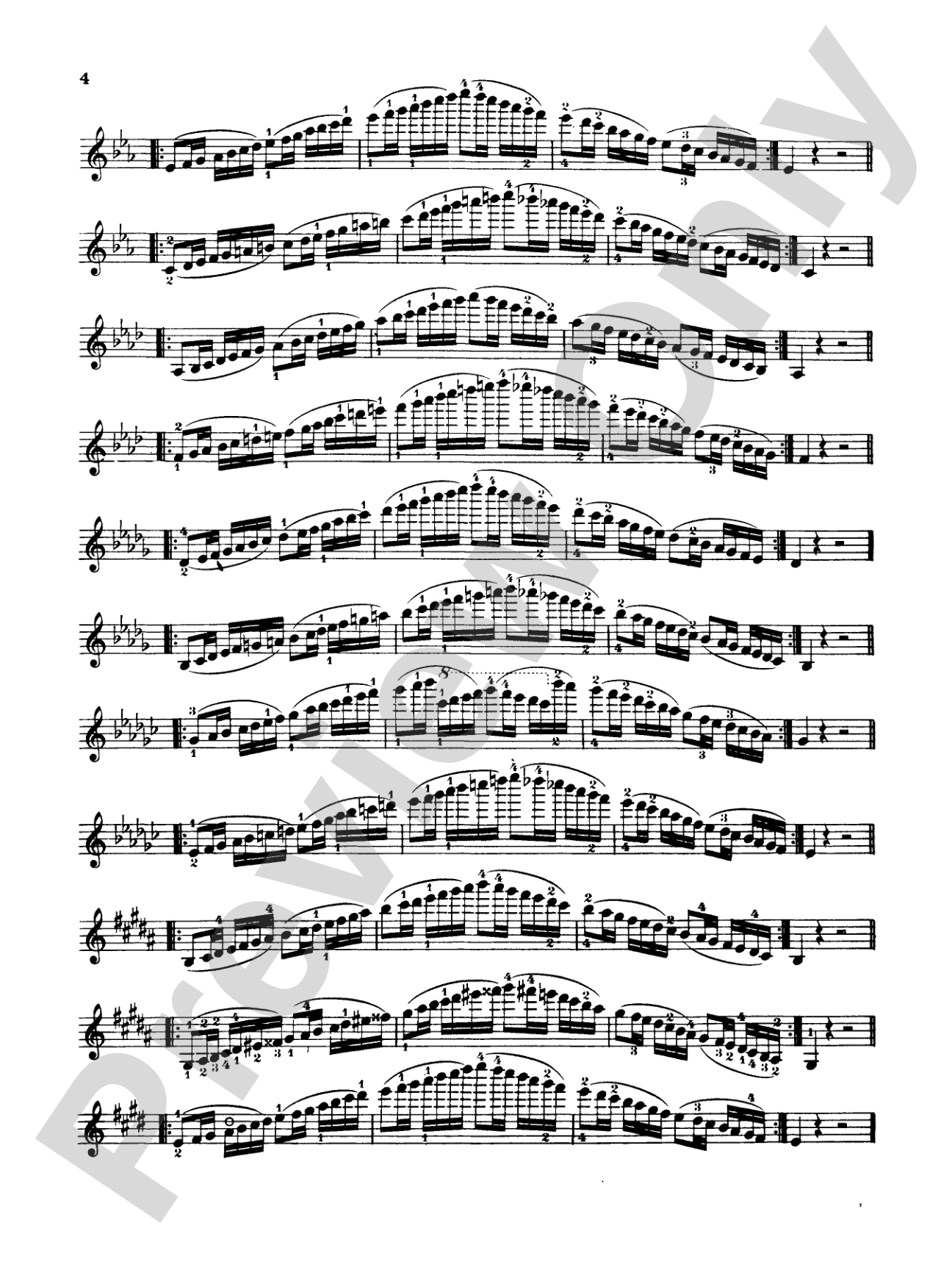
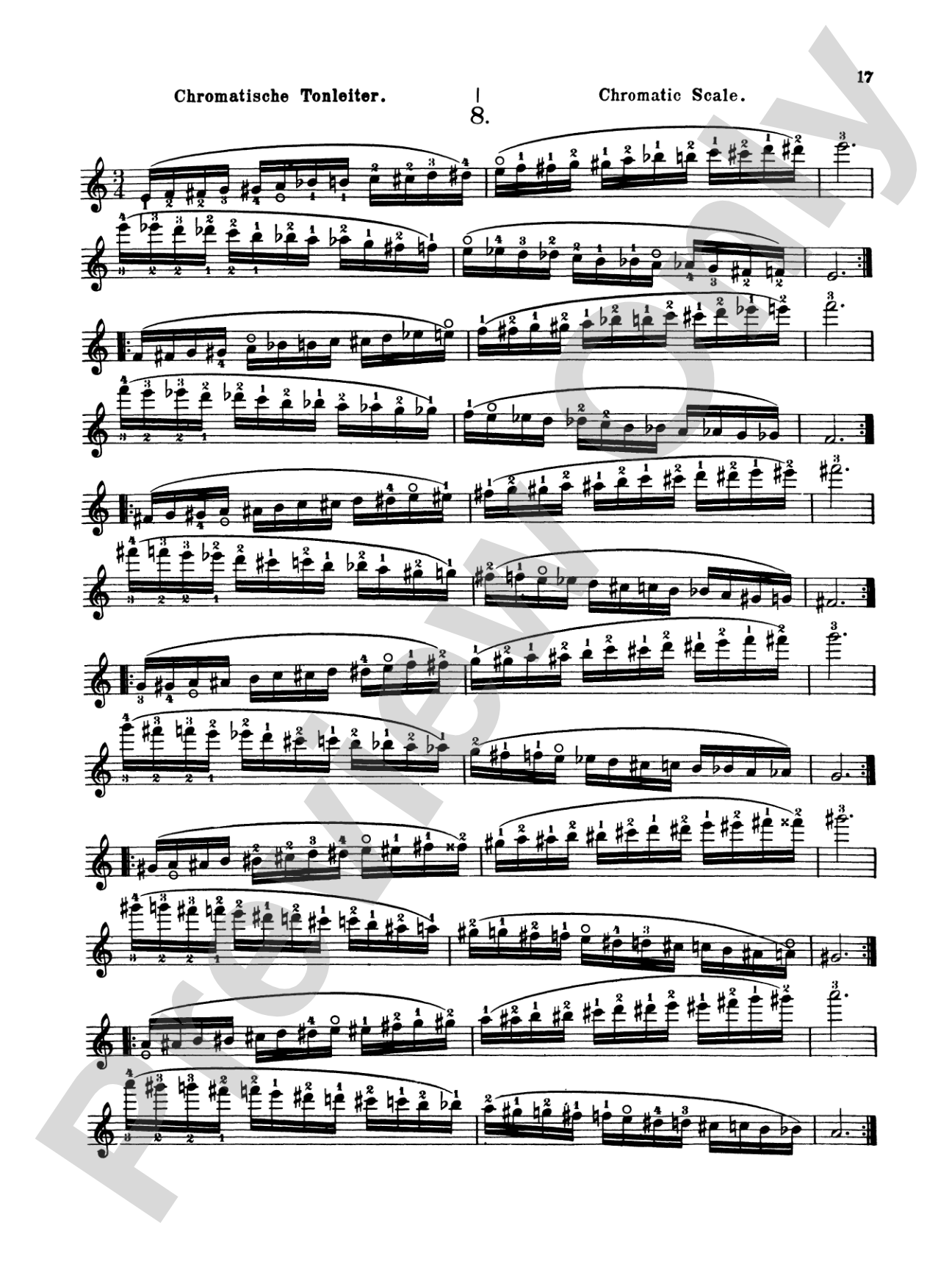
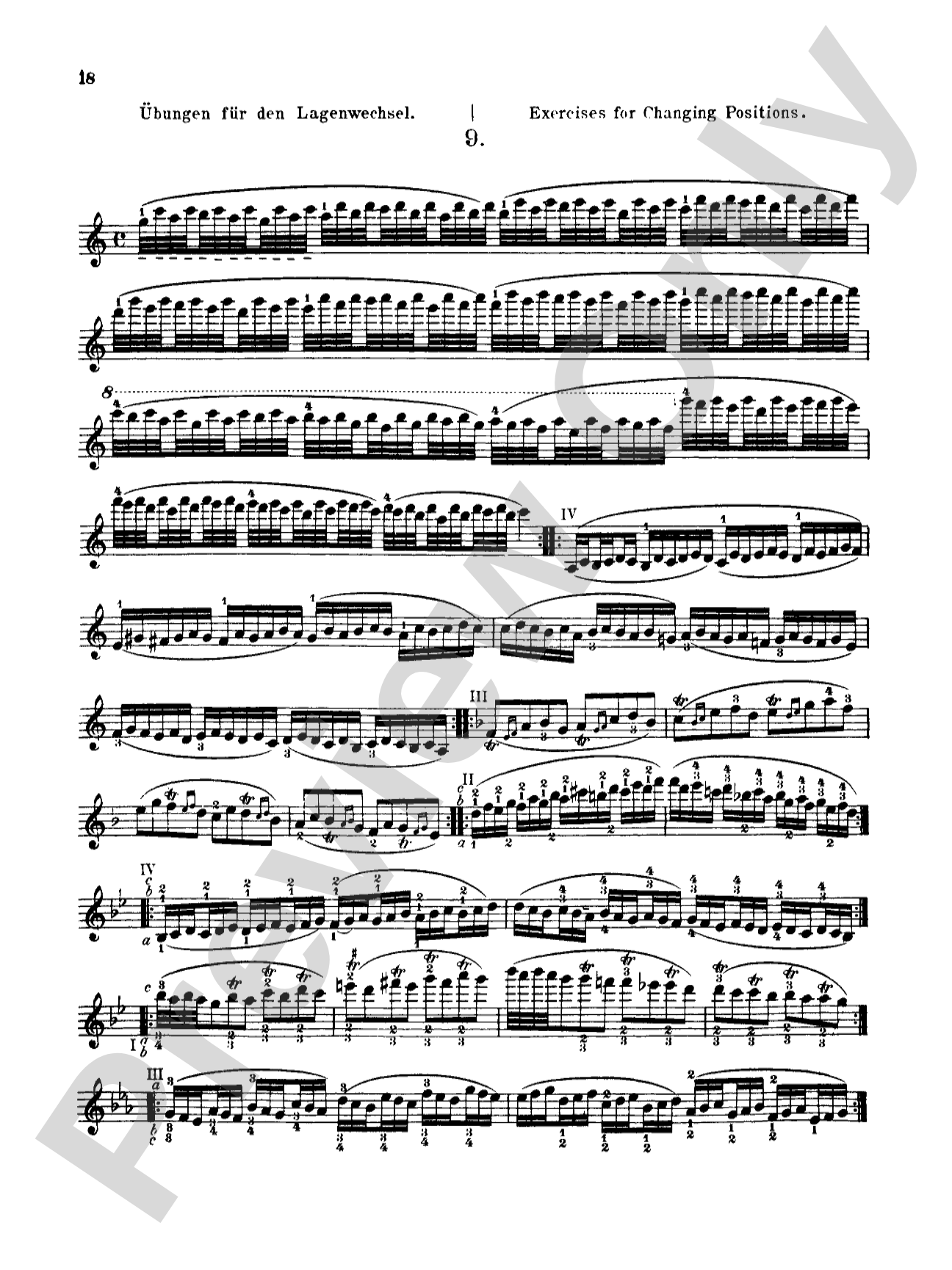
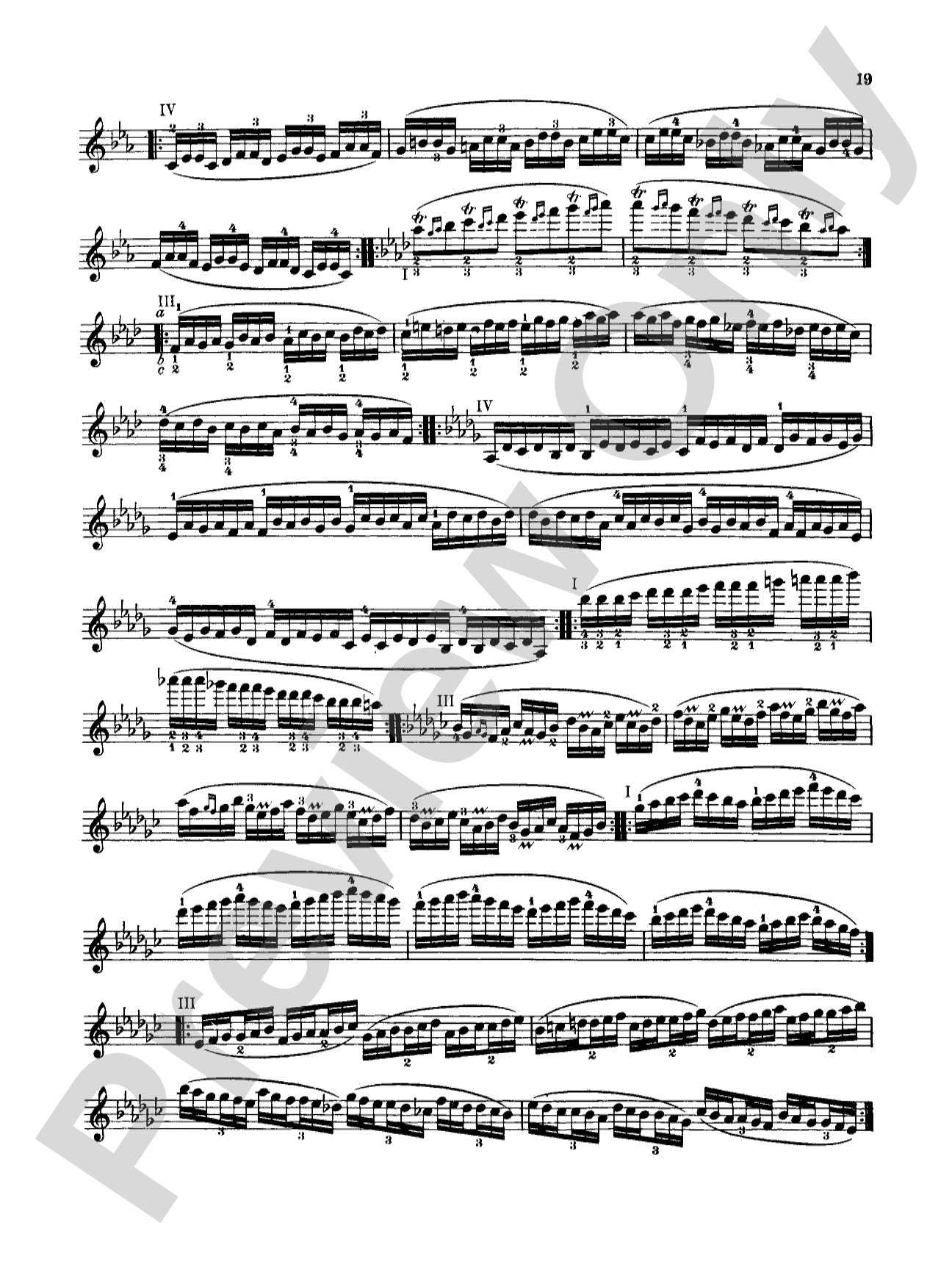
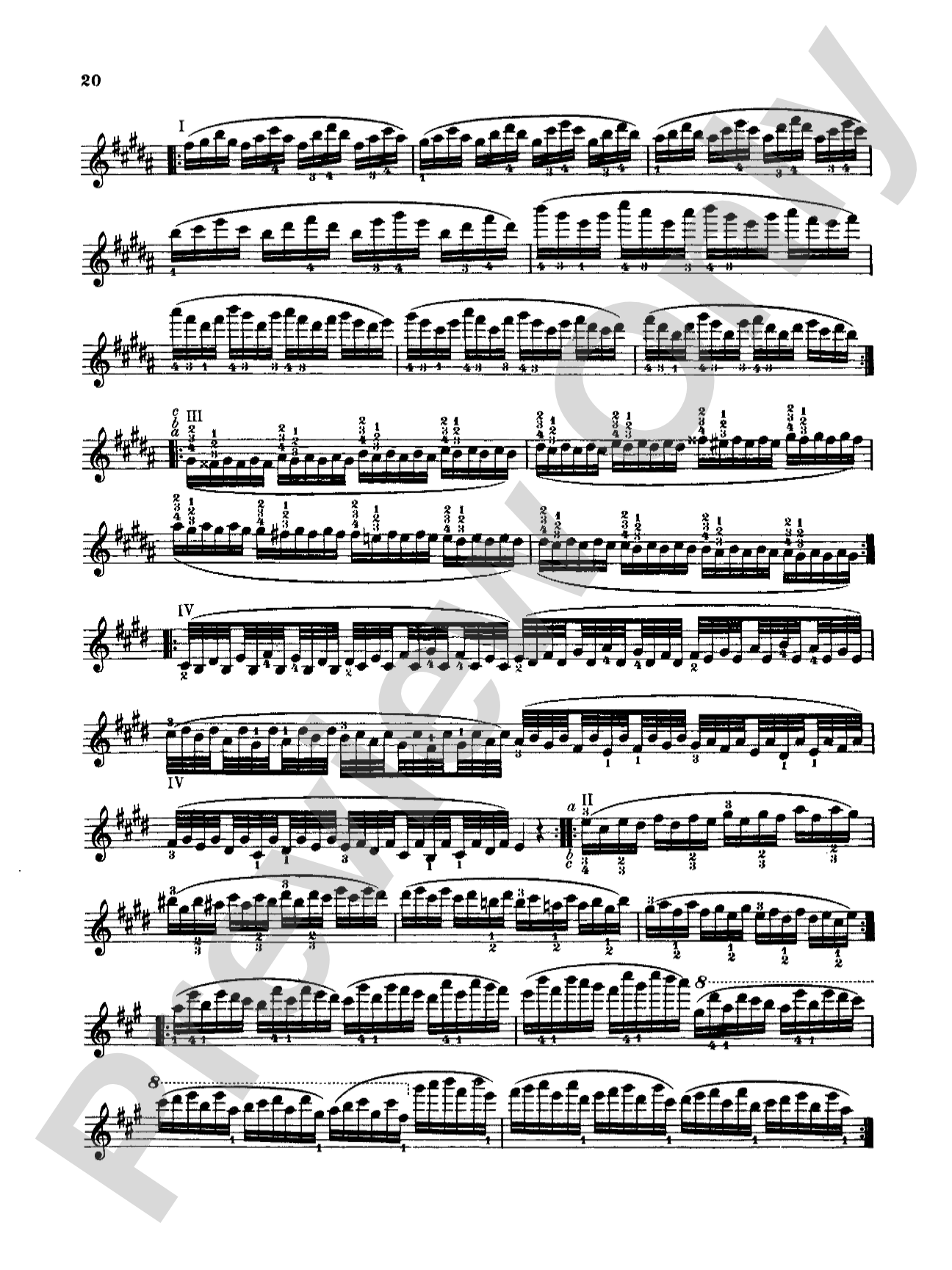
This Otakar Sevcik method covers Shifting.


Don't just read it, hear it, play along with it, and watch your students grow with it. In MakeMusic Cloud, Sevcík: School of Violin Technics, Op. 1, Volume III: Violin Book comes alive with professional accompaniment, adjustable tempo, and built-in practice tools that turn solo practice into real progress.
Open in the Player
Jump straight in and assign it today.
Start Your Free Trial
Open this title and explore the full library in minutes.
Sample Audio
No sample audio found.
Sample Video
No sample videos found.
Additional Details
Series:
Kalmus Edition
Publisher:
Alfred Music
Page Count:
32
SKU:
00-PK-0003347
More about this title
About the Composer: Otakar Sevcík
Otakar Sevcík (1852-1934) was a Czech violinist and pedagogue whose systematic approach to instrumental technique shaped violin instruction across generations. His method books remain the gold standard for building foundational skills because they isolate specific technical challenges and present them in carefully sequenced, manageable exercises that develop both mechanical precision and musical understanding.
Sevcík's legacy rests on his conviction that violin technique should be taught through focused, deliberate practice rather than reliance on talent alone. His Op. 1 series, spanning multiple volumes, addresses every stage of violin development from elementary positions through advanced shifting and vibrato. Teachers continue to return to his work because the exercises work: they build strength, accuracy, and confidence without unnecessary embellishment.
Why we love this
Volume III shifts focus to one of the most technically demanding aspects of violin playing, and Sevcík's approach makes it teachable. Rather than expecting students to absorb shifting through performance repertoire alone, these exercises isolate the mechanics of hand position changes, building the muscle memory and listening skills needed for confident execution. Directors appreciate that students who work through this material develop the technical security to tackle standard repertoire without years of fumbling.
What to expect
These exercises feel mechanical at first, and they should. Sevcík strips away musical context to expose the pure technical challenge of moving the hand without losing sound quality or intonation. As the exercises become automatic, they begin to feel natural, and that security transfers immediately to repertoire.
Who it's for
This book serves intermediate violinists ready to move beyond first position and early shifting work, typically around the end of first year or beginning of second year of study. Private teachers use it systematically as part of their technical curriculum; group string programs can assign excerpts to students who are advancing at different rates.
How to get the most out of it
- Practice each exercise at a tempo where you can hear and feel the shift clearly. Speed comes after accuracy, not before.
- Record yourself periodically to identify intonation drift during position changes. Your ear will catch inconsistencies that finger position alone cannot.
- Use a consistent preparation gesture before each shift; isolate the hand movement from bow motion so shifting becomes predictable and repeatable.
- Work with a metronome or drone to establish whether your shifted note arrives in tune relative to the harmonic context, not just in isolation.
How to use it
Assign Volume III as part of the technical requirement for students progressing into intermediate repertoire. It works best when paired with standard literature at the same level rather than as standalone study. Students who work these exercises gain the hand independence needed to tackle vibrato and higher positions with confidence in their next volume.
Skills your students will build
- Shifting between positions with maintained tone quality
- Intonation accuracy across position changes
- Hand independence and muscle memory for left-hand position changes
- Listening skills to monitor pitch consistency during shift execution
- Preparation and recovery gestures that stabilize shifting mechanics