
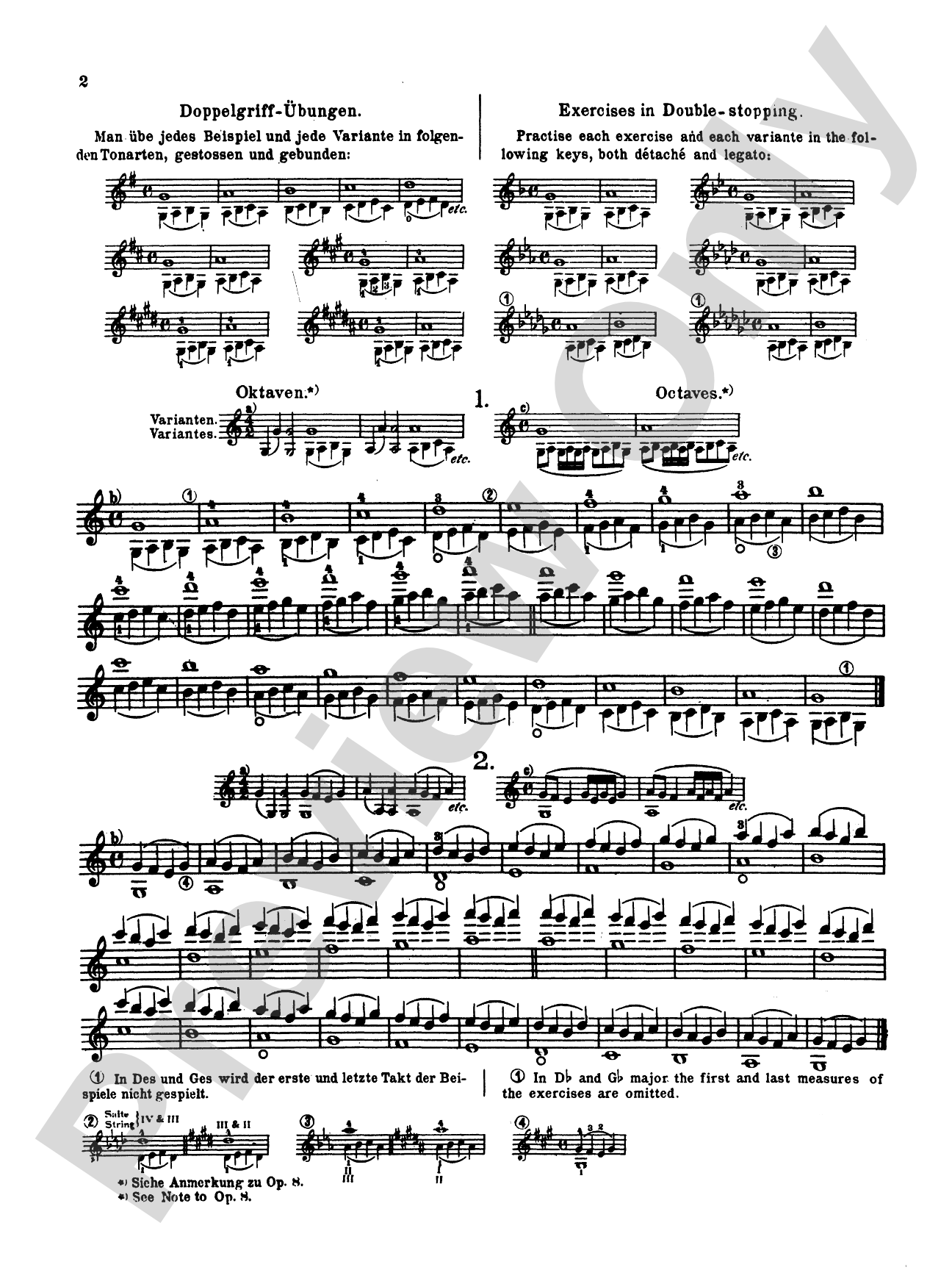
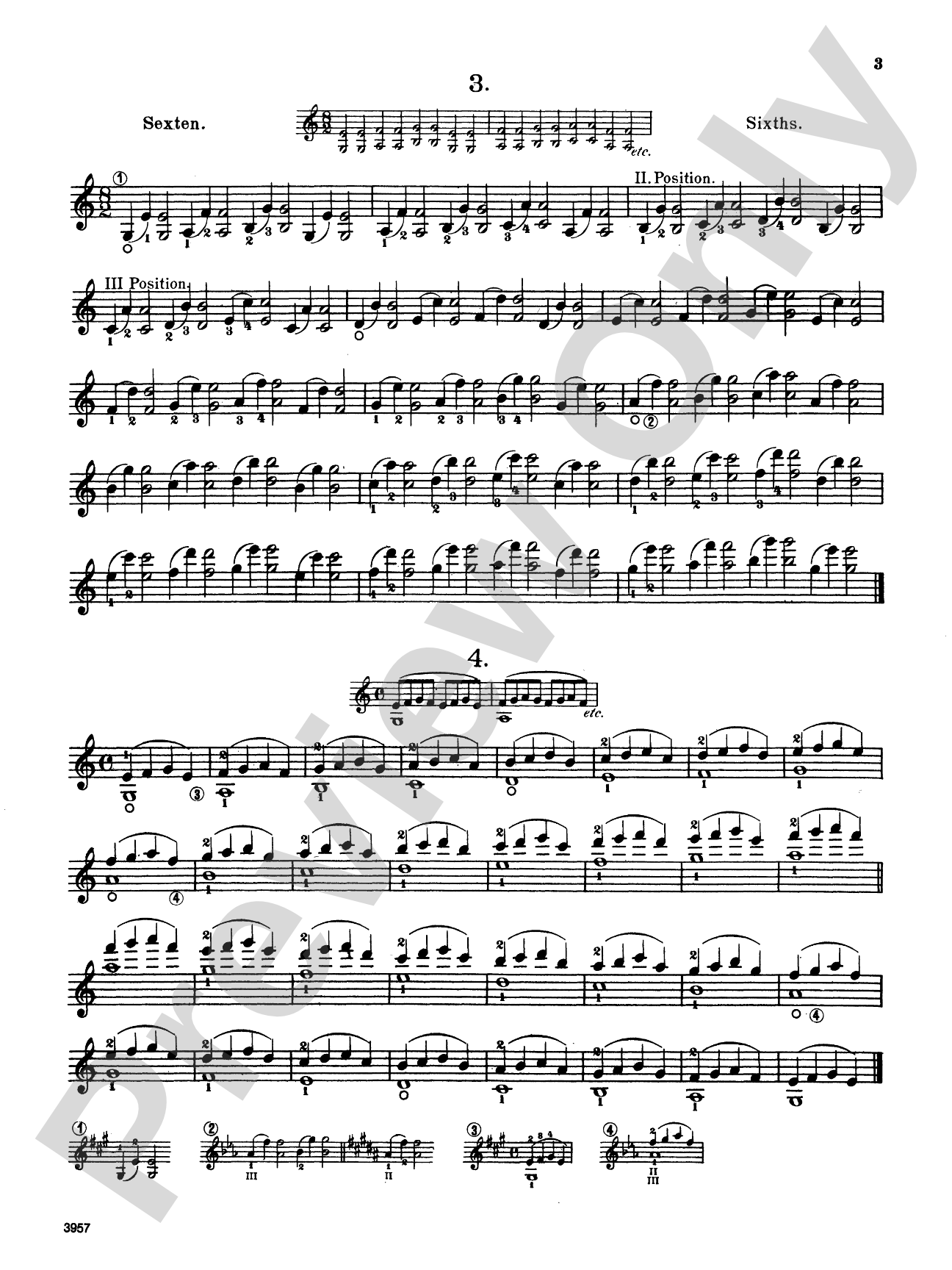
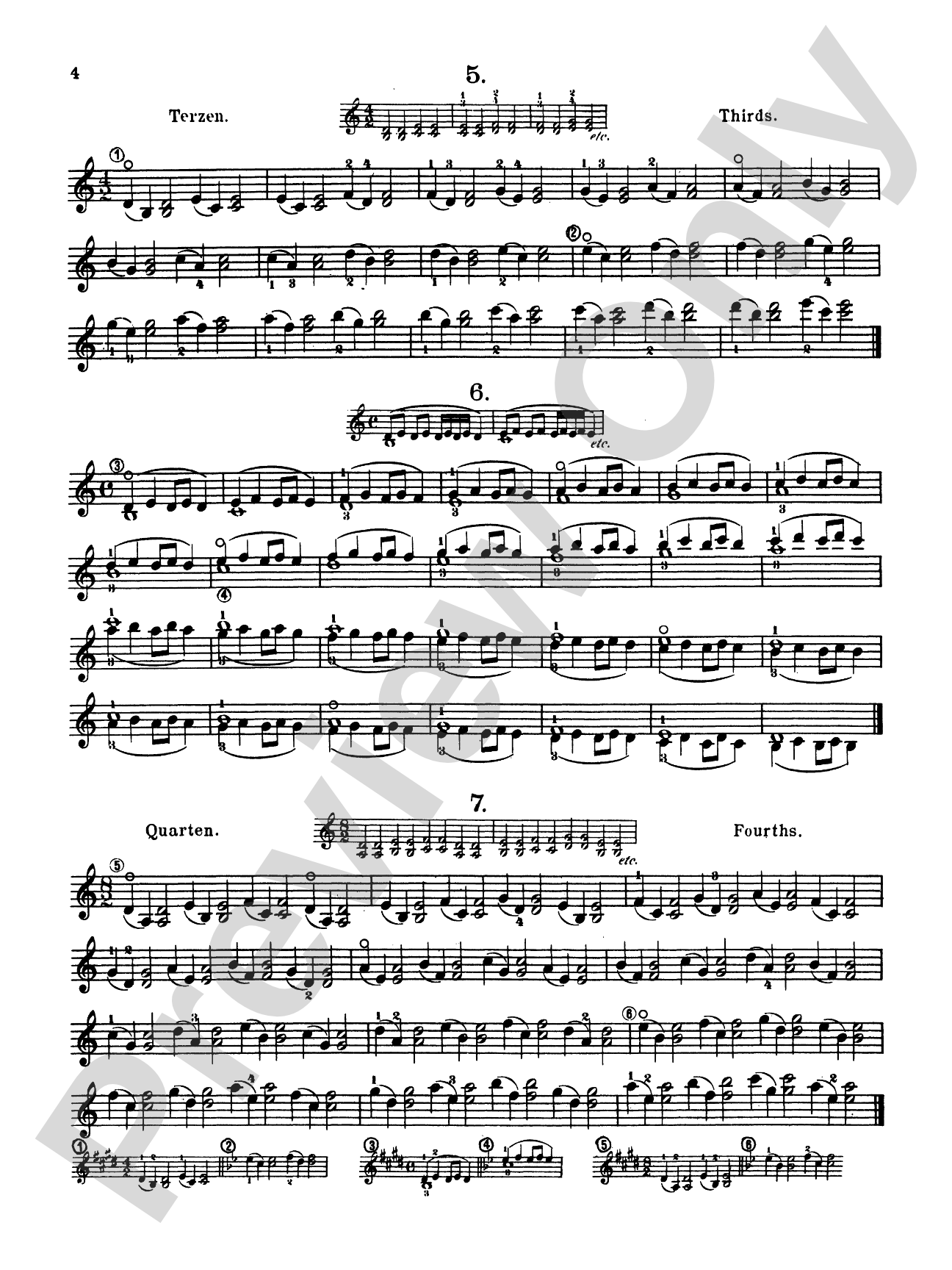
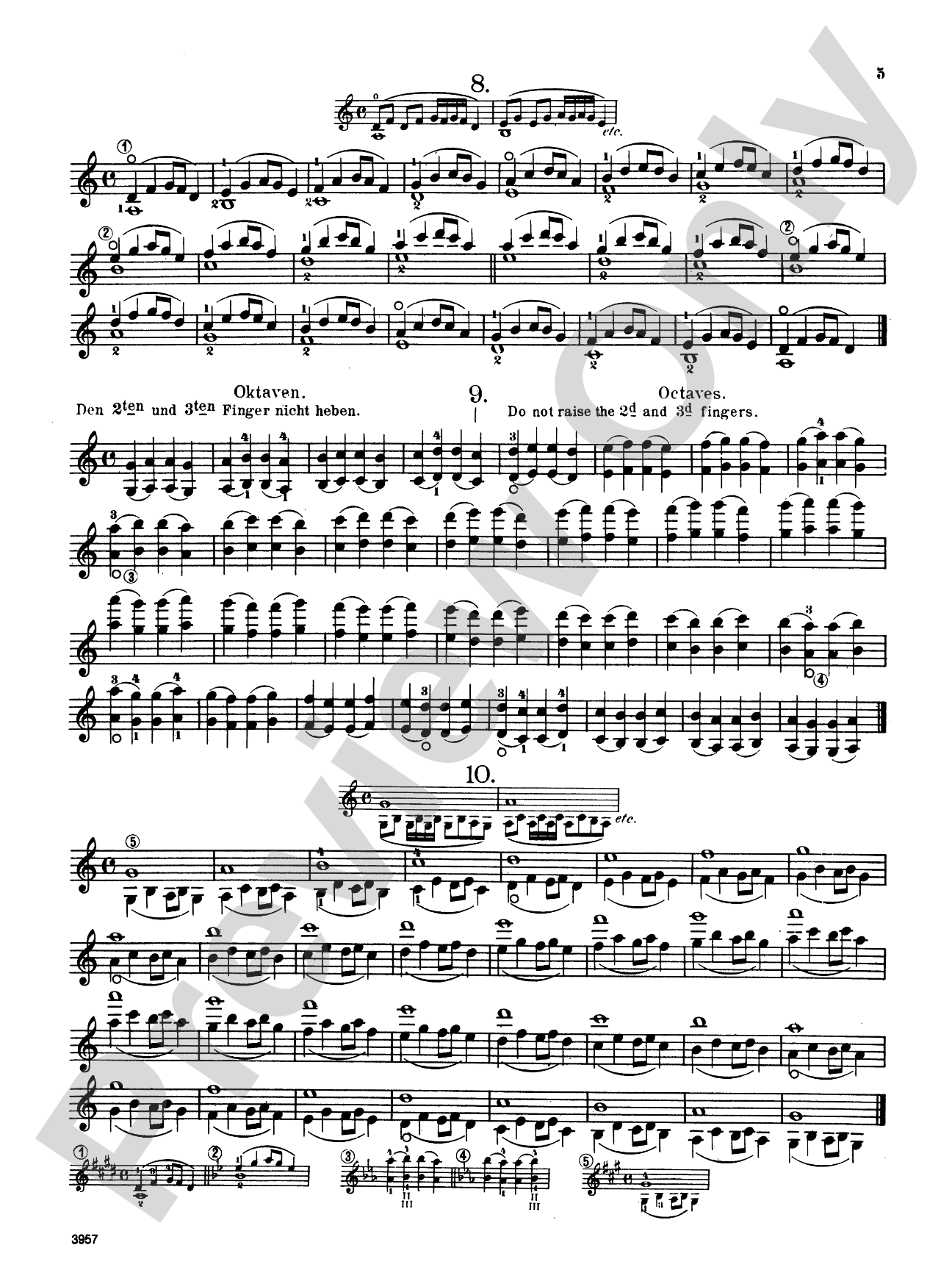
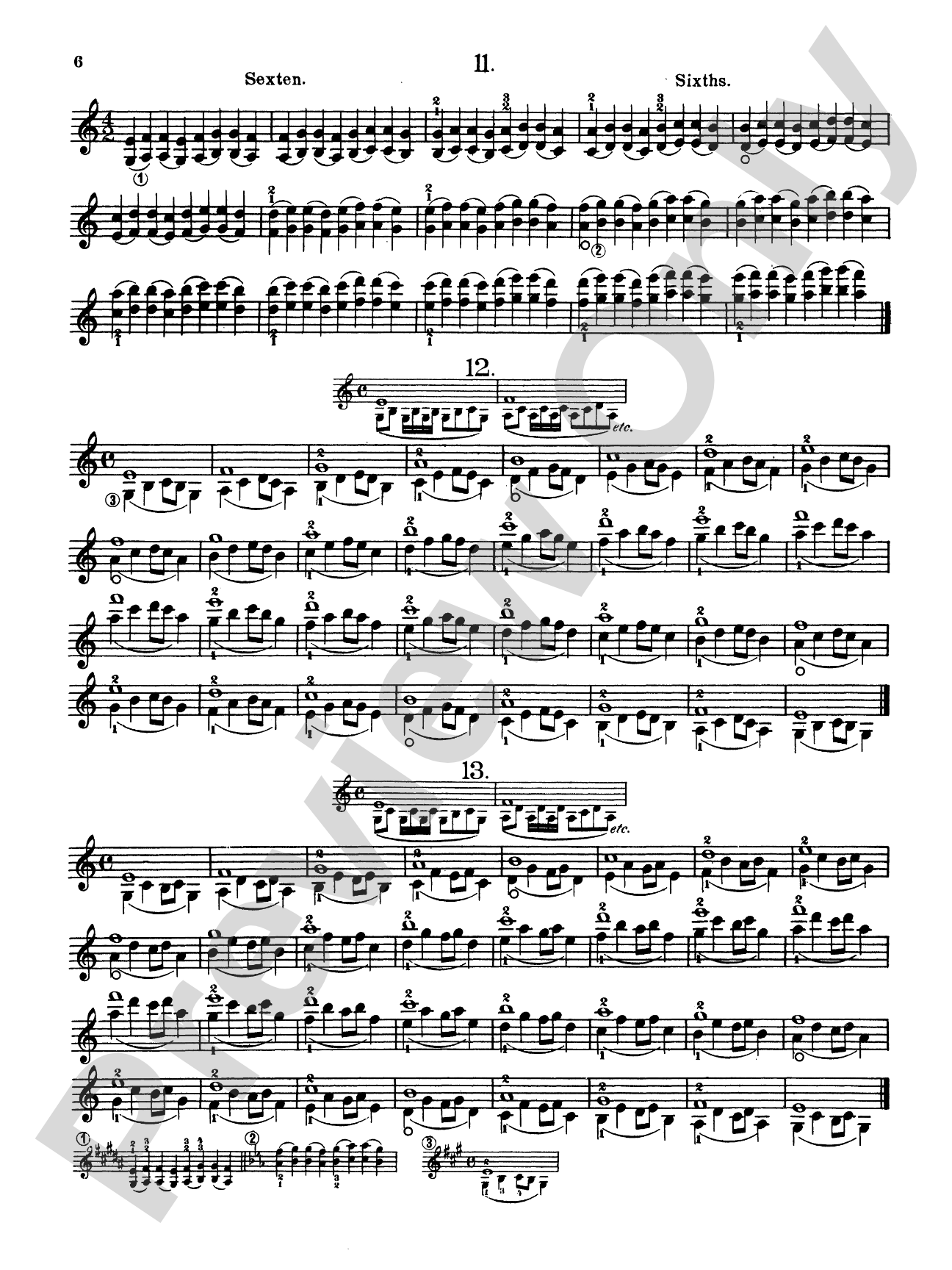
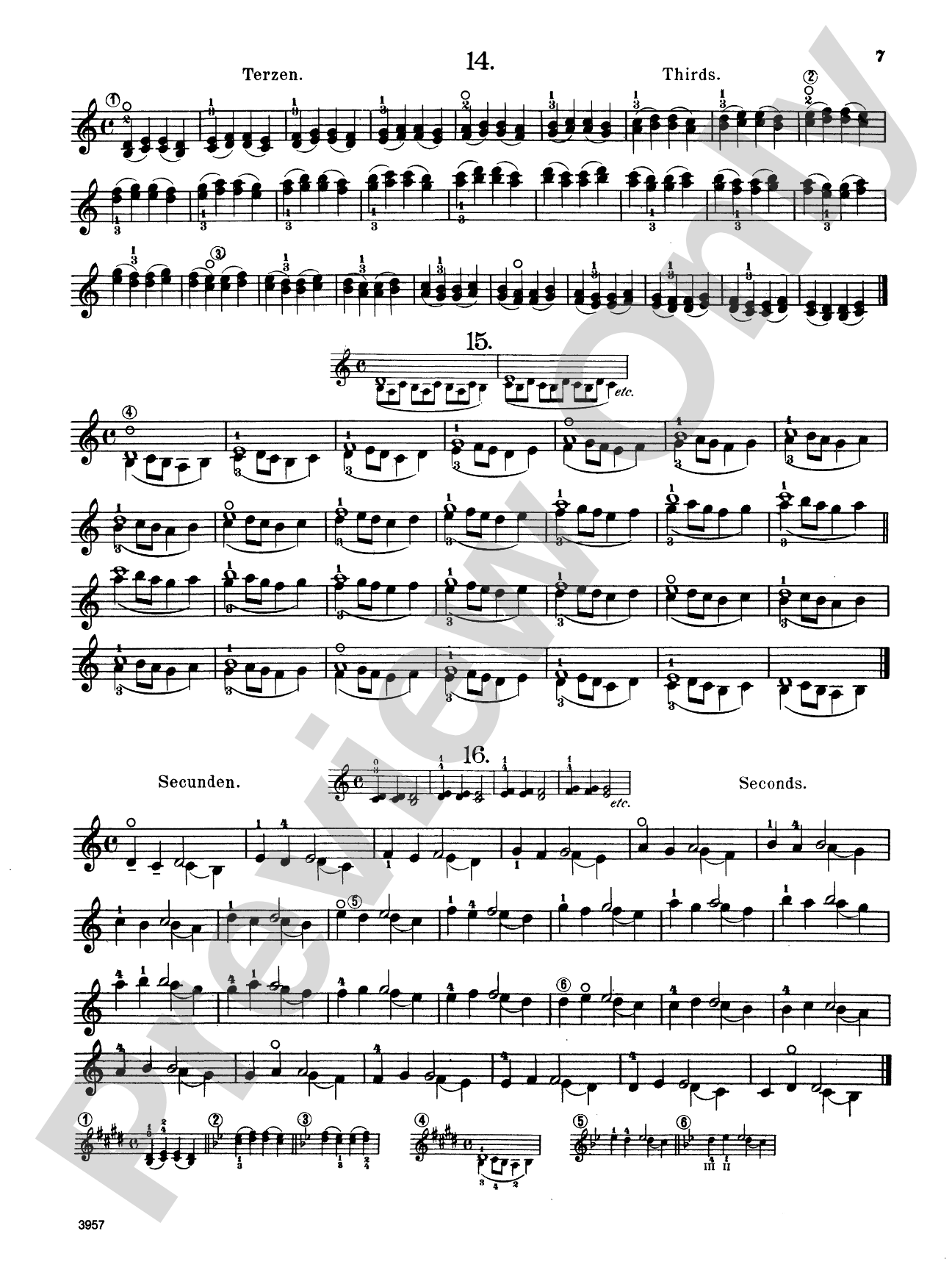
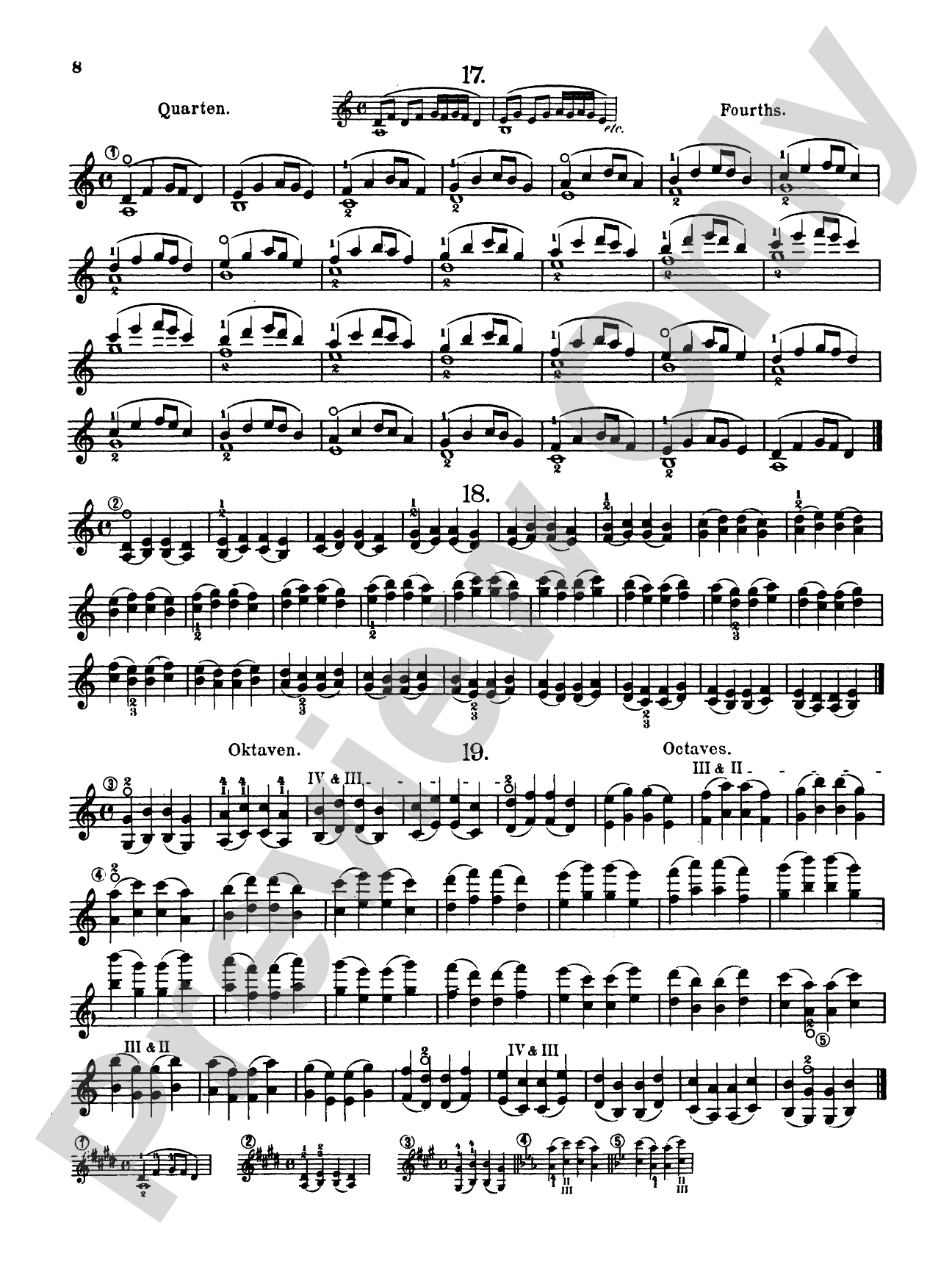
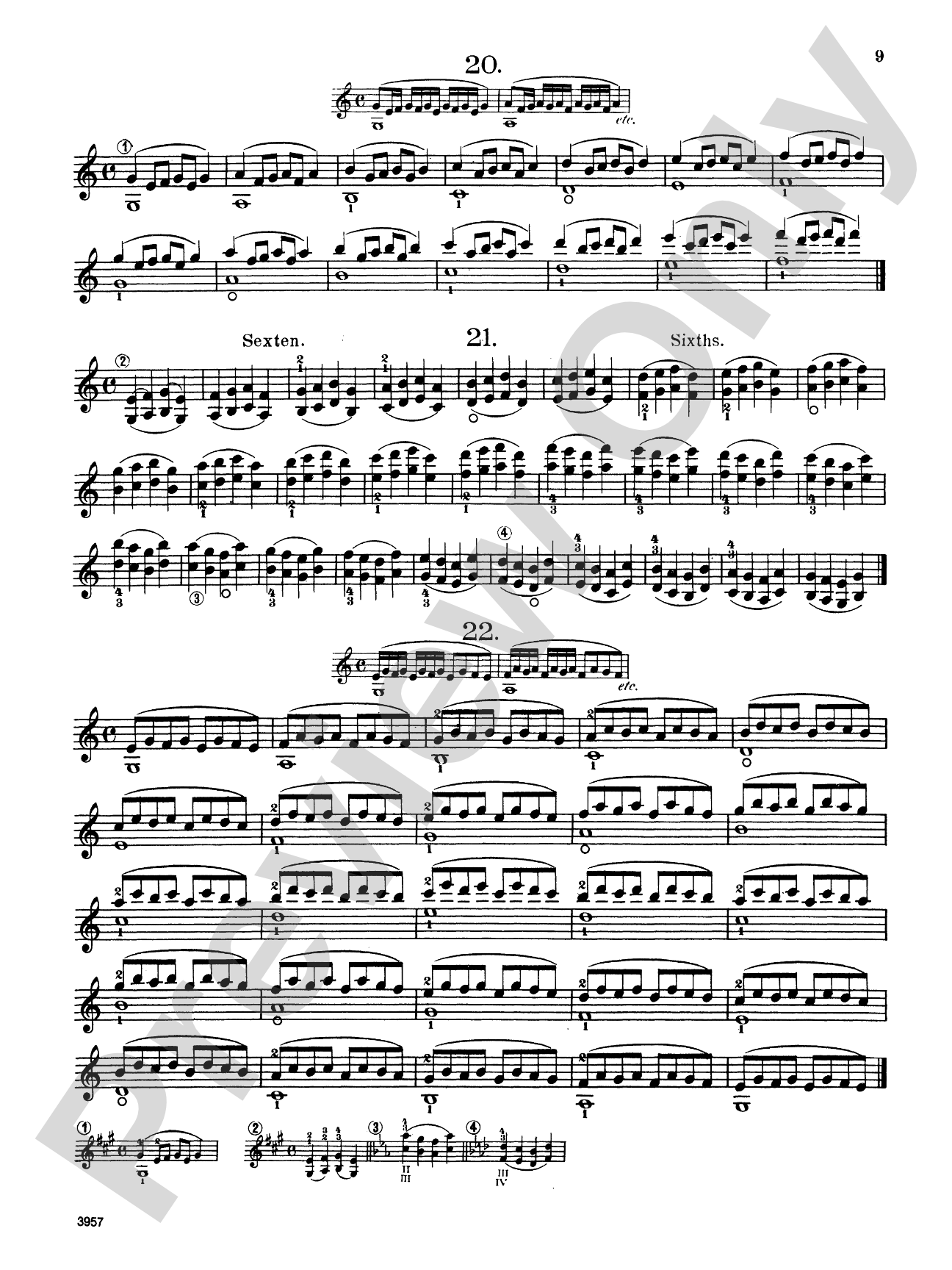
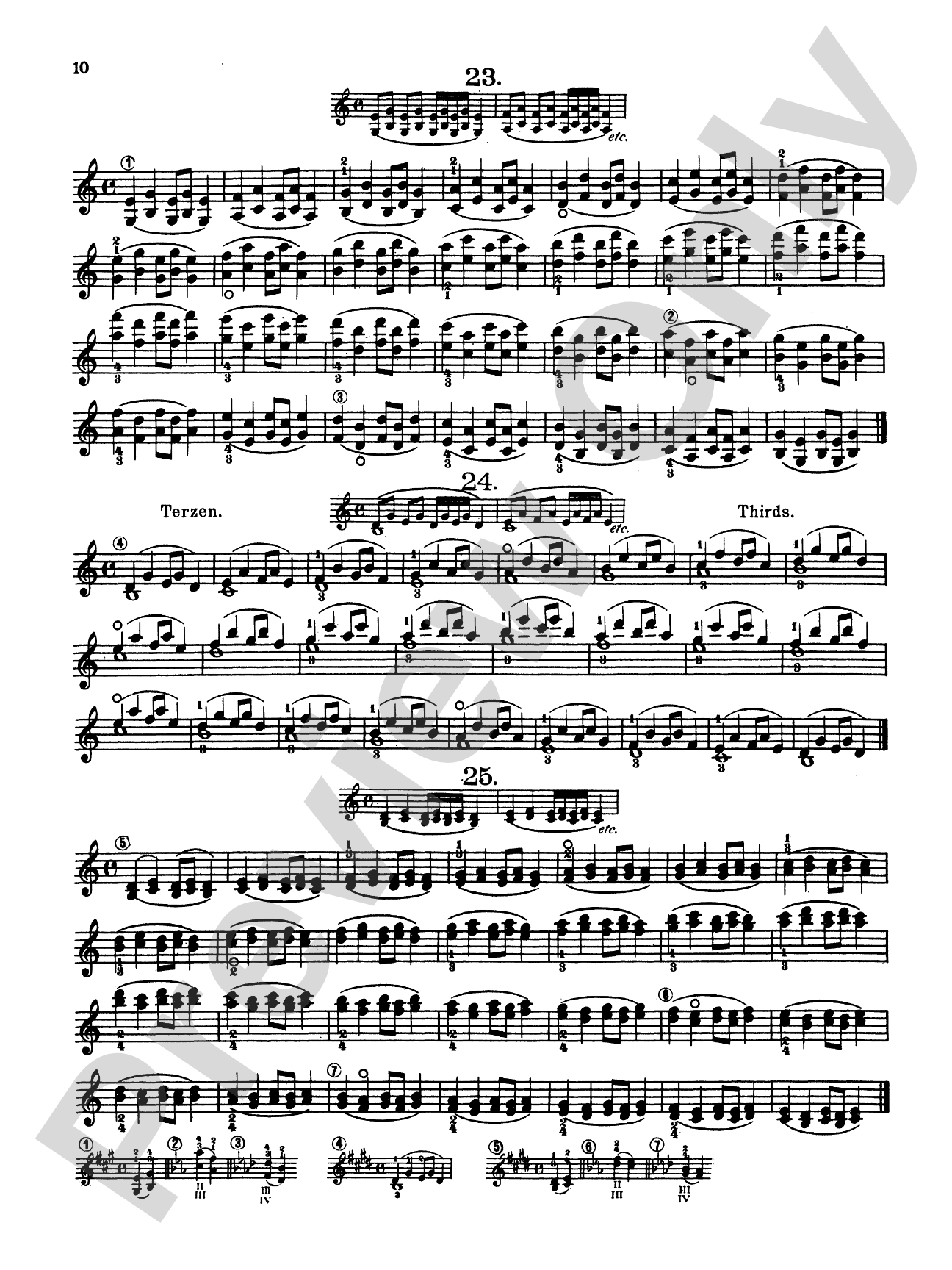
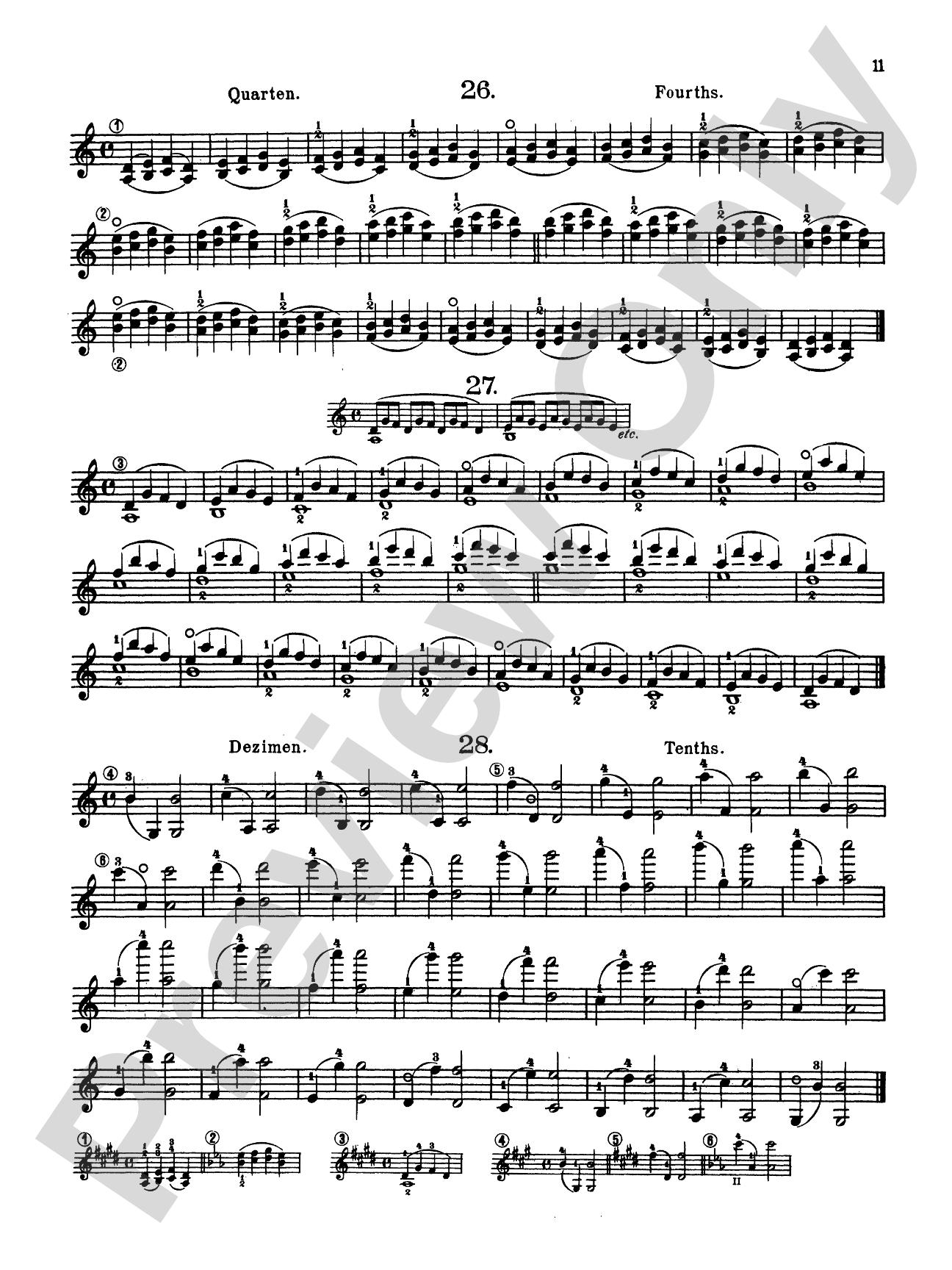
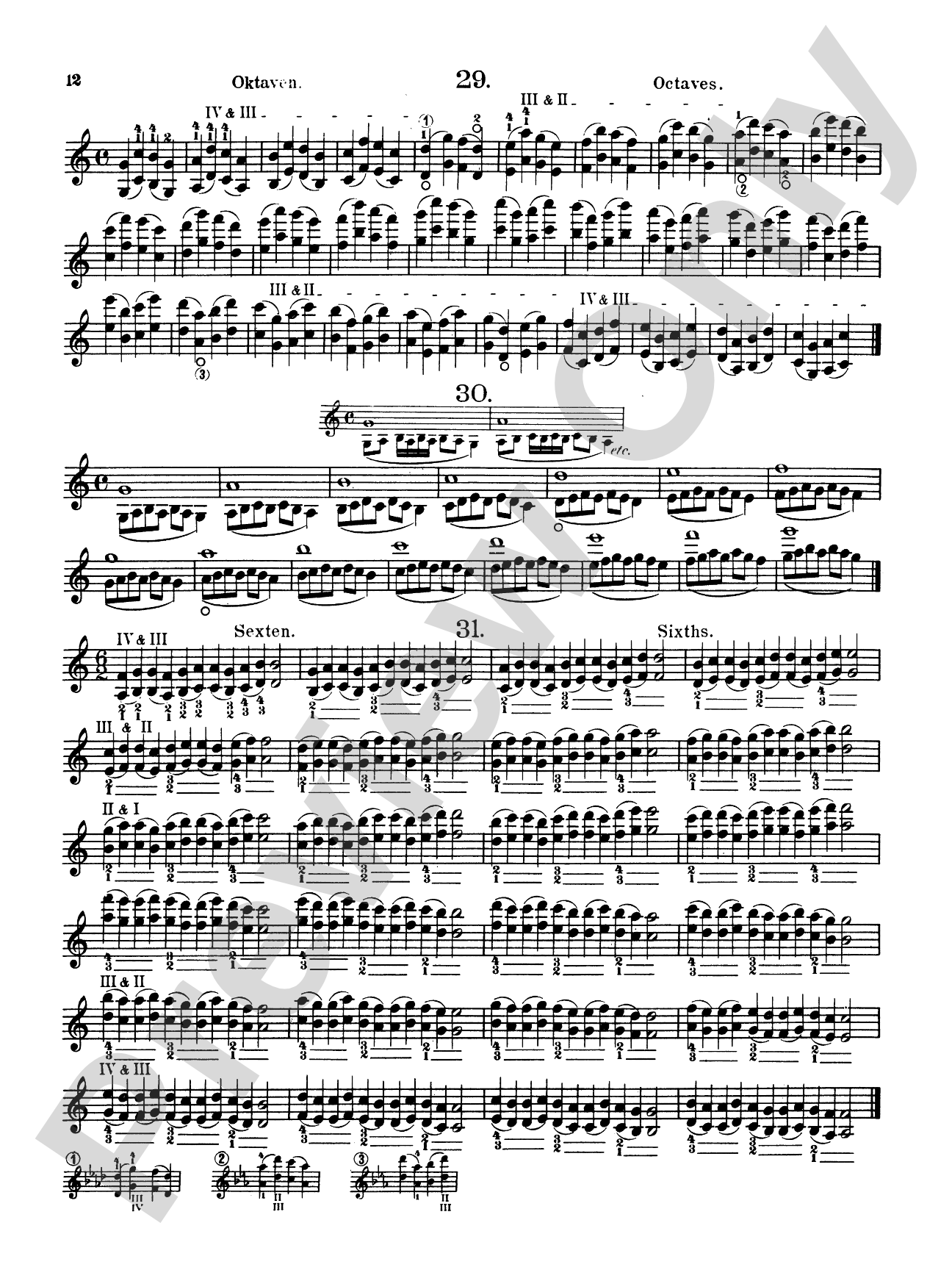
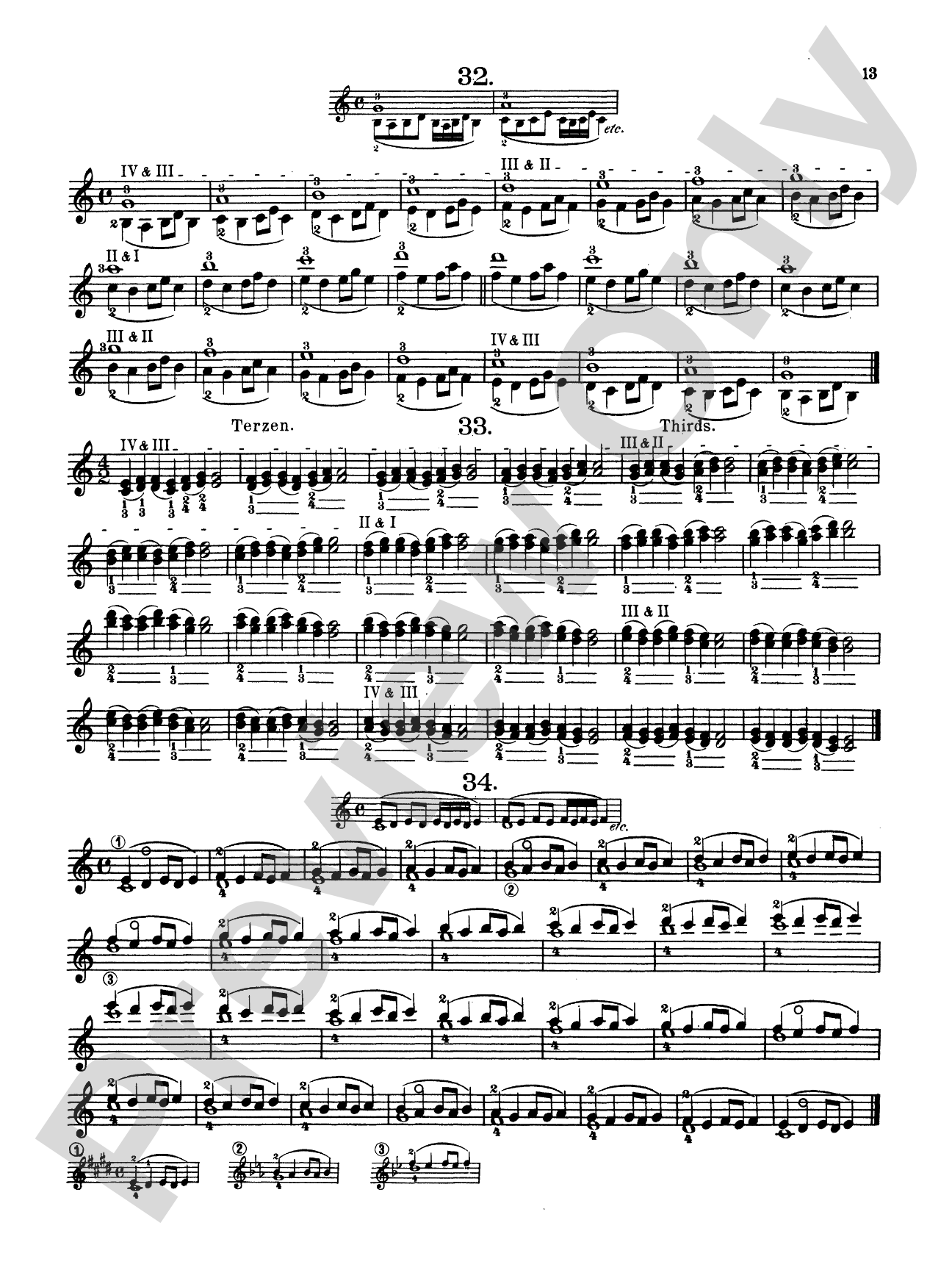
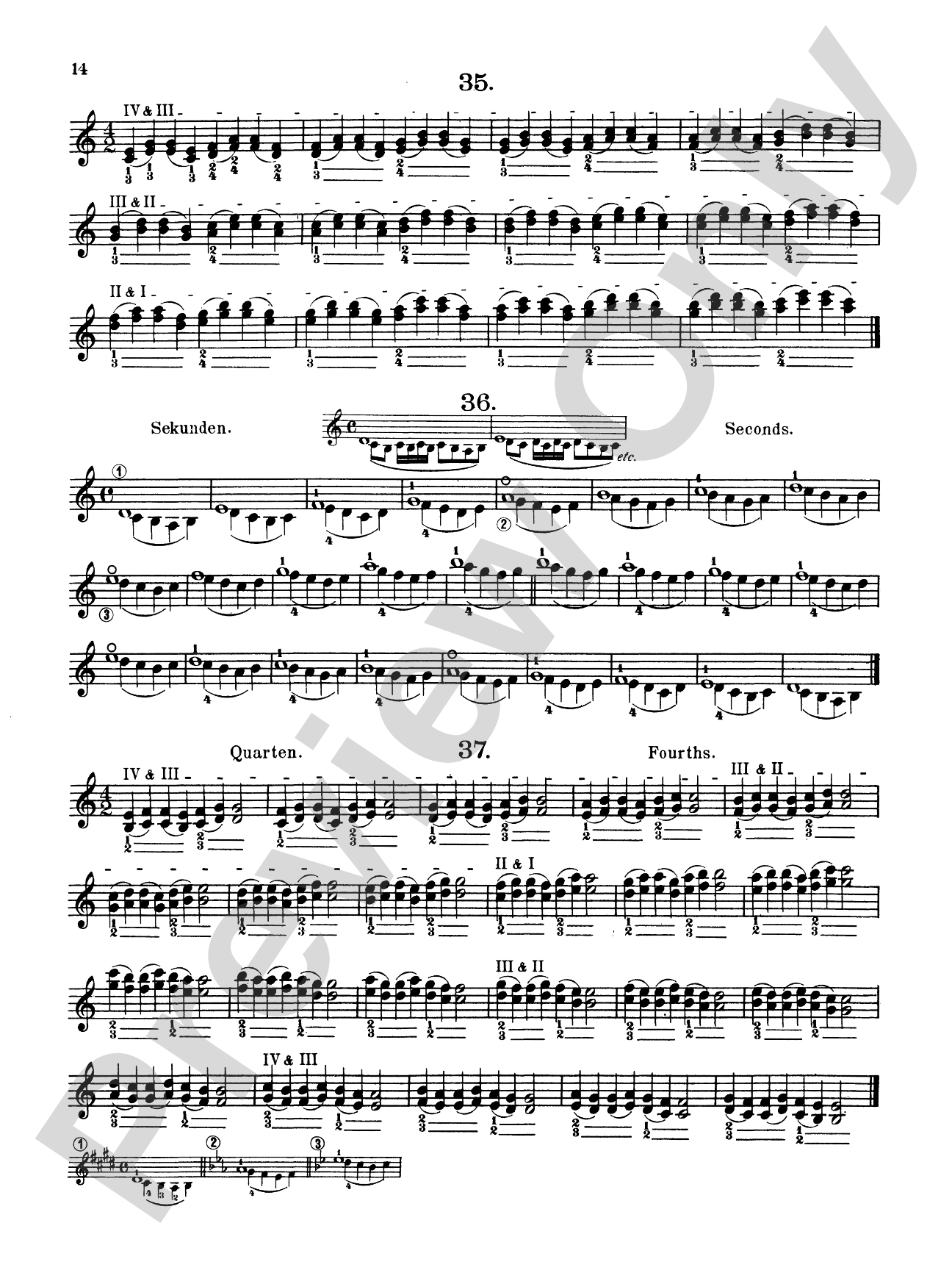
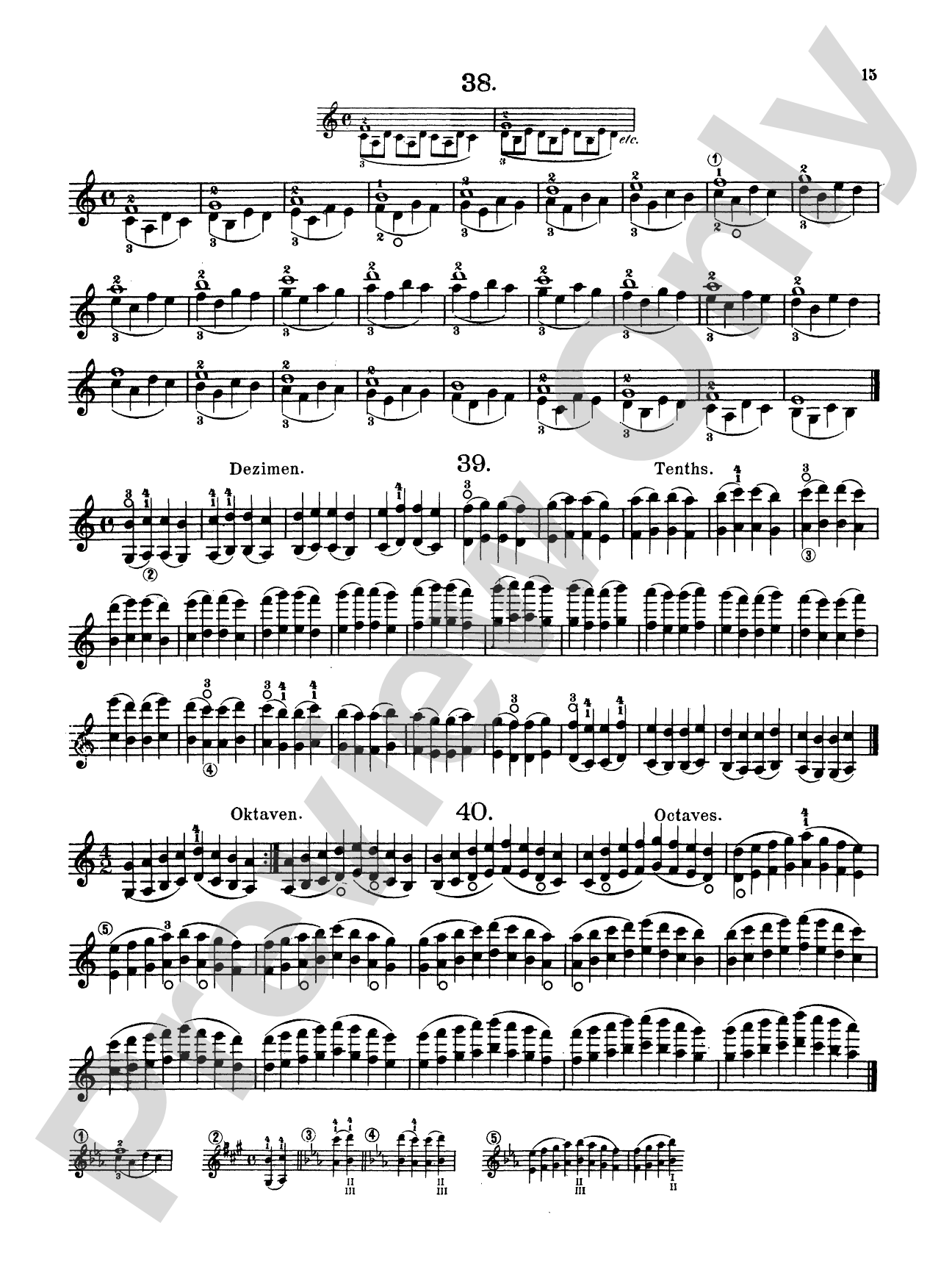
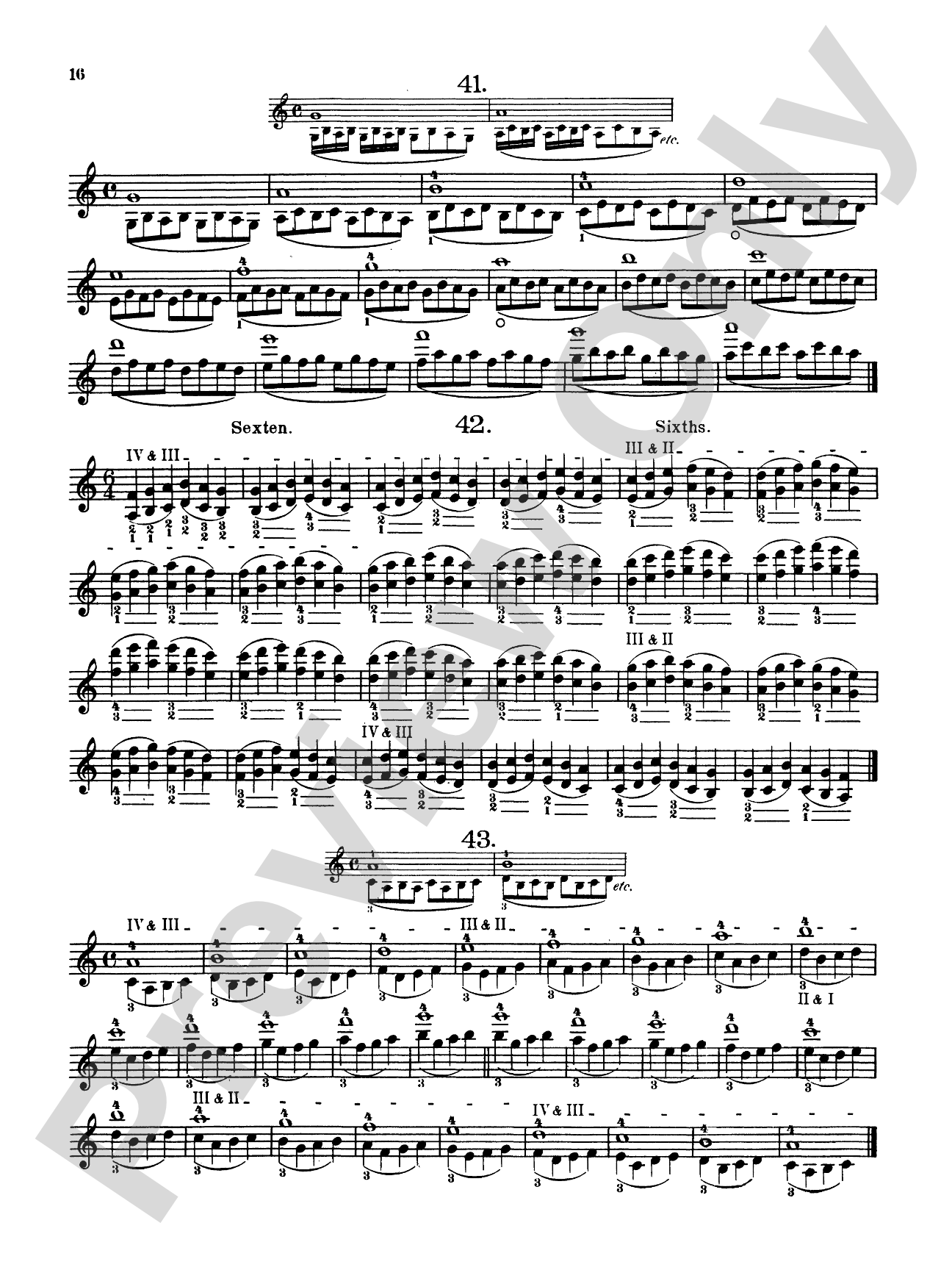
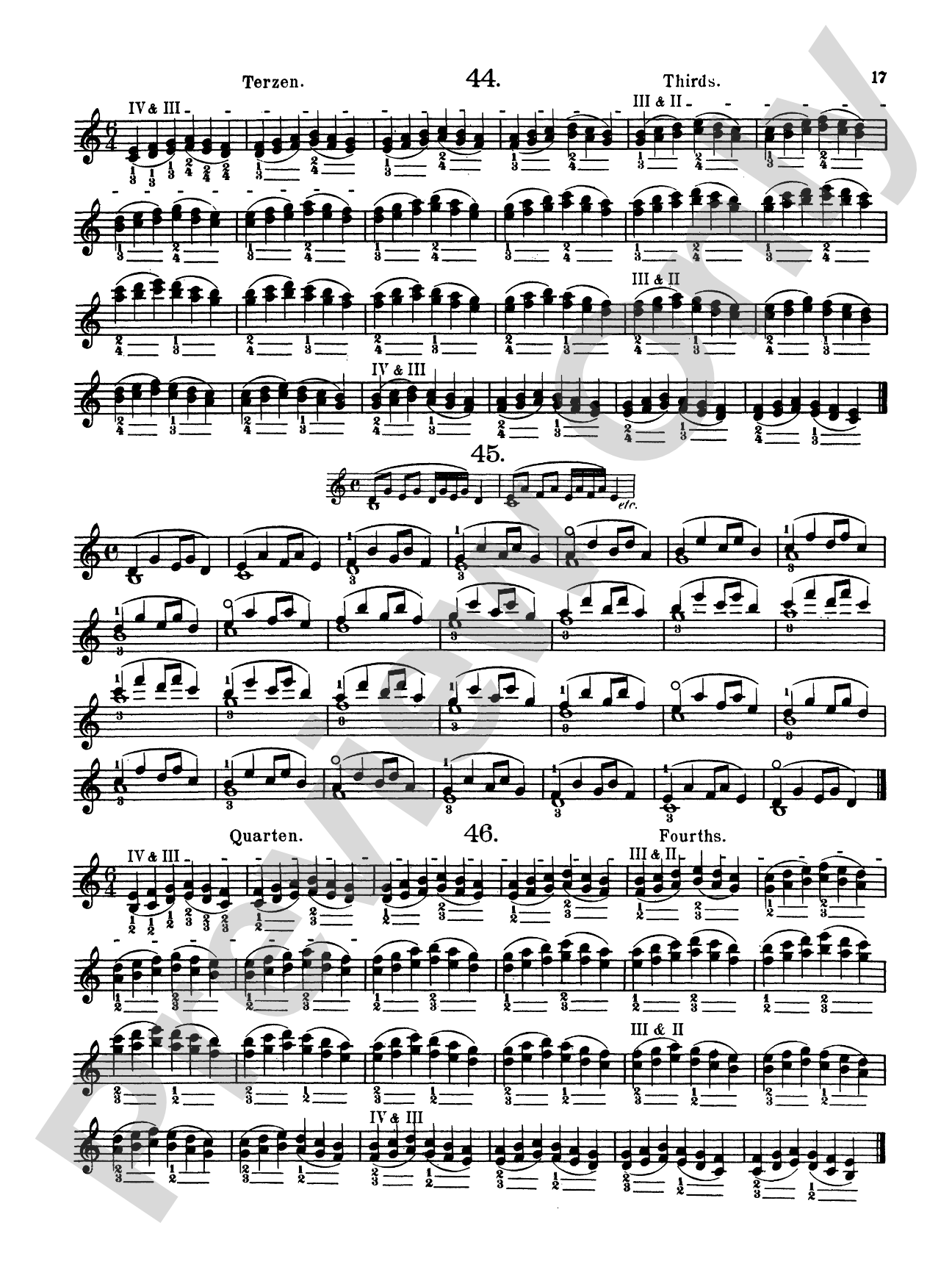
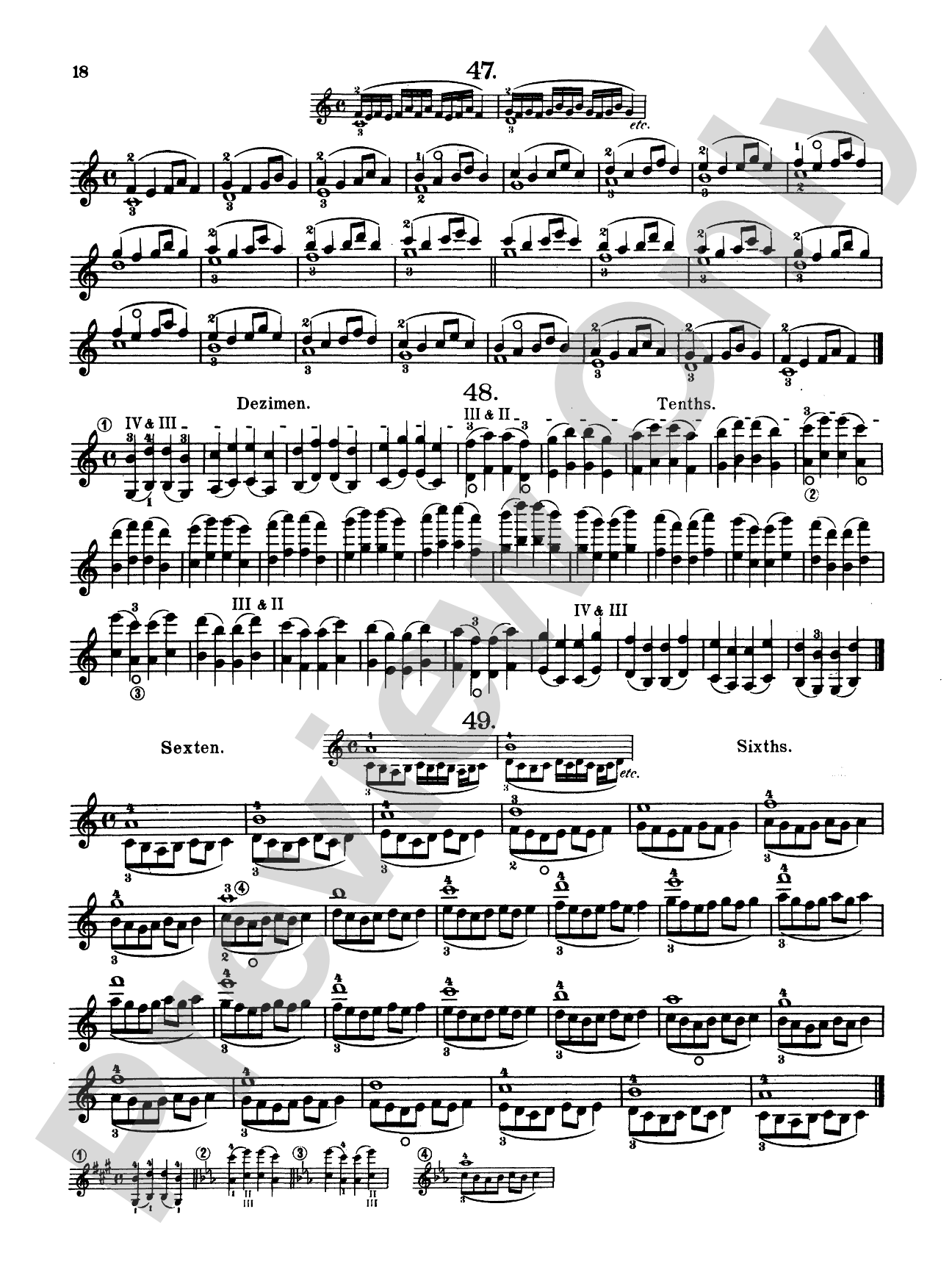
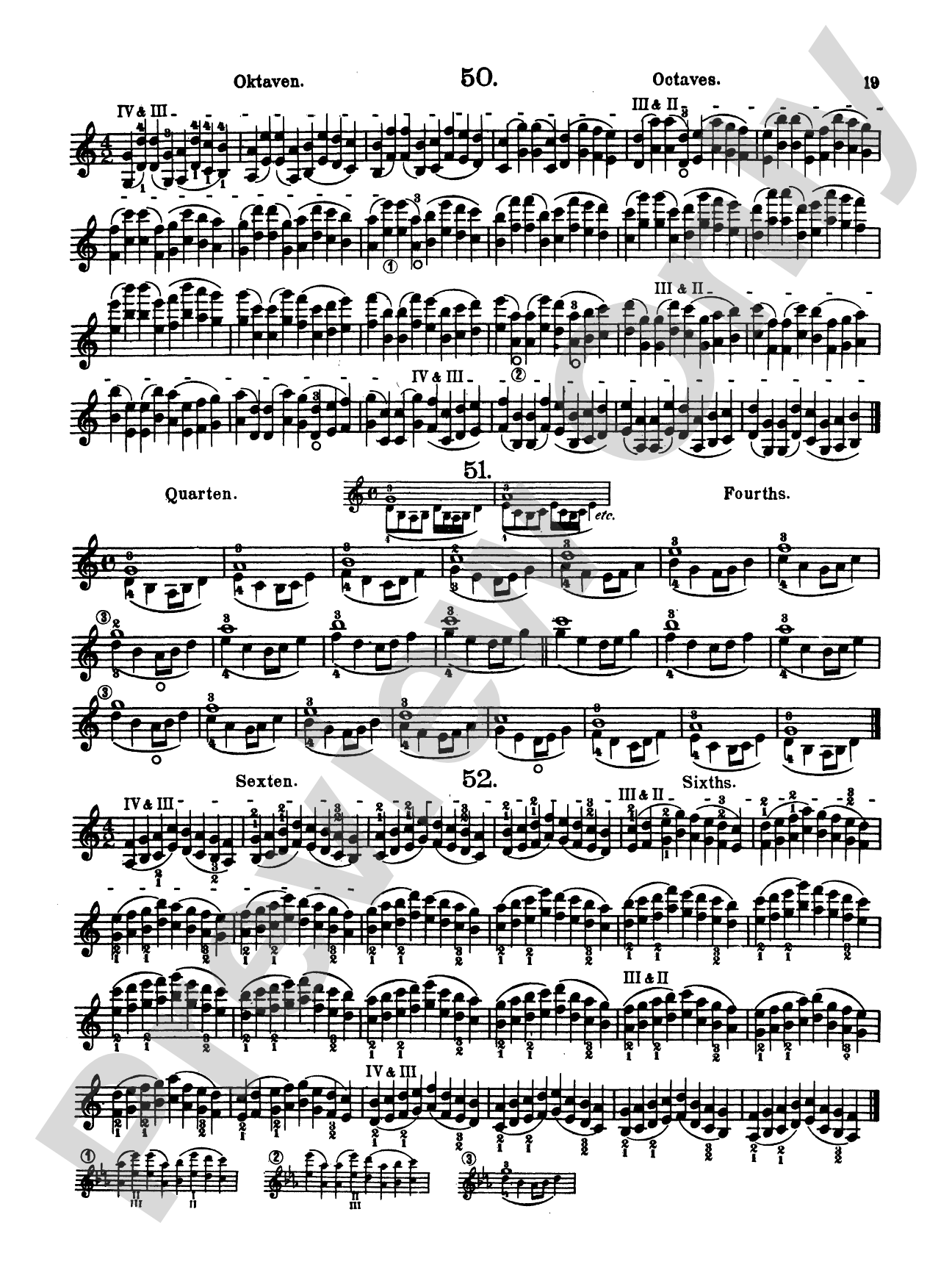
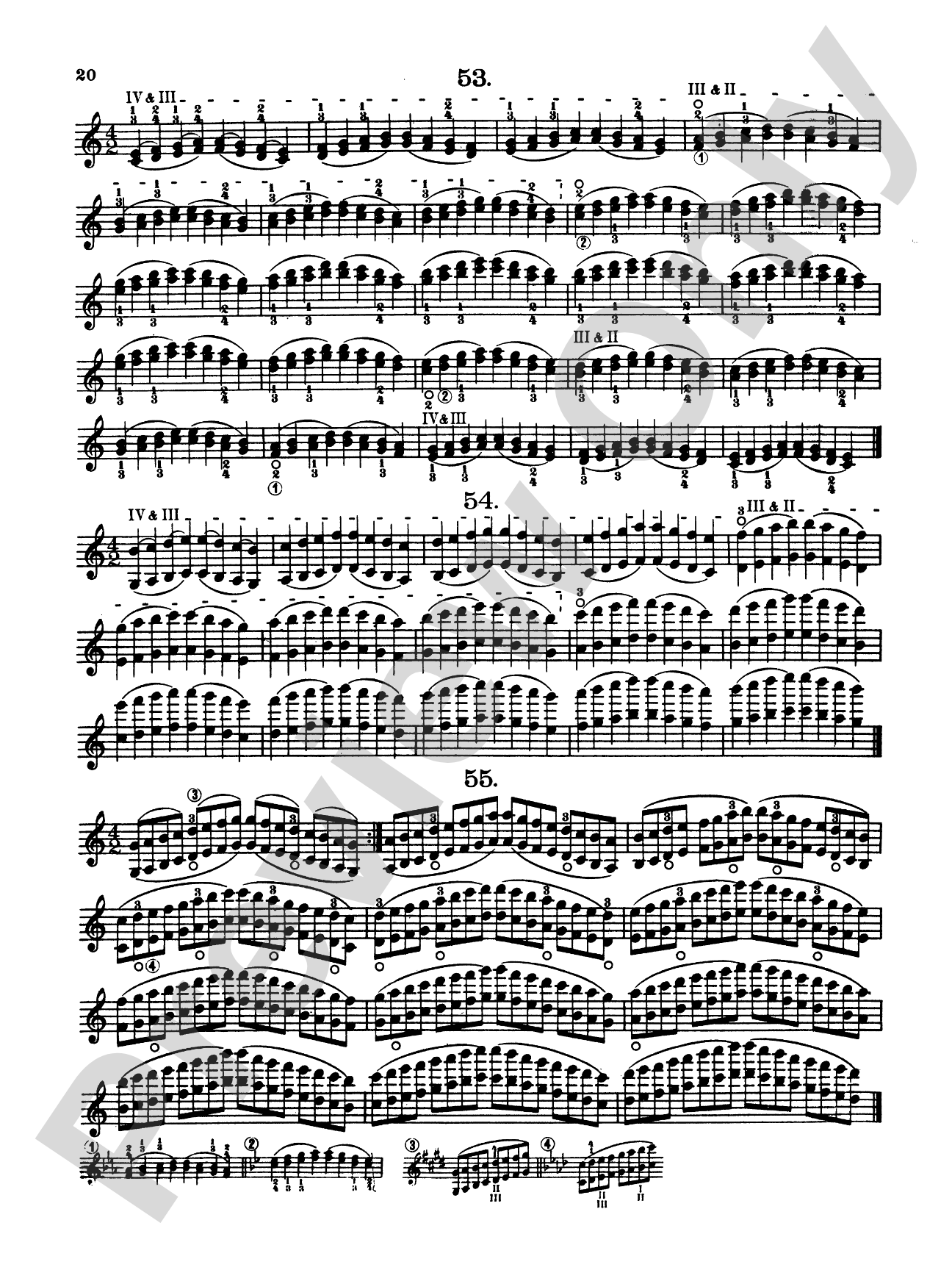
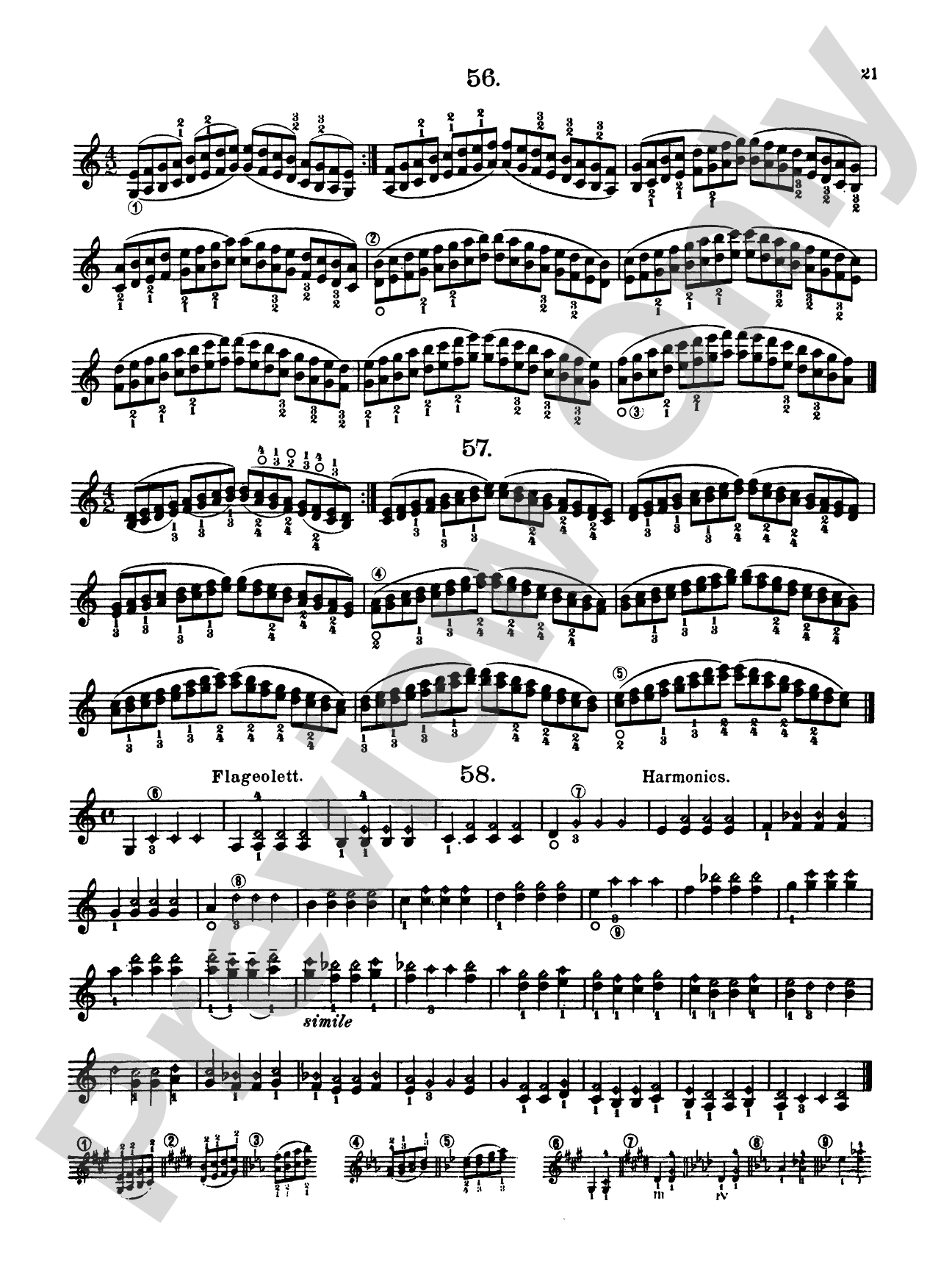




Sevcík: Preparatory Exercises in Double Stopping, Op. 9: Violin Book
By Otakar Ševcík
Item: 00-PK-0003350

$7.95
Pickup currently not available
Buy Extra Parts (Digital PDF Download)
| Product | Price | Quantity |
|---|---|---|
| Sevcík: Preparatory Exercises in Double Stopping, Op. 9 | $6.95 |
Parts Added to Cart!
Related Items
Prepertory Exercises in Double Stopping, Opus 9: Violin Book |
$7.95
|
View |
Description
A collection of exercises, for Violin, composed by Otakar Sevcik.


Don't just read it, hear it, play along with it, and watch your students grow with it. In MakeMusic Cloud, Sevcík: Preparatory Exercises in Double Stopping, Op. 9: Violin Book comes alive with professional accompaniment, adjustable tempo, and built-in practice tools that turn solo practice into real progress.
Open in the Player
Jump straight in and assign it today.
Start Your Free Trial
Open this title and explore the full library in minutes.
Sample Audio
No sample audio found.
Sample Video
No sample videos found.
Additional Details
Series:
Kalmus Edition
Publisher:
Alfred Music
Page Count:
24
SKU:
00-PK-0003350
More about this title
About the Composer: Otakar Sevcík
Otakar Sevcík (1852-1934) was a Czech violinist and pedagogue whose systematic approach to string technique fundamentally shaped modern violin instruction. His exercise collections, developed during decades of teaching at the Prague Conservatory and later in Vienna, remain cornerstones of string curricula worldwide because they isolate specific technical problems and build solutions through incremental difficulty.
Sevcík's genius lay in recognizing that advanced playing demands can be broken into teachable components. Rather than asking students to extract technique from repertoire alone, he created focused studies that target intonation, coordination, finger independence, and bow control. His work reflects the Romantic era's growing emphasis on virtuosity and technical mastery alongside artistic expression.
Why we love this
Double stopping is one of the most challenging violin techniques to teach because intonation and bow control must develop simultaneously, and Sevcík's Op. 9 isolates these elements with surgical precision. The exercises progress logically from simple intervals to complex double-stop patterns, giving students the repetition and focus needed to build muscle memory and confidence. This collection removes the guesswork from developing solid double-stop technique.
What to expect
These exercises demand patience and precision. Working through them feels meticulous rather than expressive, but that focus creates a profound shift in your playing: intonation solidifies, bow control sharpens, and double stops transition from a source of anxiety to a tool you can deploy with confidence.
Who it's for
This book serves intermediate to advanced violin students working to develop or refine double-stop technique, as well as teachers building a systematic curriculum for students ready to tackle this demanding skill. Orchestral and chamber musicians will find these exercises essential for passages that require secure intonation and fluidity in double stops.
How to get the most out of it
- Work through exercises slowly enough that every note rings clearly. Rushing defeats the purpose; intonation accuracy matters far more than tempo.
- Record yourself regularly to train your ear to recognize when the two strings are truly in tune. The visual feedback of playback reveals intonation drift that you may not hear in the moment.
- Isolate problem intervals by repeating just those two-note combinations across different string pairs and positions before moving forward.
- Pay close attention to bow weight distribution; both strings must receive equal pressure to sound balanced and prevent one note from overshadowing the other.
How to use it
Sevcík Op. 9 belongs in the practice room rather than the concert hall, but its systematic work directly strengthens performance of orchestral excerpts and chamber music that features double stops. Use these exercises as a building block during the season when your students are learning repertoire that demands this technique.
Skills your students will build
- Double-stop intonation across all interval types and string pairs
- Consistent bow weight and pressure for balanced tone on two simultaneous strings
- Left-hand finger independence and spacing in double-stop positions
- Finger placement accuracy in extended positions
- Coordination between bow and fingers when executing shifts in double stops