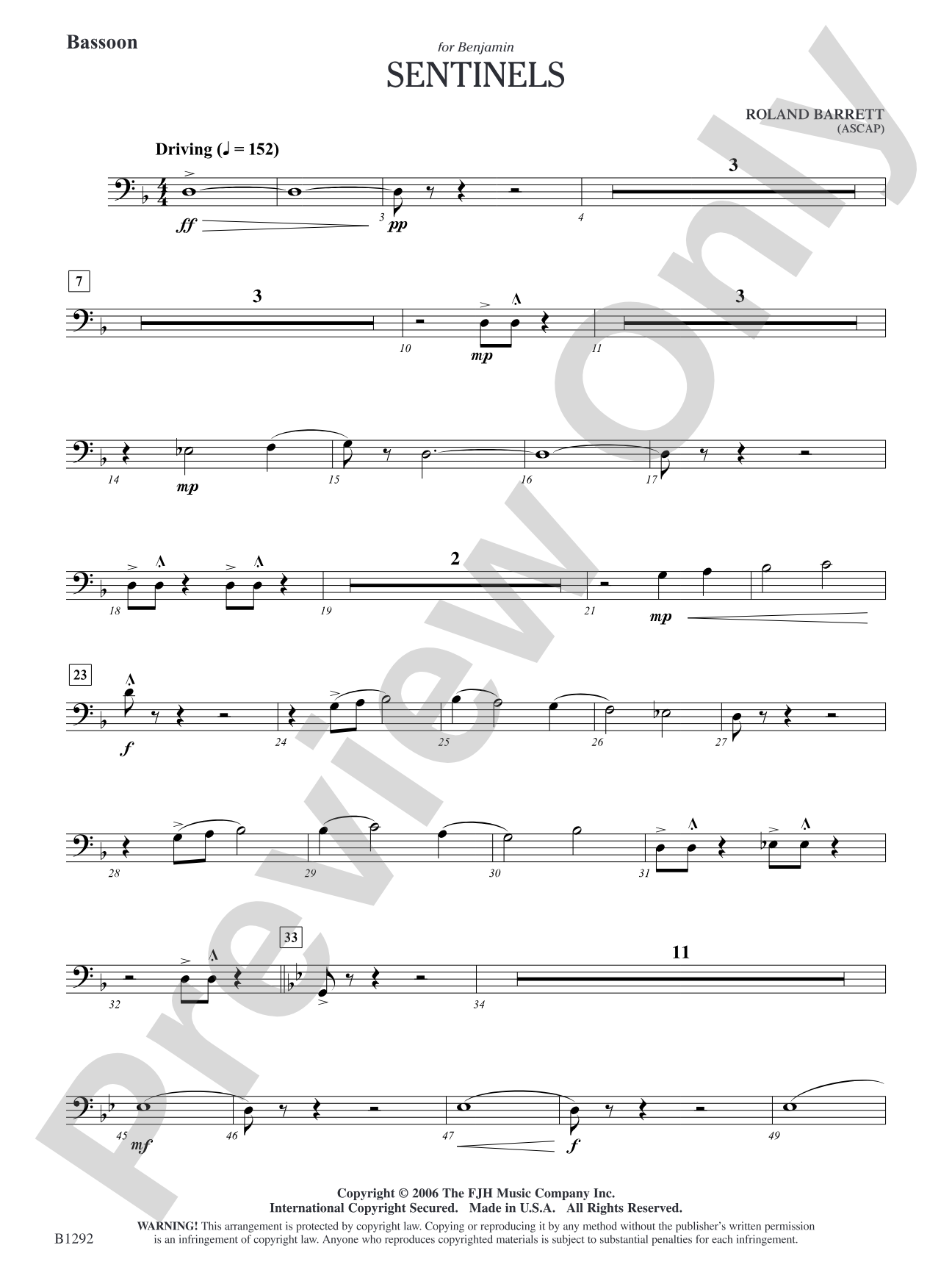
Interesting percussion writing and woodwind ostinatos set the stage for this captivating depiction of over 600 large stone statues that stand watch over their desolate Easter Island surroundings, an isolated triangle of volcanic rock located some 2000 miles west of continental Chile in the South Pacific Ocean. This piece makes use of crescendoing lines and forward momentum to keep listeners on the edge of their seats!
Discover MakeMusic Cloud: thousands of interactive titles your students can play along with today.
Roland Barrett serves as a faculty member in music theory and composition at the University of Oklahoma, where he has taught since 2001. His background includes fifteen years as Assistant Director of Bands, and he continues to arrange music for the Pride of Oklahoma marching band while maintaining an active teaching load in both undergraduate and graduate theory and composition courses, with emphasis on twentieth-century techniques.
Barrett's catalog includes over two hundred published works and arrangements spanning symphonic band, chamber music, and marching ensembles. His compositions have been performed by the Dallas Wind Symphony and countless All-State and All-Region honor bands, earning multiple ASCAP Plus awards and recognition at the Midwest Band and Orchestra Convention, the National Trumpet Competition, and the International Trumpet Guild convention.
Why we love this
The percussion writing here goes beyond timekeeping; it builds atmosphere and propels the narrative forward with real sophistication at Grade 2. The woodwind ostinatos create a hypnotic foundation that holds your band's attention while the crescendoing lines teach them how to shape a musical idea with genuine purpose, making this an ideal choice for teaching momentum and musical architecture without overwhelming younger ensembles.
What to expect
Sparse and mysterious at first, then increasingly urgent. The piece channels the stark, watchful presence of Easter Island's moai statues through deliberate instrumentation choices and a building sense of forward motion that keeps audiences engaged from opening note to final gesture.
Who it's for
Grade 2 concert bands ready to tackle programmatic writing with genuine musical content. This works for festival performances and contests where you want to showcase both musical maturity and compelling orchestration without stretching technical demands.
How to get the most out of it
Keep the woodwind ostinatos locked in metrically; their repetition is intentional and creates the foundation for the building tension, so precision here makes everything else land harder.
Balance the percussion layer carefully so it enhances rather than overwhelms the winds. The interesting writing deserves to be heard, not buried.
Shape each crescendo as a single arc rather than a series of steps. Think of the piece as climbing toward those moments of intensity, not lurching toward them.
How to use it
Pair this with other Grade 2 works exploring programmatic themes for a concert that highlights storytelling in band literature. Its contest-worthy credentials make it a solid choice for spring festival seasons, and the moderate technical demands mean you can program it alongside more technically demanding pieces without creating rehearsal bottlenecks.
Skills your students will build
Sustaining focus through repetitive ostinato patterns
Controlling crescendo shape and pacing across multiple phrases
Balancing percussion texture with sustained wind lines
Interpreting programmatic intent through instrumental choice and dynamics
Maintaining ensemble precision in non-traditional harmonic contexts
You May Also Like
Scan to Complete Your Purchase
Use your phone's camera to scan the code below
You'll log in on your phone and the order will be added to your account