
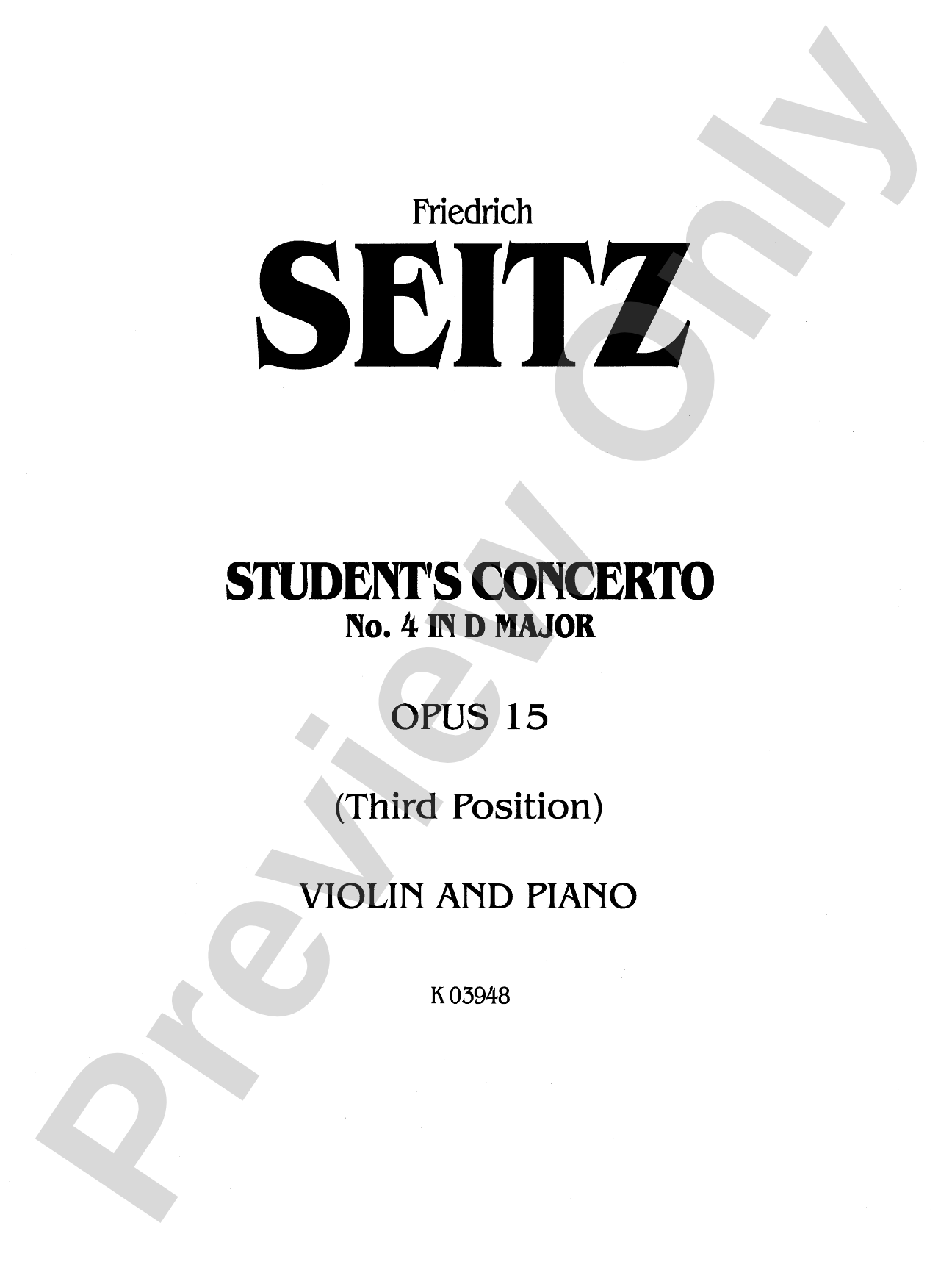
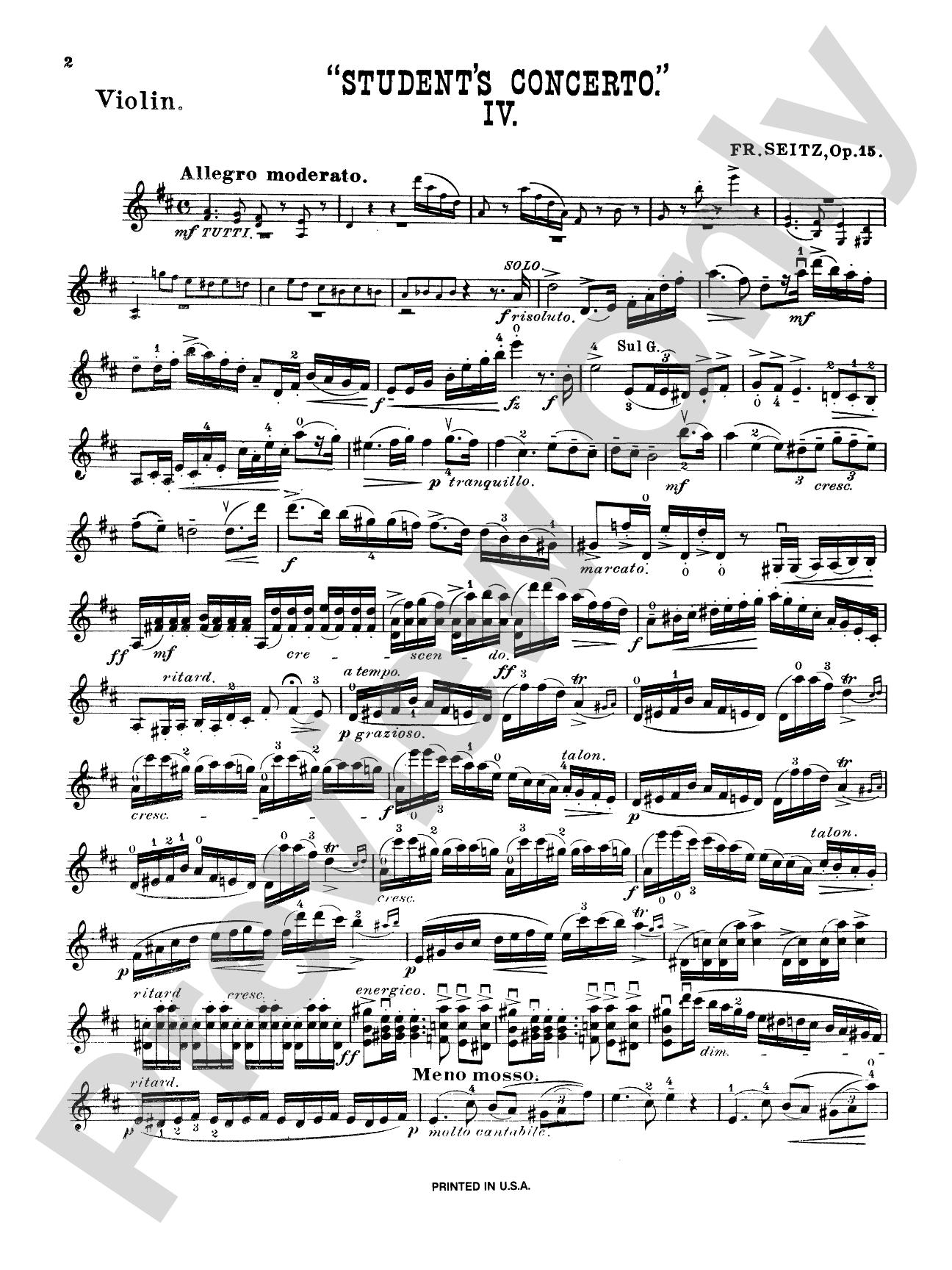
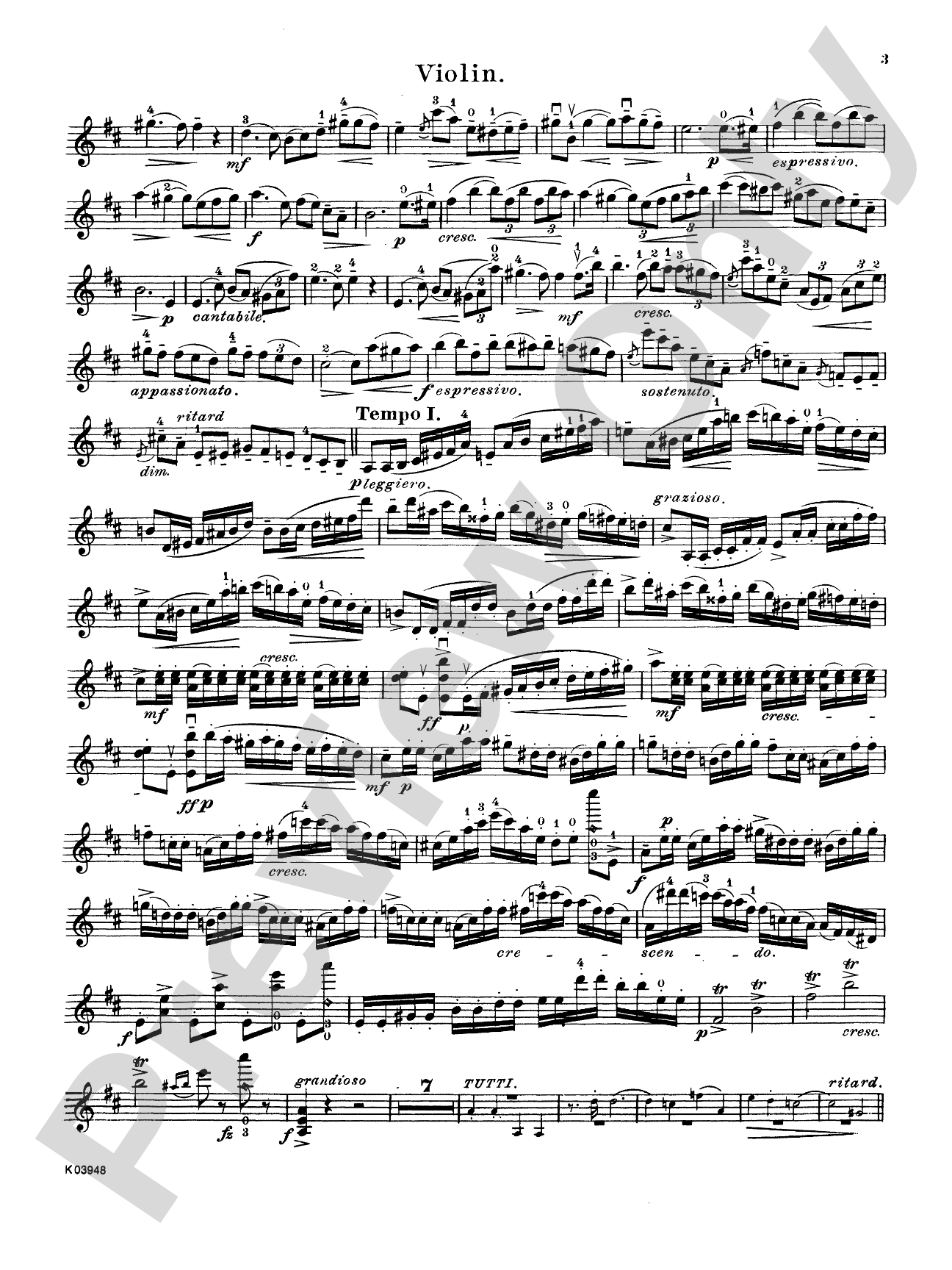
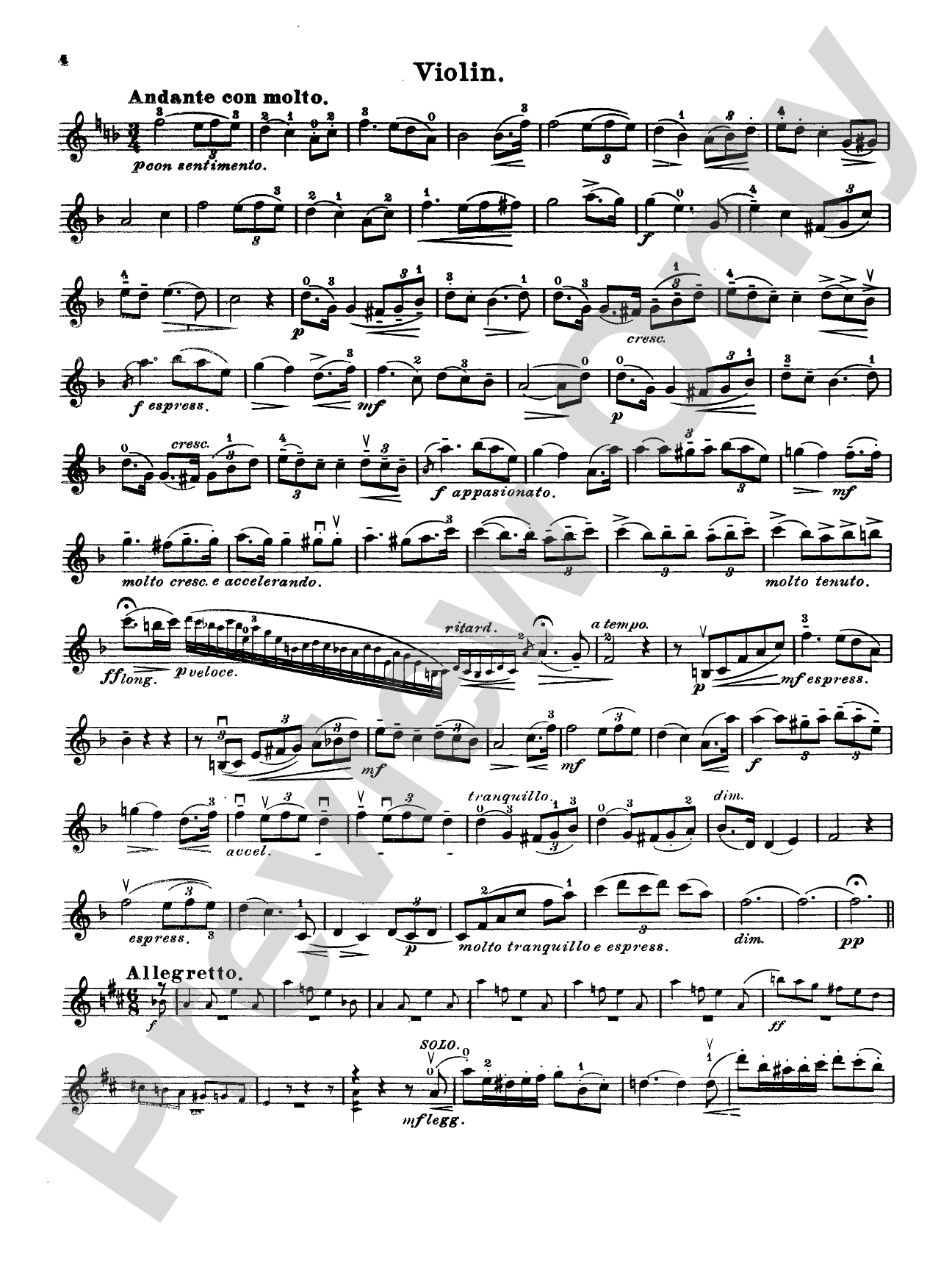
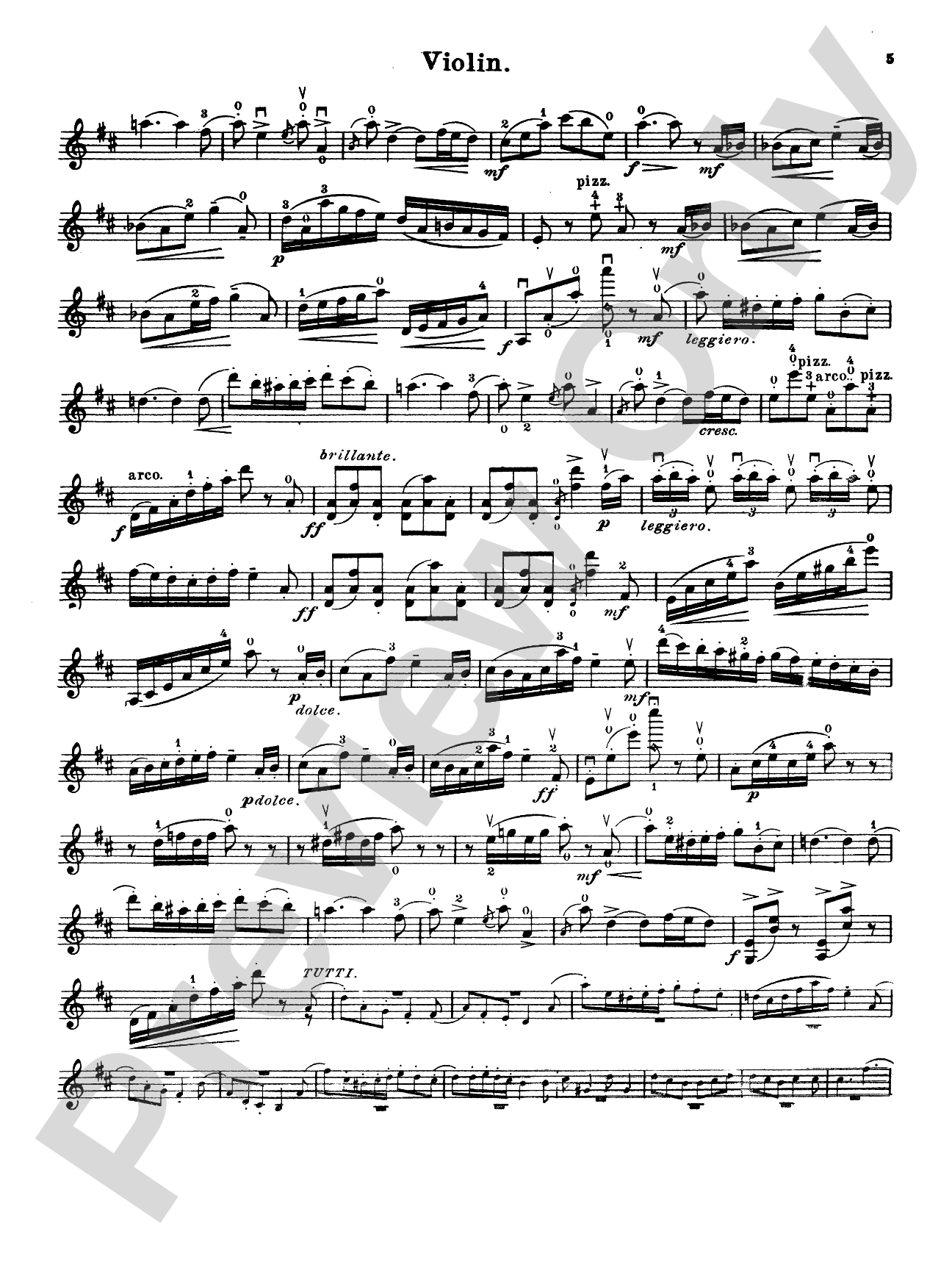
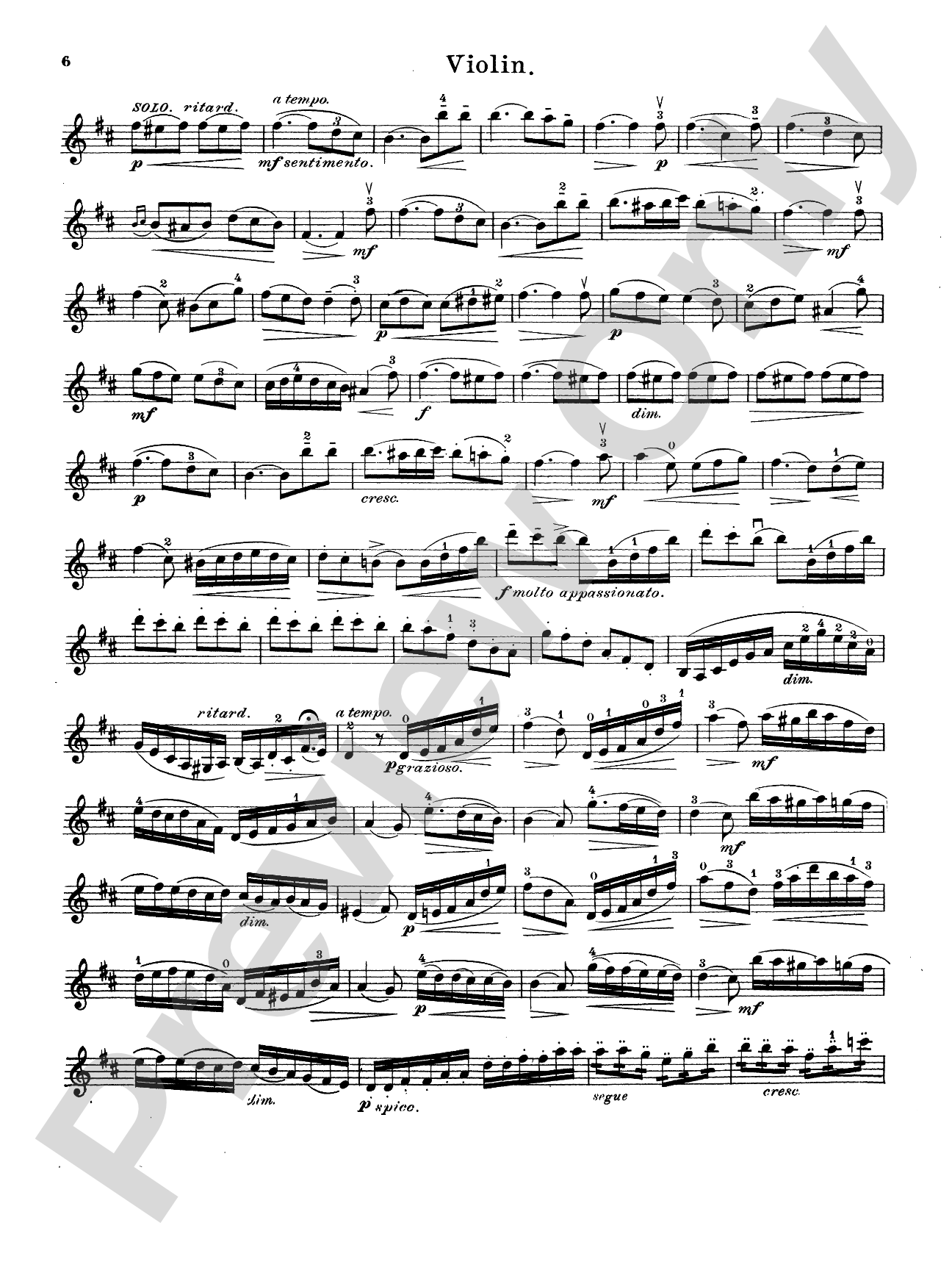
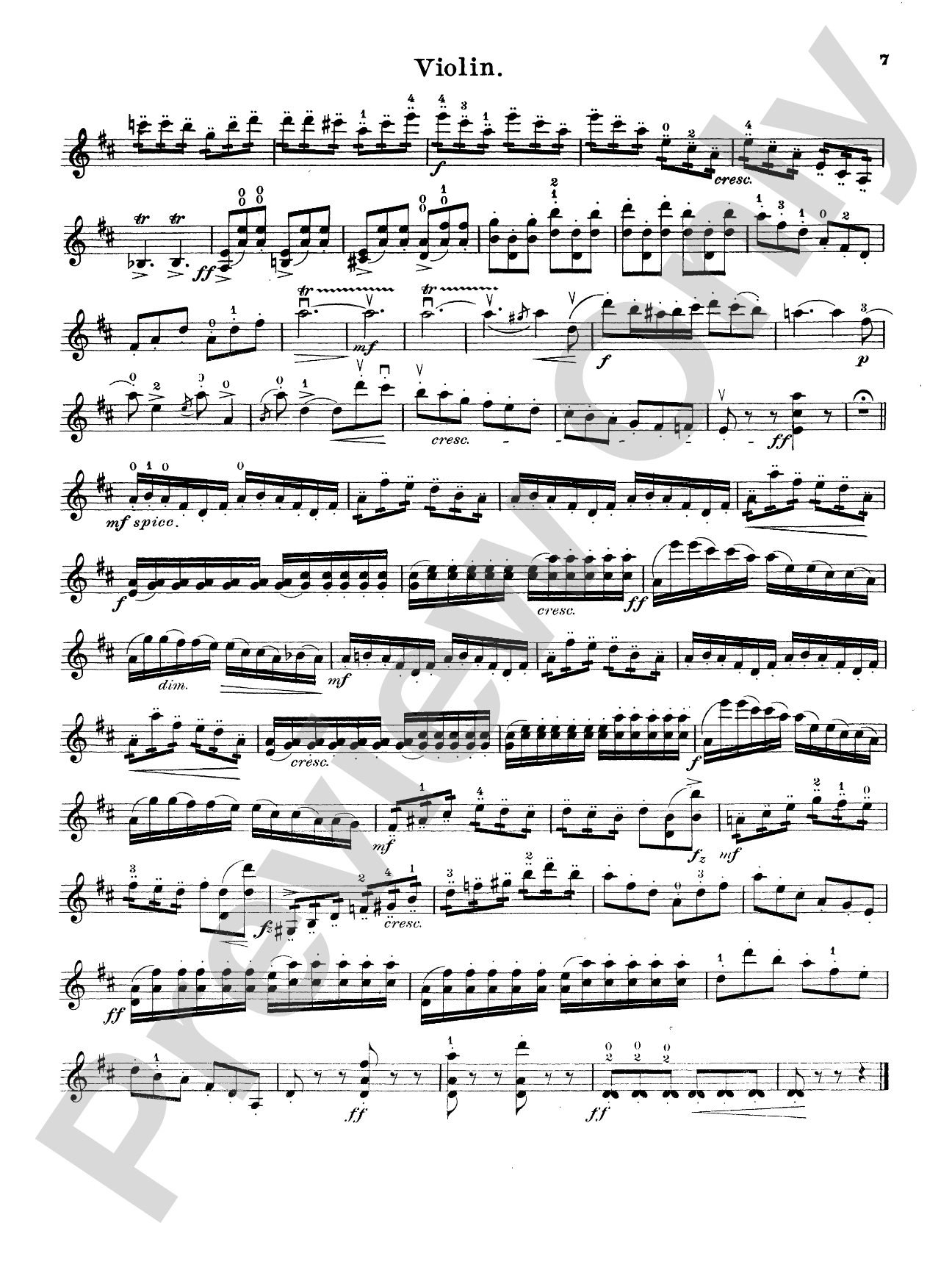


Seitz: Student's Concerto No. 4 in D Major, Op. 15: Violin Book
By Friedrich Seitz
Item: 00-PK-0003345

$9.99
Pickup currently not available
Buy Extra Parts (Digital PDF Download)
| Product | Price | Quantity |
|---|---|---|
| Seitz: Student's Concerto No. 4 in D Major, Op. 15 | $4.99 | |
| Seitz: Student's Concerto No. 4 in D Major, Op. 15 | $4.99 |
Parts Added to Cart!
Related Items
Student's Concerto No. IV in D: Violin Book |
$9.99
|
View |
Description
(3rd Pos.)


Don't just read it, hear it, play along with it, and watch your students grow with it. In MakeMusic Cloud, Seitz: Student's Concerto No. 4 in D Major, Op. 15: Violin Book comes alive with professional accompaniment, adjustable tempo, and built-in practice tools that turn solo practice into real progress.
Open in the Player
Jump straight in and assign it today.
Start Your Free Trial
Open this title and explore the full library in minutes.
Sample Audio
No sample audio found.
Sample Video
No sample videos found.
Additional Details
Series:
Kalmus Edition
Publisher:
Alfred Music
Page Count:
28
SKU:
00-PK-0003345
More about this title
About the Composer: Friedrich Seitz
Friedrich Seitz (1848-1918) was a German violinist and composer whose pedagogical works remain central to string education worldwide. His five student concertos bridge the gap between intermediate studies and advanced solo repertoire, each one carefully calibrated to introduce new technical and musical challenges without overwhelming the developing violinist.
Why we love this
This concerto sits at exactly the right difficulty level for intermediate violinists ready to tackle serious solo literature. Seitz writes with deep understanding of the instrument's voice and the student's capabilities, delivering genuine musical substance rather than mere technical exercises. It's a reliable choice for competitions and festivals because it sounds impressive without requiring virtuosic fireworks.
What to expect
Graceful and spirited, with the sunny optimism of the Romantic era and a melodic generosity that rewards careful musical shaping. The first movement balances energy with lyricism, while the middle movement asks for depth of tone and emotional restraint. By the finale, you're playing something that feels genuinely exciting without demanding virtuosic display.
Who it's for
Intermediate to advanced violinists (typically grades 4-6) who have moved confidently into third position and are ready for a fully realized concerto form. This book is ideal for students preparing for festivals, competitions, or recitals who need solo repertoire with genuine musical architecture.
How to get the most out of it
- Establish a clear harmonic framework with your pianist during the opening tutti sections. The orchestration (piano reduction here) supports rather than overshadows your melodic line, but you need agreement on tempo and phrasing from measure one.
- Practice the third-position passages slowly and deliberately, ensuring clean intonation before you add vibrato. This concerto uses position shifts as a musical device, not merely a technical hurdle, so make each transition serve the phrase.
- Shape the cadenza passages with rhythmic freedom but structural clarity. Seitz expects you to breathe musically within the written figuration, not rush through it for display.
- Balance lyrical lines in the middle sections by singing through the entire phrase rather than stopping at obvious resting points. This prevents the melody from becoming fragmented.
How to use it
Feature this as a solo performance in a student recital or festival competition where intermediate repertoire is expected. It also works well on a chamber concert alongside a complementary partner work, as the 28-page length allows for balanced programming without overwhelming the audience.
Skills your students will build
- Reading and performing in third position with secure intonation
- Musical phrasing across longer formal structures (sonata and rondo forms)
- Dynamic control and tone variation for expressive playing
- Position shifts integrated into melodic lines rather than as isolated technical exercises
- Rhythmic clarity and ensemble coordination with piano accompaniment
- Vibrato application in both lyrical and faster passages